
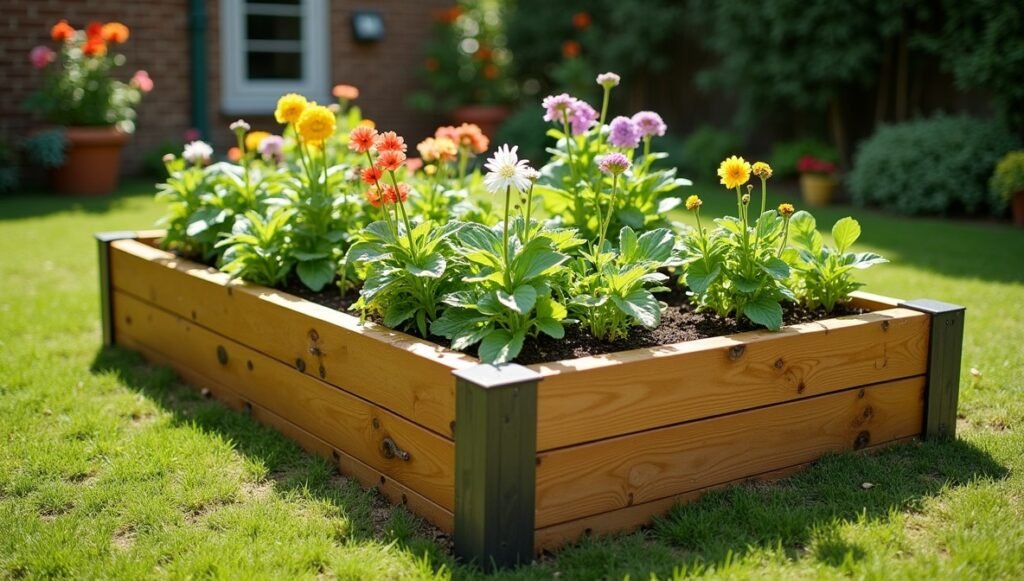
Want to grow your own vegetables, herbs, or flowers while adding structure and style to your garden? DIY raised garden beds are a practical and creative solution for gardeners of all skill levels. They provide better soil drainage, improved accessibility, and a neat, organized look for your outdoor space.
Whether you prefer simple wooden boxes, tiered designs, or unique shapes and materials, raised beds can be customized to fit your space and gardening needs. They’re perfect for small yards, patios, or even urban gardens. In this guide, we’ll explore inspiring DIY raised garden bed ideas that combine functionality, aesthetics, and sustainability—helping you create a productive and visually appealing garden space.
Create a Spiral Herb Garden Bed From Bricks
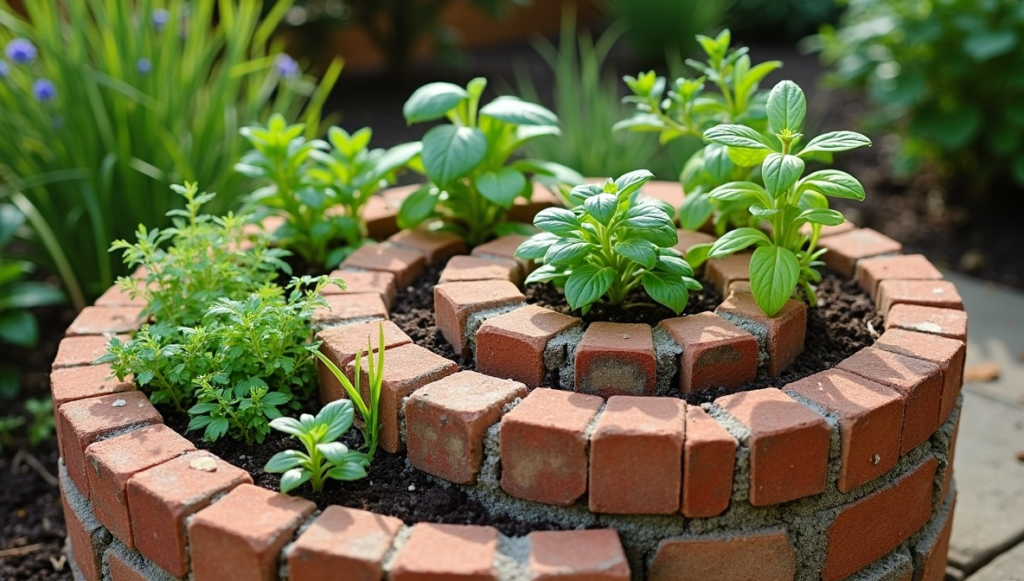
A spiral herb garden made from bricks is both space-efficient and visually appealing. This design allows you to plant a wide variety of herbs in a compact area, making it perfect for small yards or patios. Reclaimed bricks are ideal, but ensure they haven’t been exposed to harmful chemicals. Place your garden in a spot that receives at least five hours of sunlight daily to ensure healthy growth. The spiraling structure also creates microclimates, letting different herbs thrive in slightly varying soil and sun conditions.
Raised Garden Bed Using Bricks Without Mortar
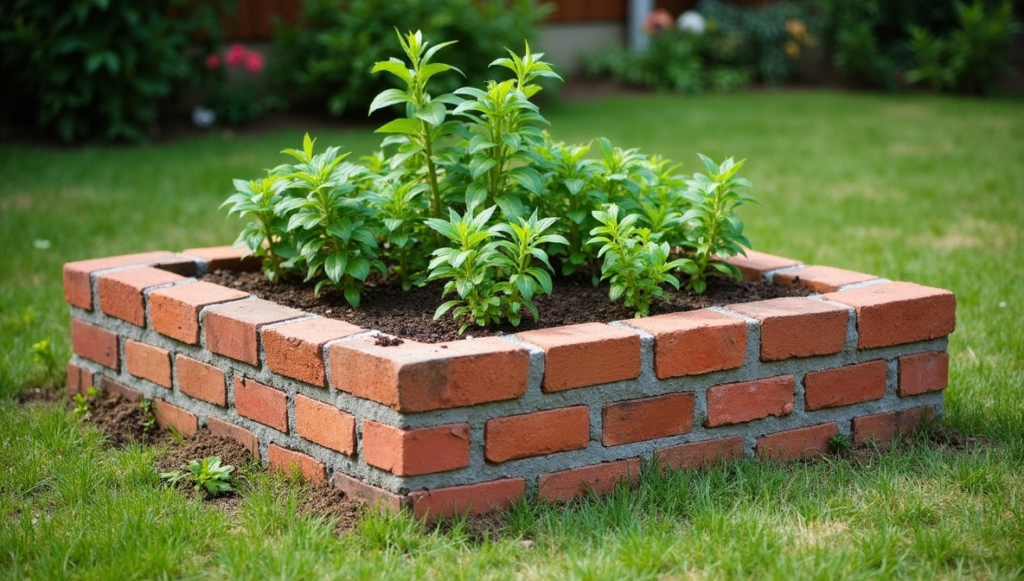
You can build a raised garden bed from bricks without using mortar, which simplifies construction and allows flexibility. Keep the bed height low for stability, and partially bury the first row of bricks to anchor the structure. Arrange bricks in an offset pattern, angling corners for curves and arcs. This method works well for growing vegetables and herbs while maintaining an organized, tidy appearance. It’s an easy DIY project that provides durability, aesthetic appeal, and adaptability, letting gardeners create functional beds without extensive tools or masonry experience.
Use Spaces in Cinder Block Raised Garden
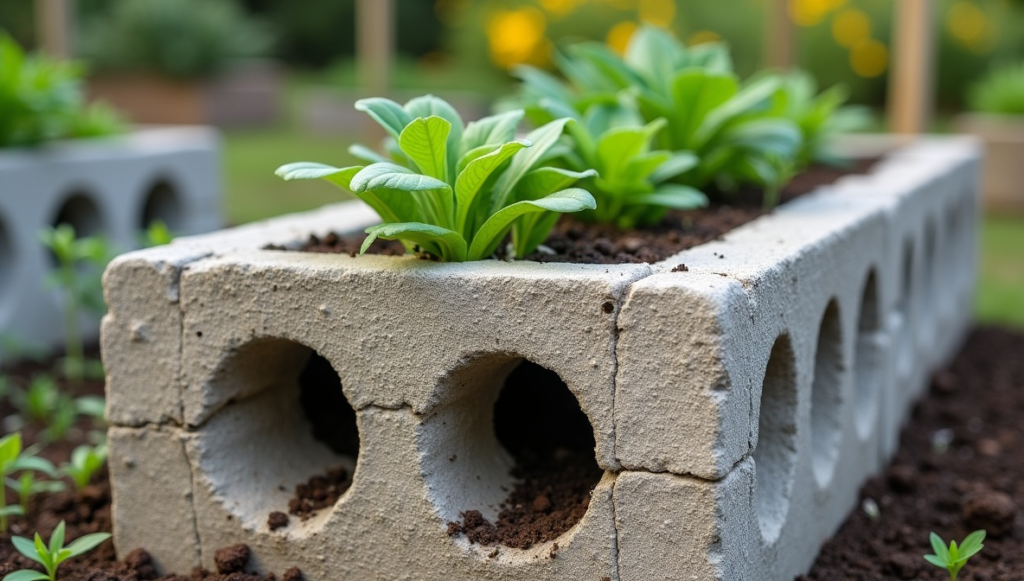
Cinder blocks are a fast and practical way to construct raised garden beds. Modern blocks made from cement are safe for growing vegetables, unlike older blocks that may contain ash. You can use the hollow spaces to plant small herbs or flowers, maximizing your growing area. Ensure the soil’s pH remains suitable for the plants you choose. Cinder block beds are durable, modular, and customizable, allowing you to build beds of any size or shape. This makes them ideal for compact gardens, urban spaces, or educational gardening projects.
Recycle Plastic Bottles for a Colorful Raised Garden Bed
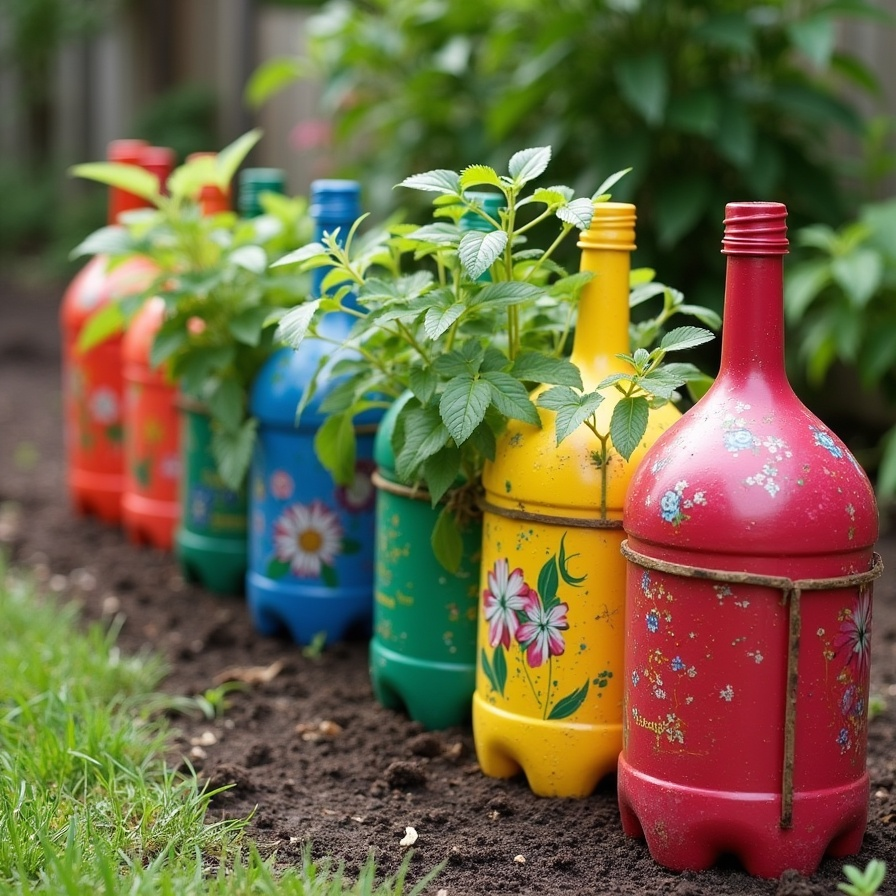
Plastic bottles can be transformed into vibrant and eco-friendly raised garden beds. Decorate the bottles with paint or markers, then fill them with soil and arrange them side by side, securing them with straps or glue. This method works with various bottle sizes depending on the plants. It’s an excellent way to upcycle materials while adding color and creativity to your garden. Lightweight and portable, these beds are perfect for patios or small spaces, and they make gardening accessible, affordable, and visually striking without traditional construction materials.
Fabric Raised Garden Beds Encourage Air Pruning
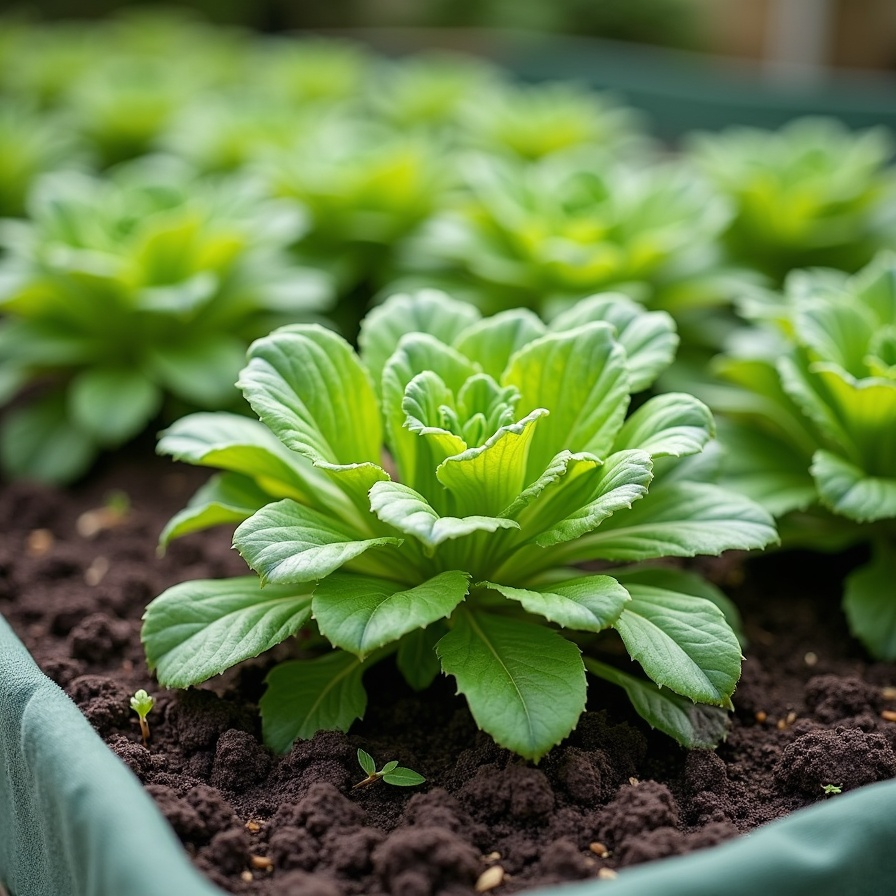
Fabric raised beds, often made from felt-like materials, are a fast and effective way to grow vegetables and herbs. The porous fabric encourages air pruning, which promotes healthier root growth and better drainage. These beds come in multiple heights and widths, making them versatile for different garden projects. Unlike traditional beds, fabric containers dry out more quickly, so they require regular watering. Their lightweight nature allows easy relocation, and they are perfect for urban gardening, balconies, or spaces with poor soil, giving gardeners flexibility while supporting plant health.
Stylish Steel Raised Garden Bed by Formboss
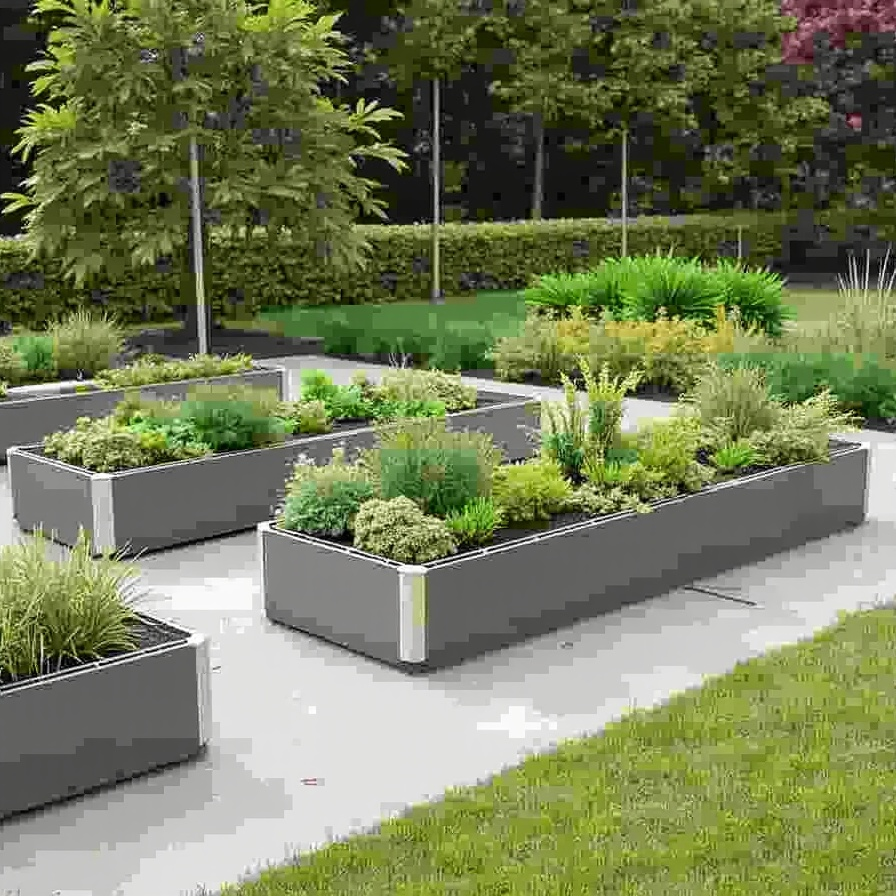
Steel raised garden beds, such as Formboss products, are durable, flexible, and ideal for irregularly shaped gardens. Galvanized metal won’t rot or decay like wood, and it provides excellent structural support. These beds can follow curves or unusual contours, offering design freedom. While the metal warms in sunlight, it does not harm plant roots. Formboss beds come in various heights and widths, making them suitable for vegetable or flower gardens. Their sleek, modern appearance blends functionality with style, creating a polished and long-lasting gardening solution for any outdoor space.
Raised Garden Bed Using Logs
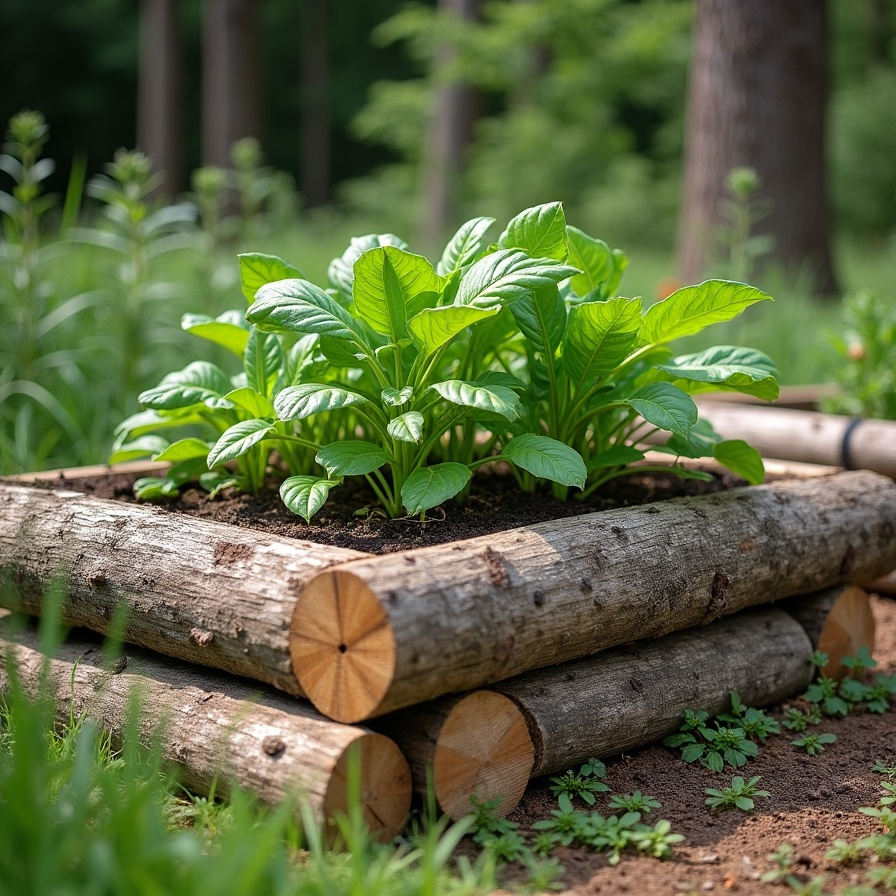
Log-based raised garden beds offer a natural and rustic option, especially if you have access to free or reclaimed logs. Over time, the logs decompose, enriching the soil with organic matter. Hardwoods last five to six years before replacement becomes necessary. Avoid using pressure-treated lumber or railroad ties, as chemicals can contaminate edible plants. Stagger logs to create a stable structure and fill with nutrient-rich soil. This approach provides a sustainable, eco-friendly, and visually appealing solution, blending seamlessly into woodland or garden environments while supporting healthy plant growth.
Powder-Coated Metal Raised Garden Beds
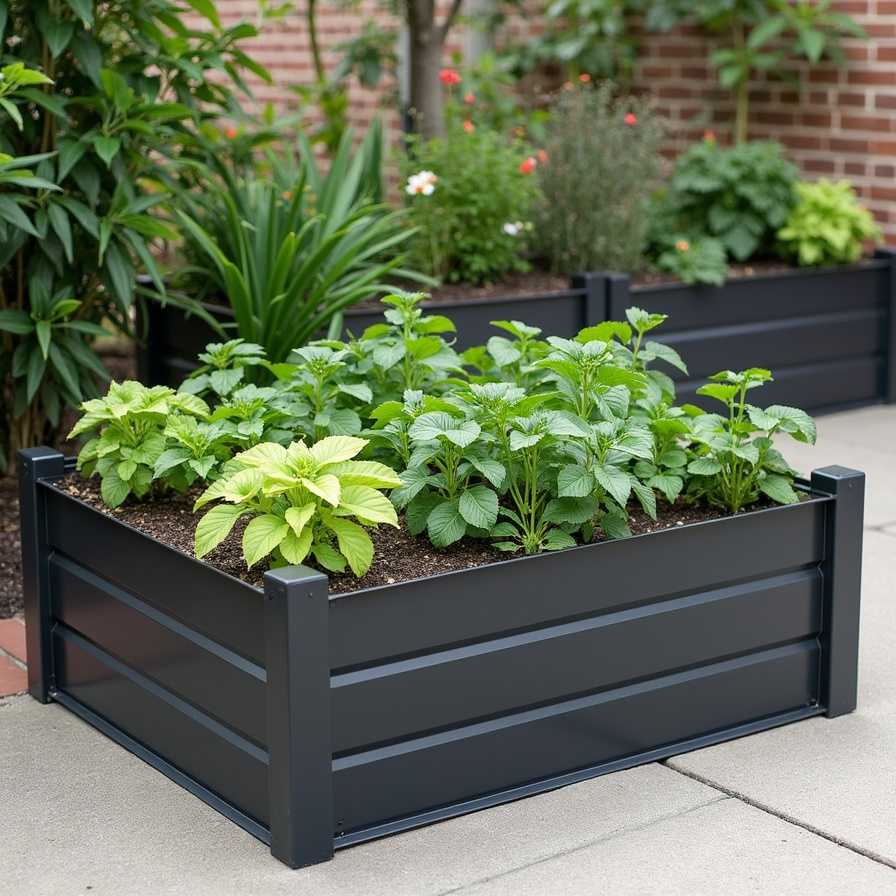
Powder-coated metal raised garden beds are modern, durable, and low-maintenance options for urban or rooftop gardening. They eliminate the need for heavy tilling and help retain soil structure, making planting easier. Proper liners and drainage ensure healthy plant growth, while the metal frames remain lightweight yet strong. Ideal for vegetable gardens, flower beds, or educational projects, these beds can be installed on patios, rooftops, or school gardens. Their contemporary design complements modern landscaping while offering long-lasting functionality and protection against weather, pests, and soil erosion.
Upcycle Old Tires for Raised Garden Beds
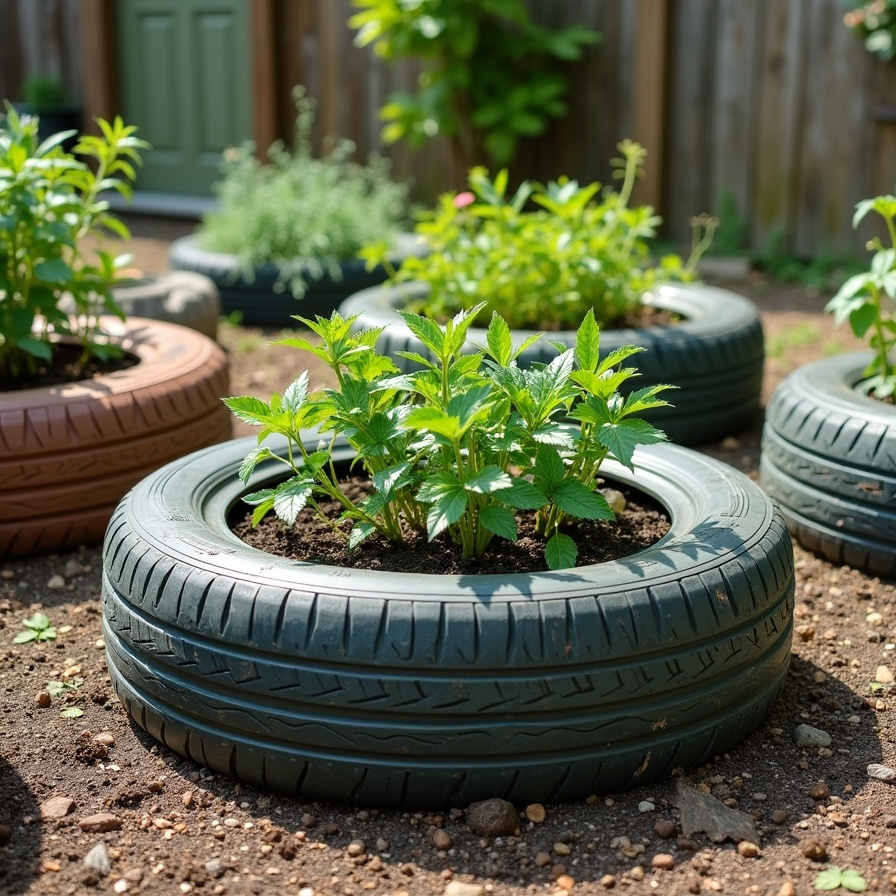
Old tires can be creatively repurposed into raised garden beds for vegetables, flowers, or shrubs. Modify the sidewalls if needed to increase planting space and paint them to match your outdoor aesthetic. Tires are durable, and the metals used do not leach into the soil until the rubber starts deteriorating. They offer a fun, sustainable way to reuse materials while creating colorful and mobile garden beds. This upcycling method is suitable for small gardens, urban spaces, or DIY projects and adds unique, playful charm to your landscape.
Classic Red Brick Stacked Raised Garden Bed
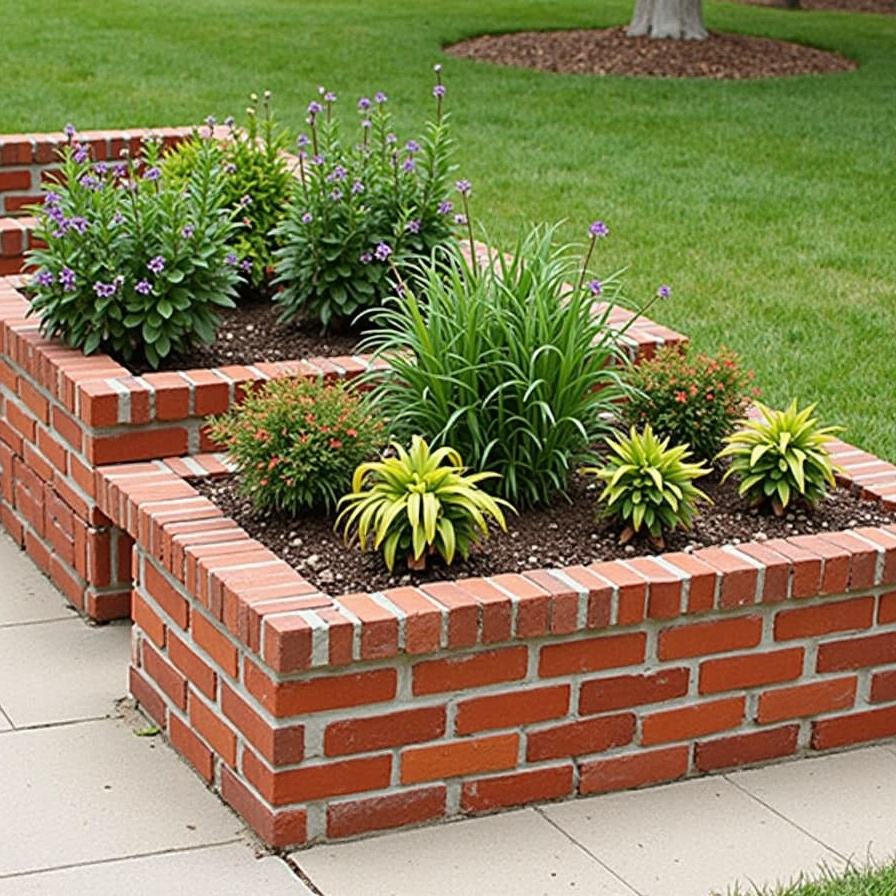
Stacked red bricks offer a simple and visually appealing method for creating raised garden beds. Terracotta pots and red brick complement each other, creating a warm, cohesive look. These beds are versatile, fitting into traditional, rustic, or casual garden designs. Even without mortar, properly aligned bricks create stable, durable beds that are easy to assemble and expand. Their classic appearance enhances curb appeal while providing functional gardening space, making them a practical choice for growing vegetables, herbs, or decorative plants with timeless style.
Build Raised Garden Bed Using Quarry Stones
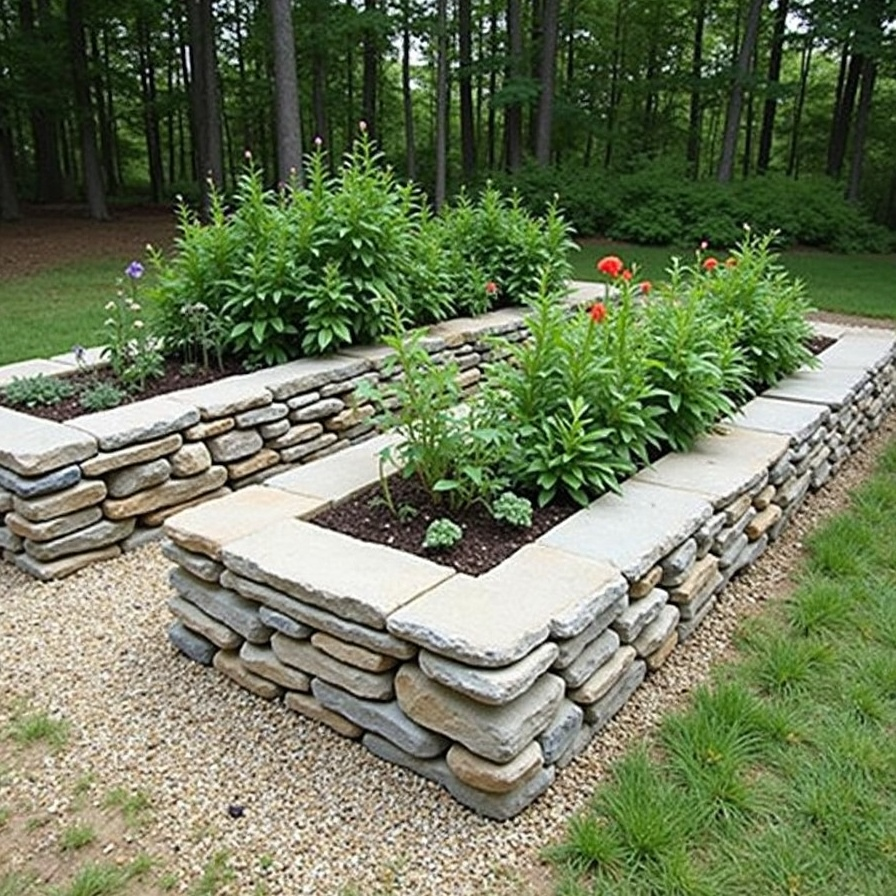
Quarry stones make for long-lasting and natural-looking raised garden beds. Large stones provide durability and a rustic charm that enhances garden aesthetics. Although constructing these beds can be physically demanding, they require minimal maintenance once built. Stones naturally support soil retention, and you can choose aggregates or pathways around the beds to match your style. Ideal for both ornamental and vegetable gardens, quarry stone beds add texture and permanence while creating a visually striking garden feature that stands the test of time.
Raised Garden Beds Using Farm Water Troughs
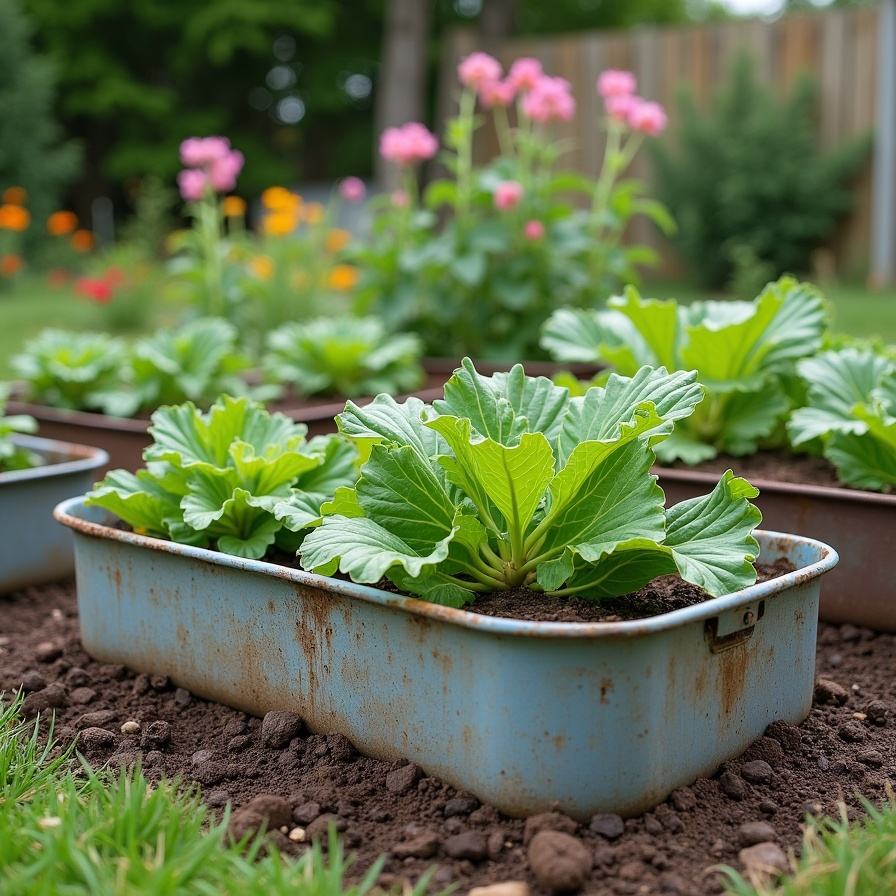
Farm water troughs can be converted into functional raised garden beds, ideal for gardeners who prefer higher planting surfaces. These troughs provide deep soil space for root vegetables and larger plants. Ensure proper drainage by drilling holes or adding rocks at the base. Troughs are sturdy, durable, and easy to repurpose, often sourced from farm supply stores. Their size allows for substantial planting capacity while minimizing bending or kneeling, making them accessible for older gardeners or those with limited mobility, while contributing a rustic, farmhouse charm to your garden.
Raised Garden Bed Uses Scrap Lumber
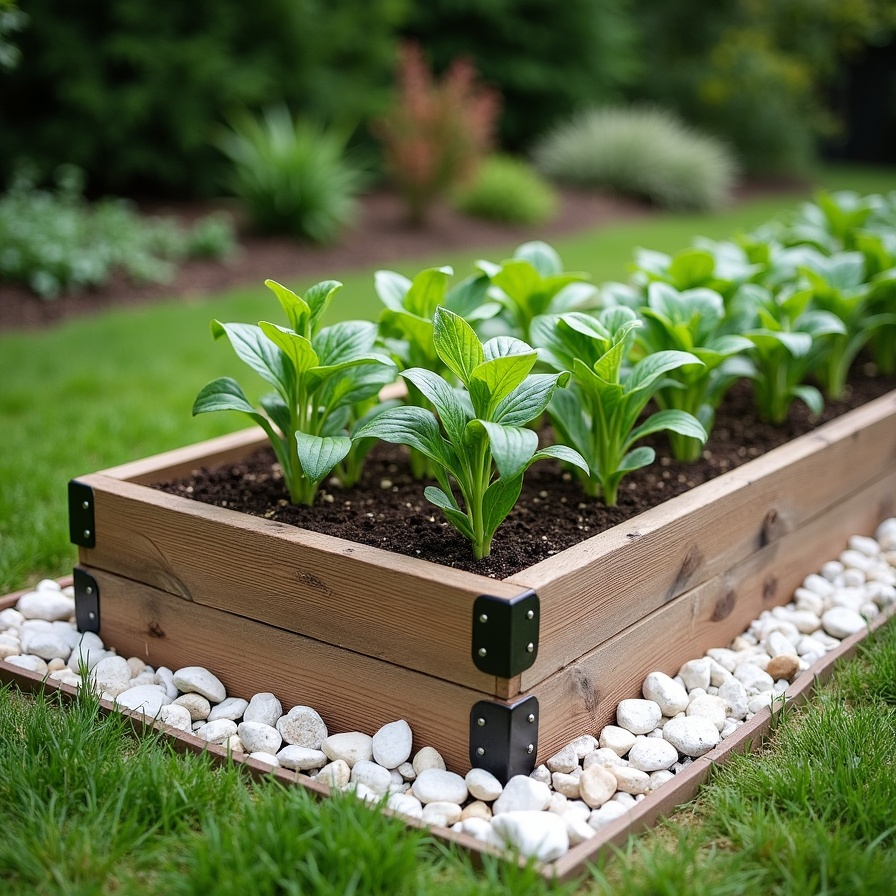
Scrap lumber can be repurposed into cost-effective raised garden beds. Cut boards to uniform widths and stagger the heights to add visual interest while stabilizing the structure. Line the bed with soil and use white rocks or edging for a clean border along the grass. Avoid pressure-treated or chemically treated wood to ensure safety for edible plants. This approach allows for creativity in garden design, keeps costs low, and adds a handcrafted charm, making it perfect for backyard vegetable beds or herb gardens while being environmentally friendly.
Raised Garden Bed Using Wooden Planks
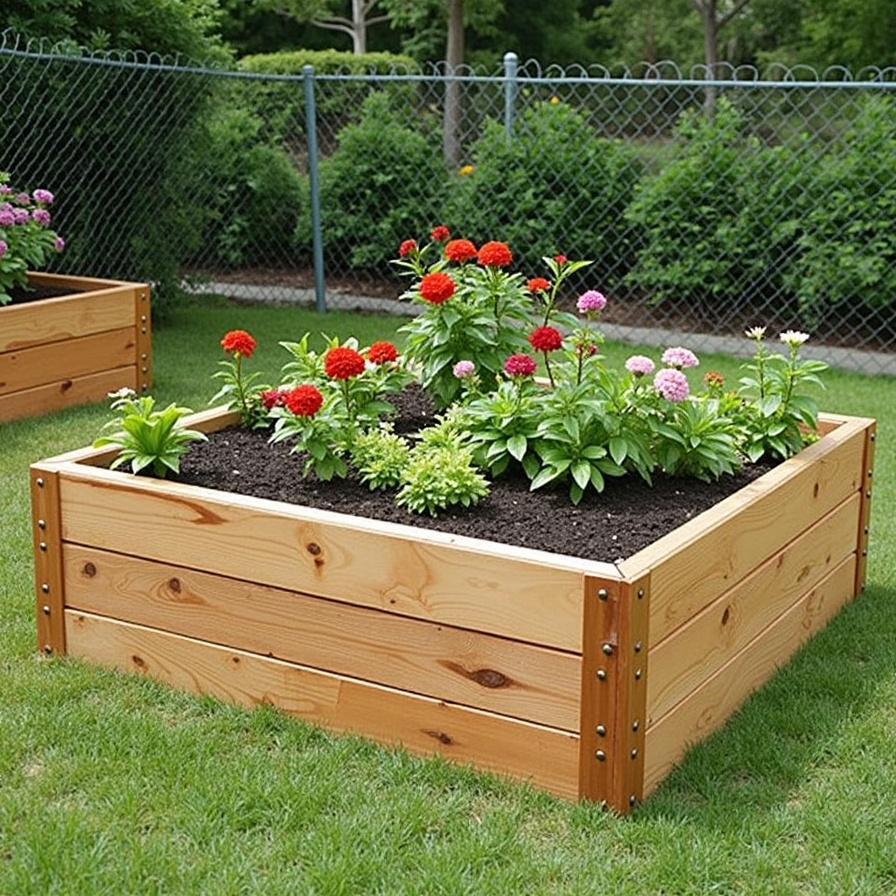
Wooden planks offer an attractive option for building raised garden beds. They provide a classic, rustic look that complements most gardens. While wood may not last as long as stone or metal, it is easy to work with and visually appealing. Use matching wood for trellises or screens to create a cohesive design. Protective coatings prevent contamination of edible plants. Wooden raised beds are ideal for flowers, vegetables, or herbs, allowing flexibility in layout while maintaining a natural aesthetic that blends with surrounding landscaping.
Build Raised Garden Beds by Weaving Willow Baskets
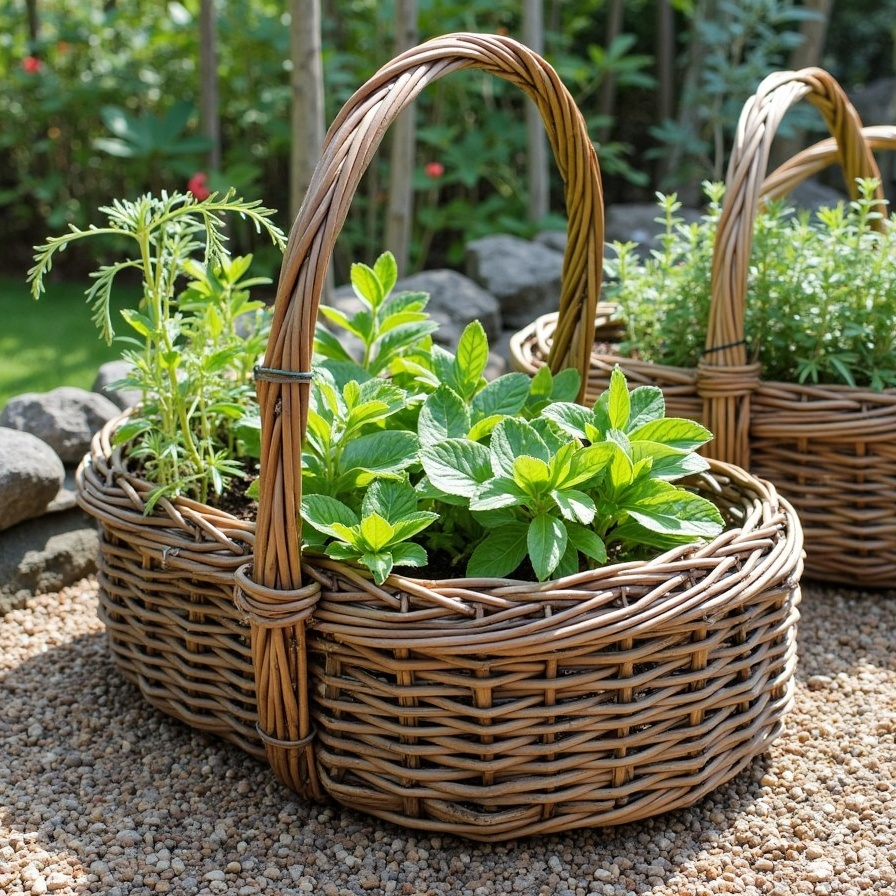
Weaving willow branches into raised garden beds produces a dramatic and rustic feature. The flexible branches create height and a cage-like structure, adding vertical interest to your garden. This technique works best for gardeners with basic weaving skills and provides both functional and decorative value. Willow beds allow for healthy soil growth while offering natural drainage. Over time, the organic materials may decompose slightly, enriching the soil. This style is perfect for herb gardens, ornamental plants, or creative landscapes, combining traditional craftsmanship with practical gardening solutions.