
Raising quail can be both fun and rewarding, but a safe, well-designed enclosure is essential for their health and comfort. Quail enclosure ideas focus on creating a secure, spacious, and functional environment that protects your birds from predators while providing easy access for feeding, cleaning, and egg collection.
From simple DIY setups using wire mesh and wooden frames to more elaborate multi-level habitats, there are plenty of creative ways to suit your space and budget. Adding nesting boxes, perches, and proper ventilation ensures your quail thrive. In this guide, we’ll explore inspiring quail enclosure ideas that combine practicality, safety, and style—helping you create a comfortable and productive home for your feathered friends.
Elevated Wooden Frame with Wire Mesh Sides
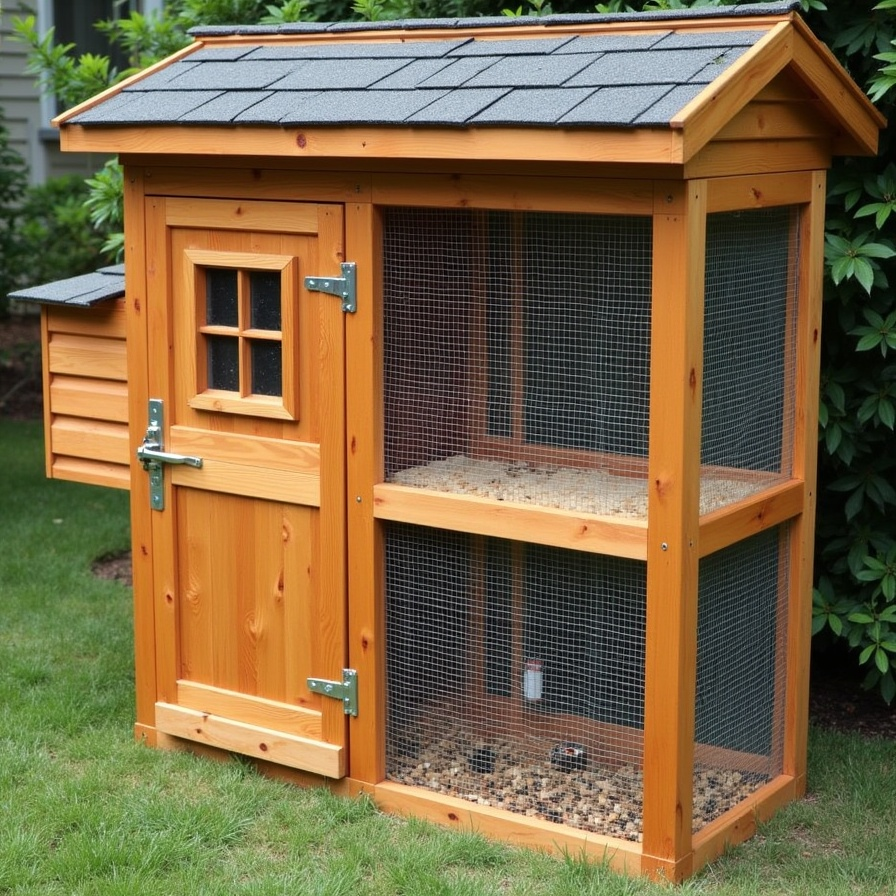
Raising your quail enclosure off the ground improves hygiene, keeps dampness at bay, and makes cleaning far simpler. Build a sturdy wooden frame elevated two to three feet, then wrap galvanized wire mesh around the sides for protection while allowing airflow. Add a slatted floor or removable trays so droppings are easy to scoop or hose out. A small roof shields the birds from rain, and a secure, lockable door ensures safe feeding and daily checks. Slide-out trays make maintenance effortless, and inspecting the mesh at night can prevent raccoon intrusions.
Portable Tractor-Style Quail Coop
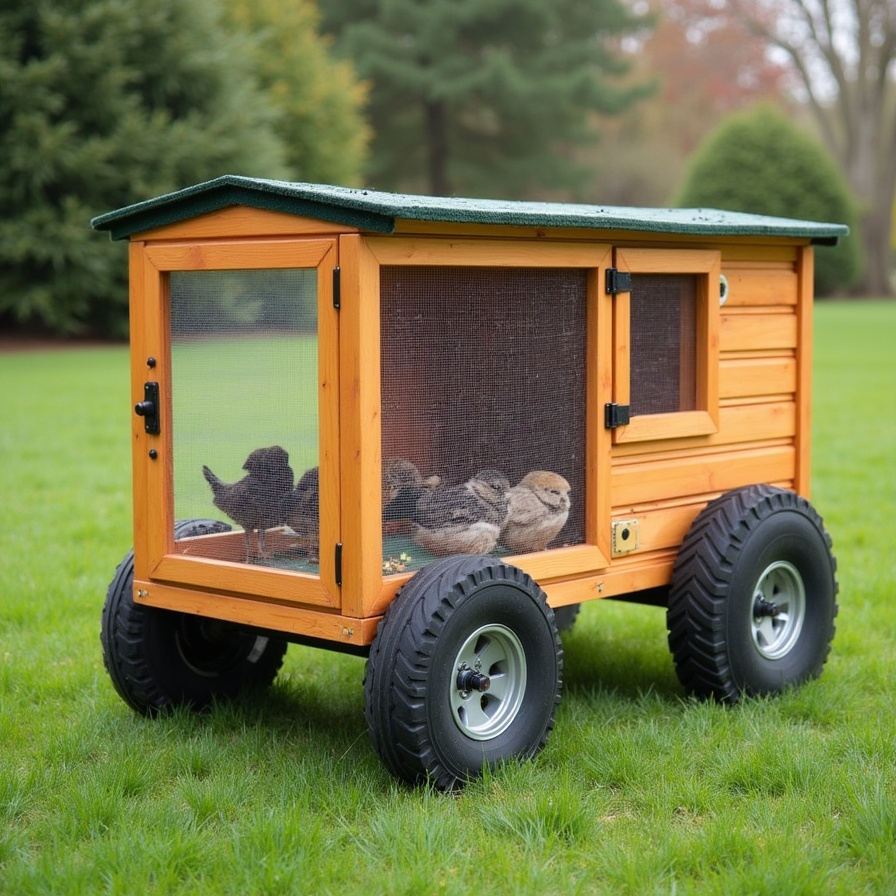
A tractor-style coop lets quail graze fresh grass every day while minimizing buildup of droppings. Lightweight and portable, this enclosure can be rolled to a new patch of grass or garden daily, giving your birds a rotating buffet of bugs and greens. Construct it with a mesh bottom or open base, wheels or handles for mobility, and secure locking. Include shelter, food, and water. Daily movement ensures a clean environment and healthy quail. Light materials and proper locking mechanisms make it practical for small backyards and easy to manage.
DIY Pallet Cage for Backyard Farmers
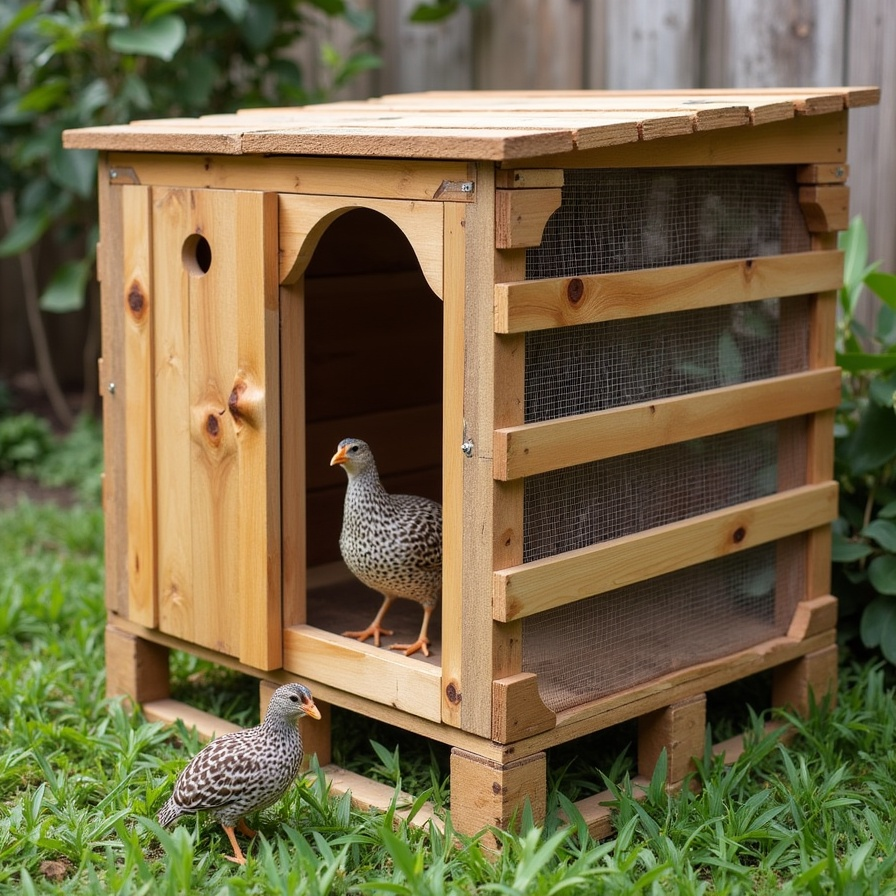
Repurposed wooden pallets can be transformed into charming, budget-friendly quail cages. Stack or frame the pallets into a compact hutch that fits neatly in a corner of your yard. Use hardware cloth or mesh for walls, ensuring ventilation while keeping predators out. Angle the floor so eggs roll into a tray, add a hinged lid for easy cleaning, and install a simple water line. Paint or seal the wood to prevent rot. Pallets marked “HT” are safest. Proper gaps and hardware prevent injury and create a cozy, practical quail home.
Nesting Box Hangers Inside an Aviary
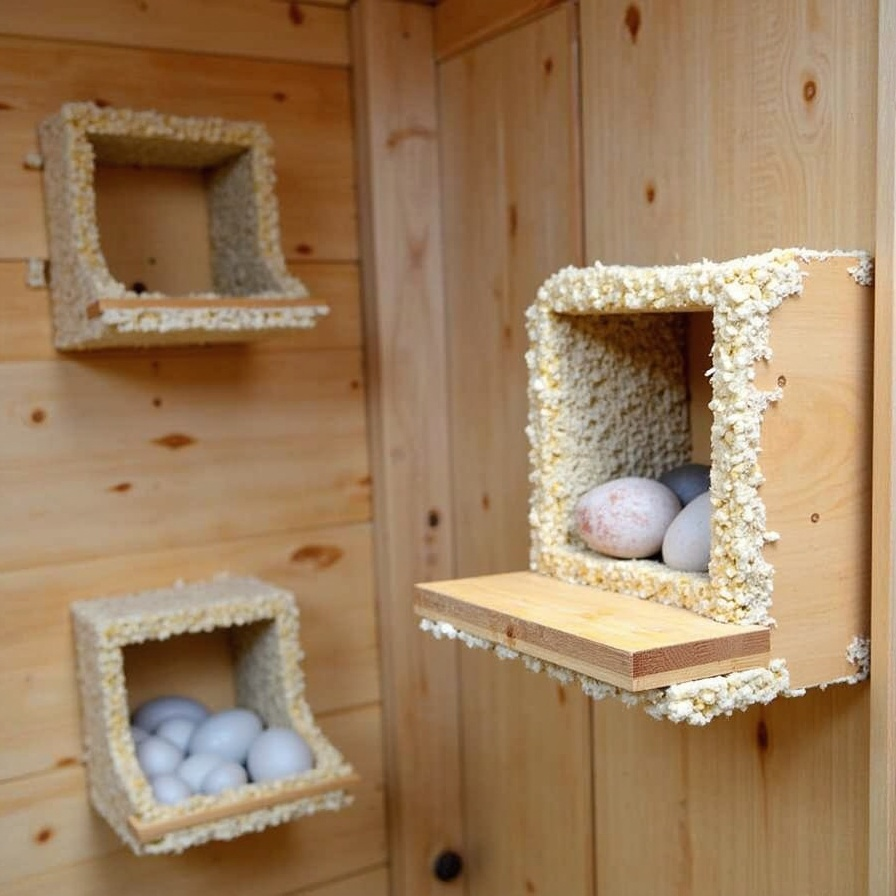
Quail prefer hanging nesting boxes over crowded, floor-level options. Mount small boxes along aviary walls to provide quiet, cozy egg-laying spots. Boxes should be easy to reach for egg collection yet high enough for the birds to feel secure. Smooth, sloped surfaces allow eggs to roll gently into trays, minimizing damage. Keep boxes lightweight and removable for cleaning. Add bedding and a small curtain to reduce stress. One nesting box for every four to six quail is ideal, with weekly bedding swaps ensuring a hygienic, stress-free environment for your birds.
Quail Run with Mesh Roof
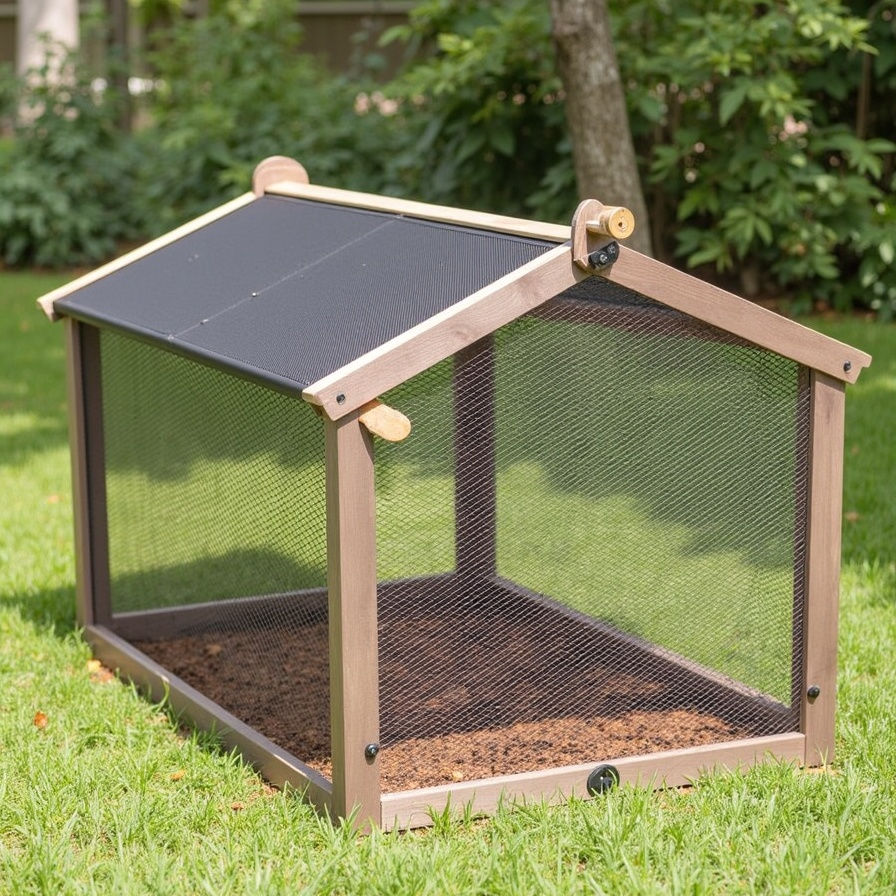
Protect quail from hawks and cats while allowing them to enjoy sunlight with a mesh-covered run. Small-gauge, rust-resistant mesh pulled tight keeps predators out while letting in fresh air. Bury the edges or add a skirt to deter digging animals. Provide perches and shaded areas so quail can choose their preferred sun exposure. This setup balances safety with outdoor access, letting your birds forage naturally. Inspect and maintain the mesh monthly. A secure, sunlit, and ventilated enclosure encourages healthy, active birds without compromising protection.
Vertical Multi-Tiered Stackable Cages
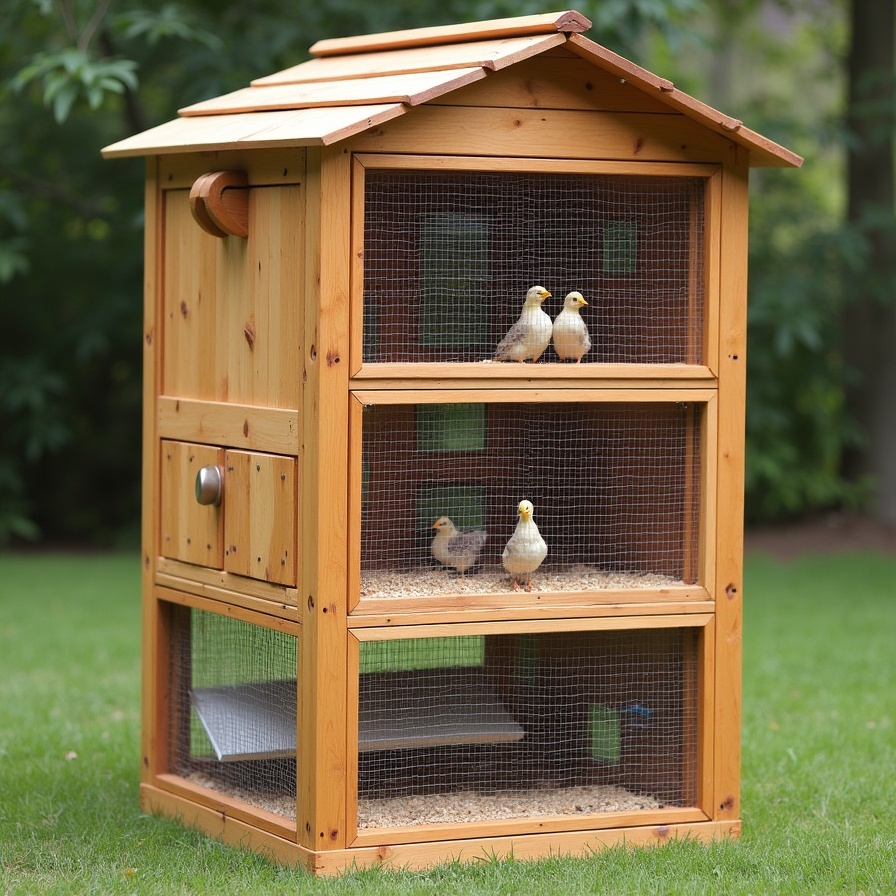
Maximize backyard space with multi-level, vertical cages. Three to four tiers allow each flock its own floor, making feeding, cleaning, and egg collection efficient. Removable trays catch droppings and simplify maintenance, while proper ventilation ensures airflow on every level. Place the stack where it receives morning sun and afternoon shade to keep quail comfortable. Lightweight materials make the structure easier to move, and secure hardware cloth protects birds from predators. Ramps and perches should be checked regularly to prevent accidents. Vertical stacking is ideal for small yards or urban gardening setups.
Quail Coop with Removable Dropping Trays
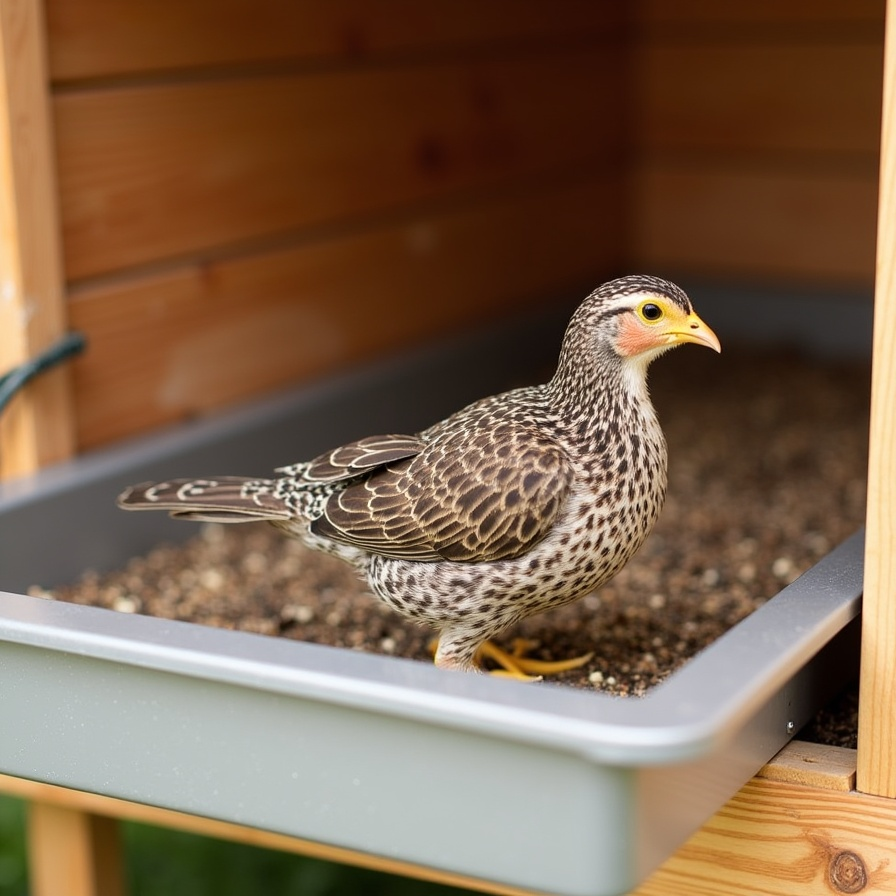
Removable trays transform quail coop maintenance from stressful to easy. Simply slide the tray out, dump the waste, and slide it back in without disturbing the birds. Choose trays with smooth edges and locking mechanisms to prevent spillage. Adding a compost bin or wheels beneath the trays improves cleanup efficiency. Line trays with paper or bedding for faster swaps. Clean weekly, and your quail will enjoy a hygienic environment. This system reduces stress for both the caretaker and the birds while keeping odors and bacteria under control.
Clear PVC Panel Windows
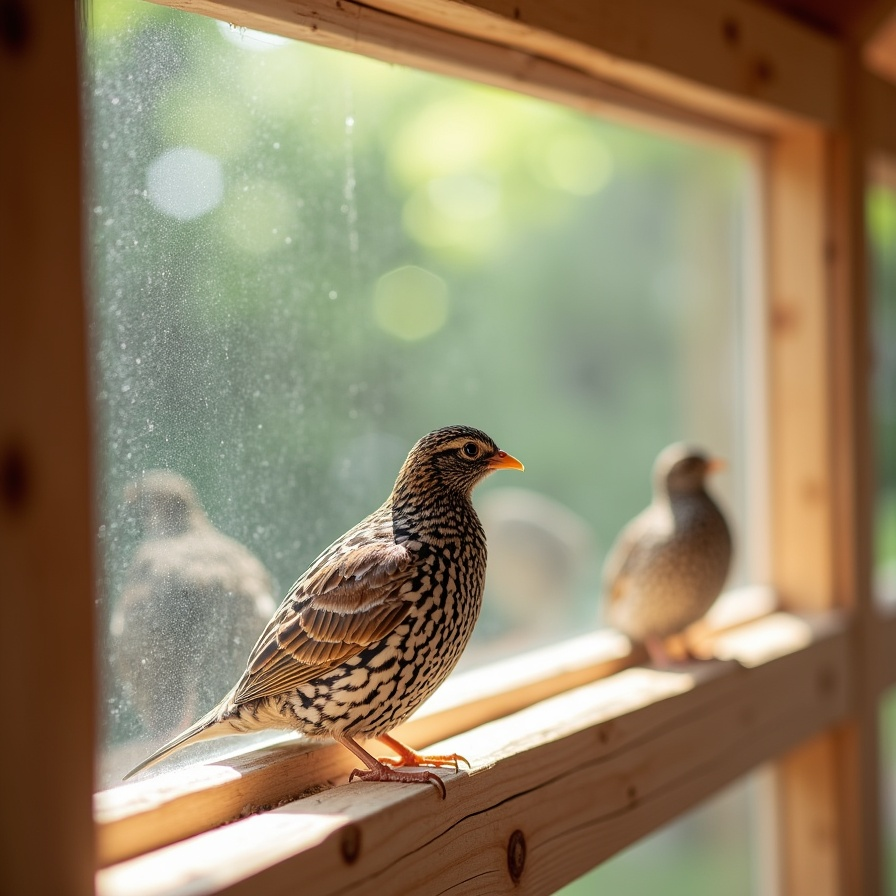
PVC panels let natural light into quail enclosures without overheating the birds. Install panels to catch gentle morning sun, avoiding the harsh afternoon rays. Add vents or screened holes for airflow. Use thick, durable PVC and angle panels to prevent glare. Cleaning panels occasionally ensures full sunlight penetration. Position panels on cooler sides of the coop to maintain a comfortable temperature. This setup provides daylight benefits without risking heat stress, enhancing quail health, activity, and egg production. Proper ventilation and careful placement are essential for a safe, well-lit environment.
Mesh Flooring with Dropping Trays
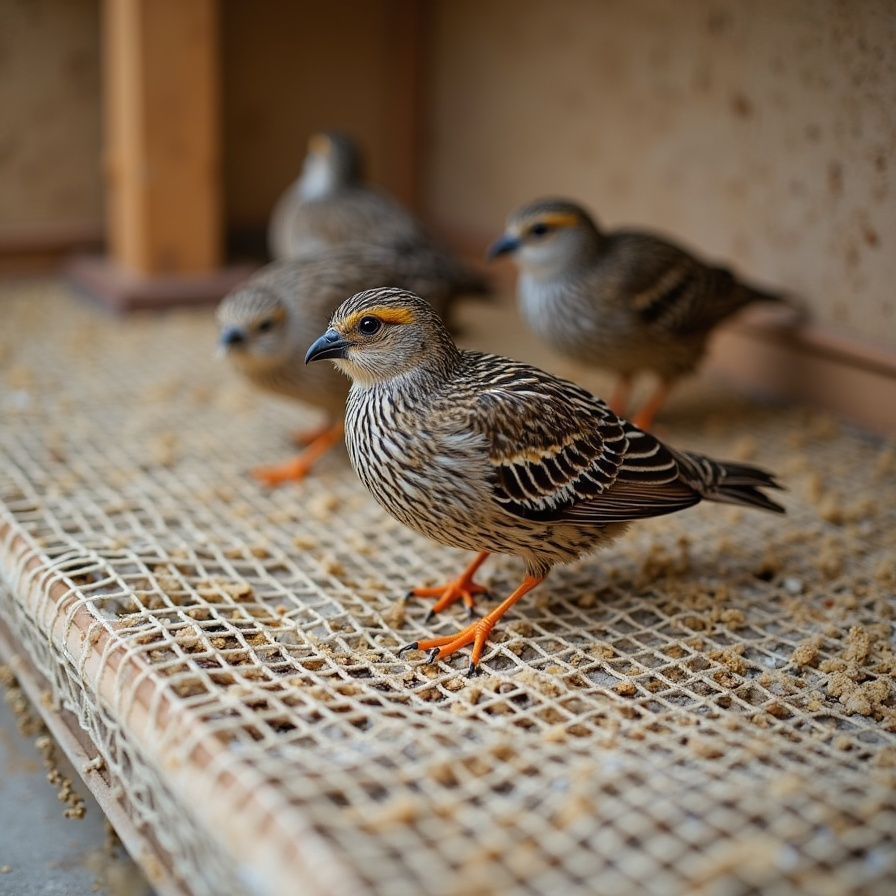
Using mesh floors with trays underneath keeps quail feet dry and prevents ammonia buildup. The mesh should allow waste to fall while remaining comfortable for the birds’ feet. Tilt trays slightly to guide droppings to one side for easy removal. Clean trays at least twice a week to maintain hygiene and prevent disease. Mesh flooring reduces odor, improves health, and simplifies daily maintenance. Properly sized mesh ensures birds don’t get stuck while keeping the environment clean and safe for active, healthy quail in both indoor and outdoor enclosures.
Outdoor Enclosure with Shade Sails
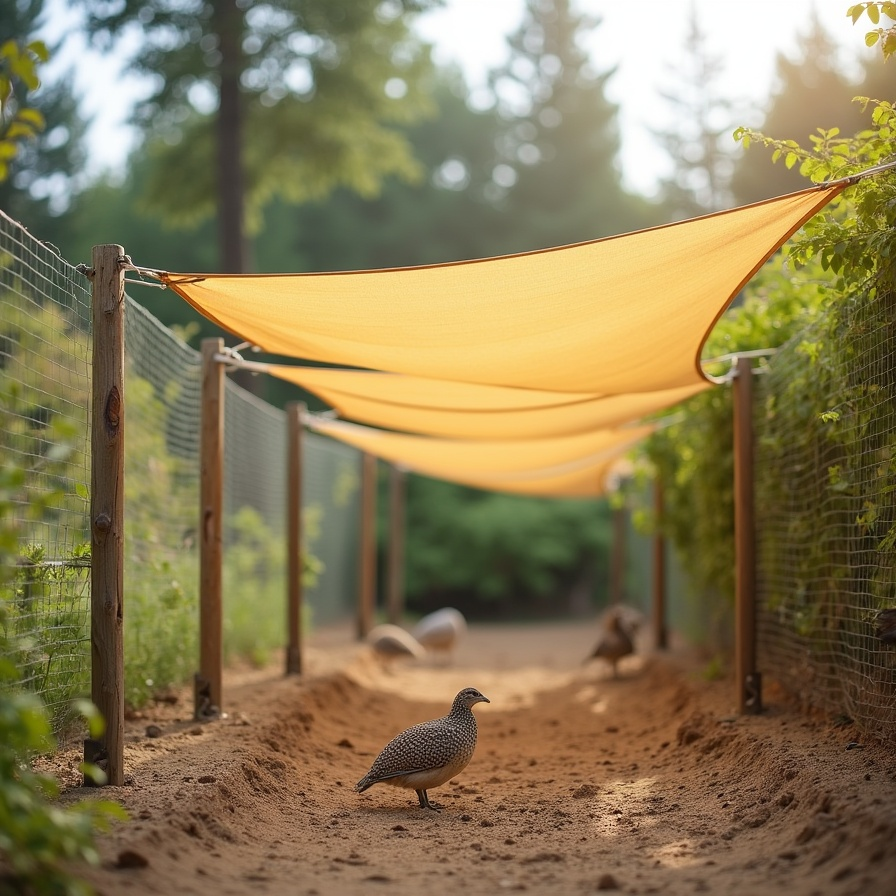
Shade sails prevent heat stress in quail during summer. Position sails to block harsh midday sun while allowing gentle morning light. Use UV-resistant, breathable fabric, and attach it securely to posts or trees. Angle sails for airflow and adjust as needed with the sun’s movement. Provide shrubs or low-level shade for birds to retreat to. This setup ensures quail remain cool, stress-free, and active even in hot conditions. Combining natural ventilation with well-placed shade creates a comfortable outdoor environment that supports health, behavior, and egg-laying productivity.
Insulated Wooden Box for Winter
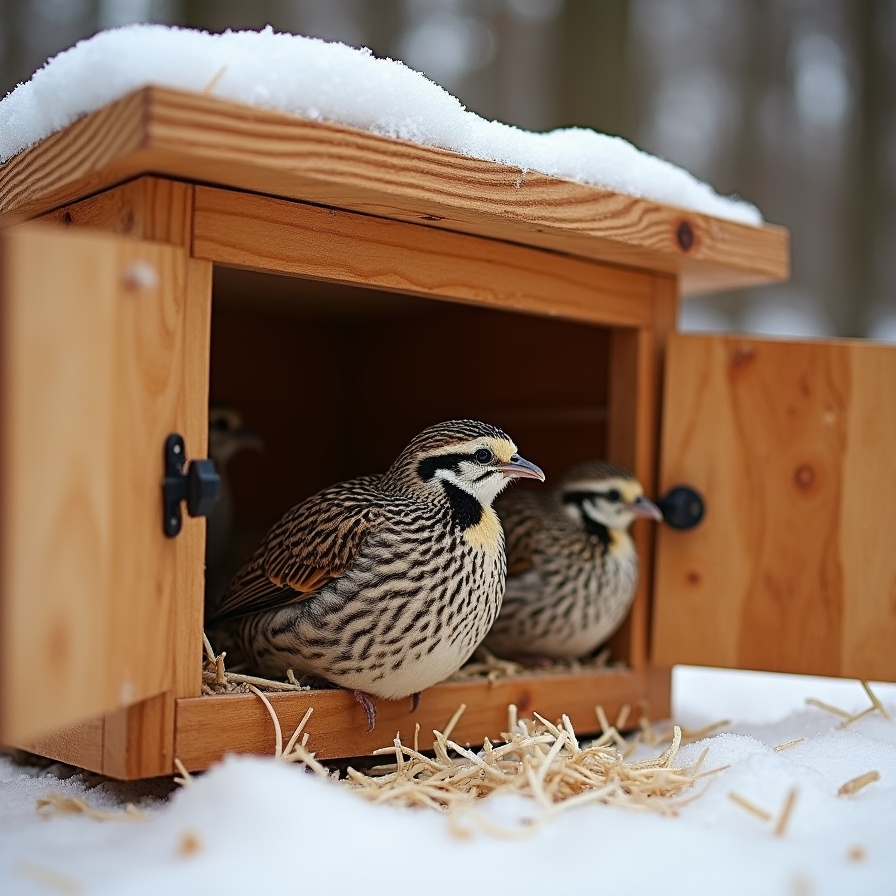
An insulated wooden box keeps quail warm during cold weather. Build with thick pine or cedar, add foam insulation, and raise the floor to block drafts. Keep entrances small and shielded to retain heat. Deep bedding like straw or shavings adds comfort and warmth. A removable lid allows easy cleaning, and low-watt heaters can be added cautiously. Place the box in a sheltered area and check regularly for moisture or drafts. Proper insulation ensures quail remain active and healthy during winter months, avoiding stress or illness from cold temperatures.
DIY PVC Pipe Frame Covered with Wire Mesh
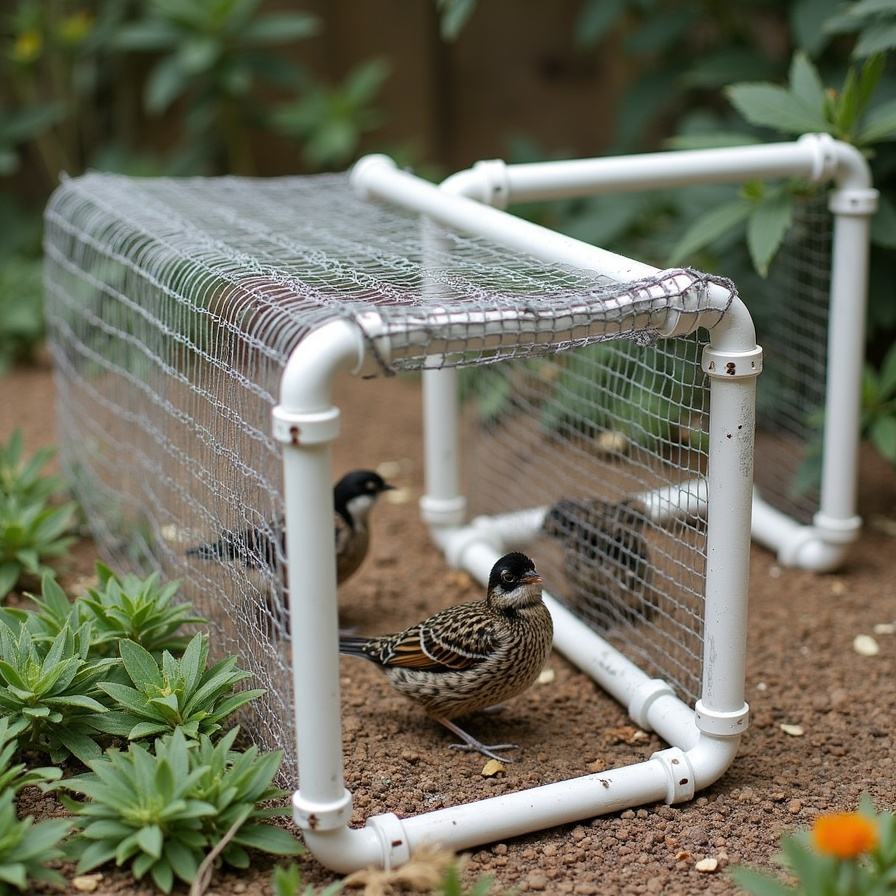
PVC frames covered with wire mesh create lightweight, affordable, and sturdy quail enclosures. Cut and snap pipes into rectangles or walk-in structures, then attach mesh using staples or zip ties. Raise the mesh slightly off the ground to prevent rust. This system allows seasonal modifications, adding shade cloth or netting as needed. Check joints and mesh regularly, replacing sagging sections. PVC is rust-proof, portable, and inexpensive, making it ideal for flexible backyard setups. The combination of PVC and wire mesh balances durability with mobility for small flocks.
Rebar Frame with Chicken Wire
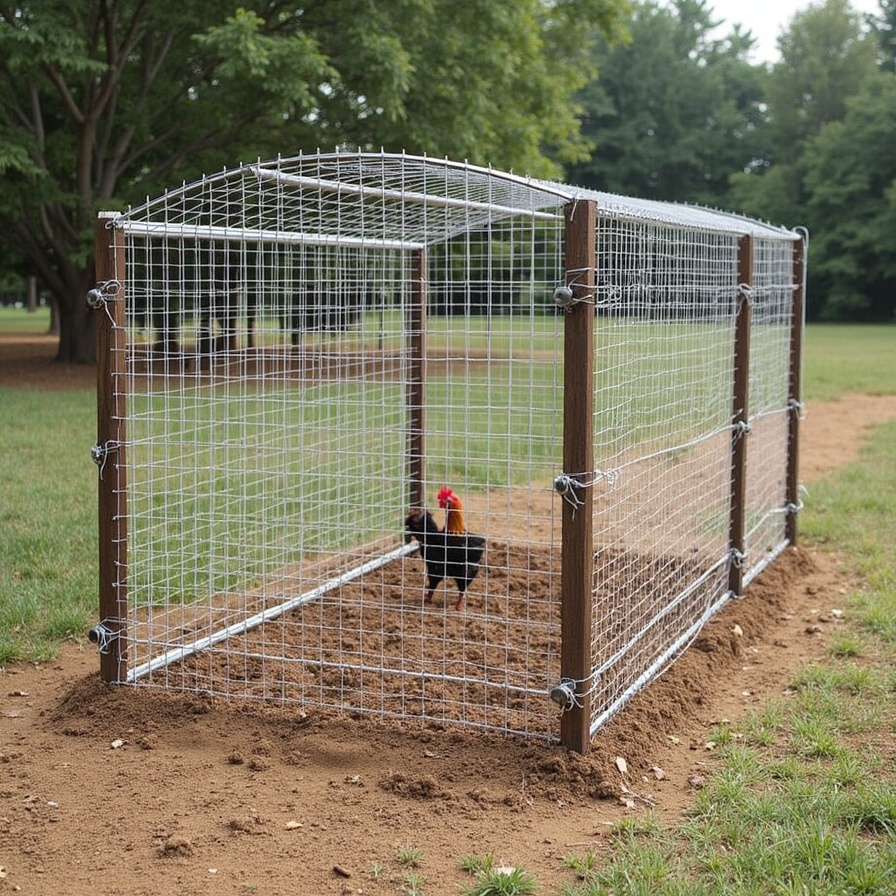
Rebar frames wrapped in chicken wire provide ultra-strong quail enclosures. Hammer vertical rebar into the ground, tie horizontal supports, and secure the wire tightly. Heavy-duty mesh protects against raccoons and other predators, and a dirt skirt deters digging. Bend wire edges inward to prevent injury, and use strong ties every foot to maintain tension. This cost-effective method creates a durable, long-lasting structure. Inspect annually for loose spots. This approach combines toughness, affordability, and flexibility, keeping your quail safe and your maintenance minimal.
Wooden Frame with Attached Run
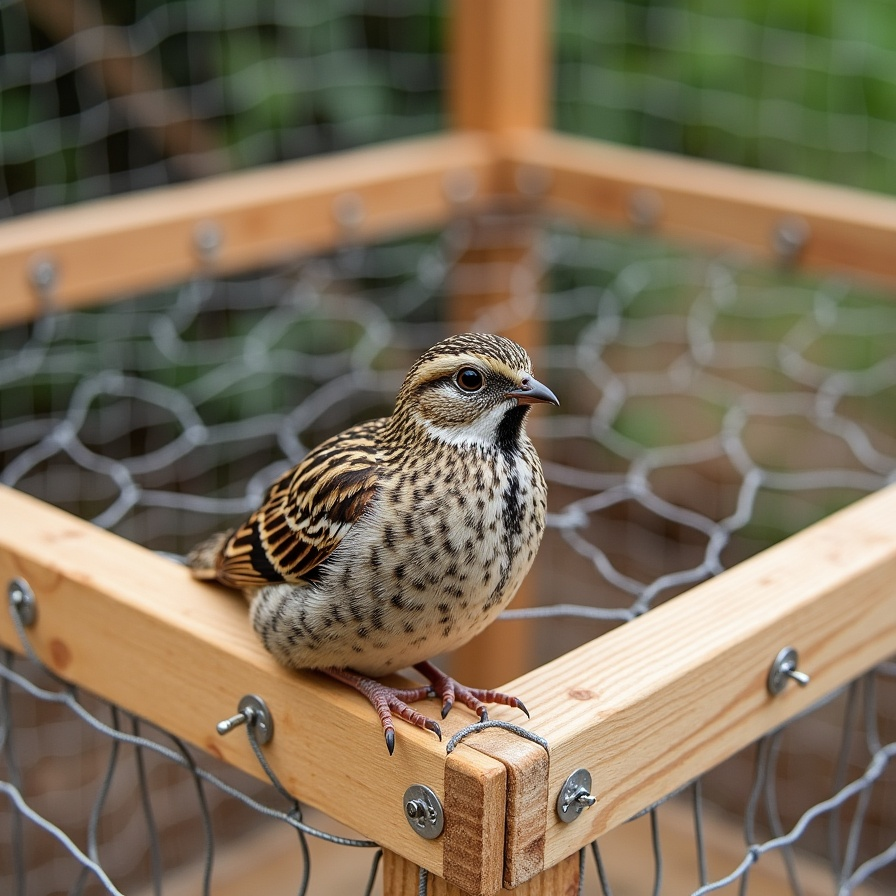
A simple wooden frame with an attached wire-run keeps quail safe while offering room to roam. Galvanized wire allows ventilation and predator protection. Include a ramp and nesting boxes in the main enclosure for egg-laying and resting. Anchor the wire or add a buried apron to prevent digging predators. Cover the run with mesh if hawks are present. Weekly inspections of wire integrity ensure safety. Providing dust-bathing areas and shaded spots promotes natural behavior and healthy birds. This straightforward design combines comfort, security, and practicality for backyard enthusiasts.
Large Indoor Multi-Layer Cage
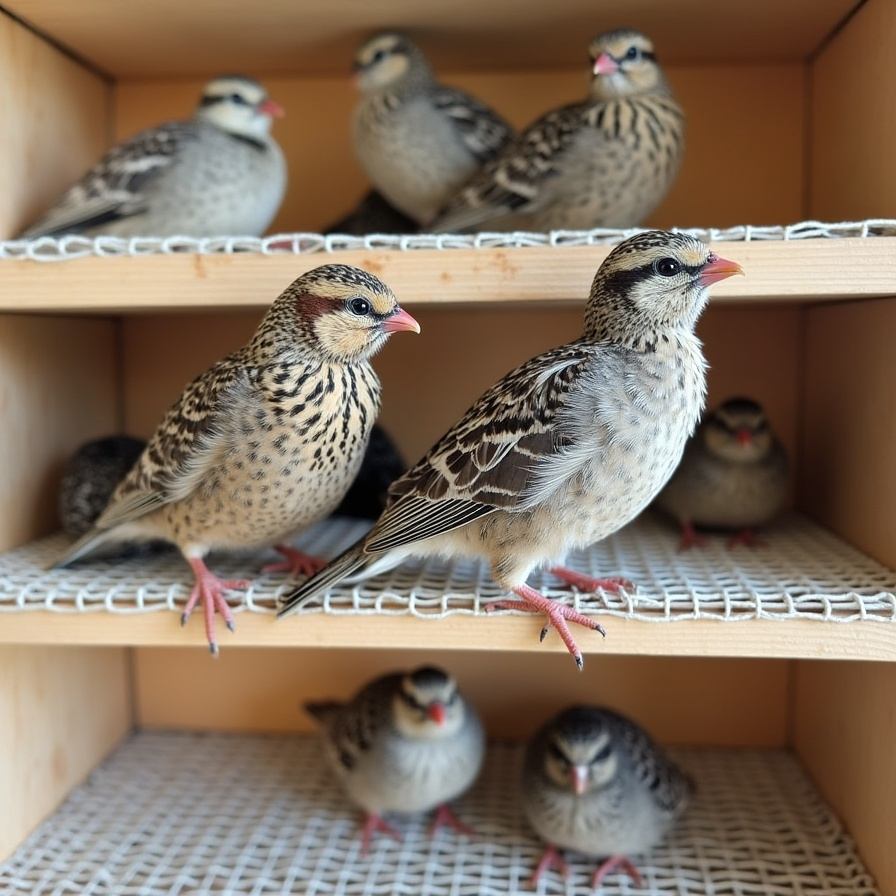
Multi-level indoor cages allow you to house more quail without overcrowding. Sliding doors simplify feeding, egg collection, and checks, while wire floors with removable trays make cleaning easy. Each level gets feeders, water, and droppings trays, preventing mess and keeping the environment hygienic. Perches and hide spots offer enrichment and reduce stress. Ensure proper ventilation to prevent humidity buildup. This setup is ideal for indoor spaces, maximizing small areas while providing quail with safe, clean, and organized housing. Regular maintenance keeps both birds and caretakers happy.
Hardwood Outdoor Aviary
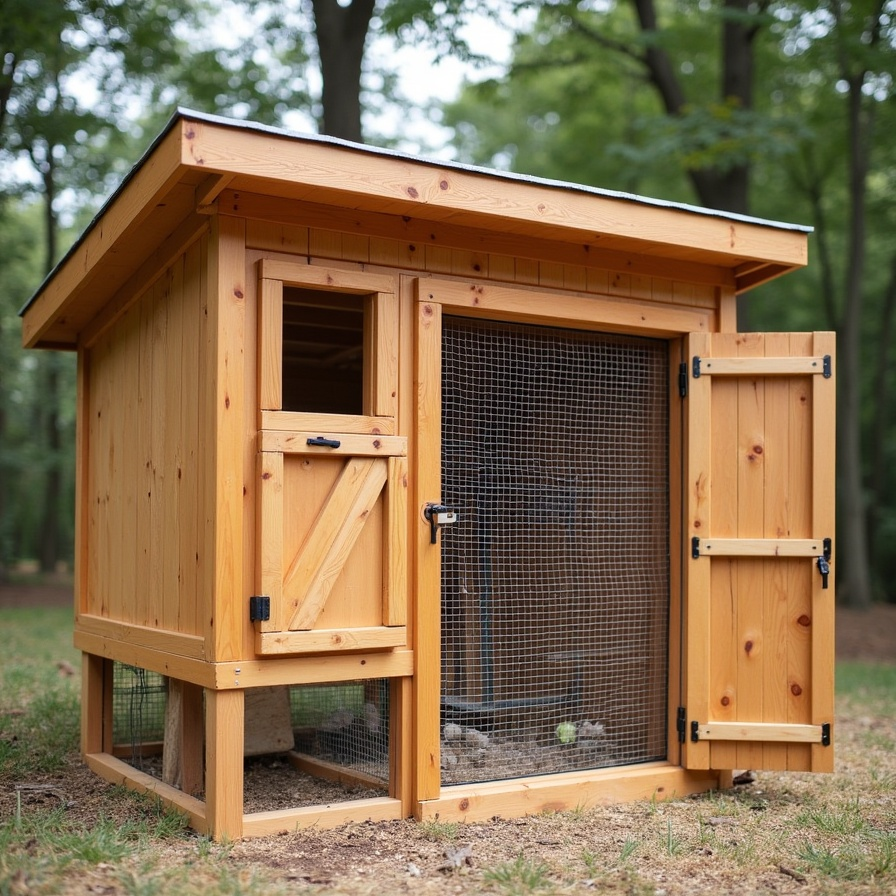
Weather-resistant hardwood frames make sturdy outdoor aviaries that withstand rain and sun. Multiple access doors simplify feeding and cleaning, saving time and effort. Hardwood ensures long-lasting durability while supporting wire mesh or panels for predator protection. Place the aviary to allow natural light and airflow. Wide doors or sliding panels provide easy access for routine maintenance. Combining quality materials with practical design creates a safe, durable, and manageable environment that keeps quail healthy and comfortable in an outdoor setting.