
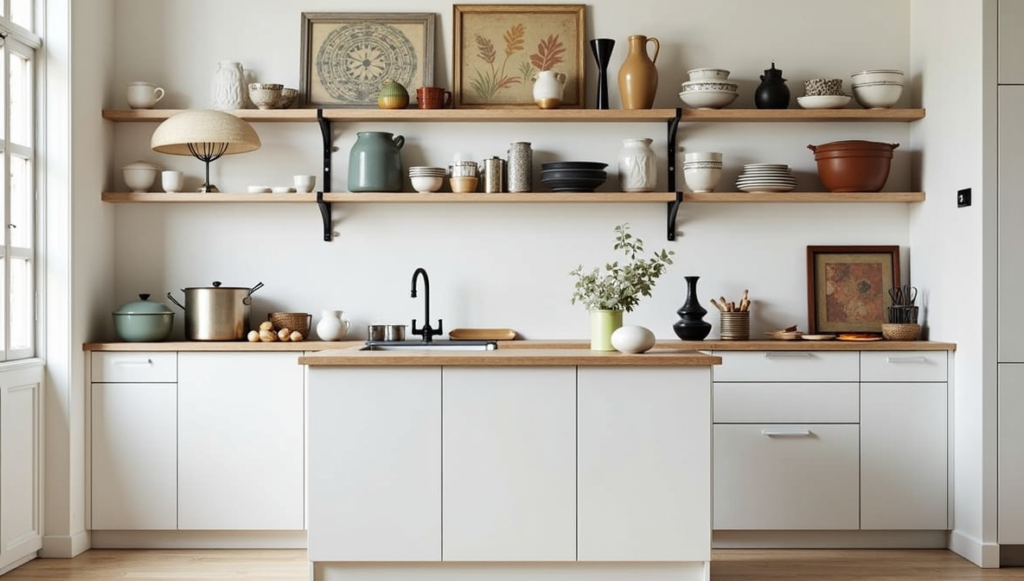
A Scandinavian kitchen is known for its clean lines, bright spaces, and effortless functionality. Inspired by Nordic design, this style combines minimalism with warmth, creating a kitchen that feels both modern and inviting. Think light wood tones, neutral color palettes, natural textures, and clutter-free surfaces that make everyday living easier.
Whether you’re planning a full renovation or just looking for simple upgrades, these Scandinavian kitchen ideas will help you create a space that is stylish, practical, and cozy. Discover how small design choices can transform your kitchen into a calm, beautiful hub of your home.
1. Highlight the Beauty of Natural Wood
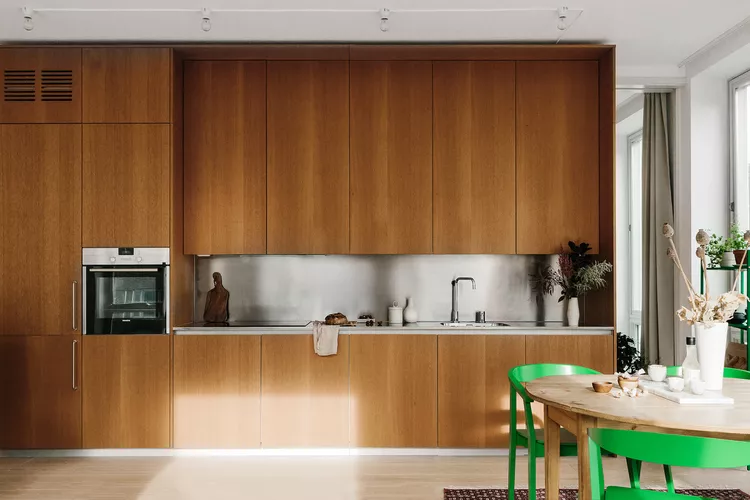
Natural wood is one of the most recognizable features of Scandinavian kitchen design. Light or warm-toned wood surfaces instantly add warmth and comfort to an otherwise minimal space. When cabinetry or flooring features natural wood grain, it creates a sense of calm and connection to nature, which is a key element in Nordic interiors.
In many Scandinavian kitchens, wood appears on cabinets, countertops, floors, or dining tables. These elements soften the look of modern appliances and sleek surfaces. To keep the design balanced, lighter finishes such as oak or ash are often preferred because they reflect light and help maintain an airy feeling.
Adding small accents in natural wood—like stools, cutting boards, or shelving—can also enhance the look. Even when paired with modern materials like metal or glass, wood maintains a welcoming and timeless feel that makes the kitchen comfortable for daily life.
2. Create a Bright Kitchen with an All-White Color Scheme
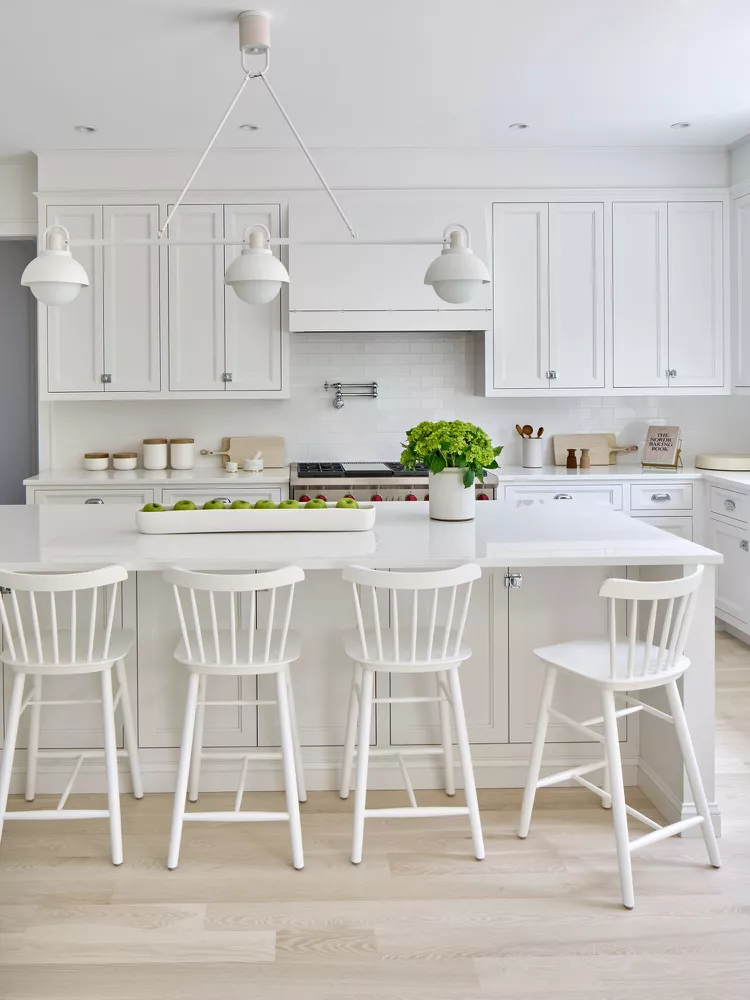
A bright white palette is a defining characteristic of many Scandinavian interiors. White cabinets, walls, and countertops create a clean and spacious appearance that reflects natural light beautifully. This is especially helpful in homes where daylight hours may be limited, making the kitchen feel brighter and more inviting.
All-white kitchens may seem simple, but they can still feel warm and stylish. Texture plays an important role in preventing the design from looking too plain. Wooden floors, woven stools, or subtle tile patterns help add depth while keeping the overall look light and fresh.
Lighting fixtures also help shape the space. Pendant lights or minimalist lamps often serve as decorative accents while still maintaining the uncluttered style typical of Nordic homes. The result is a kitchen that feels peaceful, functional, and effortlessly modern.
3. Reduce Upper Cabinets for a More Open Feel
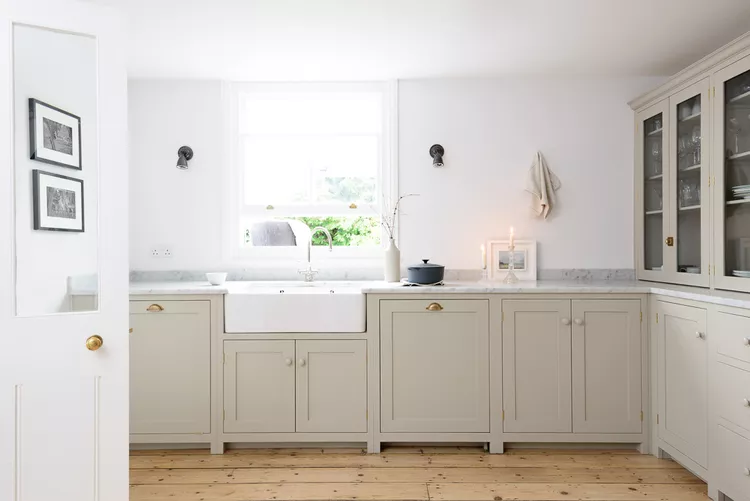
One common approach in Scandinavian kitchen design is limiting the number of upper cabinets. Removing some overhead storage creates a more open and airy look, which helps the kitchen feel larger and less crowded.
Instead of filling every wall with cabinetry, designers often place storage along one side of the kitchen while leaving other areas open. This allows natural light to move freely through the space and keeps the room visually calm. Open wall space also provides room for artwork, small shelves, or decorative items.
Even when upper cabinets are used, they are often designed with glass fronts or light finishes to avoid heaviness. By keeping cabinetry minimal, the kitchen maintains a relaxed and uncluttered atmosphere that is central to Scandinavian style.
4. Blend Industrial and Farmhouse Details
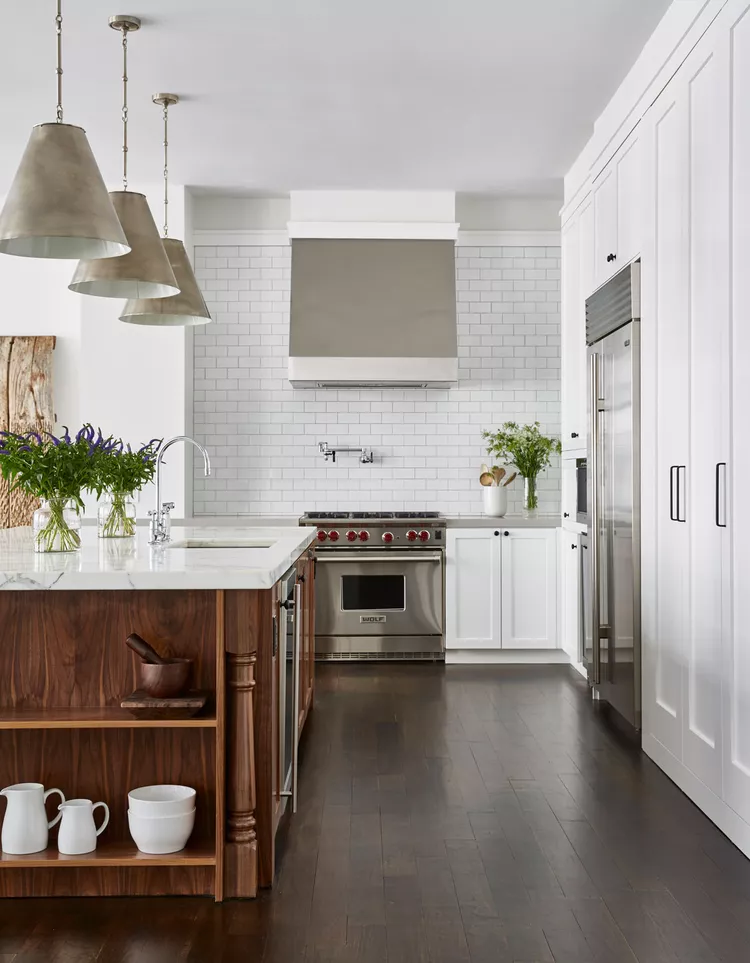
Scandinavian kitchens sometimes combine different design influences to create a unique and welcoming space. Mixing industrial elements with farmhouse features can produce a balanced look that feels both modern and rustic.
Industrial touches might include stainless steel appliances, metal lighting fixtures, or sleek hardware. Farmhouse elements can appear through features such as shaker-style cabinets, wooden islands, or classic subway tile backsplashes. When combined carefully, these materials create an interesting contrast.
The key is maintaining a simple color palette so the design remains cohesive. White walls, natural wood tones, and subtle textures help connect the different elements together. This blend creates a kitchen that feels practical, stylish, and full of character.
5. Combine Scandinavian Design with Classic European Style
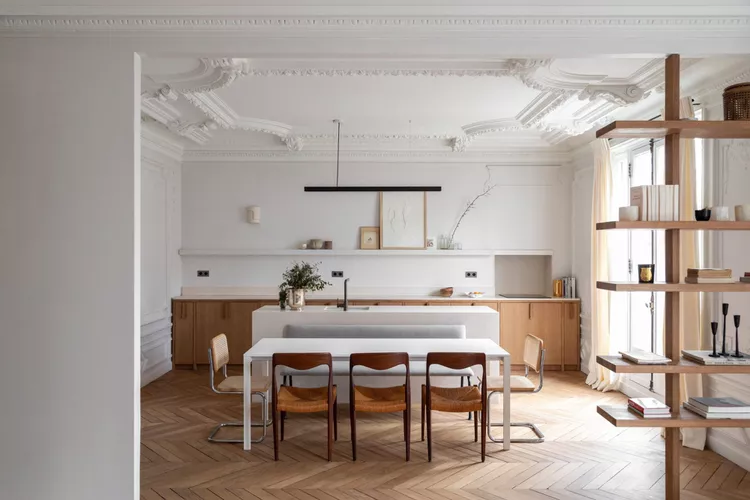
Scandinavian interiors often mix beautifully with traditional architectural features found in older homes. For example, historic moldings, decorative ceilings, or elegant window frames can coexist with modern Nordic design elements.
In these spaces, minimalist wood cabinetry and simple surfaces provide a refreshing contrast to ornate details. The combination highlights both styles without overwhelming the room. Classic architecture adds depth and history, while Scandinavian design introduces simplicity and function.
This approach allows homeowners to preserve the charm of older buildings while updating the kitchen with a modern look. The result is a balanced space that feels both timeless and contemporary, celebrating the best of both design traditions.
6. Focus on Practical and Efficient Layouts
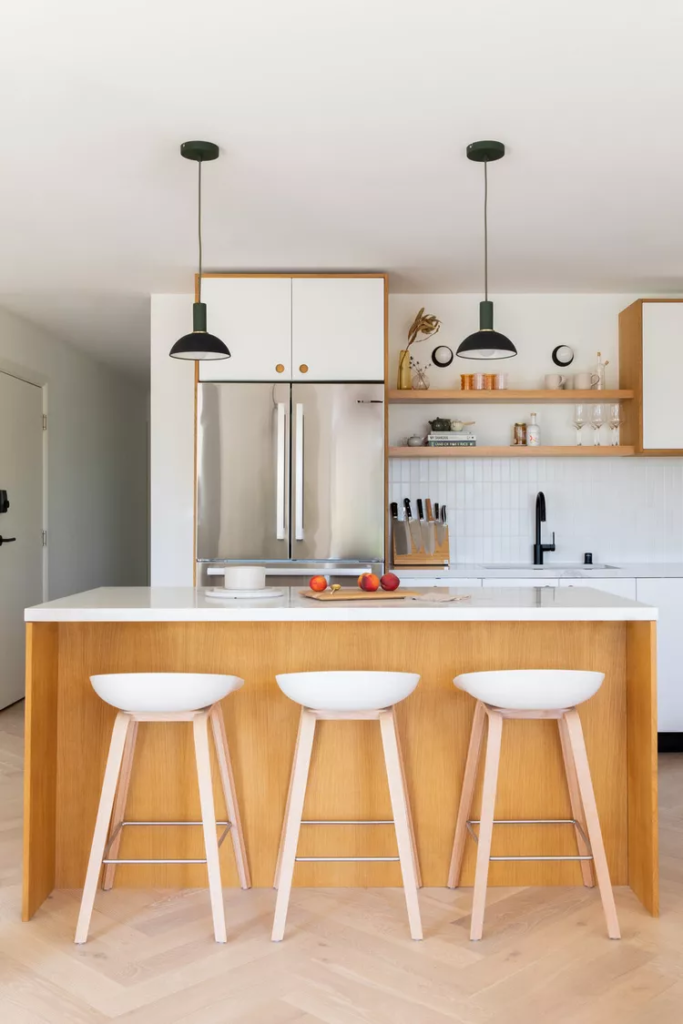
Functionality is one of the most important aspects of Scandinavian design. Kitchens are planned carefully so that cooking, storage, and cleaning areas are easy to use. Every element serves a clear purpose, helping the space remain efficient and organized.
Simple color palettes and streamlined cabinets contribute to the practical layout. White, black, and natural wood are common choices because they keep the room visually calm while allowing the design to remain modern.
Flooring often features light wood that complements the rest of the room. Combined with smart storage solutions and easy-to-reach appliances, these choices create a kitchen that works smoothly in everyday life while still looking stylish and welcoming.
7. Introduce Sculptural Decorative Elements
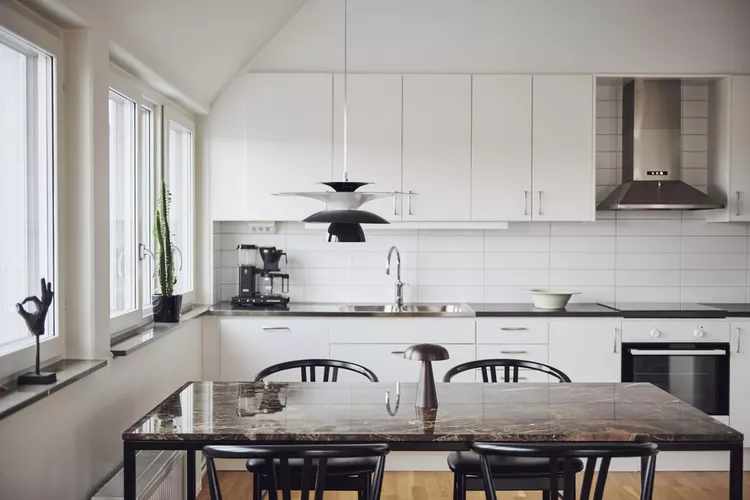
While Scandinavian design favors simplicity, adding a few sculptural accents can bring personality to the kitchen. These decorative pieces often have clean shapes and artistic forms that make them stand out without overwhelming the space.
Examples include unique pendant lights, sculptural chairs, or decorative vases placed on shelves or tables. Marble surfaces or statement dining tables can also serve as design features while remaining practical.
The goal is to select a few well-chosen pieces rather than filling the room with many decorations. This thoughtful approach keeps the kitchen feeling open and uncluttered while still expressing creativity and personal style.
8. Include Mid-Century Modern Furniture
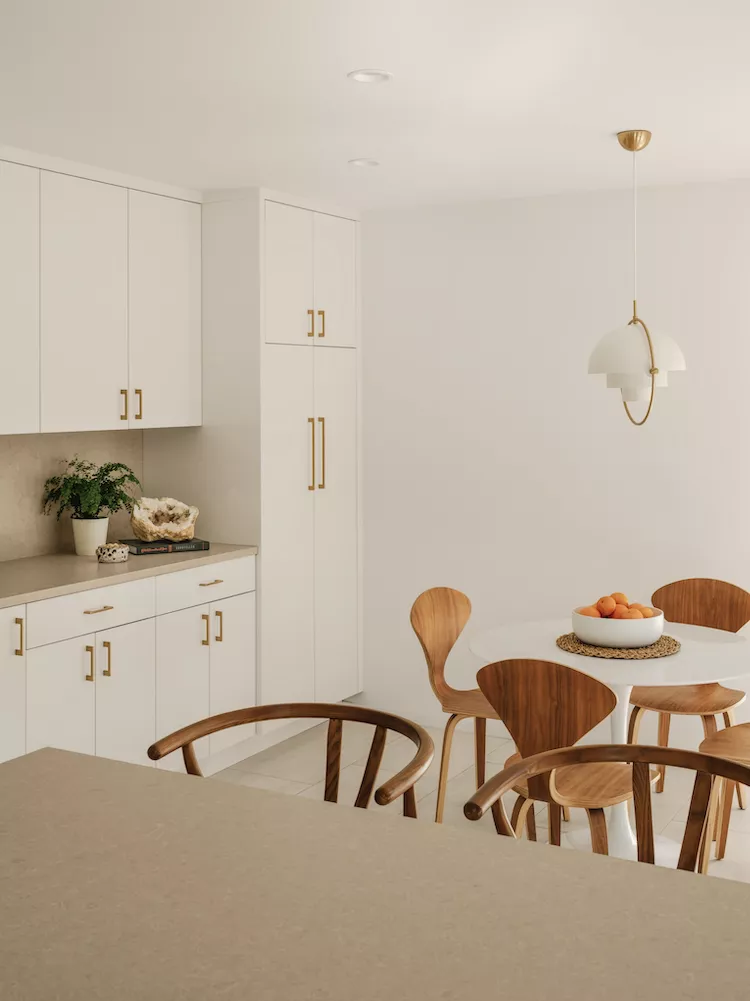
Mid-century modern furniture pairs beautifully with Scandinavian interiors because both styles share similar design principles. Clean lines, organic shapes, and natural materials help create a harmonious look throughout the space.
Dining chairs with curved wood frames or woven seats can bring subtle elegance to a kitchen dining area. These pieces add visual interest without disrupting the calm aesthetic typical of Nordic design.
When placed around a simple wooden or marble table, mid-century chairs create a balanced dining corner that feels stylish and comfortable. The combination of classic design and modern simplicity makes this approach both timeless and practical.
9. Use Black Accents for Contrast
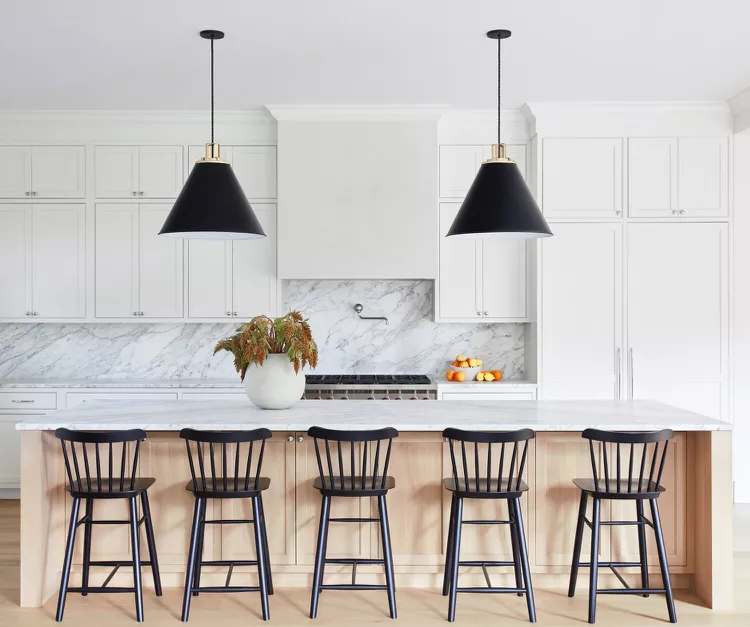
While Scandinavian kitchens often feature light colors, adding black accents can create depth and contrast. Dark elements help define the space and prevent the design from appearing too uniform.
Black bar stools, metal light fixtures, or cabinet hardware are common choices. These small details stand out against white cabinets or light wood surfaces, adding visual balance.
Using black sparingly is key to maintaining the airy feel associated with Scandinavian interiors. Just a few carefully placed accents can enhance the design while keeping the kitchen bright and welcoming.
10. Let Natural Light Take Center Stage
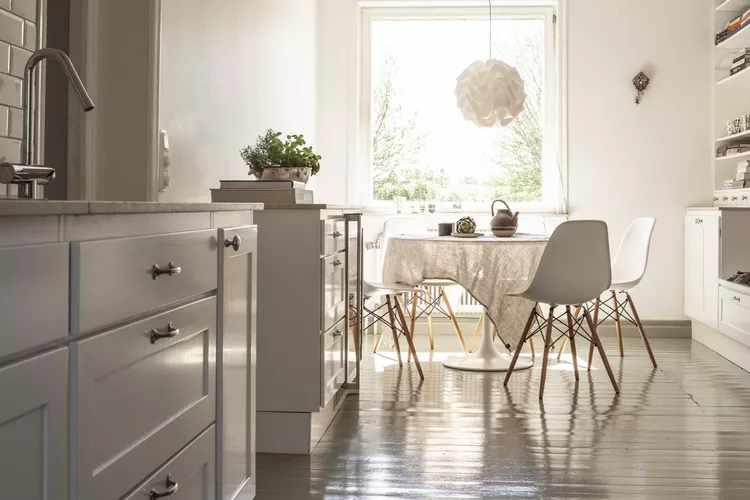
Natural light is highly valued in Scandinavian homes. Large windows, glass doors, and open layouts allow sunlight to fill the kitchen throughout the day. Bright interiors not only look beautiful but also create a positive and uplifting environment.
To maximize daylight, window treatments are usually minimal or light in color. Reflective surfaces such as white walls or pale flooring help bounce light around the room.
Furniture is often arranged so that it does not block windows, allowing sunlight to move freely through the space. This emphasis on natural brightness helps the kitchen feel fresh, open, and connected to the outdoors.
11. Add Subtle Luxury with Elegant Details
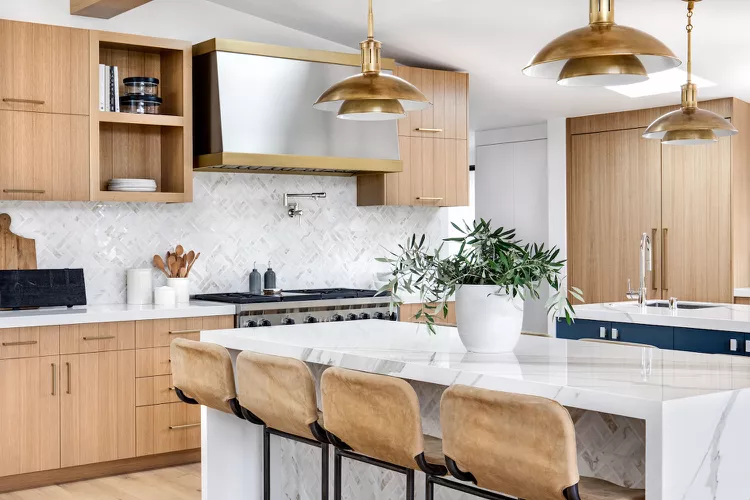
Although Scandinavian design is typically minimal, a few refined elements can add a touch of sophistication. Surfaces like marble-look countertops or polished tiles introduce a subtle sense of luxury without making the room feel overly decorative.
Metal accents such as gold or brass handles may also appear in small amounts. These details provide contrast against wood or white cabinetry while keeping the overall design balanced.
When used thoughtfully, these materials elevate the kitchen’s appearance while still maintaining the simplicity that defines Nordic interiors.
12. Choose Sleek Flat-Front Cabinets
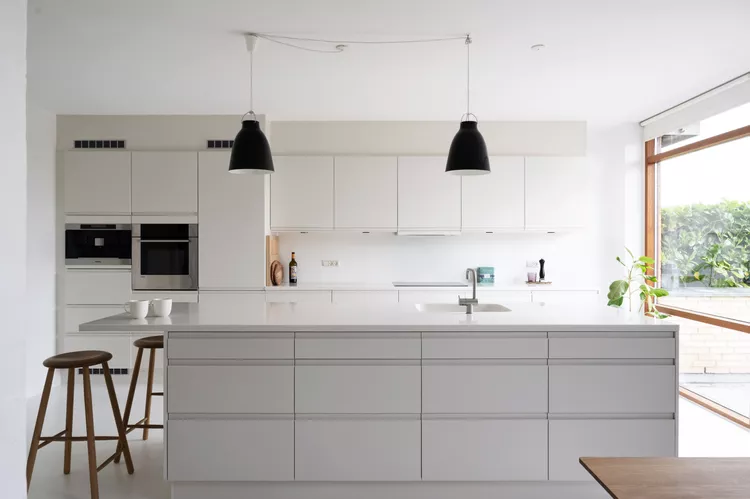
Flat-front cabinetry is a popular feature in Scandinavian kitchens because it creates a smooth and streamlined appearance. Without decorative panels or heavy hardware, the cabinets blend seamlessly into the design.
This minimalist approach keeps the kitchen looking tidy and uncluttered. Hidden storage also helps maintain clean surfaces, allowing countertops and shelves to remain organized.
Flat-front cabinets work well in both small and large kitchens because they emphasize simplicity and efficiency. Combined with light colors and natural materials, they contribute to the calm and modern feel that Scandinavian interiors are known for.
13. Introduce Warm Wooden Details
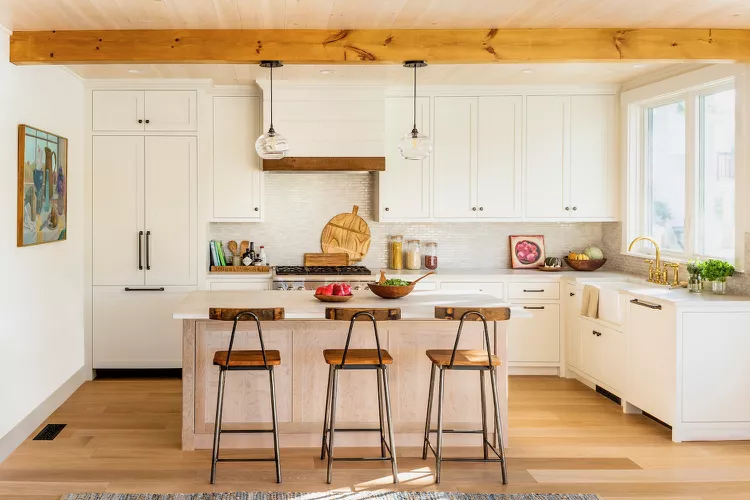
Adding warm wooden accents can instantly soften the look of a modern kitchen. Wooden ceiling beams, stools, or range hoods bring natural warmth to spaces dominated by white or neutral tones.
These elements help connect the kitchen to nature, which is an important concept in Nordic design. Even small wooden details, like cutting boards or shelves, can make a noticeable difference in the overall atmosphere.
When combined with simple lighting and neutral colors, wood accents create a kitchen that feels comfortable and inviting without losing its modern style.
14. Combine Different Metal Finishes
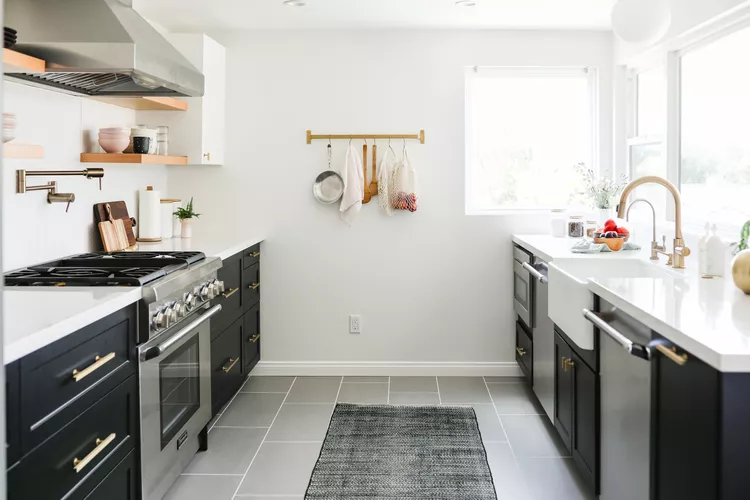
Mixing metal finishes is a simple way to add visual interest to a Scandinavian kitchen. Instead of using only one type of metal, designers sometimes combine finishes like stainless steel, brushed nickel, or matte black.
This variety helps break up neutral color schemes and adds subtle texture to the design. For example, stainless steel appliances may pair with darker cabinet handles or lighter faucet finishes.
When done carefully, mixed metals bring depth and character to the room while maintaining the simplicity that defines Scandinavian style.
15. Introduce Soft Hints of Color
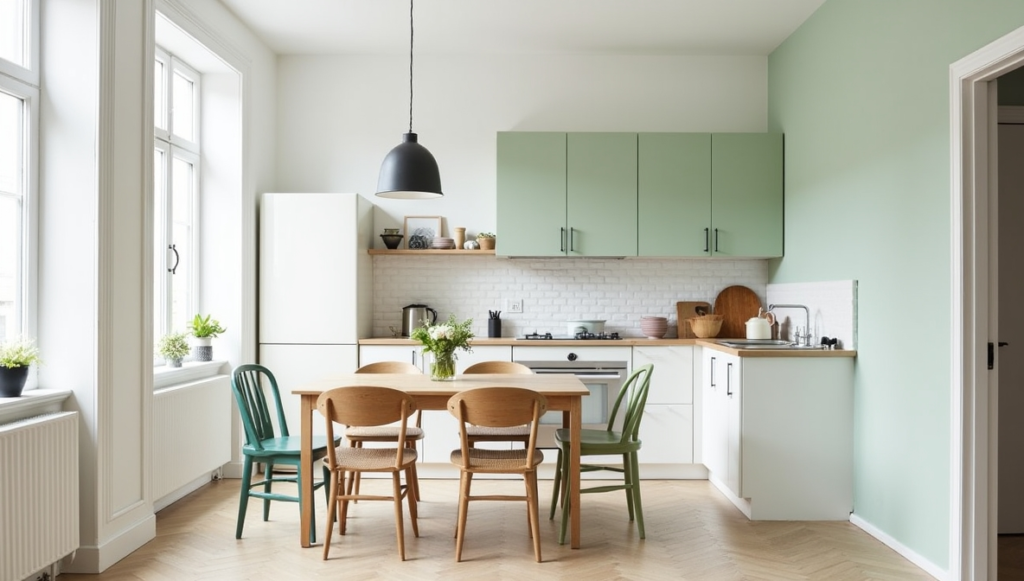
Although Scandinavian kitchens often rely on neutral tones, small touches of color can bring energy into the space. Soft greens, pale blues, or muted pastels are popular choices because they remain calm and natural.
These colors might appear on a painted wall, decorative chair, or kitchen accessories. Even one colorful piece can transform the atmosphere of a room filled with whites and wood tones.
The key is moderation. By adding color in small amounts, the kitchen keeps its serene feel while gaining a playful and welcoming touch.
16. Add Vintage Decorative Elements
Vintage items can bring warmth and personality to a modern Scandinavian kitchen. Artwork, antique utensils, or retro decorative pieces add a sense of history and individuality.
These objects often contrast beautifully with the clean lines of contemporary cabinetry and appliances. When displayed on open shelves or walls, they create a layered and interesting design.
Using vintage decor also helps the kitchen feel less like a showroom and more like a lived-in home. This mix of old and new is a common feature in many Nordic interiors.
17. Keep the Design Low-Profile and Minimal
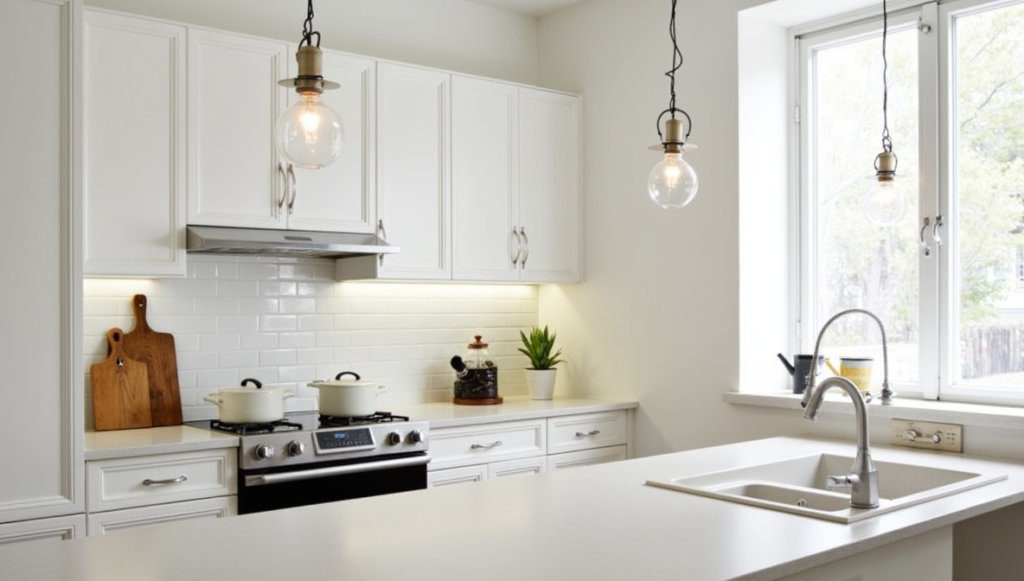
Scandinavian kitchens often emphasize simplicity by avoiding unnecessary design elements. One way to achieve this is by reducing upper cabinetry or choosing low-profile storage solutions.
With fewer cabinets above eye level, the kitchen feels more spacious and calm. This layout also allows decorative lighting or wall art to stand out without competition.
Soft lighting from pendant lamps can further enhance the relaxed atmosphere. The result is a bright, uncluttered kitchen that feels peaceful and easy to navigate.
18. Decorate with Patterned Wall Tiles
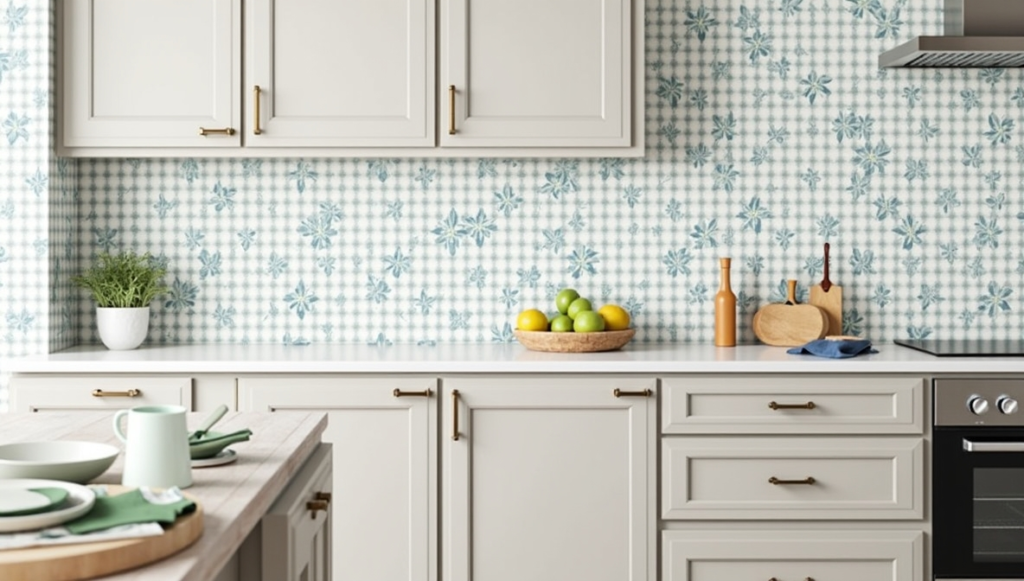
Patterned wall tiles can add charm and character to a Scandinavian kitchen without overpowering the design. Classic geometric or floral patterns work especially well when combined with neutral color palettes.
A tiled backsplash behind the sink or stove can serve as a focal point while still blending with the overall style. These patterns often appear in soft colors such as blue, green, or gray.
When paired with simple cabinets and natural materials, decorative tiles add personality while maintaining the timeless appeal of Scandinavian interiors.
19. Display Simple White Dishware
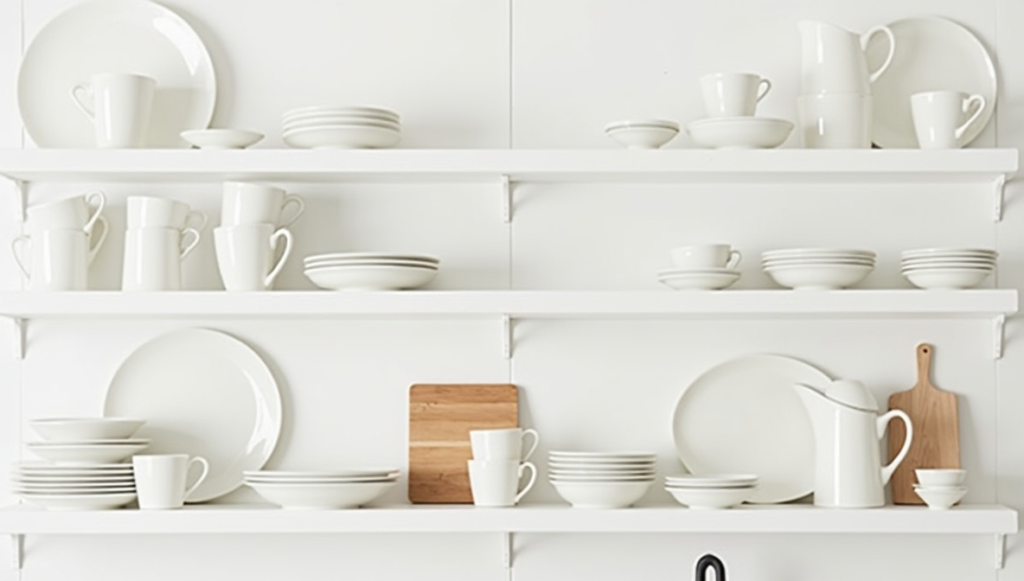
One easy way to bring Scandinavian style into your kitchen is by displaying simple white dishware. Plates, bowls, and mugs in matching neutral colors create a clean and organized look.
Glass-front cabinets or open shelves are ideal for showcasing these pieces. Arranging them neatly can make everyday kitchen items feel like part of the decor.
Adding wooden cutting boards or neutral kitchen tools nearby creates a balanced display. This approach proves that small details can have a big impact, helping you achieve a Scandinavian-inspired kitchen without major renovations.