
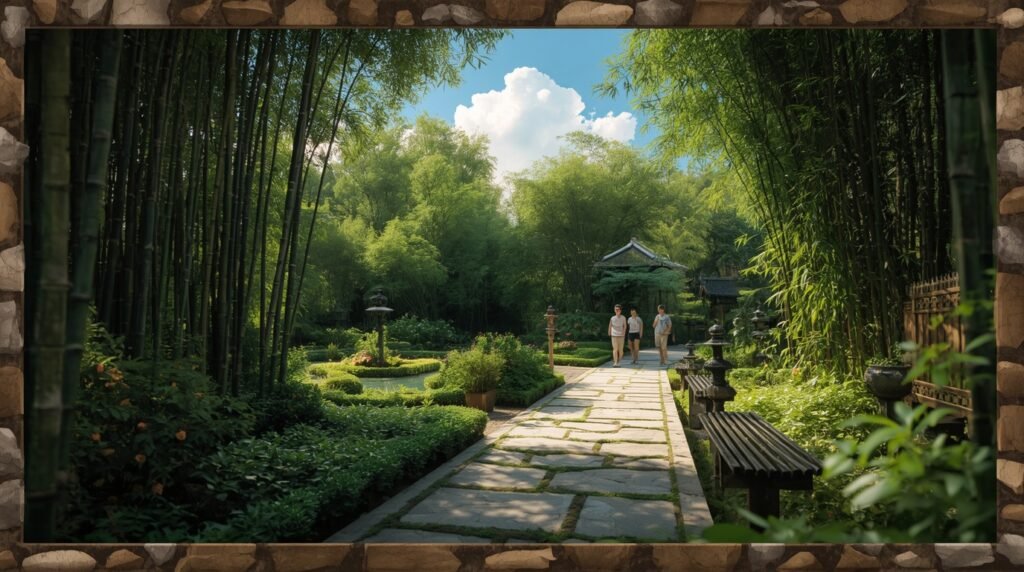
Bamboo brings a unique blend of elegance, texture, and tranquility to outdoor spaces, making it a favorite choice for creating peaceful garden retreats. Whether used as a natural privacy screen, a striking focal point, or part of a lush tropical landscape, bamboo adds height and movement that instantly enhances any yard.
The versatility of this fast-growing plant allows it to complement both modern and traditional garden styles. From serene Zen-inspired layouts to vibrant backyard escapes, bamboo garden design ideas offer endless inspiration. With thoughtful planning and placement, you can create a beautiful outdoor environment that feels private, refreshing, and naturally inviting.
1. Build a Natural Bamboo Privacy Barrier
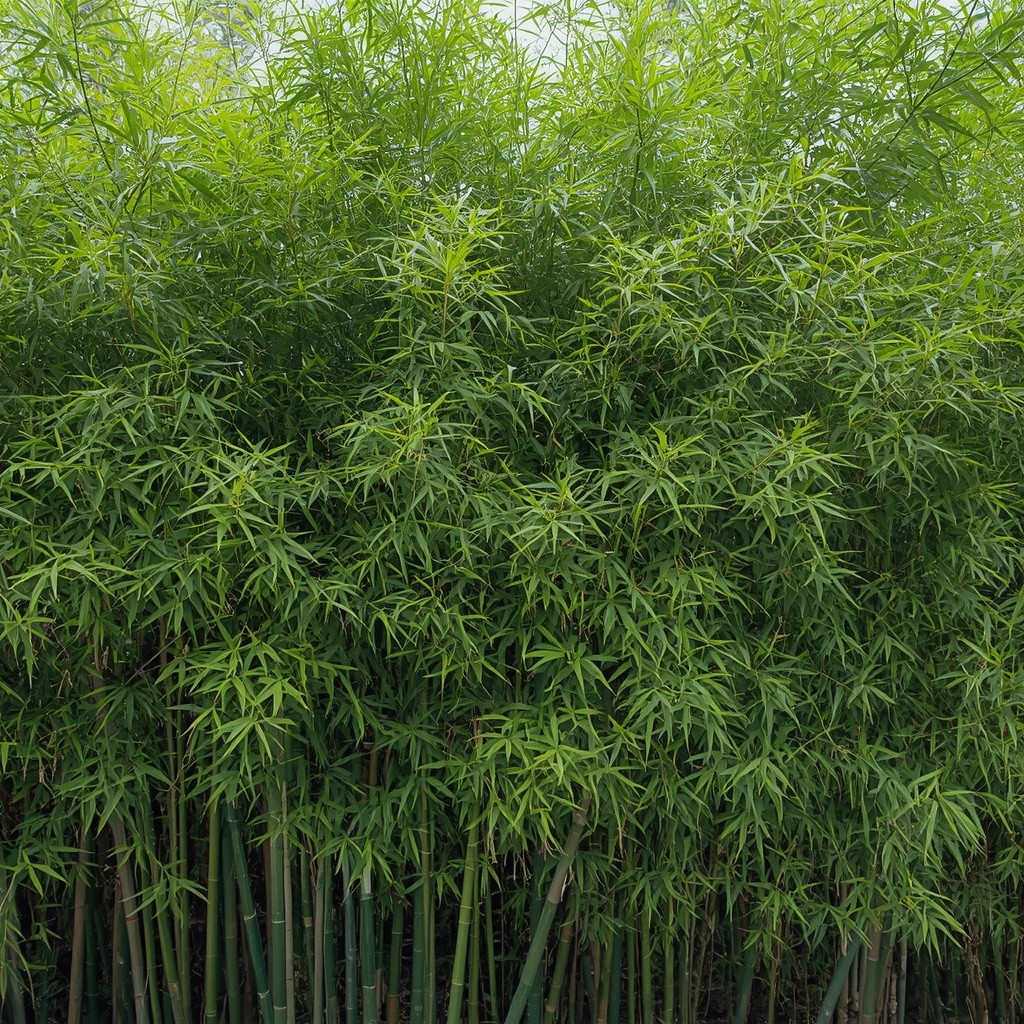
Bamboo is an excellent choice for creating a living privacy screen that feels softer and more natural than traditional fencing. Its tall, upright growth quickly forms a dense green barrier that helps block unwanted views while still allowing air circulation and movement within the garden. This makes bamboo especially useful along property boundaries, around patios, or near outdoor seating areas.
When selecting bamboo, consider whether a clumping or running variety best suits your space. Clumping types are easier to manage and stay more contained, while running varieties may require root barriers to prevent spreading. Proper spacing allows plants to fill in efficiently and create a continuous screen over time.
One of the greatest benefits of a bamboo privacy wall is its year-round appeal. The evergreen foliage maintains coverage in all seasons, while the gentle rustling of leaves adds a relaxing sound that enhances the outdoor environment.
2. Design an Inviting Bamboo Pathway Walk
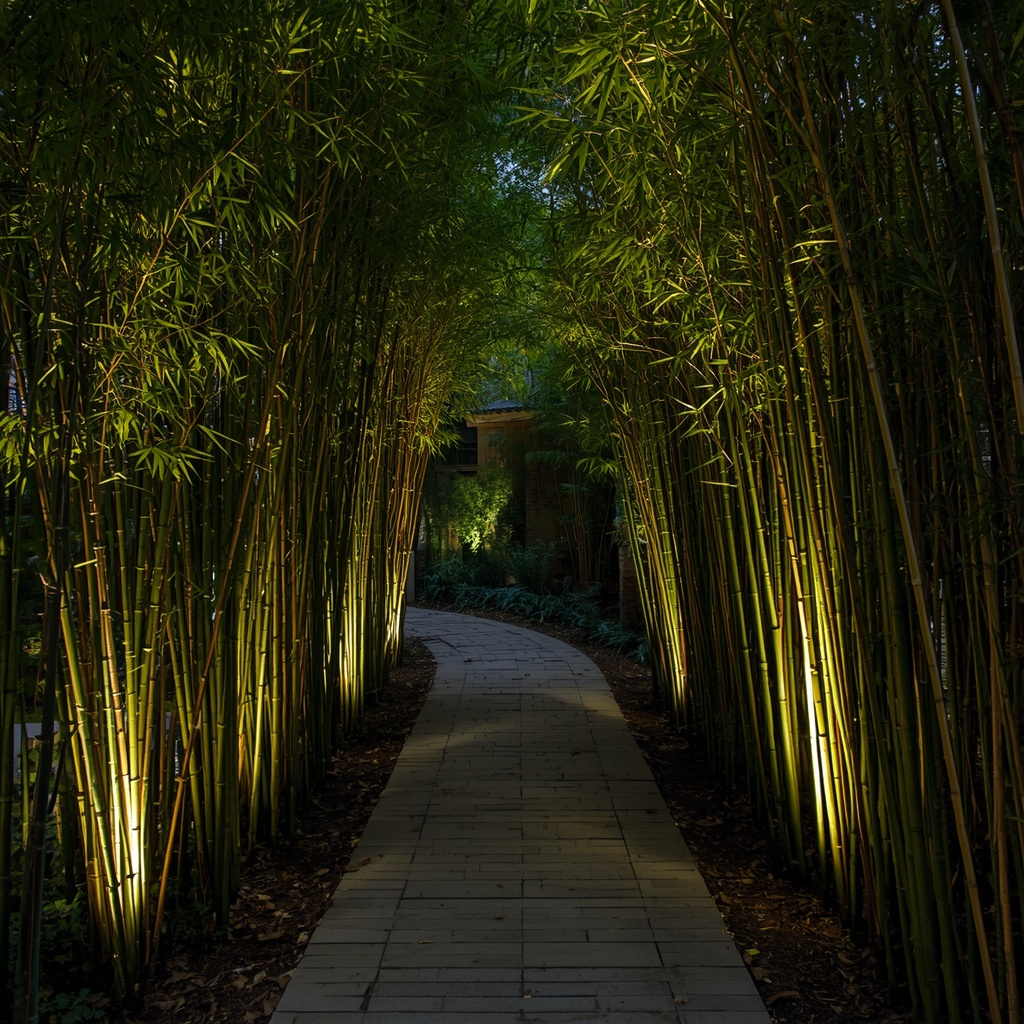
A bamboo-lined pathway can transform an ordinary garden walk into an immersive landscape feature. By planting bamboo on both sides of a path, you create a corridor that encourages exploration and adds a sense of discovery to the garden experience.
Medium-height bamboo varieties work particularly well because they provide enclosure without completely blocking sunlight. As the plants mature, their foliage filters light onto the pathway, creating changing patterns of shade throughout the day. These shifting shadows add movement and visual interest to the space.
For additional appeal, low-level pathway lighting can be installed to highlight the bamboo at night. The combination of illuminated stems and soft shadows creates a welcoming atmosphere that extends the beauty of the garden beyond daylight hours.
3. Create a Peaceful Bamboo Grove Retreat
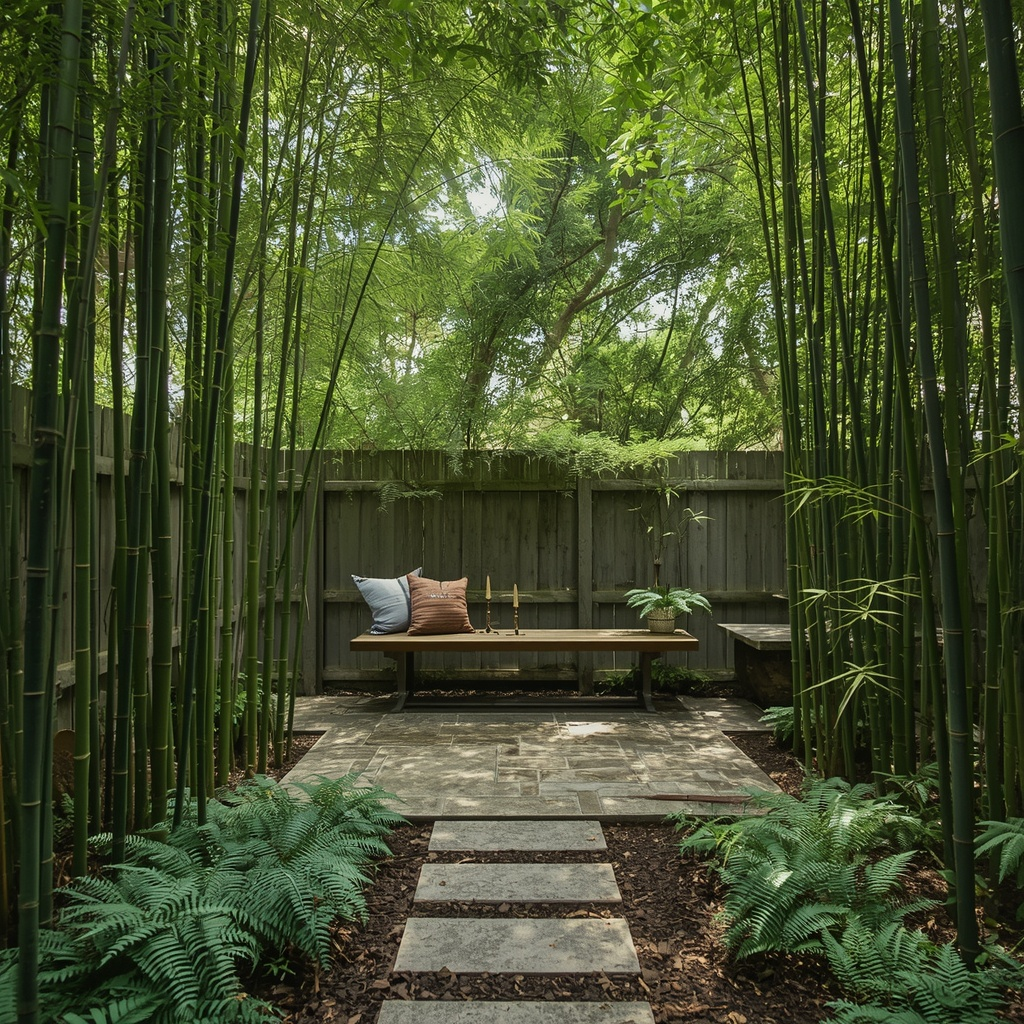
A dedicated bamboo grove can become one of the most relaxing areas within a landscape. By planting bamboo densely in a designated section of the garden, you create a quiet retreat where the sounds of swaying leaves and filtered light encourage relaxation and reflection.
Adding a simple bench, natural stone features, or a small seating area enhances the space without overwhelming its simplicity. The goal is to allow the bamboo itself to become the main attraction. As the grove matures, it develops a cooler microclimate that feels noticeably different from surrounding garden areas.
Shade-loving plants such as ferns and ornamental ground covers can be added beneath the bamboo to create additional texture and visual depth. Together, these elements form a tranquil environment that serves as a peaceful escape from everyday distractions.
4. Grow Bamboo Successfully in Containers
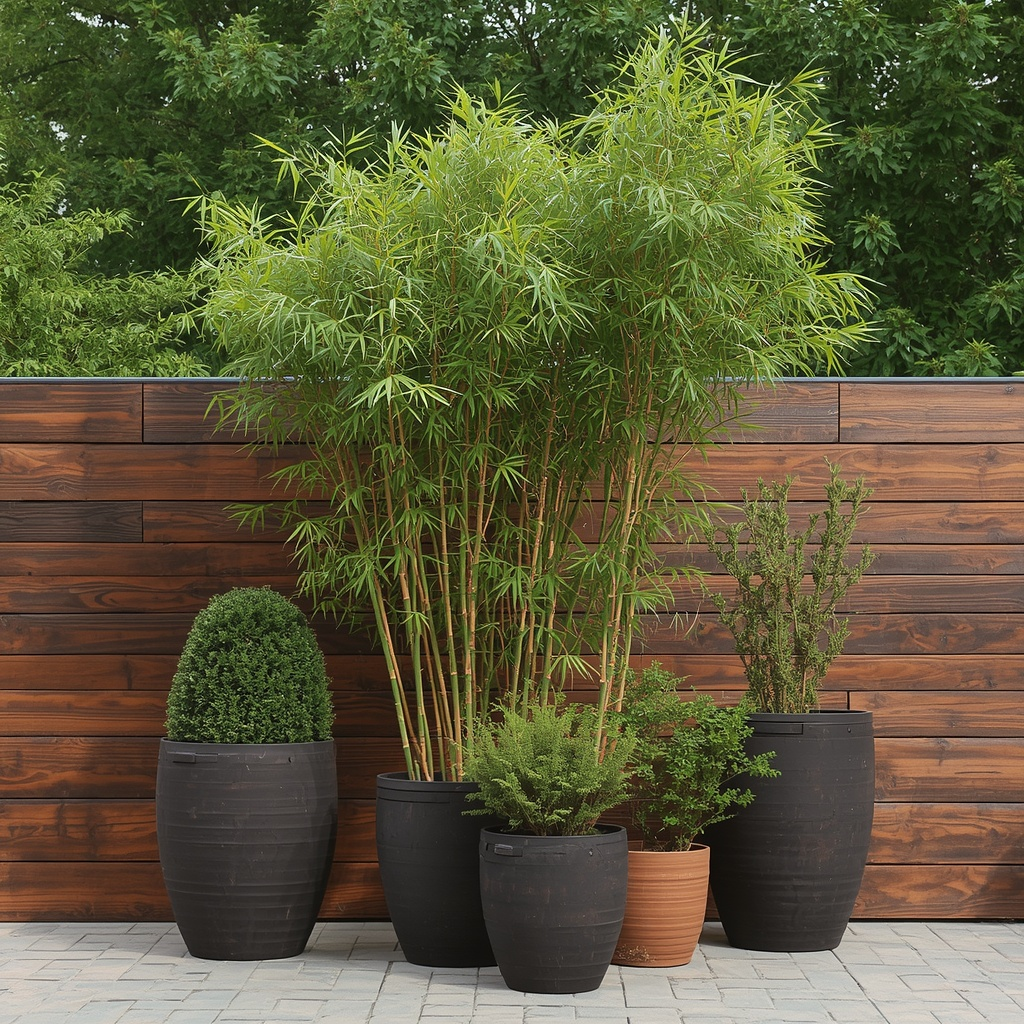
Container-grown bamboo is a practical solution for patios, balconies, rooftops, and rental properties where permanent planting may not be possible. Large containers allow gardeners to enjoy bamboo’s elegant appearance while maintaining full control over its growth and placement.
Clumping bamboo varieties are generally best suited for containers because they adapt well to limited root space. Choosing containers of varying sizes and heights creates visual interest and allows for creative arrangements. Decorative pots can also enhance the overall design and become part of the landscape aesthetic.
Regular watering and occasional feeding help container bamboo remain healthy and vibrant. With proper care, it can provide privacy, greenery, and architectural interest even in compact outdoor spaces.
5. Enhance Water Features with Bamboo Plantings
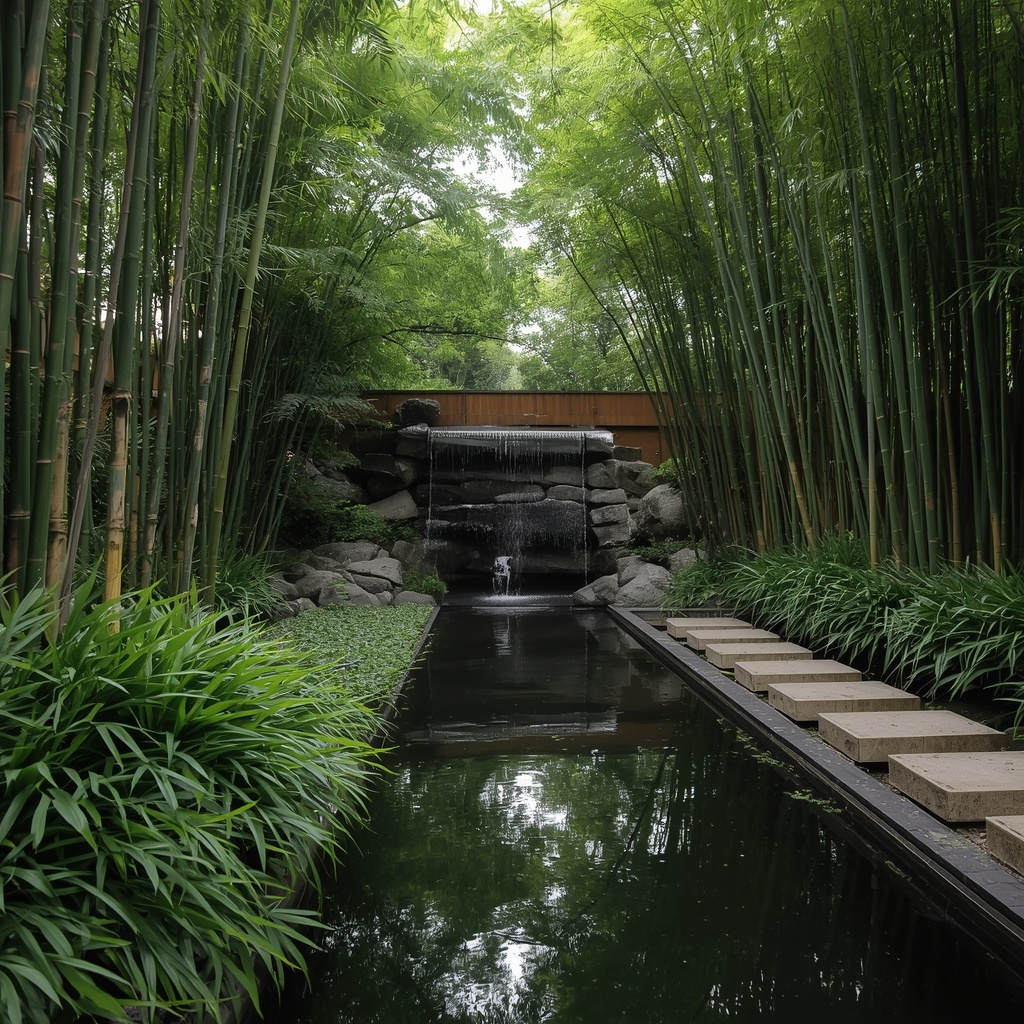
Bamboo and water complement one another beautifully in landscape design. Surrounding ponds, fountains, or pools with bamboo creates a natural setting that feels peaceful and visually balanced. The reflection of bamboo in still water adds depth and doubles its visual impact.
Strategically placing bamboo around selected sides of a water feature helps frame views while maintaining open sightlines. The movement of bamboo leaves pairs naturally with the sound of flowing water, creating a calming sensory experience.
Pathways, stepping stones, or small seating areas can further encourage interaction with the space. Together, bamboo and water create a harmonious garden feature that feels both elegant and inviting.
6. Use Bamboo as a Striking Architectural Feature
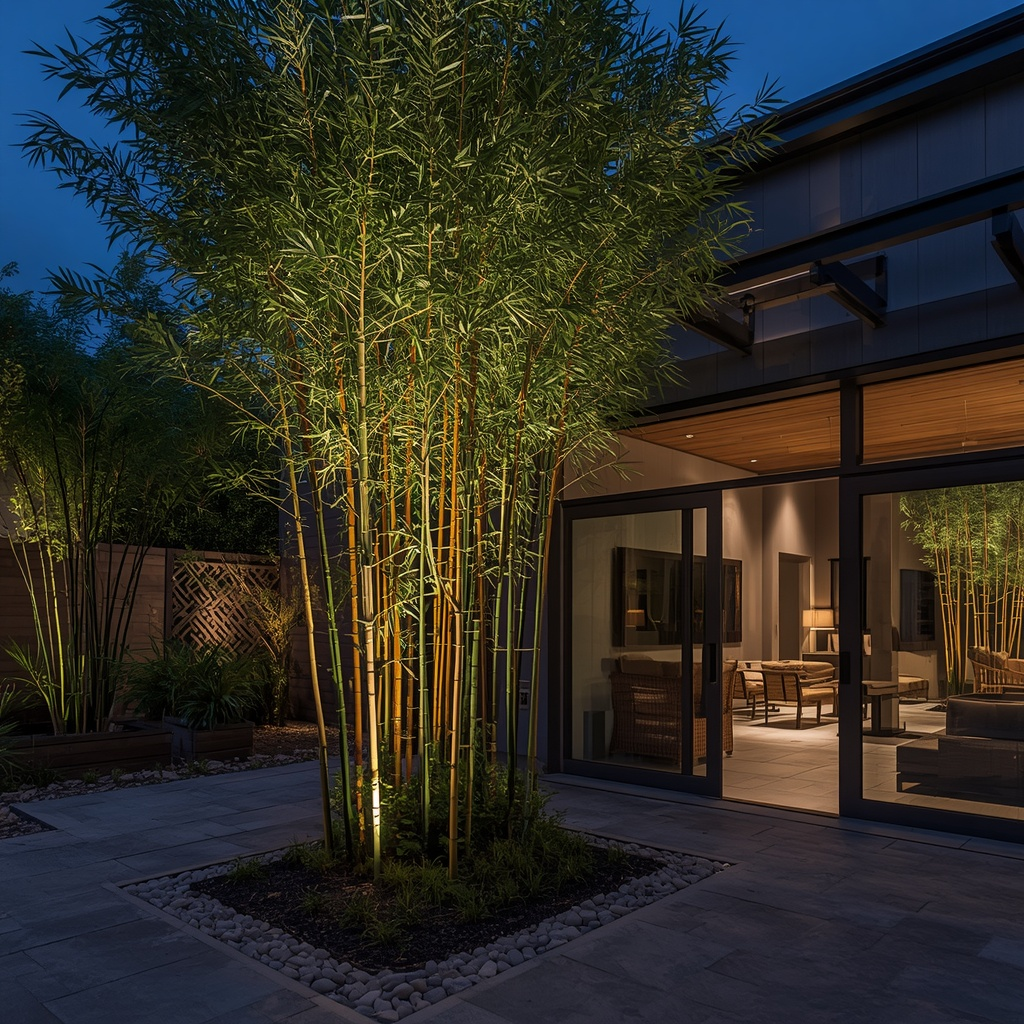
Bamboo can function as a living architectural element when used as a focal point near entrances, courtyards, or prominent garden locations. Its upright growth habit and distinctive stems make it an eye-catching addition that blends natural beauty with structural form.
Varieties featuring unusual stem colors, such as black or golden bamboo, create particularly strong visual interest. Placing these specimens near modern architecture or hardscape features highlights the contrast between organic and built environments.
Lighting can further emphasize bamboo’s sculptural qualities after dark. Carefully positioned uplights create dramatic shadows and draw attention to the plant’s unique form, making it a standout feature both day and night.
7. Define Garden Edges with Low-Growing Bamboo
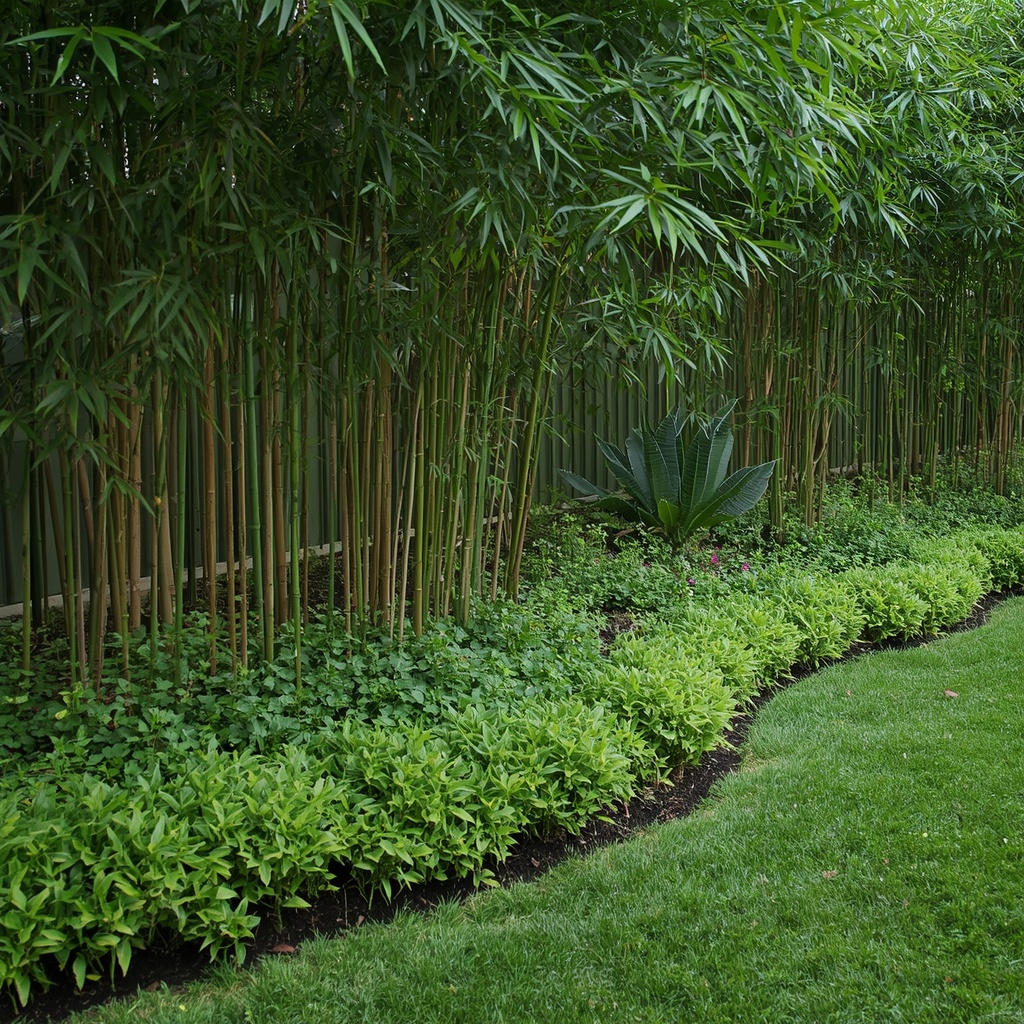
Low-growing bamboo varieties provide an attractive alternative to traditional garden borders. Their compact growth forms soft, flowing edges that help define pathways, flower beds, and lawn areas while maintaining a natural appearance.
These smaller bamboo species are often evergreen, ensuring year-round structure and color. Their dense growth also helps reduce soil erosion and suppress weeds, making them both decorative and functional.
Combining different leaf colors or variegated varieties can add subtle contrast and texture. The result is a border that feels relaxed and organic while still providing clear visual definition throughout the landscape.
8. Transform Rooftops with Bamboo Gardens
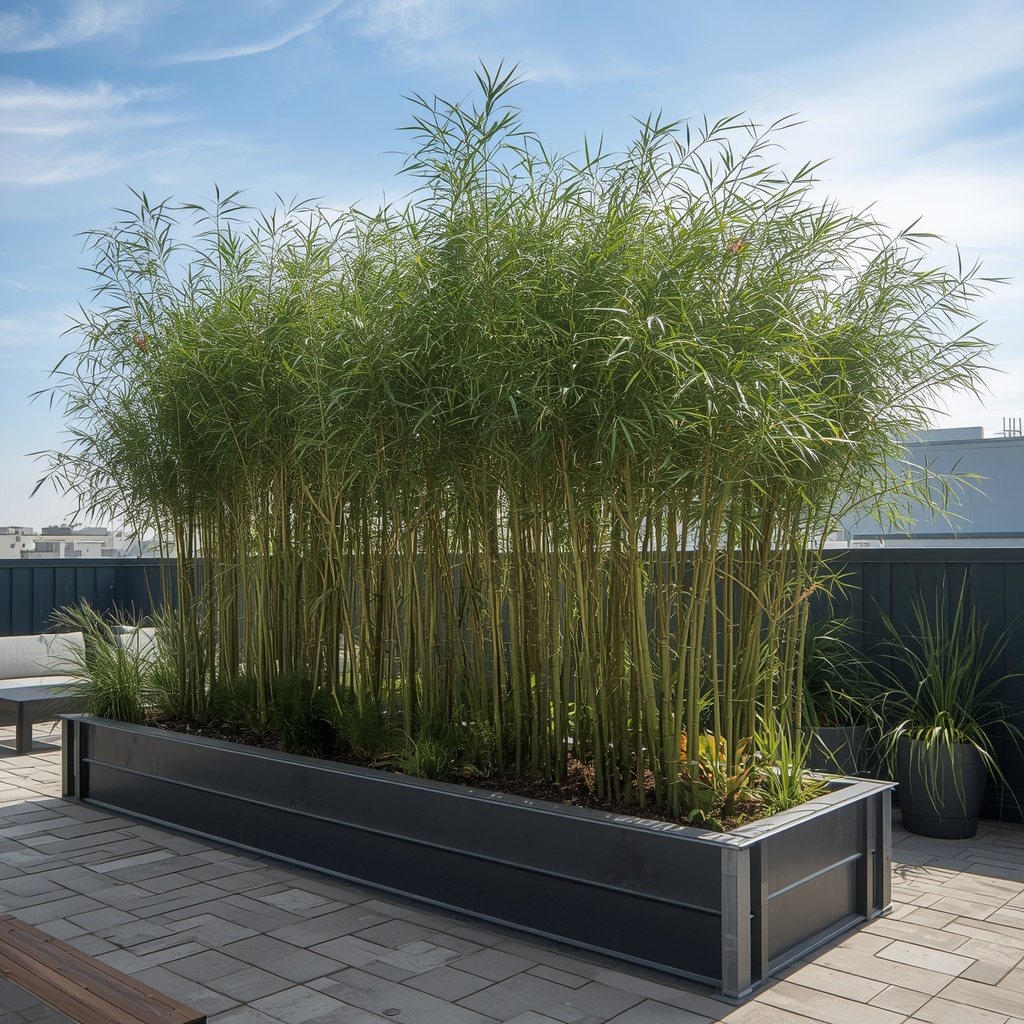
Bamboo can be an excellent addition to rooftop gardens, where privacy, wind protection, and vertical greenery are often priorities. Container-grown bamboo creates a sense of enclosure without occupying excessive floor space, making it ideal for urban environments.
Hardy varieties that tolerate wind and sun exposure perform best in rooftop conditions. Grouping containers strategically helps define outdoor rooms, seating areas, and pathways while adding a lush atmosphere to otherwise exposed spaces.
When combined with ornamental grasses and drought-tolerant plants, bamboo contributes to a balanced and visually appealing rooftop landscape that feels far removed from the surrounding city environment.
9. Design a Bamboo Meditation Space
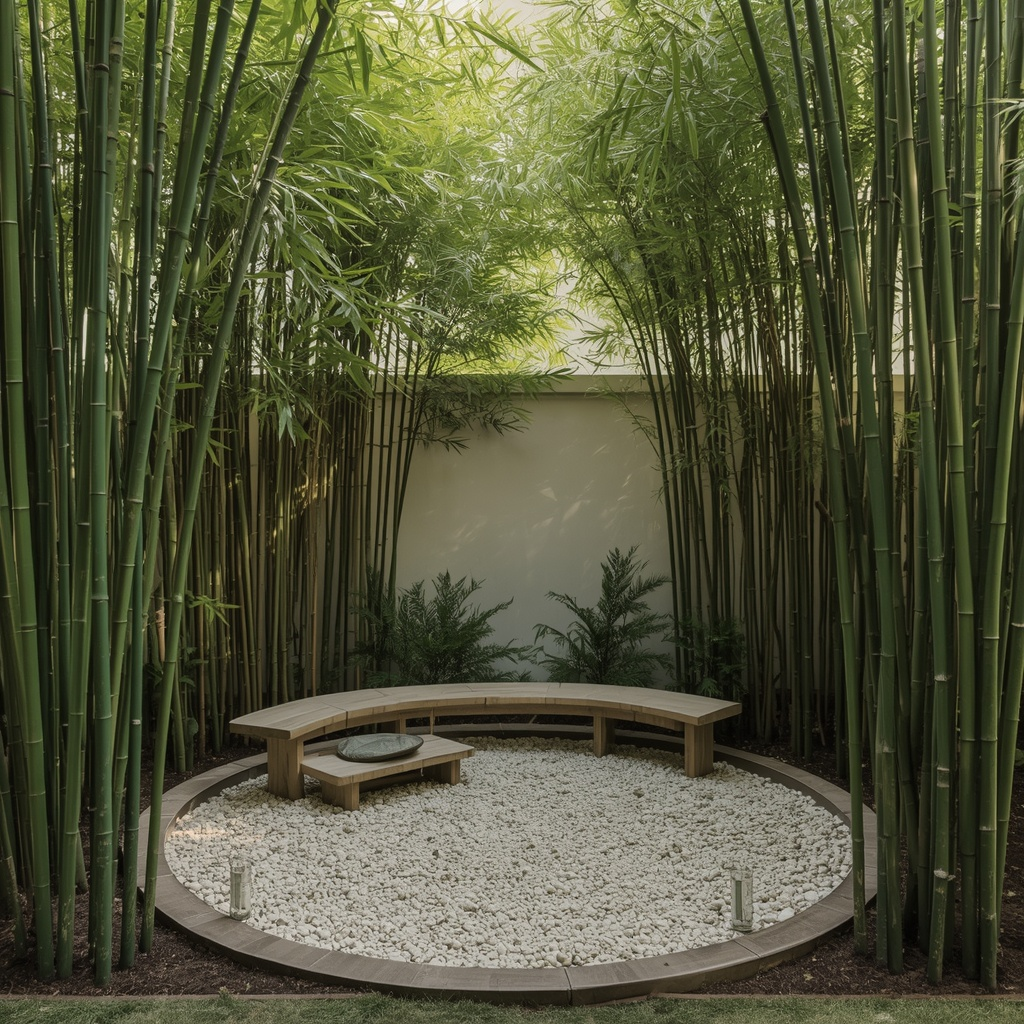
Bamboo’s calming qualities make it an ideal centerpiece for a meditation or wellness garden. Its gentle movement, soft sounds, and elegant vertical form help create an environment that encourages mindfulness and relaxation.
Arranging bamboo in a circular or semi-enclosed layout provides a sense of privacy while maintaining openness to the sky. A simple gravel surface, stone feature, or small bench can complete the space without distracting from its purpose.
Morning and evening light filtering through bamboo leaves often creates beautiful visual effects. These natural patterns enhance the atmosphere and make the area especially appealing for meditation, yoga, or quiet reflection.
10. Establish Attractive Bamboo Hedgerows
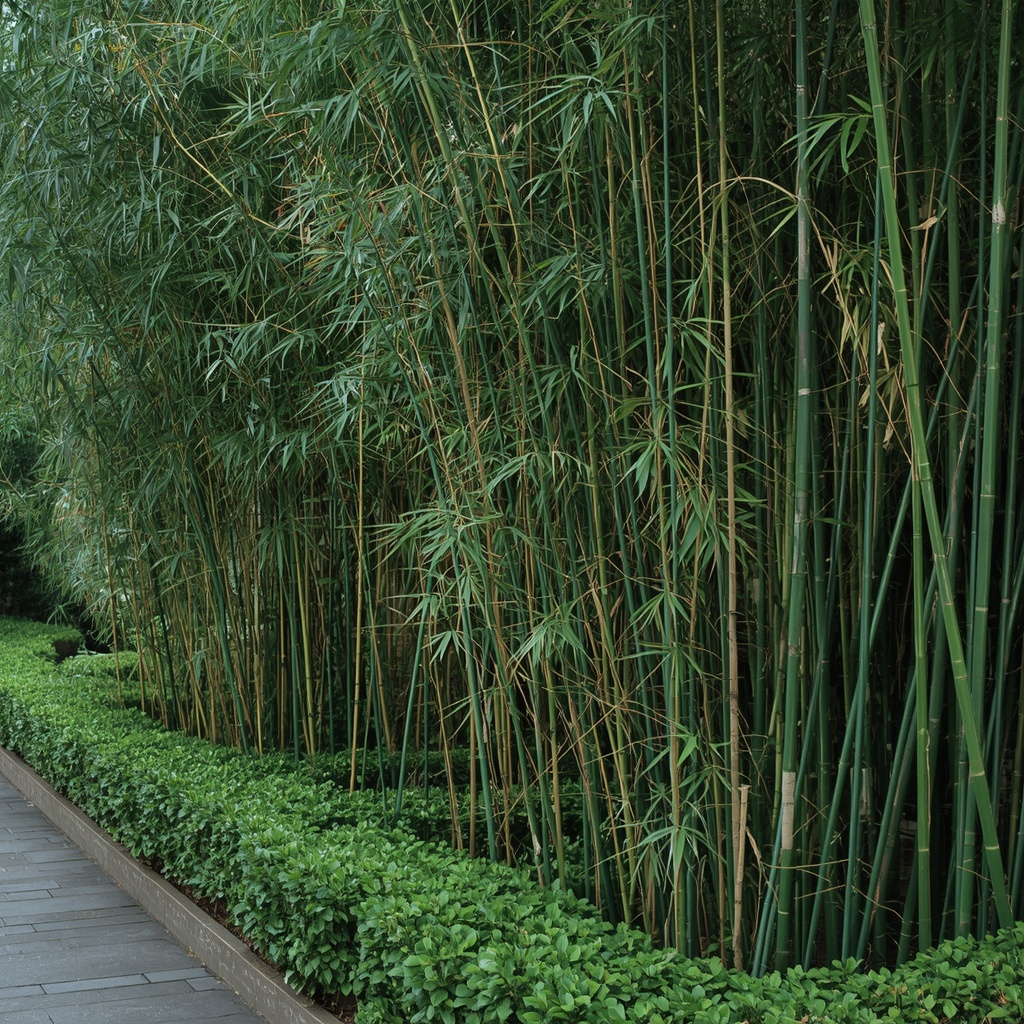
Bamboo hedgerows offer a unique alternative to traditional shrubs and hedges. Their rapid growth allows them to establish privacy and structure quickly, while their graceful appearance adds movement and texture to the landscape.
Unlike many formal hedges that require frequent trimming, bamboo hedgerows typically need only occasional maintenance to remove older stems and control height. This can reduce long-term upkeep while maintaining a polished appearance.
Available in various sizes, bamboo can be used for low borders, medium-height partitions, or full privacy screens. Its evergreen nature ensures year-round coverage and visual appeal.
11. Create an Elegant Bamboo Courtyard Garden
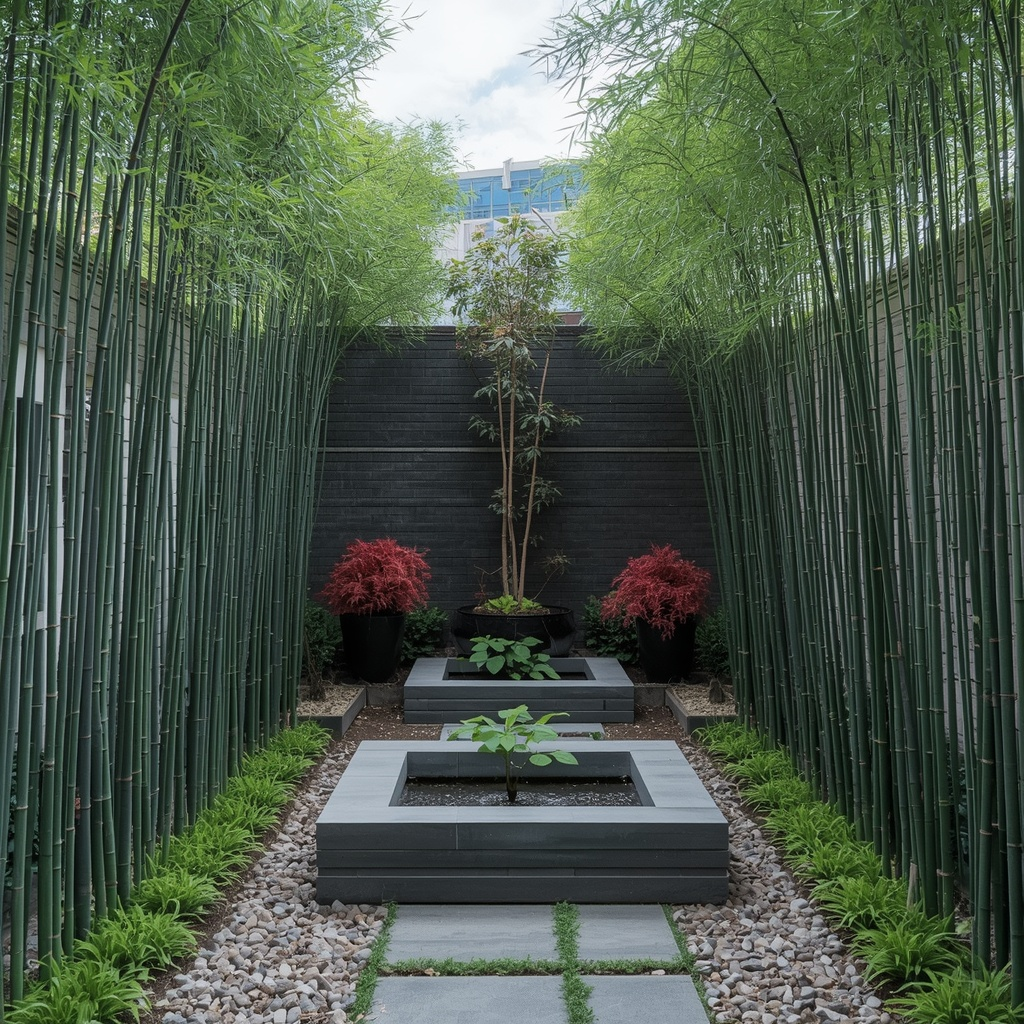
Bamboo can transform enclosed courtyards into serene and inviting outdoor retreats. By planting along perimeter walls, it softens hard surfaces and introduces a sense of calm that contrasts beautifully with urban surroundings.
The vertical growth of bamboo makes it particularly suitable for compact spaces. It provides privacy without taking up excessive room and helps create a layered, garden-like atmosphere even in small courtyards.
Adding elements such as water features, stone paving, and shade-tolerant plants enhances the overall design. Together, these features create a balanced outdoor sanctuary that remains attractive throughout the year.
12. Stabilize Slopes with Bamboo Plantings
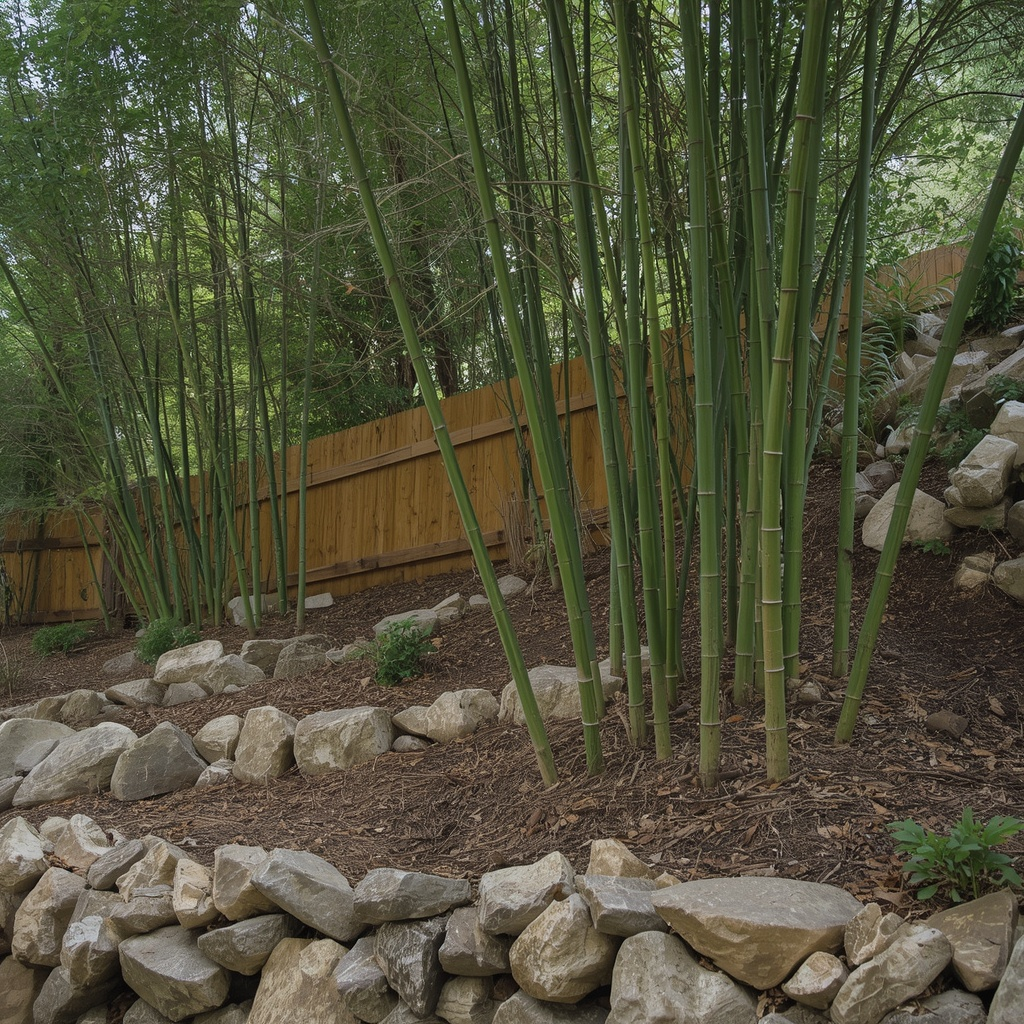
Bamboo can serve a practical role in erosion control while also enhancing the appearance of sloped landscapes. Its extensive root system helps stabilize soil and reduce the risk of runoff, making it useful for hillsides and embankments.
As the bamboo establishes itself, the roots form a dense underground network that improves soil retention. At the same time, the upright stems create strong visual impact and year-round greenery.
Combining bamboo with rocks, retaining features, or complementary plantings can provide additional support while creating a more natural-looking landscape. This approach offers both environmental and aesthetic benefits.
13. Divide Outdoor Spaces with Bamboo Garden Rooms
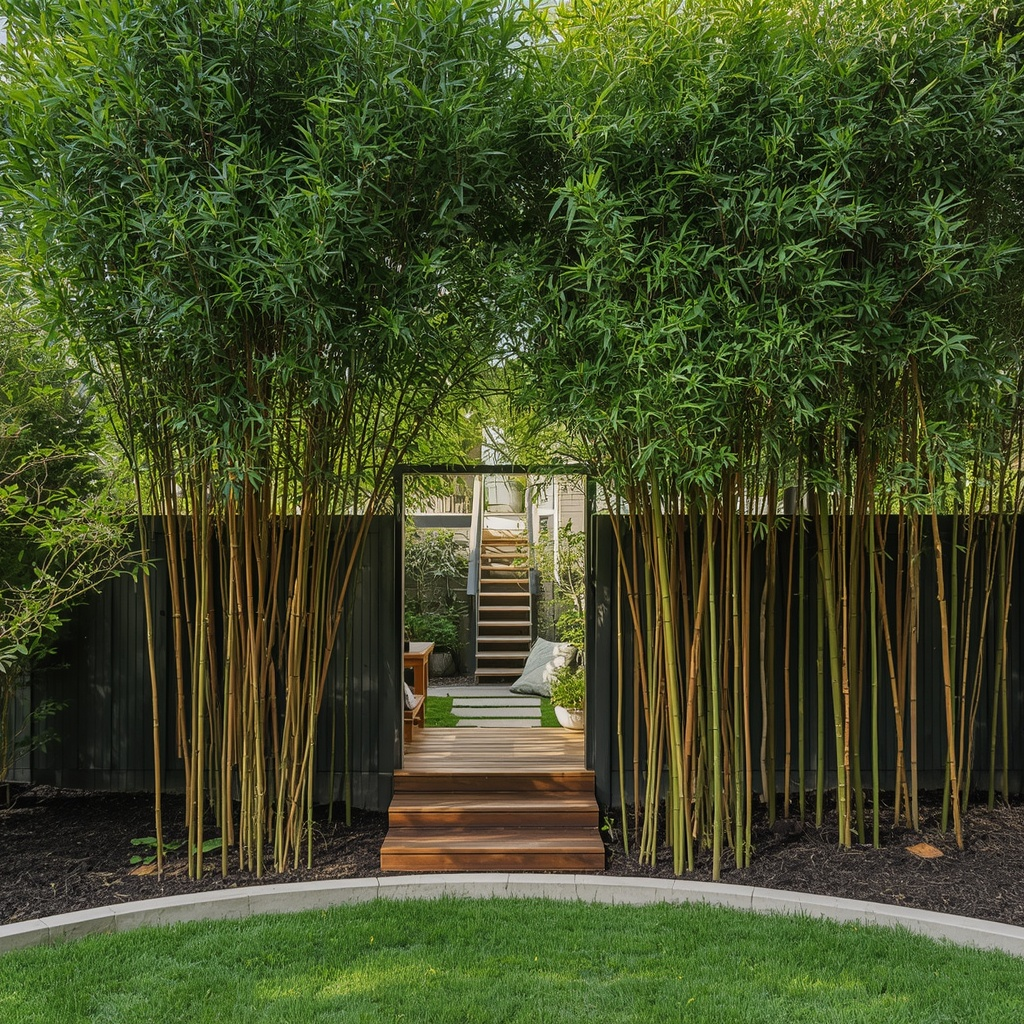
Bamboo is highly effective for creating separate garden zones without relying on solid walls or fences. Strategically placed plantings can define dining areas, relaxation spaces, play zones, or decorative sections while maintaining a natural flow throughout the property.
Openings between bamboo groupings can serve as gateways, encouraging movement and exploration. This layout creates a sense of discovery while helping larger gardens feel more organized and purposeful.
As the bamboo matures, these outdoor rooms become increasingly defined. The result is a landscape that feels dynamic, structured, and connected to nature.
14. Incorporate Bamboo into Water-Wise Landscapes
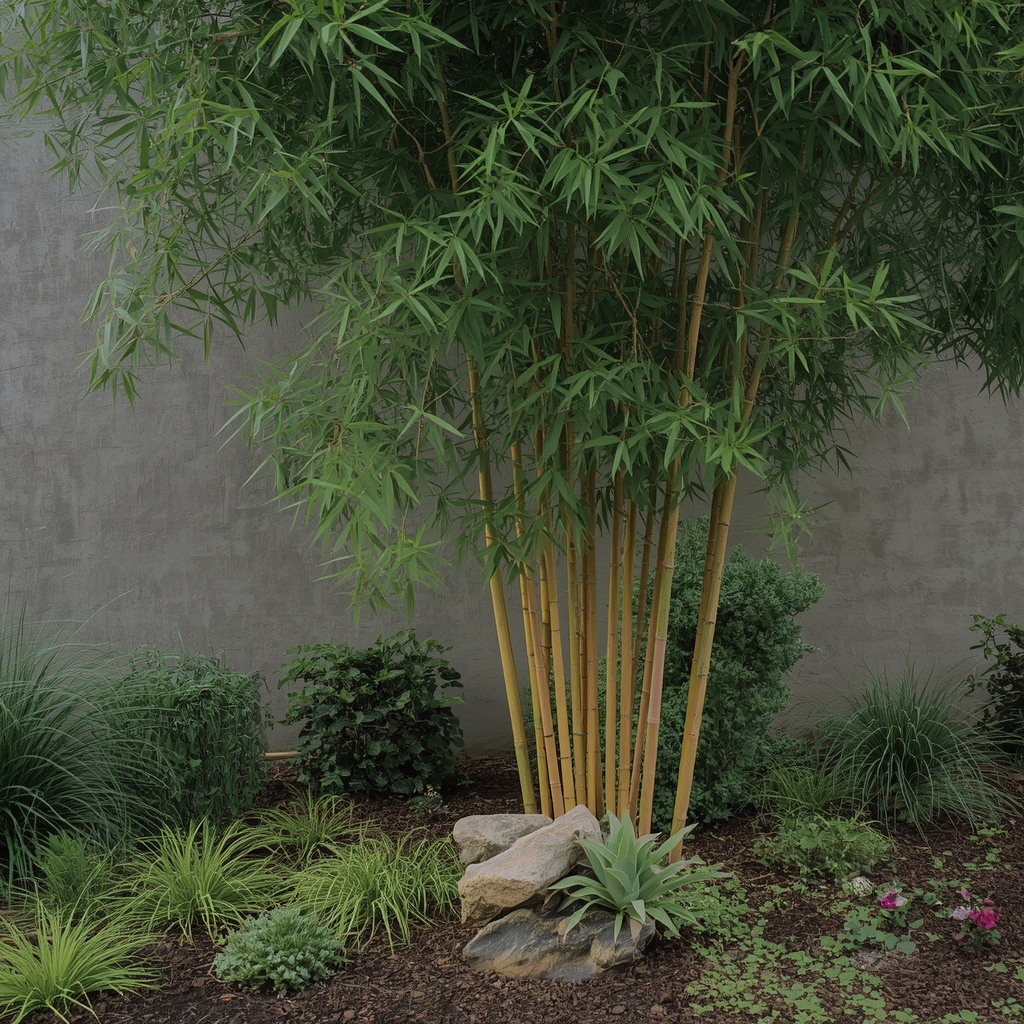
Although bamboo is often associated with moist environments, many species become surprisingly drought tolerant once established. This makes certain varieties suitable for water-conscious landscape designs where efficient resource use is a priority.
Bamboo introduces vertical interest and evergreen color among drought-adapted plants such as ornamental grasses, succulents, and native species. The contrast between lush bamboo foliage and low-water plantings creates a visually engaging composition.
Applying mulch around the base helps retain soil moisture and supports healthy growth. With thoughtful plant selection, bamboo can contribute to attractive landscapes that require relatively low irrigation.
15. Support Wildlife with Bamboo Habitat Gardens
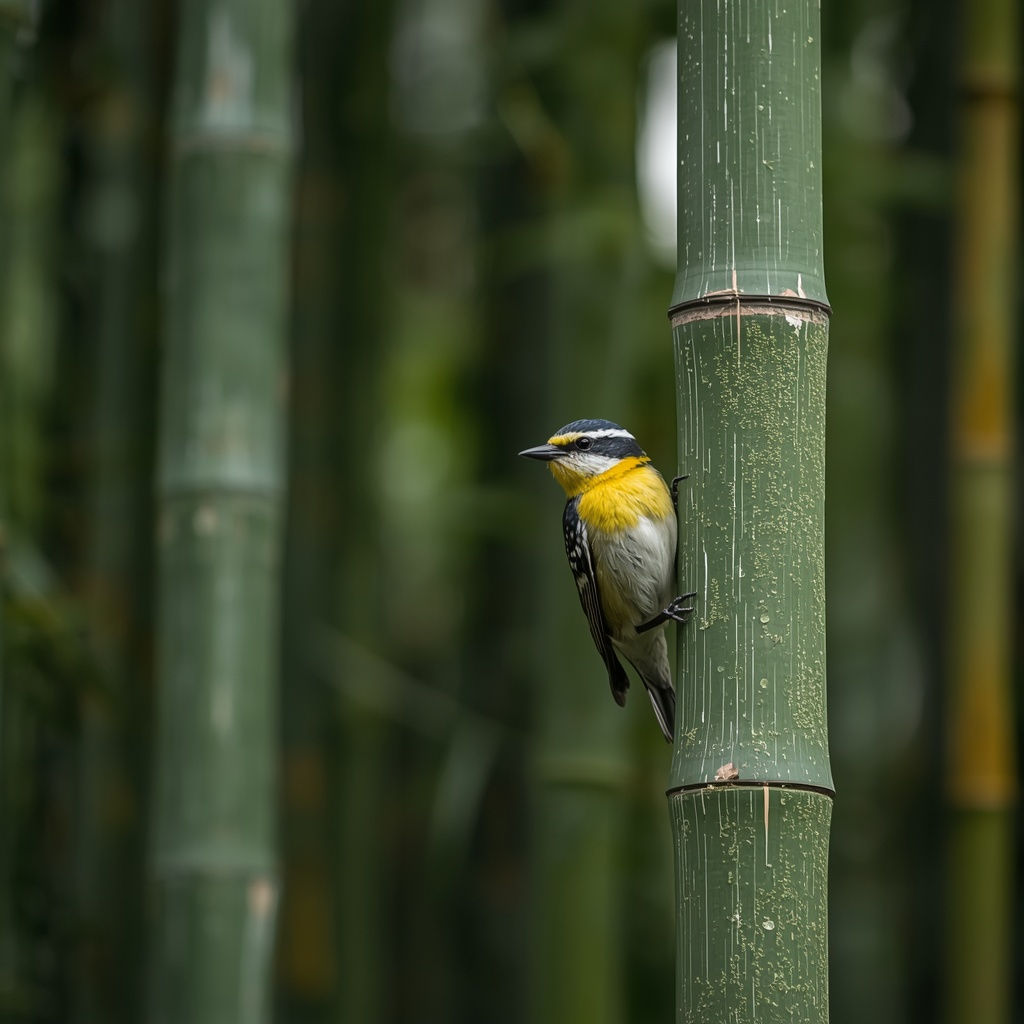
Bamboo can provide valuable shelter and habitat for a variety of wildlife. Dense plantings offer safe nesting locations for birds, while the foliage creates protection from harsh weather and predators.
The structure of bamboo also supports beneficial insects, which play important roles in pollination and natural garden balance. By creating sheltered spaces, bamboo contributes to greater biodiversity within the landscape.
Combining bamboo with flowering plants, native species, and water sources can further enhance its ecological value. A thoughtfully designed bamboo habitat garden not only looks beautiful but also supports a healthier and more vibrant outdoor ecosystem.