
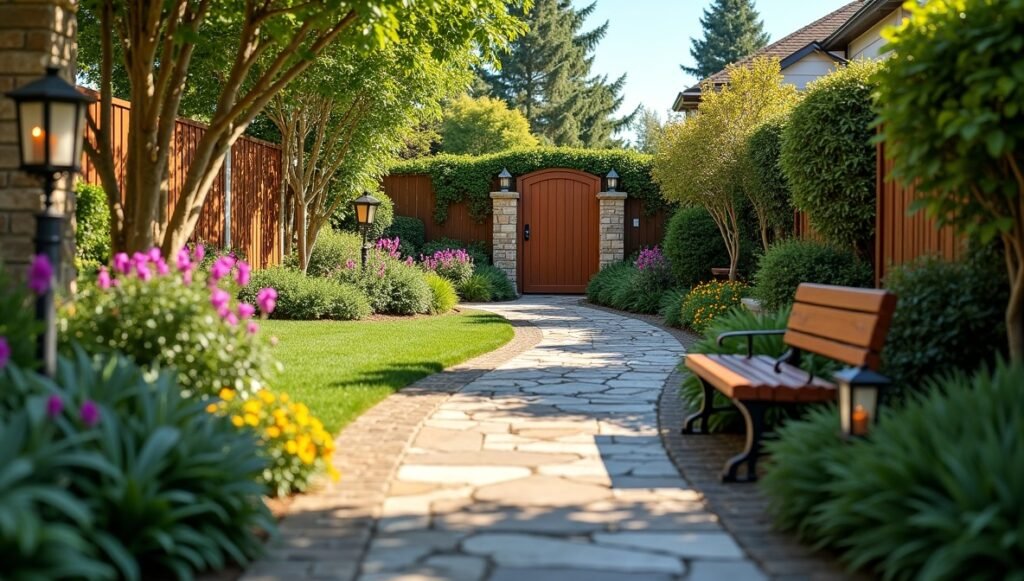
Looking to transform your backyard into a beautiful, inviting space? Backyard walkway ideas are the perfect way to add style, structure, and functionality to your outdoor area. A well-designed walkway not only guides guests through your garden but also enhances the overall landscape aesthetic.
From natural stone paths and rustic gravel trails to modern pavers and creative patterns, there are endless options to suit your style and backyard layout. Incorporating lighting, greenery, or decorative accents can elevate the look while adding safety and charm. In this guide, we’ll explore inspiring backyard walkway ideas that combine practicality, creativity, and visual appeal—helping you design a pathway that’s both functional and stunning.
A Flagstone Walkway
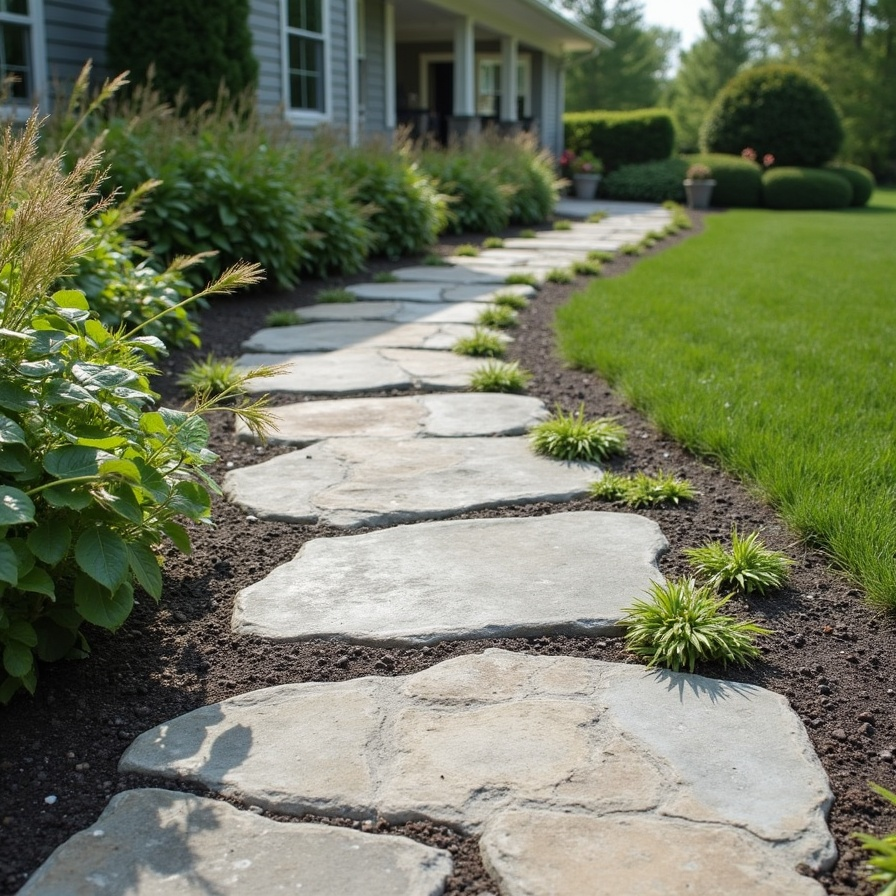
Flagstone walkways offer a natural, versatile way to enhance outdoor spaces. You can source affordable flagstones from quarries, landscaping supply stores, or online marketplaces. Arrange them in patterns that suit your garden style, whether loose for a casual, organic feel or tightly fitted for a more formal look. Leaving gaps between stones allows for moss or low-growing plants to soften the pathway, while closer placement creates a clean, structured design. Flagstone paths are durable, low-maintenance, and add timeless charm to yards and gardens.
Beautiful Gravel Walkway
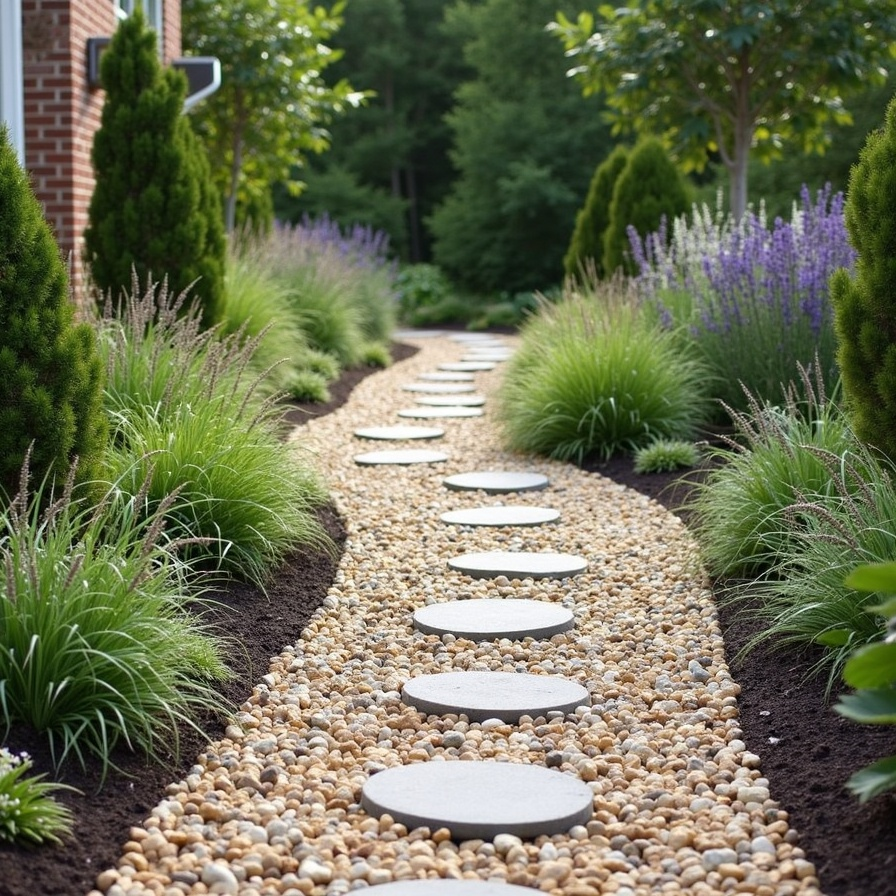
Gravel walkways are a cost-effective and flexible option for DIY garden paths. Using stones of different colors and sizes allows for creative expression and complements a variety of landscaping styles. You can add borders, edging, or stepping stones for a polished appearance. Gravel pathways are easy to install, maintain, and repair. They provide natural drainage, reduce mud, and create a charming, informal aesthetic. Whether for a backyard garden, side yard, or front pathway, a gravel walkway enhances usability while remaining visually appealing.
A Simple Concrete Walkway
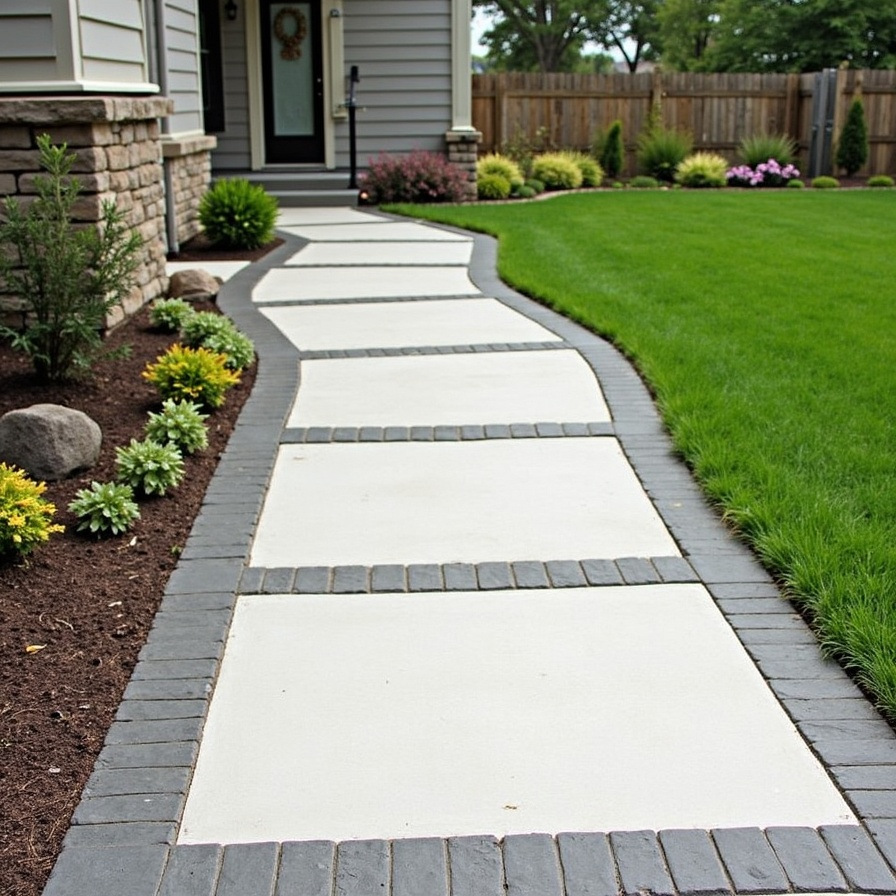
Concrete walkways are practical, durable, and adaptable for different home exteriors. Pouring and leveling concrete produces a smooth surface ideal for high-traffic areas. Decorative edging, stamped patterns, or inlays can elevate its appearance without requiring expensive materials. Concrete is long-lasting, weather-resistant, and easy to clean. It can be customized with colors, textures, or embedded stones to match the surrounding landscape. A concrete path provides stability, reduces mud, and creates a functional, visually appealing route from one part of your yard to another, making it a budget-friendly DIY solution.
An Artistic Pebble Mosaic Walkway
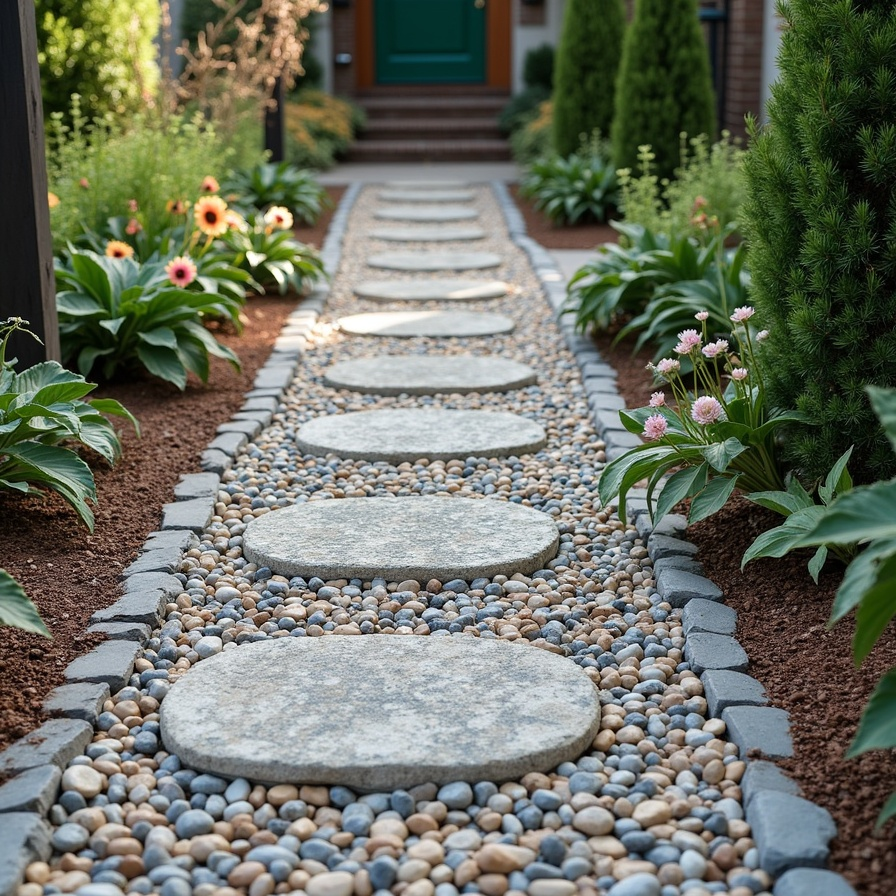
Pebble mosaic walkways combine creativity and durability to transform outdoor spaces. Arrange pebbles directly onto compacted sand, gravel, or concrete to form intricate patterns or random artistic designs. This method allows for endless customization with various stone colors, shapes, and sizes. Mosaic paths are low-maintenance, resistant to weathering, and provide traction underfoot. You can also incorporate pebbles into individual stepping stones for unique accents. The result is a visually striking, functional walkway that adds charm and personality to gardens, patios, or entryways while reflecting your personal style.
A Simple Pallet Wood Walkway
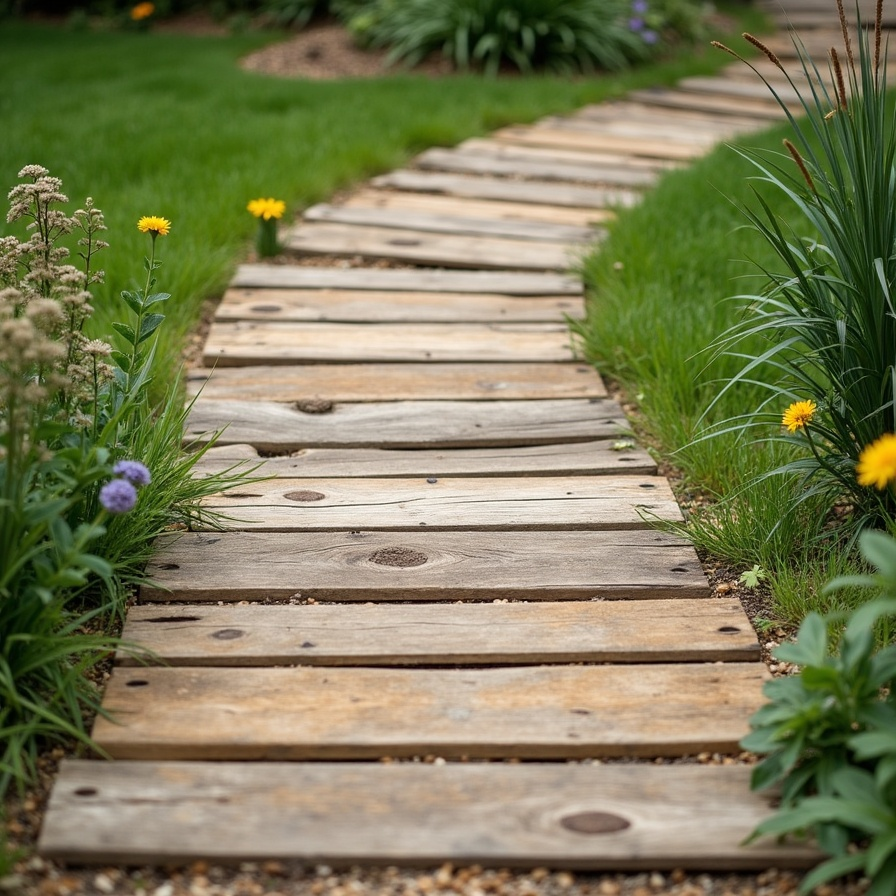
Repurposed pallet wood creates a rustic and eco-friendly garden walkway. Begin by leveling a base layer of gravel or sand for stability and proper drainage. Then, arrange pallet sections in a pattern that suits the path’s layout. This method provides a cost-effective solution for garden paths while adding visual warmth and texture. Occasional maintenance is needed to replace worn or weathered wood. Pallet walkways complement casual or natural landscapes and allow you to recycle materials creatively, giving your garden a unique, handcrafted touch that is both practical and charming.
A Wooden Boardwalk
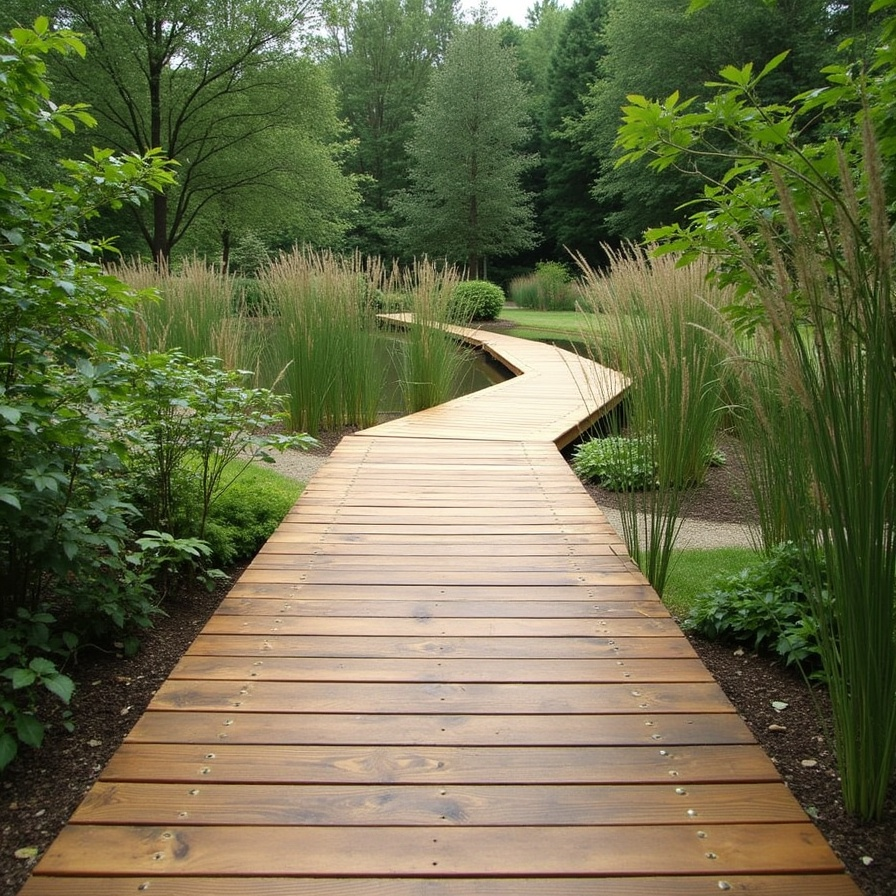
Wooden boardwalks are ideal for areas with uneven terrain, wet soil, or marshy ground. They create a solid walking surface that preserves the surrounding landscape while offering durability and safety. Constructed from treated lumber or decking materials, they are long-lasting and visually appealing. Add pea gravel underneath for drainage and stability. Boardwalks can be straight or meandering, enhancing garden aesthetics while allowing easy access to different areas. They are perfect for backyard retreats, ponds, or nature-inspired gardens, offering a functional, inviting pathway that integrates seamlessly into the natural environment.
Moss Pathway
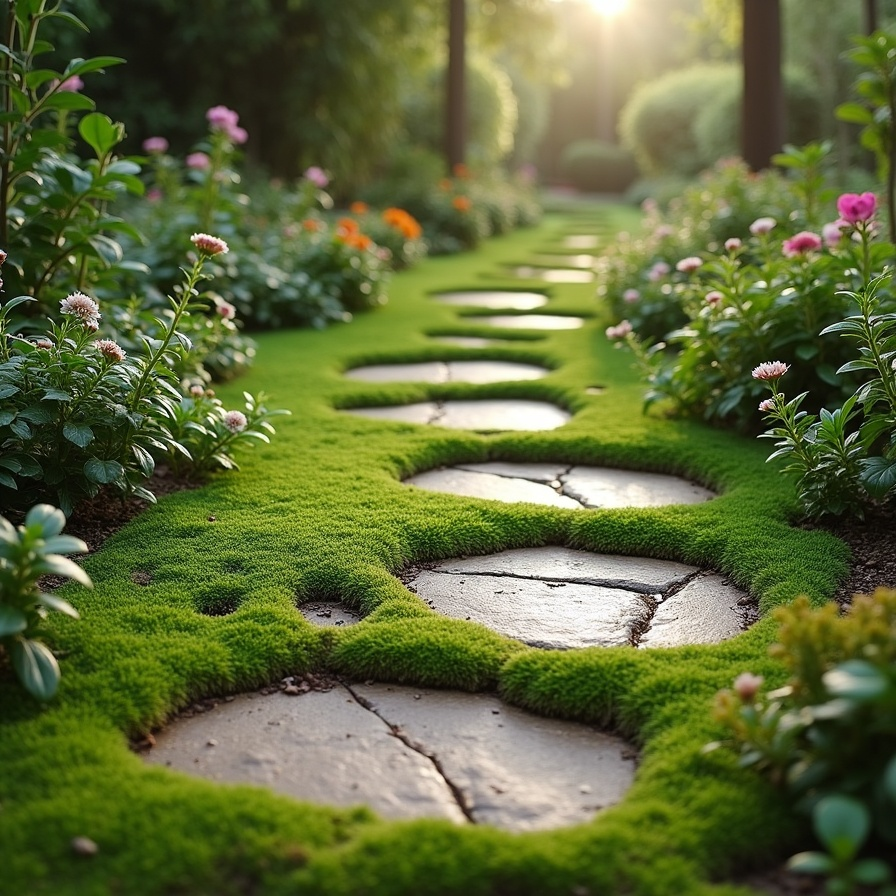
A moss pathway offers a serene and eco-friendly alternative to traditional garden paths. Encourage moss to grow between stones, pavers, or flagstones for a soft, lush walking surface. Moss is drought-tolerant, low-maintenance, and visually appealing, giving the pathway a natural and timeless feel. These walkways blend seamlessly with shaded gardens, woodland settings, or tranquil outdoor retreats. Moss paths reduce soil erosion and provide a quiet, calming atmosphere. Over time, the moss will thicken, creating an inviting, almost magical path that enhances the aesthetic and sensory experience of your outdoor space.
A DIY Brick Walkway
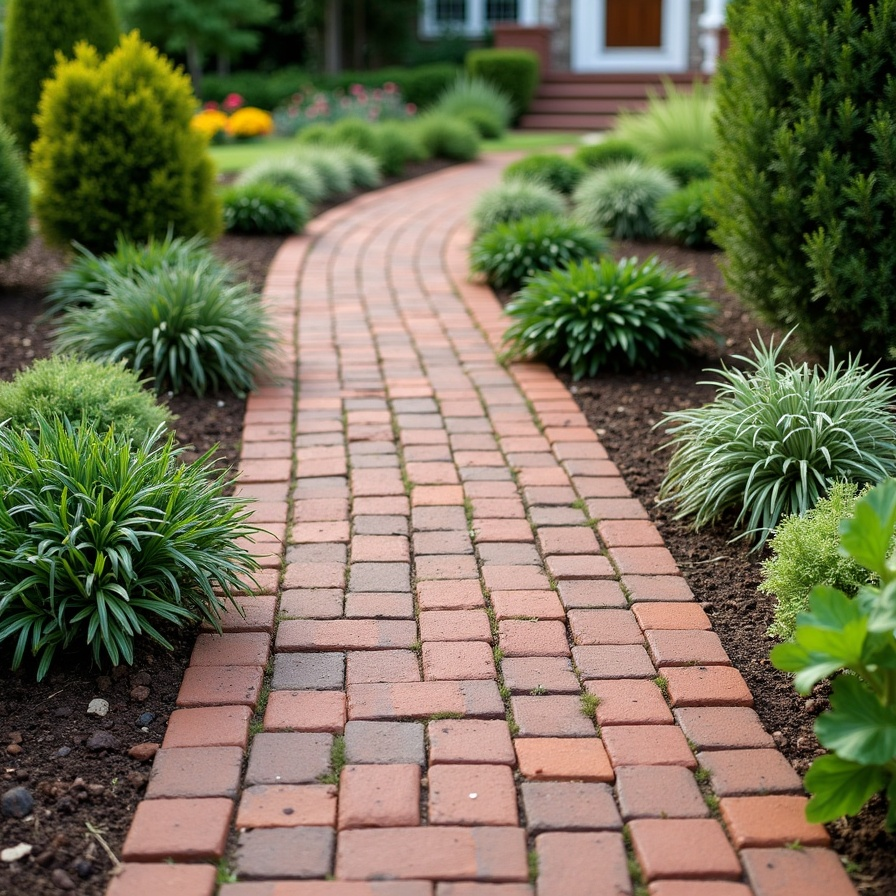
Brick pathways add warmth, structure, and classic charm to gardens. Using clay or concrete bricks, you can create patterns such as herringbone, basketweave, or running bond. Bricks are durable, weather-resistant, and suitable for a variety of landscaping styles. They provide a firm walking surface while complementing plantings and architectural features. Bricks can also be laid with slight gaps for moss or ground cover to soften the appearance. Whether for front yards, back gardens, or patios, brick walkways combine functionality with timeless aesthetic appeal.
Paved and Stenciled Walkway
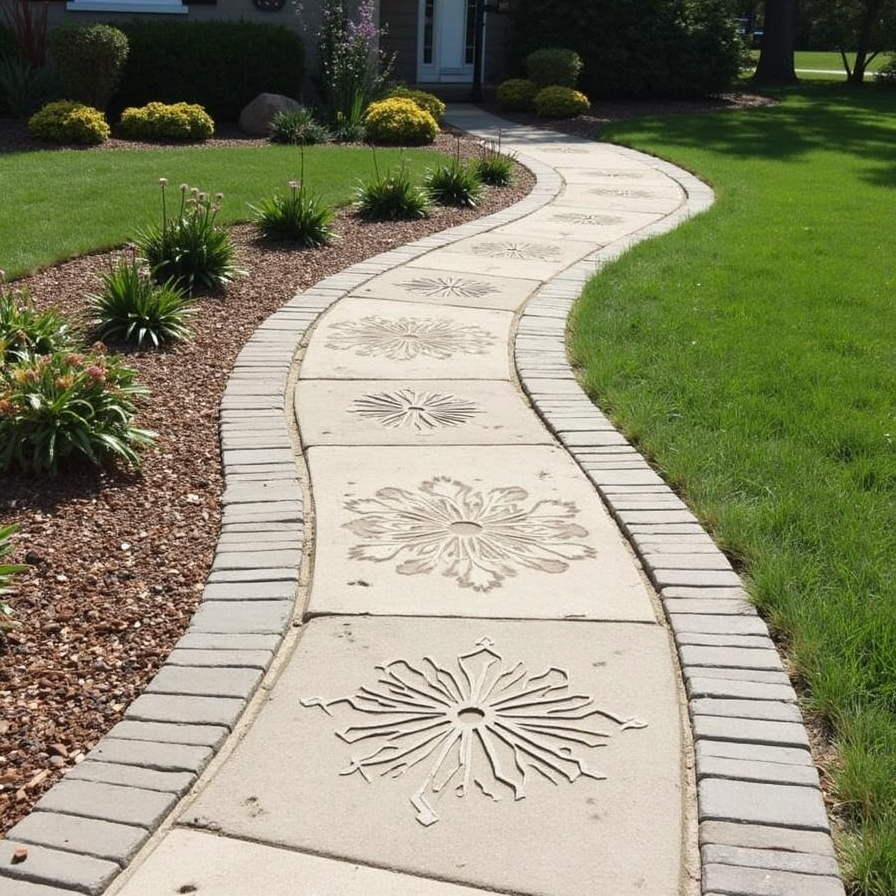
Paved walkways with stenciled designs offer an affordable way to customize your garden path. After preparing a solid base, apply paving material such as concrete, stone, or pavers. Once set, stencils allow you to add decorative patterns, shapes, or artistic motifs. This method personalizes your pathway while maintaining durability. Stenciled walkways are ideal for patios, entryways, or garden routes and can be adapted to fit any size or layout. The combination of function and creativity makes this DIY approach both practical and visually engaging for outdoor spaces.
A Simple Paver Stone Walkway
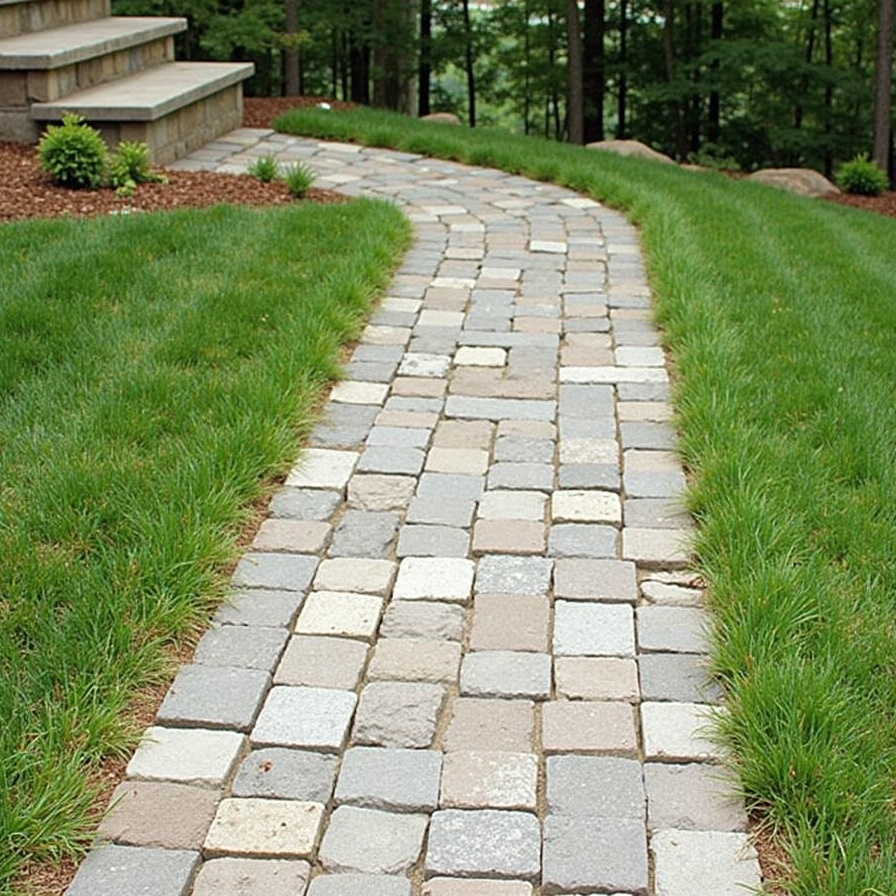
Paver stone walkways are functional, versatile, and visually appealing. Lay the stones in patterns like running bond, herringbone, or basketweave to suit your design. Pavers can be cut to fit curves or irregular spaces, providing flexibility for any yard layout. They are durable, easy to maintain, and allow for drainage when spaced correctly. Grass, gravel, or low-growing plants can be added between pavers for a softer, greener appearance. This method transforms a simple garden path into a structured and attractive feature.
A Durable Stone Walkway
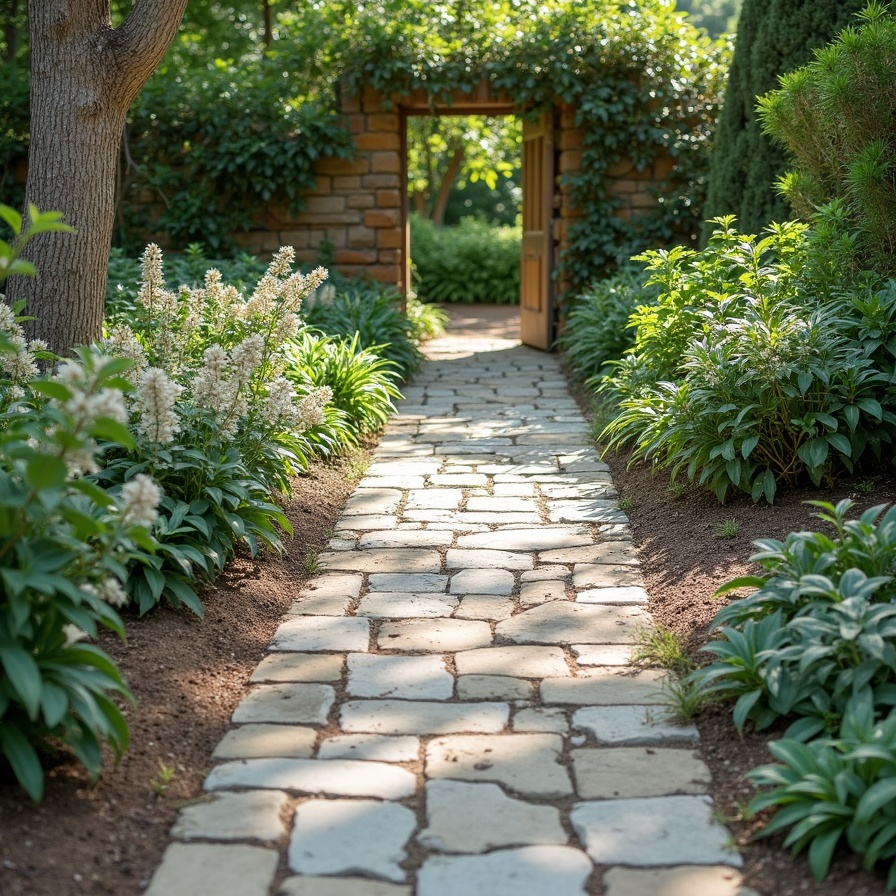
Stone walkways offer strength, longevity, and aesthetic charm. Using natural stone, bricks, or recycled materials like cobblestones, you can create pathways that withstand weather and heavy foot traffic. Leaving small gaps between stones allows for soil expansion, water drainage, and minor movement. Stone paths are ideal for both traditional and modern garden layouts. Selecting local stone adds authenticity and complements the surrounding landscape. This durable walkway solution combines practicality with elegance, enhancing both the usability and visual appeal of any outdoor space.
Stone + Brick Walkway
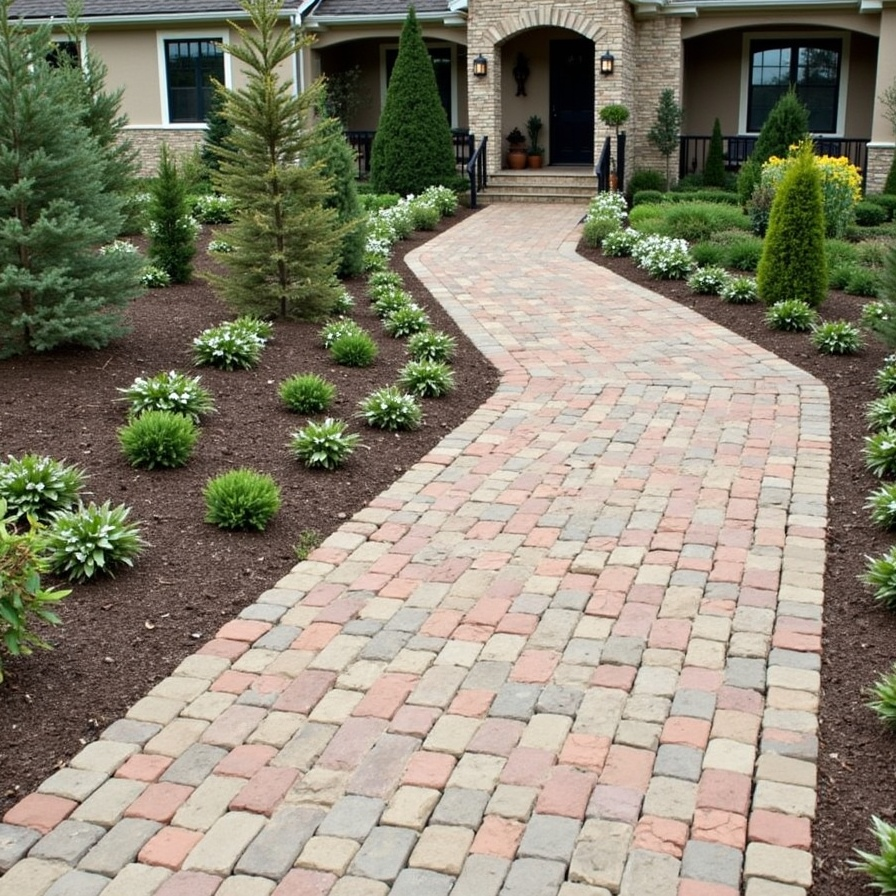
Combining stone and brick in a walkway introduces texture, color contrast, and a visually engaging design. Alternate materials in patterns to highlight natural variations and create depth. This technique can complement rustic, modern, or formal gardens. Finishing touches like sealing surfaces, adding plants, or integrating lighting enhance both functionality and appearance. Stone and brick walkways offer durability while adding unique character. They can serve as focal points in outdoor spaces, guiding visitors through the garden while providing a stable, attractive pathway.
Stamped Concrete Walkway
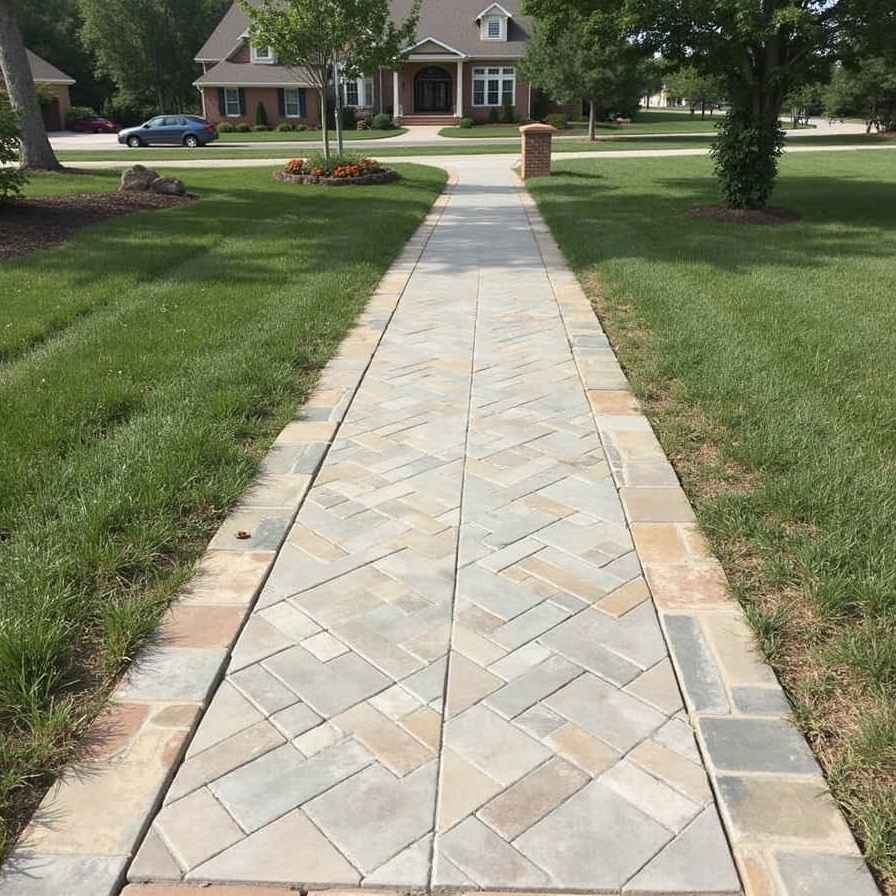
Stamped concrete walkways replicate the look of stone, brick, or tile at a fraction of the cost. This method is low-maintenance, weed-resistant, and durable, providing a smooth walking surface. Concrete can be colored, textured, or patterned during installation for a personalized effect. It is ideal for homeowners seeking a refined appearance without the expense of natural materials. Stamped concrete paths blend durability with aesthetic appeal, making them suitable for patios, driveways, and garden routes, and offer a sophisticated look that elevates any outdoor space.
Broken Concrete Mosaic Walkway
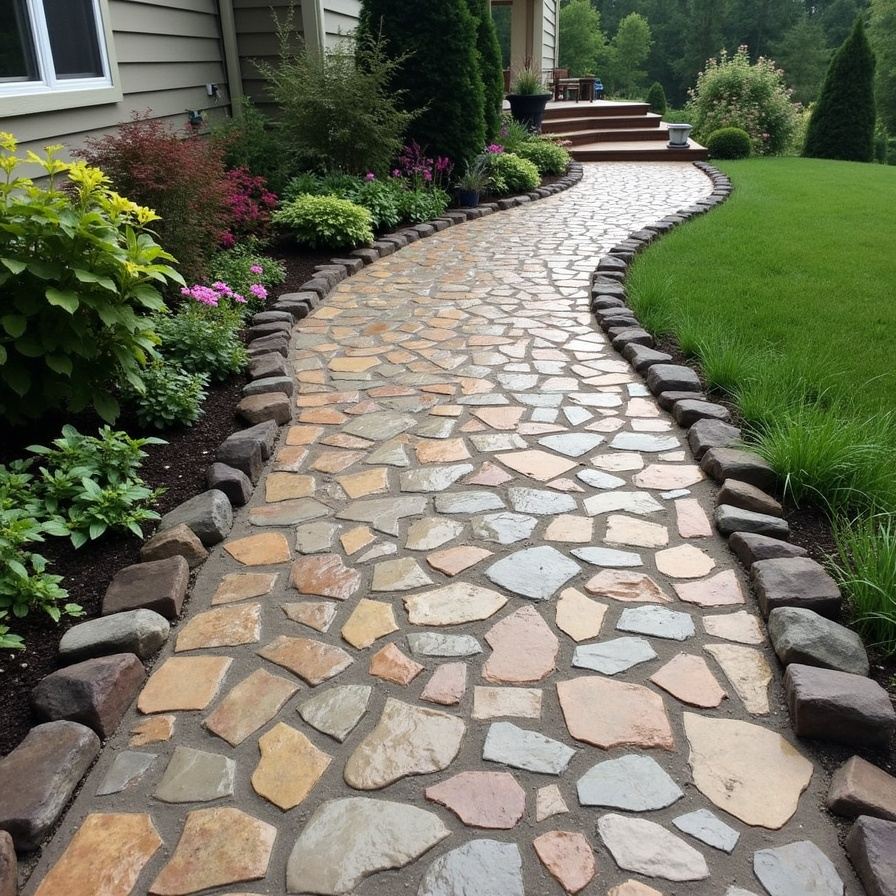
Broken concrete mosaics provide a rustic and artistic approach to pathways. By arranging irregular pieces of concrete, you can create a mosaic pattern that is both functional and visually striking. This method allows for creativity with shapes, textures, and colors, making each walkway unique. Ensure pieces are tightly fitted to create a solid surface. Mosaic paths are suitable for garden areas, patios, or walkways that seek a handmade, eclectic aesthetic. This approach combines sustainability with artistic expression, turning discarded materials into functional and decorative features.
River Rocks Pathway
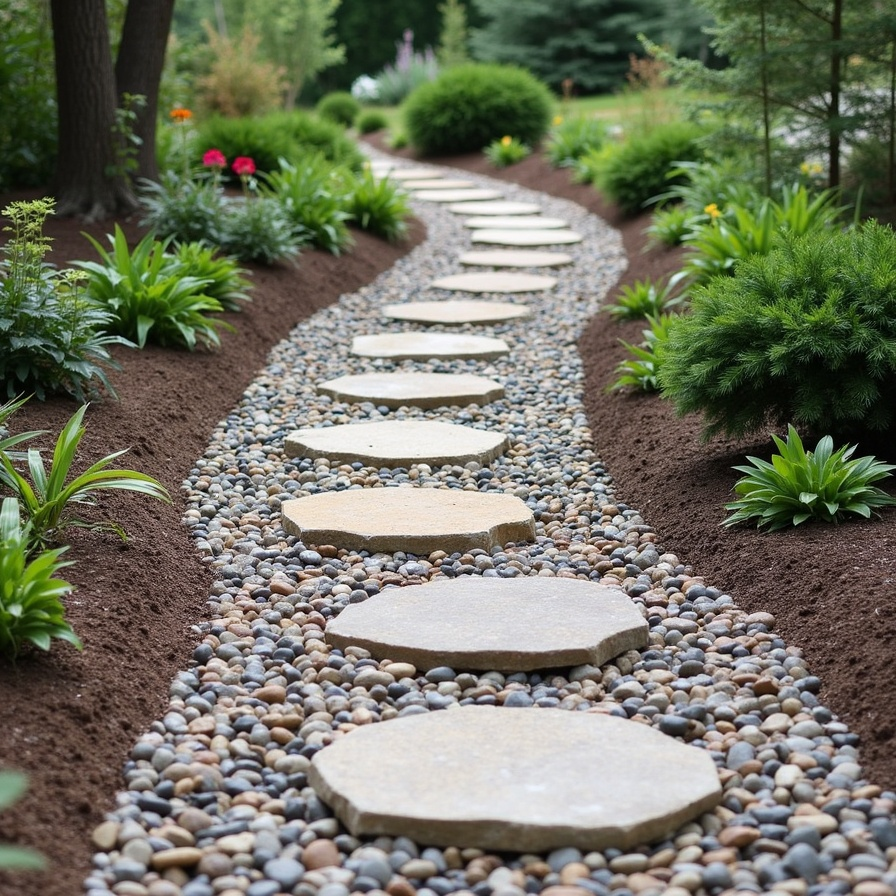
River rock pathways offer natural drainage and a smooth, comfortable walking surface. Small, rounded stones can be arranged closely or interspersed with larger rocks for variation. Their permeability ensures water runoff and prevents mud accumulation. River rock paths are low-maintenance, requiring occasional raking or debris removal. They complement naturalistic garden designs, backyard ponds, or creekside areas. The colors and textures of river rocks enhance the landscape, providing both functional and visual benefits while maintaining an organic, environmentally friendly pathway.
Railroad Tie Pathway
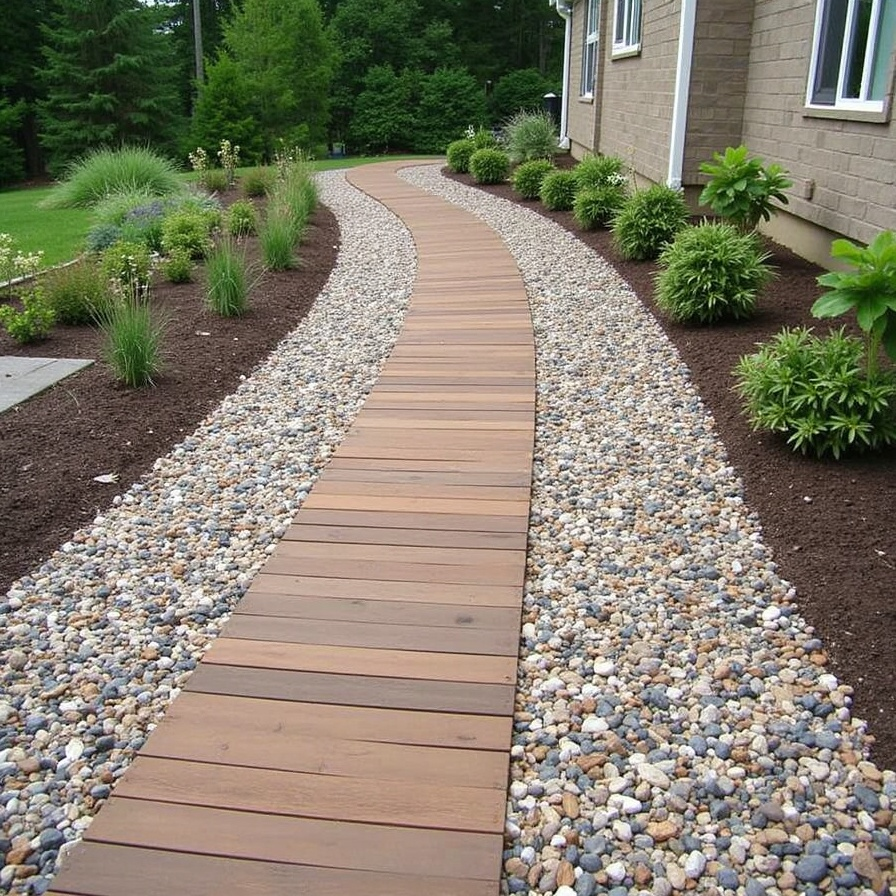
Railroad tie pathways create a rustic, charming aesthetic reminiscent of train tracks. Lay ties horizontally or vertically along your desired route, leaving gaps filled with gravel for stability and drainage. Secure them with stakes or rebar to prevent shifting over time. These pathways are durable, visually striking, and suitable for uneven or sloped terrain. The dark wood contrasts well with greenery or garden mulch, making it an attractive focal point. Railroad tie paths offer a creative, budget-friendly option for both functional and decorative outdoor walkways.
A Coastal-Inspired Seashell Pathway
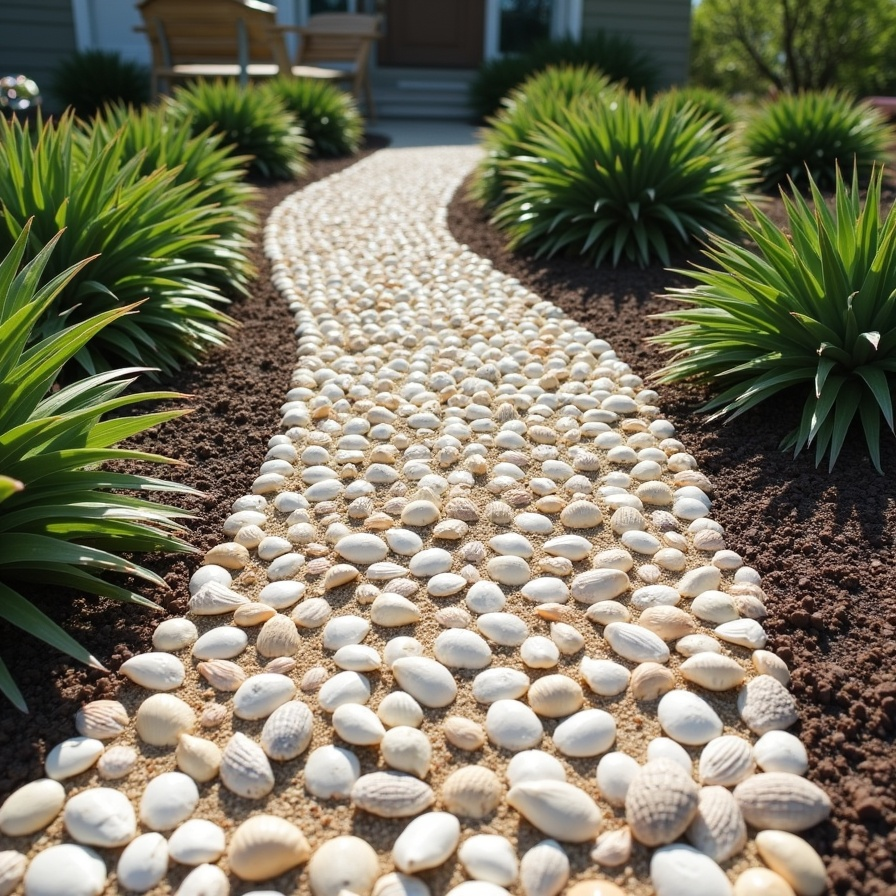
Seashell walkways are perfect for coastal or beach-themed gardens. Arrange shells in random or deliberate patterns, using different sizes, colors, and shapes to create a visually appealing path. This design is lightweight, permeable, and complements sand, gravel, or paved bases. Seashell pathways are ideal for summer homes, beachfront properties, or garden areas seeking a natural, whimsical touch. They provide a unique textural surface and evoke a coastal atmosphere while serving as an attractive, low-maintenance walking surface for outdoor spaces.
A Sand Walkway
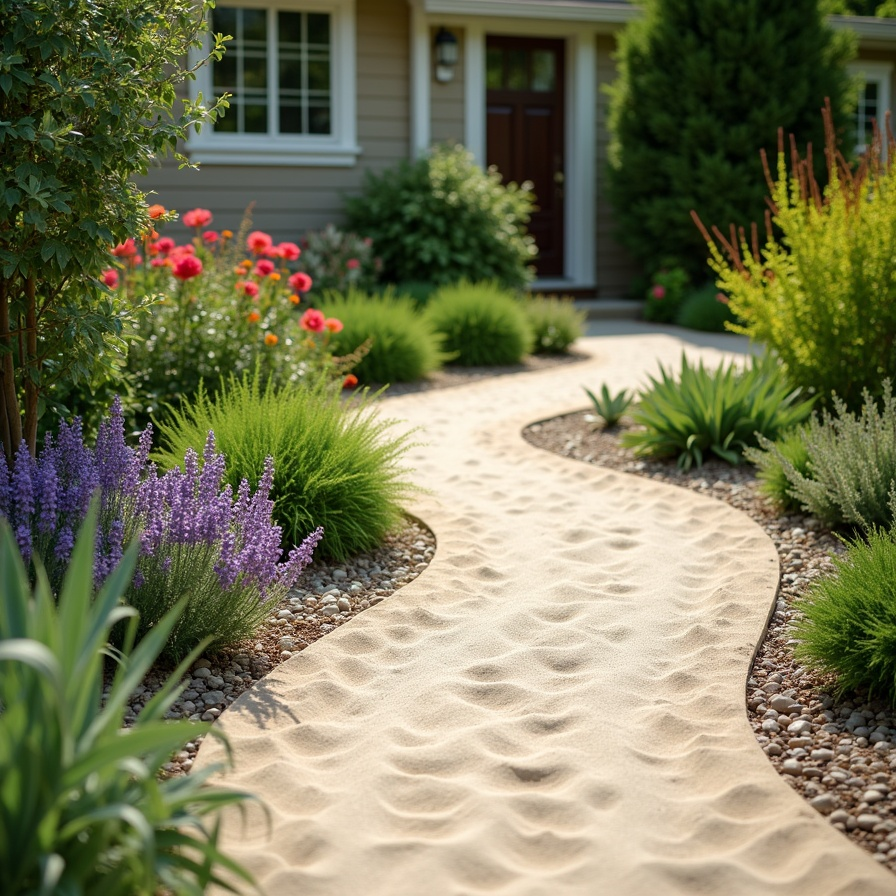
Sand pathways bring a relaxed, beach-like ambiance to outdoor spaces. They are ideal for coastal gardens, patios, or casual backyard routes. Regular raking ensures the surface stays level and visually appealing. Sand walkways are low-cost, easy to install, and offer a soft, forgiving surface for walking. This type of path works best in dry climates or as a temporary decorative feature. By combining sand with borders, stones, or plants, you can create a serene, informal walkway that enhances the overall atmosphere of your outdoor space.
A Recycled Rubber Paver Walkway
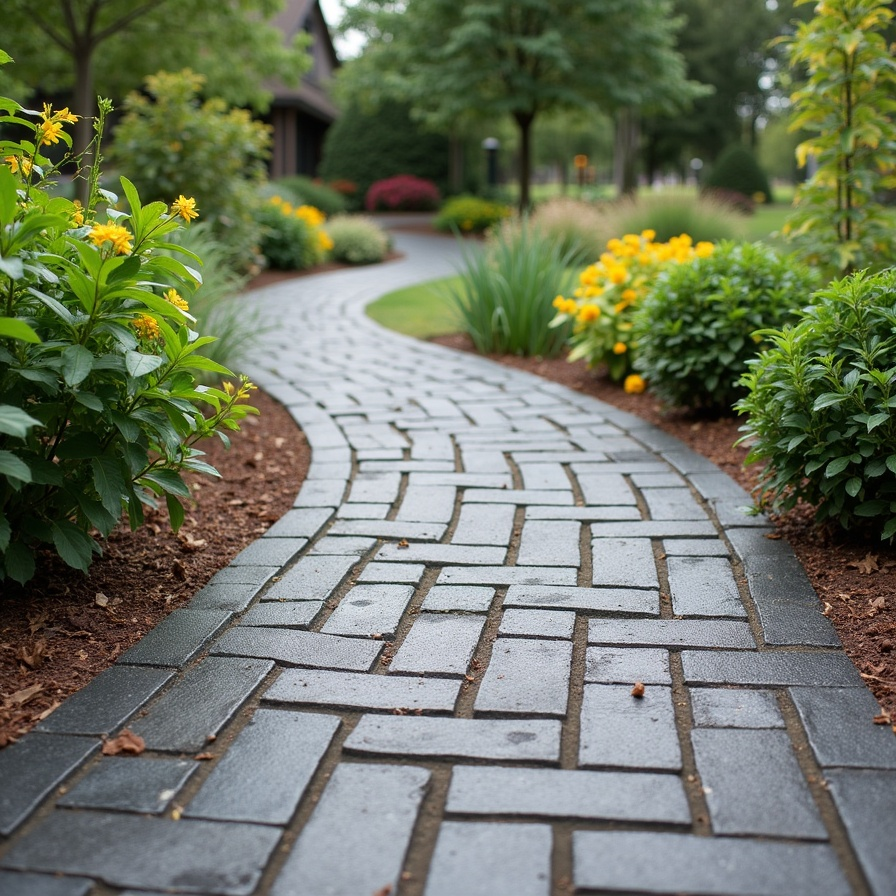
Recycled rubber pavers provide a sustainable, low-maintenance option for garden pathways. Made from repurposed tires, these pavers are durable, weather-resistant, and available in various colors, textures, and patterns. They are easy to install and offer a soft, non-slip surface for foot traffic. Rubber paver walkways reduce landfill waste while adding functionality and visual interest to gardens, patios, or entryways. Their flexibility makes them suitable for uneven surfaces, making them both practical and eco-friendly for homeowners seeking an innovative pathway solution.
A Timber Log Pathway
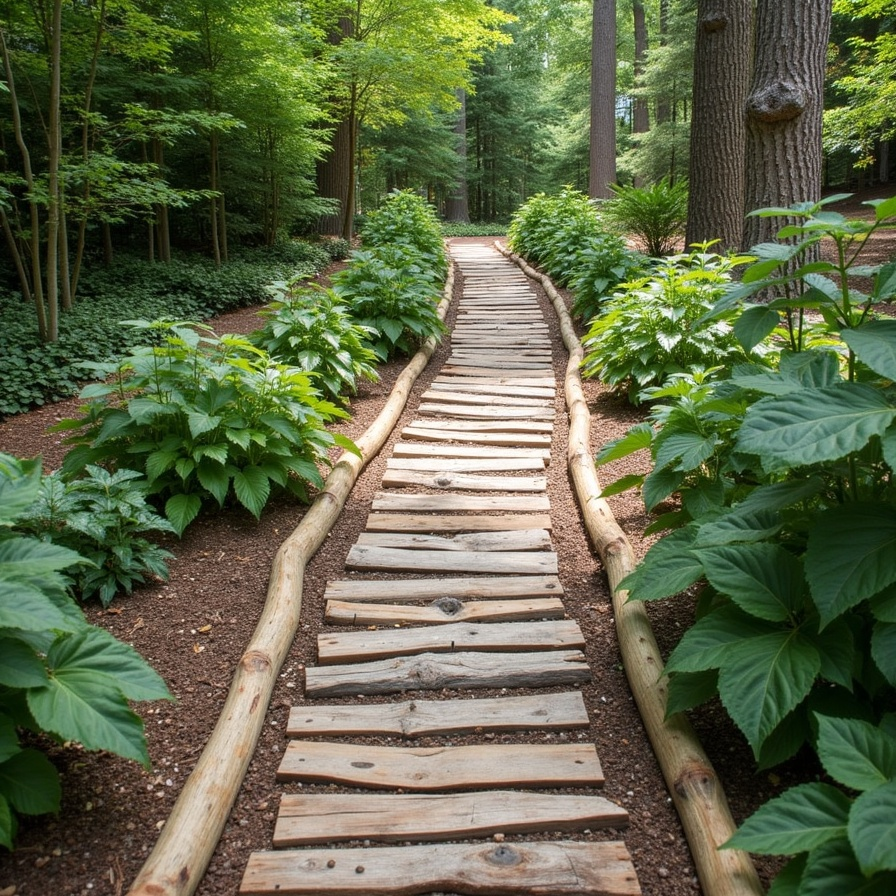
Timber log pathways create a rustic, natural look ideal for informal gardens or uneven terrain. Lay logs along the path, leaving small gaps for drainage, and secure them with stakes if needed. Logs are durable, resistant to moisture, and blend well with natural landscaping. This type of pathway works for sloped areas, woodland gardens, or backyard retreats. Timber log paths are visually appealing and functional, providing a sturdy walking surface while enhancing the organic aesthetic of your outdoor spaces with minimal construction effort.
Mulch With Brick Edging
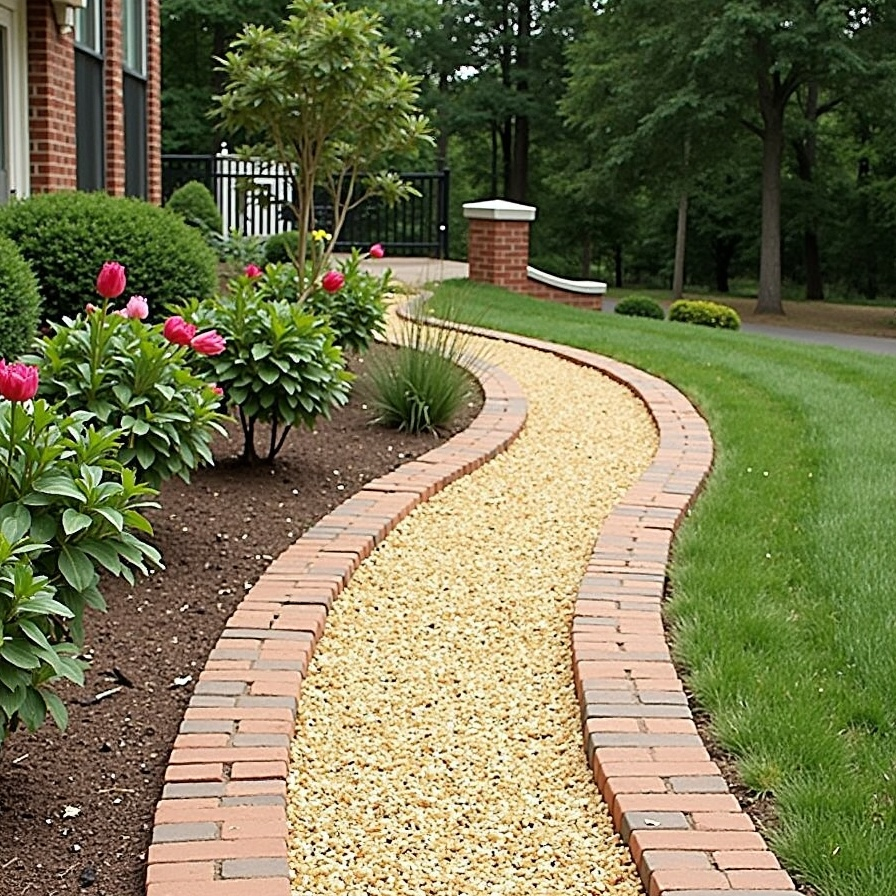
Mulch pathways with brick edging combine practicality and visual appeal. Mulch provides a soft, natural walking surface that is easy to install and maintain. Reclaimed bricks form a clean, defined border that enhances structure and aesthetics. This combination works well in gardens, along flower beds, or backyard trails. Mulch retains moisture, reduces weed growth, and complements surrounding greenery. With brick edging, the pathway gains durability, elegance, and a polished appearance, making it an attractive, functional addition to any outdoor landscape design.
A Slate Chippings Walkway
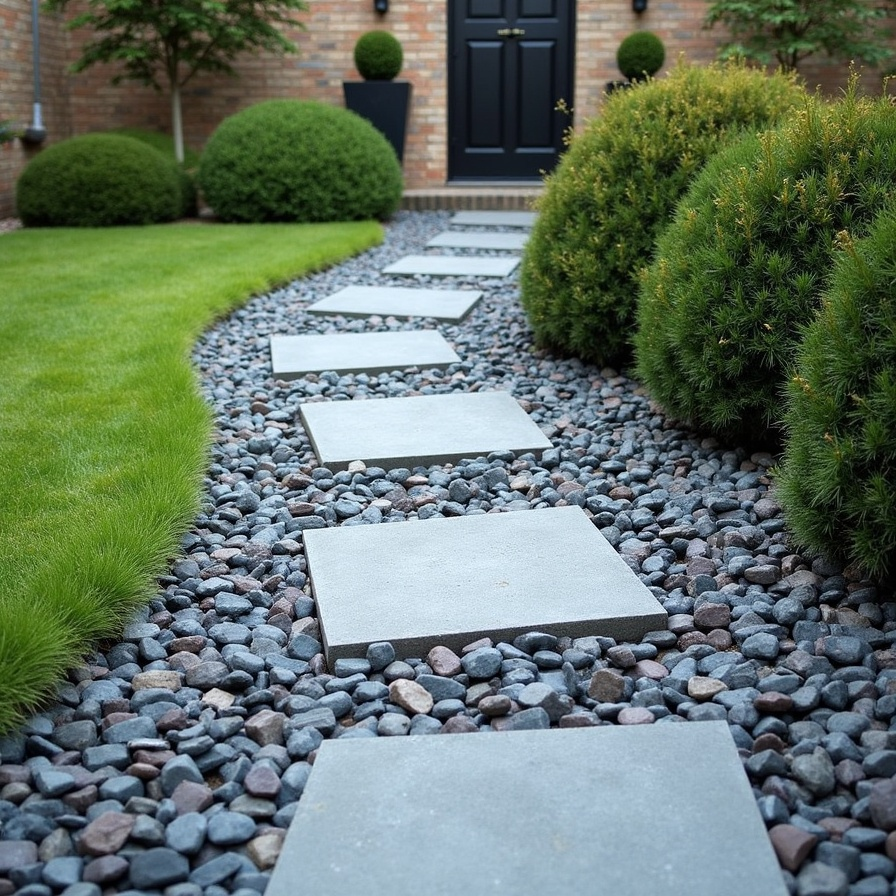
Slate chipping walkways create a modern and textured path for gardens or yards. Available in various sizes and shades—from gray to blue-gray, green, or purple—slate adds visual interest and tactile appeal. This low-maintenance material drains well, is durable, and works for informal or contemporary landscapes. Slate chippings can be combined with stepping stones, borders, or plants to create layered designs. Their natural variations provide depth and sophistication, transforming ordinary garden paths into striking, functional, and long-lasting outdoor features.
Stepping Stones Walkway
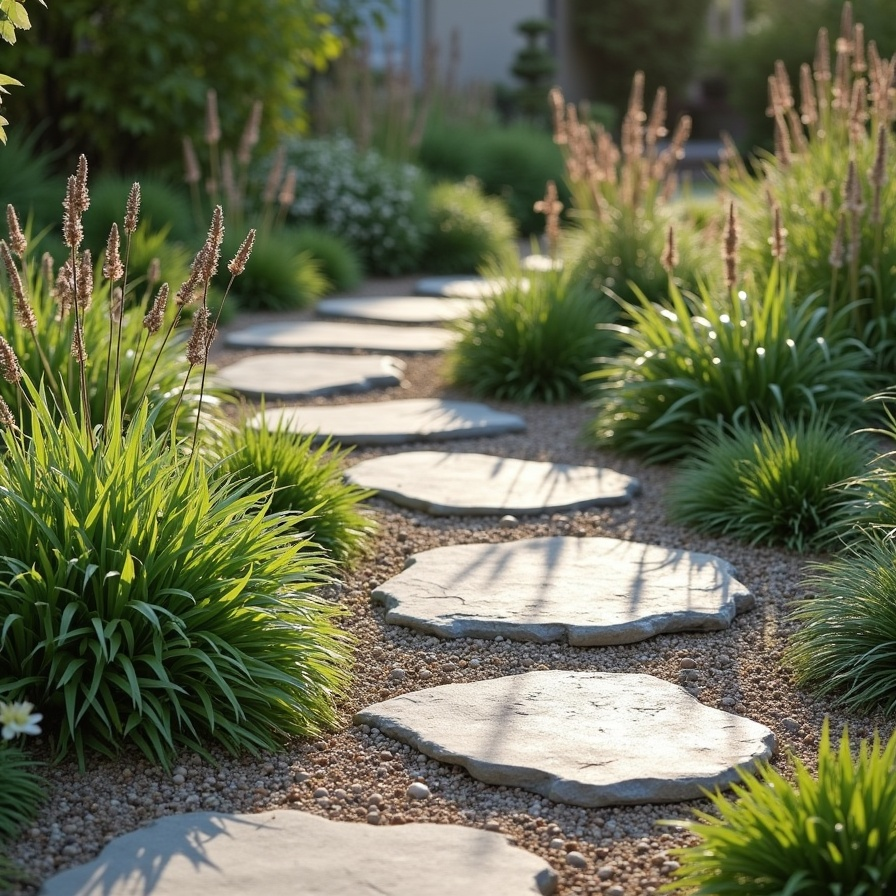
Stepping stone pathways provide versatility, charm, and functionality. Stones come in various sizes, shapes, and materials, allowing for customized layouts. They can form meandering paths, geometric patterns, or thematic designs. Stepping stones provide a stable surface for walking while defining the garden flow. Combine with grass, gravel, or ground cover to soften edges. These paths work well in flower gardens, backyards, or patio areas, offering a DIY-friendly, visually appealing solution that balances usability with aesthetic appeal while enhancing the overall landscape design.
Recycled Bottle Pathway
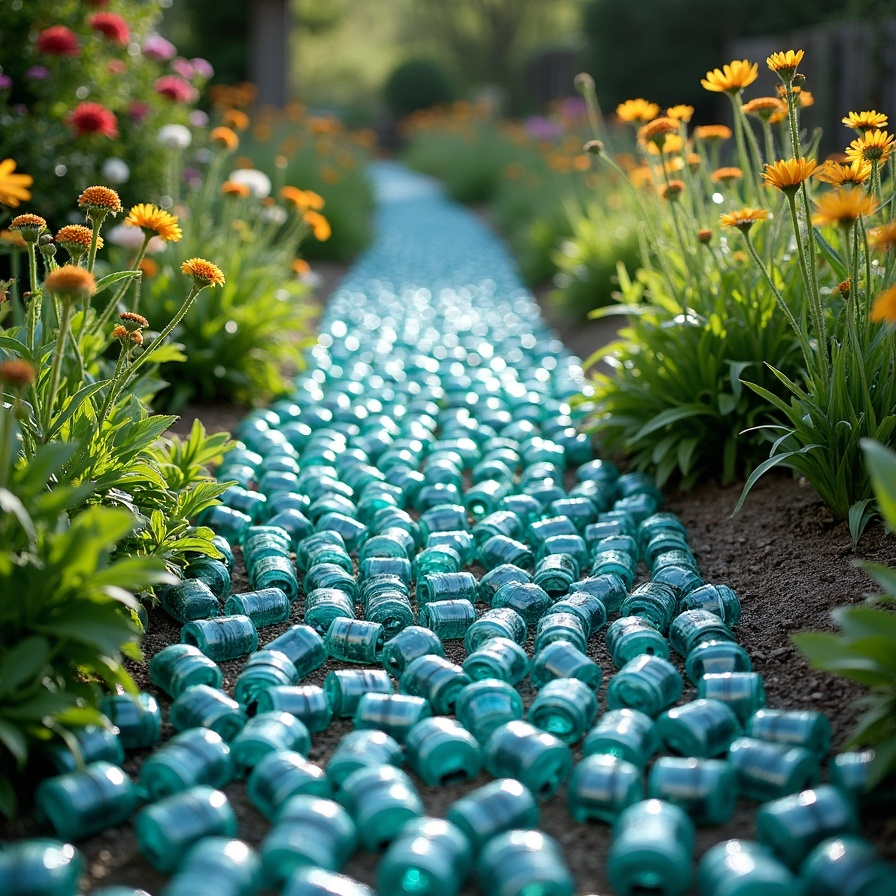
Recycled glass bottles can be used creatively to form colorful and unique garden pathways. Place bottles neck-down closely together along the path, then stabilize with concrete or clear epoxy resin. This ensures durability and protects the glass from damage. The pathway becomes a functional, decorative feature that highlights sustainability and creativity. Glass bottle walkways are ideal for patios, garden trails, or art-inspired outdoor spaces. Their transparency and colors create visual interest, turning recycled materials into an environmentally friendly and striking garden design element.
Grass + Paver Pathway
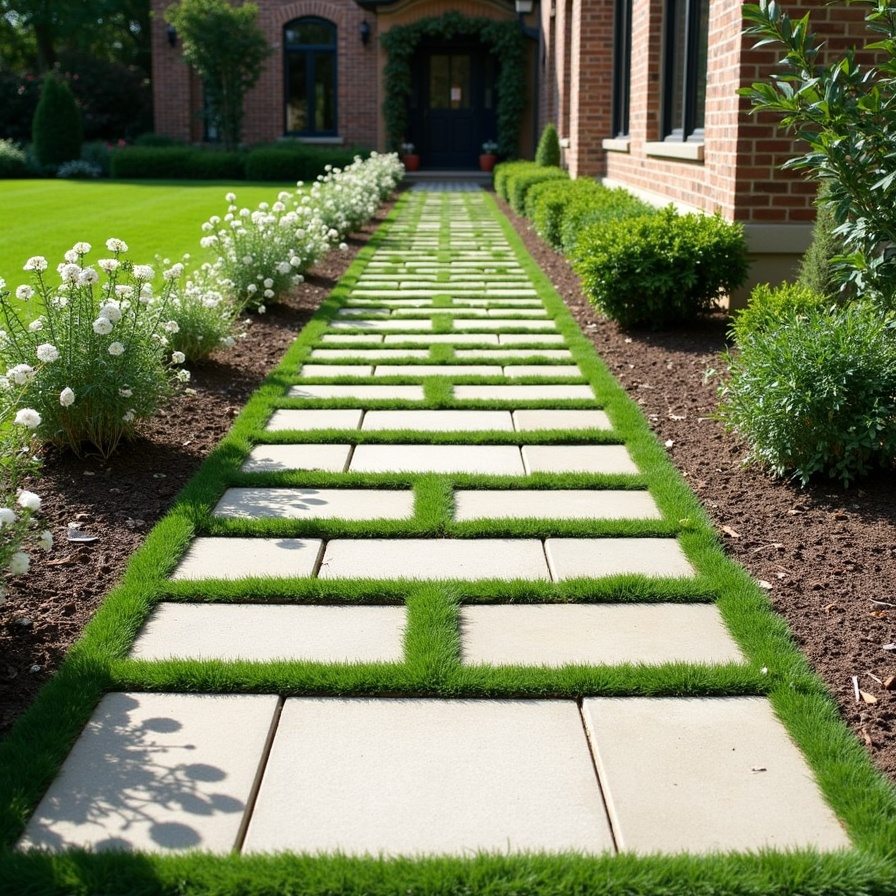
Grass and paver pathways offer a natural, visually appealing combination. Pavers provide a stable walking surface, while grass or ground cover grows between them, softening the layout. This design balances functionality with aesthetics, creating a clean yet organic look. It works well for gardens, backyards, or yard entrances, allowing water drainage and easy maintenance. The mixture of hardscape and greenery creates a seamless integration with landscaping. These pathways are suitable for foot traffic, combining comfort, practicality, and charm while enhancing the overall outdoor environment.