
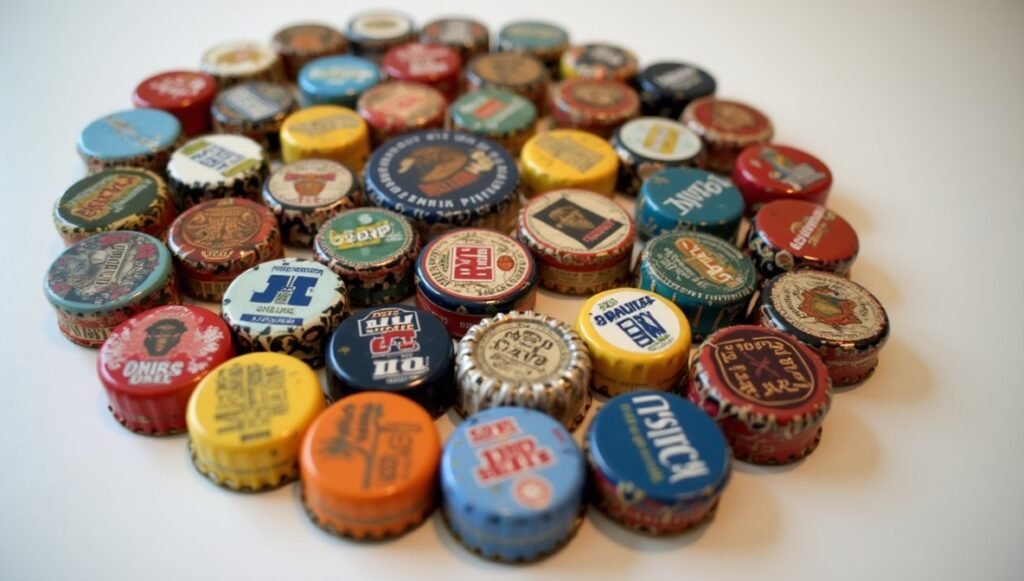
Bottle caps are one of those everyday items you might normally throw away, but with a little creativity, they can be turned into surprisingly fun and useful decor. From colorful wall art and fridge magnets to quirky coasters and DIY ornaments, there are so many bottle cap craft ideas that are easy, affordable, and beginner-friendly.
These small pieces can come together to create something truly unique and personalized for your home or gifts. Whether you’re crafting with kids or exploring upcycling projects, bottle caps offer a simple way to turn waste into something creative and eye-catching.
1. Ocean-Inspired Wall Art Made From Bottle Caps and Recycled Materials
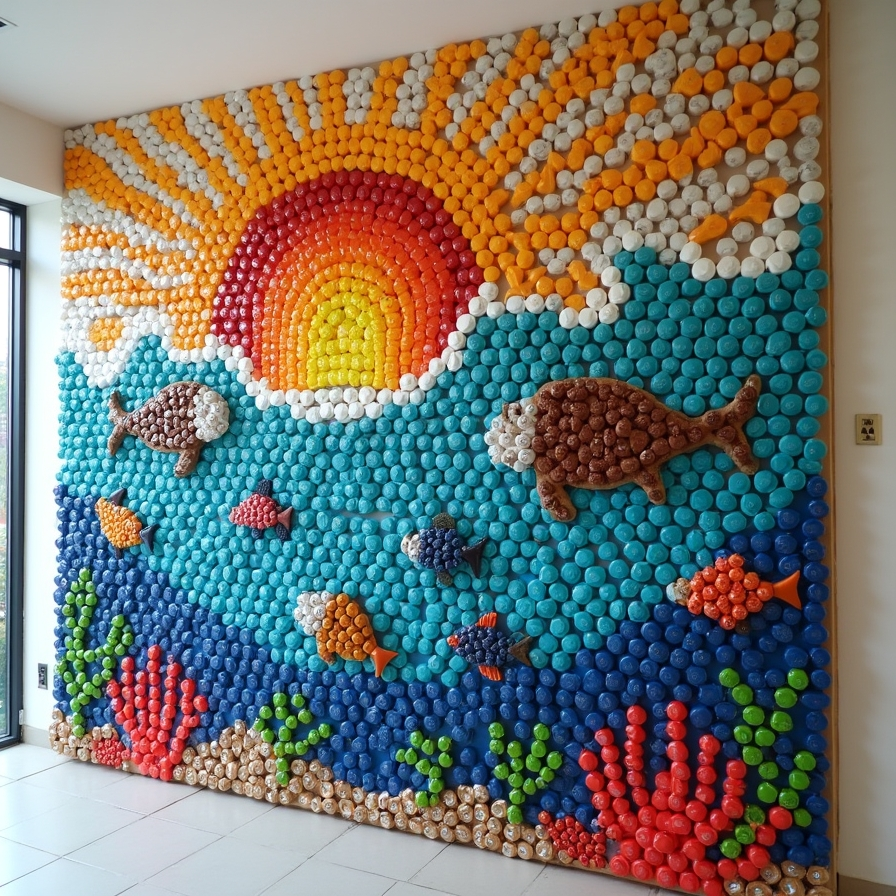
Creating an ocean-themed mural using bottle caps is a creative way to turn everyday waste into meaningful artwork. This project involves arranging caps into patterns that resemble marine life such as fish, waves, or sea turtles. A strong base like wood or thick board is typically used to support the design. Each cap is carefully placed to build color gradients and movement within the artwork. Planning the layout beforehand helps achieve a balanced composition. Community participation can also enhance the project by collecting caps from different sources. The final result is a visually engaging piece that highlights creativity while promoting environmental awareness through recycled materials.
2. Geometric Wall Art Design Using Recycled Bottle Caps
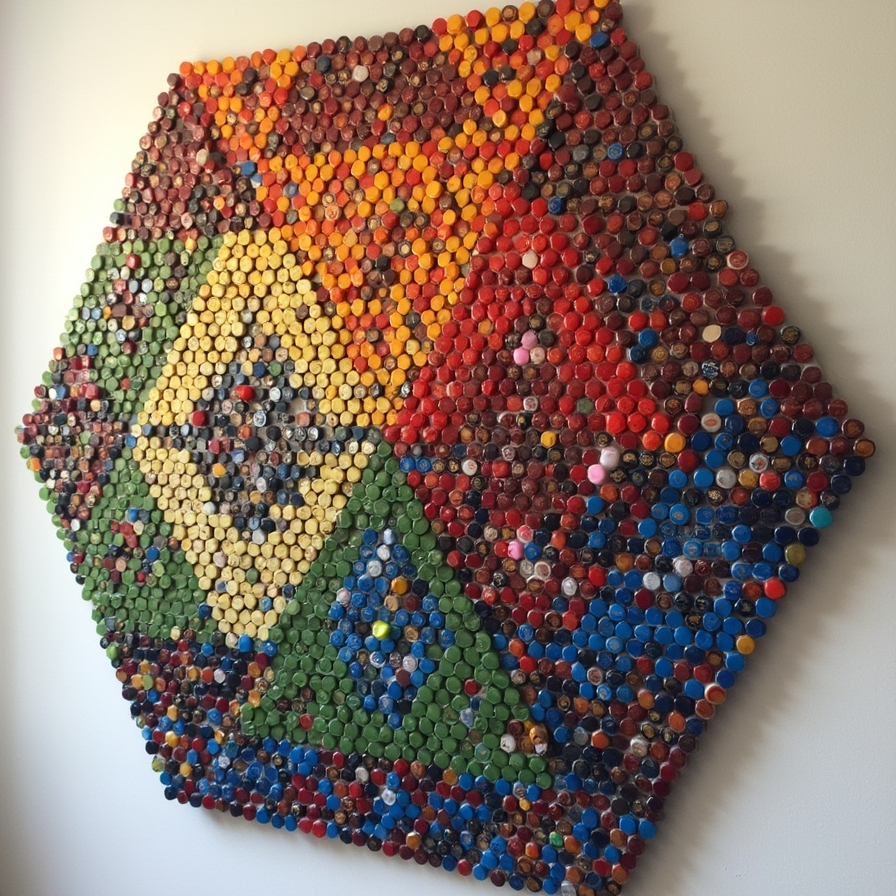
Geometric bottle cap art transforms simple circular objects into structured and eye-catching wall designs. Shapes like triangles, squares, and hexagons can be formed by arranging caps in repeating patterns. Consistent color selection helps create a unified visual theme, while contrast adds depth and interest. A sturdy backing such as plywood is often used to secure the design in place. Adhesive materials ensure the caps remain fixed over time. Careful alignment is important to maintain symmetry and clean structure. This type of artwork blends creativity with precision, producing modern decorative pieces suitable for homes, studios, or public spaces.
3. Abstract Bottle Cap Artwork for Creative Home Decoration
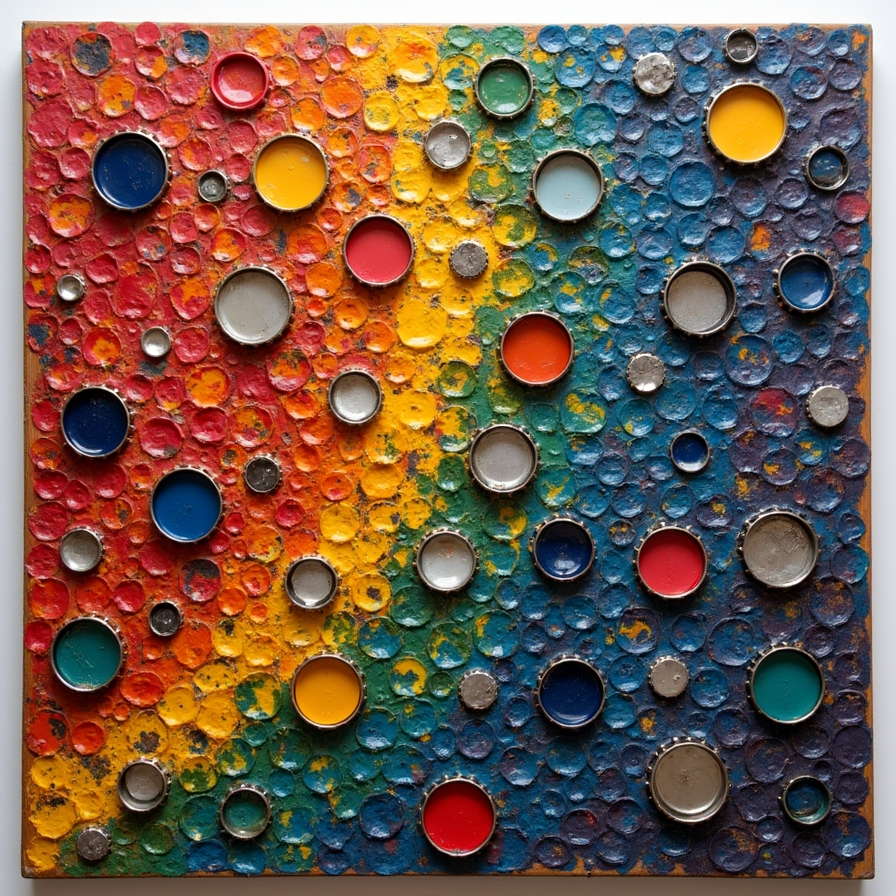
Abstract designs using bottle caps allow for free expression without strict rules or patterns. Artists often combine different colors, sizes, and arrangements to create visually dynamic compositions. A base surface such as wood or canvas supports the design, while glue secures each piece. Layering techniques can add depth and texture to the final artwork. Some creators mix painted backgrounds with bottle caps for a mixed-media effect. The focus is on creativity rather than structure, allowing each piece to feel unique. This style is popular for modern interiors where bold and unconventional art is appreciated.
4. Cultural Heritage Inspired Art Using Recycled Bottle Caps

Bottle cap art can also be used to reflect cultural heritage and storytelling. By arranging caps into symbolic patterns or traditional motifs, artists can represent historical and cultural themes. Color choices often reflect cultural significance or regional identity. Community involvement plays an important role, as collecting materials together strengthens engagement and shared purpose. The finished artwork can be displayed in public areas to encourage dialogue and appreciation of cultural diversity. This approach transforms recycled materials into meaningful visual expressions that connect art with history and identity in a creative and accessible way.
5. Nature-Themed Eco Art Using Recycled Bottle Caps and Materials
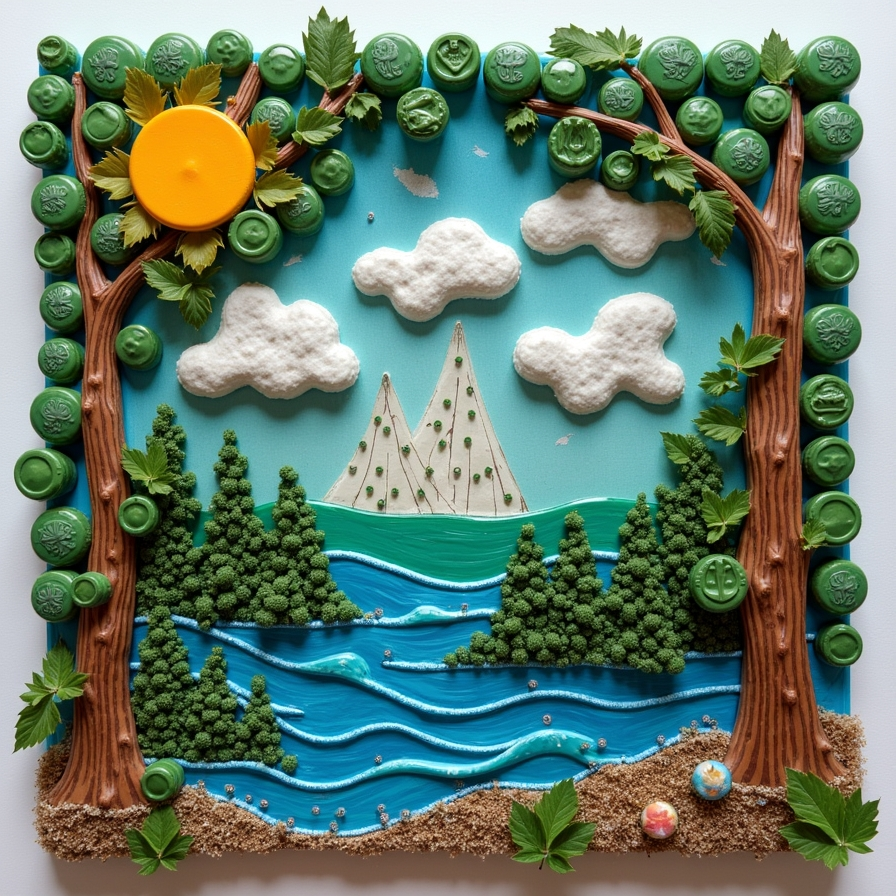
Nature-inspired bottle cap art focuses on creating scenes that reflect forests, oceans, or wildlife environments. Caps are arranged to form natural elements such as trees, animals, or water patterns. Additional materials like paper, fabric, or paint may be used to enhance detail and texture. This type of artwork promotes environmental awareness by highlighting the importance of recycling and reuse. The creative process often involves experimenting with color combinations and layout designs. The final piece becomes both decorative and educational, encouraging viewers to appreciate nature while considering sustainable practices in everyday life.
6. Urban Cityscape Art Design Using Bottle Caps and Recycled Objects
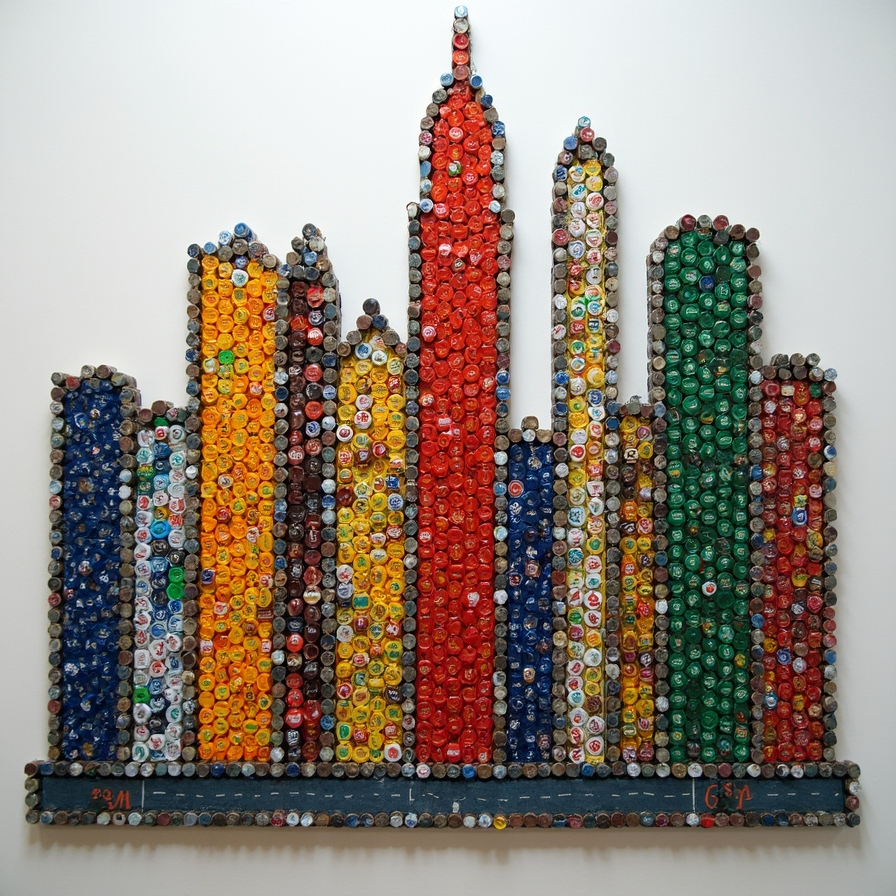
A cityscape made from bottle caps captures the energy and structure of urban environments. Artists typically design skylines, buildings, and streets using different cap colors and arrangements. Layering caps at various heights can create a three-dimensional effect. A solid base is essential to support the structure and maintain stability. Careful planning ensures that the city layout remains balanced and visually appealing. This style of artwork often reflects modern life and creativity through recycled materials. It is commonly used as wall décor in homes, offices, or community spaces.
7. Minimalist Monochrome Bottle Cap Art for Elegant Wall Displays
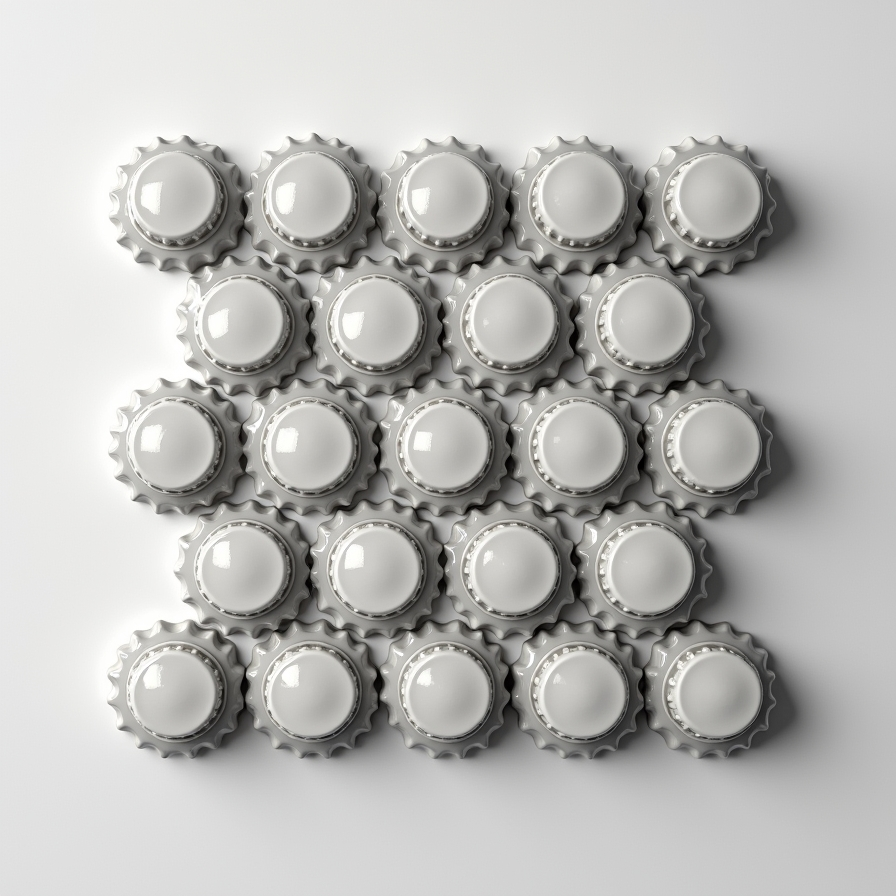
Monochrome bottle cap art focuses on simplicity by using a single color palette or shades of one tone. This approach creates a clean and sophisticated visual effect. Caps may be arranged in geometric or abstract patterns to emphasize structure and balance. A neutral background helps highlight the uniform design. Adhesives are used to securely attach each cap, ensuring long-term durability. Lighting can also enhance the texture and depth of the artwork. This minimalist style is ideal for modern interiors where subtle and elegant decoration is preferred over bold colors.
8. Community-Based Bottle Cap Art Projects for Collaborative Creativity
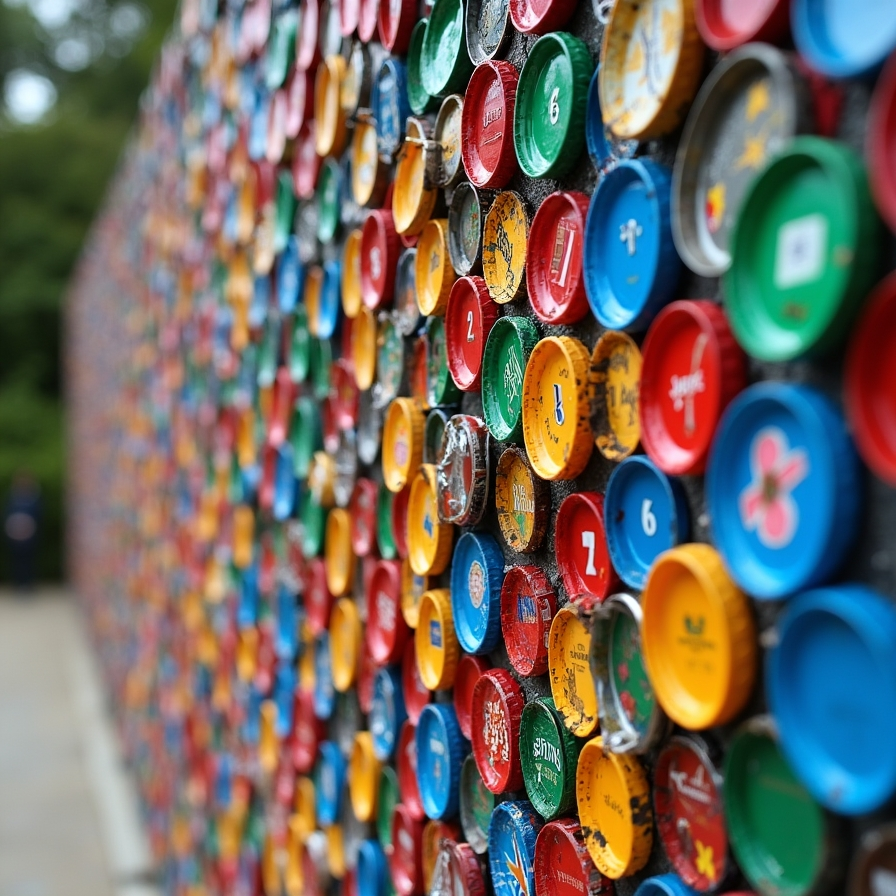
Community bottle cap art projects bring people together to create large-scale collaborative artworks. Participants contribute by collecting and sorting caps based on color or size. These materials are then assembled into murals or themed designs that represent shared values or local identity. Schools, organizations, and community groups often participate in such initiatives. The process encourages teamwork, creativity, and environmental awareness. Finished installations are usually displayed in public areas to inspire others. This type of project turns recycling into a meaningful group activity that combines art with education and social engagement.
9. Functional Art Projects Using Recycled Bottle Caps for Everyday Use
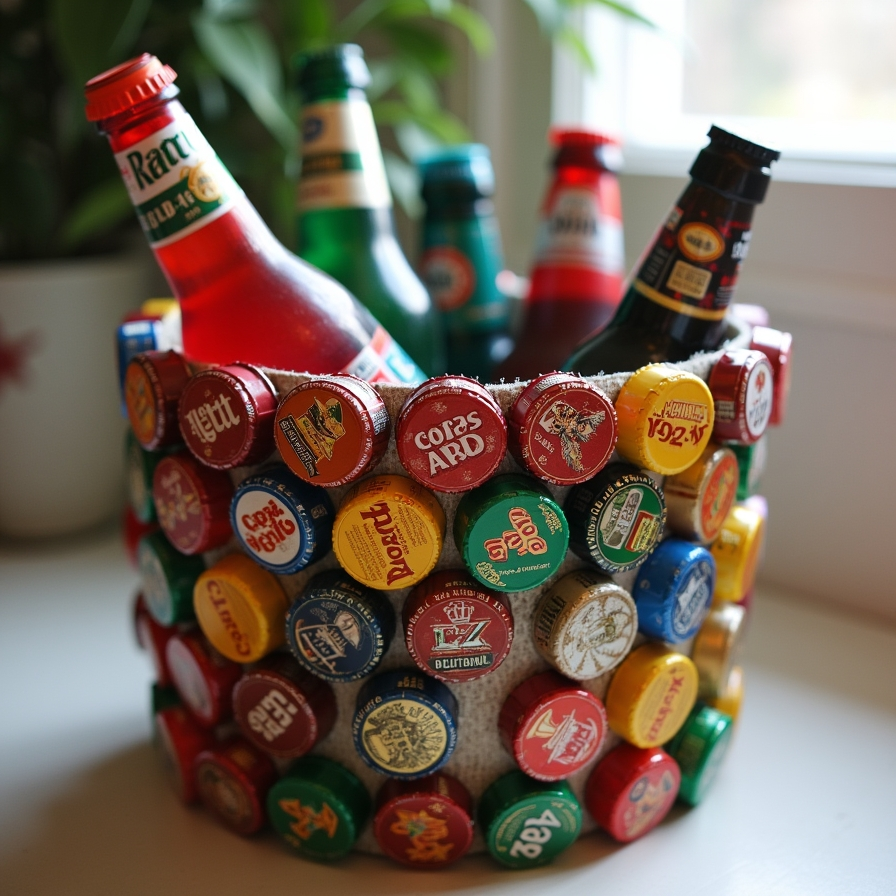
Bottle caps can be transformed into functional art pieces that serve practical purposes. Examples include storage containers, decorative baskets, or textured surfaces for household items. The process involves carefully arranging caps and securing them with strong adhesive materials. Designs can be customized with patterns or color combinations. These projects combine creativity with utility, making them both decorative and useful. Functional bottle cap art promotes recycling by giving discarded materials a new purpose. It also encourages innovation by showing how everyday waste can be transformed into valuable household items.
10. Educational Art Installations Using Recycled Bottle Caps in Learning Spaces

Educational bottle cap art installations are often used in schools to combine learning with creativity. Students participate in sorting, designing, and assembling caps into large visual displays. These projects can support subjects such as mathematics, science, or environmental studies. Working together helps students develop teamwork and organizational skills. Teachers often guide the design process while encouraging creative input from learners. The final installation serves as both decoration and educational tool. It demonstrates how recycling and creativity can be integrated into classroom activities in an engaging and practical way.
11. Historical Tribute Art Using Bottle Caps for Creative Storytelling

Bottle caps can also be used to create artwork that honors historical events or cultural milestones. Designs may include symbolic imagery or patterns that reflect important moments or achievements. Artists often use arrangement techniques to represent storytelling through visual form. This type of artwork can be displayed in museums, schools, or public spaces. It helps preserve history in a creative and accessible way. By transforming simple materials into meaningful compositions, artists demonstrate how recycled objects can carry educational and cultural significance beyond their original purpose.