
Transform your backyard into a serene retreat with a DIY pond that adds beauty, tranquility, and a touch of nature to your outdoor space. Whether you envision a small, intimate water feature or a larger ecosystem with fish and plants, building your own pond is easier than you might think.
With creative design ideas, simple materials, and a little planning, you can craft a backyard oasis that suits your style and space. In this blog, we’ll explore inspiring DIY backyard pond ideas to help you bring soothing water elements, lush greenery, and a relaxing atmosphere right to your doorstep.
Start Small with a Container or Whiskey-Barrel Patio Pond
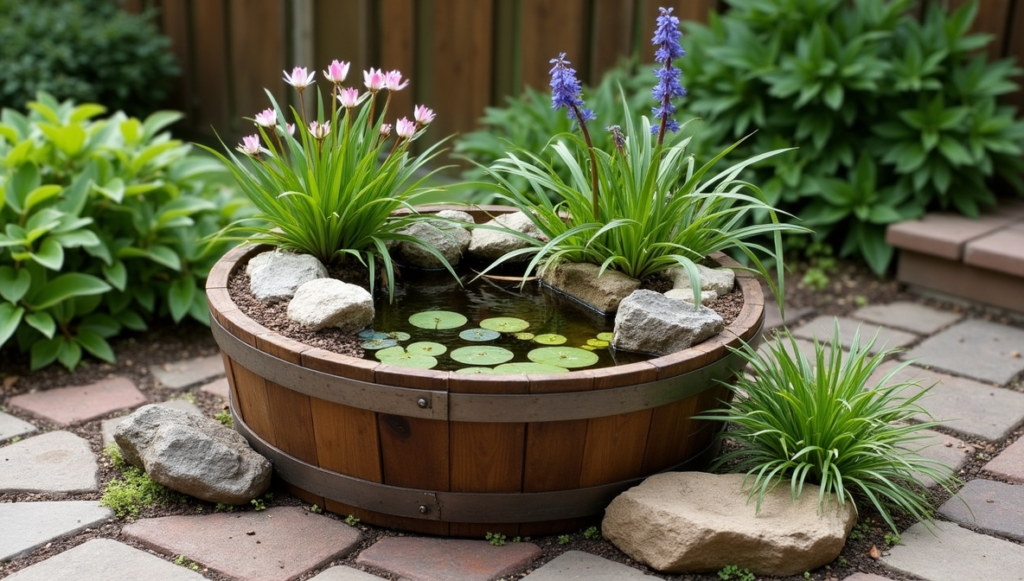
For first-time pond builders, starting with a container or half-whiskey barrel is a simple way to experiment with water features without a full-scale project. Choose a watertight vessel of 15–30 gallons and line it with pond-safe material or sealant as needed.
Place it in a spot with four to six hours of sunlight for healthy blooms while minimizing algae growth. Layer rinsed pea gravel, use a few bricks to create different planting heights, and add a compact pump or solar bubbler for circulation. Include a dwarf water lily for shade, oxygenators like hornwort, and marginal plants in mesh baskets.
Adding a few rosy red minnows or using BTI mosquito dunks keeps mosquitoes under control. Finish with a discreet overflow hole and river rocks for a polished, safe edge. This approach provides reflective water, soothing sound, and an instant habitat for wildlife while teaching the basics of pump operation and plant care.
Rustic Stock Tank Pond That Runs Quiet and Clean
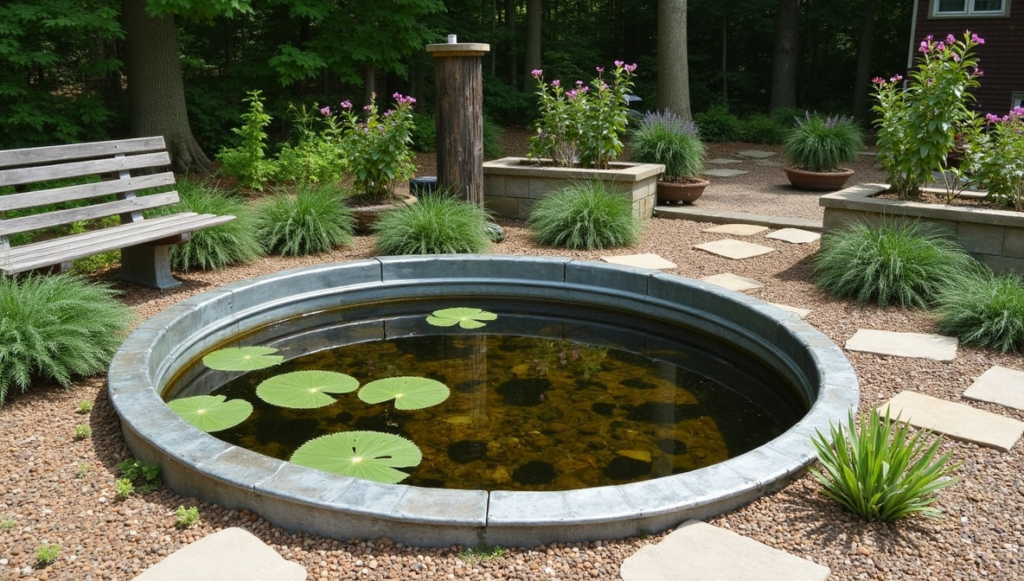
A galvanized or black poly stock tank makes a versatile, low-maintenance pond for patios or gravel pads. After leveling the area, rinse the tank and add a submersible pump feeding a small fountain or stainless steel spillway.
Construct a simple filter by placing filter foam and bio-media inside a milk crate and routing the pump intake through it for mechanical and biological filtration. Plant in mesh baskets, including a dwarf lily for shade, pickerel rush for vertical interest, and anacharis for oxygenation. Keep at least 40–60% of the surface shaded to prevent algae. Floating feeding rings and careful fish feeding maintain water quality.
In hot climates, provide additional shade with a pergola slat or reed screen; in cold zones, a trough de-icer or small aerator keeps ice from sealing the pond. A discreet bulkhead can serve as an overflow, and surrounding the tank with flagstone and a bench completes the look of a durable, intentional water feature.
Preformed Liner Pond with Natural Rock Edging
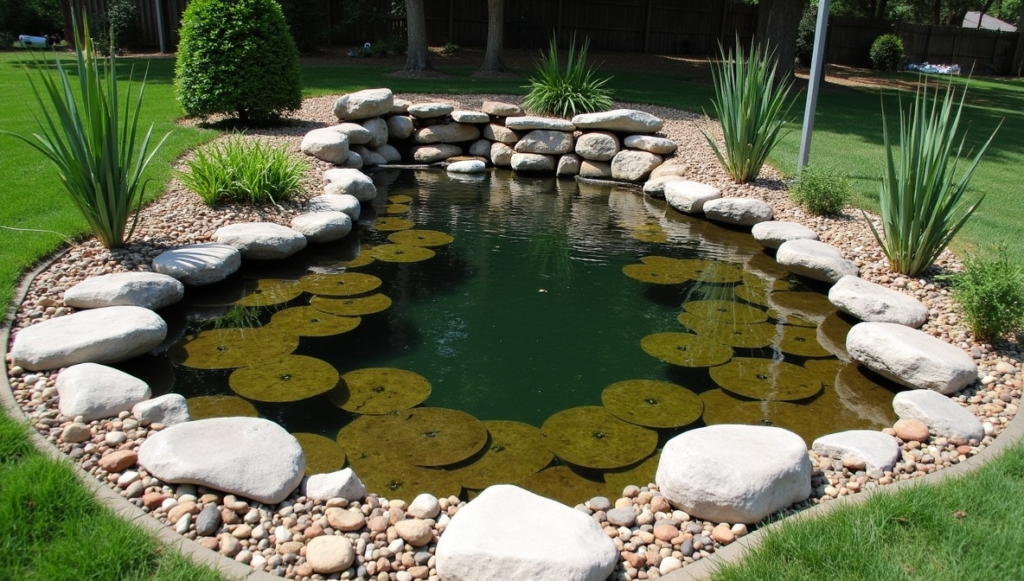
Preformed liners simplify the creation of backyard ponds with consistent shelves and planting areas. Start by tracing the liner and digging stepped shelves—8–12 inches for marginal plants and 18–24 inches at the center. Bed the liner on sand with an underlayment and carefully level the rim for a professional finish.
Backfill gaps with damp sand while testing water levels. Hide the rim with flat stones or a gravel beach for wildlife access. Size your pump to circulate the full pond once or twice per hour, using flexible PVC for fewer clogs. A skimmer or DIY prefilter keeps debris out, while foam pads and bio-media maintain clarity.
Plant shelves with sweet flag, dwarf cattail, and iris, adding a compact lily in the deep zone. Finish with stepping stones, a GFCI-protected outlet, and a mulch-free buffer to prevent soil from entering the water. The result is a natural focal point that is both beautiful and low-maintenance.
Add a Stream and Spillway for Movement, Oxygen, and Music
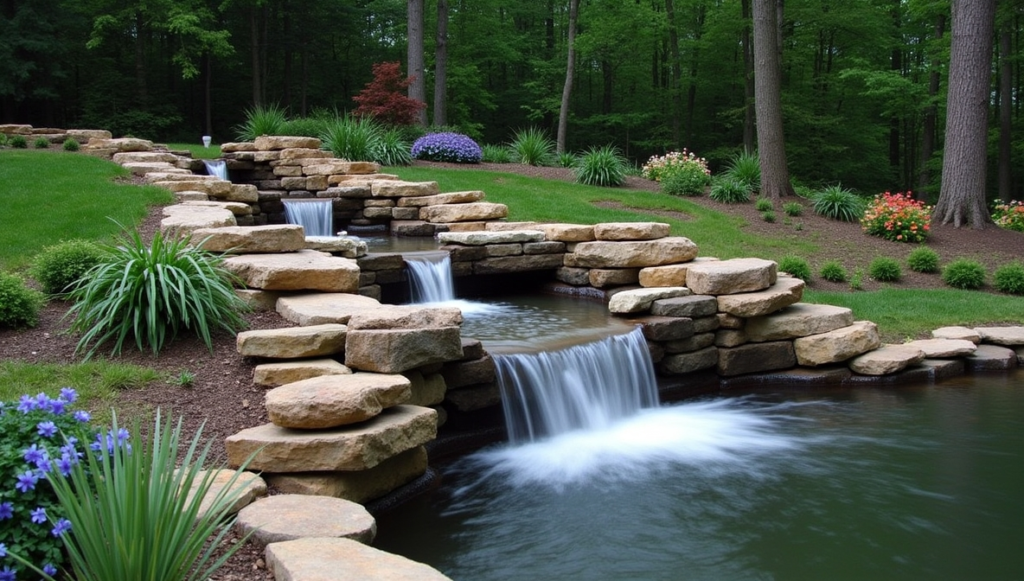
Adding a small stream or spillway elevates any pond, creating both sound and improved oxygenation. Install a biofalls box or spillway at the head and build a 10–15 foot recirculating stream with a gentle 1–2% slope returning to the pond. Use EPDM liner and underlayment with folded edges for flexibility.
Dry-stack rocks with black waterfall foam to secure them, creating pockets for creeping jenny, sedges, and moss to naturalize the banks. Adjust pump size for the desired sound: taller falls create a deeper tone, shallower flows a soft burble. Use 1.5–2 inch PVC to minimize friction, add a check valve, and a ball valve for flow adjustments.
Moving water discourages mosquitoes, enhances lily growth, and adds visual and auditory appeal. Illuminate the cascade at night with warm-white lighting to create a captivating feature.
Clear Water, Low Work: Build an Upflow Bog Filter Pond
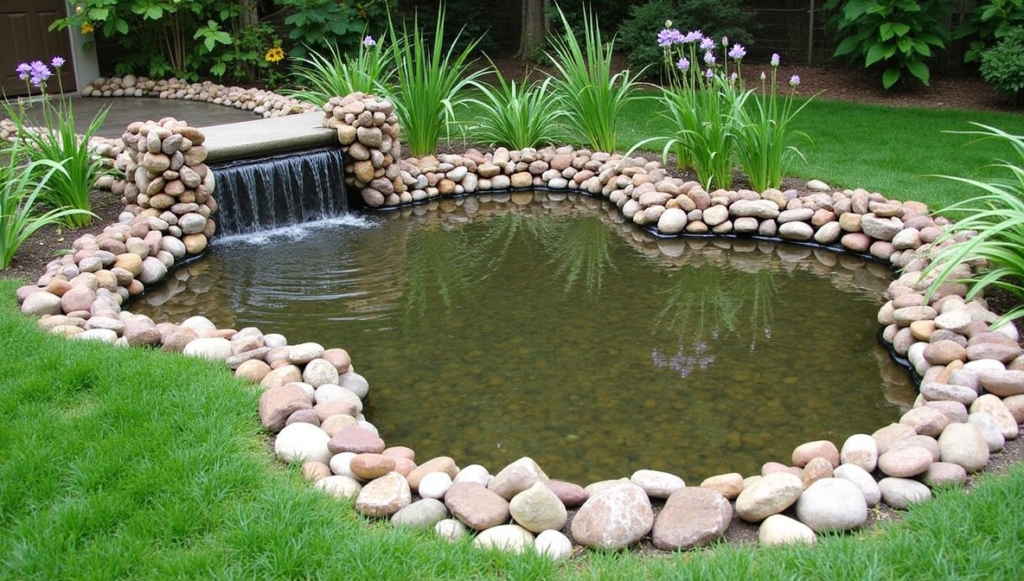
An upflow bog filter helps maintain crystal-clear water with minimal effort. Dedicate 10–30% of your pond’s surface to a shallow, lined cell containing perforated PVC covered with 10–12 inches of river rock. Water is pumped up through the stones, where fine particles are trapped and beneficial bacteria thrive before it returns to the pond.
Plant thickly with nutrient-hungry species like iris, pickerel rush, marsh marigold, water mint, and dwarf umbrella sedge. Over time, the bog naturally outcompetes algae by absorbing excess nutrients. Maintenance is simple: thin plants seasonally, vacuum as needed, and purge via a clean-out tee.
Paired with a skimmer or intake bay, this system supports fish, pollinators, and provides a lush, architectural planting bed that enhances both function and beauty.
Modern Rectilinear Pond with Sleek Edges and a Blade Weir
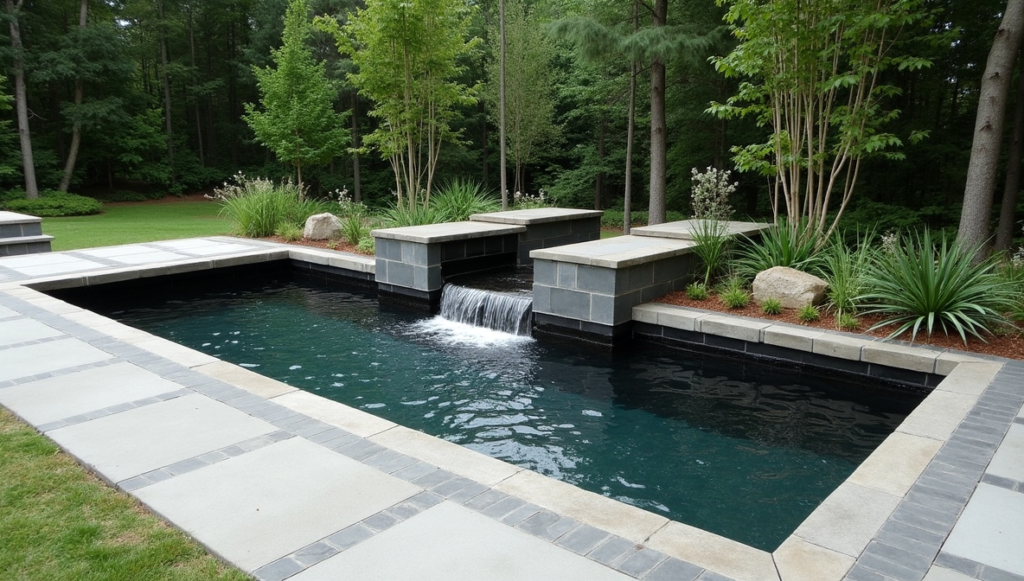
For a contemporary look, a rectilinear pond with sharp edges offers a clean aesthetic. Construct the frame with masonry blocks or treated timber, line with EPDM, and cap with smooth stone or porcelain pavers. A stainless steel blade weir creates a dramatic water sheet that is both quiet and striking.
Minimal planting—dwarf lily for shade, equisetum in a trough, and a few submerged oxygenators—maintains the clean lines. Hide the pump and bio-media in an integrated bench or skimmer. Add low-voltage, dimmable lighting under the caps and near the weir for nighttime ambiance.
Keep pond depth at 18–24 inches for thermal stability, and add aeration for fish during heat waves. Smart automation ensures flow and lighting match your schedule, producing a gallery-quality, low-maintenance pond.
Wildlife-Friendly Shelves, Beach Entry, and Native Plantings
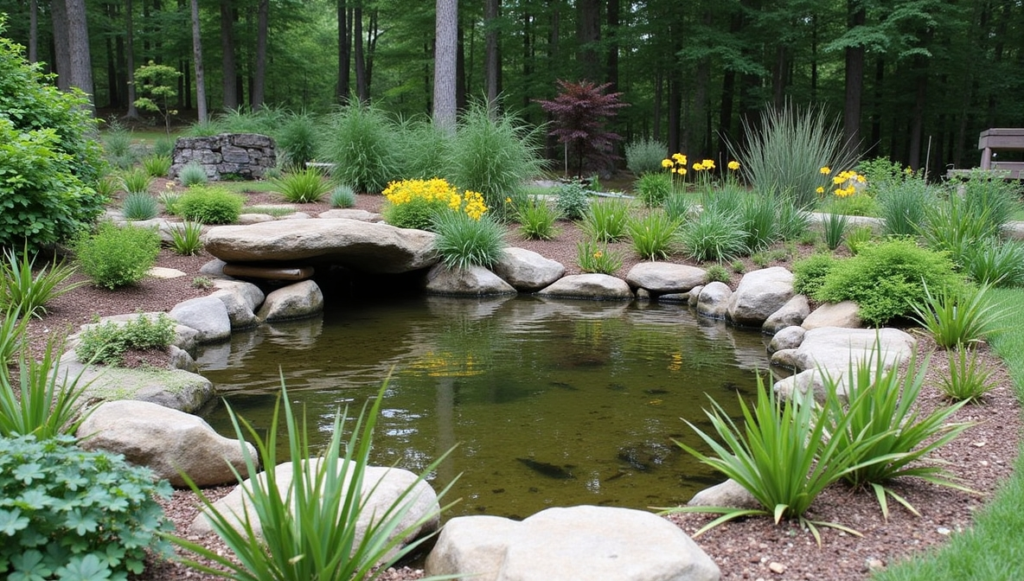
Design your pond to support wildlife with gentle shelves and a gravel “beach” ramp for frogs, toads, and insects. Include a basking rock and a partially submerged log to attract dragonflies and pollinators. Use native marginal plants such as blue flag iris, soft rush, cardinal flower, swamp milkweed, and pickerelweed to provide natural filtration and habitat.
Shade 60–70% of the pond with lilies or floating planters to cool water and reduce algae growth. Keep fish populations minimal to encourage amphibians. Avoid fertilizers, maintain a mulch-free perimeter, and direct runoff through a rain garden or planted swale to manage stormwater.
Even a small bubbler or pebble zone can improve oxygenation and prevent mosquitoes. Thoughtful grading and plant selection create a thriving microhabitat that looks natural and stays clear.
Light It Right
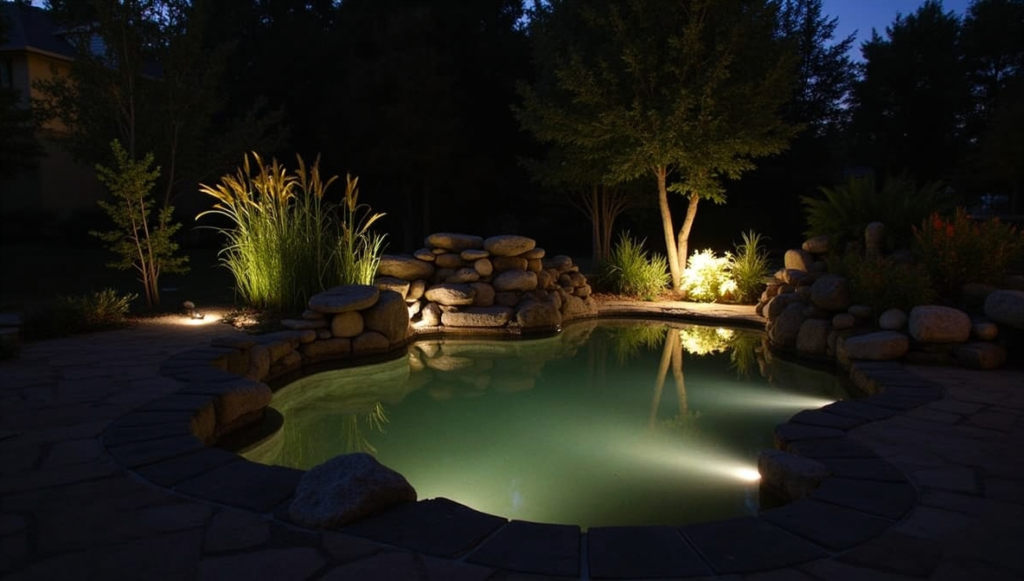
Proper lighting transforms a backyard pond into a nighttime showpiece. Use a GFCI outlet with a low-voltage 12V transformer in weatherproof housing. Route cables in conduit with drip loops for safety. Combine underwater spotlights, rock-grazing puck lights, and warm-white LEDs to enhance stones and plants, with optional solar path lights for off-grid corners.
Place pumps and lights on separate timers or smart plugs for automated control. Hide fixtures behind plants or stones to avoid glare. Never splice cords underwater; use submersible units with molded connections above water. Well-planned lighting extends evening enjoyment, highlights moving water, and improves safety without raising energy costs.
Four-Season Pond Care
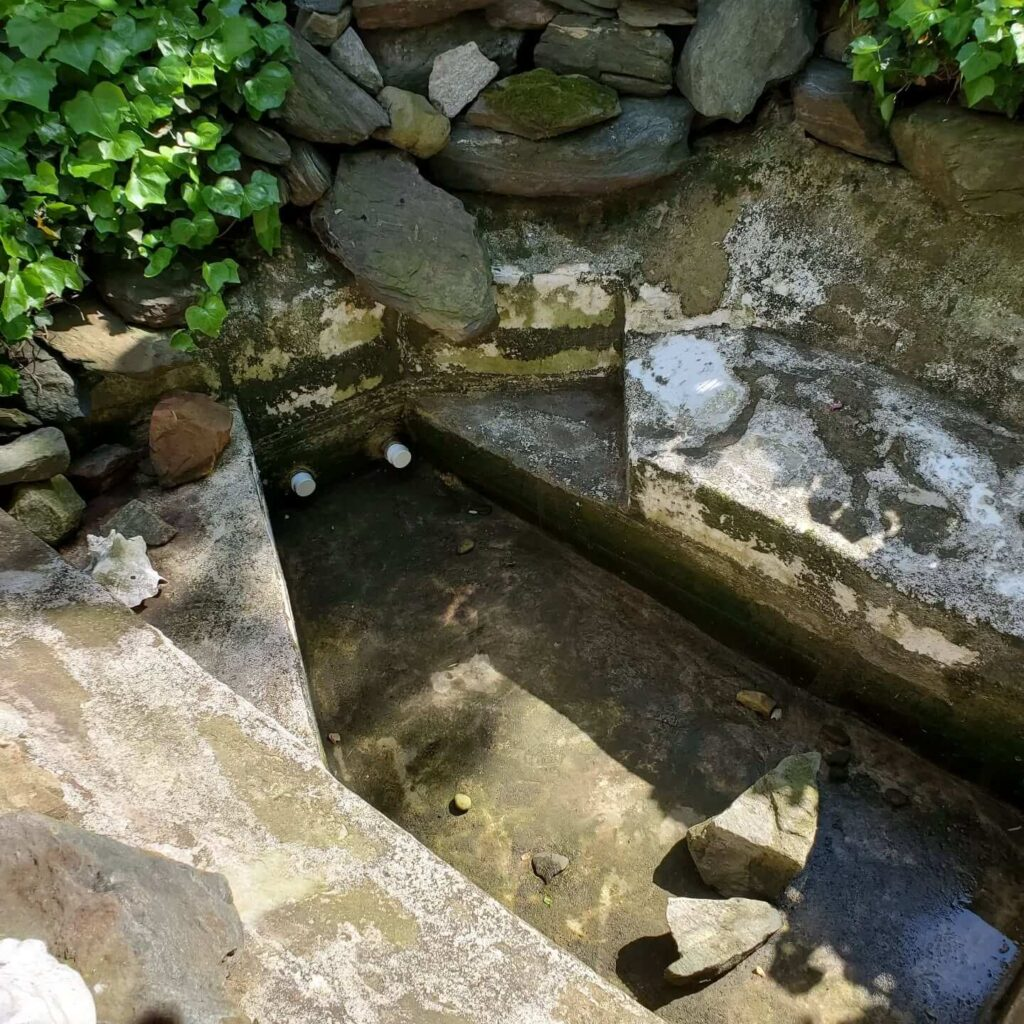
Maintaining a pond throughout the year keeps it healthy and beautiful. In spring, remove debris, clean filter pads, and restart pumps. Trim lilies and divide overcrowded plants. During summer, feed fish lightly, top off water, and maintain 40–60% surface shade.
If green water develops, check turnover rate, clean prefilters, and consider UV treatment as a last resort. In fall, net leaves, thin bog plants, and purge intake bays. For freezing regions, remove pumps from waterfalls, run aerators or de-icers, and protect fish.
Winter feeding should stop below 50°F/10°C. Year-round, test ammonia, nitrite, pH, and KH monthly and log results. Following a seasonal checklist ensures a clear, balanced pond ready for spring blooms.
Finishing Touches
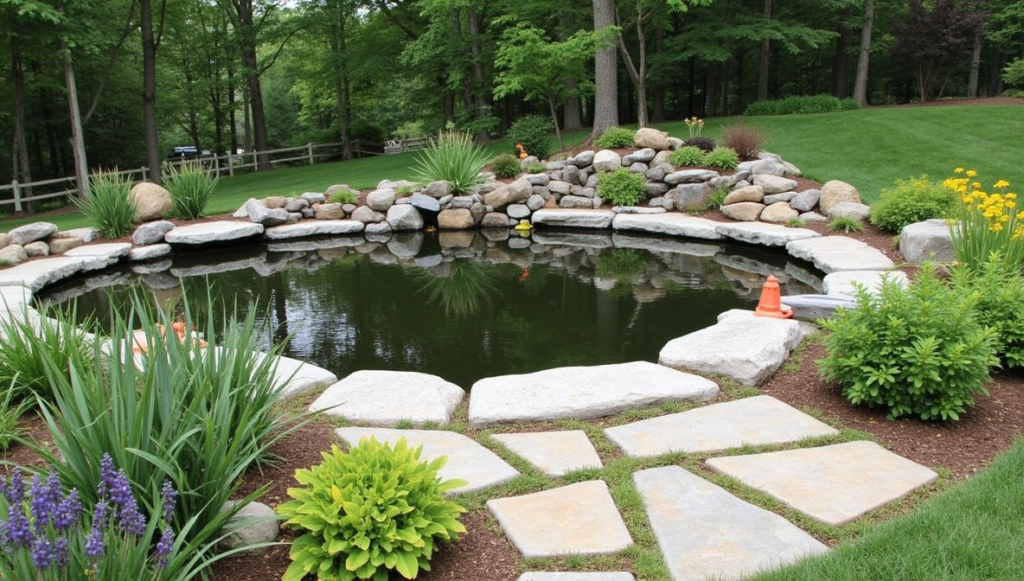
Small enhancements create a polished pond without overspending. Mix edging materials: flagstone caps for formal zones and gravel beaches for wildlife access. Tuck moss or thyme between stepping stones and add a gravel path to encourage exploration.
Place seating where waterfall sound is optimal, and consider rain chains or discreet overflows for stormwater. Automate top-offs with a float valve and rain barrel, and hide cords and hoses in conduit. DIY prefilters, upflow bogs, and regular skimmer maintenance keep water clear affordably.
Childproof gates, low fencing, and wildlife ramps enhance safety. These simple details integrate the pond into your landscape, elevate daily enjoyment, and maintain a finished, serene aesthetic.
No-Dig Above-Ground Pond with Retaining Blocks and EPDM Liner
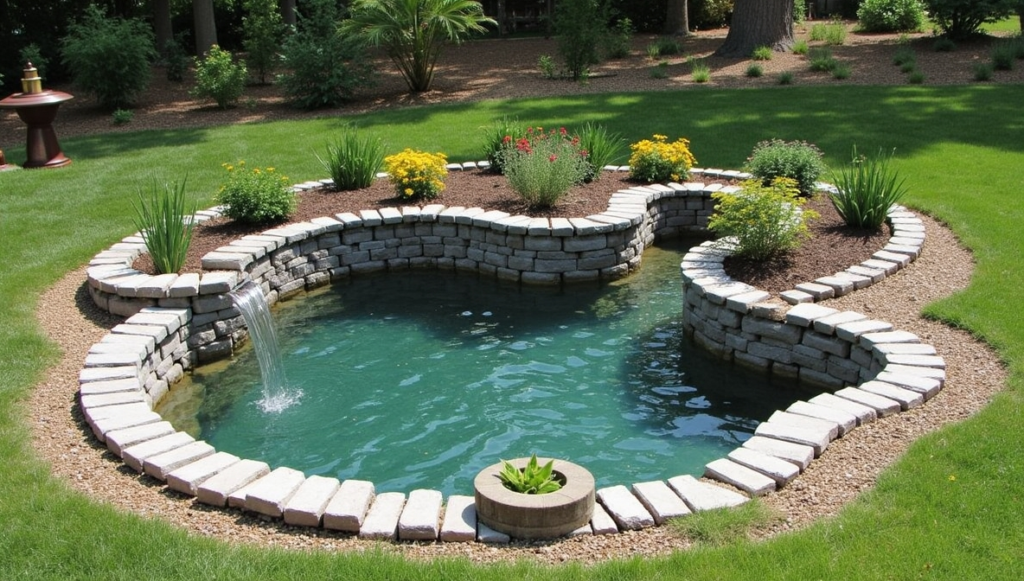
When digging is difficult or prohibited, build a raised pond using gravel, stacked retaining blocks, and EPDM liner. Lay a level ring of blocks, add foam underlayment, and drape the liner with generous slack.
Cap with smooth coping stones to protect the liner from UV and foot traffic. Inside, DIY planting shelves made from milk crates wrapped in geotextile provide space for marginals, and a small pump protected in a crate prefilter ensures circulation.
Include a mini spillway or side outlet, a pea-gravel wildlife beach, and vertical grasses or dwarf lilies. This modular, above-ground design scales easily, pairs well with a bog filter, and withstands freeze-thaw cycles.
Harvest the Rain Pond

Capture stormwater to supplement your pond. Connect a roof downspout to a screened rain barrel with a first-flush diverter, then feed the pond through a sediment filter. Overflow can be routed to a dry creek swale with river rock and moisture-loving plants such as sedges, marsh marigold, or blue flag iris.
This system slowly delivers water to the pond, oxygenates it, and nourishes surrounding soil. Elevate the barrel for gravity-fed flow, include a shutoff and bypass, and add a leaf basket. Avoid runoff from roofs with copper or asphalt grit; use carbon polishing if necessary. This sustainable approach reduces irrigation needs, stabilizes temperature, and supports pollinators.
Small-Space Mirror Pond: Dark Liner, Minimalist Planting, Maximum Reflection
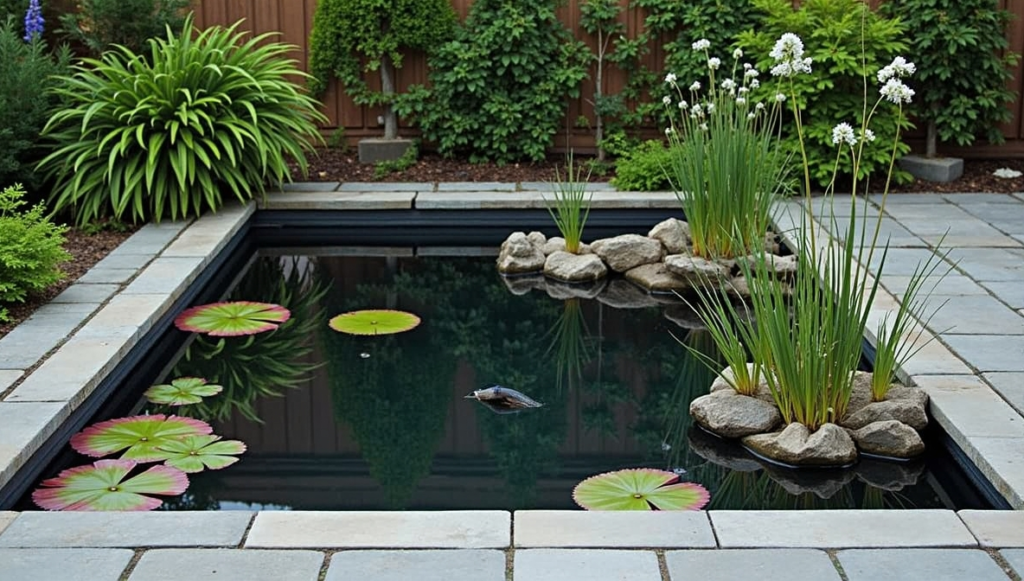
Shallow mirror ponds provide dramatic reflections in compact spaces. Use a black liner or pond dye with a crisp rectangular shell and coping stones for a polished look. Subsurface returns maintain a calm, reflective surface. Keep planting minimal: a dwarf lily, a few architectural clumps like dwarf papyrus or corkscrew rush, and a single vertical accent.
Conceal the pump in a crate prefilter and add a skimmer or intake bay. LED lights along the edge and underwater create a glowing effect at night. Pair with an upflow bog filter for clear, low-maintenance water. This design emphasizes visual tranquility over movement.
Leaf Control Made Pond Idea
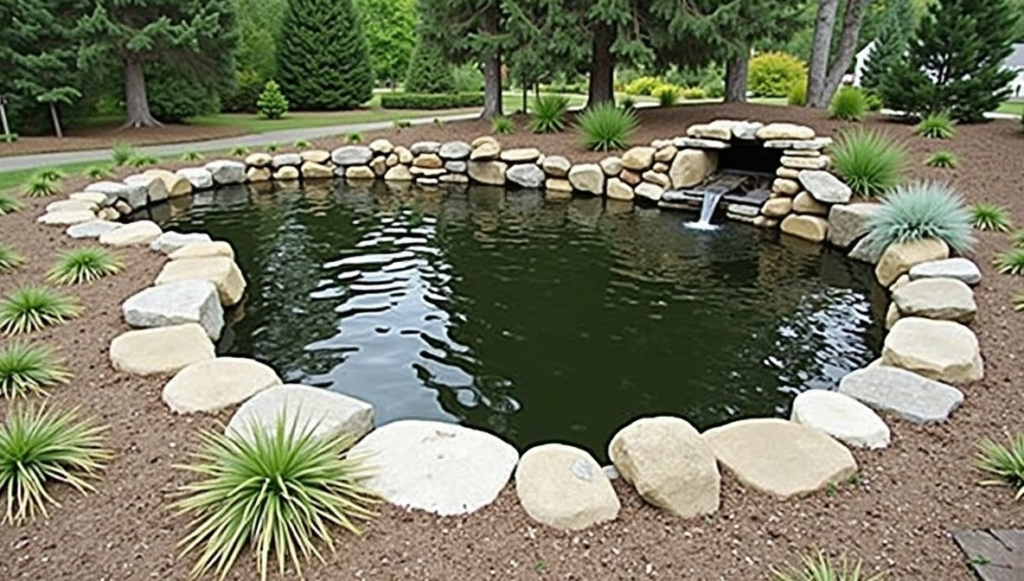
Leaves and pollen quickly lead to algae buildup. A DIY skimmer or intake bay can capture debris efficiently. Position it opposite your waterfall to create steady surface flow. Build a shallow pocket using boulders and graduated river rock, and place the pump in a crate or well beneath a removable leaf basket.
Coarse foam traps finer particles. Maintenance is simple: lift, dump, rinse. Fine-tune flow with adjustable gates or by narrowing the intake. Pair with a floating skimmer ring during fall and a surface current to sweep debris. This keeps water clean, protects pumps, and reduces manual cleaning.
Right-Size Your Pump, Pipe, and Weir—Without the Math Headache
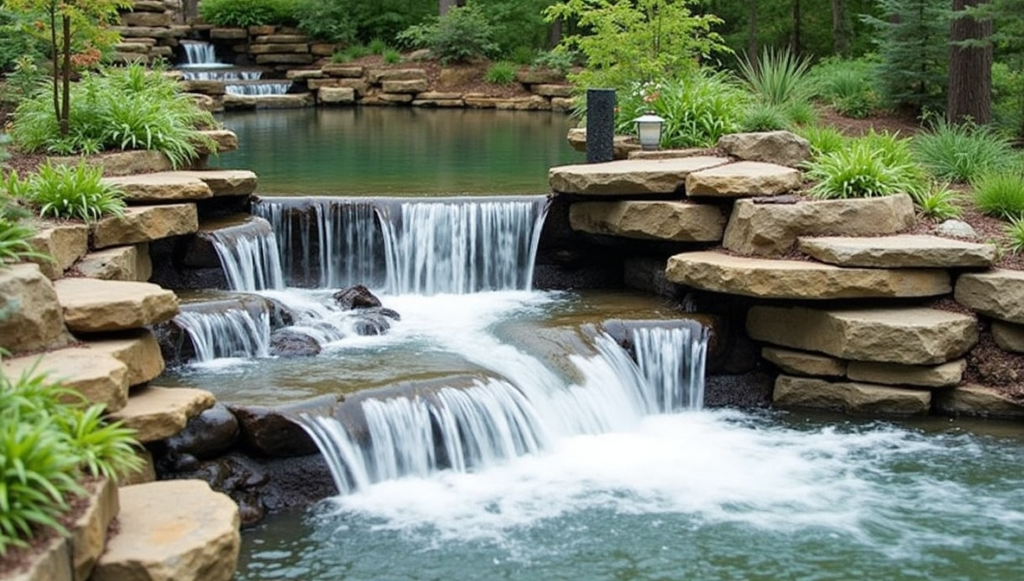
Proper flow is essential for clear water. Circulate your pond volume once per hour (twice for koi or heavy fish loads). For streams, budget 50–100 gph per inch of width; for blade weirs, 150+ gph per inch. Factor in head height (vertical rise plus friction) and oversize pipes slightly to reduce energy use. Include a union, check valve, ball valve, and purge tee for maintenance.
Solar setups benefit from a brushless DC pump with a controller or battery. Pair pumps with crate prefilters, upflow bogs, or UV filters for optimal clarity. Proper sizing ensures circulation without overcomplication.
Floating Plant Islands for Filtration, Shade, and Wildlife
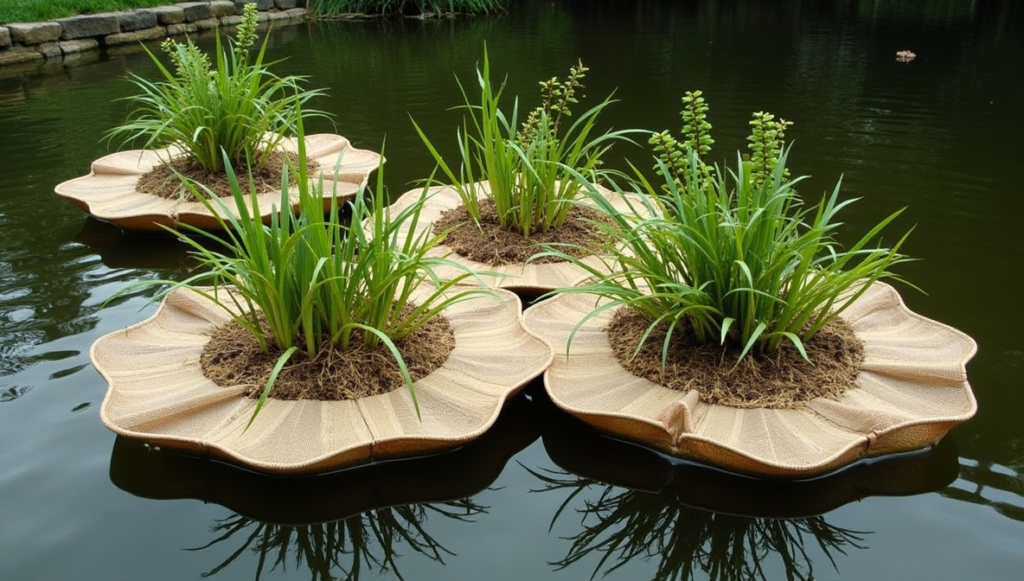
Floating islands provide natural filtration and shade while boosting biodiversity. Use mesh, pool noodles, or cork frames lined with coconut coir to create lightweight rafts. Plant nutrient-hungry species like pickerel rush, dwarf cattail, water mint, and lobelia. Dangling roots filter nutrients, shade fish, and provide refuges for fry and dragonfly nymphs.
Anchor islands with fishing line for gentle repositioning. Thin roots and refresh coir seasonally to remove excess nutrients. Floating islands complement bog filters, prevent mosquitoes, and create surface-level water cleaning while adding visual appeal.
Kid- and Pet-Safe Ponds
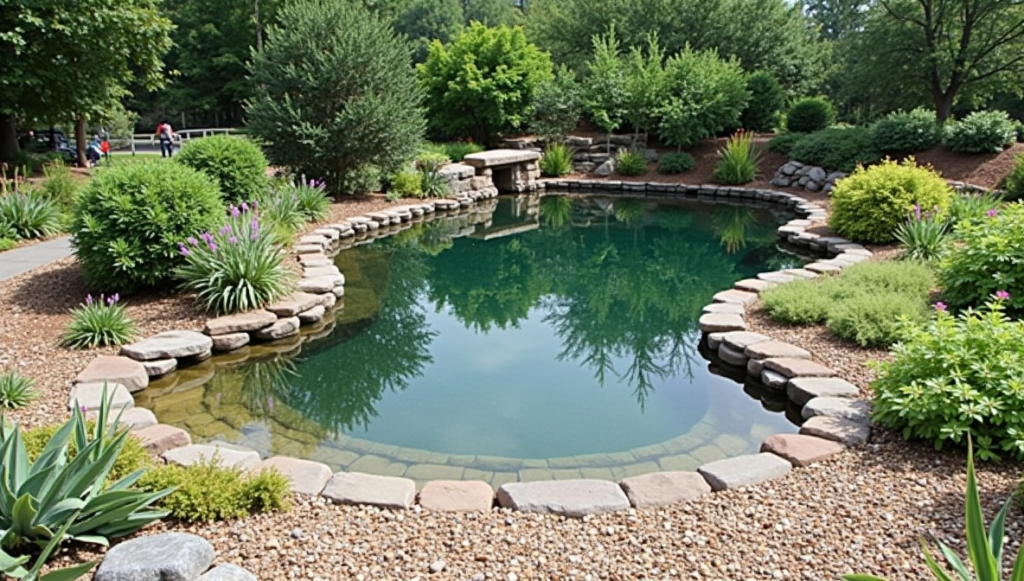
Design safety into your pond from the start. Build gentle marginal shelves and a 3:1 slope gravel “beach” for wildlife and supervised play. Hidden grating below the surface can support weight while remaining subtle. Low, transparent barriers like hedges, steel rods, or mesh panels improve safety without obstructing views.
Screen pump intakes, run cords through conduit to a GFCI outlet, and illuminate paths. Post simple safety rules and keep a reaching pole nearby. Proper grading, subtle barriers, and non-slip paving create a pond that is secure for kids, pets, and wildlife alike.
Blend Water and Wood Pond
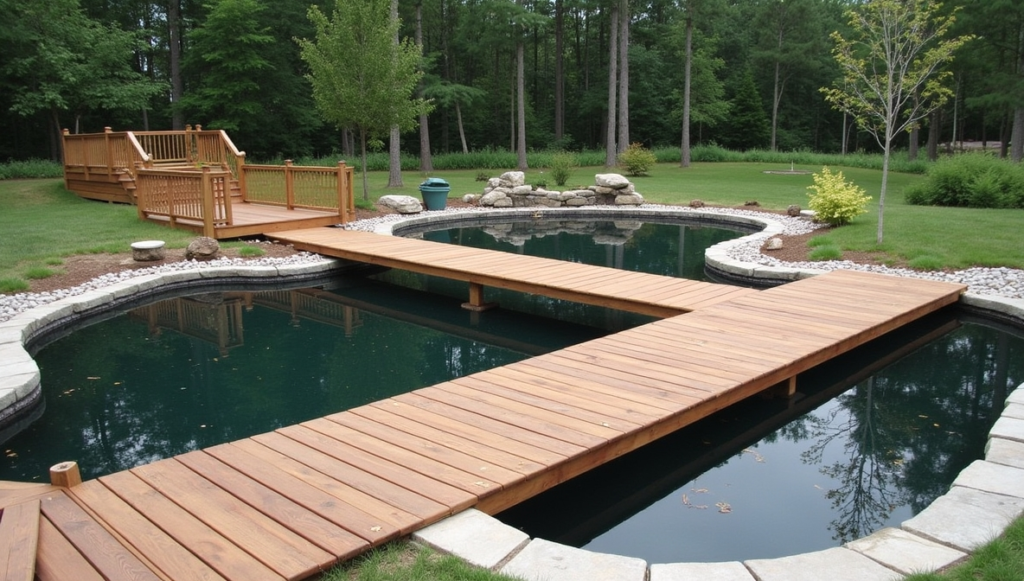
Integrate ponds with living spaces by extending decking over the water. Cantilevered boardwalks or platforms provide seating and visual connection while keeping the liner intact. Secure the liner with compression strips and flashing, then cap with decking for a seamless finish.
Include service hatches for pumps or skimmers and ventilate cavities to prevent moisture buildup. Incorporate shadow gaps and blade weirs for style, or timber bridges for rustic charm. Add low-glare LED lights for ambiance. This approach enhances access, seating, reflections, and the overall sense of water as a central feature.
Mosquito-Proof by Design Pond
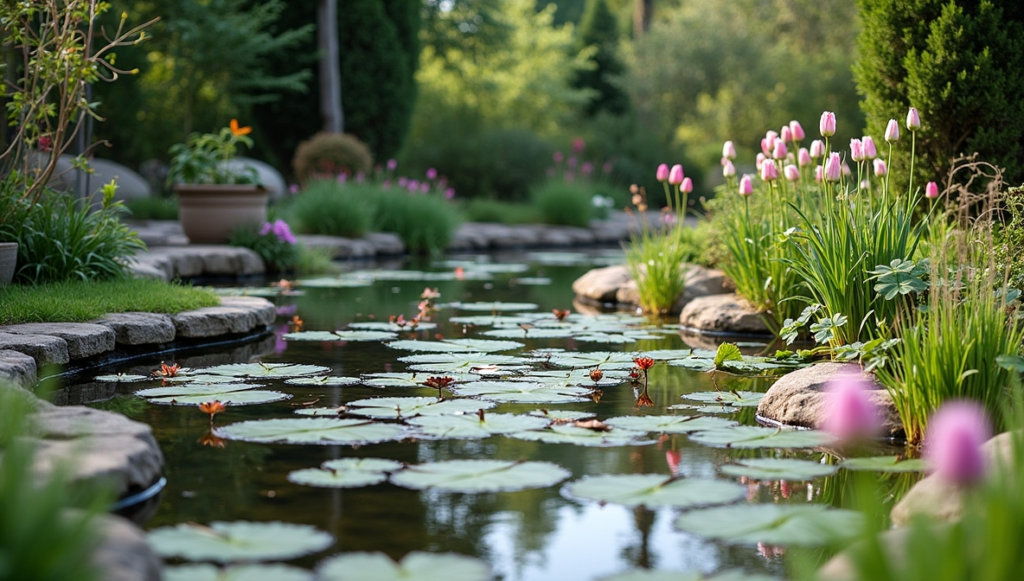
Prevent mosquitoes with continuous water movement and gentle aeration at night. Include mosquito-eating fish where legal, like rosy red minnows. Encourage dragonflies with emergent plants and sunny perches. Keep at least 60% of the surface open; dense mats breed larvae. BTI dunks are safe for fish, pets, and pollinators.
Grade edges to avoid stagnant pools and incorporate side barrels or decorative elements into circulation. Clean skimmers weekly, thin plants, and avoid overfeeding. Movement, predators, and biological controls together maintain a healthy, mosquito-free pond.