
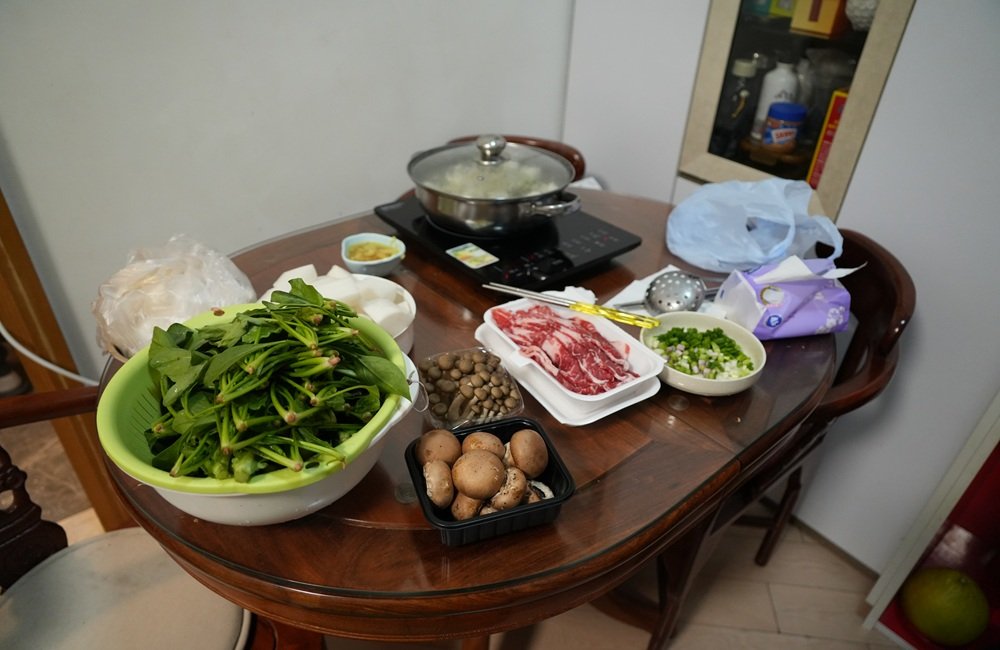
Craving a cozy, interactive meal without leaving the house? DIY hotpot at home is a fun and delicious way to enjoy this social dining experience with family or friends. From simmering flavorful broths to layering fresh vegetables, meats, and noodles, making your own hotpot allows you to customize every bite exactly how you like it.
You don’t need a restaurant to enjoy the comforting warmth, rich flavors, and endless ingredient combinations that make hotpot so satisfying. Whether you’re a beginner or a seasoned foodie, there are plenty of creative tips and tricks to elevate your homemade hotpot. In this guide, we’ll explore DIY hotpot at home ideas that are easy, tasty, and perfect for any gathering.
Essential Kitchen Tools for Hotpot
When preparing hotpot at home, basic bowls and chopsticks are a given, but there are a few special tools that make the experience safer and more enjoyable.
Electric Hotpot
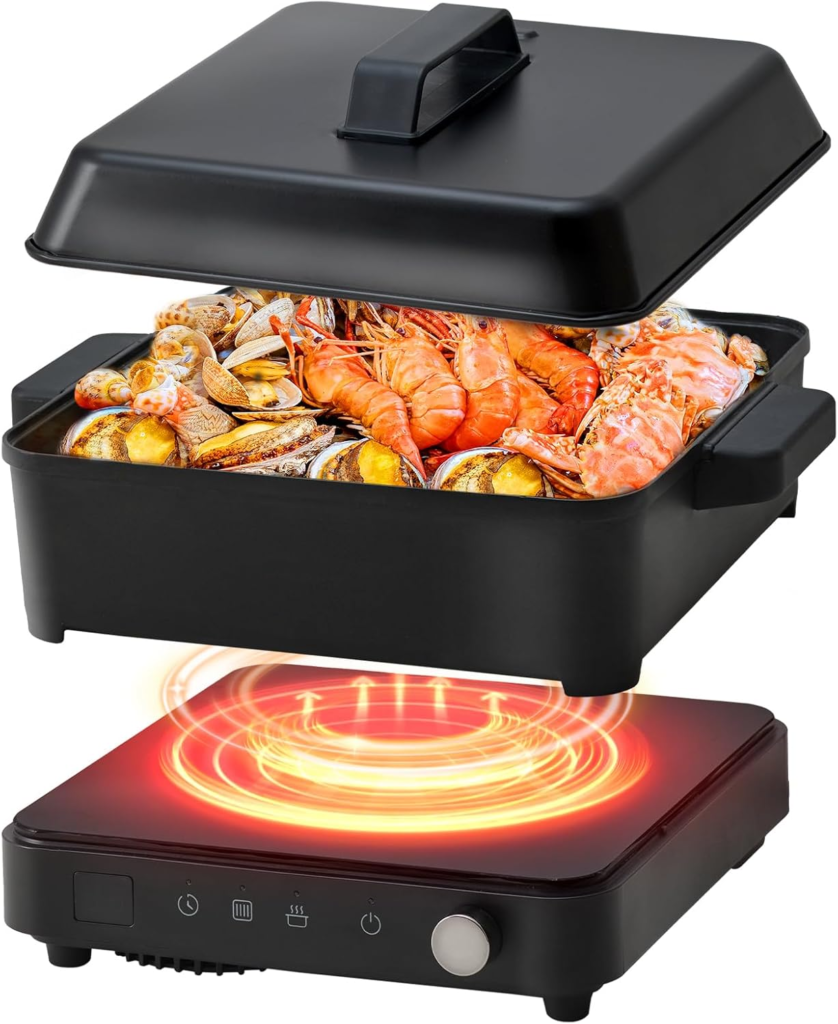
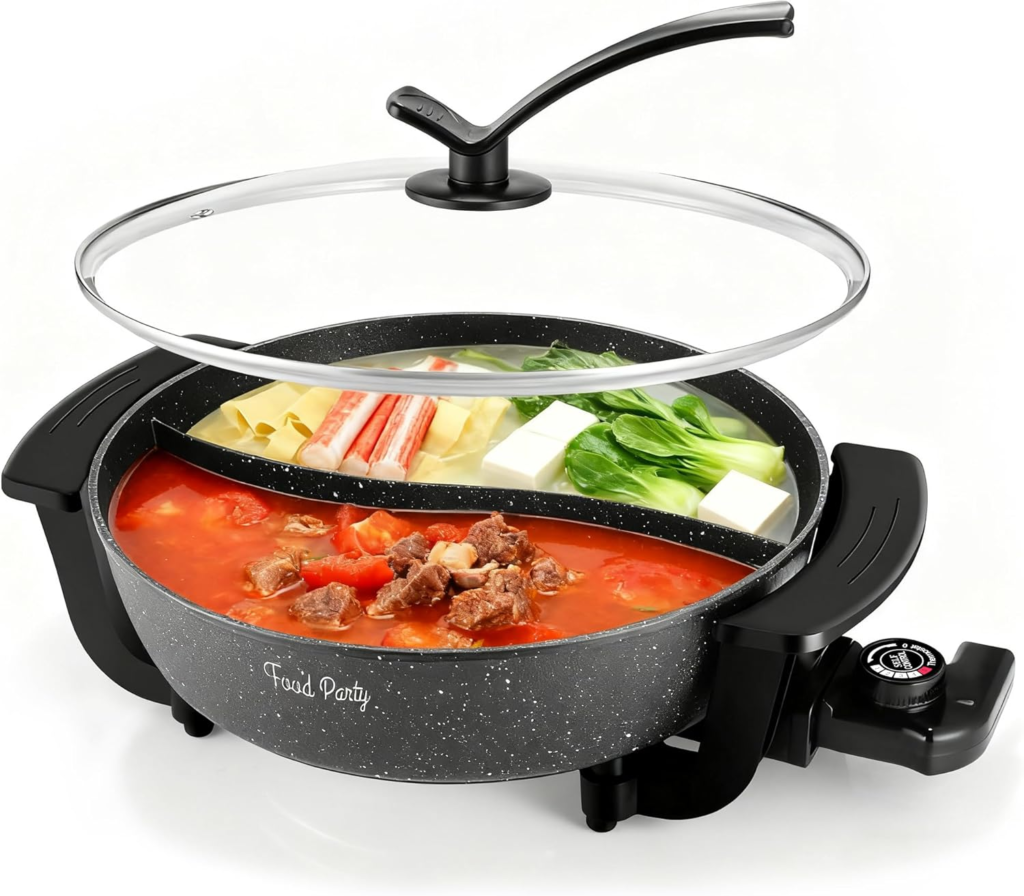
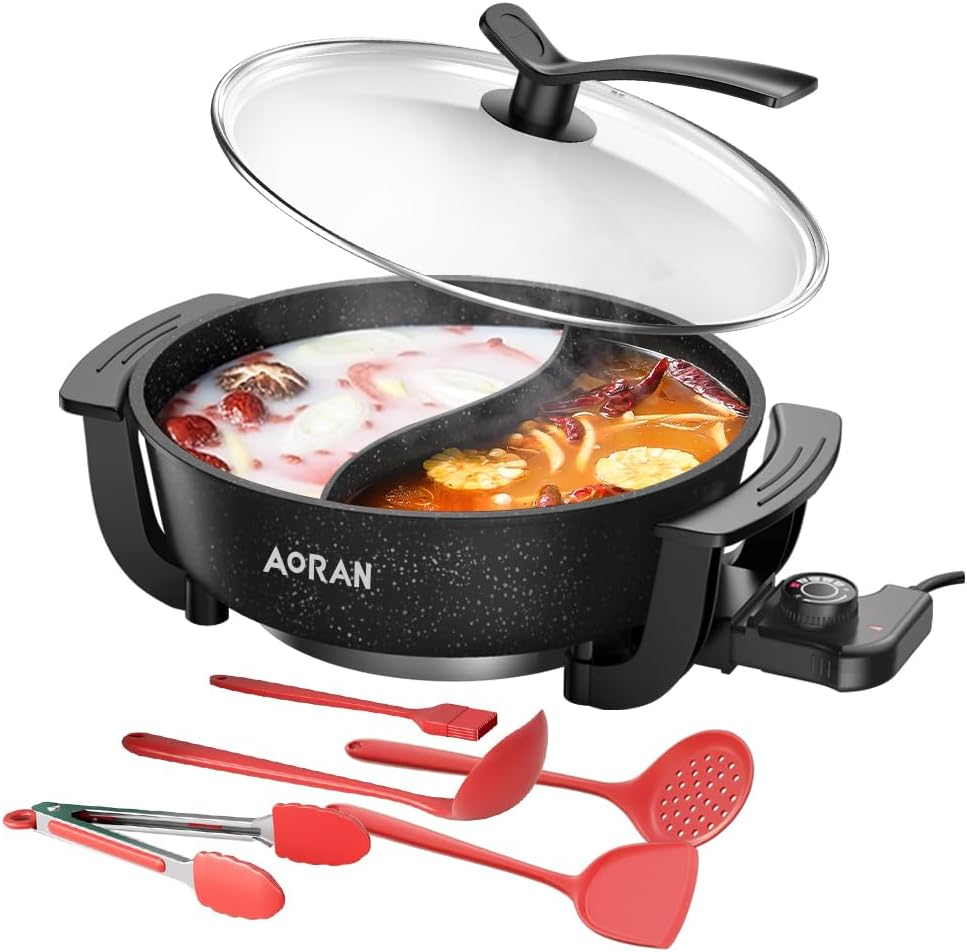
Cooking hotpot on a regular stovetop can be tricky. Boiling soup and open flames increase the risk of spills or burns. Using an electric hotpot is a convenient solution—it maintains consistent heat, eliminates flame hazards, and allows you to focus on cooking rather than worrying about accidents.
Wire Strainers for Hotpot
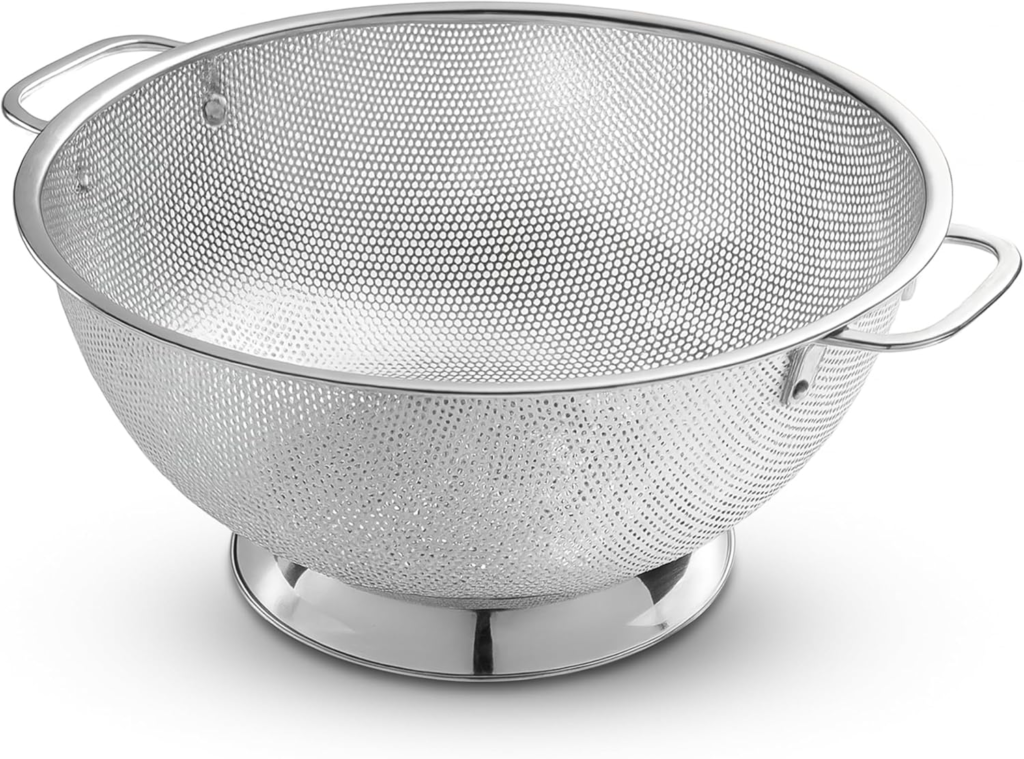
Another useful item is a small wire net strainer. These are perfect for scooping cooked ingredients directly from the hotpot without spilling hot broth. They’re particularly helpful when handling slippery foods like leafy greens, fish balls, or thin slices of meat.
You can find these accessories online or at most Asian supermarkets. Investing in the right tools ensures a safer and more enjoyable cooking experience, especially when sharing the meal with friends and family.
Understanding the Hotpot Experience
Hotpot isn’t just a meal; it’s a social event. At its core, it involves a communal pot of simmering broth in which everyone cooks their ingredients, from meats and seafood to vegetables and noodles.
The beauty of hotpot lies in its simplicity. Fresh ingredients are transformed by the flavorful soup, making each bite interactive and customizable. It’s an easy way to enjoy a variety of textures and flavors in one meal.
Whether you’re hosting friends or enjoying a quiet dinner at home, hotpot brings people together and encourages conversation, as everyone cooks and eats at their own pace.
Selecting the Perfect Soup Base
The soup base is the heart of any hotpot. It determines the flavor of all the ingredients you cook in it. Choosing the right broth can elevate your meal from ordinary to extraordinary.
You can prepare a soup base from scratch using ingredients like chicken, pork bones, or kombu, but pre-made bases are convenient and flavorful, especially if you’re short on time. One popular option is Haidilao’s Broth Flavour Hot Pot Seasoning. Its umami-rich flavor works well for a wide range of ingredients and isn’t overly spicy, making it suitable for most palates.
A general guideline: use richer, more robust broths for red meats and organ meats, while lighter broths pair best with seafood to avoid overpowering their delicate flavors.
Crafting Delicious Hotpot Sauces
No hotpot is complete without dipping sauces. Sauces allow you to enhance the flavor of cooked ingredients and tailor each bite to your preference.
Popular ingredients for sauces include:
- Soy sauce
- Sesame oil
- Chili oil
- Chopped coriander
- Spring onions
- Minced or fried garlic
- Chili paste or flakes
- Sesame or peanut sauce
- Satay sauce
These can be mixed and matched to create your own signature dipping combination. Most Asian supermarkets carry a wide variety of sauces, and for convenience, many are available online.
Choosing the Right Proteins
Once your broth and sauces are ready, it’s time to select the proteins. Meat and seafood are key to adding depth to the soup and enhancing the flavor of other ingredients.
Red Meat
Thinly sliced beef, lamb, or pork is ideal for hotpot. Fatty cuts of beef are especially popular because they cook quickly and release rich flavor into the broth. If you can’t find thin slices at your local butcher, frozen hotpot meat packs from Asian supermarkets are a great alternative.
Chicken and Fish
Chicken or fish should be cut into bite-sized pieces. Keeping the bones intact, when possible, adds extra richness to the broth.
Meatballs and Tofu Products
Chinese-style meatballs and processed meats are excellent for hotpot. Look for bouncy, flavorful options like beef, pork, or fish balls. Tofu also plays a key role—soft, fried, or tofu skin absorbs the broth beautifully, adding texture and variety to your meal.
A personal recommendation: try fish tofu if you can find it—it’s a hotpot favorite for its texture and flavor.
Vegetables and Plant-Based Ingredients
Hotpot is a fantastic way to enjoy vegetables, especially for those looking to increase their daily intake. Vegetables absorb the soup’s flavors, making them surprisingly hearty and satisfying.
Leafy Greens
Fast-cooking greens like spinach, bok choy, or napa cabbage are perfect because they soak up flavor without losing their texture.
Sturdier Vegetables
Vegetables like broccoli, carrots, and Chinese turnips can be cut into smaller pieces to cook evenly. Ingredients like sweetcorn and mushrooms enhance the broth’s sweetness and umami richness.
Tofu and Other Plant-Based Options
Besides vegetables, hotpot can include various tofu products, wontons, and other vegetarian alternatives. Silky tofu, fried tofu, and vermicelli wraps provide different textures and flavors, keeping the meal dynamic.
Adding Carbs to Complete the Meal
Carbohydrates are usually added toward the end of the hotpot meal. By this stage, the broth has developed maximum flavor, and noodles or rice can soak up all that deliciousness.
Noodles
Popular choices include udon, egg noodles, Shanghai wheat noodles, or instant noodles. Each type brings a unique texture and mouthfeel, complementing the other ingredients in the hotpot.
Rice
Many people enjoy a simple bowl of steamed rice alongside hotpot. Rice balances the rich flavors and provides a comforting staple that pairs perfectly with flavorful broth.
Tips for a Safe and Enjoyable Hotpot Experience
- Always monitor the heat to prevent the soup from boiling over.
- Use tongs or wire strainers to handle slippery or heavy ingredients.
- Cook ingredients in batches to maintain an even cooking temperature.
- Keep raw and cooked items separate to prevent cross-contamination.
- Encourage everyone to customize their dipping sauces for a personal touch.
Hotpot is versatile and forgiving, allowing for creativity in ingredients, flavors, and cooking methods. Following these tips will ensure a safe, tasty, and interactive dining experience every time.
Final Thoughts on Hosting Hotpot at Home
Hotpot is more than just a meal—it’s a communal experience. With the right equipment, fresh ingredients, and thoughtful preparation, you can recreate the restaurant-quality experience in your own kitchen.
From a flavorful broth to perfectly cooked proteins, crisp vegetables, and indulgent noodles, hotpot offers endless possibilities. Its interactive nature makes it ideal for gatherings, where everyone can cook and eat at their own pace.
With these tips and ingredient suggestions, you’re ready to host a hotpot meal that’s safe, delicious, and memorable. Enjoy experimenting with flavors, textures, and sauces, and savor the social experience that makes hotpot a beloved tradition around the world.