
Growing a thriving vegetable garden doesn’t have to rely on heavy fertilizer use. With the right techniques, you can cultivate healthy, productive plants while keeping inputs minimal and eco-friendly. By focusing on soil health, composting, companion planting, and smart crop choices, it’s possible to reduce costs and support a more sustainable garden.
Whether you’re working with a backyard plot or a small raised bed, low-fertilizer methods can still deliver impressive results. In this blog, explore practical and creative ideas to help you grow fresh vegetables naturally while maintaining rich soil and long-term garden success.
Compost-Rich Garden Bed Preparation
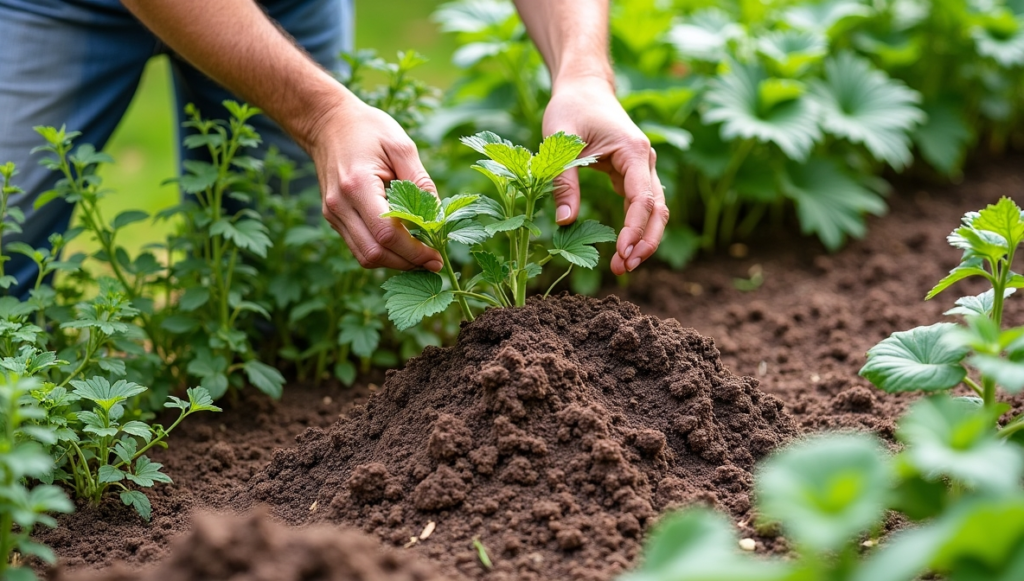
Creating garden beds enriched with compost is one of the most effective ways to grow vegetables while minimizing the use of chemical fertilizers. Compost improves soil structure by making it more рыхмable and better able to hold moisture, which is essential for plant health. It also introduces beneficial microorganisms that help break down organic matter into nutrients that plants can easily absorb. When you mix well-decomposed compost into your soil before planting, your vegetables receive a steady supply of nutrients throughout the growing season. This approach supports sustainable gardening by reducing reliance on synthetic fertilizers while maintaining soil fertility year after year.
Mulch-Covered Vegetable Rows
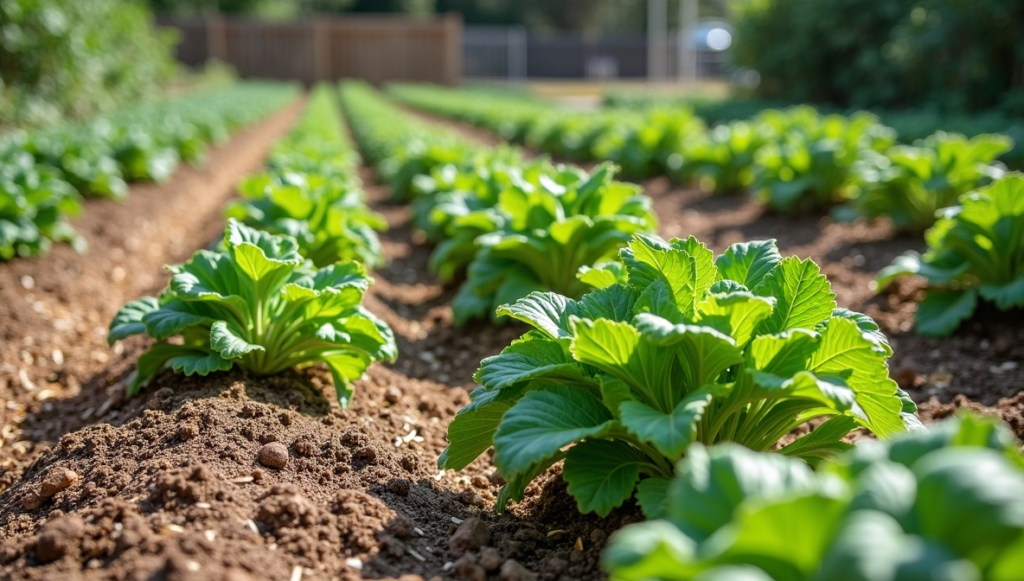
Applying mulch to your vegetable rows is a practical and natural way to conserve nutrients and support plant growth. Mulch acts as a protective layer over the soil, shielding it from harsh sunlight, reducing water evaporation, and preventing erosion. Over time, organic mulch materials such as straw, leaves, or wood chips break down and enrich the soil with additional nutrients. This slow decomposition process creates a steady supply of nourishment for your plants. In low-fertilizer gardening systems, mulch serves as an essential tool that helps maintain soil health, regulate temperature, and promote consistent plant development without frequent feeding.
Soil Improvement Through Legumes
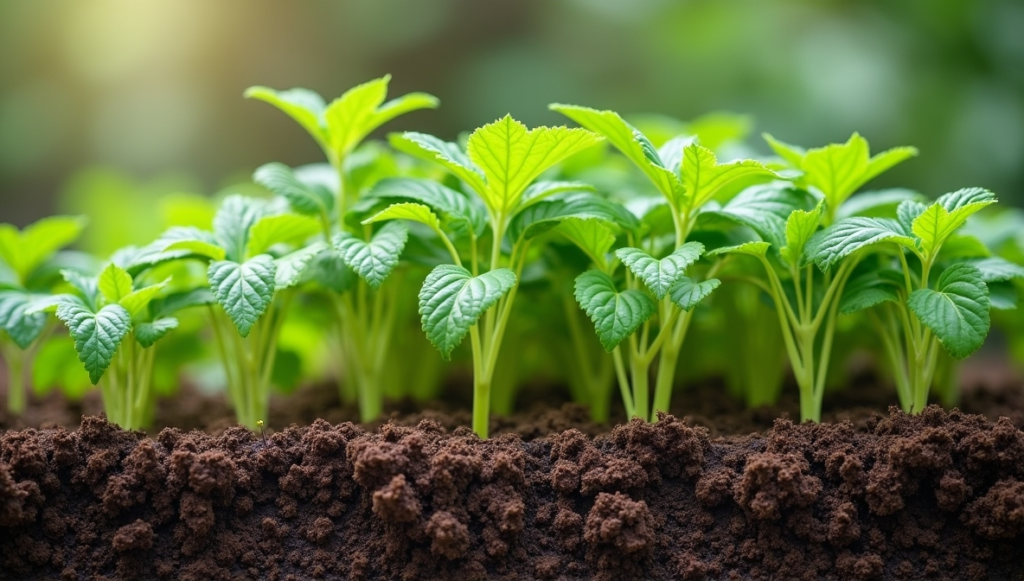
Incorporating legumes into your garden is a natural and efficient way to improve soil fertility. Plants like beans, peas, and lentils have a unique ability to capture nitrogen from the air and convert it into a form that enriches the soil. This natural process reduces the need for additional nitrogen fertilizers, making your garden more sustainable. After harvesting, leaving the roots in the soil allows the stored nitrogen to benefit future crops. This method not only enhances soil quality but also supports long-term productivity, making it a valuable strategy for gardeners who want to grow healthy vegetables with minimal external inputs.
Containers with Slow-Release Organic Nutrients
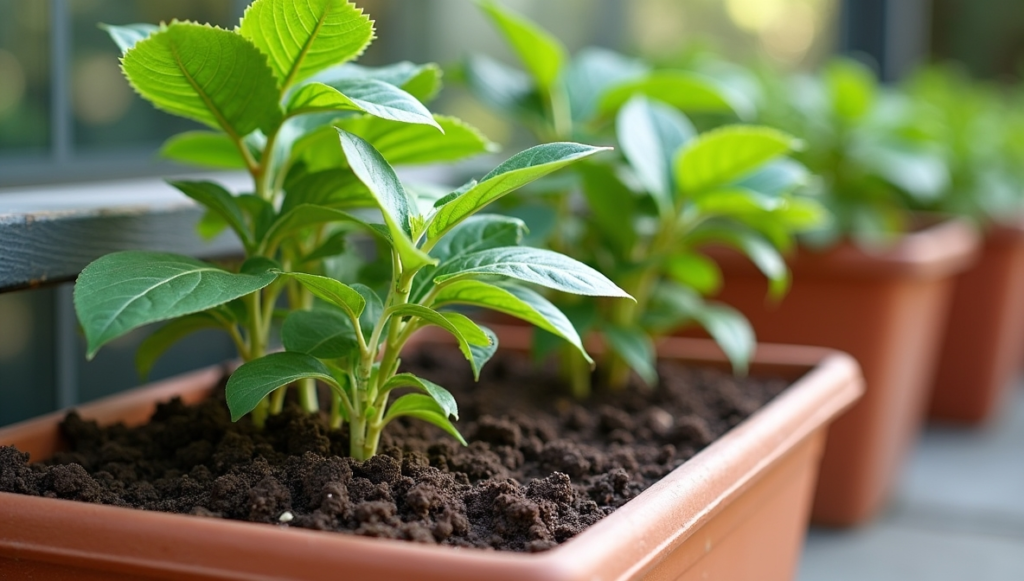
Using slow-release organic fertilizers in container gardening provides a balanced and consistent supply of nutrients over time. These fertilizers gradually break down, releasing essential nutrients in small amounts that plants can easily absorb. This prevents overfeeding and reduces the need for frequent applications, making it ideal for low-maintenance gardening. Containers can lose nutrients more quickly than ground soil, so having a steady nutrient source is especially beneficial. By choosing organic, slow-release options, you support healthier plant growth while minimizing environmental impact and maintaining an eco-friendly gardening approach.
No-Dig Vegetable Gardening Method
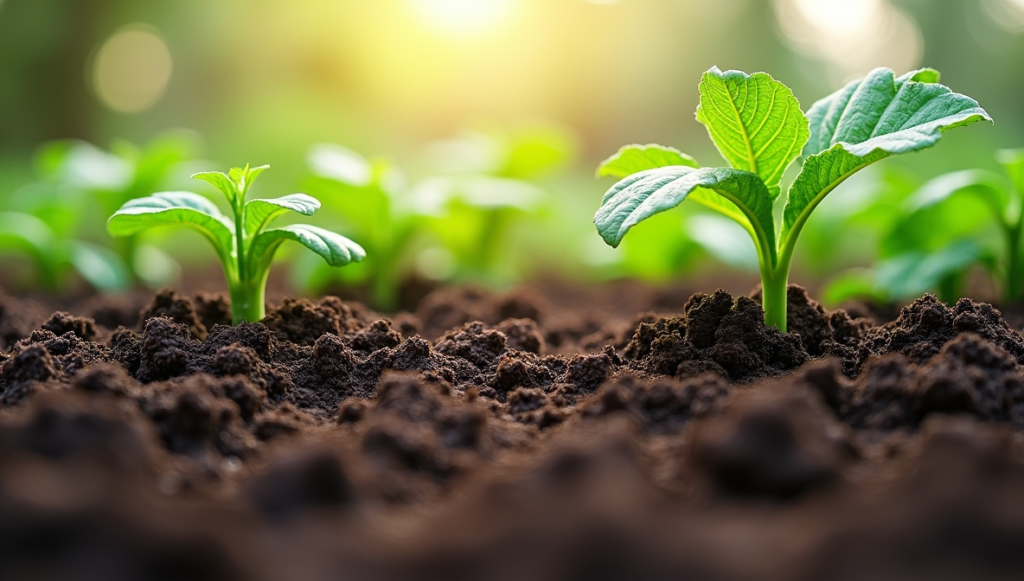
The no-dig or no-till gardening method focuses on preserving the natural structure and health of the soil. By avoiding unnecessary digging, you protect beneficial organisms such as earthworms and microbes that play a key role in nutrient cycling. Organic matter is added to the surface, where it gradually breaks down and feeds the soil from the top down. This method helps retain moisture, prevent soil compaction, and maintain a balanced ecosystem underground. For gardeners aiming to reduce fertilizer use, no-dig gardening offers a reliable way to keep soil fertile and productive with minimal intervention.
Soil Enrichment Using Leaf Mold
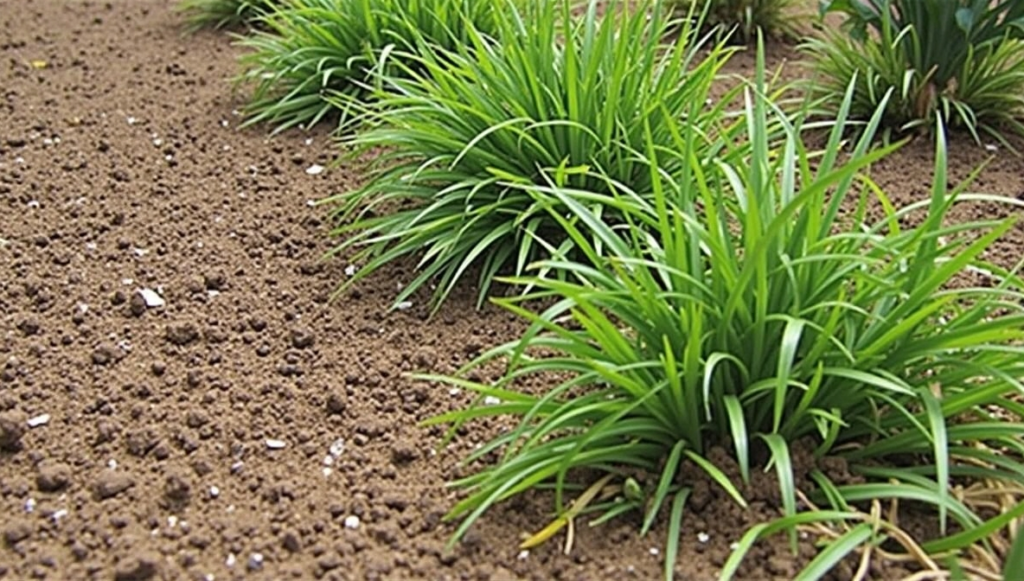
Leaf mold is a valuable organic material made from decomposed leaves, and it offers significant benefits for vegetable gardens. When added to soil, it improves its ability to retain moisture and enhances its texture, making it easier for roots to grow and access nutrients. Leaf mold also supports the growth of beneficial microbes that contribute to a healthy soil ecosystem. Although it is not as nutrient-rich as compost, it plays an important role in maintaining soil balance. For gardeners practicing low-fertilizer techniques, leaf mold provides a natural way to improve soil quality and support plant health over time.
Container Gardening with Worm Castings
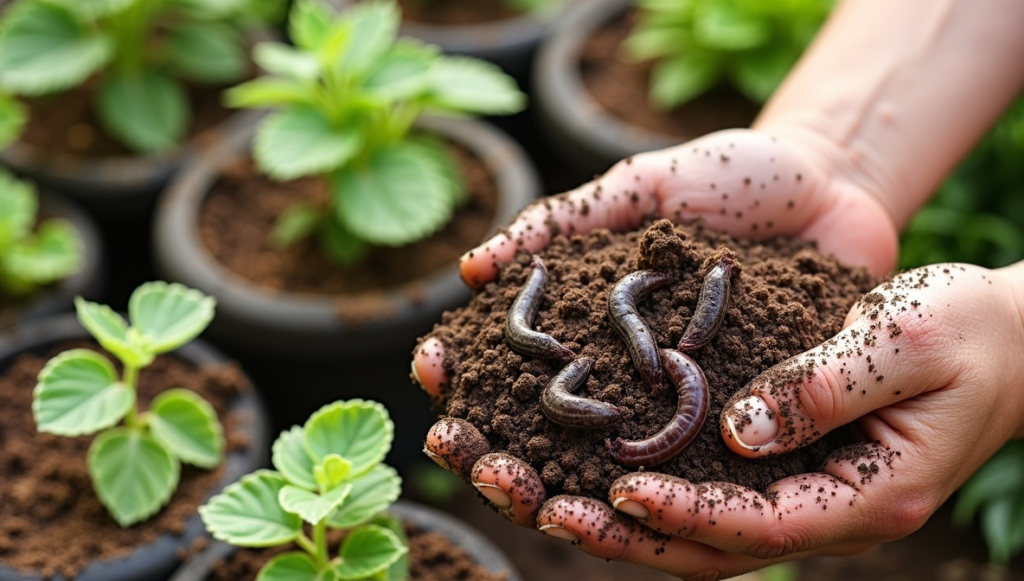
Worm castings are a powerful natural soil amendment that can significantly enhance plant growth, especially in container gardens. These nutrient-rich materials are produced by earthworms and contain a balanced mix of essential nutrients along with beneficial microorganisms. When added to potting soil, worm castings improve its structure and help plants absorb nutrients more efficiently. They also promote strong root development and overall plant health. Because they release nutrients slowly and naturally, worm castings are an excellent choice for gardeners who want to reduce the use of synthetic fertilizers while still achieving productive results.
Biochar for Long-Term Soil Health
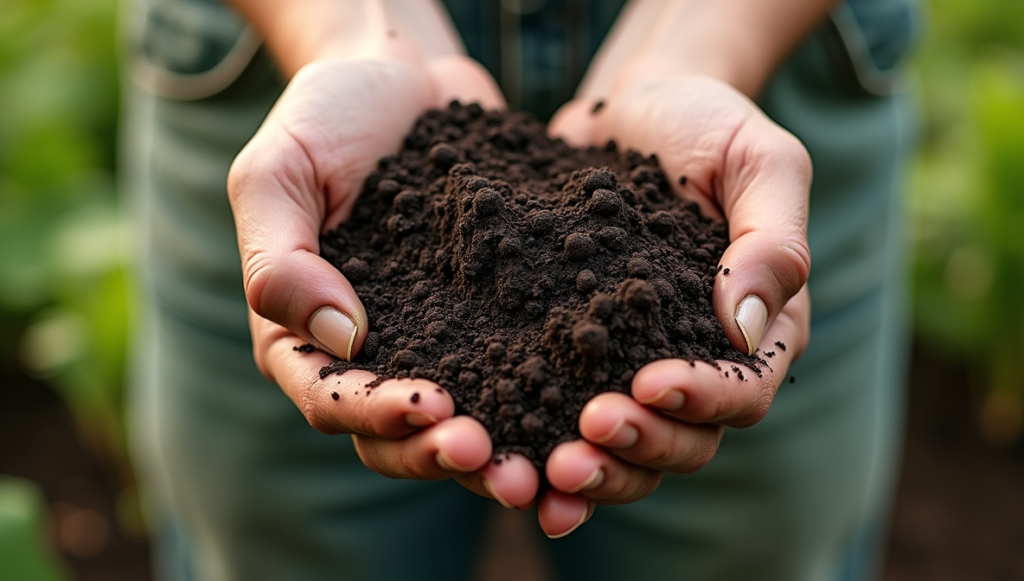
Biochar is a carbon-rich material that can greatly improve soil quality and nutrient retention. When added to garden beds, it acts like a sponge, holding onto water and nutrients that would otherwise be lost. This helps ensure that plants have access to essential resources over a longer period. Biochar also supports beneficial soil microbes, creating a more balanced and resilient growing environment. When combined with compost, its effectiveness increases even further. For gardeners seeking sustainable practices, biochar is a long-lasting solution that reduces the need for frequent fertilization while enhancing soil health.
Cover Crops for Natural Soil Renewal
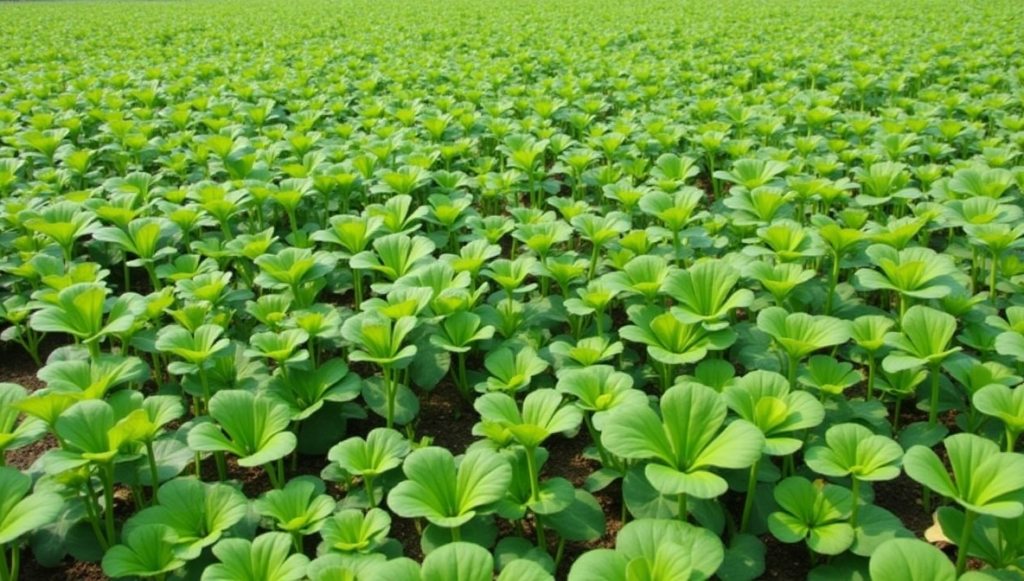
Growing cover crops, also known as green manure, is an effective way to restore nutrients and protect soil between planting seasons. Plants such as clover, rye, and vetch are commonly used for this purpose. They help prevent soil erosion, suppress weeds, and add organic matter when turned back into the soil. As these plants decompose, they release nutrients that benefit future crops. This natural cycle reduces the need for external fertilizers and keeps the soil productive. Incorporating cover crops into your gardening routine supports long-term sustainability and helps maintain a healthy growing environment.
Raised Beds with Rainwater Irrigation
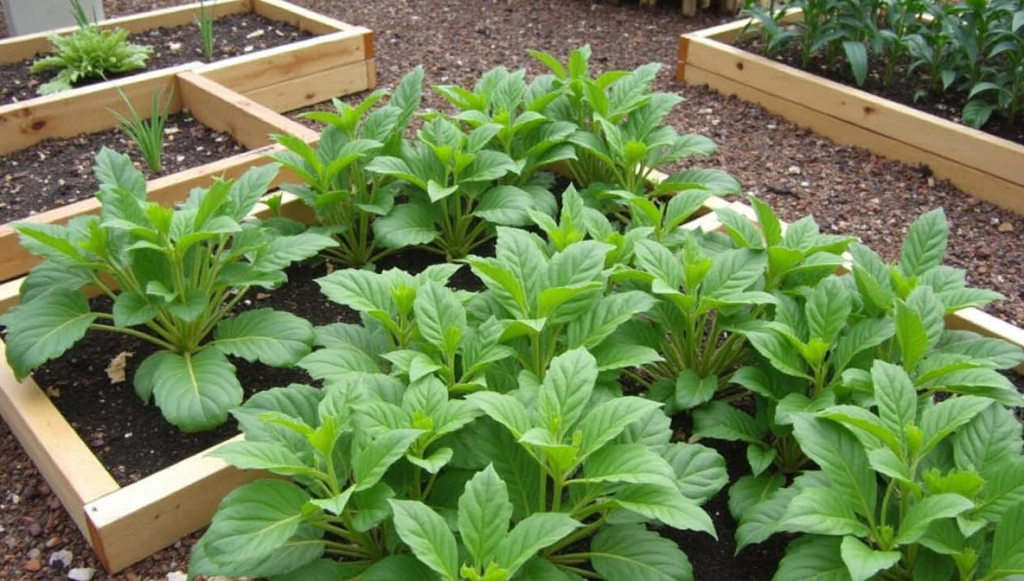
Using raised beds combined with rainwater irrigation is a smart approach to efficient and sustainable gardening. Raised beds allow you to control soil quality more effectively, ensuring that your plants grow in nutrient-rich conditions. Collecting and using rainwater provides a natural, chemical-free source of hydration that is gentle on plants. Rainwater often contains trace minerals that can benefit plant growth, making it a valuable resource. This method helps conserve water, reduce costs, and maintain soil nutrients, making it ideal for gardeners who want to minimize fertilizer use while maximizing productivity.
Straw Bale Gardening Technique
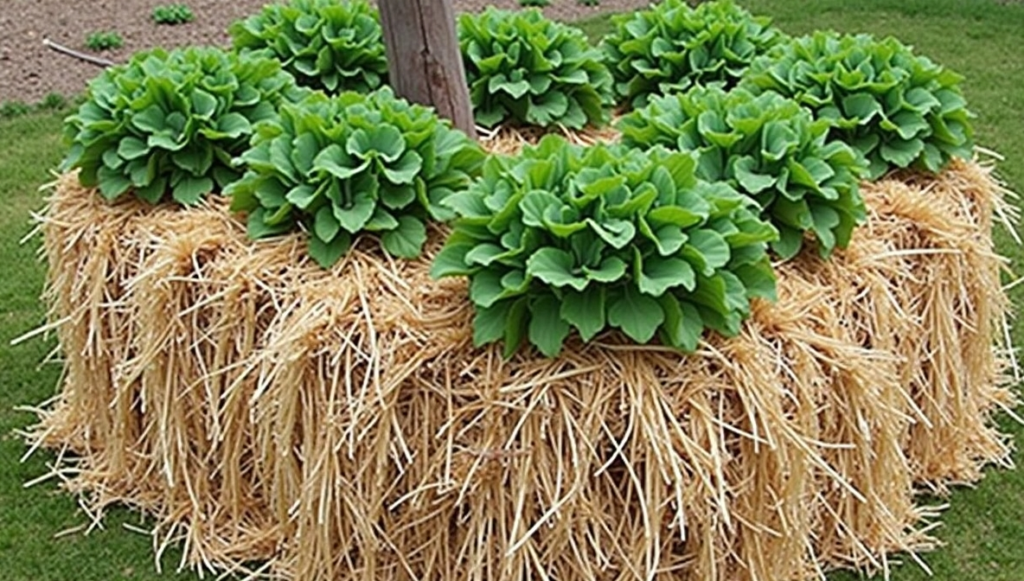
Straw bale gardening offers a unique and low-maintenance way to grow vegetables without traditional soil beds. As the straw bales decompose, they release nutrients that feed the plants naturally. This process creates a warm and fertile environment that encourages root development and plant growth. Straw bales also provide good drainage and reduce the risk of soil-borne diseases. For gardeners with limited space or poor soil conditions, this method is especially useful. It supports a low-fertilizer approach by relying on natural decomposition to supply nutrients throughout the growing season.
Composting Kitchen Waste for Garden Use
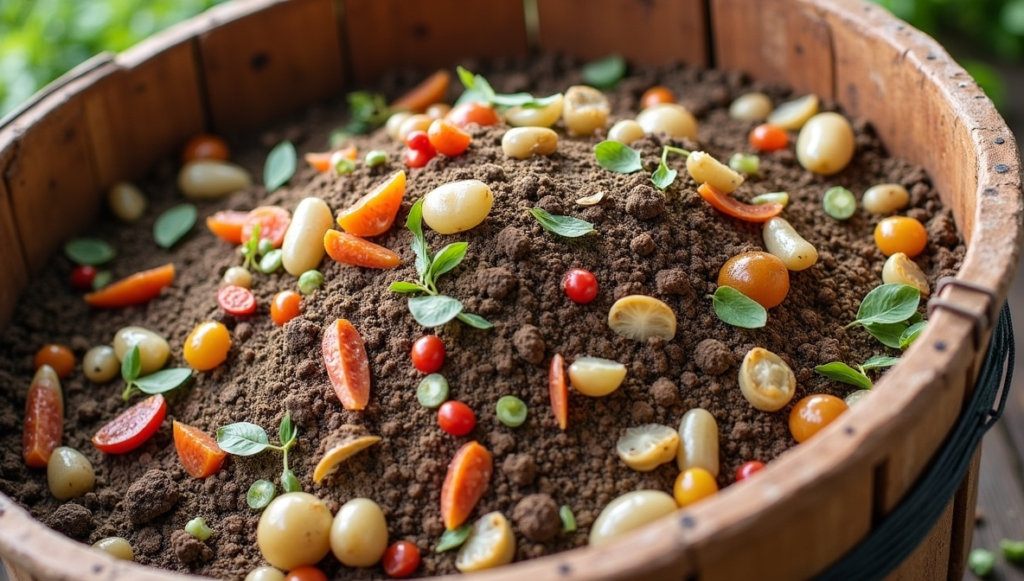
Turning kitchen scraps into compost is an excellent way to create a sustainable source of nutrients for your garden. Food waste such as fruit peels, vegetable scraps, and coffee grounds can be collected and composted to produce rich organic material. This homemade compost can then be added to your garden soil or containers to support plant growth. It reduces household waste while providing a cost-effective alternative to commercial fertilizers. By recycling everyday materials, gardeners can maintain soil fertility and promote healthy plant development without relying heavily on synthetic inputs.