
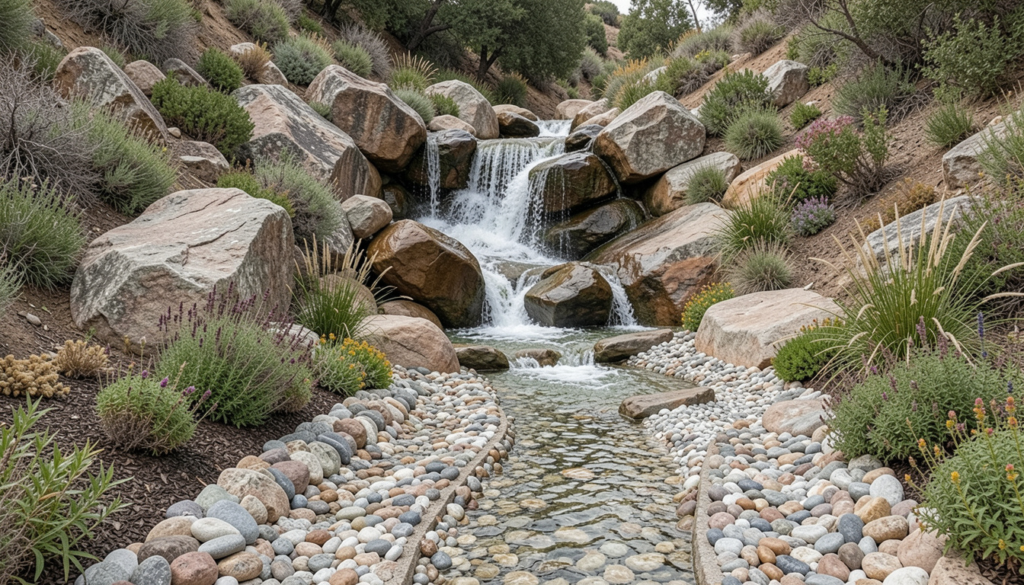
Natural rock waterfall ideas bring the soothing beauty of flowing water into your outdoor space, creating a peaceful retreat that feels connected to nature. Whether nestled in a garden corner, built into a backyard pond, or designed as a dramatic landscape feature, rock waterfalls add movement, sound, and texture to any environment. The combination of stacked stones, cascading water, and greenery creates a calming atmosphere that enhances both small and large spaces.
From rustic, naturalistic designs to sleek modern interpretations, there are endless ways to customize your waterfall. In this guide, you’ll discover inspiring natural rock waterfall ideas that transform ordinary outdoor areas into serene, refreshing escapes.
Tiered Boulder Waterfall for a Natural Stone Cascade Effect
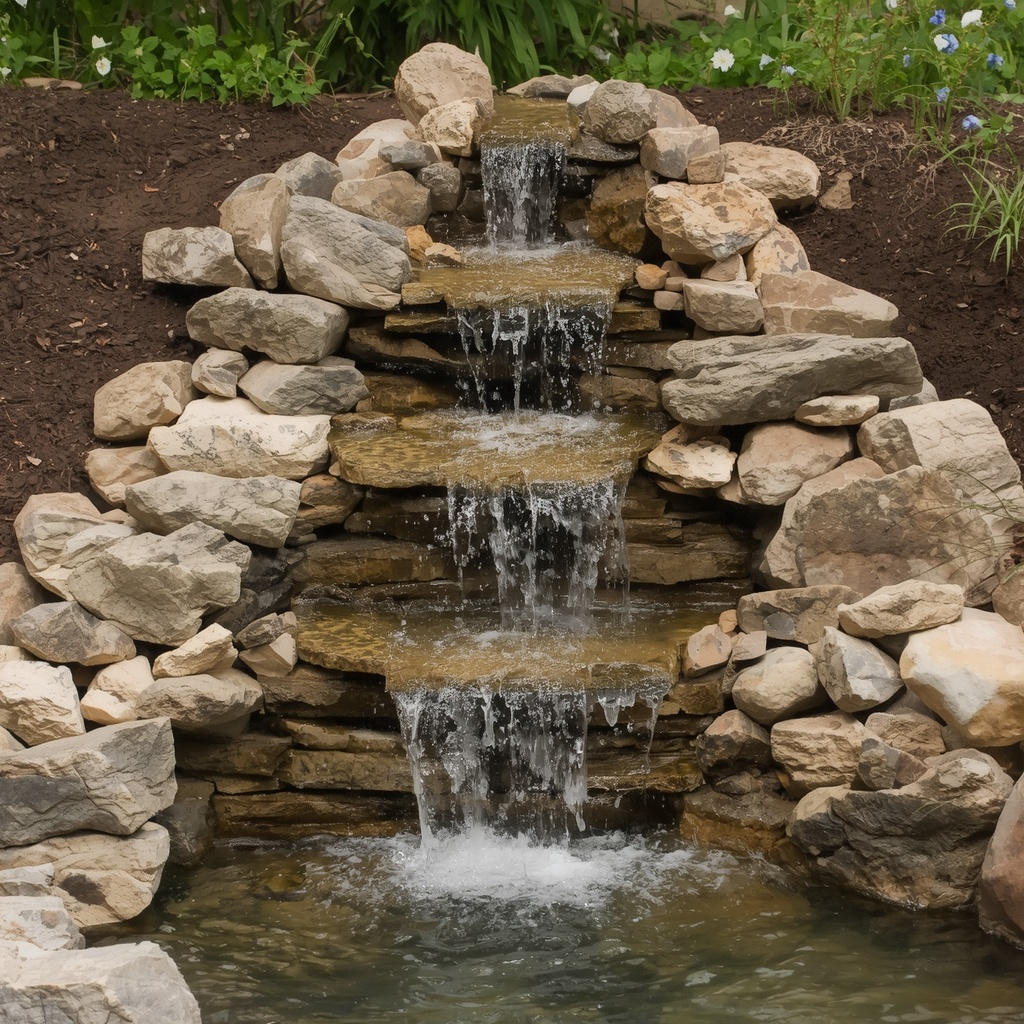
A tiered boulder waterfall is one of the most visually striking ways to bring moving water into a garden. Large natural stones are arranged in descending levels so that water flows gradually from one rock surface to another before collecting at the base pool. This layered structure creates a sense of natural movement, as if the landscape itself is shaping the water’s path rather than a man-made design.
The key to achieving a realistic look lies in stone selection and placement. Using irregular rocks of different shapes and partially embedding them into the ground helps the feature blend into its surroundings. The result is not just a decorative element but a calming soundscape, where the mix of deep splashes and soft trickling water creates a relaxing outdoor atmosphere.
Flowing Garden Stream Waterfall for a Fully Immersive Landscape
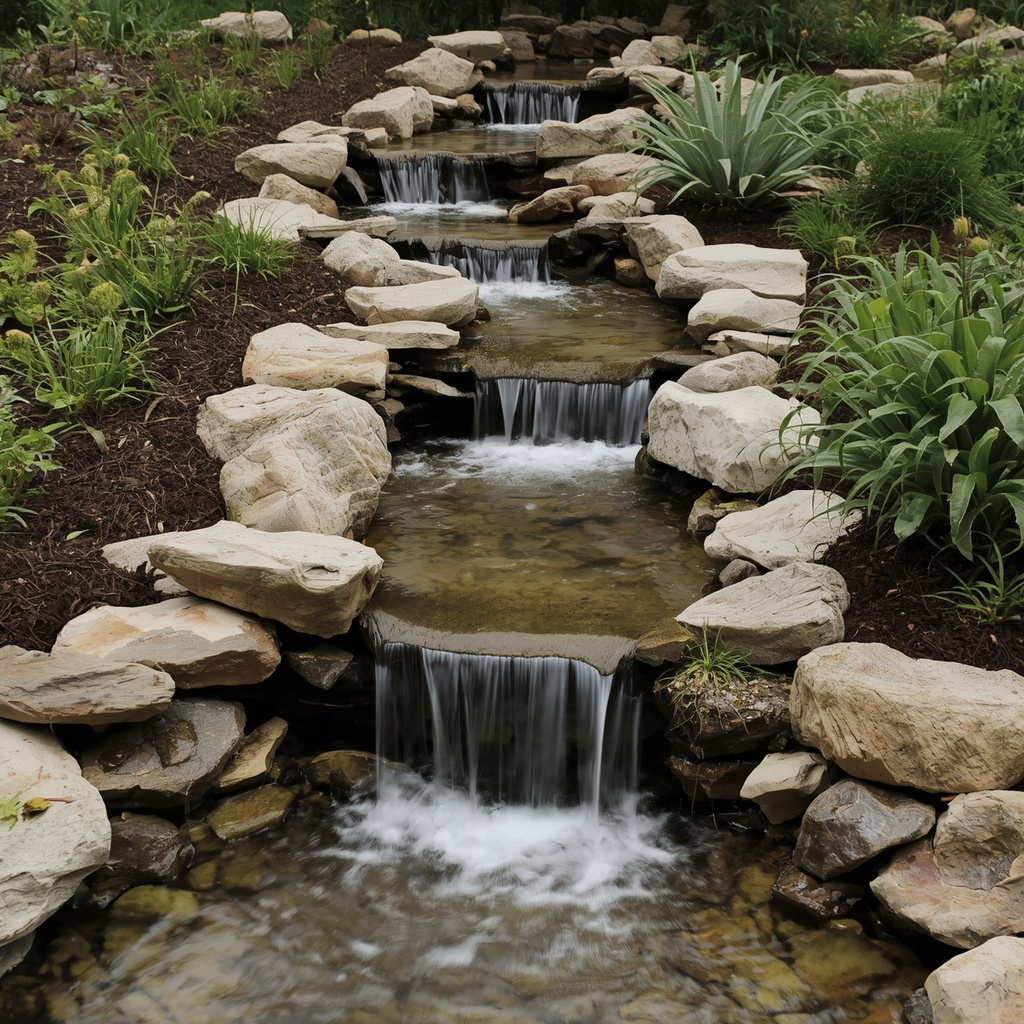
A flowing garden stream with a waterfall source transforms an entire outdoor space rather than serving as a single focal point. Water begins at a natural-looking upper source and travels through a winding stone-lined channel, forming small rapids, calm pools, and gentle drops along the way. This continuous movement makes the garden feel alive and interconnected.
Unlike smaller water features, this type requires careful planning and construction, but the result is highly rewarding. The sound of water remains present throughout the landscape, creating a soothing background noise. Moisture-loving plants thrive along the edges, enhancing the natural appearance. The overall effect is a fully immersive garden environment where water, stone, and greenery blend seamlessly.
Compact Zen Stone Basin Waterfall Inspired by Japanese Design
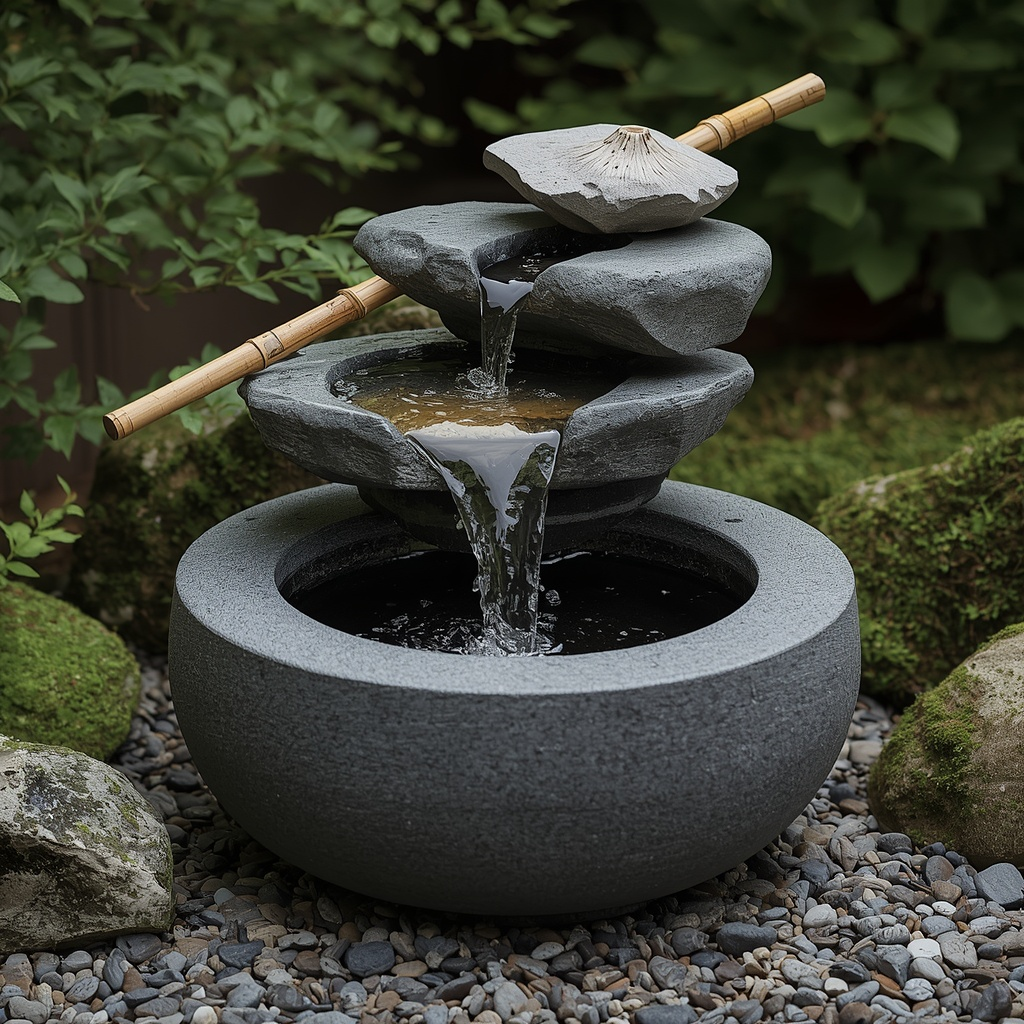
A compact Zen-style waterfall inspired by traditional Japanese gardens focuses on simplicity and harmony. Water flows from a bamboo spout into a carved stone basin, often supported by a subtle cascade of rocks above. This minimal setup creates a peaceful atmosphere, ideal for meditation or quiet reflection in small garden spaces.
The arrangement often includes moss-covered stones, adding a sense of age and natural beauty. The gentle sound of flowing water enhances the calming experience without overwhelming the surroundings. Even in a small footprint, this design feels complete and balanced. It demonstrates how water features do not need to be large to create meaningful visual and emotional impact in a garden setting.
Pondless Rock Waterfall System for Safe and Low-Maintenance Gardens
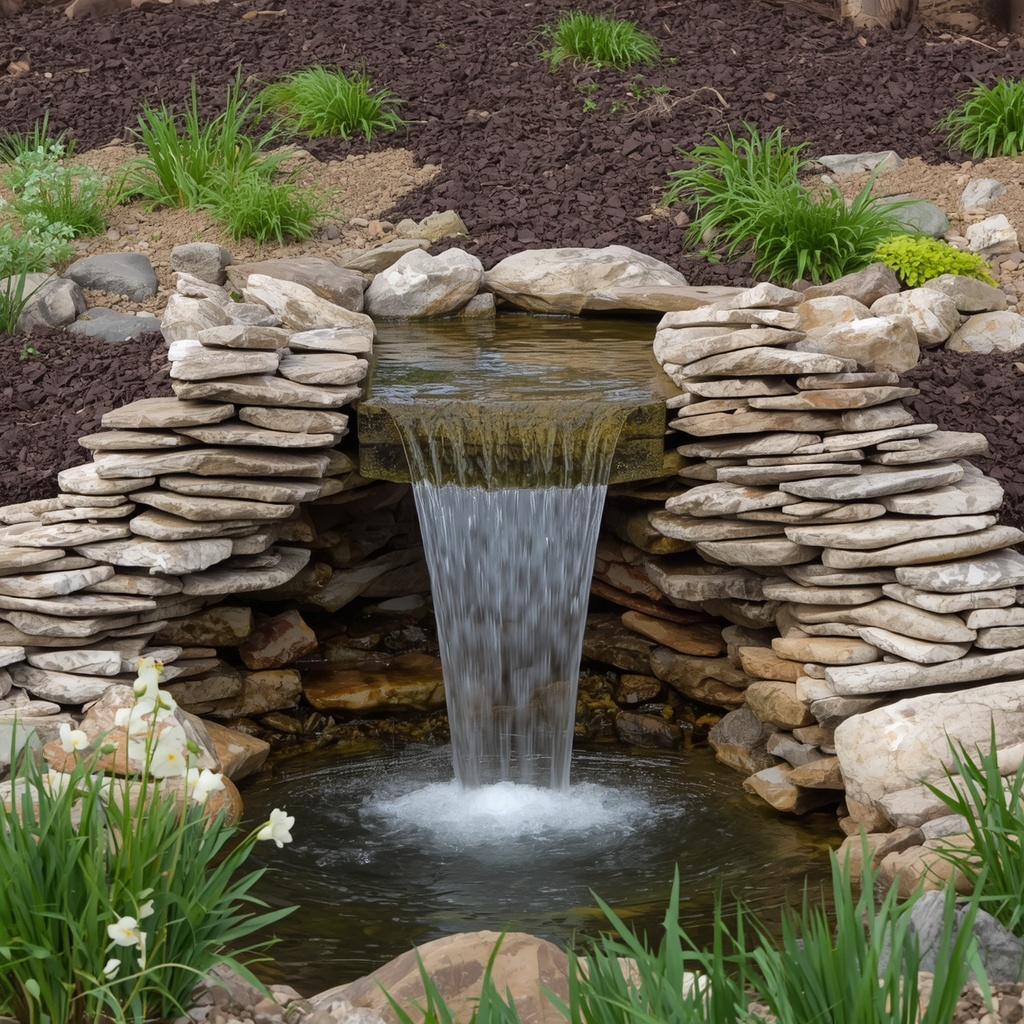
A pondless rock waterfall provides the beauty and sound of flowing water without the need for an open pond. Water flows over stacked natural stones and disappears into a hidden underground reservoir. From there, it is recirculated through a pump system, keeping the feature continuously active without visible standing water.
This design is especially practical for families, as it reduces safety concerns and minimizes maintenance. There is also less risk of mosquito breeding and lower water loss from evaporation. It is a great choice for smaller outdoor spaces or modern gardens where simplicity and efficiency are important. Despite its hidden reservoir, the visual and acoustic impact remains strong and natural.
Cave-Style Rock Grotto Waterfall for a Lush Botanical Escape
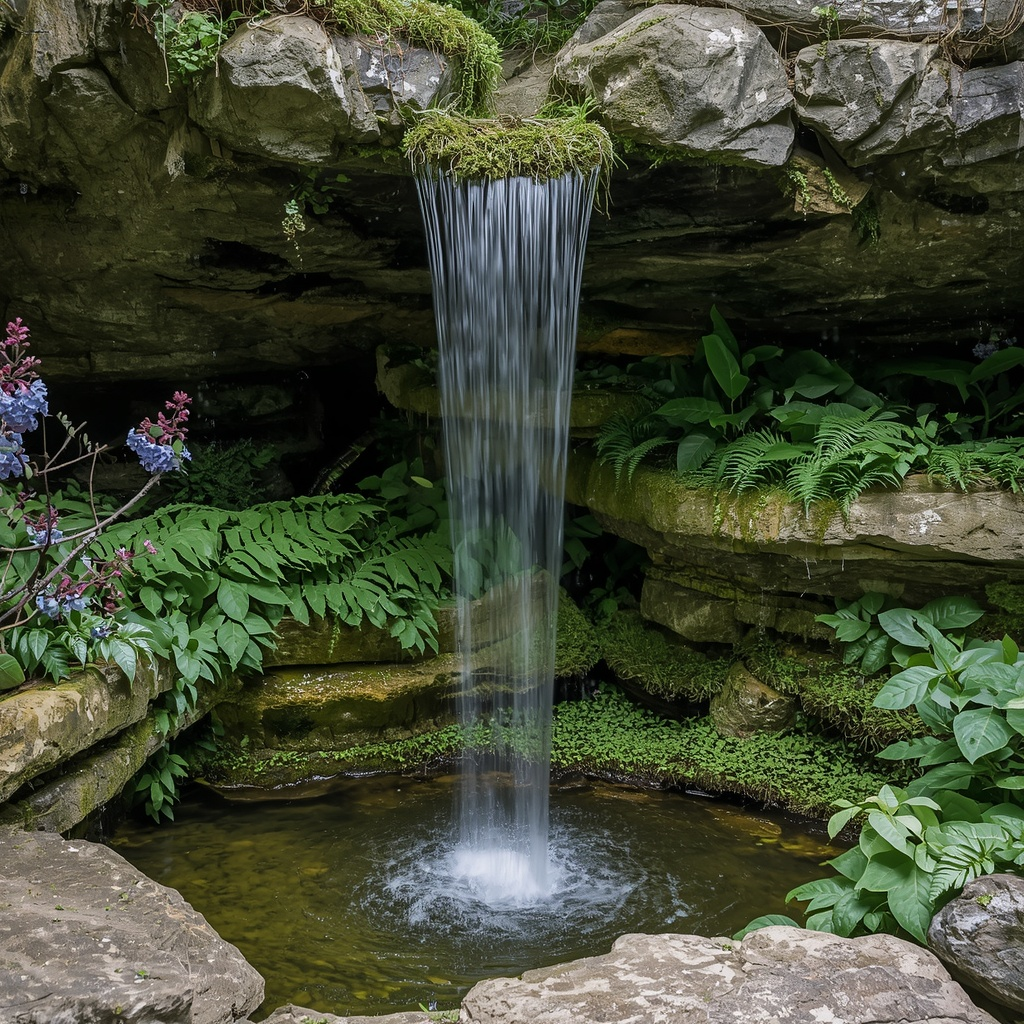
A grotto-style waterfall built into a rock formation creates a dramatic and immersive garden feature. Water flows from above into a partially enclosed stone cave, where moisture encourages moss, ferns, and other shade-loving plants to grow naturally. This creates a rich green environment that feels cool and secluded even on warm days.
The interior surfaces of the grotto often develop a natural patina over time, enhancing its aged appearance. From the outside, the waterfall curtain partially reveals the lush interior, adding depth and mystery to the design. This type of feature works especially well in larger gardens where space allows for layered rock structures and dense planting around the water source.
Seasonal Dry Creek Bed with Waterfall Activation Feature
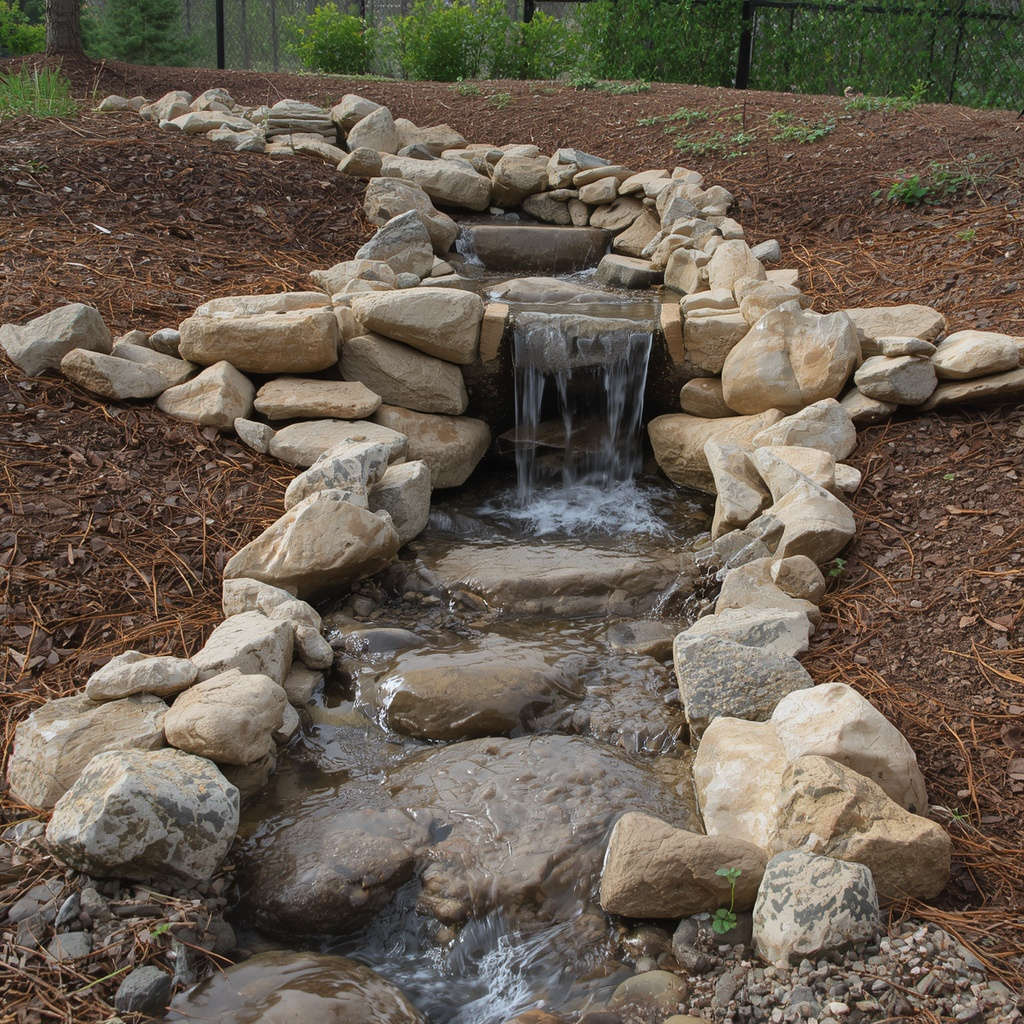
A dry creek bed with a seasonal waterfall combines decorative landscaping with practical water management. The creek bed is designed using smooth stones arranged in a natural-looking channel that follows the slope of the garden. Most of the time, it remains dry, serving as a visual landscape feature.
When rainfall occurs or the waterfall system is activated, water flows through the channel, temporarily transforming it into a moving stream. This seasonal effect adds variety and interest throughout the year. It also helps manage drainage in sloped gardens. The contrast between dry stone arrangement and flowing water creates a dynamic and ever-changing outdoor feature.
Vertical Cliff-Style Waterfall for a Modern Architectural Garden
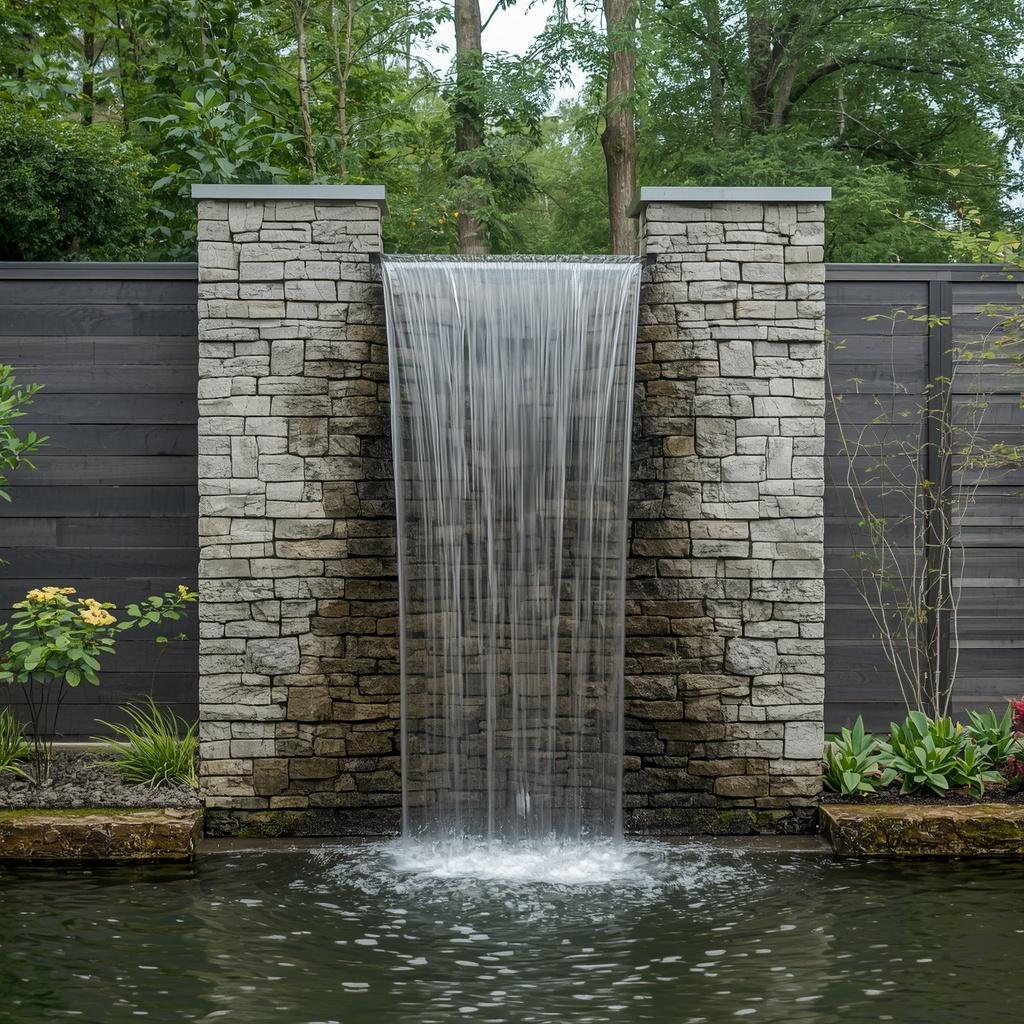
A cliff-style waterfall features water flowing down a vertical stone surface in a smooth, continuous sheet. Unlike cascading boulder designs, this approach focuses on clean lines and structured stonework, creating a more architectural appearance. The sound is softer and more uniform, producing a calm and steady water ambiance.
This design works particularly well in modern or minimalist gardens where simplicity is preferred. The vertical structure can also function as a retaining wall, combining beauty with practicality. Its geometric form contrasts with surrounding plants, making it a strong visual focal point while still maintaining a natural water movement effect.
Multi-Level Rock Pool Waterfall with Overflow Circulation
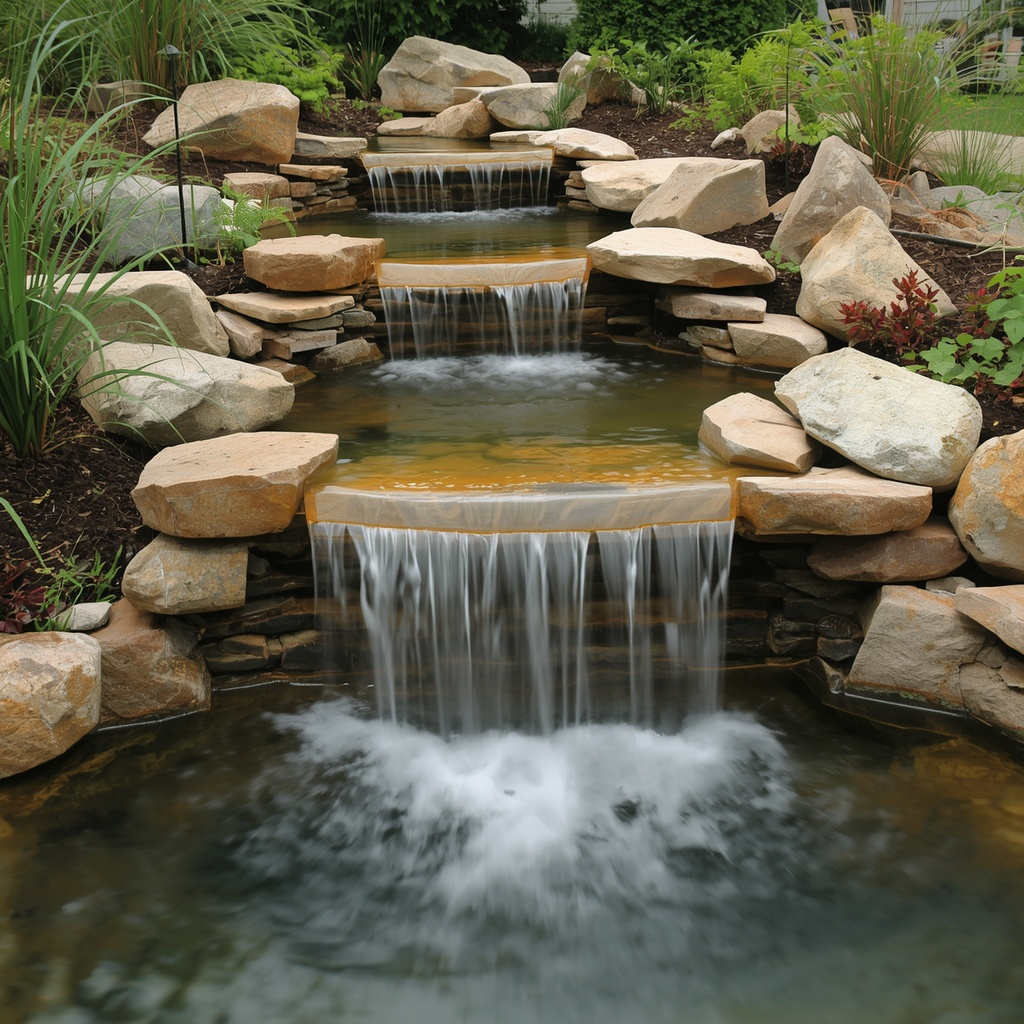
A multi-level rock pool waterfall uses a series of connected water basins to create continuous movement between different levels. Water flows from a higher pool into a lower one, eventually returning through circulation. Each basin is lined with natural stone to mimic natural rock formations found in rivers or coastal areas.
This type of feature adds both visual and ecological value to a garden. Marginal plants such as reeds and ferns can be added around the edges, encouraging biodiversity. The gentle overflow between pools creates a soothing sound and a constantly shifting water surface, making the garden feel dynamic and alive throughout the day.
Hillside Rock Waterfall Integrated into Natural Terrain
A hillside waterfall takes advantage of natural elevation to create a dramatic water flow effect. By using the slope of the land, water can travel from a high point down through carefully placed stones, mimicking the behavior of a natural mountain stream. This makes the feature feel like part of the landscape rather than an addition.
The pump system is usually hidden at the base, with water directed upward and released from the top between rocks. As it flows downward, it interacts with different surfaces, creating variation in sound and movement. This type of installation works best in larger gardens where natural slopes already exist or can be shaped artificially.
Rain Chain Water Feature with Stone Basin Collection
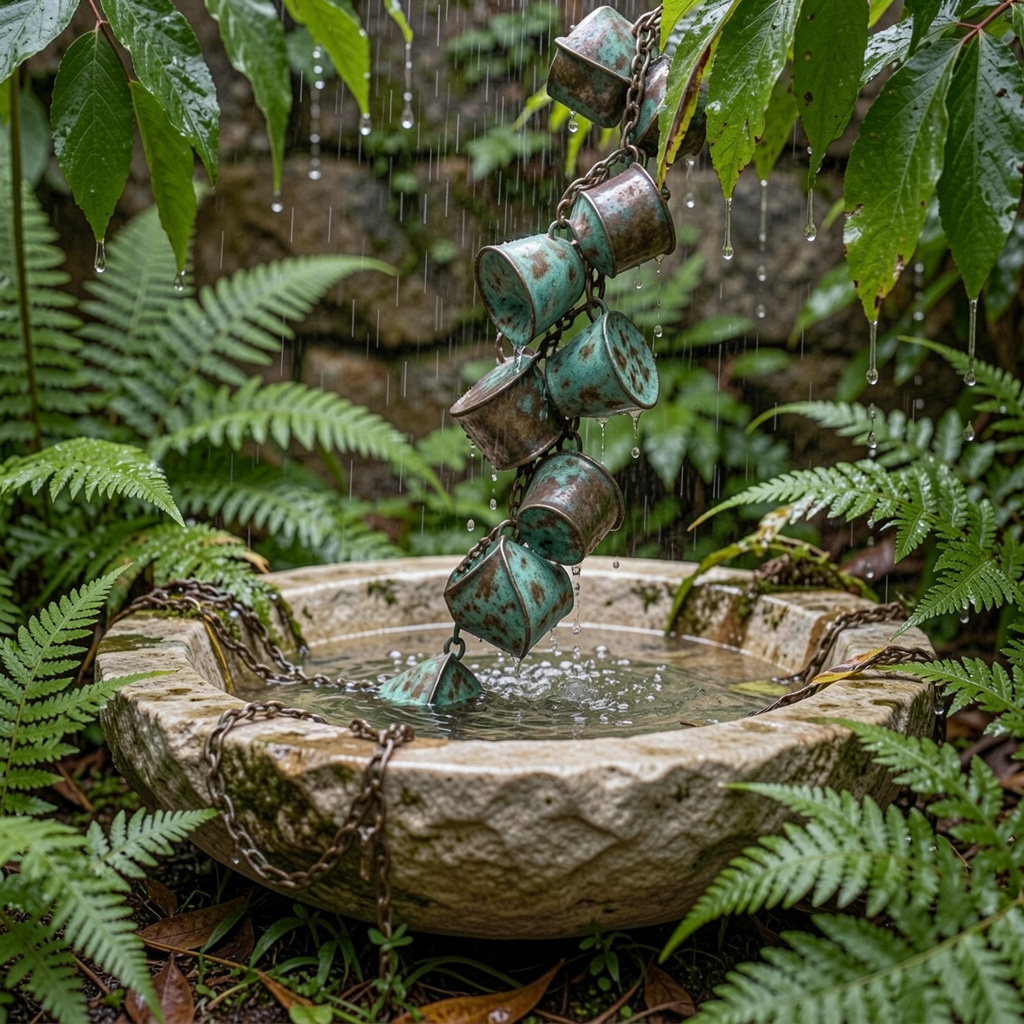
A rain chain waterfall is a simple yet elegant way to guide rainwater from a roof into a decorative stone basin. Instead of using a hidden downpipe, linked cups or chains direct water visibly downward during rainfall. This creates a soft, rhythmic water movement that enhances the outdoor experience naturally.
At the base, a stone basin collects the water, sometimes overflowing into a small garden channel or planter area. Since the system relies entirely on rainfall, it requires no electricity or pumps. This makes it an eco-friendly option that connects the garden directly to natural weather cycles while adding subtle visual charm.
Fern-Filled Gully Waterfall for a Shaded Garden Retreat
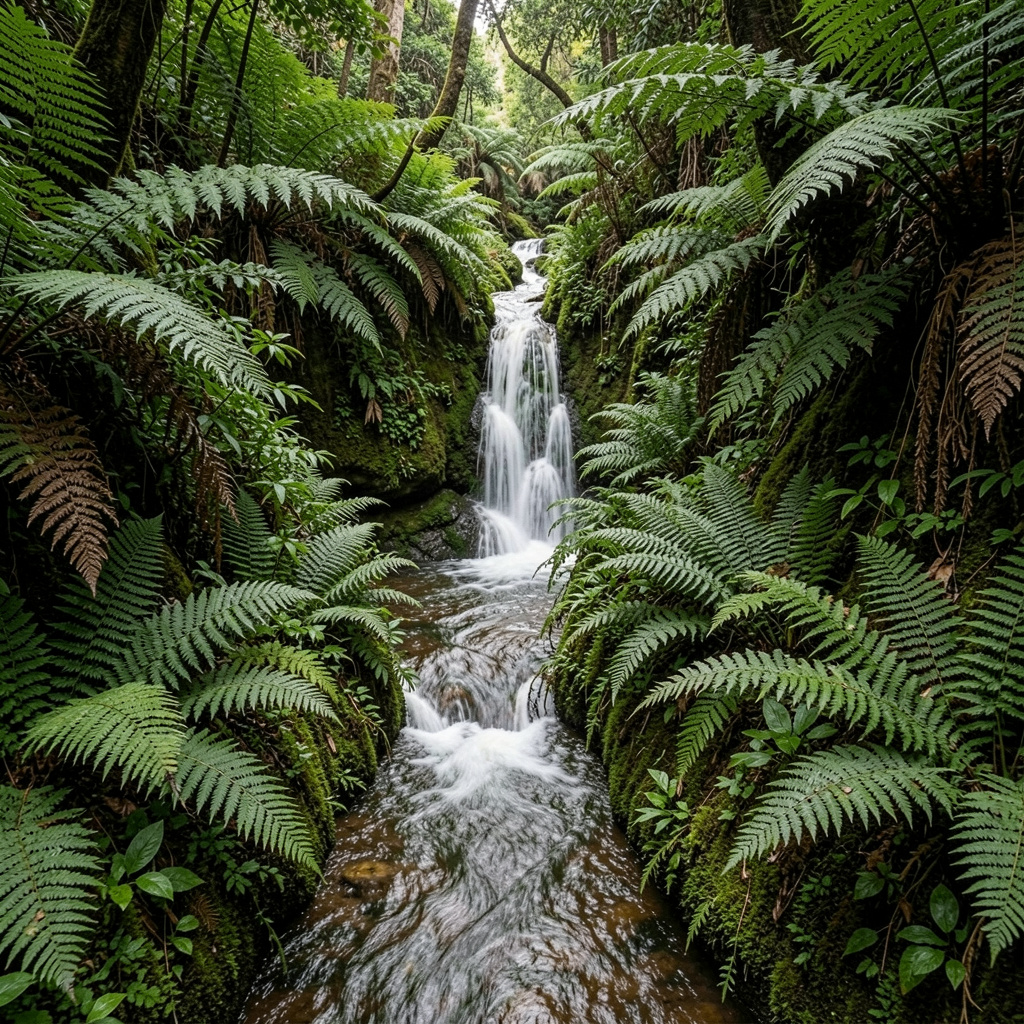
A fern gully waterfall is designed for shaded areas where moisture-loving plants thrive. Water flows through a narrow, plant-lined channel, creating a cool and enclosed environment filled with greenery. Ferns, mosses, and shade plants grow along the banks, forming a lush and tranquil setting.
The sound of water is amplified within the narrow space, creating a gentle echo that enhances the natural atmosphere. This type of garden feature feels secluded and peaceful, making it ideal for quiet relaxation. The combination of dense planting and flowing water produces a rich sensory experience that changes subtly throughout the day.
Rock and Timber Hybrid Waterfall for Natural Warmth Contrast
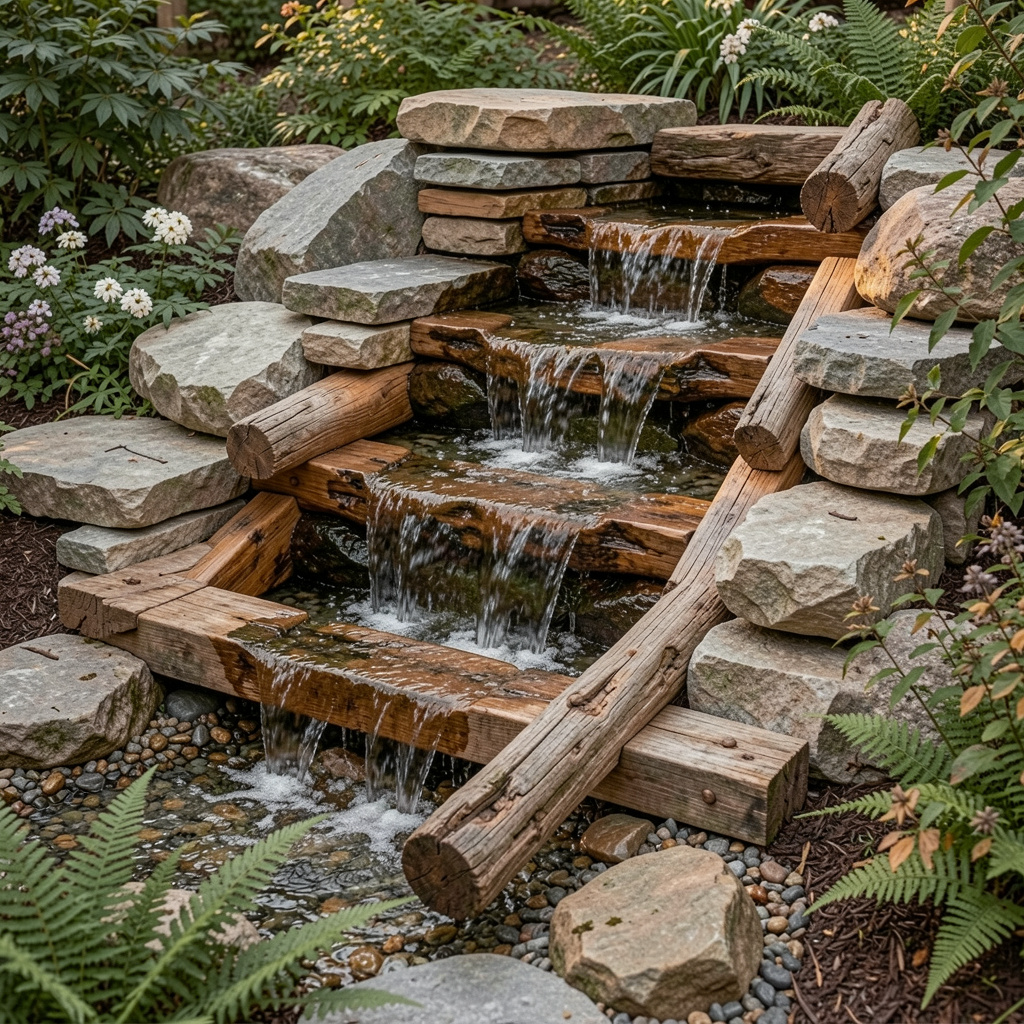
A hybrid waterfall combining stone and timber introduces warmth and texture into traditional rock water features. Wooden beams, troughs, or platforms can guide or frame the flow of water, creating contrast between smooth stone and organic timber surfaces. This mix enhances visual interest and adds depth to the design.
The combination reflects natural environments where wood and water coexist, such as forest streams or riverbanks. Over time, timber weathers naturally, blending even more closely with the surrounding landscape. This evolving appearance gives the garden a lived-in, organic quality that changes beautifully with age and exposure.
Elevated Stone Wall Waterfall for Structured Garden Levels
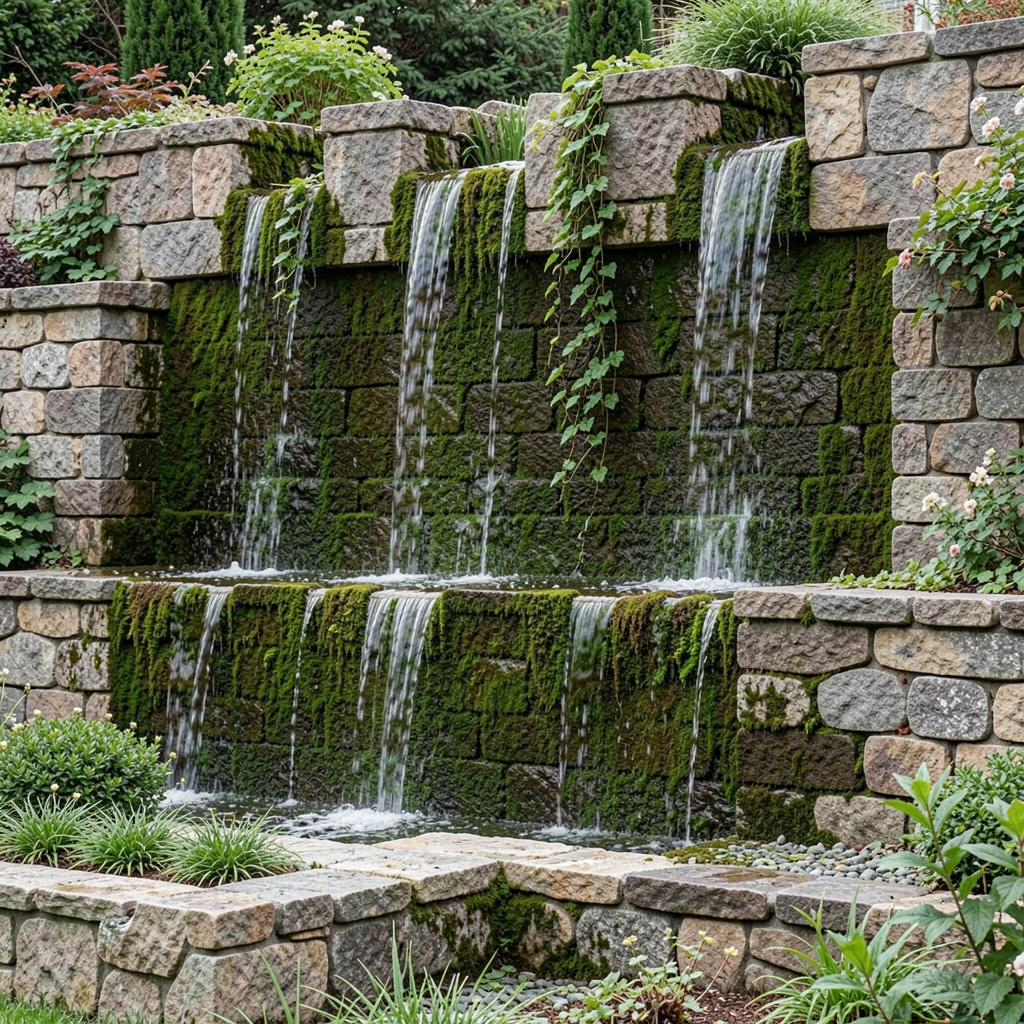
An elevated stone wall waterfall integrates water movement into retaining structures or raised garden walls. Water flows from openings between stones at the top of the wall and travels downward in multiple thin streams. This creates a vertical water display that enhances architectural garden layouts.
It is especially useful in spaces with different elevation levels, where the wall already serves a structural purpose. Adding water movement transforms a plain retaining wall into a living feature. The sound of water cascading over stone adds atmosphere, while the visual effect softens the rigidity of built structures.
Wildlife-Friendly Pond Waterfall for a Living Ecosystem Garden
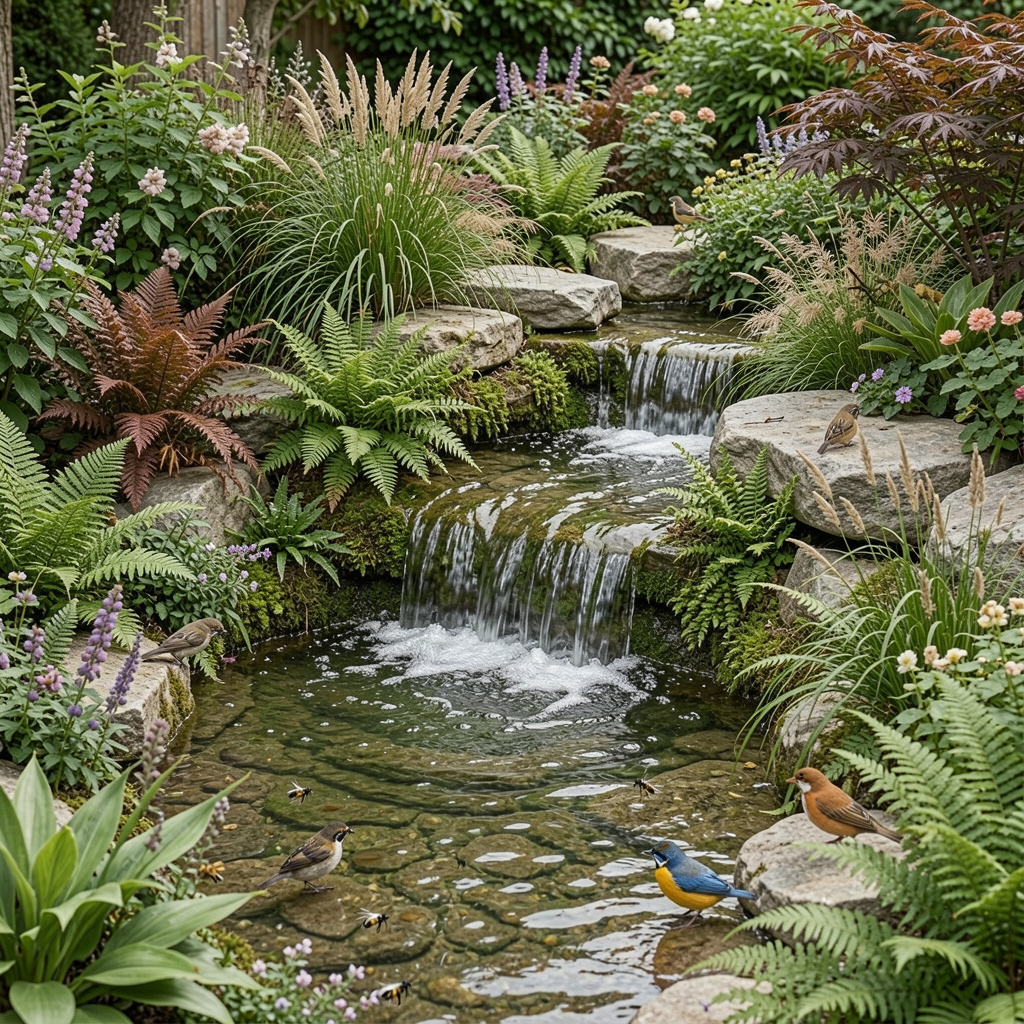
A wildlife pond waterfall supports natural ecosystems by encouraging birds, insects, and small animals to visit the garden. Water flows gently into a planted pond filled with native aquatic species, creating a balanced environment that supports biodiversity. Unlike ornamental ponds, this design focuses on ecological harmony.
The moving water helps oxygenate the pond, improving conditions for aquatic life. Shallow edges allow animals to drink or bathe safely, while surrounding plants provide shelter. Over time, the pond becomes a self-sustaining habitat that evolves naturally. This makes it both a beautiful and environmentally valuable addition to any outdoor space.