
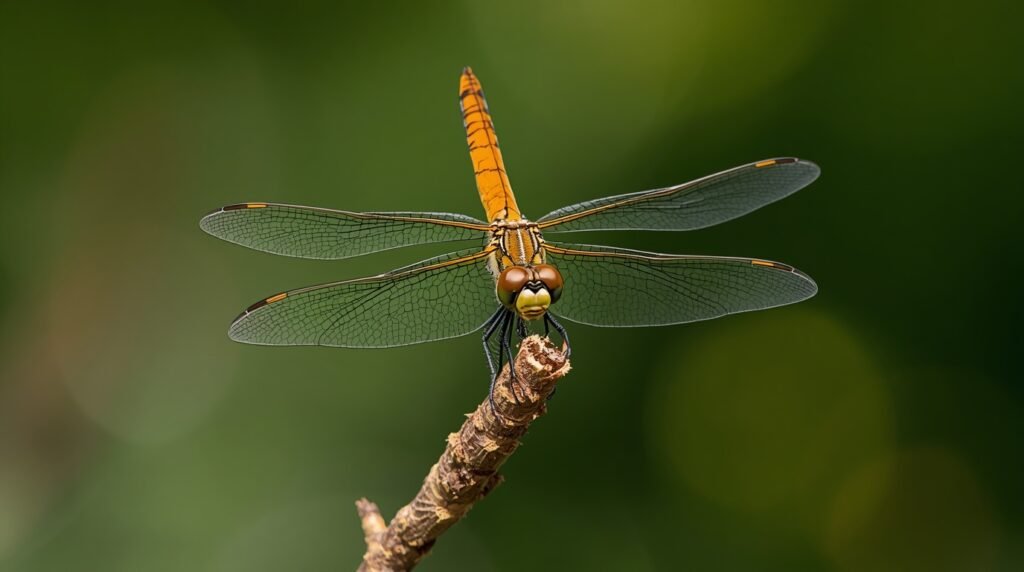
Dragonflies are not just beautiful to watch—they’re also natural pest controllers that can help keep mosquitoes in check. The right plants can turn your garden into a welcoming habitat for these graceful insects. By adding water-loving greenery, native wildflowers, and dense foliage, you create the perfect environment for dragonflies to rest, hunt, and reproduce.
From aquatic plants like water lilies to nectar-rich blooms such as black-eyed Susans and milkweed, each choice plays a role in attracting them. Designing a dragonfly-friendly garden is both practical and rewarding, bringing movement, color, and balance to your outdoor space while supporting a healthier ecosystem overall.
1. Water Lilies as the Foundation of a Dragonfly Pond Ecosystem
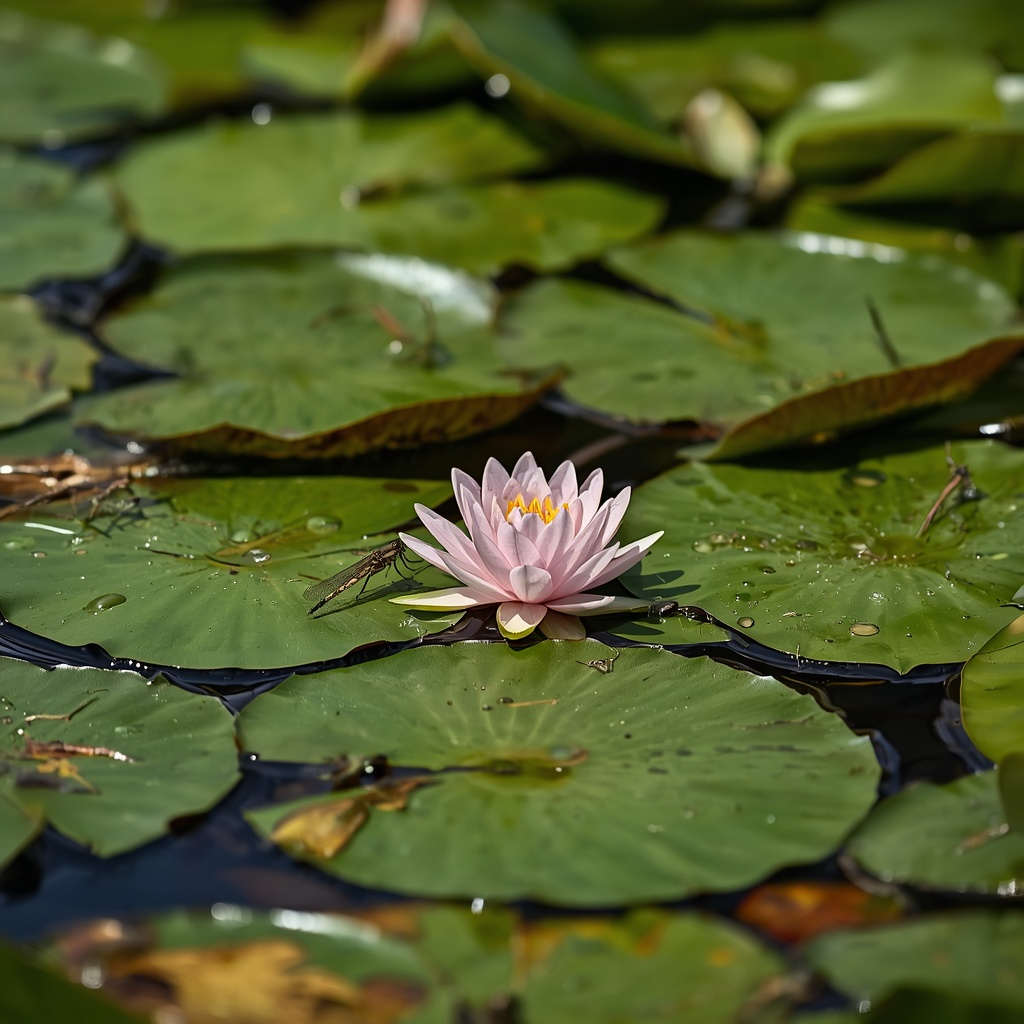
Water lilies are one of the most essential aquatic plants in a garden designed to support dragonflies. Their broad floating leaves form natural resting platforms where adult dragonflies can perch, warm themselves in the sun, and observe the water below for prey. These leaves also serve an important reproductive role, giving females a stable surface for laying eggs directly into or near the water. Without these floating structures, many dragonfly species are far less likely to treat a pond as a suitable breeding environment, even if the water quality is excellent.
When selecting water lilies, it is important to match the plant variety to the size of the pond. Ideally, the leaves should cover around half of the water surface. This balance helps maintain enough open water for oxygen exchange and larval hunting space, while still providing sufficient cover for adult activity. Too much coverage can reduce oxygen levels, while too little may discourage dragonflies from using the pond at all.
2. Bulrushes as Vertical Pathways for Dragonfly Emergence
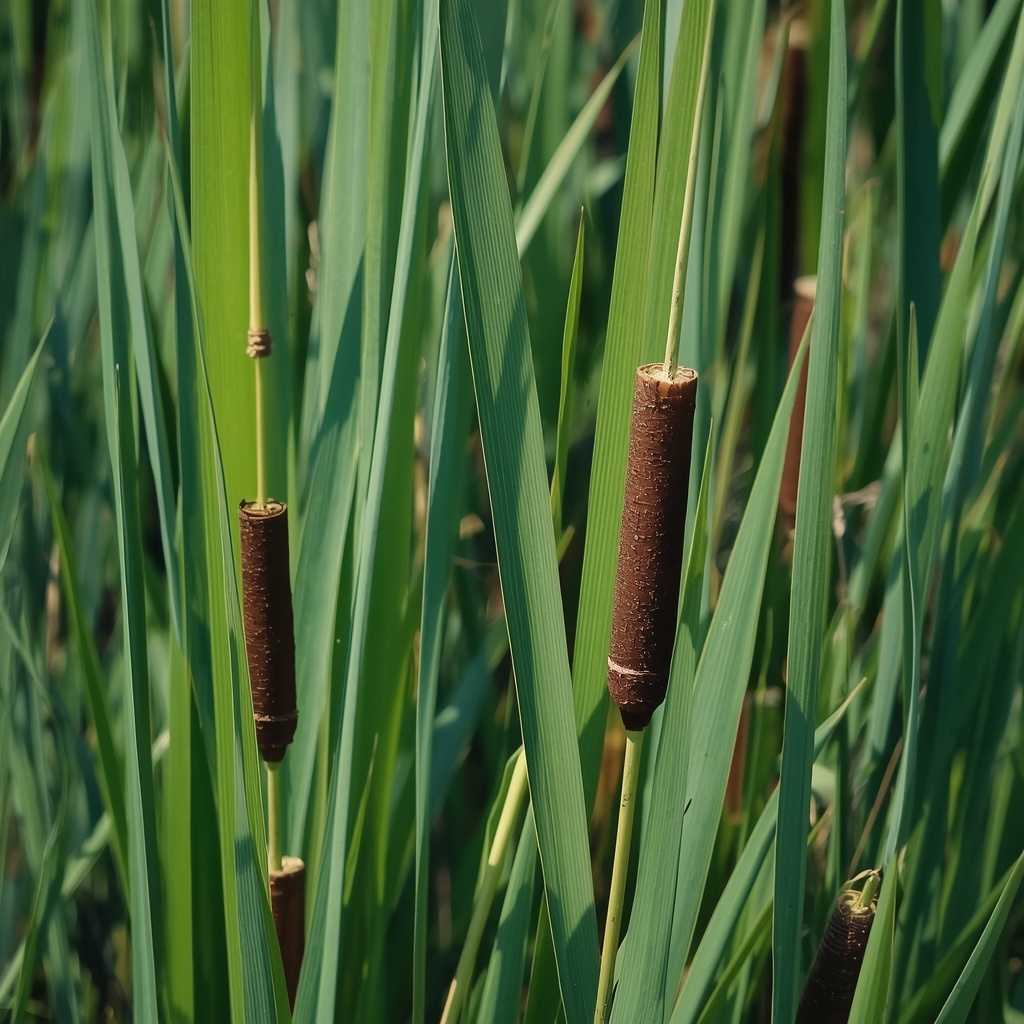
Bulrushes play a critical structural role in any dragonfly-friendly garden pond. Their tall, upright stems act as natural ladders for dragonfly larvae when it is time to transform into adults. During emergence, the larvae crawl up these stems, break free from their exoskeleton, and transition into winged insects. This moment is one of the most vulnerable and important stages of their life cycle, and stable vertical support is essential for success.
These plants grow best in shallow pond margins where water depth ranges from roughly 20 to 40 centimeters. Planting them in controlled baskets helps manage their strong root systems and prevents uncontrolled spreading. Because bulrushes can expand quickly, regular division is recommended to keep the pond balanced. Proper management ensures that open water remains available for both aquatic life and overall ecosystem health.
3. Arrowhead Plants for Structural Diversity and Natural Feeding Zones
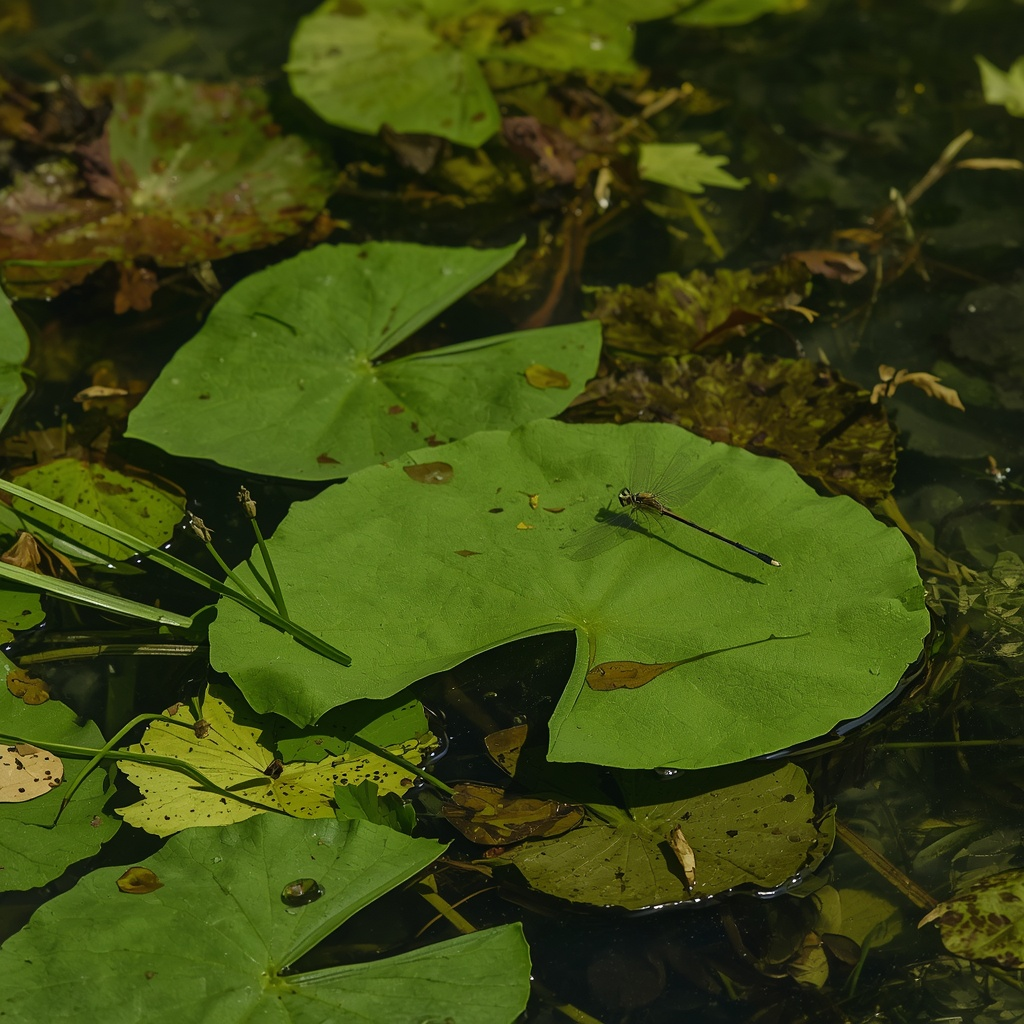
Arrowhead plants contribute both visual beauty and ecological function to a dragonfly habitat pond. Their distinctive leaf shapes vary depending on whether they are submerged, floating, or emerging above the surface. This variation creates a layered underwater environment where dragonfly larvae can hide, hunt, and move safely through the water column.
In addition to habitat structure, arrowhead plants also support the food chain above the pond. Their delicate white flowers attract small flying insects, which become a reliable food source for adult dragonflies patrolling the area. For best results, arrowhead should be planted in sunny pond edges where flowering is most abundant. This placement encourages higher insect activity, which in turn increases dragonfly hunting success.
4. Purple Loosestrife for Seasonal Color and Pollinator Activity
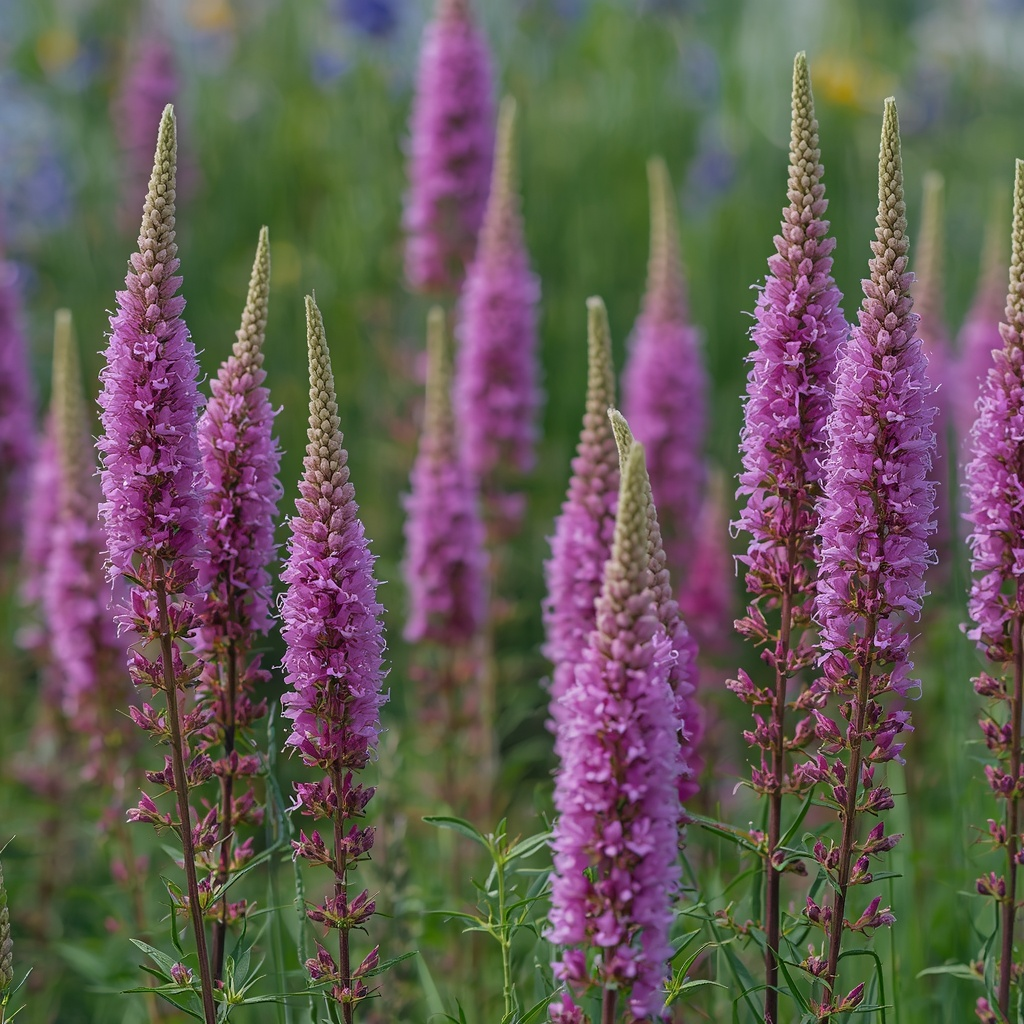
Purple loosestrife is a striking flowering plant that adds strong visual impact and ecological value to a dragonfly garden. Its tall spikes of vivid purple-pink flowers bloom in mid to late summer, attracting a wide variety of pollinating insects. These insects become an important food source for adult dragonflies, which rely on dense prey populations for efficient hunting.
This plant is best grown in moist soil near the pond rather than directly in the water. This allows it to thrive without spreading too aggressively into aquatic zones. While it grows vigorously, careful placement and maintenance help preserve balance in the garden. When properly managed, purple loosestrife enhances biodiversity and supports sustained insect activity throughout the warmer months.
5. Yellow Flag Iris for Strong Margins and Breeding Shelter
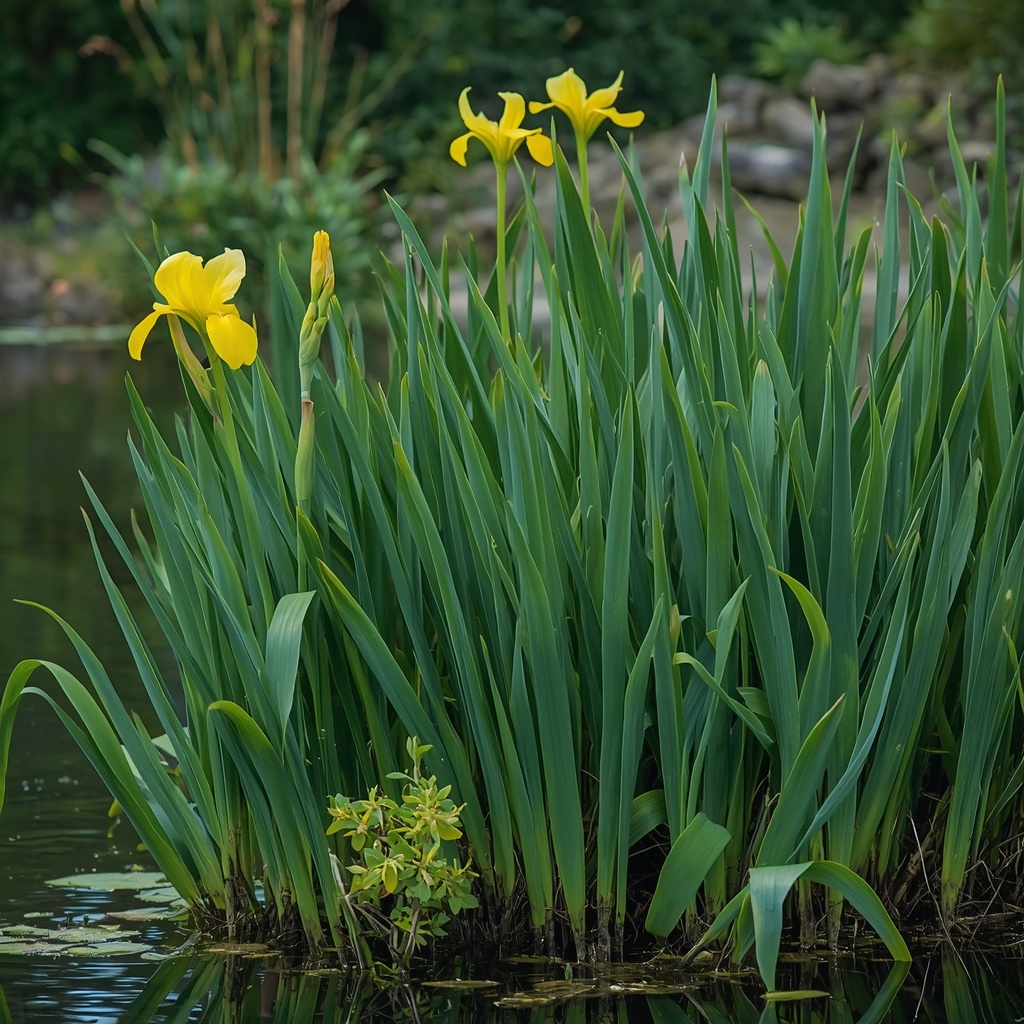
Yellow flag iris is a visually striking plant that provides strong vertical structure around pond edges. Its tall, sword-like leaves form dense clusters that offer shelter for aquatic creatures, including dragonfly larvae during their development stages. In late spring, its bright yellow flowers add seasonal color and attract additional insect life to the area.
This plant thrives in shallow water between 10 and 30 centimeters deep. It is important to manage its spread, as it can grow aggressively if left unchecked. Dividing clumps every few years helps maintain balance in the pond environment. When properly controlled, yellow flag iris contributes both aesthetic appeal and functional habitat support for dragonfly populations.
6. Pickerel Weed as a Reliable Summer Insect Magnet
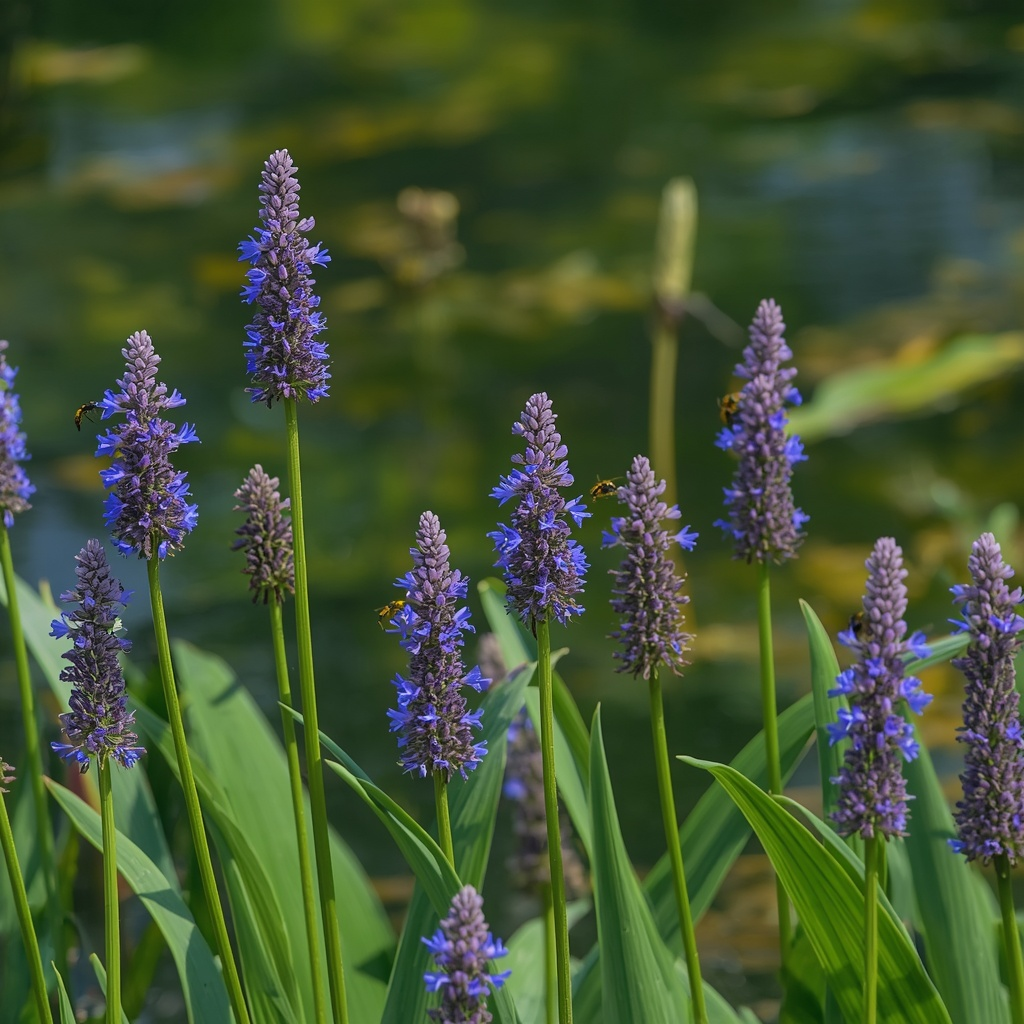
Pickerel weed is one of the most dependable plants for attracting dragonflies to a pond. It produces dense spikes of blue-violet flowers throughout the summer, drawing in bees, flies, and other insects that serve as prey for adult dragonflies. Its broad leaves also provide resting spots where dragonflies can pause between hunting flights.
For best performance, pickerel weed should be planted in warm, sunny sections of the pond. These conditions encourage stronger flowering and higher insect activity. The plant thrives particularly well in shallow water along south-facing margins. This positioning ensures maximum exposure to sunlight, which helps support both plant growth and a rich feeding environment for dragonflies.
7. Water Mint for Fragrance and High Insect Concentration
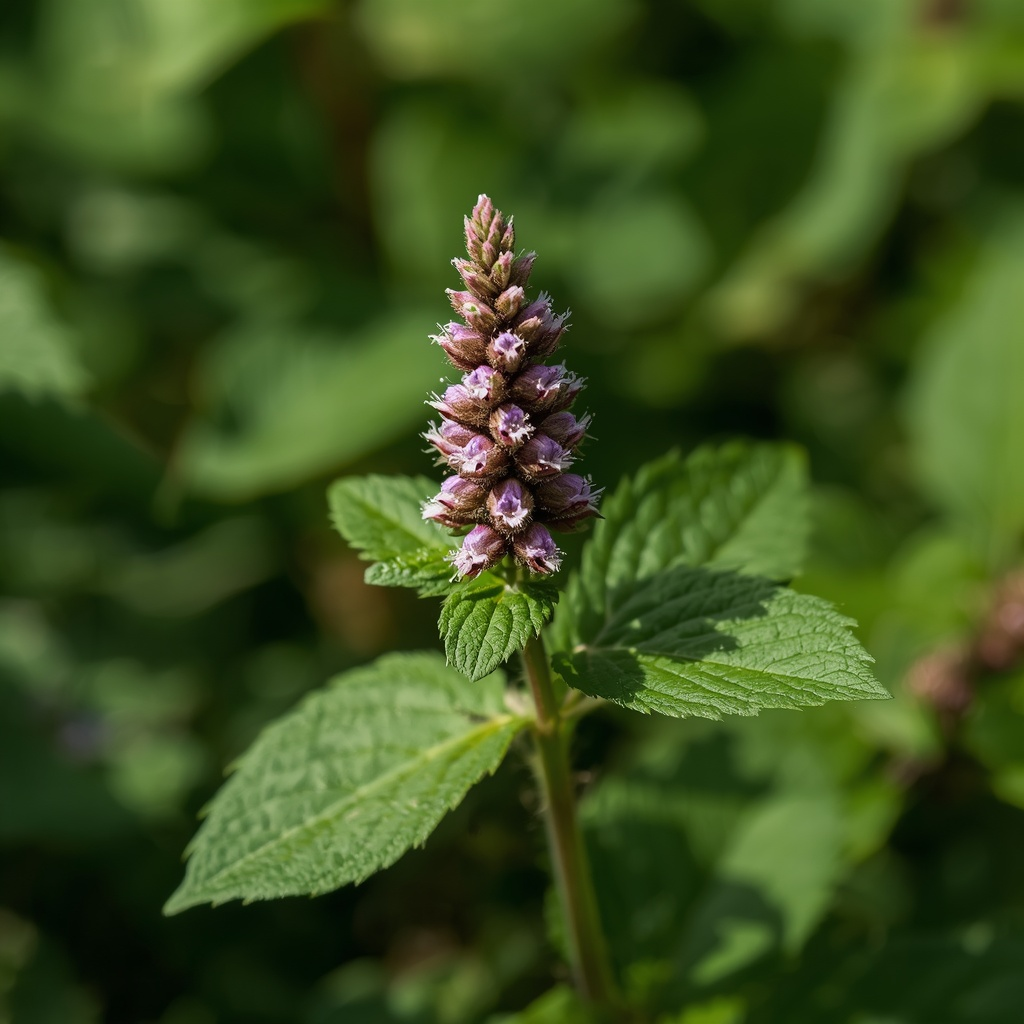
Water mint is a valuable addition to any dragonfly garden because of its strong scent and high ability to attract insects. Its small lilac-colored flowers appear in dense clusters that draw bees, hoverflies, and other pollinators in large numbers. This creates a concentrated feeding zone that dragonflies can easily exploit.
The plant grows well in damp soil or shallow pond edges, where it spreads quickly and forms thick vegetation. Because of its vigorous growth, it should be divided regularly to prevent it from overwhelming other plants. When properly managed, water mint enhances biodiversity and increases the overall insect population, supporting a healthier dragonfly habitat.
8. Marsh Marigold for Early Season Insect Support
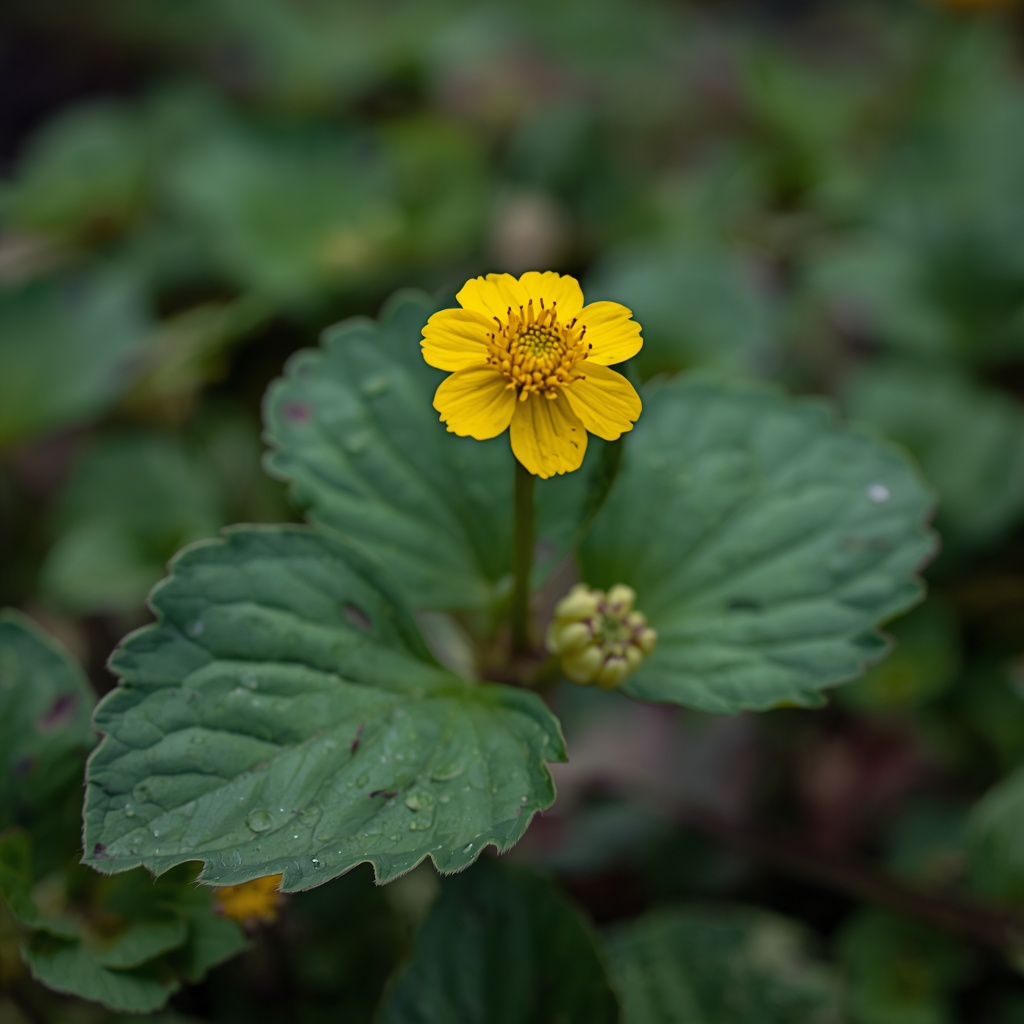
Marsh marigold is one of the earliest flowering plants in a dragonfly-friendly garden. Its bright yellow blooms appear in early spring, often before many other plants begin to grow. This early flowering stage is important because it helps support the first wave of insect activity after winter.
By attracting early-season insects, marsh marigold helps provide food for dragonflies emerging from their larval stage. The flowering period is relatively short, lasting only a few weeks, but its impact is significant. When combined with later-blooming plants, it helps maintain a continuous food supply throughout the dragonfly season.
9. Bogbean for Surface Cover and Delicate Floral Structure
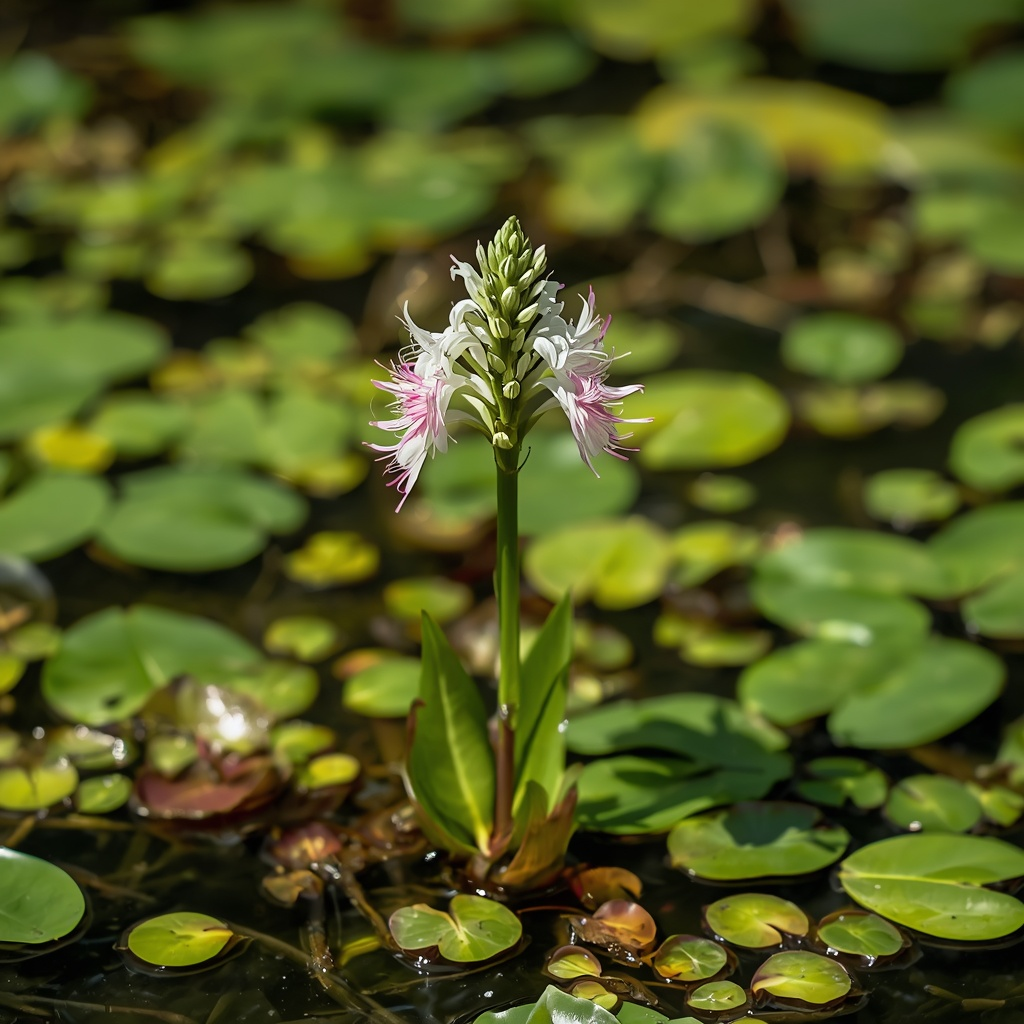
Bogbean is a highly ornamental aquatic plant that adds both beauty and function to a dragonfly pond. Its trifoliate leaves float on the water surface, creating gentle cover that helps shade the pond and support aquatic balance. In late spring, it produces delicate white and pink fringed flowers that add visual interest.
Beyond its appearance, bogbean contributes to habitat complexity. Its spreading stems create horizontal structure across the water surface, offering resting and shelter areas for both larvae and adult dragonflies. This layered growth pattern makes it a valuable plant for enhancing ecological diversity within the pond environment.
10. Flowering Rush for Elegant Vertical Accents in Wet Zones
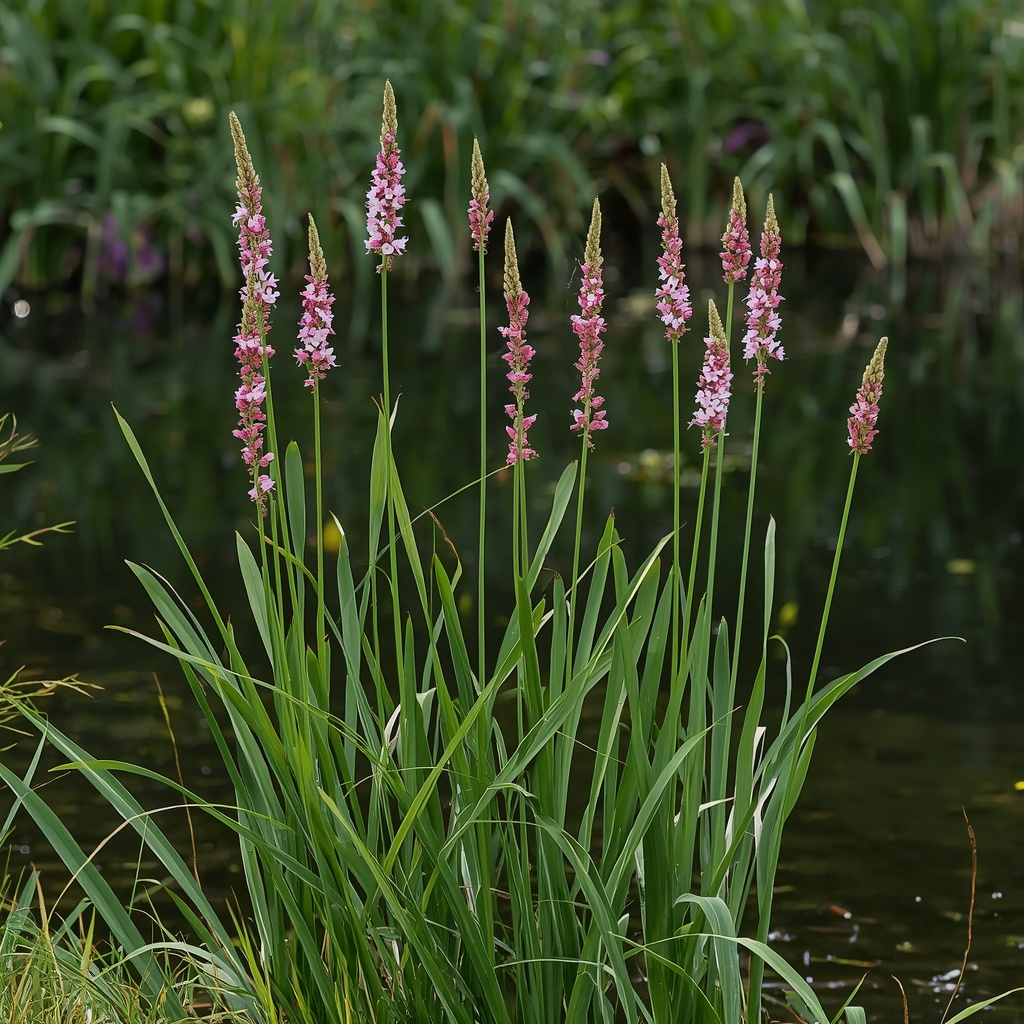
Flowering rush adds refined vertical structure to pond margins with its slender stems and soft pink flower clusters. It is especially useful for creating visual height variation along the water’s edge. These upright stems also serve as ideal surfaces for dragonflies to emerge from their larval stage.
This plant performs best in deeper marginal zones where water levels are moderate. Its strong but elegant form bridges the transition between shallow planting areas and deeper open water. With proper placement, flowering rush enhances both the aesthetic and ecological quality of the pond.
11. Hornwort as a Natural Oxygenating Underwater Plant
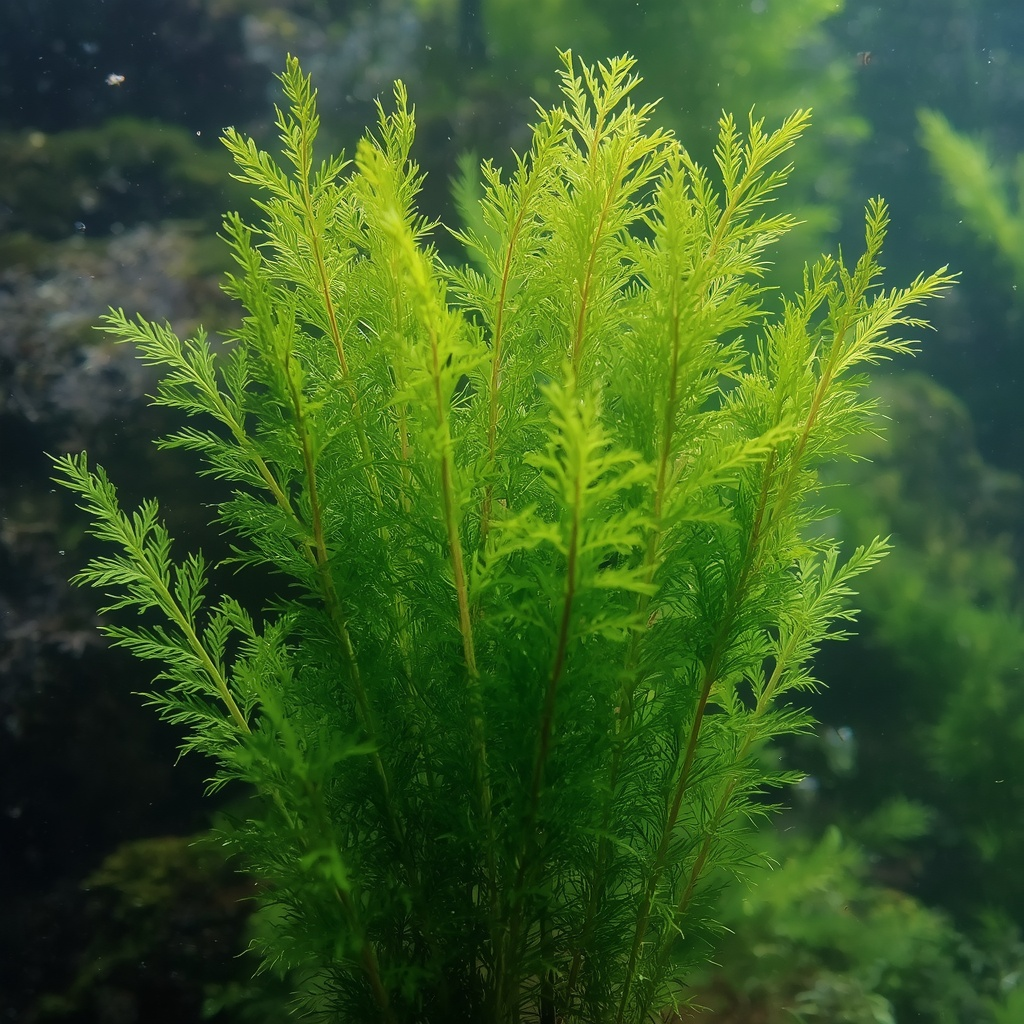
Hornwort is one of the most effective submerged plants for maintaining healthy pond water. It grows entirely underwater, producing dense, feathery stems that help oxygenate the environment. This supports dragonfly larvae, which depend on clean, well-oxygenated water during their long development stages.
Unlike rooted plants, hornwort floats freely and adapts to available light conditions. It requires no soil or planting containers, making it easy to introduce into a pond. Once established, it spreads naturally and provides shelter for aquatic life while improving overall water quality.
12. Lavender for Terrestrial Insect Attraction Around the Pond
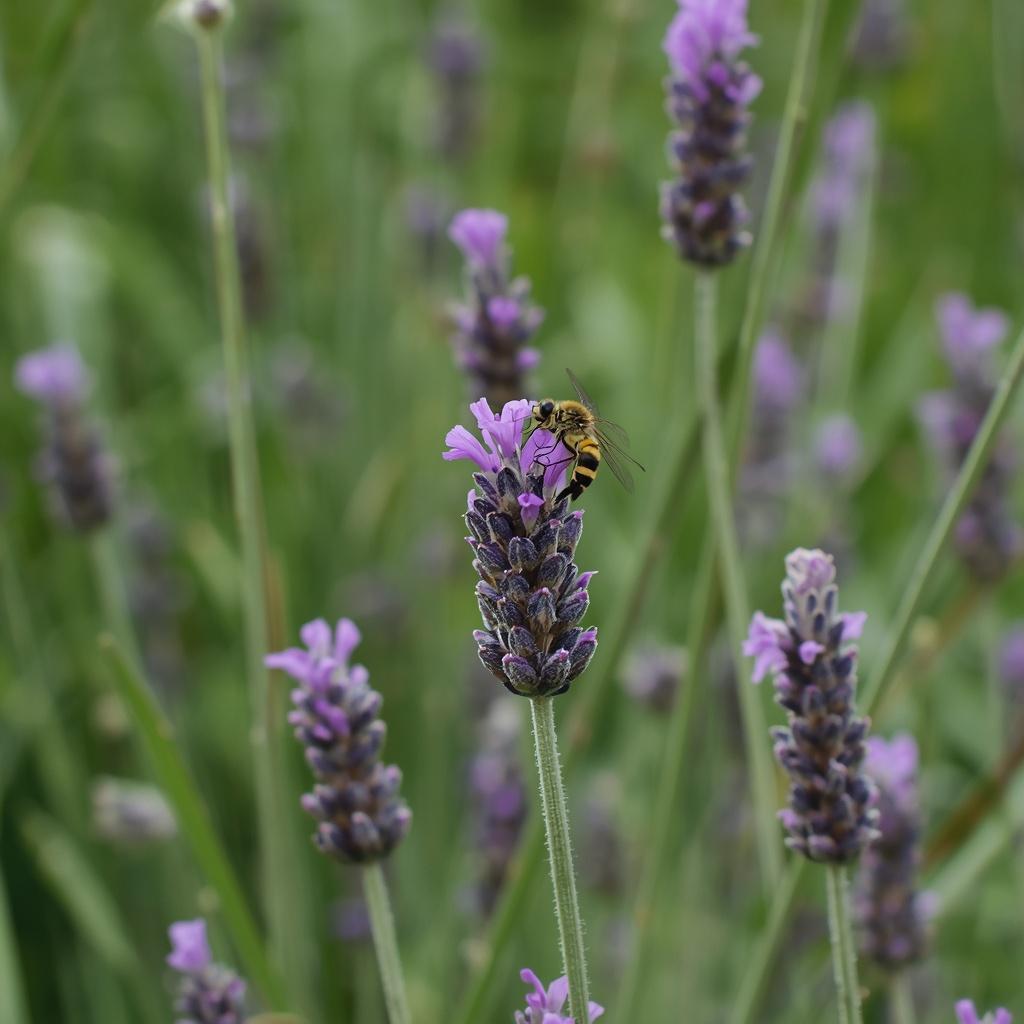
Lavender is a powerful land-based plant for attracting insects into the dragonfly garden. Its fragrant purple flowers draw bees, butterflies, and small flying insects, all of which become prey for adult dragonflies. The strong scent and long flowering season make it highly effective for supporting sustained insect activity.
For best results, lavender should be planted in groups rather than as single plants. Clusters create a stronger visual and aromatic signal, increasing insect visitation. These concentrated feeding zones indirectly support dragonflies by ensuring a steady supply of airborne prey near the pond.
13. Echinacea for Late Season Pollinator Support
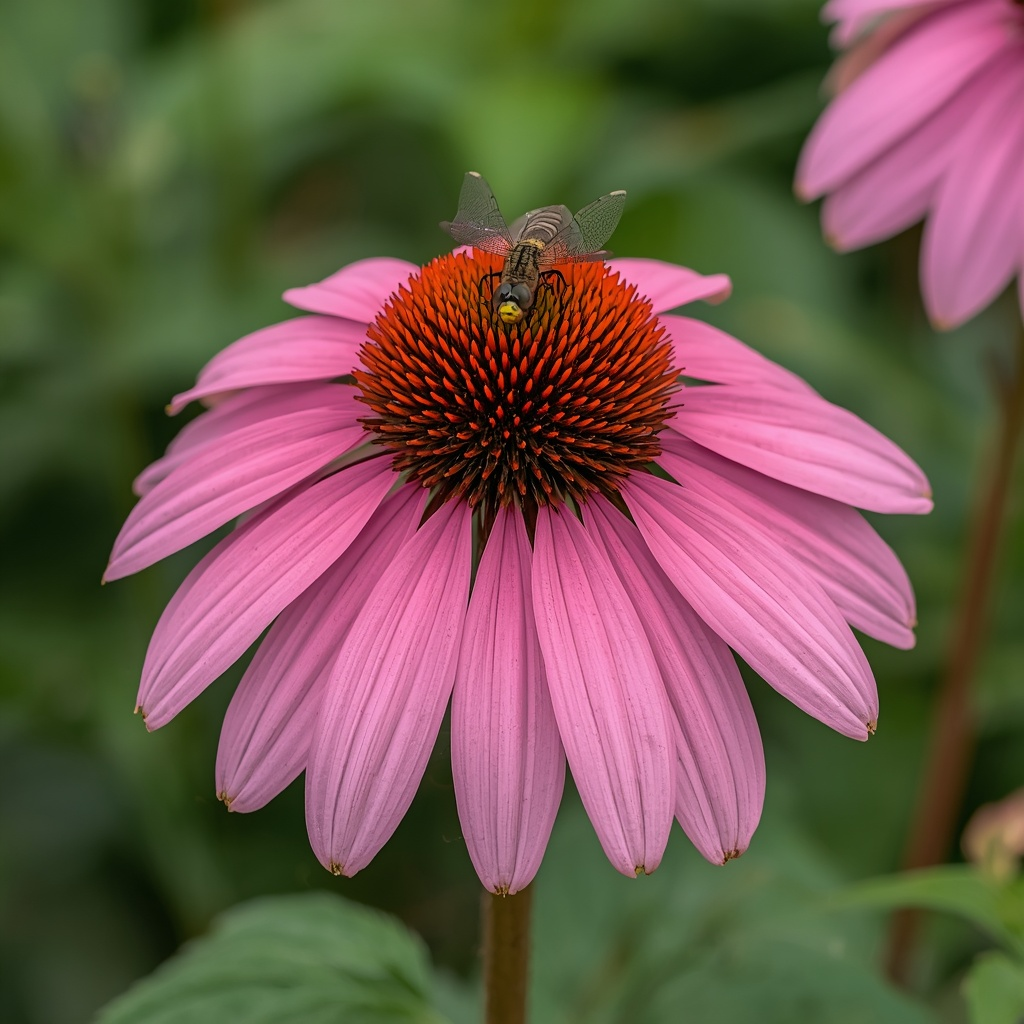
Echinacea, also known as coneflower, is an important late-season plant for maintaining insect activity in the garden. Its large open flowers provide easy access to nectar, attracting a wide variety of pollinators throughout late summer and early autumn. This extended blooming period helps sustain food availability when many other plants begin to fade.
The plant’s central cone also acts as a landing platform, making it especially attractive to insects. This leads to increased activity above the flowers, which benefits dragonflies hunting nearby. Its long flowering season makes it a reliable contributor to ecosystem stability.
14. Agastache as a Long-Season Insect Feeding Hub
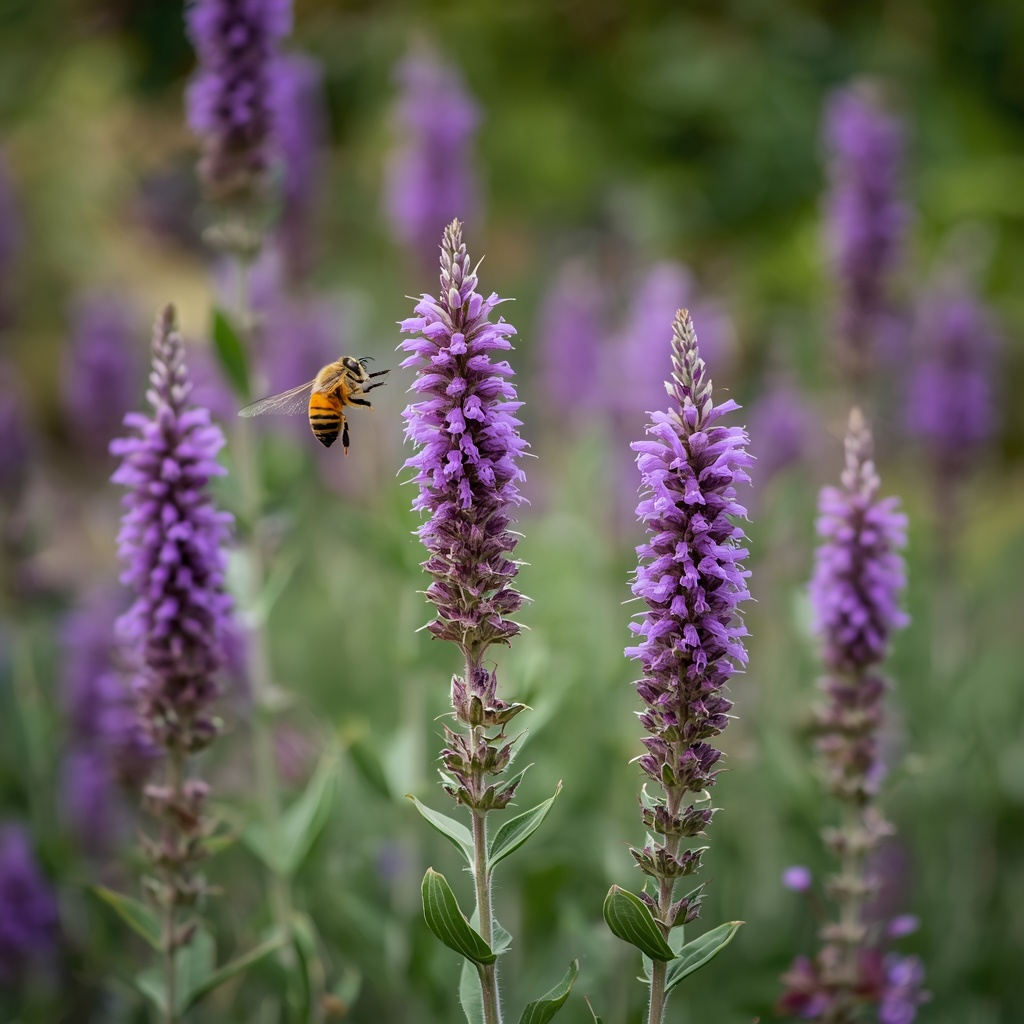
Agastache is a highly effective perennial for supporting insect populations throughout the warm season. Its tall flower spikes produce nectar-rich blooms that attract bees, butterflies, and hoverflies in large numbers. These insects become a consistent food source for dragonflies.
One of its most valuable traits is its extended flowering period, which lasts from mid-summer into early autumn. This ensures that insect activity remains strong even when other plants have finished blooming. Its aromatic leaves also contribute to a strong sensory presence in the garden, enhancing its ecological role.
15. Designing a Fully Integrated Dragonfly Habitat Garden
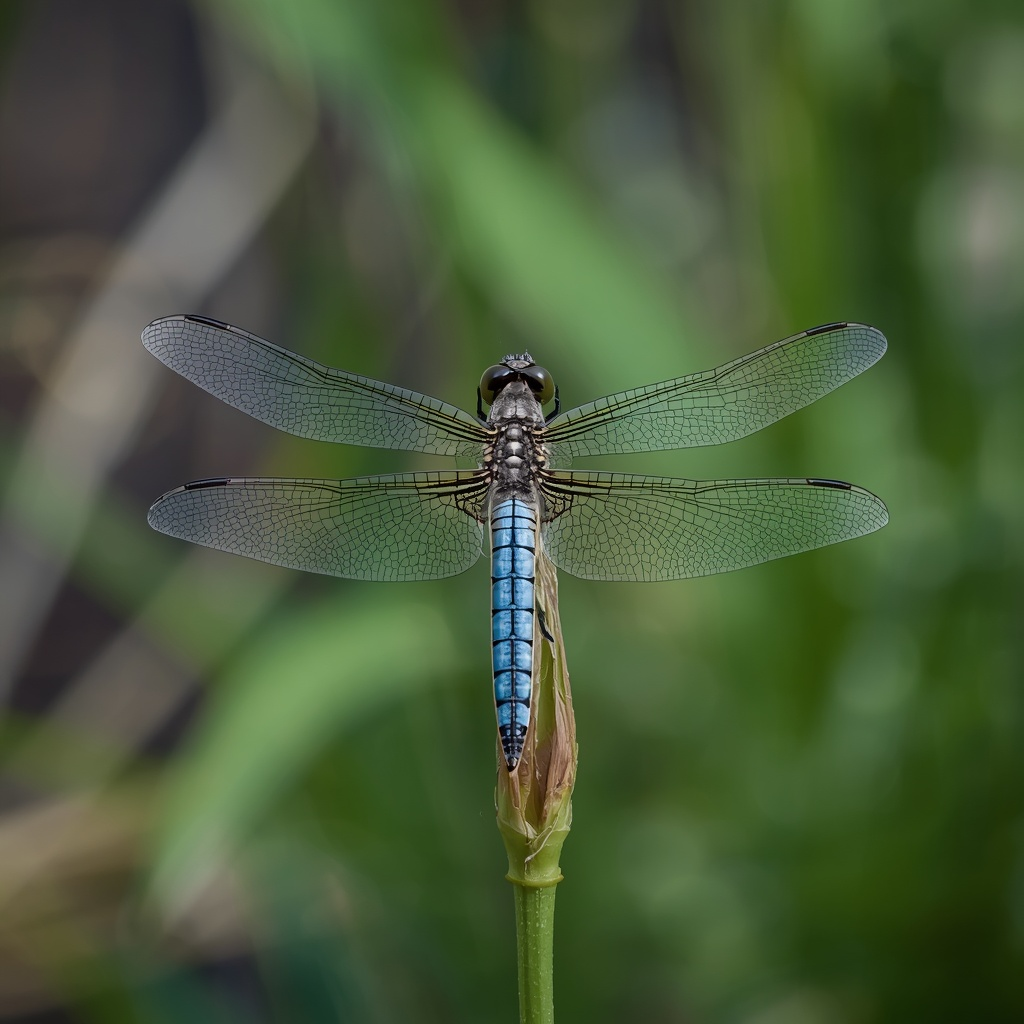
A successful dragonfly garden is not created by planting individual species in isolation. Instead, it relies on designing a connected ecosystem where aquatic plants, marginal vegetation, and land-based flowers all work together. Dragonflies depend on this full structure for their entire life cycle, from underwater larvae to flying adults.
A balanced pond should include open water, submerged oxygenating plants, emergent stems for transformation, and flowering plants that support insects. When all these elements are combined thoughtfully, the garden becomes a self-sustaining habitat that supports biodiversity, natural pest control, and a thriving dragonfly population throughout the seasons.