
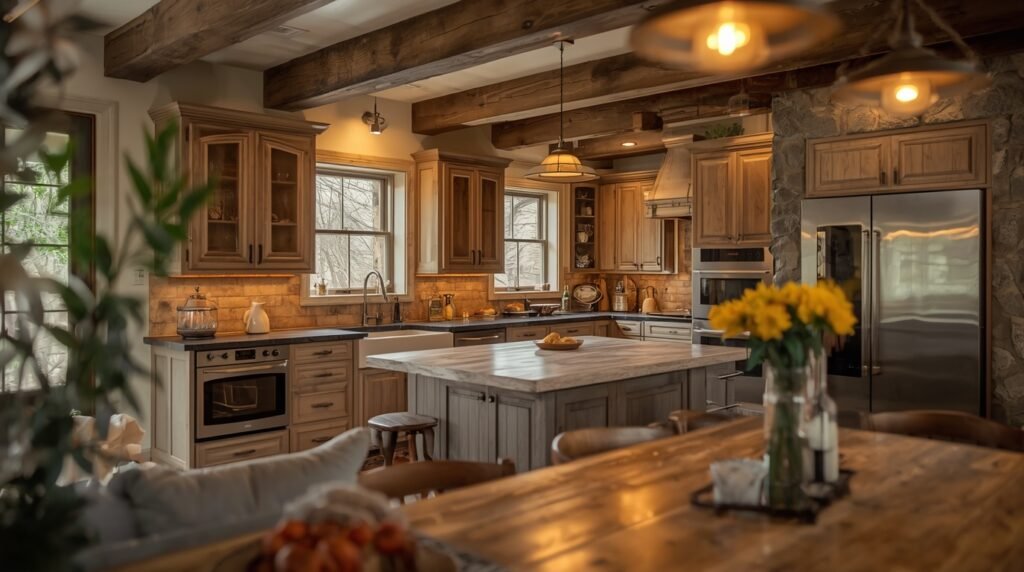
A rustic kitchen brings warmth, character, and timeless charm to the heart of the home. Inspired by natural materials and simple craftsmanship, this style creates a welcoming space that feels comfortable and lived-in. Exposed wood beams, farmhouse sinks, stone accents, and vintage-inspired details all work together to create an inviting atmosphere rich in texture and personality.
Whether you prefer a cozy country look or a more refined modern-rustic design, there are countless ways to incorporate rustic elements into your kitchen. Rustic kitchen ideas celebrate beauty in simplicity, helping you create a space that feels both functional and effortlessly charming every day.
Embrace Natural Wood Cabinetry for Lasting Rustic Appeal
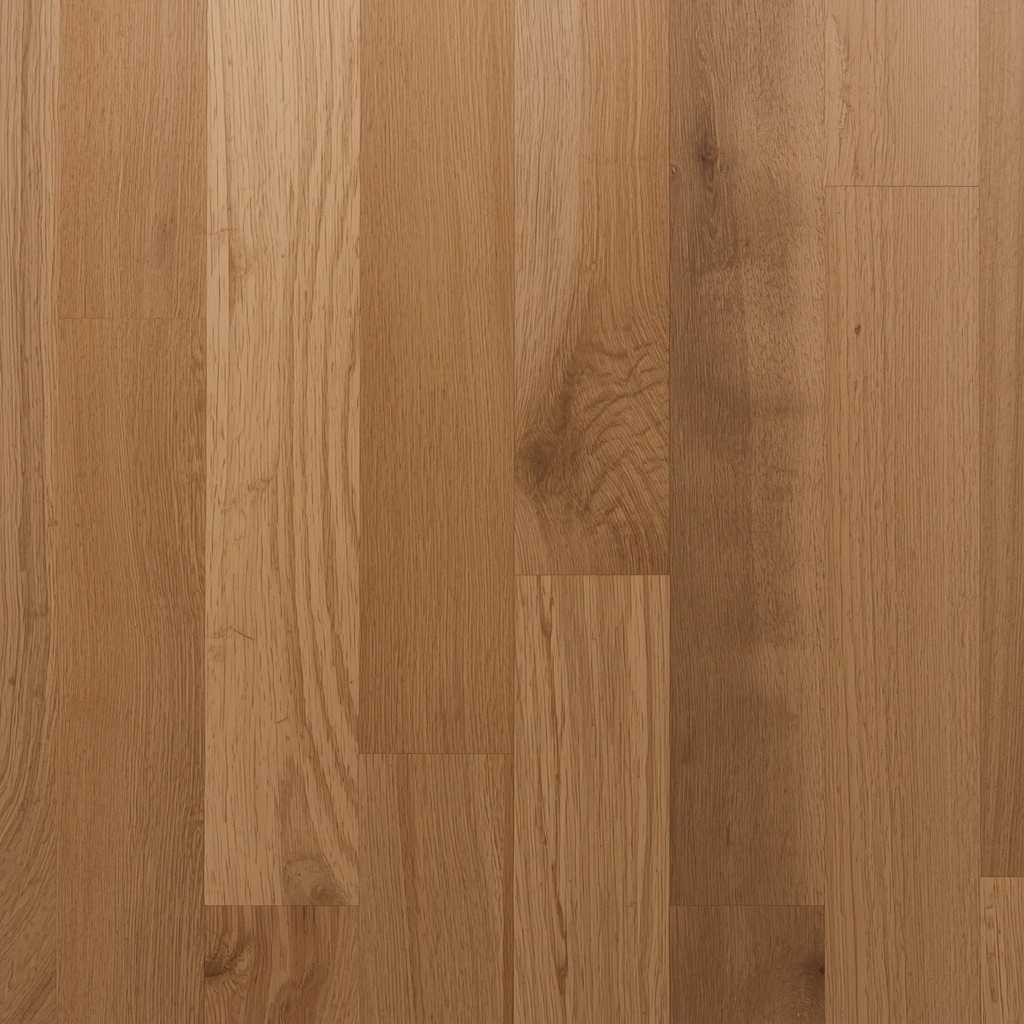
Wood cabinetry is one of the defining features of a rustic kitchen. The natural grain patterns, knots, and subtle color variations create warmth and authenticity that synthetic materials often struggle to replicate. Whether you choose solid wood cabinets or high-quality wood veneers, visible grain adds texture and character to the room. Warm species such as oak, walnut, maple, and pine are especially popular because they complement a wide range of kitchen styles. Simple cabinet designs allow the natural beauty of the wood to take center stage while creating a timeless look that remains attractive for years.
Incorporate Open Shelves to Create a Welcoming Atmosphere
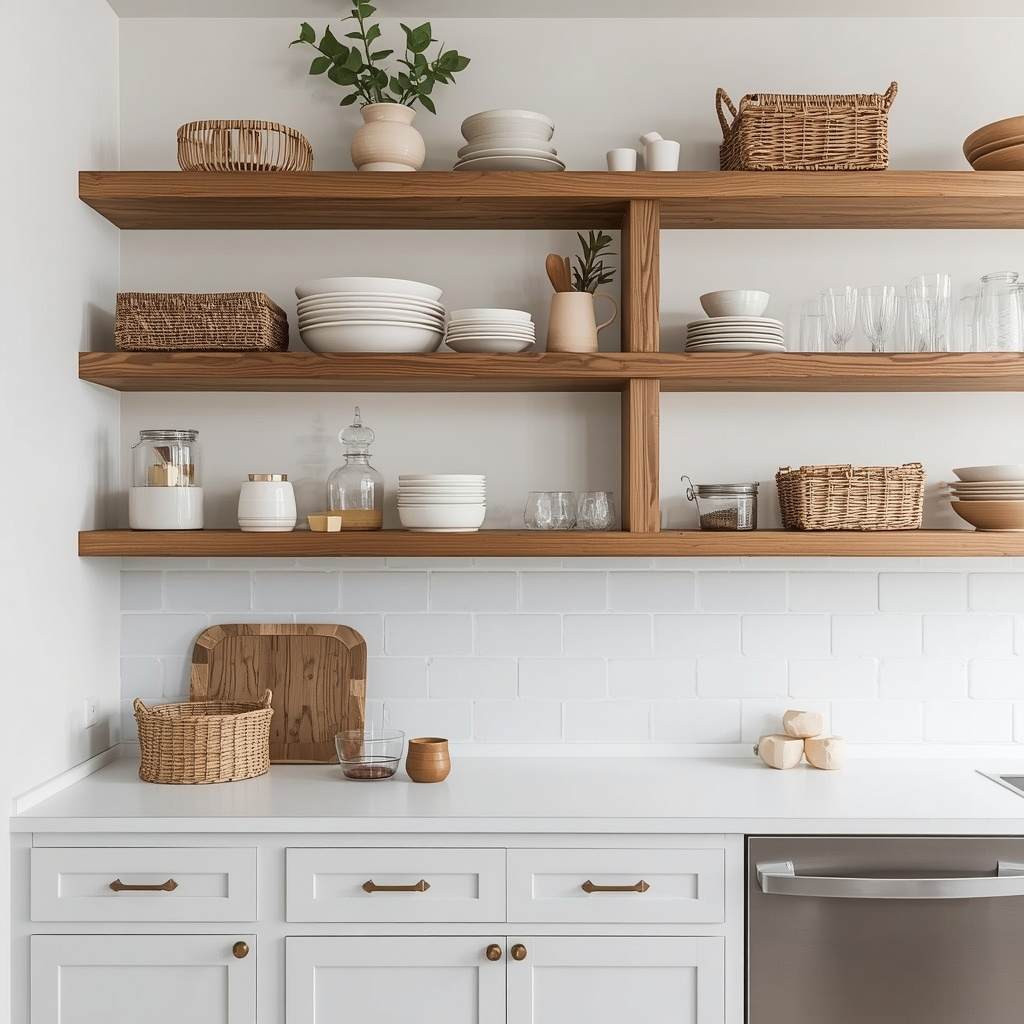
Open shelving is a practical and decorative feature that helps rustic kitchens feel inviting and lived-in. Instead of storing everything behind cabinet doors, open shelves allow everyday dishes, glassware, and kitchen accessories to become part of the overall design. Wooden shelves paired with neutral ceramics, woven baskets, and glass containers create a balanced and organized appearance. This approach also improves accessibility by keeping frequently used items within easy reach. In smaller kitchens, open shelving can make the room feel larger and brighter by reducing the visual weight of upper cabinetry.
Add Character with Textured Stone or Brick Backsplashes
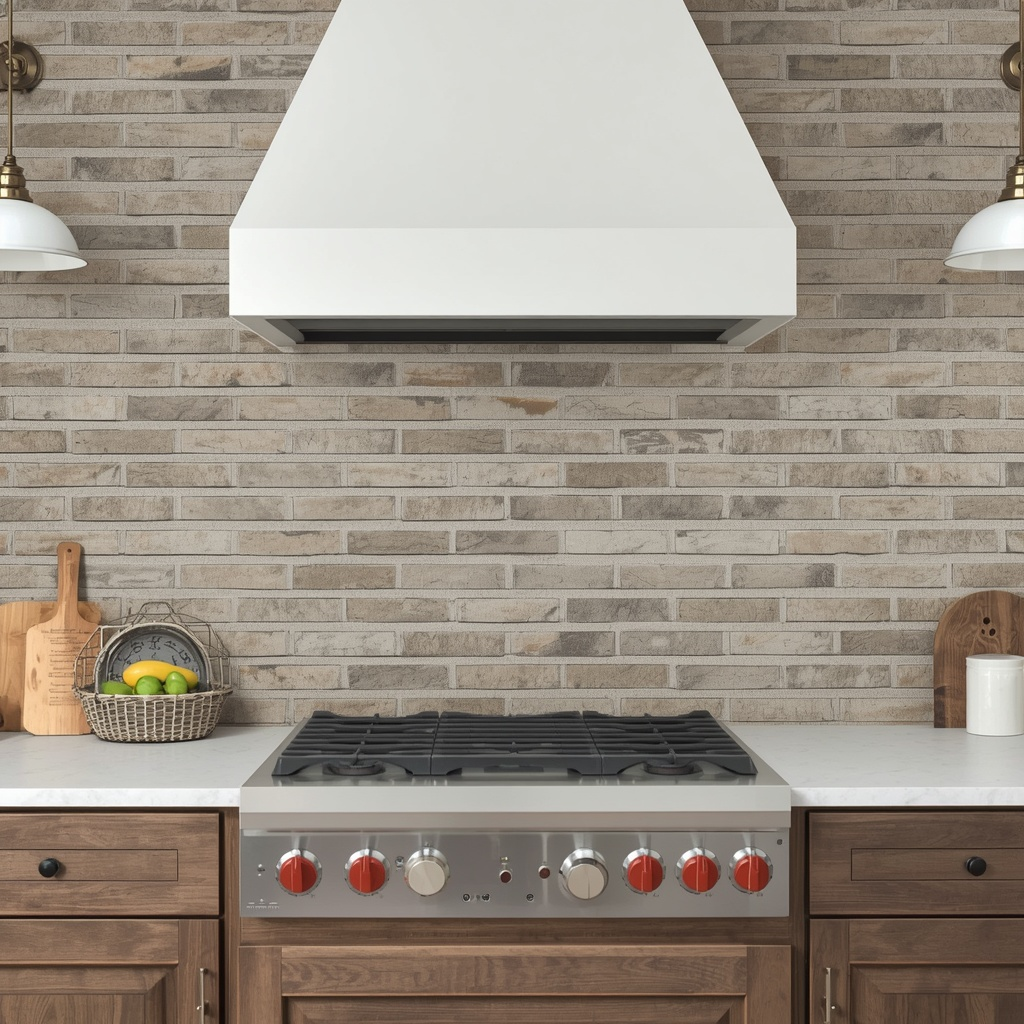
A rustic kitchen benefits greatly from the addition of natural texture, and a stone or brick backsplash is an excellent way to achieve this effect. These materials add depth, warmth, and visual interest while creating a sense of permanence within the space. Natural stone, exposed brick, or realistic brick-style tiles can complement wood cabinetry and simple countertops beautifully. Neutral shades help maintain a timeless appearance, while slight variations in color and texture prevent the design from feeling flat. A textured backsplash serves as both a practical surface and a distinctive design feature.
Choose a Farmhouse Sink for Style and Everyday Function
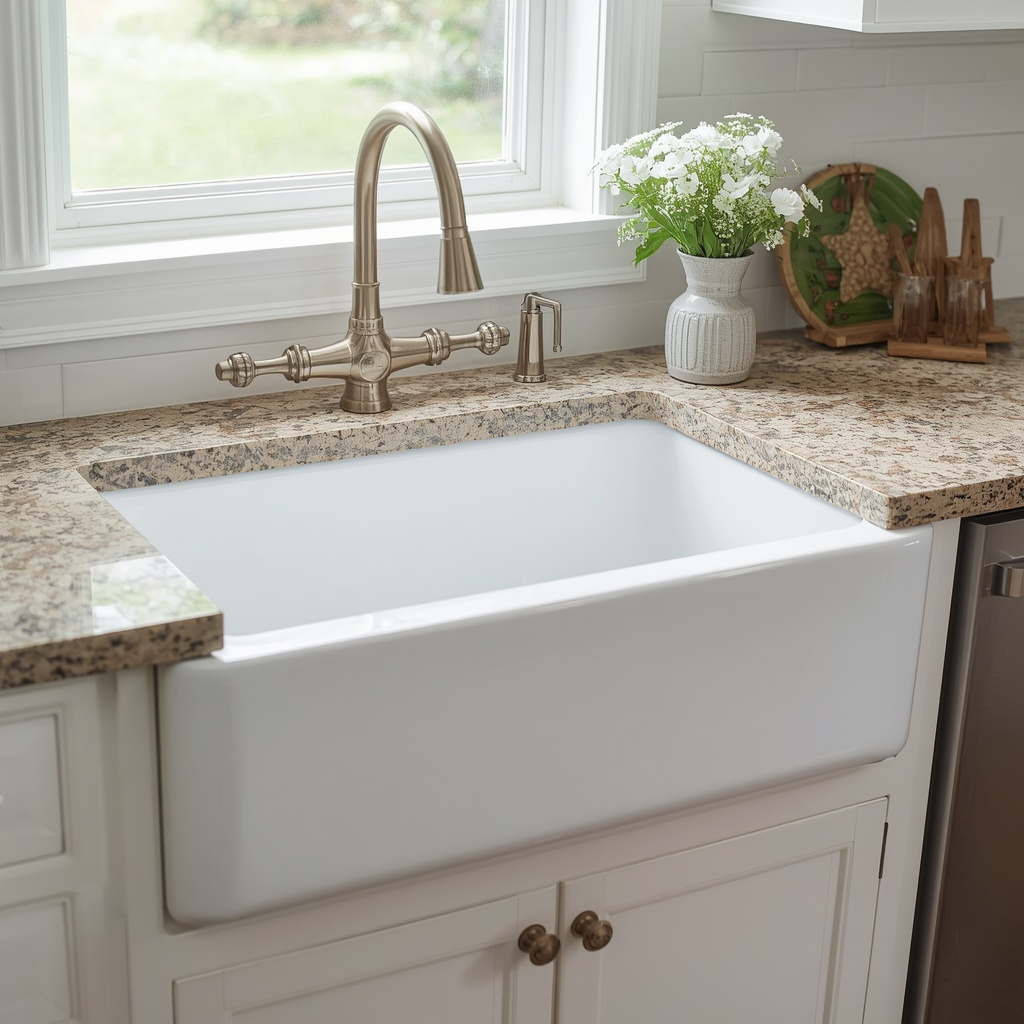
Farmhouse sinks remain a favorite choice for rustic kitchen designs because they combine charm with practicality. Their signature apron-front appearance creates a focal point while their deep basins provide plenty of space for washing dishes, preparing food, and handling large cookware. White fireclay sinks offer a classic appearance, while stainless steel and stone options provide a more contemporary interpretation of the style. When paired with traditional faucets and natural materials, a farmhouse sink enhances both the visual appeal and functionality of the kitchen.
Build a Cozy Foundation with Warm Neutral Colors
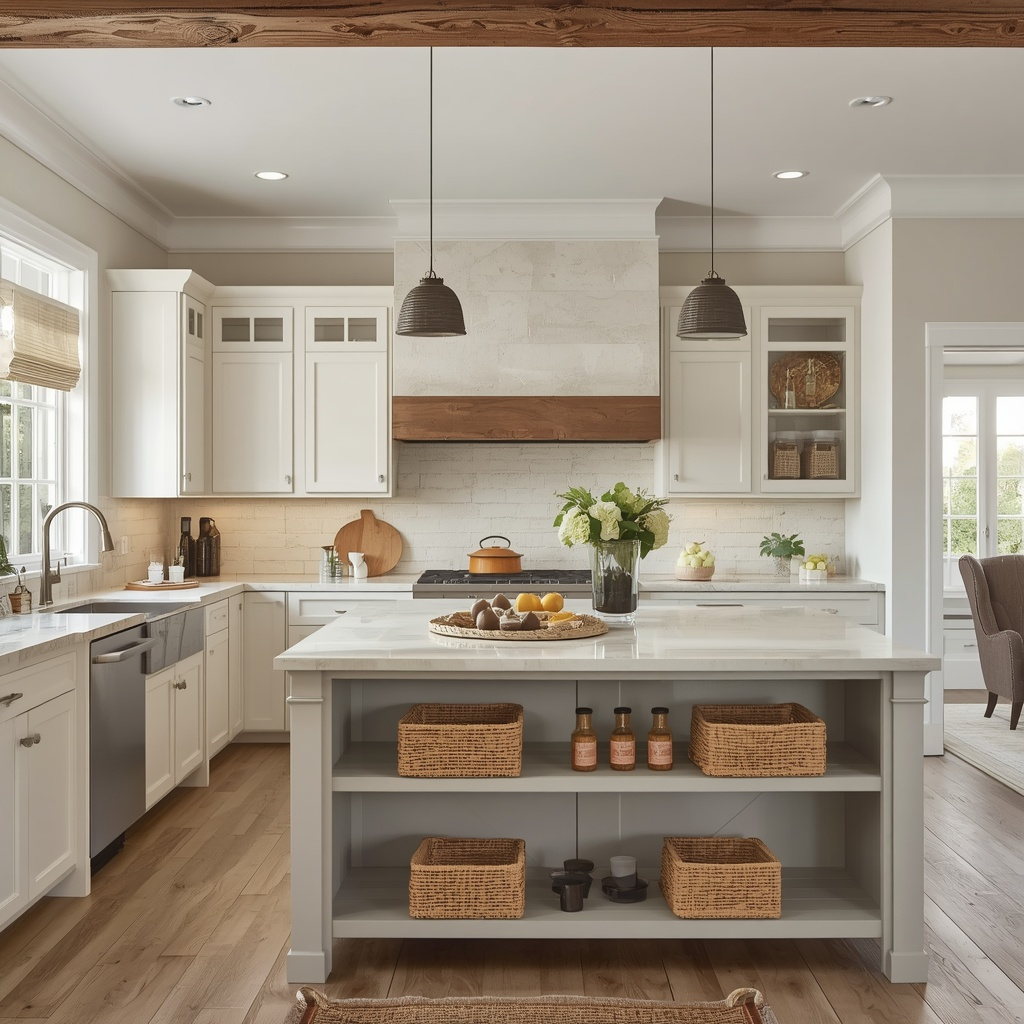
Color plays an important role in establishing the atmosphere of a rustic kitchen. Warm neutral shades such as soft white, cream, beige, taupe, and gentle gray create a comfortable and welcoming environment. These colors allow natural materials like wood and stone to stand out without overwhelming the design. Neutral palettes also have lasting appeal because they adapt easily to changing decorative preferences over time. Rather than relying on bold colors, rustic kitchens often achieve visual interest through texture, material variety, and subtle contrasts that create a balanced and timeless look.
Highlight Architectural Beauty with Exposed Ceiling Beams
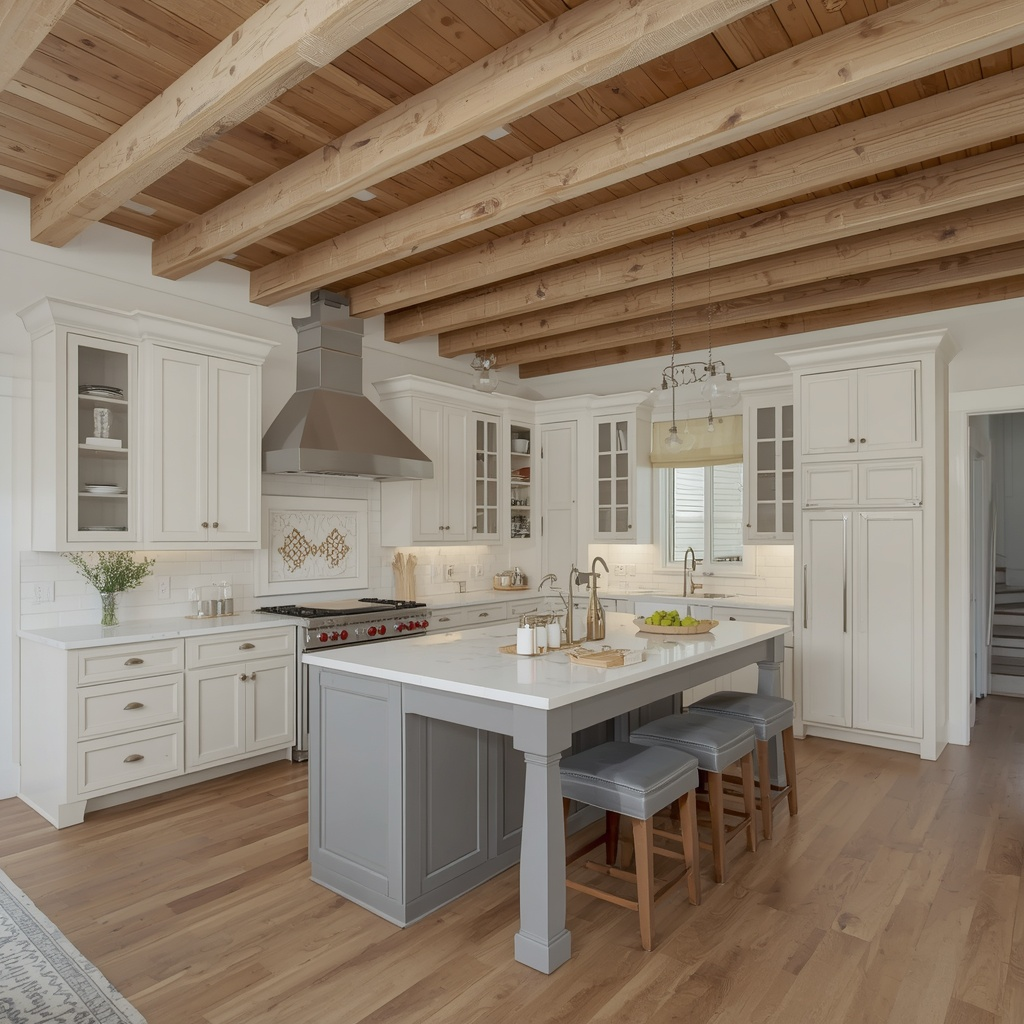
Exposed beams instantly add charm and architectural interest to a kitchen. Whether they are original structural elements or decorative additions, beams help create a sense of history and craftsmanship that aligns perfectly with rustic design principles. Natural wood finishes enhance warmth and draw attention upward, making the room feel more spacious and visually engaging. Even modern homes can incorporate faux beams to achieve a similar effect. This design feature introduces depth and character while maintaining the functional nature of the kitchen environment.
Select Vintage-Style Lighting for Warm Ambiance
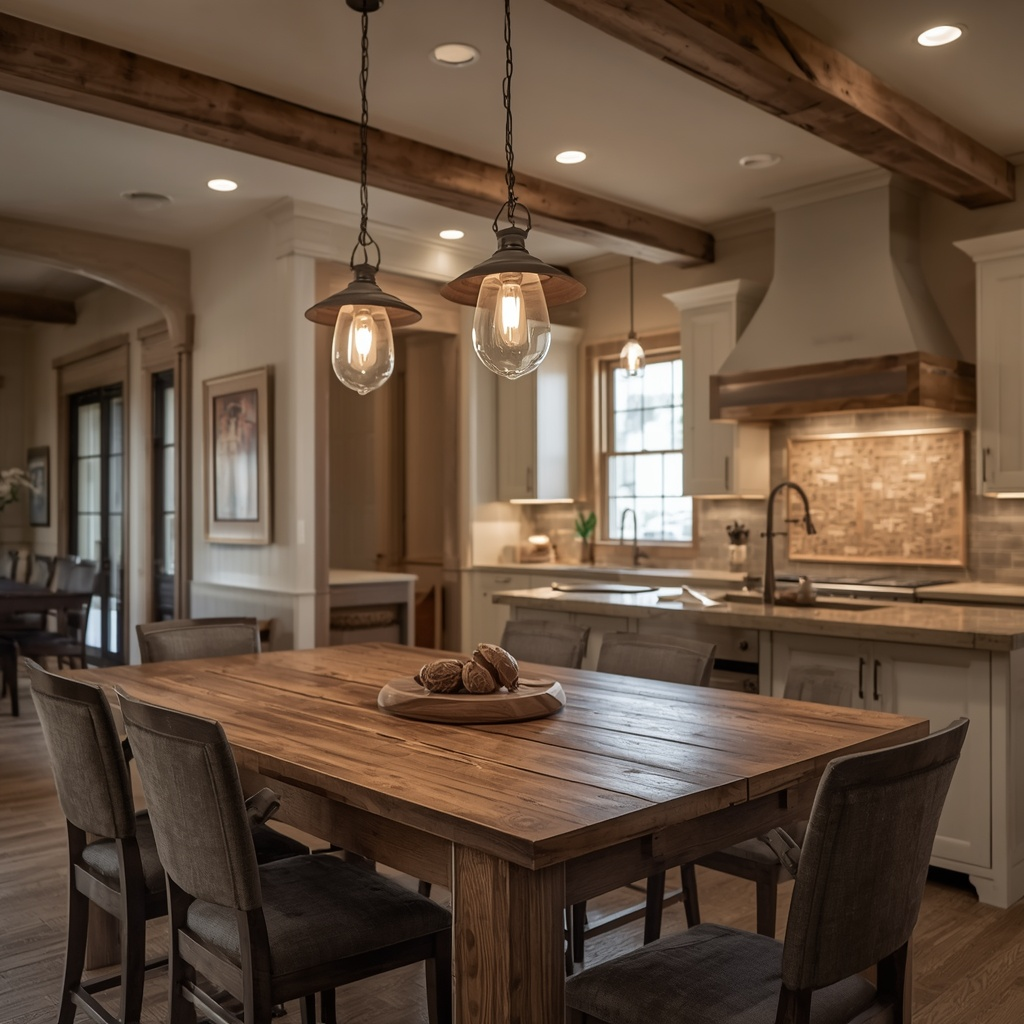
Lighting has a significant influence on how a kitchen feels, and rustic spaces often benefit from fixtures inspired by traditional craftsmanship. Pendant lights with metal accents, lantern-style chandeliers, and simple glass shades provide both function and visual appeal. These fixtures work especially well above kitchen islands, dining tables, and preparation areas. Choosing warm-toned bulbs enhances the cozy atmosphere and highlights the natural beauty of wood and stone surfaces. The goal is to create soft, welcoming illumination that complements the rustic character of the room.
Opt for Natural Countertop Materials with Enduring Appeal
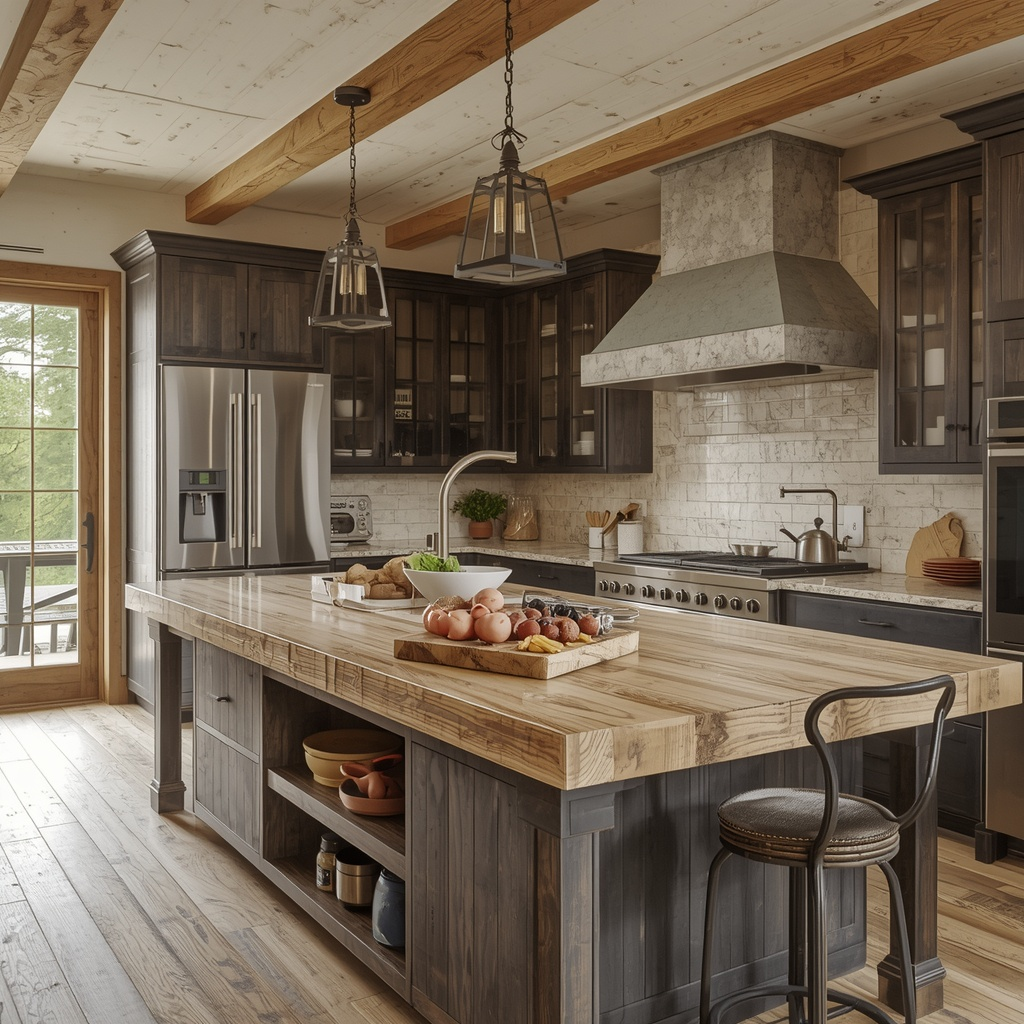
Countertops play a major role in both the appearance and functionality of a rustic kitchen. Natural materials such as butcher block, soapstone, granite, and honed marble bring warmth and authenticity while offering long-lasting durability. Butcher block surfaces develop character over time, while stone countertops showcase unique patterns that add individuality to the space. Matte and honed finishes often suit rustic designs better than highly polished surfaces because they create a more relaxed and natural appearance. These materials age gracefully, contributing to the kitchen’s timeless charm.
Blend Multiple Materials for a Layered Design
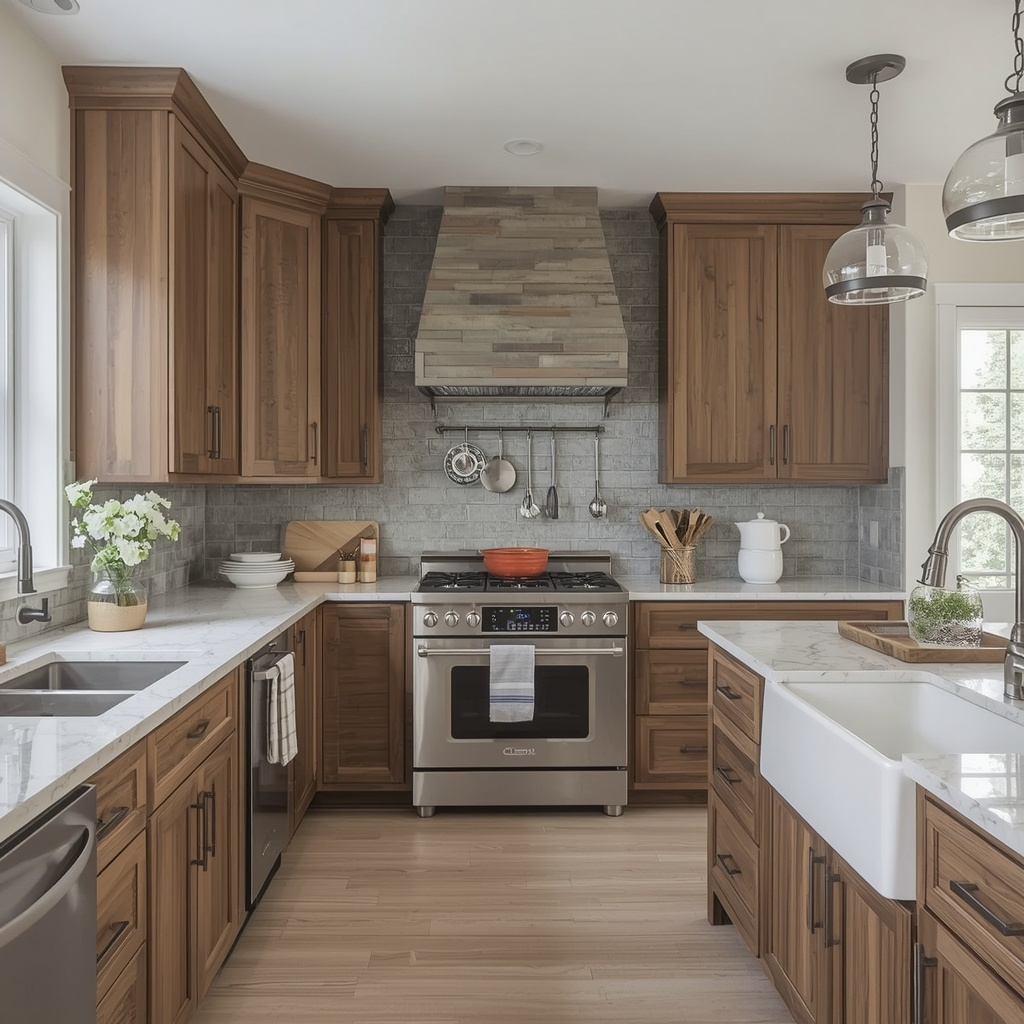
One of the strengths of rustic design is its ability to combine different materials in a harmonious way. Mixing wood, stone, metal, ceramic, and glass creates visual depth while maintaining a cohesive appearance. For example, wooden cabinets paired with stone countertops and metal hardware provide contrast without feeling disconnected. The key is selecting finishes that complement one another rather than compete for attention. This thoughtful layering of materials adds richness and personality, helping the kitchen feel collected and naturally evolved over time.
Introduce Freestanding Furniture for Added Character
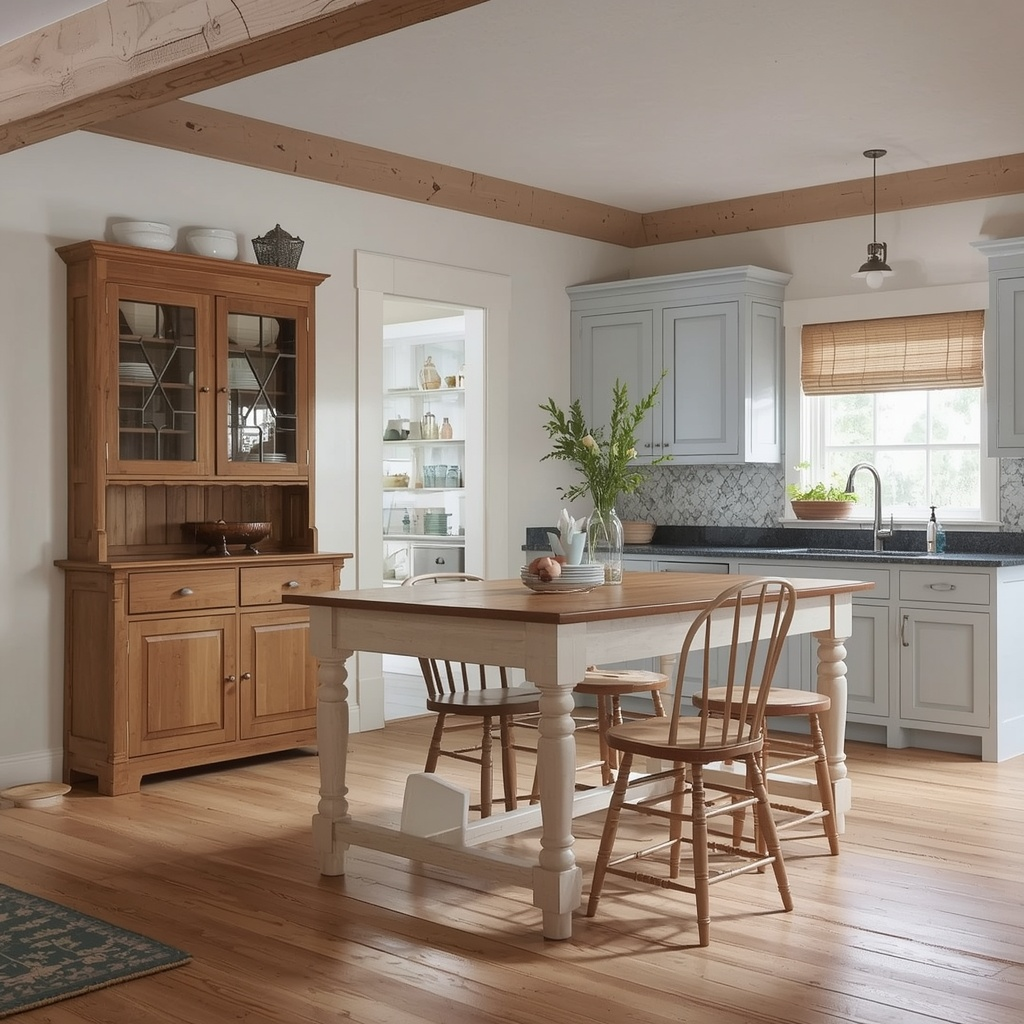
Freestanding furniture pieces can make a rustic kitchen feel more personal and authentic. Unlike built-in cabinetry, items such as farmhouse tables, hutches, baker’s racks, and storage cabinets introduce flexibility and visual interest. These pieces often become focal points that add warmth and individuality to the room. A sturdy wooden table can serve as a functional workspace or dining area, while a vintage-style hutch provides attractive storage for dishes and decorative items. Freestanding furniture contributes to the relaxed and welcoming atmosphere associated with rustic interiors.
Enhance the Design with Classic Hardware Choices
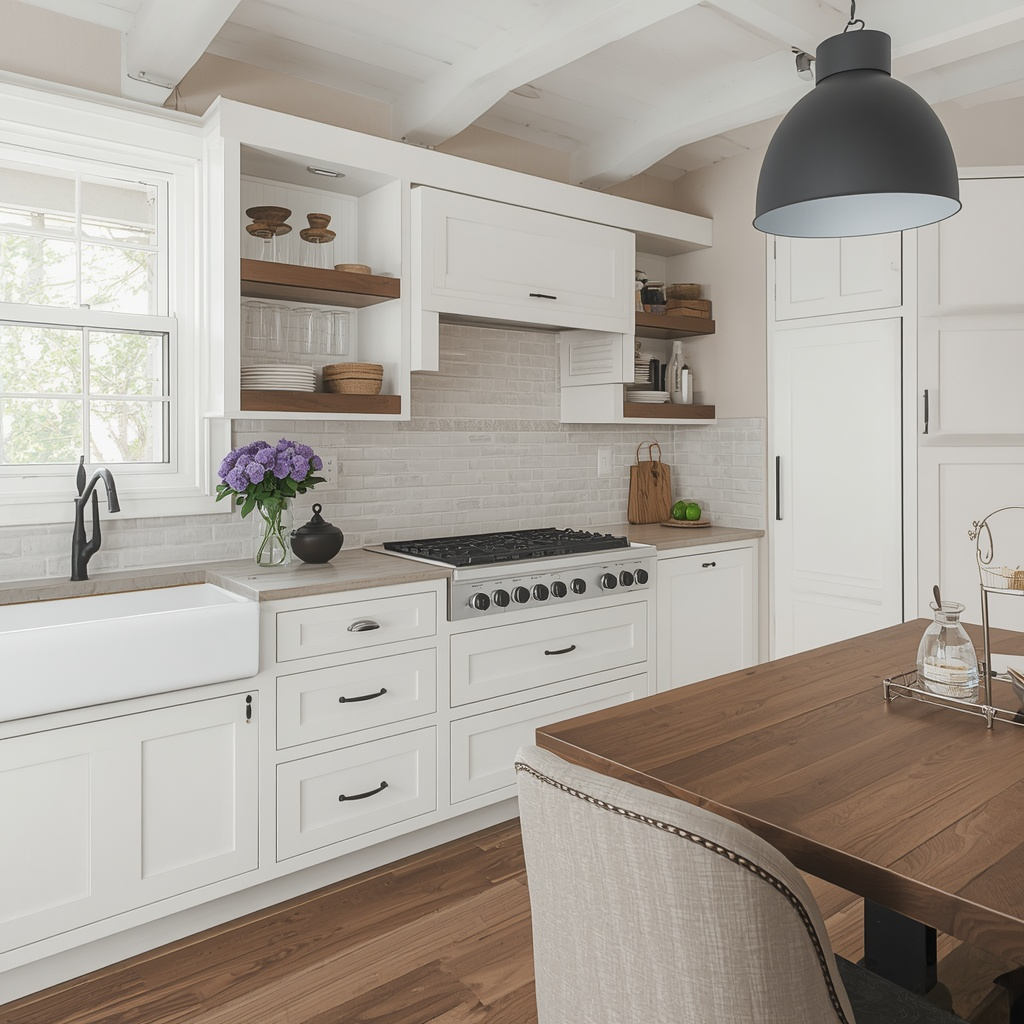
Cabinet hardware may seem like a small detail, but it significantly influences the overall style of a kitchen. Rustic spaces often feature simple, durable hardware in finishes such as iron, bronze, black metal, or brushed brass. These materials complement natural surfaces and provide a sense of craftsmanship. Avoiding overly decorative or highly modern hardware helps maintain a timeless appearance. Consistent hardware choices throughout the kitchen create visual continuity and reinforce the cohesive design, ensuring that every element works together harmoniously.
Use Soft Textiles to Increase Comfort and Warmth
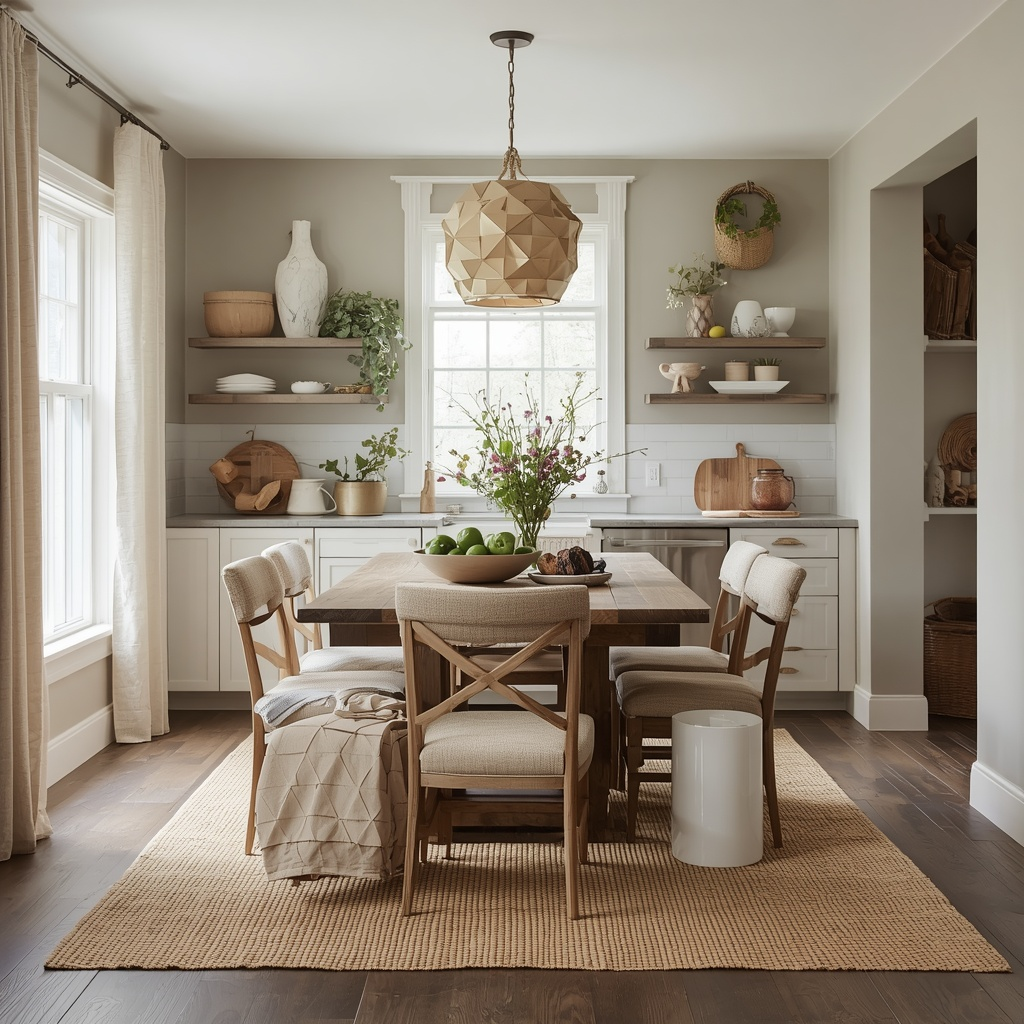
Textiles play an important role in softening the harder surfaces commonly found in kitchens. Elements such as woven rugs, linen curtains, cotton towels, and upholstered seating add comfort while introducing subtle texture. Neutral colors and understated patterns work especially well in rustic settings because they enhance the overall design without overpowering it. Textiles also provide flexibility, allowing homeowners to refresh the space seasonally or introduce small decorative changes with minimal effort. These soft accents contribute to a cozy and inviting kitchen environment.
Embrace Gentle Aging and Natural Wear
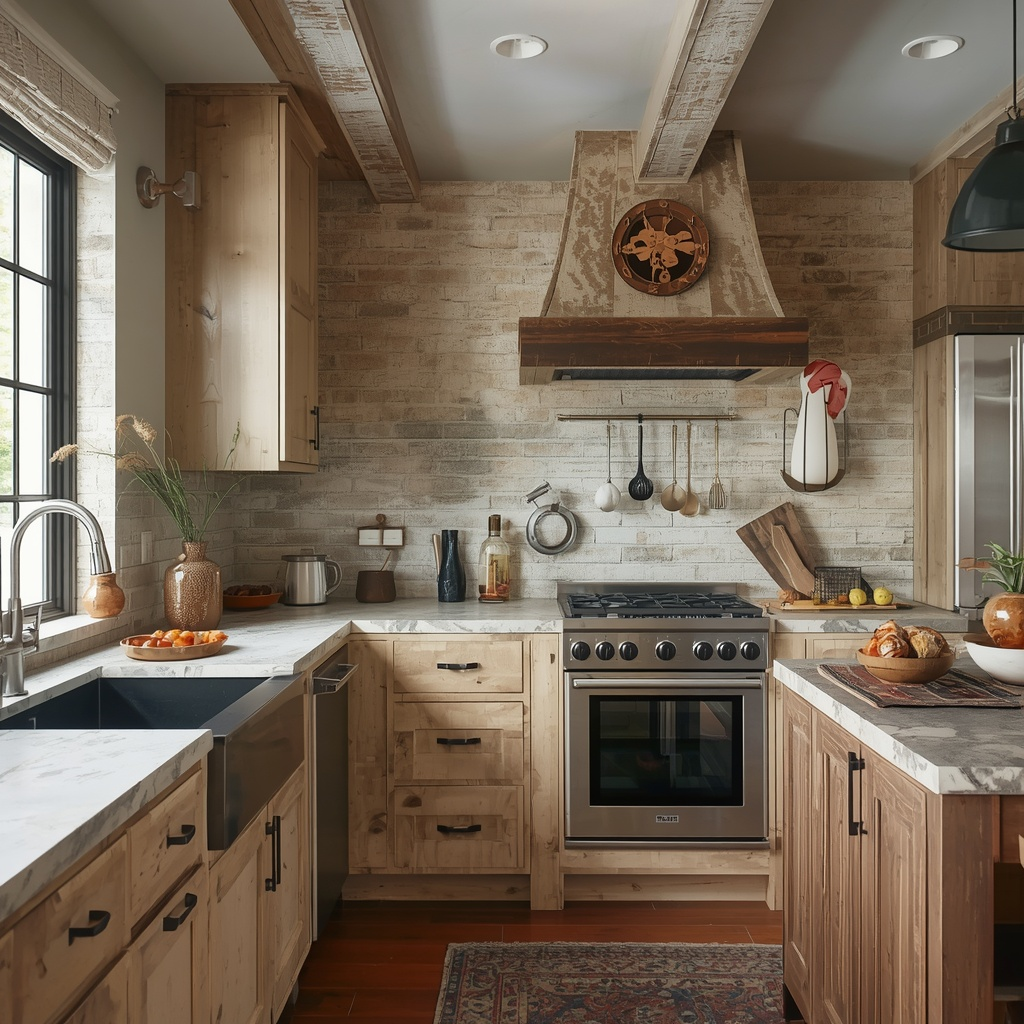
Rustic kitchens often celebrate materials that develop character over time. Light distressing, subtle wear, and natural aging can add authenticity and warmth to the space. The key is moderation, as excessive distressing may appear artificial or overly decorative. Gently worn wood edges, aged metal finishes, and surfaces that reflect years of use create a more genuine and welcoming atmosphere. Allowing materials to age naturally often produces the most attractive results, giving the kitchen a sense of history while maintaining its functionality and visual appeal.
Design Spaces That Encourage Connection and Gathering
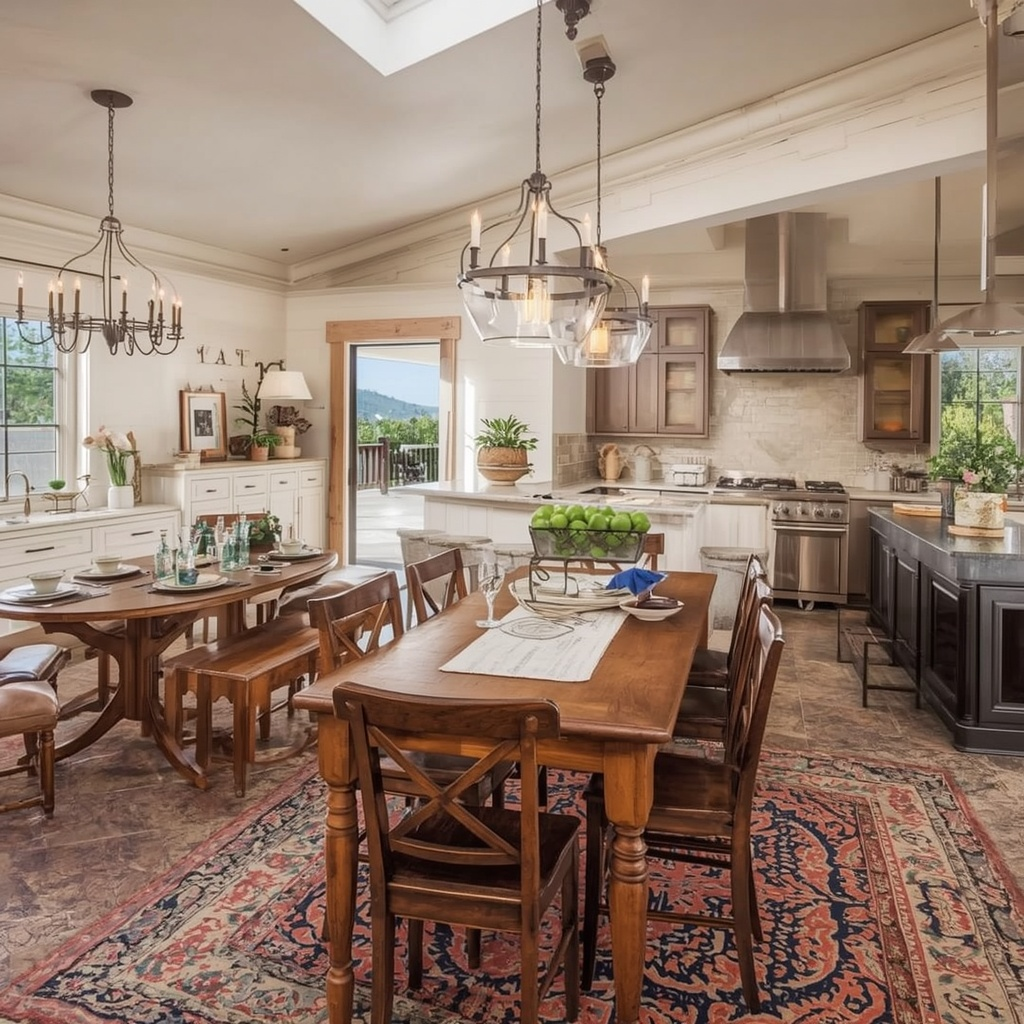
A successful rustic kitchen is designed with both beauty and practicality in mind. Open layouts, comfortable seating areas, and spacious work surfaces help encourage interaction among family members and guests. Features such as large kitchen islands, farmhouse tables, and breakfast nooks create opportunities for gathering, conversation, and shared meals. This emphasis on togetherness is a defining characteristic of rustic design. By prioritizing comfort and functionality, the kitchen becomes more than just a place to prepare food—it becomes a central gathering space within the home.
Personalize the Space with Meaningful Decorative Accents
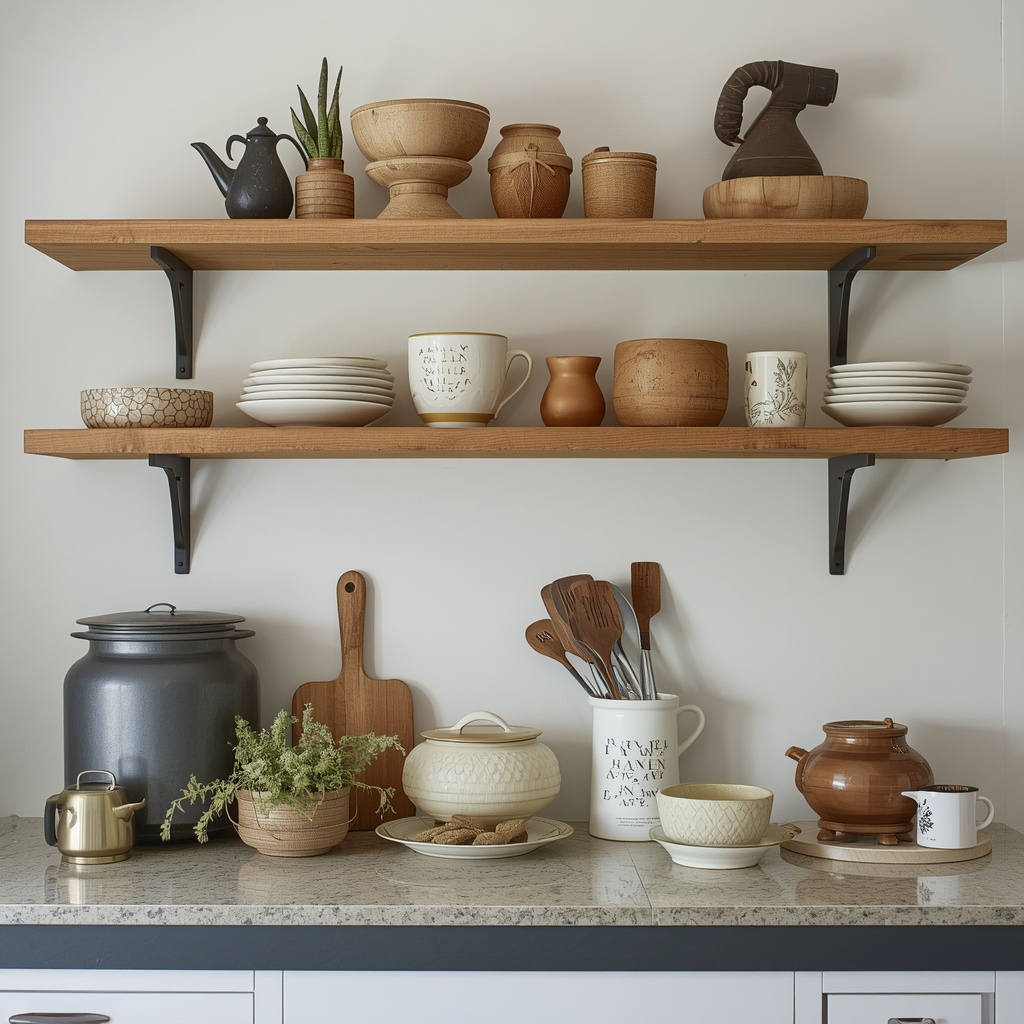
The finishing touches in a rustic kitchen often come from carefully selected decorative items that reflect personal stories and interests. Handcrafted pottery, vintage utensils, family heirlooms, and locally made accessories add authenticity and character. Rather than filling every available surface, focus on a few meaningful pieces that contribute to the overall design. Thoughtful decorating creates a sense of individuality while keeping the kitchen practical and organized. When decor is chosen for its significance rather than passing trends, the space feels timeless, welcoming, and uniquely personal.