
Spring is the perfect time to refresh your garden with vibrant colors and new life. As the weather warms, flowers begin to bloom, bringing energy and beauty back to outdoor spaces. From cheerful tulips to fragrant hyacinths and delicate daffodils, there are endless options to brighten your garden.
Choosing the right mix of early and late bloomers ensures a continuous display throughout the season. Whether you’re a beginner or an experienced gardener, this blog will guide you through the best spring flowers to plant and how to create a lively, eye-catching garden you’ll enjoy all season long.
Daffodil
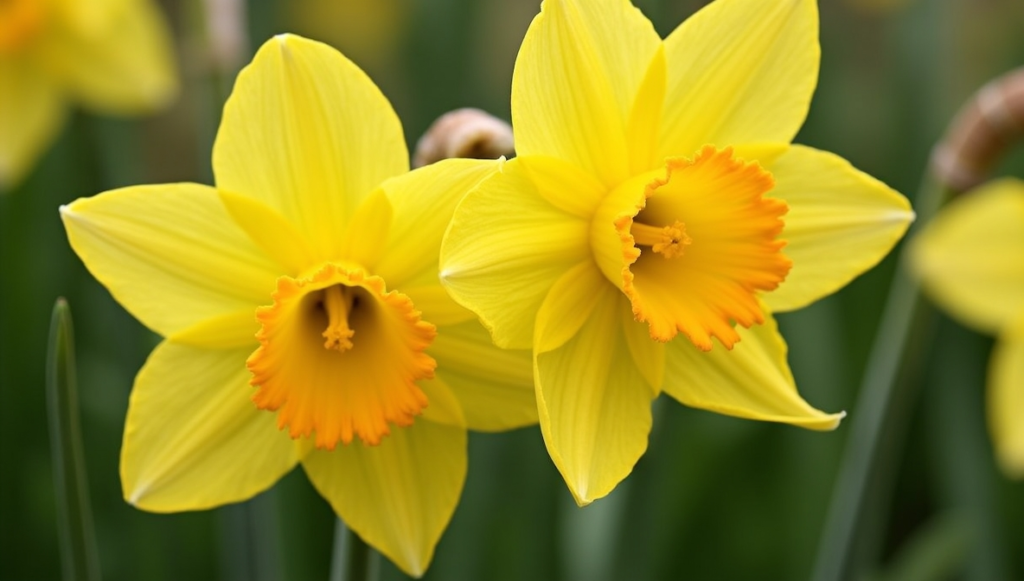
Daffodils are among the most recognizable signs that spring has arrived. Their trumpet-like centers and vibrant petals bring warmth and brightness to any outdoor space after the colder months. While many people associate them with sunny yellow tones, these flowers can also appear in soft whites, warm oranges, blush pinks, and even subtle green shades. Aside from their beauty, daffodils are also practical choices for gardeners because they are easy to grow and naturally resistant to pests like rodents. Plant the bulbs in autumn in a sunny area with well-drained soil, and by springtime, you’ll be rewarded with cheerful blooms that return year after year with minimal effort.
Tulip
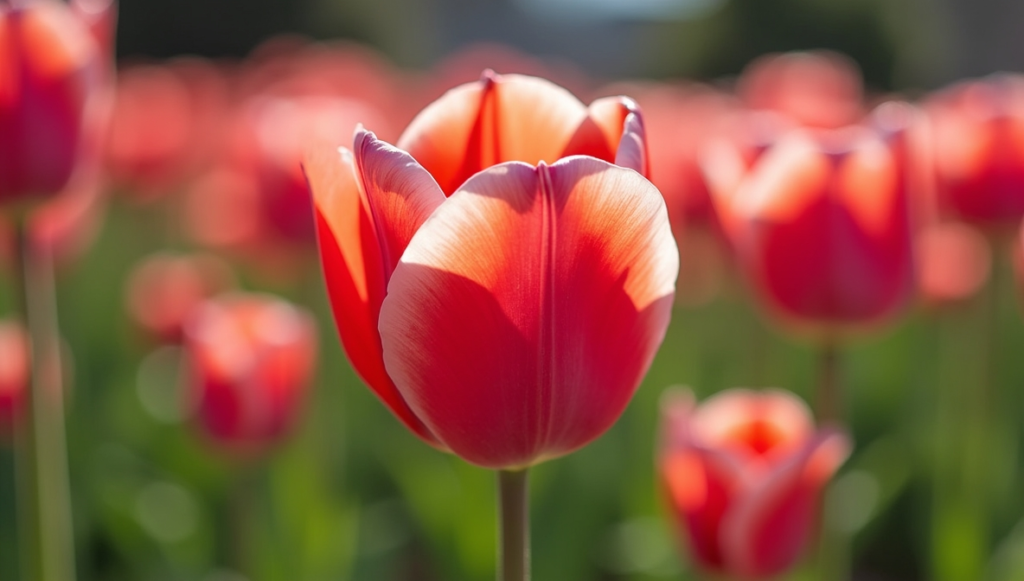
Tulips are a timeless favorite when it comes to spring gardens, known for their elegant shape and wide range of colors. From soft pastels to deep, dramatic hues, these flowers can transform any garden into a vibrant display. Although tulips may not always bloom as strongly in their second year, proper care can help them behave like perennials. Many gardeners choose to replant bulbs annually in well-lit areas during the fall season. Because tulips can attract small animals that dig up the bulbs, it’s wise to plant them in containers or alongside plants that naturally deter pests. With a little attention, tulips can remain a standout feature each spring.
Grape Hyacinth
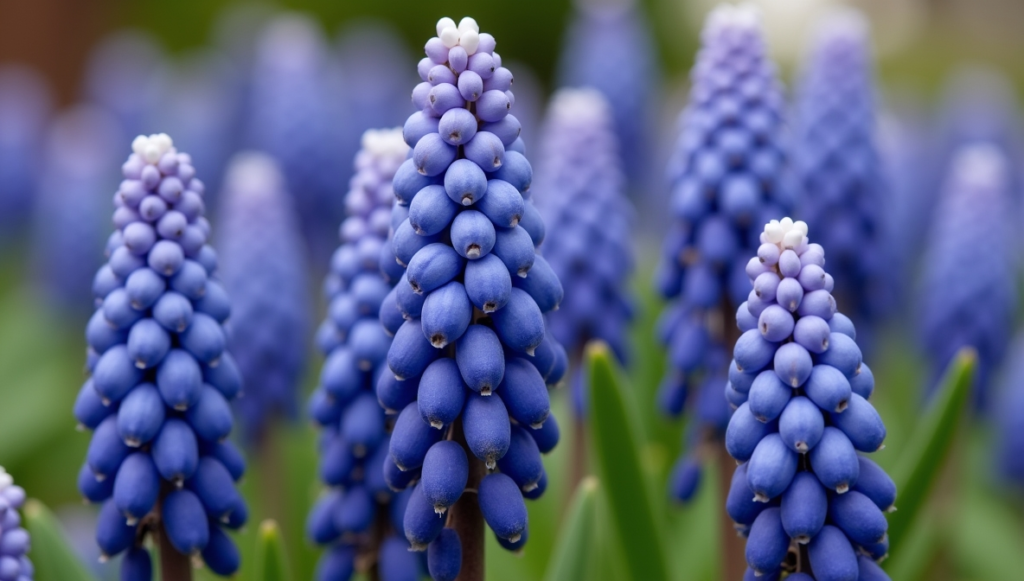
Grape hyacinths are charming little flowers that resemble clusters of tiny grapes, adding a playful touch to any garden. Their compact blooms often come in shades of blue and purple and emit a light, sweet fragrance. One of their most appealing qualities is their ability to spread naturally, forming dense patches of color over time. This makes them ideal for gardeners who want to fill spaces quickly with minimal effort. However, they should be planted thoughtfully in sunny locations and kept away from pets, as they can be toxic. Once established, grape hyacinths require very little maintenance and provide consistent beauty each spring.
Lily of the Valley
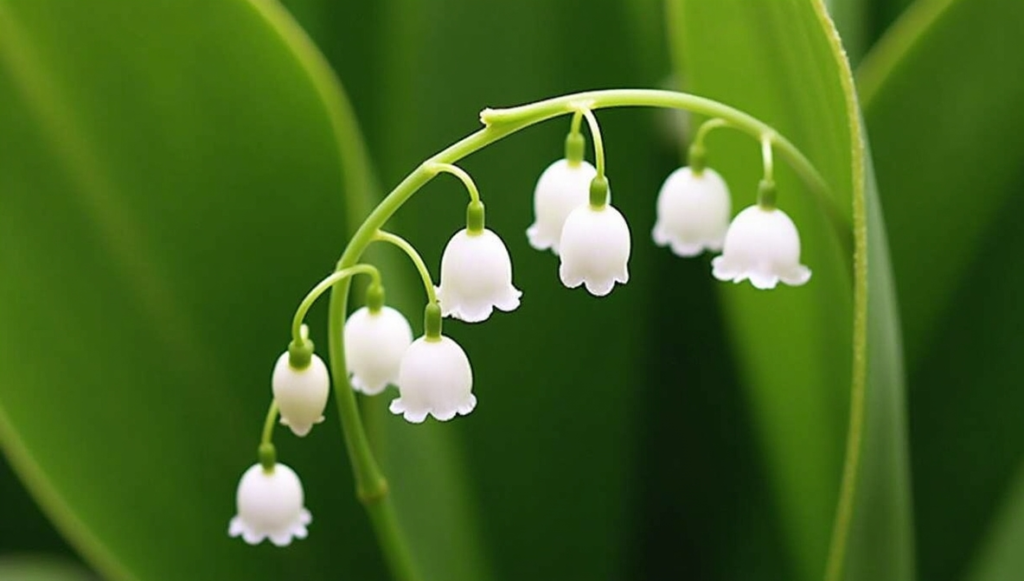
Lily of the valley is a delicate and fragrant perennial that brings a classic charm to shaded garden areas. Its small, bell-shaped flowers hang gracefully from slender stems, creating an elegant and peaceful appearance. These blooms typically last for a few weeks in spring and are followed by small red berries as the season progresses. Because this plant spreads easily and forms dense clusters, it’s best planted in areas where it has room to grow without crowding other plants. It thrives in cooler, shaded spots and is perfect for adding texture and fragrance to quiet corners of your garden.
Crocus
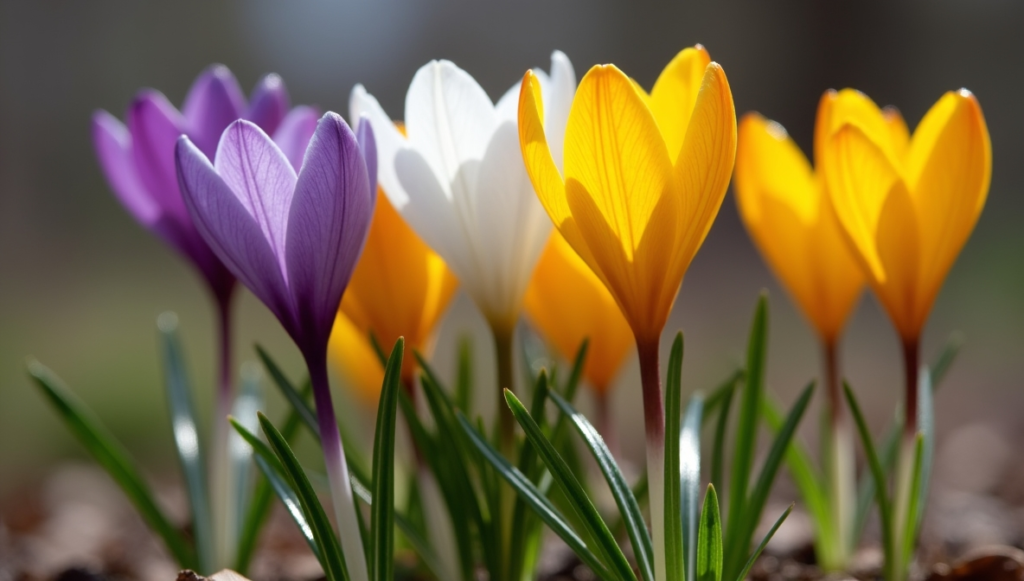
Crocuses are often among the first flowers to appear as winter fades, making them a welcome sign of the changing season. Their cup-shaped blooms come in a variety of colors, including purple, yellow, and white, and they often carry a subtle, sweet scent. These flowers are quite resilient and can thrive in both full sunlight and partial shade. However, gardeners should be aware that small animals may dig up the bulbs, sometimes causing the plants to appear in unexpected places. Despite this, crocuses are easy to grow and bring early color and life to gardens when most other plants are still dormant.
Iris
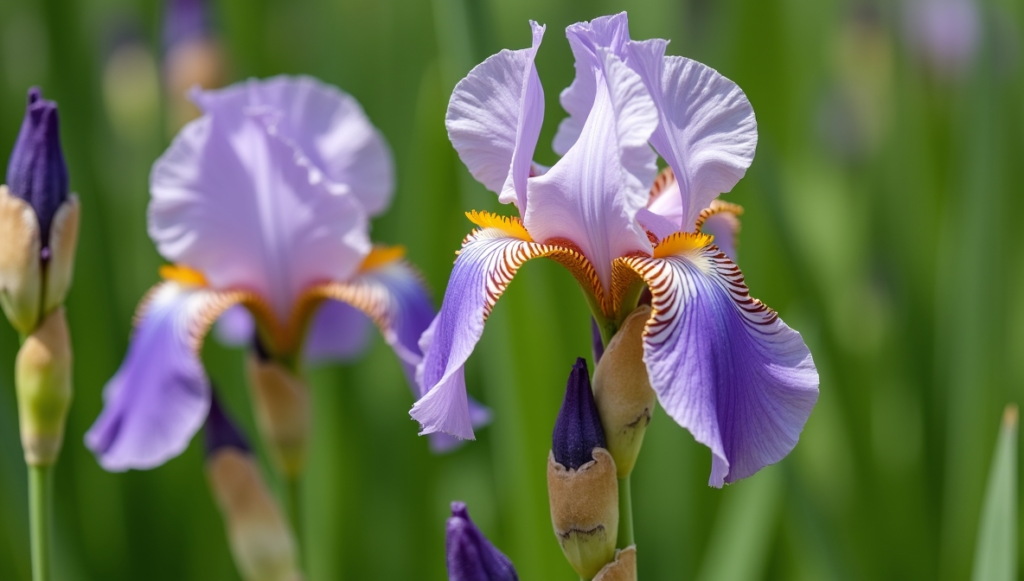
Irises are striking flowers known for their unique shape and bold presence in garden landscapes. Their sword-like leaves and intricate blooms make them a popular choice for borders and decorative planting. Available in a wide range of colors and sizes, irises can bloom from early spring to early summer, depending on the variety. These plants multiply over time, ensuring a fuller display each year. When planting, it’s important to keep their rhizomes close to the soil surface rather than burying them too deeply. Irises thrive in full sunlight and also attract pollinators like bees and hummingbirds, adding life and movement to your garden.
Forsythia
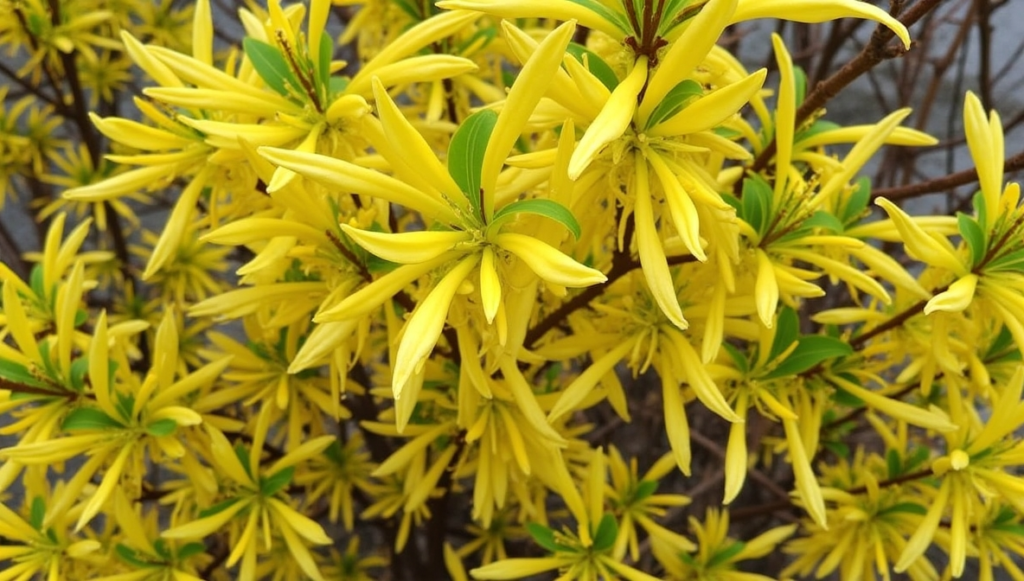
Forsythia shrubs are known for their bright yellow blossoms that appear early in the spring, often before the leaves emerge. These fast-growing plants are ideal for adding a bold splash of color to outdoor spaces after winter. They are low-maintenance and can grow quite large, making them suitable for hedges or standalone features. Planting them in a sunny location during the fall helps ensure strong growth and vibrant blooms. Forsythia also attracts beneficial insects such as bees and butterflies, making it a great addition for those who want to support pollinators while enhancing their garden’s appearance.
Azalea
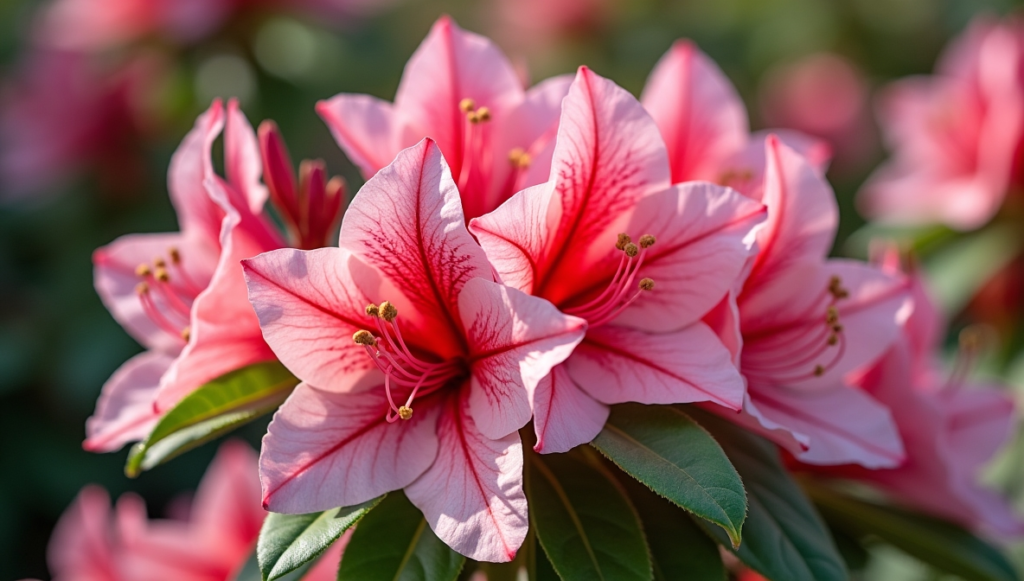
Azaleas are popular flowering shrubs admired for their vibrant and eye-catching blooms. Their trumpet-shaped flowers come in a wide range of colors, including pink, red, white, and lavender. These plants can be used in various ways, from hedges to container gardening, making them highly versatile. Azaleas prefer partial shade and well-drained soil, and they can be planted in either spring or fall. While they are beautiful additions to any landscape, it’s important to note that they can be toxic if ingested, so care should be taken when planting them around pets or children. With proper care, azaleas offer a stunning seasonal display.
Lilac
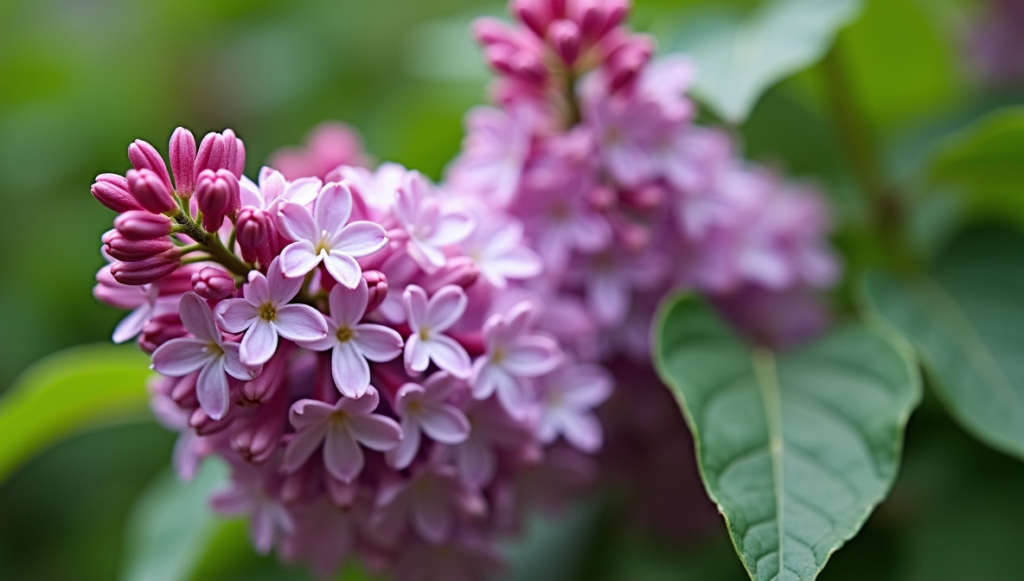
Lilacs are beloved for their fragrant, cone-shaped clusters of small flowers that evoke a classic garden atmosphere. These hardy shrubs are long-lasting and require minimal maintenance, making them ideal for both beginner and experienced gardeners. Available in shades of purple, pink, white, and even yellow, lilacs can suit a variety of garden styles. They grow best in full sunlight and should be planted in early spring or fall. Their strong fragrance attracts pollinators, especially bees, adding both scent and activity to your outdoor space. Once established, lilacs can thrive for many years, becoming a cherished feature in any garden.
Diascia
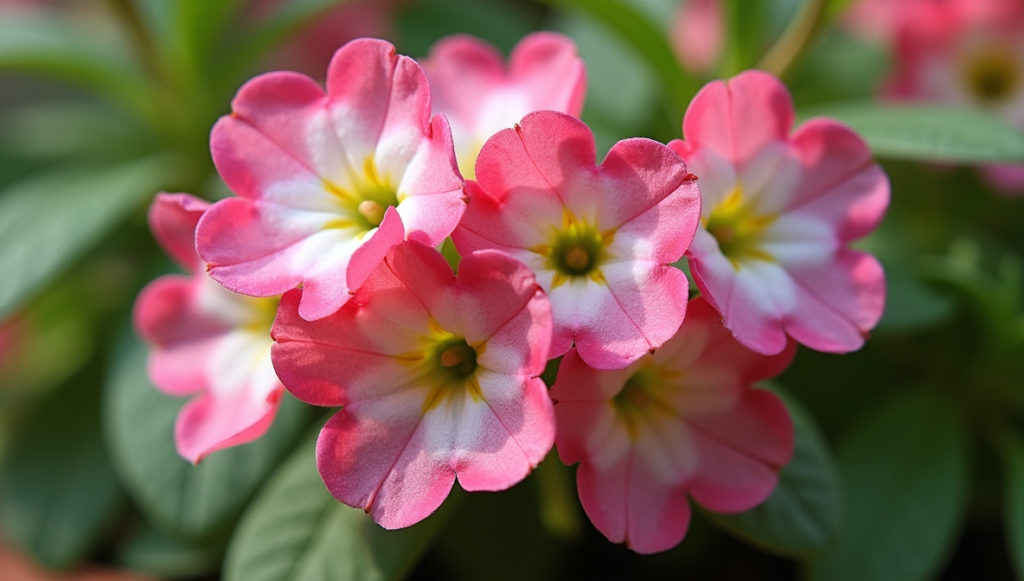
Diascia is a delicate and versatile flowering plant that works especially well in hanging baskets and containers. Its trailing growth habit allows it to spill gracefully over edges, creating a soft and flowing look. The flowers come in various shades of pink, from pale blush to deeper rose tones, and they bloom continuously from late spring through autumn. Diascia prefers a sunny location and well-drained soil, and it requires minimal care to maintain its appearance. Its long blooming period makes it an excellent choice for adding consistent color and charm to patios, balconies, and garden spaces.
Magnolia
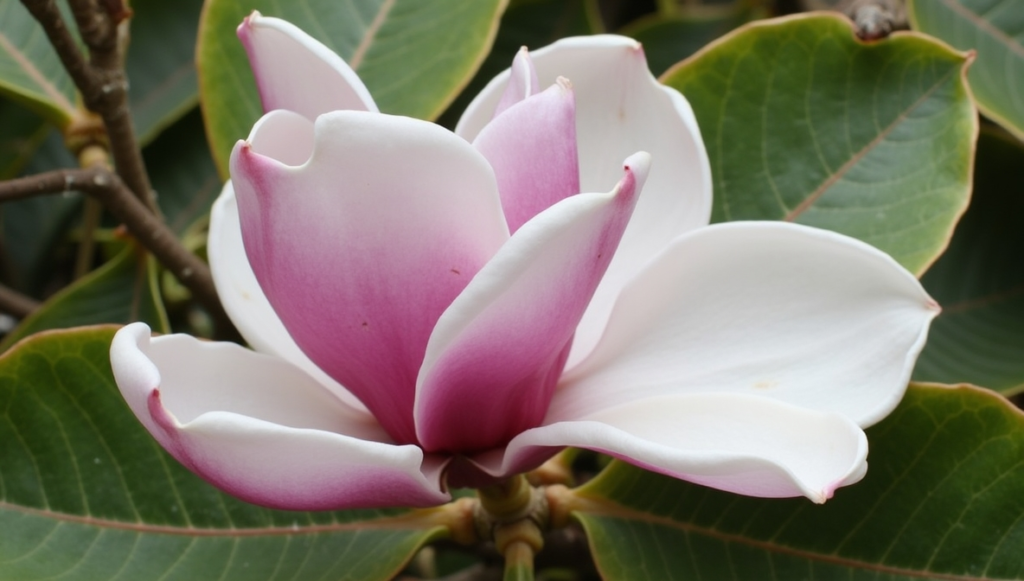
Magnolia trees are known for their large, elegant blossoms that can appear as early as late winter, depending on the variety. These trees offer a dramatic and beautiful display, with flowers ranging in color from white to pink and purple. Magnolias can be either evergreen or deciduous, so it’s important to choose a type suited to your climate. Because they can grow quite large and spread widely, they need ample space to thrive. Planting them in a well-lit area with room for expansion ensures healthy growth. Magnolias are perfect for gardeners looking to make a bold and lasting statement.
Wallflower
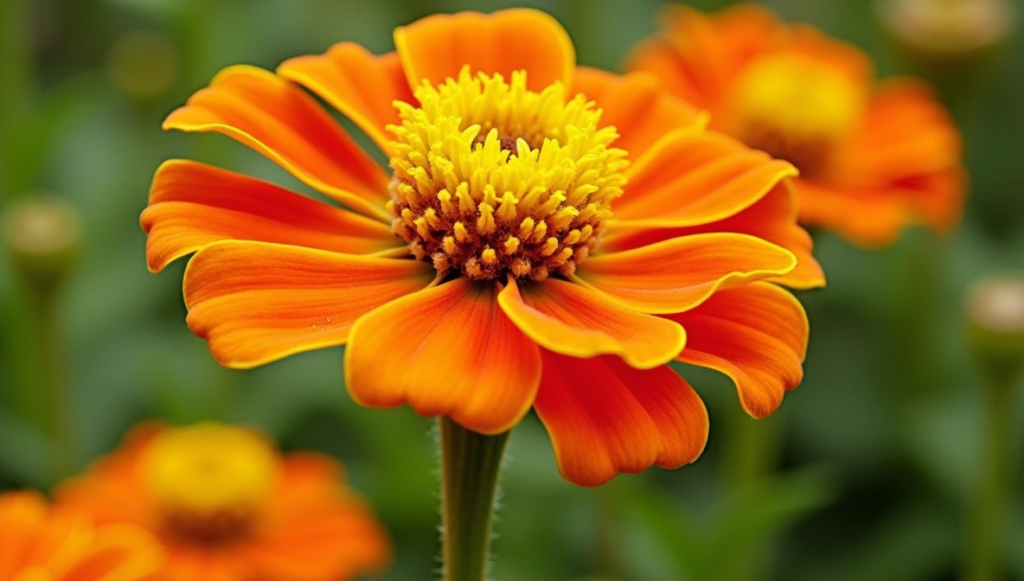
Wallflowers are easy-to-grow plants that produce fragrant blooms in a variety of warm colors. They are a great choice for gardeners who want reliable flowers without too much effort. These plants thrive in sunny locations with well-drained soil and can be planted several weeks before the last frost. Wallflowers are ideal for borders, containers, or mixed garden beds, where they add both color and scent. Their ability to grow in different conditions makes them a flexible option for many garden styles. With minimal care, wallflowers can provide a steady display of blooms throughout the season.
Snowdrop
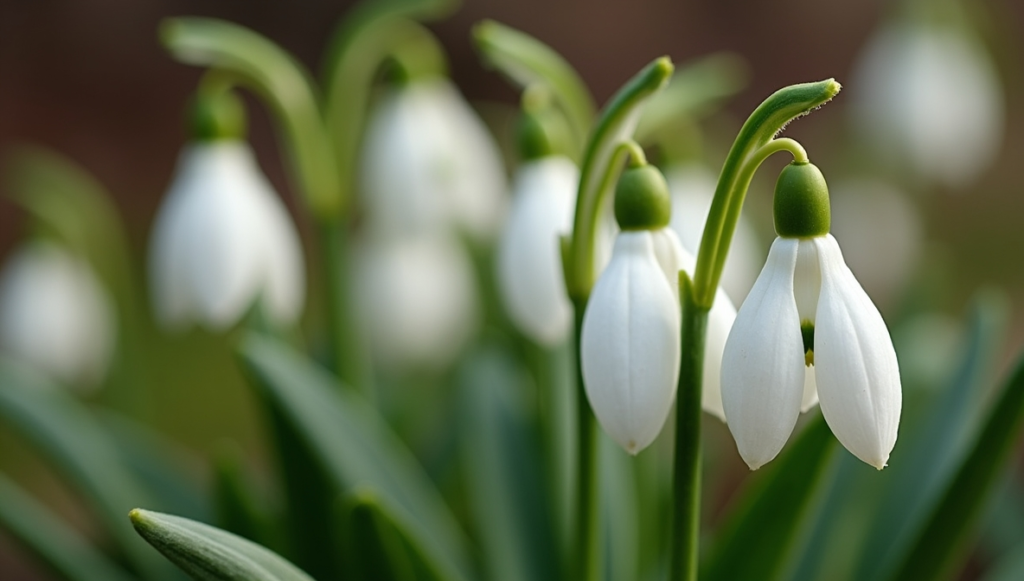
Snowdrops are one of the earliest blooming flowers of the year, often appearing while traces of winter still linger. Their small, white, drooping blossoms symbolize hope and renewal. These hardy plants are incredibly easy to care for and can grow in a variety of environments, including shaded areas. Snowdrops are typically planted in the fall and will return year after year with little maintenance. They are perfect for naturalizing in lawns, under trees, or along pathways. Their early appearance and gentle beauty make them a favorite among gardeners who appreciate subtle, seasonal changes.
Bluebell
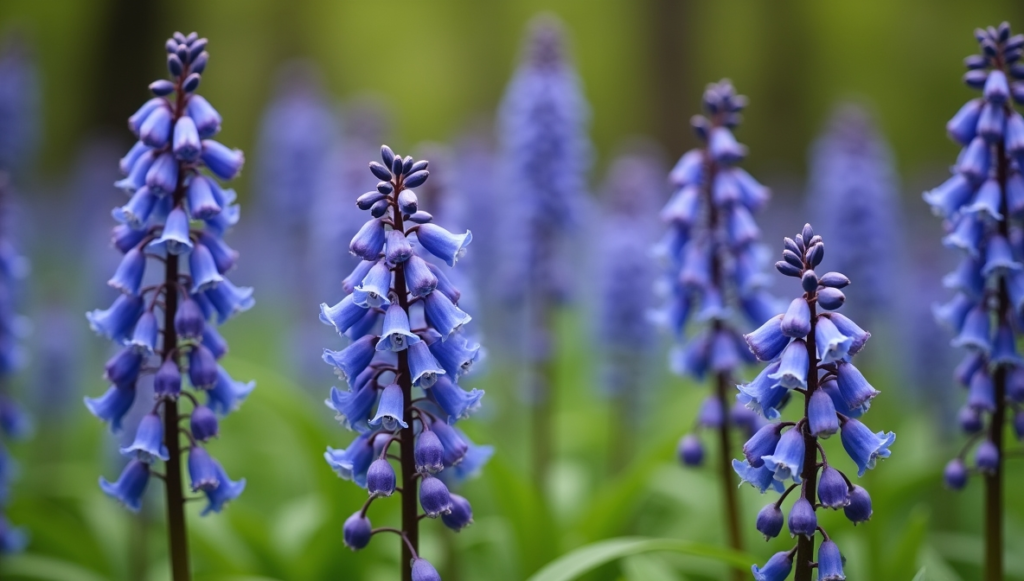
Bluebells are a clear sign that spring is in full swing, with their vibrant blue-violet flowers creating a striking visual display. These plants often grow in clusters, forming beautiful carpets of color in gardens and woodland areas. In addition to their visual appeal, bluebells are also excellent for cutting and arranging in bouquets. They thrive in partial shade and well-drained soil, making them suitable for a variety of garden settings. Once established, bluebells can spread naturally, creating a lush and enchanting atmosphere that enhances any outdoor space.
Forget-Me-Not
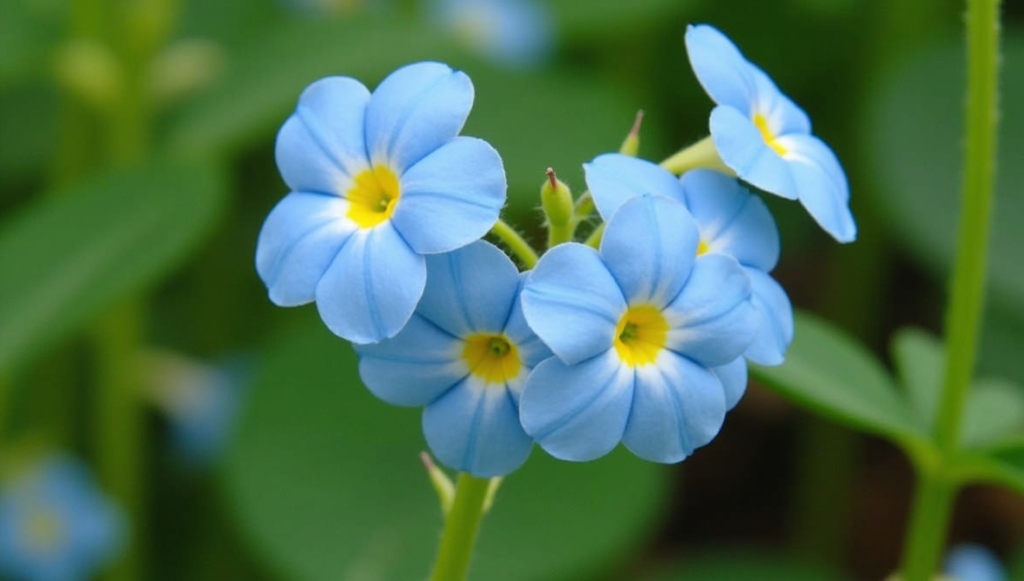
Forget-me-nots are small, delicate flowers known for their soft blue color and charming appearance. These plants spread easily and can quickly fill garden spaces with their gentle blooms. They are especially attractive to butterflies, adding movement and life to your garden. Forget-me-nots prefer cool conditions and partial shade, making them ideal for spring planting. Their ability to reseed themselves means they often return year after year without much effort. These flowers are perfect for creating a natural, cottage-style garden with a soft and romantic feel.
Foxglove
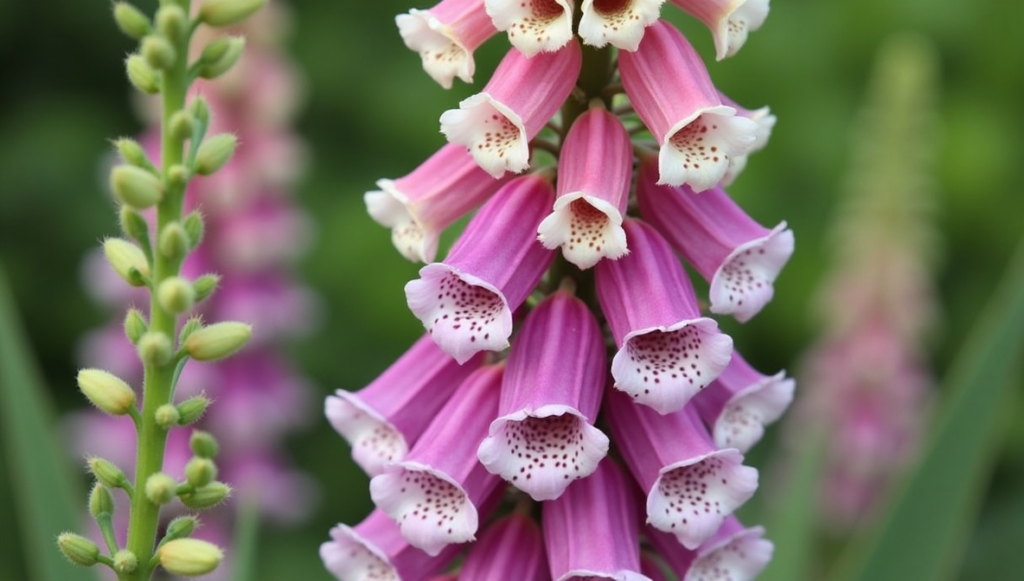
Foxglove is a tall and striking plant that produces tubular flowers in shades of pink, purple, and white, often with speckled patterns inside. These blooms grow along tall spikes, making them stand out in any garden setting. Foxgloves typically bloom in their second year, but their impressive display makes the wait worthwhile. They thrive in partial shade and well-drained soil and can add height and structure to garden beds. While beautiful, foxgloves should be handled with care, as they can be toxic if ingested. Their dramatic appearance makes them a favorite among gardeners seeking bold design elements.
Peony
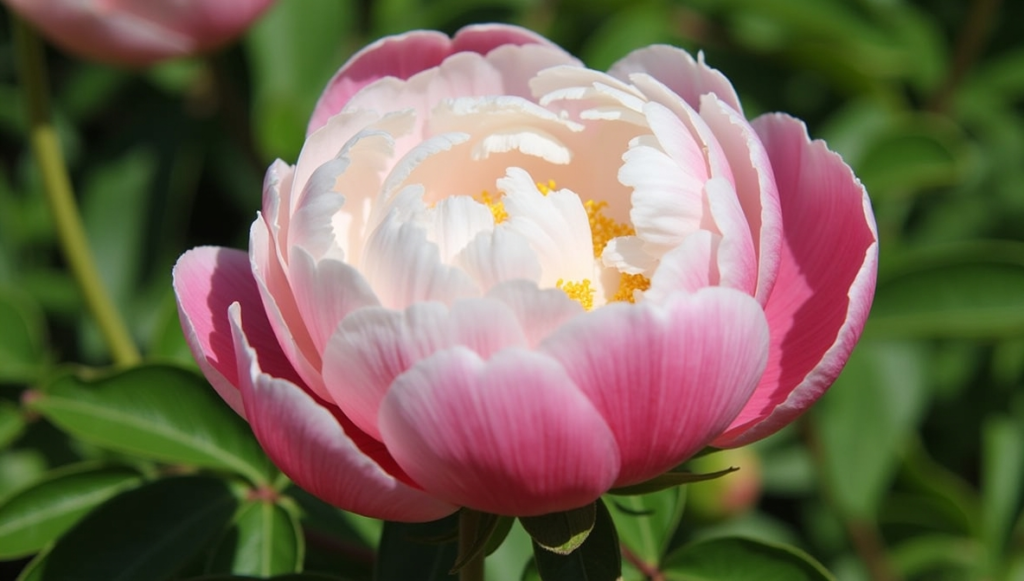
Peonies are often considered one of the most elegant spring flowers, known for their large, fragrant blooms and lush appearance. These plants can live for many years and become more beautiful with time. Their flowers come in a variety of colors, including white, pink, and deep red, and they are often used in floral arrangements. Peonies prefer sunny locations and well-drained soil, and once established, they require minimal care. Their rich fragrance and full blossoms make them a standout feature in any garden, offering both beauty and longevity.
Columbine
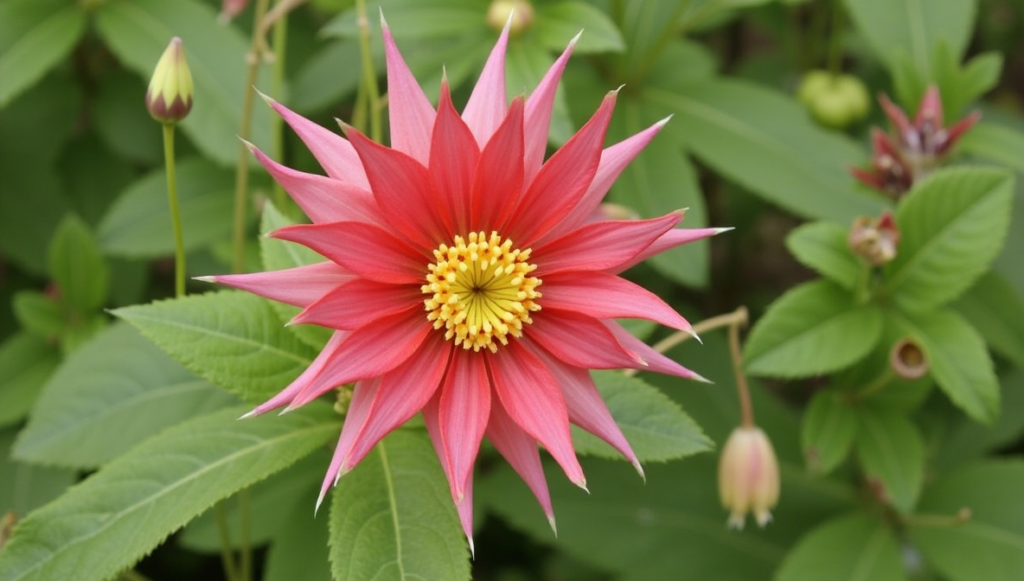
Columbine flowers are known for their unique shape and delicate, airy foliage. These perennials bloom in late spring and come in a variety of vibrant colors, including pink, purple, red, and coral. Their unusual appearance adds visual interest to garden spaces, especially when combined with other plants. Columbines thrive in partial sunlight and well-drained soil, making them a versatile choice for different garden conditions. They also attract pollinators like bees and hummingbirds, enhancing the ecological value of your garden while adding charm and diversity.
Snowflake
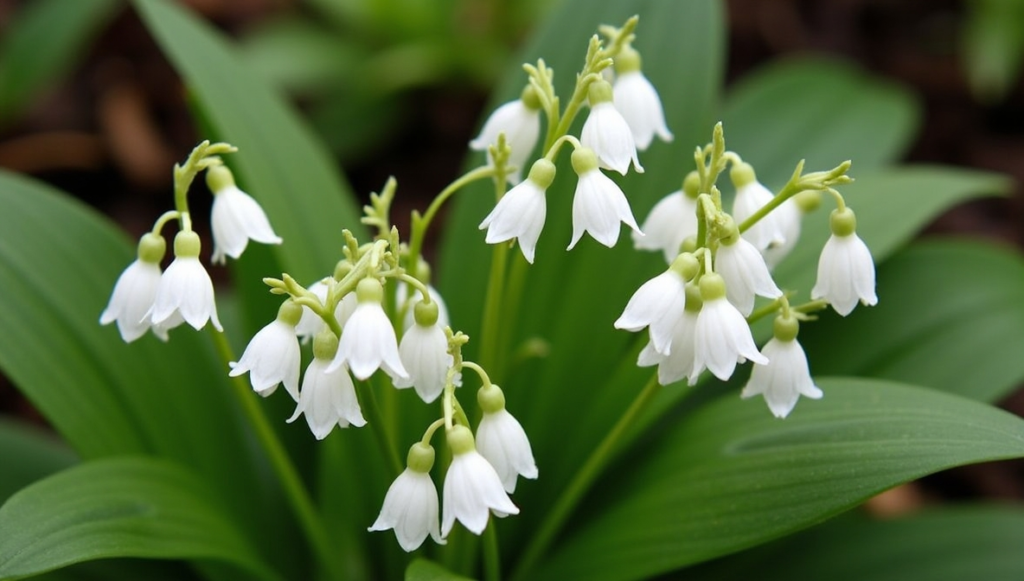
Snowflake plants, also known as leucojum, produce clusters of small, bell-shaped flowers that resemble delicate droplets. They bloom generously and create a soft, airy effect in garden beds. These plants are highly adaptable and can grow in a range of soil types and light conditions, from partial shade to full sun. Snowflakes are also resistant to pests, making them a low-maintenance option for gardeners. Their ability to naturalize means they can spread over time, creating a gentle and continuous display of blooms that enhance the overall landscape.
Flowering Quince
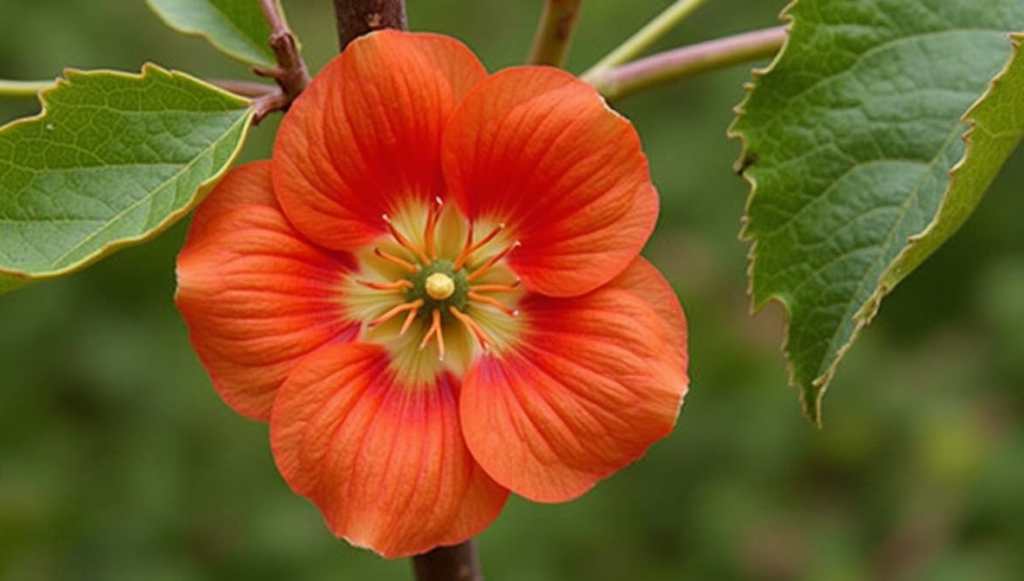
Flowering quince is a versatile shrub that offers both beauty and practicality. Its vibrant blooms, which come in shades of red, orange, pink, and white, appear in early spring and last for several weeks. After flowering, the plant produces small fruits that can be used in cooking, particularly for making jellies. This dual-purpose nature makes it a valuable addition to any garden. Flowering quince thrives in sunny locations and is relatively easy to care for. Its bright blossoms and useful fruit make it a unique and rewarding choice for gardeners.
Pansy
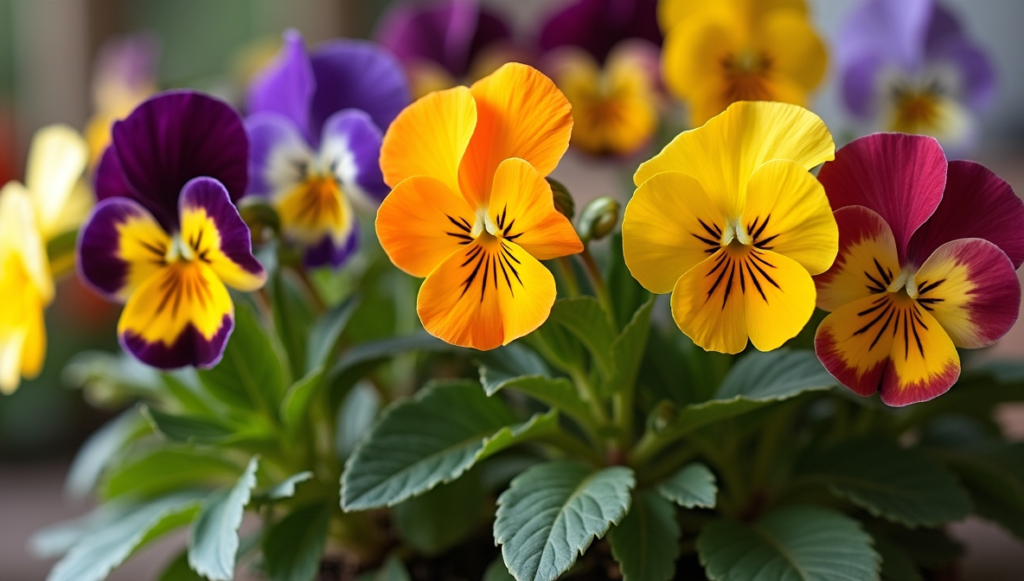
Pansies are cheerful, colorful flowers that can brighten up gardens even in cooler weather. Available in a wide range of colors, they are perfect for adding early-season interest. These hardy annuals can tolerate light frost and continue to bloom when many other plants are not yet active. Pansies prefer sunny spots and well-drained soil, and they perform best in cooler temperatures. While they may fade during the heat of summer, some varieties can return in the fall. Their versatility and vibrant appearance make them a popular choice for gardens, containers, and borders alike.