
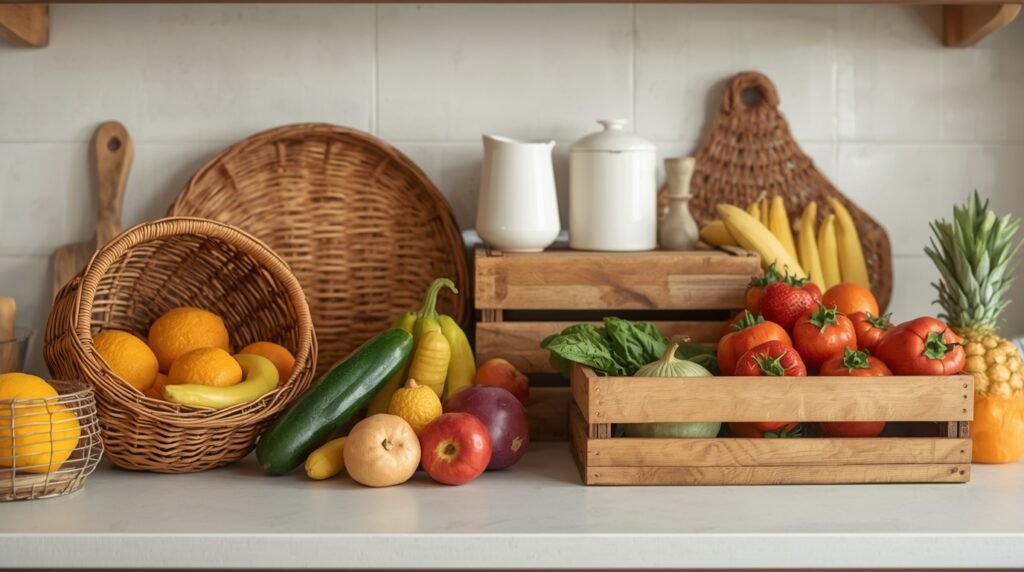
Keeping fruits and vegetables fresh while maintaining a tidy kitchen starts with smart, practical storage solutions. The right setup not only extends freshness but also makes your space look more organized and inviting. From woven baskets and tiered countertop racks to pull-out pantry drawers and hanging wire bins, there are plenty of ways to store produce efficiently.
Proper airflow and separation of ethylene-producing fruits can also help reduce spoilage. Fruit and vegetable storage ideas that blend function with style can transform your kitchen into a cleaner, more efficient space where everything is easy to see, reach, and enjoy daily.
Tiered Fruit Bowl Display for Space-Efficient Fresh Storage
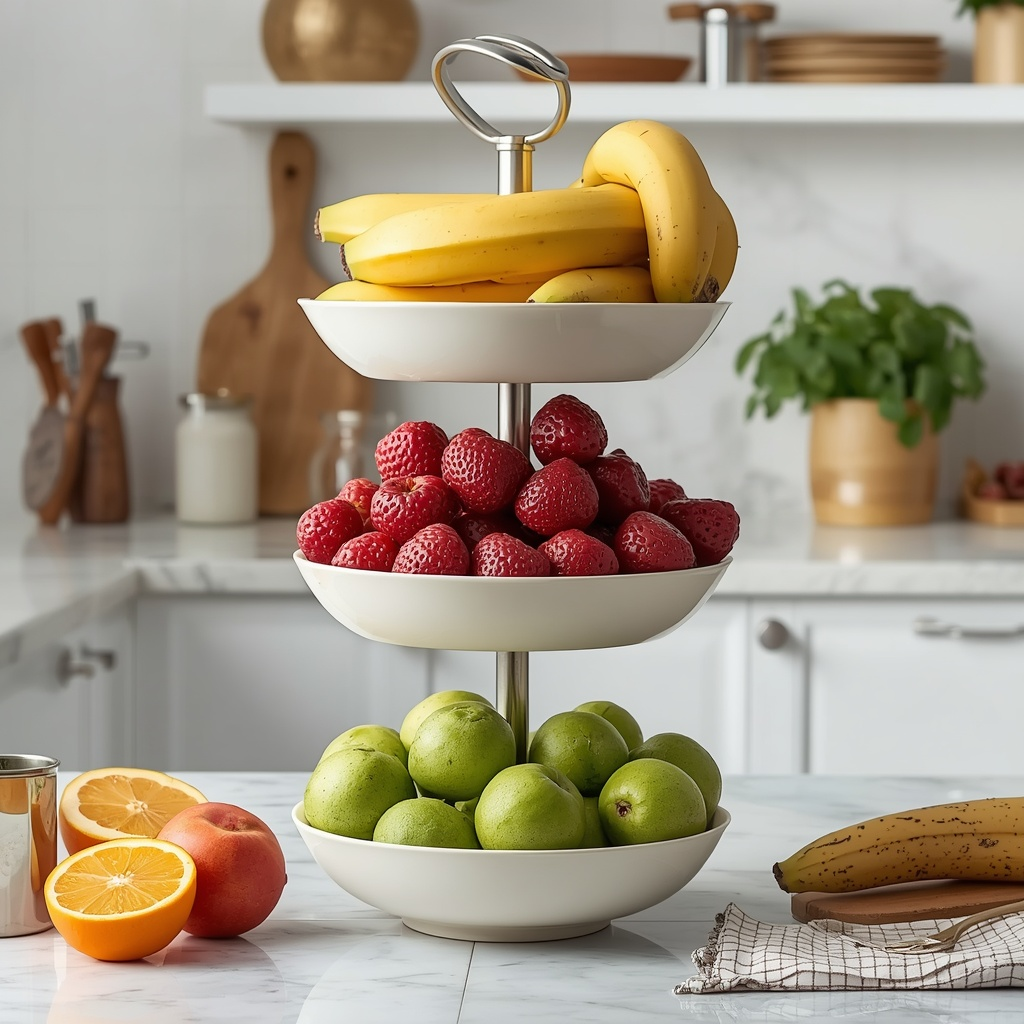
A tiered fruit bowl is one of the most efficient and visually appealing ways to store fresh fruit at room temperature. By stacking levels vertically, it maximizes storage capacity while taking up minimal counter space. This design also improves airflow between fruits, helping reduce premature spoilage. Each tier can be used strategically, placing ripe fruit on the lower level for quick access and firmer fruit above to ripen gradually.
The structure naturally supports better organization and visibility, making it easier to monitor freshness at a glance. It also turns everyday produce into a decorative kitchen feature, adding color and vibrancy to the countertop.
A useful practice is to keep bananas separate from other fruit using a dedicated hook. Since bananas release high levels of ethylene gas, isolating them helps prevent faster ripening of surrounding produce and extends overall freshness.
Open Wire Basket Storage for Maximum Air Circulation
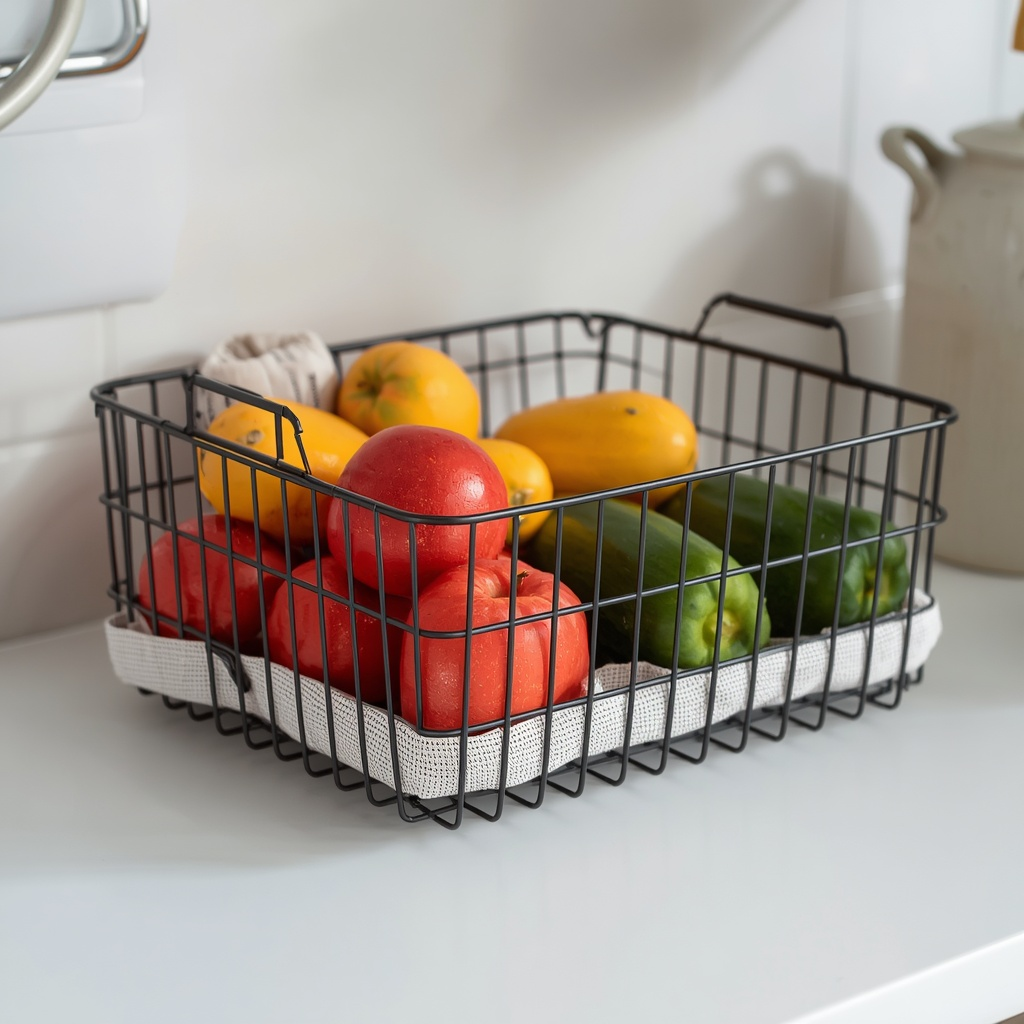
Open wire baskets offer a highly practical and breathable storage solution for fruits and vegetables. Whether wall-mounted, hanging, or placed on countertops, their open structure allows constant airflow, which helps reduce moisture buildup and slows down spoilage. This makes them particularly effective for produce that benefits from room-temperature storage.
Their transparency also improves visibility, ensuring that nothing gets forgotten or hidden at the bottom. This helps reduce food waste and supports more efficient kitchen use.
A simple improvement is to line the base with newspaper rather than fabric. Newspaper absorbs excess moisture and can be replaced easily, maintaining a dry environment that supports longer-lasting freshness.
Organized Refrigerator Produce Drawers for Better Freshness Control
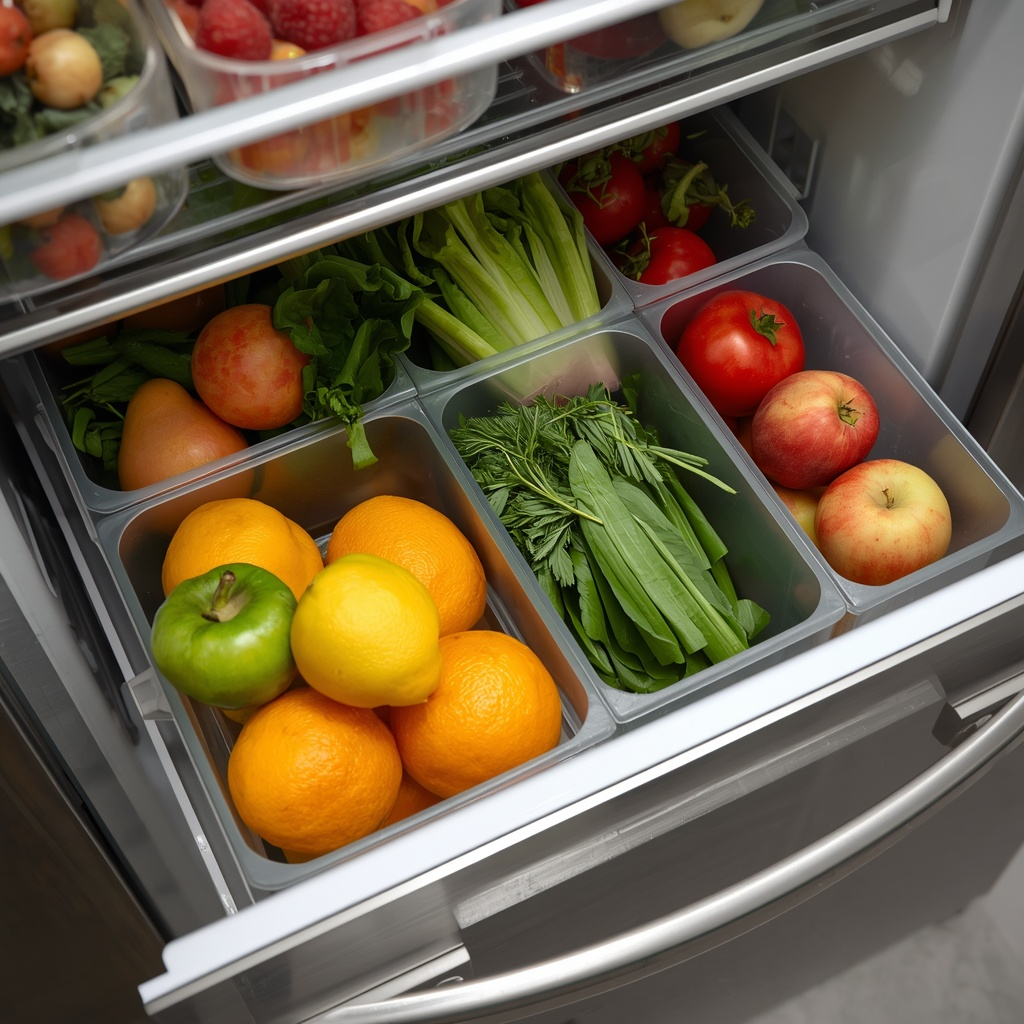
The refrigerator produce drawer is one of the most important storage zones in the kitchen, yet it is often poorly organized. Introducing structured compartments helps separate different types of produce, such as leafy greens, herbs, and soft fruits. This prevents items from being buried and forgotten, reducing unnecessary spoilage.
Clear organization also improves airflow and makes it easier to maintain consistent freshness levels across different food types. Small containers or dividers can significantly improve usability and efficiency.
Lining the drawer with paper towels is a simple but effective method for controlling excess moisture. Replacing this lining regularly helps prevent the damp conditions that commonly lead to wilted greens and food waste.
Hanging Produce Bags for Flexible Kitchen Storage
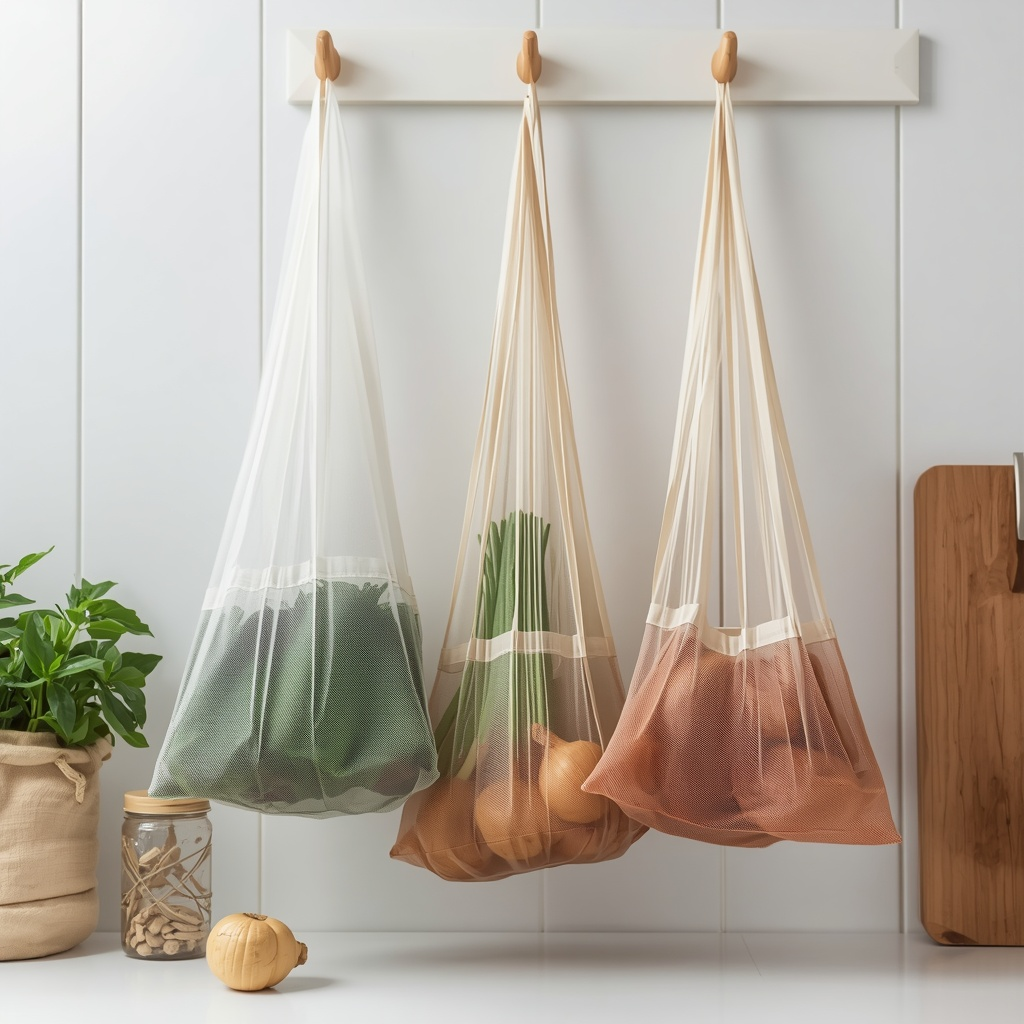
Hanging produce bags provide a flexible and space-saving storage method for fruits and vegetables. Made from breathable materials such as cotton or mesh, these bags allow air to circulate freely while keeping produce off countertops. This helps maintain cleanliness while supporting longer shelf life for stored items.
Their suspended design also helps free up valuable kitchen surfaces, making them ideal for smaller kitchens or busy food preparation areas. Multiple bags can be used to separate different types of produce easily.
It is important to store certain foods separately, especially onions, garlic, and potatoes. Keeping them in individual bags prevents cross-contamination of gases and moisture that can accelerate spoilage.
Wooden Crate Storage for Root Vegetables
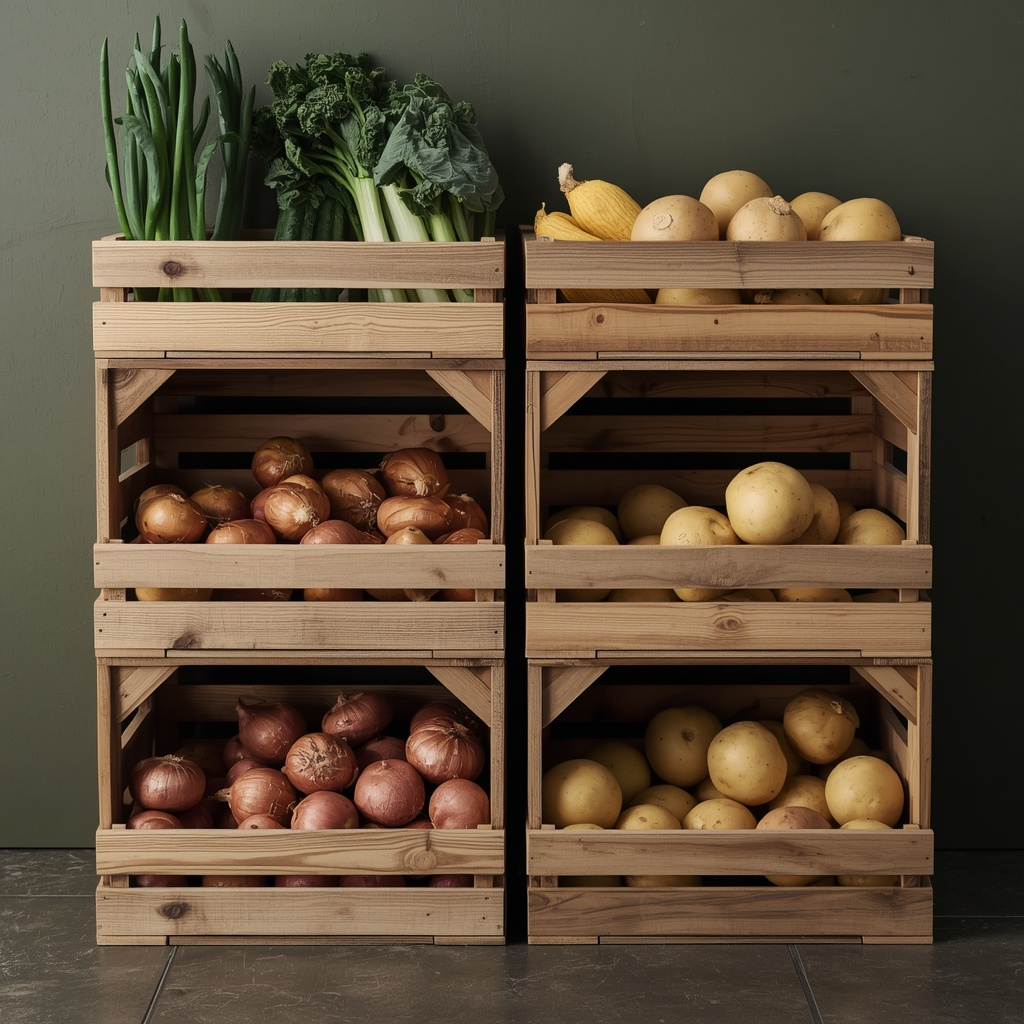
Wooden crates are a practical and visually rustic solution for storing root vegetables such as potatoes, onions, and squash. Their open-slatted design allows airflow while accommodating bulk storage, making them ideal for households that buy produce in larger quantities.
Stackable crates also help maximize vertical storage space in pantries or kitchen corners. This creates an organized system that is both functional and aesthetically pleasing.
Potatoes in particular should be stored in dark conditions to prevent greening. Using covered crates or placing them in shaded areas helps preserve quality and extends their usable shelf life significantly.
Herb Storage Jars for Longer Freshness
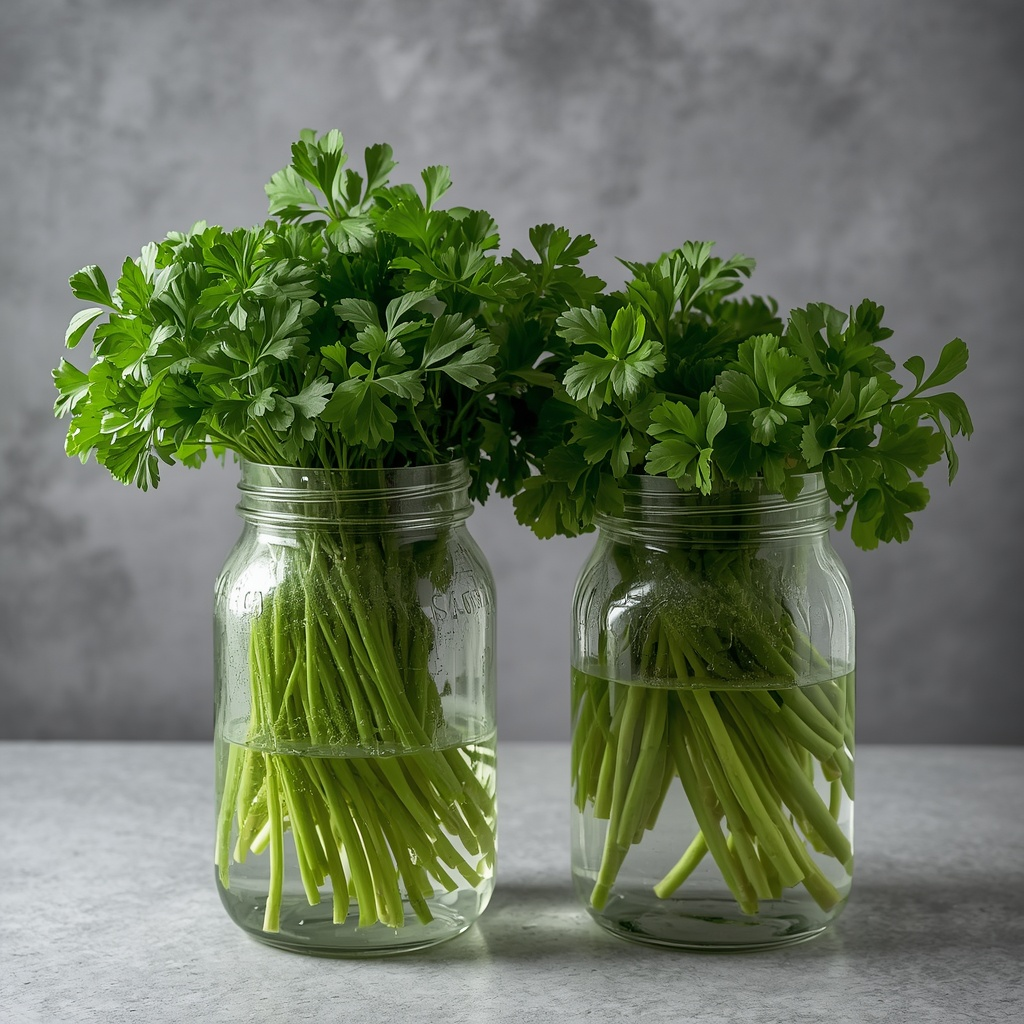
Storing fresh herbs in jars of water is a simple yet highly effective preservation method. Similar to flowers in a vase, this approach keeps herb stems hydrated while maintaining freshness for longer periods. Covering the tops loosely helps create a humid environment that slows wilting.
This method is especially useful for herbs like parsley, cilantro, and basil, which tend to deteriorate quickly when stored loosely in the refrigerator. Proper hydration keeps them vibrant and ready for use.
Changing the water every few days and trimming the stems regularly ensures maximum freshness. These small maintenance steps significantly extend herb usability compared to standard storage methods.
Ventilated Vegetable Crisper Containers
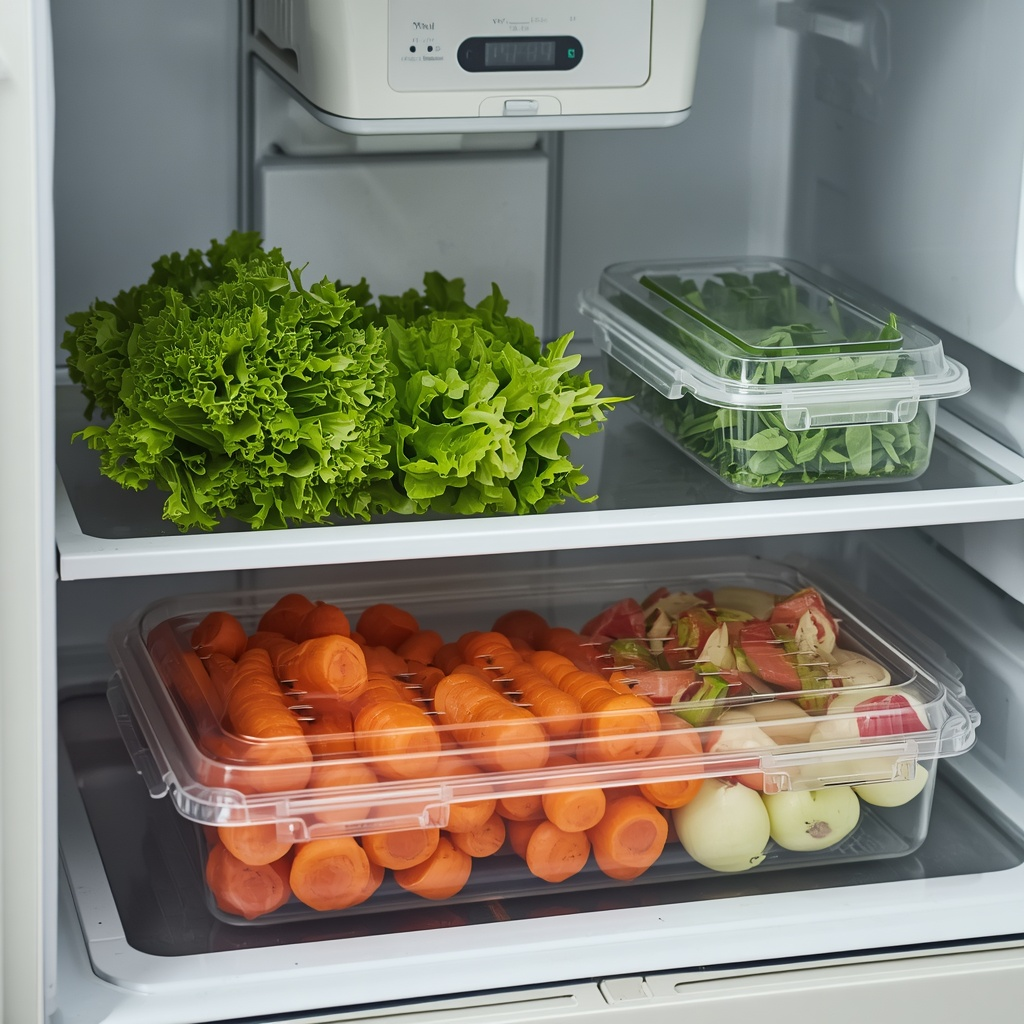
Specialized crisper containers are designed to improve the storage conditions of fresh vegetables in the refrigerator. With adjustable ventilation and moisture control features, they create an optimal environment for leafy greens, carrots, and similar produce.
These containers help regulate humidity levels, which is essential for maintaining texture and preventing spoilage. Different vegetables require different conditions, and adjustable systems make it easier to meet those needs.
Washing and thoroughly drying produce before storage improves performance further. Removing excess moisture reduces bacterial growth and helps maintain crispness for longer periods.
Ceramic Vegetable Crocks for Countertop Storage
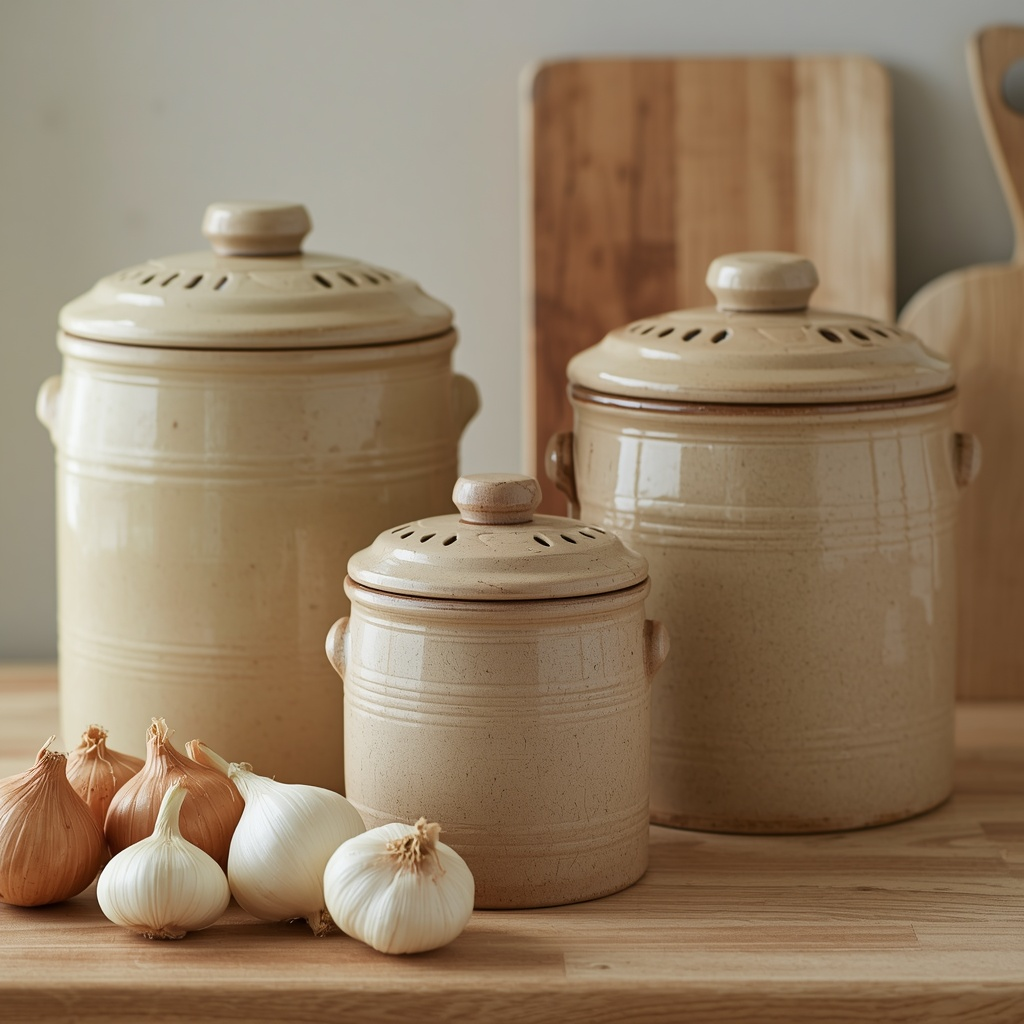
Ceramic crocks provide a traditional yet highly effective way to store vegetables on the kitchen counter. Their thick walls help regulate temperature and block light, both of which are important for preserving items like onions, garlic, and shallots.
Their solid construction also adds a decorative, rustic element to kitchen design. These crocks blend practicality with aesthetic appeal, making them suitable for both modern and traditional interiors.
Ventilated lids are essential for maintaining airflow. Without proper ventilation, moisture can build up and accelerate spoilage, reducing the effectiveness of the storage system.
Under-Shelf Hanging Baskets for Hidden Storage Space
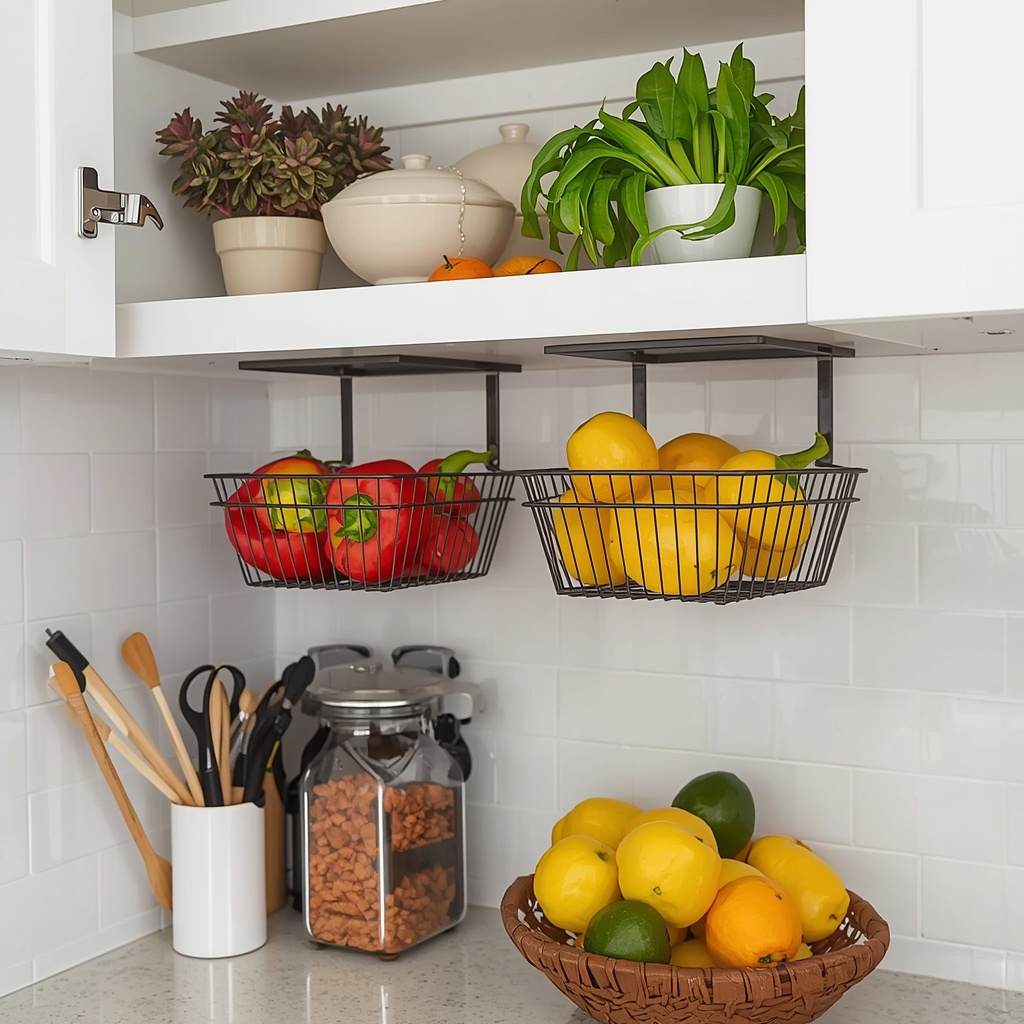
Under-shelf hanging baskets make use of otherwise unused kitchen space by attaching storage beneath existing shelves. This creates additional room for fruits and vegetables without taking up counter or cabinet space.
These baskets are particularly useful for frequently used items that need to remain visible and accessible. They help improve kitchen organization while maintaining a clean and uncluttered surface.
Positioning them at a comfortable height ensures ease of access during cooking. Proper placement enhances usability and encourages consistent use in daily kitchen routines.
Separate Storage for Potatoes and Onions
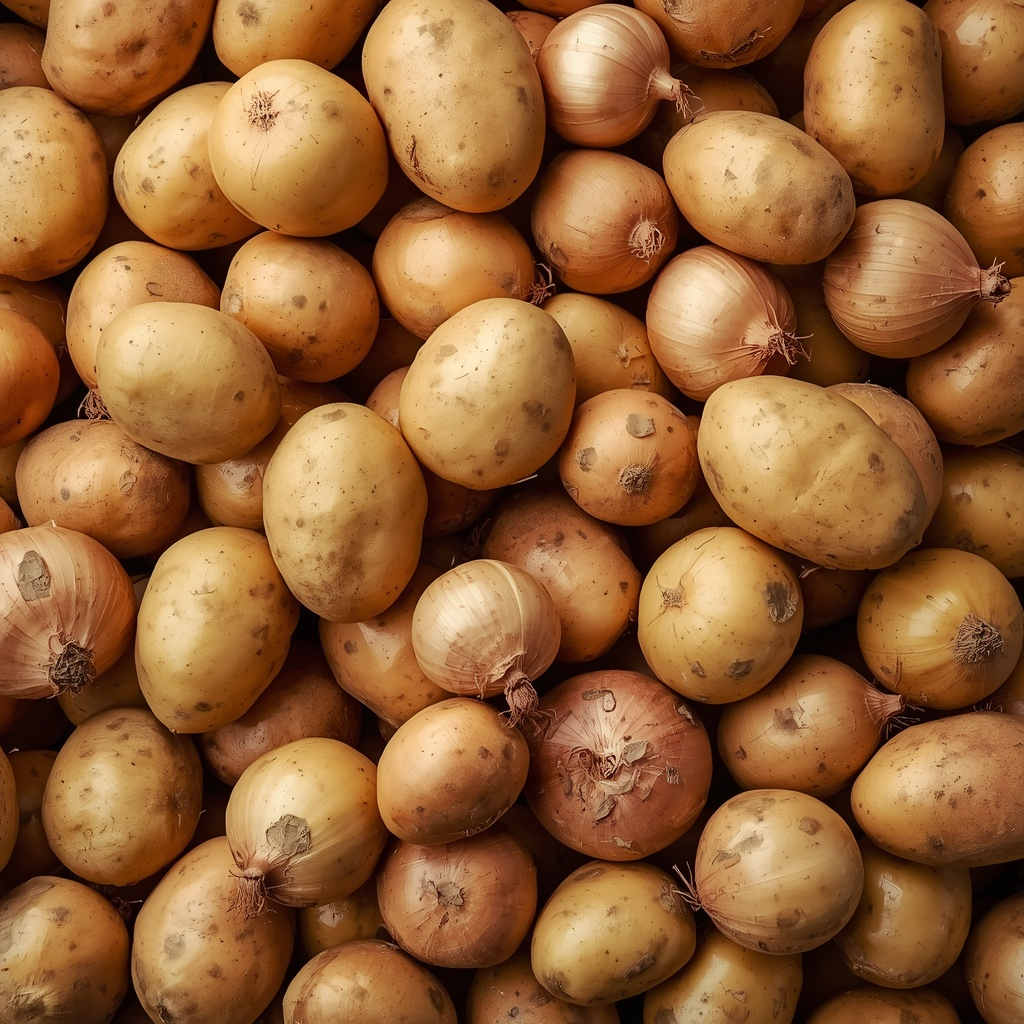
Potatoes and onions should always be stored separately due to their incompatible storage needs. When kept together, gases released by onions can accelerate sprouting in potatoes, while moisture from potatoes can cause onions to spoil more quickly.
Separating them into different containers or storage zones significantly improves shelf life for both. This simple adjustment can reduce food waste and maintain better ingredient quality.
A cool, dark, and dry environment is ideal for both items. Refrigeration is not recommended, as it negatively affects texture and flavor in both vegetables.
Frequently Used Produce in Refrigerator Door Storage
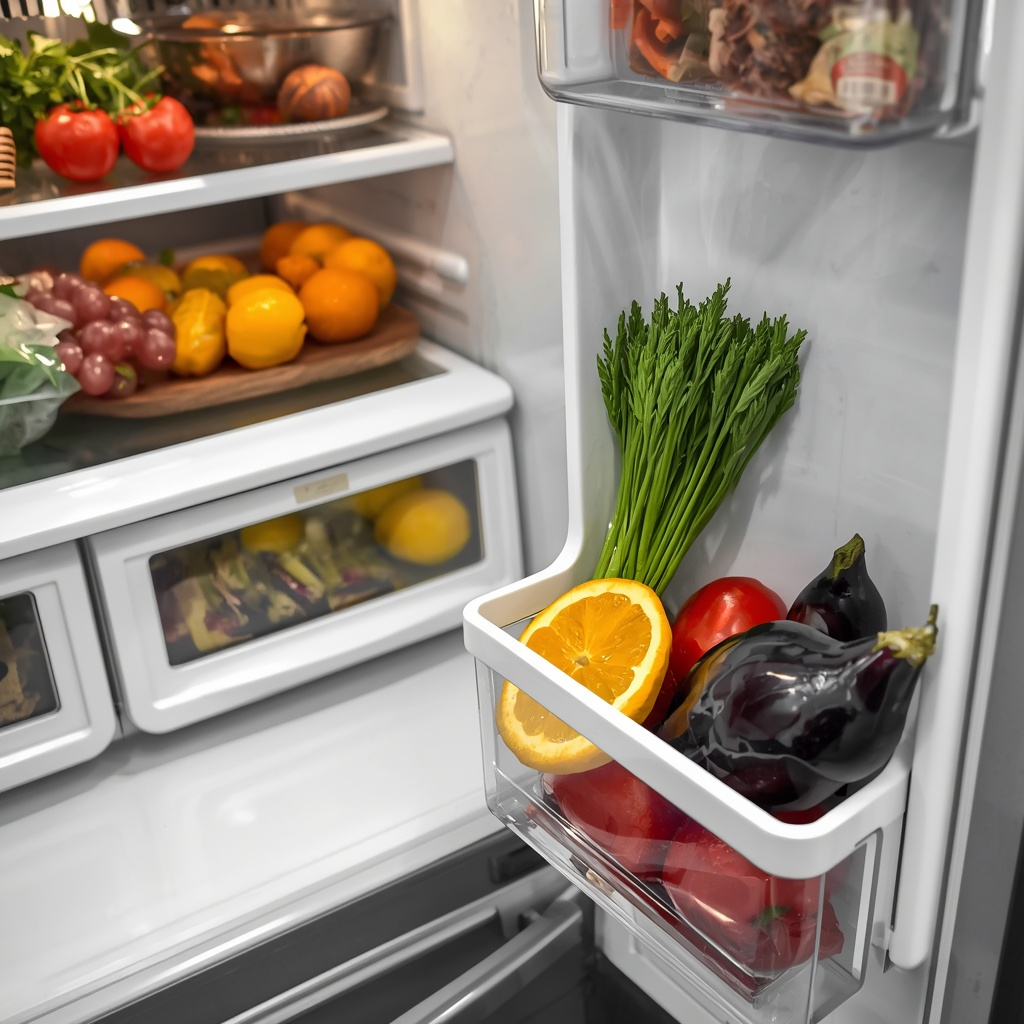
The refrigerator door can be repurposed for storing frequently used fresh produce. While often reserved for condiments, this space is ideal for items such as citrus slices, herbs, or pre-prepared vegetables used regularly in cooking.
This placement makes ingredients more accessible and reduces preparation time during meal preparation. It also encourages more frequent use of fresh produce in everyday cooking.
However, only hardy items should be stored here, as temperature fluctuations in the door are higher than in internal shelves. This ensures both convenience and proper preservation.
Ethylene-Absorbing Refrigerator Inserts for Extended Freshness
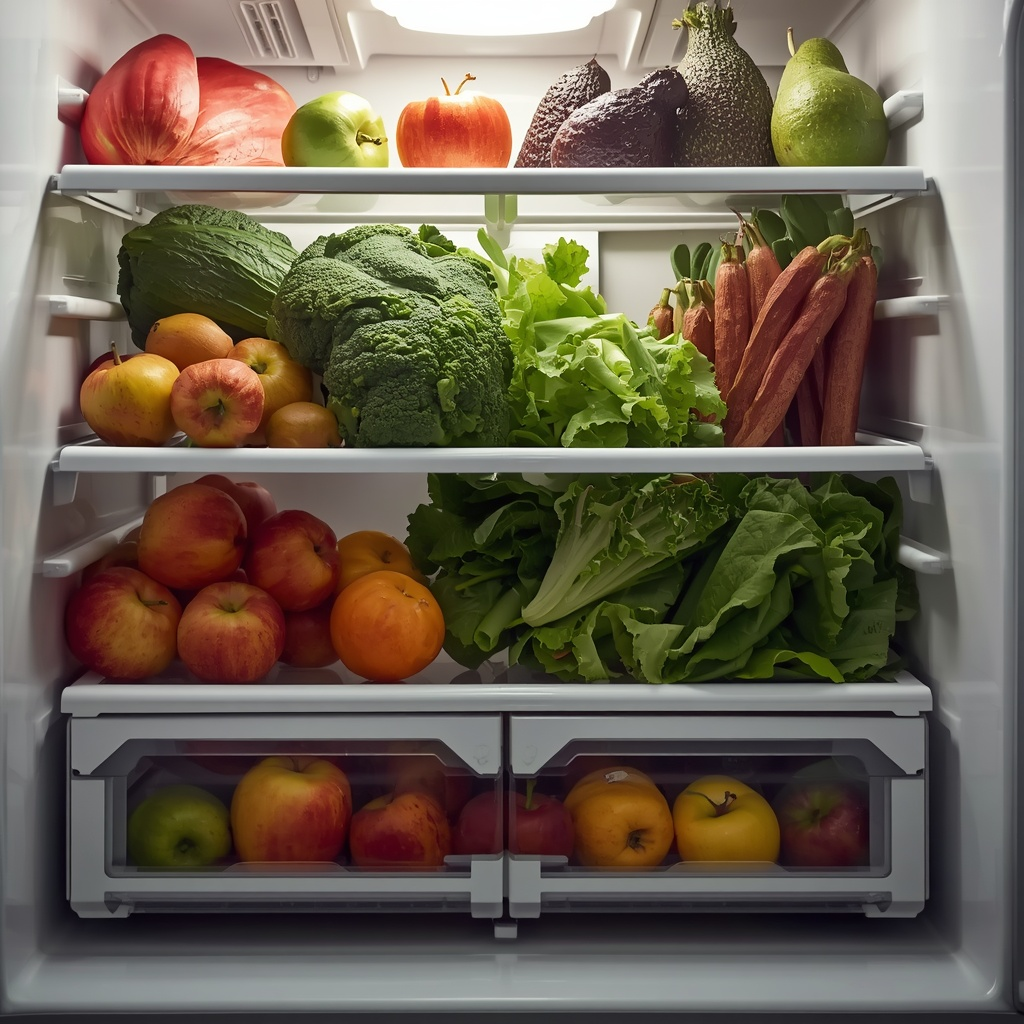
Ethylene-absorbing inserts help slow down the ripening process of fruits and vegetables by reducing the amount of ethylene gas in the refrigerator. This is especially beneficial in mixed produce storage environments where different items release varying levels of gas.
These inserts are particularly effective in extending the freshness of leafy greens stored near high-ethylene fruits like apples and avocados. They help maintain balance within the refrigerator ecosystem.
Regular replacement is important to ensure continued effectiveness. Once saturated, these inserts lose their ability to absorb gas and should be renewed according to manufacturer guidelines.
Produce Washing and Drying Workflow System
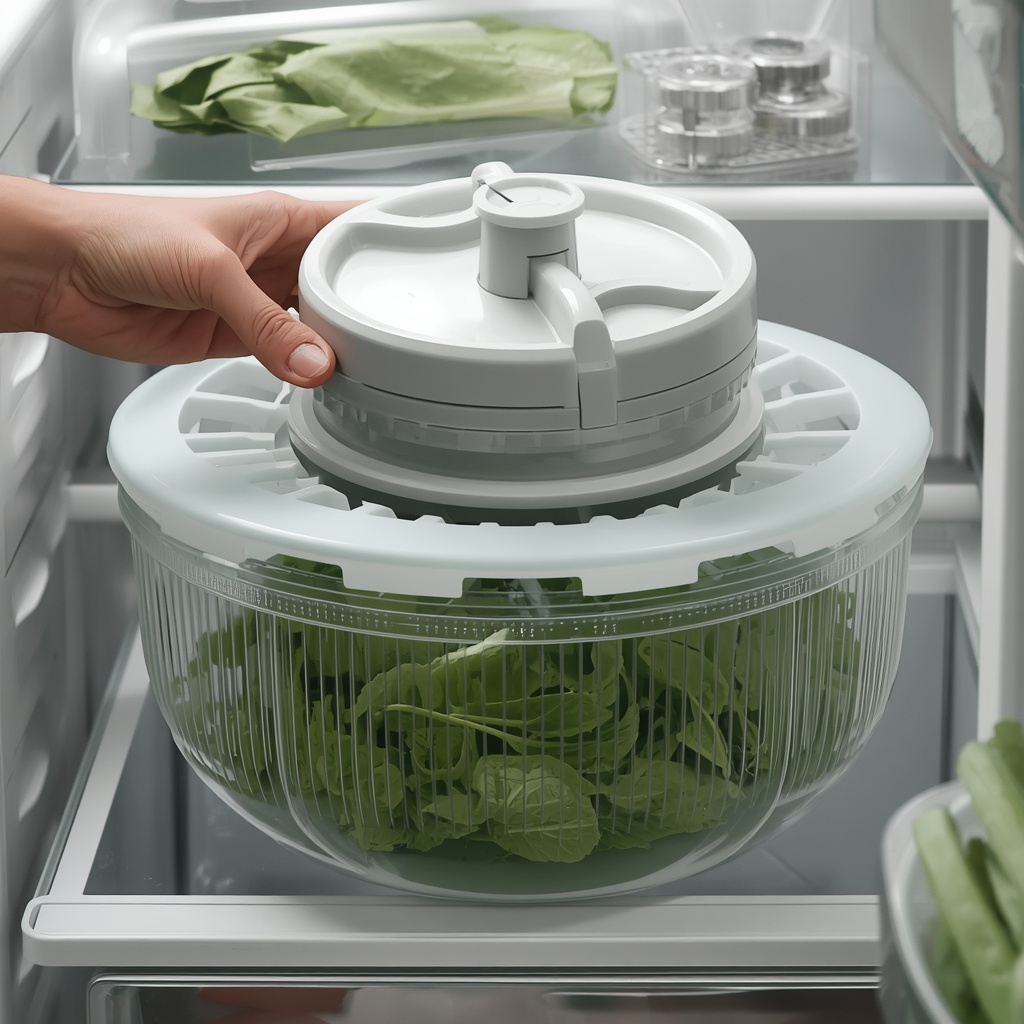
A dedicated washing and drying system improves kitchen efficiency and food safety. Using tools like salad spinners, drying mats, and breathable containers allows produce to be cleaned in advance and stored ready for use.
This approach reduces daily preparation time and encourages healthier eating habits by making fresh ingredients more accessible. It also helps maintain better organization in the refrigerator.
Using a salad spinner with a storage-capable bowl adds convenience, as washed greens can be stored directly in the same container. This minimizes handling and keeps produce fresher for longer.
Structured Refrigerator Zones for Different Produce Types
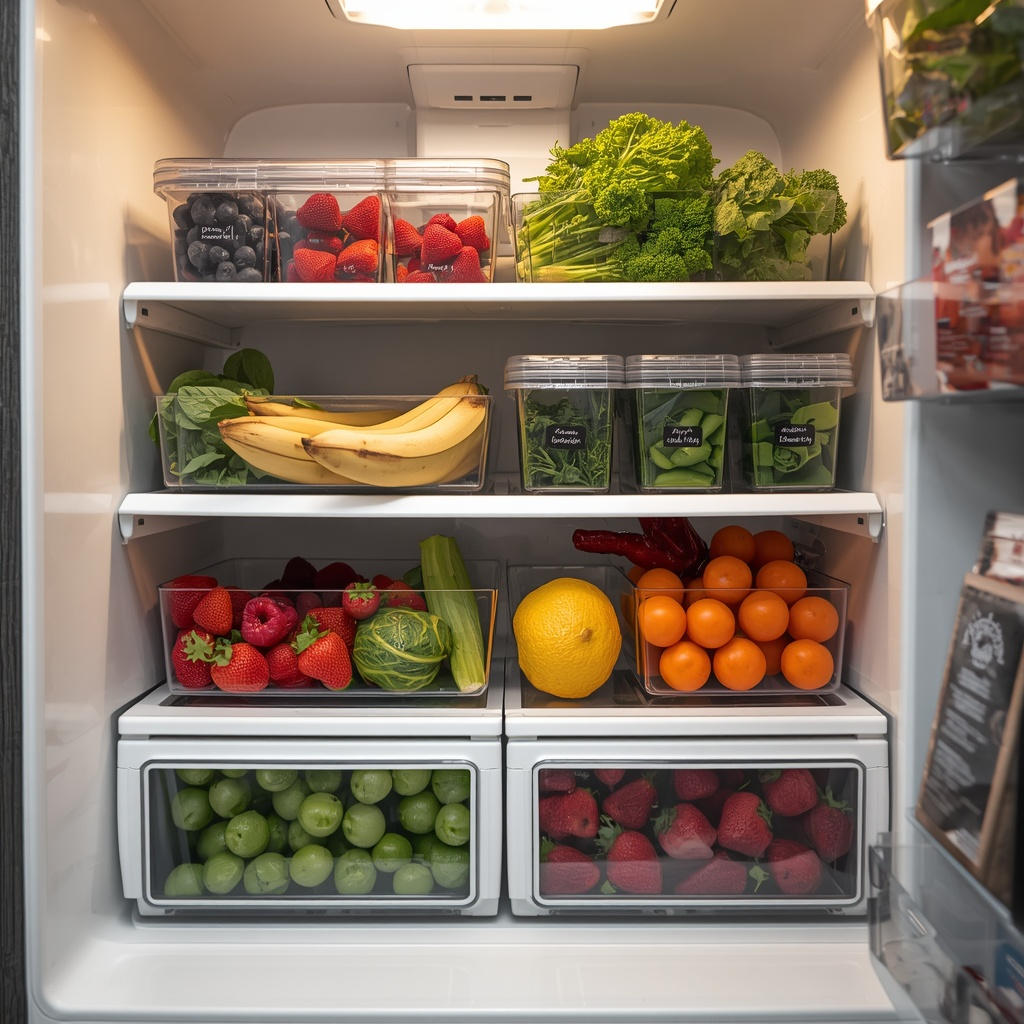
Creating designated zones within the refrigerator improves organization and extends produce freshness. By assigning specific areas for berries, greens, herbs, and other categories, items remain visible and easier to manage.
Clear containers and labeling help maintain order and prevent items from being overlooked. This reduces waste and ensures better tracking of food usage.
Applying a first-in, first-out system further improves efficiency. Older items are kept at the front, ensuring they are used before newer stock, which significantly reduces spoilage.
Wall-Mounted Rail Systems with Hanging Storage Baskets
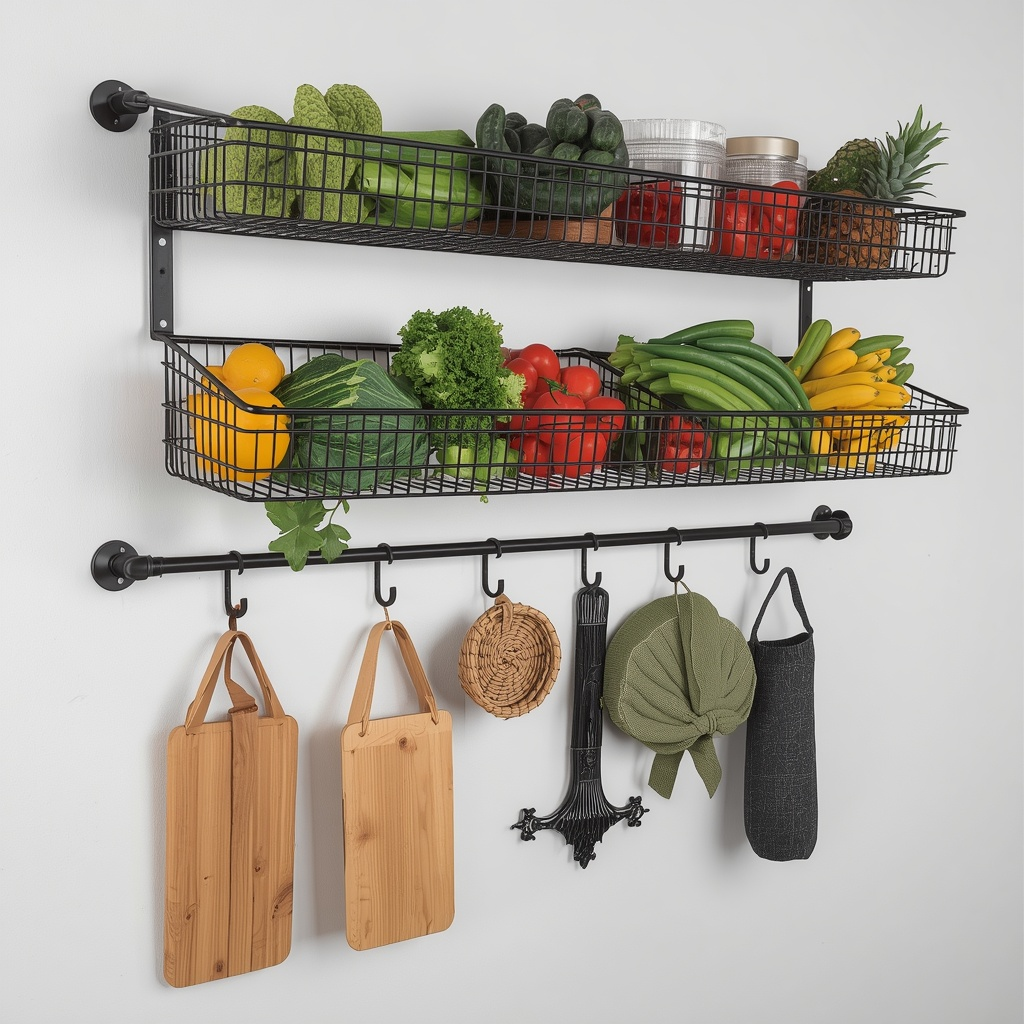
A wall-mounted rail system offers a flexible and highly visible way to store fresh produce. With adjustable hooks, baskets, and containers, it allows storage to be customized based on seasonal availability and household needs.
This system keeps produce off countertops while maintaining easy access during cooking. It also adds a structured, organized look to the kitchen environment.
Because it can be reconfigured easily, it adapts well to changing kitchen habits. This makes it both a practical and long-term storage solution for modern homes.