
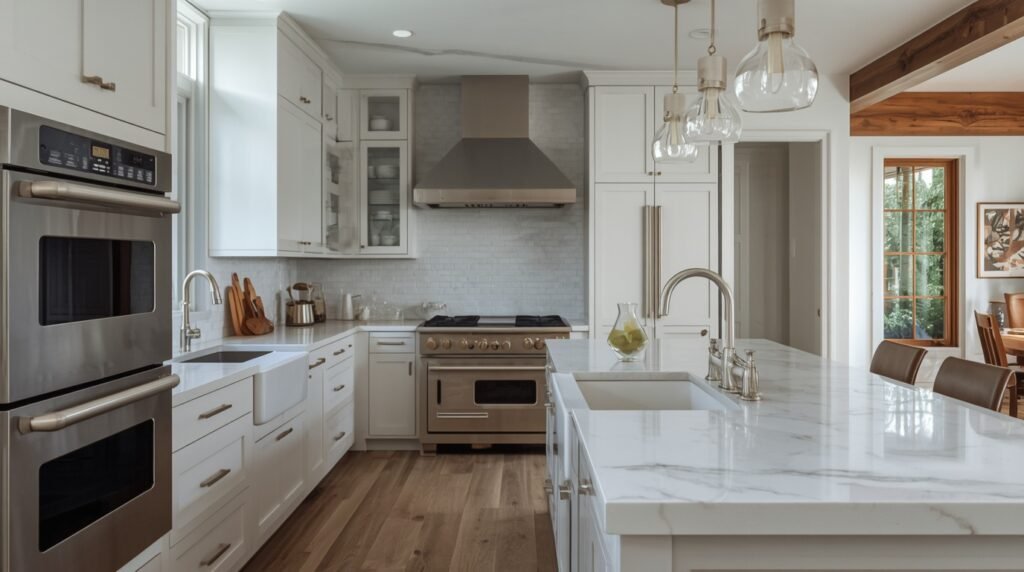
A scullery kitchen is a hidden gem in modern home design, offering a dedicated space for prep work, cleanup, and storage that keeps the main kitchen beautifully clutter-free. Once a traditional feature in larger homes, it’s now making a stylish comeback with a fresh, functional twist.
From sleek hidden sculleries behind sliding doors to cozy secondary kitchens with extra sinks, dishwashers, and pantry storage, the possibilities are both practical and elegant. Scullery kitchen ideas focus on organization and efficiency while maintaining a seamless flow with your main cooking space. The result is a cleaner, calmer kitchen that makes everyday living feel more effortless.
Position the Scullery for Efficient Kitchen Workflow
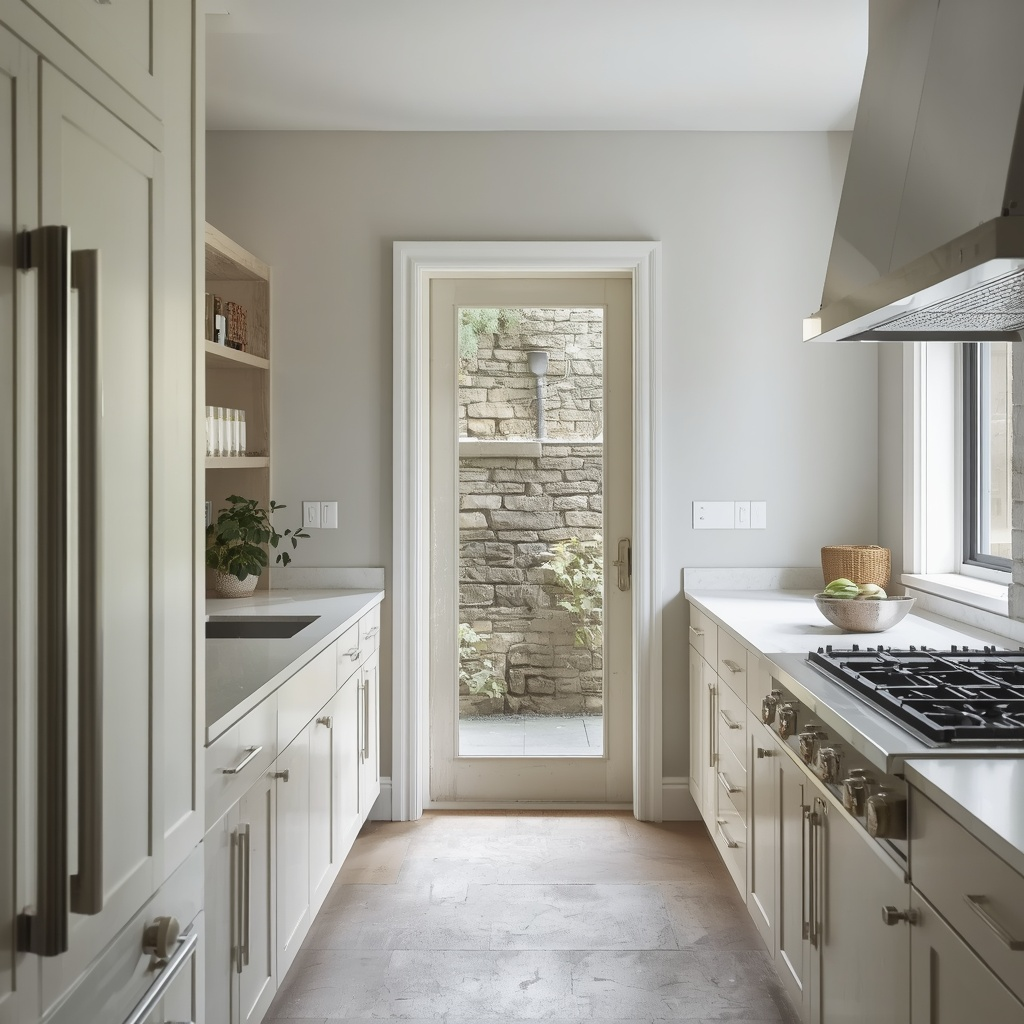
The location of a scullery determines how effectively it supports the main kitchen, making it one of the most critical planning decisions in the entire layout. A poorly placed scullery can create unnecessary movement and disrupt daily routines, while a well-positioned one streamlines cooking, cleaning, and storage tasks. Ideally, the scullery should sit directly adjacent to the main kitchen, either through a connecting door or as a natural extension of the layout, ensuring only a few steps separate the two spaces.
Equally important is external access. A scullery positioned near a back door or service entry allows groceries and supplies to be moved directly into storage without passing through the main kitchen. This reduces clutter and keeps the primary cooking area clean and organized.
Together, these two access points—internal connection and external entry—define the true efficiency of the space and should guide the entire design from the beginning.
Install a Secondary Sink as the Core of the Scullery
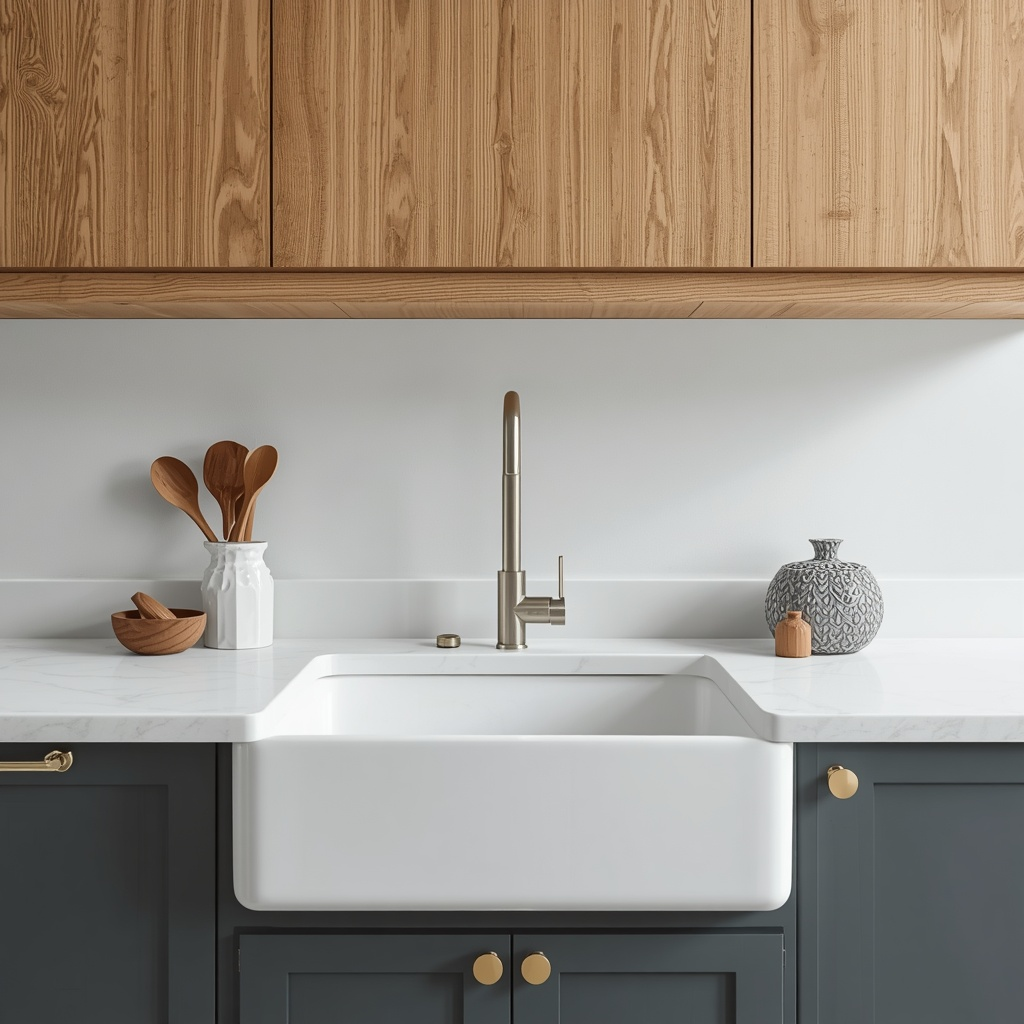
A secondary sink is the functional heart of any scullery, transforming it from a storage room into a fully operational workspace. It relieves pressure from the main kitchen sink by handling tasks such as washing vegetables, soaking cookware, rinsing recycling, and cleaning items that are too bulky or messy for the main preparation area.
A deep, single-basin sink is the most practical choice, offering enough capacity for larger cleaning tasks. Materials like ceramic or stainless steel are commonly used due to their durability and ease of maintenance. A pull-out spray tap further enhances flexibility, allowing for more precise and efficient cleaning.
By centralizing these wet tasks in one dedicated area, the scullery improves hygiene and workflow throughout the entire kitchen.
Maximize Storage with Floor-to-Ceiling Shelving Systems
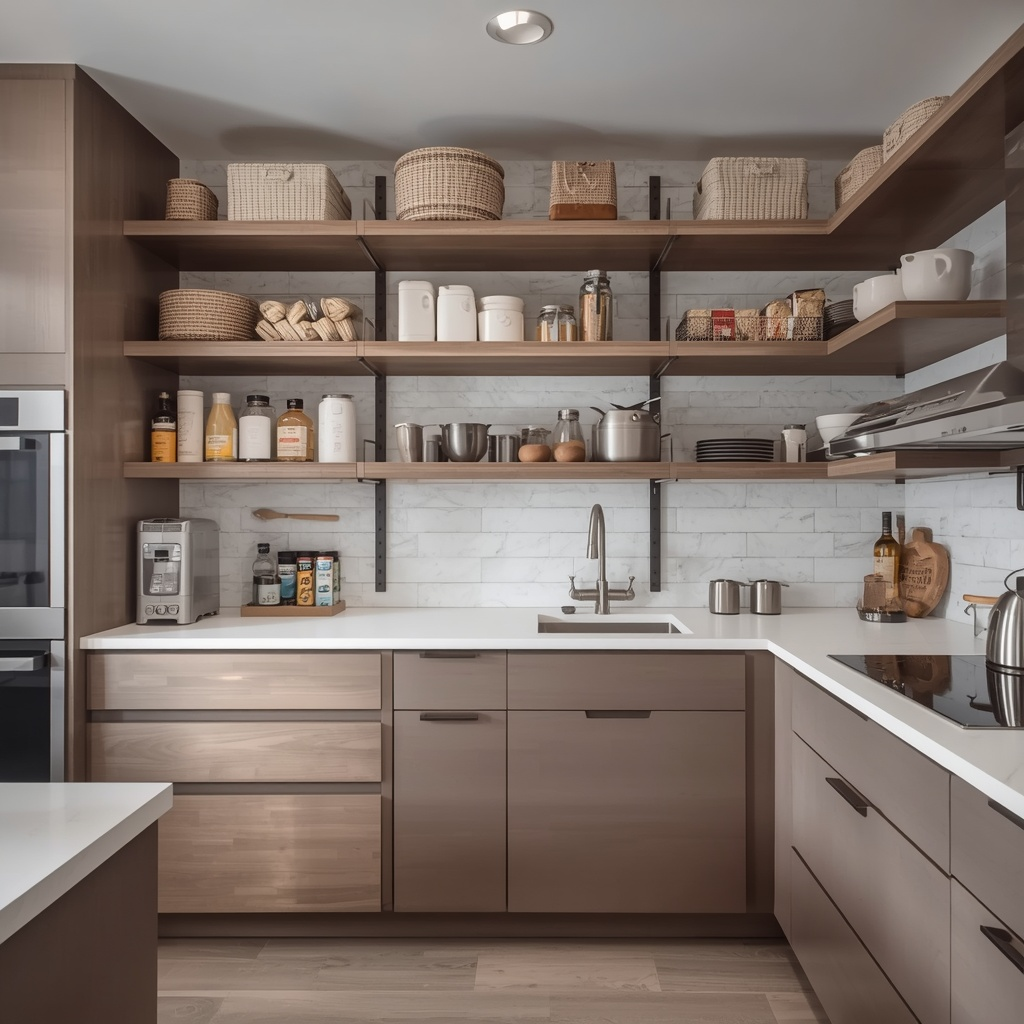
Floor-to-ceiling shelving is one of the most efficient ways to use vertical space in a scullery. Unlike standard kitchen layouts, this storage approach removes the need for upper and lower cabinet separation, allowing the entire wall height to function as usable storage.
Because the scullery is a behind-the-scenes workspace, shelves do not need to meet strict visual styling standards. This allows for practical storage of bulk goods, appliances, and household supplies without concern for decorative presentation.
Adjusting shelf heights according to item size improves organization significantly. Larger appliances can be stored lower, while smaller containers and pantry items can be placed at eye level for easy access.
Add a Dishwasher for Independent Cleaning Capability
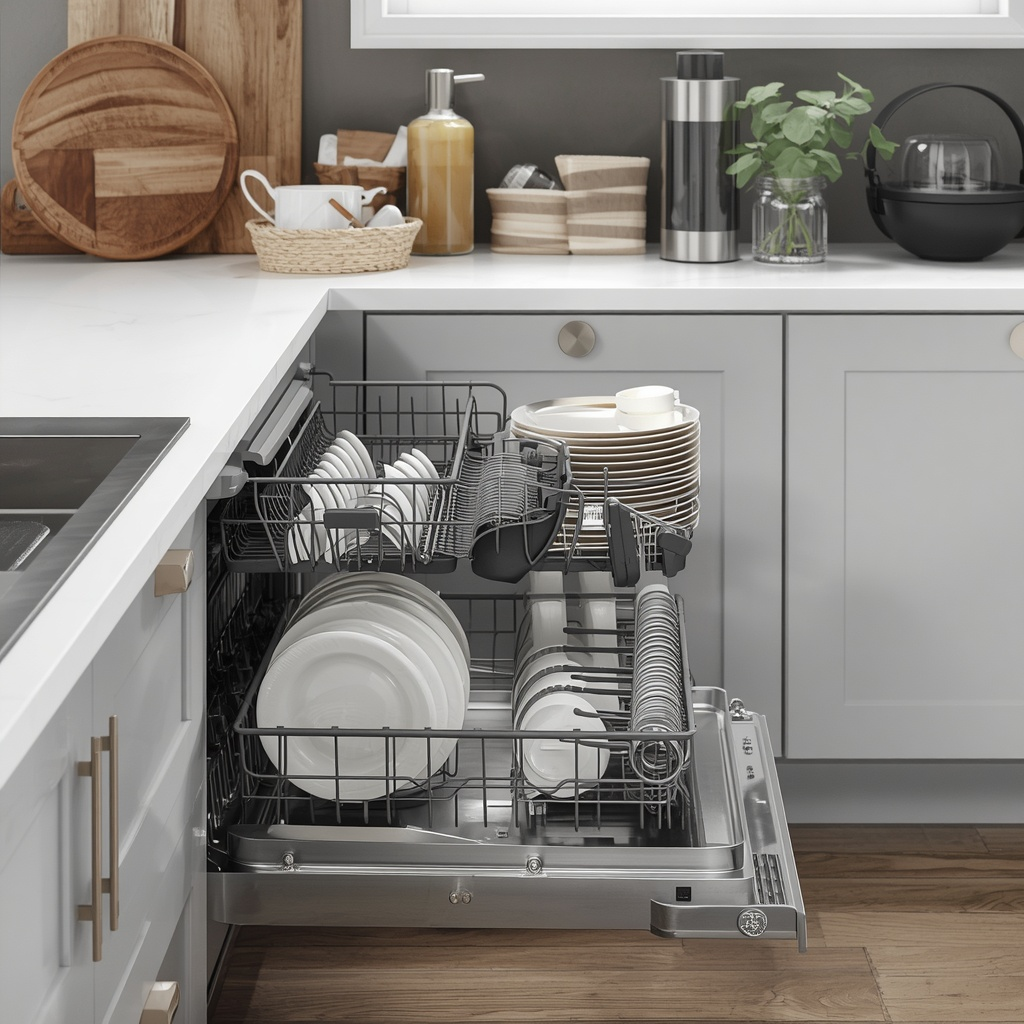
Installing a dishwasher in the scullery creates a separate cleaning zone that dramatically improves kitchen efficiency, especially during entertaining. With this setup, dishes can be cleared from the main kitchen quickly and discreetly, leaving the primary space clean and presentable while washing continues out of sight.
This separation enhances both practicality and hosting experience, as cleanup no longer interferes with social areas. It allows washing to take place at a more relaxed pace without disrupting the main kitchen environment.
Drawer-style dishwashers are particularly useful in compact scullery layouts. They require less clearance and allow simultaneous loading and operation, making them ideal for high-use households or frequent entertaining.
Create a Dedicated Appliance Garage for Daily Essentials
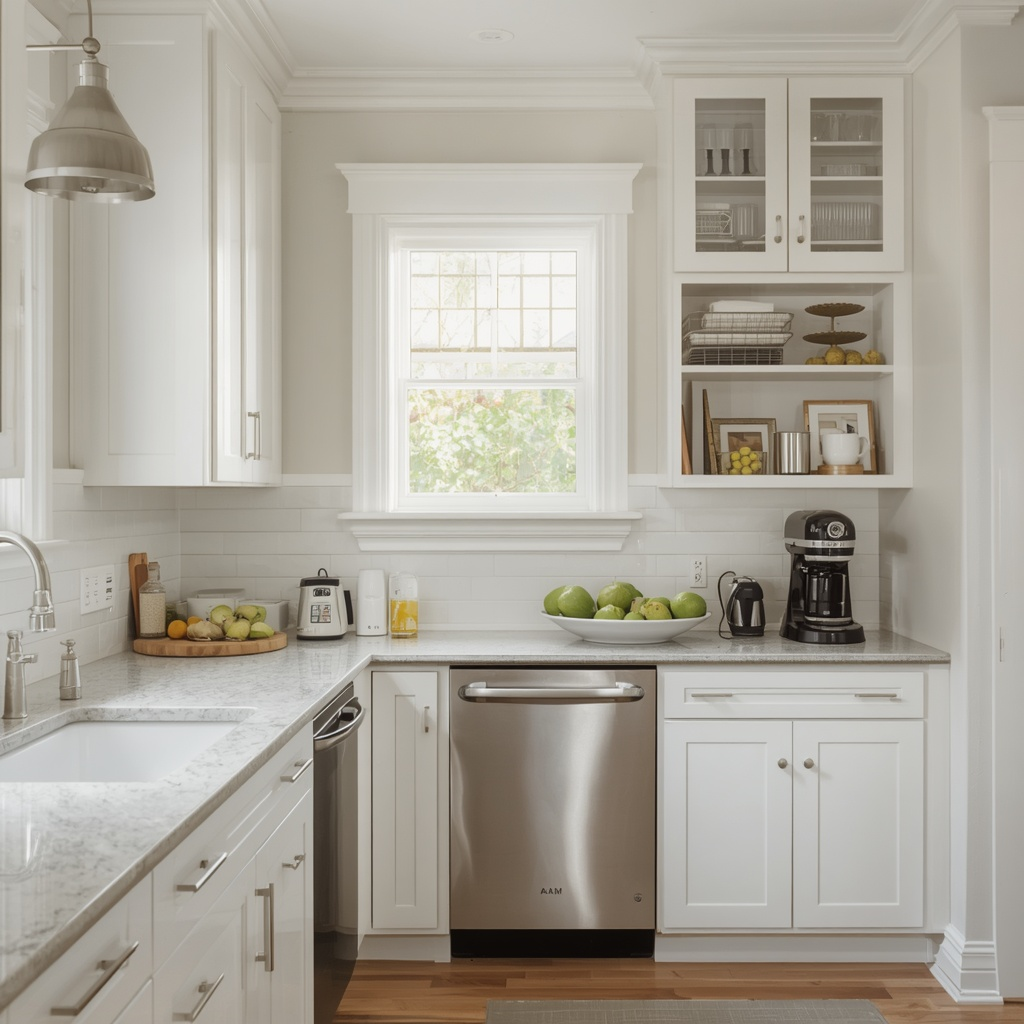
Small kitchen appliances often create clutter when left on countertops, yet storing them away reduces convenience. A scullery solves this problem with a dedicated appliance garage that keeps frequently used devices accessible but visually contained.
This space typically includes built-in shelving, integrated power outlets, and optional cabinet doors to conceal appliances when not in use. Items such as coffee machines, toasters, and mixers can remain permanently set up without impacting the appearance of the main kitchen.
By centralizing appliance use in the scullery, morning and meal-preparation routines become more efficient while the main kitchen remains clean and uncluttered.
Add a Wine and Beverage Preparation Station
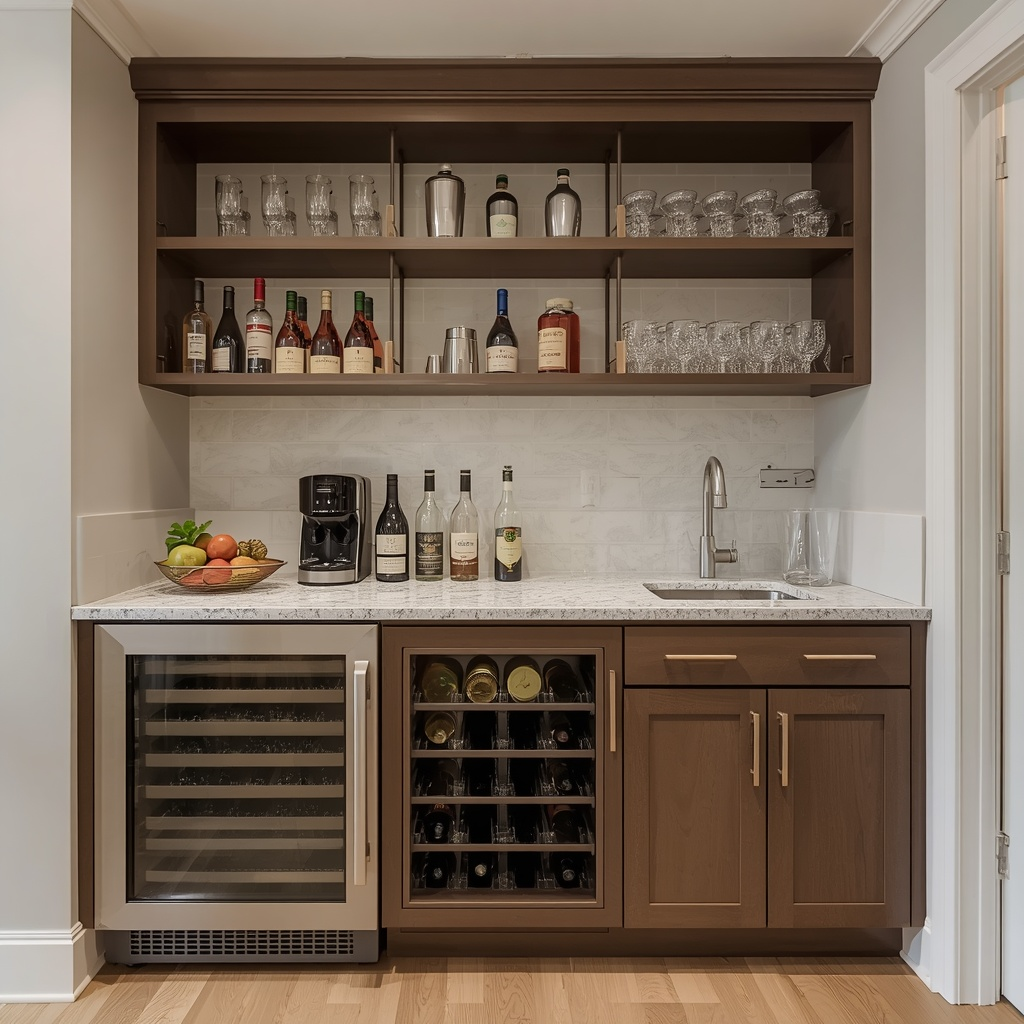
A scullery is an ideal location for a dedicated beverage station, keeping wine storage, glassware, and drink preparation equipment separate from the main kitchen. This setup improves organization and allows entertaining tasks to be handled more smoothly.
Wine fridges, glass storage, and ice makers can be grouped into one functional zone. This makes serving drinks more efficient while keeping preparation activities discreet and organized.
While primarily functional, this area can also incorporate decorative elements such as display shelving or quality glassware, adding a touch of refinement to an otherwise utility-focused space.
Include a Utility Sink for Household Cleaning Tasks
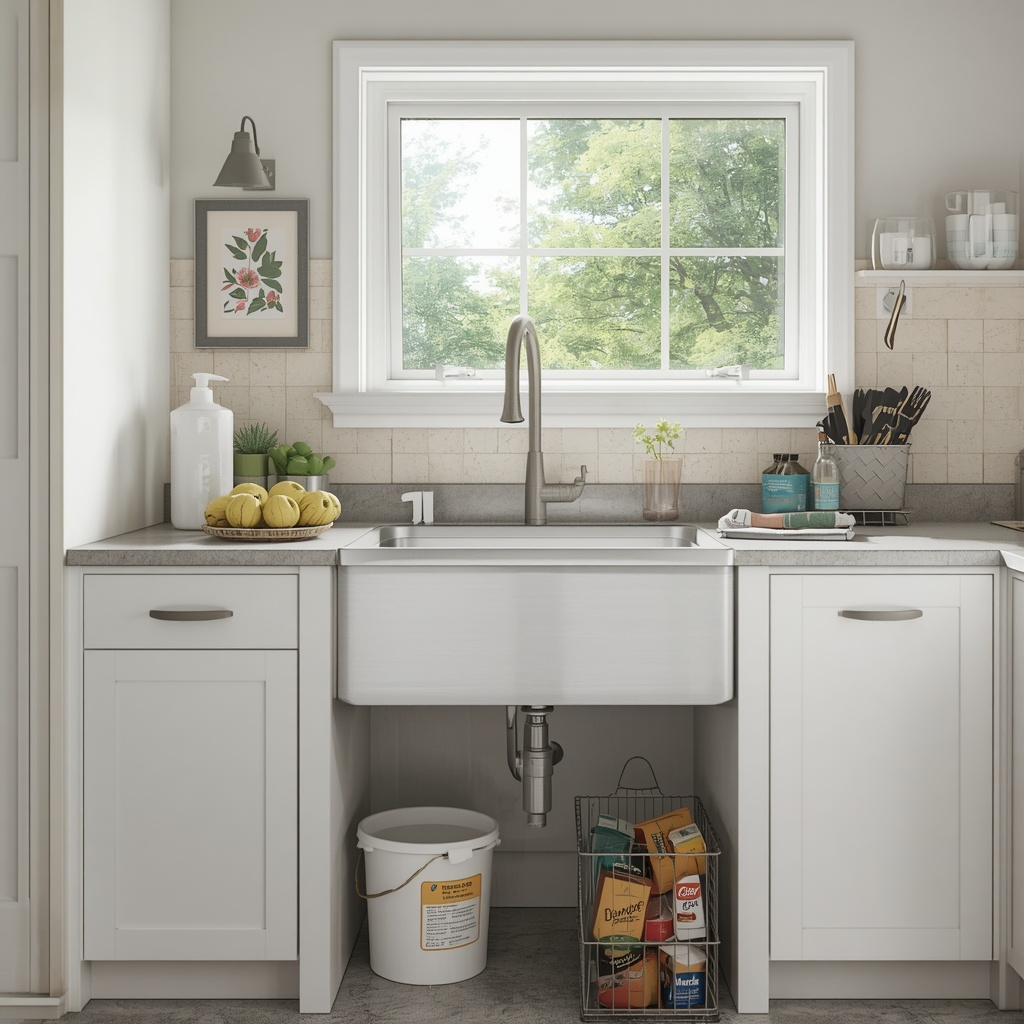
A utility sink expands the scullery’s function beyond food preparation, supporting broader household cleaning tasks such as washing garden tools, soaking laundry, and filling cleaning buckets. This helps centralize messy, water-intensive chores in one designated area.
A large, durable sink with strong drainage is essential for handling these heavier tasks. Materials should be resistant to impact and easy to clean, ensuring long-term practicality.
The surrounding floor should also be water-resistant and slip-safe, such as sealed concrete or ceramic tile, to support frequent wet use without damage or safety concerns.
Design a Dedicated Baking Zone in the Scullery
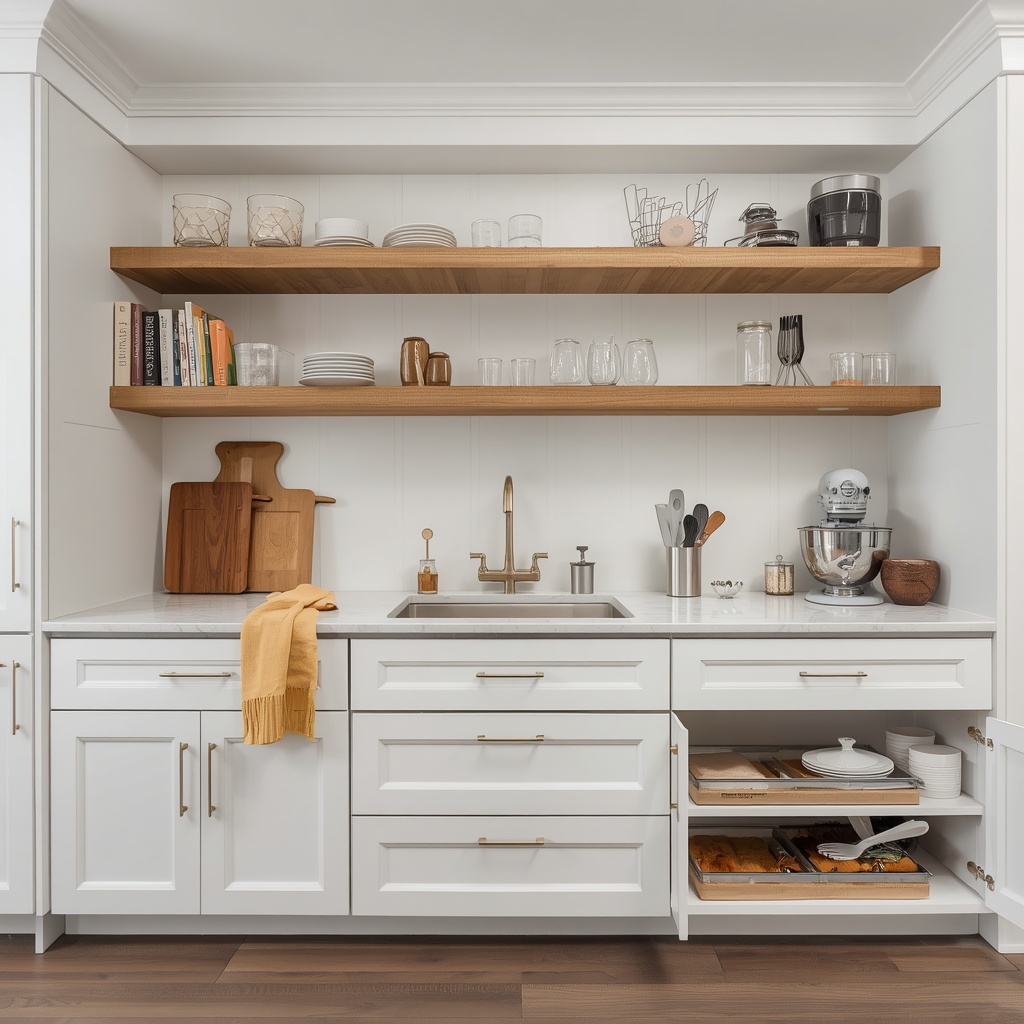
For households that bake regularly, the scullery provides an excellent opportunity to create a dedicated baking station. This helps keep flour, dough preparation, and baking equipment separate from the main kitchen workspace.
A slightly lower countertop is often preferred for baking tasks, improving comfort during extended preparation. Materials like marble or stone are especially useful for pastry work due to their cool, smooth surface.
Storage below the counter can include deep drawers for ingredients and pull-out shelves for mixers, while overhead shelving can hold baking tools and recipe books, creating a fully functional baking environment.
Create a Flower Arranging and Preparation Station
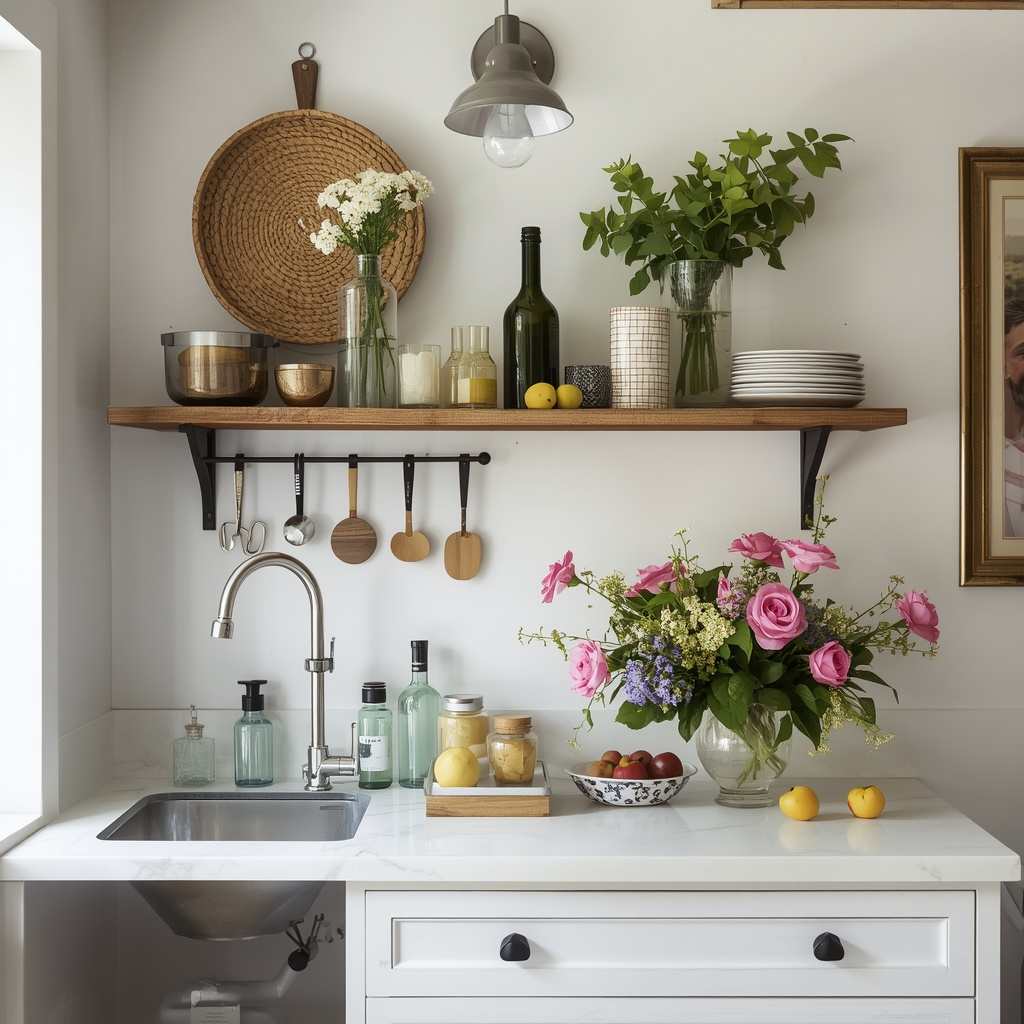
A scullery’s sink, counter space, and water access make it ideal for flower arranging. This separates floral work from food preparation, keeping the main kitchen cleaner and more organized.
A dedicated counter zone allows stems to be trimmed, arranged, and stored without disruption. Nearby storage for vases, scissors, and floral supplies improves efficiency and convenience.
Adding simple organizational tools such as wall hooks or labeled shelves helps maintain order while supporting frequent use of the space for seasonal arrangements.
Add Under-Counter Refrigeration for Extra Storage
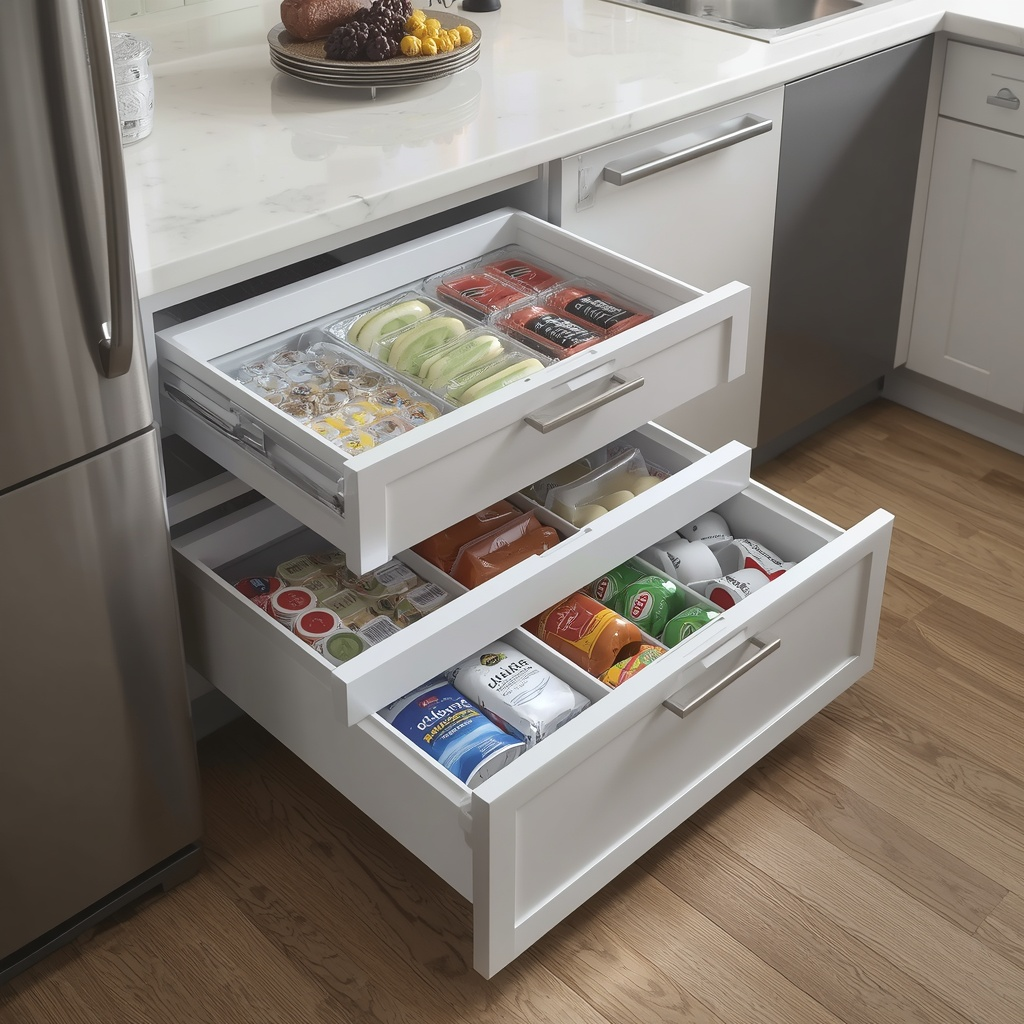
Under-counter refrigeration in the scullery provides valuable additional cold storage, especially during entertaining or large household cooking sessions. It prevents overcrowding in the main kitchen refrigerator and allows for better organization of food and drinks.
Drawer-style refrigeration units are particularly effective in scullery layouts, as they integrate seamlessly into counter runs without taking up vertical space.
Assigning specific drawers for drinks, prepared foods, and overflow ingredients improves efficiency and ensures everything remains easy to locate and manage.
Design the Scullery Door as a Seamless Feature
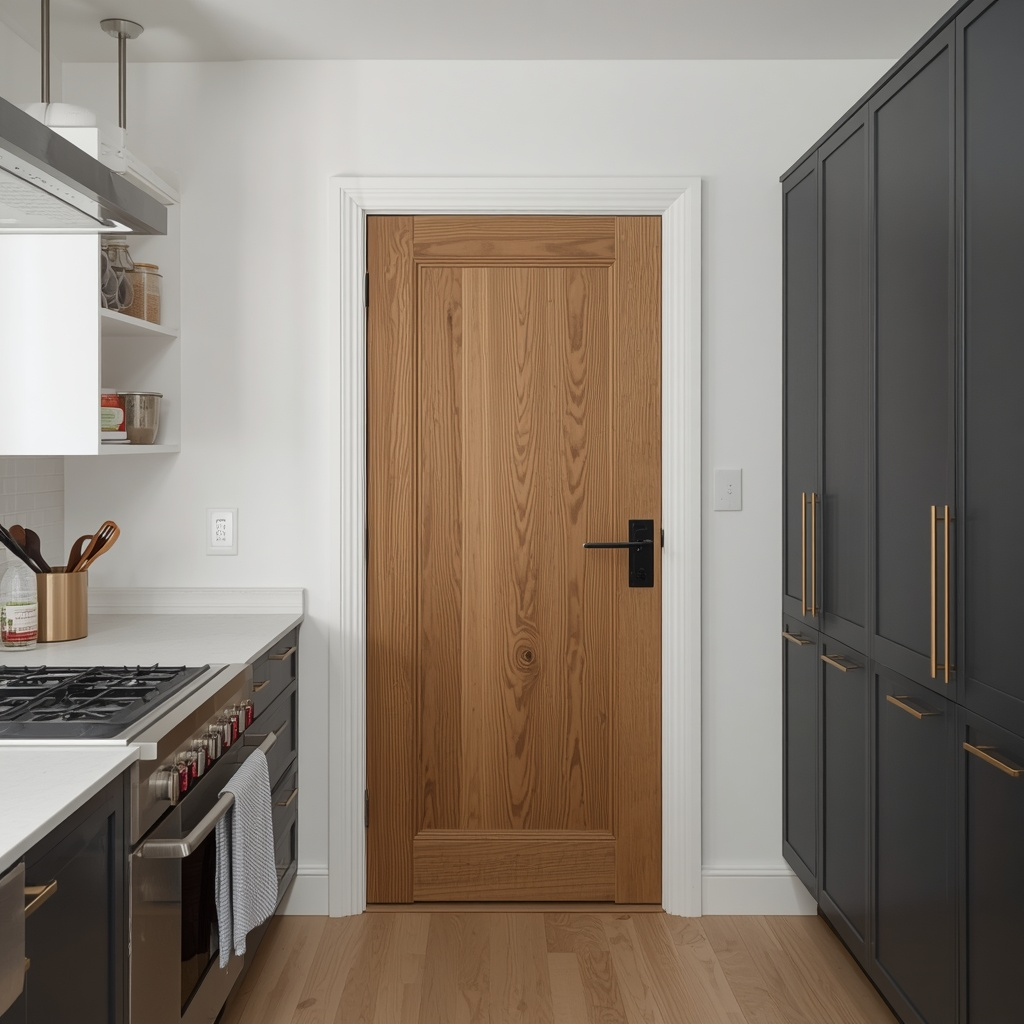
The scullery door is the only visible link between the hidden workspace and the main kitchen, making it a key design element. A poorly chosen door can disrupt the visual flow of the kitchen, while a well-integrated one enhances its overall design.
Concealed doors that match surrounding cabinetry create a seamless transition and maintain visual consistency. Alternatively, a well-crafted timber door can serve as a subtle architectural feature.
The goal is to ensure the scullery remains discreet while still feeling intentional and integrated within the overall kitchen design.
Integrate Laundry Functions for Household Efficiency
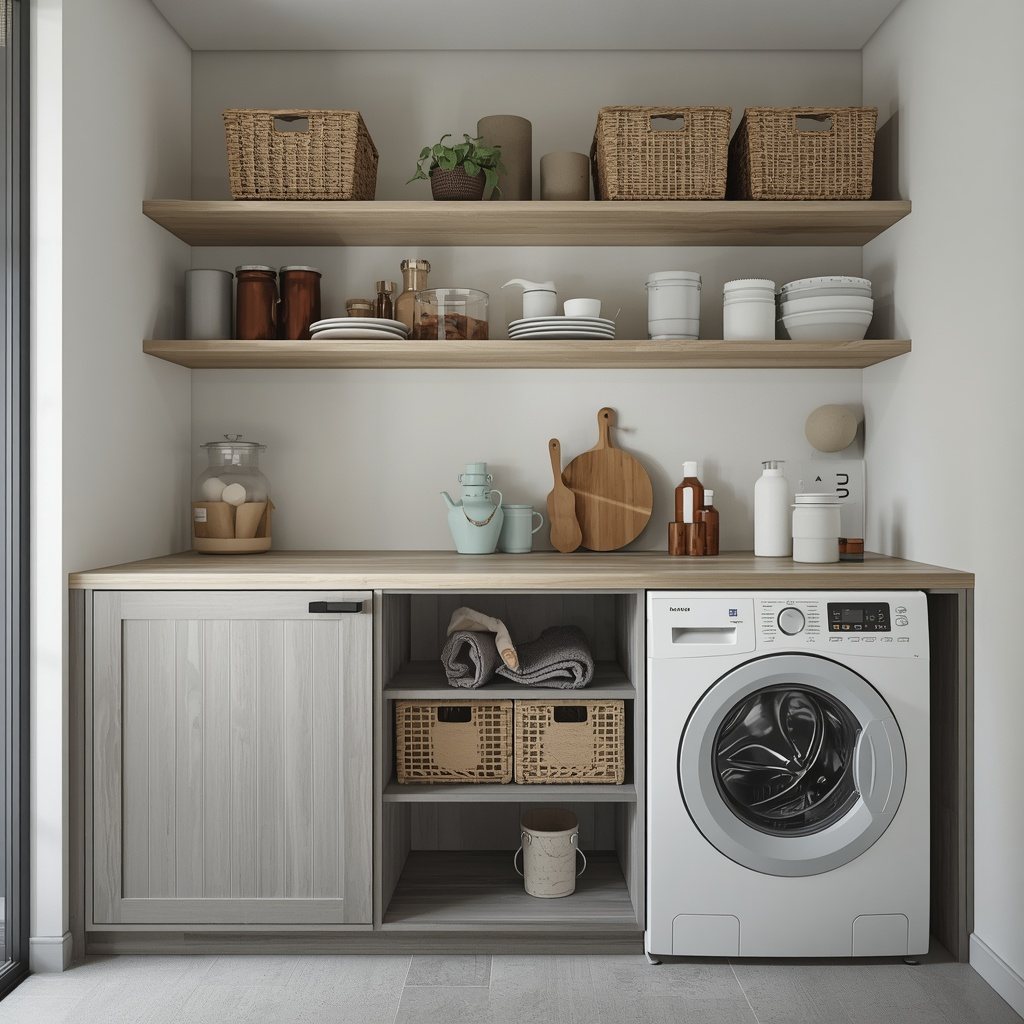
Combining laundry functions with a scullery creates a highly efficient domestic workspace that centralizes water-based household tasks. Washing machines, dryers, and cleaning supply storage can all be incorporated into a single utility zone.
This approach follows traditional household design principles, where sculleries served as multifunctional service areas. It improves efficiency by reducing the need for multiple utility spaces throughout the home.
Clear separation between laundry and food preparation areas is essential to maintain hygiene and organization within the shared space.
Use Durable, Easy-Clean Materials Throughout the Scullery
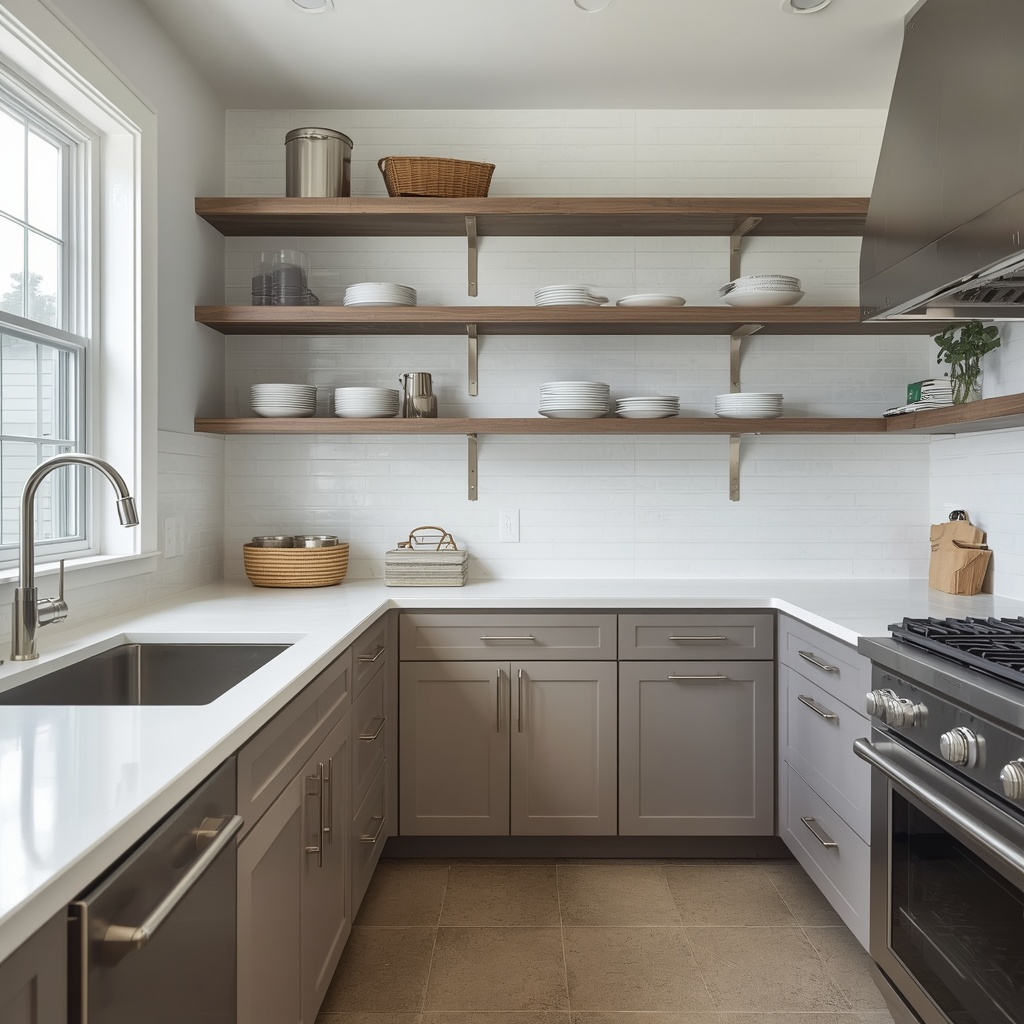
Material selection is crucial in a scullery due to its heavy-duty use. Surfaces must withstand moisture, heat, and frequent cleaning without degrading over time. Ceramic tiles, sealed concrete, and commercial-grade vinyl are ideal for flooring and walls due to their durability and water resistance.
Open shelving made from metal or treated materials performs better in humid conditions than untreated wood, which may warp or absorb moisture.
Choosing materials based on function rather than decoration ensures long-term performance and reduces maintenance demands in a high-use environment.
Design Lighting for Practical Working Conditions
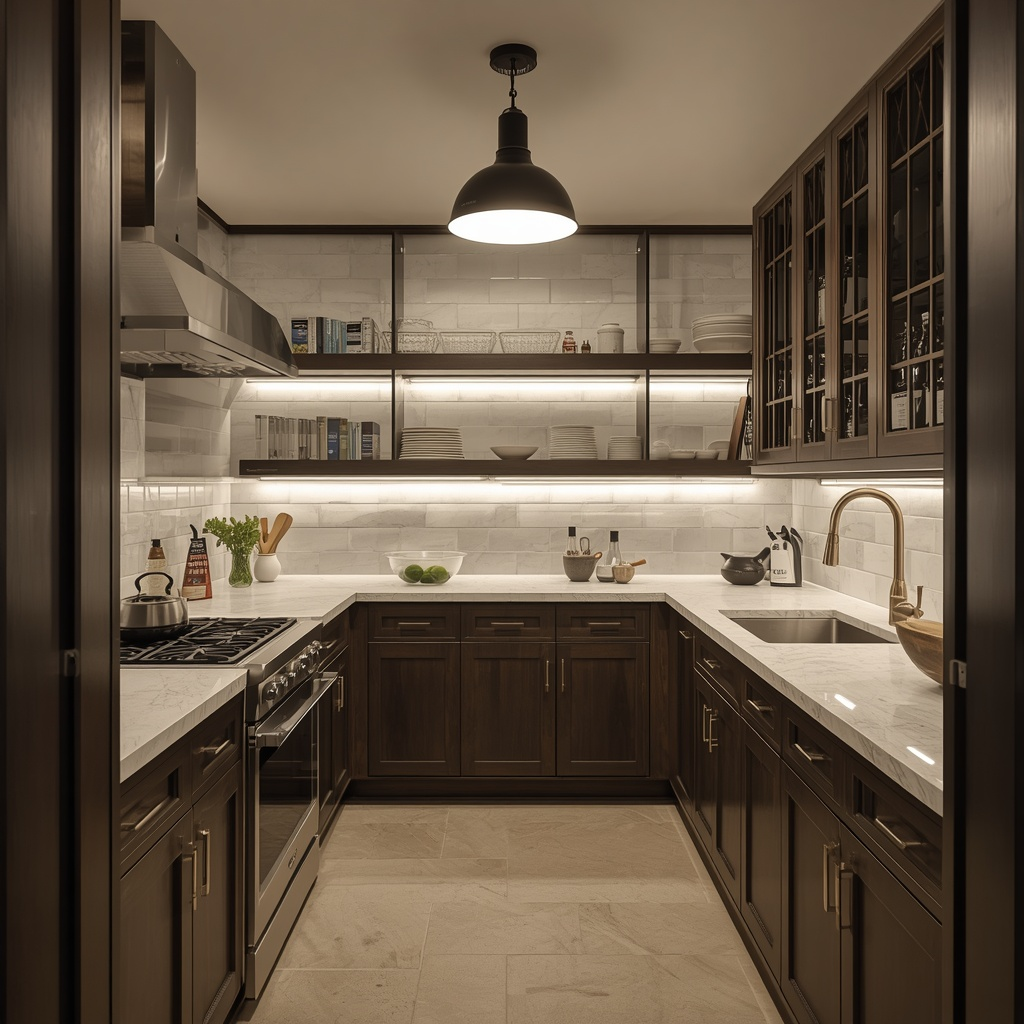
Lighting in a scullery should prioritize visibility and functionality. Bright, even illumination is essential for cleaning, preparation, and storage tasks. Under-shelf lighting is particularly effective for eliminating shadows in storage areas and improving overall visibility.
A central ceiling light or pendant over work surfaces provides focused task lighting. The fixture style can reflect the overall design tone of the kitchen, whether industrial, modern, or traditional.
All lighting should be rated for humid environments to ensure safety and durability in a space exposed to water and steam.
Design the Scullery to Remain Hidden When Not in Use
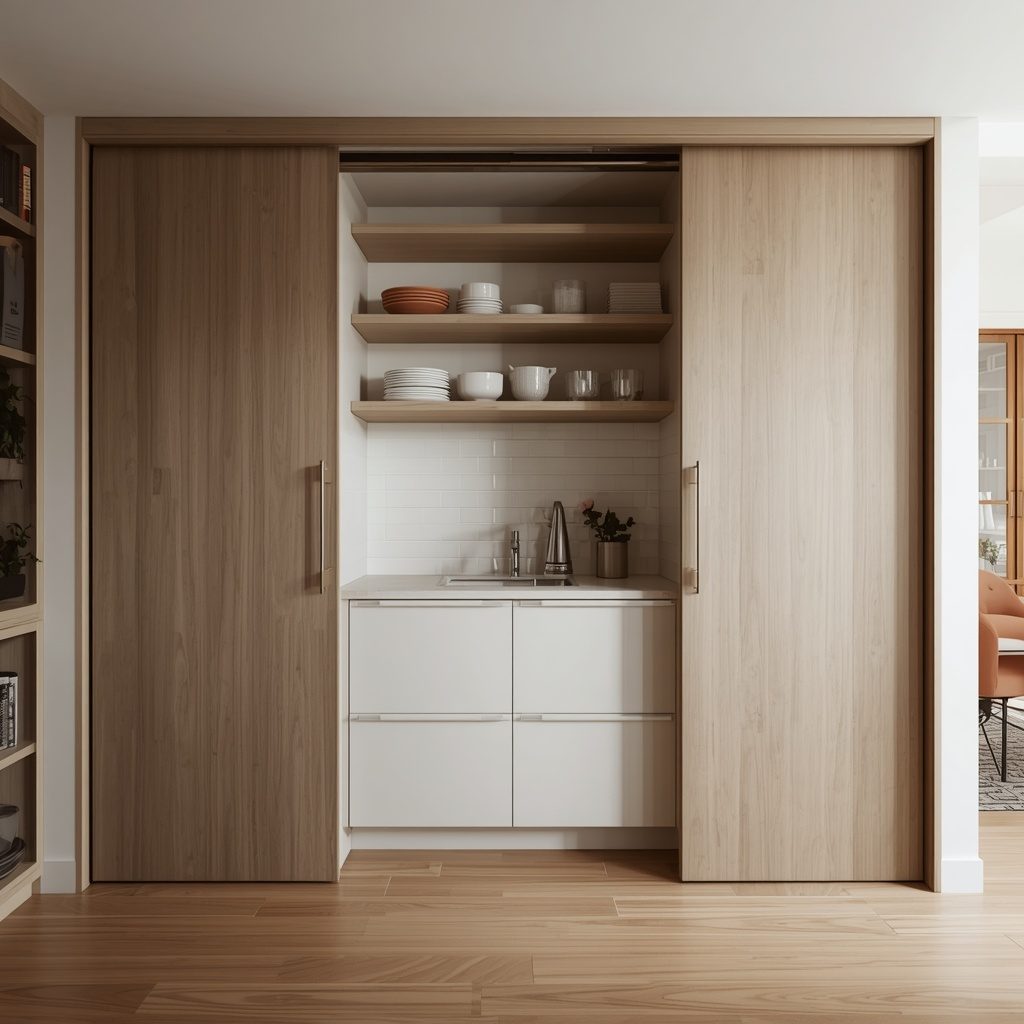
The most important principle of scullery design is its ability to disappear from view when not in use. It should support daily kitchen operations without affecting the visual cleanliness of the main kitchen space.
This is achieved through concealed storage, integrated doors, and organized systems that allow quick clearing of work surfaces. When closed, the scullery becomes completely hidden, preserving the aesthetic quality of the main living areas.
A well-designed scullery ultimately enhances the home by separating function from presentation, allowing everyday mess to exist without being constantly visible.