
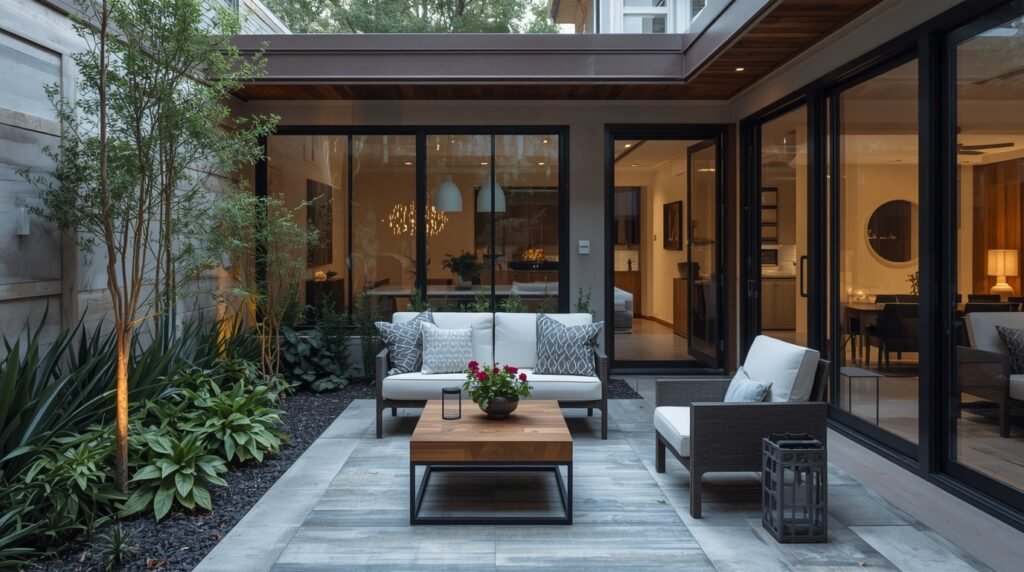
Indoor courtyard ideas bring a refreshing blend of nature and architecture right into the heart of your home. These serene spaces act as private retreats, filling interiors with natural light, fresh air, and a calming sense of openness. Whether designed as a lush green garden, a minimalist Zen corner, or a cozy seating area surrounded by plants, an indoor courtyard can transform the way a home feels and functions.
It creates a seamless connection between indoor comfort and outdoor beauty, no matter the size of your space. In this guide, you’ll discover inspiring indoor courtyard ideas that turn everyday living into a peaceful, nature-filled experience.
Install a Glass Roof Over a Central Atrium
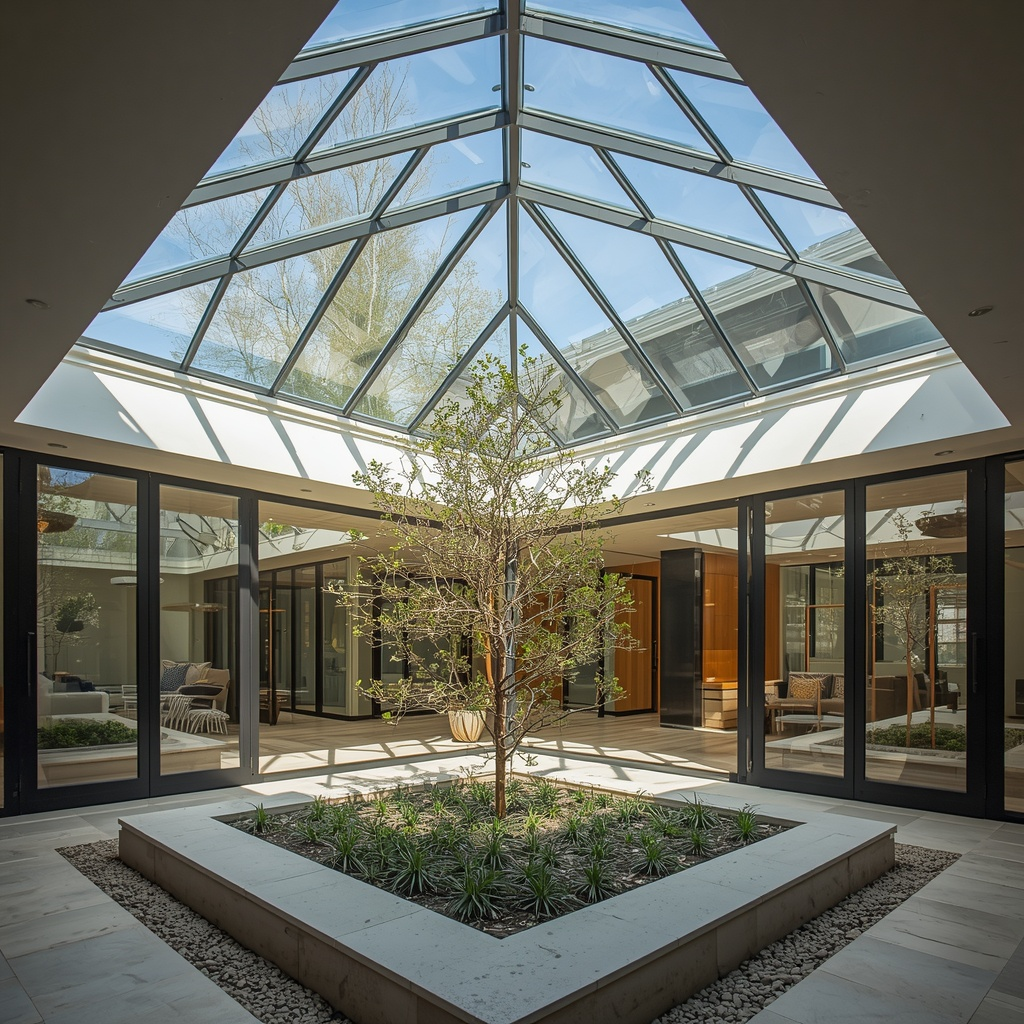
A glass roof over a central atrium is one of the most transformative architectural features in any indoor courtyard design. It turns an ordinary interior space into a light-filled environment that feels open to the sky. Whether designed as a flat skylight, a pitched lantern, or a curved glass structure, it allows natural daylight to flood the courtyard throughout the day. This shifting light creates a living atmosphere that changes with weather and season, adding depth and movement to the home. High-performance glazing ensures comfort by controlling heat and improving energy efficiency, making the space both beautiful and practical.
Extend the Same Flooring Material Inside and Out
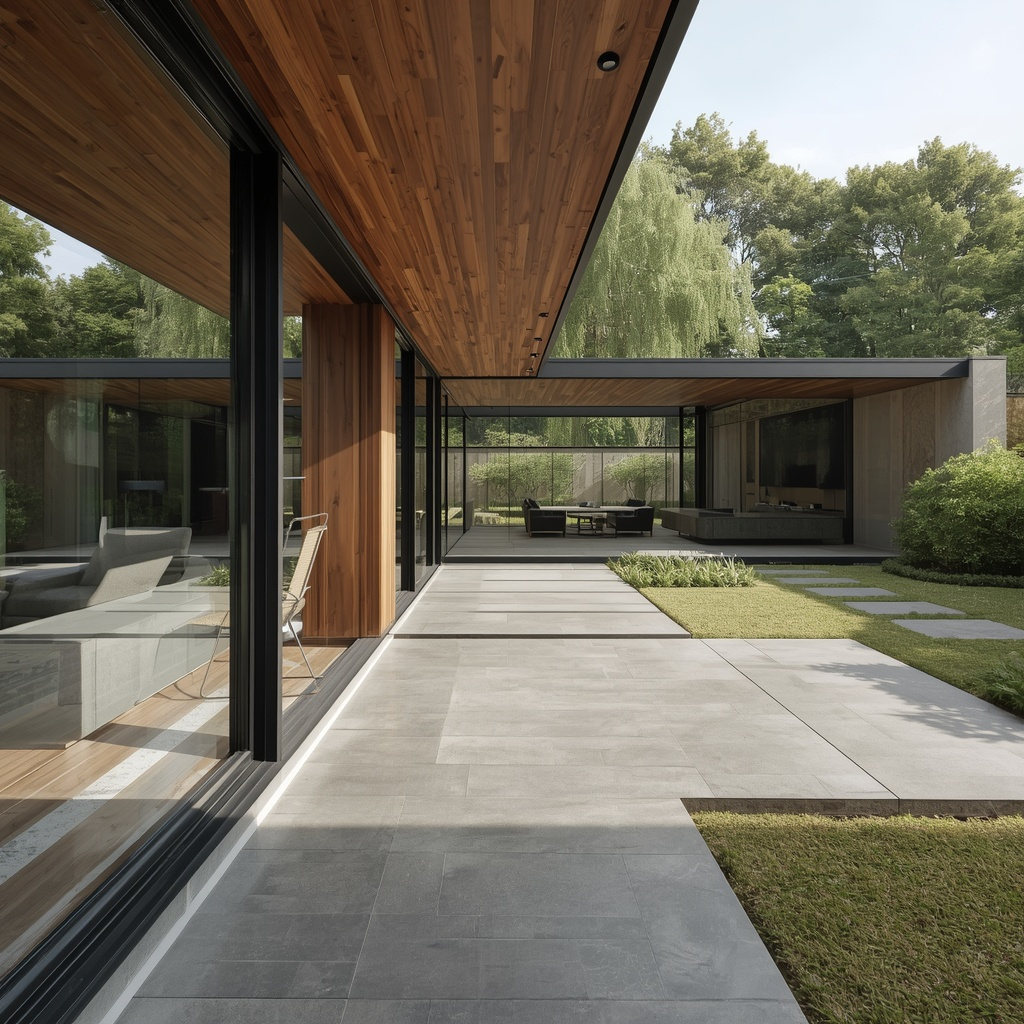
Using a continuous flooring material between the indoor courtyard and the exterior garden creates a seamless visual connection. When stone, timber, or concrete extends uninterrupted across thresholds, the boundary between inside and outside begins to dissolve. This design approach tricks the eye into reading both areas as one unified space, enhancing openness and flow. Proper detailing is essential, including slip-resistant finishes outdoors and effective drainage planning. When executed correctly, this continuity produces a harmonious indoor-outdoor experience that feels natural, spacious, and architecturally intentional.
Place a Central Canopy Tree in the Courtyard
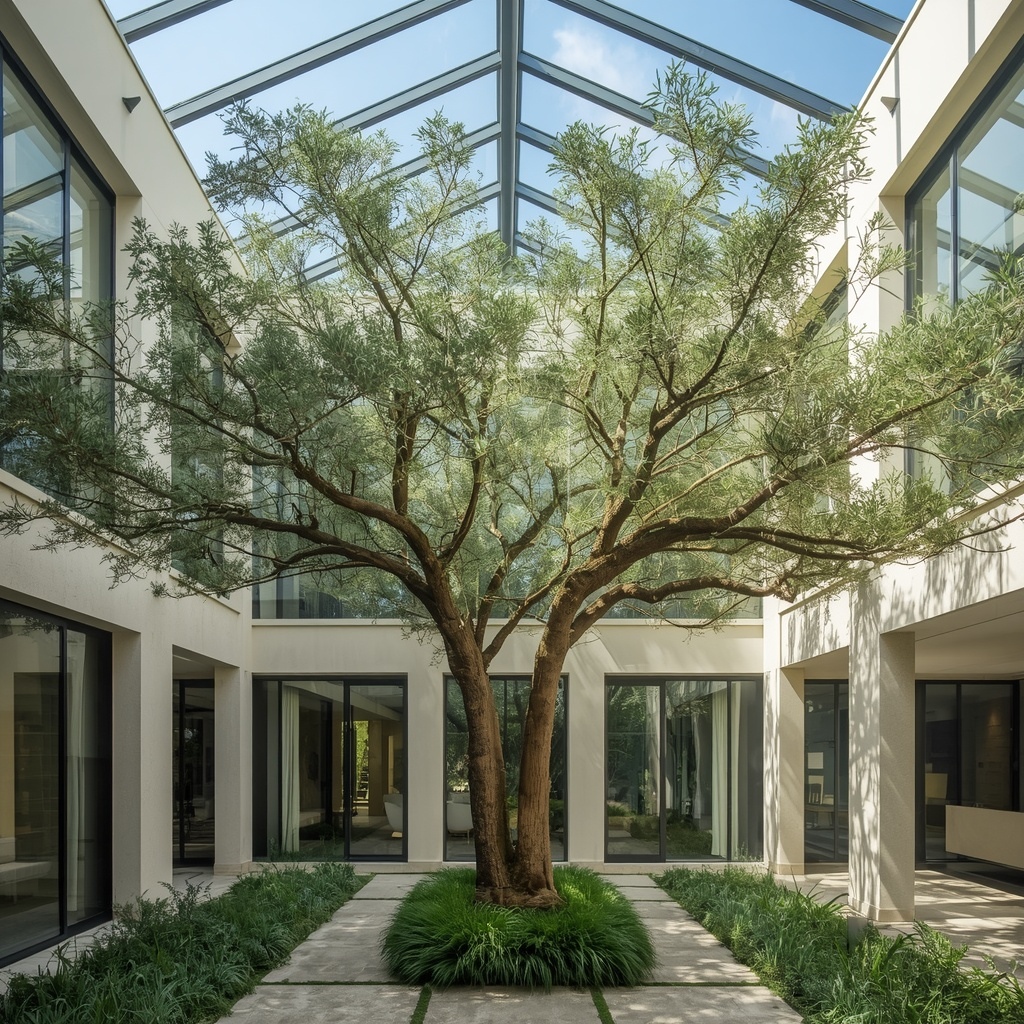
A central canopy tree instantly gives an indoor courtyard a strong biophilic identity. Positioned beneath a glass roof, the tree becomes a living focal point that evolves with the seasons. Its canopy spreads through the vertical space, creating natural drama and softness within the architecture. Species such as olive, ficus, or palm adapt well to filtered light conditions and offer long-term structural presence. Over time, the tree becomes integrated into the architecture itself, blurring the boundary between building and garden. This creates a deeply immersive natural experience at the heart of the home.
Install Retractable or Sliding Glass Walls
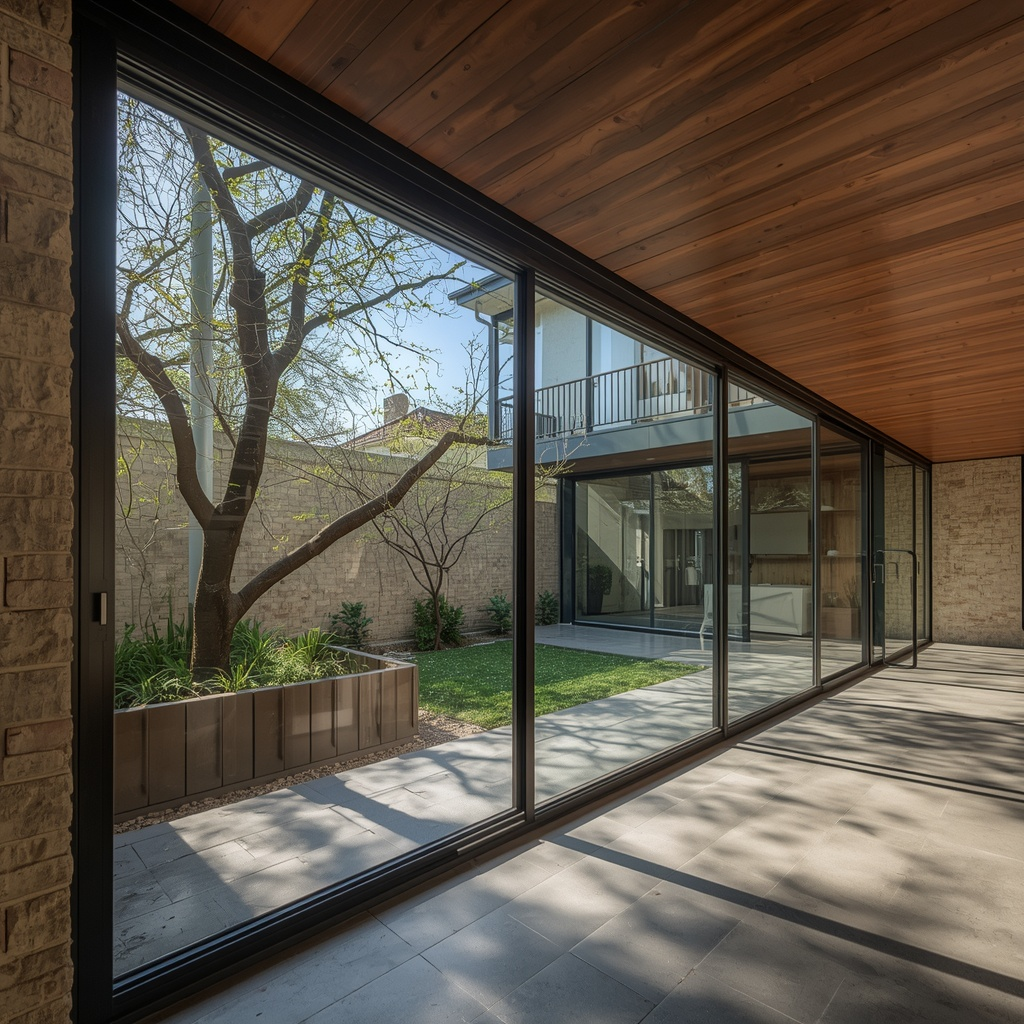
Retractable or sliding glass walls dramatically increase the flexibility of an indoor courtyard. When fully opened, they remove the barrier between interior and exterior, allowing the courtyard and garden to merge into one continuous space. This creates an expansive, open-air environment ideal for warm weather living. When closed, the glass maintains comfort while preserving visual connection to the outdoors. This adaptability ensures the courtyard remains usable year-round while still offering the sensory experience of nature. It is one of the most effective ways to enhance indoor-outdoor living.
Create a Living Green Wall Inside the Courtyard
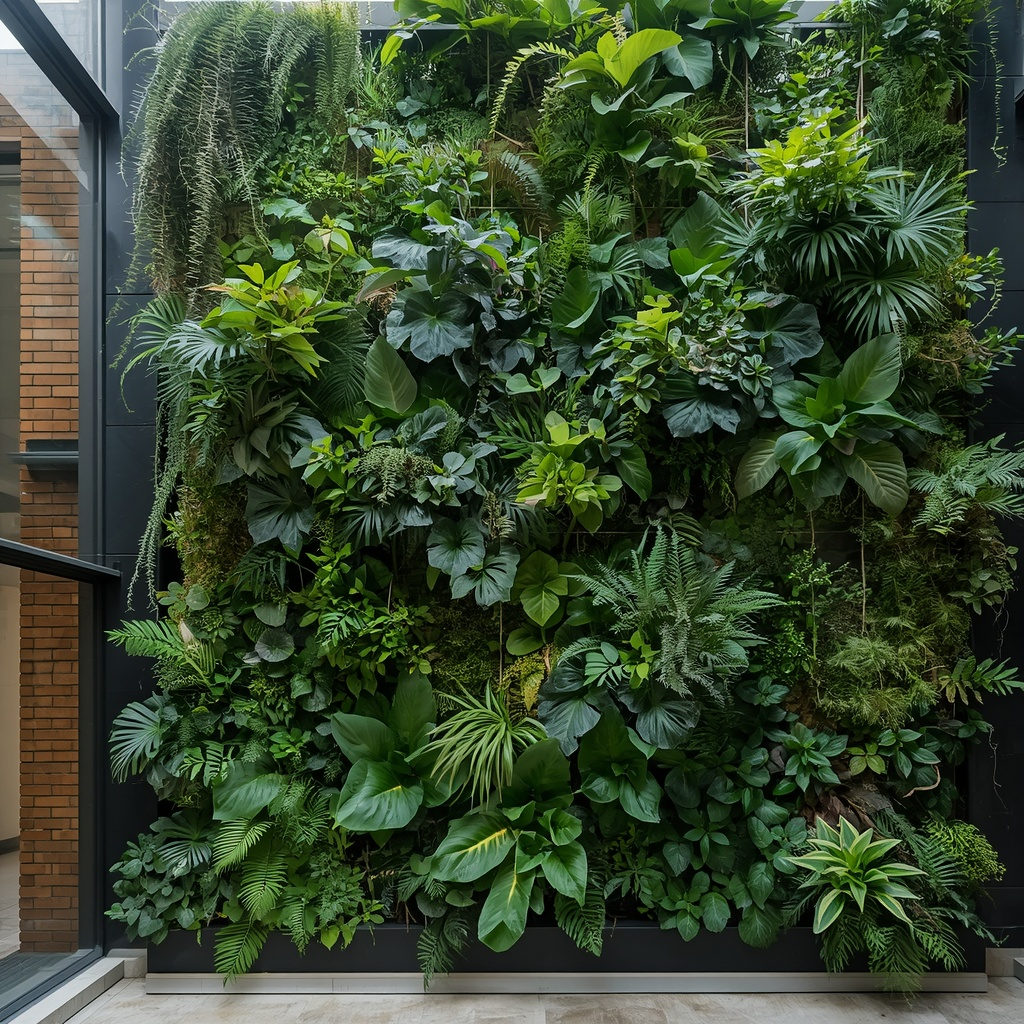
A full-height green wall introduces dense vegetation directly into the architectural envelope of the courtyard. Covering an interior surface with layered planting creates a living tapestry of texture and color. This feature enhances air quality, improves acoustics, and adds significant visual richness to the space. The effect is immersive, making the courtyard feel more like a natural landscape than an interior room. Plants such as ferns, trailing vines, and tropical foliage thrive in these systems. The result is a dynamic, ever-changing wall that brings constant life to the environment.
Add a Reflecting Pool or Water Feature
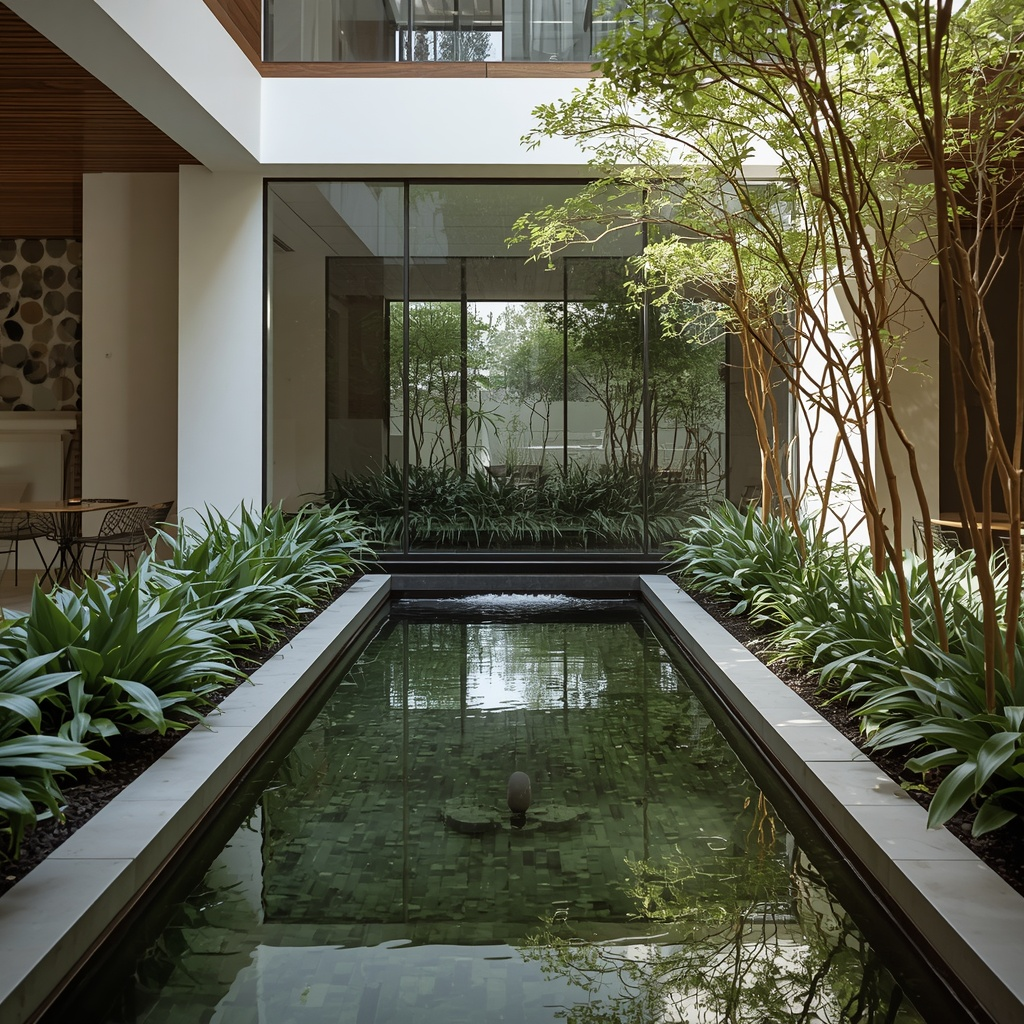
Water features introduce movement, sound, and reflection into an indoor courtyard. A shallow reflecting pool or linear water channel enhances the sensory experience by adding gentle acoustic background noise. The sound of flowing water creates calm and reduces external disturbances. Visually, water reflects light and surrounding greenery, amplifying brightness and depth. Whether minimal or sculptural, water brings a meditative quality to the space. It transforms the courtyard into a calming retreat that engages multiple senses simultaneously.
Design Seamless Threshold Details
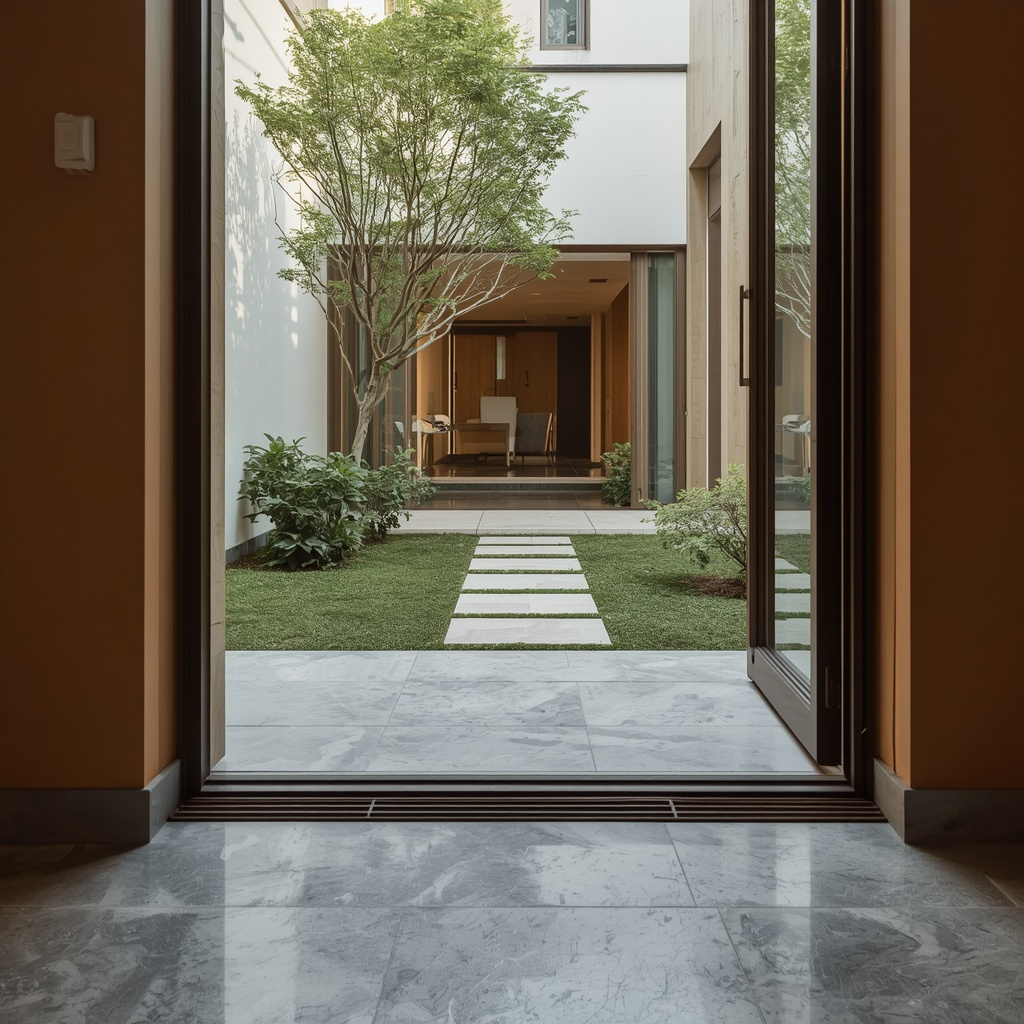
The transition between indoor and outdoor courtyard spaces should feel as smooth as possible. A level threshold with aligned flooring materials removes visual interruption and strengthens spatial continuity. Even small steps or material changes can break the illusion of a unified environment. Careful detailing ensures proper water drainage while maintaining a flush appearance. When done correctly, the boundary becomes almost invisible. This seamless integration enhances the architectural experience and reinforces the connection between built space and nature.
Use Pergola Structures for Transitional Spaces
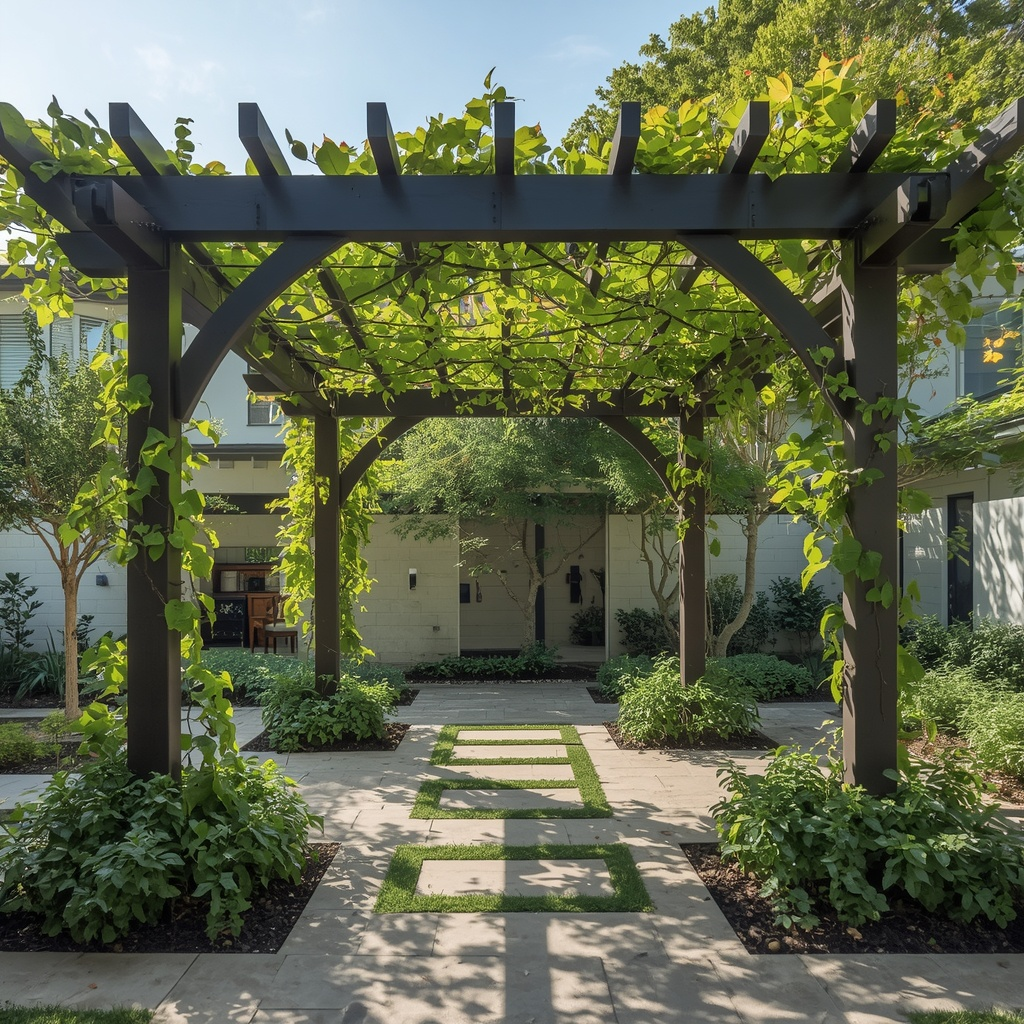
A pergola creates a gentle transition between enclosed courtyard areas and the open garden. Its open framework allows sunlight and shadows to filter through, producing a constantly changing pattern of light. Climbing plants can soften the structure, blending architecture with greenery. This semi-covered zone encourages relaxation and lingering, offering protection while maintaining openness. It functions as a spatial buffer that enhances flow between environments. The pergola becomes a key element in creating layered outdoor living experiences.
Furnish with Durable Natural Materials
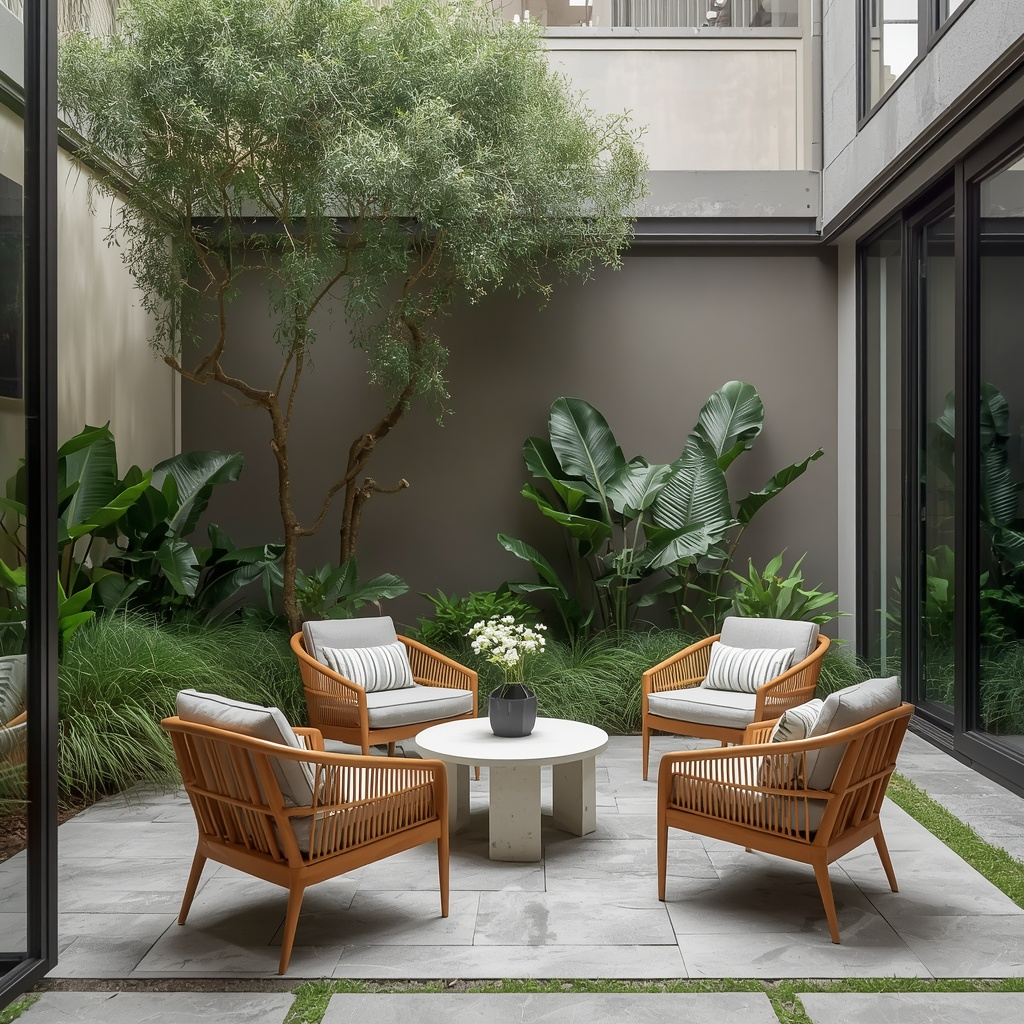
Furniture in an indoor courtyard must be both beautiful and resilient. Materials such as teak, rattan, concrete, and powder-coated steel perform well in changing conditions. These materials allow furnishings to remain in place year-round without constant relocation or damage concerns. Their natural textures also complement the surrounding greenery and stone surfaces. Choosing durable materials ensures continuity in design while supporting practical daily use. The result is a space that feels consistently lived-in, functional, and visually cohesive.
Plant in Large, Generous Volumes
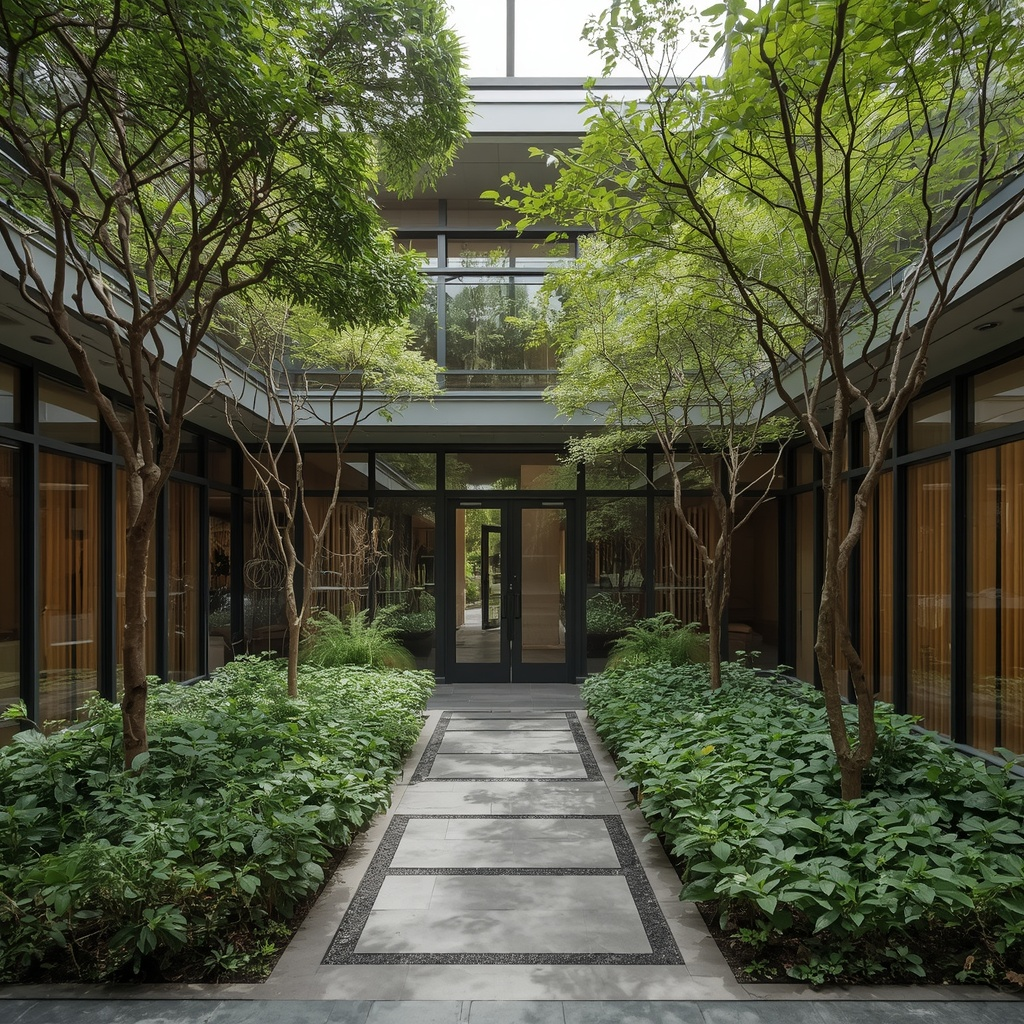
Scale is essential when designing planting schemes for indoor courtyards. Large planting beds, mature trees, and dense arrangements create a sense of abundance and maturity. Small or sparse planting can make the space feel unfinished or decorative rather than immersive. Generous planting allows vegetation to dominate the space naturally, turning the courtyard into a true garden environment. This approach strengthens the biophilic experience and enhances visual impact. The result is a space that feels alive, established, and fully integrated into nature.
Incorporate Natural Ventilation Systems
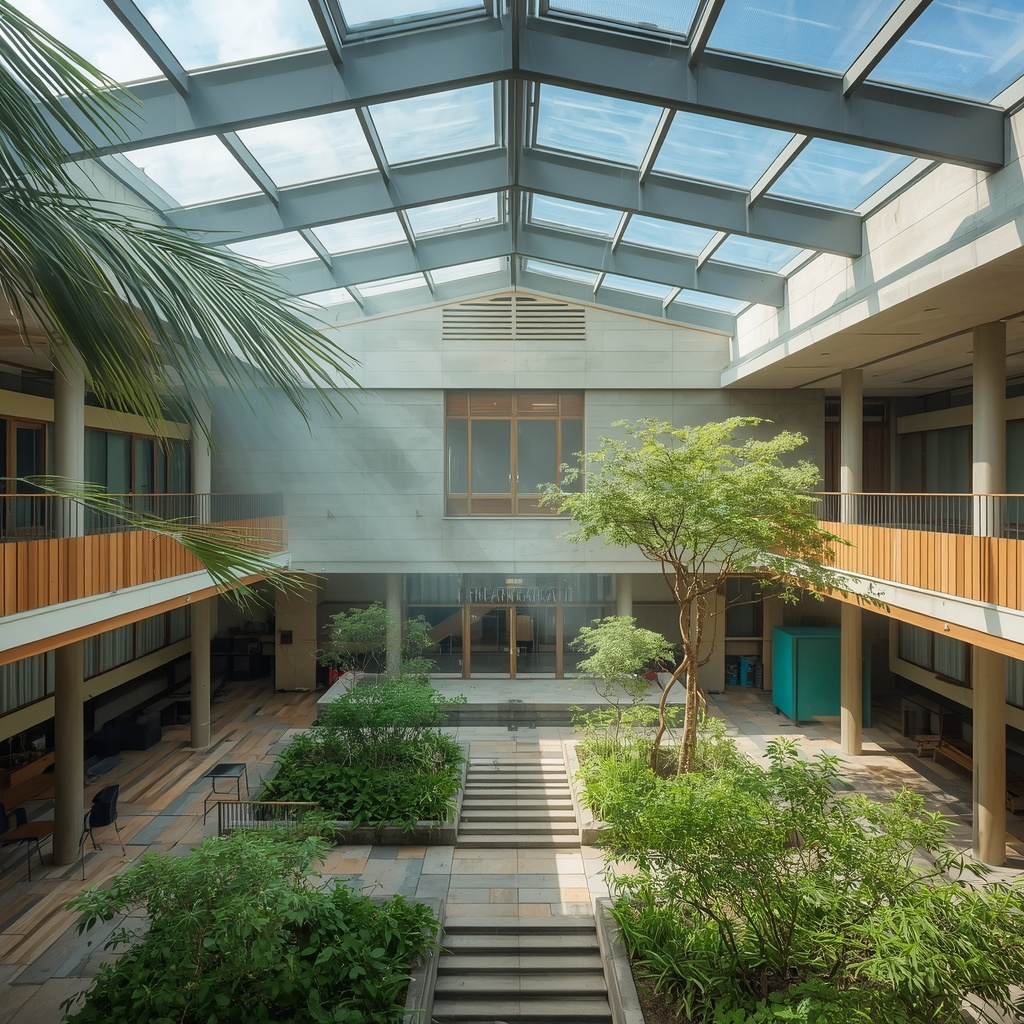
Natural ventilation enhances both comfort and environmental performance in an indoor courtyard. Operable roof vents, low-level openings, and strategic airflow paths allow fresh air to circulate continuously. This stack-effect movement keeps the space cool and fresh without mechanical intervention. Proper design ensures that air enters and exits efficiently, maintaining a healthy indoor environment. The sensation of moving air enhances the feeling of openness and connection to nature. This makes the courtyard feel physically alive and responsive to its surroundings.
Use Warm Timber on the Ceiling Plane
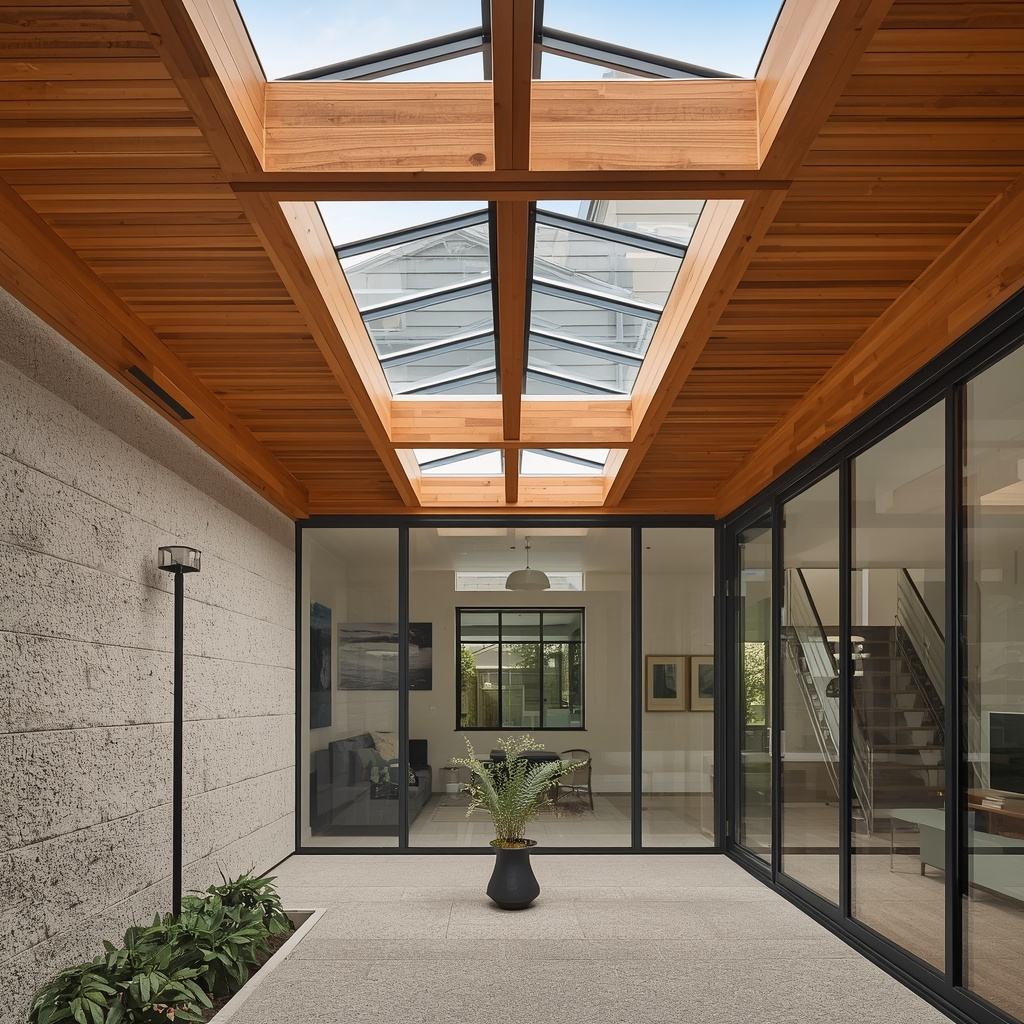
A timber ceiling adds warmth and softness to the upper surfaces of a glass-roofed courtyard. While stone or concrete grounds the space below, timber overhead balances the composition with natural texture. This material contrast creates a cohesive architectural palette rooted in organic elements. The warmth of wood softens structural lines and enhances visual comfort. Combined with greenery and natural light, timber completes a balanced sensory environment. It helps the courtyard feel enclosed yet still connected to the outdoors.
Create Deep Seating and Relaxation Zones
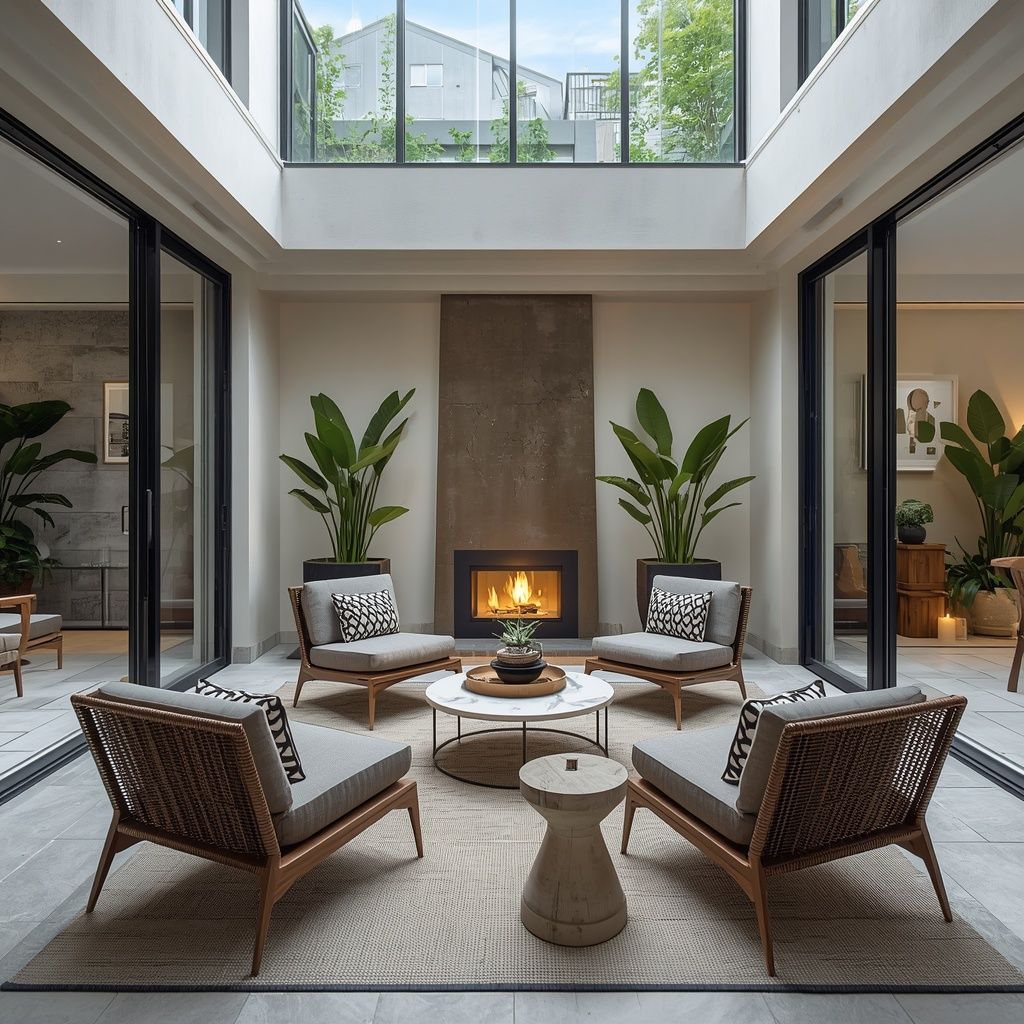
An indoor courtyard benefits from generous seating designed for comfort and relaxation. Daybeds, loungers, and reclining seating encourage slow, restful use of the space. These furnishings allow occupants to fully engage with the environment, from sky views to surrounding greenery. Unlike standard seating, relaxed furniture supports extended time spent in the courtyard. This enhances its role as a restorative retreat within the home. The overall effect is a space designed for pause, reflection, and comfort.
Design the Courtyard for Both Day and Night Use
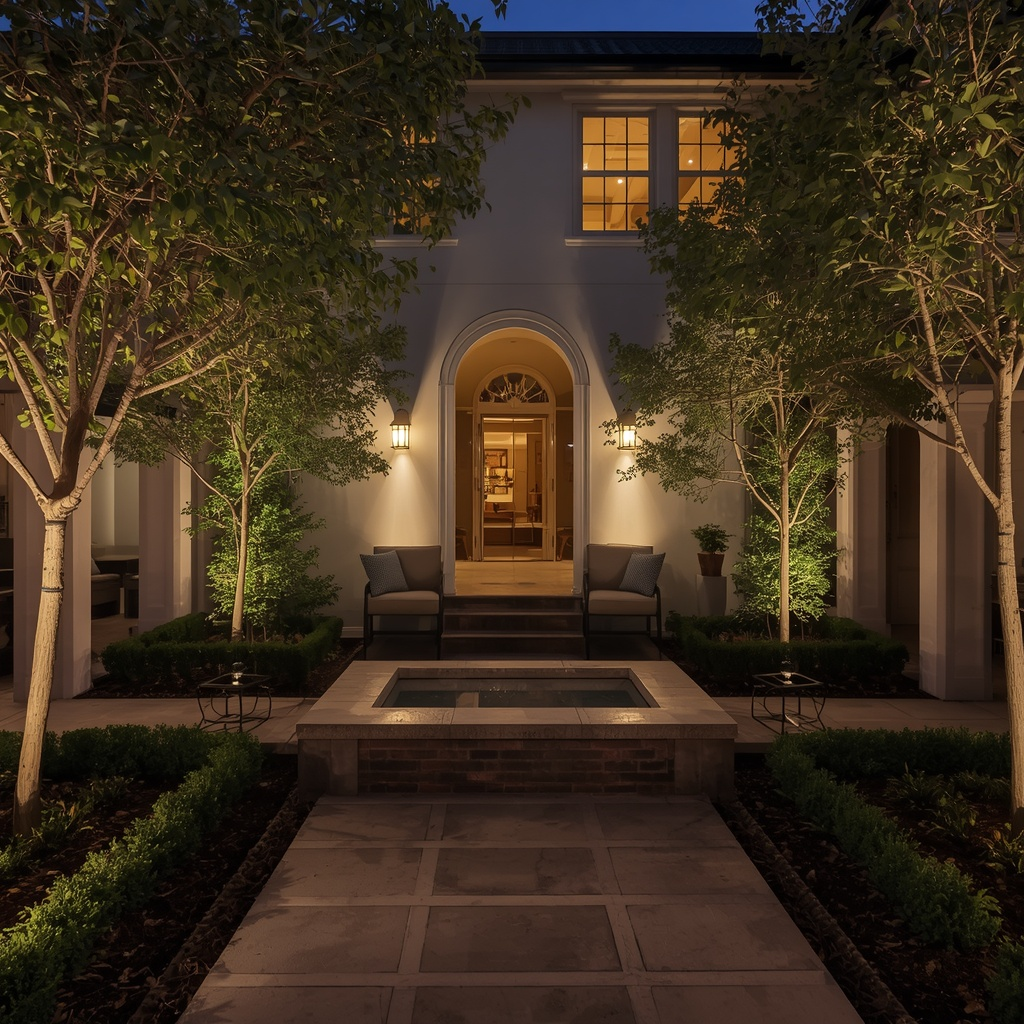
A well-designed courtyard should function beautifully after dark as well as during the day. Lighting plays a crucial role in shaping its nighttime atmosphere. Uplighting trees, illuminating water features, and using warm ambient fixtures create depth and drama. Shadows and reflections add visual interest, transforming the space into a glowing evening retreat. Thoughtful lighting ensures the courtyard remains usable and inviting at all hours. This dual-purpose design maximizes the value and emotional impact of the space.
Allow the Seasons to Shape the Experience
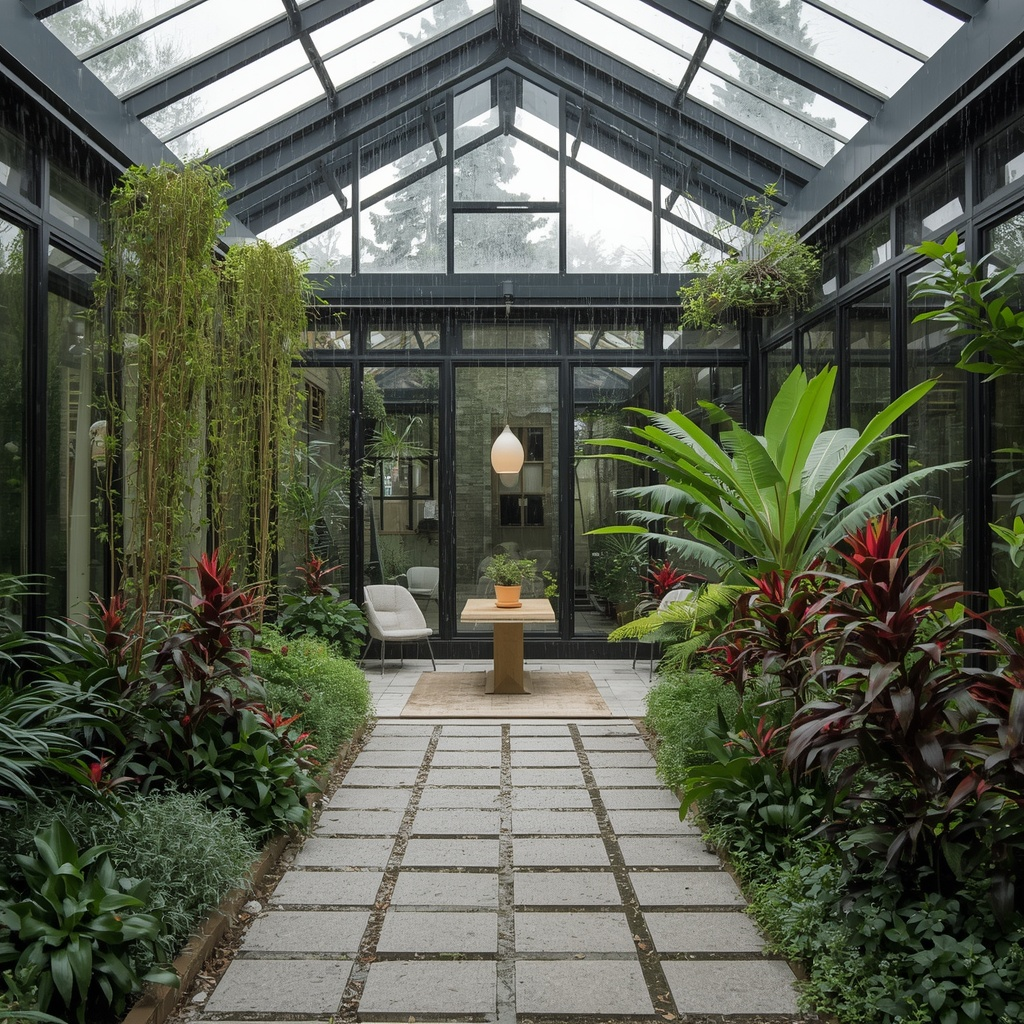
The most important principle in indoor courtyard design is embracing seasonal change. Rather than resisting weather variations, the space should highlight them. Rain on glass roofs, shifting sunlight angles, and seasonal plant growth all contribute to a dynamic environment. These changes bring life and rhythm to the courtyard throughout the year. Designing with nature rather than against it creates a more authentic experience. The result is a space that feels continuously evolving, deeply connected to the natural world, and emotionally enriching over time.