
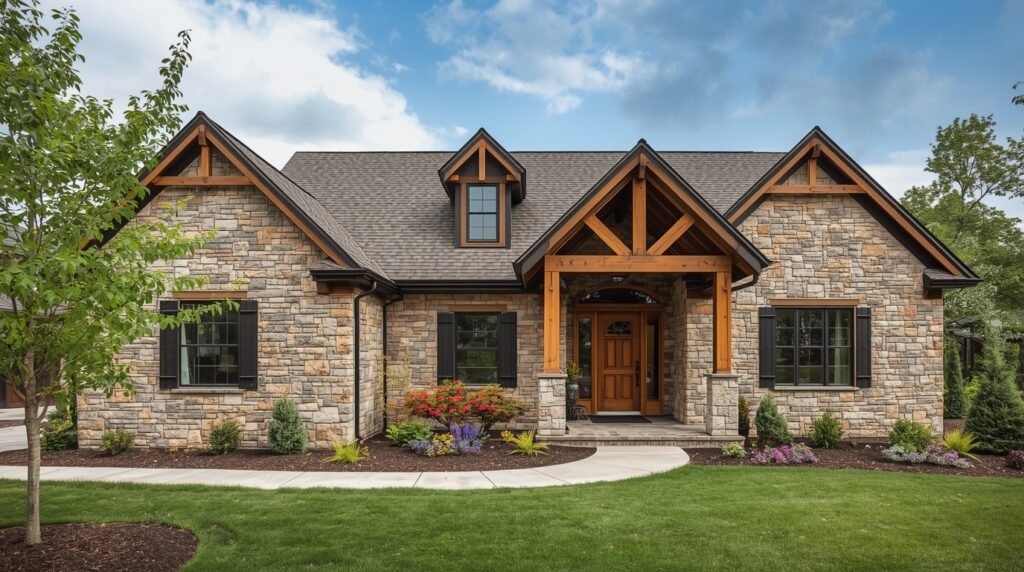
Stone and wood exterior design ideas bring a timeless, natural beauty to any home, blending strength with warmth in a way that never goes out of style. The rugged texture of stone paired with the organic charm of wood creates a balanced look that feels both grounded and inviting. Whether used in modern architecture or rustic-inspired homes, this combination enhances curb appeal while connecting your space to its natural surroundings.
From accent walls and cladding to full facade designs, there are endless ways to incorporate these materials creatively. In this guide, you’ll discover inspiring stone and wood exterior design ideas that elevate homes with character, durability, and effortless elegance.
Pair Dark-Stained Cedar with a Pale Limestone Base
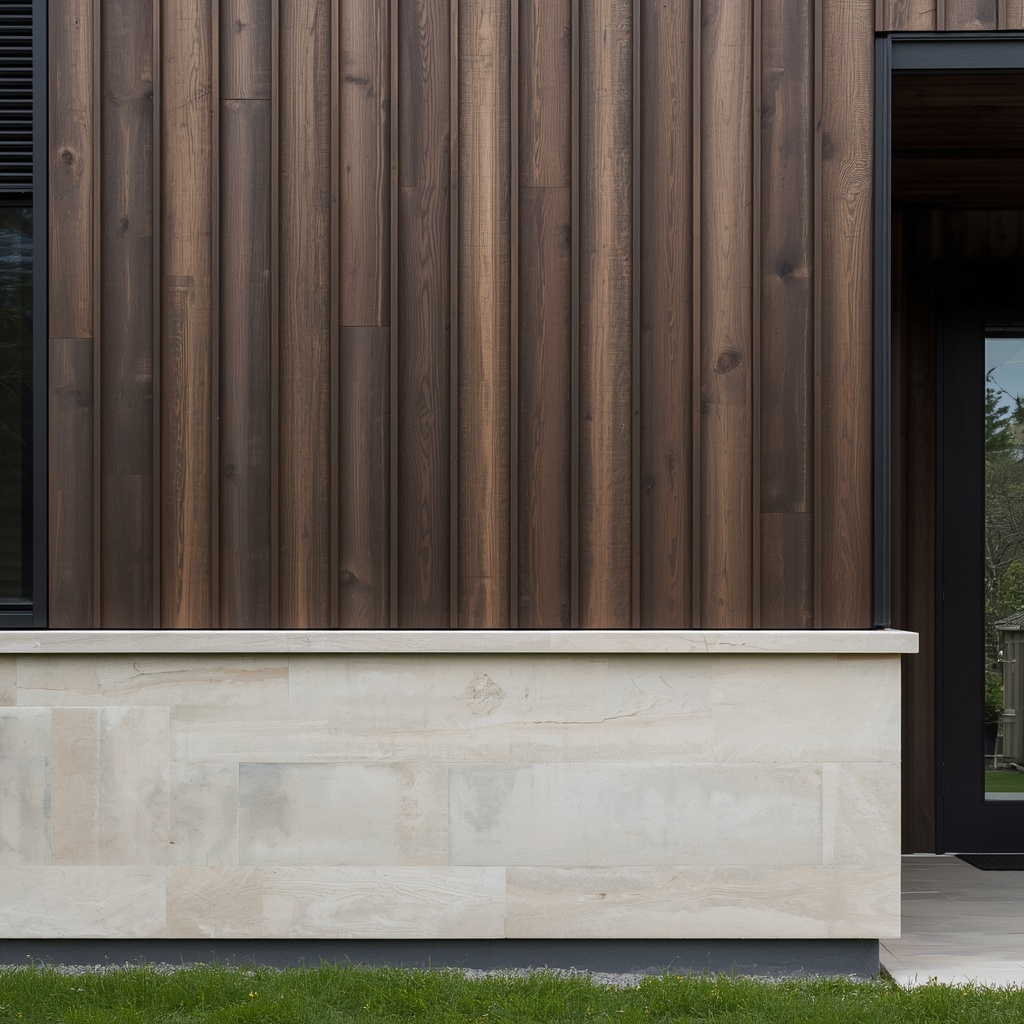
Dark-stained cedar cladding combined with a pale limestone base creates an exterior design defined by contrast, balance, and material richness. The deep tones of charcoal or warm brown timber bring visual depth and natural grain character to the facade, while the light limestone grounds the structure with stability and permanence. This pairing works especially well in contemporary homes where texture and tone matter as much as form. The stone base visually anchors the building, while the cedar above adds warmth and architectural softness. Together, they create a refined exterior that feels both modern and naturally connected to its surroundings.
Combine Weathered Grey Timber with Rough-Cut Granite
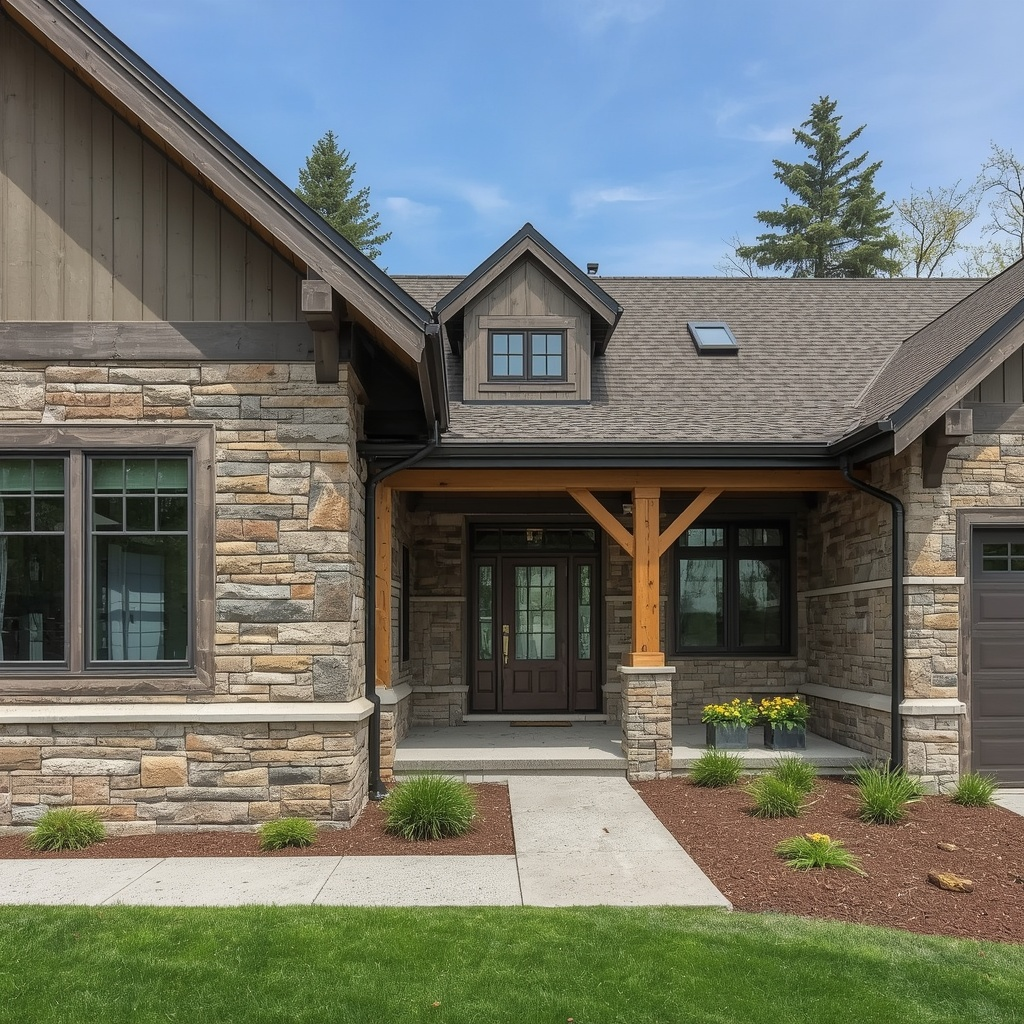
Weathered grey timber and rough-cut granite form one of the most naturally harmonious exterior combinations. As timber ages and develops its silver-grey patina, it blends seamlessly with the raw, earthy character of granite stone. This pairing reflects traditional rural architecture found in northern climates, where materials are chosen for durability and natural aging. The granite adds weight and permanence, while the timber introduces softness and organic texture. Over time, both materials evolve together, enhancing the home’s visual character. The result is an exterior that feels grounded, timeless, and deeply integrated into the natural landscape.
Use Vertical Black Timber Battens with Warm Sandstone
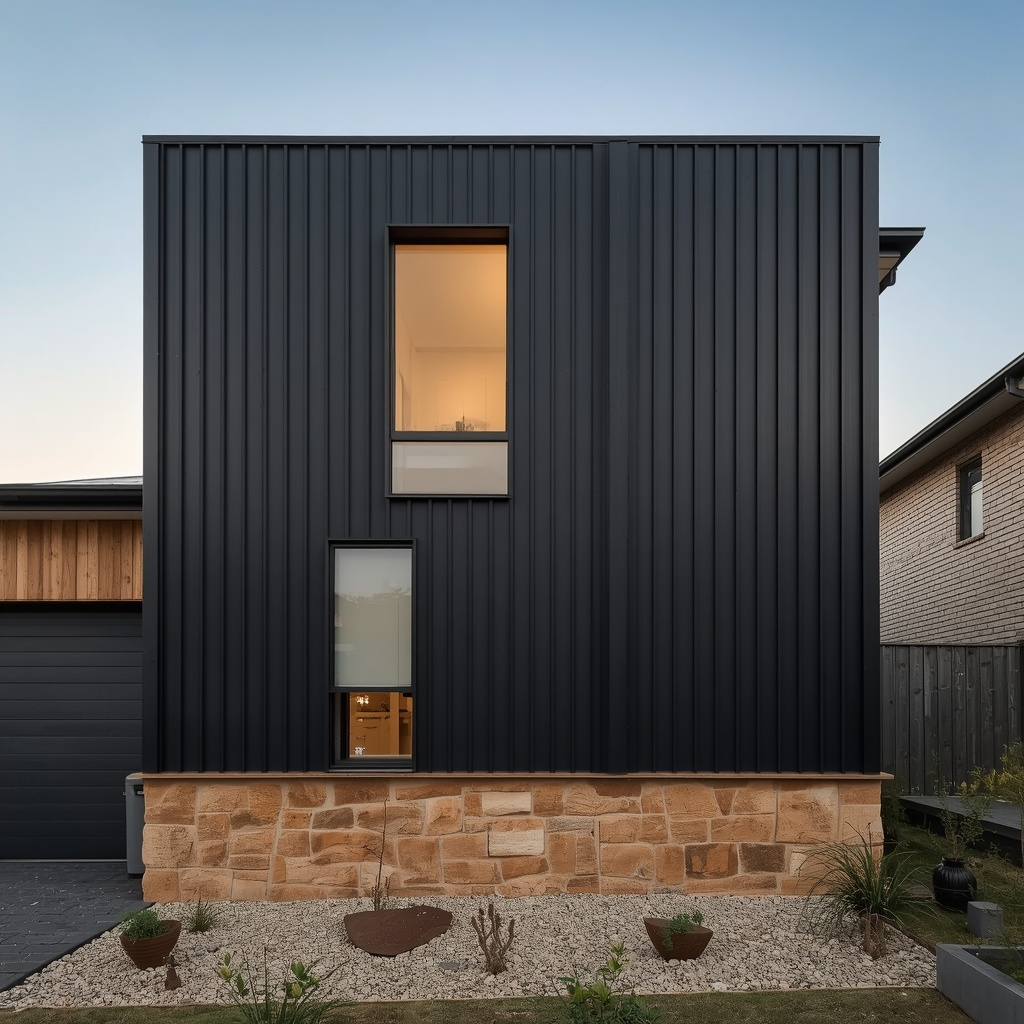
Vertical black timber battens paired with warm sandstone create a striking balance between modern design and natural warmth. The vertical lines of the timber add rhythm and architectural height, while the sandstone base introduces a grounding, earthy foundation. This combination is particularly effective in contemporary homes seeking bold visual identity without losing organic character. The contrast between dark timber and warm stone enhances both materials, allowing each to stand out while remaining cohesive. Sandstone softens the intensity of the black timber, creating a facade that feels both structured and inviting.
Contrast White Painted Timber with Dark Basalt Stone
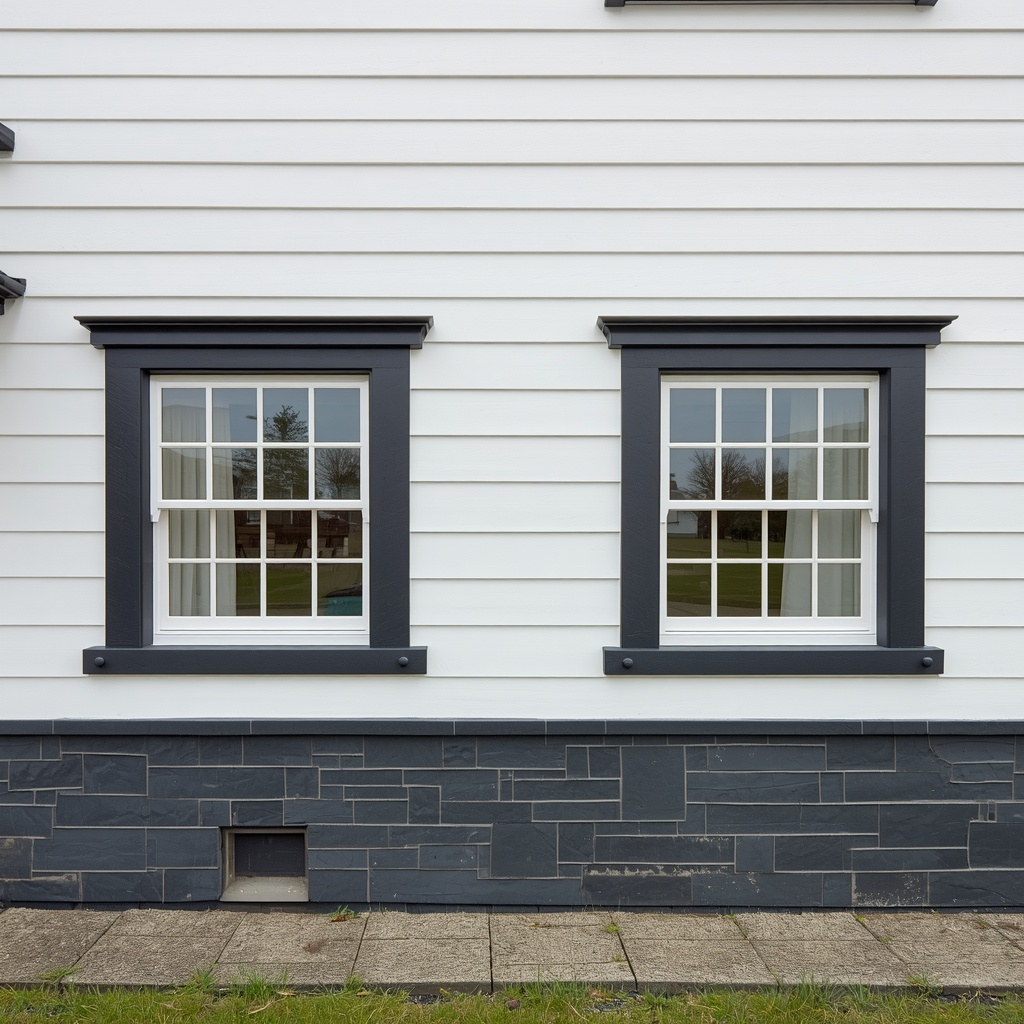
White painted timber cladding combined with dark basalt stone delivers a timeless exterior with strong tonal contrast. The bright, clean surface of white timber creates a sense of openness and lightness, while the dark stone base provides depth and visual weight. This combination is often associated with classic European farmhouse architecture, reinterpreted in a modern context. The basalt around windows and foundations strengthens the structure visually, preventing the white surfaces from feeling flat. Together, these materials produce a balanced exterior that feels fresh, elegant, and enduringly sophisticated.
Mix Reclaimed Brick with Rough-Sawn Timber Accents

Reclaimed brick paired with rough-sawn timber accents creates an exterior full of character, history, and warmth. The aged brick introduces natural variation in color and texture, reflecting the passage of time and previous use. Timber accents around windows, eaves, and entrances soften the masonry and add an organic layer to the facade. This combination feels especially authentic because both materials carry visible imperfections that enhance their charm. The result is a home exterior that feels lived-in, grounded, and rich with architectural storytelling, blending industrial heritage with natural warmth.
Pair Larch Cladding with Coursed Flint Stone
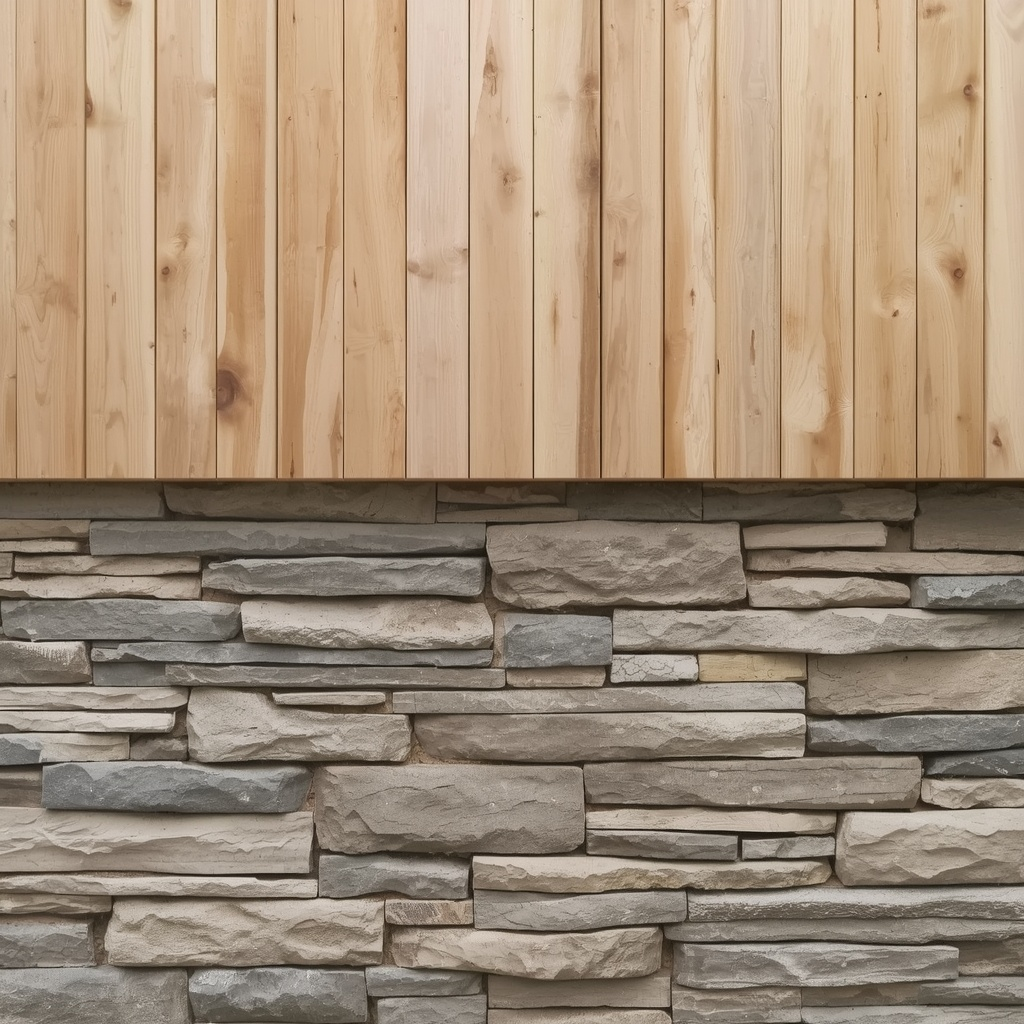
Larch cladding combined with coursed flint stone creates an exterior that feels deeply connected to natural landscapes. Larch, known for its durability and graceful silvering over time, complements the intricate texture of flint stone beautifully. Flint introduces visual complexity with its varied surfaces and natural light reflections, while larch provides a softer, linear contrast. This pairing is often seen in traditional countryside architecture where local materials define the character of the home. Together, they produce a facade that feels textured, authentic, and naturally integrated into its environment.
Combine Teak Cladding with a Travertine Base
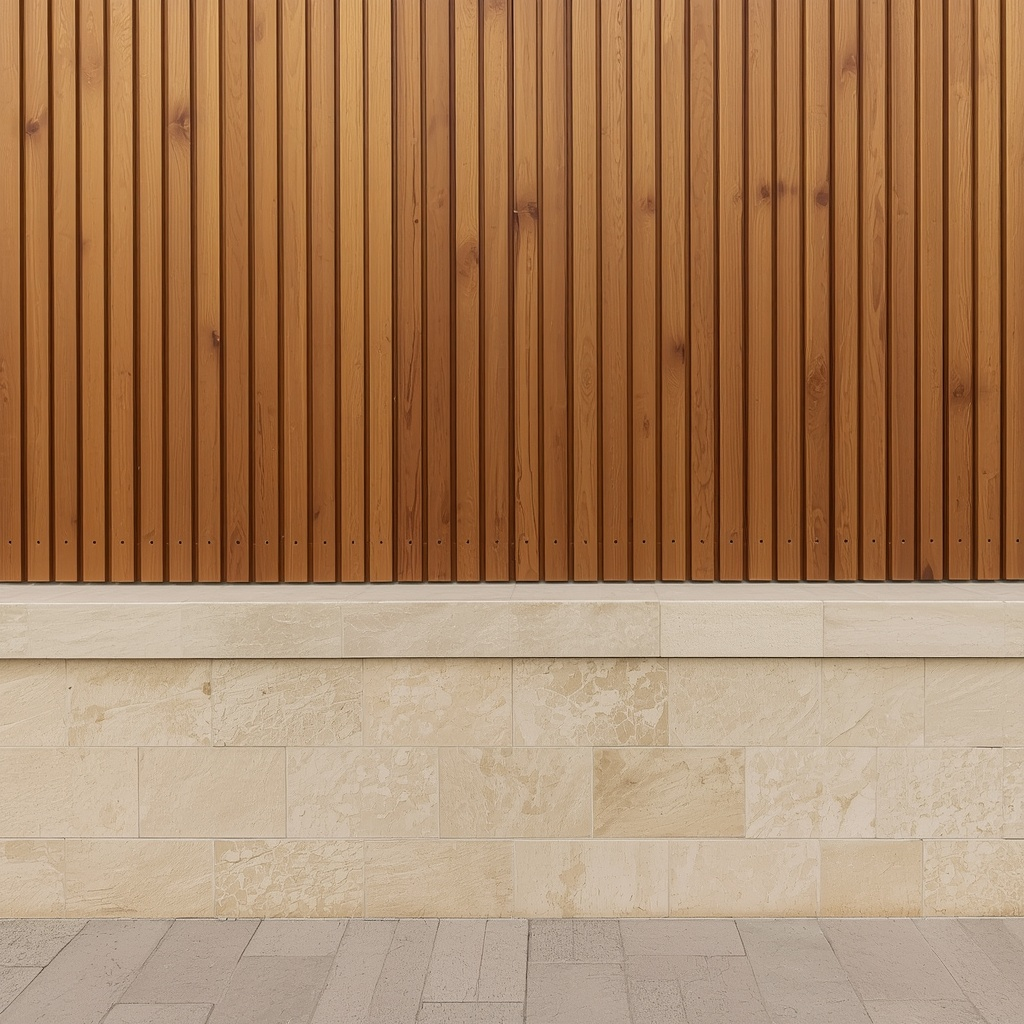
Teak cladding paired with a travertine base creates an exterior that reflects warmth, luxury, and coastal influence. The golden tones of teak bring richness and natural elegance, while travertine adds softness with its creamy, porous texture. This combination is especially effective in warm climates or resort-style architecture, where materials are chosen for both beauty and resilience. The stone base grounds the structure, while the timber above adds warmth and visual flow. Over time, both materials develop subtle patinas that enhance their natural character and deepen the overall aesthetic.
Use Charcoal Timber Shingles with River Stone
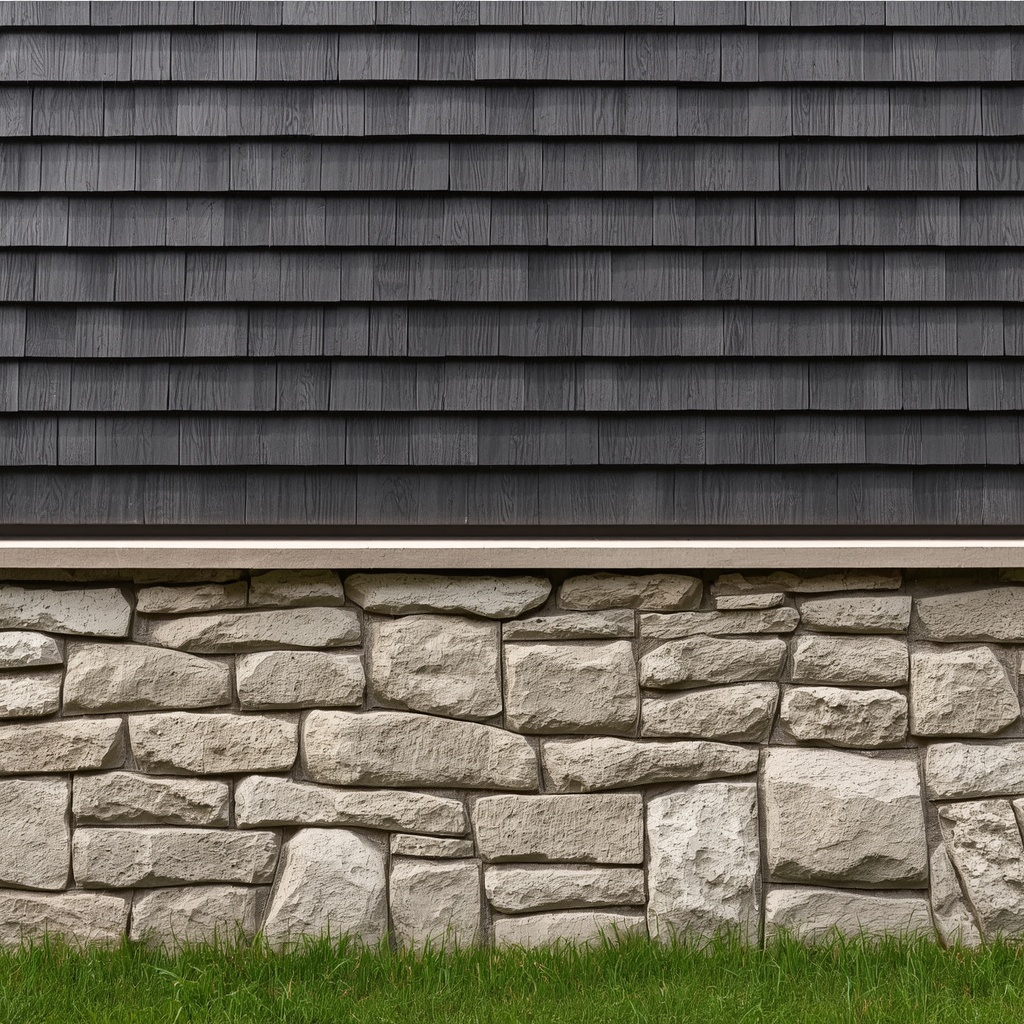
Charcoal-stained timber shingles combined with a river stone base create an exterior rich in texture and natural contrast. The overlapping shingles form a layered surface that adds depth and movement to the facade, while smooth river stones introduce organic softness at the base. This pairing draws inspiration from natural water landscapes, where stones are shaped and polished by time. The darker timber above enhances architectural presence, while the lighter stone below balances the composition. The result is a home exterior that feels earthy, grounded, and visually dynamic.
Pair Bleached Timber with White Marble Accents
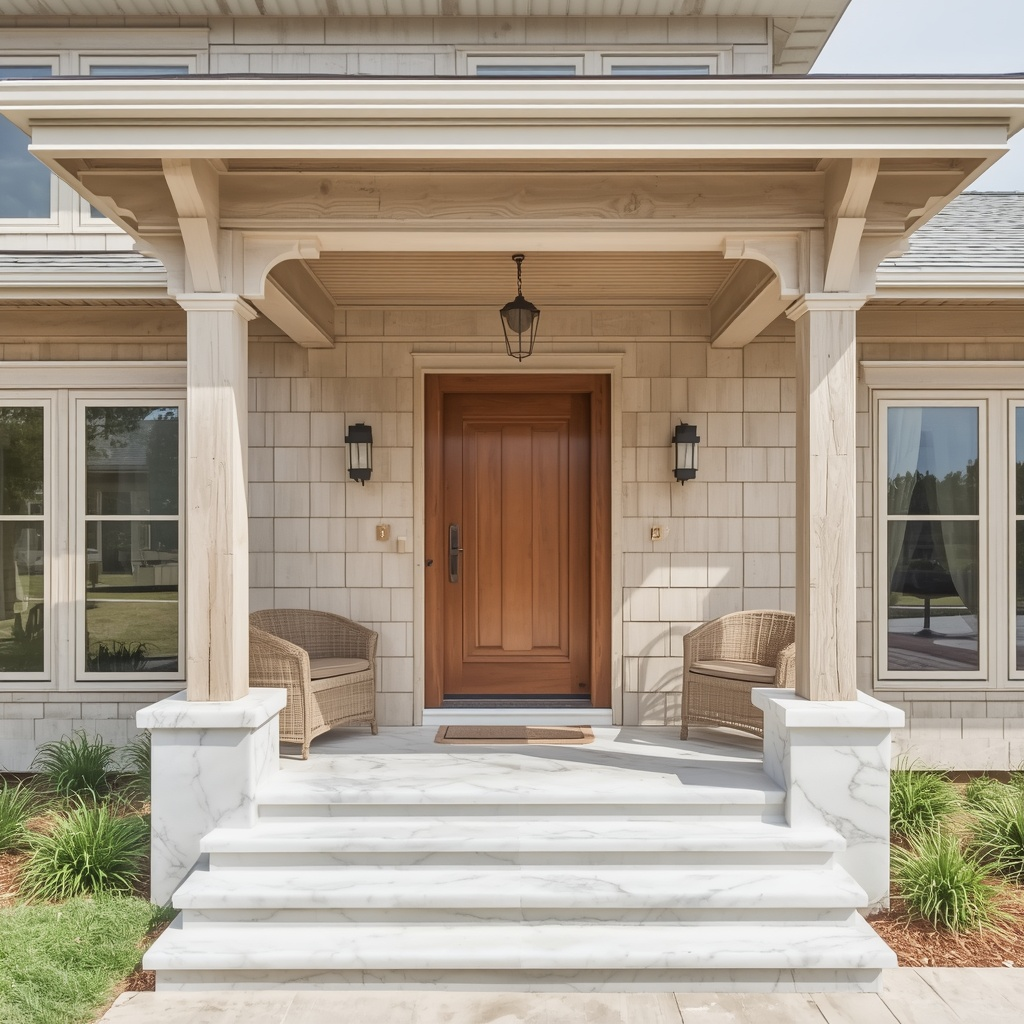
Bleached timber and white marble create an exterior defined by brightness, clarity, and subtle luxury. The pale timber preserves natural grain while offering a softened, sun-washed appearance. White marble accents at key architectural points—such as entrances and window bases—add refinement and elegance. Together, these materials create a cohesive light-toned palette that feels airy and sophisticated. The slight variation in texture between wood and stone prevents the design from feeling flat. This combination is ideal for achieving a clean, coastal-inspired architectural aesthetic.
Combine Dark Walnut Timber with Corten Steel and Stone
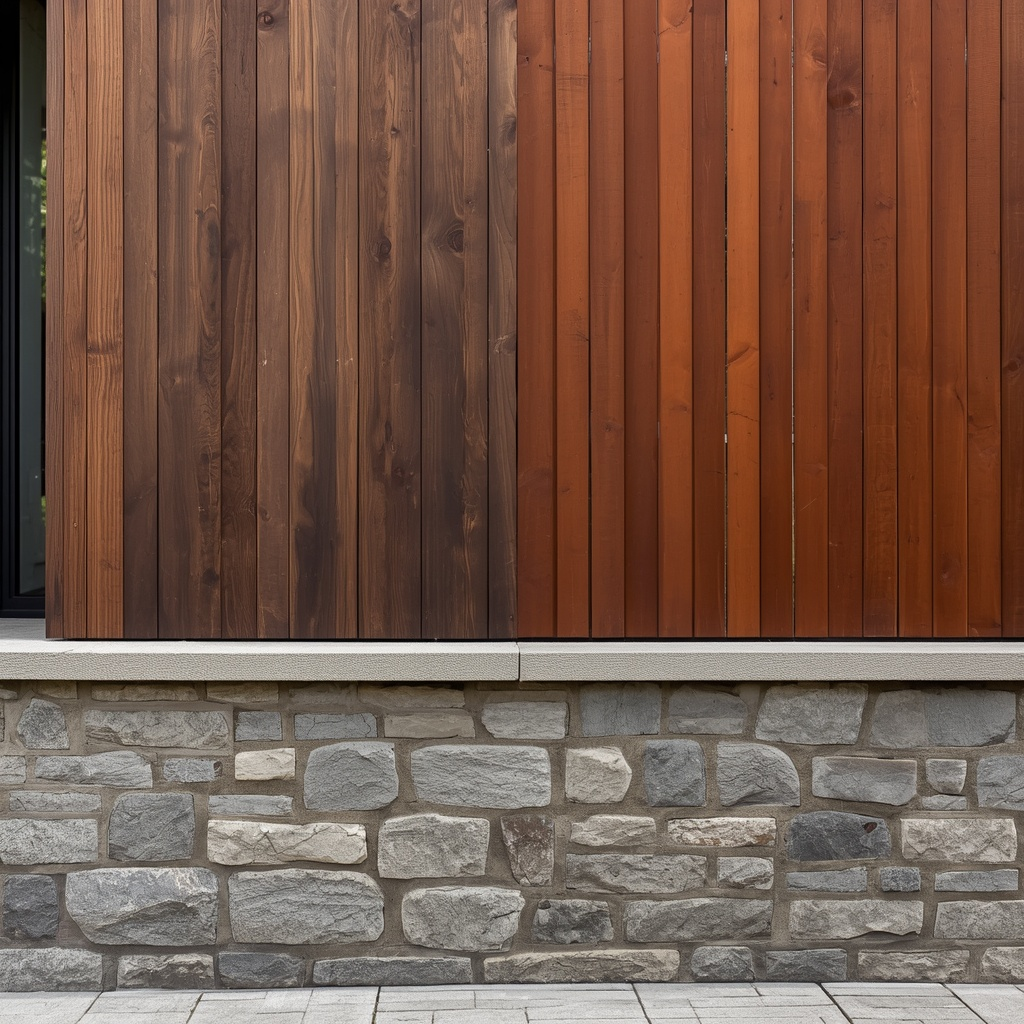
Dark walnut timber, Corten steel, and rough stone create a bold, contemporary exterior with strong material depth. Walnut introduces warmth and natural richness, while Corten steel adds industrial character through its evolving rust-toned surface. The stone base grounds the design with texture and permanence. As these materials age, they develop unique patinas that enhance their visual harmony. This combination is often used in modern architectural homes that emphasize contrast, honesty, and material expression. The result is a facade that feels both refined and strongly architectural.
Pair White Lime Render with an Oak Timber Frame
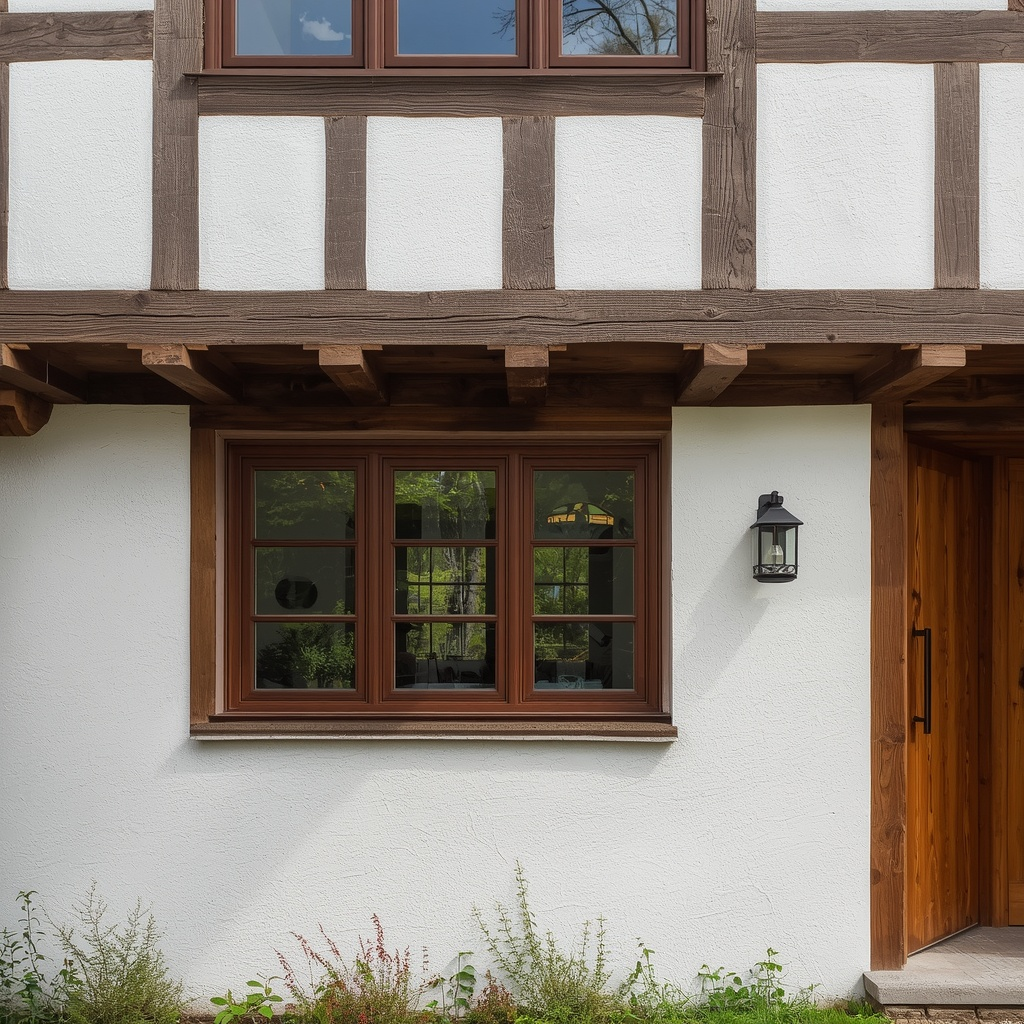
White lime render combined with an exposed oak timber frame creates an exterior inspired by traditional European architecture. The soft, textured lime surface provides brightness and simplicity, while the dark oak frame introduces structure and visual rhythm. This half-timbered approach highlights craftsmanship and historical influence. The contrast between light render and rich timber gives the facade depth and character. It is a timeless combination that feels both rustic and refined, connecting modern homes to centuries-old building traditions.
Combine Smoked Timber with Raw Concrete and Stone
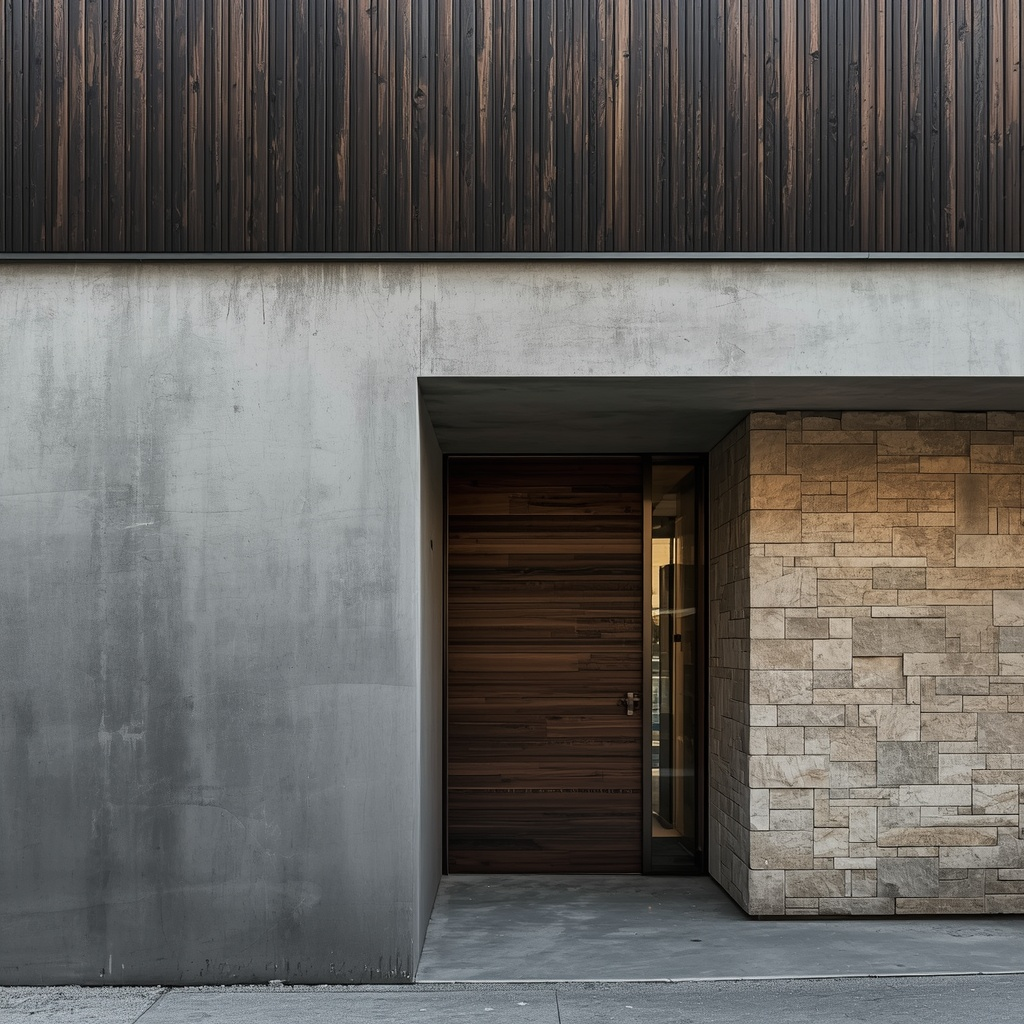
Smoked timber, raw concrete, and natural stone create a powerful modern exterior defined by material honesty. The charred surface of timber adds depth and durability, while concrete introduces a smooth, architectural foundation. Stone brings natural texture and warmth, balancing the cooler industrial elements. Together, these materials form a composition that feels bold and contemporary. The variation in texture and tone adds visual interest without excessive decoration. This combination is often used in minimalist and brutalist-inspired architecture where raw materials define the aesthetic.
Pair Warm Cedar with a Dry-Stone Wall Base
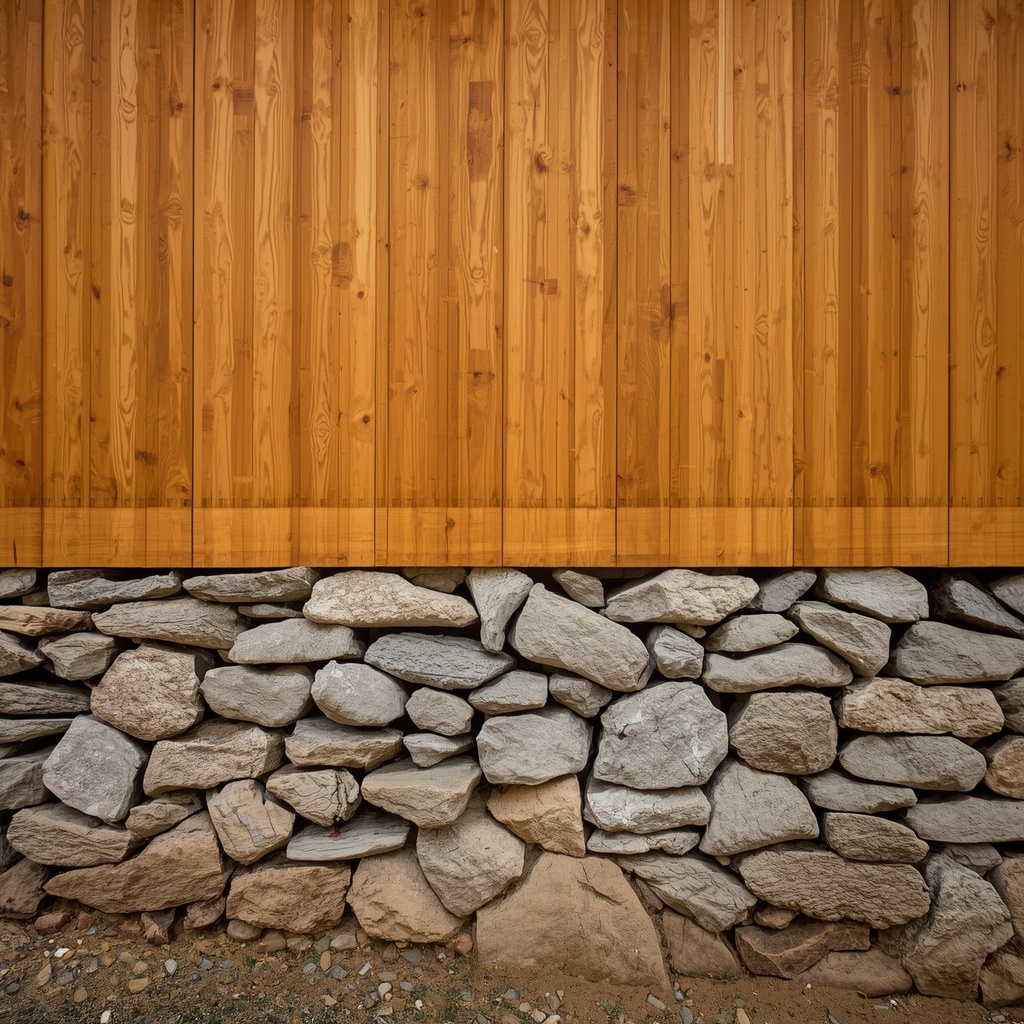
Warm cedar cladding combined with a dry-stone wall base creates an exterior rooted in craftsmanship and natural materials. The golden tones of cedar provide warmth and softness, while the mortarless stone base reflects traditional building techniques and regional geology. This pairing emphasizes authenticity and landscape integration. The dry-stone foundation anchors the structure visually and physically, while the timber above introduces organic texture. Over time, both materials weather naturally, enhancing their harmony. The result is a home that feels deeply connected to its environment.
Combine Shiplap Timber with a Fieldstone Chimney Stack

Shiplap timber siding paired with a fieldstone chimney stack creates a classic and character-rich exterior. The horizontal lines of the timber add structure and simplicity, while the irregular stone chimney introduces vertical presence and rustic charm. This combination is strongly associated with traditional countryside and coastal architecture. The chimney becomes a focal point, showcasing the natural variation of fieldstone. Together, these materials create a balanced composition that feels warm, familiar, and architecturally grounded.
Let Stone and Timber Age Together Naturally
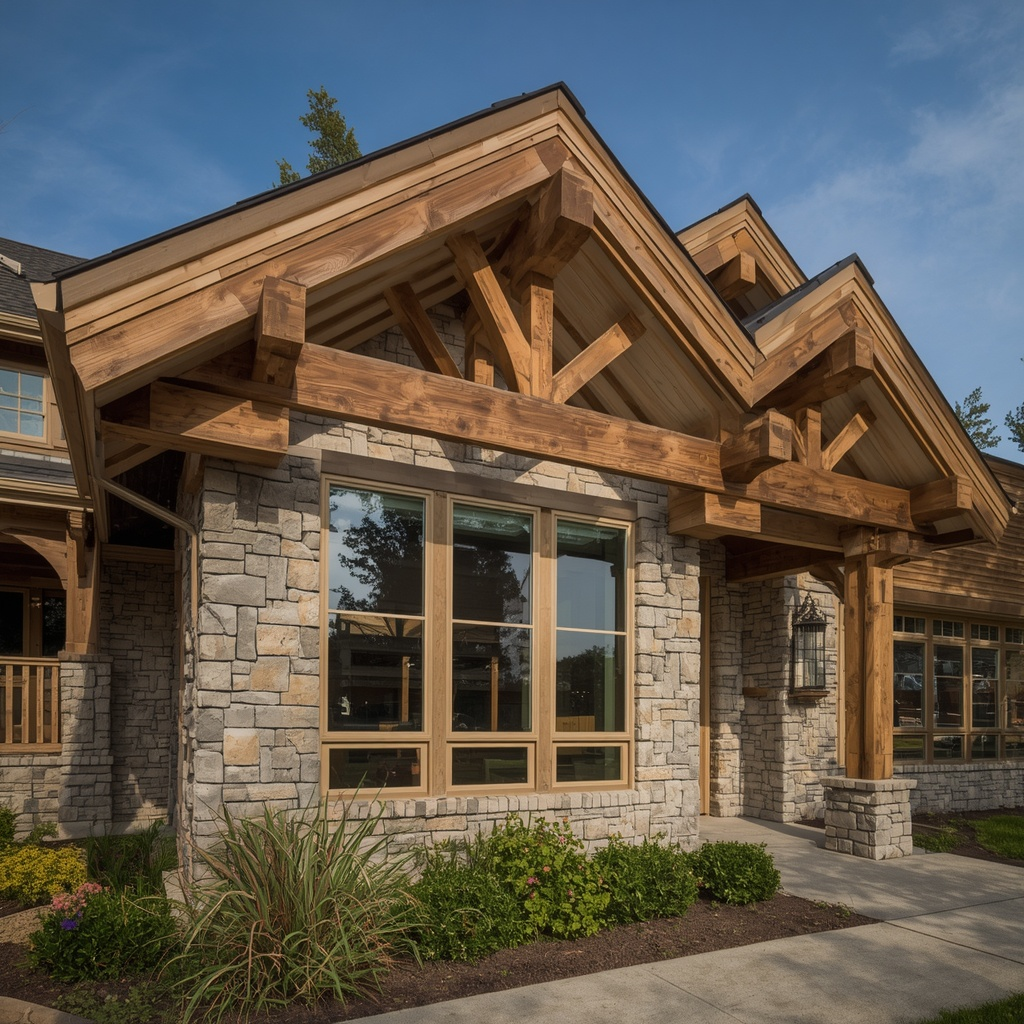
The most important principle in stone and timber exterior design is allowing materials to age gracefully over time. Natural materials evolve in appearance as they weather, develop patina, and respond to environmental conditions. Timber may silver or deepen in tone, while stone gathers moss, lichen, and subtle surface changes. Rather than resisting these transformations, good design embraces them as part of the building’s life. This approach creates exteriors that become more beautiful with age, not less. A well-designed facade should feel increasingly integrated into its landscape, reflecting time, climate, and natural processes in its evolving appearance.