
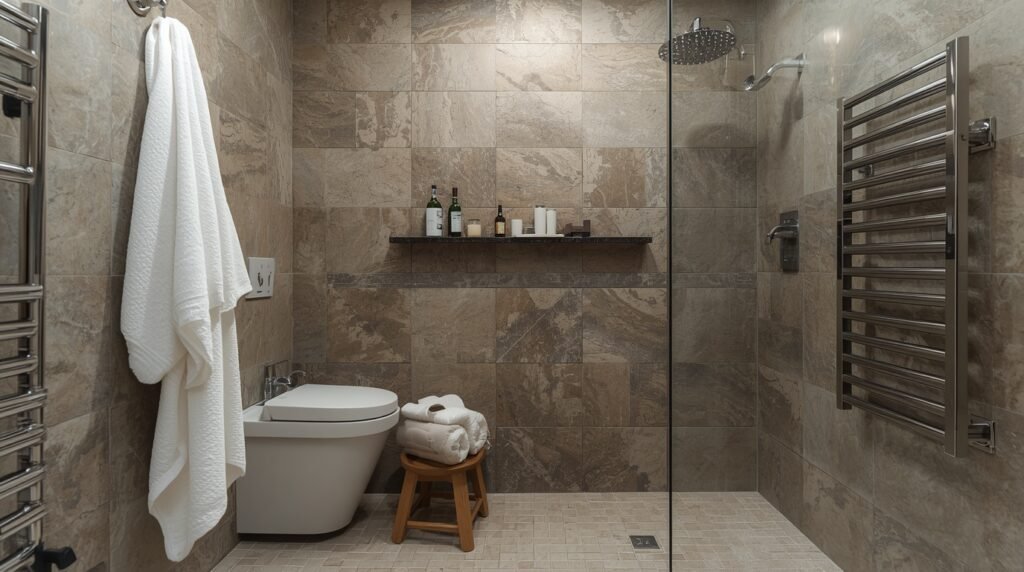
A shower without doors creates a clean, open, and modern look that instantly makes a bathroom feel more spacious. This design, often called a walk-in or wet-room style shower, focuses on seamless flow and minimal barriers, making it both stylish and practical. With the right layout, waterproofing, and drainage, doorless showers can be just as functional as traditional ones while offering a more relaxed, spa-like experience.
Shower ideas without doors often feature glass partitions, tiled enclosures, or fully open concepts that highlight beautiful materials and finishes. The result is a bathroom that feels airy, contemporary, and easy to maintain.
Seamless Wet Room Bathroom Design for Fully Open Shower Spaces
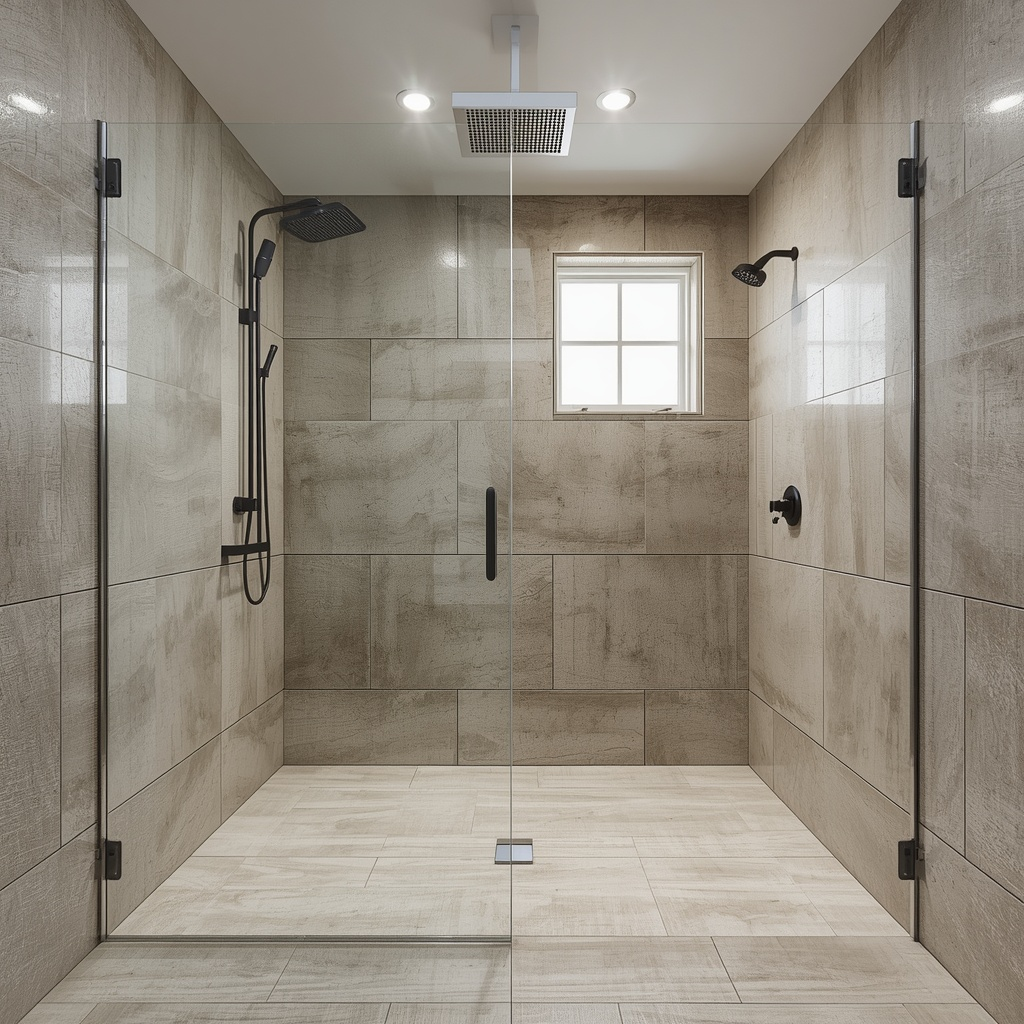
A seamless wet room design takes the concept of a doorless shower and expands it into a fully waterproof bathroom environment. Instead of separating the shower area from the rest of the space, the entire room functions as a unified, water-safe zone. The floor is carefully sloped toward a central or linear drain, ensuring that water naturally flows away without pooling. This creates a clean, uninterrupted visual layout that emphasizes simplicity and modern design.
To achieve this look, waterproof membranes are installed beneath the flooring and extend partway up the walls for full protection. Large-format tiles with minimal grout lines help maintain a sleek aesthetic while improving ease of cleaning. Because the entire room is designed to handle moisture, it feels open, spa-like, and highly contemporary. This approach is especially effective in smaller bathrooms, where removing visual boundaries can significantly enhance the sense of space.
Half Wall Shower Partitions for Open Yet Controlled Design
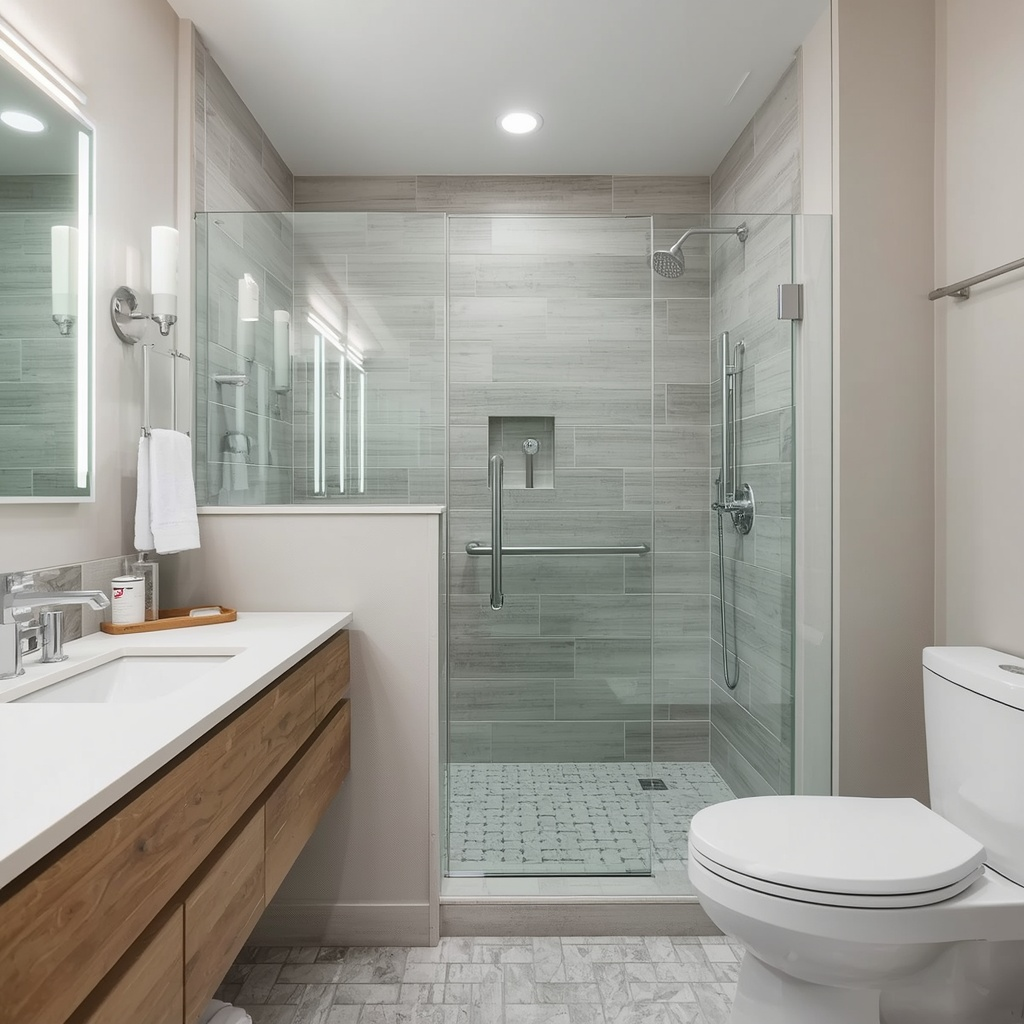
A half wall or knee wall partition offers a practical balance between openness and water control in doorless shower layouts. Typically built to a height of around 36 to 42 inches, this partial barrier blocks direct water spray while preserving visual continuity across the bathroom. It creates structure without fully enclosing the shower space, maintaining an airy and modern feel.
These walls are often finished in the same tile or material as the surrounding bathroom surfaces to ensure design consistency. A flat top ledge can also be added for storing toiletries, improving functionality. This design works well in medium-sized bathrooms where some separation is needed but a fully enclosed shower would feel too restrictive or visually heavy.
Minimalist Single Glass Panel Shower Divider for Sleek Openness
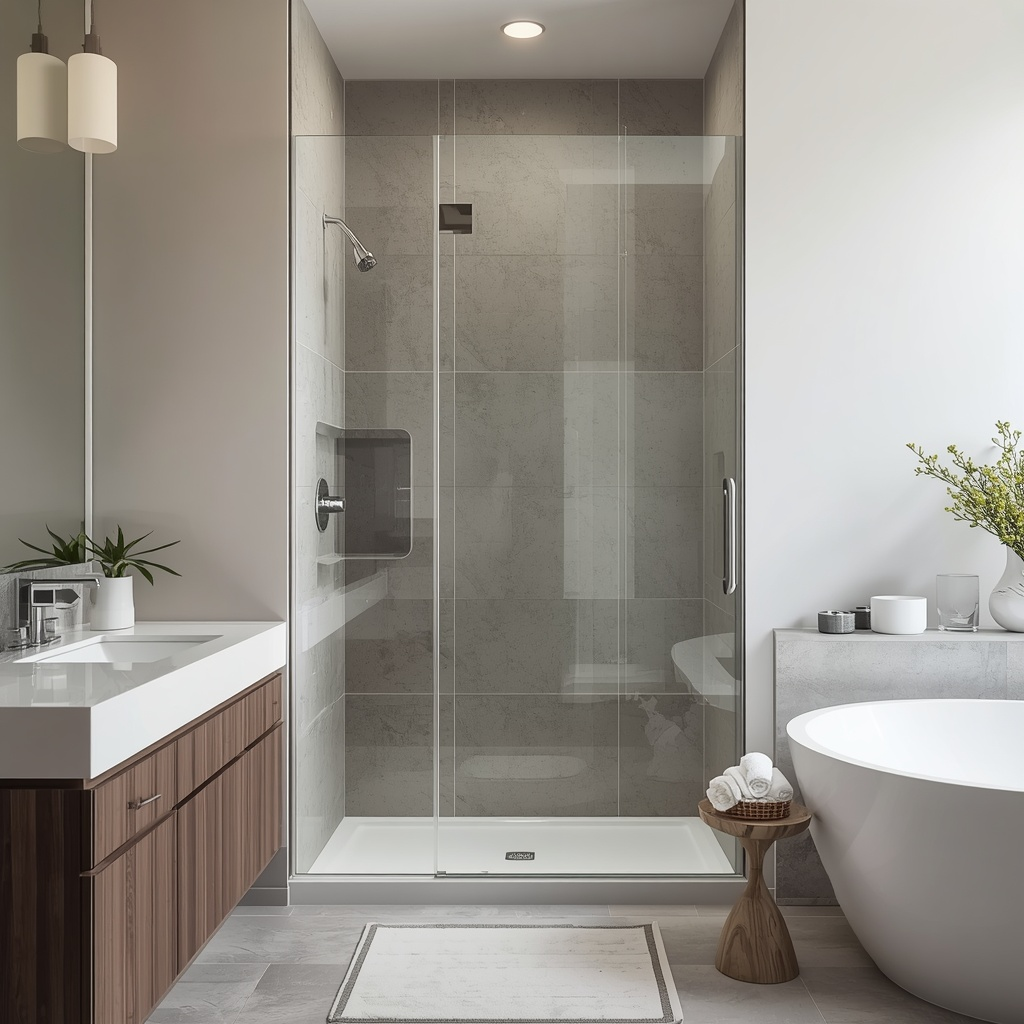
A single glass panel provides a subtle yet effective way to control water in a doorless shower without sacrificing openness. Unlike full enclosures, this design uses one fixed pane of frameless glass positioned strategically to block direct spray. The result is a clean, minimalist structure that maintains visual flow throughout the bathroom.
Clear, low-iron glass is often used to maximize transparency and avoid visual distortion. Installed from floor to ceiling, the panel acts as a functional barrier while still allowing light and air to circulate freely. This solution is ideal for bathrooms where complete openness is not practical but a sleek, modern aesthetic is still desired. It also requires less maintenance than multi-panel systems, making it both stylish and efficient.
Multi-Showerhead Bathroom Systems for Spa-Like Comfort
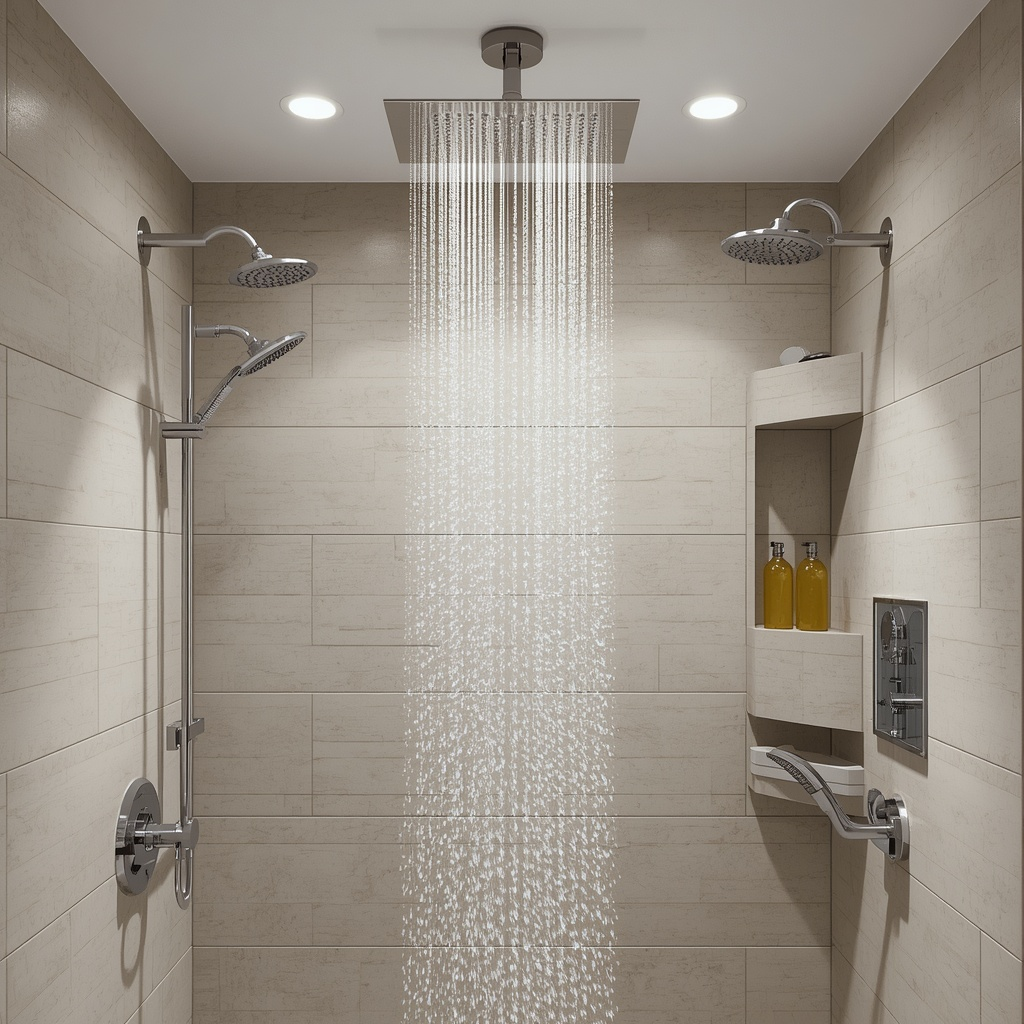
In doorless shower designs, multiple showerheads and body sprays can elevate the bathing experience into something more immersive and luxurious. Instead of relying on a single water source, the system surrounds the user with rainfall, handheld, and side jets positioned at different heights. This creates a full-body water experience that feels closer to a spa or wellness retreat.
A ceiling-mounted rainfall showerhead often serves as the central feature, supported by additional sprays along the walls. This setup not only enhances comfort but also visually reinforces the shower as a focal design element. However, proper water pressure and plumbing capacity are essential to ensure consistent performance across all fixtures. When executed correctly, this design transforms daily routines into a more indulgent experience.
Curved or Angled Shower Entry Designs for Better Flow and Privacy
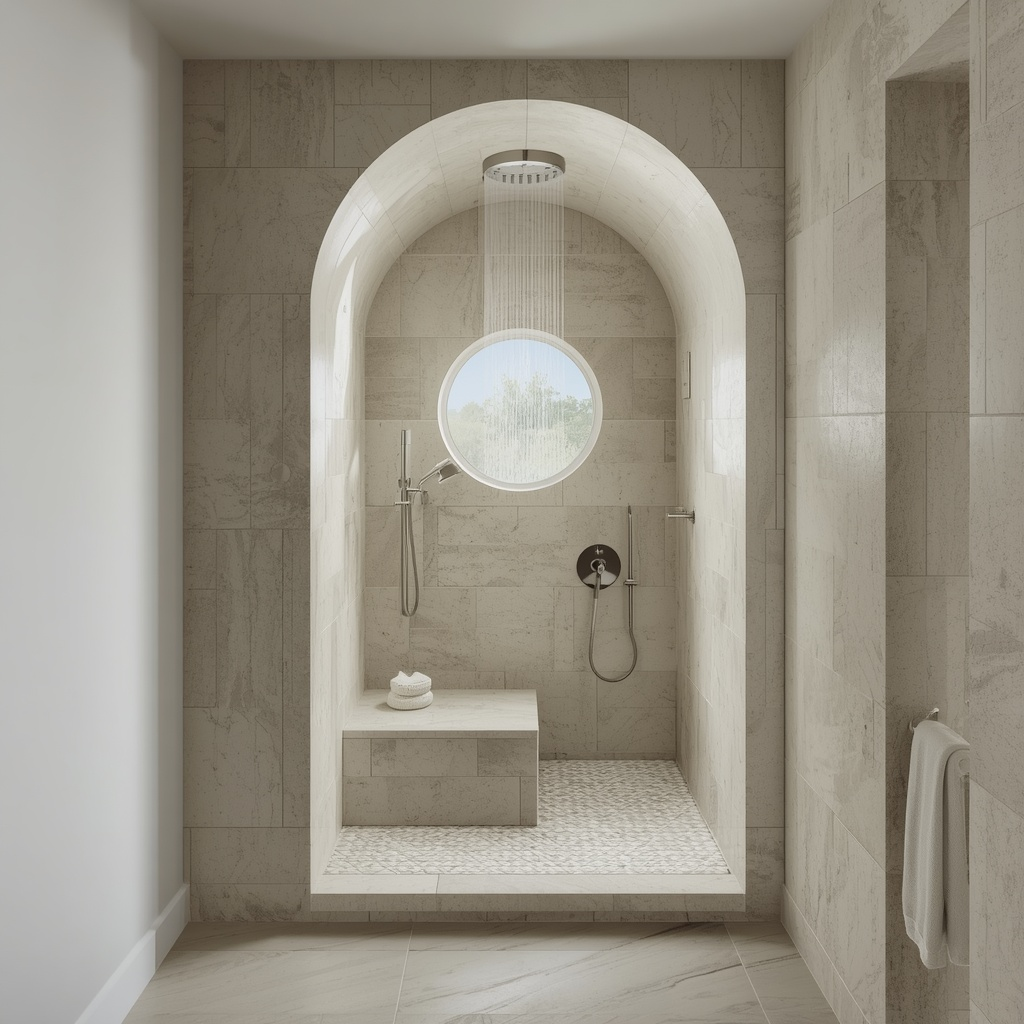
Curved or angled entry designs introduce a softer, more organic approach to doorless showers while improving water control. Instead of sharp corners or straight lines, gently curved walls guide movement naturally and help prevent water from splashing directly into the rest of the bathroom. This subtle geometry also adds a sculptural quality to the space.
These designs can be customized to create partial visual separation without fully enclosing the shower area. The result is a layout that feels both open and intentional, with improved privacy and flow. While curved structures often require more detailed planning and custom tile work, they significantly enhance the architectural character of the bathroom.
Distinct Flooring Zones to Define Doorless Shower Areas
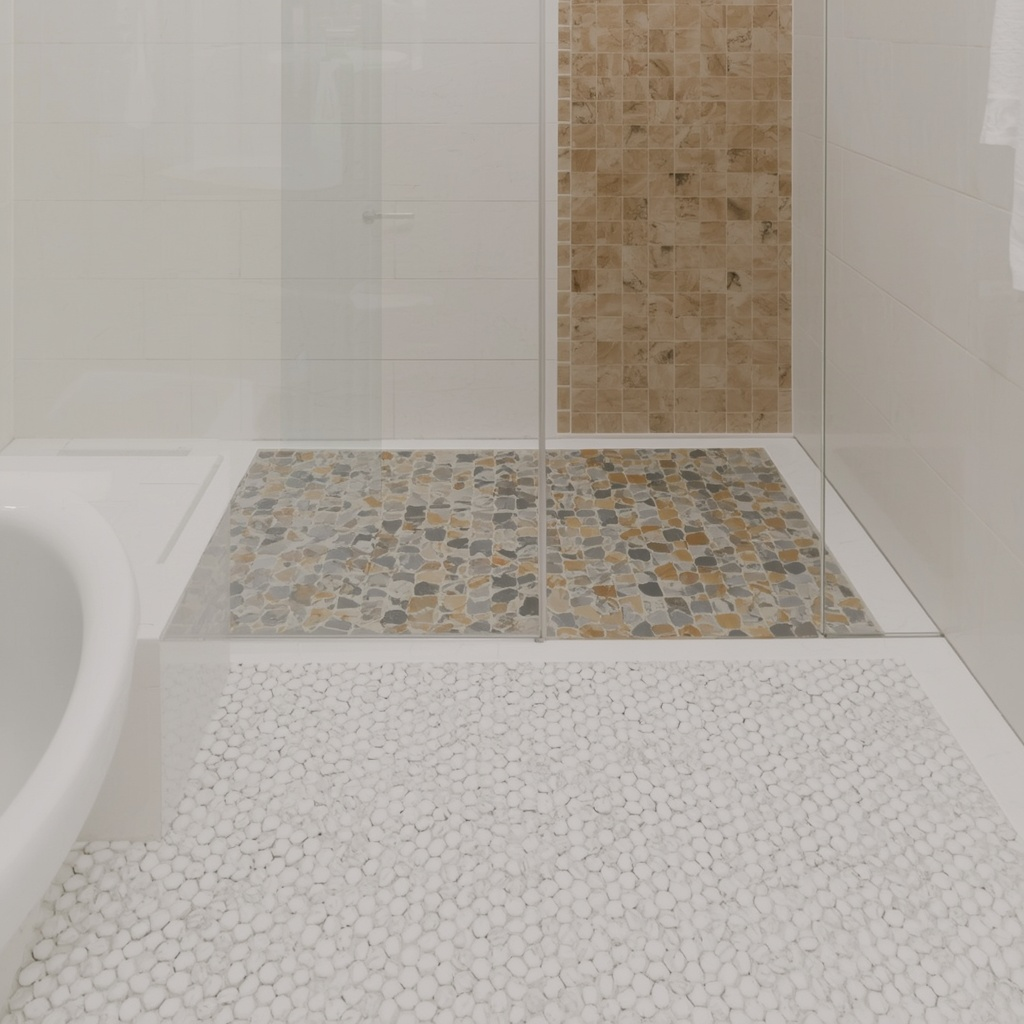
Using different flooring materials within the shower zone is an effective way to visually separate it from the rest of the bathroom. This technique allows for clear definition without physical barriers, maintaining the openness that defines doorless designs. Smaller mosaic tiles, pebble textures, or contrasting colors are commonly used within the shower area.
These material changes also serve practical purposes, such as improving slip resistance in wet conditions. A smooth transition between flooring types ensures safety while preserving a seamless appearance. This approach is especially useful in minimalist bathrooms where visual cues are needed to define functional zones without disrupting the overall design flow.
Alcove-Style Doorless Showers for Natural Water Containment
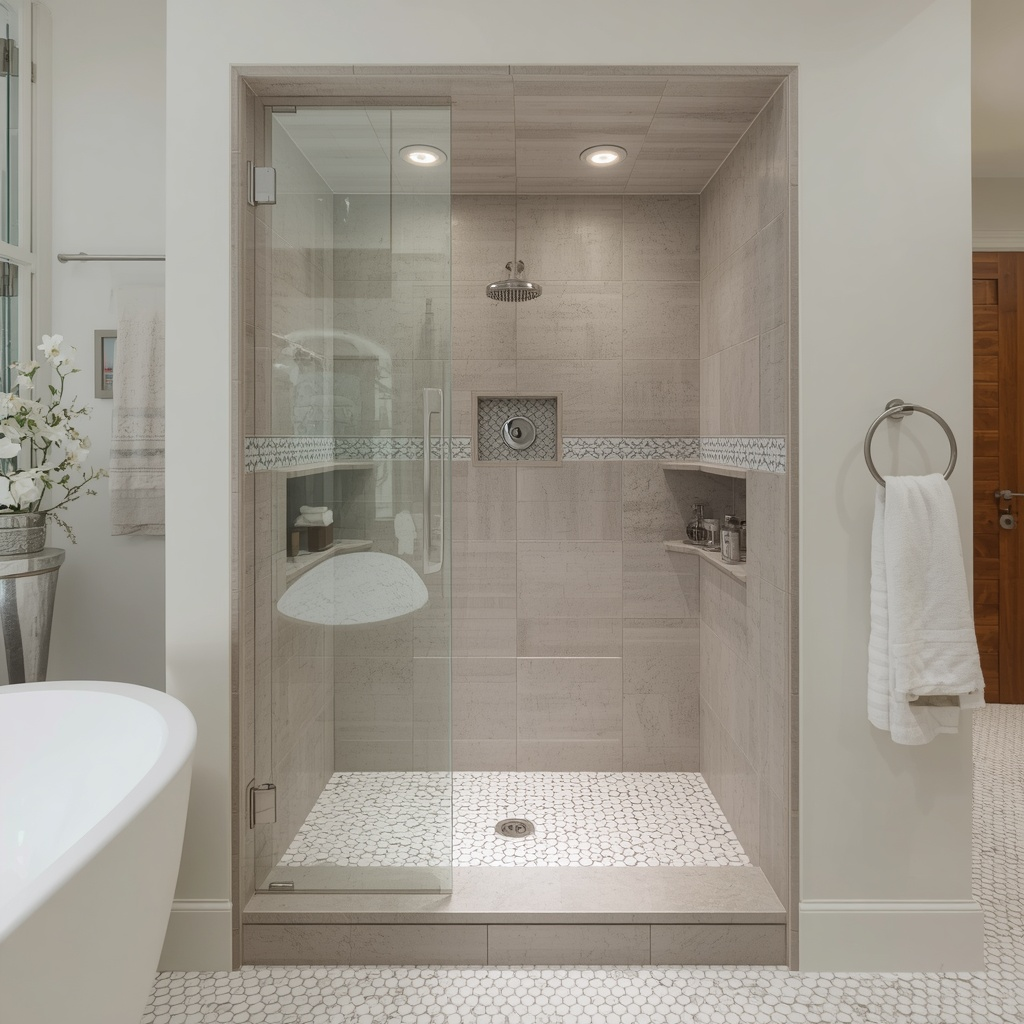
Alcove or recessed shower designs use surrounding walls on three sides to naturally contain water while maintaining an open entry. This architectural setup is particularly effective for doorless showers because it reduces water escape without requiring doors or large glass panels. The open side still provides easy access, preserving the sense of openness.
These alcoves can be enhanced with decorative tile work to create a focal point within the bathroom. By treating the shower area as a distinct architectural feature, the design feels intentional and refined. This approach works well in irregular bathroom layouts where existing structural elements can be incorporated into the design.
Ceiling-Mounted Rainfall Showers for Vertical Water Flow
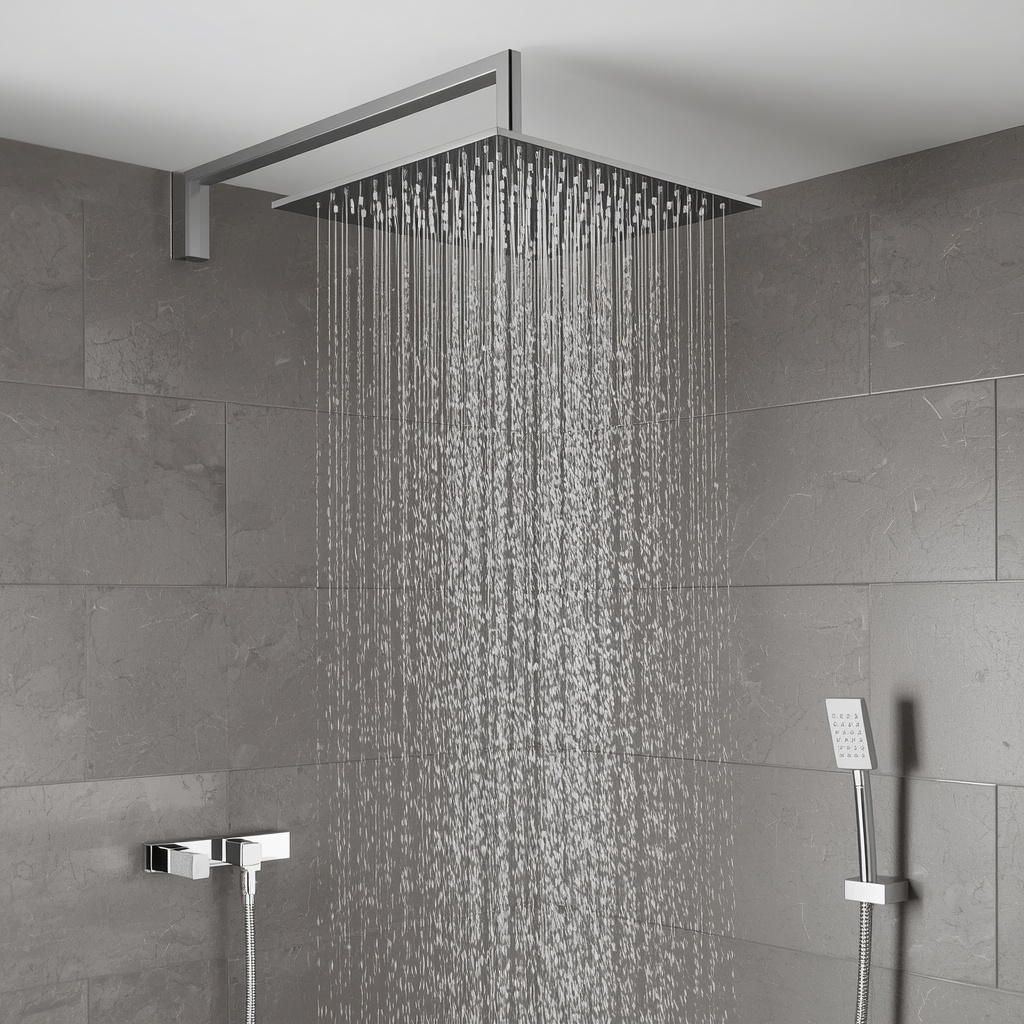
Ceiling-mounted rainfall showerheads are a popular choice for doorless shower designs due to their gentle, vertical water flow. Unlike angled wall-mounted fixtures, rainfall showers direct water straight downward, reducing splash and improving water containment. This makes them highly compatible with open bathroom layouts.
Their large surface area also creates a soothing, immersive experience that enhances relaxation. When paired with a handheld showerhead, the system becomes both functional and versatile. Beyond performance, ceiling-mounted fixtures contribute to a clean and modern aesthetic that emphasizes simplicity and luxury.
Linear Drain Systems for Efficient and Seamless Water Flow
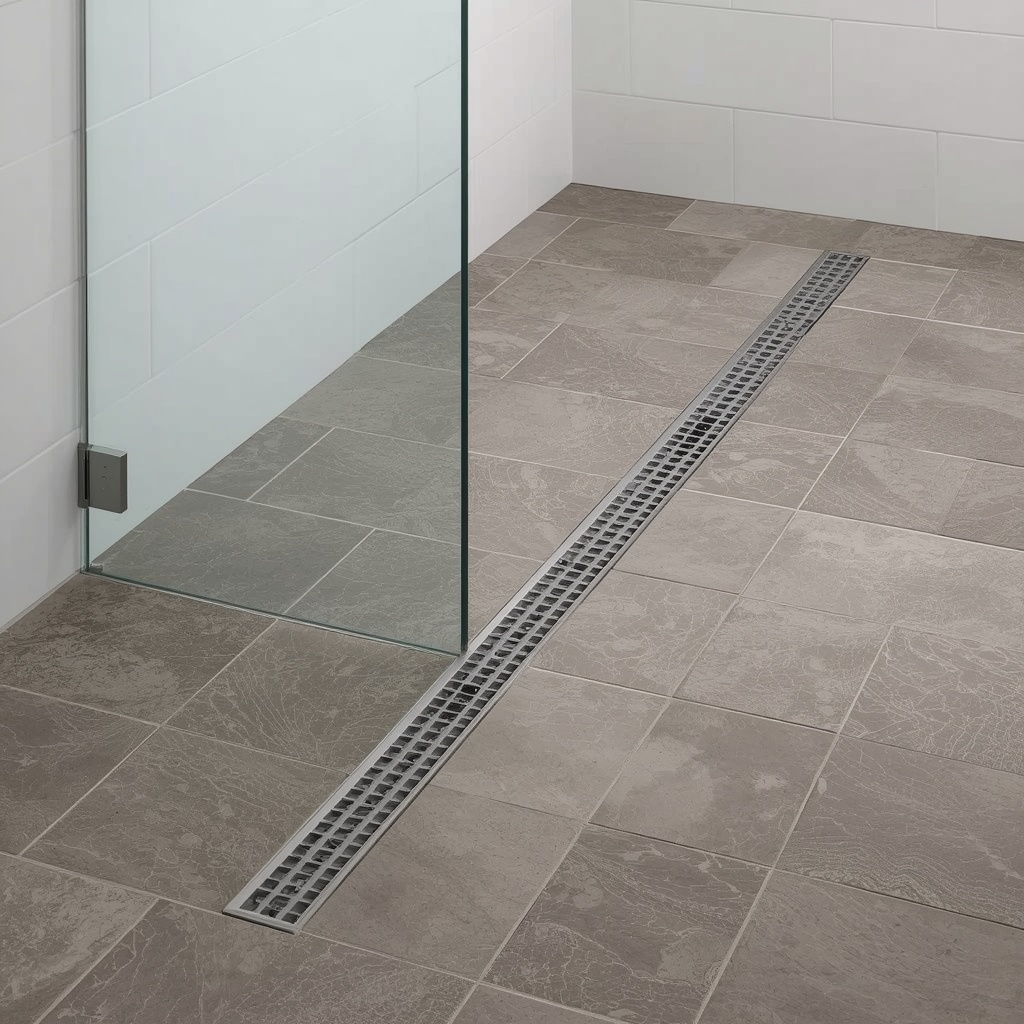
Linear drains offer a sleek and efficient solution for managing water in doorless showers. Instead of a central drain, water flows toward a long, narrow channel typically placed along one edge of the shower area. This allows for a single-direction slope, simplifying installation and improving usability.
This design creates a more uniform floor surface with fewer visual interruptions, enhancing the minimalist aesthetic. Tile-insert drain covers can further blend the system into the flooring, making it nearly invisible. Linear drains are especially well-suited for modern bathrooms that prioritize clean lines and functional elegance.
Built-In Shower Benches for Comfort and Functional Design
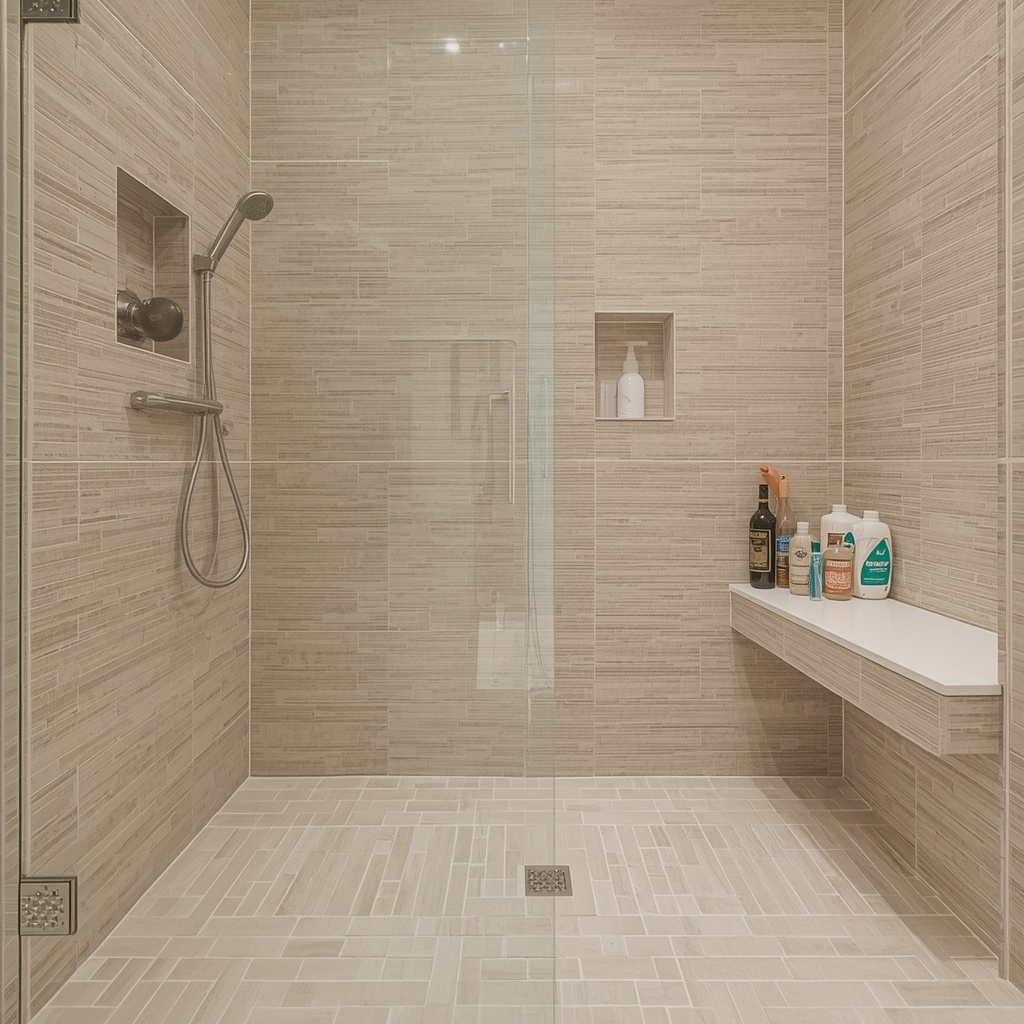
Integrated shower benches add both comfort and practicality to doorless shower spaces. These built-in seating areas allow users to sit, relax, or assist with grooming tasks while bathing. Typically constructed along one wall, they also contribute to the structural balance of the shower area.
In addition to seating, benches provide convenient storage for toiletries when not in use. When finished with continuous tile surfaces, they blend seamlessly into the overall design. This feature enhances both usability and visual interest, making the shower feel more like a spa-inspired retreat.
Floor-to-Ceiling Tile Design for Unified Bathroom Aesthetics
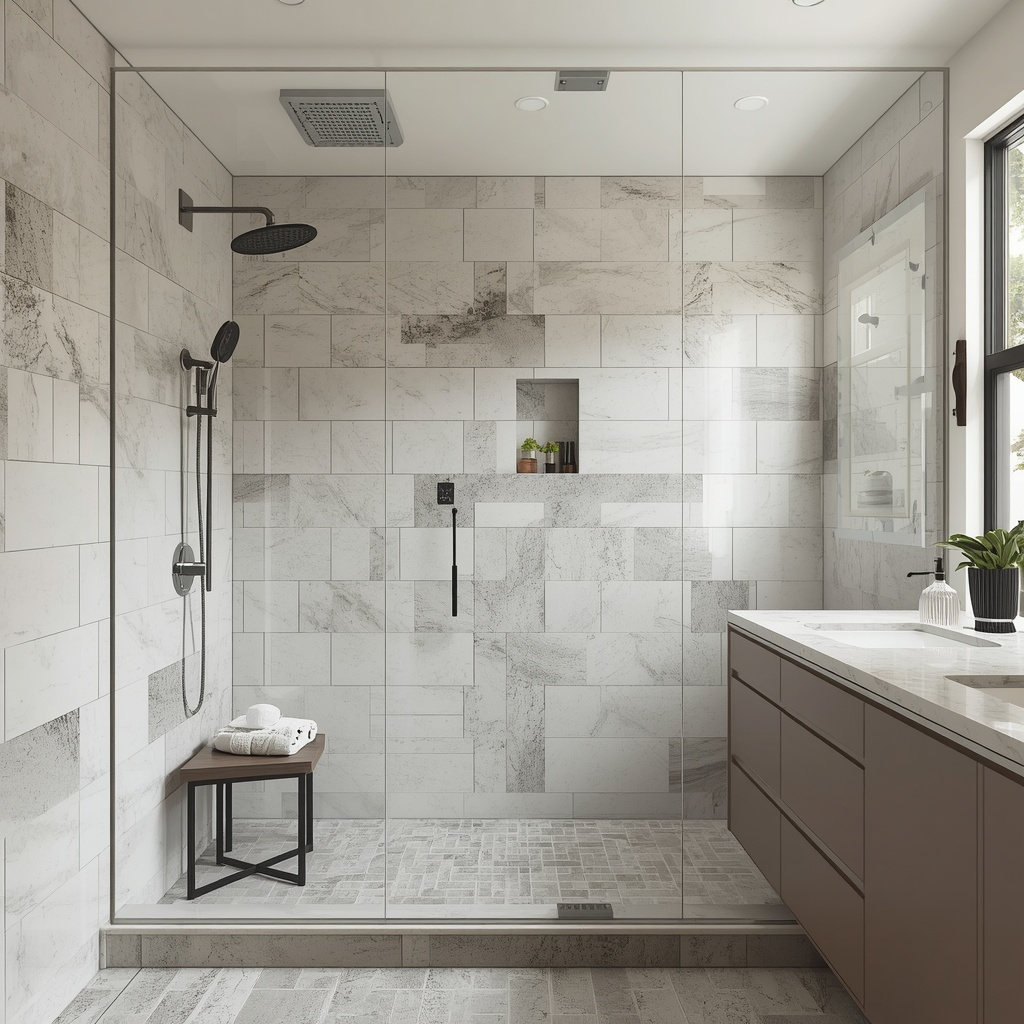
Extending tile from floor to ceiling creates a cohesive and unified bathroom environment, especially important in doorless shower designs. This approach eliminates visual breaks and enhances the sense of continuity throughout the space. Large-format tiles are often used to reduce grout lines and maintain a clean appearance.
Beyond aesthetics, full-height tiling improves water resistance and simplifies maintenance. Materials such as porcelain, marble, or natural stone can elevate the overall luxury of the bathroom. This design strategy ensures that the shower area blends seamlessly into the rest of the room, reinforcing a spa-like atmosphere.
Recessed Shower Niches for Clean and Integrated Storage
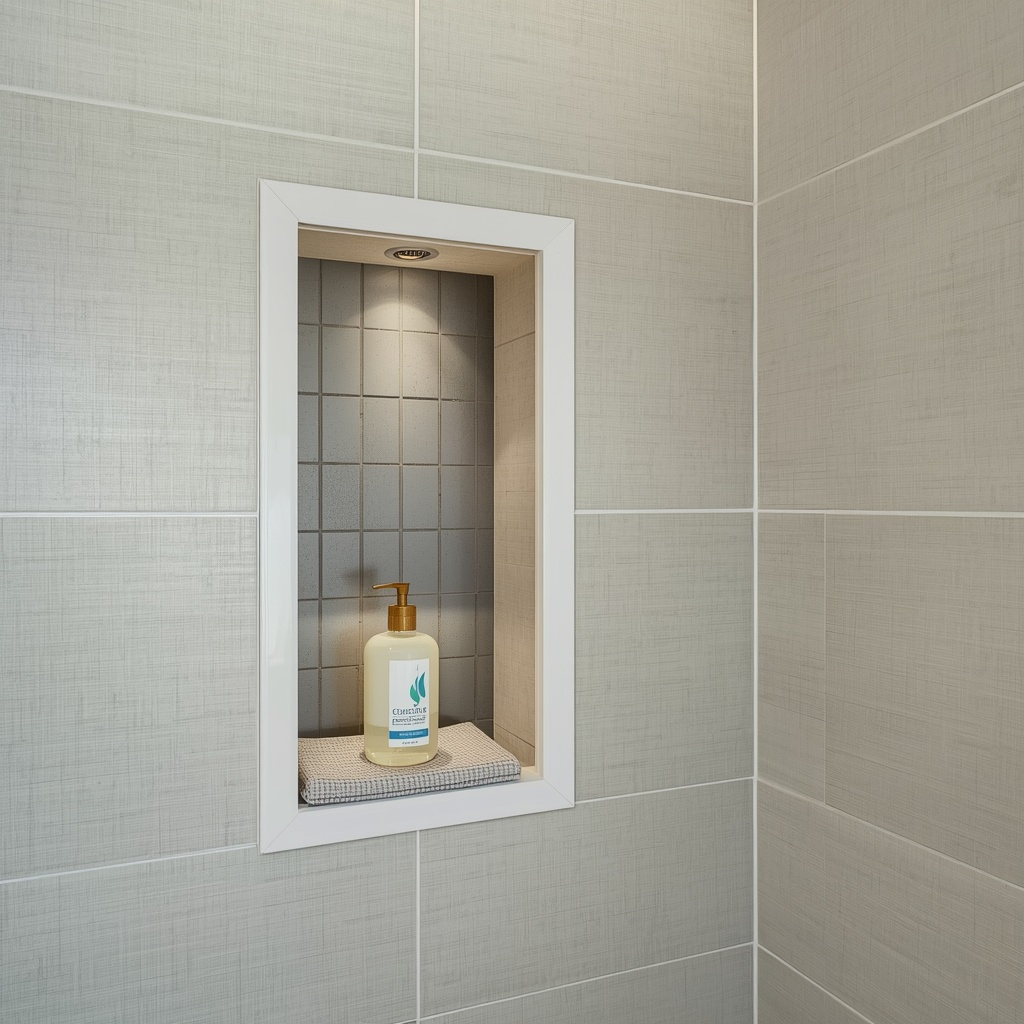
Recessed niches provide built-in storage solutions that eliminate the need for external racks or hanging organizers. These wall cavities are designed to hold toiletries such as shampoo, soap, and grooming products while maintaining a clean and streamlined appearance. Their integration into the wall helps preserve the minimalist nature of doorless showers.
Niches can also be designed as decorative features by using contrasting tile, lighting, or geometric framing. Proper sloping ensures water drains efficiently, preventing buildup. When thoughtfully designed, they enhance both functionality and visual appeal without disrupting the smooth surfaces of the shower walls.
Heated Bathroom Floors for Comfort in Open Shower Spaces
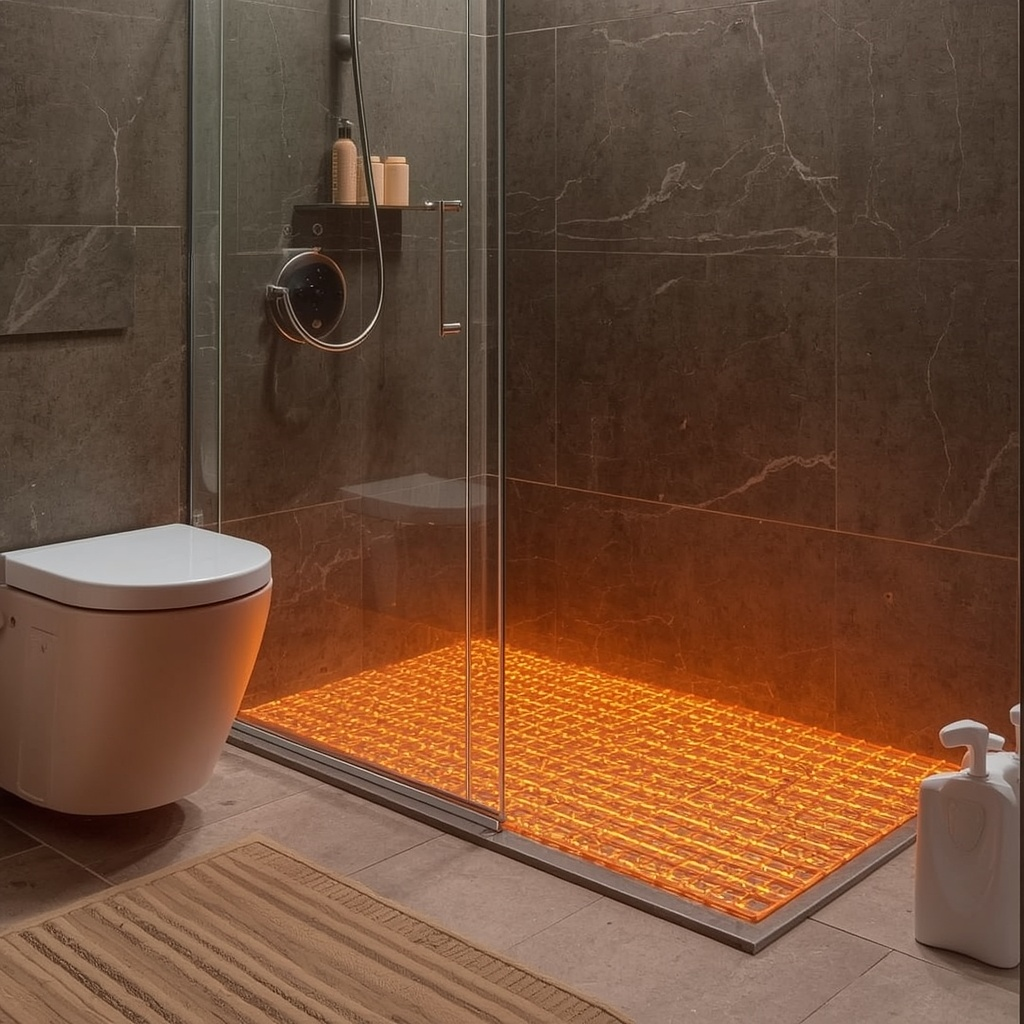
Heated flooring adds significant comfort to doorless shower bathrooms by providing warmth underfoot and reducing moisture retention. Radiant heating systems distribute heat evenly across the floor, helping to dry surfaces more quickly and improve safety. This is especially beneficial in open shower environments where steam is less contained.
Electric or hydronic systems can be installed depending on the bathroom setup, often controlled by programmable thermostats for efficiency. Beyond comfort, heated floors elevate the overall bathroom experience, making the space feel more luxurious and spa-like throughout the year.
Integrated Shower Lighting for Safety and Atmosphere
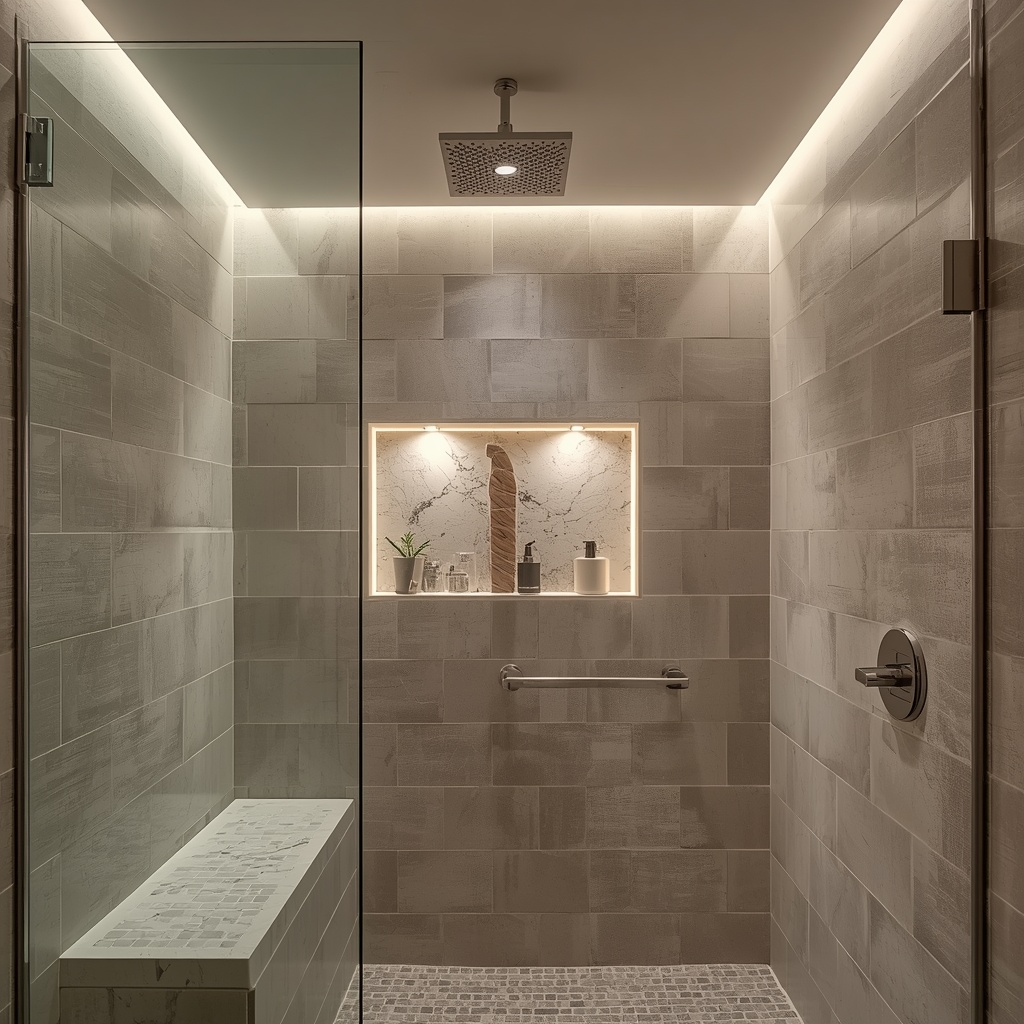
Strategic lighting plays an essential role in enhancing both safety and ambiance in doorless showers. Waterproof recessed fixtures installed in the ceiling provide even illumination, ensuring visibility across the entire space. LED strip lighting within niches or along architectural features can further enhance the design.
Proper lighting placement highlights textures, tile work, and fixtures while contributing to the overall mood of the bathroom. Dimmable options allow users to adjust brightness levels depending on time of day or preference. This combination of functionality and atmosphere makes lighting a key design element in modern shower spaces.
Spacious Layout Design for Successful Doorless Showers
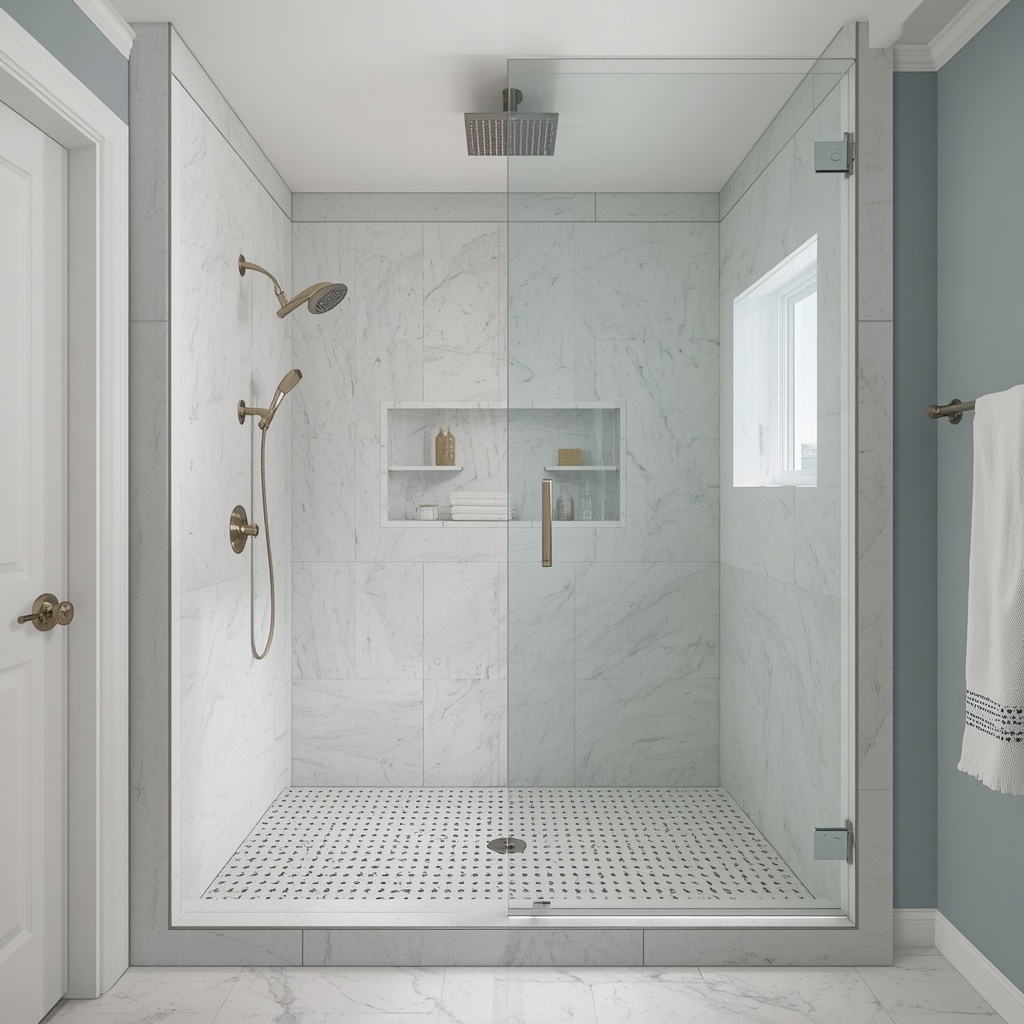
Adequate space is one of the most important factors in designing a successful doorless shower. Without sufficient room, water containment becomes difficult regardless of other design features. Larger dimensions allow for better placement of showerheads and reduce the likelihood of water escaping into the rest of the bathroom.
A recommended minimum size is typically around 36 by 60 inches, though larger layouts offer significantly improved comfort and functionality. Expansive designs enhance movement, reduce clutter, and create a more luxurious bathing experience. When space is properly planned, doorless showers feel natural, practical, and visually seamless.