
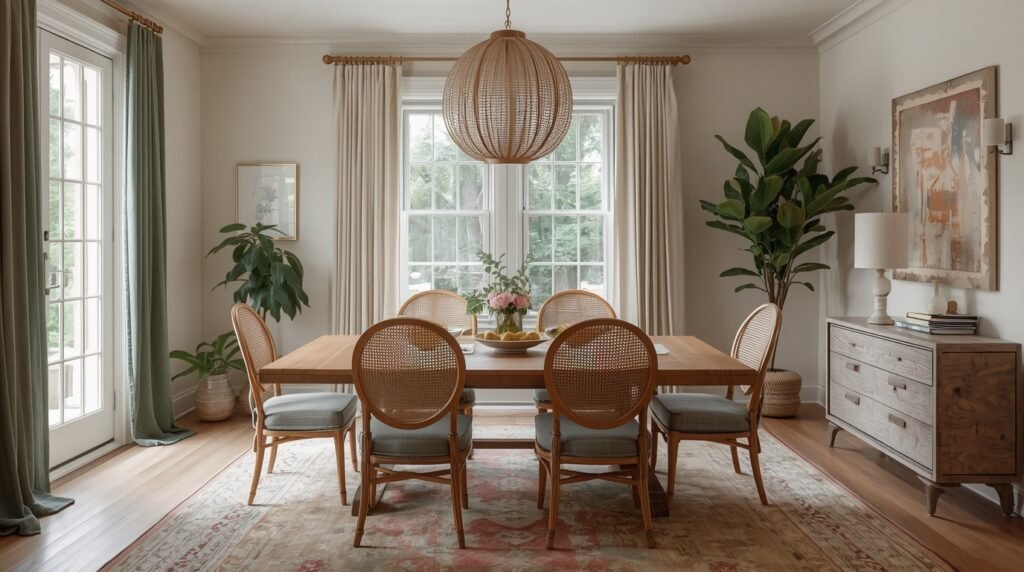
A boho dining room is all about creating a relaxed, expressive space that feels warm, inviting, and full of personality. This style blends natural textures, layered patterns, and earthy tones with eclectic decor pieces that reflect your individuality. Think rattan chairs, wooden tables, woven rugs, hanging plants, and soft, ambient lighting that sets a cozy mood for gatherings.
Boho dining room ideas often mix vintage finds with handmade accents, giving the space a lived-in, global-inspired feel. The result is a dining area that feels effortlessly stylish yet comfortable—perfect for sharing meals, conversations, and memorable moments with family and friends.
Layered Vintage and Global Textiles for a Rich, Collected Dining Style
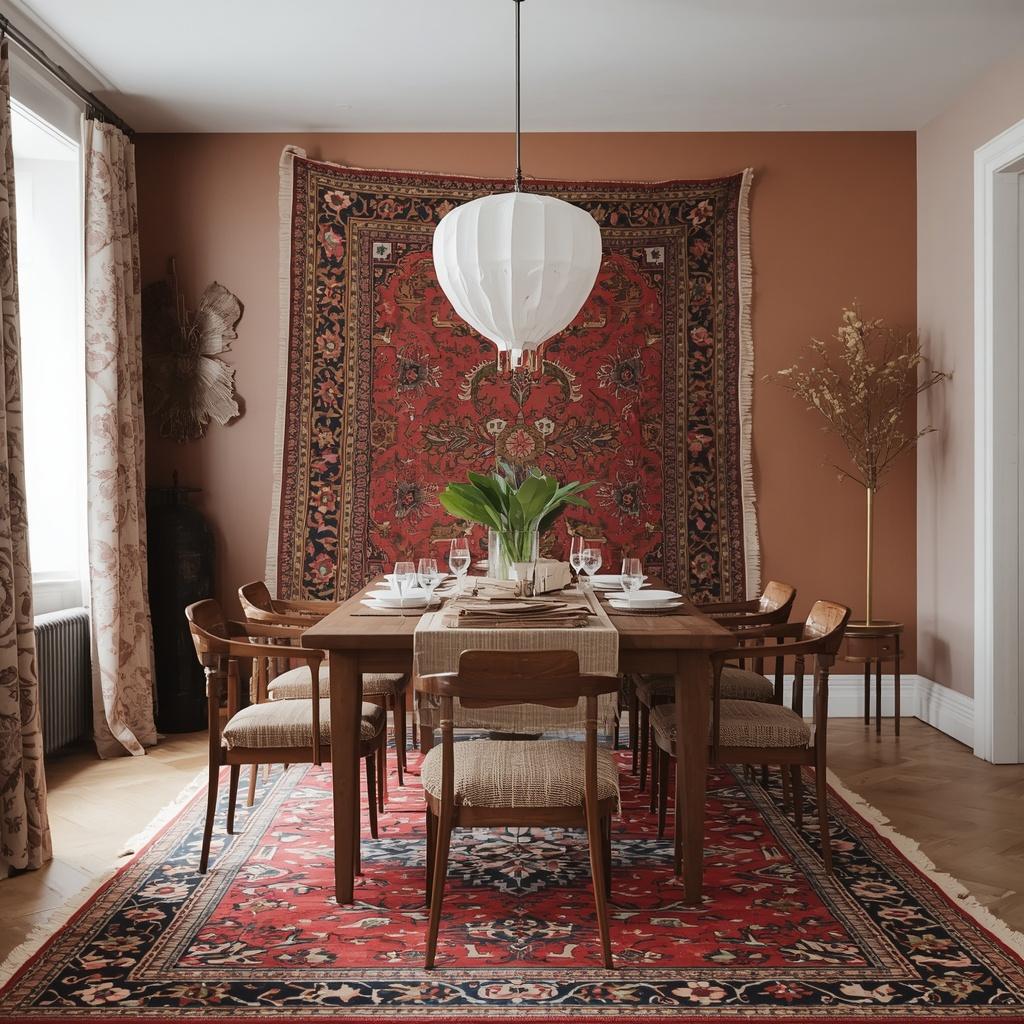
Layered vintage and global textiles bring depth, color, and cultural richness into a dining space by combining fabrics from different traditions. When thoughtfully arranged, they create a warm, lived-in atmosphere that feels curated over time rather than newly designed. Persian rugs, ikat prints, kilim patterns, and suzani textiles can be blended within a shared color palette to maintain harmony while still embracing variety. These layers introduce both comfort and visual storytelling into the room.
In practical application, start with a single dominant textile such as a large rug, then build around it using smaller accents like table runners, cushions, and throws. This gradual layering helps prevent visual overload while still achieving a globally inspired aesthetic. The result is a dining space that feels expressive, welcoming, and connected to diverse artistic traditions.
Macramé and Woven Wall Hangings for Soft Textural Warmth
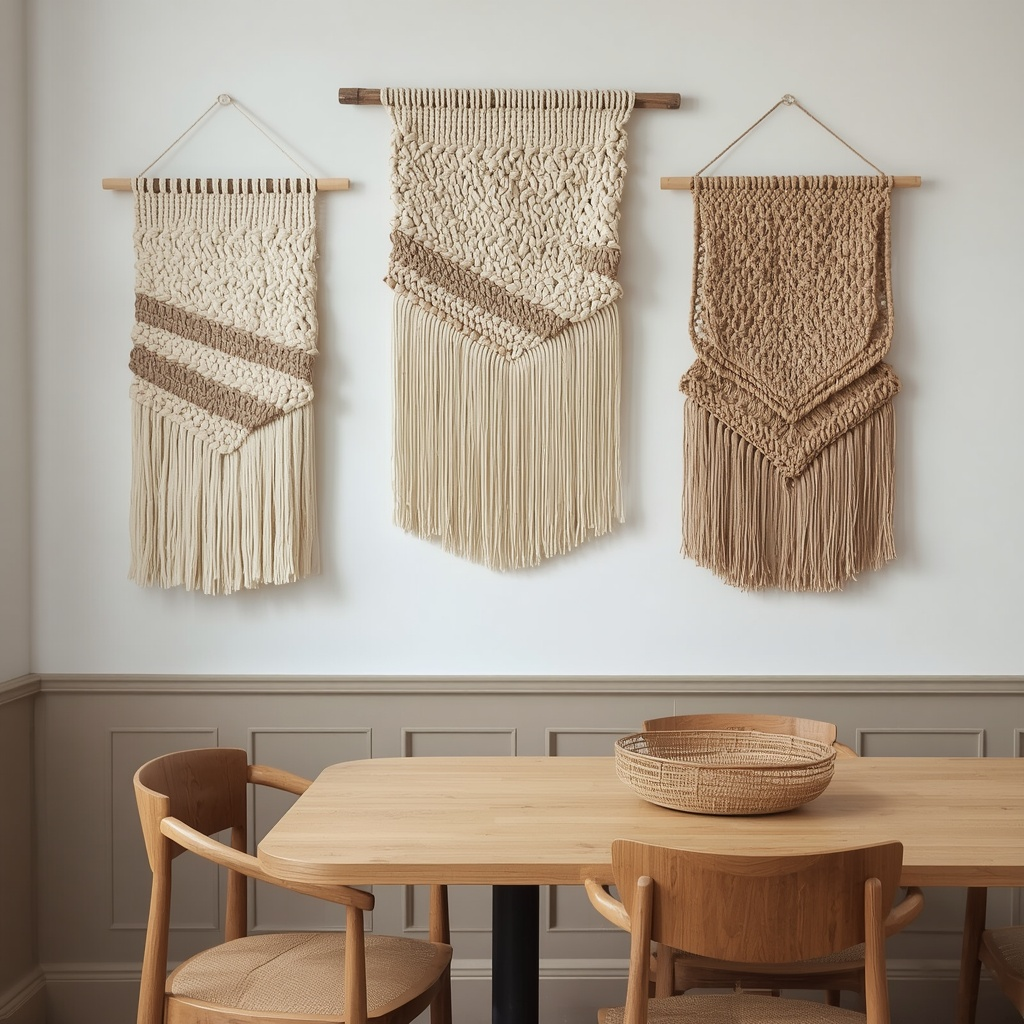
Macramé and woven wall hangings add handcrafted texture and visual softness to dining areas, especially those with hard surfaces like wood or stone. These decorative pieces introduce a relaxed, artisanal character that balances structured furniture and architectural lines. Made from natural fibers such as cotton, wool, or jute, they help create a more organic and comforting environment.
When styled thoughtfully, these pieces can be arranged as statement artwork above dining tables or grouped into gallery-style displays. Neutral tones such as cream, beige, and earth shades work well for maintaining cohesion. However, it is important to consider maintenance, as textile wall décor may require regular cleaning to avoid dust buildup in dining spaces.
Mixed Seating Inspired by Global Design Traditions
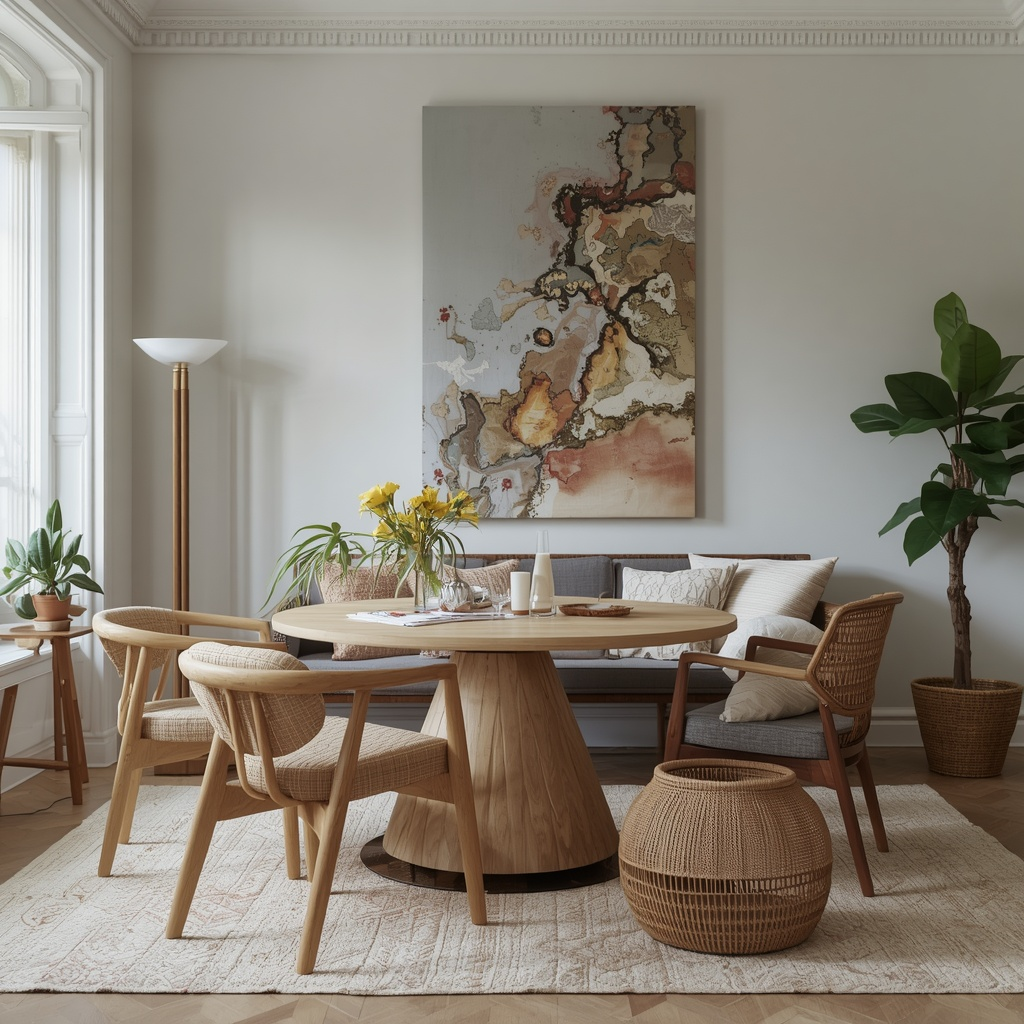
Mixed seating arrangements create a relaxed and inviting dining atmosphere by combining different chair styles and cultural influences. Instead of uniform sets, this approach encourages the use of wooden chairs, upholstered seating, benches, and even floor cushions to create a more casual and dynamic setup. The result feels organic and collected, as if the pieces have been gathered over time.
This design approach is particularly effective in creating inclusive dining environments where comfort takes priority over formality. To maintain visual balance, cohesive elements such as matching cushions, consistent tones, or repeated materials can help unify the space. The combination of diversity and subtle coordination results in a dining area that feels both personal and thoughtfully designed.
Abundant Indoor Plants and Hanging Greenery for Natural Vitality
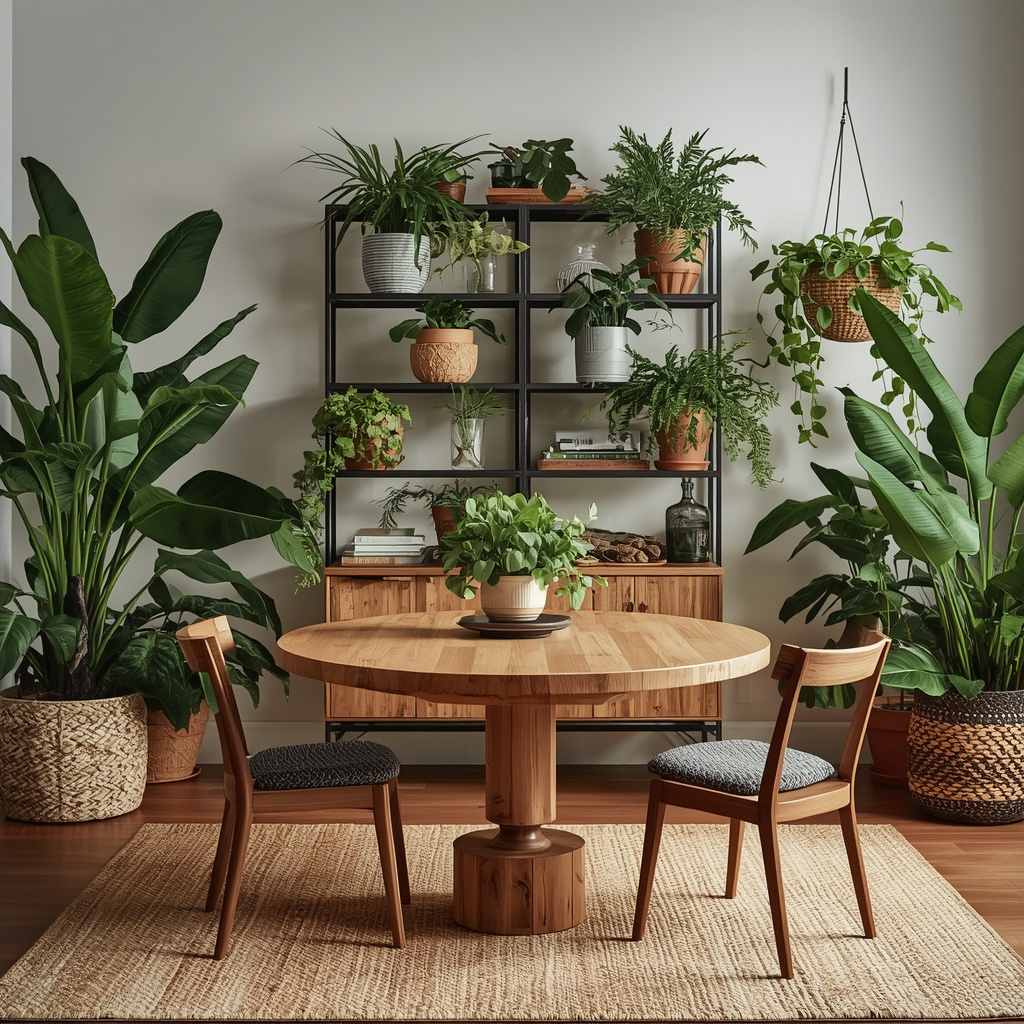
Incorporating abundant greenery into a dining space brings life, freshness, and a calming natural presence. Plants such as pothos, snake plants, and philodendrons are popular choices due to their resilience and low maintenance requirements. When placed strategically around the room, they enhance air quality while adding visual softness and movement.
Hanging planters, woven baskets, and tiered plant displays allow for vertical layering, making the most of available space. Mixing different pot materials such as ceramic, terracotta, and natural fiber creates additional texture and depth. This combination transforms the dining area into a living environment that feels refreshing, balanced, and connected to nature.
Warm Ambient Lighting for Cozy and Inviting Dining Spaces
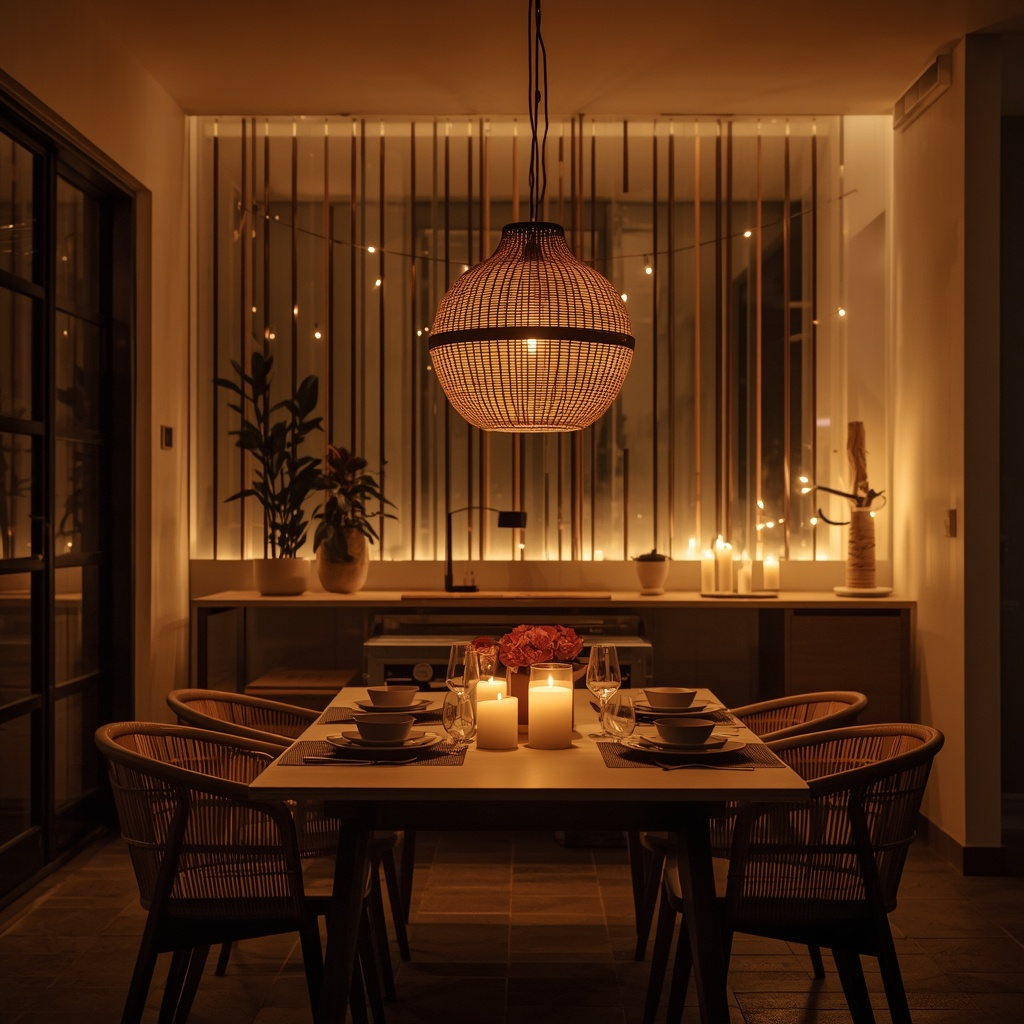
Warm ambient lighting plays a crucial role in shaping the atmosphere of a dining space. By layering different light sources such as pendant lights, candles, string lights, and table lamps, the room can achieve a soft, golden glow that feels comfortable and intimate. Warm light temperatures between 2700K and 3000K are often used to enhance this effect.
Fixtures made from natural materials like rattan, wood, or woven fibers further enhance the cozy aesthetic. While this lighting style creates a relaxing environment for meals and gatherings, it is important to ensure adequate task lighting is available when needed. The balance between ambiance and functionality results in a space that feels both practical and emotionally inviting.
Natural Wood and Rattan Furniture for Organic Dining Warmth
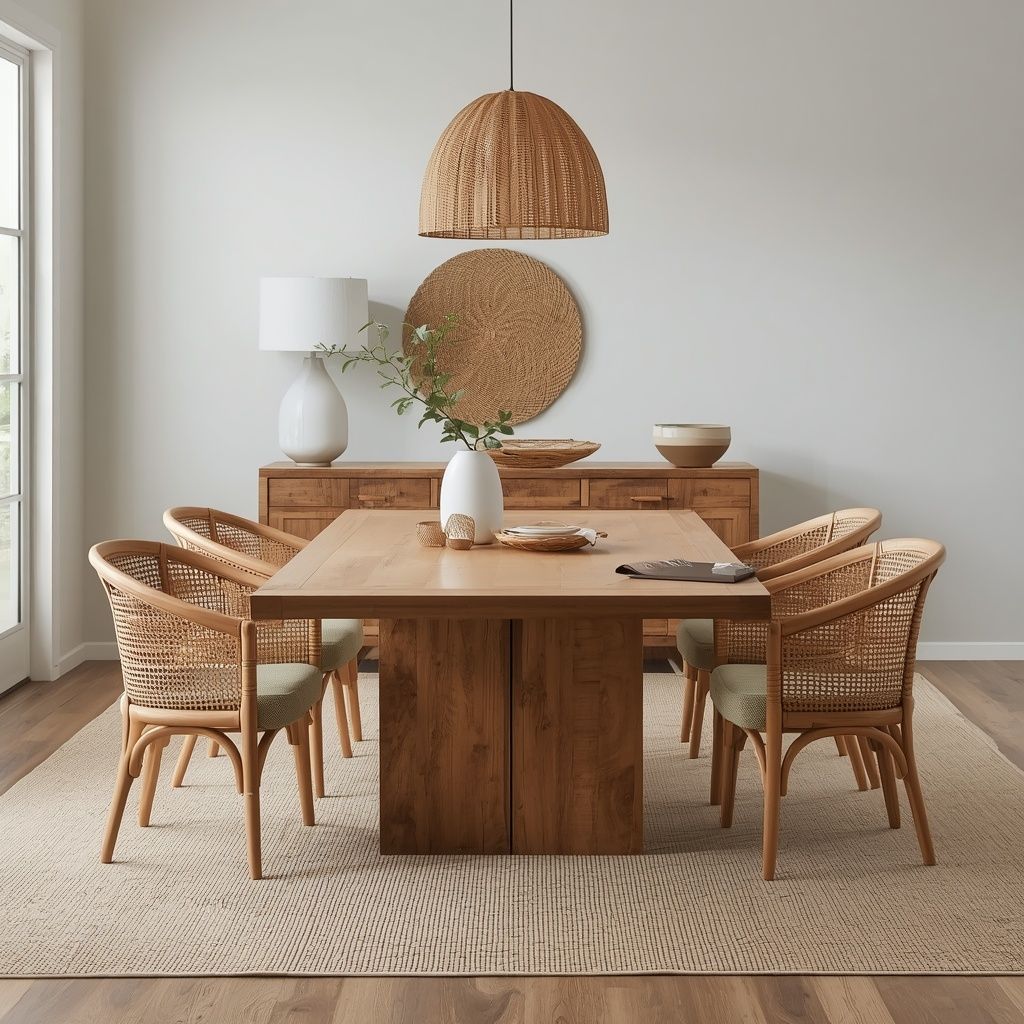
Natural wood and rattan furniture introduce warmth and authenticity into dining spaces through their organic textures and handcrafted appeal. Dining tables with visible wood grain create a strong natural foundation, while rattan or wicker chairs add lightness and visual texture. Together, they create a balanced and earthy composition that feels grounded and timeless.
Combining different wood tones can also add depth and contrast, especially when pairing smooth finishes with rougher, more rustic surfaces. This mix enhances visual interest without disrupting cohesion. Over time, natural materials age gracefully, developing character that contributes to the long-term beauty and individuality of the dining space.
Colorful Patterned Rugs for Definition and Visual Anchoring
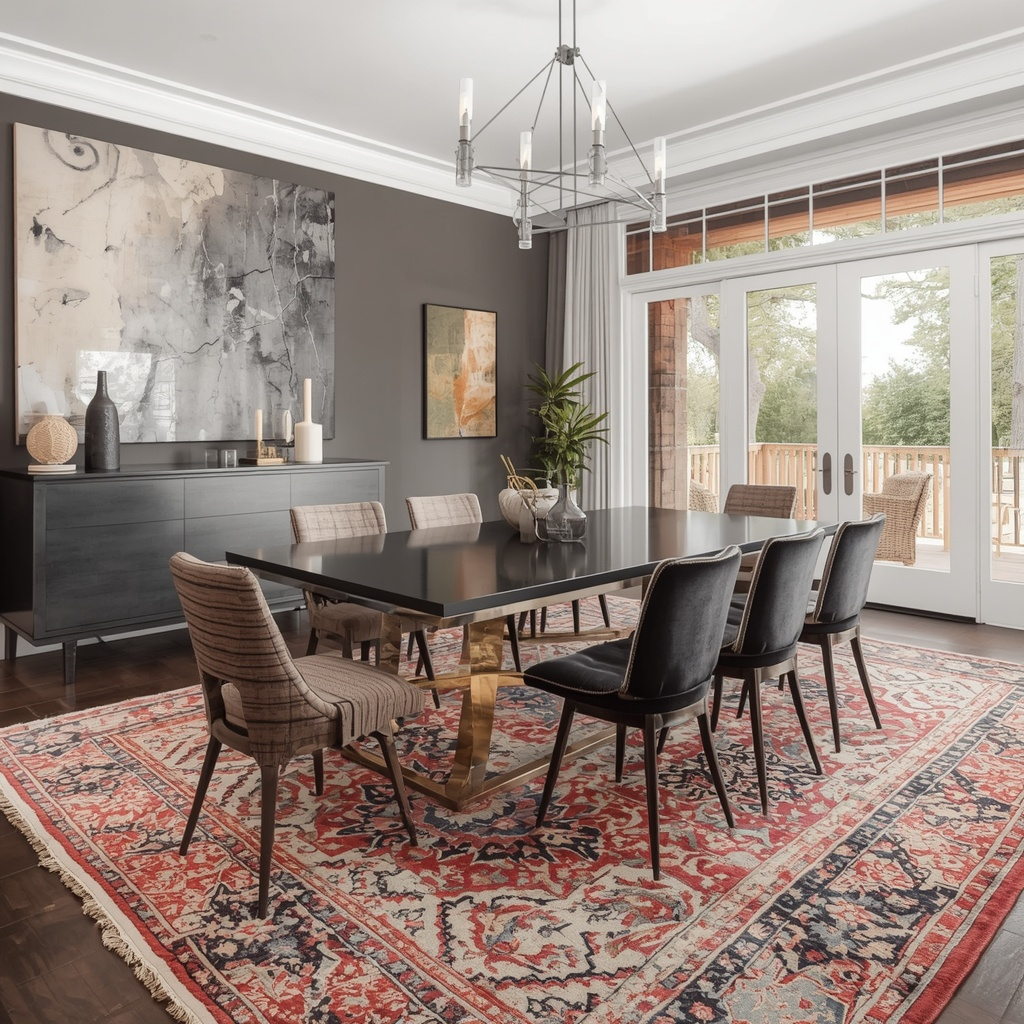
Patterned rugs are an effective way to define dining areas while adding warmth, color, and cultural influence. Persian, Moroccan, and Turkish-inspired designs often feature intricate motifs and rich tones that enhance the overall aesthetic of the room. These rugs help anchor furniture arrangements, especially in open-plan layouts.
Beyond aesthetics, rugs also provide comfort underfoot and help reduce echo in larger spaces. However, choosing durable or washable materials is important in dining areas to manage spills and frequent use. When selected carefully, patterned rugs become both a functional and decorative foundation for a well-balanced dining environment.
Eclectic Gallery Walls for Personal Expression and Storytelling
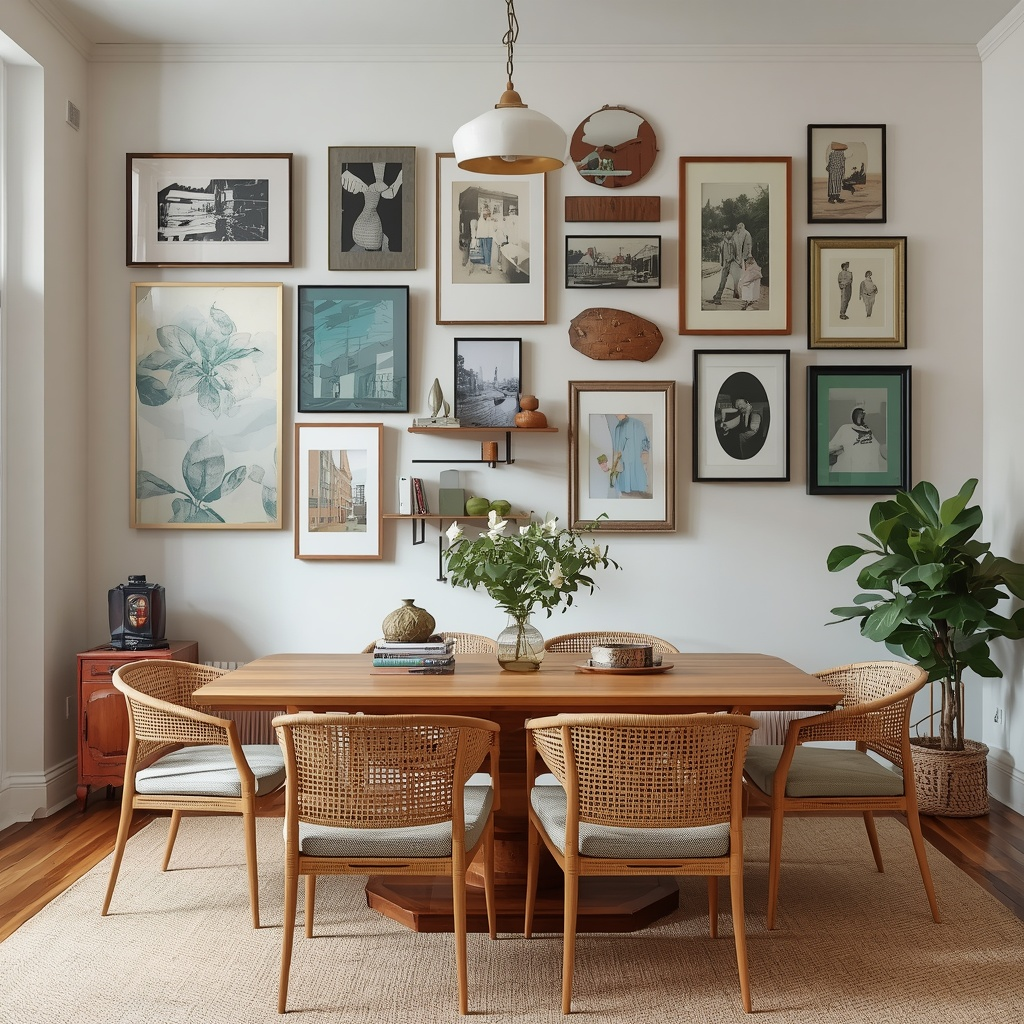
Eclectic gallery walls allow homeowners to express personality through a curated mix of artwork, photographs, and meaningful objects. By combining different frame styles, sizes, and textures, the wall becomes a visual narrative that reflects personal experiences, travels, and memories. This approach transforms blank walls into engaging storytelling features.
To maintain balance, it is helpful to unify the display through a shared color theme or consistent spacing. Including small shelves or three-dimensional objects can add depth and variety. When carefully curated, gallery walls create a welcoming atmosphere that encourages conversation and adds emotional richness to the dining space.
Jewel Tone Accents for Luxurious and Dramatic Dining Design
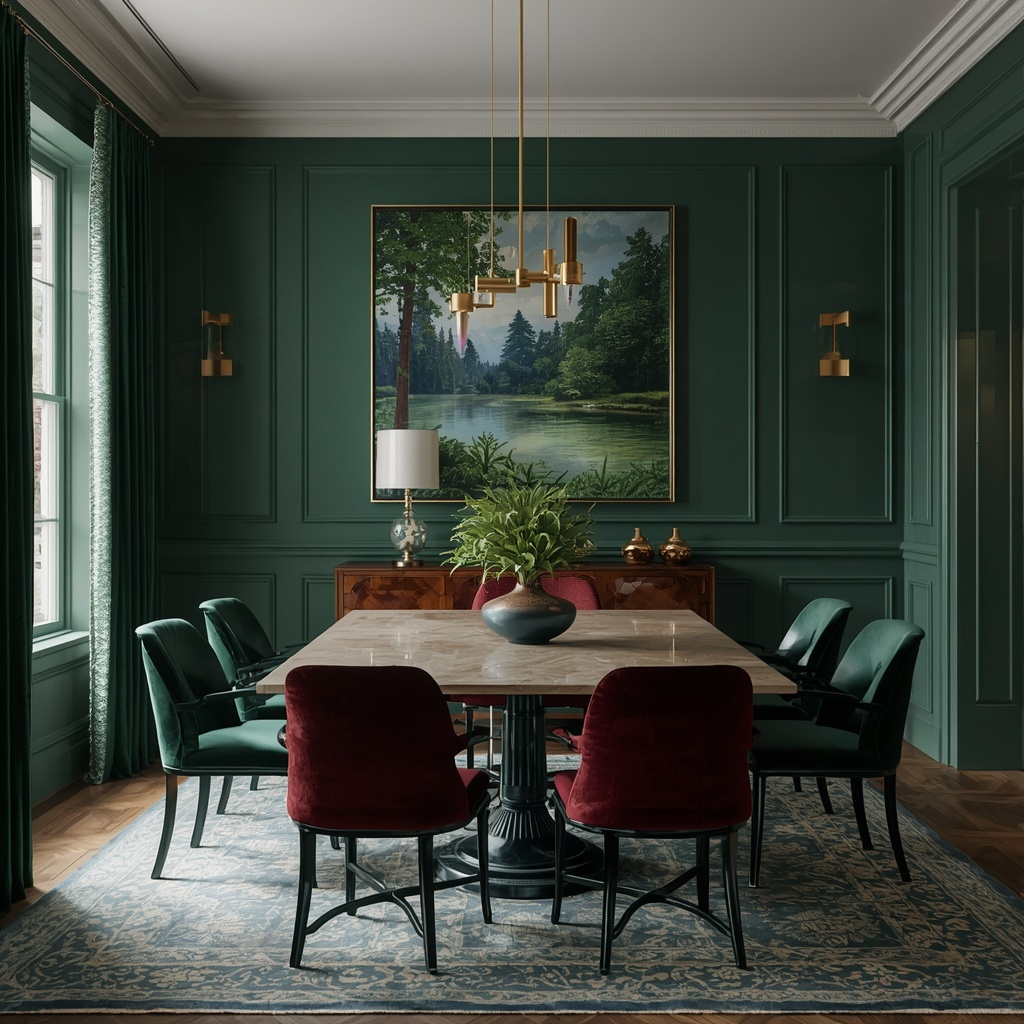
Jewel tones such as emerald green, sapphire blue, and deep burgundy introduce a sense of richness and sophistication to dining interiors. These colors are often associated with luxury and global inspiration, making them ideal for creating intimate and visually striking spaces. When used thoughtfully, they enhance mood without overwhelming the design.
Accent elements like cushions, ceramics, textiles, and artwork are effective ways to incorporate jewel tones without dominating the room. Pairing them with neutral backgrounds and metallic details helps maintain balance. This approach results in a dining space that feels dramatic yet controlled, perfect for entertaining or relaxed everyday use.
Vintage and Antique Furniture for Character and Timeless Appeal
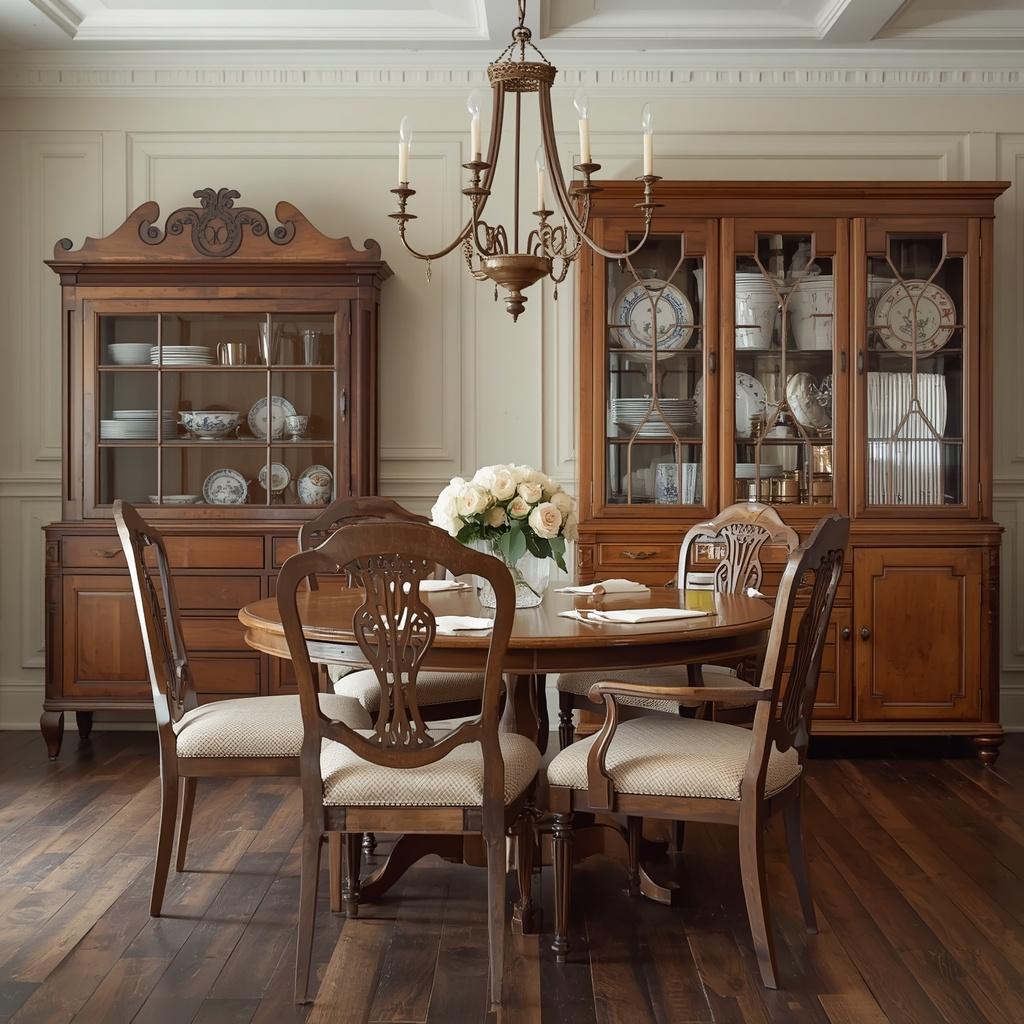
Vintage and antique furniture pieces bring history, character, and individuality into dining spaces. Items such as aged dining chairs, sideboards, or inherited tables often feature unique craftsmanship and natural wear that cannot be replicated in modern manufacturing. These imperfections contribute to their charm and authenticity.
When combined with contemporary elements, vintage furniture creates an appealing contrast between old and new. However, some pieces may require restoration or maintenance to ensure usability. Despite this, their unique presence adds depth and storytelling value, making the dining space feel more personal and meaningful.
Moroccan and Middle Eastern Design Influences for Global Elegance
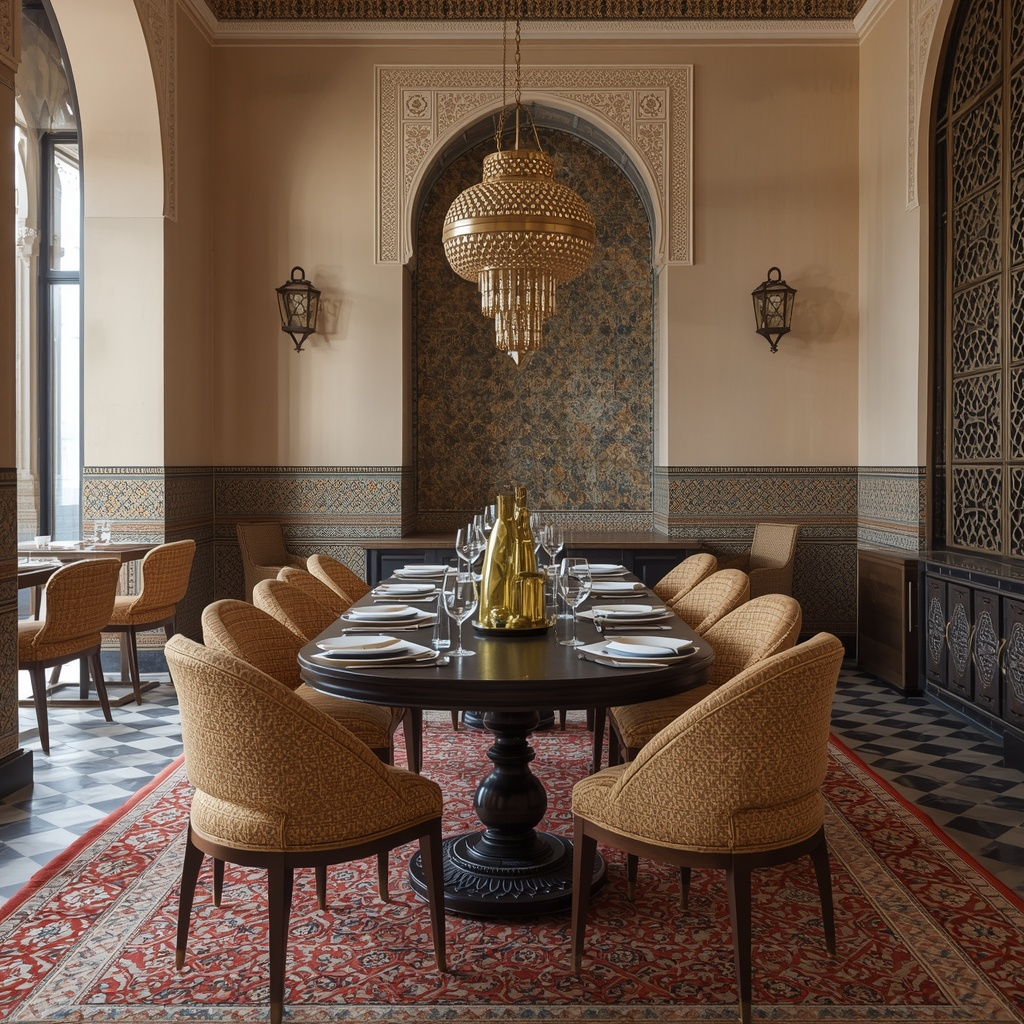
Moroccan and Middle Eastern-inspired design elements introduce intricate patterns, warm tones, and artisanal craftsmanship into dining spaces. Features such as lantern-style lighting, geometric tiles, and brass accents help create a rich, globally inspired aesthetic. These elements often emphasize symmetry, detail, and warm color palettes.
While visually striking, these influences should be used thoughtfully to avoid overwhelming the space. When balanced with neutral backgrounds, they serve as accent features that enhance rather than dominate the overall design. The result is a dining area that feels elegant, culturally inspired, and visually engaging.
Natural Fiber Accessories for Earthy and Sustainable Styling
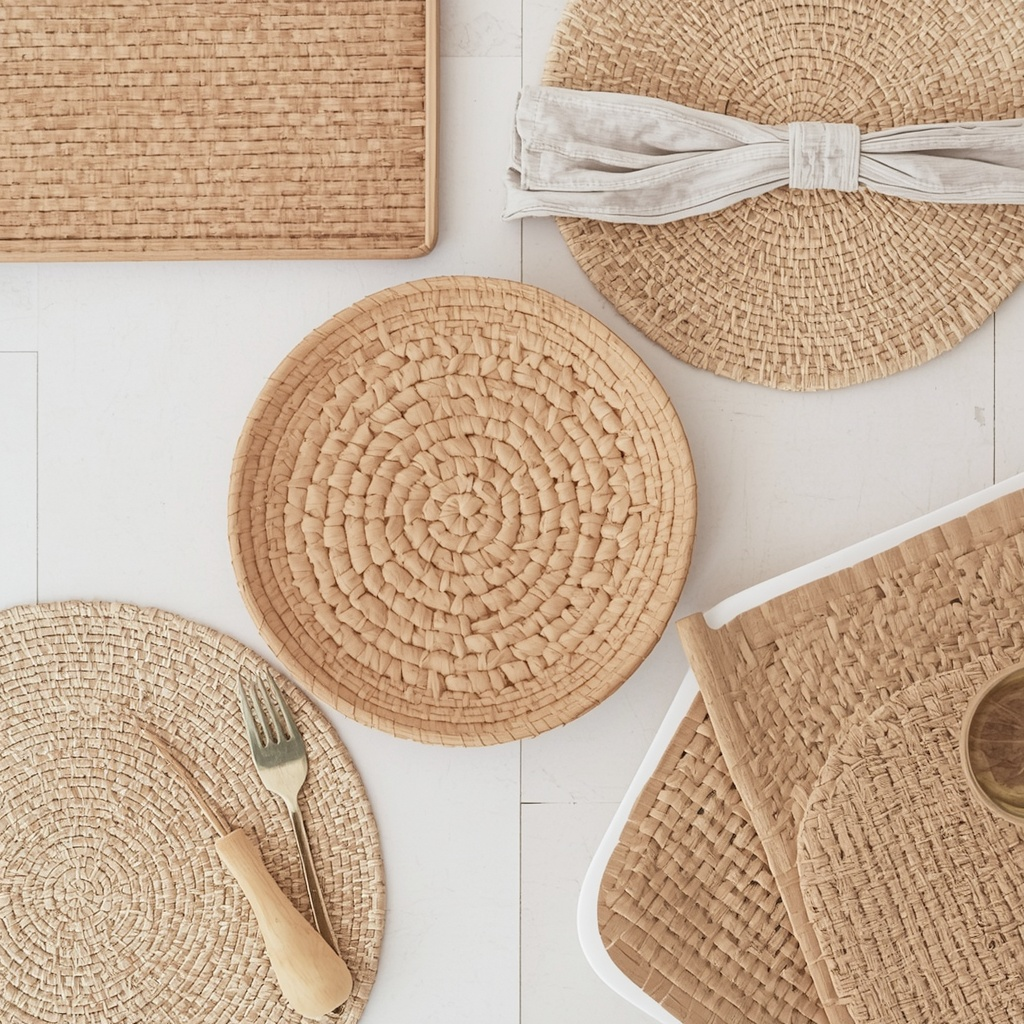
Natural fiber accessories such as jute placemats, seagrass baskets, and bamboo trays introduce organic texture and sustainability into dining spaces. These materials are valued for their eco-friendly nature and handcrafted appearance, which contributes to a warm and grounded aesthetic.
In practical use, woven baskets can store linens or fruits, while textured placemats add subtle detail to table settings. Grouping similar items in varied sizes creates a visually pleasing arrangement that feels intentional. This approach enhances both functionality and natural beauty within the dining environment.
Low Seating and Floor Cushion Dining for Casual Comfort
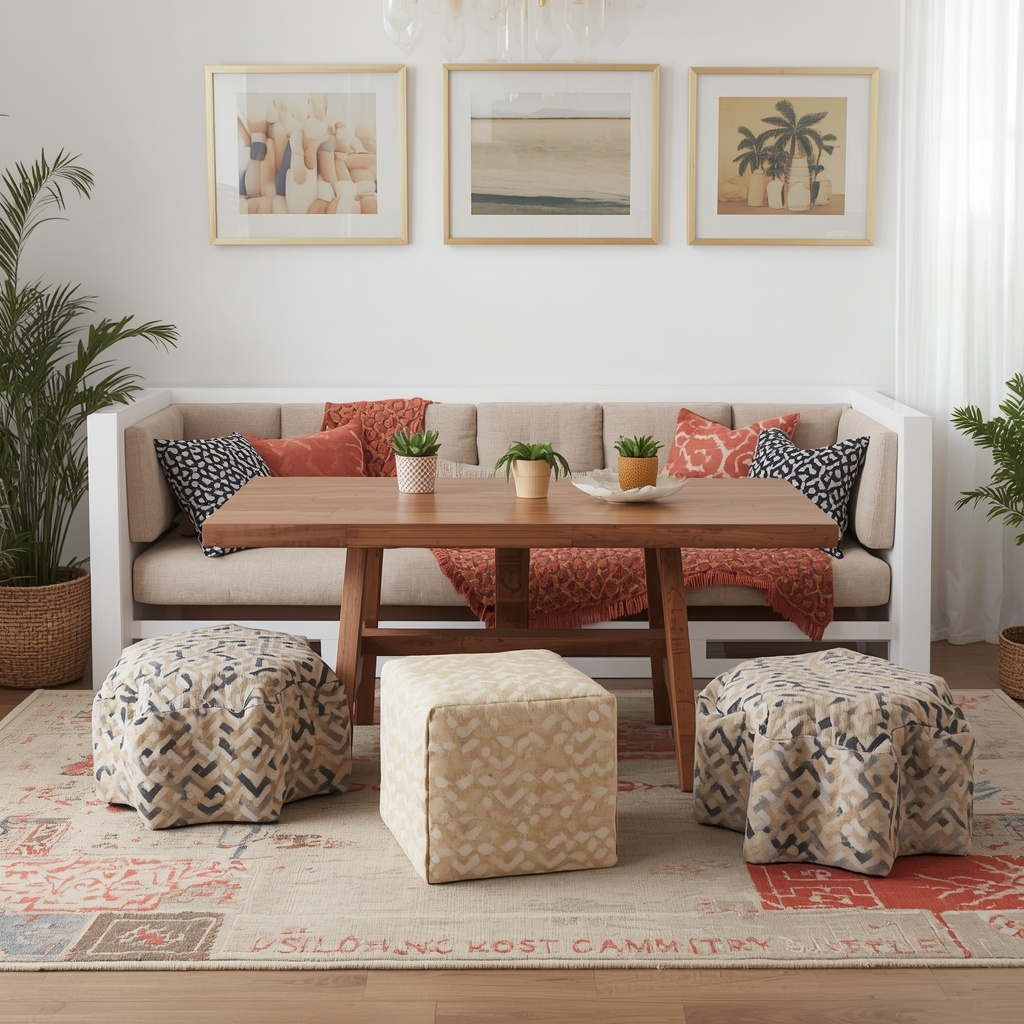
Low seating arrangements using floor cushions, poufs, or ottomans create a relaxed and informal dining experience. This setup encourages a slower, more mindful approach to meals and works well in flexible or multifunctional spaces. Layered rugs and soft textiles enhance comfort and visual warmth.
This style is particularly suitable for casual gatherings or family-friendly environments where adaptability is important. Adding back support through wall cushions or low benches improves comfort during longer meals. The result is a dining space that feels approachable, cozy, and unconventional.
Brass and Copper Metallic Accents for Warm Visual Elegance
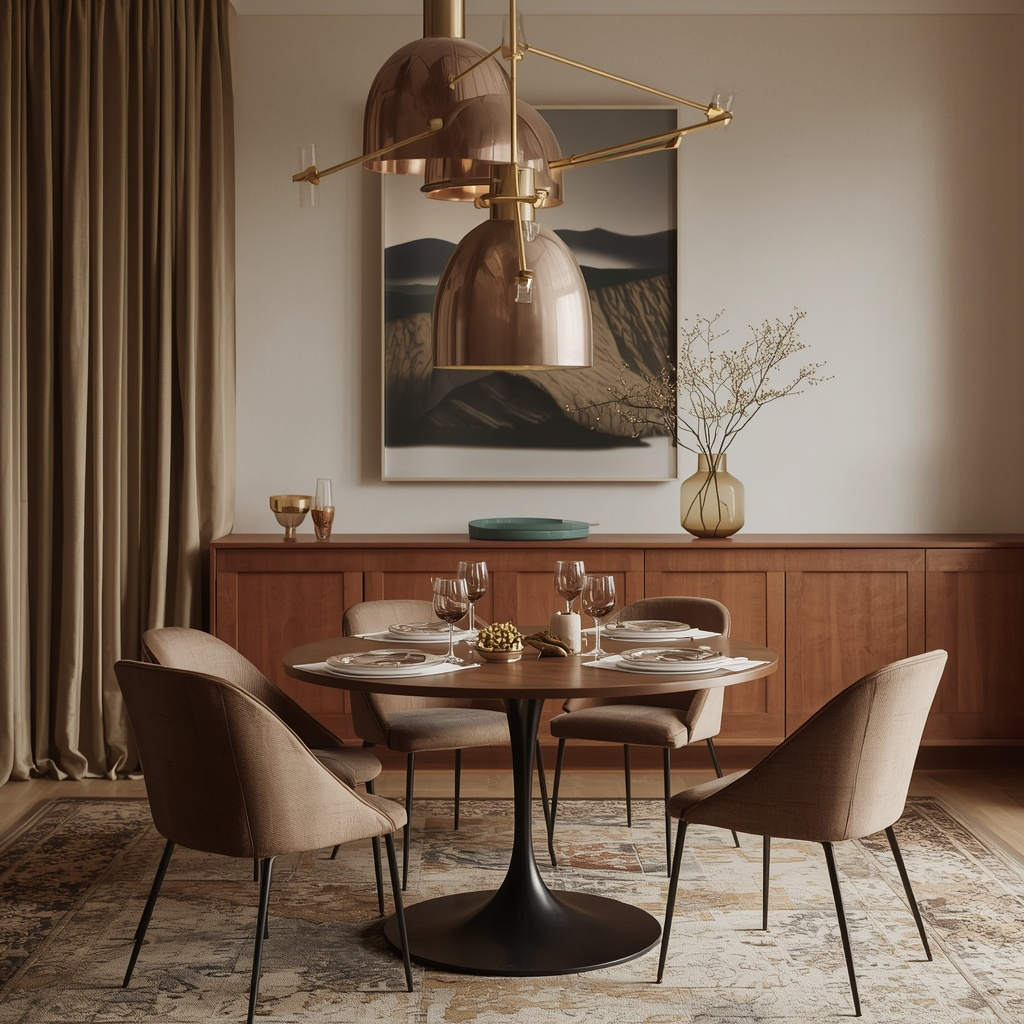
Brass and copper accents introduce warmth, reflection, and subtle luxury into dining interiors. These metals are often used in lighting fixtures, tableware, and decorative accessories to enhance ambiance through soft light reflection. Unlike cooler metals, they add a rich and inviting tone to the space.
Mixing different metallic finishes can create a layered, curated effect rather than a uniform look. When paired with natural materials and warm color palettes, brass and copper details elevate the overall design. This combination results in a dining space that feels refined, atmospheric, and visually cohesive.