
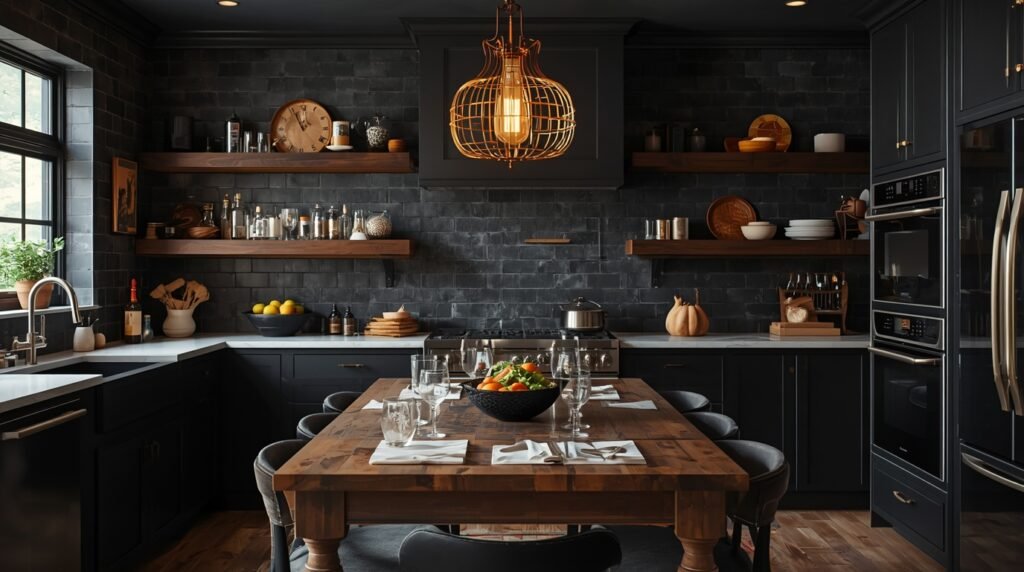
A witchy kitchen retreat blends mysticism, nature, and cozy charm into a space that feels both magical and deeply personal. Think dark, moody tones paired with natural textures like wood, stone, and herbs hanging to dry, creating an atmosphere that feels grounded yet enchanting. Apothecary-style jars, vintage cookware, candles, and crystals can add layers of personality and intention to the space.
Creative witchy kitchen retreat ideas often draw inspiration from herbalism, moon phases, and earthy rituals, turning everyday cooking into something a little more meaningful. The result is a kitchen that feels warm, mysterious, and filled with intentional beauty and calm energy.
Midnight Palette Magic for an Enchanted Kitchen Atmosphere
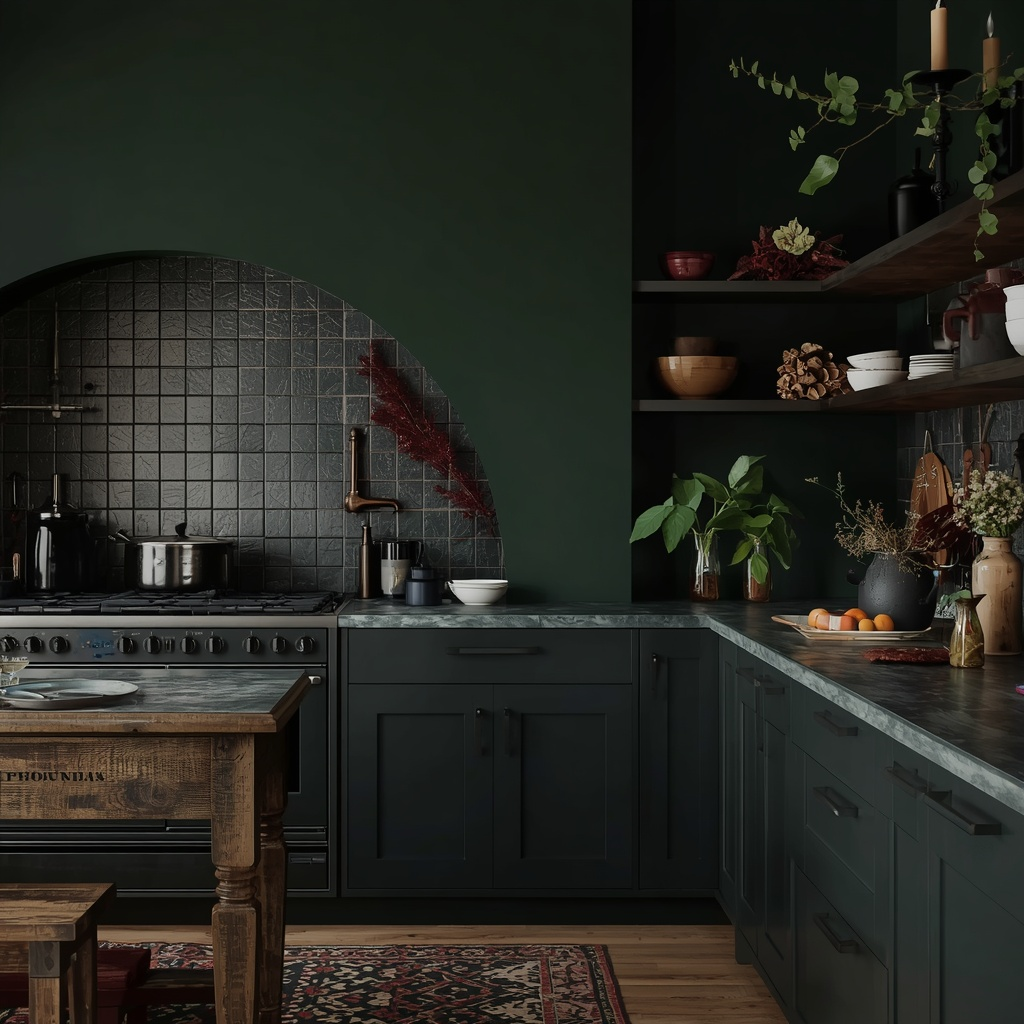
A midnight-inspired kitchen palette creates a deeply atmospheric and immersive cooking space filled with rich, moody tones. Shades like deep forest green, burgundy, charcoal gray, and warm amber work together to form a grounded yet mysterious environment. These colors are often used to evoke feelings of comfort and depth, making even small kitchens feel more intimate and emotionally warm. When applied to cabinetry, walls, or accents, they instantly shift the mood of the space.
Beyond visual appeal, darker palettes also help define structure within the kitchen. Deep tones can highlight architectural features or create focal points such as an accent wall behind the stove. Materials like stained wood, matte tiles, or textured wallpapers can enhance this layered effect. The result is a kitchen that feels cozy, expressive, and intentionally designed rather than purely functional.
Candlelit Glow Lighting for Warm and Mystical Kitchen Ambience
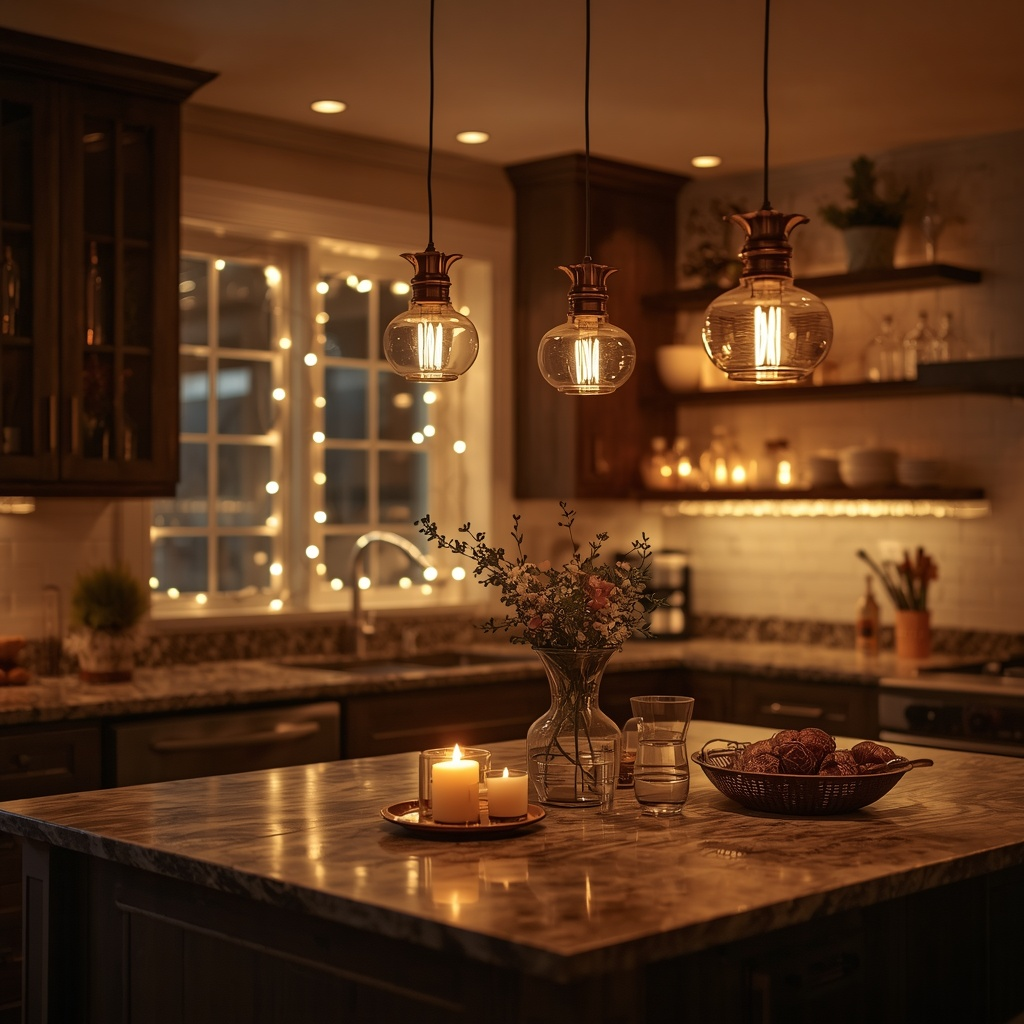
Candle-inspired lighting transforms a kitchen into a soft, glowing space that feels both calming and atmospheric. Instead of relying on harsh overhead lighting, layered illumination using dimmers, warm LED strips, and decorative fixtures creates a gentle, golden glow. This approach enhances comfort while reducing visual strain, especially in the evening hours when softer lighting is preferred.
Pendant lights with amber or tinted glass can further enhance this mood by casting warm reflections across surfaces. Adding string lights along shelves or window frames introduces a subtle sparkle that mimics candlelight without being overpowering. Together, these lighting techniques create a kitchen environment that feels relaxed, welcoming, and visually soothing throughout the day and night.
Enchanted Kitchen Tool Display for Functional Décor
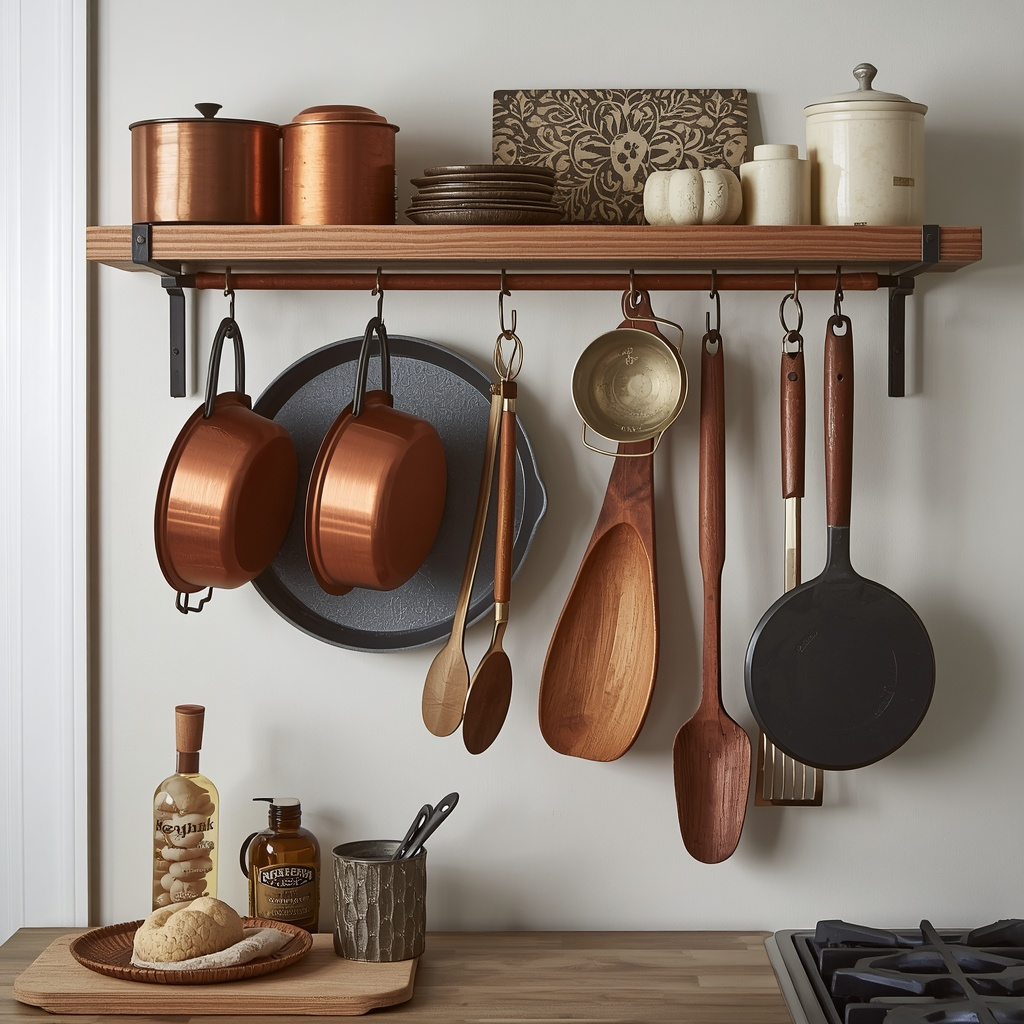
An enchanted tool display turns everyday kitchen utensils into decorative elements that enhance both style and usability. Hanging copper pots, cast iron pans, and wooden utensils on open racks creates a visually rich and practical arrangement. This approach allows frequently used items to remain accessible while contributing to the overall aesthetic of the space.
Using handcrafted or vintage-inspired tools adds even more character to the kitchen. Materials like copper, wood, and ceramic introduce warmth and texture, reinforcing a natural, grounded design theme. Beyond decoration, these items remain fully functional, ensuring the kitchen stays efficient while also reflecting personal taste and creativity in a meaningful way.
Living Herb Sanctuary for Fresh and Natural Kitchen Energy
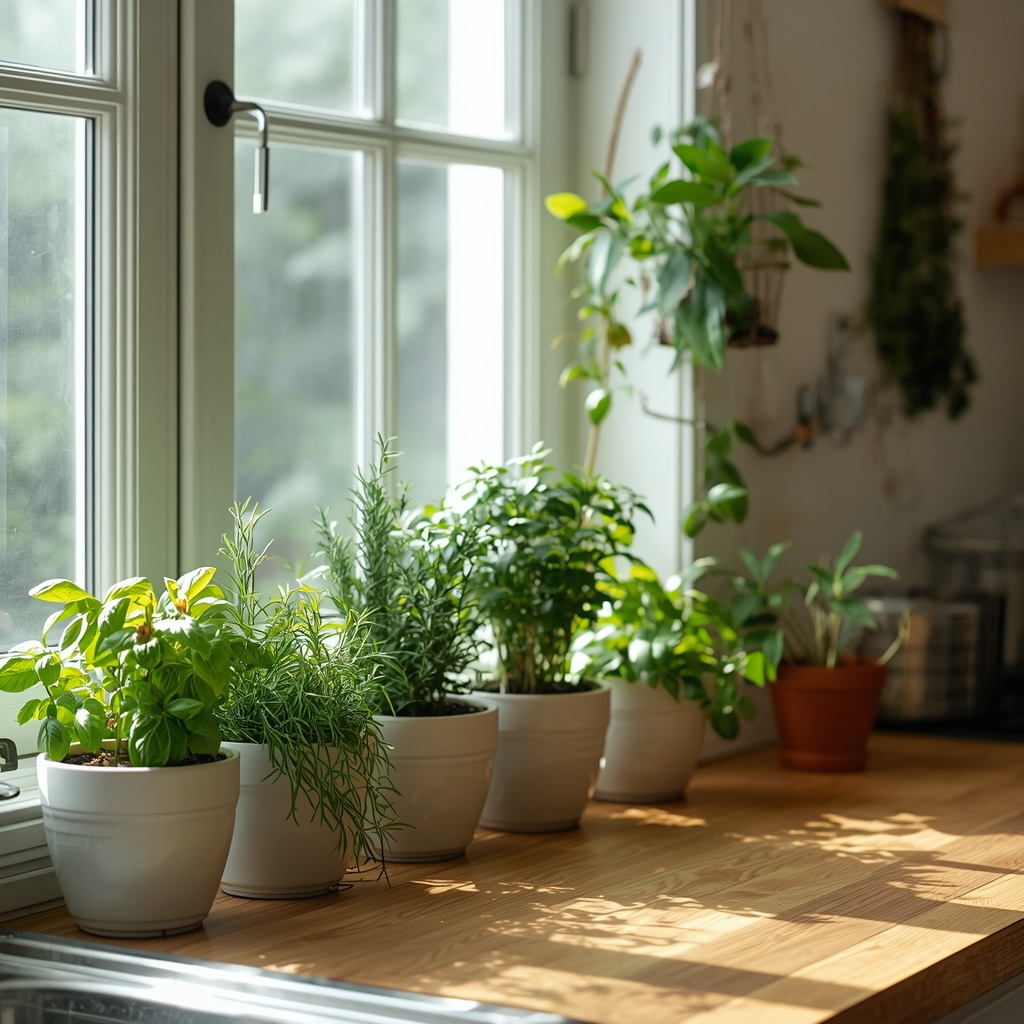
A living herb sanctuary brings freshness, fragrance, and natural vitality into the kitchen environment. Herbs such as basil, rosemary, thyme, and sage thrive on sunny windowsills and provide convenient access to fresh ingredients while cooking. Their presence adds both visual greenery and practical culinary value, making them an essential part of a functional kitchen garden setup.
Additional plants like ivy, snake plants, or peace lilies can introduce variety and texture while improving air quality and ambiance. Hanging planters and dried herb bundles further enhance the layered, organic feel of the space. This combination of living and preserved plants creates a kitchen that feels vibrant, connected to nature, and continuously evolving.
Potion Pantry Organization for Beautiful and Functional Storage
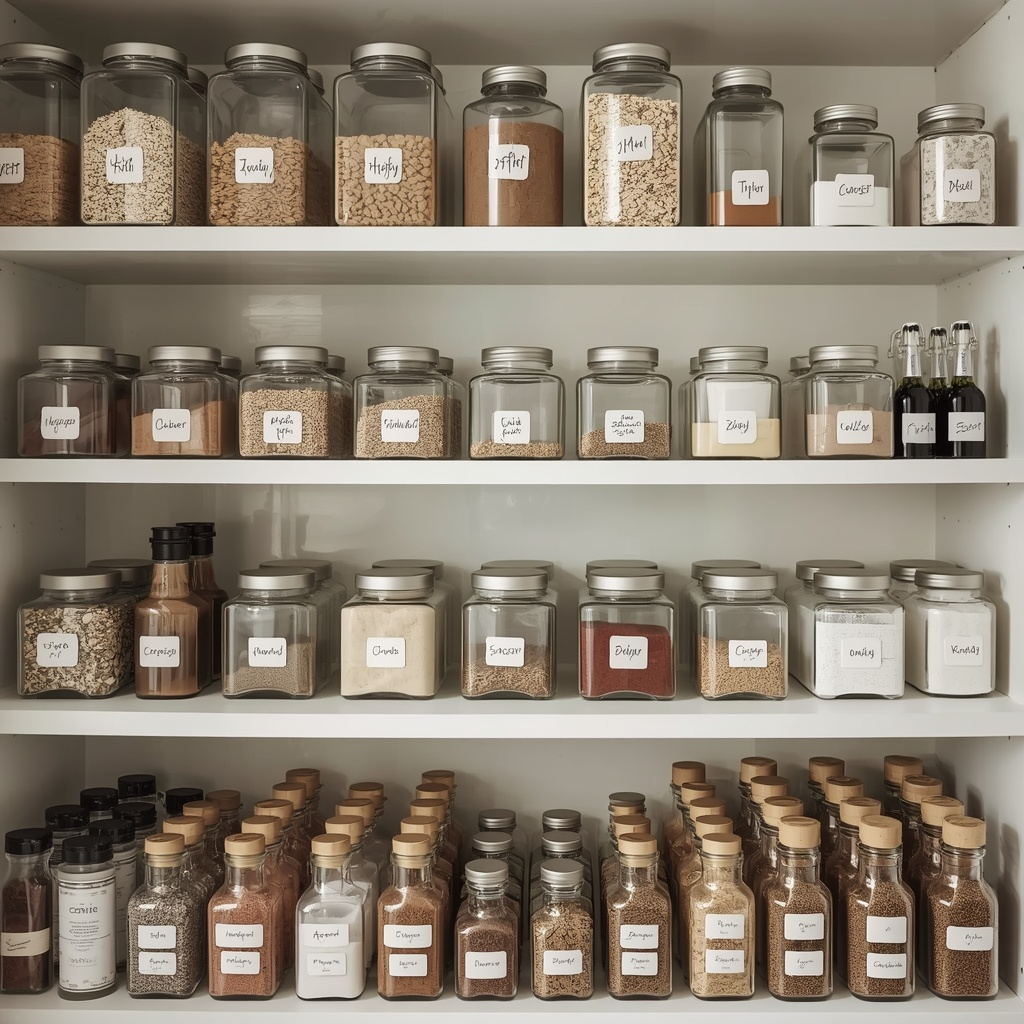
A well-organized pantry can be transformed into a visually appealing storage system using clear glass jars, labeled containers, and decorative bottles. Ingredients such as grains, spices, and dried goods become part of the kitchen’s aesthetic when displayed neatly. This approach not only improves accessibility but also encourages better organization and reduced food waste.
Spice storage can be elevated further using small glass vials or uniform containers arranged in racks or drawers. Labels with handwritten or stylized fonts add a personal touch while keeping items easy to identify. The result is a pantry that feels structured, attractive, and efficient, turning everyday storage into a visually pleasing part of the kitchen design.
Celestial Kitchen Decor Inspired by the Night Sky
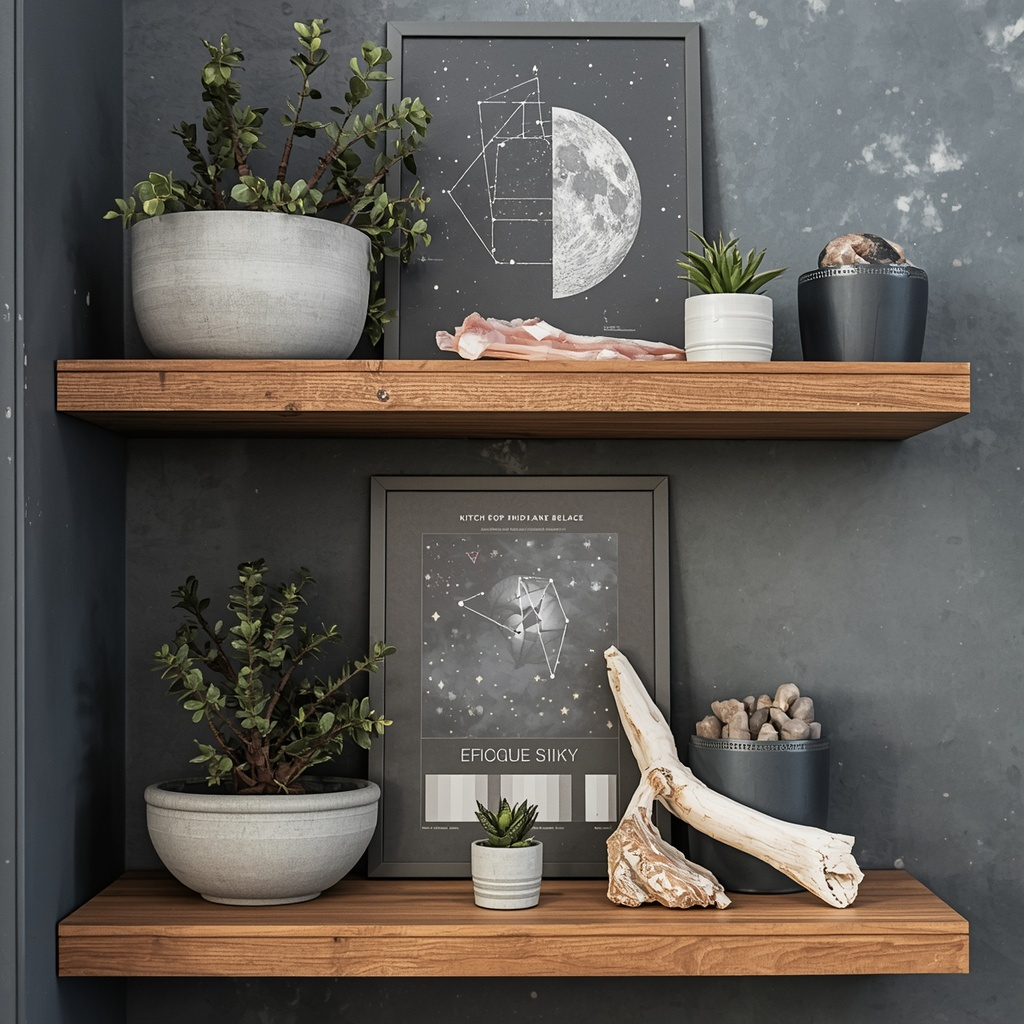
Celestial-themed kitchen decor introduces a sense of wonder and tranquility inspired by the night sky. Elements such as moon phase artwork, star charts, or constellation prints create subtle visual storytelling within the space. These decorative features add personality without overwhelming the kitchen’s functionality or layout.
Natural accents like crystals, stones, driftwood, or shells can complement this theme by introducing organic texture and earthy balance. Placed thoughtfully on shelves or countertops, they contribute to a calming and grounded atmosphere. Together, these elements create a kitchen environment that feels reflective, imaginative, and connected to nature’s cycles.
Layered Textures for a Rich and Inviting Kitchen Design
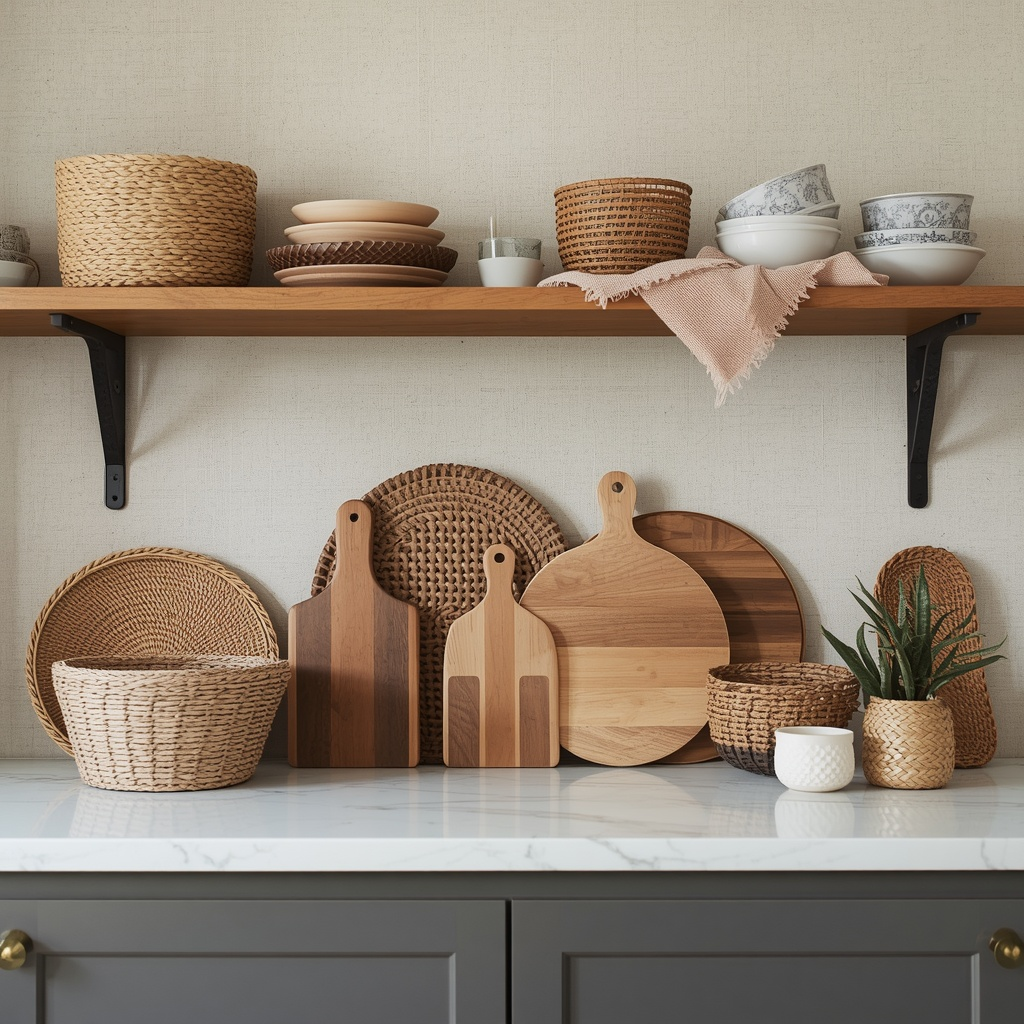
A textured kitchen design relies on combining multiple materials to create depth and visual interest. Woven baskets, wooden cutting boards, linen textiles, and ceramic dishes all contribute to a layered aesthetic that feels warm and lived-in. These textures help break up flat surfaces and add tactile richness to the space.
Mixing metals such as brass, copper, and iron further enhances this effect by introducing contrast and variation. When balanced properly, these elements create a cohesive yet dynamic design. The key is to focus on natural, handcrafted, or slightly aged materials that bring authenticity and comfort into the kitchen environment.
Creative Storage Solutions with Hidden and Decorative Elements
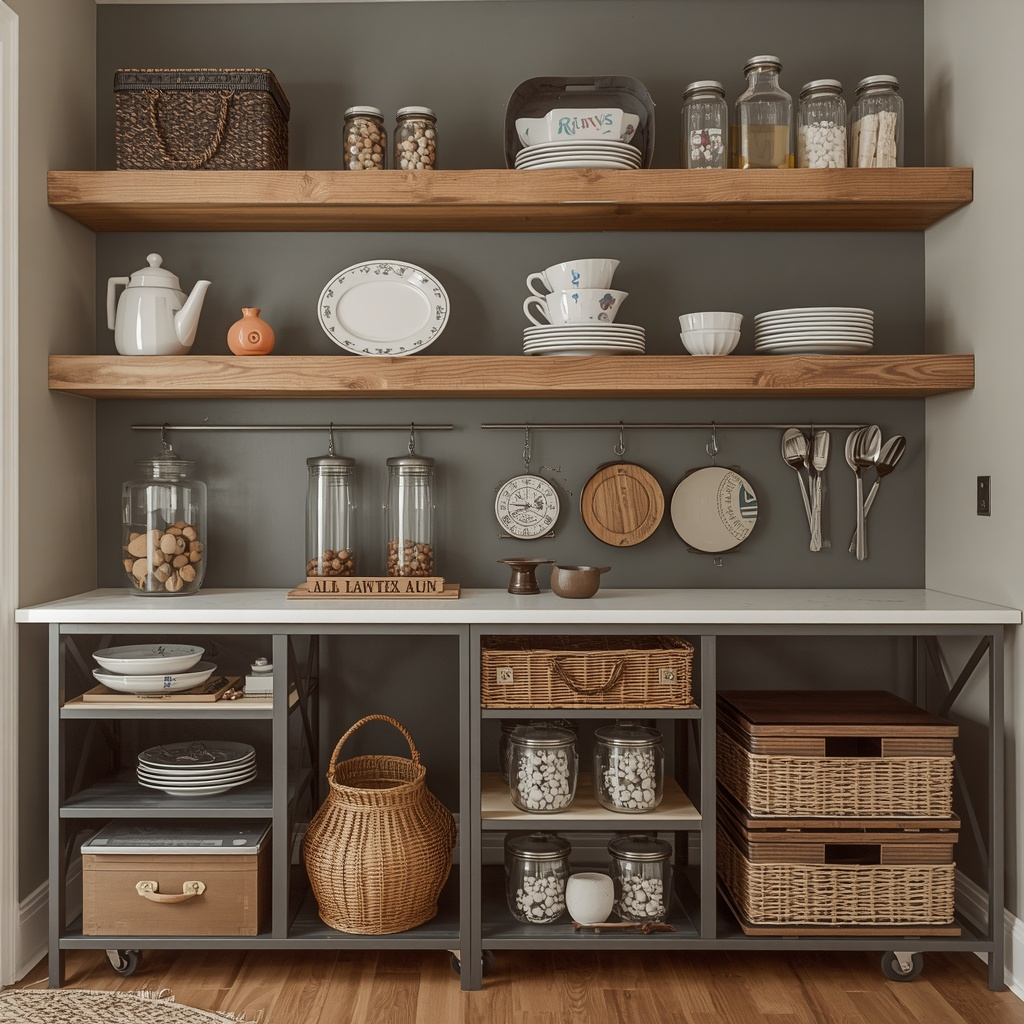
Storage in a themed kitchen can be both functional and visually expressive when approached creatively. Items like vintage crates, repurposed wooden boxes, or decorative suitcases can serve as unique storage solutions while enhancing the overall aesthetic. These pieces add character while helping maintain organization in compact spaces.
Floating shelves and wall-mounted displays allow for efficient use of vertical space while showcasing decorative items. This approach keeps countertops clear while still highlighting personal collections or kitchen essentials. The combination of practicality and design ensures the kitchen remains both organized and visually engaging.
Dedicated Kitchen Spaces for Intentional and Organized Use
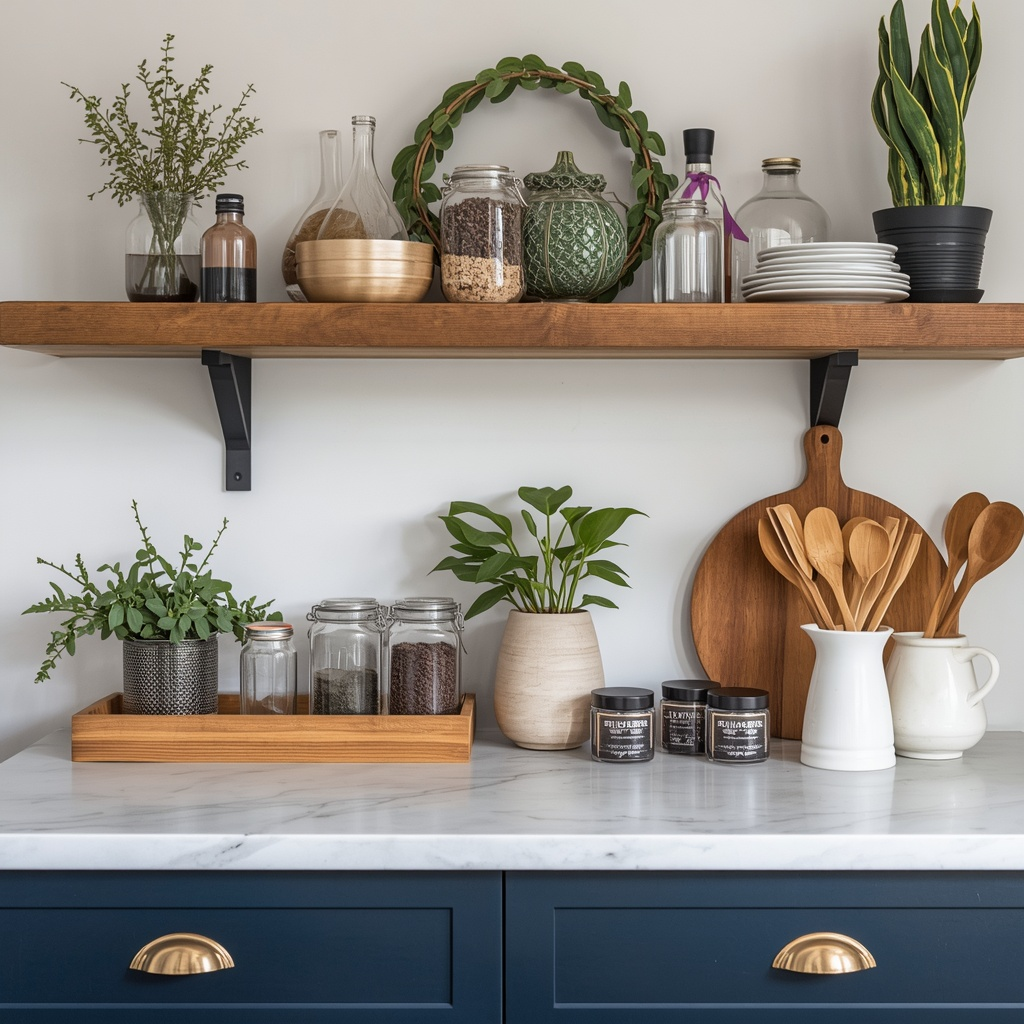
Creating dedicated zones within the kitchen helps improve functionality and encourages more intentional use of space. Separate areas for herb preparation, tea blending, or cooking preparation allow tasks to feel more structured and efficient. This organization enhances workflow while reducing clutter and confusion.
Small altar-like spaces or display corners can also be used to hold meaningful objects such as seasonal decorations, crystals, or personal keepsakes. These areas do not need to be spiritual in nature to be effective; they simply provide visual focus and emotional grounding. The result is a kitchen that feels purposeful, balanced, and thoughtfully arranged.
Vintage-Inspired Kitchen Pieces for Character and History
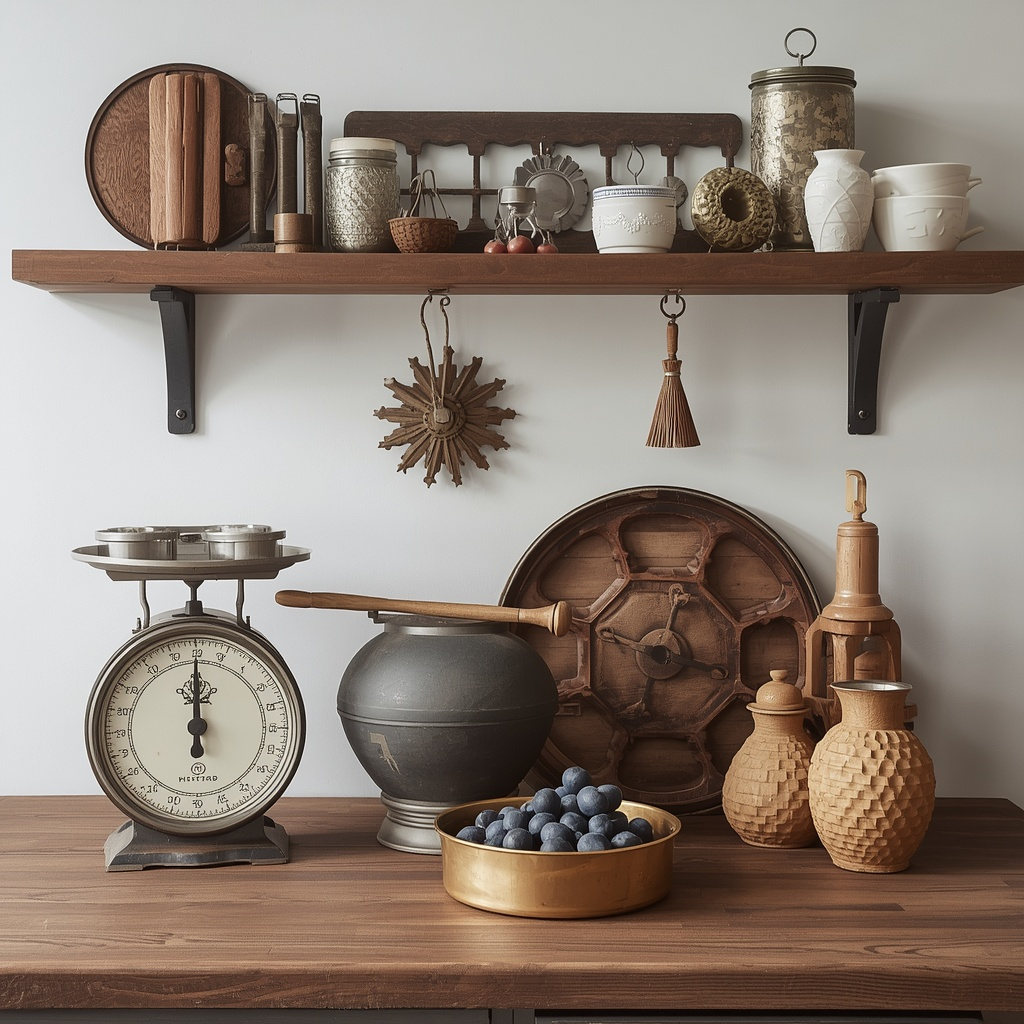
Incorporating vintage-inspired or antique kitchen items adds personality and a sense of history to the space. Objects like old scales, wooden bowls, brass tools, or handcrafted ceramics bring uniqueness that mass-produced items often lack. These pieces often feature distinctive shapes and textures that naturally draw attention.
Beyond aesthetics, vintage items often carry craftsmanship that enhances their durability and appeal. When used as functional tools or decorative accents, they contribute to a kitchen that feels meaningful and curated. Each piece helps tell a story, adding depth and individuality to the overall design.
Mystical Window Treatments for Atmospheric Kitchen Lighting
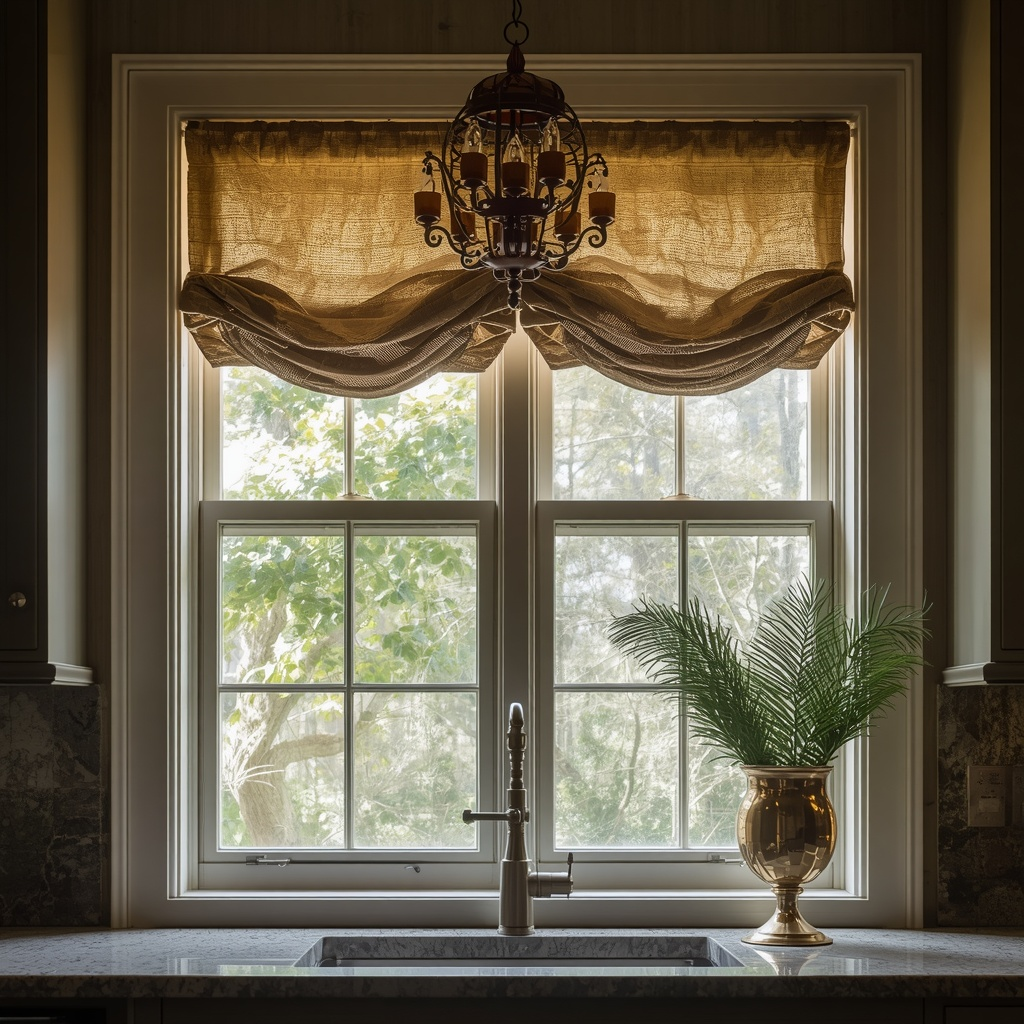
Window treatments play an important role in shaping the atmosphere of a kitchen, especially when aiming for a dramatic or cozy feel. Heavy fabrics like velvet or patterned textiles can add depth and softness, while lighter materials allow natural light to filter through gently. Both approaches help control brightness and enhance mood.
Decorative elements such as hanging crystals, dried herbs, or stained glass accents can further transform windows into focal points. These additions interact with natural light to create shifting patterns and colors throughout the day. The result is a kitchen space that feels dynamic, atmospheric, and visually engaging.
Aromatic Elements for a Sensory Kitchen Experience
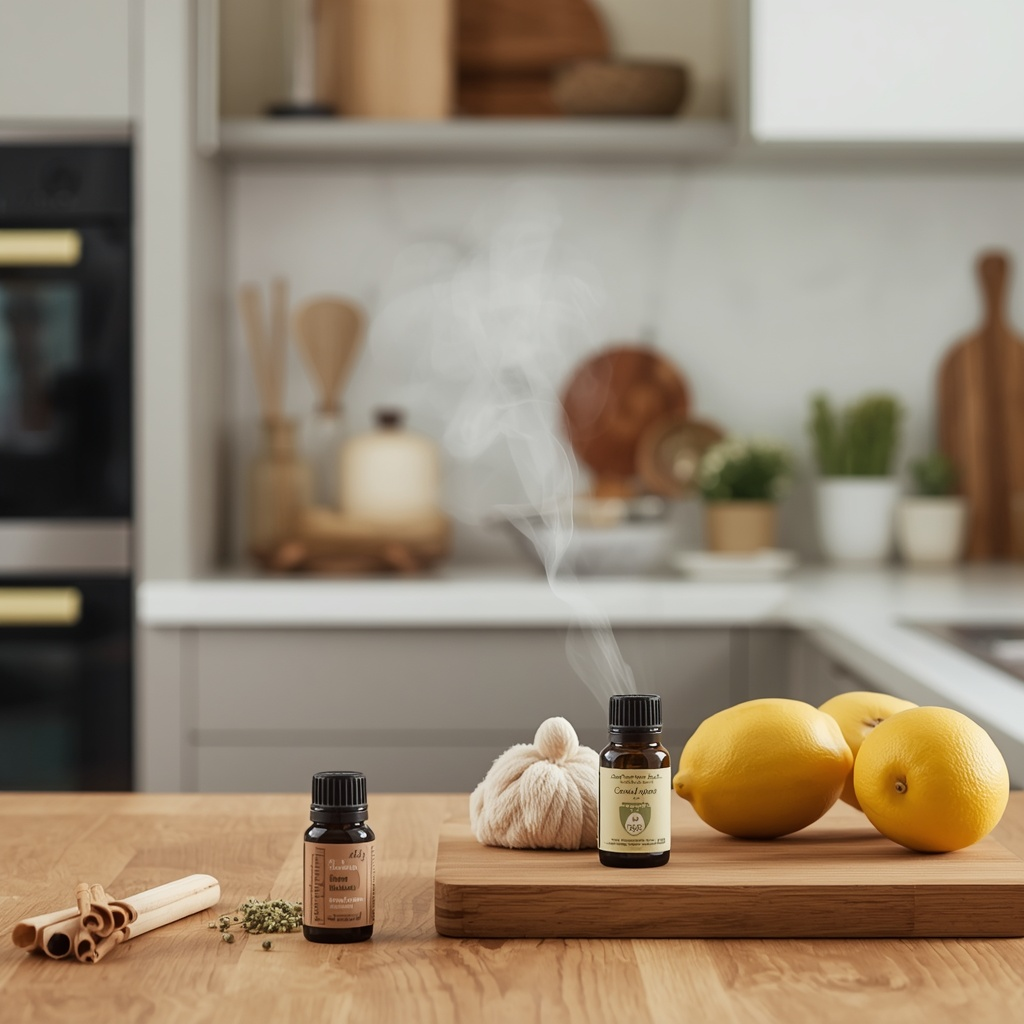
Scent is a powerful element in creating a welcoming and immersive kitchen environment. Using essential oils, simmering herbs, or natural spices can help establish a consistent and comforting aroma throughout the space. Scents like cinnamon, vanilla, citrus, or sandalwood are often used to create warmth and relaxation.
Diffusers or stovetop simmer pots offer simple ways to maintain a pleasant fragrance while cooking or cleaning. These subtle scents enhance the overall kitchen experience without overpowering it. When thoughtfully chosen, aromatic elements contribute to a calming and inviting atmosphere that engages multiple senses.
Personal Kitchen Elements for Meaningful and Unique Design
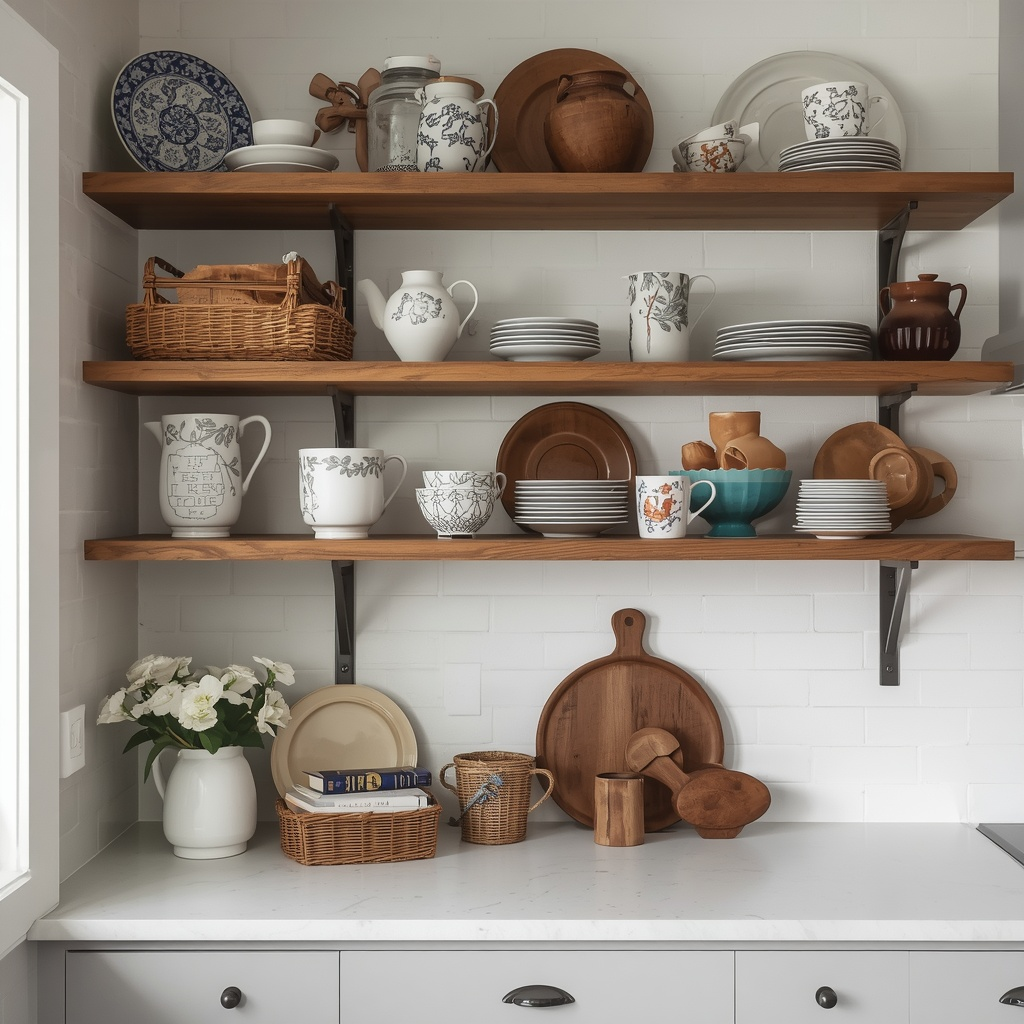
A kitchen becomes more meaningful when it reflects the personality and experiences of its owner. Displaying heirlooms, handmade pottery, or personal collections adds emotional depth and individuality to the space. These items help transform a functional room into one that feels lived-in and personal.
Collections such as vintage teacups, artisan tools, or meaningful artwork can be integrated into shelves or countertops. Each item contributes to a narrative that makes the kitchen unique. This personalization ensures the space feels authentic, comfortable, and connected to daily life.
Seasonal Kitchen Changes for a Dynamic Living Space
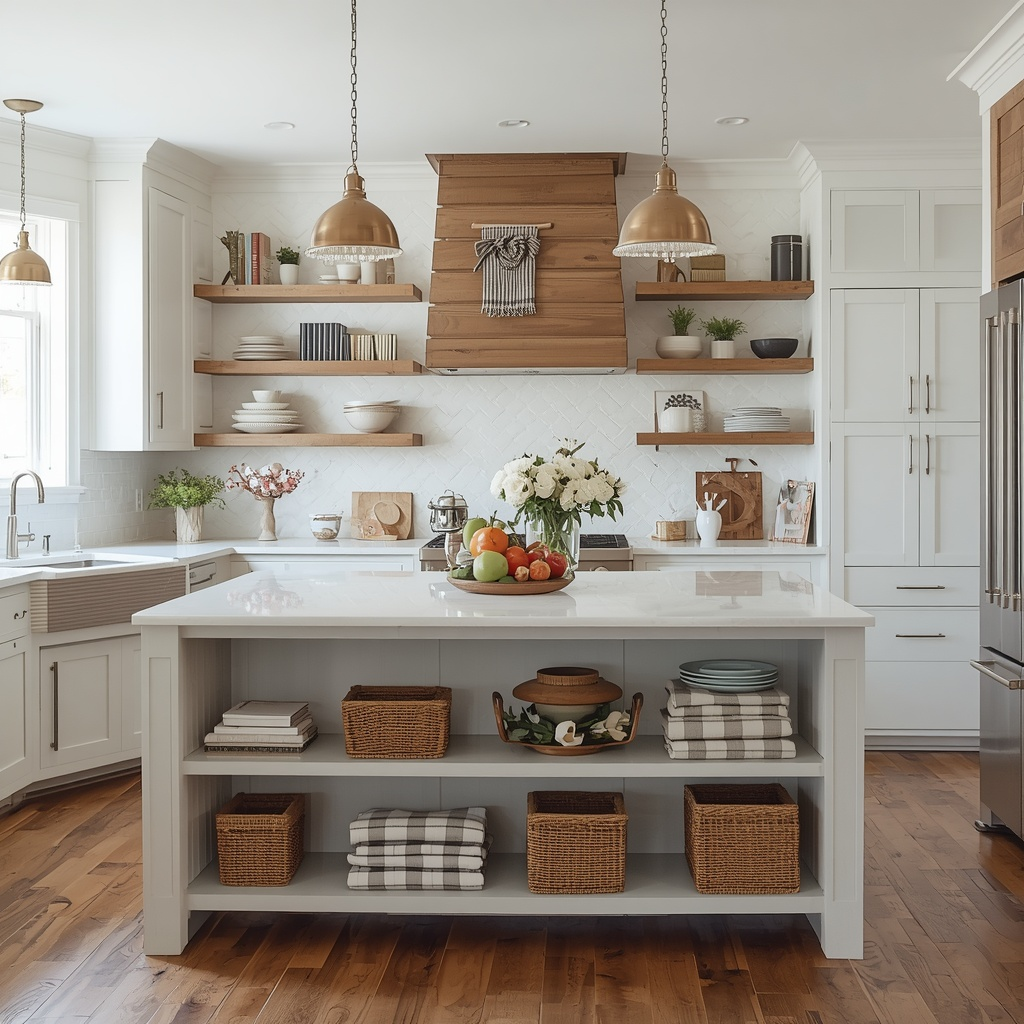
Designing a kitchen that adapts to seasonal changes keeps the space feeling fresh and engaging throughout the year. Rotating decorations, textiles, and natural elements such as flowers, leaves, or branches helps reflect the rhythm of the seasons. This approach maintains visual interest without requiring major redesigns.
Storage solutions for seasonal items make transitions easy and organized. By updating small details regularly, the kitchen remains dynamic and aligned with natural cycles. This practice also encourages mindfulness and appreciation for change within everyday living spaces.
Daily Kitchen Rituals for a More Intentional Cooking Experience
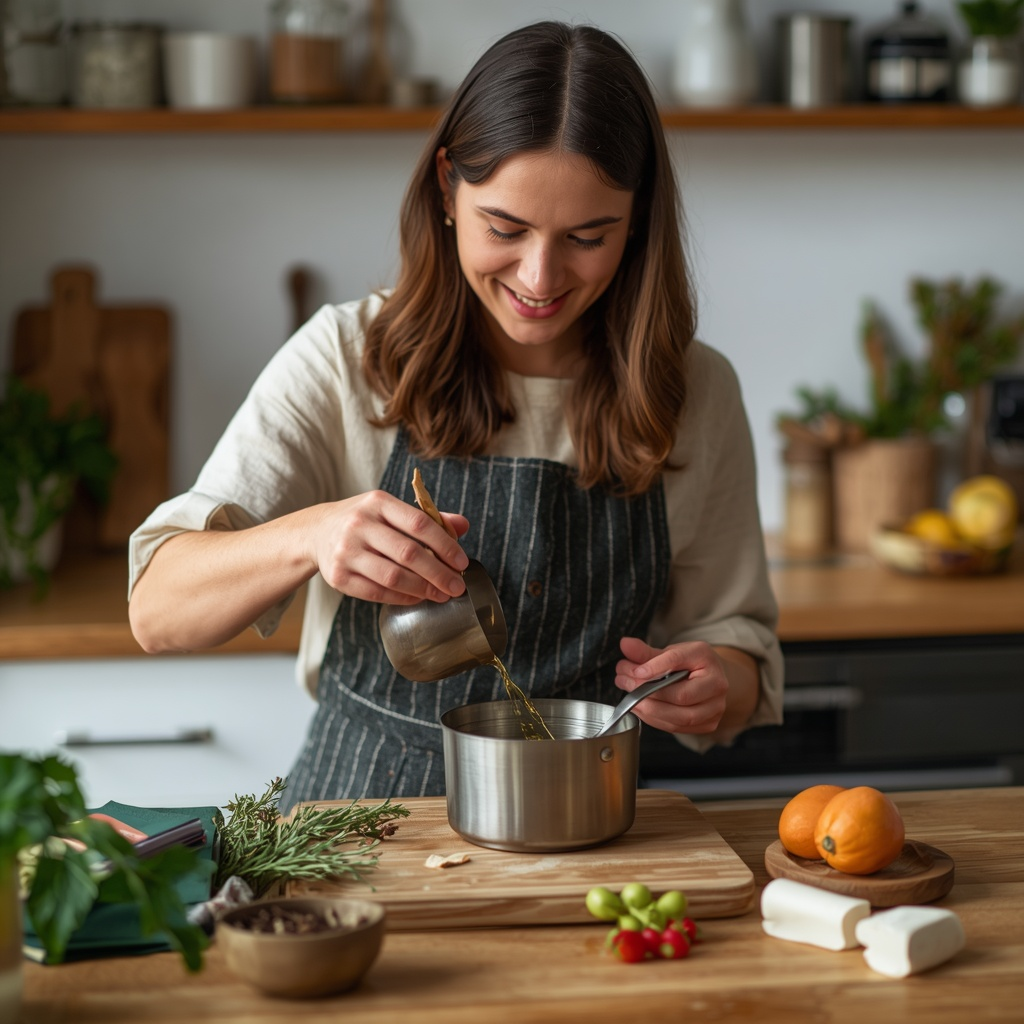
Daily rituals can transform cooking from a routine task into a more mindful and enjoyable experience. Simple habits such as preparing tea thoughtfully, organizing ingredients carefully, or appreciating the kitchen environment help create a sense of intention. These small actions contribute to a more positive relationship with the space.
Keeping a kitchen journal for recipes, observations, or ingredient notes can further enhance this experience. Over time, these habits build a deeper connection to cooking and food preparation. The kitchen becomes not just a workspace, but a meaningful part of daily life and creativity.
Creating a Cohesive and Magical Kitchen Environment
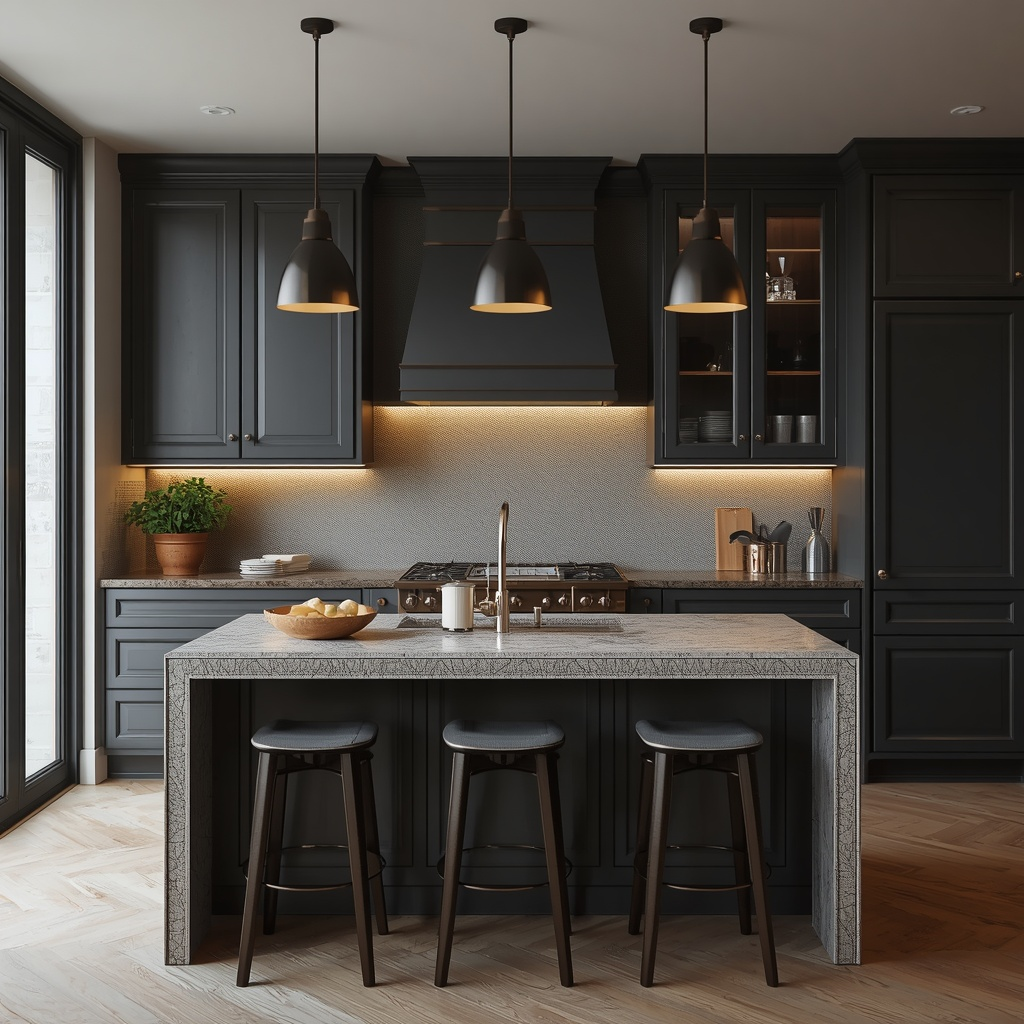
A cohesive kitchen design is achieved by blending aesthetics, functionality, and personal meaning into a unified space. Rather than focusing on strict themes, the goal is to create harmony between colors, textures, lighting, and practical use. Starting with a few key elements allows the design to evolve naturally over time.
When form and function are balanced, every detail in the kitchen serves a purpose. Whether decorative or practical, each item contributes to the overall atmosphere. This thoughtful approach results in a kitchen that feels comfortable, expressive, and genuinely reflective of its owner’s lifestyle.