
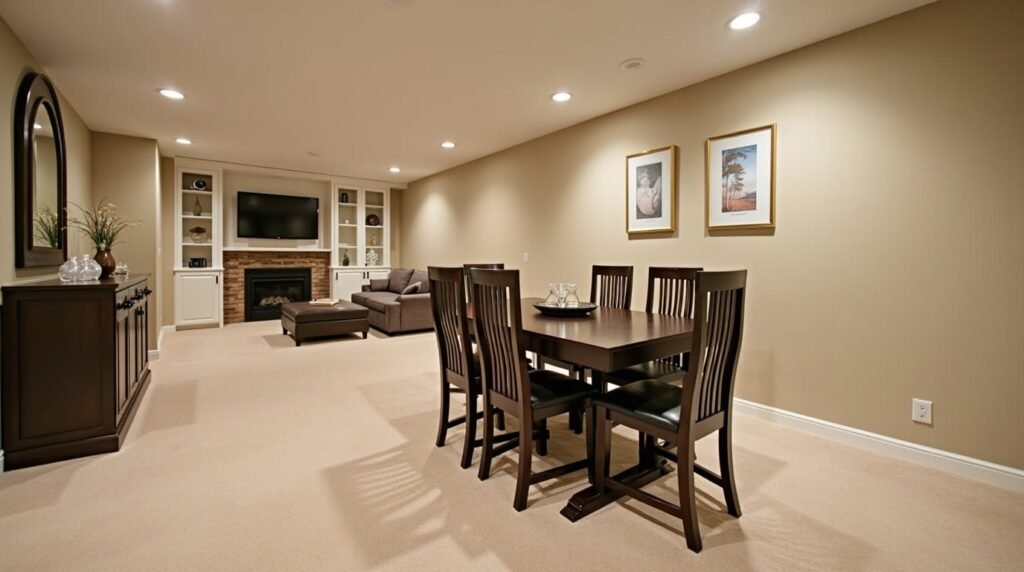
An unfinished basement is full of untapped potential, just waiting to be transformed into something truly functional and inviting. Instead of letting it sit as a forgotten storage area, you can turn it into a space that adds comfort, value, and versatility to your home.
Whether you’re dreaming of a cozy lounge, a home gym, or a creative workspace, there are plenty of ways to make the most of it without a full renovation. In this blog, we’ll explore practical and inspiring unfinished basement ideas to help you reimagine your space and turn it into something you’ll actually love using every day.
1. Building a Functional Home Gym
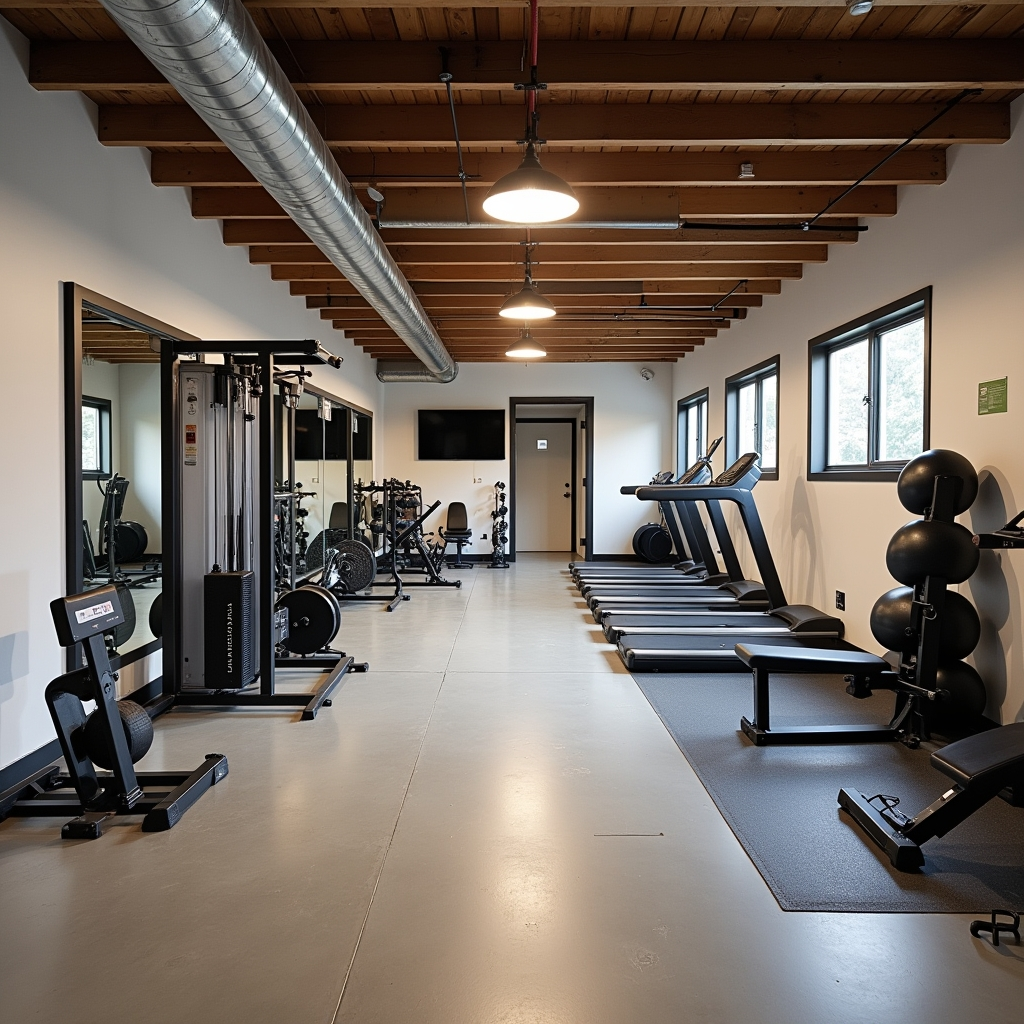
Creating a home gym in a basement can be a cost-effective and practical solution for fitness enthusiasts. By converting unused space into a workout area, you eliminate the need for expensive gym memberships and travel time. A solid concrete floor provides excellent support for heavy equipment, making it ideal for weightlifting and cardio machines. Exposed ceiling beams can be used creatively to install resistance bands or suspension trainers, adding versatility to your workouts. With proper lighting and flooring, the space can feel both functional and inviting.
To ensure a smooth setup, start by thoroughly cleaning the concrete floor before installing equipment. Plan and install proper electrical outlets to support treadmills or other machines. Good ventilation is essential to maintain airflow and comfort during workouts. Adding mirrors not only improves visibility but also helps monitor your form. Finally, install adequate lighting fixtures to brighten the area and create a motivating environment.
2. Designing an Efficient Laundry Area
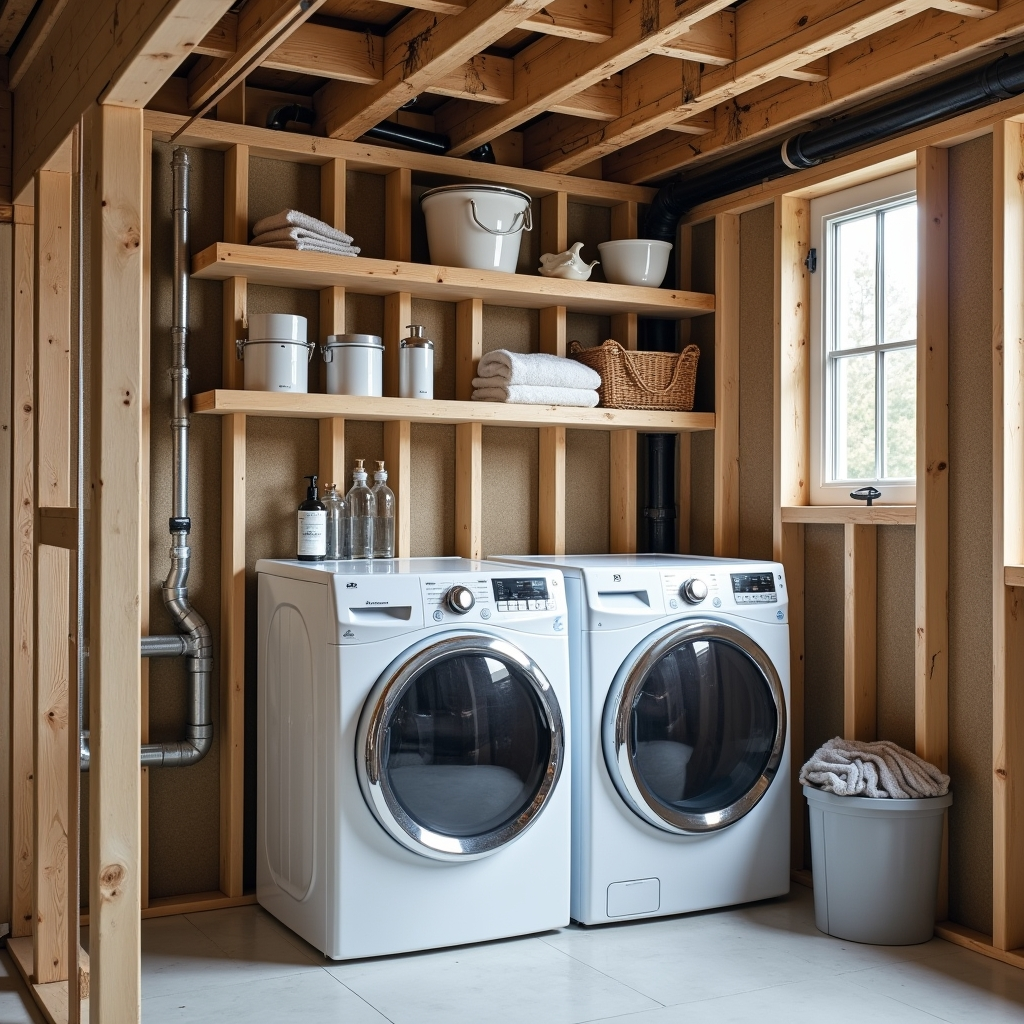
Transforming part of your basement into a laundry zone can greatly improve household organization. The open structure of unfinished walls allows easy access to plumbing systems, making maintenance simpler. Installing custom shelves between exposed studs helps maximize vertical storage space, keeping detergents and supplies neatly arranged. A well-designed drainage system prevents water-related issues, while modern appliances blend seamlessly with the industrial aesthetic of the basement.
Begin by setting up reliable water connections for your washing machine. Ensure that the drainage system is properly installed to avoid leaks or flooding. Building tailored storage units will help keep everything organized and within reach. Task lighting is important for visibility, especially in dim areas. Lastly, a good ventilation system helps control moisture and keeps the space fresh.
3. Creating a Comfortable Entertainment Area
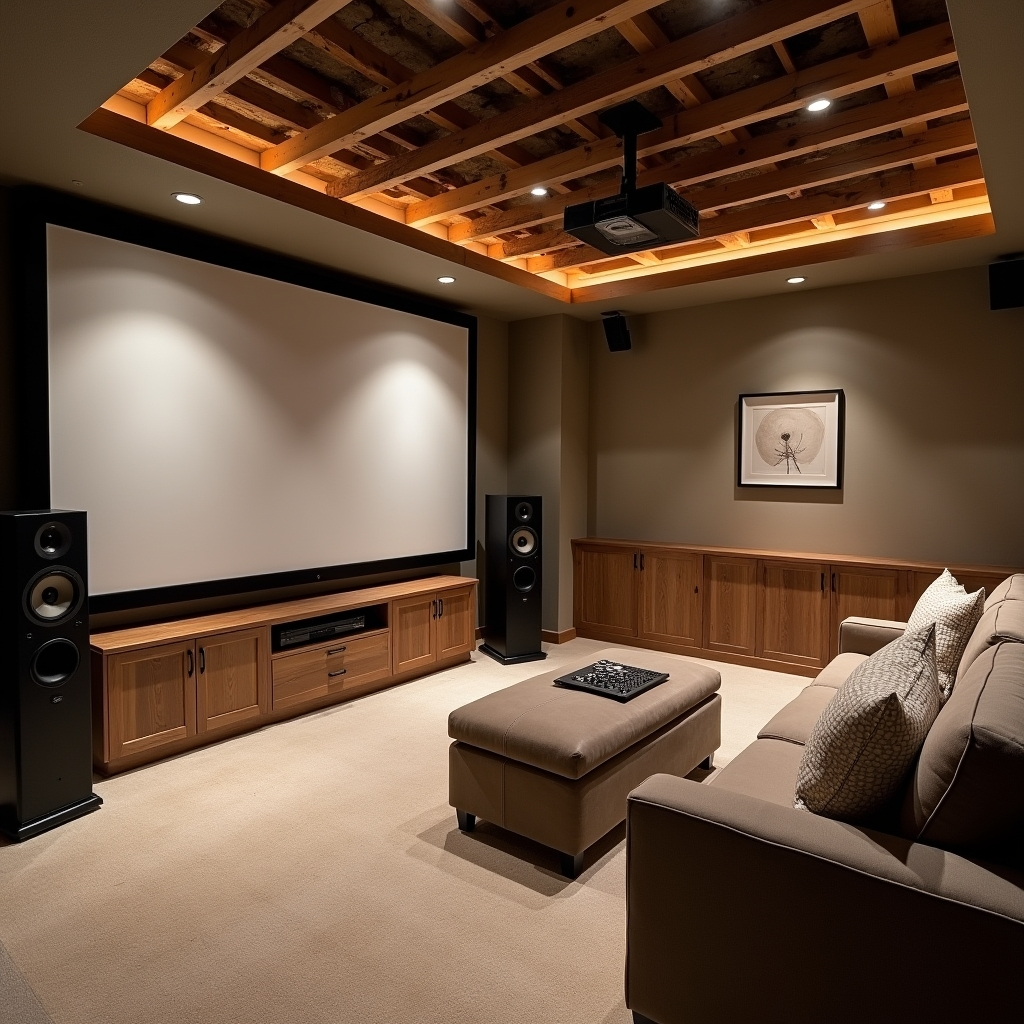
An unfinished basement can be turned into a cozy entertainment space perfect for movie nights or gatherings. Soft materials like curtains or wall fabrics can reduce noise and improve sound quality. The exposed ceiling structure provides convenient mounting points for projectors and speakers. Comfortable seating arrangements can make the area feel warm and inviting, even without full finishing.
Start by installing proper electrical wiring to support your entertainment system. Adding sound-absorbing elements will enhance audio quality. Choose seating that fits the space while providing comfort. Securely mount all equipment for safety and stability. To complete the setup, use dimmable lighting options to create the perfect atmosphere for watching movies or relaxing.
4. Developing a Creative Workspace
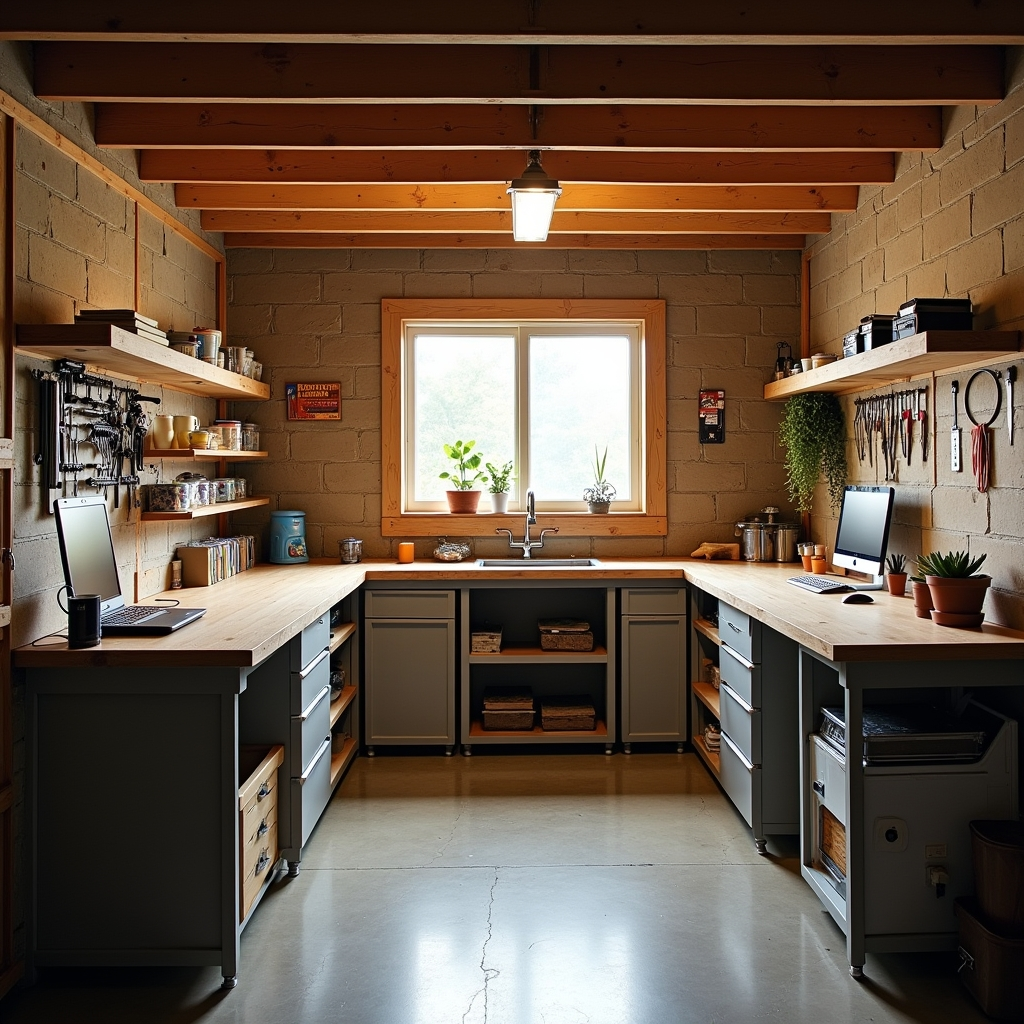
A basement can serve as an excellent creative workspace for hobbies or crafts. Even small windows can provide natural light when used effectively. Exposed studs are useful for hanging tools and organizing supplies. Custom-built workbenches can maximize corner spaces while maintaining an open layout. Proper lighting is essential to ensure productivity, especially in darker areas.
When setting up, ensure your work surfaces are at comfortable heights to prevent strain. Install bright task lighting to illuminate your workspace. Use the gaps between studs to create built-in storage. Strategically place electrical outlets for tools and devices. Adding mobile storage solutions allows you to rearrange the space as your projects change.
5. Planning a Smart Storage System
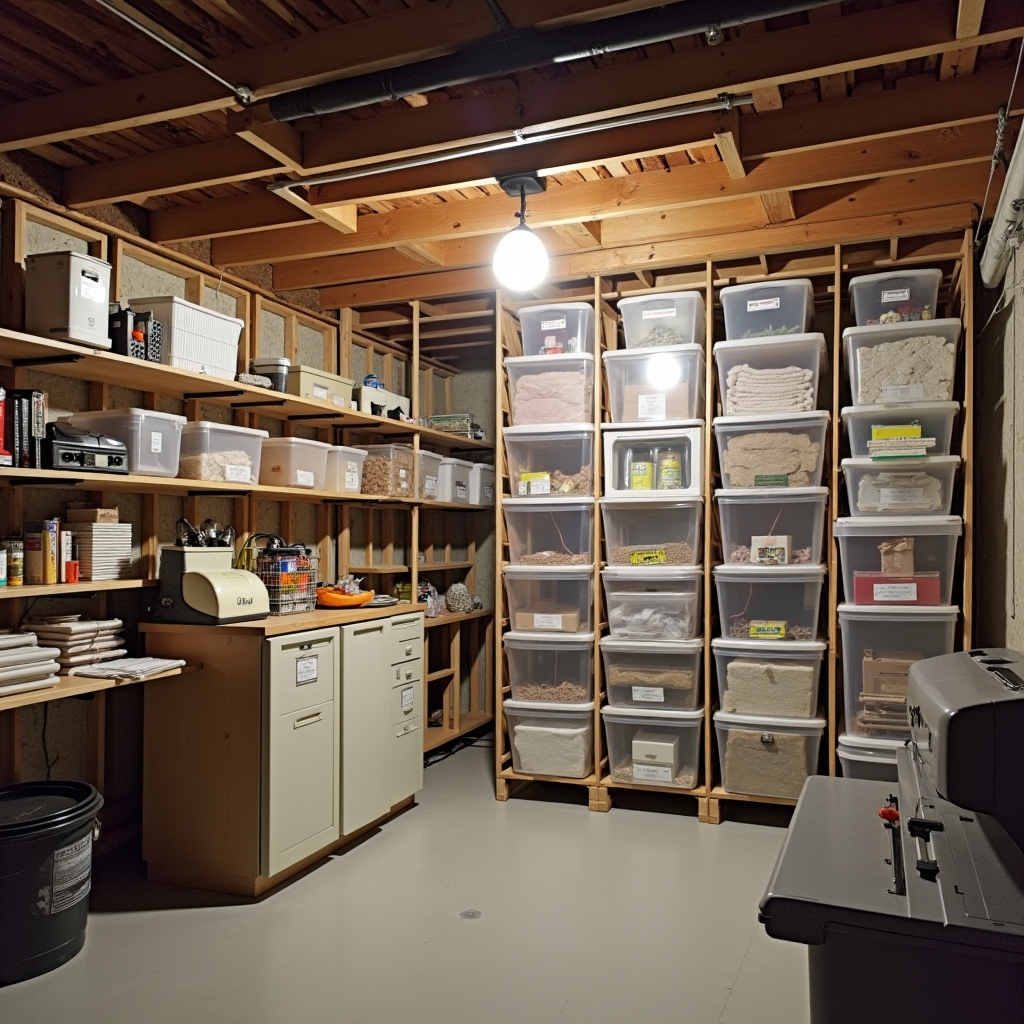
Basements are ideal for storage, and with proper planning, you can maximize every inch of space. Installing strong shelving units between exposed joists allows you to utilize vertical areas effectively. Clear storage bins help keep items visible while protecting them from dust. Dividing the space into zones makes it easier to access seasonal or frequently used items.
Start by ensuring your shelving has proper support to handle heavy loads. Organize items into clearly defined sections for easy access. Good lighting is essential to locate items quickly. Adding moisture barriers protects your belongings from damp conditions. Finally, implement a clear labeling system to keep everything organized long-term.
6. Setting Up a Rustic Bar Corner
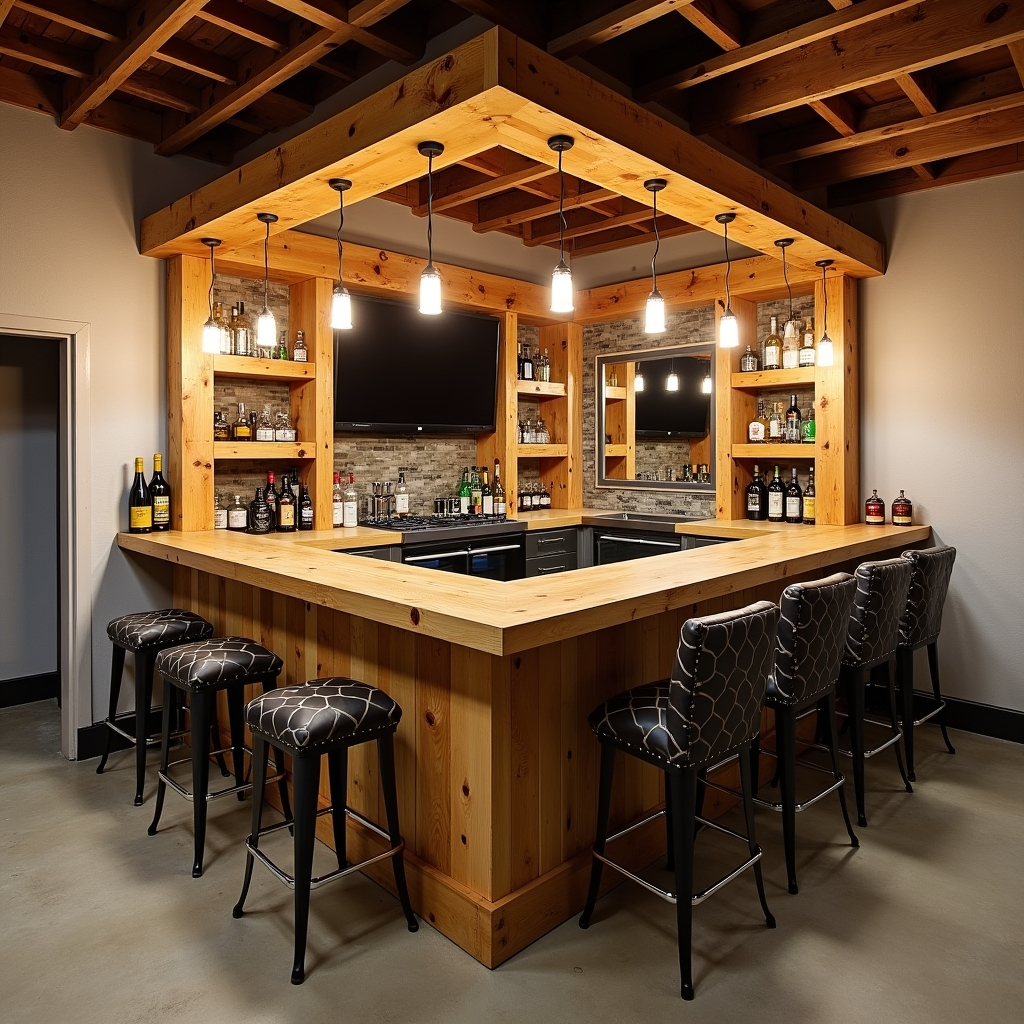
A basement bar can become a favorite gathering spot for family and friends. Using reclaimed wood, such as pallets, adds warmth and contrast to concrete surfaces. String lights can be installed between ceiling joists to create a cozy atmosphere. Built-in shelves behind the bar maximize storage while maintaining a clean look.
To build your bar, start with a sturdy frame that ensures durability. Install proper electrical connections for lighting and small appliances. Create enough storage space for drinks and accessories. Lighting should be warm and inviting to enhance the ambiance. Lastly, design comfortable seating options to make the space welcoming.
7. Designing a Productive Office Space
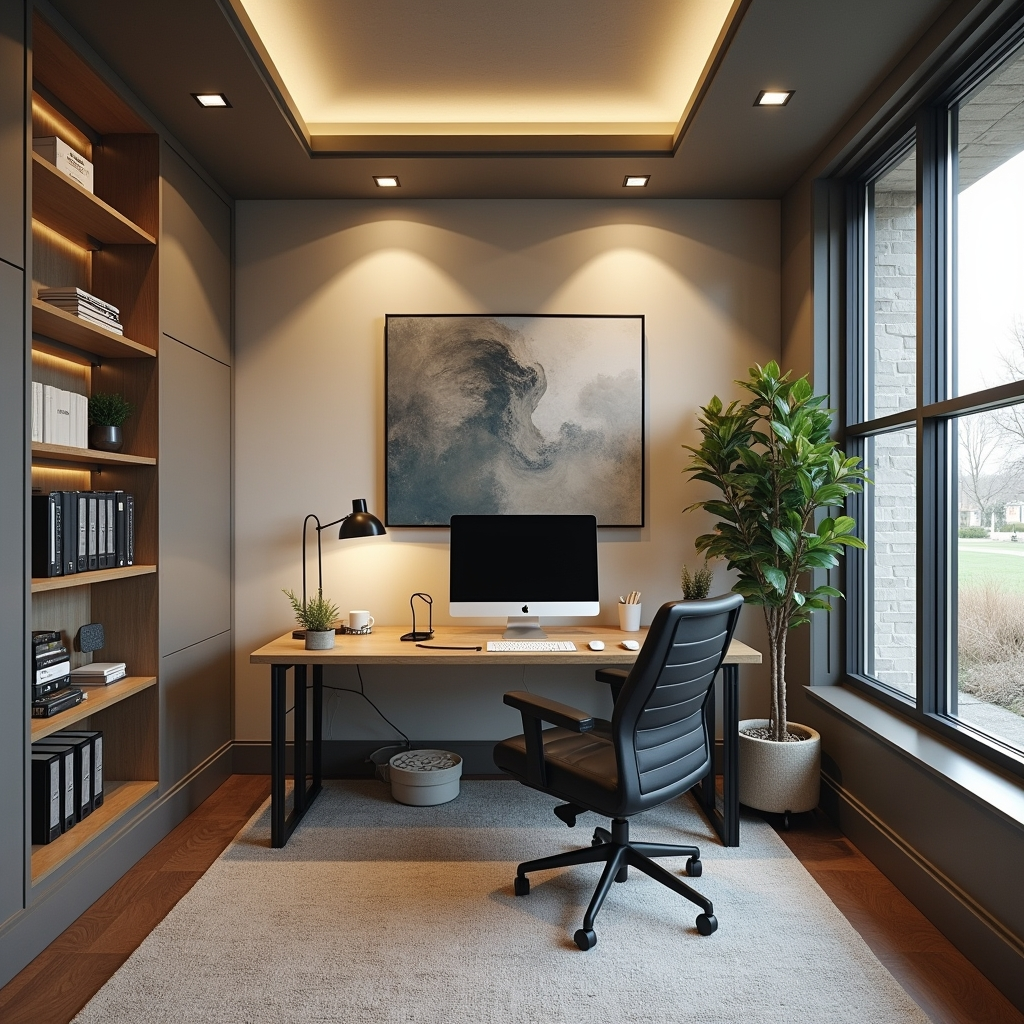
A basement office can provide a quiet and focused work environment. Positioning your desk near available natural light helps reduce eye strain. Sound-absorbing materials can minimize noise from exposed mechanical systems. Flexible furniture allows the space to adapt to different needs, whether for work or storage.
Begin by installing reliable electrical outlets for your devices. Focus on ergonomic furniture to maintain comfort during long hours. Add soundproofing elements to create a शांत workspace. Task lighting is essential for reducing glare on screens. Incorporate smart storage solutions to keep your work area organized and clutter-free.
8. Building a Safe Children’s Play Area
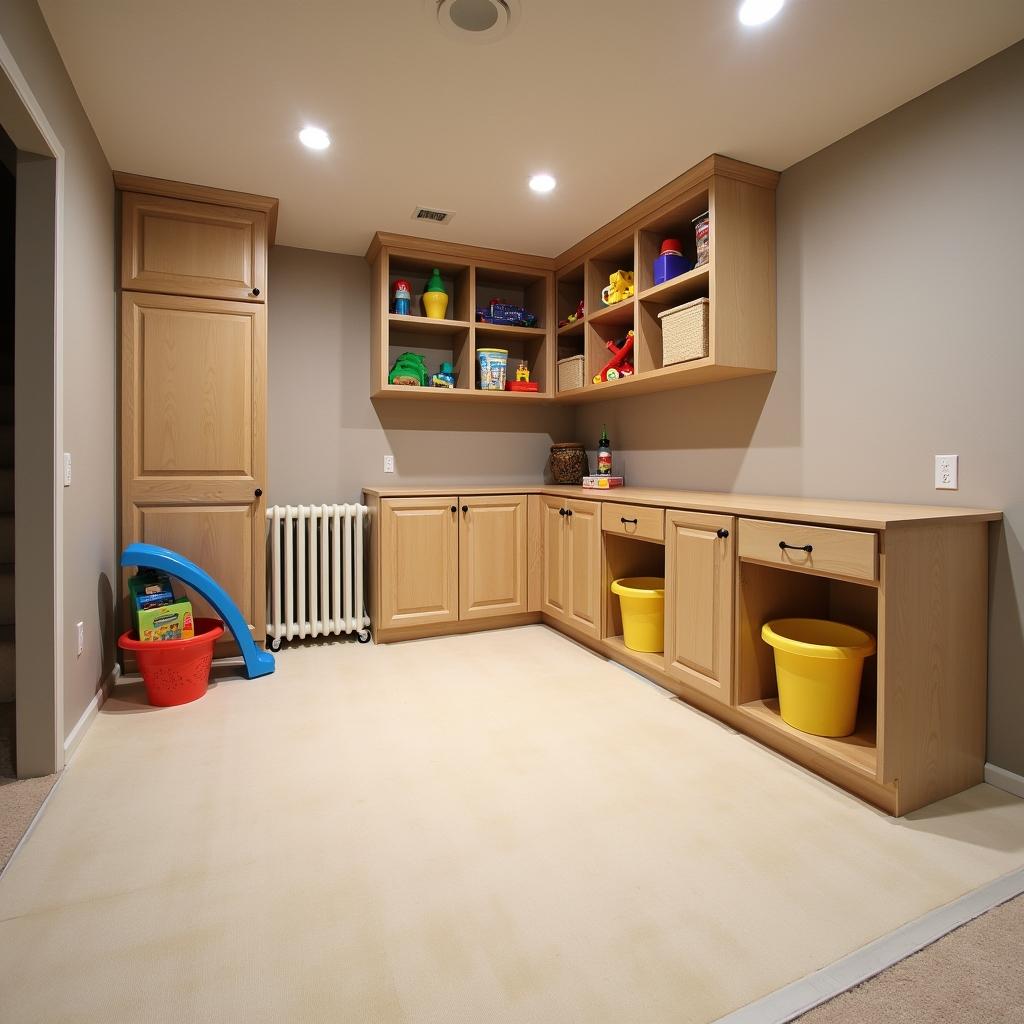
Turning your basement into a play zone offers children a safe and fun environment. Foam flooring provides cushioning and warmth over concrete surfaces. Wall-mounted storage between studs keeps toys organized and off the floor. Covering exposed pipes or sharp edges with padding enhances safety.
Start by installing soft floor padding throughout the play area. Protect all corners and edges to prevent injuries. Build storage units that are easy for children to access. Use child-safe lighting fixtures to ensure proper visibility. Adding mobile toy bins allows for quick cleanup and keeps the space tidy.
9. Creating an Indoor Gardening Space
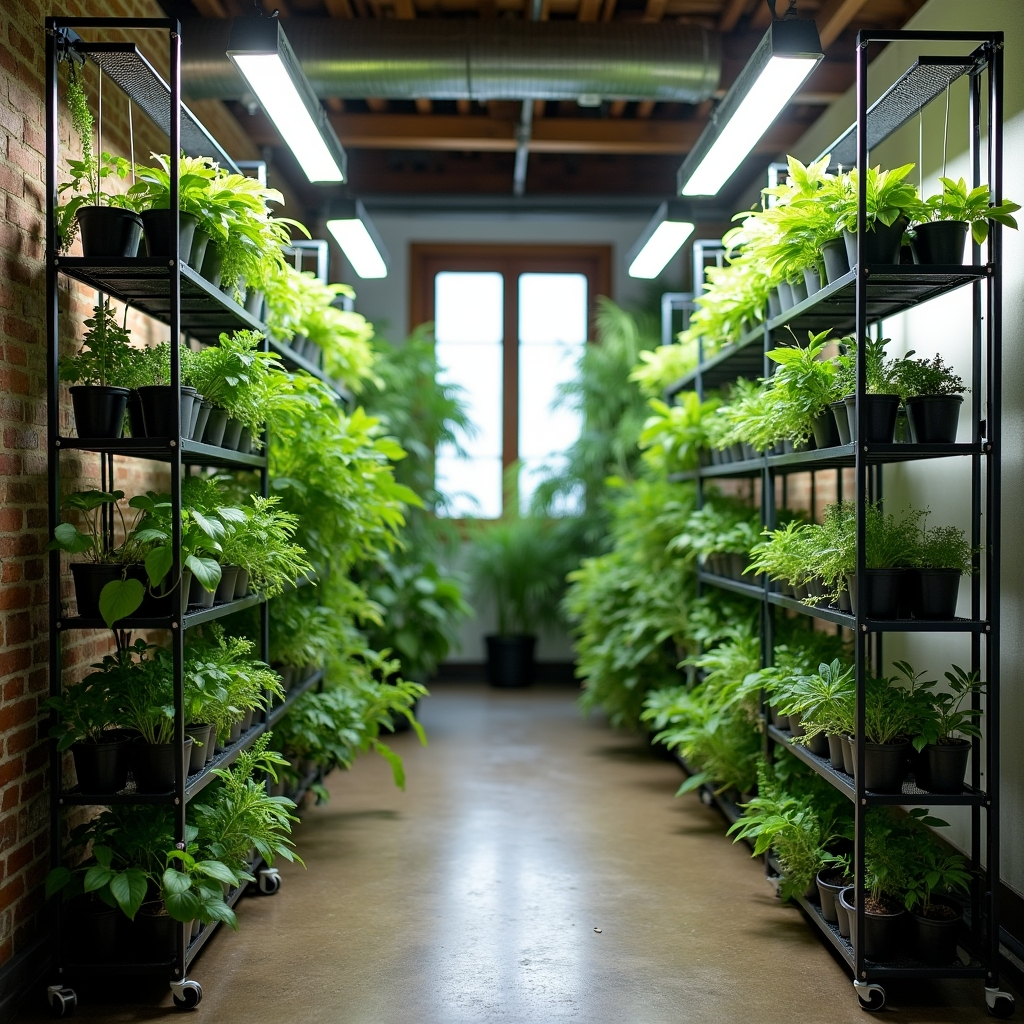
Basements offer stable temperatures, making them suitable for indoor gardening. Vertical growing systems can maximize limited space between support columns. Specialized grow lights compensate for the lack of natural sunlight. Mobile planters allow you to adjust layouts depending on plant requirements.
To set up, install proper grow lighting systems to support plant growth. Ensure you have an effective drainage solution to prevent water buildup. Build vertical frames to increase planting capacity. A ventilation system helps regulate humidity levels. Design a convenient watering setup to simplify plant care.
10. Designing a Music Practice Room
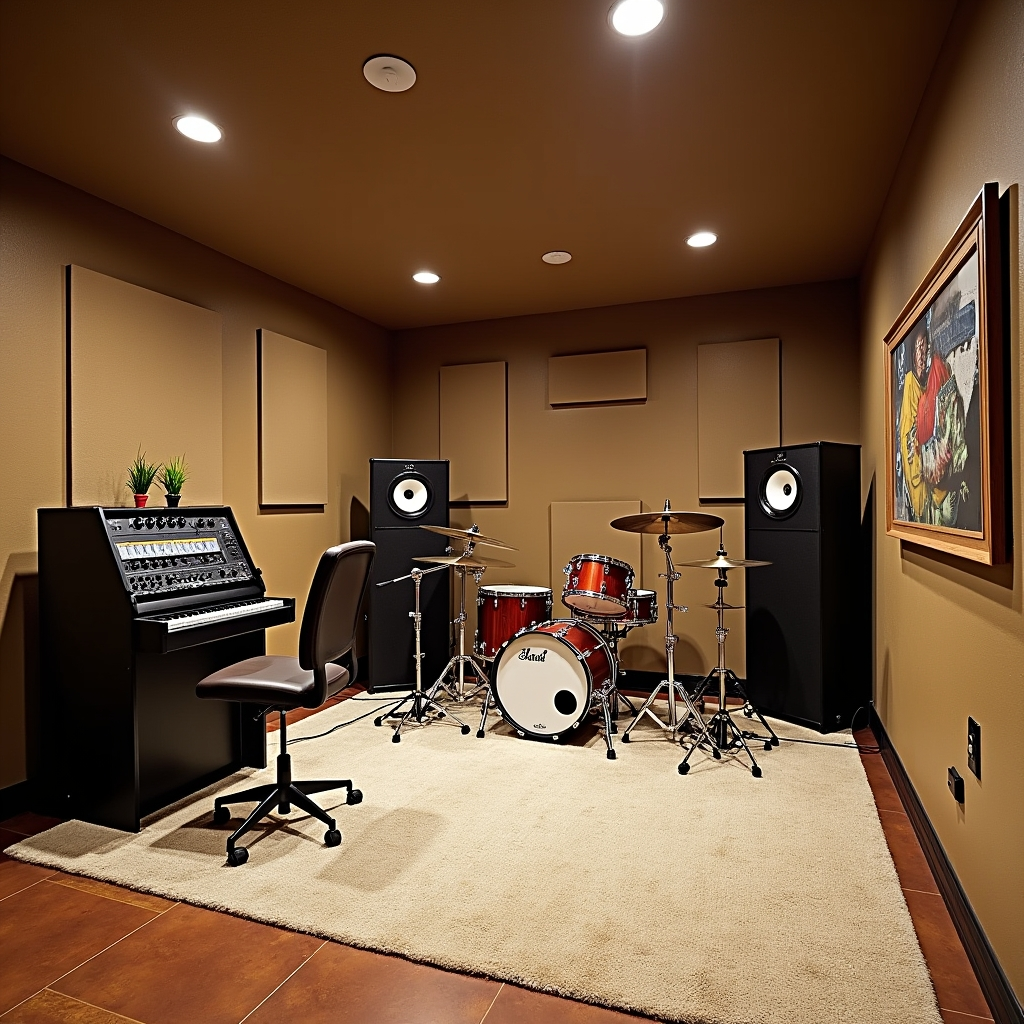
A basement can be an excellent location for a music room due to its natural sound properties. Adding acoustic panels helps reduce echo without needing full renovations. Portable storage solutions keep instruments organized while allowing flexibility. Proper electrical setups are necessary for amplifiers and recording equipment.
Start by installing sound treatments to improve acoustics. Ensure electrical systems can handle your equipment needs. Build storage for instruments and accessories. Add soundproofing materials to prevent noise from spreading to other areas. Proper ventilation ensures comfort during long practice sessions.
11. Creating a Flexible Exercise Area
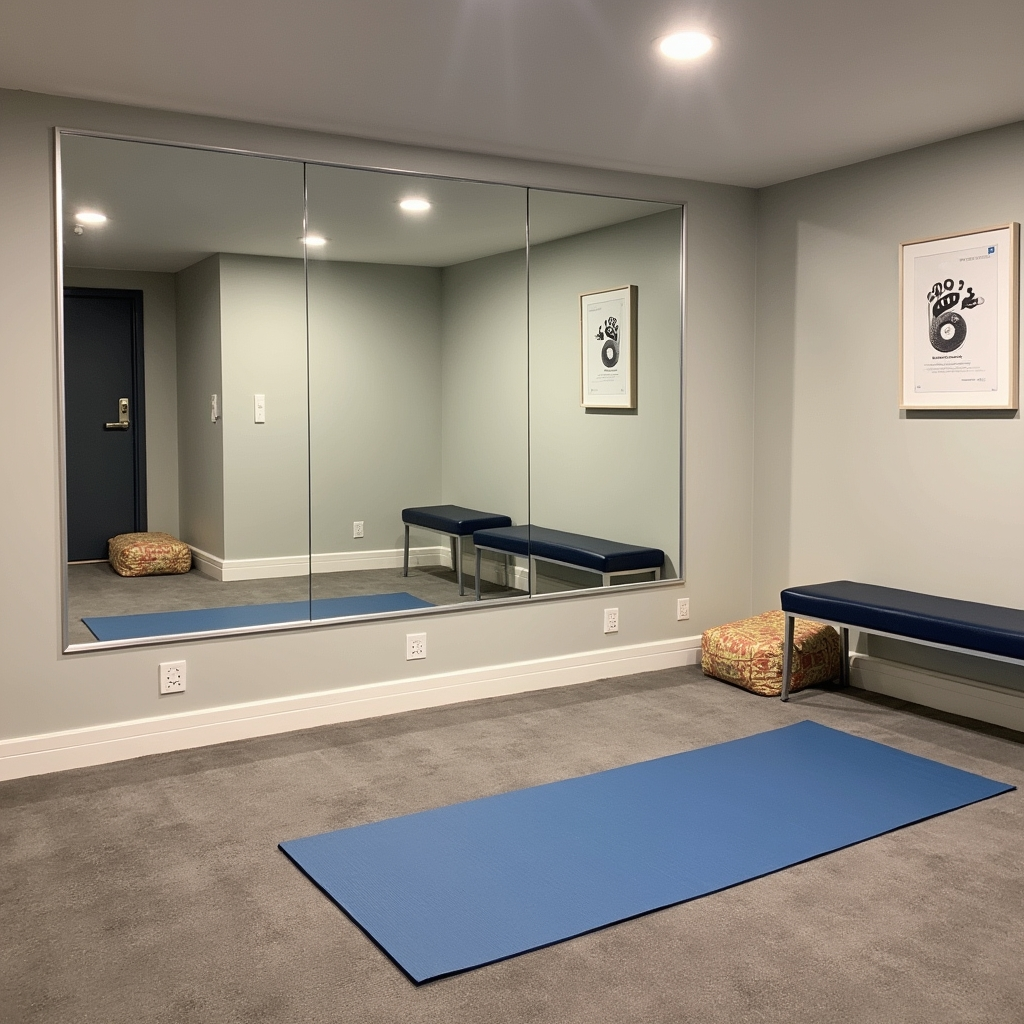
For lighter workouts like yoga or stretching, a dedicated basement exercise space works well. Large mirrors create a sense of openness and help monitor posture. Soft flooring adds comfort while protecting the underlying concrete. Portable equipment storage keeps the area adaptable.
Install padded flooring to reduce impact and improve comfort. Secure mirrors properly to avoid accidents. Design storage solutions for mats and small equipment. Use bright lighting to eliminate shadows during workouts. Ensure proper airflow to maintain a fresh and comfortable environment.
12. Designing a Pet-Friendly Space
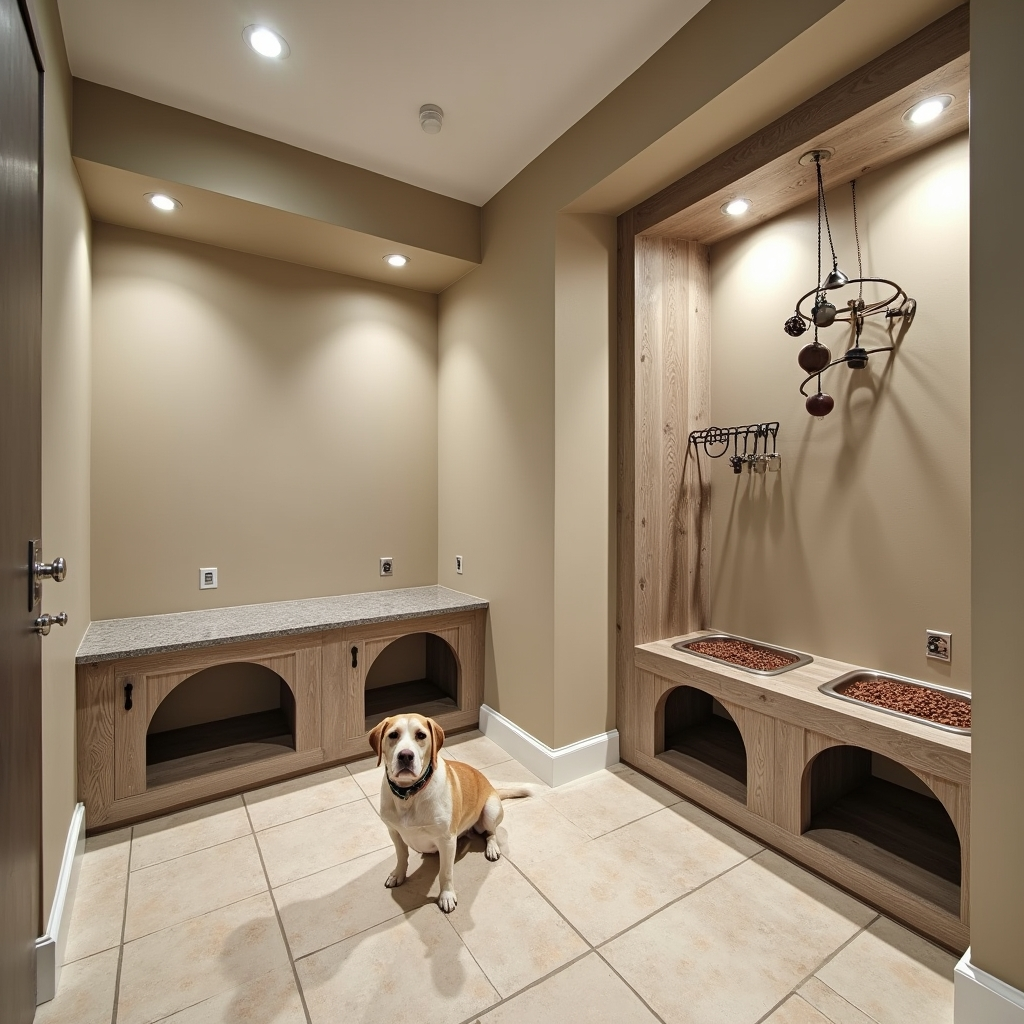
A basement corner can be transformed into a comfortable retreat for pets. Applying a protective coating to the floor makes cleaning easier. Built-in feeding stations help keep food and water organized. Storage areas between studs can hold toys and supplies neatly.
Begin by adding a durable floor coating that resists stains. Set up designated feeding areas for convenience. Build storage for pet essentials to reduce clutter. Proper ventilation keeps the space fresh. Include easy-to-clean features to maintain hygiene and comfort for your pets.
13. Creating a Wine Storage Area
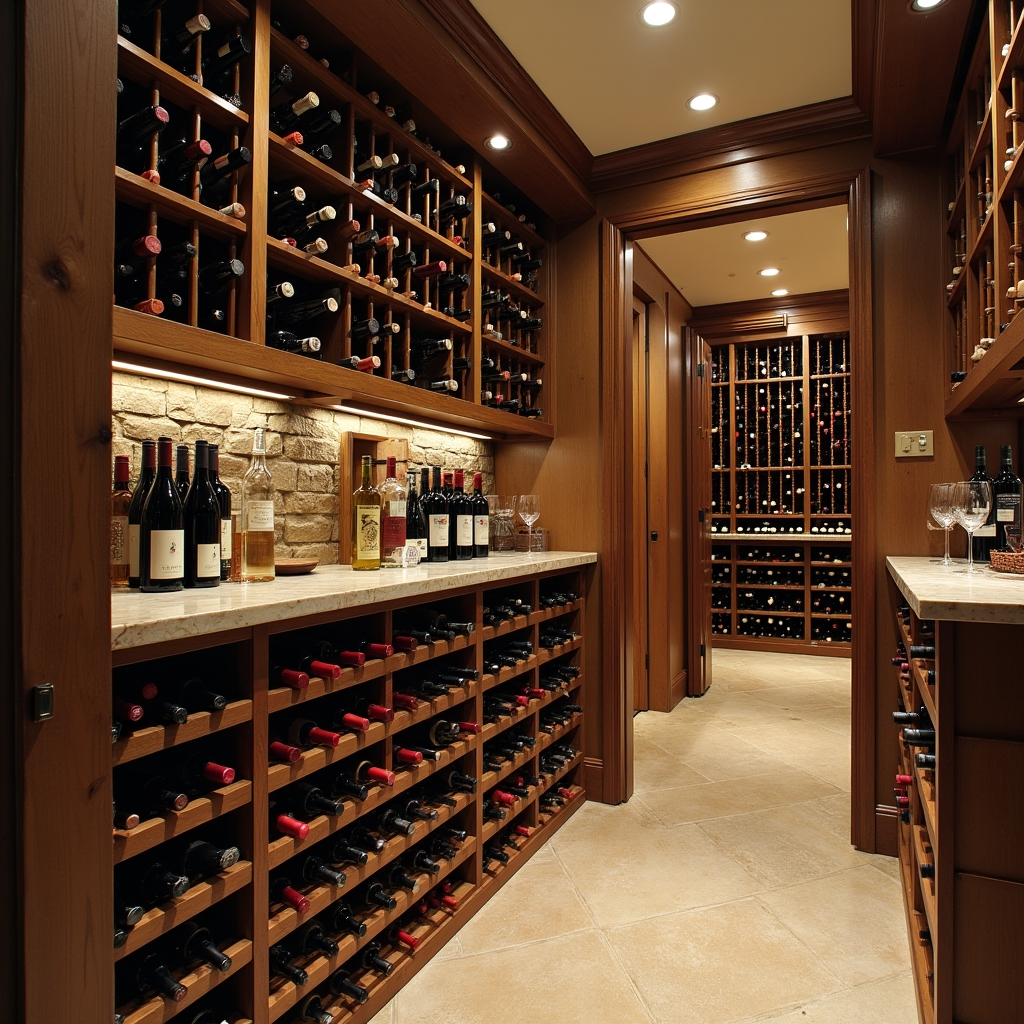
Basements naturally maintain cooler temperatures, making them suitable for wine storage. Custom racks installed between studs can maximize storage capacity. Monitoring temperature and humidity ensures that bottles are preserved properly. Soft lighting highlights the collection without generating heat.
Start by installing temperature control systems to maintain ideal conditions. Build sturdy racks to hold bottles securely. Use gentle lighting to avoid overheating the space. Add humidity monitoring to protect cork integrity. A small tasting area can enhance the overall experience.
14. Setting Up a Practical Workshop
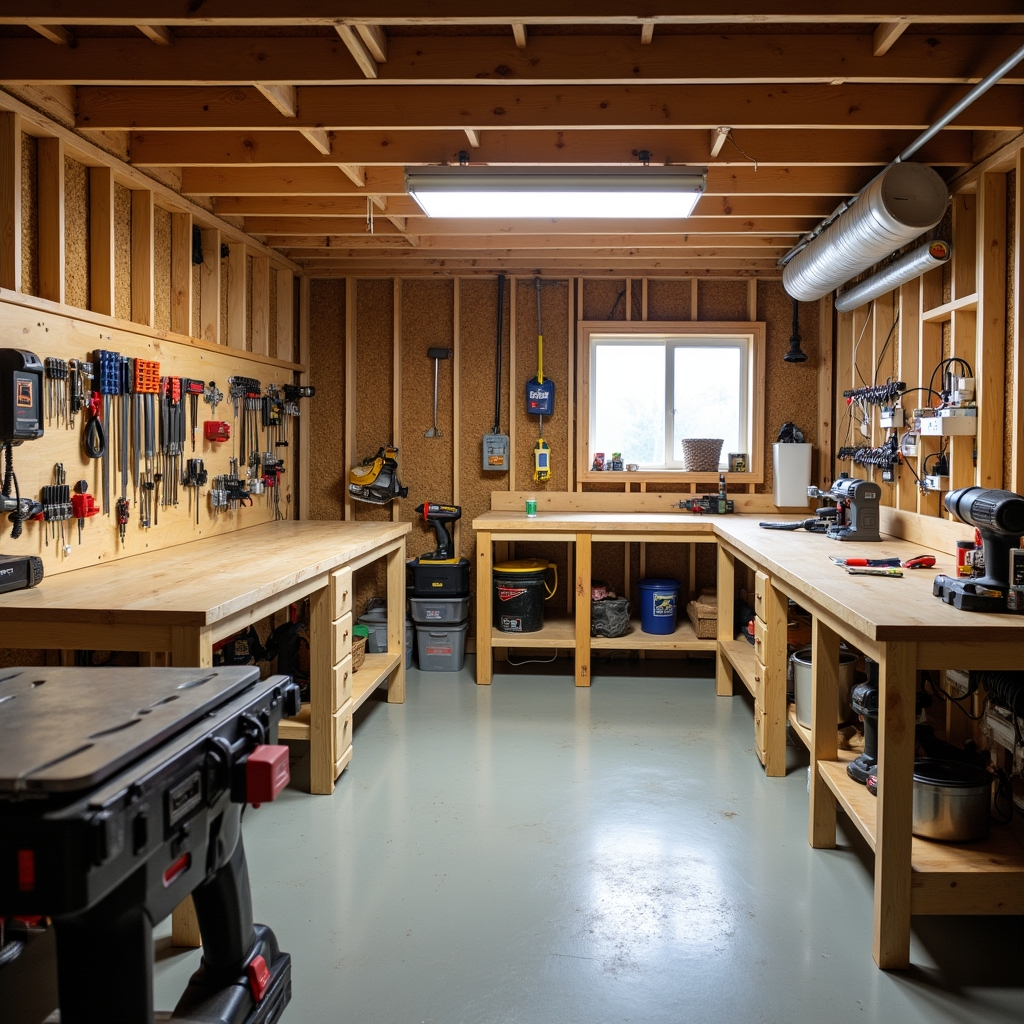
A basement workshop is perfect for DIY projects and repairs. Strong workbenches placed along unfinished walls provide a stable working area. Tool storage between studs keeps everything organized and accessible. Bright lighting ensures accuracy during detailed tasks.
Install proper electrical outlets to power tools safely. Build durable workbenches that can handle heavy use. Create organized storage systems for tools and materials. Add focused task lighting to improve visibility. A dust collection system helps maintain cleanliness and air quality.
15. Designing a Cozy Guest Area
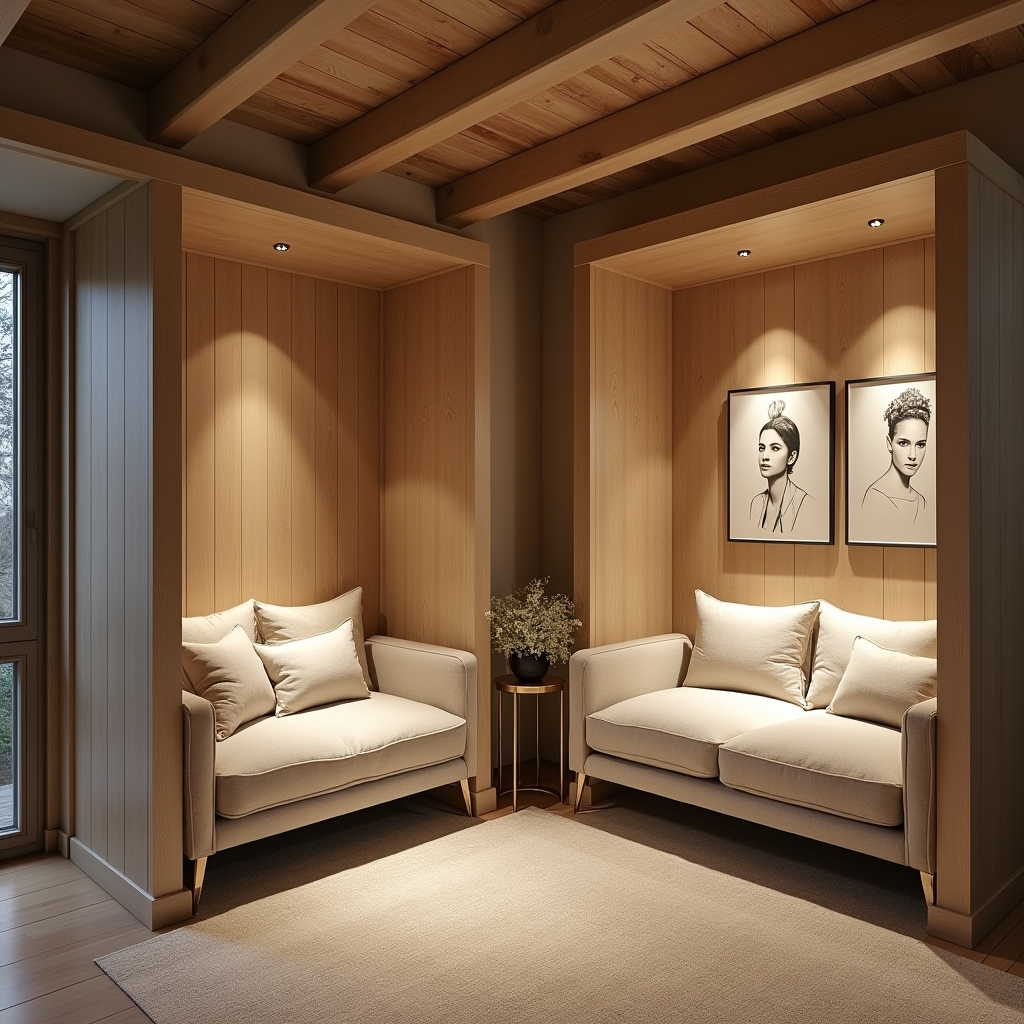
A basement can also serve as a welcoming guest space with thoughtful design. Using partitions or curtains creates privacy without building permanent walls. Arranging furniture strategically helps maximize available space. Warm lighting makes the environment more inviting despite exposed structures.
Start by creating privacy sections using screens or dividers. Install soft lighting to enhance comfort. Build storage solutions for guests’ belongings. Add comfortable flooring to improve the feel of the space. Ensure proper ventilation so guests can enjoy a pleasant and relaxing stay.