
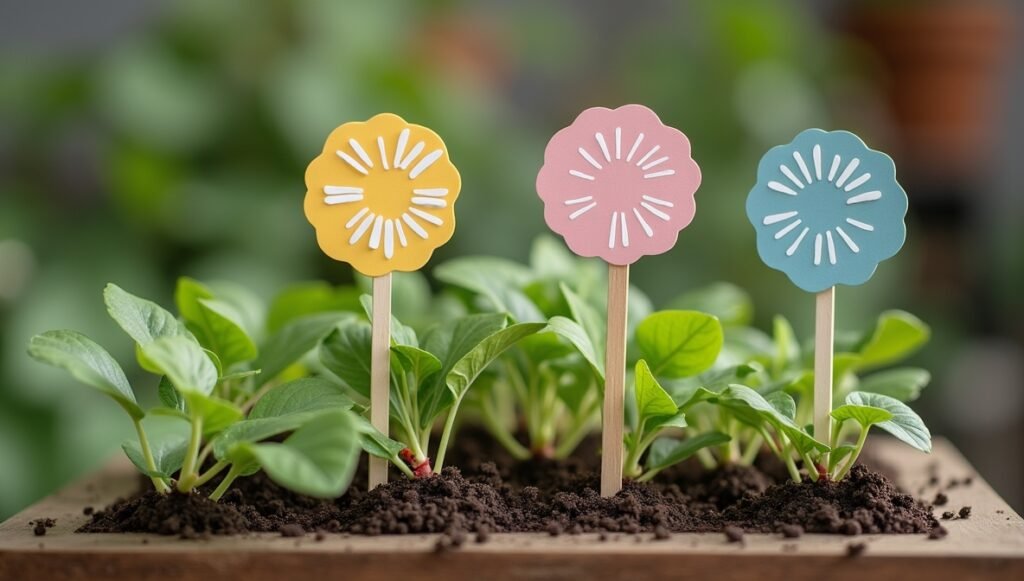
Keeping track of your plants doesn’t have to be boring—DIY plant markers are a fun and creative way to label your garden while adding a personal touch. Whether you’re growing herbs on a windowsill or managing a full backyard garden, handmade markers can bring charm and organization to your space.
Using simple, affordable materials, you can create designs that match your style, from rustic to modern. In this guide, you’ll find easy and inspiring ideas to craft your own plant markers that are both practical and visually appealing. Let’s turn your garden into something uniquely yours.
Wooden Spoon Garden Labels
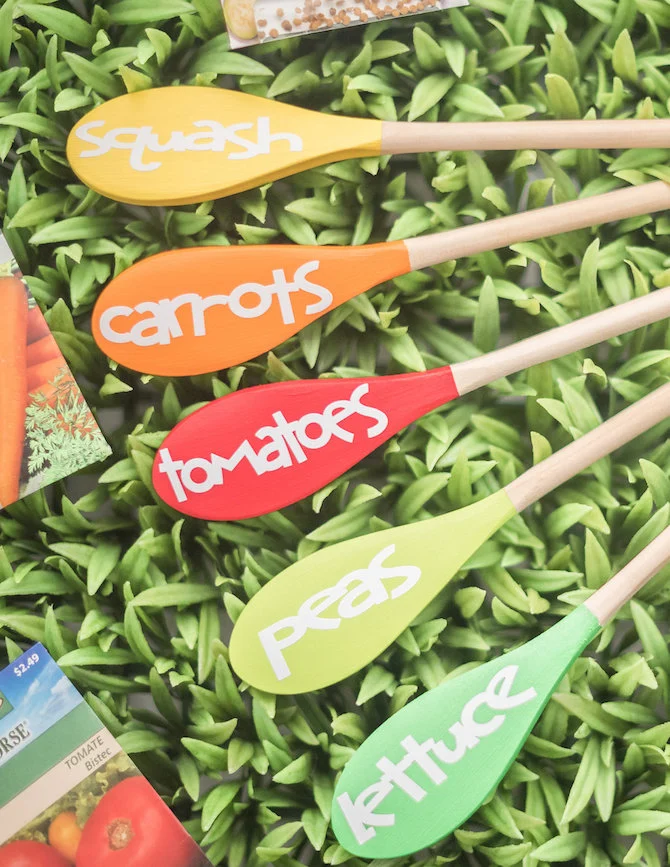
Creating plant markers from wooden spoons is a simple and budget-friendly project that adds charm to any garden. With just a few supplies like wooden spoons, acrylic paint, and a protective sealant, you can design personalized labels for your plants. These markers are easy to customize with different colors, patterns, or plant names. They are also durable enough for outdoor use when sealed properly. This project is perfect for beginners and offers a creative way to organize your garden while adding a decorative touch.
Simple Craft Stick Herb Labels
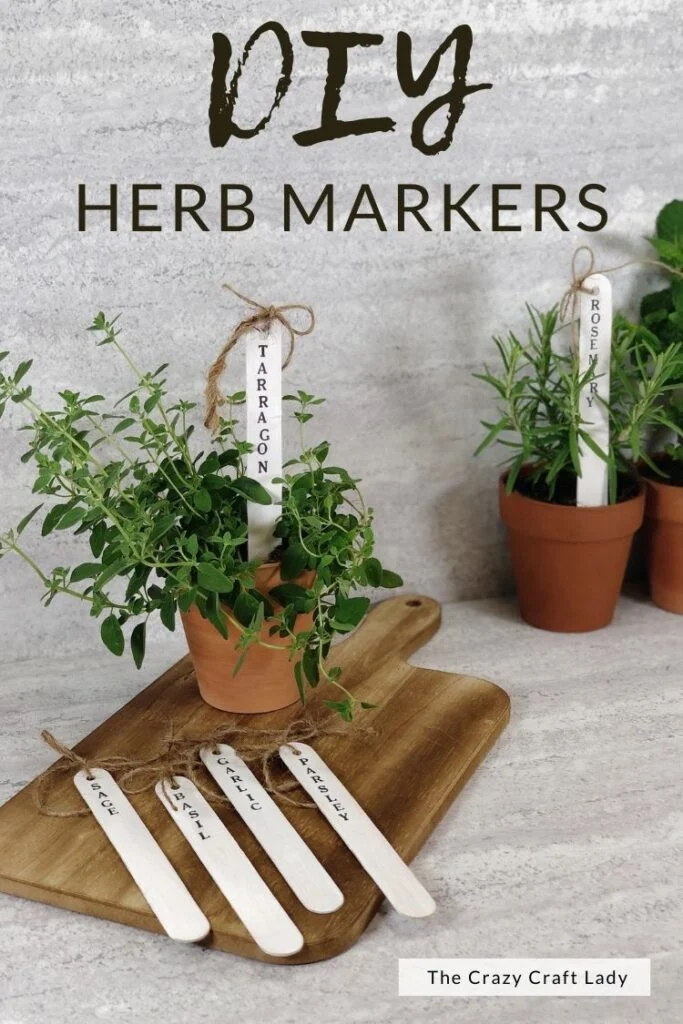
Craft stick herb markers are one of the easiest DIY options for labeling plants. Using basic wooden sticks, you can paint or write the names of herbs and vegetables clearly. This project is affordable and requires minimal materials, making it ideal for quick garden organization. You can customize the design to match your preferred style, whether rustic, modern, or colorful. These markers are lightweight and easy to place in soil, helping you keep track of your plants in a neat and practical way.
Repurposed Silverware Plant Markers
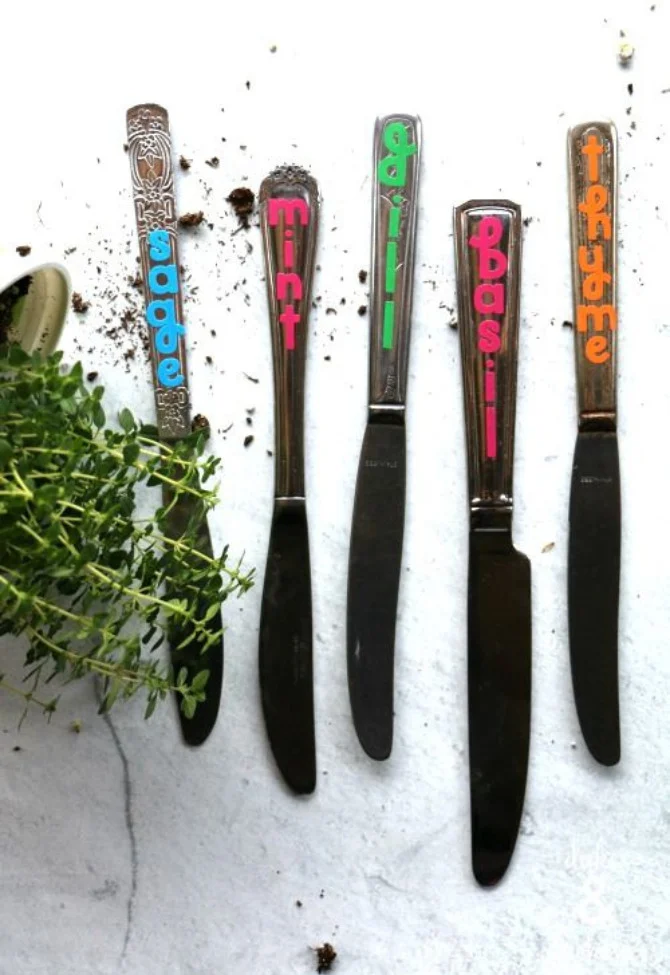
Turning old knives or other silverware into plant markers is a creative way to reuse household items. By engraving or painting plant names onto the surface, you can create durable and stylish labels. These markers add a vintage look to your garden while reducing waste. They are especially useful for long-term use because metal is more resistant to weather conditions. This project combines functionality with sustainability, making it a great choice for gardeners who enjoy upcycling and unique design ideas.
Hand-Stamped Metal Garden Markers
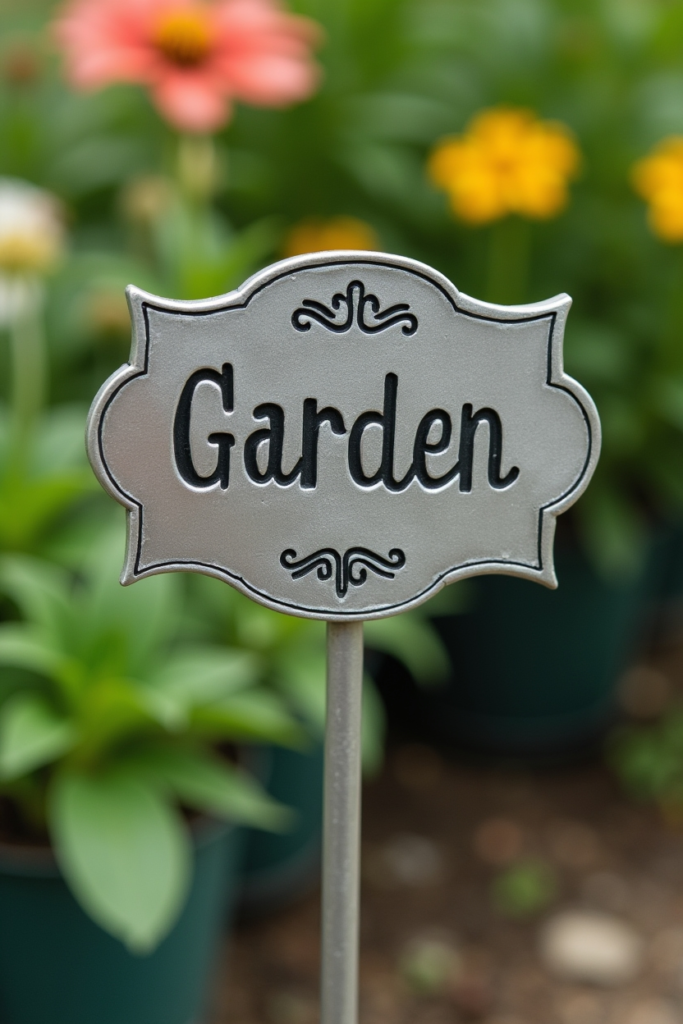
Hand-stamped garden markers offer a personalized and long-lasting solution for labeling plants. Using metal stamps and a hammer, you can imprint plant names onto metal stakes or tags. This method ensures the labels will not fade over time, even when exposed to outdoor elements. The process is simple yet satisfying, allowing you to create a unique set of markers. These durable labels are ideal for gardeners who want a permanent and professional-looking way to organize their planting areas.
Natural Twig-Based Plant Labels
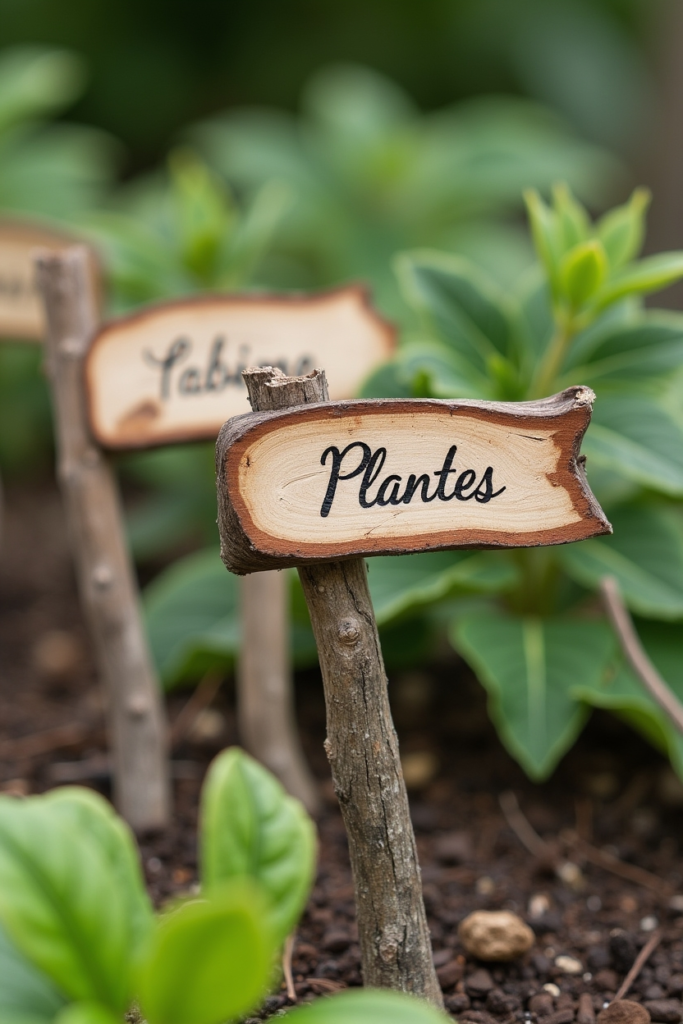
Using twigs from your yard to create plant markers is an eco-friendly and creative option. By carving or burning plant names onto the wood, you can make natural-looking labels that blend seamlessly with your garden. This project requires minimal cost and uses materials that are readily available. The rustic appearance adds character to your outdoor space while serving a practical purpose. These markers are perfect for gardeners who appreciate a natural aesthetic and want to reduce the use of manufactured materials.
Broken Clay Pot Garden Markers
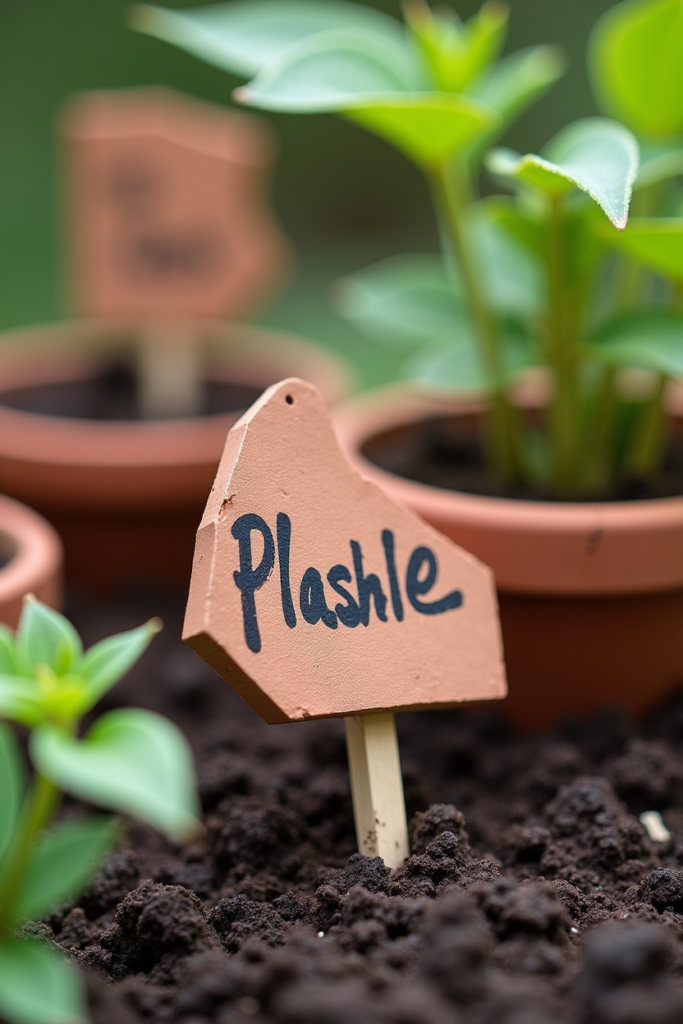
Instead of discarding broken clay pots, you can repurpose the pieces into unique garden markers. Simply write or paint plant names on the shards and place them in the soil. This approach not only reduces waste but also adds a creative touch to your garden. The natural texture of clay blends well with outdoor environments, making the markers both functional and decorative. This idea is ideal for those who enjoy recycling materials and finding new uses for everyday items.
Wine Cork Plant Labels
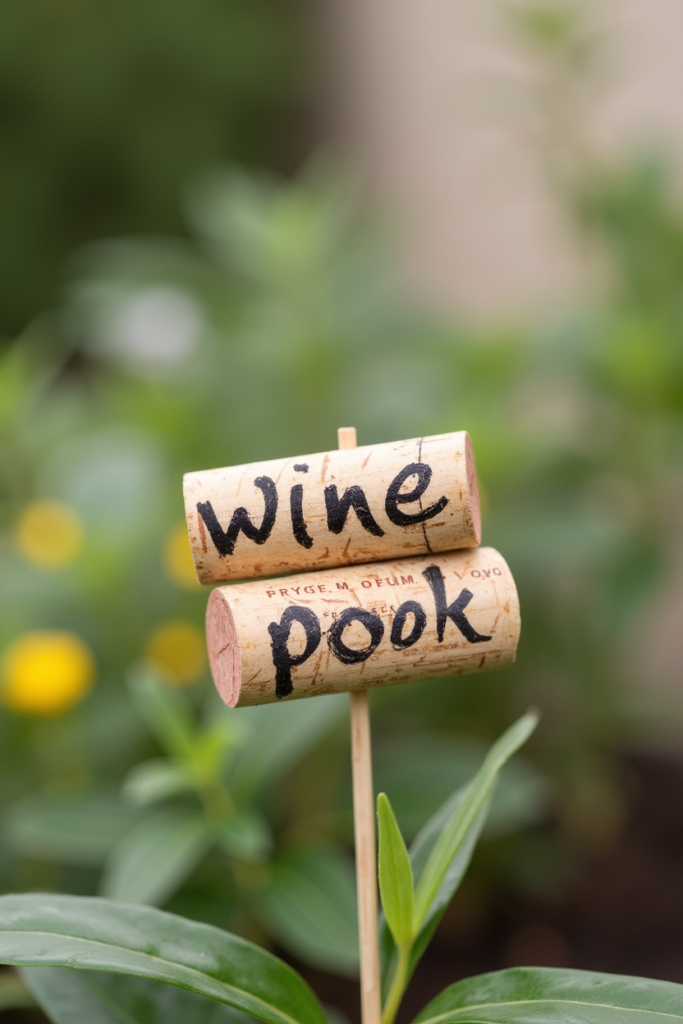
Wine corks can be transformed into stylish and practical garden markers with minimal effort. By attaching them to skewers and labeling them with a marker, you can create lightweight and reusable plant tags. This project is perfect for those who enjoy simple crafts and want an eco-friendly solution. Cork markers are easy to customize and can be replaced or updated as needed. They provide a clean and organized way to identify plants while making use of materials that might otherwise be discarded.
Mason Jar Lid Garden Stakes
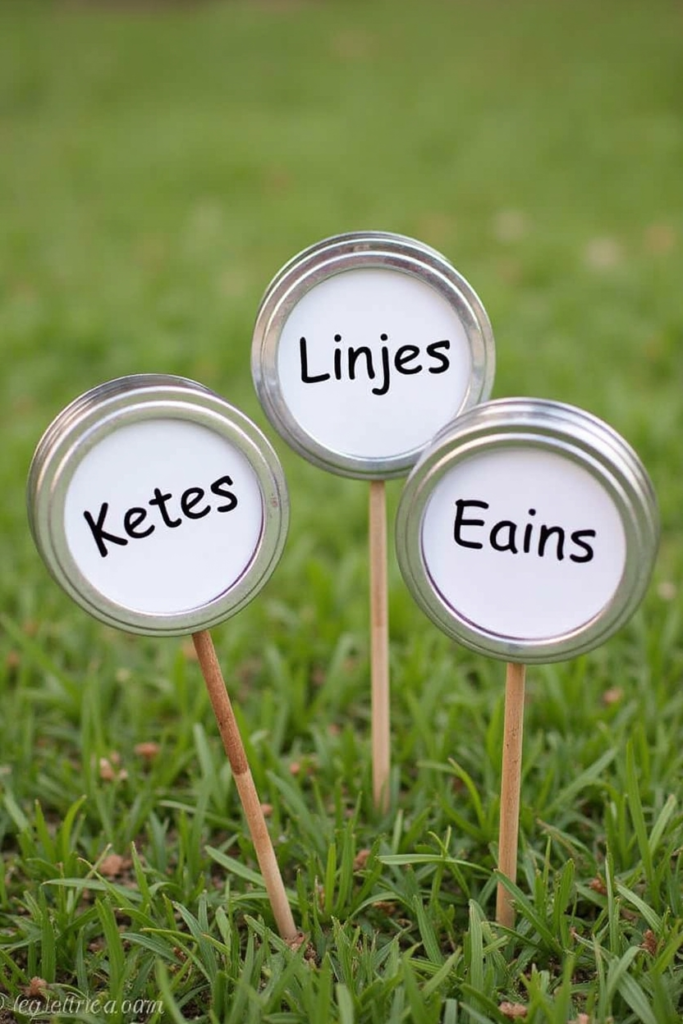
Mason jar lids can be repurposed into creative garden stakes that are both functional and decorative. By adding printed or hand-written labels to the lids and attaching them to sticks, you can create durable plant markers. This project is easy to complete and allows for a variety of design options. The sturdy material ensures the markers hold up well outdoors. It’s a great way to reuse household items while keeping your garden organized and visually appealing.
Painted Stone Garden Markers
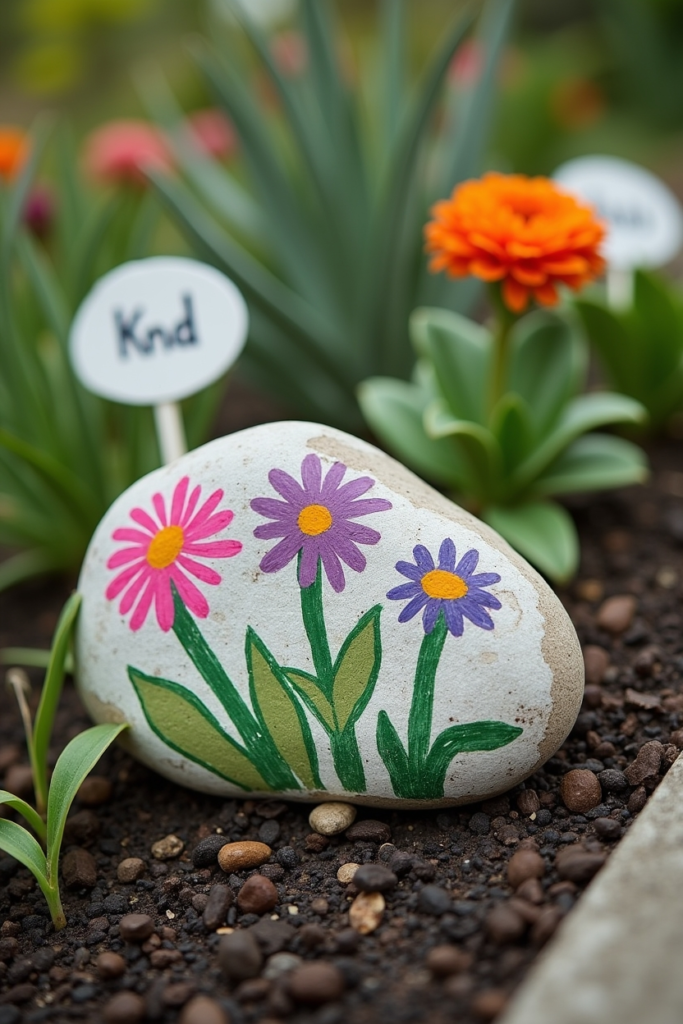
Painted stone markers are a fun and family-friendly way to label plants. Smooth stones can be decorated with paint and labeled with plant names, making them both durable and attractive. This project is especially enjoyable for children, as they can participate in painting and designing their own markers. The weight of the stones helps keep them in place, even in windy conditions. These markers are long-lasting and add a colorful, artistic element to your garden.
Clothespin and Twig Plant Labels
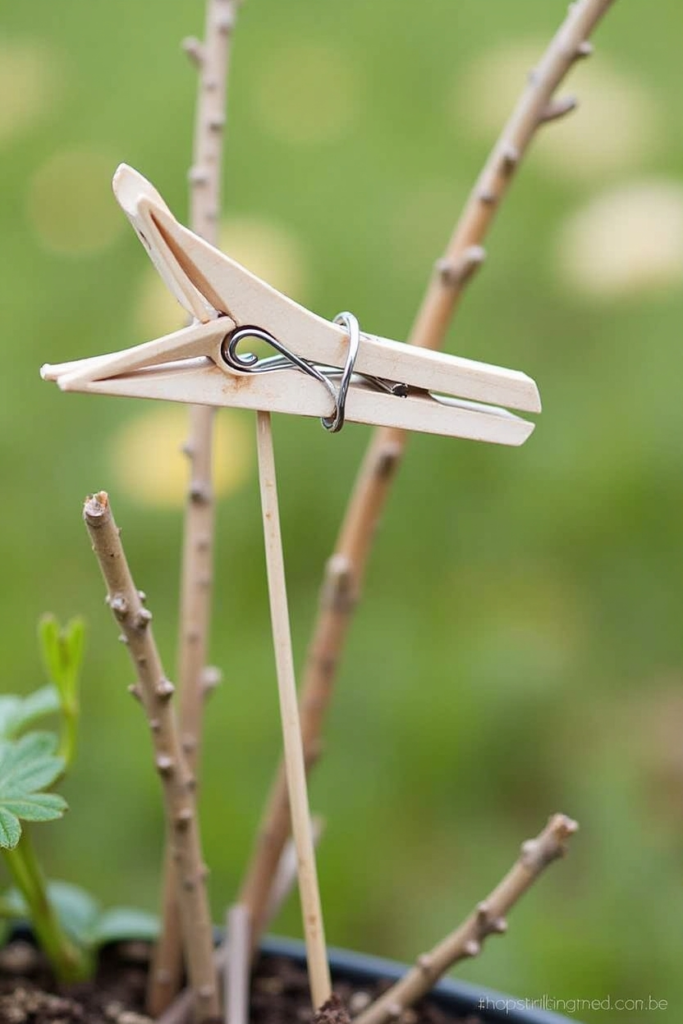
Combining clothespins with twigs creates a simple yet clever way to label plants. The clothespin can hold a small label or be written on directly, while the twig serves as a stake. This design is easy to assemble and allows for quick updates if plant labels need to be changed. It is a cost-effective solution that uses common household items. This project is perfect for gardeners who want a practical and flexible labeling system without spending much money.
Tin Can Lid Garden Markers
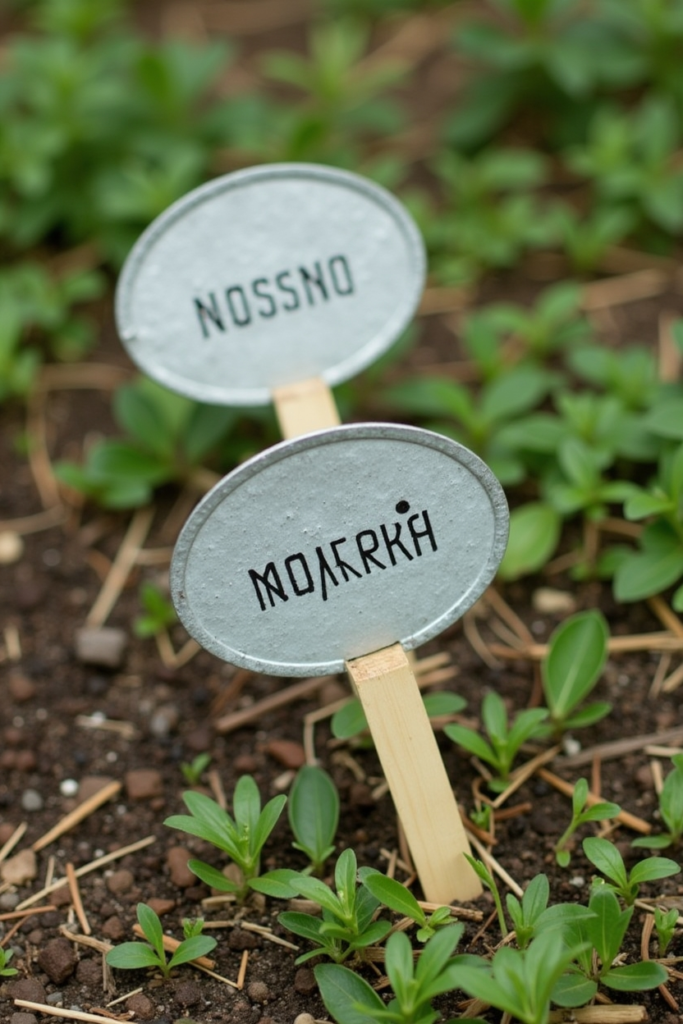
Tin can lids can be reused to create sturdy and weather-resistant plant markers. After cleaning and smoothing the edges, you can paint or stamp plant names onto the surface. These markers are durable and can withstand outdoor conditions for long periods. Repurposing tin lids helps reduce waste and provides a creative way to organize your garden. This idea is both practical and environmentally friendly, making it a great choice for sustainable gardening.
Plastic Coffee Lid Plant Labels
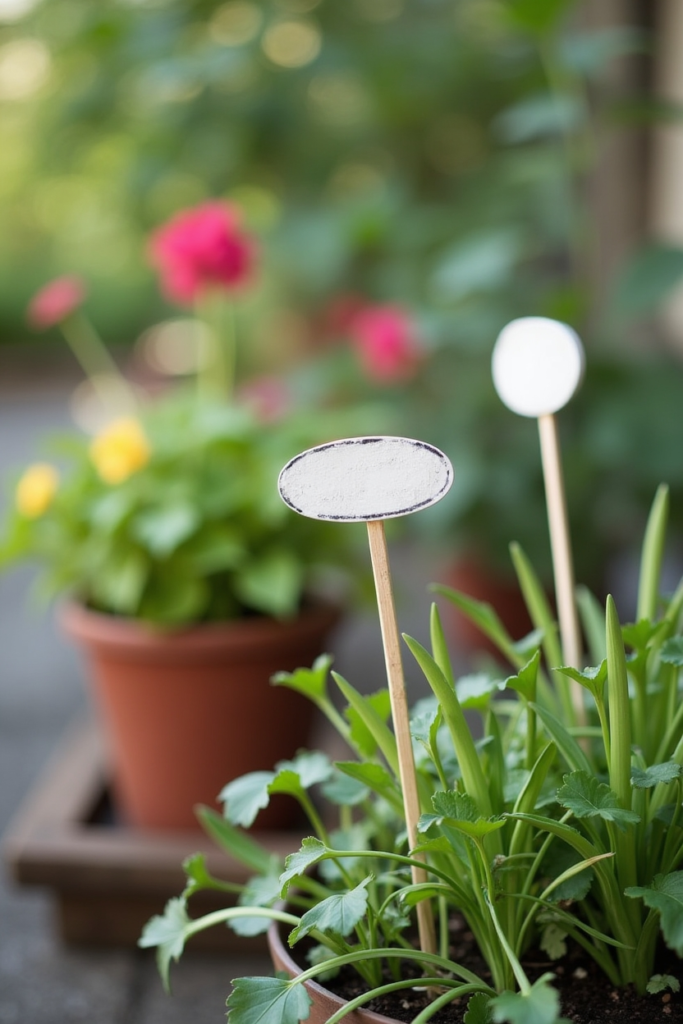
Plastic coffee cup lids can be turned into lightweight and reusable garden labels. By writing on them with chalk markers and attaching them to sticks, you can create easy-to-read plant markers. These labels are simple to update, as the writing can be wiped off and replaced. This project is ideal for those who enjoy quick and flexible solutions. It also promotes recycling by giving a new purpose to everyday items that might otherwise be thrown away.
Seed Packet Display Plant Labels
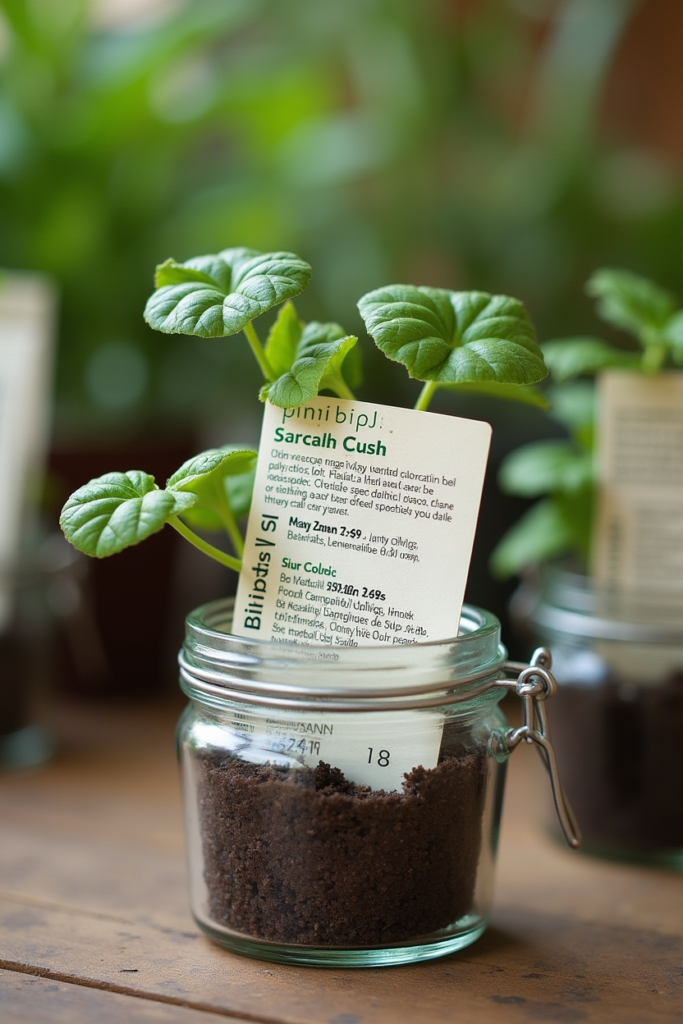
Using seed packets as plant labels is a practical and informative solution. By placing the packet in a protective covering, such as a glass jar, you can display important details about the plant while keeping it safe from weather. This method helps you remember planting instructions and provides a clear visual reference. It is an inexpensive and efficient way to stay organized in the garden. This approach is especially useful for beginners who want to keep track of different plant varieties.
Brick Garden Herb Markers
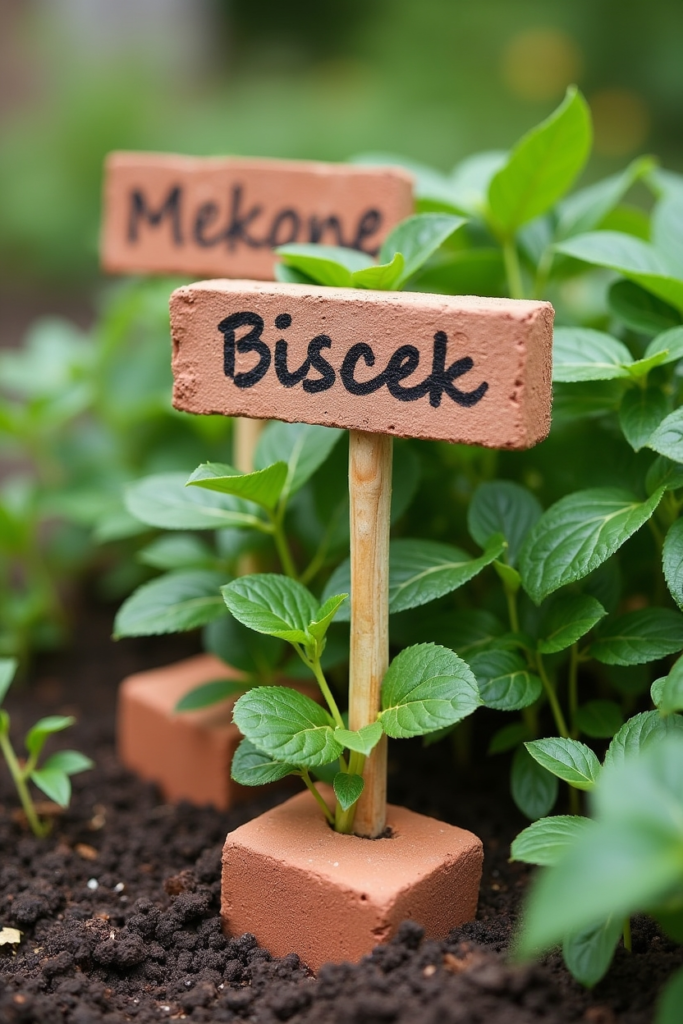
Bricks can be used as durable and eye-catching plant markers in your garden. By painting or writing plant names directly onto the surface, you create labels that are both sturdy and decorative. Bricks are easy to find and can withstand outdoor conditions without damage. Their weight keeps them securely in place, making them a reliable option. This idea works well for larger garden spaces and adds a unique, rustic touch to your outdoor area.
Stamped Spoon Plant Labels
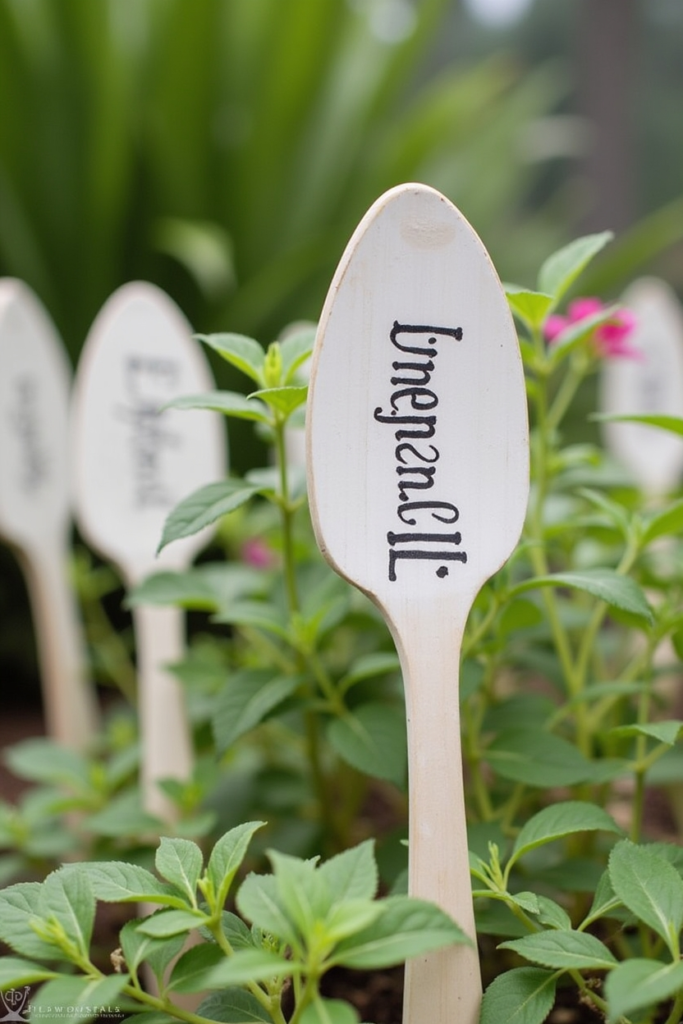
Stamped spoon plant markers are a creative way to reuse old utensils while adding a decorative element to your garden. By flattening and stamping the spoons with plant names, you create durable and long-lasting labels. These markers have a unique appearance that stands out among traditional options. They are resistant to weather and can be used for many seasons. This project is ideal for those who enjoy crafting and want a stylish, functional way to organize their plants.