
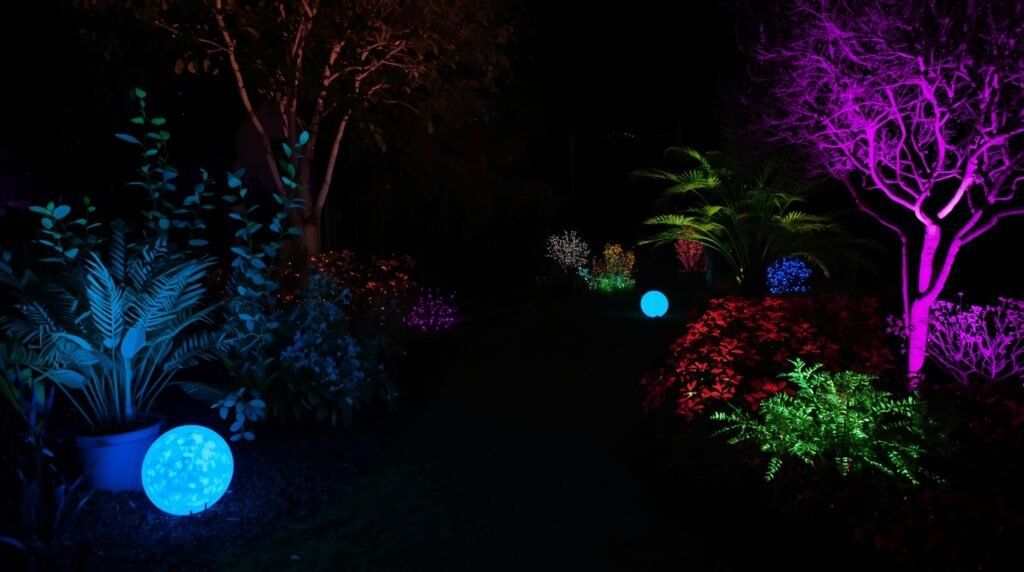
Outdoor spaces can become truly enchanting when darkness falls, and glow in the dark garden ideas offer a simple yet magical way to achieve that effect. With a blend of luminous paints, solar accents, and creative lighting touches, even the most ordinary backyard can transform into a glowing nighttime retreat. These ideas don’t just enhance beauty—they also improve visibility and create a calming atmosphere for evening relaxation.
From softly glowing pathways to illuminated plant features, every detail adds charm and character. If you want a garden that feels alive after sunset, these glowing inspirations are the perfect place to start exploring.
1. Glow-Activated Stepping Stone Path for Safe and Subtle Night Navigation

A phosphorescent stepping stone pathway offers a simple way to illuminate garden walkways without electricity. These stones can be purchased pre-mixed with glow aggregates or coated with weather-resistant glow paint. When exposed to daylight, they absorb energy and emit a soft glow for several hours after sunset. Arranged along frequently used routes, they improve visibility while adding a gentle decorative effect. The soft illumination feels natural rather than harsh, making it suitable for relaxed evening garden use. Regular resealing helps maintain brightness and ensures long-term performance.
2. UV-Enhanced Flower Borders That Transform After Sunset
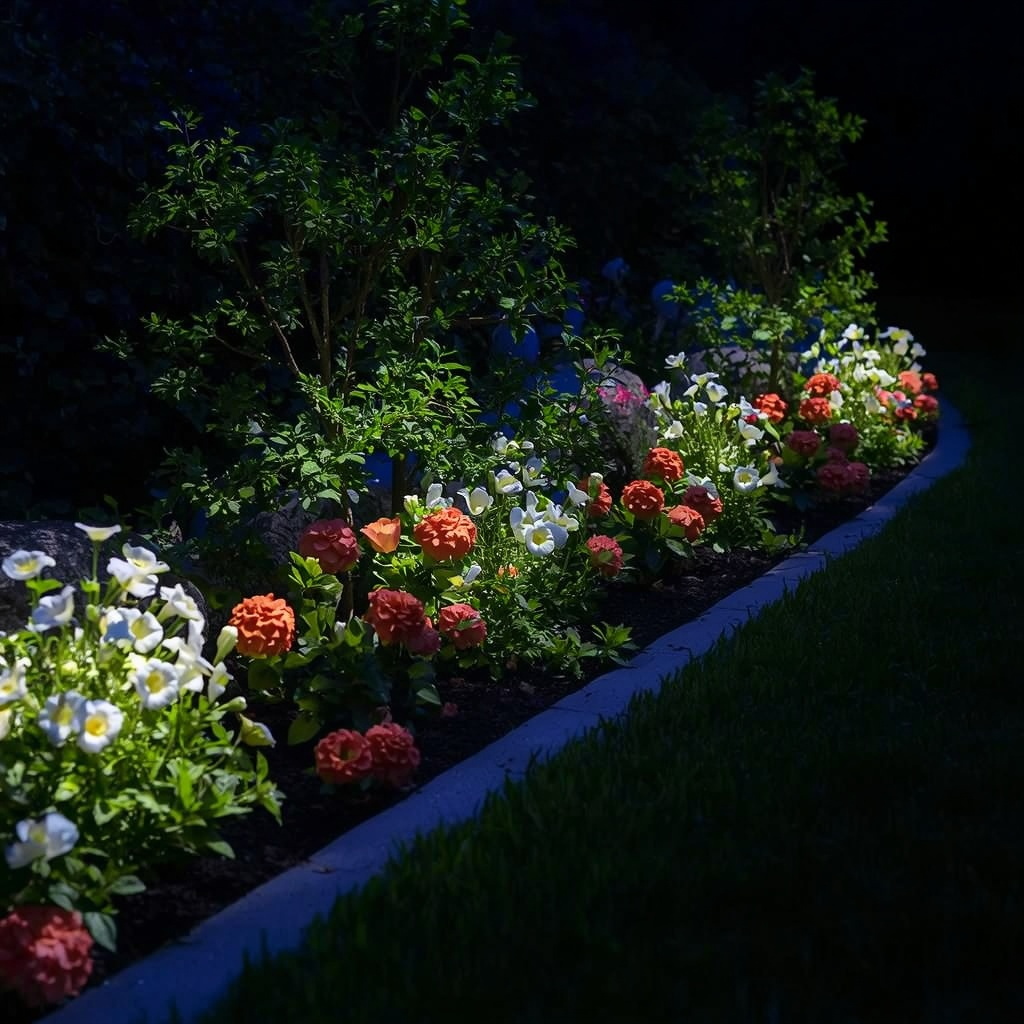
A UV-reactive flower border uses natural plant tones and controlled lighting to create a garden that shifts dramatically between day and night. Light-colored blooms such as pale petunias or soft marigolds reflect UV light effectively, especially when paired with discreet black lights or UV strips. During daylight, the planting appears soft and elegant, but at night it takes on a vibrant, glowing character. This contrast adds depth and visual drama to garden edges, turning even small planting beds into striking nighttime features without altering their natural appearance during the day.
3. Illuminated Glow Sand Edging for Defined Garden Boundaries
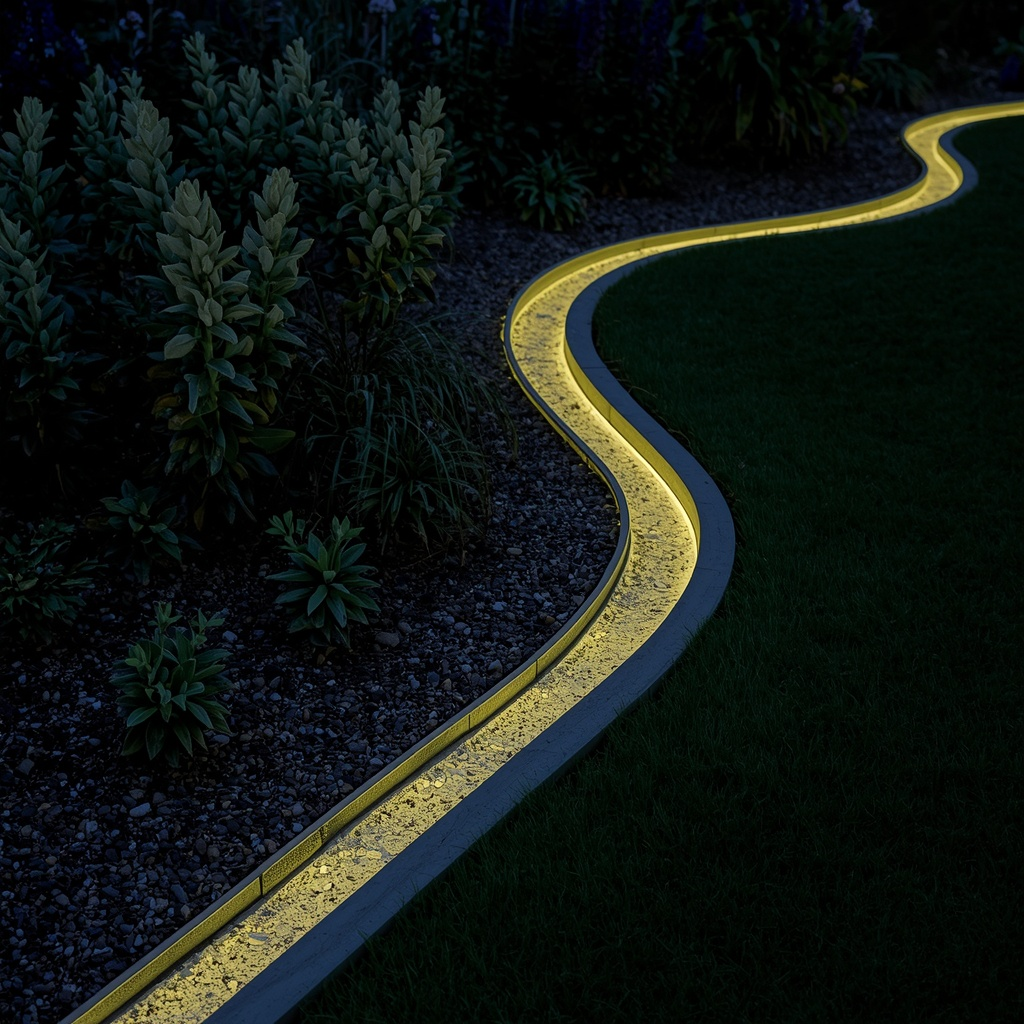
Glow sand edging is a creative way to highlight garden beds using phosphorescent granular materials. Spread along borders and contained with simple edging strips, the sand absorbs sunlight and emits a faint glow after dark. This creates a continuous illuminated outline that enhances the structure of the garden layout. It works particularly well for defining curves, pathways, and planting zones. When mixed with gravel, the effect becomes more subtle and textured, allowing it to blend naturally with different landscape styles while still providing functional nighttime visibility.
4. Water Features Enhanced with Luminous Pebbles and Subtle Lighting
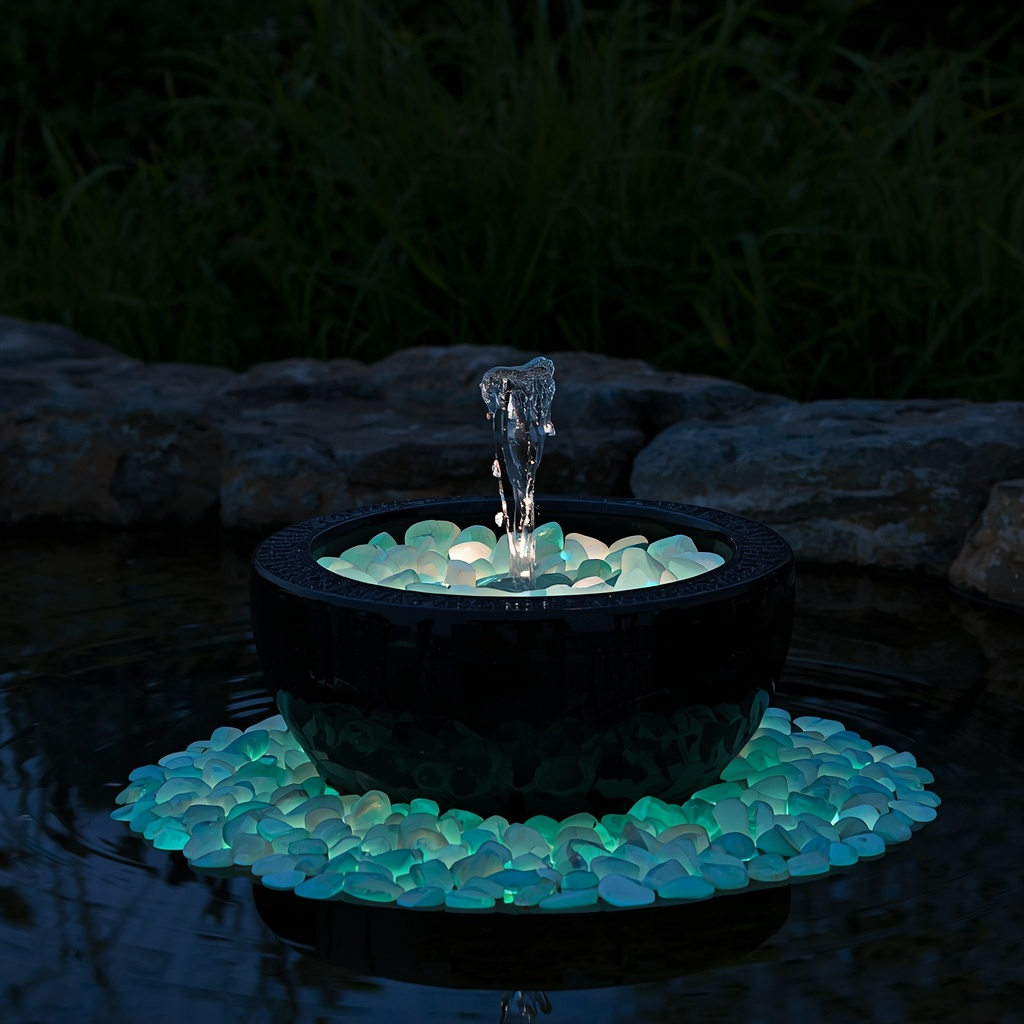
Adding glow elements to a water feature can completely transform its nighttime presence. Phosphorescent glass pebbles placed in ponds, fountains, or bowls absorb light during the day and emit a soft shimmer after dark. When combined with solar-powered LED lighting, the effect becomes more dynamic, as reflections move across the water surface. Even small installations, such as a ceramic bowl with glowing stones, can become focal points in the garden. The combination of water movement and soft illumination creates a calming and visually engaging atmosphere.
5. Glowing Tree Accents That Add Structure to Nighttime Gardens
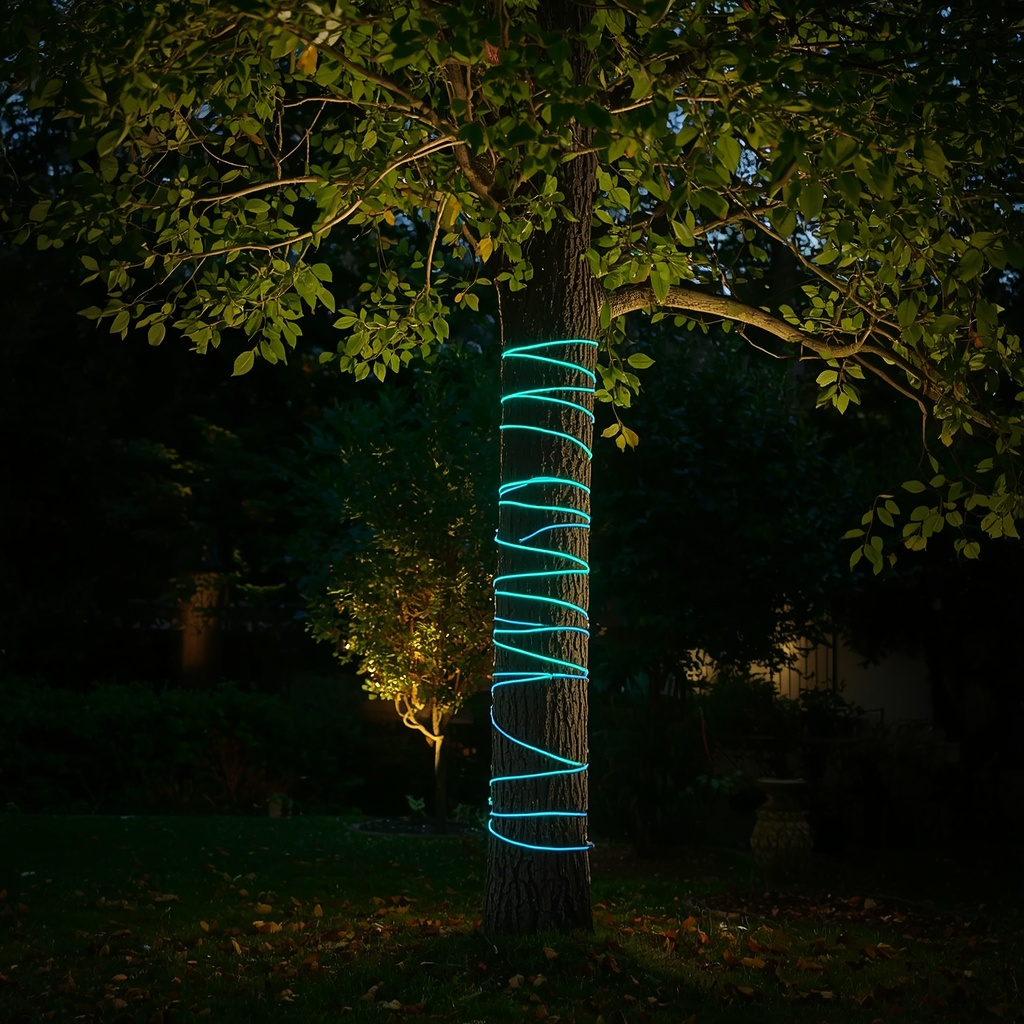
Wrapping tree trunks with glow tape or applying safe phosphorescent paint can turn ordinary trees into glowing vertical features. This technique works especially well on smooth bark varieties, where the glow appears more even and pronounced. Spiral or banded designs can be used to add artistic structure while maintaining a natural feel. At night, these illuminated trees help define garden spaces and improve visibility. They also create a sense of depth and scale, making the outdoor area feel more designed and visually connected after sunset.
6. Neon-Inspired Succulent Displays in Modern Glow Containers
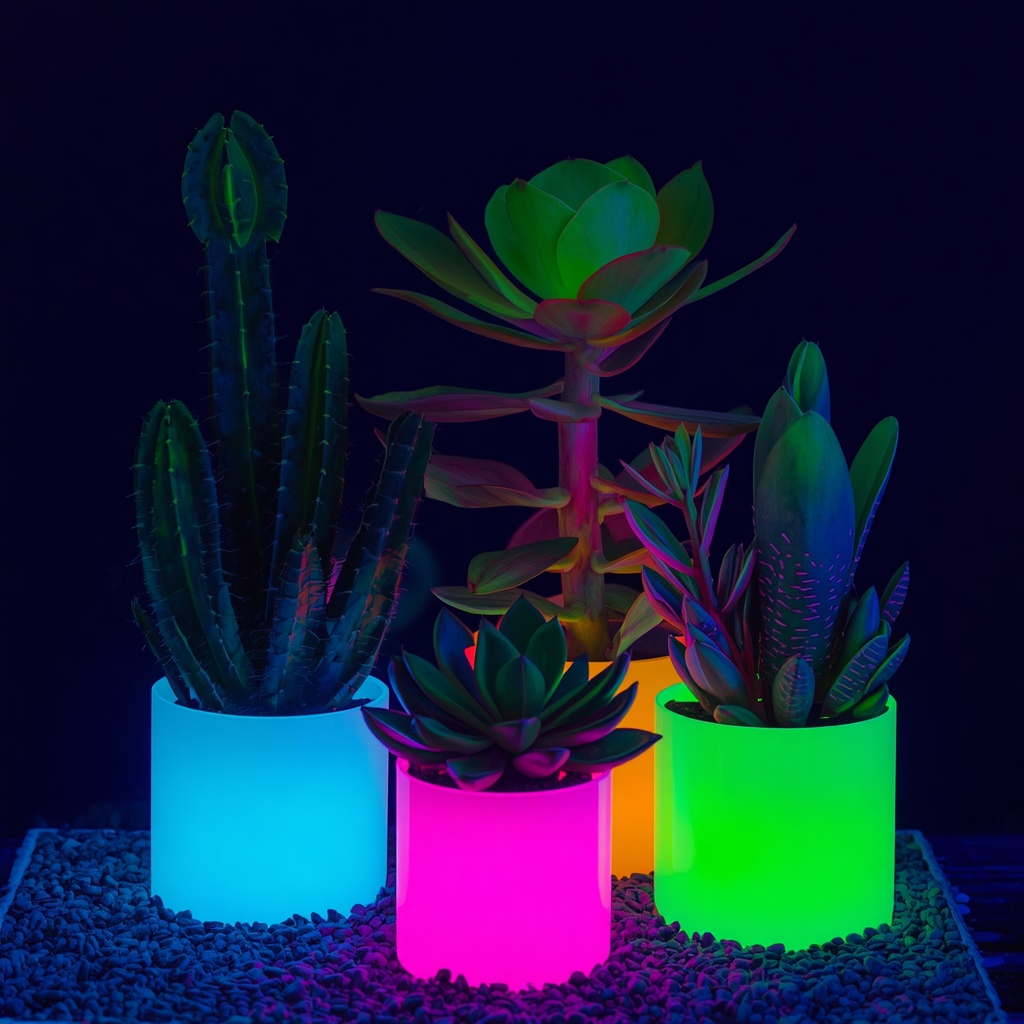
A neon succulent garden combines naturally colorful plants with UV-reactive containers to create a bold, modern display. Succulents are ideal due to their low maintenance needs and striking forms. When placed in painted pots and exposed to UV light, both the containers and plant tones appear more vibrant. Portable black lights can enhance this effect during the evening. This setup works well for patios or small gardens, offering a contemporary aesthetic that blends living greenery with artistic lighting effects.
7. Naturally Bioluminescent Mushroom Logs for Organic Night Glow
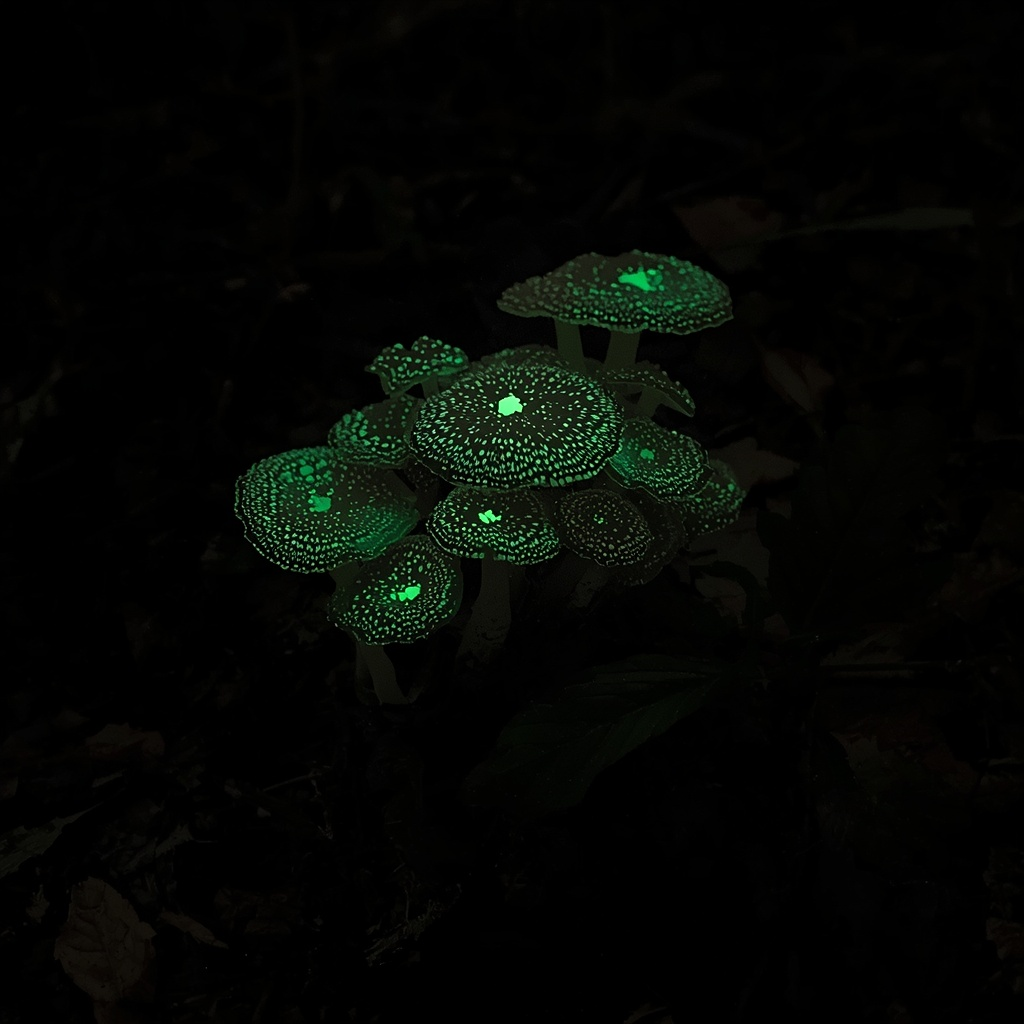
Certain fungi species produce natural bioluminescence, creating a soft glow without artificial lighting. When cultivated on treated hardwood logs, species such as Panellus stipticus can emit a faint green light in dark, moist conditions. Although subtle, the effect is completely natural and requires no electricity. Placing these logs in shaded garden corners encourages growth and visibility. Over time, they become unique organic features that add scientific curiosity and natural wonder to the landscape design.
8. Solar Orb Clusters That Create a Ground-Level Constellation Effect
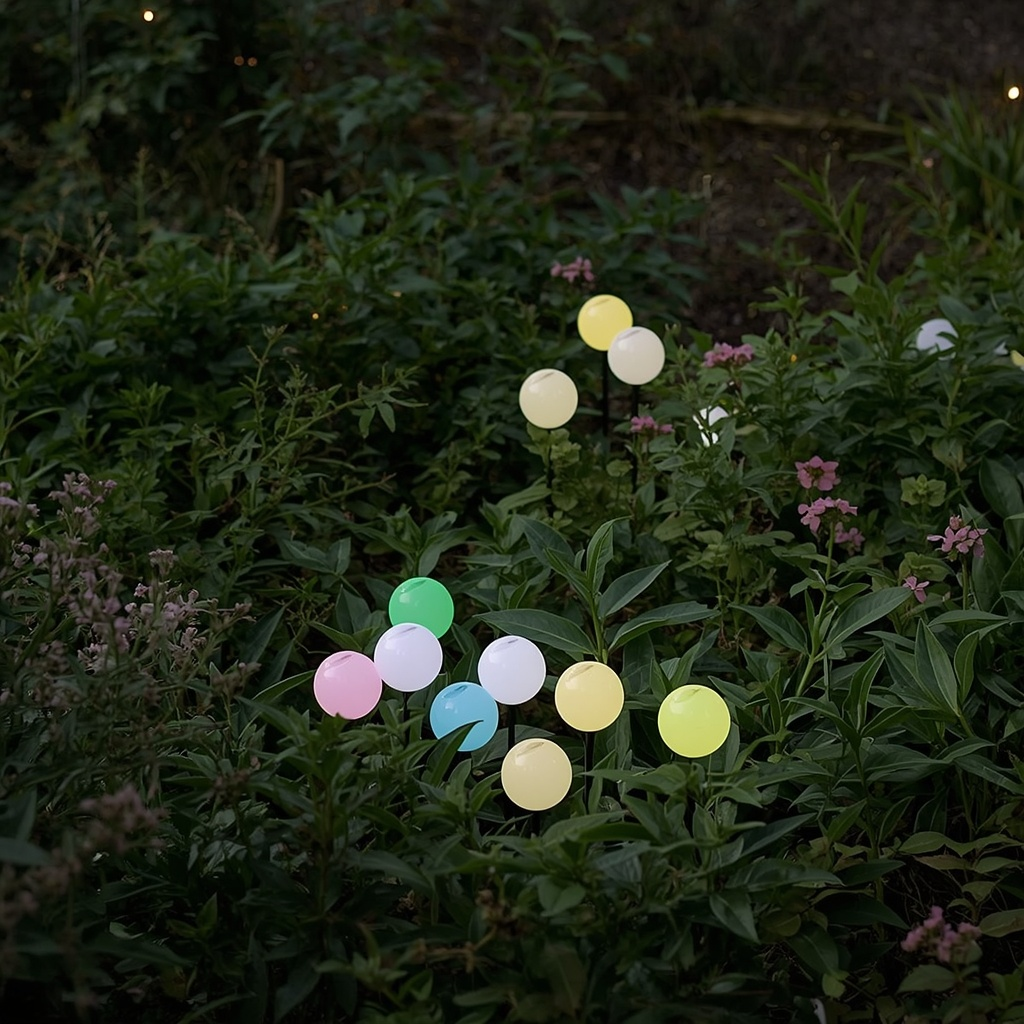
Solar-powered garden orbs offer an easy way to introduce soft lighting throughout outdoor spaces. When grouped in clusters among plants or hanging from branches, they resemble scattered stars at ground level. These orbs charge during the day and illuminate automatically at dusk. Mixing different heights and colors adds depth and variety to the display. Arranging them in organic patterns rather than strict lines helps maintain a natural garden feel while still achieving a magical nighttime glow.
9. Luminous Garden Wall Art That Brings Vertical Surfaces to Life
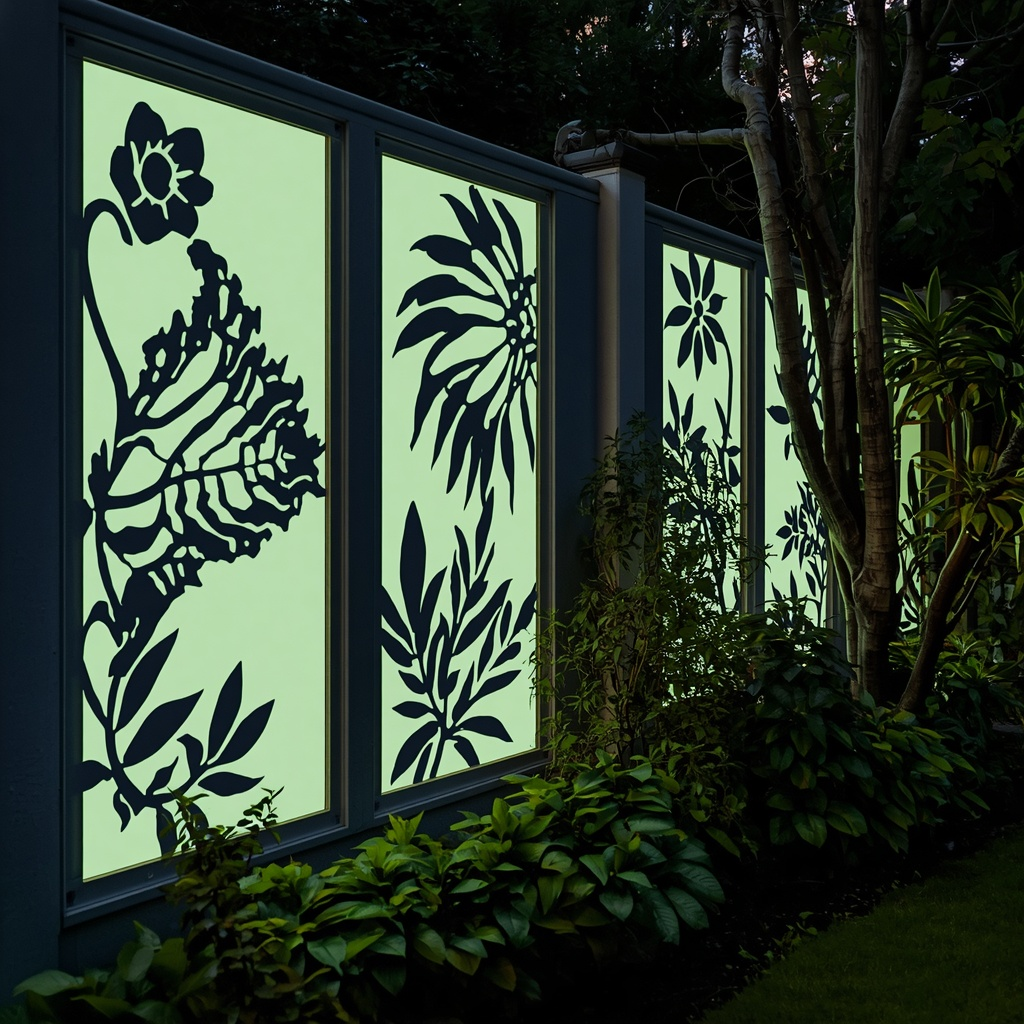
Phosphorescent wall art panels can transform plain fences or exterior walls into glowing decorative features. Designs may include botanical patterns, abstract shapes, or geometric compositions. During the day, these panels absorb sunlight, and at night they emit a soft glow that highlights vertical garden spaces. For a more customized approach, glow paint can be applied directly to sealed surfaces. This technique is especially useful in small gardens where wall space can be turned into a visual focal point after dark.
10. Moon Garden Design Using Pale Plants and Reflective Surfaces
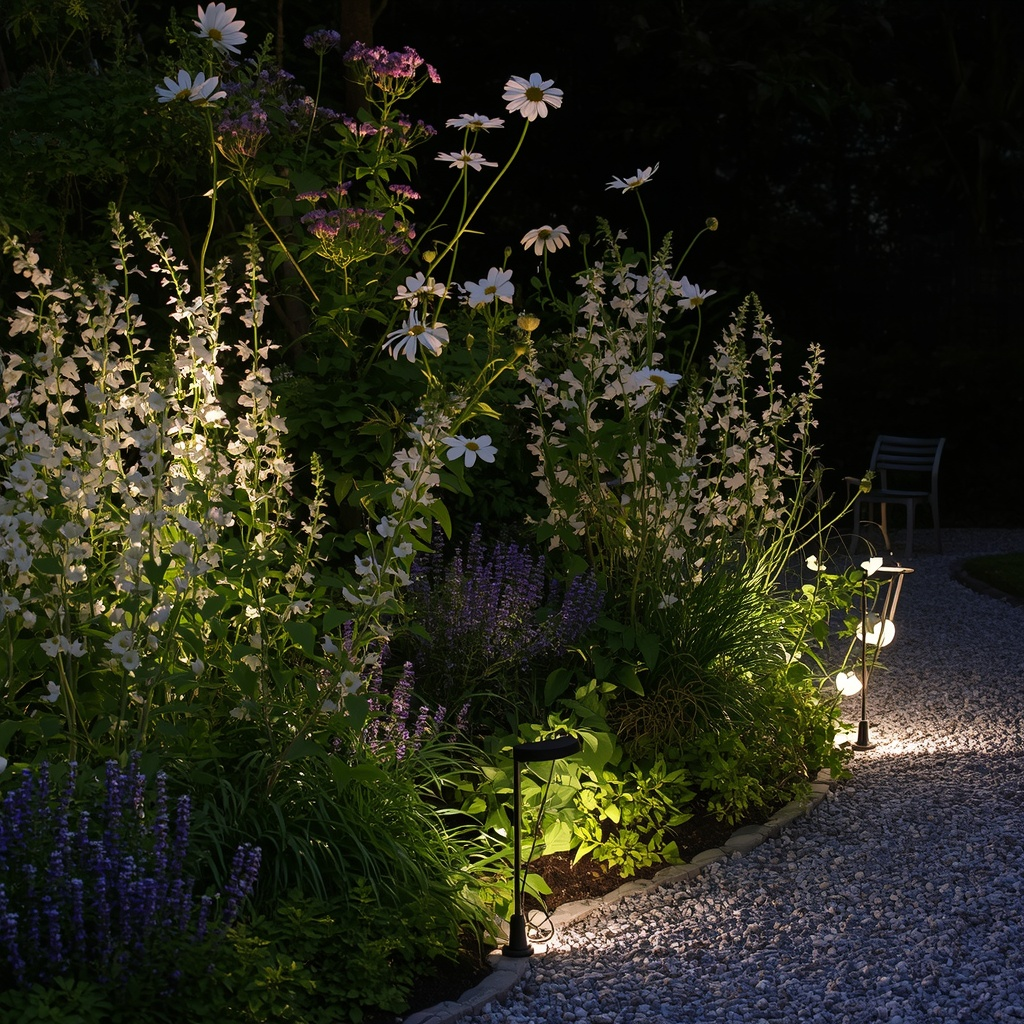
A moon garden focuses on white and pale-toned plants that reflect available light, creating a naturally luminous nighttime landscape. Flowers such as white cosmos, foxglove, and evening-scented varieties enhance both visual brightness and fragrance. Silver-toned foliage adds further contrast and softness. Using light-colored gravel or stone mulch increases reflection at ground level, amplifying the glowing effect. This type of garden feels calm and atmospheric at night, offering a peaceful environment ideal for relaxation and evening enjoyment.
11. Glow-Painted Pots That Add Portable Light Features to the Garden
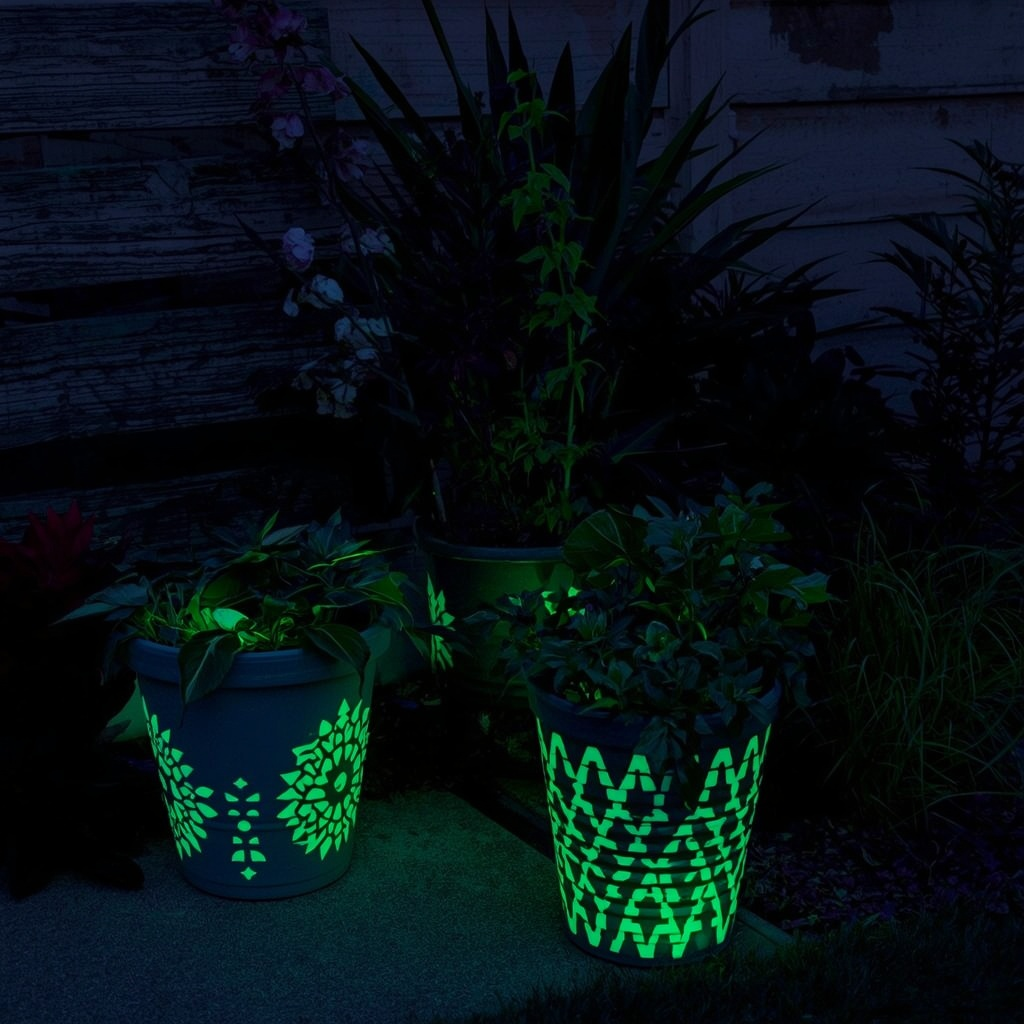
Painting garden pots with phosphorescent coatings is a simple and affordable way to introduce glow elements into outdoor spaces. Patterns can be created using tape or stencils for geometric or decorative designs. Once charged by daylight, the pots emit a soft glow that highlights pathways, steps, or seating areas. Grouping multiple pots together enhances the effect, while even a few carefully placed pieces can add visual interest. This flexible approach allows easy repositioning depending on seasonal layout changes.
12. Constellation-Inspired Paving That Turns Floors into Night Sky Maps
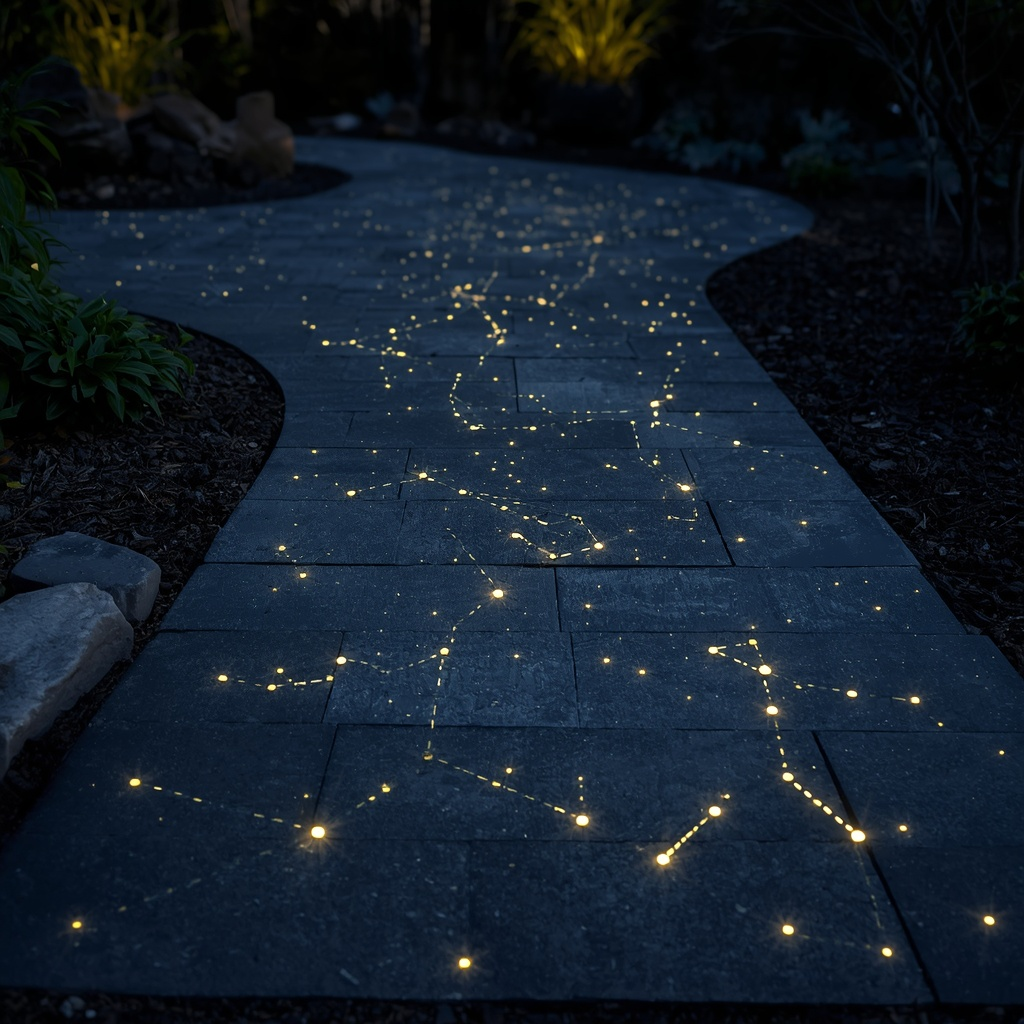
A constellation paving design embeds glow-in-the-dark inserts into patios or pathways to recreate star patterns. These inserts are typically arranged to match real constellations, adding both visual appeal and personal meaning. During the day, the design remains subtle, but at night it becomes clearly visible as glowing points across the surface. This technique transforms ordinary paving into a storytelling feature, blending astronomy with landscape design in a way that feels both artistic and meaningful.
13. Functional Glowing Garden Labels for Easy Nighttime Navigation
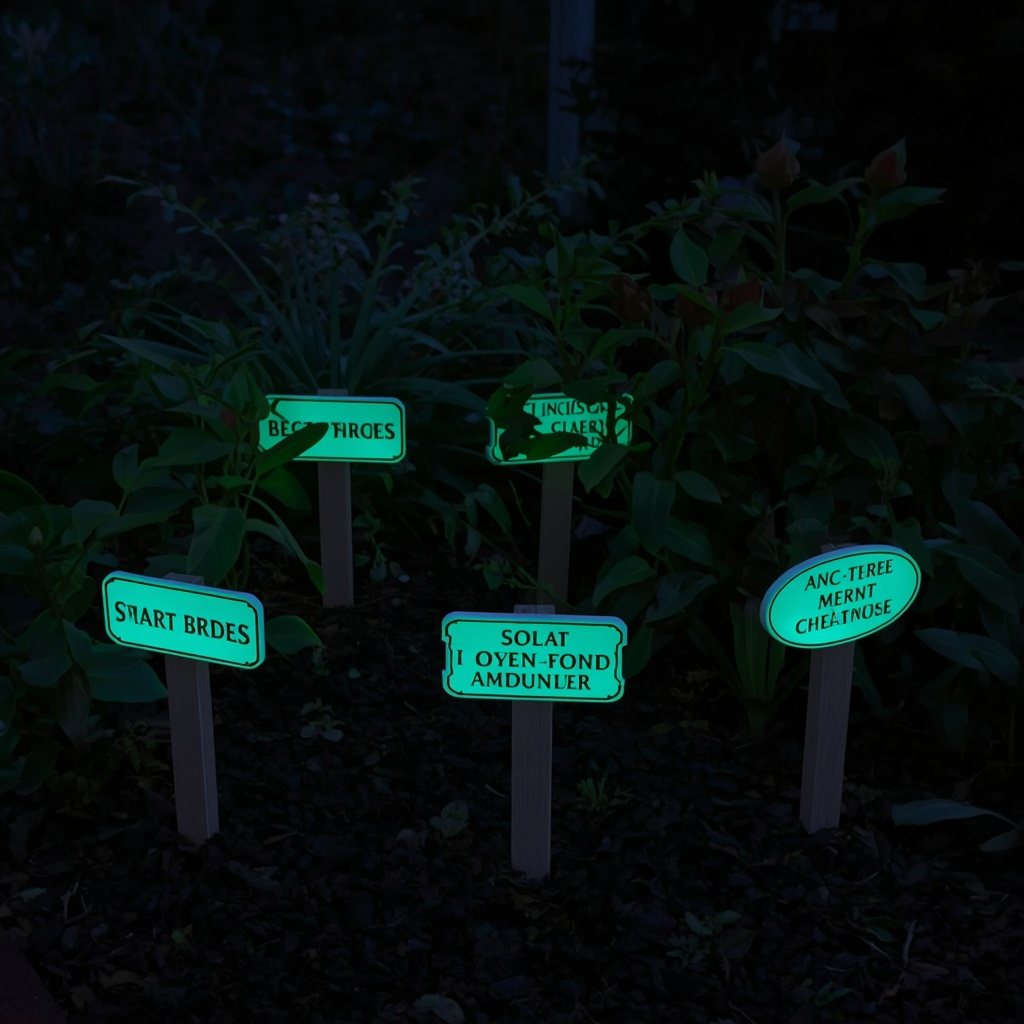
Glow-in-the-dark plant labels combine practicality with decorative lighting. Made from wood, slate, or acrylic, they can be coated with phosphorescent paint or resin for visibility after sunset. These labels help identify plants while also contributing to the garden’s nighttime character. They are especially useful in larger planting beds or herb gardens where navigation in low light may be difficult. Coordinating label designs across the garden creates a cohesive look, while varied styles can produce a more informal, creative feel.
14. UV Mosaic Wall Features That Shift Color Under Light Conditions
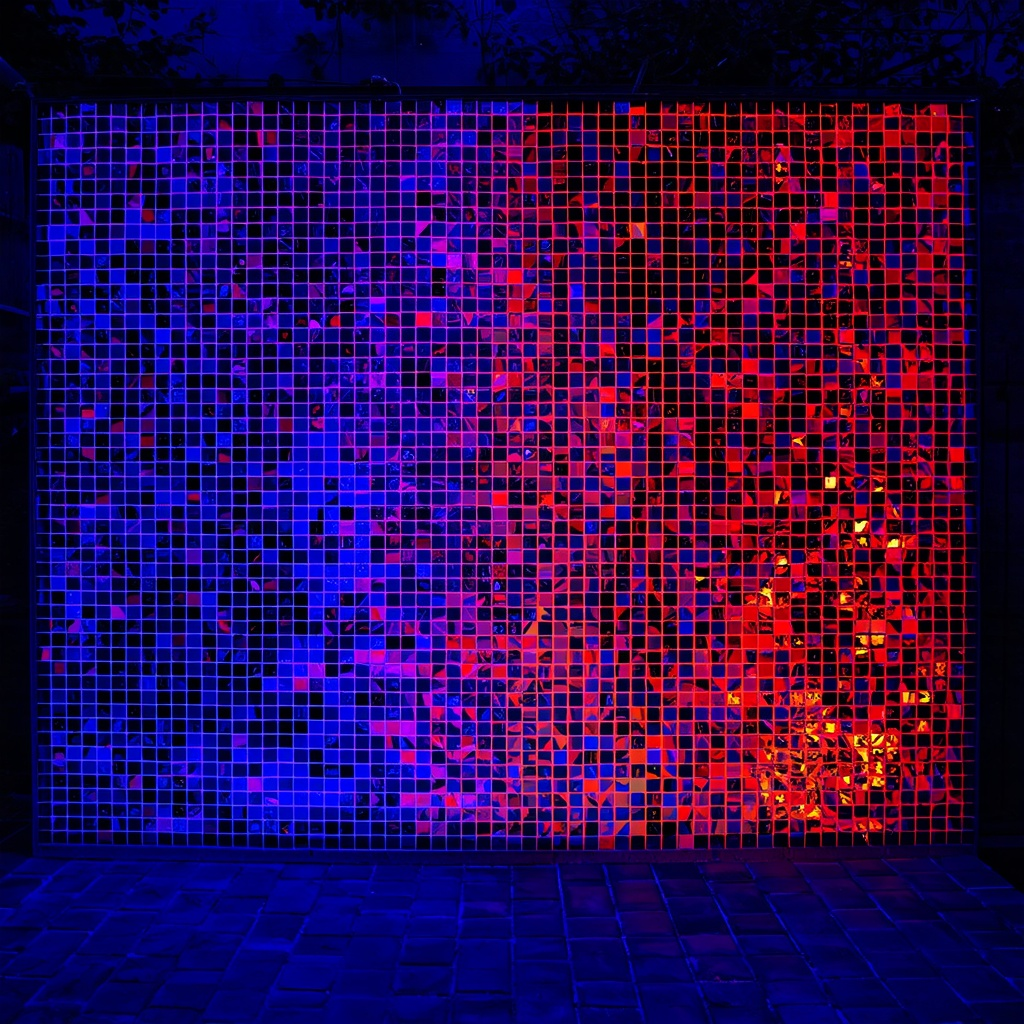
A UV-reactive mosaic wall introduces dynamic color changes depending on lighting conditions. By day, the tiles appear bright and decorative, but under UV exposure, they intensify into vivid neon tones. Incorporating these tiles into patterns alongside standard ceramics allows reactive elements to stand out more clearly. This technique works well on garden walls, outdoor kitchens, or decorative panels. The result is a surface that feels alive and visually responsive, changing character as lighting conditions shift throughout the day and night.
15. Multi-Layered Glow Garden Zones Combining Multiple Lighting Techniques
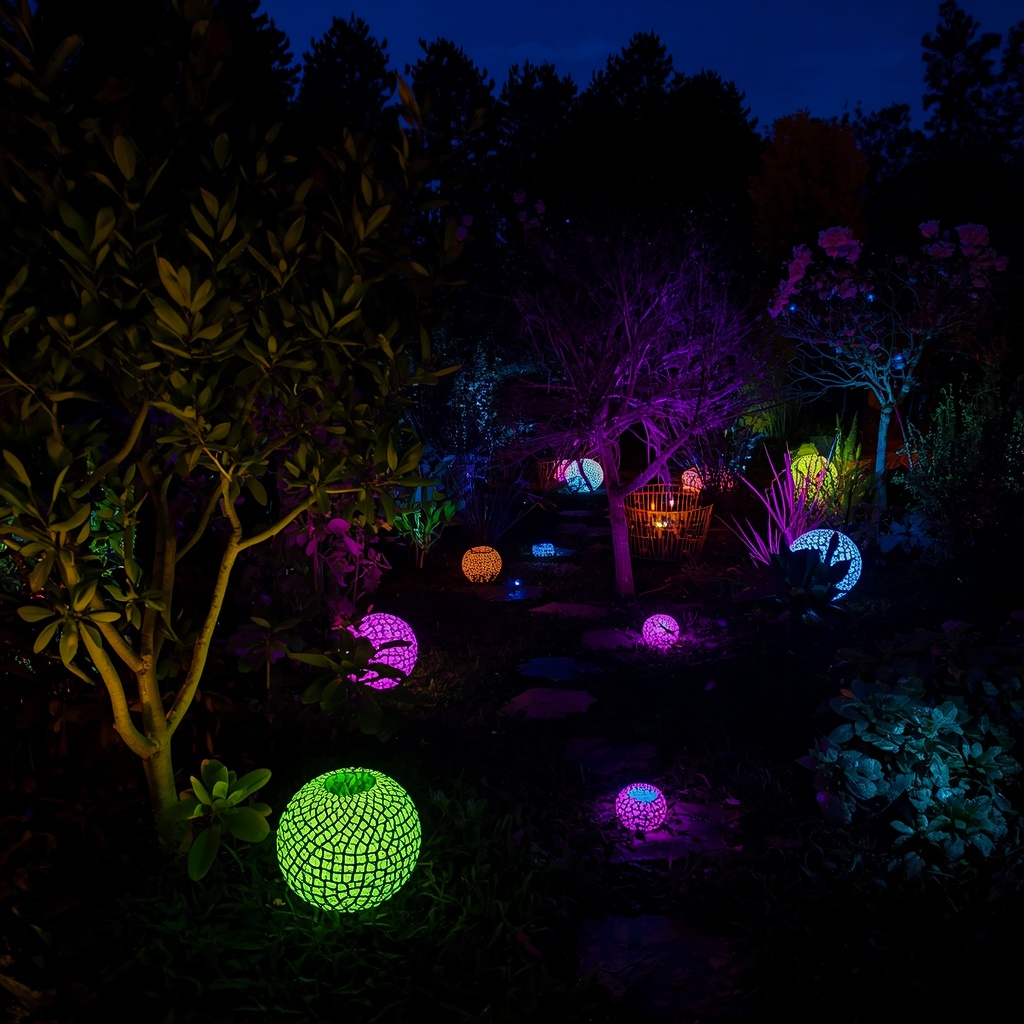
A fully developed glow garden combines several illumination methods into one cohesive outdoor space. By layering glowing pathways, illuminated containers, solar orbs, and UV-reactive features, the garden becomes a unified nighttime environment. Careful planning ensures that colors, brightness levels, and textures work together rather than compete. This approach is best suited to a dedicated section of the garden where evening use is prioritized. The final result is an immersive space that encourages outdoor enjoyment long after sunset, turning the garden into a complete day-to-night experience.