
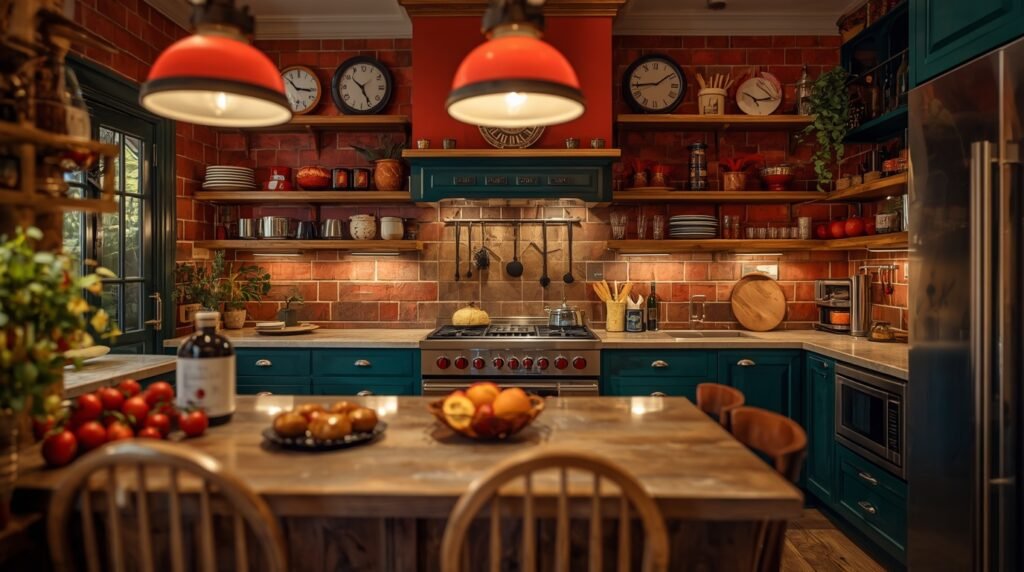
The “tomato girl” aesthetic brings a fresh, sun-drenched Mediterranean vibe into the kitchen, blending rustic charm with vibrant, fruity warmth. Inspired by coastal summers, garden harvests, and old-world Italian style, this look is all about creating a space that feels lively yet relaxed. Think terracotta tones, red-and-green accents, fresh herbs in ceramic pots, and vintage-style tableware that feels effortlessly collected over time.
Tomato girl kitchen decor ideas often mix natural textures like wood and linen with playful produce-inspired details for a cozy, lived-in feel. The result is a kitchen that feels bright, nostalgic, and full of everyday joy.
Warm Terracotta or Deep Tomato Red Wall Finishes
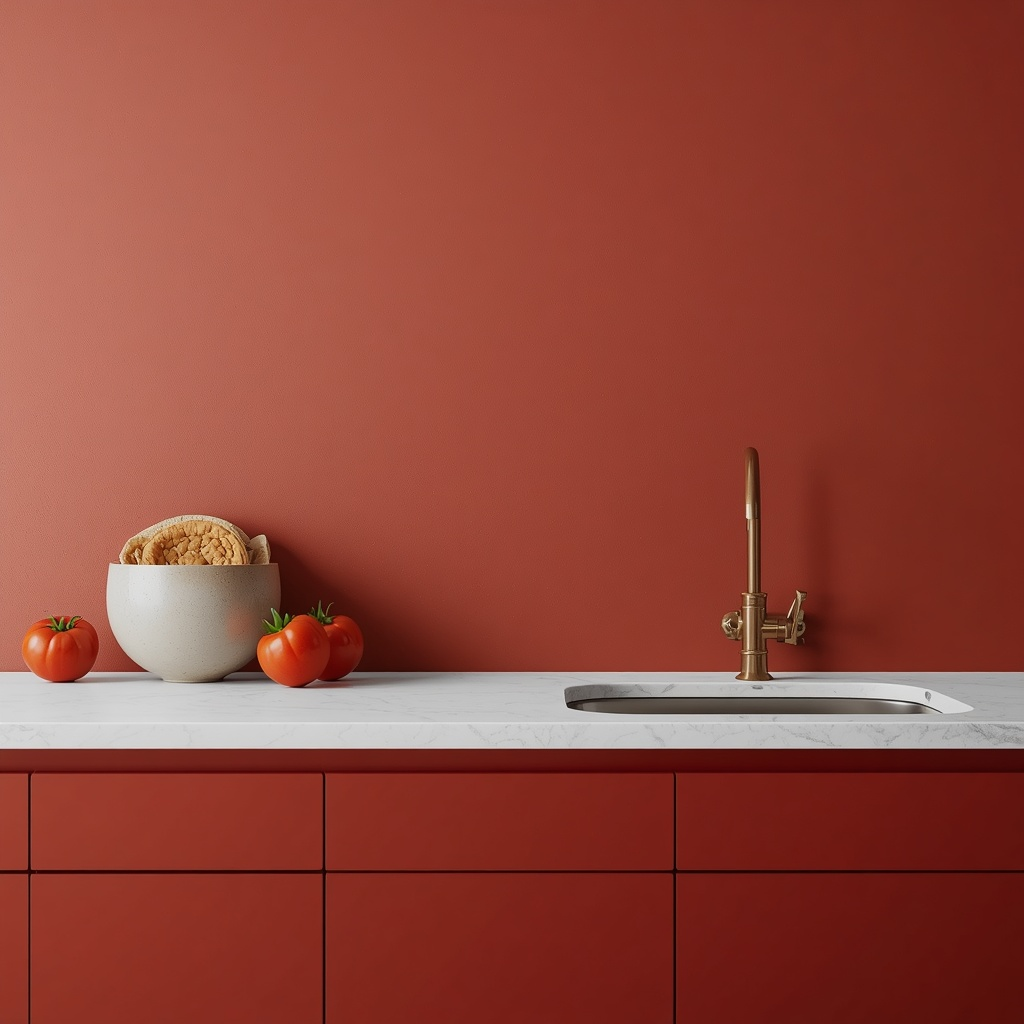
The foundation of a tomato girl kitchen begins with wall color, which defines the entire emotional atmosphere of the space. Warm terracotta evokes sun-dried clay, Mediterranean rooftops, and traditional earthen cookware, instantly bringing a sense of rustic comfort and natural warmth. It softens the kitchen visually and creates a grounded, earthy backdrop that feels timeless and welcoming in everyday use.
Deep tomato red, by contrast, introduces a more vivid and expressive tone. Inspired by ripe summer tomatoes, it adds energy, depth, and a sense of culinary vibrancy. This shade works especially well in kitchens with strong natural light, where its richness can fully develop without overwhelming the space.
Both tones are equally authentic to the aesthetic. The choice depends on lighting conditions and personal preference for either soft earthiness or bold Mediterranean intensity.
Open Wooden Shelving for a Lived-In Mediterranean Feel
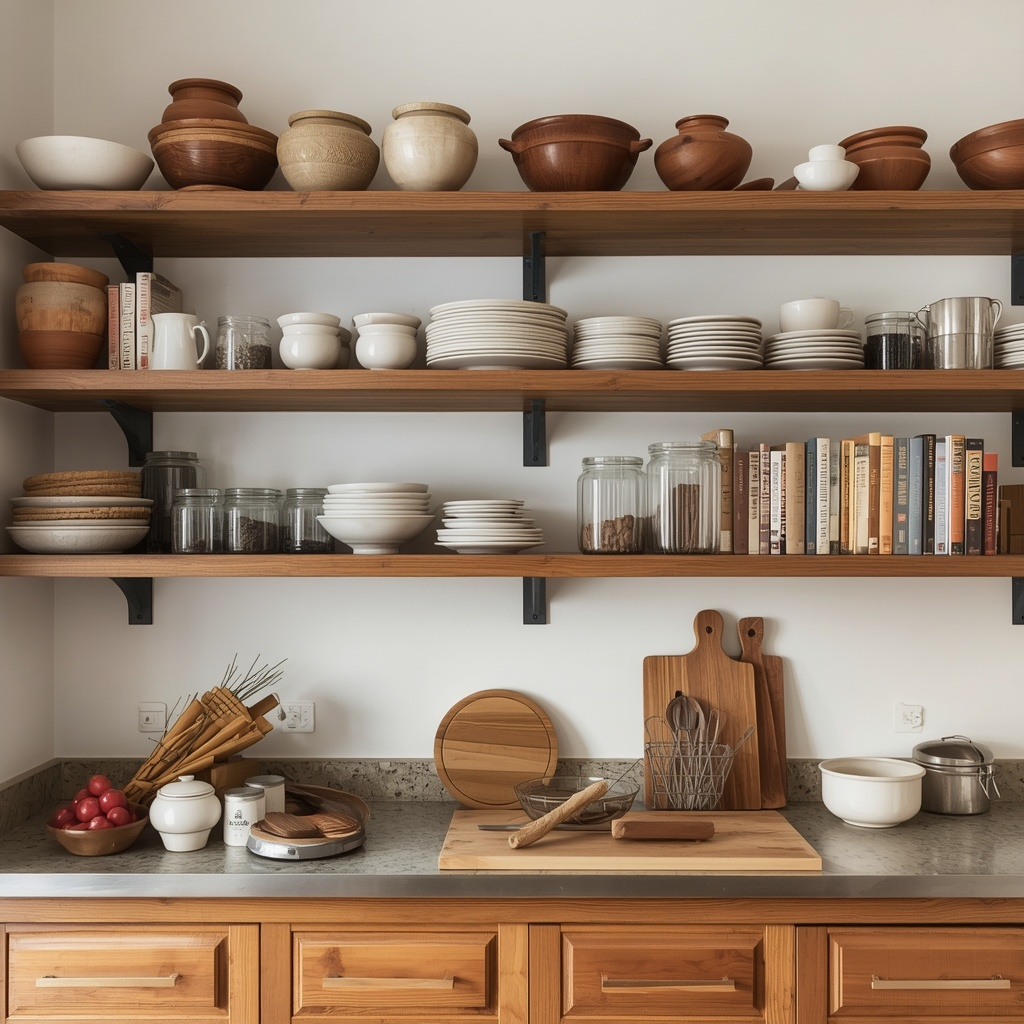
Open wooden shelving is one of the most defining features of a tomato girl kitchen, offering both function and visual warmth. Made from natural woods such as oak, pine, or chestnut, these shelves highlight organic textures and bring a handcrafted quality to the kitchen. Their simplicity allows everyday items to become part of the overall decor rather than being hidden away.
This shelving style encourages visible storage of ceramics, glass jars, cookbooks, and cooking essentials. The result is a layered, abundant look that feels authentic and lived-in. Slight imperfections in arrangement, such as stacked plates or casually placed bowls, enhance the sense of comfort and daily use.
Rather than appearing styled, the space feels naturally evolved, reflecting real cooking habits and a relaxed approach to organization.
Fresh Herb Pots on Windowsills for Natural Fragrance
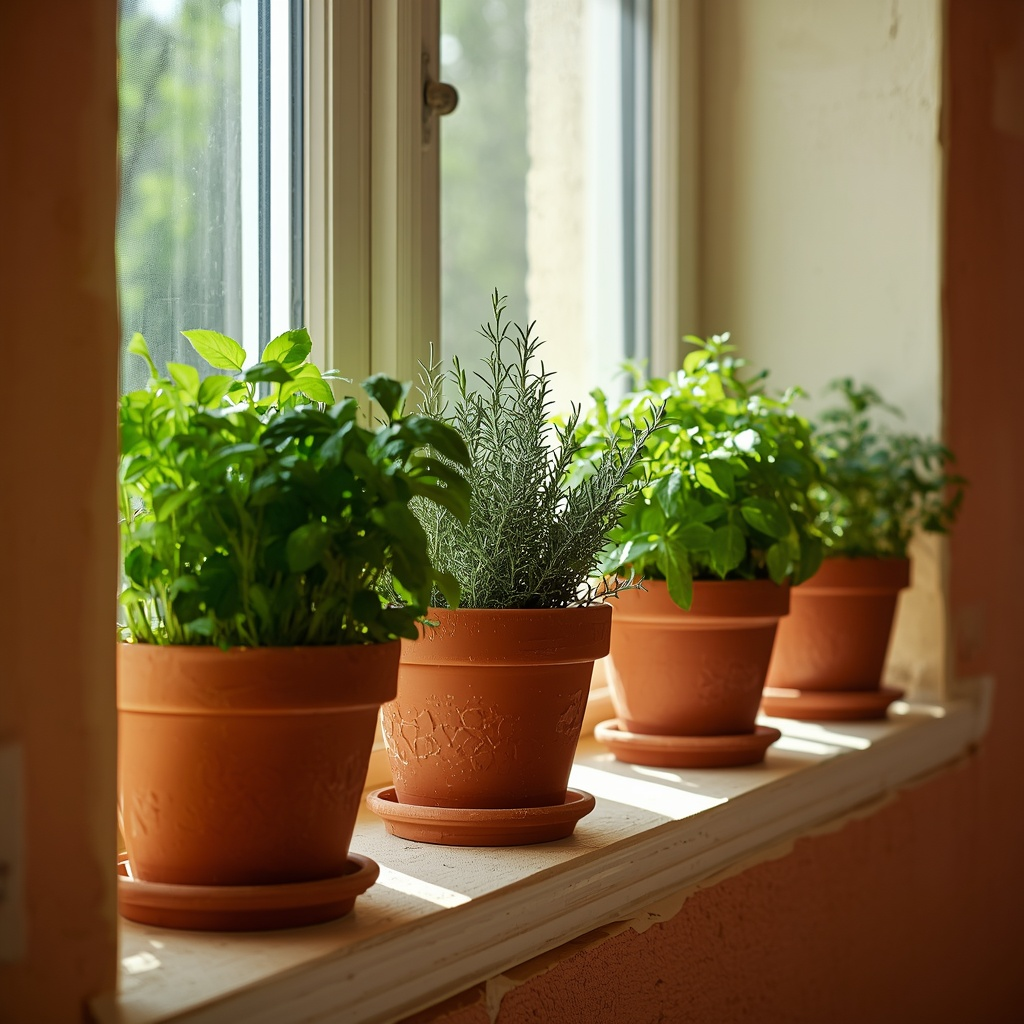
Fresh herbs displayed in terracotta pots instantly bring life and sensory richness into a tomato girl kitchen. Basil, rosemary, thyme, and oregano placed along a sunny windowsill create a continuous connection between cooking and nature. Their fragrance fills the space naturally, reinforcing the Mediterranean cooking tradition where herbs are central to flavor and daily meals.
Beyond their culinary use, herbs contribute to the kitchen’s visual identity. Their green tones contrast beautifully with warm wall colors and rustic materials, adding freshness and balance to the overall design.
Terracotta pots enhance this effect with their earthy appearance, blending seamlessly into the aesthetic. They reinforce the idea of a kitchen that is both functional and deeply connected to natural ingredients.
Mismatched Italian and Greek Ceramic Collections
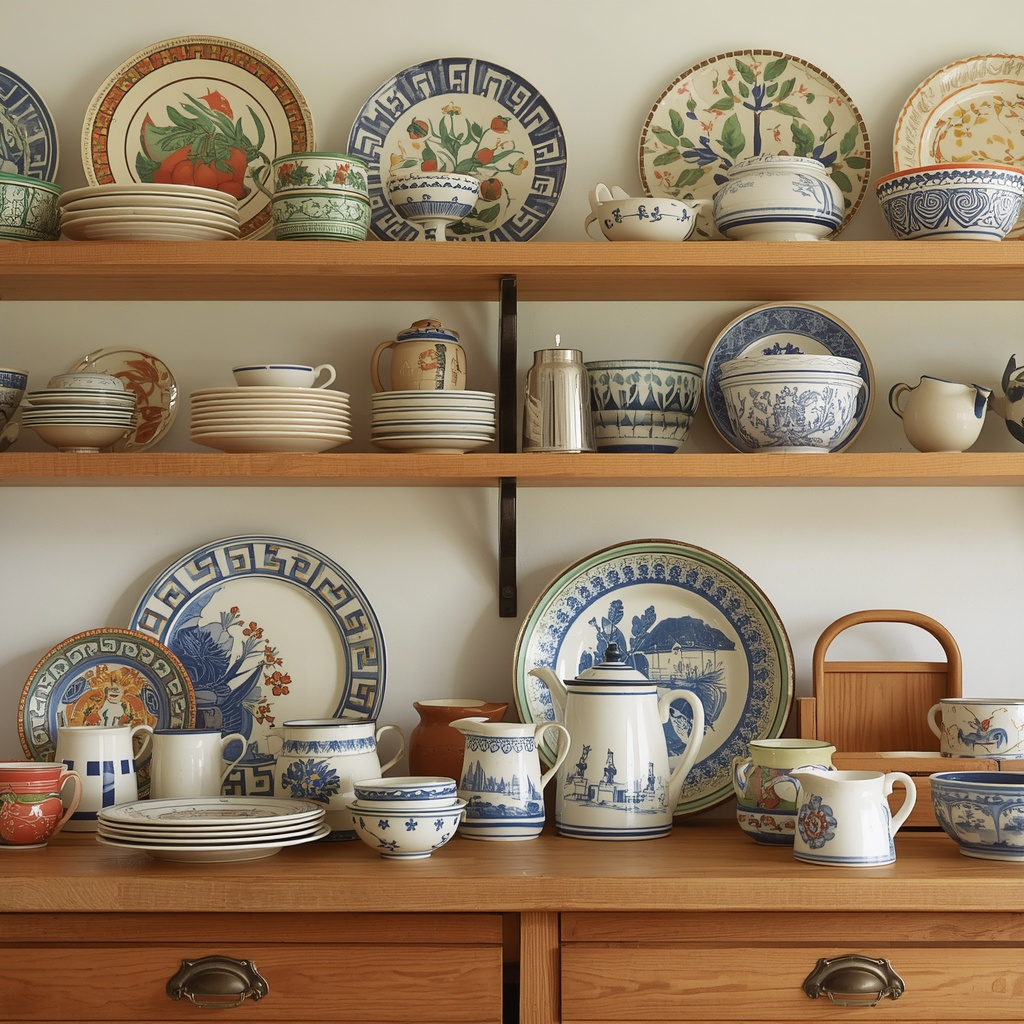
A collection of mismatched ceramics adds depth, culture, and personality to a tomato girl kitchen. Plates, bowls, and pitchers inspired by Italian and Greek traditions introduce a wide range of patterns, colors, and textures. These pieces often include hand-painted motifs, rustic finishes, and simple, functional forms that reflect regional craftsmanship.
Displaying these ceramics on open shelves or hanging plates on walls transforms them into decorative elements. Instead of matching sets, the beauty lies in variety and imperfection, which creates a more authentic and expressive kitchen environment.
When used daily, these ceramics reinforce the idea of cooking and eating as meaningful, tactile experiences rather than purely functional tasks.
Hanging Garlic, Chilies, and Herbs for Rustic Pantry Style
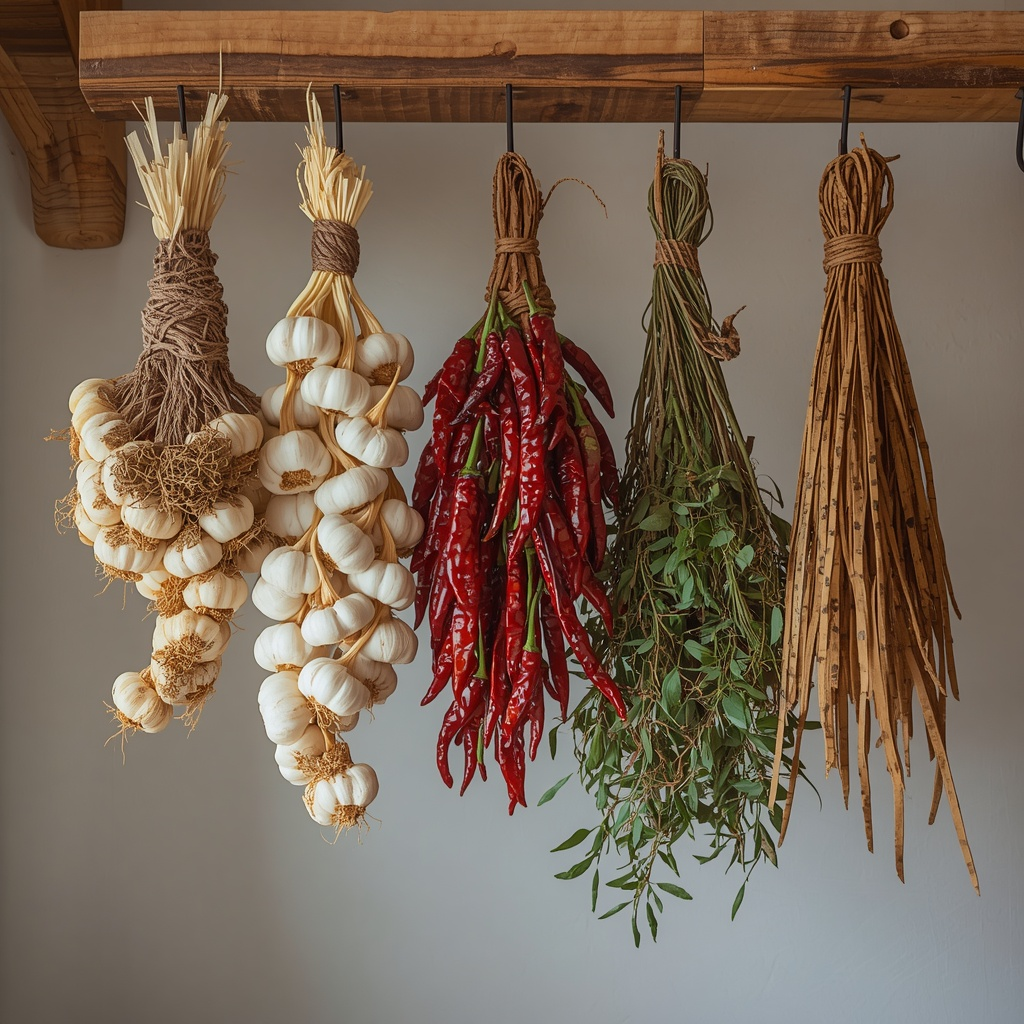
Hanging garlic braids, dried chilies, and herb bundles introduces a traditional Mediterranean pantry element into the kitchen. These natural ingredients, suspended from hooks or beams, create both visual interest and practical storage. They reflect a time-honored method of preserving food while adding character to the space.
The combination of textures and colors—white garlic, deep red chilies, and green or brown herbs—creates a visually rich and organic display. It also adds subtle aromatic depth, reinforcing the sensory identity of the kitchen.
This approach connects decoration directly with cooking, ensuring that every element in the kitchen feels purposeful and alive.
Farmhouse Sink with Rustic Brass Fixtures
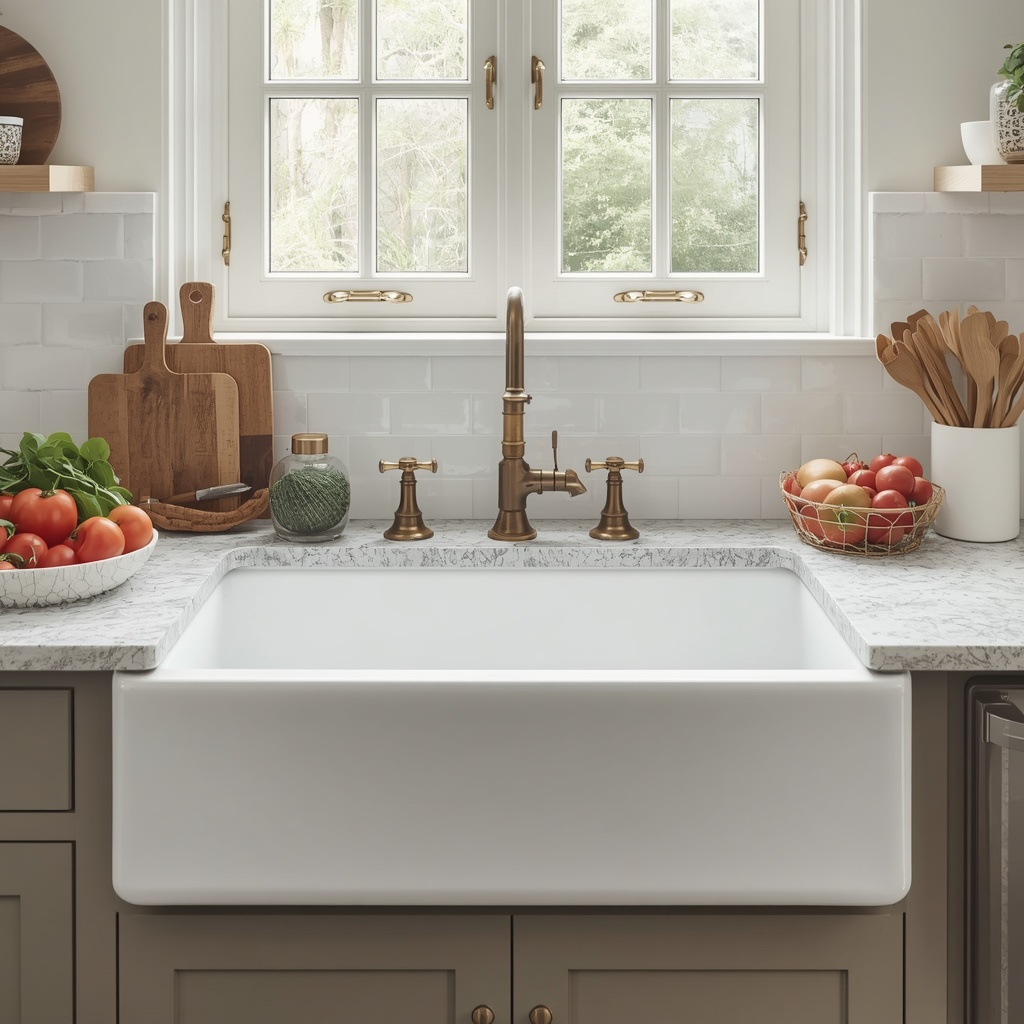
A deep farmhouse or butler-style sink enhances both the practicality and aesthetic of a tomato girl kitchen. Its generous size accommodates large pots, fresh produce, and frequent cooking tasks, making it ideal for Mediterranean-style food preparation. The simple ceramic form emphasizes durability and timeless design.
Paired with brass or aged bronze fixtures, the sink gains additional warmth and character. These materials develop a natural patina over time, adding to the lived-in feel of the kitchen.
This combination creates a focal point that blends functionality with rustic elegance, reinforcing the kitchen’s connection to traditional cooking practices.
Wooden Fruit Bowls Overflowing with Seasonal Produce
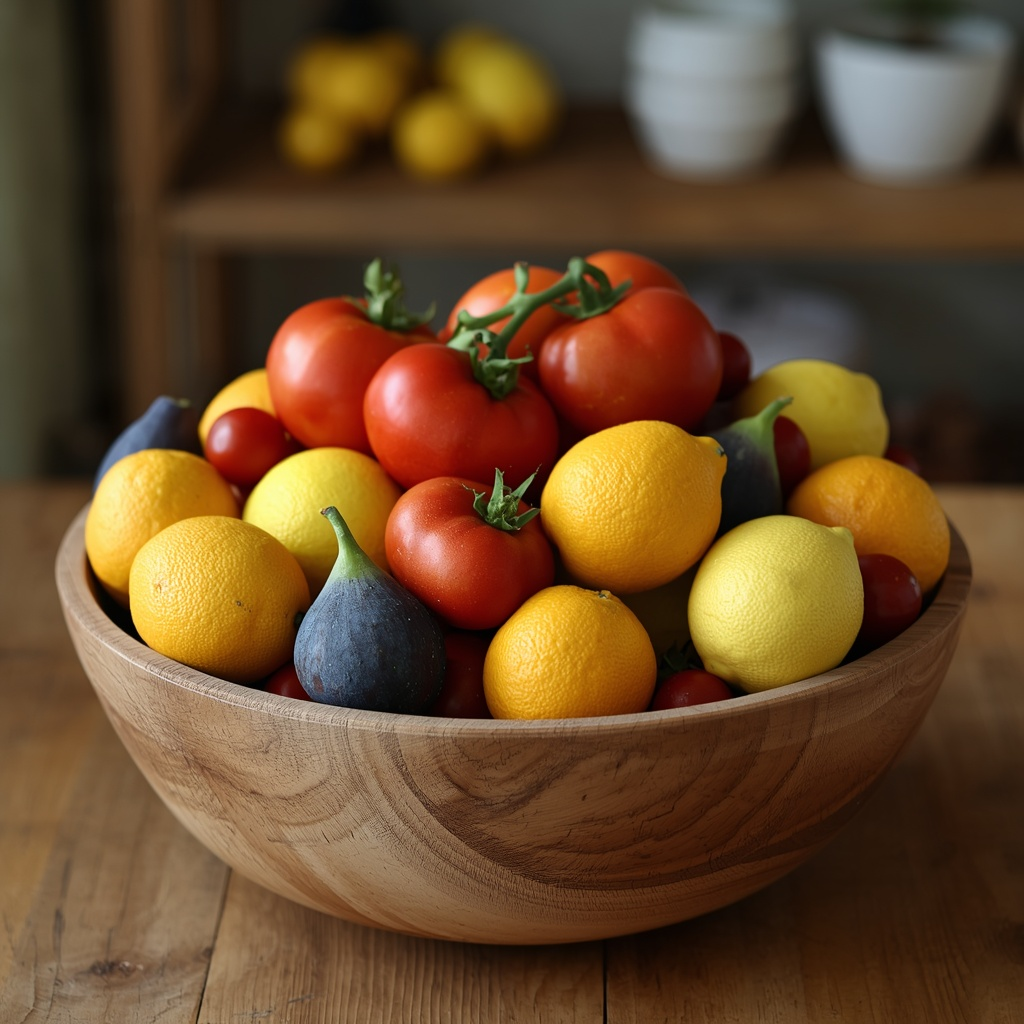
A wooden fruit bowl filled with fresh produce is one of the most direct expressions of the tomato girl aesthetic. Tomatoes, lemons, figs, and other seasonal fruits create a natural centerpiece that reflects abundance and freshness. This simple arrangement brings color and life into the kitchen without requiring decorative complexity.
Placed on a table or countertop, the bowl becomes a daily reminder of seasonal cooking and natural ingredients. It encourages a closer relationship with food and highlights the importance of freshness in Mediterranean cuisine.
The warm texture of wood complements the vibrant colors of the produce, creating a balanced and visually inviting display.
Terracotta or Natural Stone Kitchen Flooring
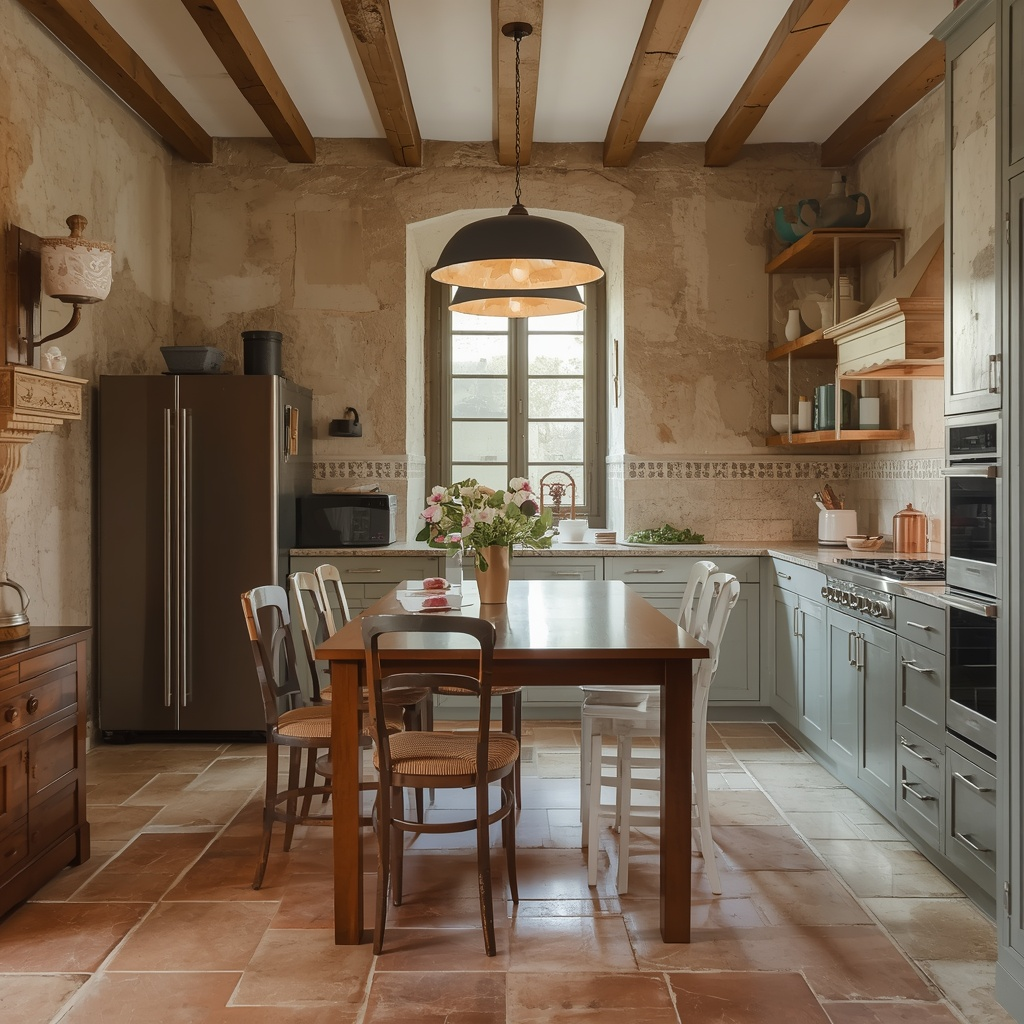
Flooring plays a major role in grounding the tomato girl kitchen aesthetic. Terracotta tiles bring warm, earthy tones that reflect traditional Mediterranean homes. Their natural variations in color and texture create a soft, aged appearance that enhances the rustic feel of the space.
Natural stone options such as limestone or sandstone offer a cooler but equally authentic alternative. Their durability and subtle surface variations provide long-lasting beauty and practical strength for everyday kitchen use.
Both materials connect the kitchen to traditional European design, reinforcing the sense of history and natural simplicity.
Vintage Olive Oil Bottles as Decorative Displays
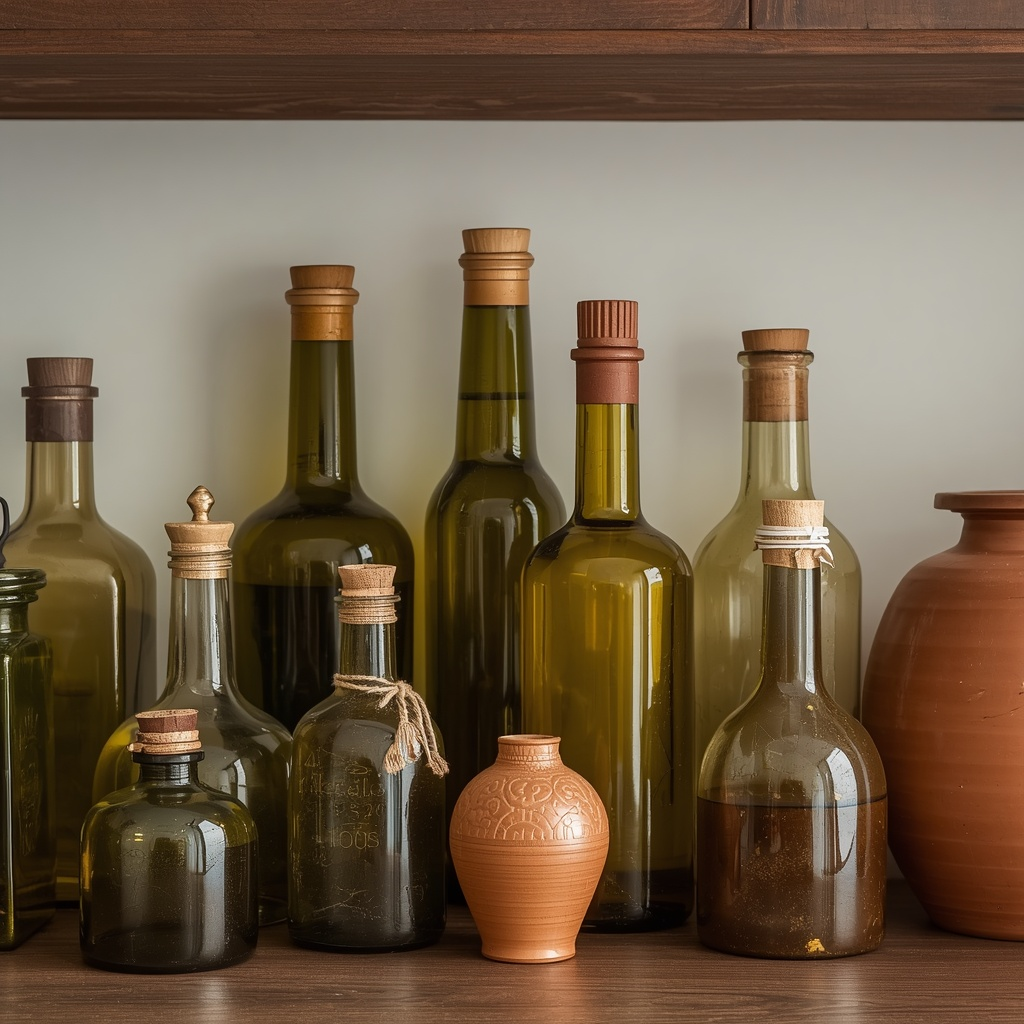
A curated display of olive oil bottles introduces both beauty and cultural meaning into the kitchen. Glass decanters, aged bottles, and terracotta containers showcase one of the most essential ingredients in Mediterranean cooking. Their varied shapes and tones create a visually rich arrangement.
Placed on open shelves or counters, these bottles serve as both functional storage and decorative elements. The deep greens and warm golds of olive oil enhance the kitchen’s color palette naturally.
This display reinforces the importance of simple, high-quality ingredients in everyday cooking traditions.
Checked and Striped Kitchen Textiles
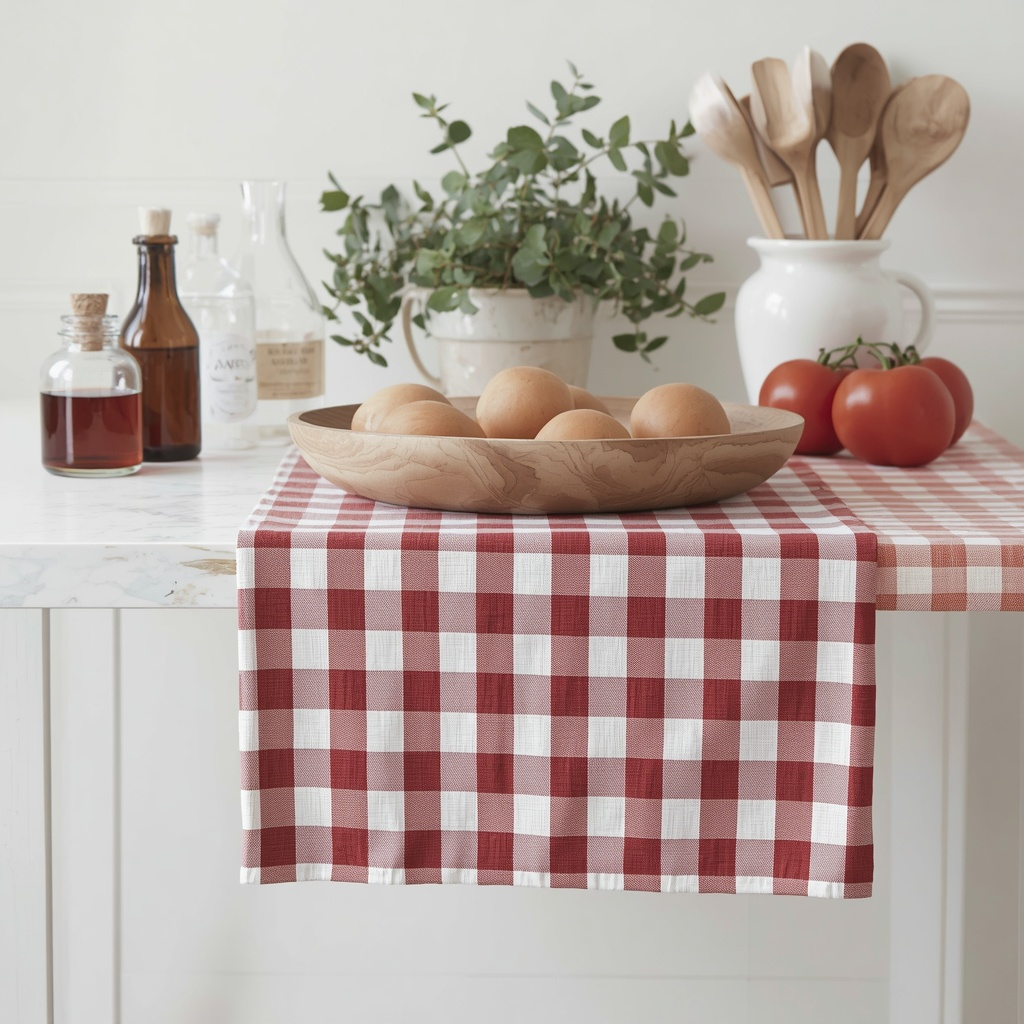
Textiles in checked or striped patterns bring softness and tradition into a tomato girl kitchen. Linen towels, tablecloths, and runners in classic patterns such as red and white or blue and white gingham create a familiar, comforting visual rhythm.
These designs have long been associated with European kitchens, making them a natural fit for this aesthetic. Their simplicity ensures they never overpower the space while still adding warmth and charm.
Used across different surfaces, they help unify the kitchen’s visual identity while maintaining a relaxed, informal character.
Preserved Foods and Pantry Jars on Display
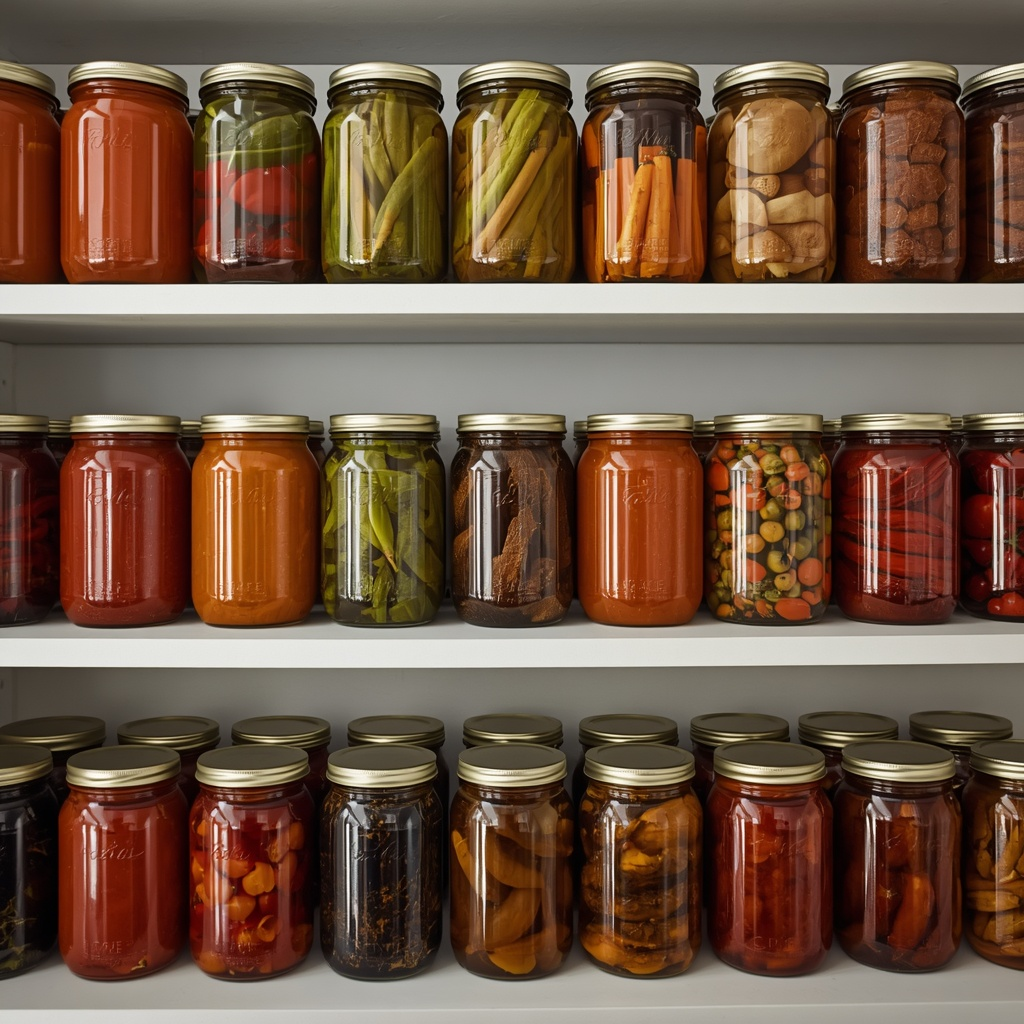
A visible pantry filled with preserved foods reflects both practicality and beauty in a tomato girl kitchen. Glass jars of tomato sauce, preserved vegetables, sun-dried tomatoes, and oils create a visually rich and functional display. Their colors shift subtly depending on their contents, adding depth to shelving arrangements.
This approach turns storage into decoration, celebrating the tradition of home cooking and preservation. It highlights seasonal abundance and the value of long-term food preparation.
The transparency of glass jars reinforces honesty and simplicity in kitchen design, keeping ingredients at the center of the aesthetic.
Botanical and Vegetable Wall Prints
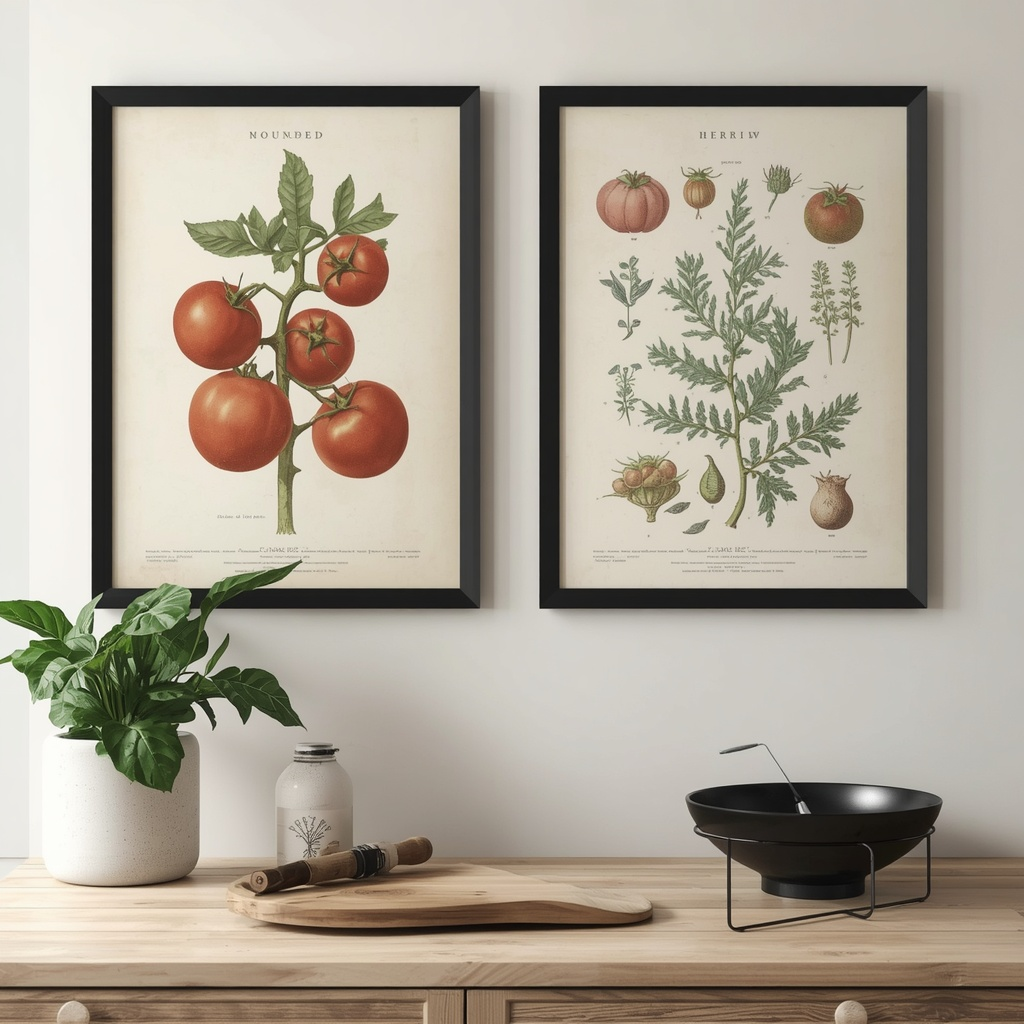
Botanical illustrations and vegetable prints add an artistic and educational layer to the tomato girl kitchen. Drawings of tomatoes, herbs, and other produce connect the space directly to its culinary focus. Framed simply, these prints bring subtle elegance without overwhelming the rustic atmosphere.
These artworks often draw from historical European scientific illustrations, giving them cultural depth and authenticity. Their muted tones blend well with terracotta and wood surfaces.
Displayed in groups or as standalone pieces, they enhance the kitchen’s storytelling aspect and celebrate natural ingredients visually.
Wooden Cutting Boards as Functional Decor
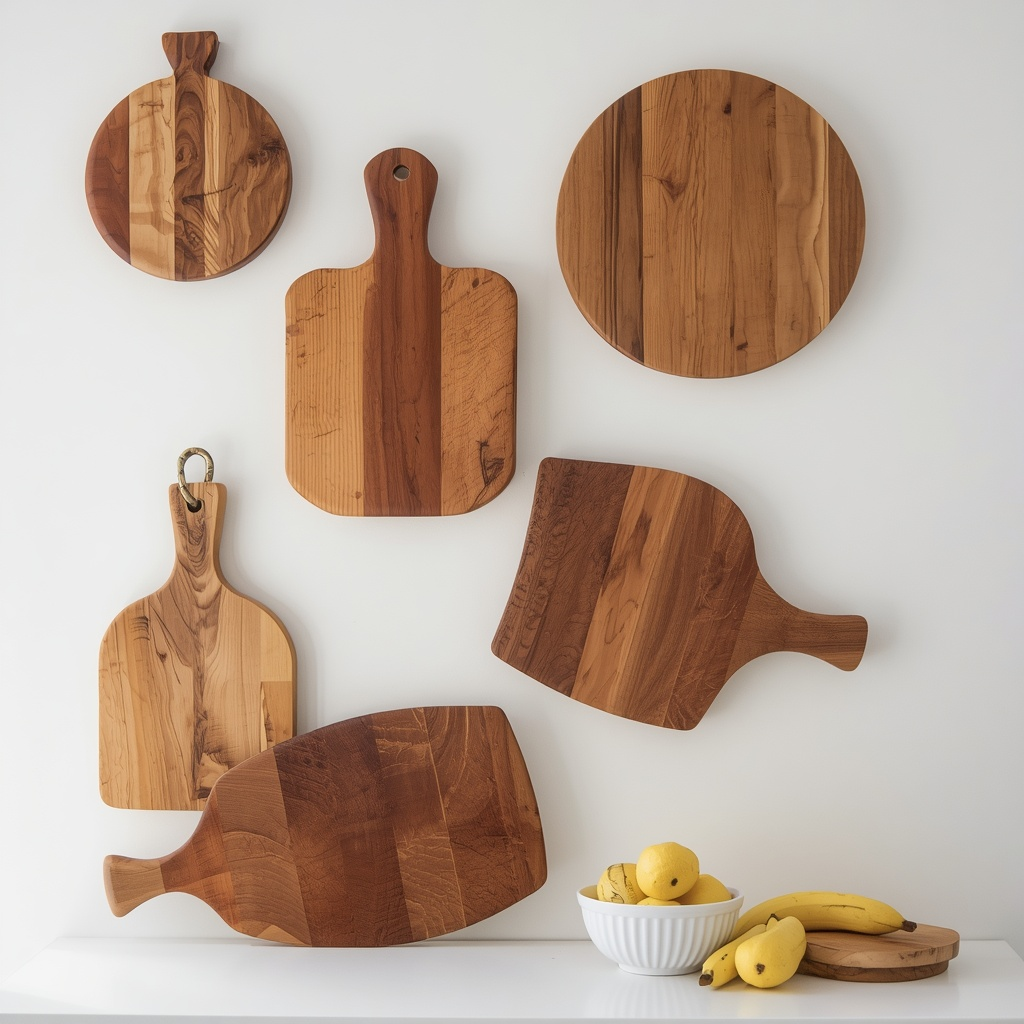
Wooden cutting boards are both practical tools and decorative elements in a tomato girl kitchen. Displayed on walls, counters, or shelves, they add warmth and texture to the space. Their natural grain and varied shapes create visual interest even when not in use.
Over time, these boards develop patina from regular use, including knife marks and oil absorption. These details contribute to their beauty and authenticity, reflecting real cooking activity.
Regular maintenance with food-safe oil helps preserve their surface while maintaining their natural character.
A Kitchen That Is Actively Used and Alive
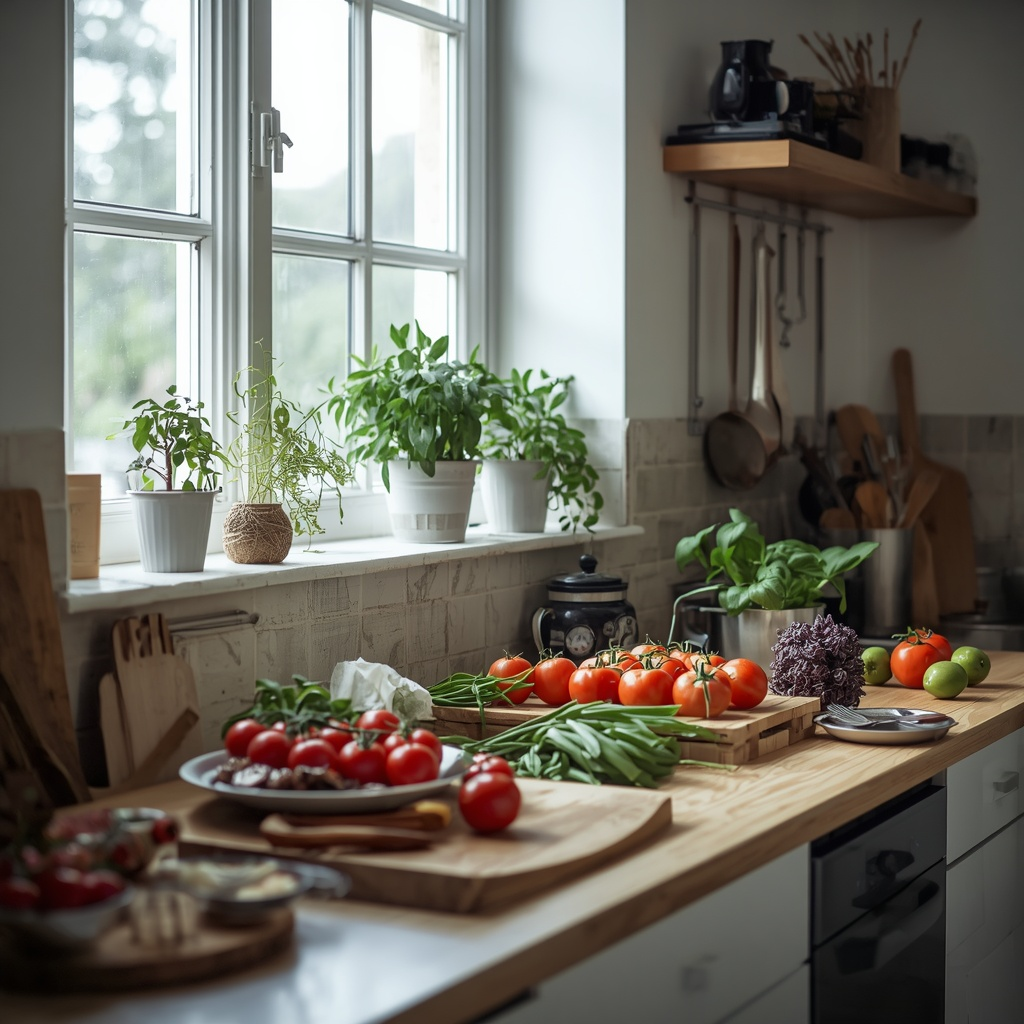
The most important principle of a tomato girl kitchen is that it should remain actively used. Its beauty comes not from decoration alone but from daily cooking, preparation, and shared meals. Ingredients on the counter, herbs on the windowsill, and tools in constant use all contribute to its living atmosphere.
This sense of activity transforms the kitchen into a space of ongoing creation rather than static design. It reflects a lifestyle centered on food, family, and seasonal ingredients.
When a kitchen is genuinely used every day, it naturally becomes beautiful without needing excessive styling.
Tomato Girl Kitchen as a Lifestyle of Natural Abundance
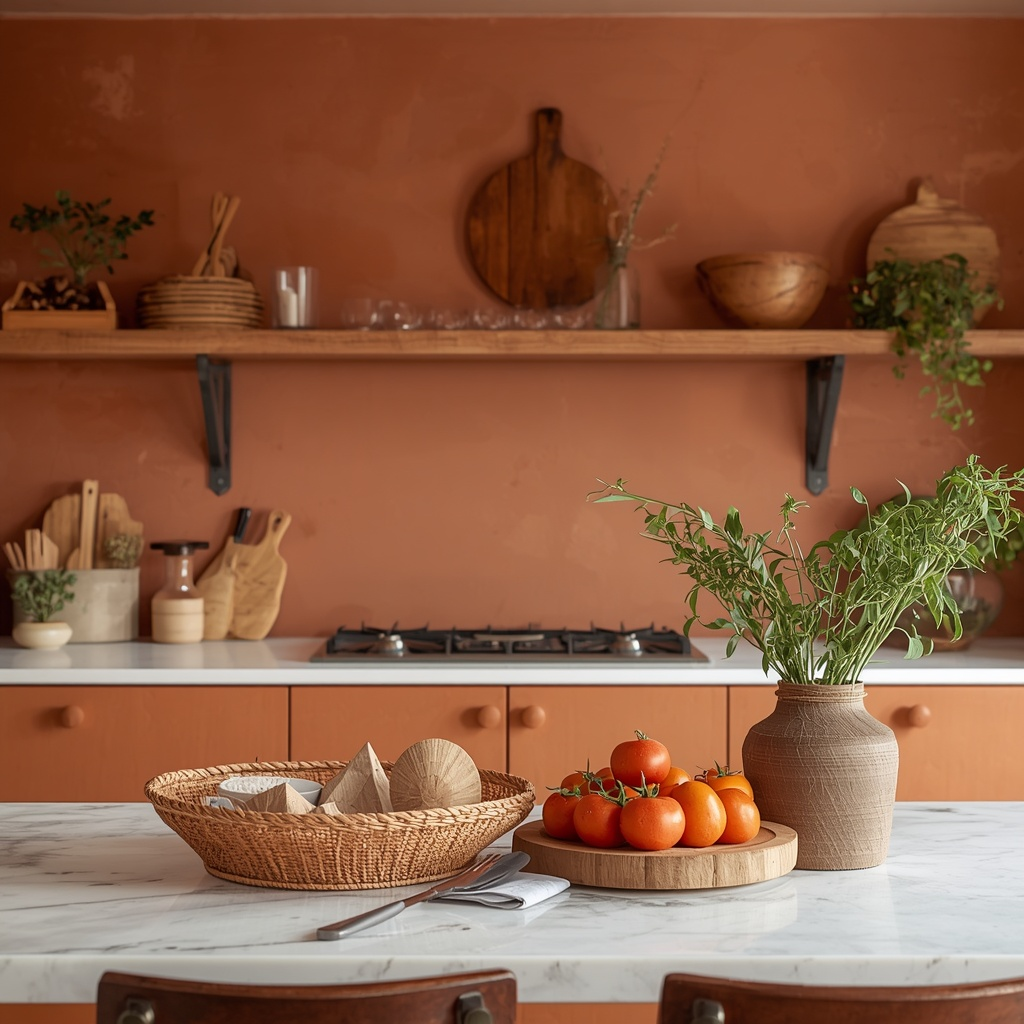
A tomato girl kitchen is ultimately more than a design style; it is a philosophy rooted in simplicity, abundance, and connection to food. It values natural materials, seasonal ingredients, and the sensory pleasures of cooking. Every element, from terracotta walls to fresh herbs, contributes to a cohesive environment of warmth and authenticity.
This approach encourages a slower, more intentional way of living. It prioritizes real use over appearance and embraces imperfection as part of beauty.
In this sense, the tomato girl kitchen becomes a space that nourishes both body and spirit through everyday rituals of cooking and sharing meals.