
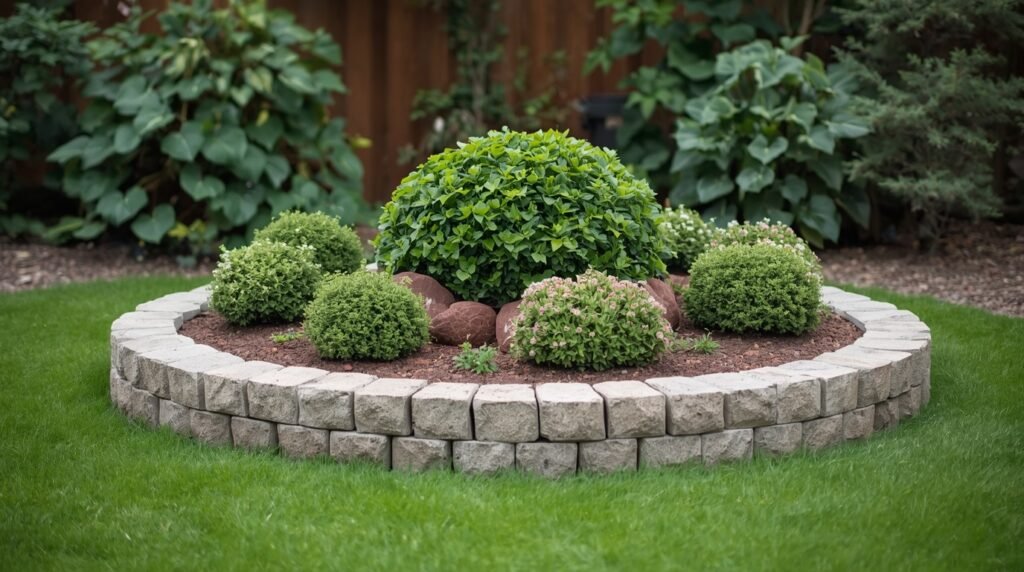
A round garden bed adds softness and visual flow to outdoor spaces, breaking up straight lines with a more natural, organic shape. This design works beautifully as a focal point in lawns, courtyards, or backyard corners, drawing the eye inward and highlighting your plantings. From layered flower arrangements to herb spirals or even small tree centerpieces, round beds offer endless creative possibilities.
You can edge them with stone, brick, or wood to define the shape and enhance structure while still keeping a relaxed feel. Round garden bed ideas are perfect for adding balance, texture, and a touch of elegance to any landscape design.
Rustic-Inspired Vintage Garden Elements
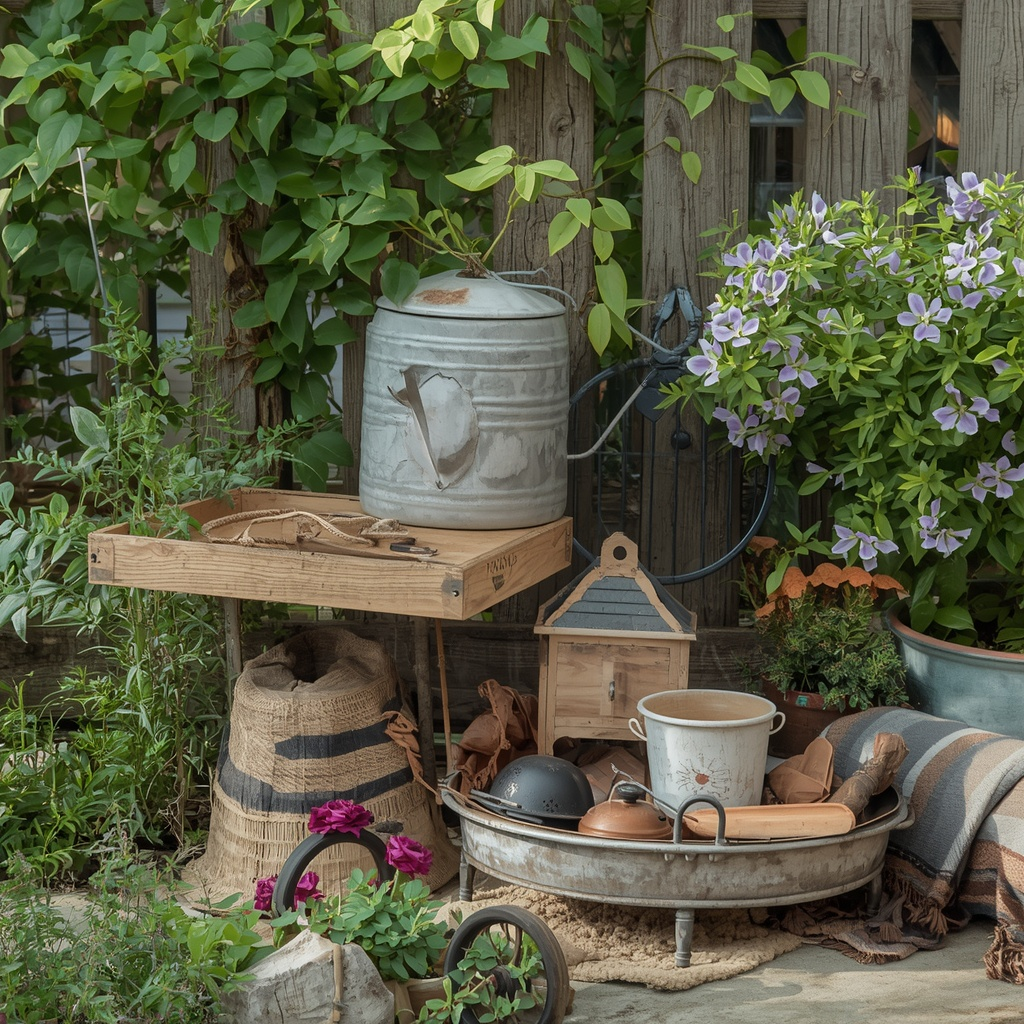
Rustic garden styling brings a warm, nostalgic character that makes outdoor spaces feel lived-in and welcoming. By incorporating vintage-inspired materials such as weathered wood, old metal tools, or reclaimed accents, you can create a garden that feels both timeless and personal. These elements work especially well when blended with natural greenery, as they soften the overall design and make it feel more organic. Rustic touches are also versatile and can fit into both small and large garden spaces without overwhelming the layout. The goal is to create a relaxed atmosphere where imperfections become part of the charm. With thoughtful placement, rustic decor can transform an ordinary garden into a cozy retreat that feels meaningful and visually rich.
Edible Floral Garden Bed Concept
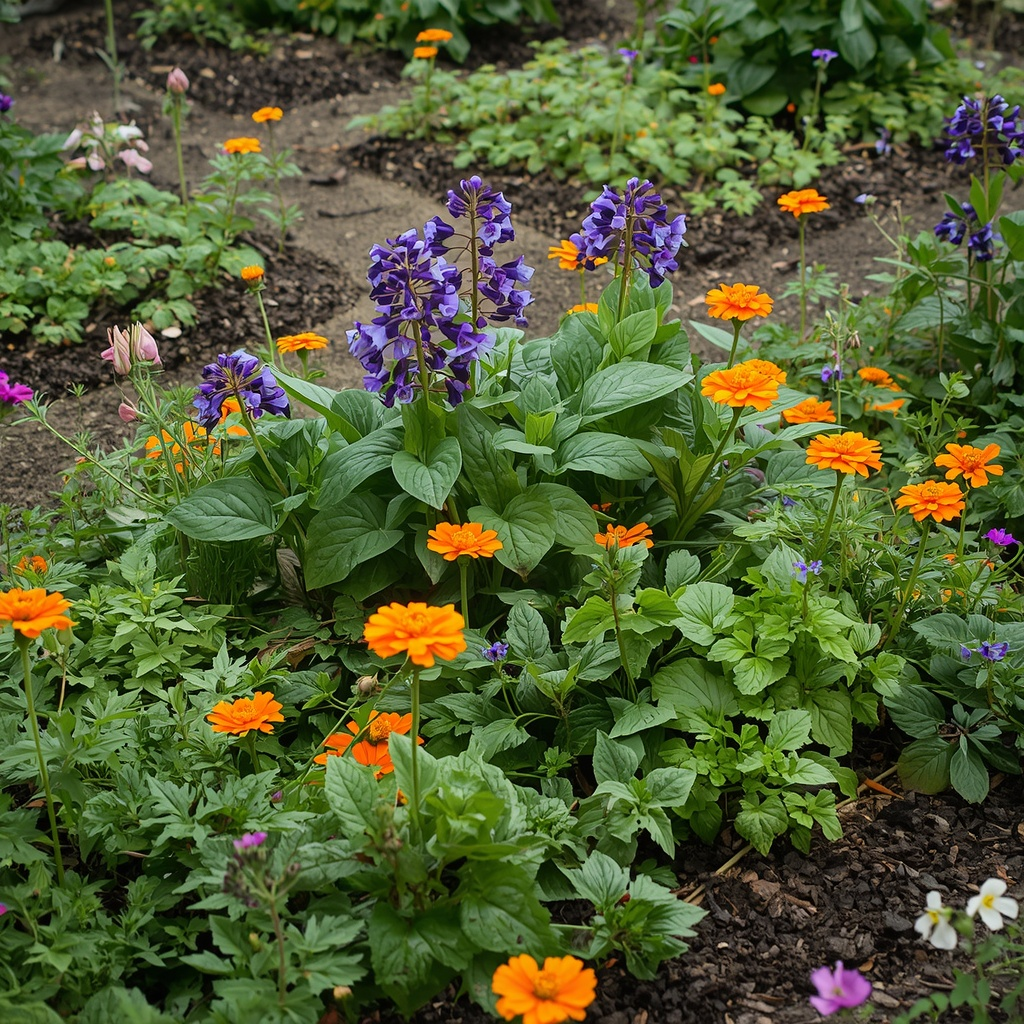
An edible floral garden bed combines beauty and practicality by allowing you to grow flowers that are both decorative and usable in cooking or garnishing. This type of garden design is ideal for those who enjoy blending aesthetics with functionality. Bright edible blooms such as calendula, nasturtiums, and violets can add vibrant color while also serving culinary purposes. The layout can be structured in raised beds or circular patterns for easier maintenance and harvesting. This approach also encourages sustainable gardening practices since you are making full use of every plant grown. Beyond functionality, edible flower beds bring a refreshing visual appeal that enhances any outdoor space while offering a unique way to connect gardening with everyday life.
Metal and Wood Combination Planter Design
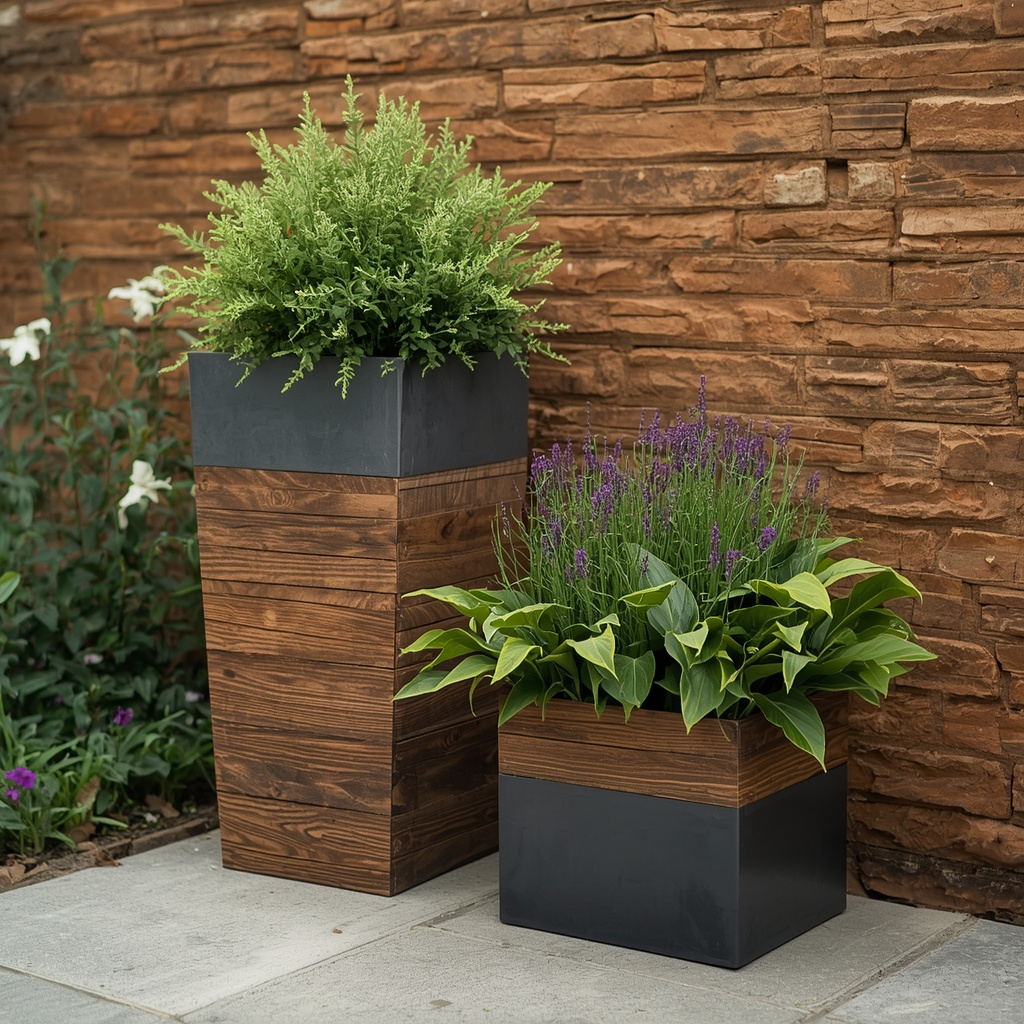
A metal and wood planter design offers a stylish balance between natural warmth and modern durability. This combination is increasingly popular in contemporary garden styling because it blends rustic and industrial aesthetics seamlessly. Wood provides a soft, organic look, while metal adds structure and longevity, making the setup suitable for different weather conditions. These planters can be used for flowers, herbs, or decorative greenery, depending on your garden layout. They also work well as focal points in both small patios and larger outdoor spaces. The contrast between materials creates visual interest without being overly complex. Overall, this design approach delivers both functionality and aesthetic value, making it a practical choice for long-term garden planning.
Mixed Plant Arrangement Garden Design
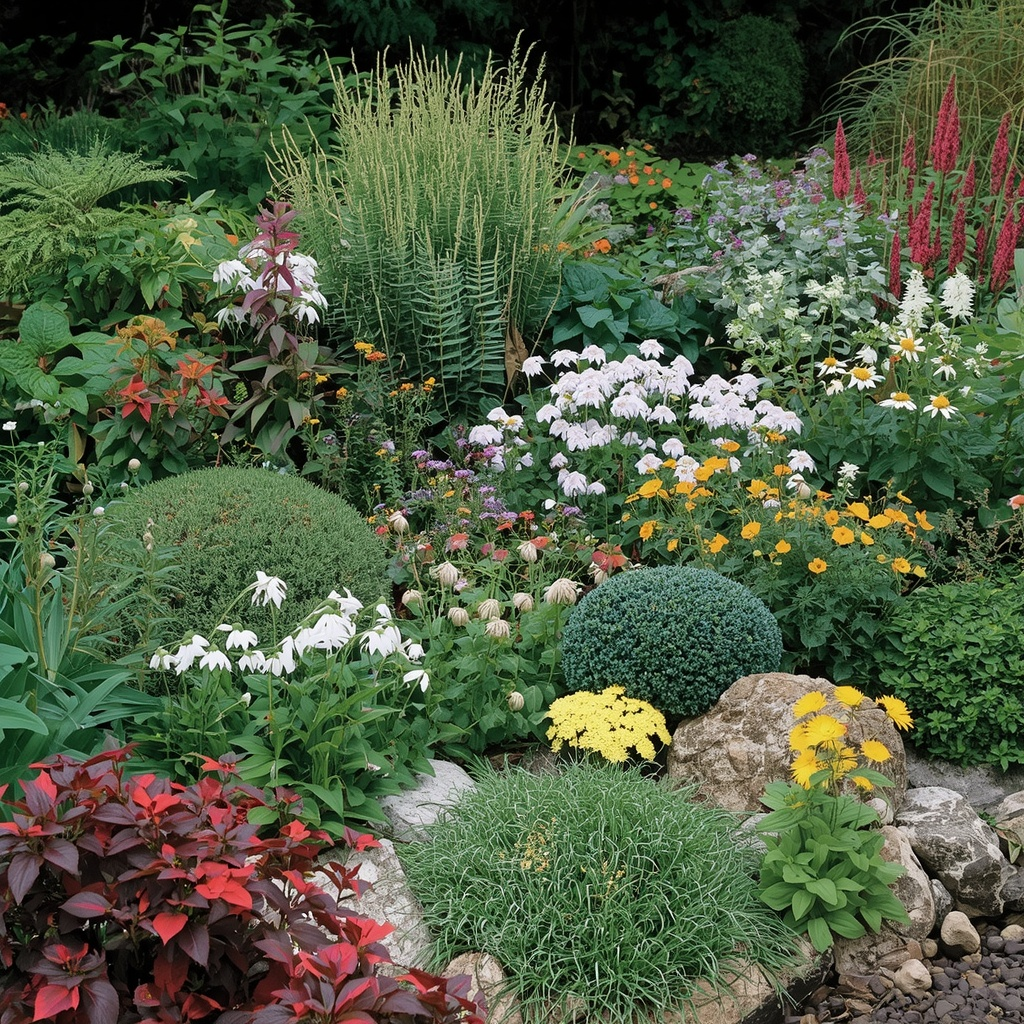
A mixed plant arrangement garden focuses on diversity by combining different types of flowers, foliage, and textures in one cohesive space. This design approach creates a lively and dynamic visual effect that changes throughout the seasons. By carefully selecting complementary colors and plant heights, you can build depth and movement within your garden beds. It also encourages biodiversity, which can benefit soil health and attract pollinators. This style allows for creativity since no two arrangements need to look the same. Whether you prefer bold colors or subtle tones, mixing plants helps create a personalized outdoor environment. The result is a vibrant and engaging garden space that feels natural, balanced, and continuously evolving.
Whimsical Miniature Fairy Garden Idea
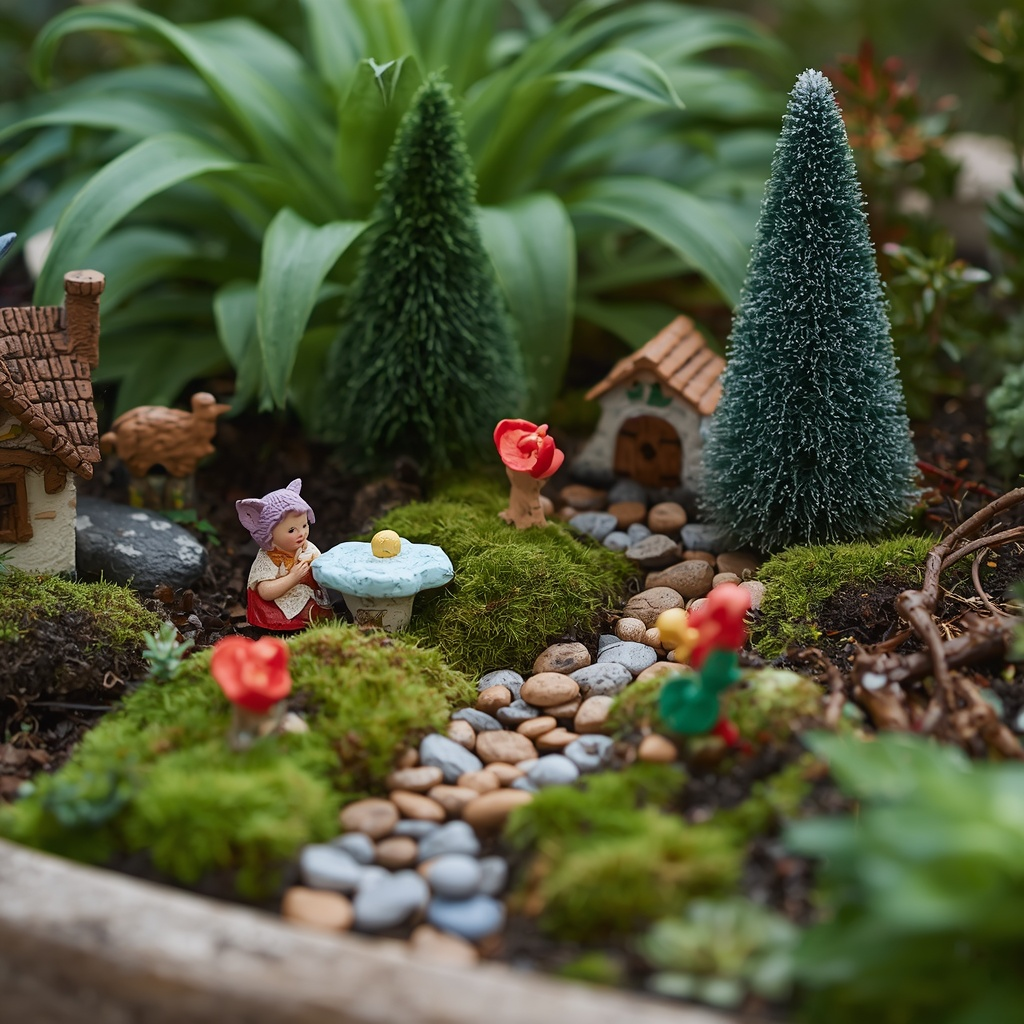
A fairy garden introduces a playful and imaginative element to outdoor spaces, making it especially appealing for families or creative gardeners. This design typically features miniature decorations such as tiny houses, figurines, and decorative pathways arranged among plants. It can be built within a flower bed, planter, or even a small corner of your garden. The charm of a fairy garden lies in its storytelling potential, as each piece contributes to a magical miniature world. It also encourages creativity since you can change themes or layouts whenever desired. Beyond its decorative appeal, a fairy garden adds personality and warmth to your outdoor space, making it feel more inviting and unique.
Fragrant Herb Circle Garden Layout
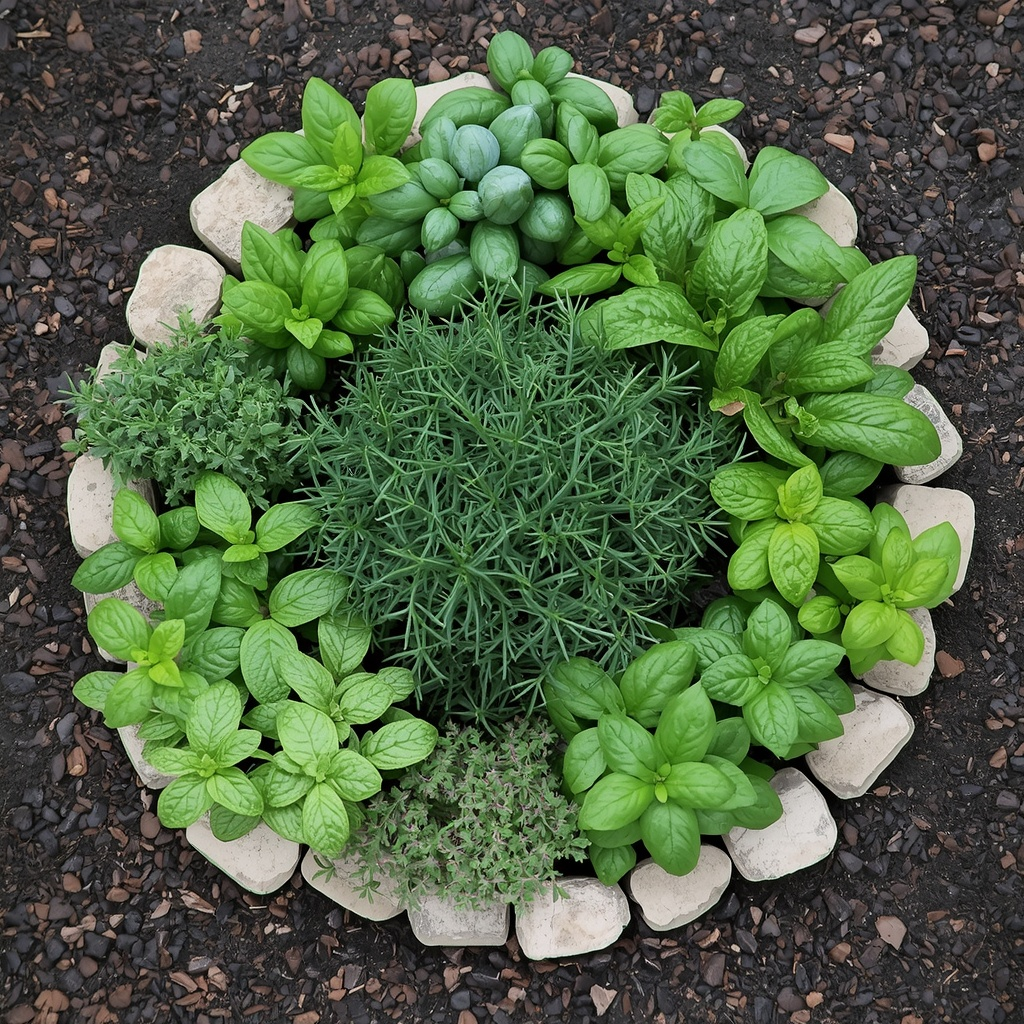
An herb circle garden is both practical and visually appealing, offering easy access to fresh herbs while maintaining an organized design. This circular layout allows you to group herbs like basil, rosemary, thyme, and mint in a structured yet attractive way. The shape itself helps maximize space while keeping plants within easy reach for harvesting. It also creates a natural focal point in the garden, especially when edged with stones or decorative borders. Beyond functionality, herb circles release pleasant aromas that enhance the outdoor atmosphere. This design is ideal for home cooks and gardening enthusiasts who want a convenient and beautiful way to grow essential herbs right outside their door.
Wildflower Meadow-Style Garden Display
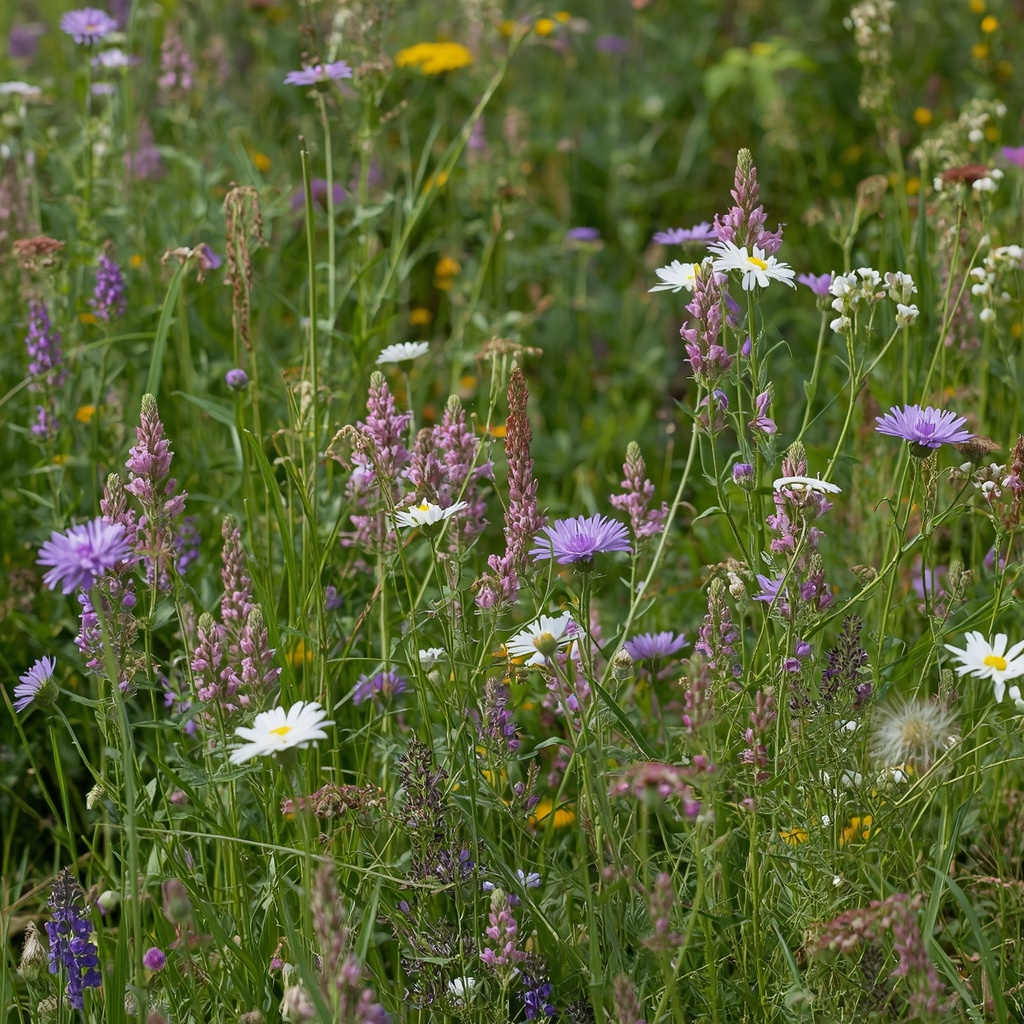
A wildflower garden brings the beauty of natural meadows into your outdoor space by encouraging free-growing, colorful blooms. This style focuses on a relaxed planting approach where flowers grow in a more organic and less structured way. It is ideal for attracting bees, butterflies, and other pollinators, supporting a healthy garden ecosystem. Wildflowers also require relatively low maintenance once established, making them a practical choice for busy gardeners. The visual effect is vibrant and ever-changing, with seasonal blooms adding variety throughout the year. This design creates a soft, natural look that blends seamlessly with surrounding landscapes, offering a peaceful and scenic outdoor environment.
Low-Maintenance Succulent Garden Display
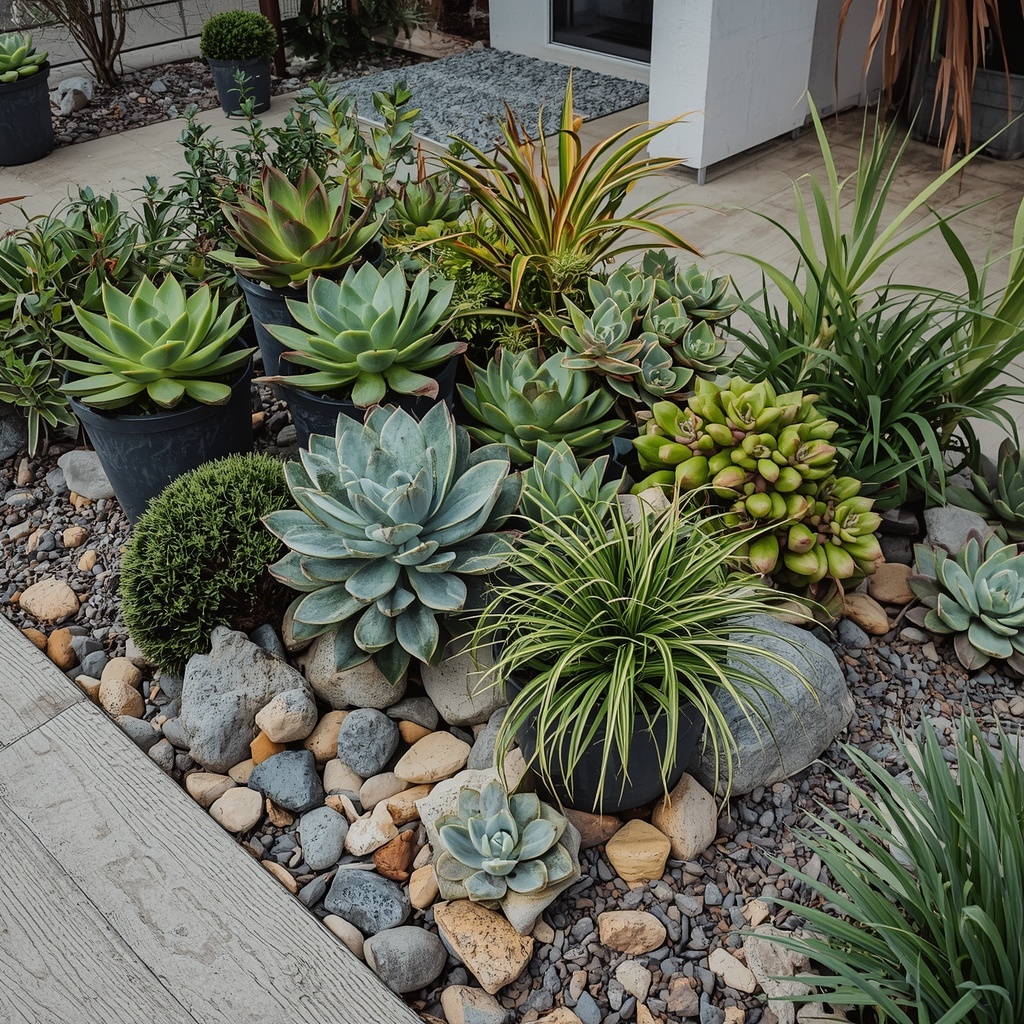
A succulent garden is an excellent choice for those seeking a low-maintenance yet visually striking outdoor feature. Succulents are known for their ability to store water, making them highly resilient in different climates and conditions. Their unique shapes and textures allow for creative arrangements that can resemble modern art when thoughtfully designed. This type of garden works well in containers, raised beds, or rock-filled landscapes. It requires minimal watering and care, which makes it ideal for beginners or busy homeowners. Despite their simplicity, succulents offer a bold aesthetic appeal that enhances any garden space with a clean, contemporary look.
Natural Stone Border Garden Design
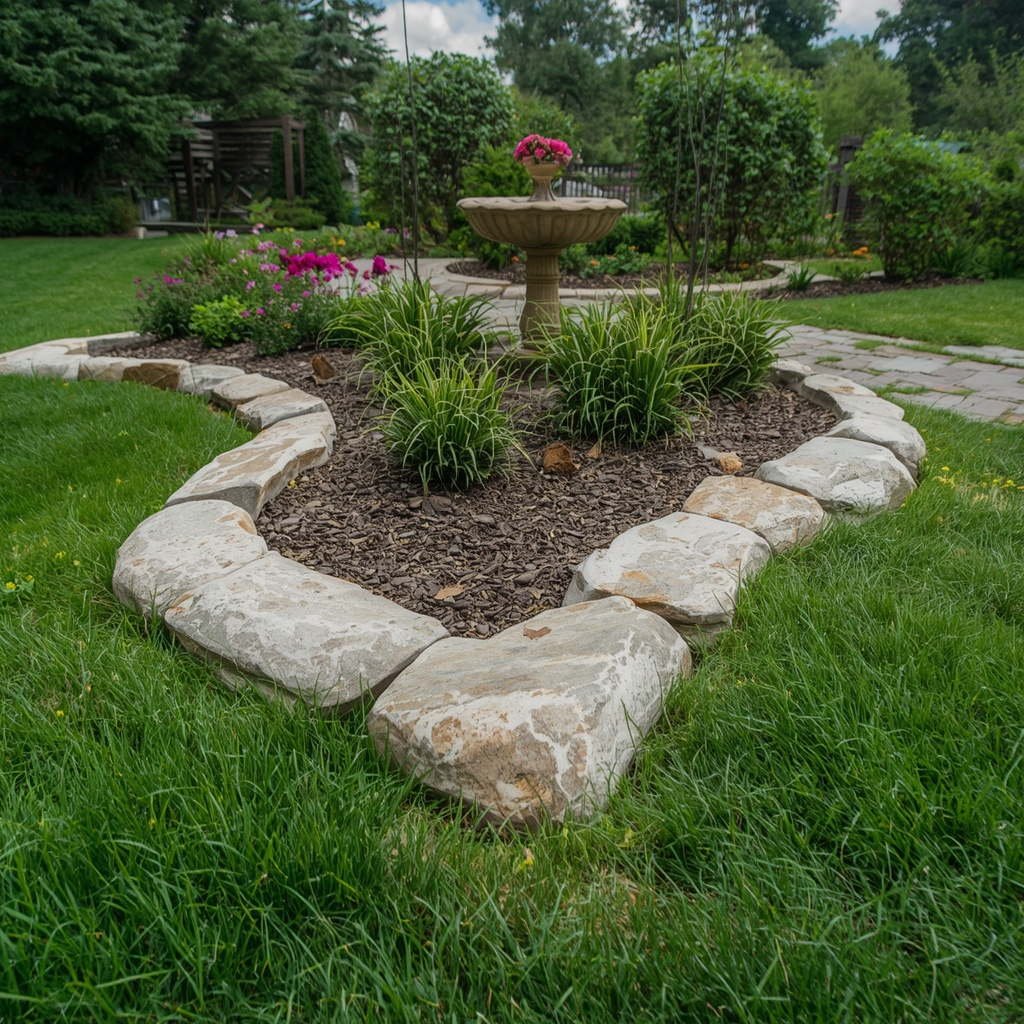
Stone borders provide structure and definition to garden beds while adding a timeless, natural appearance. This design element helps separate different areas of the garden, keeping plants organized and visually balanced. Stones come in various shapes and sizes, allowing flexibility in design depending on the desired style. Whether used in formal layouts or rustic gardens, stone edging blends seamlessly with outdoor environments. It also offers durability, requiring little maintenance once installed. Beyond practicality, stone borders enhance curb appeal by creating clean lines and a polished finish. This simple addition can significantly elevate the overall appearance of any garden space.
Decorative Mulch and Rock Garden Texture
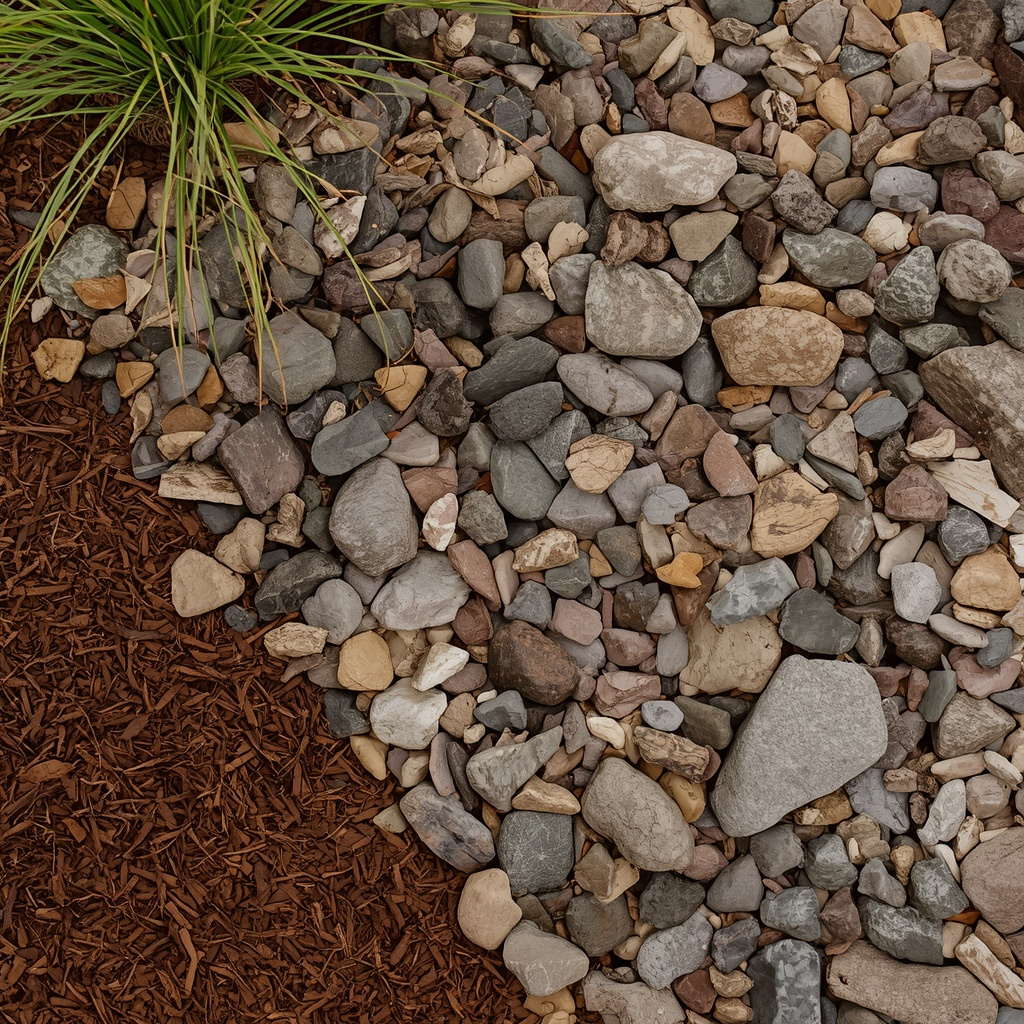
Using mulch and decorative rocks is an effective way to enhance both the appearance and functionality of a garden. These materials help retain soil moisture, suppress weed growth, and improve overall plant health. At the same time, they add texture and contrast to garden beds, making the landscape more visually interesting. Mulch provides a soft, natural look, while rocks introduce structure and durability. Together, they create a balanced design that is both practical and attractive. This approach works well in various garden styles, from modern to rustic, and requires minimal maintenance once applied properly.
Vertical Layered Garden Design Elements

Vertical gardening introduces height and structure to outdoor spaces, making it ideal for maximizing limited areas. By incorporating tall plants, climbing vines, or decorative stakes, you can create visual layers that draw the eye upward. This technique adds depth and dimension, transforming flat gardens into dynamic landscapes. Vertical elements also improve air circulation and can help separate different plant zones. They are especially useful in small gardens where ground space is limited. With thoughtful planning, vertical designs can turn simple outdoor areas into visually impressive and functional green spaces that feel more expansive and structured.
Bright and Colorful Flower Garden Concept
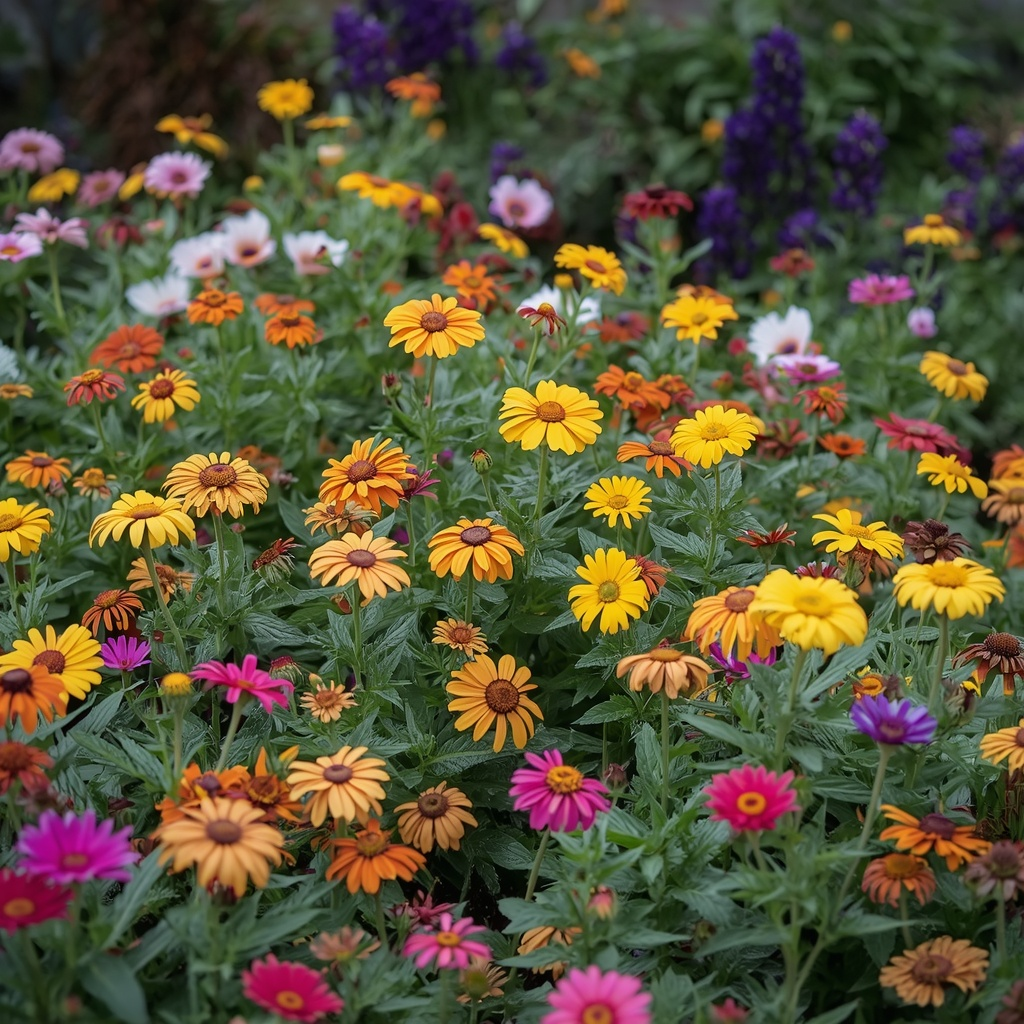
A colorful flower garden focuses on using vibrant blooms to create energy and visual excitement in outdoor spaces. By combining contrasting colors and varied flower types, you can achieve a lively and uplifting atmosphere. This design works well in both structured and free-flowing layouts, depending on personal preference. Seasonal flowers can be rotated to maintain continuous color throughout the year. Beyond aesthetics, colorful gardens attract pollinators and support local biodiversity. The result is a dynamic outdoor space that feels cheerful, welcoming, and full of life, making it a popular choice for gardeners who enjoy expressive and vibrant landscapes.
Sustainable Rustic Wood Pallet Garden Setup
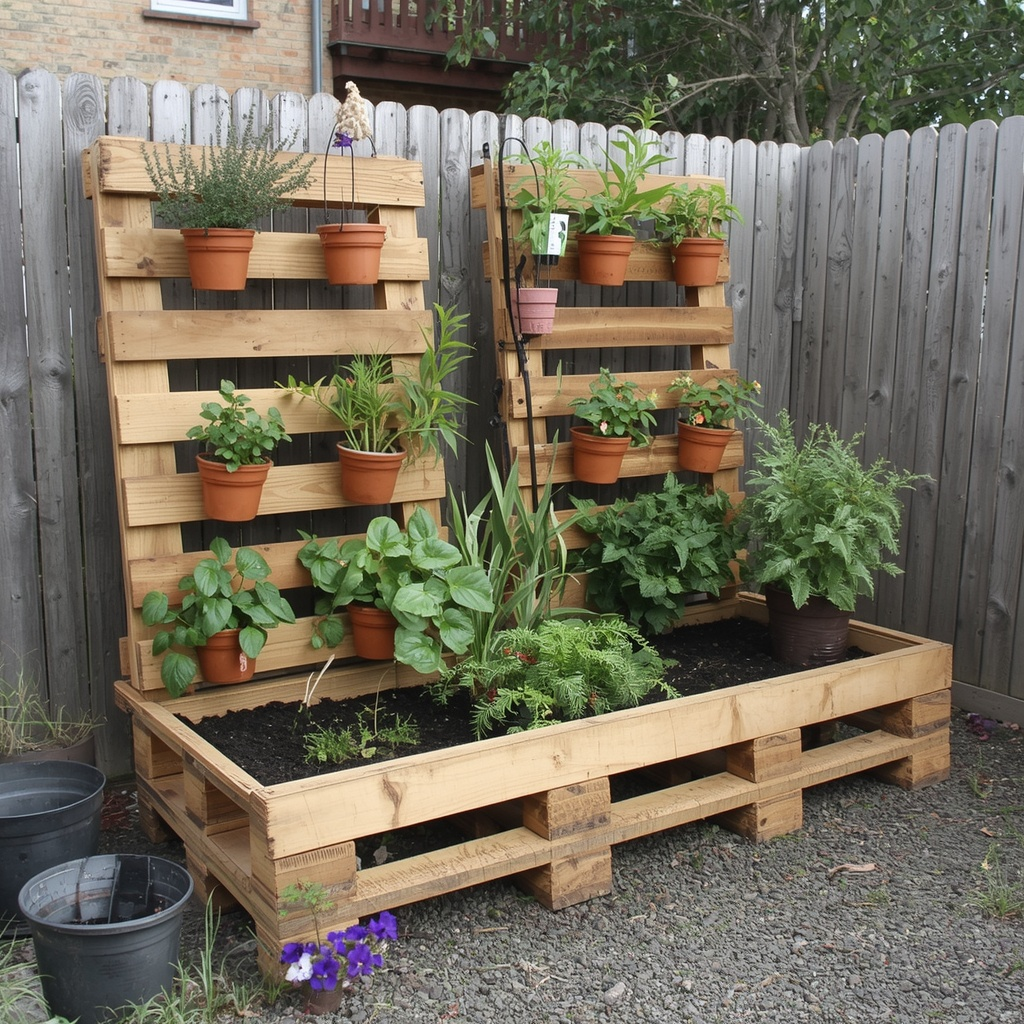
Wood pallet gardening is a creative and eco-friendly way to build garden structures using repurposed materials. This approach supports sustainability by giving new life to discarded wood while adding rustic charm to outdoor spaces. Pallets can be transformed into vertical planters, raised beds, or decorative garden features. They are especially useful for small gardens or DIY projects where flexibility is important. With proper treatment, wood pallets can last for several seasons and support a variety of plants. This gardening style combines practicality with creativity, offering a budget-friendly way to design unique and personalized garden spaces.
Central Focal Point Garden Feature Idea
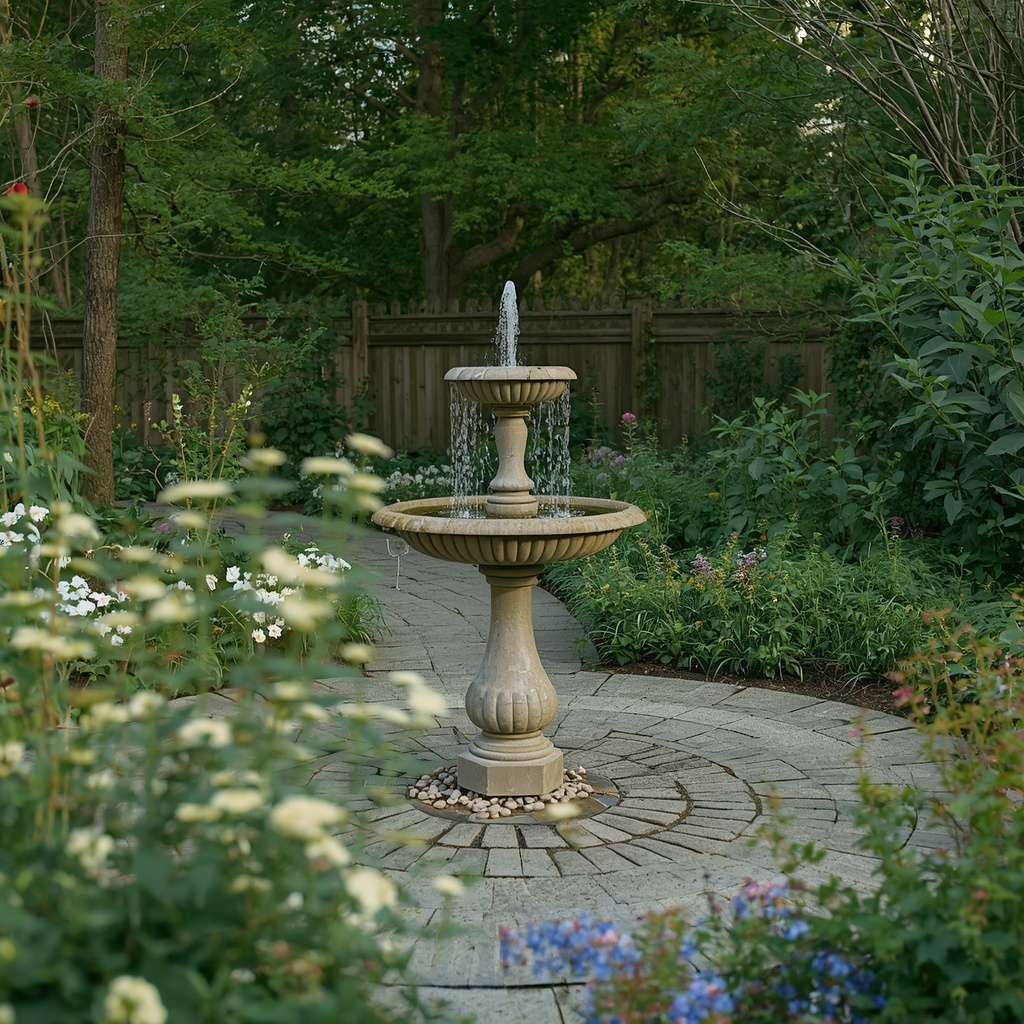
A central focal point adds structure and visual interest to a garden by drawing attention to a specific feature. This could be a fountain, sculpture, birdbath, or decorative planter placed at the heart of the space. The purpose is to create balance and guide the viewer’s eye naturally through the garden design. A well-chosen centerpiece enhances the overall atmosphere and makes the garden feel more intentional. It also adds personality, reflecting the style and taste of the gardener. When integrated thoughtfully, a central feature can elevate even simple garden layouts into more refined and engaging outdoor environments.
Zen Stone Garden for Peaceful Outdoor Spaces
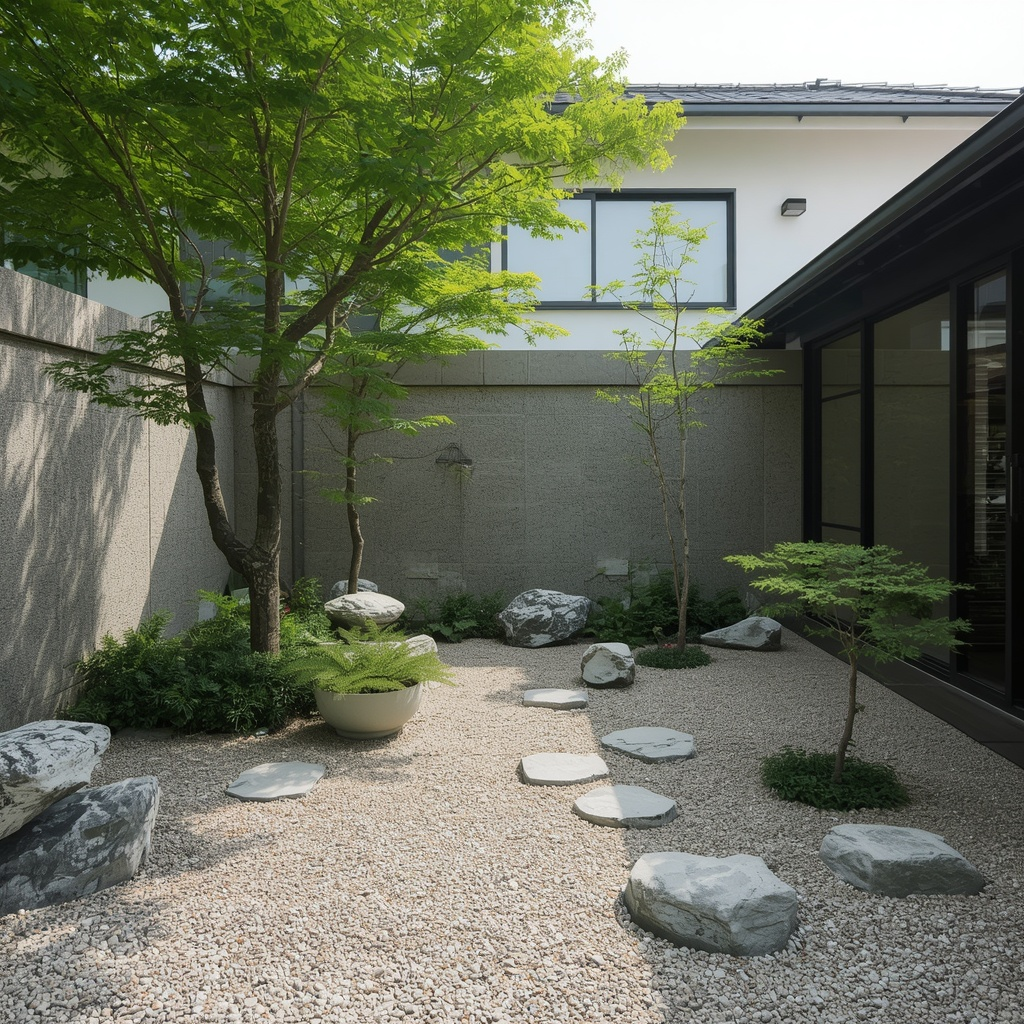
A Zen stone garden is designed to create a calm and meditative outdoor environment inspired by traditional Japanese landscaping. It typically features elements such as gravel, stones, and minimal plant arrangements that promote simplicity and balance. This style encourages mindfulness and relaxation, making it ideal for quiet reflection or stress relief. The clean and structured design helps reduce visual clutter, creating a sense of order and peace. Zen gardens are often low maintenance, which adds to their appeal for modern homeowners. This design transforms outdoor areas into serene retreats that emphasize harmony between nature and simplicity.
Layered Floral Garden Arrangement Design
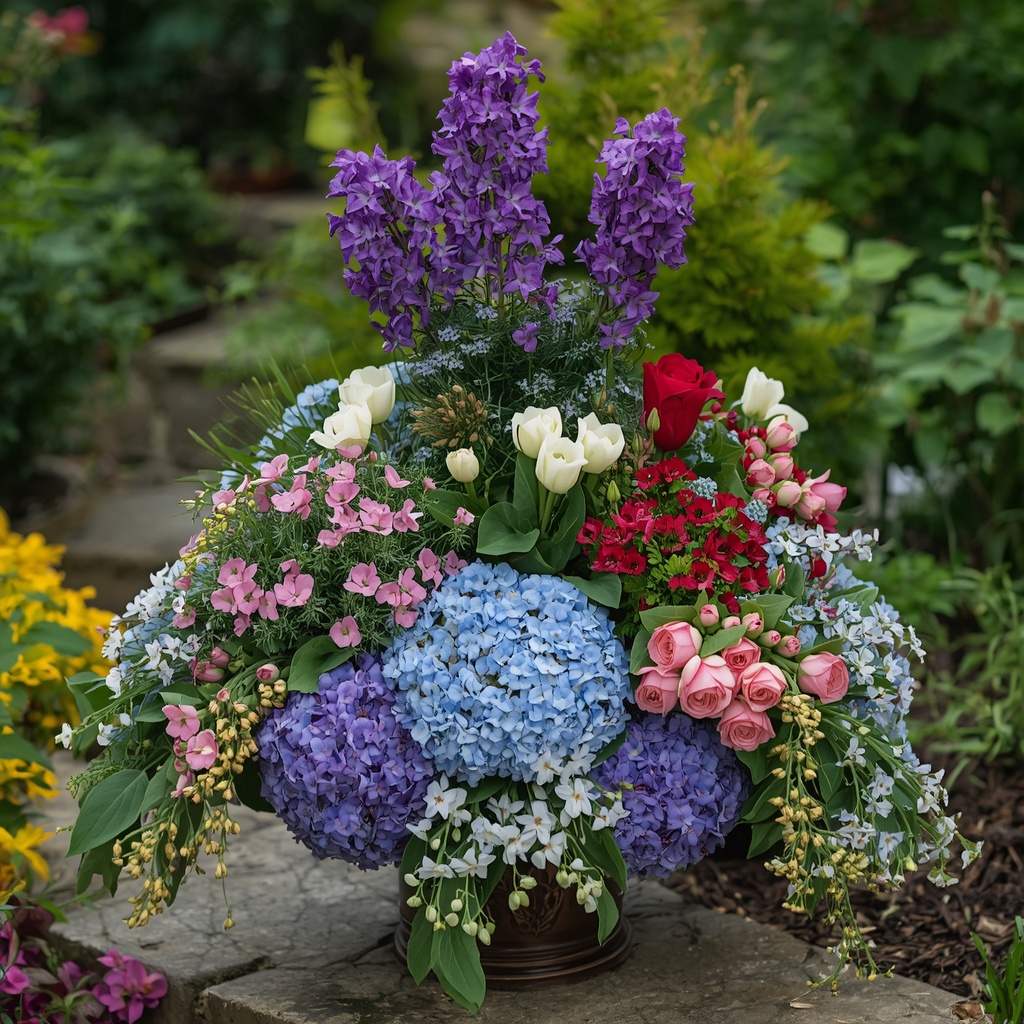
Layered floral arrangements create depth and dimension by combining plants of different heights, colors, and blooming seasons. This design technique helps build a more dynamic and visually interesting garden layout. Taller plants are typically placed at the back or center, with shorter blooms arranged around them to create a tiered effect. This structure enhances visibility and ensures that each plant contributes to the overall composition. Layering also supports seasonal variety, keeping the garden attractive throughout the year. The result is a balanced and structured floral display that feels full, vibrant, and naturally engaging.
Flowing Natural Landscape Garden Design
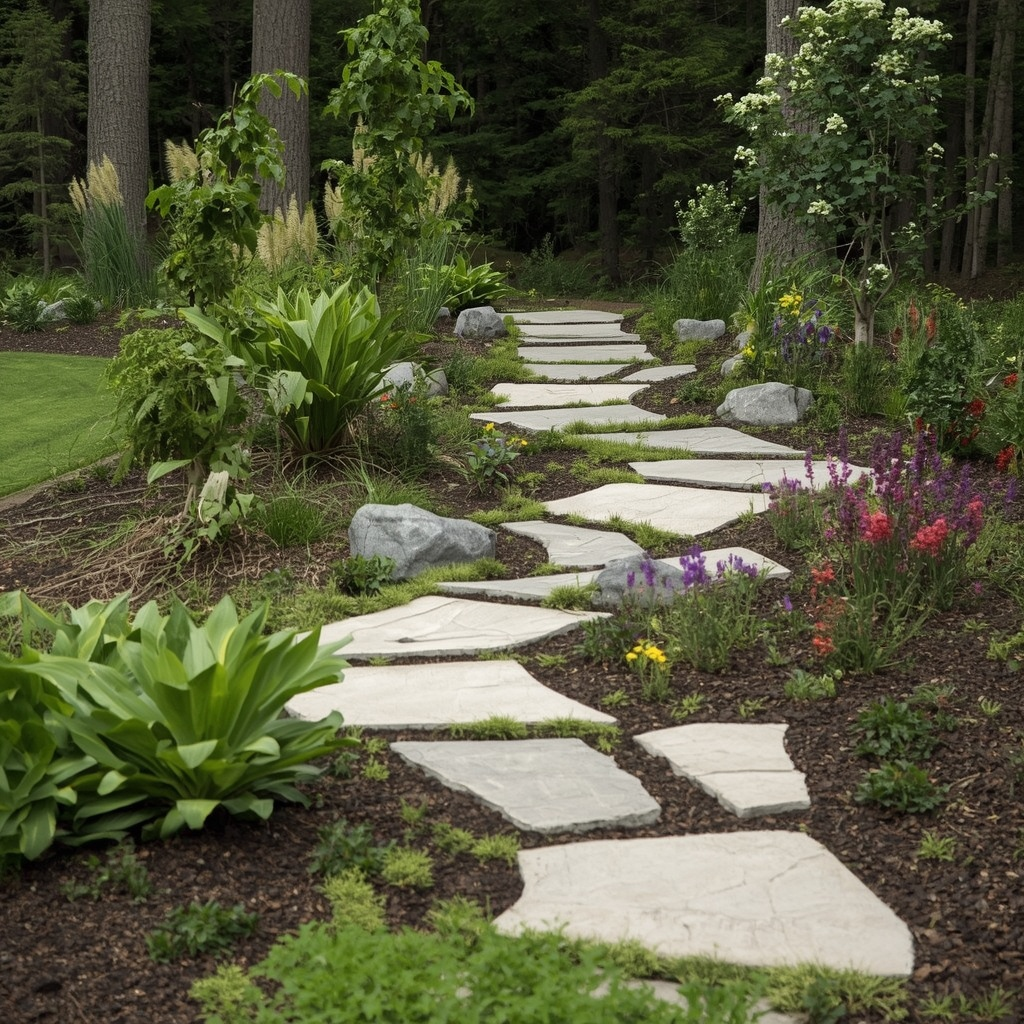
A flowing garden design focuses on smooth transitions and natural movement within the landscape. Instead of rigid lines or sharp boundaries, this style uses curved pathways and organic shapes to create a more relaxed environment. It helps the garden blend seamlessly with its surroundings, making it feel like a natural extension of the outdoor space. This approach works well with a variety of plant types and garden styles, from modern to traditional. The overall effect is calming and visually cohesive, encouraging exploration and relaxation. A flowing design brings harmony and softness to garden layouts, enhancing both beauty and usability.