
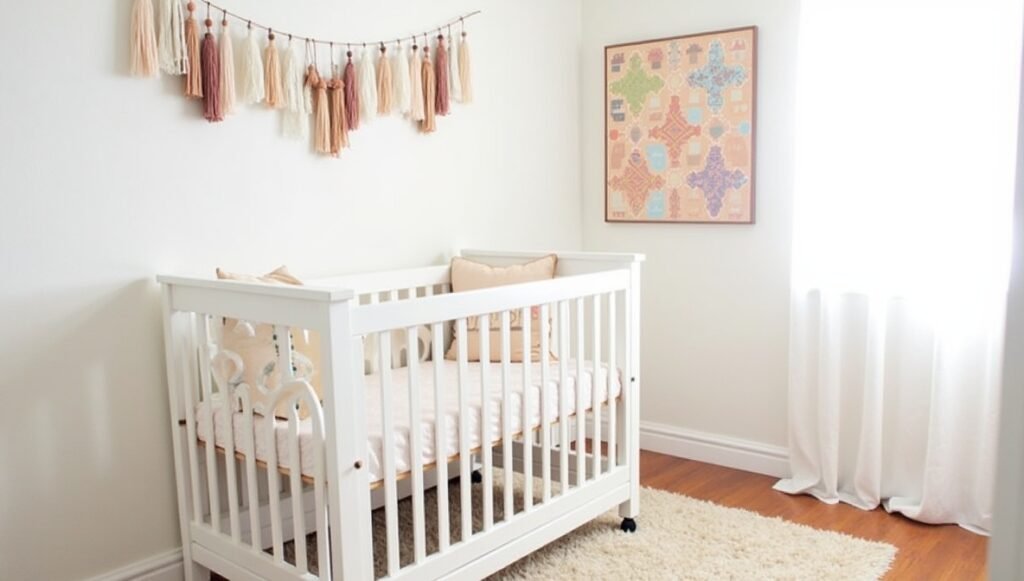
A boho nursery brings a sense of creativity, warmth, and free-spirited charm into your baby’s first space. With its mix of earthy tones, layered textures, and playful patterns, this style creates a cozy yet visually inspiring environment. Think woven accents, soft textiles, and natural elements that add depth without feeling cluttered.
Boho design allows you to blend colors and pieces effortlessly, making the room feel personal and relaxed. Whether you prefer subtle neutrals or pops of color, these ideas will help you craft a nursery that feels calm, stylish, and full of character from the very start.
Adding a Pop of Pink to Your Space
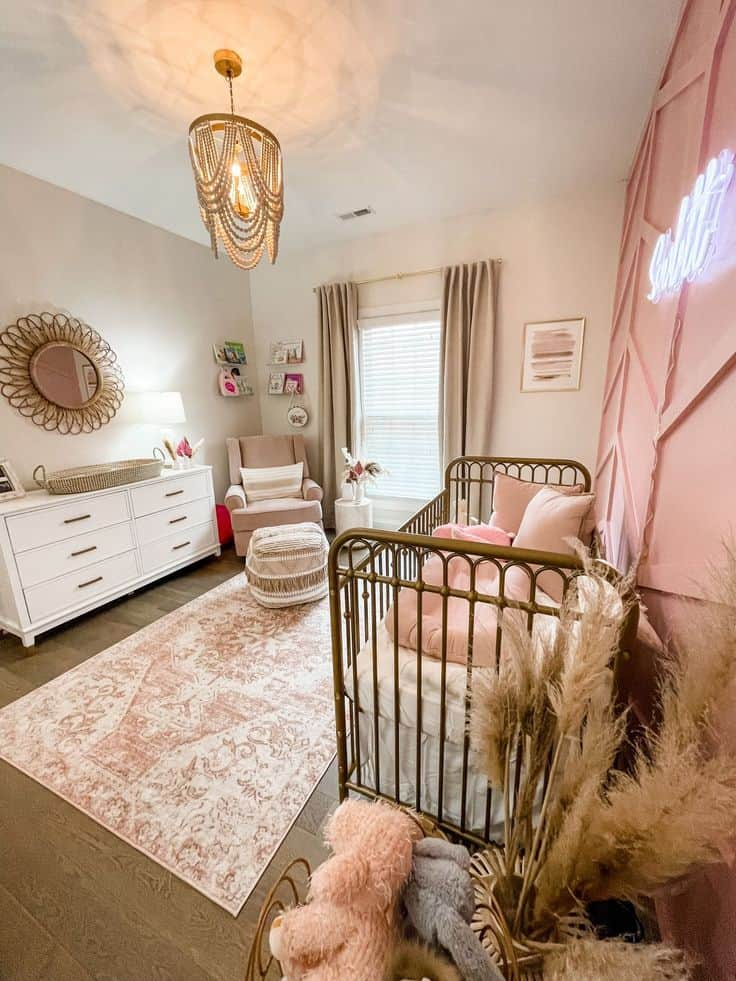
A pop of pink can instantly brighten a room and add a cheerful, welcoming feel. Whether used in accents like pillows, rugs, or wall décor, pink introduces warmth without overwhelming the design. Soft blush tones create a calming atmosphere, while brighter shades add playful energy. This color works beautifully in nurseries, bedrooms, or creative spaces. Pairing pink with neutrals like white or beige keeps the look balanced and refined, making it easy to update as styles evolve over time.
Blended Beauty with Ombre Designs
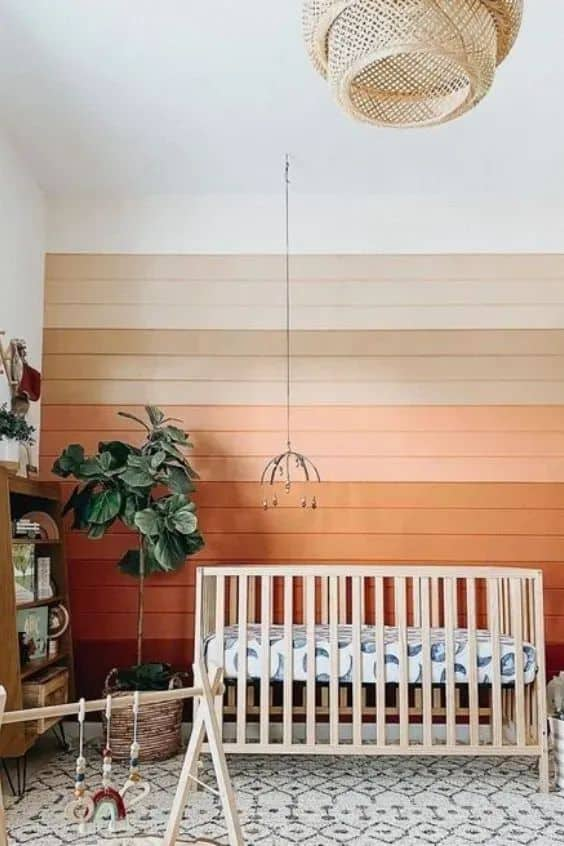
Ombre designs bring a soft, artistic gradient effect to interiors, blending one color seamlessly into another. This style works well on walls, textiles, or decorative pieces, creating visual interest without harsh contrasts. Ombre can be subtle with neutral tones or more dramatic with bold colors. It adds depth and movement to a space, making it feel more dynamic. When used thoughtfully, ombre designs can enhance both modern and classic interiors while maintaining a smooth and cohesive appearance.
Natural Texture with Rattan Cactus Decor
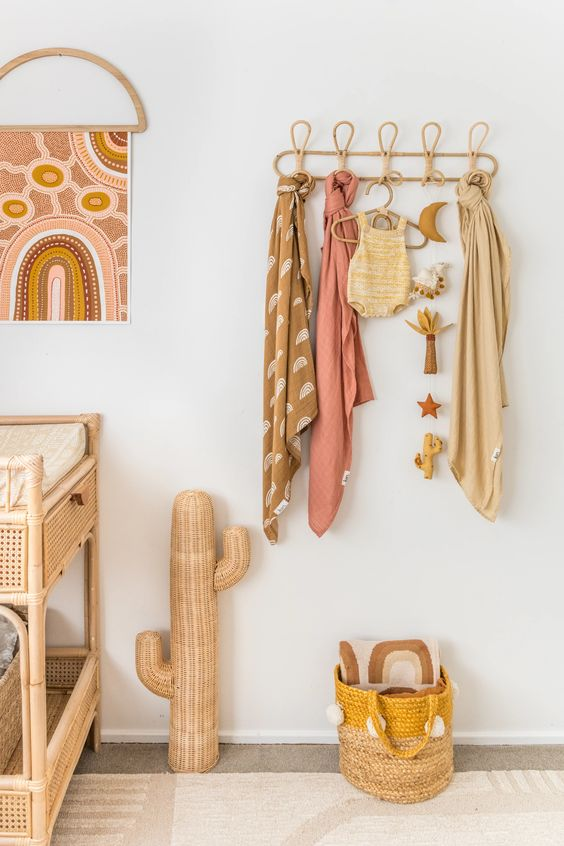
Rattan cactus décor is a creative way to introduce texture and a hint of nature into a room. Made from woven materials, these pieces offer a handcrafted look that feels warm and organic. They are especially popular in nurseries and relaxed living spaces where natural elements are appreciated. Rattan pairs well with light woods and soft fabrics, creating a cohesive design. This type of décor adds character without being too bold, making it a versatile addition to many styles.
Calm and Balanced Neutral Tone Interiors
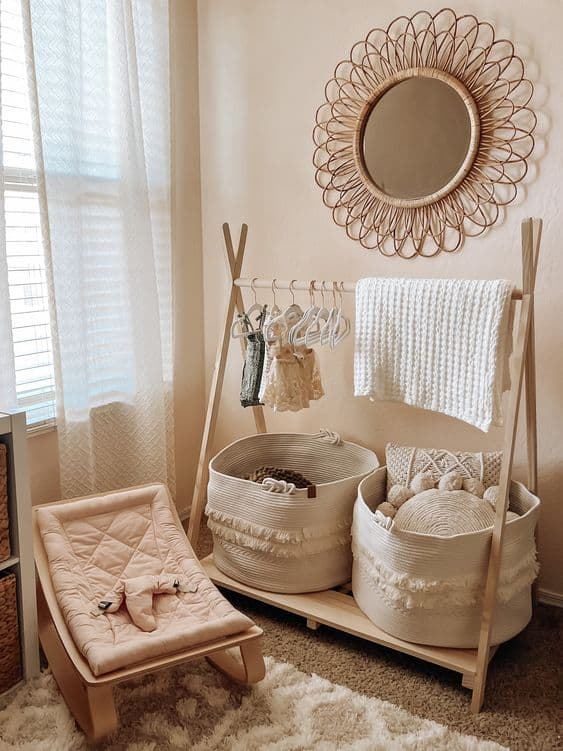
Neutral tones provide a timeless foundation for any room. Shades like cream, beige, soft gray, and taupe create a calm and balanced environment that feels both inviting and flexible. These colors allow other design elements, such as textures and shapes, to stand out. Neutral interiors are easy to update with seasonal accents or small décor changes. This approach works well in any space, offering a clean and organized look that supports both relaxation and everyday living.
Cozy and Dreamy Canopy Features
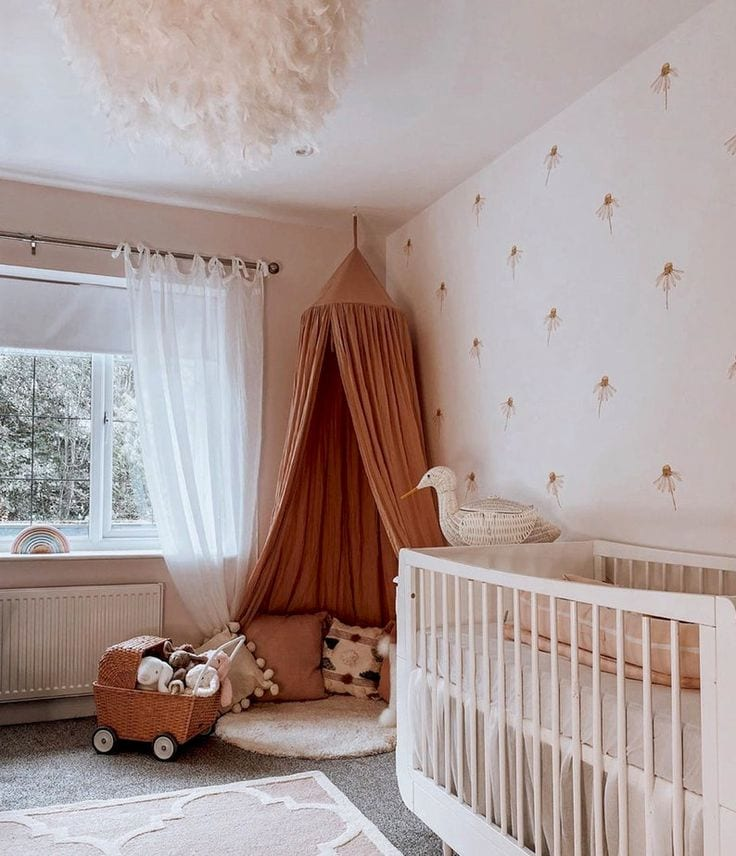
A canopy can transform a simple room into a cozy and imaginative retreat. Whether placed over a bed or in a reading corner, it adds softness and a sense of comfort. Light fabrics like cotton or linen create an airy feel, while thicker materials offer a more enclosed and snug environment. Canopies are especially popular in children’s rooms, where they can inspire creativity and play. Choosing neutral or soft colors ensures the design remains calming and visually appealing.
Elegant Touches with Dried Pampas Grass
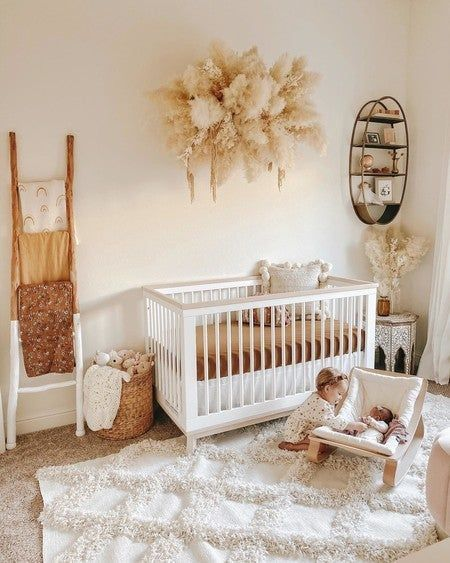
Dried pampas grass has become a popular decorative element due to its soft texture and natural appearance. Its feathery plumes add height and movement to a space without requiring maintenance. Pampas grass works well in vases, wall arrangements, or as part of a larger display. Its neutral tones blend seamlessly with various color palettes, enhancing both modern and rustic interiors. This simple addition can elevate a room’s design while keeping the overall look relaxed and organic.
Stylish Wallpaper for Added Character
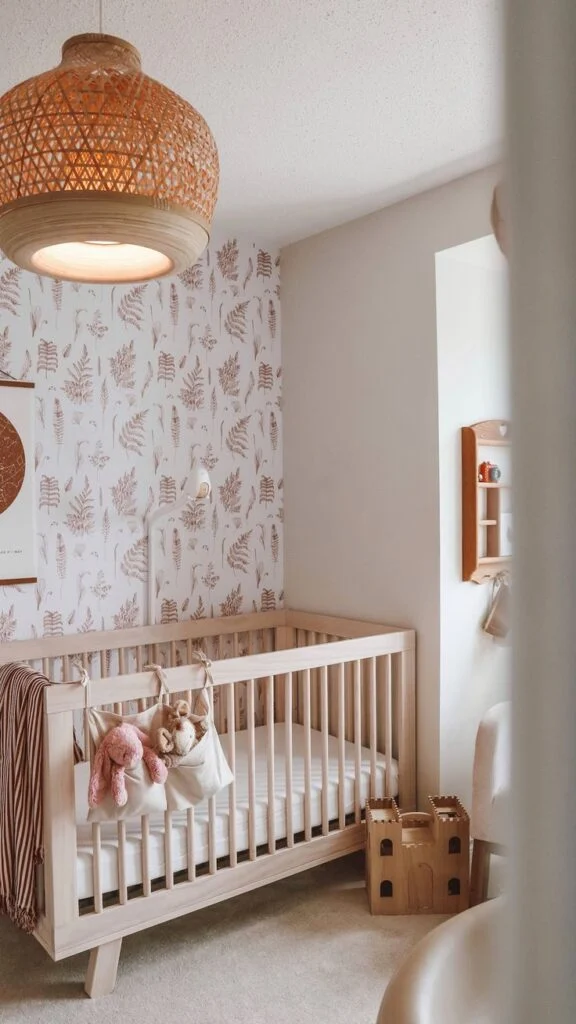
Wallpaper is a versatile way to add personality and depth to a room. From bold patterns to subtle textures, it offers endless design possibilities. Accent walls are a popular choice, allowing homeowners to experiment without overwhelming the space. Modern wallpaper options are often easy to apply and remove, making them ideal for updates. Choosing a design that complements the room’s color scheme helps create a cohesive and polished look that enhances the overall atmosphere.
Bright and Airy Room Concepts
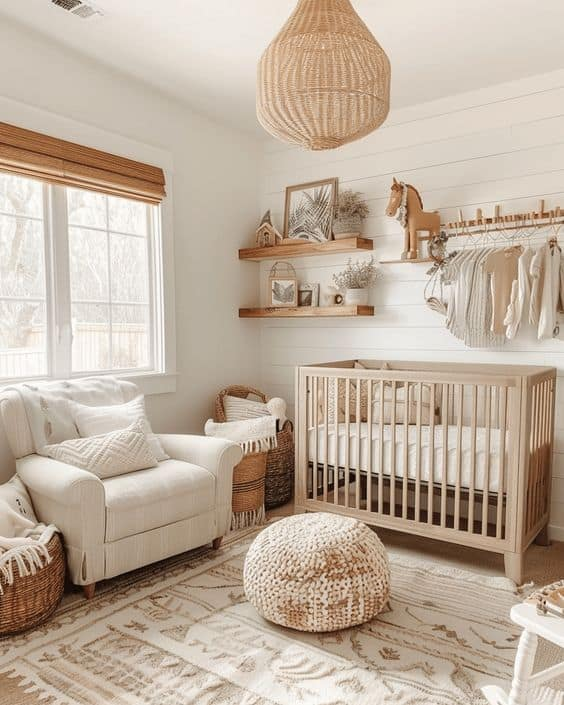
A bright and airy design focuses on openness and natural light. Light-colored walls, minimal furniture, and uncluttered layouts contribute to this effect. Large windows and sheer curtains help maximize sunlight, making the space feel larger and more inviting. Adding reflective surfaces like mirrors can further enhance brightness. This style is perfect for creating a fresh and uplifting environment that supports relaxation and productivity while maintaining a clean and modern aesthetic.
Soft and Subtle Decorative Elements
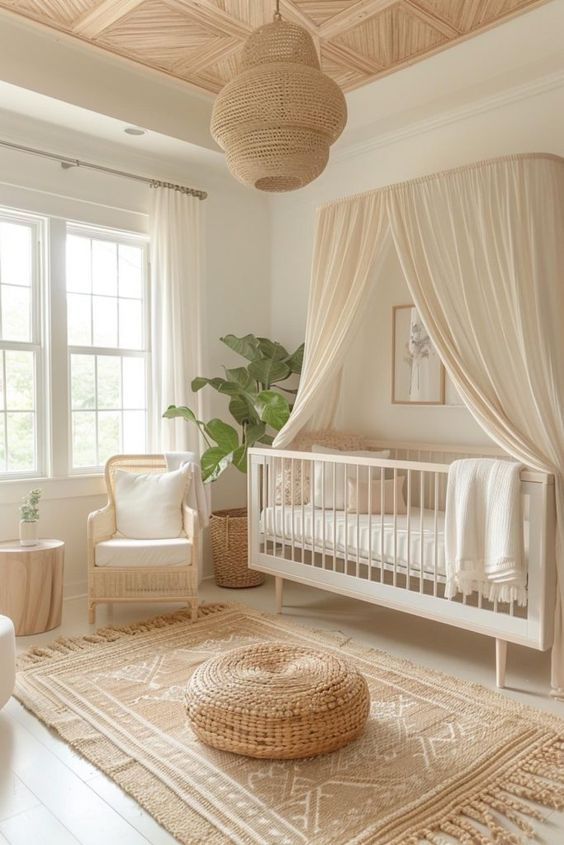
Soft and subtle décor creates a peaceful and harmonious atmosphere. This approach relies on gentle colors, simple patterns, and understated details. It works well in bedrooms, nurseries, and other spaces designed for rest. Layering textures such as soft fabrics, natural fibers, and smooth finishes adds depth without overpowering the design. Keeping the color palette muted ensures a cohesive look, allowing the room to feel calm, balanced, and easy to enjoy every day.
Making a Statement with Bold Colors
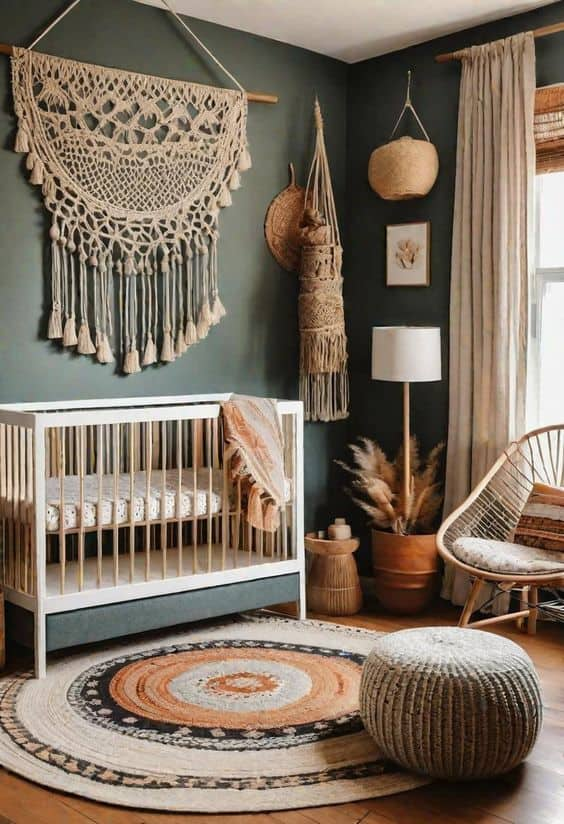
Bold colors can transform a room by adding energy and personality. Whether used on walls, furniture, or accents, vibrant hues create a strong visual impact. To keep the space balanced, it is important to pair bold colors with neutral elements. This prevents the design from feeling overwhelming. Strategic use of bold shades can highlight key areas or features within a room, making the overall design more dynamic and engaging without sacrificing comfort.
Creative Two-Toned Design Ideas
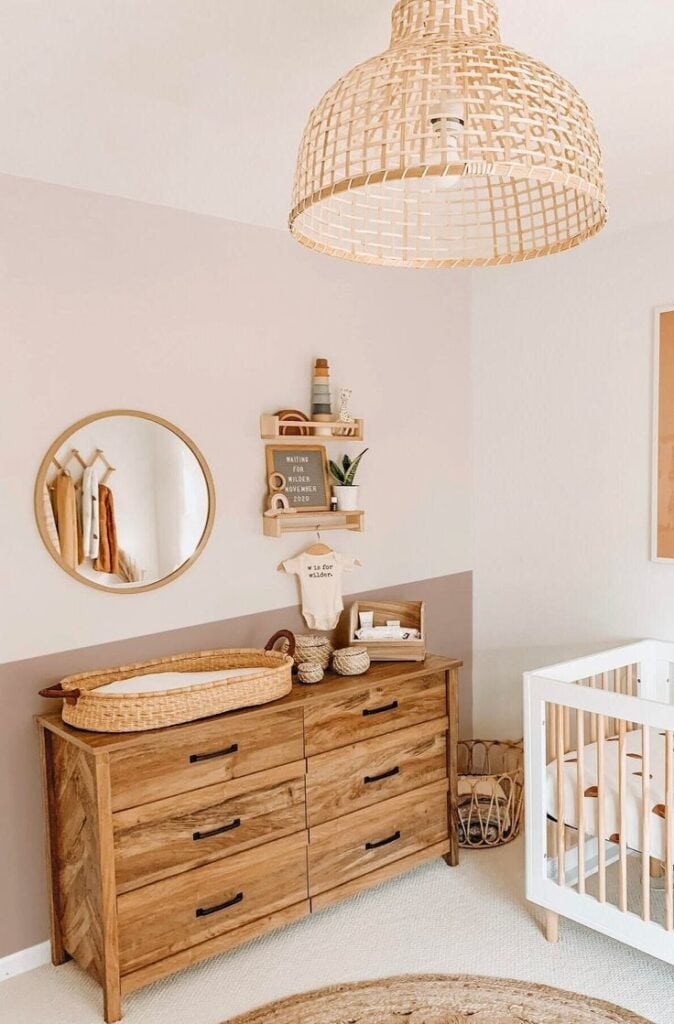
Two-toned designs offer a simple yet effective way to add visual interest to a space. This style typically involves combining two complementary colors on walls, furniture, or décor. It can create contrast, define areas, or highlight architectural features. Popular combinations include light and dark shades of the same color or contrasting tones like white and navy. This approach works well in both modern and traditional interiors, providing a fresh and balanced look.
Whimsical Baby Moon Themes
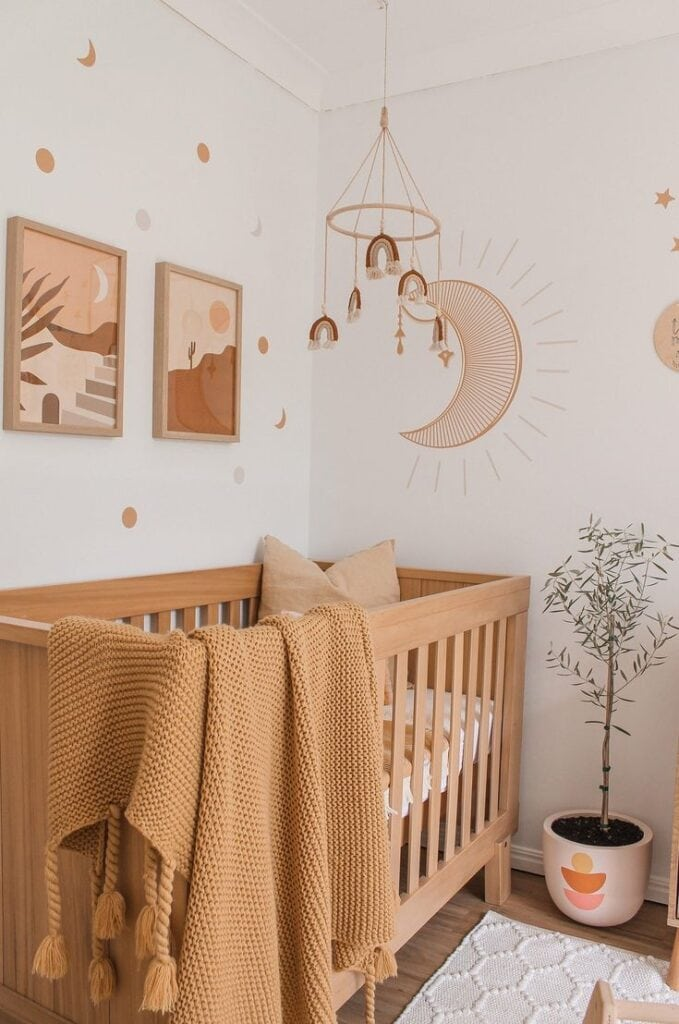
Baby moon themes bring a gentle and dreamy touch to children’s spaces. Featuring soft imagery of moons, stars, and clouds, this style creates a calming environment that encourages relaxation. Light colors such as pastel blues, creams, and soft grays are commonly used. These designs can be incorporated through wall art, bedding, or decorative accessories. Keeping the overall look simple ensures the theme remains soothing while still adding a sense of wonder and imagination.
Clean and Fresh Bright White Interiors
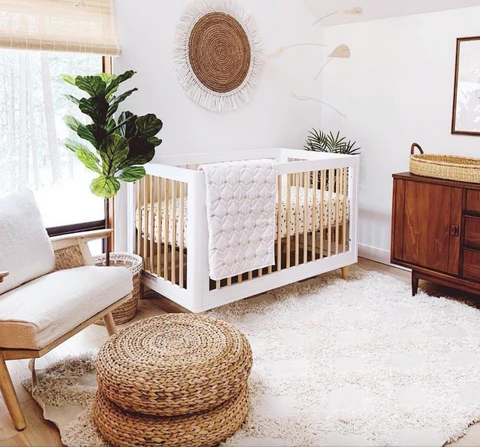
Bright white interiors offer a clean and timeless look that never goes out of style. White walls and furnishings reflect light, making spaces feel larger and more open. This design works well in any room, providing a versatile backdrop for various décor styles. Adding texture through fabrics, wood, or subtle patterns prevents the space from feeling too plain. The result is a fresh and inviting environment that can easily adapt to changing trends.
Playful Details with Tassel Accents
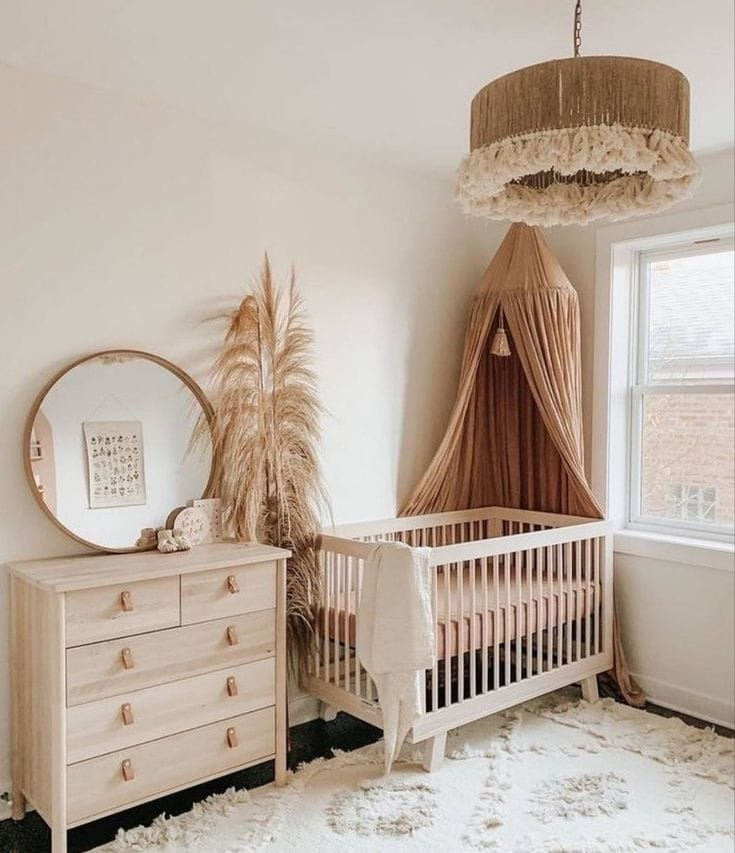
Tassel accents add a playful and decorative touch to interiors. These elements can be found on pillows, curtains, blankets, or wall hangings. Tassels introduce texture and movement, making a space feel more dynamic. They are especially popular in bohemian or relaxed design styles. Choosing colors that match the overall palette helps maintain cohesion. Tassel details are an easy way to enhance a room’s personality without making major design changes.
Designing for Twins or Shared Spaces
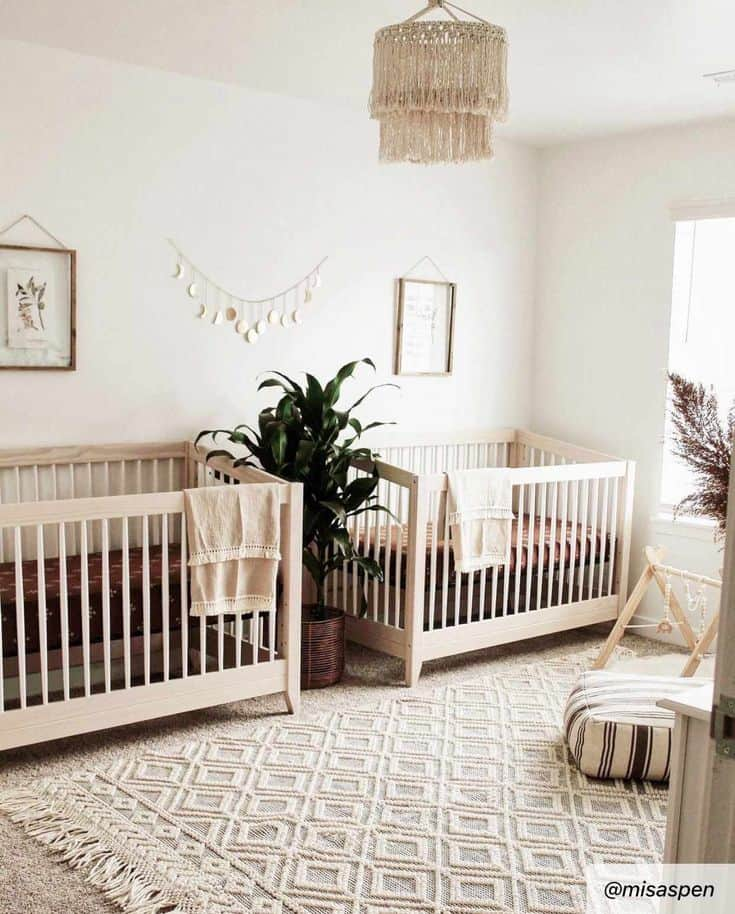
Designing a shared space for twins or siblings requires thoughtful planning to ensure both comfort and functionality. Symmetry is often used to create balance, with matching furniture or décor on each side of the room. Neutral color schemes can help unify the space, while small personalized touches give each child a sense of individuality. Storage solutions are also important to keep the room organized. A well-designed shared space can feel harmonious, practical, and welcoming for everyone.