
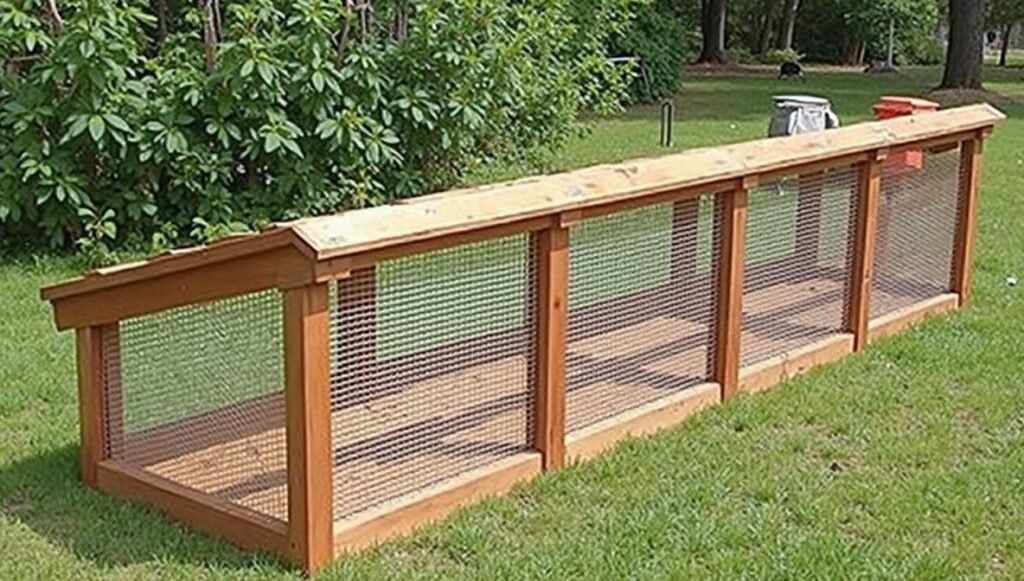
Building a safe and comfortable space for ducks doesn’t have to be complicated or expensive. With a little planning and creativity, you can design a DIY duck enclosure that keeps your feathered friends protected while giving them room to roam, splash, and relax. Whether you’re working with a large backyard or a small homestead, there are plenty of practical and budget-friendly options to explore.
From simple wooden coops to spacious outdoor runs with water features, the right setup makes all the difference. In this guide, you’ll discover easy DIY duck enclosure ideas that are functional, durable, and perfect for happy, healthy ducks.
Simple Pallet Duck Enclosure (Quack Shack Idea)
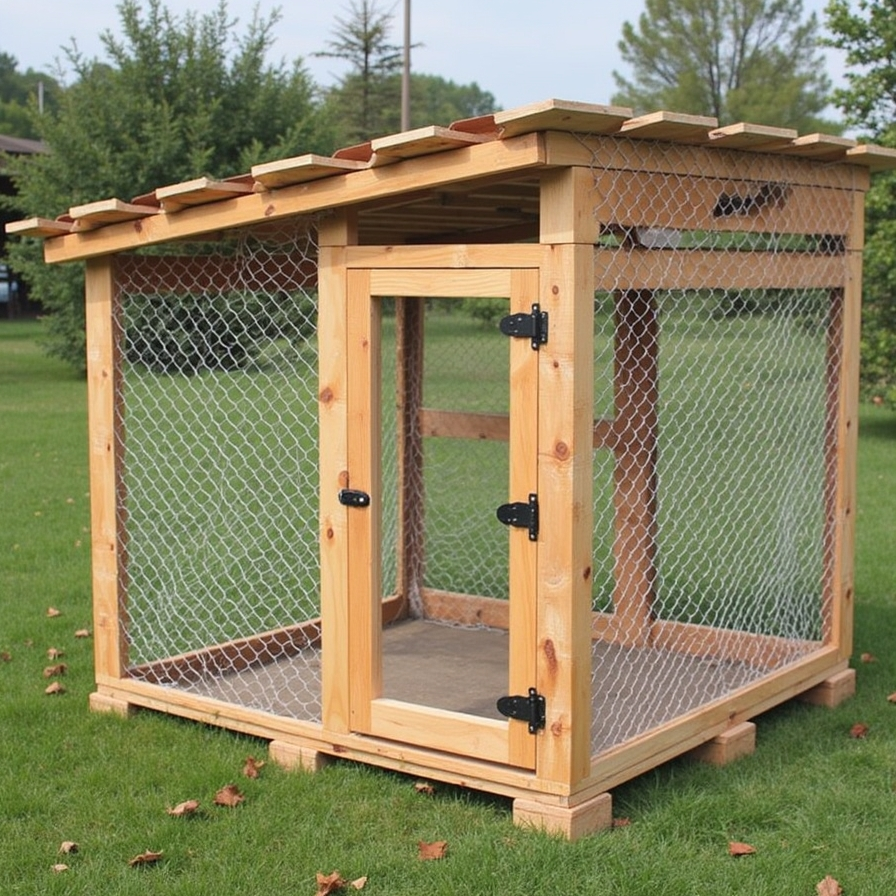
The Quack Shack is a straightforward and affordable way to build a safe duck enclosure using basic materials. Start by forming a rectangular frame with wooden pallets, making sure the structure is stable and level. Once the frame is ready, cover the sides and top with chicken wire to protect your ducks from predators while still allowing airflow. This setup is ideal for beginners who want a functional outdoor space without complex construction.
To improve usability, include a simple door for easy cleaning and feeding access. Make sure the enclosure is spacious enough for ducks to move around comfortably. You can also reinforce corners with extra wood or brackets for durability. This design focuses on practicality, safety, and low-cost materials while still offering a secure environment for your ducks to thrive in daily outdoor conditions.
Mobile Duck Tractor for Rotational Grazing
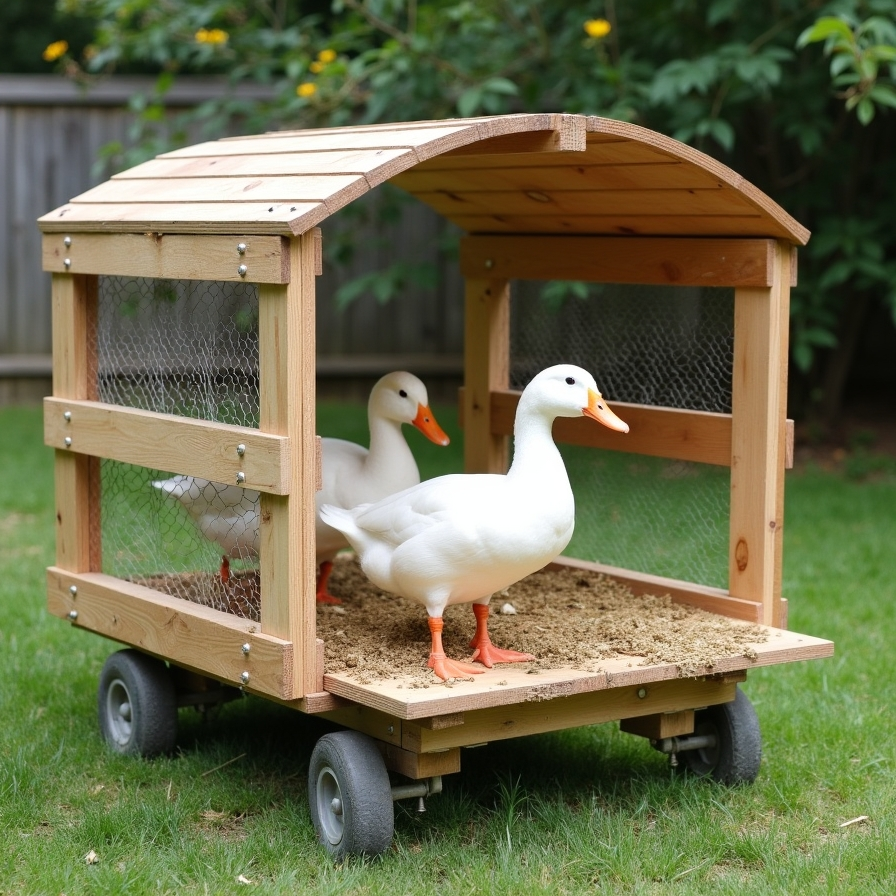
A mobile duck tractor is a flexible and efficient way to allow ducks to graze safely while protecting them from predators. Begin by building a lightweight frame using PVC pipes or wood, depending on your preference. Attach wheels or skids to the base so the structure can be moved easily across your yard. This mobility helps prevent overgrazing and keeps the ground fresh for your ducks.
Cover the frame with chicken wire or hardware cloth to ensure safety and airflow. Adding a small shaded shelter inside will protect ducks from direct sun and rain. The key advantage of this design is its portability, allowing you to relocate it regularly. It is especially useful for maintaining a clean environment while giving ducks constant access to fresh grass and insects.
Upcycled Playhouse Duck Coop
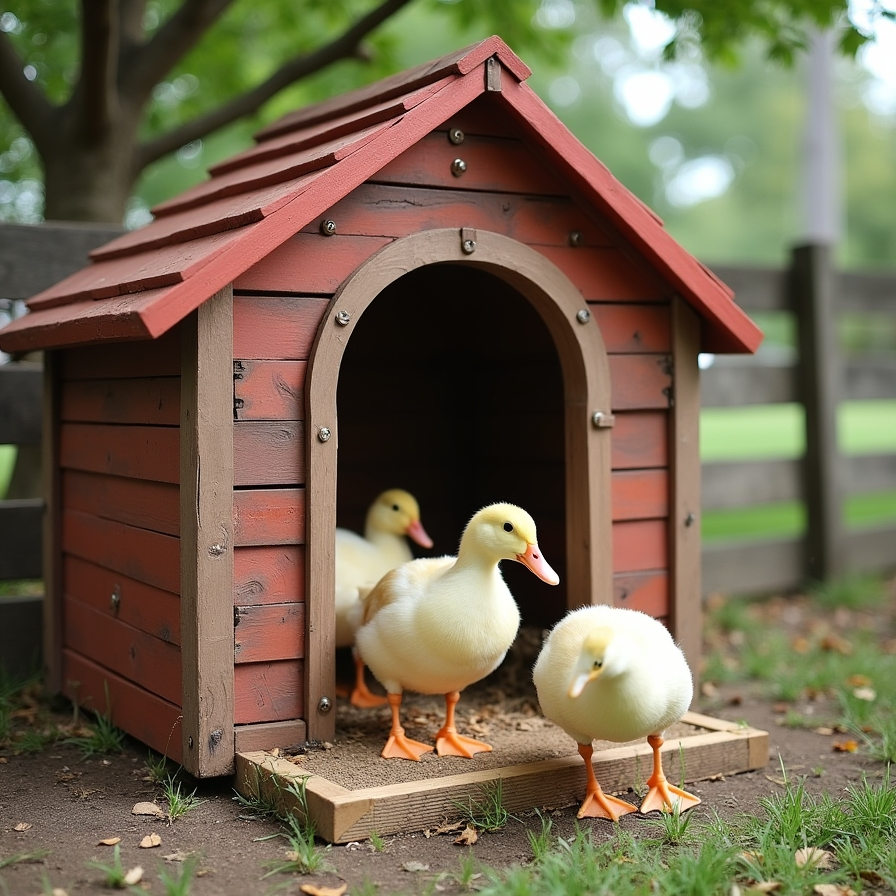
Turning an old children’s playhouse into a duck coop is a creative and budget-friendly solution. Start by thoroughly cleaning and disinfecting the structure to ensure it is safe for animals. Once clean, add ventilation openings to maintain fresh airflow inside. Secure the doors and windows with strong mesh or locks to prevent predators from entering.
Inside the converted playhouse, install soft bedding such as straw or wood shavings to keep ducks comfortable. A small ramp should be added so ducks can easily enter and exit the structure. This upcycling idea not only saves money but also gives new life to unused materials. It provides a cozy, enclosed space that can be customized further with nesting boxes or feeding stations.
Pond-Side Duck Enclosure Setup
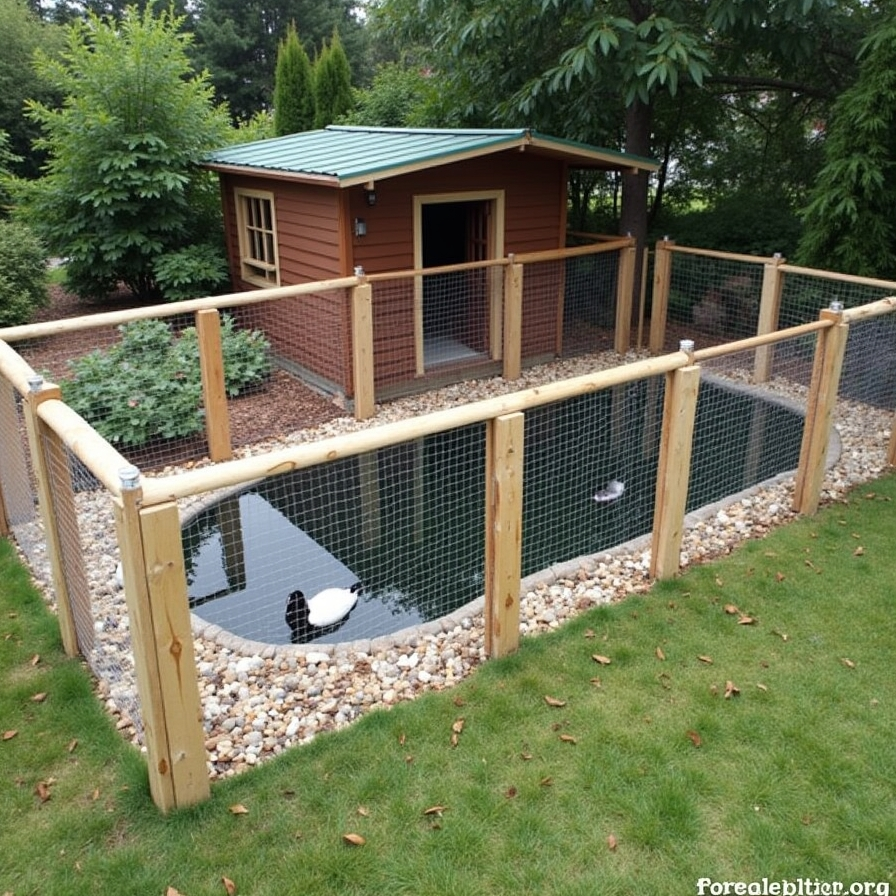
A pond-side duck enclosure is perfect for owners who already have a garden pond. Begin by placing sturdy wooden posts around the pond’s perimeter to form a secure boundary. Attach chicken wire or mesh fencing between the posts to create a safe enclosure that allows ducks to enjoy the water without escaping or being exposed to predators.
This design lets ducks swim freely while staying protected. It is important to include a shaded shelter nearby so they can rest and stay cool during hot weather. You can also add natural landscaping like plants or stones to blend the structure into your garden. This setup creates a balanced environment where ducks can enjoy both land and water safely.
Elevated Duck House Design
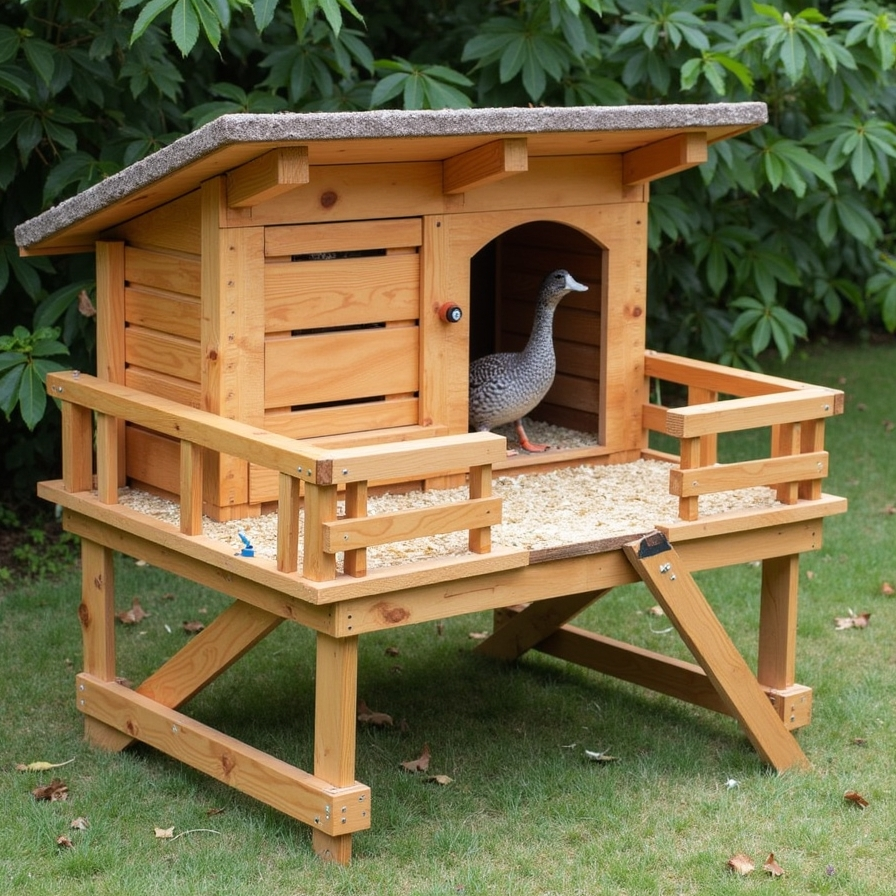
An elevated duck house is an excellent option for improving hygiene and predator protection. Start by building a strong wooden platform raised on stilts. This elevation helps keep the sleeping area dry and reduces the risk of ground-based predators reaching the ducks. Make sure the structure is stable and properly supported for safety.
Add a gently sloped ramp so ducks can easily access the raised house. Inside, use straw or wood shavings to create a soft and insulating floor. Proper ventilation is also important to maintain air quality. This design is especially useful in wet or muddy environments because it keeps ducks clean, dry, and comfortable throughout the year.
DIY Pallet Duck Palace Build
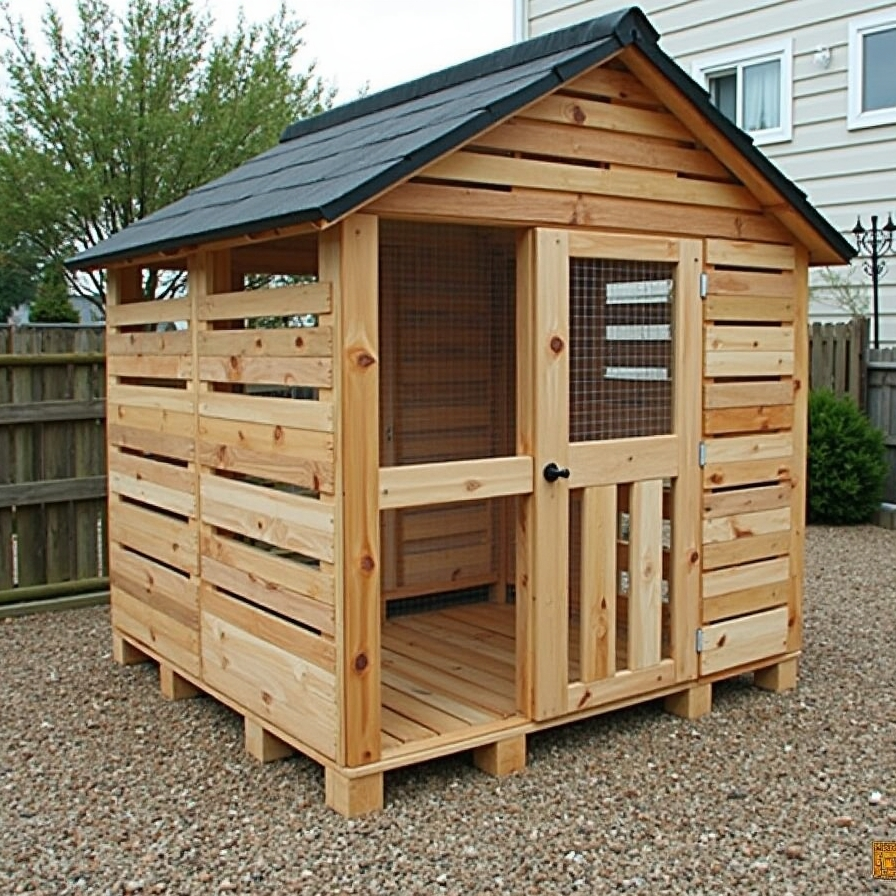
The pallet duck palace is a cost-effective project that uses recycled wooden pallets as the main building material. Start by arranging pallets into a square or rectangular shape and securing them firmly with screws or strong fasteners. This creates a solid base structure that can be expanded based on your space and needs.
Cover the top with a tarp or lightweight roofing material to protect ducks from rain and sunlight. Add a secure door for easy access and cleaning. You can also reinforce the structure with extra supports for durability. This design is ideal for duck owners who want a large, functional enclosure without spending too much on materials.
PVC Hoop House Duck Run Enclosure
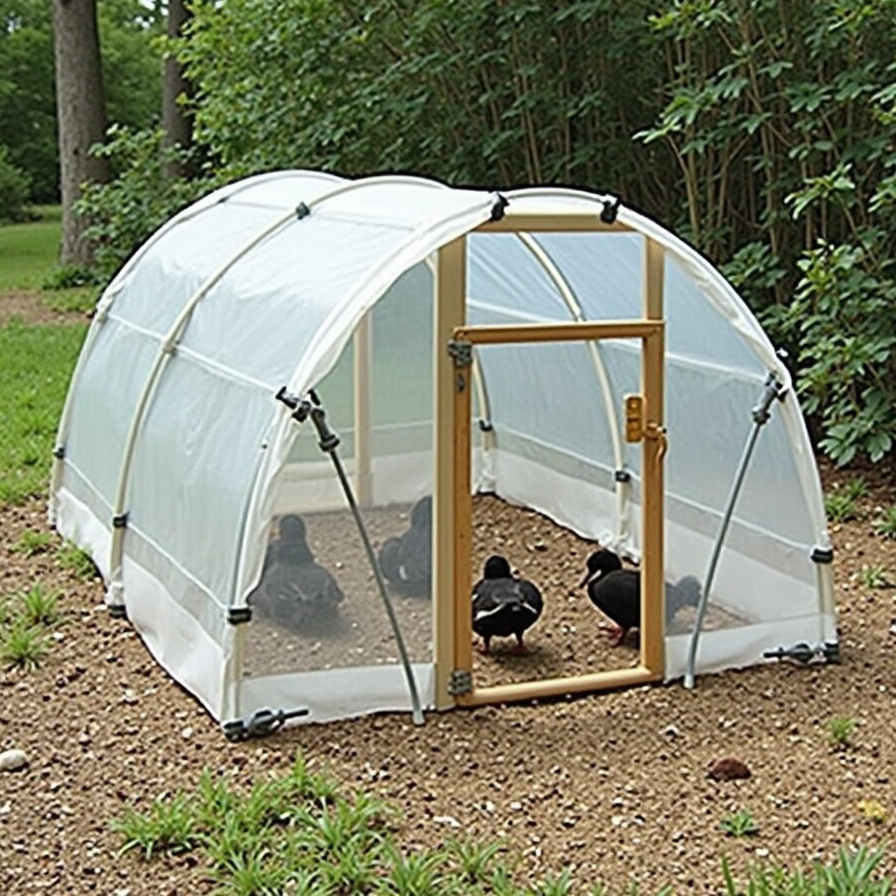
A PVC hoop house duck run is a lightweight and budget-friendly enclosure design. Begin by bending PVC pipes into arches and securing them into the ground to form a tunnel-like frame. Once the structure is complete, cover it with chicken wire or hardware cloth to keep ducks safe while maintaining ventilation.
Add a tarp or greenhouse plastic over the top for weather protection. Ground stakes should be used to secure the structure firmly, especially in windy conditions. Include a small gate for easy access. This design offers a simple yet effective solution that balances protection, airflow, and affordability for everyday duck care.
Converted Greenhouse Duck Coop
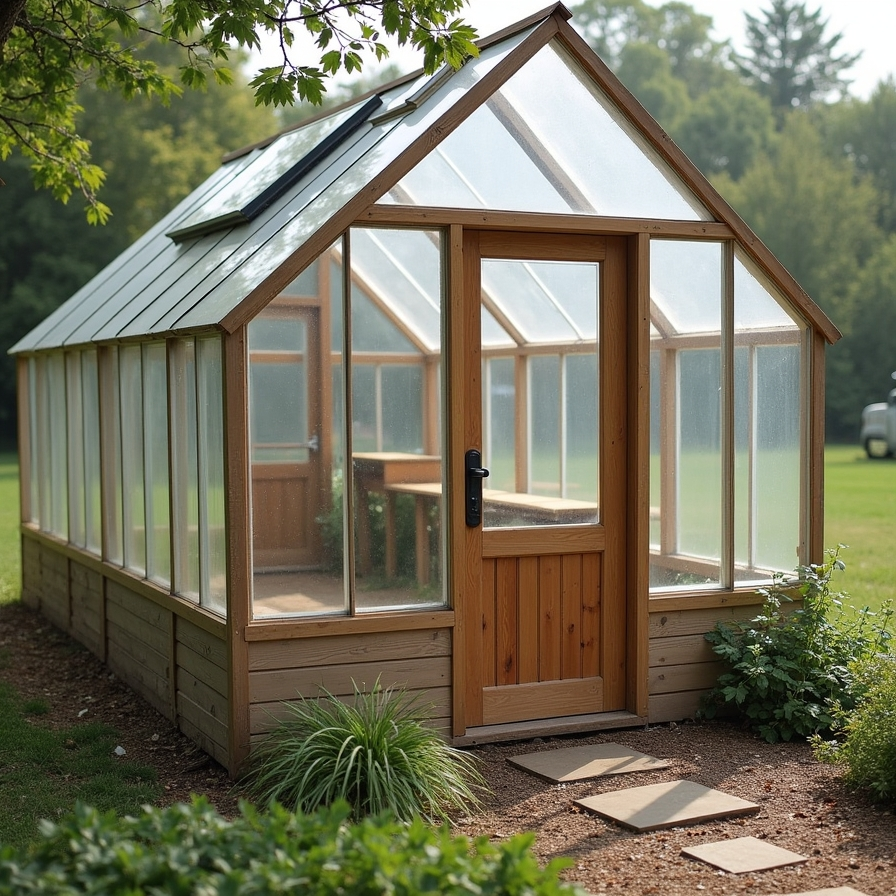
Transforming an old greenhouse into a duck coop is a smart way to reuse existing structures. Start by inspecting and cleaning the greenhouse thoroughly. Reinforce weak areas with fencing or wood supports to ensure safety. Secure doors and openings with locks or strong mesh to prevent predators from entering.
Inside the greenhouse, add nesting boxes and soft bedding for comfort. The enclosed design naturally provides warmth and protection from harsh weather. Ducks also benefit from the bright, airy environment. This conversion is highly practical because it combines shelter and space, making it a comfortable year-round habitat for ducks with minimal structural changes.
Dog Kennel Duck Conversion
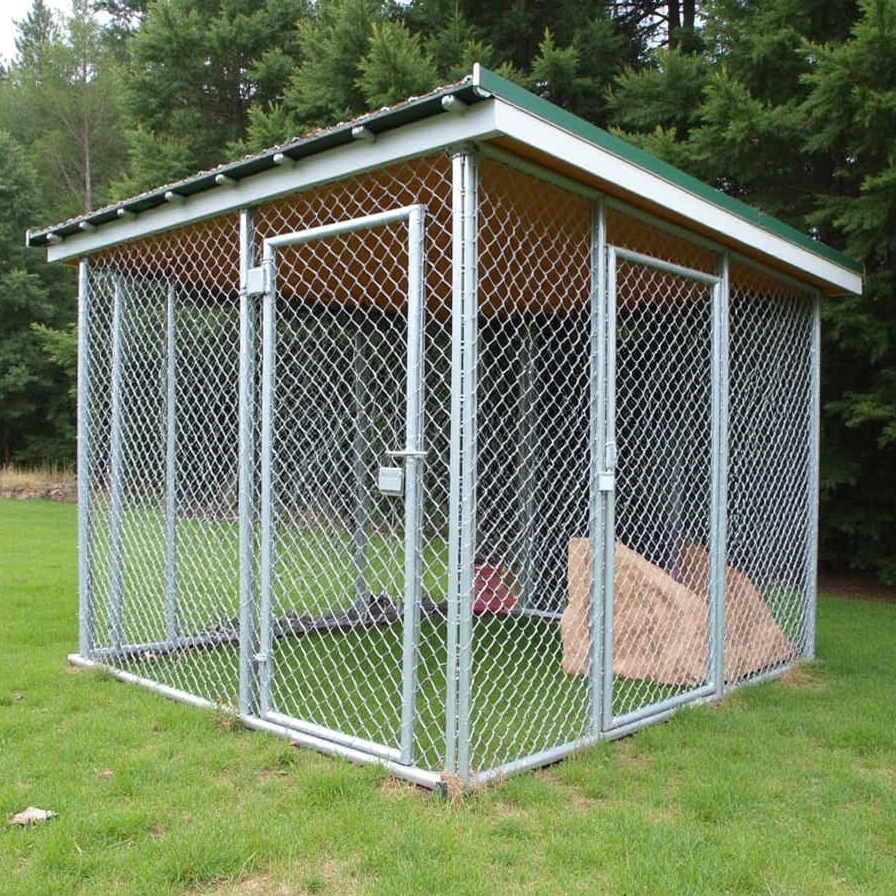
A chain link dog kennel can easily be transformed into a secure duck enclosure. Begin by reinforcing the structure with a solid roof to protect against predators and weather conditions. If the chain link gaps are too wide, add additional mesh or chicken wire for extra safety.
Place the kennel on a grassy area so ducks can forage naturally. Inside, include a small shelter or nesting box where ducks can rest. This conversion is simple, affordable, and effective, making use of an already built structure. It is a great option for quick setup without the need for full construction from scratch.
Straw Bale Temporary Duck Shelter
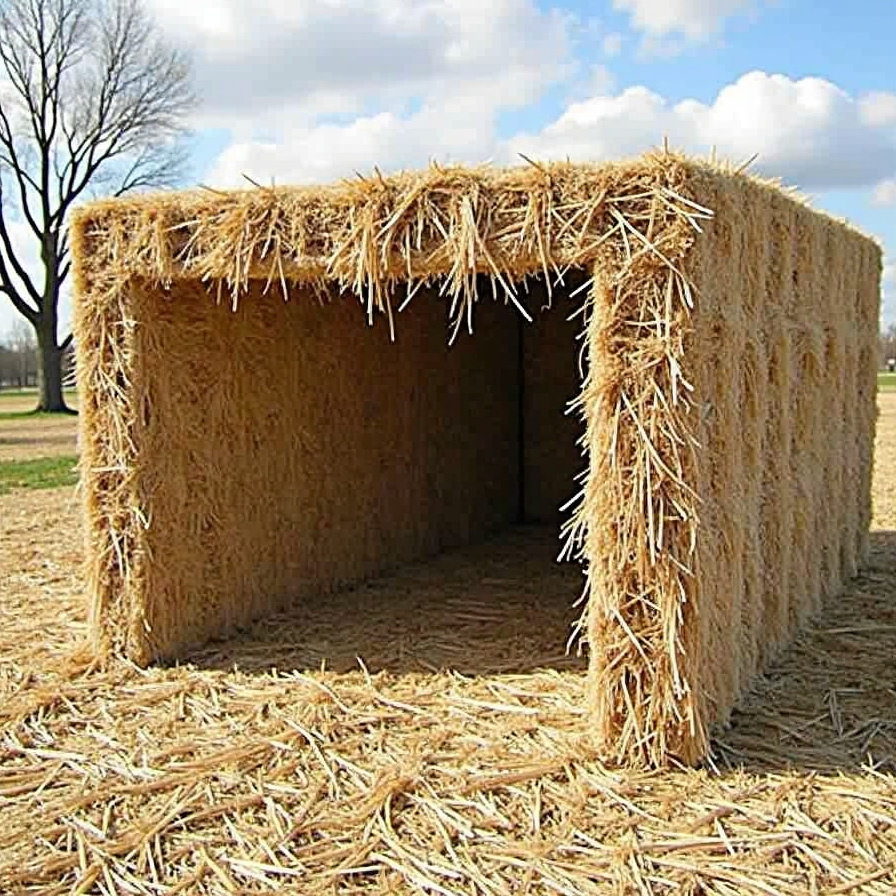
A straw bale duck shelter is one of the simplest temporary enclosure options. Start by arranging straw bales in a rectangular or square shape, leaving one side open for entry. The bales act as natural walls that provide insulation and wind protection.
Cover the top with a tarp or lightweight roofing material to shield ducks from rain and sun. This setup is quick to assemble and ideal for short-term use or seasonal housing. While simple, it offers warmth and basic protection, making it a practical solution for emergency or temporary duck shelter needs.
Lightweight PVC Duck Run Enclosure
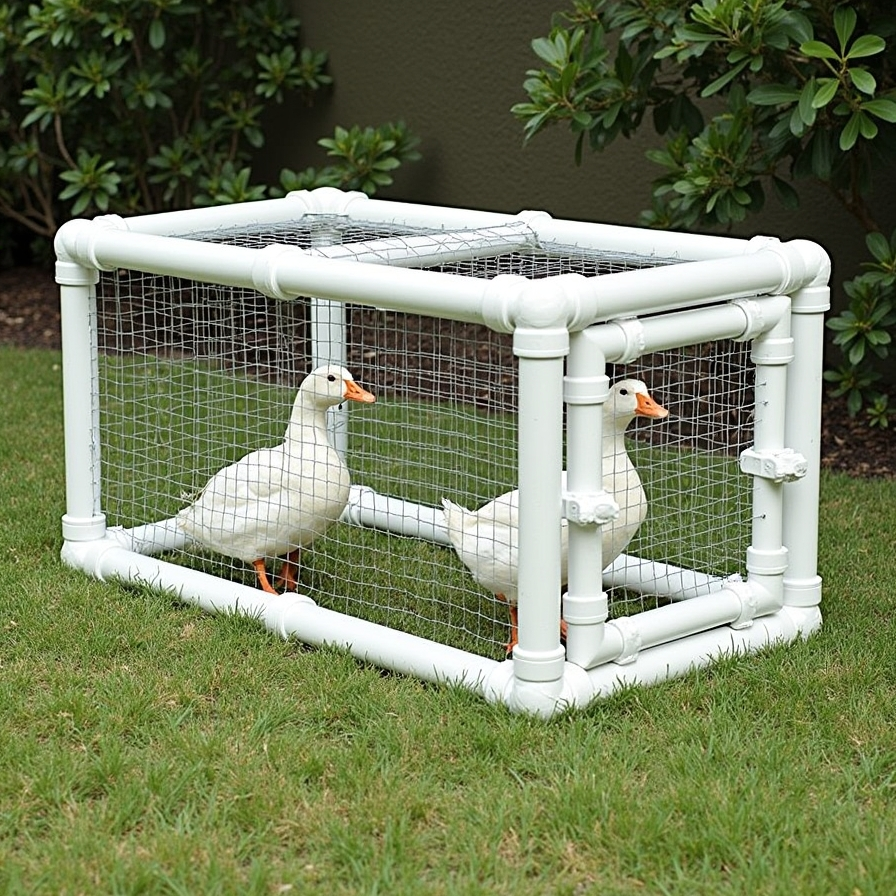
A lightweight PVC duck run is easy to build and highly practical for backyard use. Begin by assembling a rectangular frame using PVC pipes and connectors. This material is ideal because it is both affordable and easy to handle. Once the frame is complete, secure it firmly to the ground.
Cover the structure with chicken wire or hardware cloth to keep ducks safe. Add a gate for convenient access during feeding and cleaning. This design allows plenty of space for movement while maintaining safety. It is a great option for beginners looking for a simple yet effective duck enclosure.
Classic Wooden A-Frame Duck House
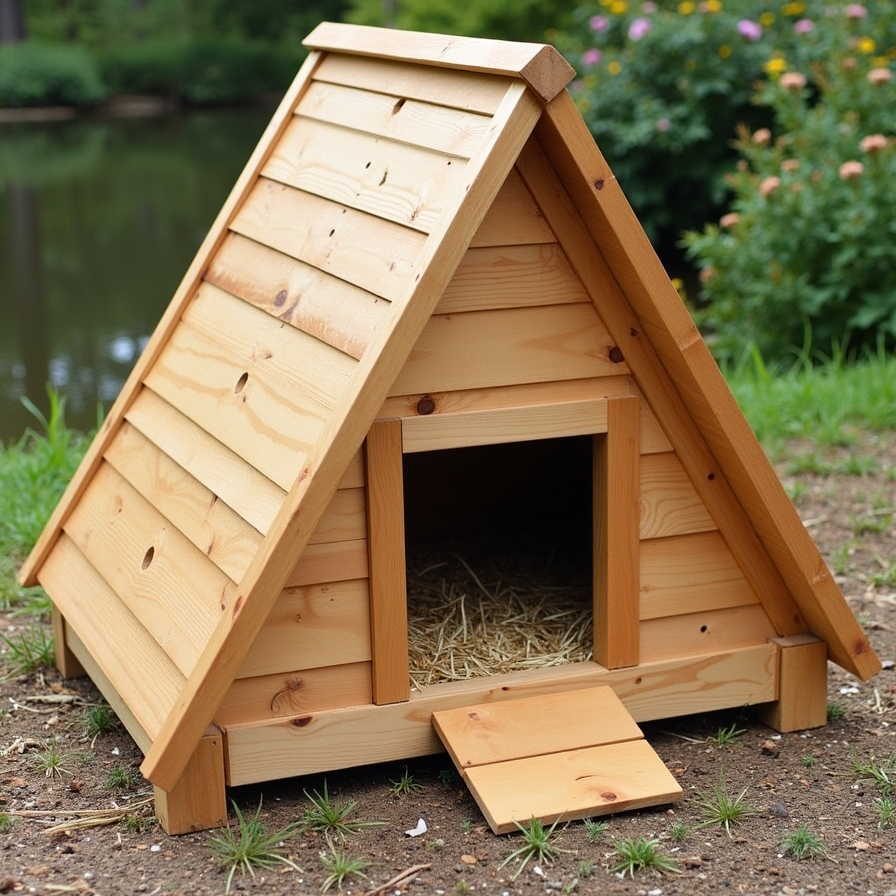
The wooden A-frame duck house is a sturdy and visually appealing shelter design. Start by building a triangular A-frame structure using solid wooden planks. This shape provides natural strength and efficient water runoff during rain. Cover the sides with plywood or weather-resistant panels for protection.
Include ventilation holes to maintain airflow inside the house. A small door and ramp should be added for easy duck access. Inside, use straw bedding for warmth and comfort. This design is durable, reliable, and ideal for long-term use in various weather conditions, offering both safety and comfort for ducks.
Old Shed Duck Coop Conversion
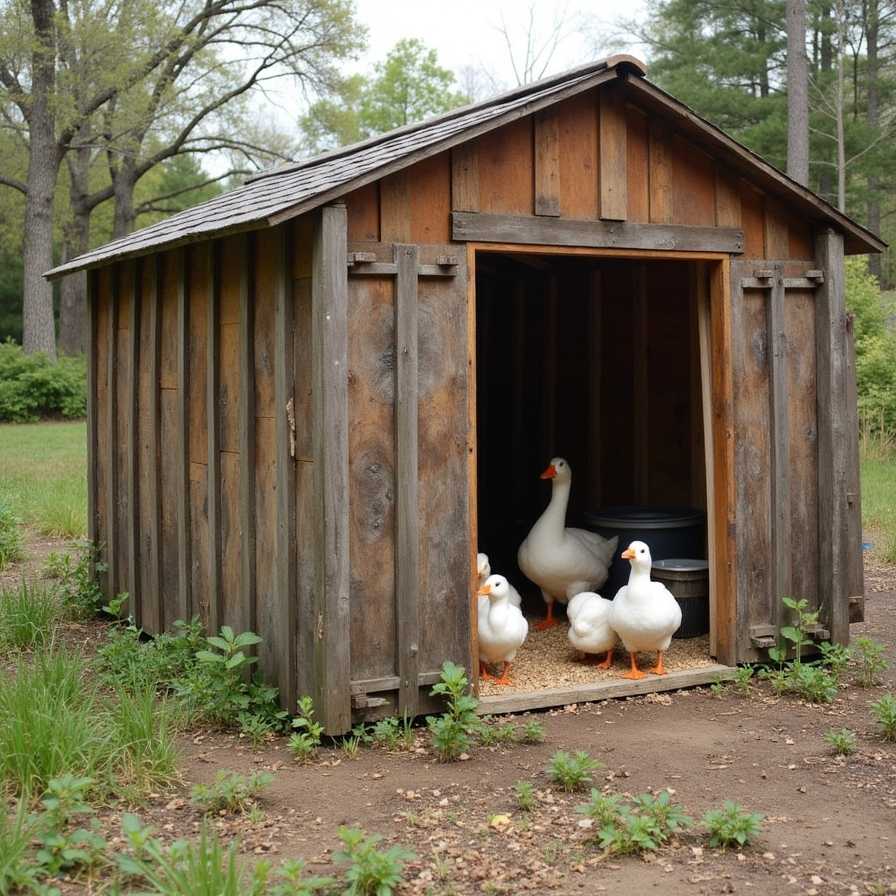
Converting an old shed into a duck coop is a practical way to reuse existing structures. Begin by cleaning and disinfecting the shed thoroughly to ensure a healthy environment. Inspect the structure and reinforce any weak areas with fencing or wood supports.
Add ventilation openings to keep air circulating properly. Inside, install nesting boxes and soft bedding for comfort. Ducks can also benefit from a small water container or shallow pool inside or nearby. This transformation creates a spacious and protected living area while minimizing construction costs and effort.
Eco-Friendly Bamboo Duck Enclosure
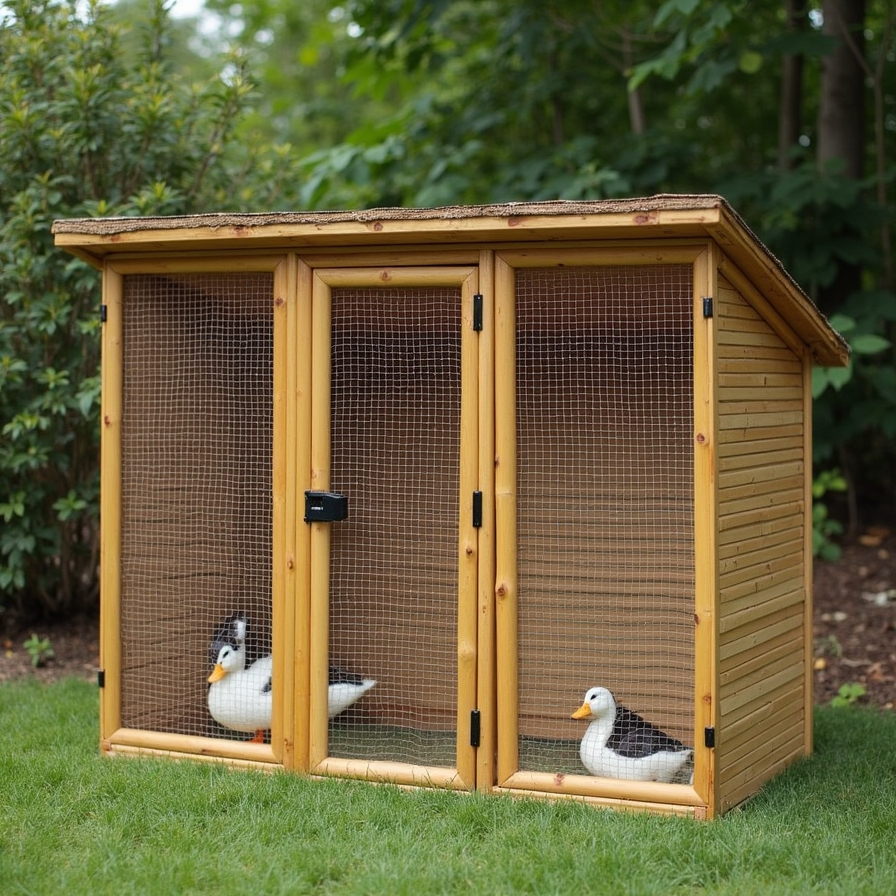
A bamboo duck enclosure is an eco-friendly and natural-looking housing option. Start by building a rectangular frame using strong bamboo poles. Once the frame is secure, attach woven bamboo panels or mesh to form the walls. This creates a lightweight but sturdy structure.
Include a simple door for access and maintenance. Adding a small sheltered area inside helps protect ducks from weather changes. Bamboo provides a sustainable alternative to traditional materials and blends naturally into outdoor environments. This design is ideal for those who prefer environmentally conscious building methods.
Spacious Aviary-Style Duck Enclosure
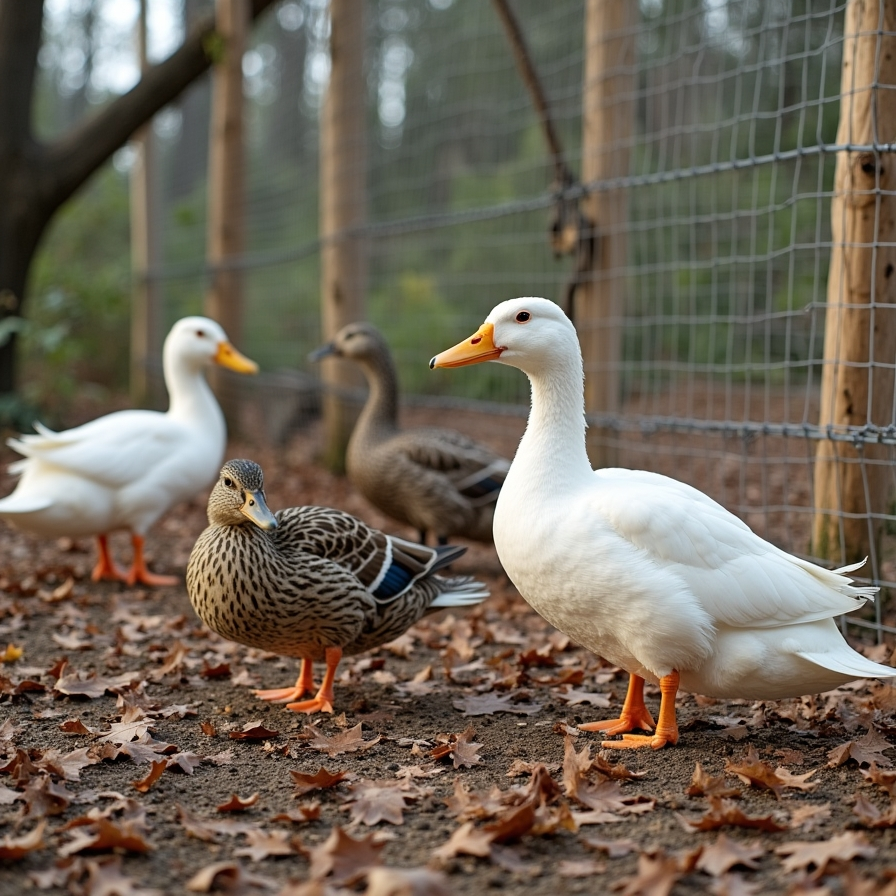
An aviary-style duck enclosure provides plenty of space and excellent protection. Start by constructing a tall frame using wood or metal posts. Cover the structure with aviary mesh or chicken wire to prevent predators from entering while allowing ventilation and visibility.
Add a secure roof to protect ducks from rain and sun exposure. Inside, include water features or shallow containers since ducks need regular access to water. This design offers a large, secure environment that supports natural behavior and movement, making it ideal for long-term duck care.
Repurposed Trampoline Duck Run
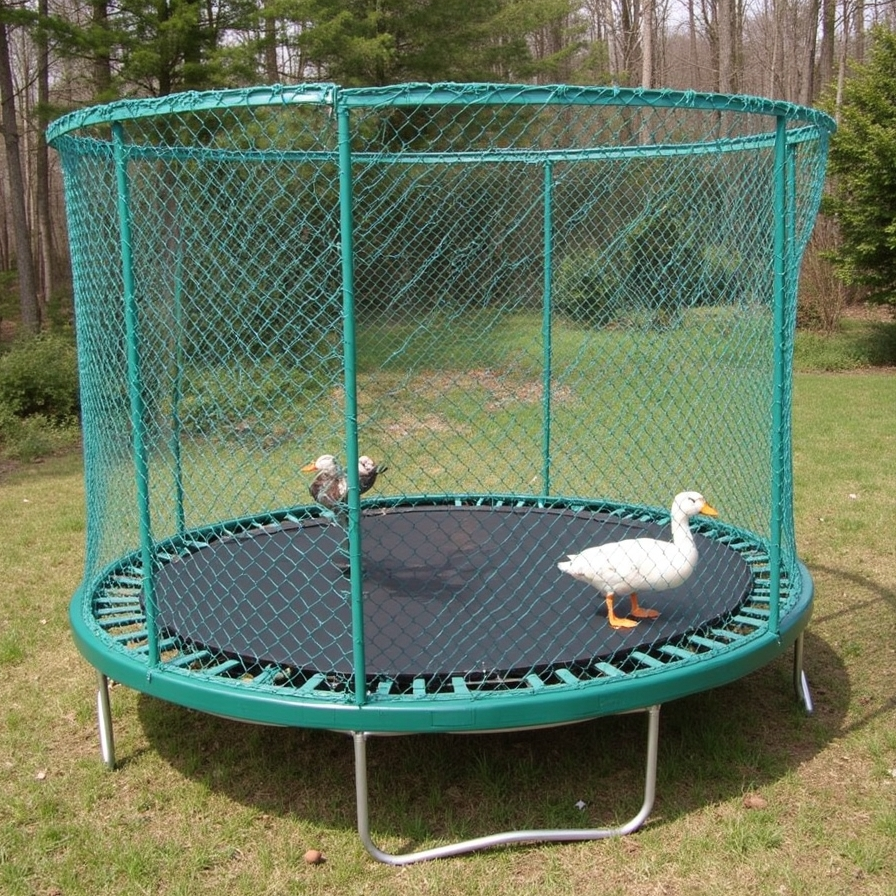
An old trampoline can be creatively converted into a duck enclosure. Begin by removing the jumping mat and safety netting, leaving the circular frame intact. This frame serves as the foundation for the new structure.
Cover the sides with chicken wire or hardware cloth to ensure safety. Add a solid roof to protect ducks from predators and weather. The circular shape provides a unique and efficient use of space. This upcycling project is both practical and environmentally friendly, turning unused equipment into a functional animal habitat.
Shipping Crate Duck Coop Conversion
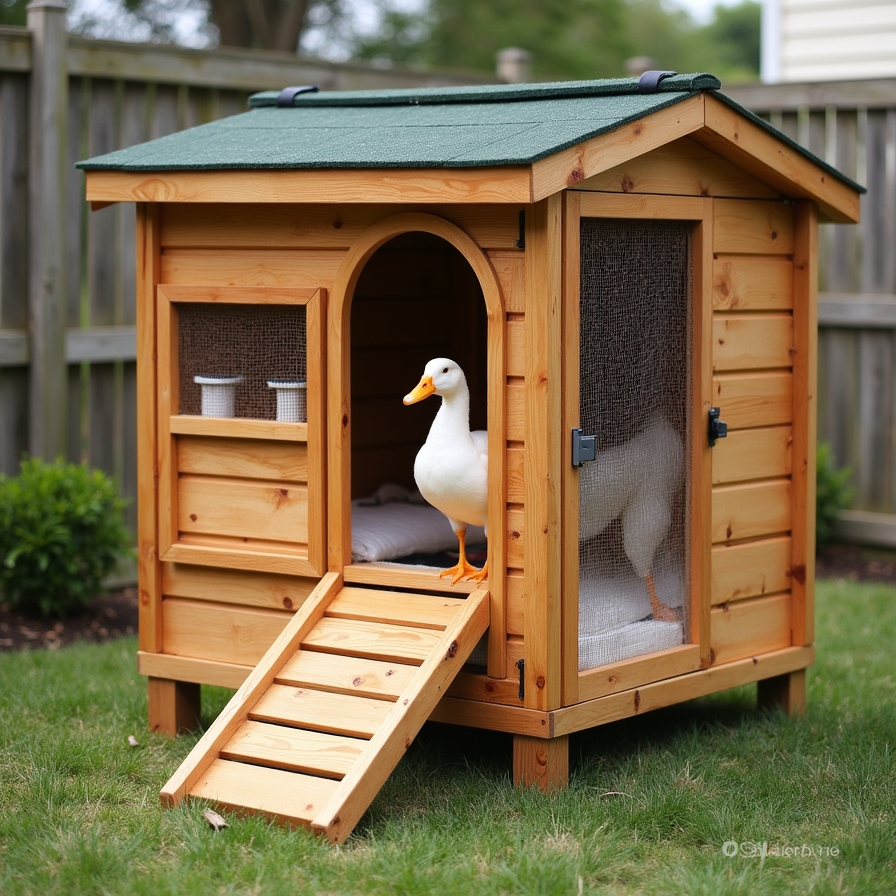
A large wooden shipping crate can be transformed into a simple duck coop with minimal effort. Start by cleaning and disinfecting the crate thoroughly. Cut openings for windows and a door, and cover them with mesh for ventilation and safety.
Add weatherproof material to the top to protect against rain. Inside, place soft bedding to ensure comfort. You can also attach a small outdoor run for extra space. This design is compact, affordable, and ideal for small backyard setups where space is limited but functionality is still needed.
Geodesic Dome Duck Habitat
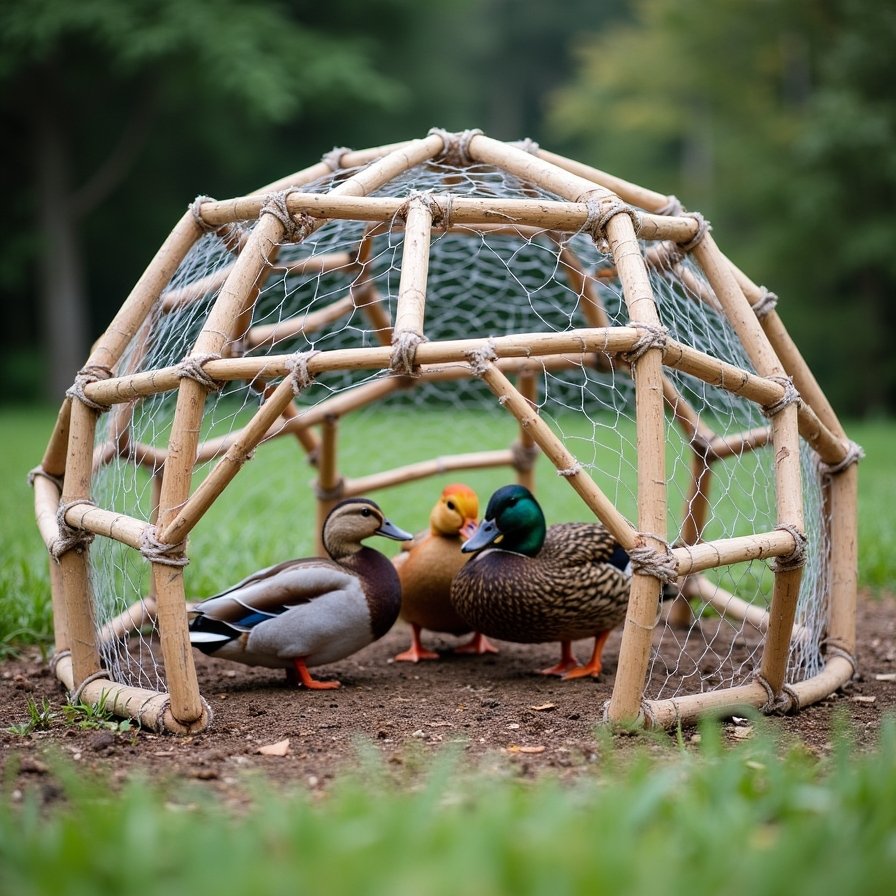
A geodesic dome duck enclosure offers a modern and highly durable housing option. Start by constructing a dome frame using PVC pipes or wooden dowels. The geometric structure provides excellent strength and stability while allowing good airflow.
Cover the frame with chicken wire or mesh for protection. Inside, include water access such as a shallow pond or container. The dome shape distributes stress evenly, making it strong against wind and weather. This design is spacious, secure, and visually unique, offering ducks a safe and comfortable environment.
Simple Tarp-and-Post Duck Enclosure
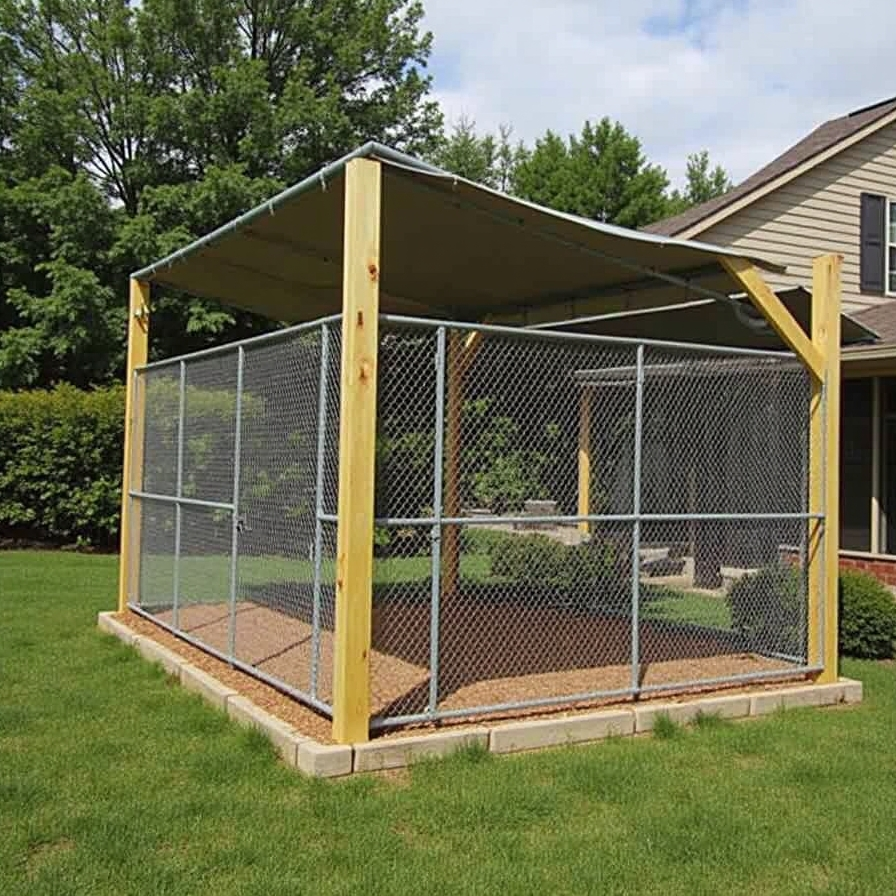
A tarp-and-post duck enclosure is one of the simplest and most budget-friendly designs. Begin by placing wooden posts into the ground in a rectangular layout. Make sure the posts are stable and evenly spaced for structural strength.
Stretch a tarp over the top to provide shade and rain protection. Then, enclose the sides with chicken wire or hardware cloth to secure the area. This setup is quick to build and easy to modify. It is ideal for temporary or seasonal use, offering basic protection and comfort for ducks in outdoor spaces.