
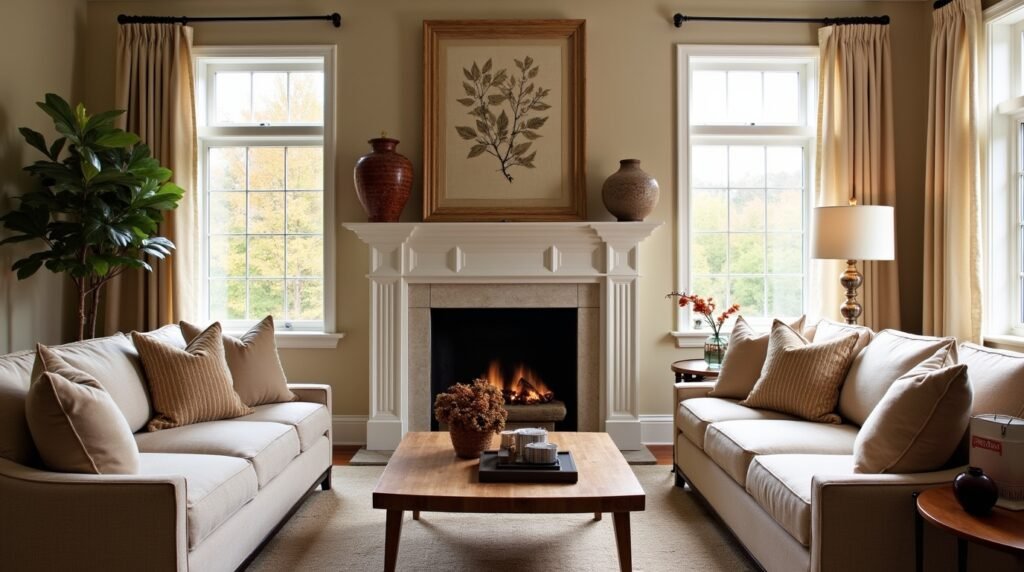
As the leaves begin to change and cooler days arrive, it is the perfect time to make your living room feel warmer and more inviting. Fall decor does not have to mean completely redecorating your space. A few thoughtful touches, such as cozy blankets, warm-toned pillows, seasonal accents, and natural textures, can instantly create that comforting autumn atmosphere.
Whether you love rustic charm, simple neutral decor, or rich fall colors, there are plenty of ways to bring the season indoors. These fall living room decor ideas will inspire you to create a cozy space where you can relax, unwind, and enjoy the beauty of autumn.
1. Start With a Warm and Earthy Fall Color Scheme
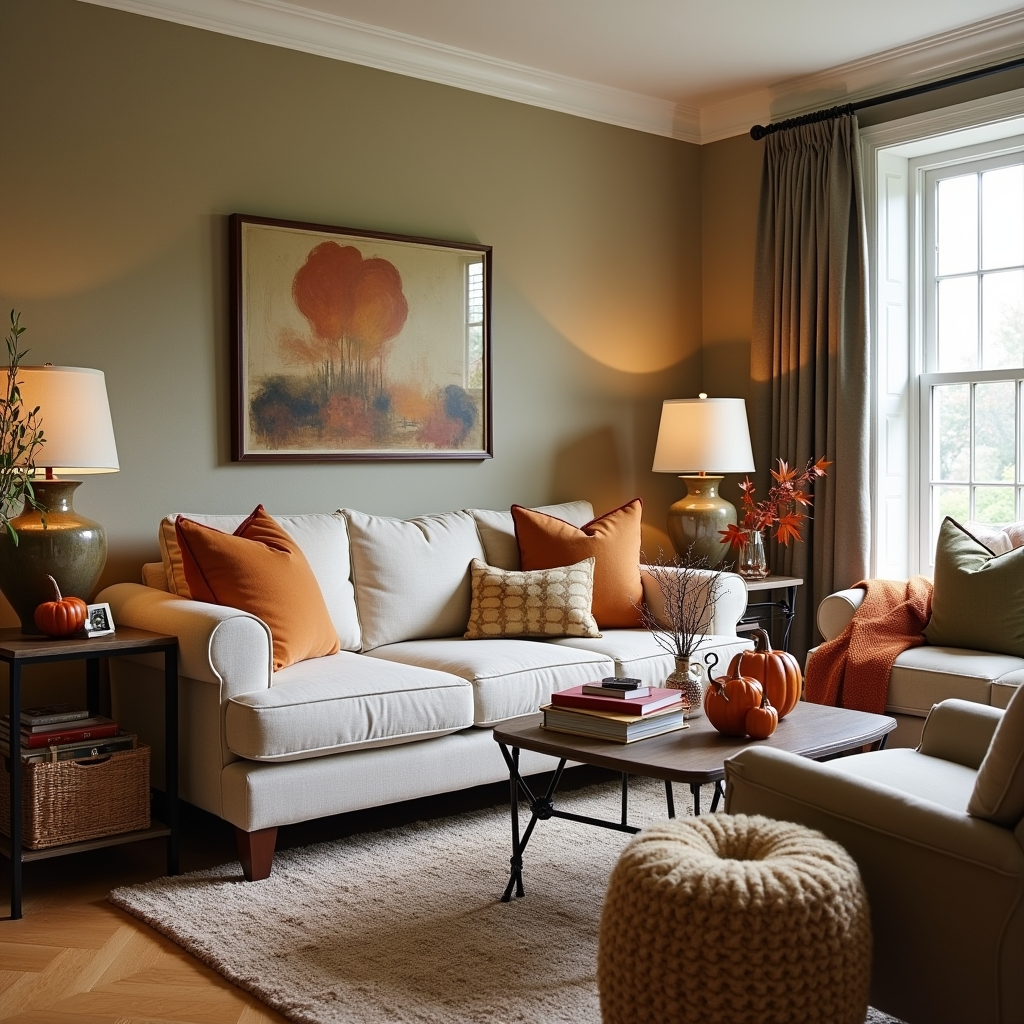
Choosing a warm color palette is one of the easiest ways to make a living room feel ready for autumn. Instead of adding lots of seasonal decorations, select two or three colors that already work with your existing furniture and walls.
Rust, caramel, olive, chocolate brown, muted mustard, burgundy, and warm taupe are all versatile choices for the season. A light neutral room might only need a few rust-colored cushions and a brown throw, while a room with darker furniture can handle richer shades such as forest green or plum.
Keeping the palette controlled helps the space feel thoughtfully decorated rather than overly themed.
2. Drape Chunky Throws Across the Sofa
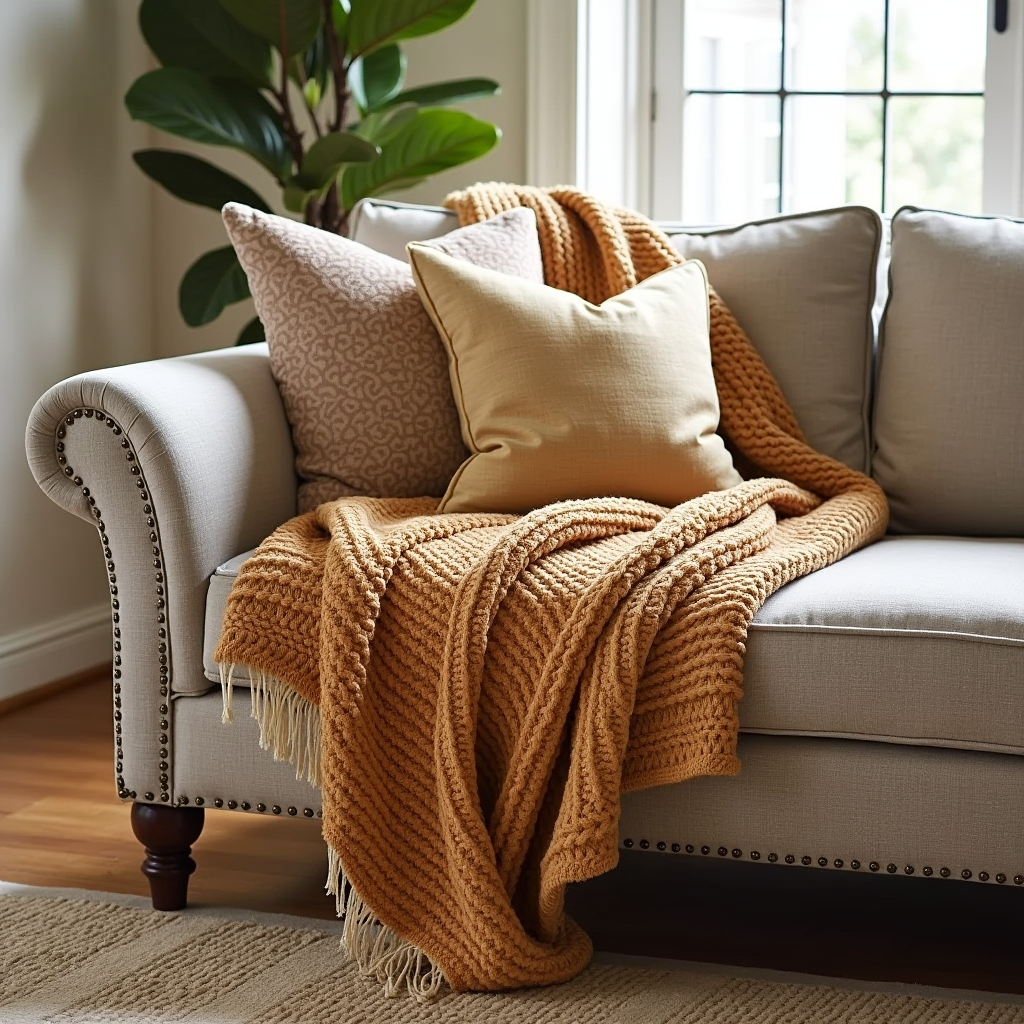
Few things make a living room feel more comfortable for cooler weather than a thick, textured throw. It is also one of the simplest seasonal updates because you can add one without changing your furniture or larger decor pieces.
Look for knitted blankets, brushed wool, boucle, waffle textures, or other fabrics with visible dimension. Oatmeal, burnt orange, moss green, cream, and deep brown can all complement an autumn-inspired room.
Rather than folding every blanket into a perfect rectangle, let one rest casually over the arm or back of the sofa. A relaxed arrangement creates a more inviting atmosphere and makes the blanket look ready to use.
3. Update Your Cushions With Richer Seasonal Fabrics
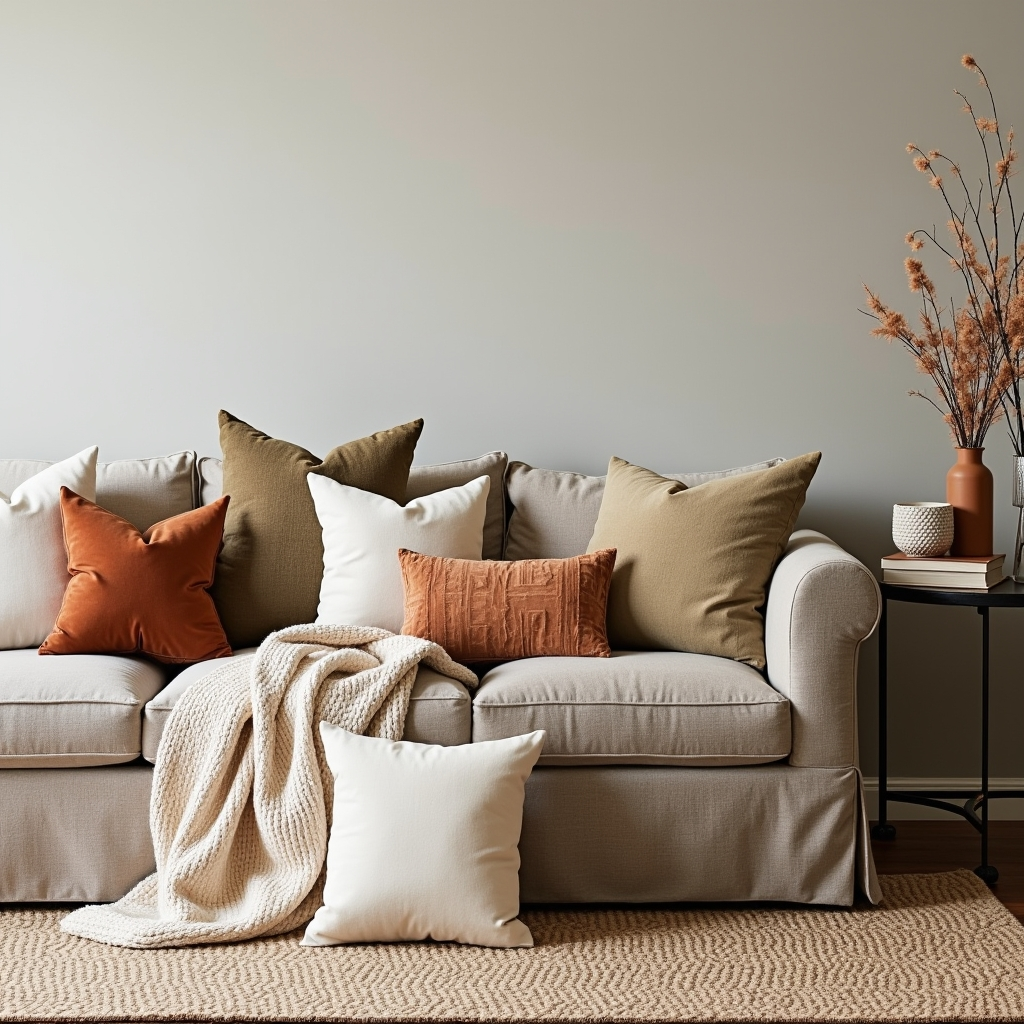
You do not need an entirely new collection of cushions to give your living room a seasonal refresh. Simply changing several covers can make the seating area look noticeably different while keeping your existing inserts.
Consider replacing lightweight summer fabrics with velvet, corduroy, woven wool, textured cotton, or heavier linen. Combining different materials can make the sofa feel layered without requiring lots of decorative pieces.
For example, a rust velvet cover can look beautiful beside a cream textured cushion, while an olive linen cover can work with a small plaid pattern. Use mostly solid colors with one restrained pattern to keep the arrangement visually balanced.
4. Bring More Depth With Dark Wood Accents
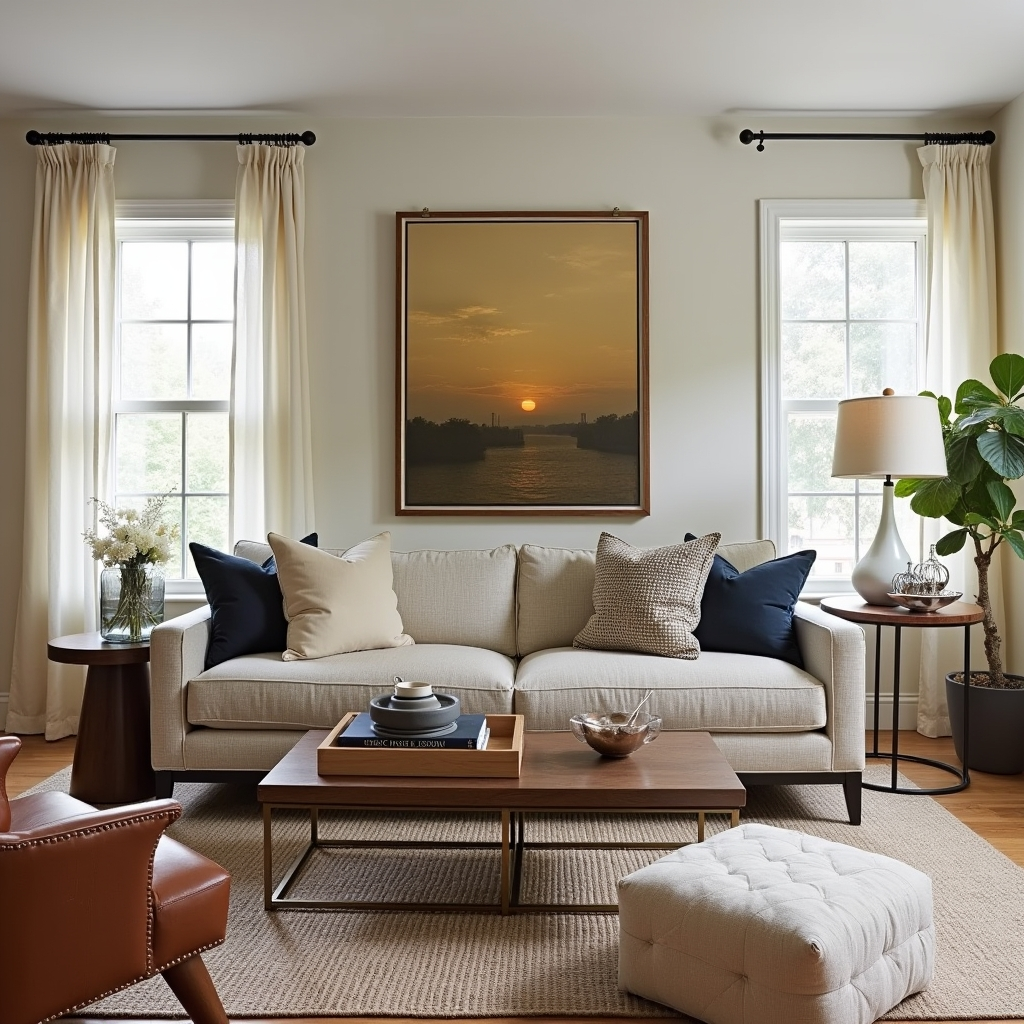
Dark wood finishes can instantly add warmth and depth to an otherwise light living room. Walnut, dark oak, mahogany, and deeply stained mango wood all work well with the richer colors associated with autumn.
You do not have to replace major furniture pieces to achieve the effect. A small side table, wooden picture frame, serving tray, lamp base, or decorative stool can introduce enough contrast. This approach is especially useful for renters who want to update their space without making permanent changes.
Mixing several wood finishes can work beautifully, but repeating a darker tone in at least two areas helps the pieces feel connected rather than randomly placed.
5. Give Your Coffee Table an Earthy Seasonal Update
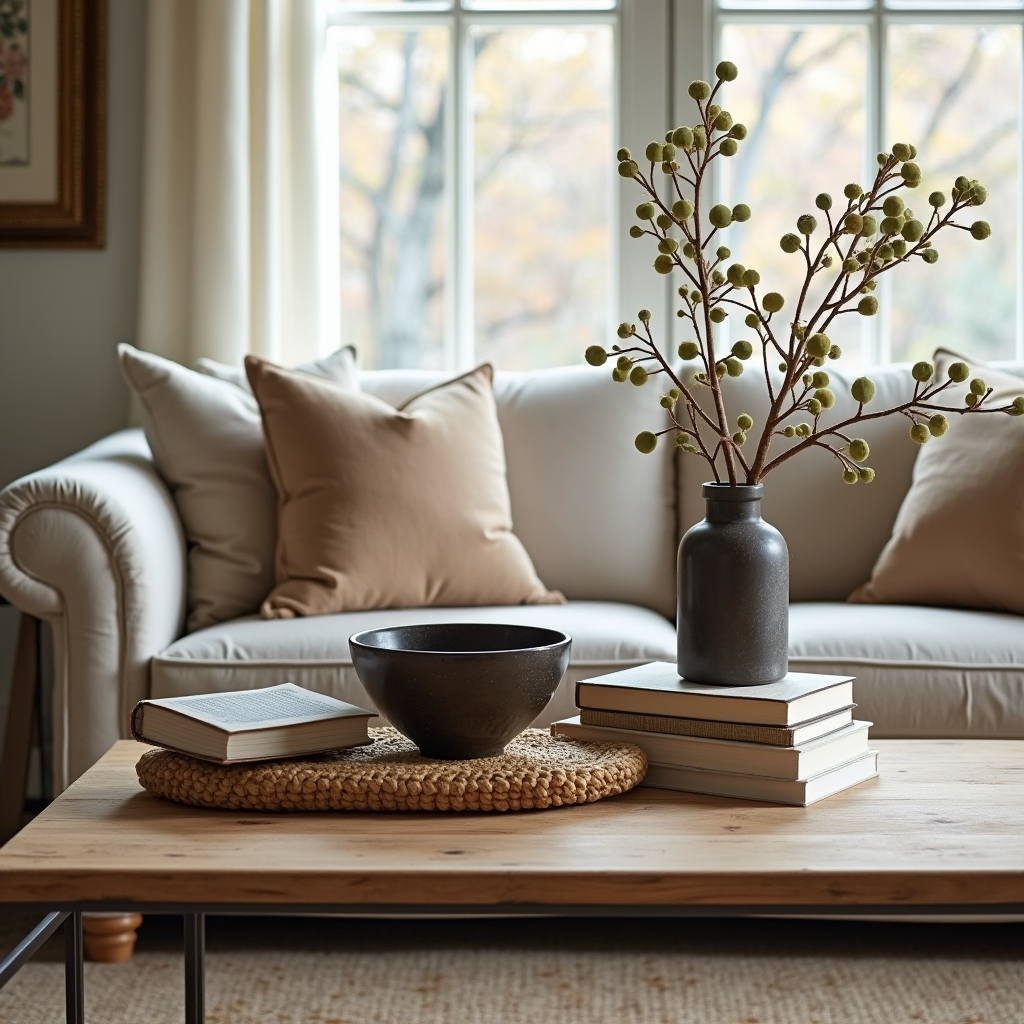
The coffee table is a small area, but changing its accessories can influence the overall feel of the living room. For autumn, replace overly bright or lightweight summer decorations with pieces that have natural textures and warmer finishes.
A ceramic bowl, dark wooden tray, neutral books, stoneware vase, or smoked-glass accessory can create a grounded arrangement. Materials such as rattan, aged metal, wood, and textured ceramics are particularly effective because they add interest without relying on seasonal symbols.
Try grouping objects at different heights, but leave enough empty space for everyday use. A coffee table should remain practical rather than becoming so crowded that it is difficult to place a drink or book.
6. Introduce Plaid Through One Thoughtful Accent
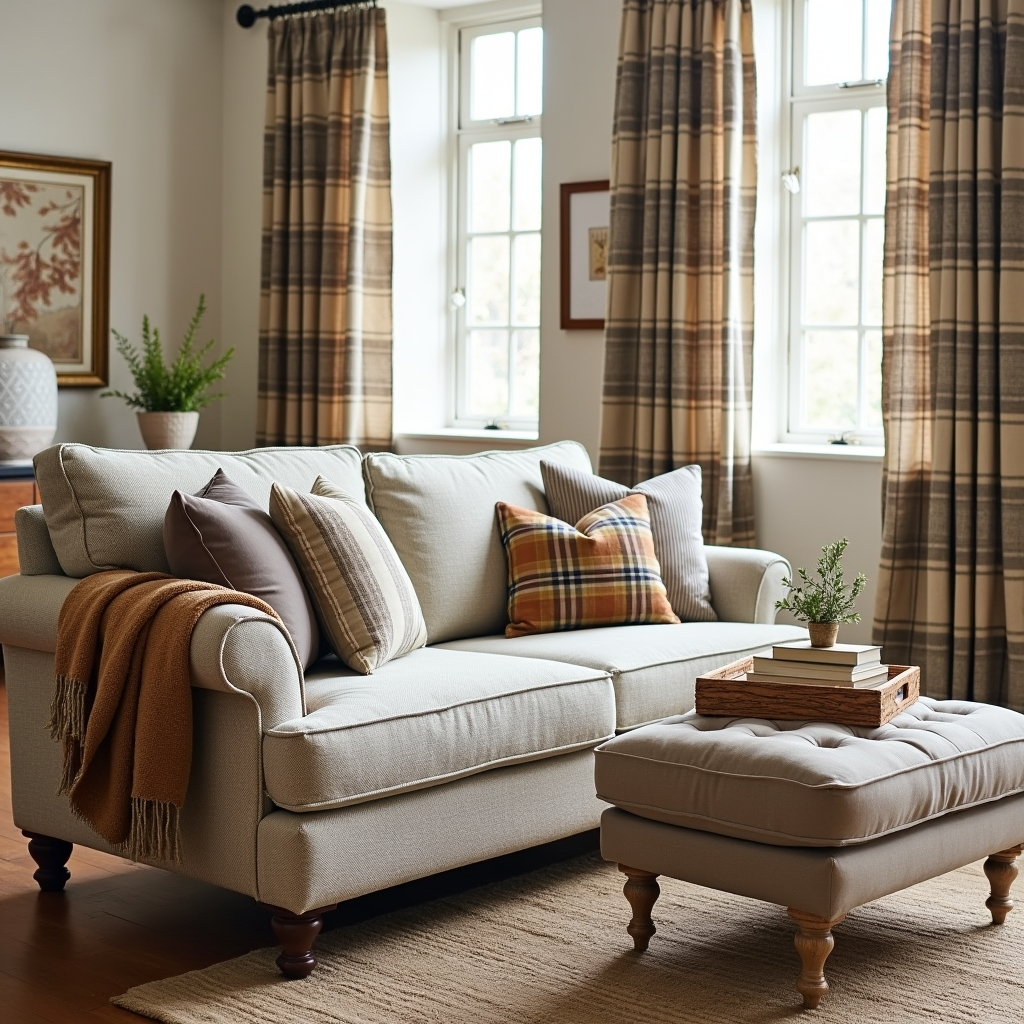
Plaid is closely associated with autumn, but using too much of it can quickly make a living room feel overly seasonal. Instead, treat plaid as an accent pattern and give it one clear place in the room.
A plaid cushion, folded blanket, ottoman, or small upholstered piece can provide enough pattern to suggest fall without taking over the entire space. Muted combinations of cream, brown, charcoal, olive, and rust tend to blend naturally with existing decor.
If your living room is small, consider choosing a smaller-scale plaid rather than a large, high-contrast design. Pair it with solid cushions and textured fabrics so the pattern has room to stand out without competing with everything around it.
7. Replace Summer Flowers With Natural Autumn Branches
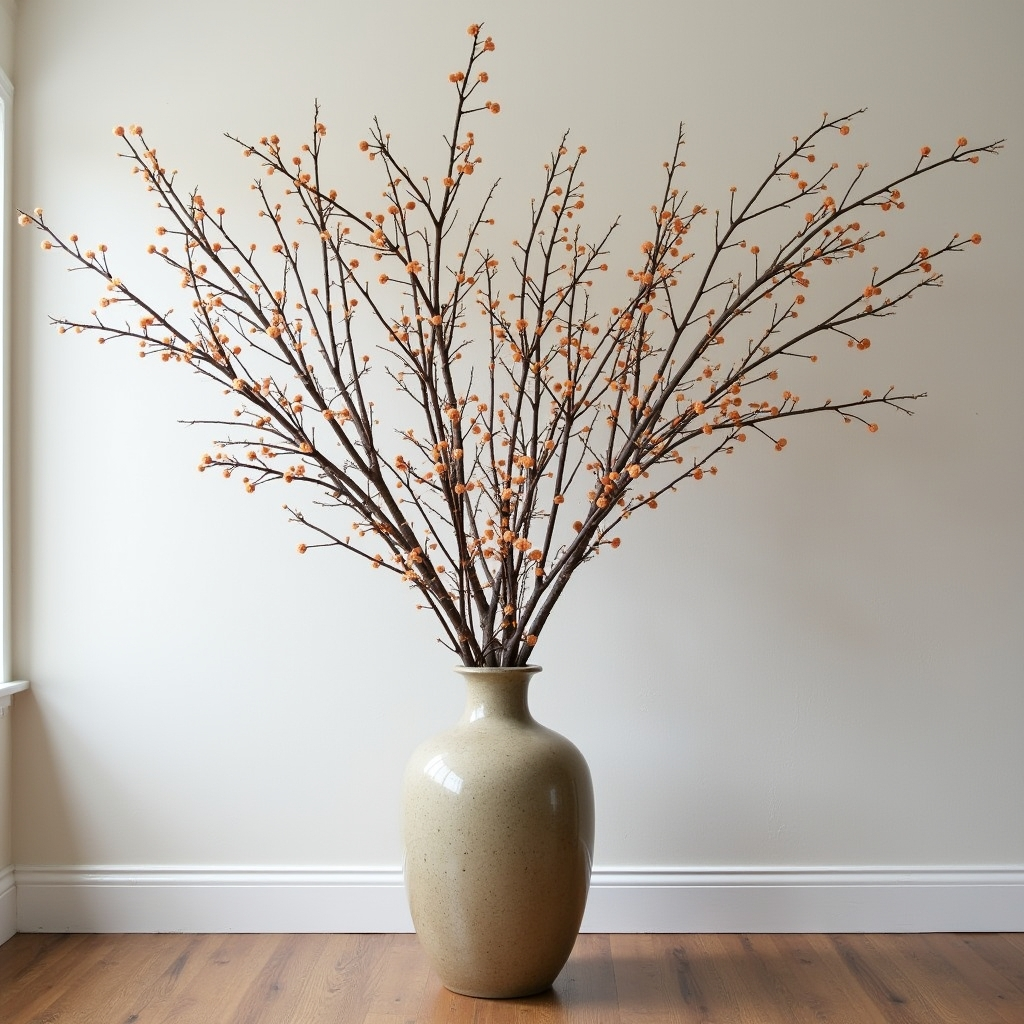
Tall branches are an easy way to bring seasonal character into a living room while adding height to your decor. Instead of using a large collection of small decorations, a single substantial arrangement can create a strong focal point.
Maple, oak, magnolia, eucalyptus, and berry branches can all work depending on the look you prefer. Fresh branches can provide a natural seasonal element, while quality artificial stems are a practical option when you want an arrangement that lasts.
Place the branches in a substantial ceramic, stoneware, or glass vase that can support their weight. As a general decorating guideline, branches around one and a half times the height of the vase often create pleasing proportions.
8. Bring a Warm Glow With Amber and Smoked Glass
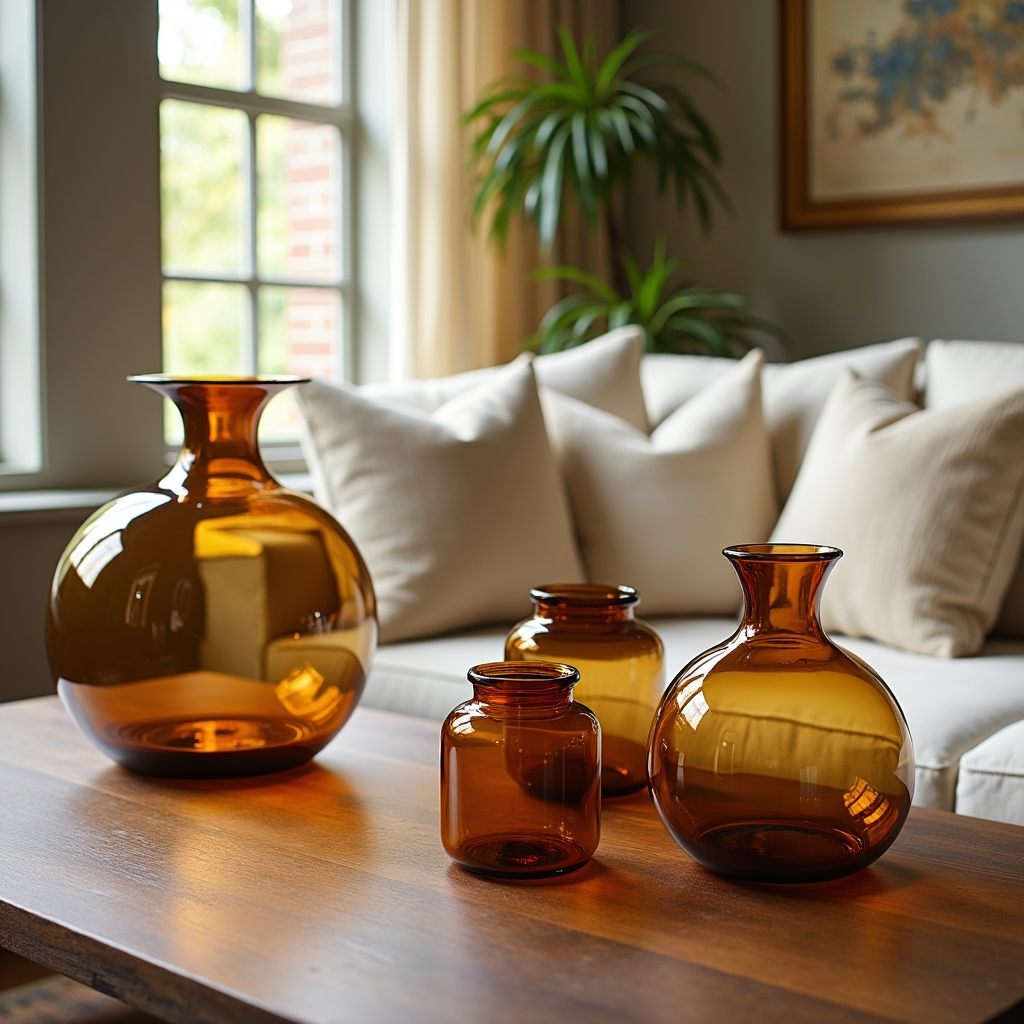
Amber and smoky brown glass can add warmth without introducing another strong color throughout the room. The translucent surfaces catch daylight beautifully and can create an especially cozy appearance when paired with soft evening lighting.
Try incorporating the material through a vase, candleholder, decorative bowl, lamp base, or small shelf accessory. Amber glass works particularly well alongside cream upholstery, walnut furniture, natural wood, and aged brass finishes.
You do not need many pieces to make an impact. One larger amber vase or a couple of smaller accessories can provide enough color and reflection to change the atmosphere. Keeping the glass pieces grouped in intentional locations will also prevent the room from feeling cluttered.
9. Create a Softer Atmosphere With Layered Lighting
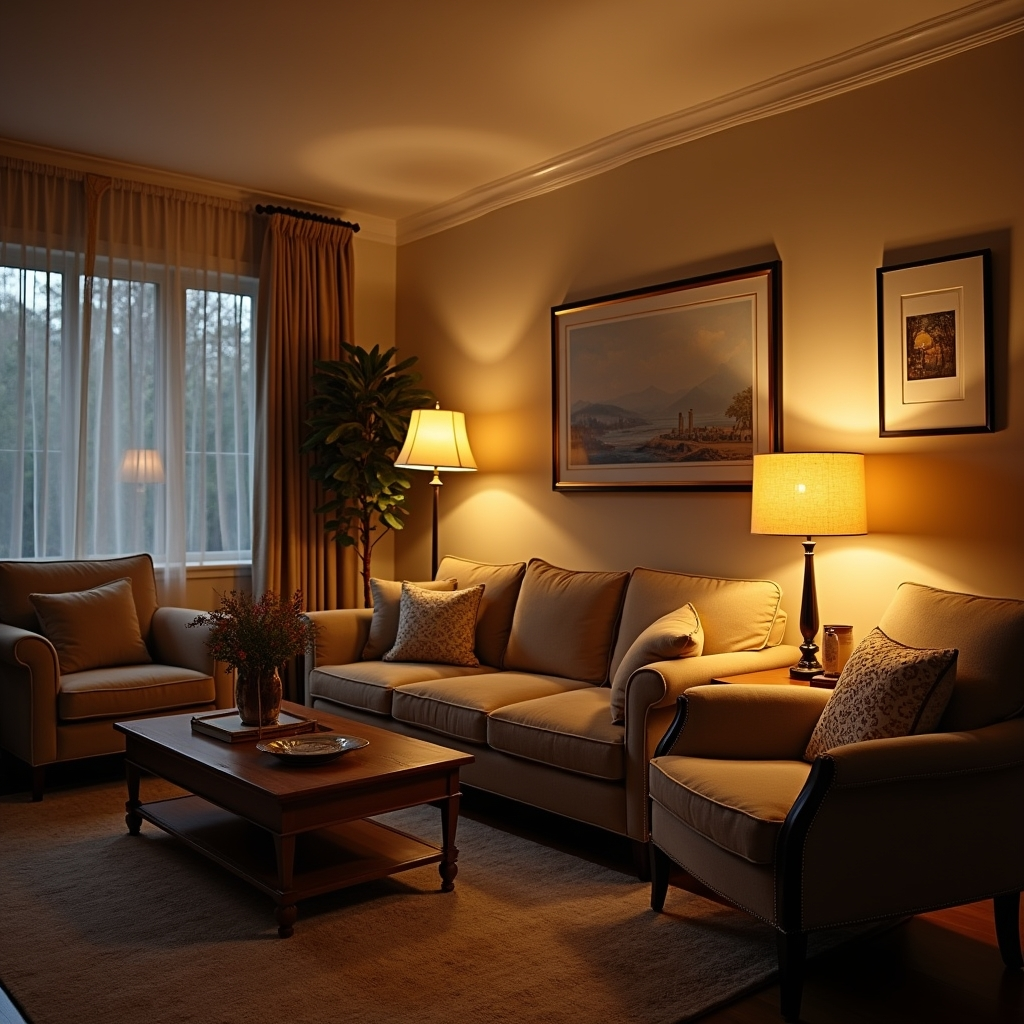
The lighting in a living room can make a major difference once the evenings become darker. Relying only on a bright overhead fixture may make the room feel less comfortable, especially when you are trying to create a relaxed autumn atmosphere.
Instead, combine several smaller light sources. Table lamps, floor lamps, wall sconces, and flameless candles can create separate pools of illumination throughout the room. Warm white bulbs in the range of approximately 2700K to 3000K are commonly used for a softer residential glow.
Place a lamp near the sofa or reading area so the space remains functional as well as attractive. Several modest light sources can often create a more comfortable result than one powerful ceiling light.
10. Ground the Space With a Textured Area Rug
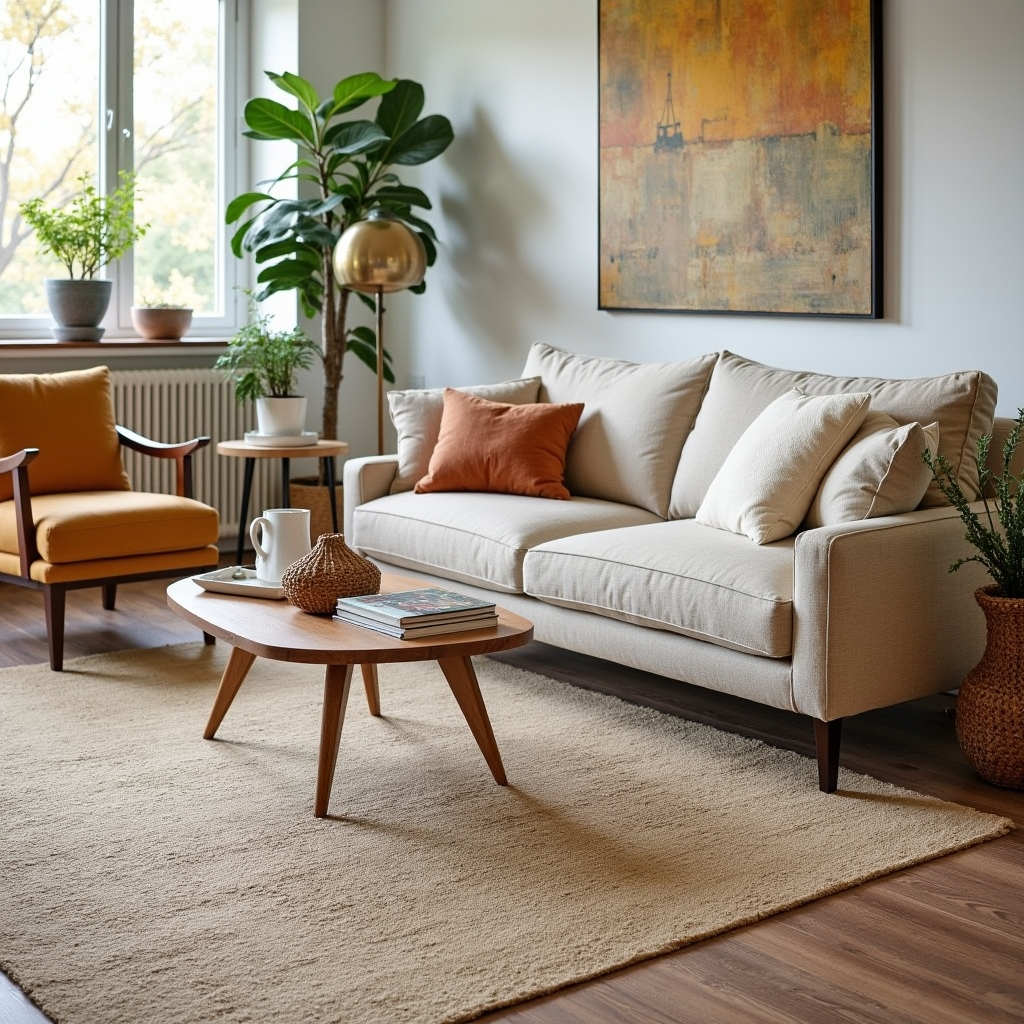
An area rug can make a living room feel warmer and more visually connected without requiring you to replace any furniture. For an autumn update, look for materials and colors that introduce softness and natural texture.
Wool, jute blends, low-pile woven rugs, and vintage-inspired patterns can work particularly well. Warm beige, faded rust, brown, olive, and cream are versatile choices that can complement a range of furniture styles.
Size is just as important as color. Ideally, the front legs of the main sofa and chairs should rest on the rug so the seating arrangement feels connected. A rug that is too small can make the furniture appear scattered instead of creating one cohesive area.
11. Decorate With a Few Simple Ceramic Pumpkins
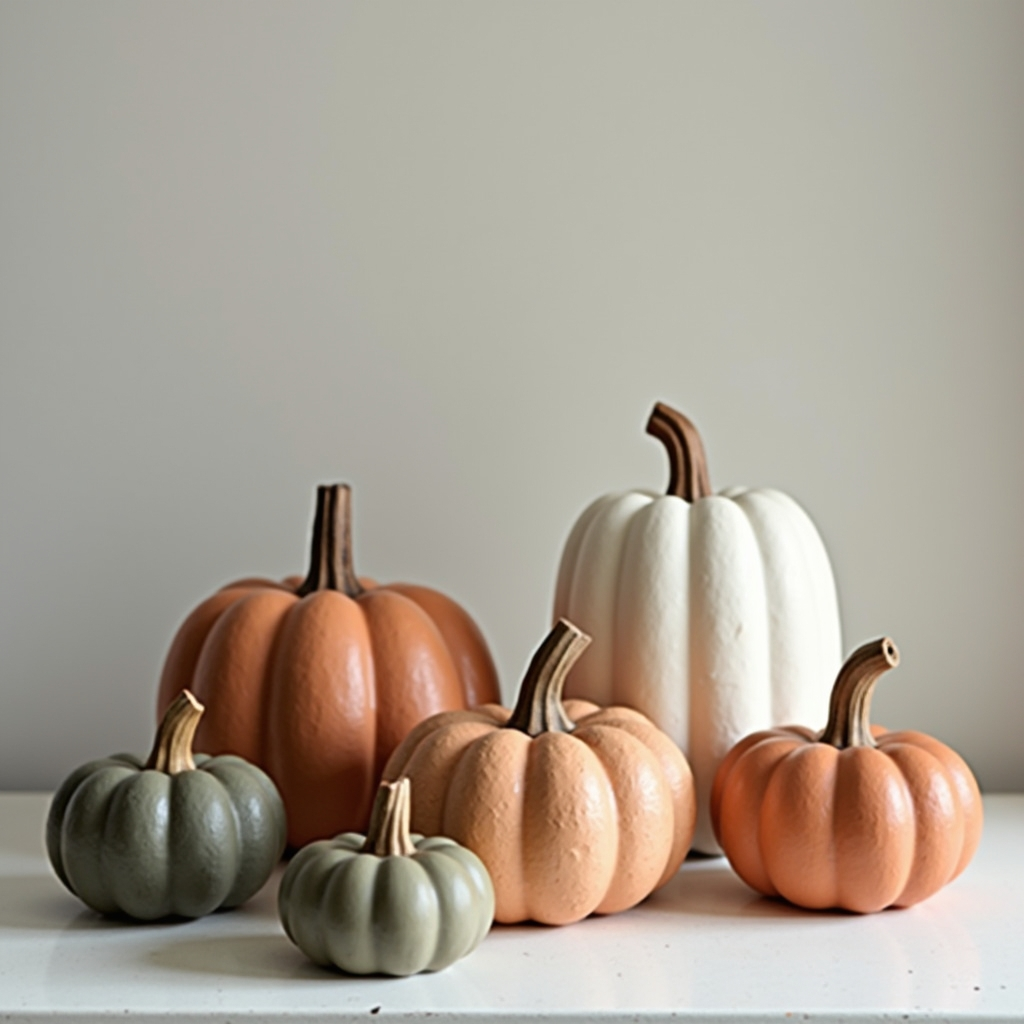
Pumpkins can be part of an elegant autumn display when they are used selectively. Instead of covering every surface with traditional orange decorations, choose a few pieces with simple shapes and understated finishes.
Ceramic, stoneware, wood, and papier-mache pumpkins can provide seasonal character without looking overly bright or artificial. Consider cream, terracotta, muted green, soft brown, or warm beige rather than using only traditional orange.
Group two or three pieces together on a mantel, console table, bookshelf, or coffee table. Matte and handcrafted-looking finishes often blend naturally with everyday home decor. The goal is to add a small seasonal detail while keeping the rest of the room useful and uncluttered.
12. Bring in Dried Flowers for Natural Texture
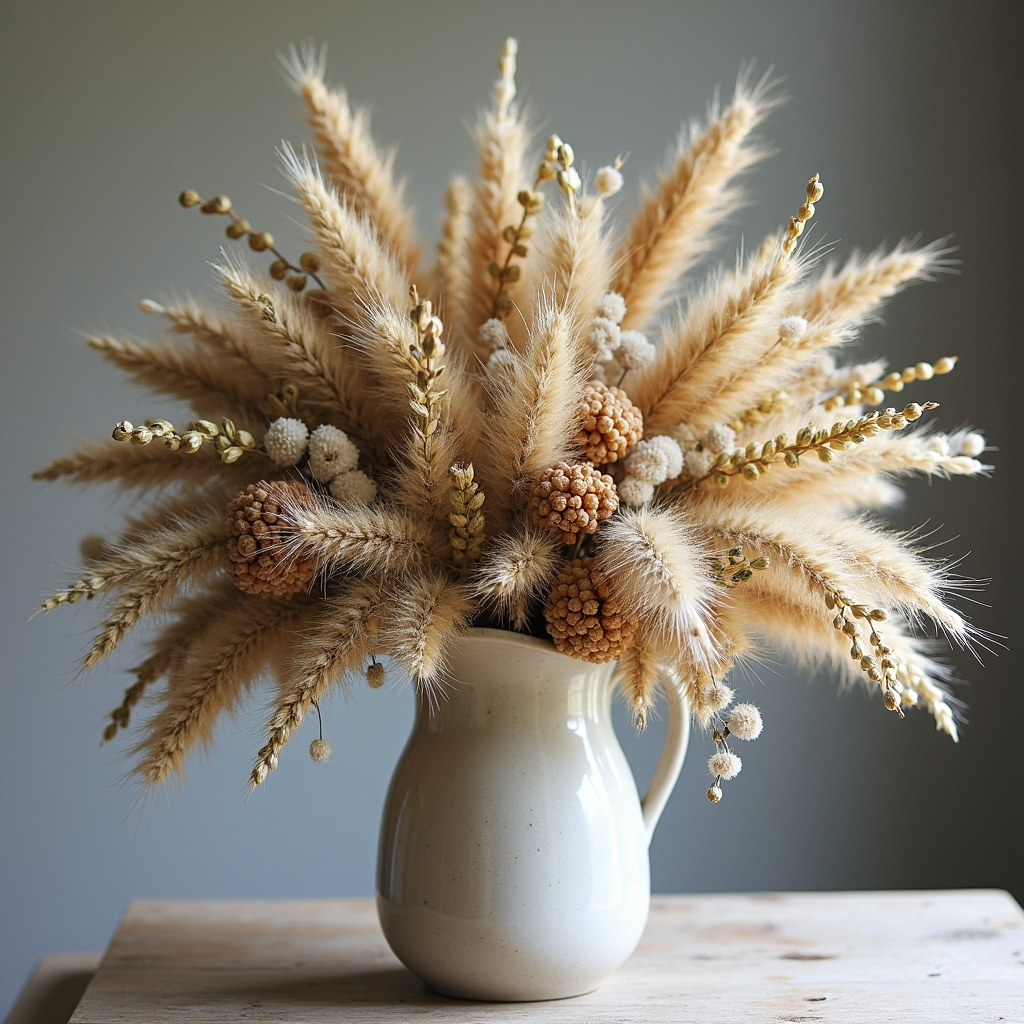
Dried flowers and grasses are useful for autumn decorating because they provide texture and visual movement without requiring the regular maintenance associated with fresh arrangements. Their muted colors can also complement a warm seasonal palette.
Pampas grass, preserved hydrangeas, wheat, bunny tails, seed pods, and dried eucalyptus can all be arranged in a vase for a relaxed display. Choose a container that suits your existing decor, such as a ceramic pitcher, stoneware vase, or simple glass vessel.
Avoid making the arrangement too symmetrical. A slightly loose and uneven shape often looks more natural. Since dried stems can collect dust, gently clean them from time to time using cool air on a low setting.
13. Design a Comfortable Autumn Reading Nook
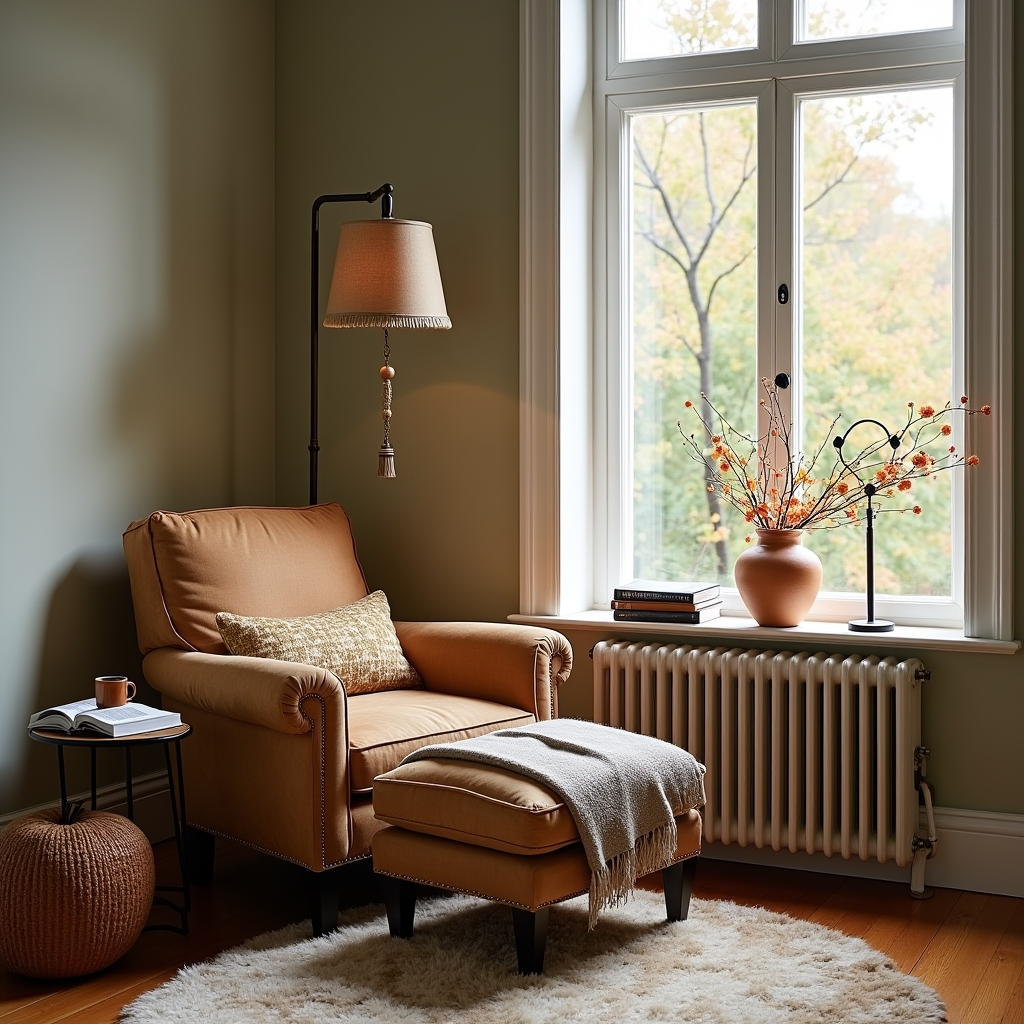
An unused corner can become one of the most enjoyable parts of your living room with just a few practical additions. Start with a comfortable armchair and position it near a window, floor lamp, or another source of suitable reading light.
Add a small side table where you can keep a book, cup, or lamp. A cushion and folded throw can make the chair feel more inviting while adding seasonal color. Caramel leather, olive fabric, brown velvet, cream boucle, and warm neutral upholstery all work nicely for an autumn-inspired space.
A woven basket placed beside the chair can hold books, magazines, or extra blankets. This keeps useful items within reach while preventing the corner from becoming visually cluttered.
14. Introduce Aged Brass for a Subtle Warm Accent
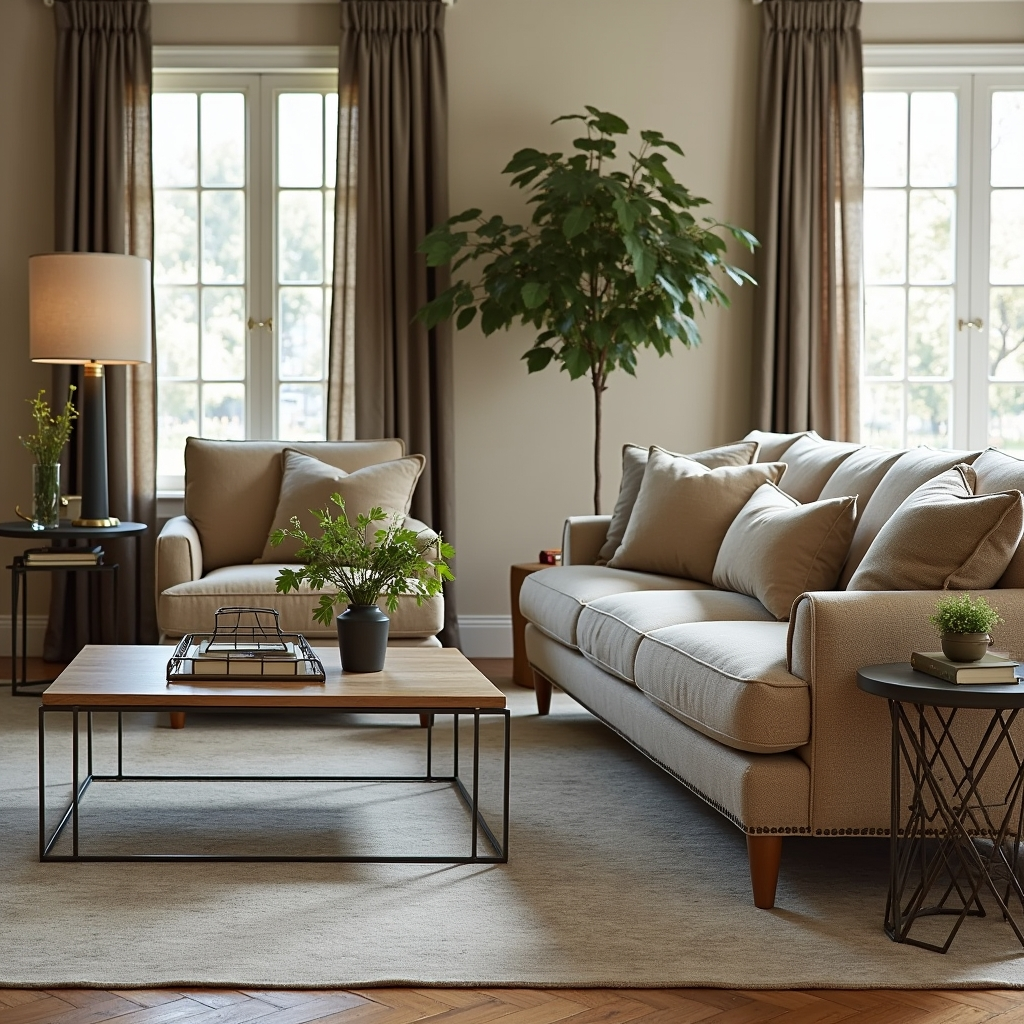
Aged brass can bring warmth to a living room without the bright, reflective appearance sometimes associated with polished gold. Its slightly muted finish works especially well in rooms decorated with earthy colors and natural materials.
Consider introducing brass through small details such as candleholders, picture frames, lamp bases, curtain hardware, or a decorative bowl. The finish can look particularly rich when paired with burgundy, forest green, walnut, cream, and warm gray.
There is no need to use brass throughout the entire room. A few repeated accents are usually enough to make the finish feel intentional. Keeping the pieces relatively small allows them to function as supporting details rather than turning the room into a heavily metallic space.
15. Build a Layered and Relaxed Fall Mantel
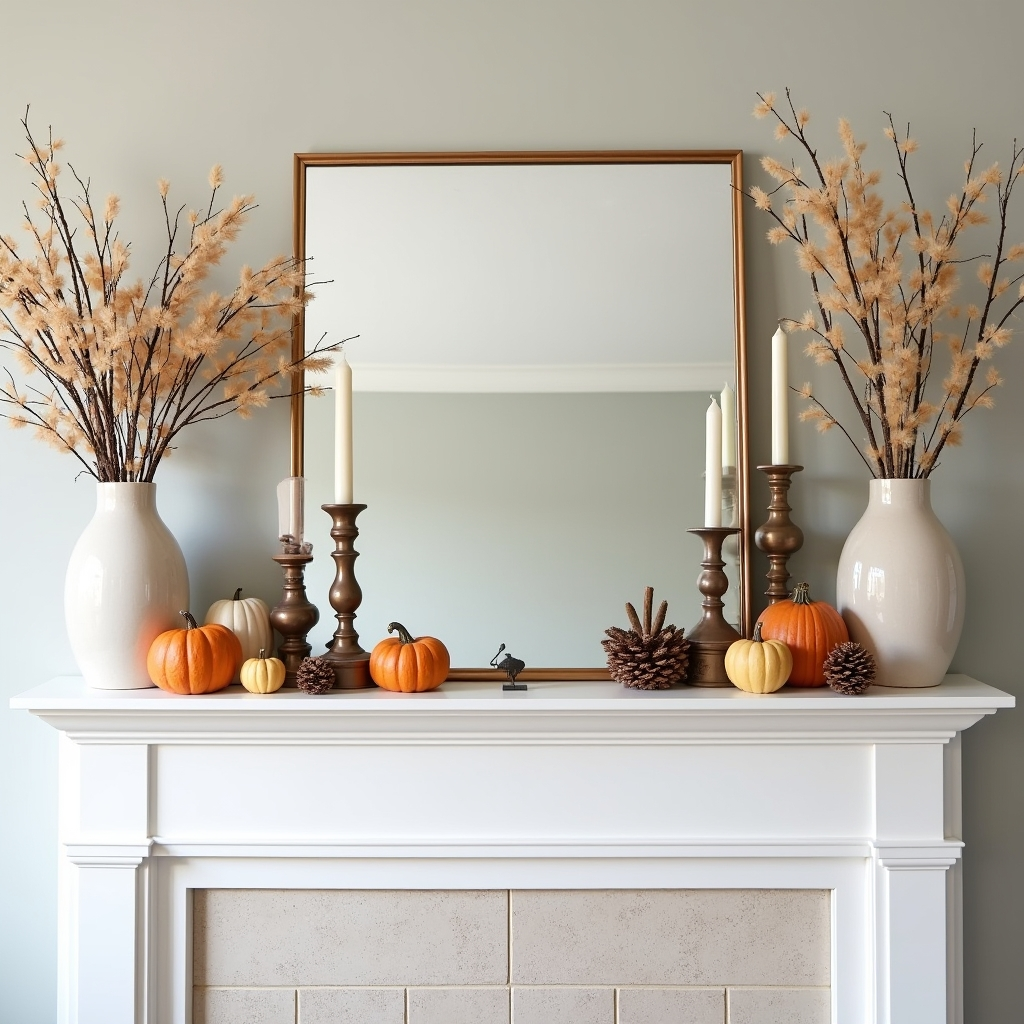
A mantel naturally draws attention, making it an ideal location for a seasonal arrangement. Rather than placing a row of similarly sized decorations across it, create layers using different heights, shapes, and textures.
Start with a larger anchor, such as a mirror, framed artwork, or another substantial piece. Add a vase filled with branches, a pair of candleholders, and one or two smaller seasonal objects. Position some pieces slightly in front of others to create depth.
An asymmetrical arrangement can feel more relaxed than a perfectly mirrored display. Leave portions of the mantel visible as well. Negative space gives the eye somewhere to rest and prevents the seasonal decorations from making the area look crowded.
16. Bring the Season In With Earth-Toned Artwork
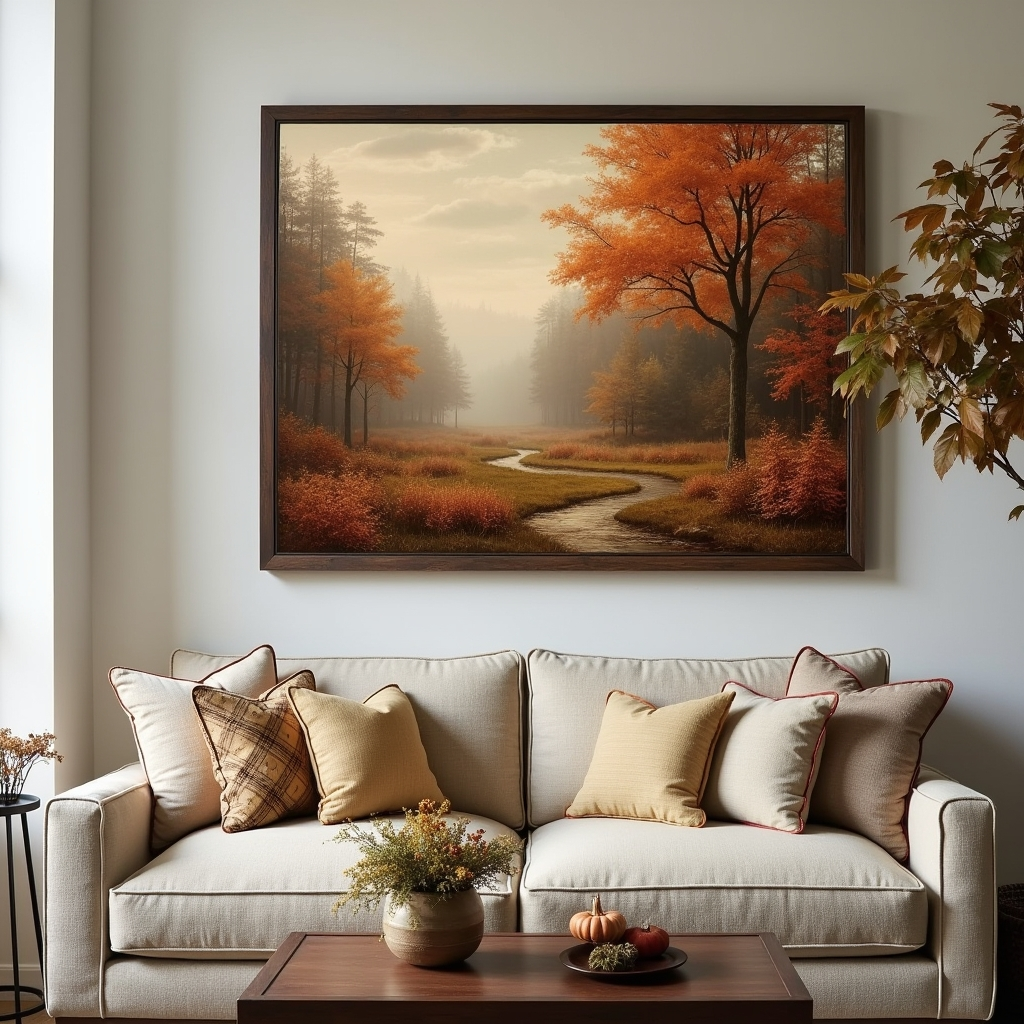
Autumn artwork does not have to feature pumpkins, falling leaves, or other obvious seasonal symbols. Choosing artwork based on color and atmosphere can create a more sophisticated update that works beyond the fall months.
Consider misty landscapes, woodland scenes, botanical illustrations, countryside paintings, or abstract artwork featuring shades such as rust, brown, olive, cream, and burgundy. Vintage-inspired prints can also work well when paired with traditional furniture.
A dark wood or aged brass frame can reinforce the warmer feeling. You do not need to replace every picture in the room, either. Swapping one prominent piece above the sofa or mantel can be enough to noticeably change the room’s visual mood.
17. Keep Extra Throws in a Decorative Floor Basket
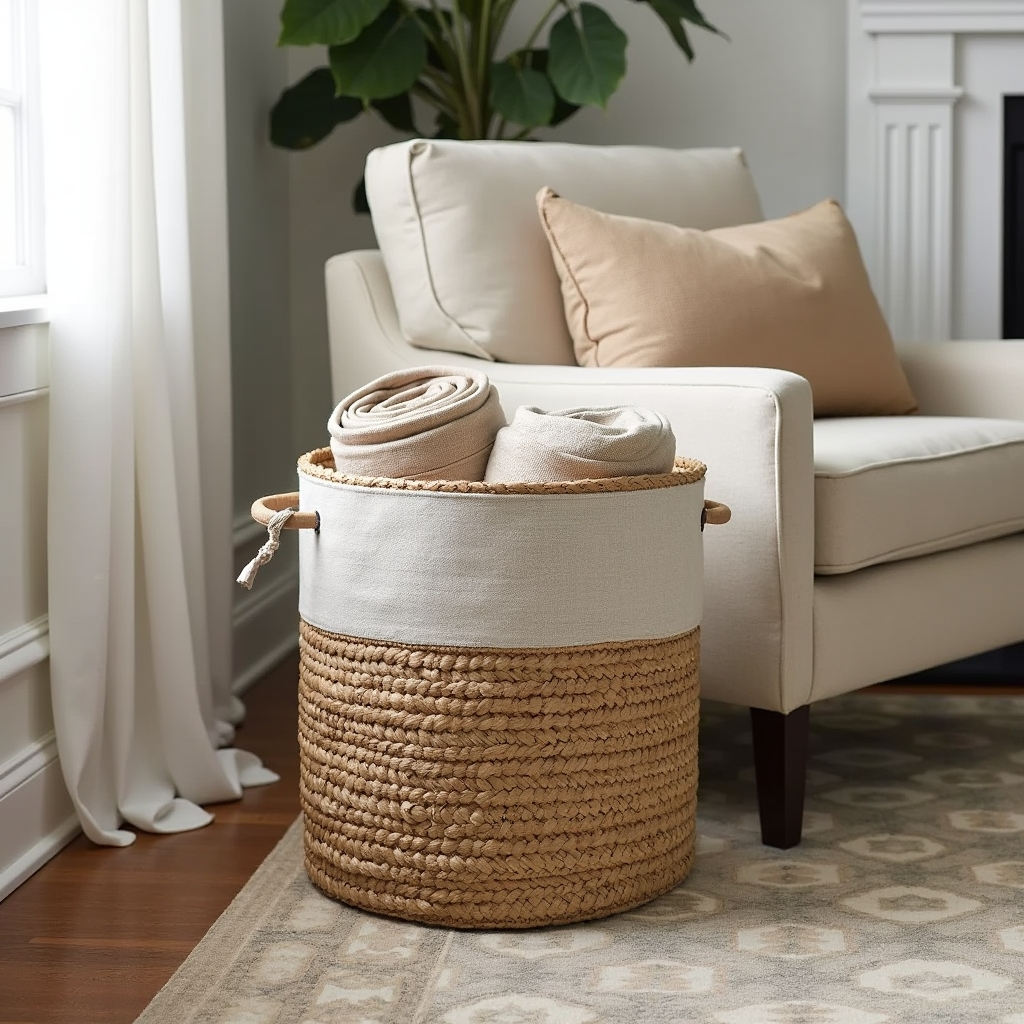
A large floor basket is a practical way to store blankets while also contributing to the overall style of the living room. Place it beside the sofa, fireplace, reading chair, or another area where the blankets will actually be used.
Seagrass, rattan, canvas, and felt baskets can all work depending on the style of your furniture. Add two or three throws inside, either rolled loosely or folded for a more organized appearance.
For smaller living rooms, a tall and narrow basket can provide useful storage without taking up too much floor space. Choosing a basket that complements other natural materials in the room can also help the storage piece feel like part of the decoration rather than an item that was simply placed there for convenience.
18. Add Small Touches of Velvet for Seasonal Richness
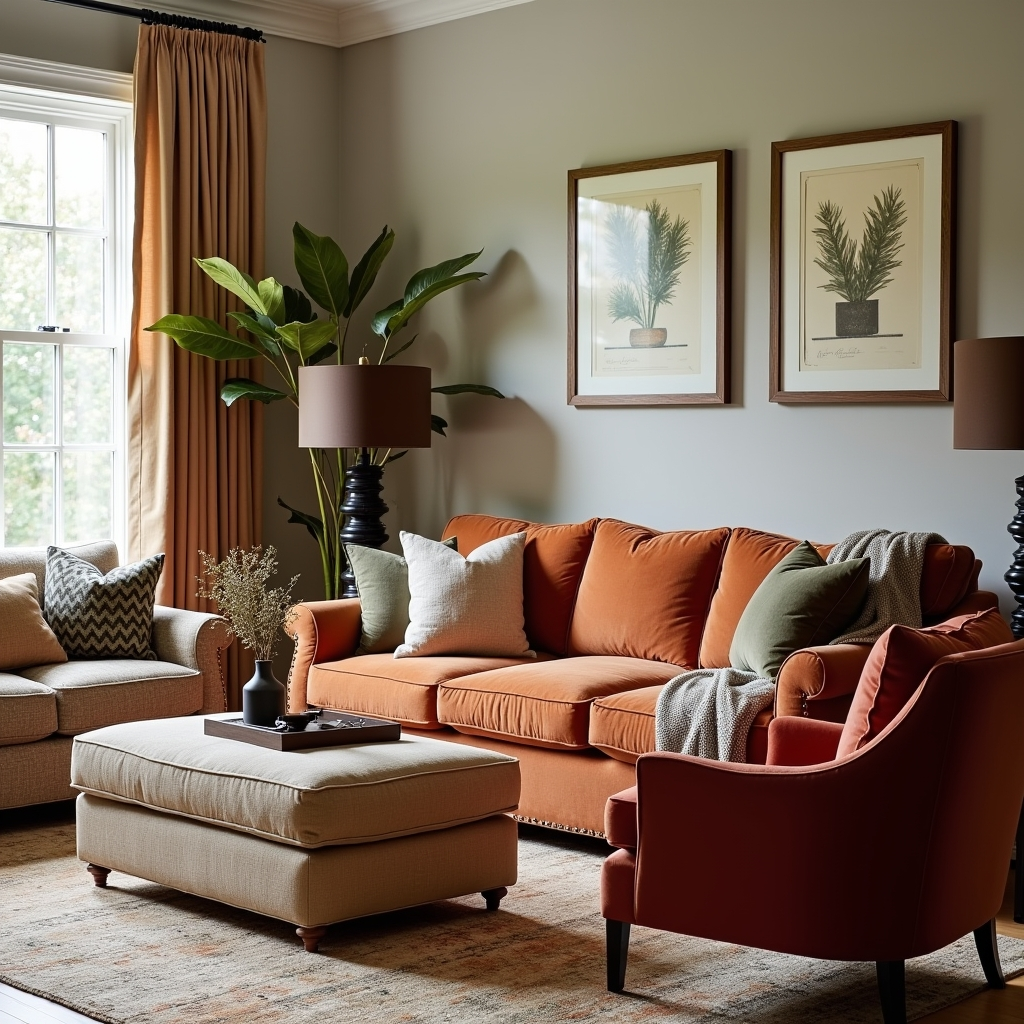
Velvet can make autumn colors look deeper and more dimensional because its surface catches and reflects light differently from many other fabrics. You can introduce this luxurious texture without making the living room feel overly formal.
A single rust-colored cushion, olive ottoman, burgundy accent chair, or chocolate brown lampshade can be enough to introduce velvet. If you already have several smooth fabrics in the room, combine velvet with rougher materials such as linen, jute, woven cotton, or weathered wood.
This contrast keeps the space approachable. Rather than covering multiple pieces of furniture in velvet, use it as a small accent that complements the other textures already present.
19. Swap Lightweight Curtains for Heavier Window Panels
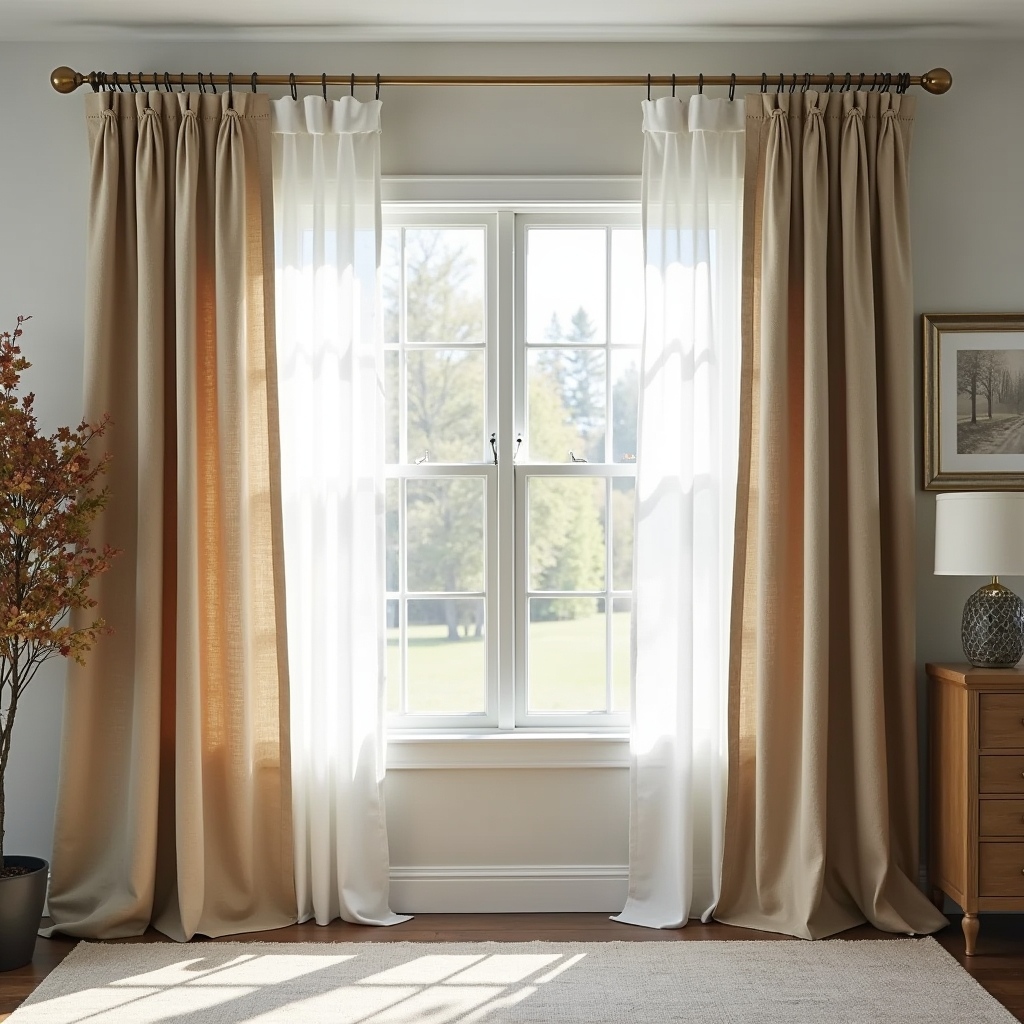
Changing your curtains can make the living room feel warmer and more finished as the seasons change. Lightweight summer panels may look out of place once the room begins to call for richer textures, so consider switching to lined linen, heavier cotton, woven fabric, or another substantial material.
Oatmeal, taupe, olive, warm gray, and cream can complement a wide range of autumn color palettes. Floor-length panels can also soften large windows and give the room a more polished appearance.
You do not need to purchase entirely new hardware for the update. If you already have suitable curtain rods, simply replace the seasonal panels and store the lighter curtains until warmer weather returns. This makes the change practical as well as decorative.