
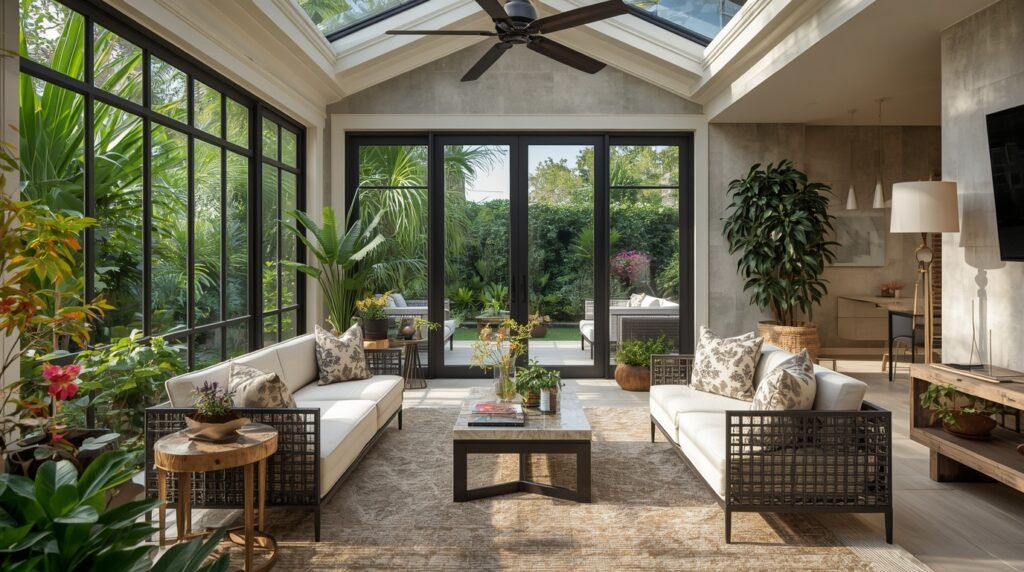
Bringing nature closer to home has never been more inviting, and garden room design ideas are a beautiful way to do just that. These versatile spaces blend indoor comfort with outdoor charm, creating a peaceful retreat right in your backyard. Whether you envision a cozy reading nook surrounded by greenery, a stylish home office with natural light, or a relaxing lounge for quiet mornings, a garden room can transform how you use your space.
With thoughtful design choices like large windows, natural materials, and soft earthy tones, you can create a calming escape that feels connected to nature while still being fully functional and modern.
Rustic Farmhouse & Cottagecore Garden Room Style
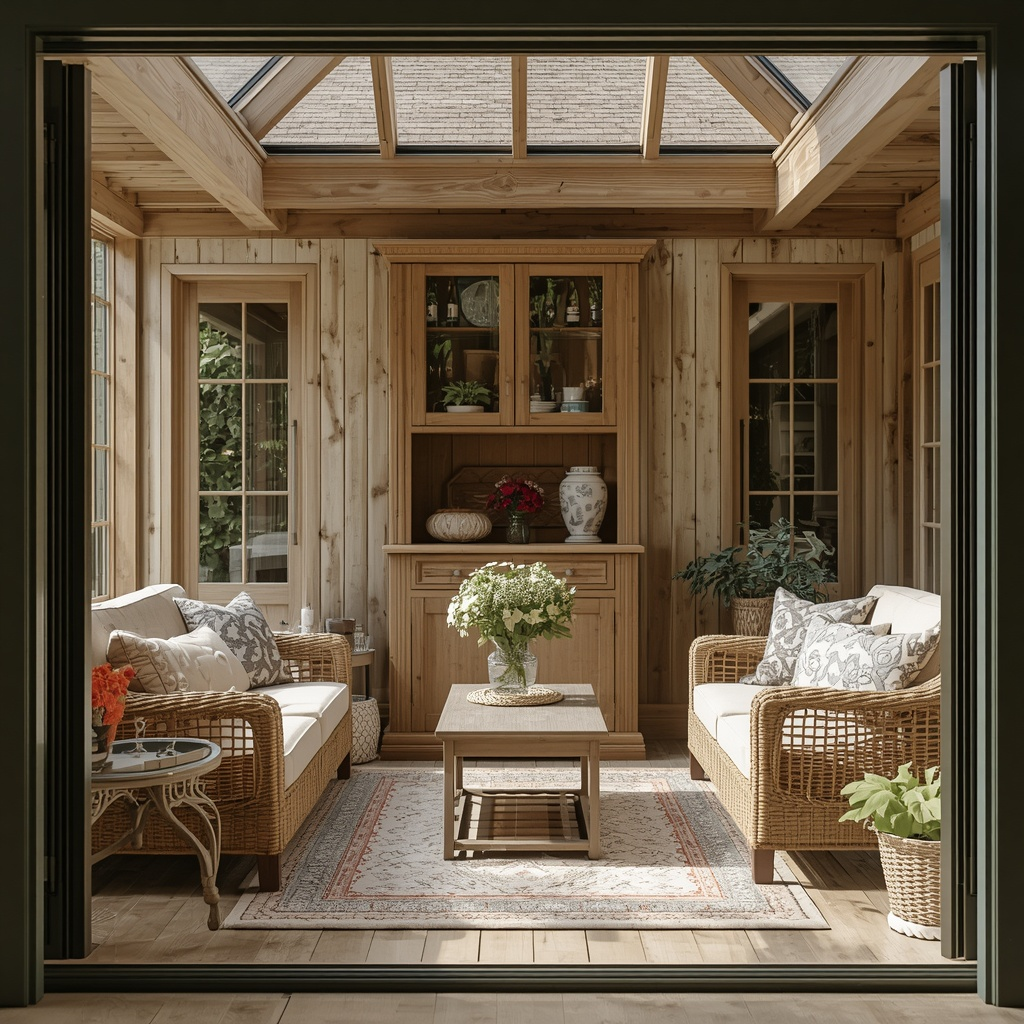
Rustic farmhouse and cottagecore design continues to dominate modern garden room trends thanks to its warm, nostalgic charm. This style focuses on natural materials like reclaimed timber, weathered wood, and vintage furniture pieces often sourced from flea markets or antique shops. Color palettes usually include earthy tones such as soft browns, muted greens, and creamy neutrals that create a grounded, calming environment.
The overall effect is cozy and lived-in rather than polished or overly modern. Many homeowners add handcrafted décor, soft textiles, and simple floral arrangements to enhance the homely feel. It works especially well when paired with traditional houses, as it naturally extends the home’s character into the garden space without feeling disconnected or artificial.
Soft Lavender Dream Aesthetic for Calm Garden Spaces
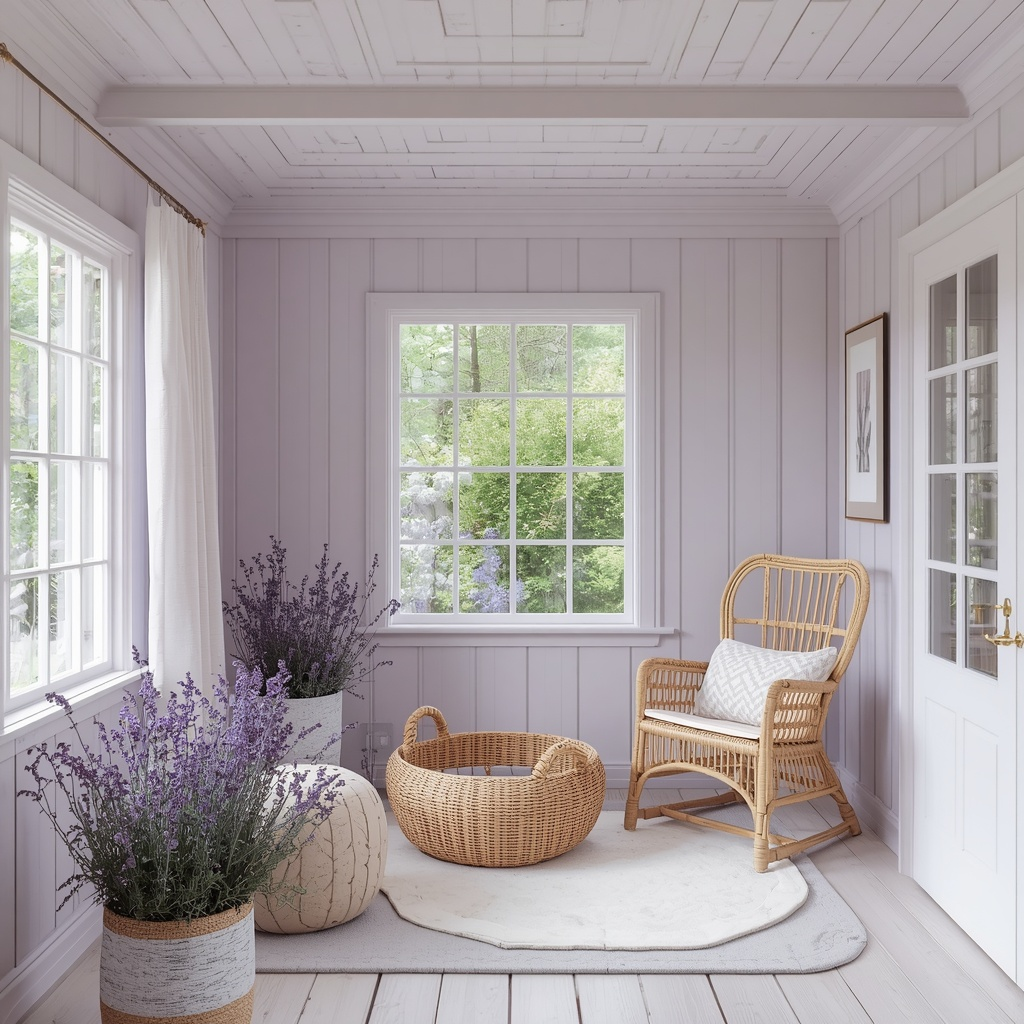
The lavender-inspired garden room aesthetic is all about softness, lightness, and tranquility. Pale purple tones, whitewashed surfaces, and flowing curtains help create an airy environment that feels peaceful and refreshing. Minimal furniture is typically used to keep the space uncluttered and visually soothing.
This design works beautifully for relaxation-focused rooms such as reading corners, meditation spaces, or quiet personal retreats. Adding real lavender plants outdoors or near windows enhances the sensory experience with natural fragrance. The combination of soft colors and natural light helps reduce stress and makes the garden room feel like a gentle escape from daily routines.
Modern Eco-Brutalism with Natural Green Integration
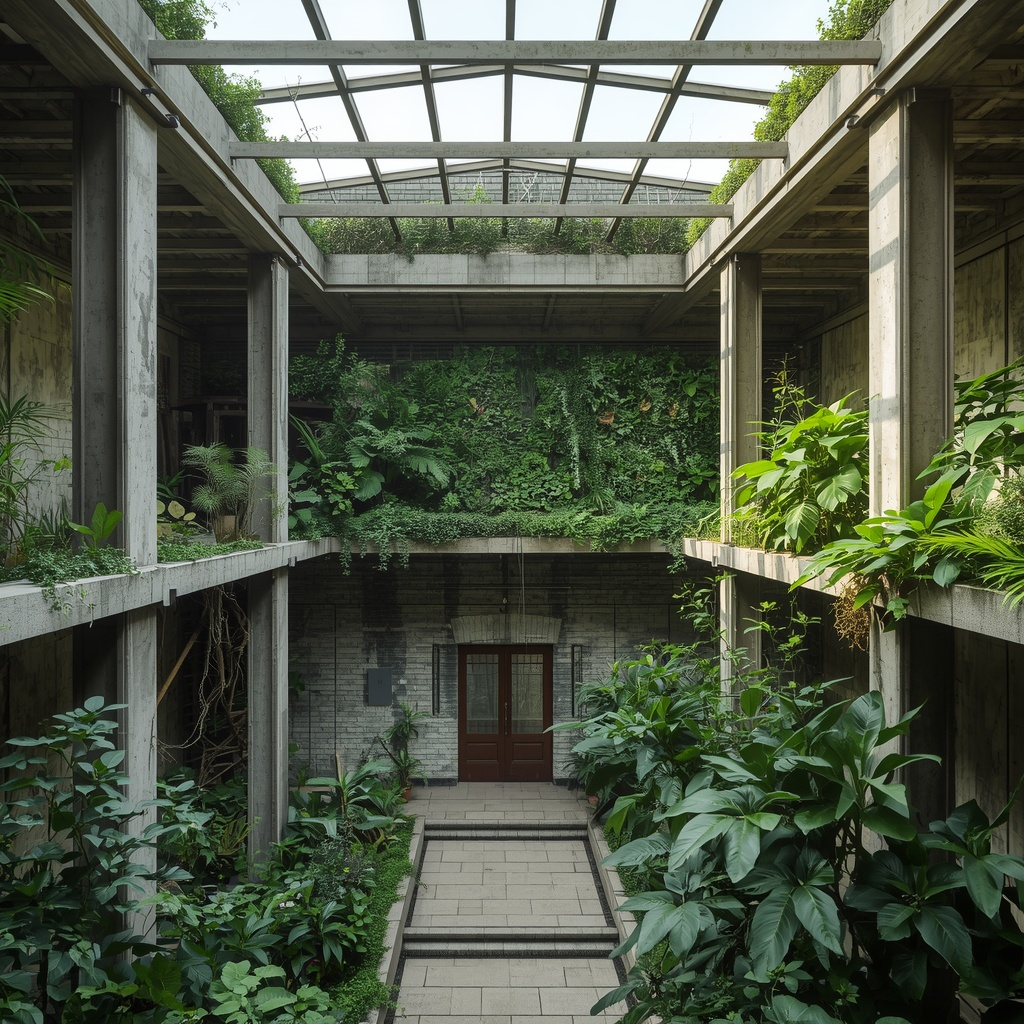
Eco-brutalism combines bold architectural structure with sustainable, nature-focused design. At first glance, the style may appear industrial due to its clean lines, solid forms, and uniform materials. However, the addition of greenery transforms it into something much more balanced and inviting.
Living walls, rooftop gardens, and abundant plant life soften the strong structural elements. This contrast creates a visually striking yet environmentally conscious space. It often feels like a futuristic greenhouse blended with modern architecture. The key is harmony between hard construction materials and soft natural growth, resulting in a functional and eco-friendly garden room design.
Mediterranean Inspired Outdoor Living Retreat
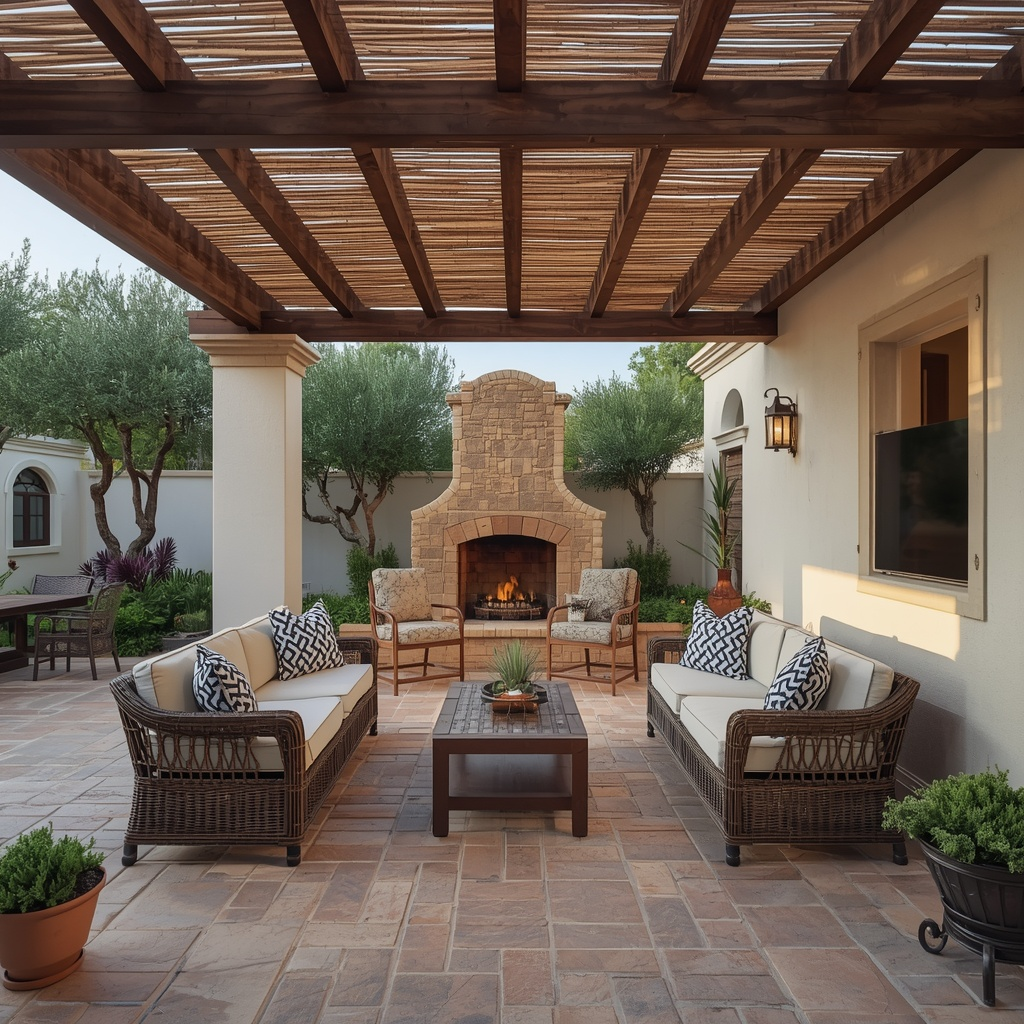
Mediterranean-style garden rooms bring a warm, vacation-like atmosphere to any home. Inspired by coastal European villas, this design often features terracotta flooring, light-colored walls, and rustic wooden beams. Plants such as olive trees, lavender, and drought-tolerant succulents are commonly used to enhance authenticity.
Pergolas and shaded seating areas create a relaxed outdoor-living feel, ideal for warm evenings or social gatherings. Even in cooler climates, the style can be adapted by adjusting plant selections and using indoor heating solutions. The result is a timeless, sun-kissed retreat that feels both elegant and inviting all year round.
Nature-Connected Biophilic Garden Room Design
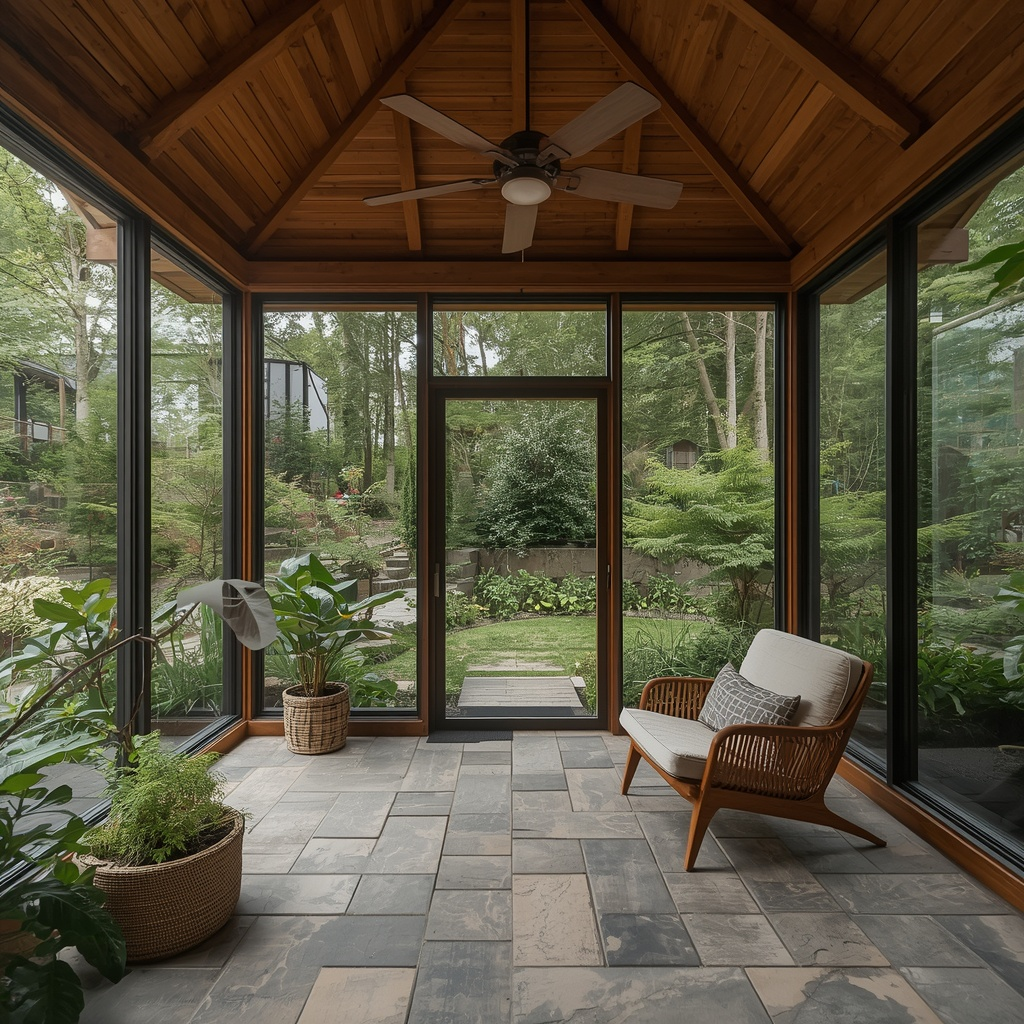
Biophilic design focuses on strengthening the connection between indoor spaces and nature. In garden rooms, this is achieved by incorporating natural materials like wood, stone, and organic textures throughout the interior. Large windows and glass doors play a major role, allowing uninterrupted views of the garden.
Plants are essential in this style, often placed strategically around the room to enhance air quality and visual comfort. The goal is to create a seamless transition between indoors and outdoors. This approach not only improves aesthetics but also supports mental well-being by keeping occupants closely connected to natural surroundings.
Versatile Garden Room Ideas for Everyday Functionality
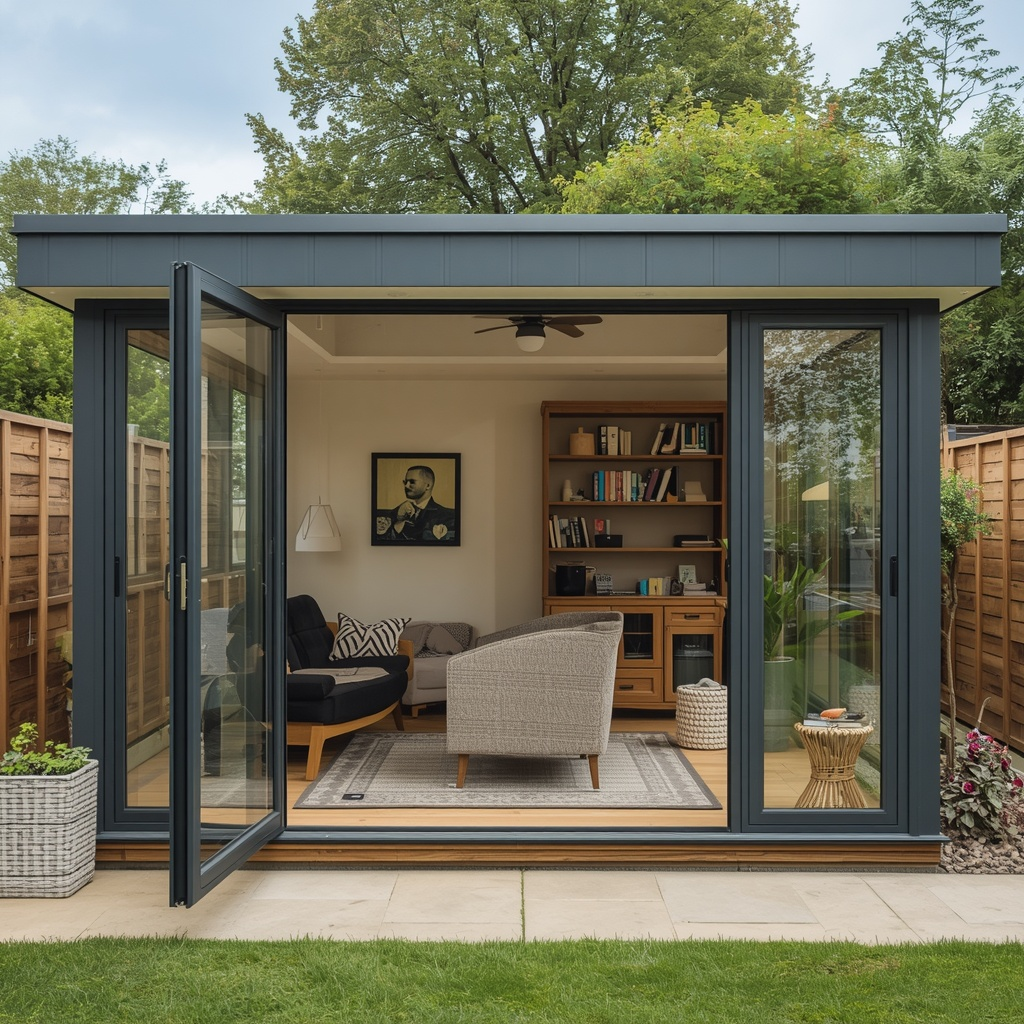
Garden rooms are highly adaptable spaces that can serve many purposes depending on lifestyle needs. One of the most popular uses is a home office, offering a quiet environment away from household distractions. A simple desk, ergonomic seating, and good lighting are essential for productivity.
Other people turn these spaces into creative studios for writing, painting, or music. Proper storage and ventilation become important depending on the activity. Many also use garden rooms for wellness activities like yoga or meditation, while others design them as entertainment spaces or guest accommodations. The flexibility is what makes them so valuable in modern homes.
Productive Garden Office Setup for Remote Work
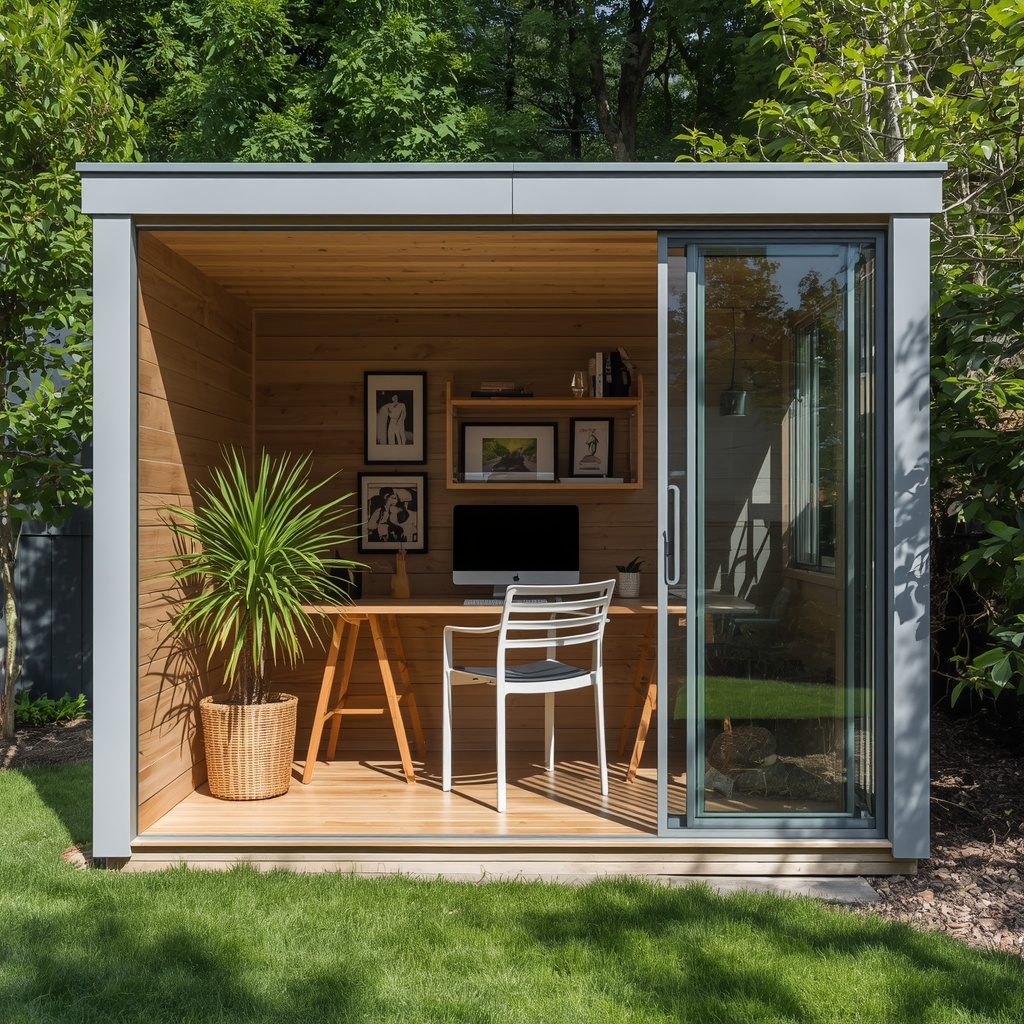
A garden office is one of the most practical uses for a detached outdoor room. It allows individuals to separate work life from home life while still staying close to home comforts. A clean desk layout, comfortable chair, and strong natural lighting help support focus and productivity throughout the day.
Adding personal touches like artwork, plants, or family photos makes the space feel more inviting and less corporate. Many people find they concentrate better in a dedicated environment away from household noise. This setup has become especially popular with the rise of remote and hybrid working lifestyles.
Creative Studio Garden Space for Artistic Expression
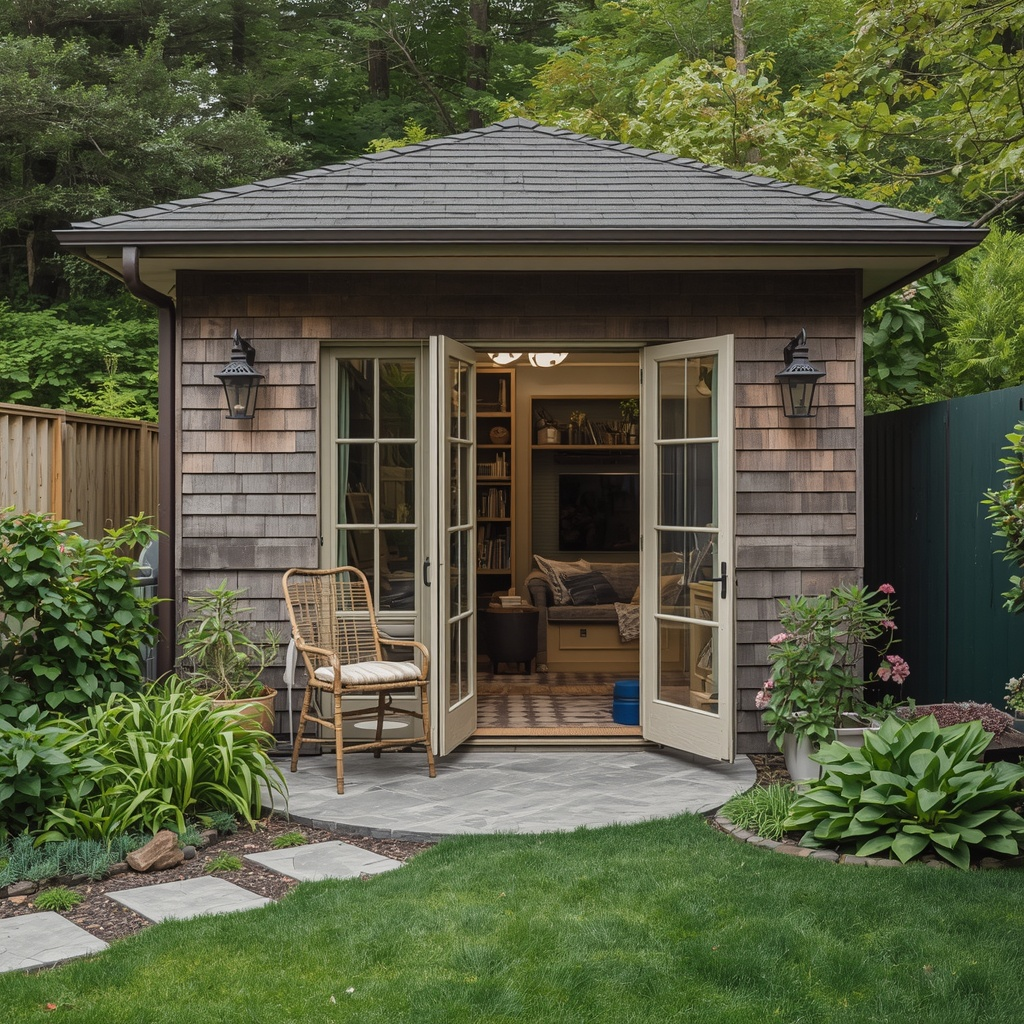
A garden-based creative studio provides the perfect environment for artistic work. Whether used for painting, writing, music, or crafts, it offers privacy and freedom without disturbing the main home. Natural light is especially valuable for visual arts, helping improve accuracy and inspiration.
Proper storage for tools, materials, and equipment is important to keep the space organized. Depending on the activity, adjustable lighting and ventilation may also be needed. The separation from the main house encourages focus and creativity, making it an ideal setup for both professional and hobby-based artists.
Wellness and Relaxation Garden Retreat Setup
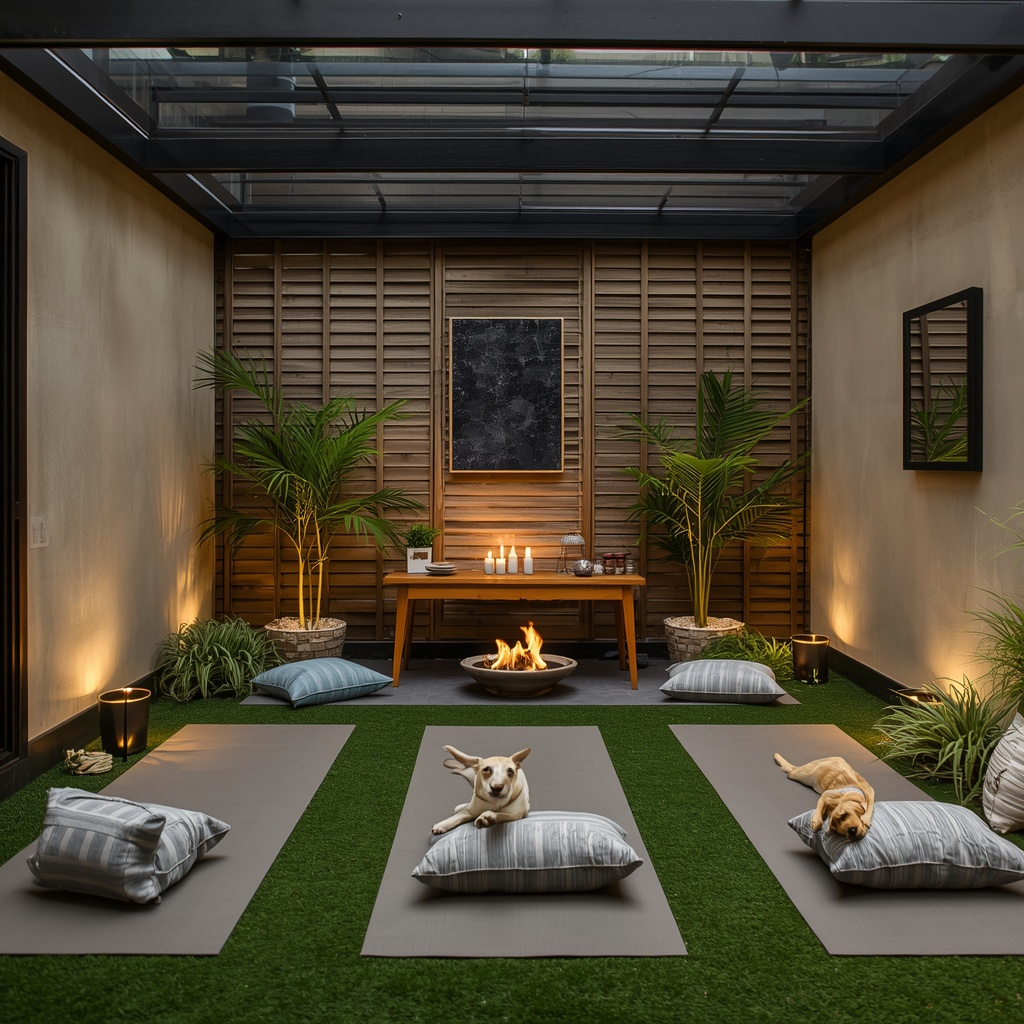
Wellness-focused garden rooms are designed to promote relaxation and mental clarity. These spaces often include yoga mats, meditation cushions, and calming décor that supports a peaceful atmosphere. Soft lighting and minimal furniture help reduce visual stress and encourage mindfulness.
Some designs incorporate features like small indoor fountains or natural sound elements to enhance relaxation. Soundproofing can also be beneficial for maintaining quiet in busy neighborhoods. The goal is to create a personal retreat where individuals can unwind, stretch, meditate, or simply disconnect from daily pressures.
Entertainment-Focused Garden Room for Social Gatherings
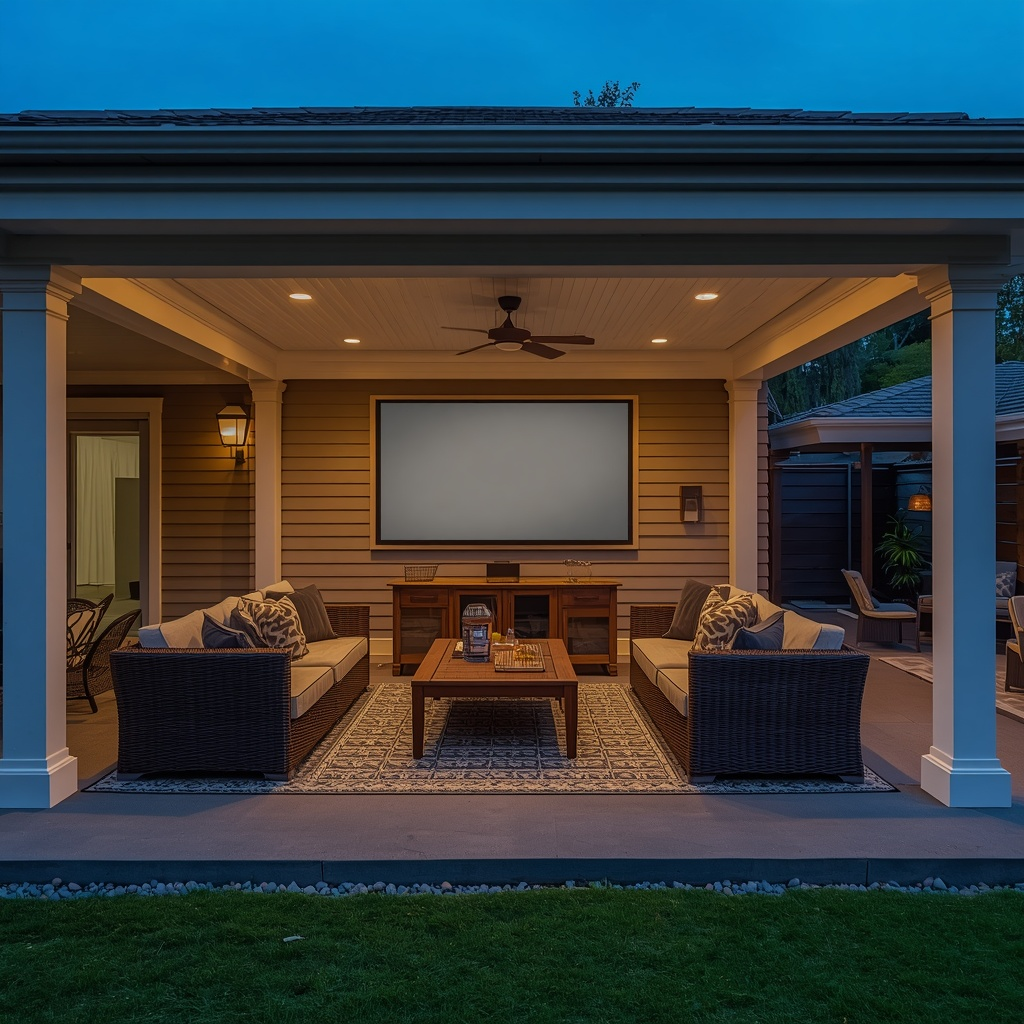
An entertainment garden room transforms outdoor space into a social hub. It can include a large screen for movies, a sound system for music, and comfortable seating for guests. This setup is ideal for hosting gatherings, game nights, or casual hangouts.
Adding a mini fridge, snack station, or coffee corner makes the space even more functional. Lighting plays an important role, with warm tones helping create a relaxed and inviting atmosphere. This type of garden room extends the usability of the home and provides a dedicated space for fun and entertainment.
Comfortable Guest Accommodation in a Garden Room
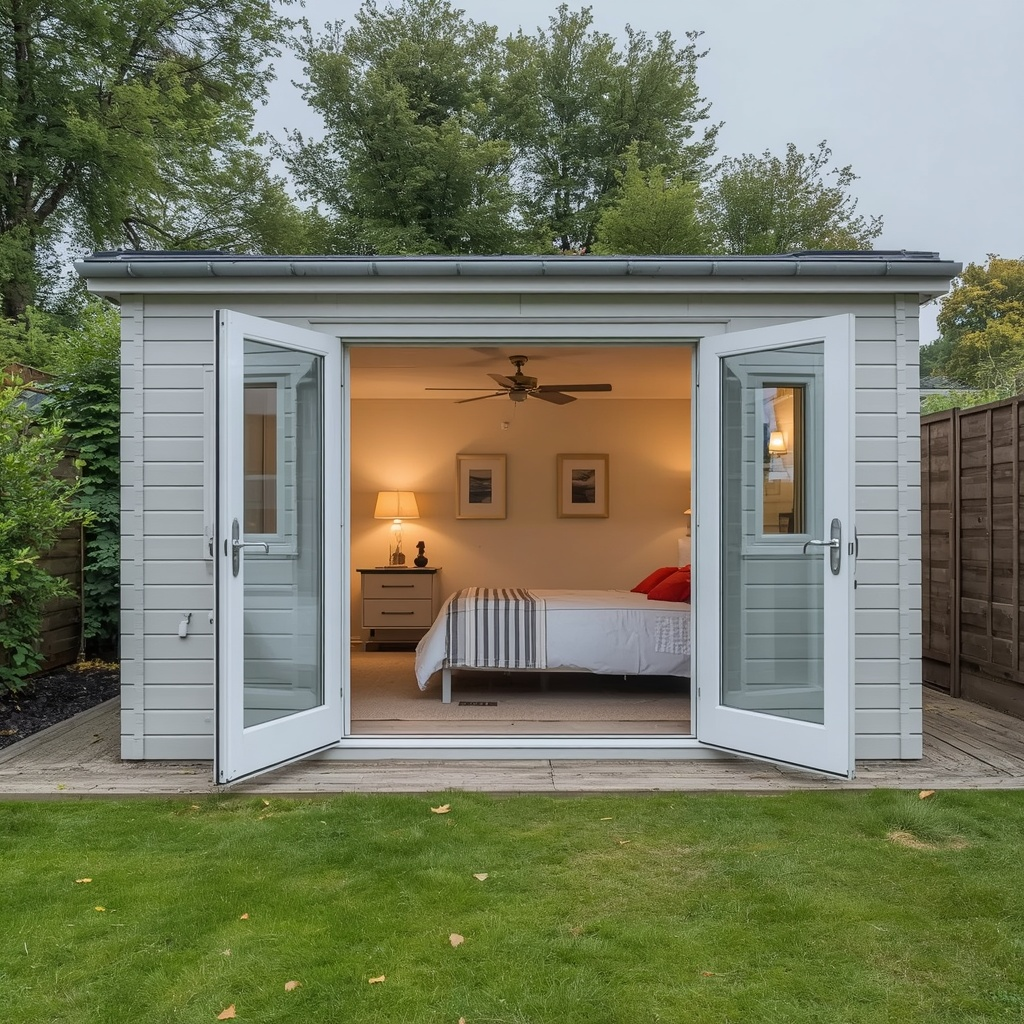
Using a garden room as guest accommodation provides privacy for visitors while keeping them close to the main home. Essential features include a comfortable bed, heating or cooling options, and basic storage for luggage and clothing. Some setups may also include an en-suite bathroom for added convenience.
Planning is important when designing a space for overnight stays, as local regulations may apply. Thoughtful design ensures guests feel welcome and comfortable without compromising functionality. This option is especially useful for frequent visitors or multigenerational living arrangements.
Designing Outdoor Spaces That Complement Your Garden Room
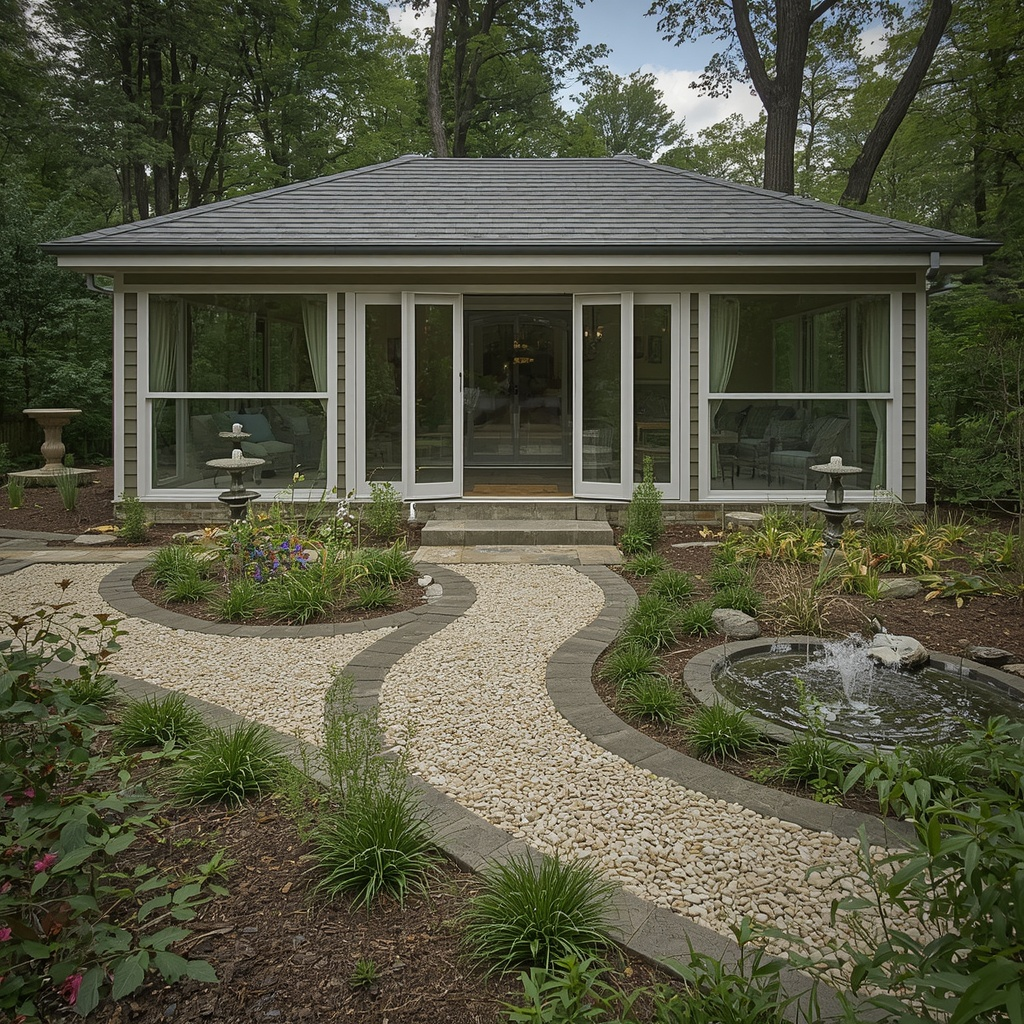
A well-designed garden room should blend naturally into its surroundings rather than stand out awkwardly. Landscaping plays a key role in achieving this balance. Curved pathways made from stone or gravel often look more natural than straight concrete paths.
Layered planting beds with different heights and textures add depth and visual interest. Water features such as small fountains or bird baths introduce movement and sound, enhancing the outdoor experience. The goal is to create a seamless flow between the garden structure and the surrounding landscape.
Outdoor and Indoor Lighting Ideas for Garden Rooms
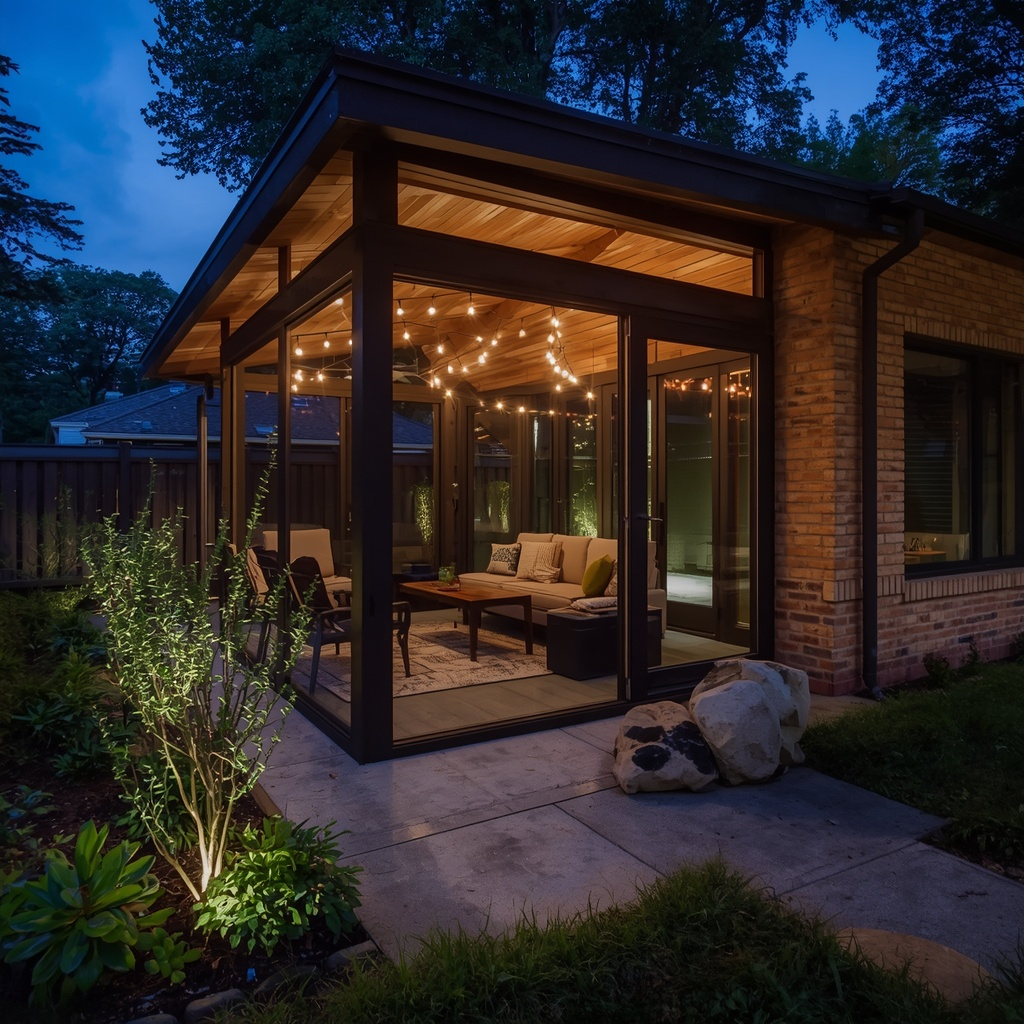
Lighting is essential for both the functionality and ambiance of a garden room. Outdoor lighting extends usability into the evening, while also highlighting architectural and landscape features. String lights create a cozy, relaxed atmosphere, while spotlights can emphasize plants or design elements.
Solar-powered pathway lights are a practical and energy-efficient choice. Inside the garden room, layered lighting such as ceiling lights, floor lamps, and task lighting provides flexibility for different activities. A well-lit environment ensures comfort and usability at all times of day.
Natural Privacy Solutions for Garden Room Spaces
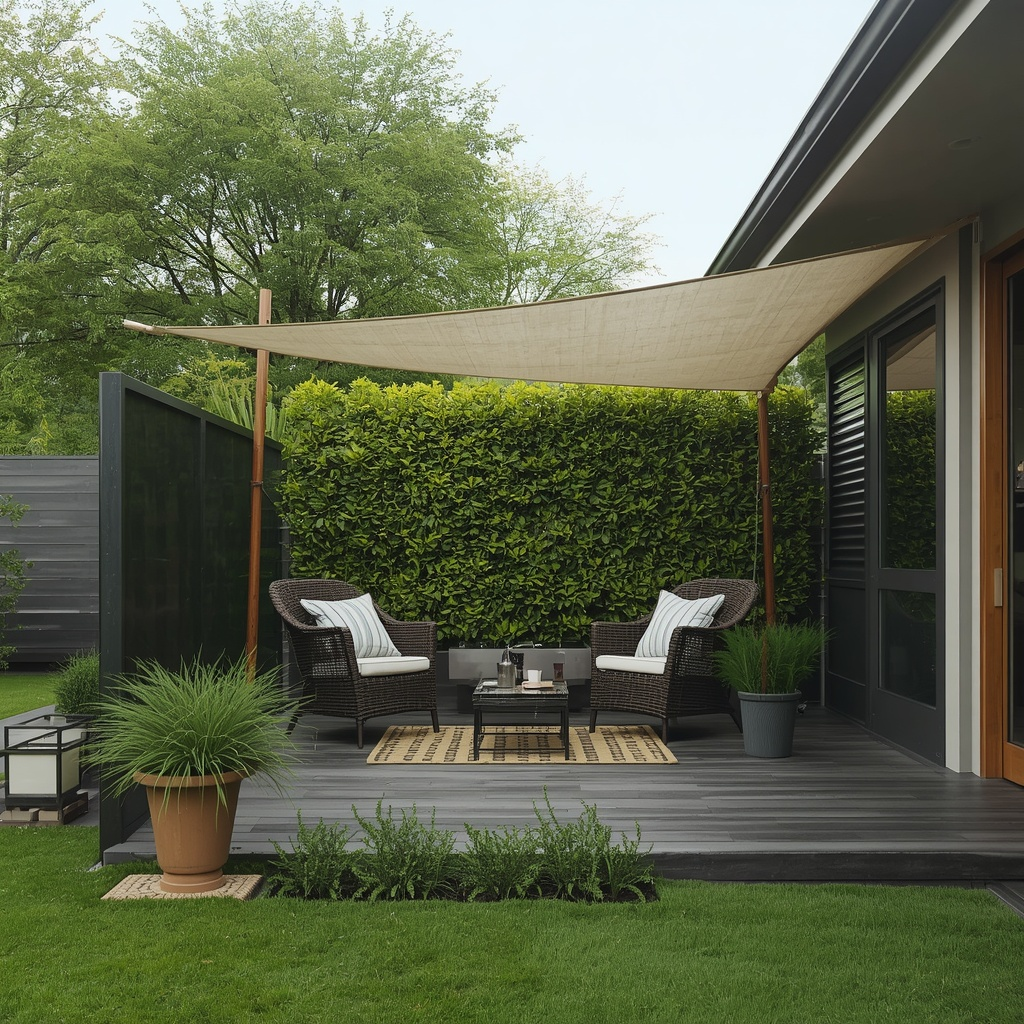
Privacy is an important consideration when designing garden rooms, especially in residential areas. Fortunately, there are many natural and visually appealing solutions. Fast-growing hedges, bamboo screens, and climbing plants on trellises can create effective barriers without feeling harsh or enclosed.
Pergolas and shade sails also help provide partial coverage while maintaining an open feel. The key is choosing options that complement the overall garden design. These solutions enhance privacy while preserving the natural beauty of the outdoor space.
Sustainable and Eco-Friendly Garden Room Features
Sustainability is becoming a major focus in modern garden room design. Eco-friendly features such as rainwater collection systems can help irrigate surrounding plants, reducing water waste. Solar panels are also increasingly used to power lighting and small appliances efficiently.
Choosing native plants is another sustainable practice, as they require less maintenance and support local biodiversity. These environmentally conscious decisions not only reduce long-term costs but also minimize environmental impact. A sustainable garden room creates a balance between comfort, style, and responsibility toward nature.