
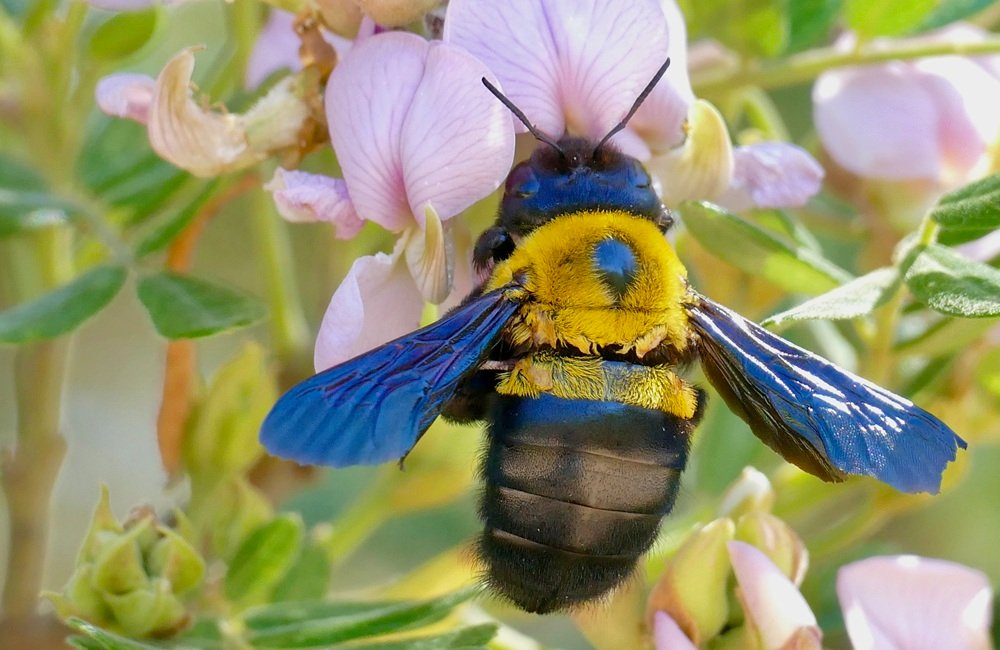
Carpenter bees can be frustrating when they start drilling holes into decks, fences and wooden furniture around your home. While these pollinators play a role in nature, repeated nesting can lead to visible damage and unwanted buzzing near entryways. The good news is that you can manage them safely and effectively with simple methods that protect your space.
From natural deterrents to repair tips and prevention strategies, this guide explains how to get rid of carpenter bees easily. Discover practical steps to stop new nests, reduce activity, and keep your wood surfaces in great shape for lasting results every season.
Carpenter bee prevention methods
The easiest strategy to deal with carpenter bee nests is always to prevent them. To prevent carpenter bees from building nests on or near your property, consider these three suggestions and do-it-yourself solutions:
Repair and Close Existing Holes in Wooden Surfaces
During the cooler months, inspect your wooden structures for old carpenter bee holes, cracks, or small gaps. Use wood filler, caulk, plugs, or cork to seal openings that are no longer active. For added strength, you can place steel wool inside the hole before applying wood filler.
Closing these spaces helps reduce the chance of carpenter bees returning to old nesting spots and makes it harder for them to create new tunnels.
Apply Paint or Protective Finish to Bare Wood
Carpenter bees are often attracted to untreated, weathered, or softer wood surfaces. Bare wood can be more inviting for nesting activity.
Painting, staining, or varnishing exposed and unfinished wood—including recently repaired areas—can help make the surface less appealing. A protective coating may also improve the durability and appearance of your wood.
Use Wind Chimes as a Gentle Deterrent
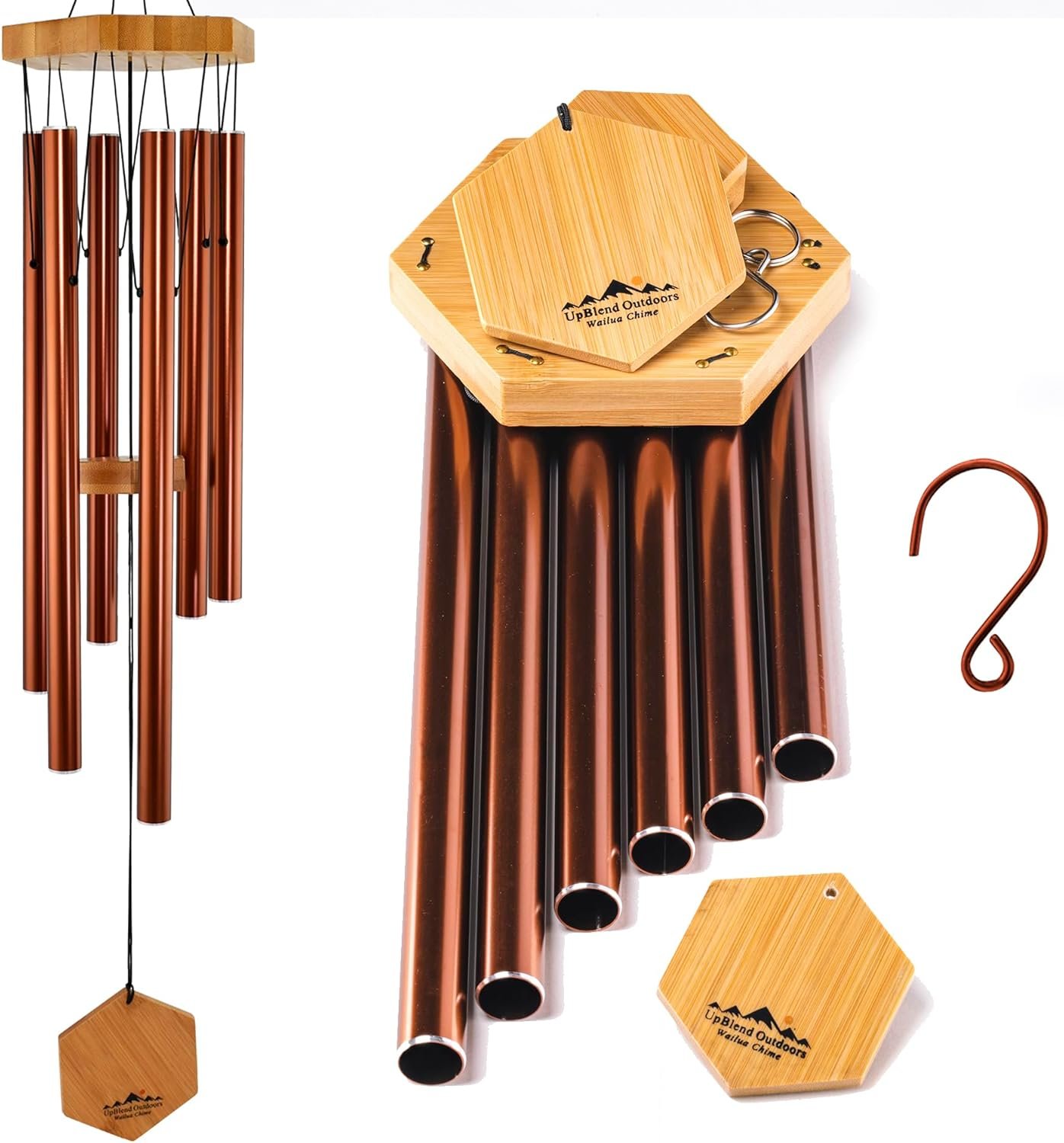
Hand-tuned wind chime with 6 aluminum tubes calibrated for deep, soothing tones. Designed as a lasting sympathy gift for remembrance, offering calming sound for years. Includes a heartfelt sympathy card and elegant packaging. Made from rust-resistant red aluminum for outdoor durability, ideal for gardens, patios, or porches.
Some homeowners use wind chimes near outdoor wooden areas where carpenter bees may gather. The movement and sound may help disturb the area and make it less attractive to insects.
Results can vary depending on the location and conditions, but wind chimes are a simple and non-invasive option that may be worth trying.
Carpenter bee removal methods (without killing them)
You might not want to harm carpenter bees because, as we’ve mentioned, they are crucial pollinators. If so, there are four non-lethal methods for getting rid of carpenter bees:
Use Carpenter Bee Traps
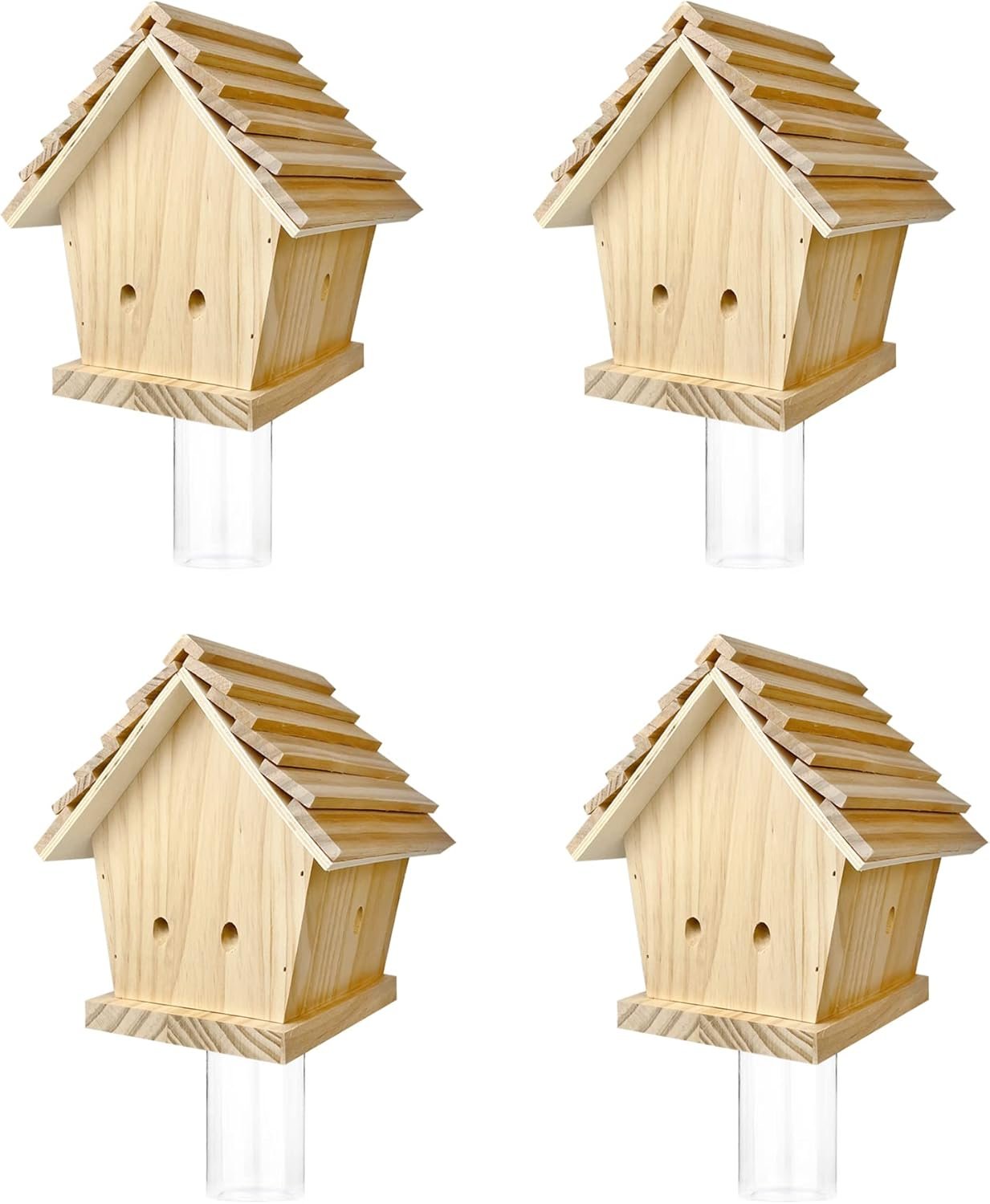
Chalet-style carpenter bee trap (U.S. patented RE46,421) designed to protect wooden structures like eaves, decks, and patios. Made from natural cedar wood with no chemicals, safe for kids and pets. Easy to install with no setup required. Eco-friendly, low-maintenance solution that helps manage carpenter bees while adding decorative outdoor appeal.
Carpenter bee traps are designed to attract bees into a chamber where they cannot easily escape. These traps are commonly placed near decks, fences, sheds, or other wooden areas where carpenter bees are active.
You can purchase ready-made traps or build one using a wooden box and a small entry hole. Most designs work in a similar way: the bee enters the trap and remains inside.
Some people also use non-toxic attractants to improve trap effectiveness. If you choose to relocate trapped bees, move them far from your home as soon as possible.
Apply Citrus Spray Around Active Areas
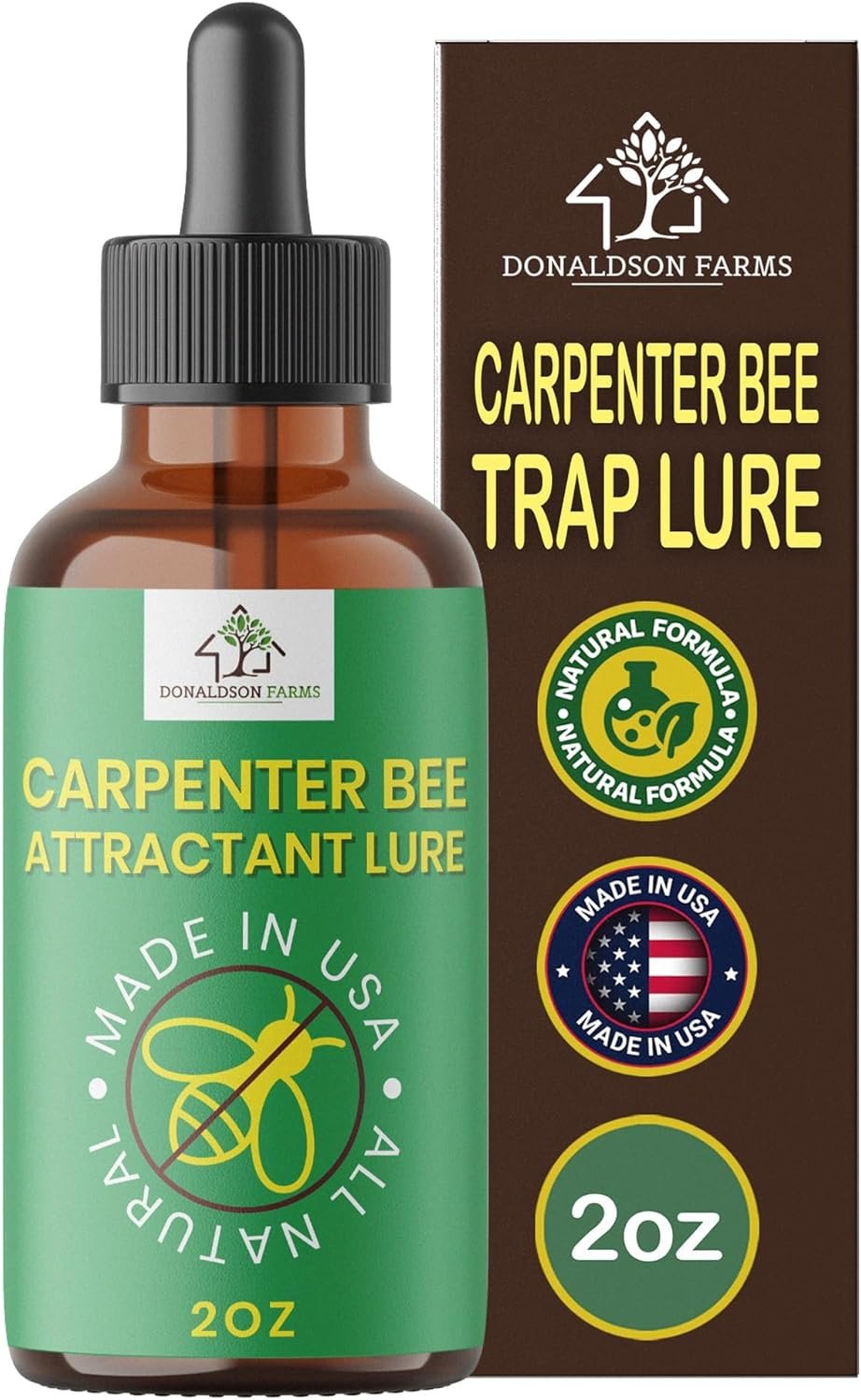
Carpenter bee attractant lure designed to improve trap effectiveness by drawing bees into compatible traps. Easy to use with simple application and no special equipment required. Formulated to target carpenter bees while being gentle on honeybees. Eco-friendly solution made in the USA, suitable for use with both homemade and commercial traps.
Many people use citrus-based sprays as a natural way to discourage carpenter bees. The scent of citrus may help make nesting areas less appealing.
You can buy a ready-made citrus spray or make one at home by boiling citrus peels in water for several hours. After the liquid cools, pour it into a spray bottle and apply it around nesting holes, wooden surfaces, or areas where bees are often seen.
Try Essential Oil Repellents

Citrus-based carpenter bee repellent spray made with citronella and lemongrass to discourage nesting without harsh chemicals. Helps protect and preserve wooden surfaces with long-lasting effectiveness. Safe for use around family and pets with natural essential oils. Easy trigger-spray application. Packaged in eco-friendly bottles made from reclaimed ocean plastic.
Certain essential oils are commonly used as natural insect deterrents. Popular choices include peppermint, tea tree, lemon, and almond oil.
To use them, mix a small amount of essential oil with water in a spray bottle and apply it near nest entrances or affected wooden areas. Reapply as needed, especially after rain or outdoor cleaning.
Play Loud Music Near Nesting Sites
Carpenter bees tend to avoid frequent disturbance and vibration. Playing loud music near active nesting areas may encourage them to leave the space.
This method does not harm the bees, but it may help reduce activity in the area. If using music outdoors, be mindful of neighbors and local noise rules.
Carpenter bee removal methods (killing them)
Alright, so here we are. You want to know what kills carpenter bees if you’ve tried the aforementioned carpenter bee eradication techniques and they haven’t worked, if you just don’t want them on your property, or if you have an infestation.
This can be done in a few different ways, the first two of which are targeted procedures, which are better than indiscriminate methods.
1. Vacuuming Carpenter Bees Safely
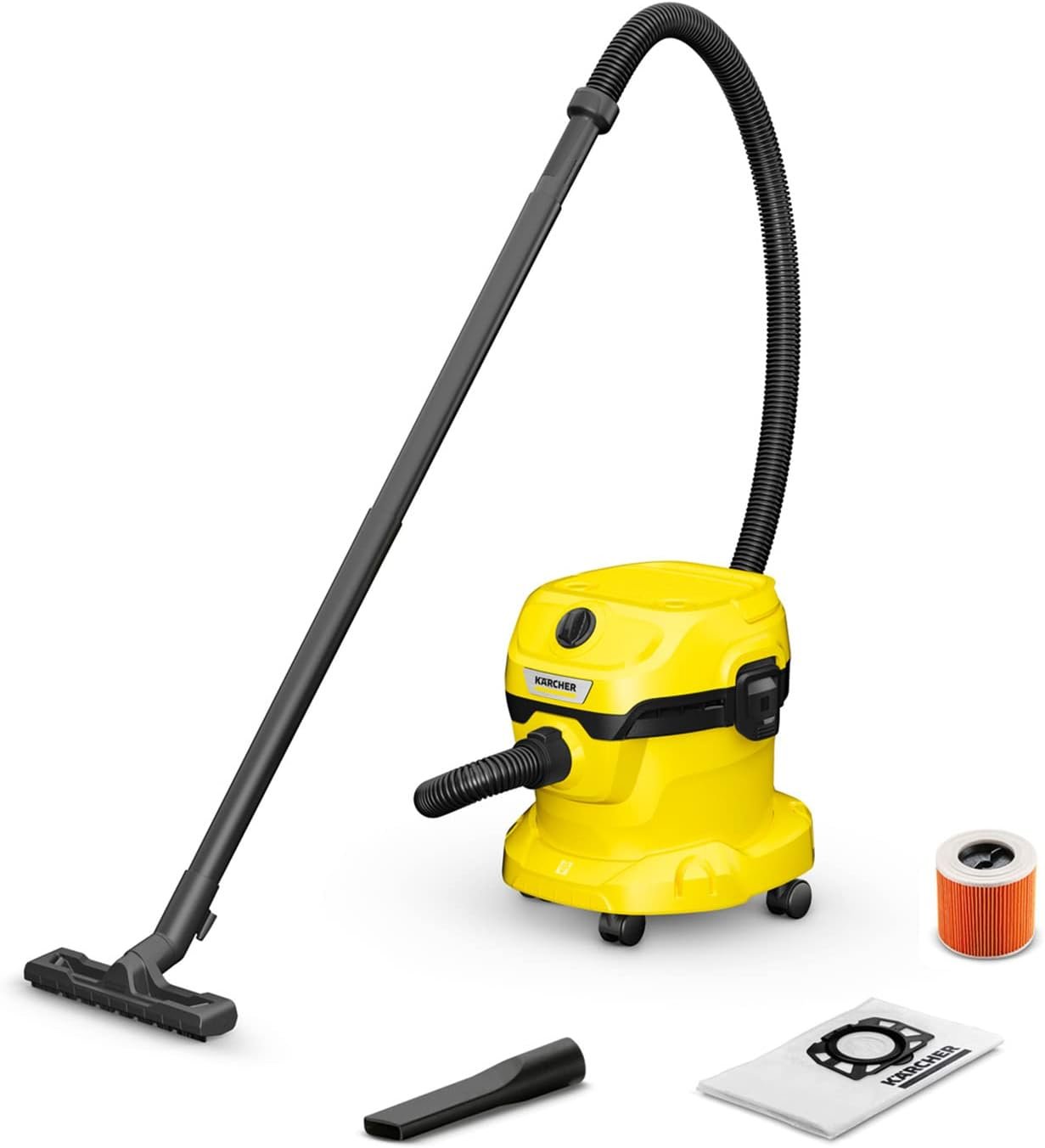
Kärcher WD 2 Plus wet and dry vacuum offers powerful 180 AW suction with a blow function for versatile cleaning. Features a 12L tank, 6-ft suction hose, and storage for accessories. Includes cartridge filter for wet/dry use without switching, plus floor and crevice nozzles. Ideal for home, garage, workshop, and car interiors.
If carpenter bees are nesting in an area that is easy to reach, using a vacuum can be one possible way to remove them. A specialized insect vacuum or a wet/dry vacuum with reduced suction may allow capture without immediately harming the insects. However, a standard high-powered household vacuum may cause injury or death. After collection, any captured bees should be released far away from your home, following local environmental guidelines and safety precautions.
2. Physical Removal Using Rackets or Swatters
Some homeowners attempt to control carpenter bees in flight using tools such as tennis rackets or electronic bug swatters. These methods are direct and may result in the insect being killed or stunned. If the bee is only temporarily dazed, it is sometimes removed manually afterward. It is important to remember that male carpenter bees do not sting, while females can sting only if provoked. This method should be used carefully and responsibly.
3. Diatomaceous Earth for Nest Control
Diatomaceous earth is a fine natural powder made from fossilized microscopic algae. It is often used in pest management because it can affect insects by damaging their outer protective layer. When applied carefully into inactive or lightly used carpenter bee holes, it may help reduce activity. Always follow product instructions and avoid inhaling dust during application. It should be used sparingly and with care to avoid affecting other beneficial insects nearby.
4. Vinegar as a Simple Deterrent
Vinegar is sometimes used as a household method to discourage carpenter bees due to its strong odor. Spraying diluted vinegar into or around nest openings may help make the area less appealing for activity. While it is not a guaranteed solution, it is a low-cost and widely available option. Care should be taken not to oversaturate wood surfaces, as repeated moisture exposure can contribute to material damage over time.
5. Insecticide Sprays for Targeted Use
In cases where carpenter bee activity is persistent, some people use insecticide sprays designed for wood-boring insects. These products should only be used according to label instructions and applied directly to affected nesting areas. Avoid spraying broadly, as many insecticides can also harm beneficial pollinators. Protective clothing is recommended during application. For severe or widespread infestations, consulting a licensed pest control professional is often the safest approach.
6. Insecticidal Dust for Deep Tunnels
Insecticidal dust products are sometimes used to treat deeper carpenter bee tunnels where sprays may not reach effectively. When applied correctly into active or abandoned burrows, the dust can help control insects inside the wood. These products should always be used with caution, following manufacturer guidelines closely. After treatment, sealing the holes can help reduce the chance of future reuse by carpenter bees.
7. Caution with Flammable Household Sprays
Some household products, such as aerosol lubricants or carburetor cleaners, are occasionally mentioned for insect control, but they are not recommended as safe pest management solutions. These substances may be flammable and can pose risks when used near wooden structures, eaves, or enclosed spaces. Misuse can also create safety hazards for people and pets. Safer, purpose-made pest control methods or professional assistance are strongly advised instead.
What Are Carpenter Bees?
Carpenter bees (Xylocopa virginica) are native pollinators in the United States. While they play an important role in supporting plant growth and flower pollination, they can become a problem when they nest in residential or wooden structures.
These bees are commonly attracted to untreated wood, especially surfaces that are bare, weathered, or unpainted. Because of this, they are often found around homes, fences, decks, and other wooden buildings.
Appearance and Behavior
Carpenter bees are large insects that are often confused with bumblebees due to their similar size and coloring. However, they can be distinguished by their shiny, hairless abdomen, which contrasts with the fuzzy abdomen of bumblebees.
Female carpenter bees have a stinger, but they are generally not aggressive and only sting when they feel directly threatened. Male carpenter bees do not have stingers, although they may behave defensively by hovering near people or nesting areas.
Damage Carpenter Bees Can Cause
Carpenter bees get their name from their nesting behavior. Instead of building hives, they tunnel into wood to create galleries where they lay eggs. Over time, repeated tunneling can weaken wooden structures.
A single tunnel may not cause significant damage, but multiple nests in the same area can lead to more serious structural issues, especially in untreated or exposed wood.
Signs of carpenter bee activity often include:
- Small, round holes in wooden surfaces
- Fine sawdust-like material near entry points
- Buzzing sounds coming from walls, beams, or wooden fixtures
In some cases, a single entrance hole may lead to a larger internal tunnel system that can house several bees, including multiple females and males.
Carpenter bee activity can also attract woodpeckers, which may cause additional damage while trying to reach the insects inside the wood. This can turn small, clean entry holes into larger, more visible damage over time.