
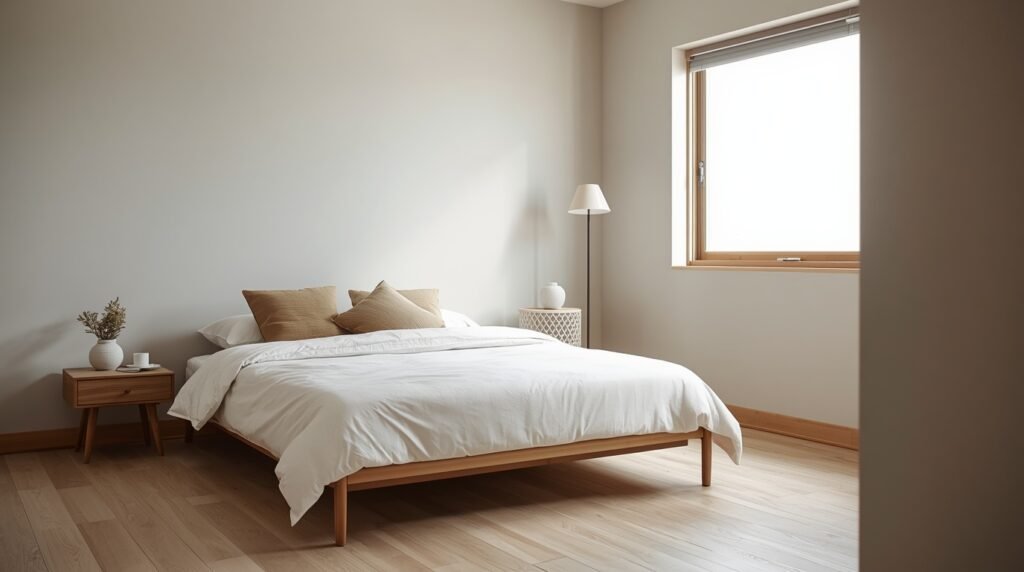
Looking for a bedroom style that feels calm, simple, and beautifully balanced? Japandi design blends Japanese minimalism with Scandinavian warmth, creating spaces that feel peaceful yet inviting. It focuses on clean lines, natural materials, and a soft neutral palette that instantly soothes the senses.
In today’s fast-paced world, a Japandi bedroom offers a refreshing escape where clutter fades and comfort takes center stage. Whether you’re redesigning your space or just seeking inspiration, these Japandi bedroom ideas will help you create a cozy retreat that feels timeless, functional, and effortlessly stylish while still reflecting your personal touch and everyday lifestyle needs.
Japandi Bedroom Color Schemes: Blending Warmth with Cool Serenity

A Japandi bedroom begins with a carefully balanced color palette that blends Scandinavian simplicity with Japanese calmness. The goal is to create a peaceful visual environment where no single shade feels overpowering. Instead, colors work together quietly, supporting rest and mental clarity. This style typically avoids loud or saturated tones and leans toward muted, earthy, and naturally inspired shades.
Soft gray is often used as a base because it creates a neutral foundation that feels modern yet calming. Warm whites help brighten the space without feeling harsh, giving the room a clean and airy effect. Earthy browns, such as light oak or walnut tones, introduce warmth and grounding energy that connects the room to nature. Muted greens bring a subtle freshness, often reminding you of plants and natural landscapes, while gentle blues add a cooling, soothing balance.
When combining these tones, the key is restraint. Instead of using too many contrasting colors, Japandi design focuses on harmony and repetition. A consistent palette across walls, bedding, and furniture helps maintain visual flow. This approach makes the bedroom feel more spacious and restful. Ultimately, the color scheme should support relaxation, reduce visual noise, and create a calm atmosphere that encourages better sleep and emotional ease.
Minimalist Japandi Bedroom Furniture with Purposeful Design

Furniture in a Japandi bedroom is chosen with intention, focusing on practicality, simplicity, and long-term usability. Every piece should serve a clear purpose while contributing to a clean and uncluttered environment. This design philosophy removes unnecessary decoration and highlights craftsmanship, natural materials, and functional layouts.
Clean lines are essential in Japandi furniture. Beds, tables, and storage units usually feature straight edges or soft curves without ornate detailing. Wood is the most common material, often left in its natural finish or lightly stained to highlight texture. Rattan and bamboo may also appear in accent pieces, adding subtle variety without overwhelming the space.
A low platform bed is a signature element, helping the room feel grounded and open. Floating nightstands or wall-mounted shelves are commonly used to reduce floor clutter and create a sense of lightness. Storage is often integrated into the furniture itself, such as built-in drawers or hidden compartments, to maintain order without adding bulky cabinets.
Additional pieces like a minimalist dresser or a simple reading chair can be included, but only if they enhance functionality. The overall goal is to keep the bedroom free of excess items, allowing space and simplicity to define the atmosphere.
Natural Textures and Fabrics for a Cozy Japandi Bedroom Feel
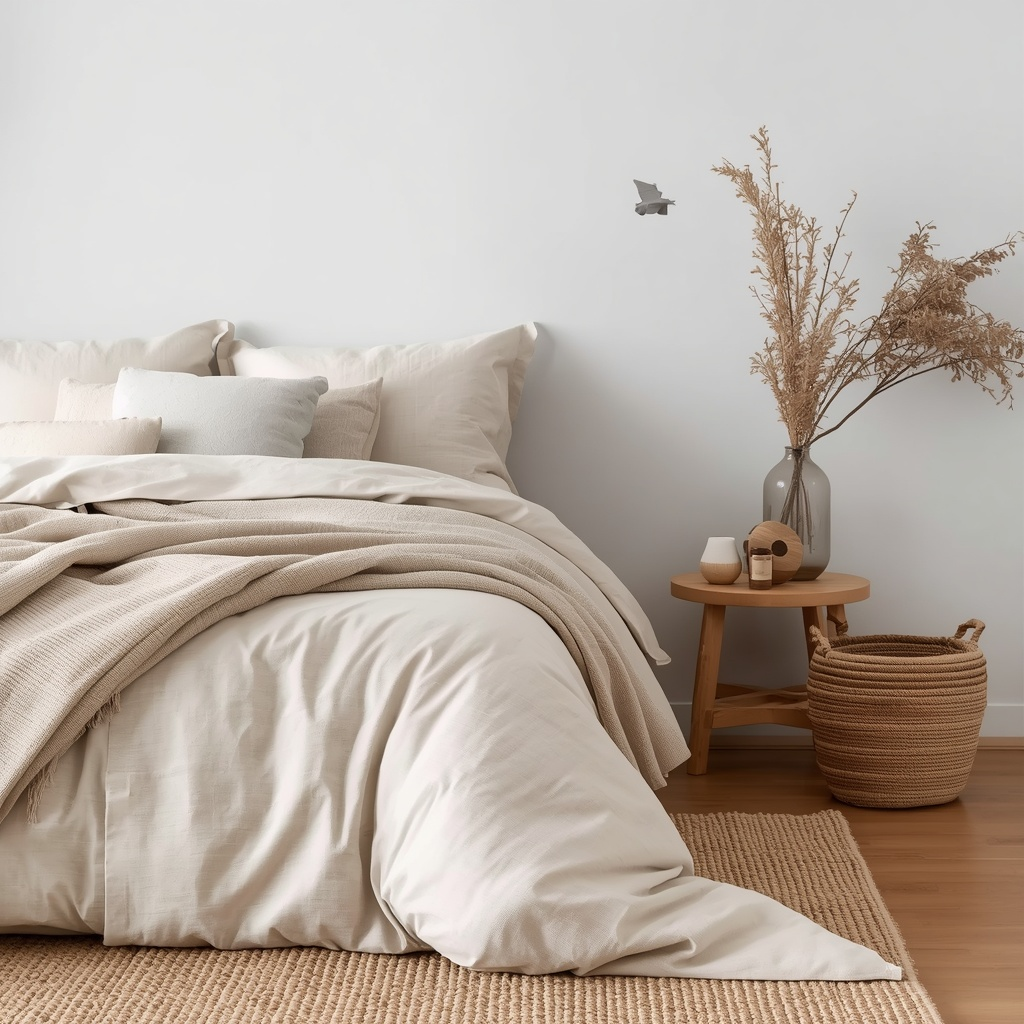
Textures play an essential role in softening the clean lines of Japandi interiors. While the color palette provides visual calm, fabrics and materials introduce warmth, comfort, and a sense of lived-in ease. The key is to layer natural textures in a way that feels subtle rather than overwhelming.
Bedding is often made from breathable materials like cotton, linen, or lightweight wool. These fabrics not only feel comfortable but also add gentle variation in texture. Layering different textiles, such as a linen duvet with a cotton throw, creates depth without disrupting the minimalist aesthetic.
Area rugs made from natural fibers like jute or sisal help ground the room and add an organic touch underfoot. These materials are durable and visually understated, making them ideal for Japandi interiors. Woven baskets are another common addition, offering both texture and practical storage for items like blankets or accessories.
Soft throw pillows and neutral-toned blankets can be used sparingly to add comfort. The idea is not to overfill the space but to carefully choose items that enhance warmth. Through thoughtful layering, the bedroom becomes both visually calm and physically inviting, striking a balance between elegance and comfort.
Soft and Layered Japandi Bedroom Lighting for a Relaxing Atmosphere
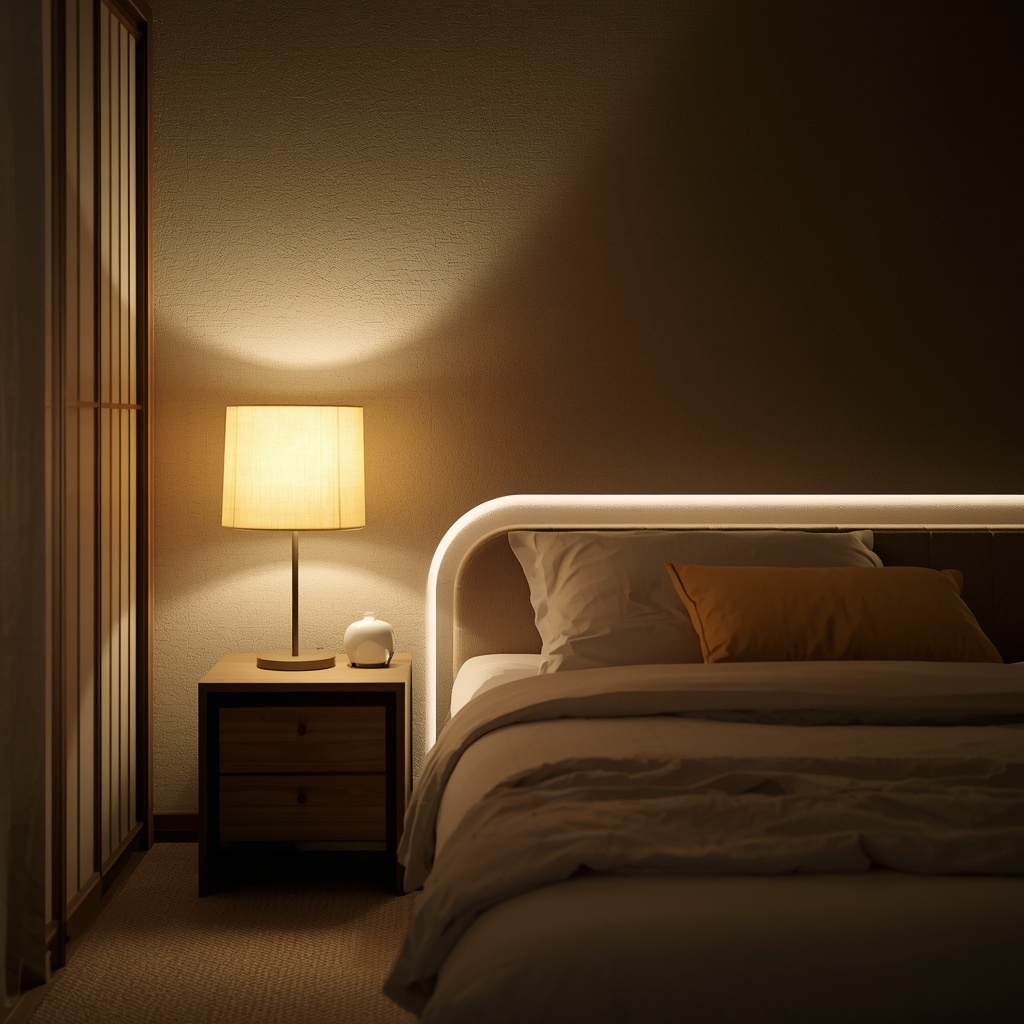
Lighting in a Japandi bedroom is designed to feel gentle, warm, and adjustable to different moods. Instead of relying on bright overhead lighting, this style favors layered light sources that create depth and softness throughout the space. The goal is to support relaxation, especially during evening hours.
Dimmable lighting is highly recommended because it allows control over brightness levels depending on the time of day. Floor lamps with fabric or frosted shades help diffuse light, creating a warm and intimate glow. These lamps are often placed in corners to soften shadows and balance the room’s visual weight.
Bedside lighting is also important for functionality. Table lamps or wall-mounted sconces provide focused light for reading or winding down before sleep. These fixtures are usually simple in design, matching the clean aesthetic of Japandi interiors.
To add subtle ambiance, LED strip lighting can be placed under shelves, behind headboards, or along architectural features. This indirect lighting enhances the room without drawing attention to the source itself. When combined, these lighting layers create a soothing environment that supports rest and reduces visual strain.
Nature-Inspired Japandi Bedroom Decor for a Calm Interior

Decor in a Japandi bedroom is minimal but meaningful, with a strong focus on natural elements and intentional placement. Rather than filling the space with decorative objects, each item is chosen to contribute to calmness, balance, or a subtle connection to nature.
Indoor plants are one of the most common decorative choices. Plants such as snake plants, ferns, or ZZ plants add freshness and improve air quality while reinforcing the natural theme. They are typically placed in simple ceramic or clay pots that blend seamlessly with the room’s palette.
Wall art is usually understated, featuring botanical prints, abstract landscapes, or simple nature-inspired illustrations. These pieces are often framed in wood or neutral tones to maintain cohesion with the overall design.
Small decorative accents made from wood or stone can also enhance the atmosphere. Items like trays, coasters, or sculptural pieces add texture without cluttering surfaces. Even subtle additions, like a small water feature, can introduce a calming sensory element through soft sound.
The key principle is moderation. Every decorative item should feel intentional and contribute to the peaceful mood of the bedroom.
Playful and Lighthearted Japandi Bedroom Ideas for Personality
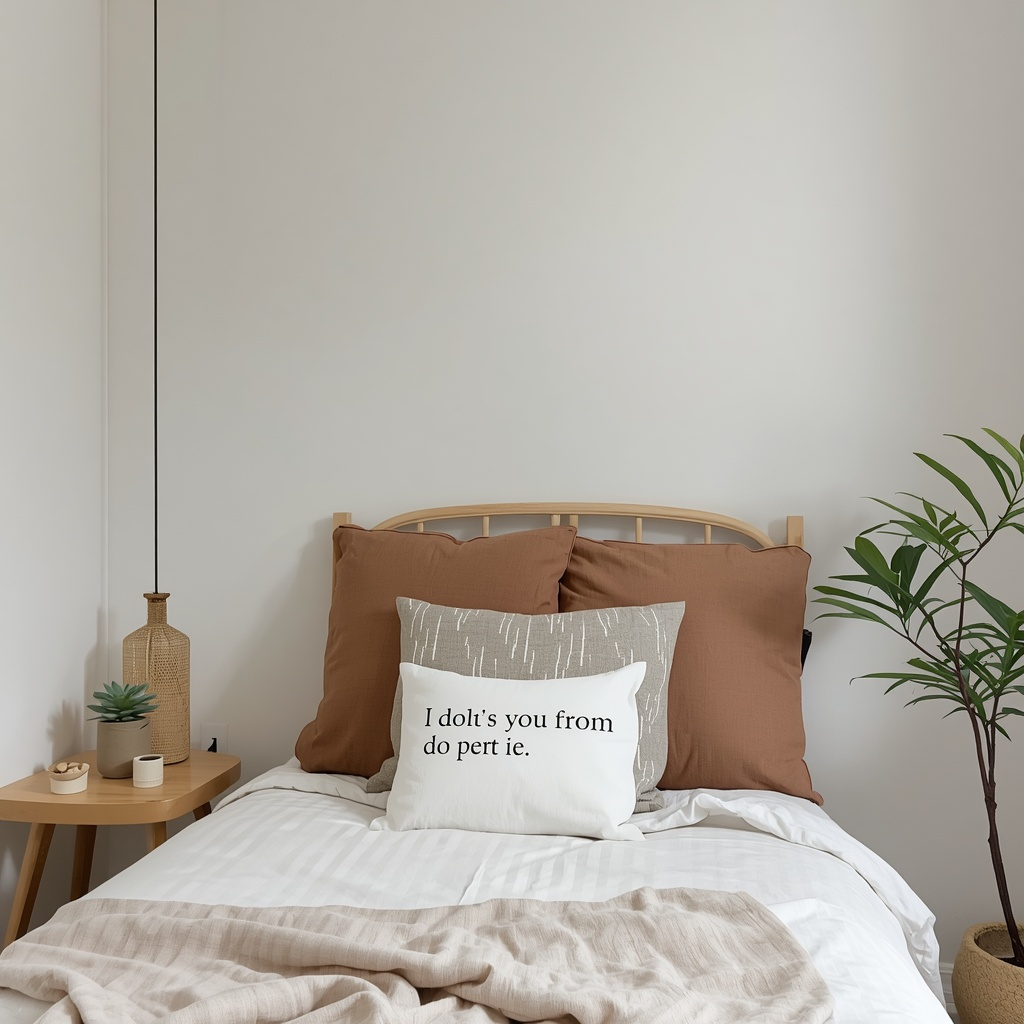
While Japandi design is known for its calm and minimal nature, it does not have to feel overly serious. Adding small touches of humor or personality can make the space feel more personal and enjoyable without disrupting its simplicity.
Quirky décor items can bring a smile while still fitting within a minimalist aesthetic. For example, a simple wall clock shaped like an animal or a clean, modern design with a playful twist can add character. Similarly, throw pillows with lighthearted phrases can introduce humor without overwhelming the space visually.
Small decorative figurines or planters in fun shapes, such as animals or abstract forms, can also add personality. These items work best when used sparingly, ensuring they remain accent pieces rather than focal points.
Wall prints with witty or motivational quotes can also contribute to a relaxed and playful mood. The idea is to maintain balance—keeping the room peaceful while allowing small expressions of individuality.
Ultimately, Japandi style does not exclude creativity. Instead, it encourages thoughtful, minimal ways to include personal touches that make the bedroom feel uniquely yours.
Smart Space-Saving Japandi Bedroom Furniture for Modern Living

Functionality is at the core of Japandi design, and multi-purpose furniture is a practical way to maximize space while maintaining a clean aesthetic. This approach is especially useful in smaller bedrooms where efficiency is essential.
Beds with built-in storage drawers are a popular solution, allowing you to keep extra bedding, clothing, or personal items neatly hidden. This reduces the need for additional storage furniture, helping the room feel more open.
Foldable desks that can be mounted on the wall are another smart addition. When not in use, they can be closed to resemble a shelf, freeing up valuable floor space. This is ideal for those who work or study from their bedroom but prefer a clutter-free environment.
Convertible sofas or daybeds also add flexibility, especially in multi-use rooms or guest spaces. These pieces allow the bedroom to serve different purposes without requiring separate furniture sets.
Sliding wardrobes with integrated mirrors are another efficient choice, combining storage and functionality while saving space. These thoughtful furniture solutions help maintain the Japandi focus on simplicity, order, and calm living without sacrificing practicality.