
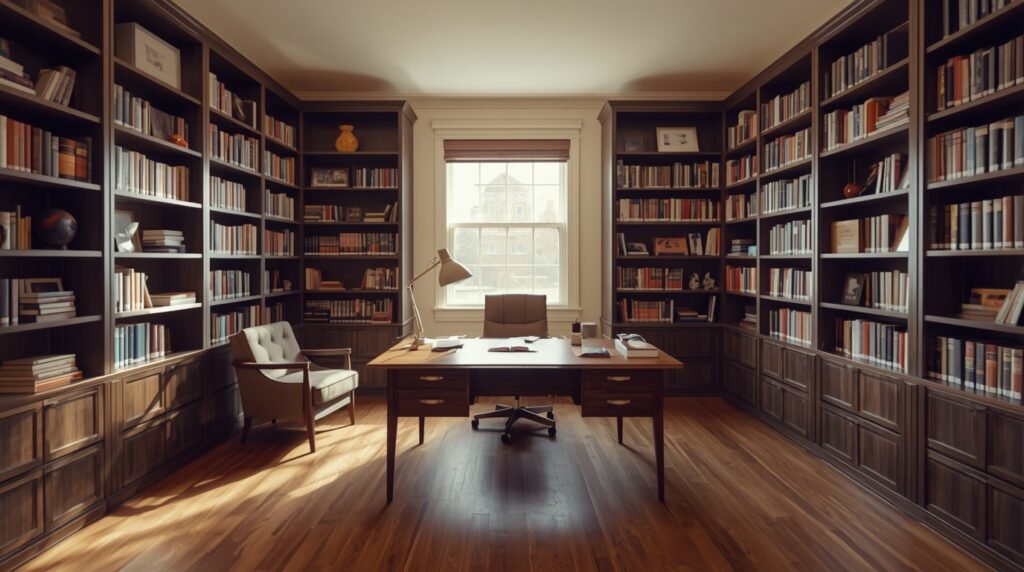
A well-designed study room can boost focus, encourage productivity, and make learning or working from home more enjoyable. Whether you have a dedicated office, a quiet corner, or a compact space to transform, the right layout and décor can make all the difference.
Thoughtful lighting, comfortable furniture, smart storage, and a calming color palette work together to create an environment that supports concentration and creativity. In this article, we’ll explore inspiring study room design ideas for every style and budget, helping you create a functional, organized, and inviting space where you can stay motivated and accomplish your goals.
Maximize Natural Light in Your Study Room
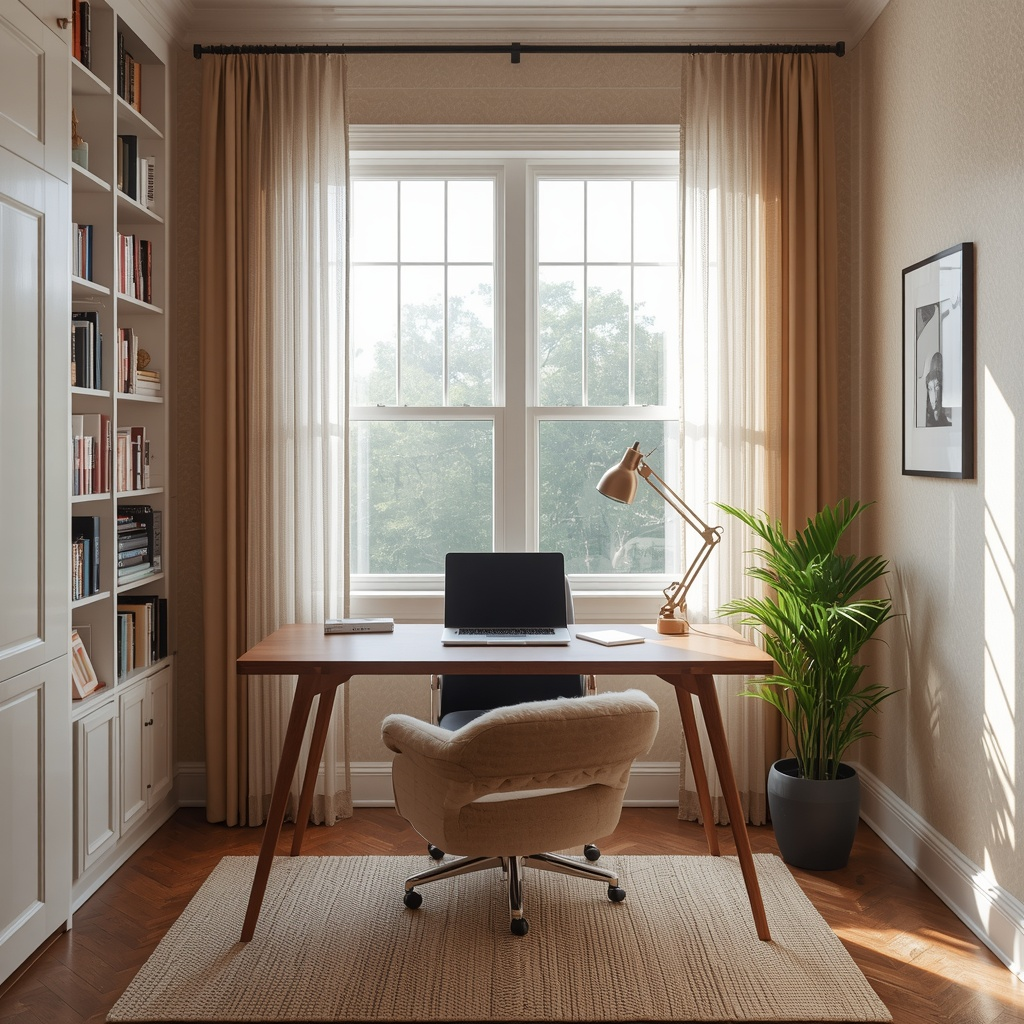
Position your study desk near a window to take advantage of natural light throughout the day. Sunlight helps reduce eye strain, improves focus, and creates a brighter, more welcoming workspace. Use sheer curtains to soften harsh sunlight while still allowing plenty of light to enter the room. A naturally lit study area can also boost your mood and make long study sessions feel more comfortable and productive.
Choose Ergonomic Study Furniture

Comfortable furniture plays an important role in creating a productive study space. An ergonomic chair with proper back support and a desk at the correct height can improve posture and reduce physical strain. Investing in adjustable furniture allows you to customize your setup for maximum comfort. A well-designed workspace helps you stay focused while making long hours of studying much more enjoyable.
Create a Minimalist Study Space
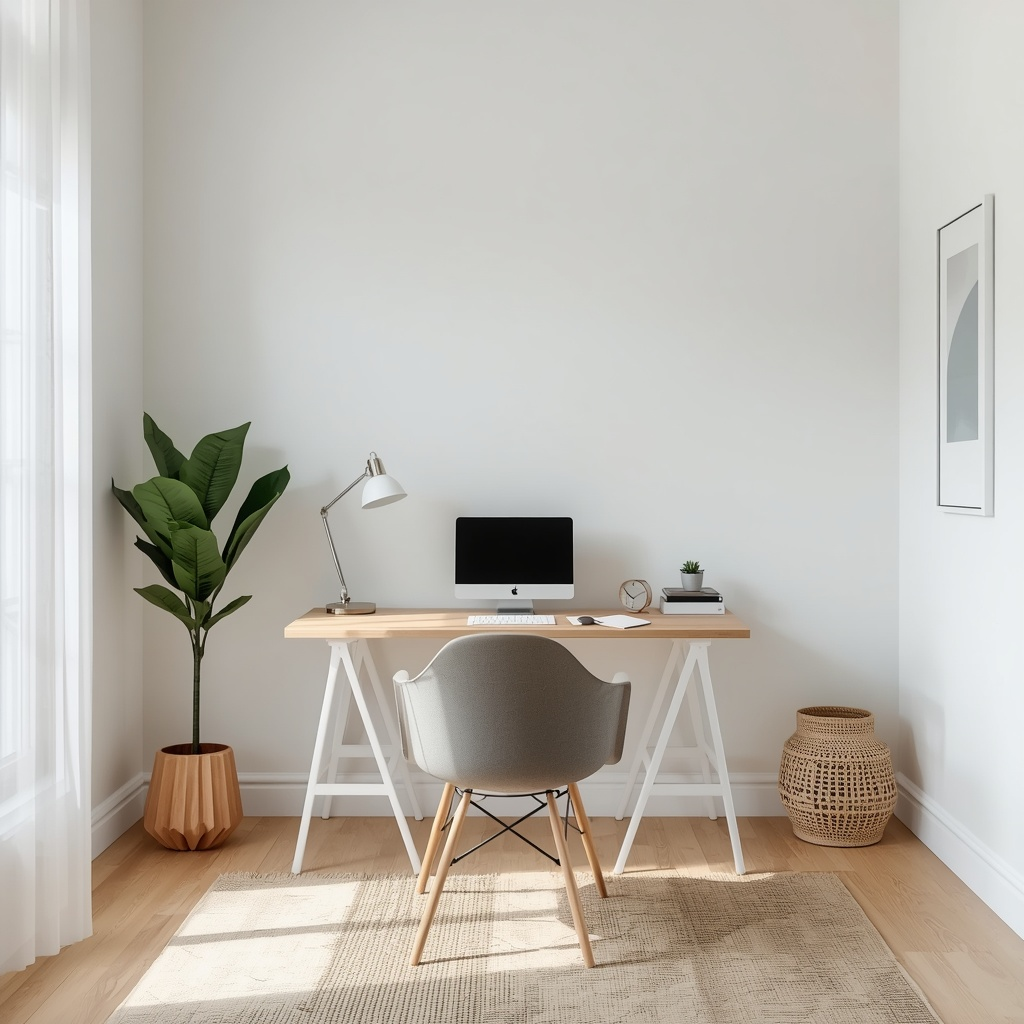
A clean and clutter-free study room makes it easier to stay focused on your work. Choose simple furniture with clean lines and decorate using neutral colors for a calm atmosphere. Keep only the essentials on your desk to reduce distractions and maintain an organized environment. A minimalist design not only looks modern but also encourages better concentration and improved productivity throughout the day.
Add Personalized Decorative Touches
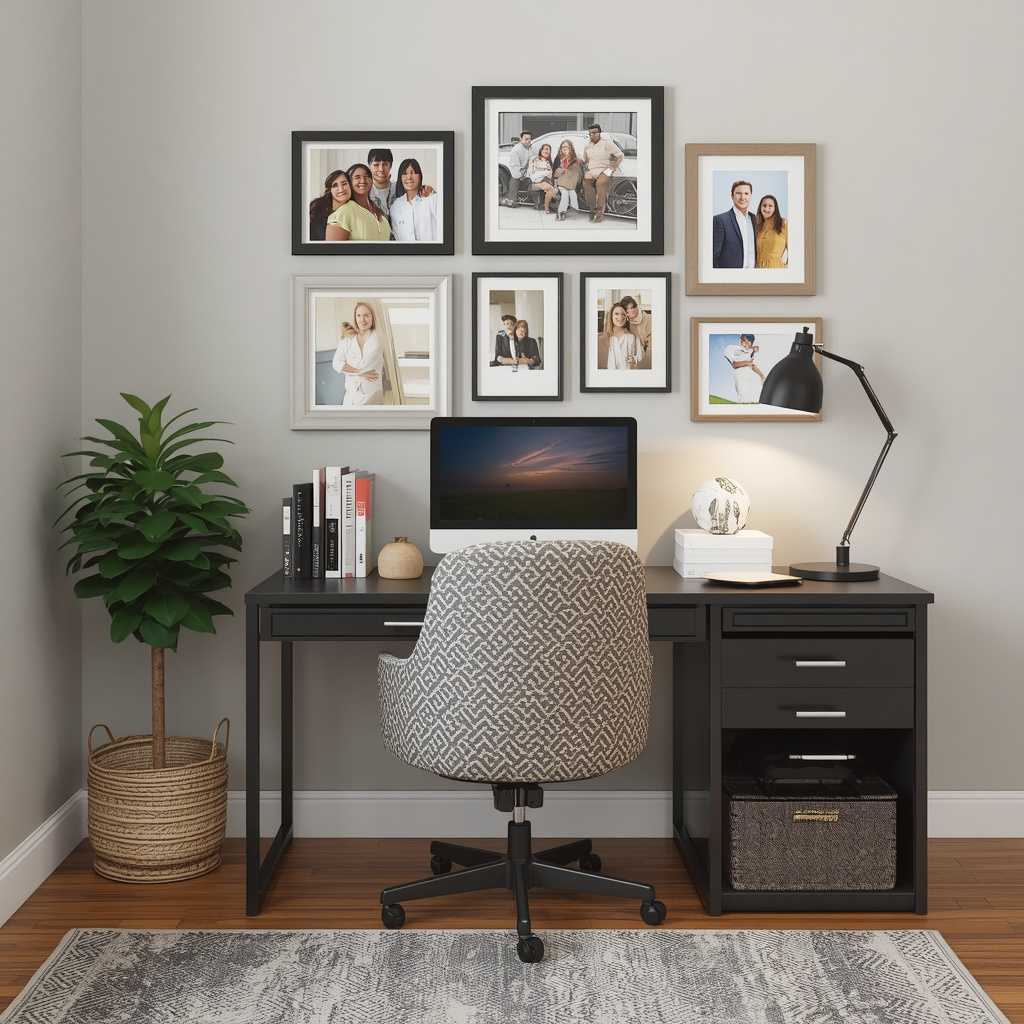
Personalizing your study room makes it feel more comfortable and inspiring. Display family photos, framed artwork, motivational quotes, or meaningful decorations that encourage you to stay motivated. These personal touches create a welcoming atmosphere without overwhelming the space. Keeping decorations simple and meaningful allows your study area to remain functional while reflecting your personality and interests.
Include Practical Storage Solutions
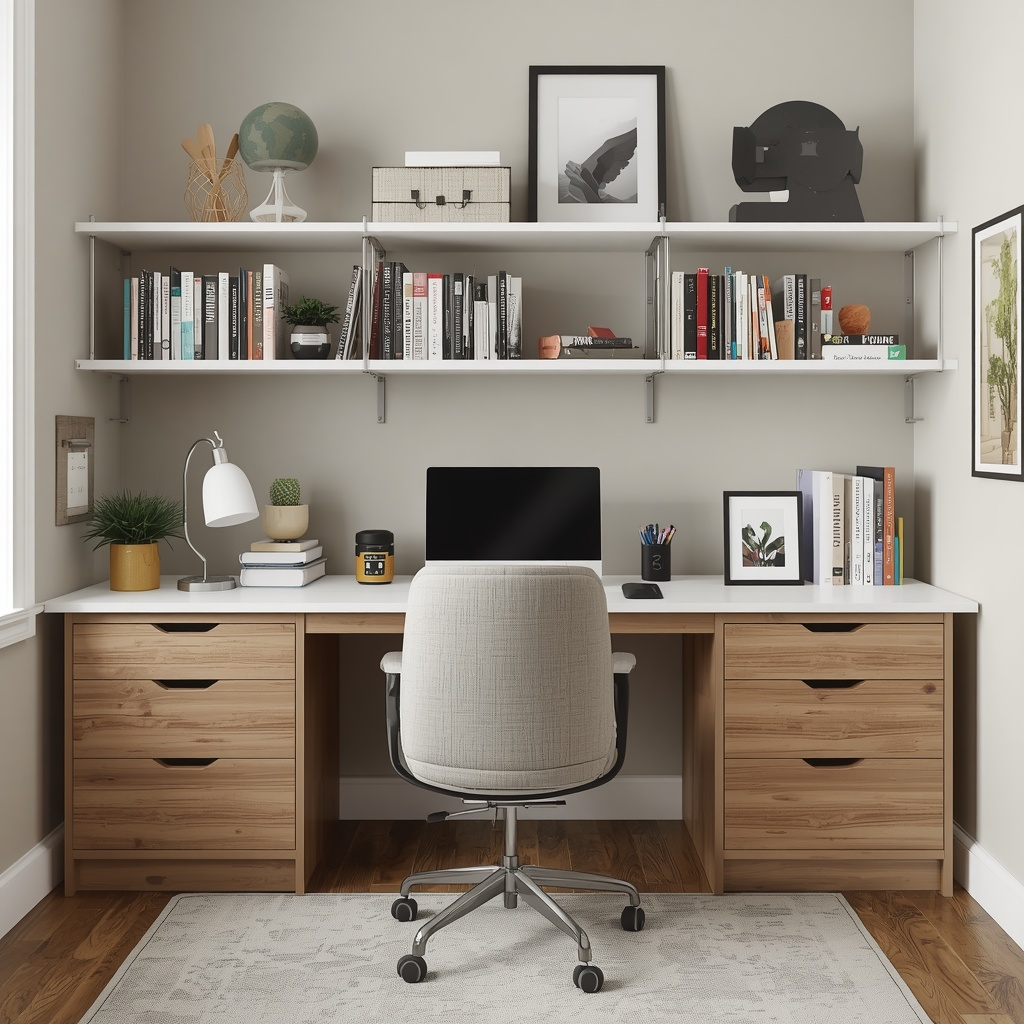
Good storage keeps your study room organized and makes everyday tasks easier. Install shelves, cabinets, or desk drawers to store books, documents, and office supplies neatly. Storage boxes and organizers also help reduce clutter while keeping important items within easy reach. An organized workspace saves time and creates a more productive environment by allowing you to focus on studying instead of searching for materials.
Reduce Noise for Better Concentration
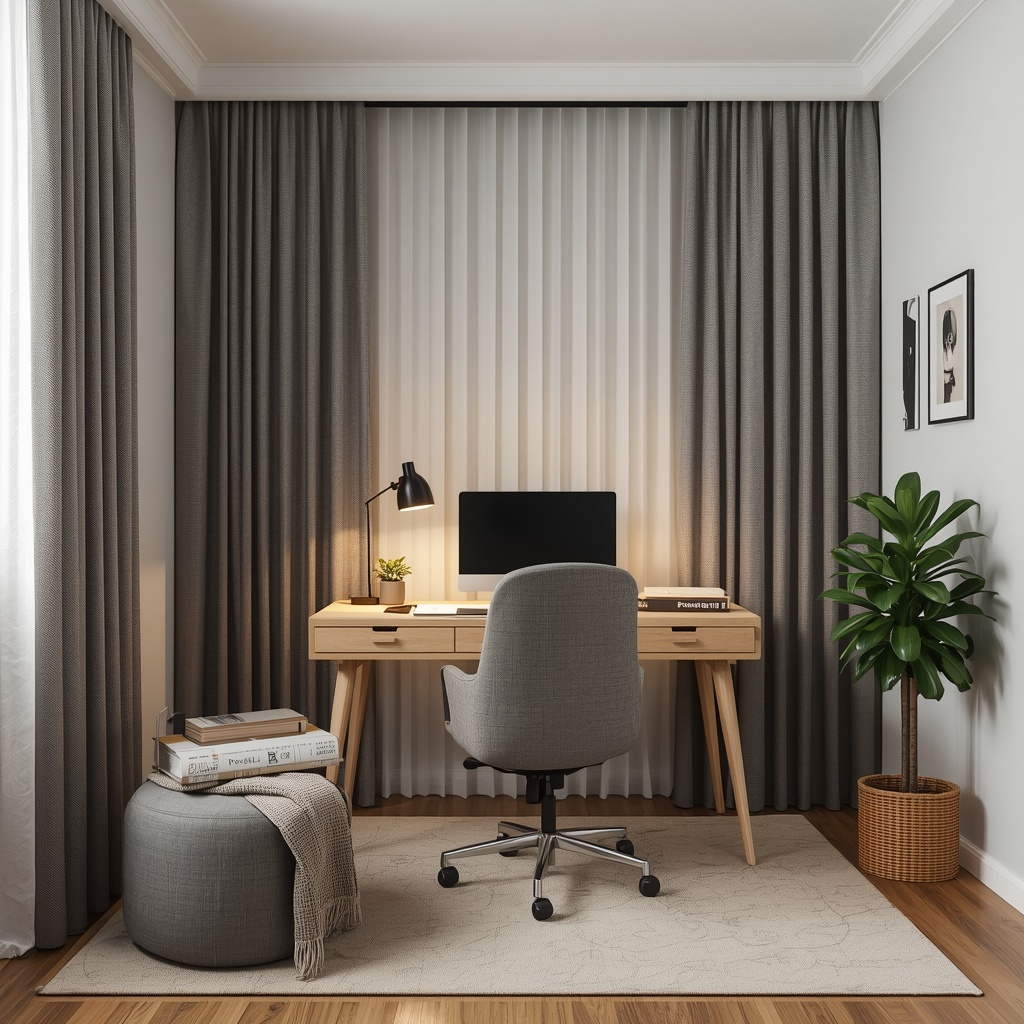
A quiet study room helps improve focus and minimizes distractions. Thick curtains, rugs, and soft furnishings can absorb sound and reduce unwanted noise. Sealing gaps around doors or using noise-canceling headphones can further improve the environment. Creating a peaceful space allows you to concentrate more effectively, making study sessions more productive and less stressful.
Use Adjustable Lighting

Proper lighting makes studying more comfortable at any time of day. Combine bright task lighting for reading and writing with softer ambient lighting to create a balanced workspace. Adjustable desk lamps allow you to direct light where it is needed most while reducing eye strain. Having multiple lighting options helps you create the right atmosphere for studying, relaxing, or working on creative projects.
Decorate with Indoor Plants

Adding plants to your study room creates a fresh and relaxing atmosphere. Low-maintenance varieties such as snake plants, pothos, or succulents are easy to care for while improving the room’s appearance. Greenery can make your workspace feel more inviting and provide a calming environment during long study sessions. A few well-placed plants can also add color without making the room feel cluttered.
Integrate Modern Technology
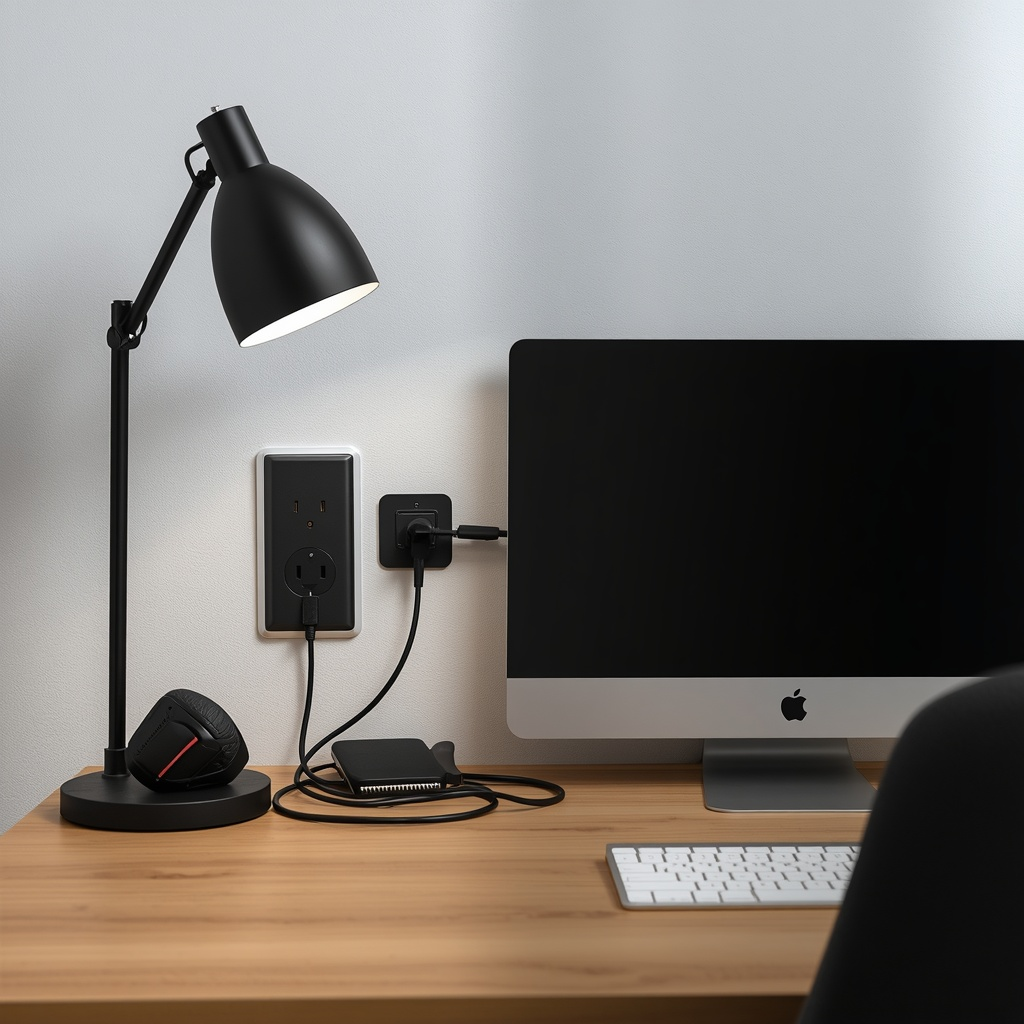
A well-equipped study room should include technology that supports your daily tasks. Keep charging stations, power outlets, and reliable internet access within easy reach to improve convenience. Organizing cables and positioning devices comfortably creates a cleaner and more efficient workspace. Thoughtful technology integration helps reduce distractions and makes studying or working from home much easier.
Select Flexible Modular Furniture
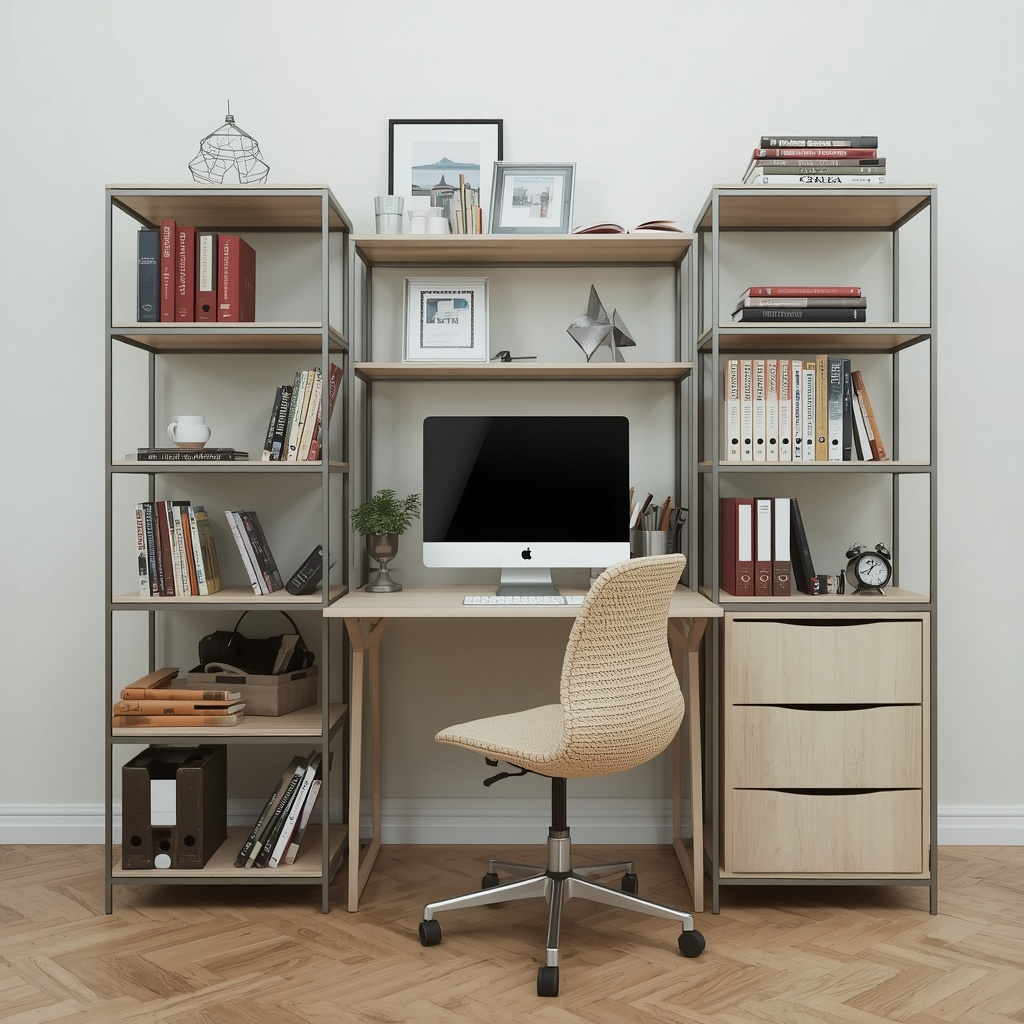
Modular furniture offers flexibility for changing study needs. Stackable shelves, movable storage units, and foldable desks can be rearranged as your workspace evolves. This adaptability is especially useful in small rooms where maximizing space is important. Choosing versatile furniture allows your study room to remain functional while easily adjusting to different activities and storage requirements.
Add Comfortable Seating Options
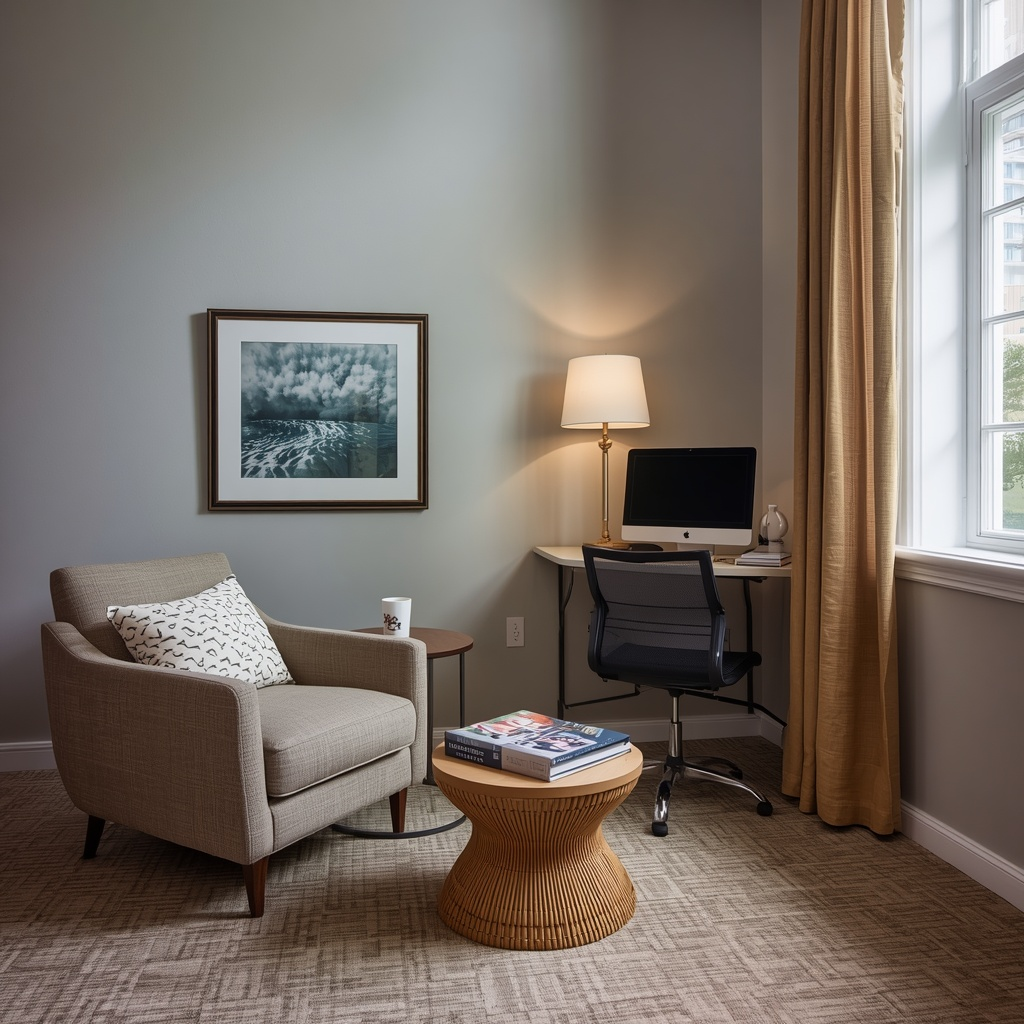
Including extra seating creates a more versatile study room. A comfortable armchair, bean bag, or reading chair provides a relaxing place for reading, brainstorming, or taking short breaks. Different seating options help reduce fatigue by allowing you to change positions throughout the day. Comfortable furniture also makes the study room more inviting for both work and relaxation.
Choose an Inspiring Color Palette
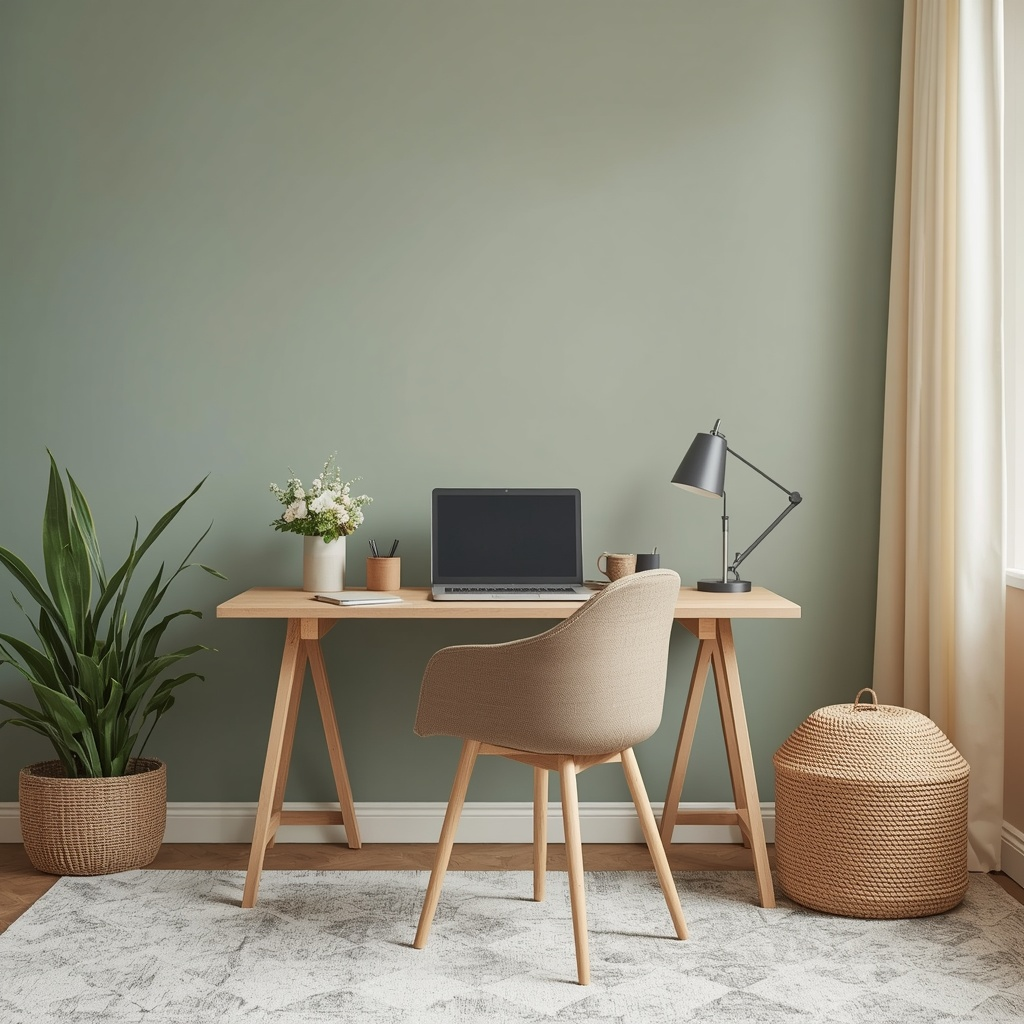
The colors you choose can influence the overall mood of your study room. Soft blues and greens create a calming atmosphere, while warm yellow tones encourage creativity and energy. Neutral shades keep the space bright and balanced, making it easier to focus. Selecting a color palette that matches your personal style helps create a comfortable environment where you can study more effectively.
Use a Multi-Functional Study Desk
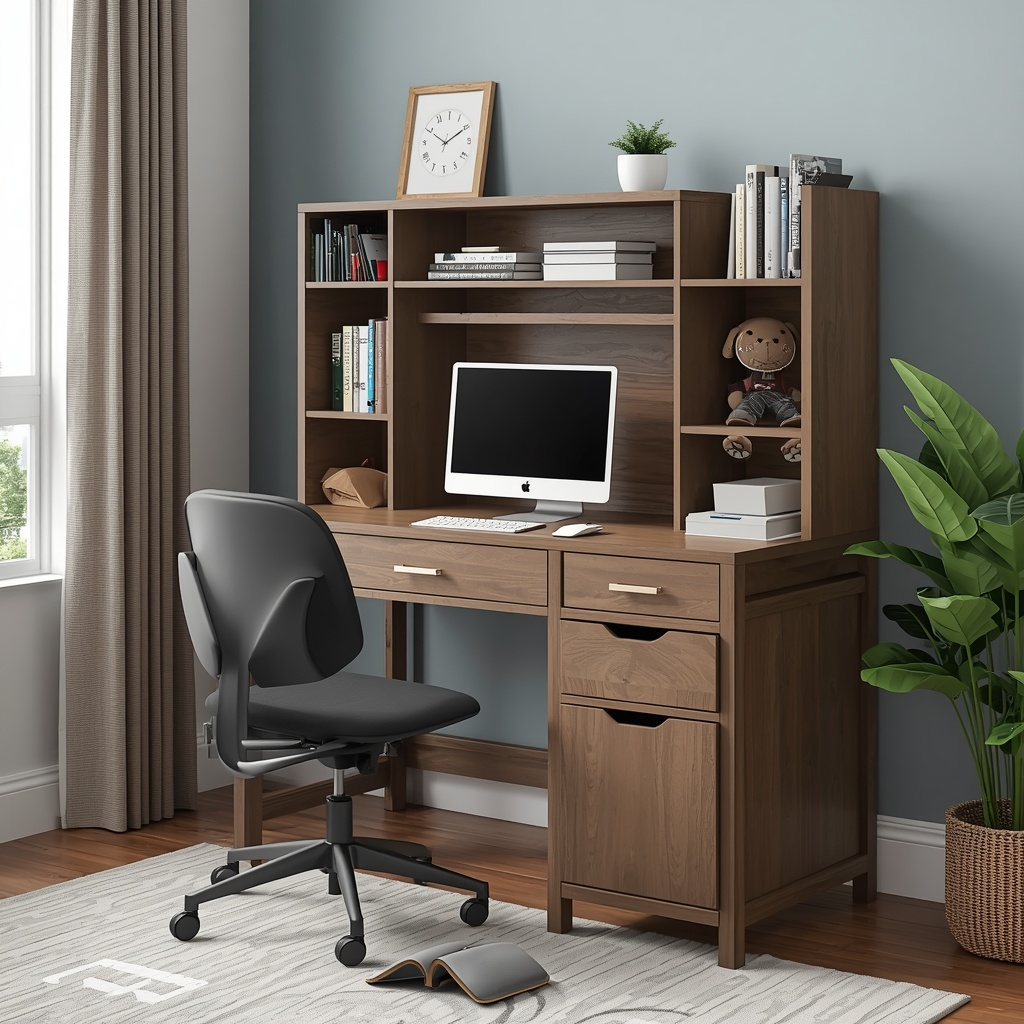
A multi-purpose desk provides extra storage while maximizing available space. Built-in drawers, shelves, or expandable work surfaces help keep supplies organized without adding bulky furniture. These practical features make it easier to maintain a tidy workspace while supporting different study activities. A functional desk improves efficiency and helps create a well-organized study environment.
Decorate with a Consistent Theme
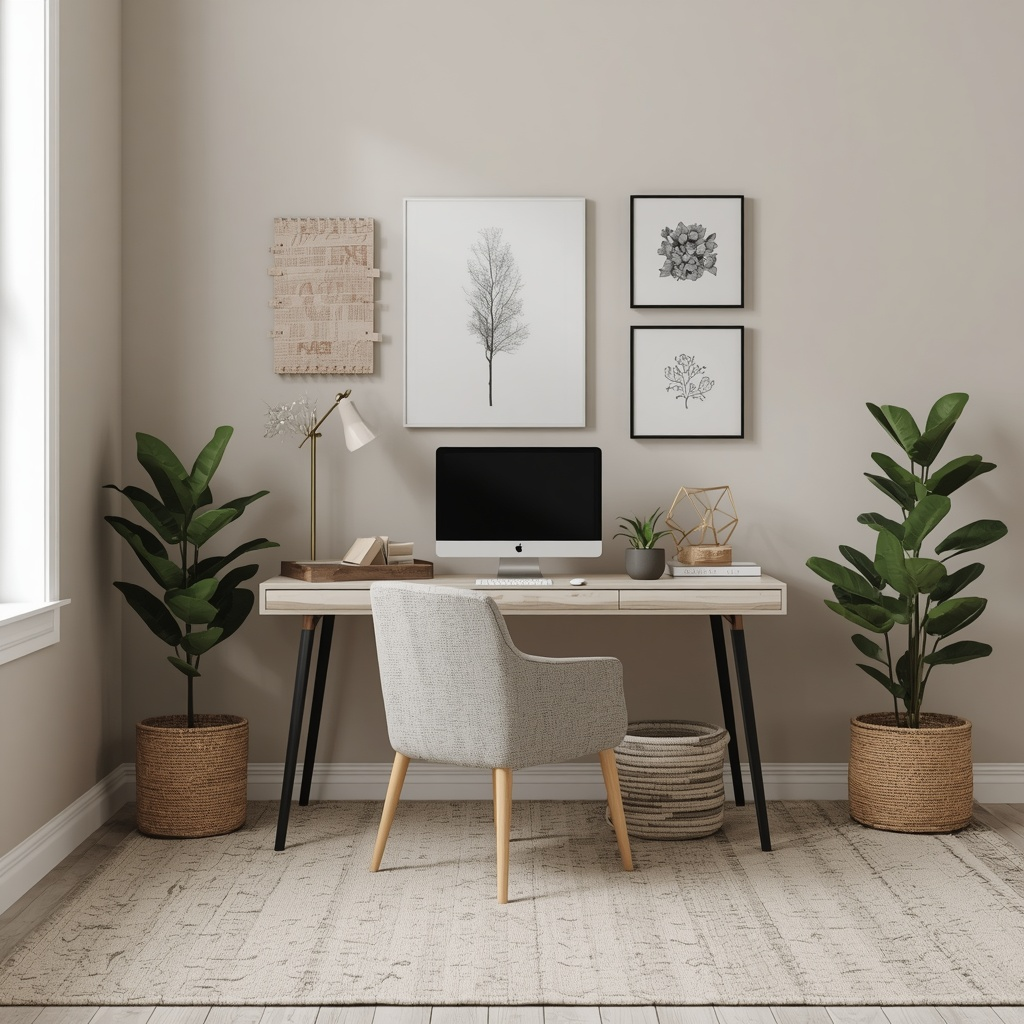
Choosing a decorating theme gives your study room a polished and cohesive appearance. Whether you prefer modern, rustic, vintage, or nature-inspired décor, keeping colors and furniture coordinated creates visual harmony. A consistent style makes the space feel more comfortable and enjoyable to use. Thoughtfully selected decorations can inspire creativity while maintaining a clean and organized environment.
Install a Whiteboard for Organization
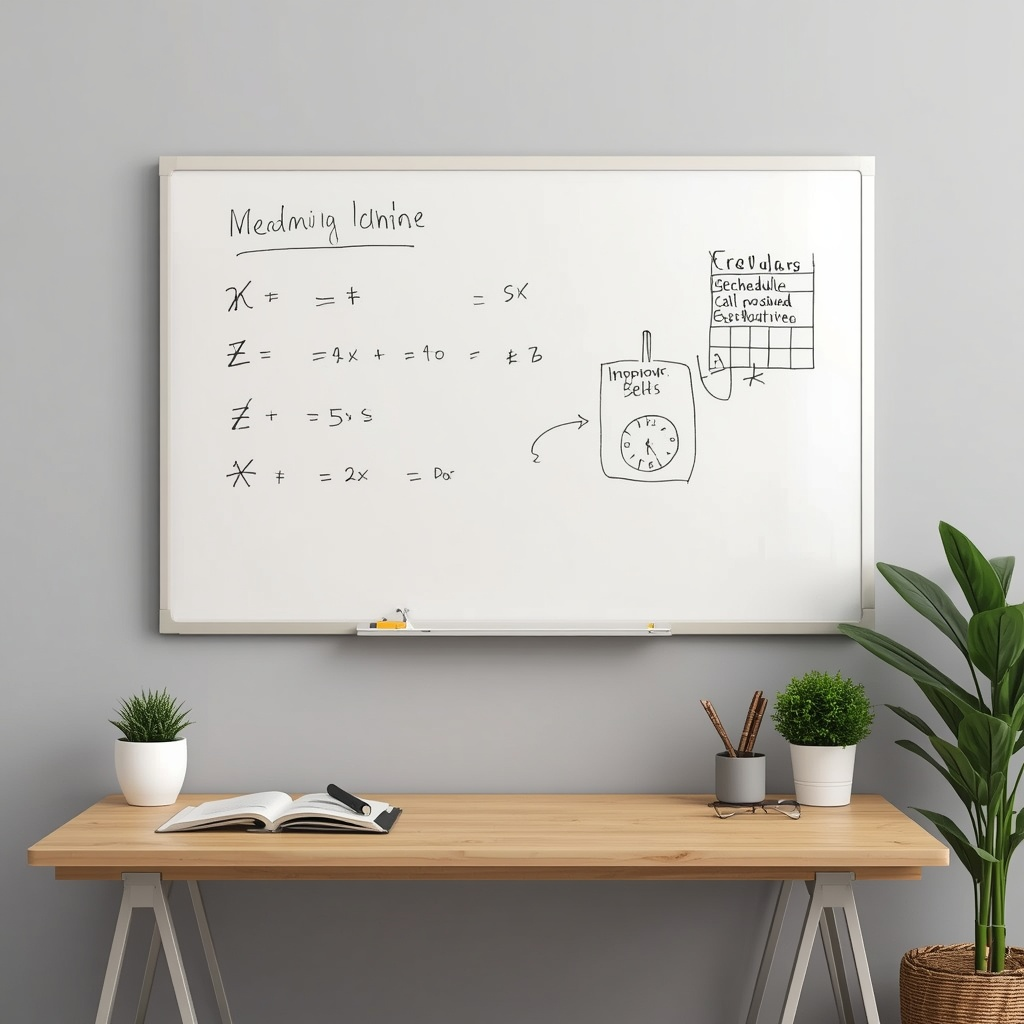
A wall-mounted whiteboard is a practical addition to any study room. It provides a convenient place to write reminders, organize schedules, brainstorm ideas, or track important tasks. Having important information displayed where it is easily visible helps improve productivity and time management. A whiteboard is a simple tool that keeps your workspace organized and supports effective study habits.
Add Aromatherapy for a Relaxing Atmosphere
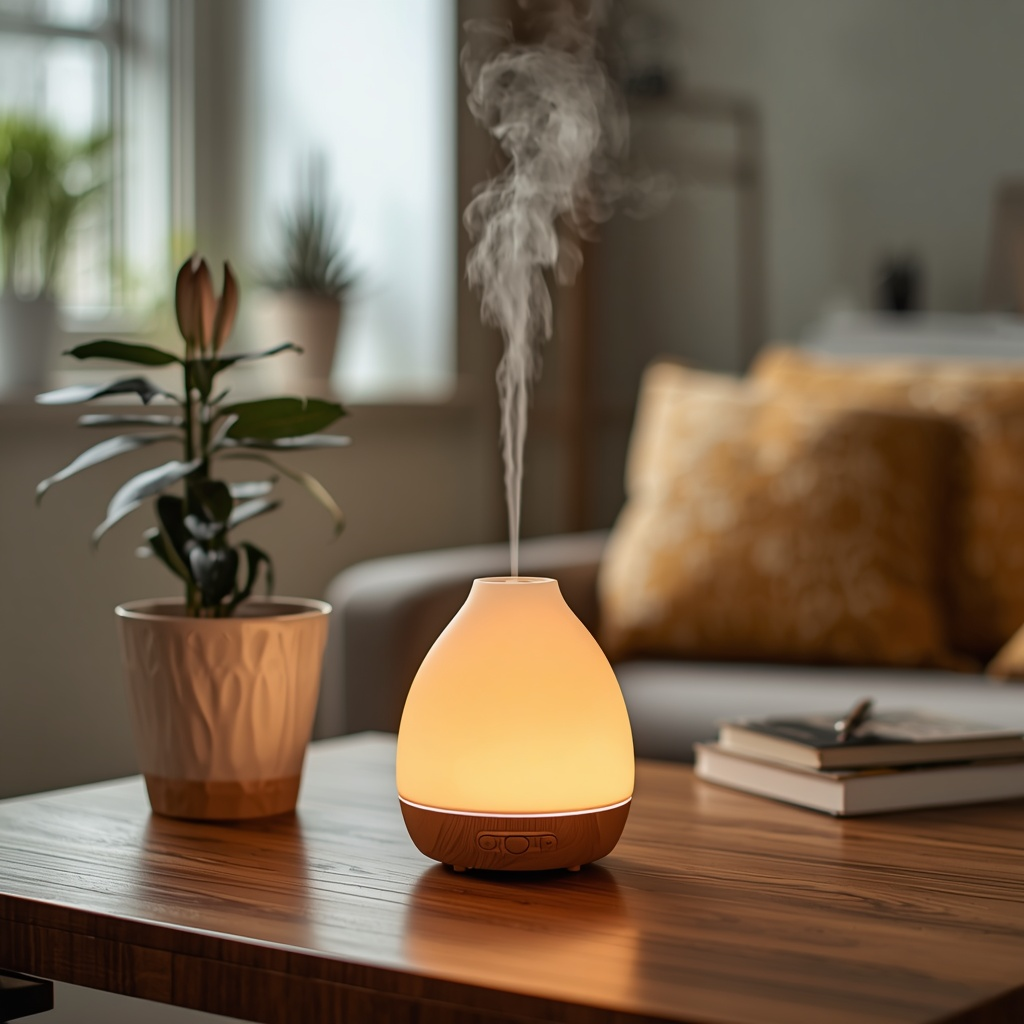
Aromatherapy can help create a calm and comfortable study environment. Using an essential oil diffuser with relaxing scents such as lavender, peppermint, or eucalyptus may help reduce stress during long study sessions. Pleasant fragrances can make the room feel more inviting while supporting a peaceful atmosphere. Combined with comfortable furniture and good lighting, aromatherapy enhances the overall study experience.
Create a Dedicated Study Nook
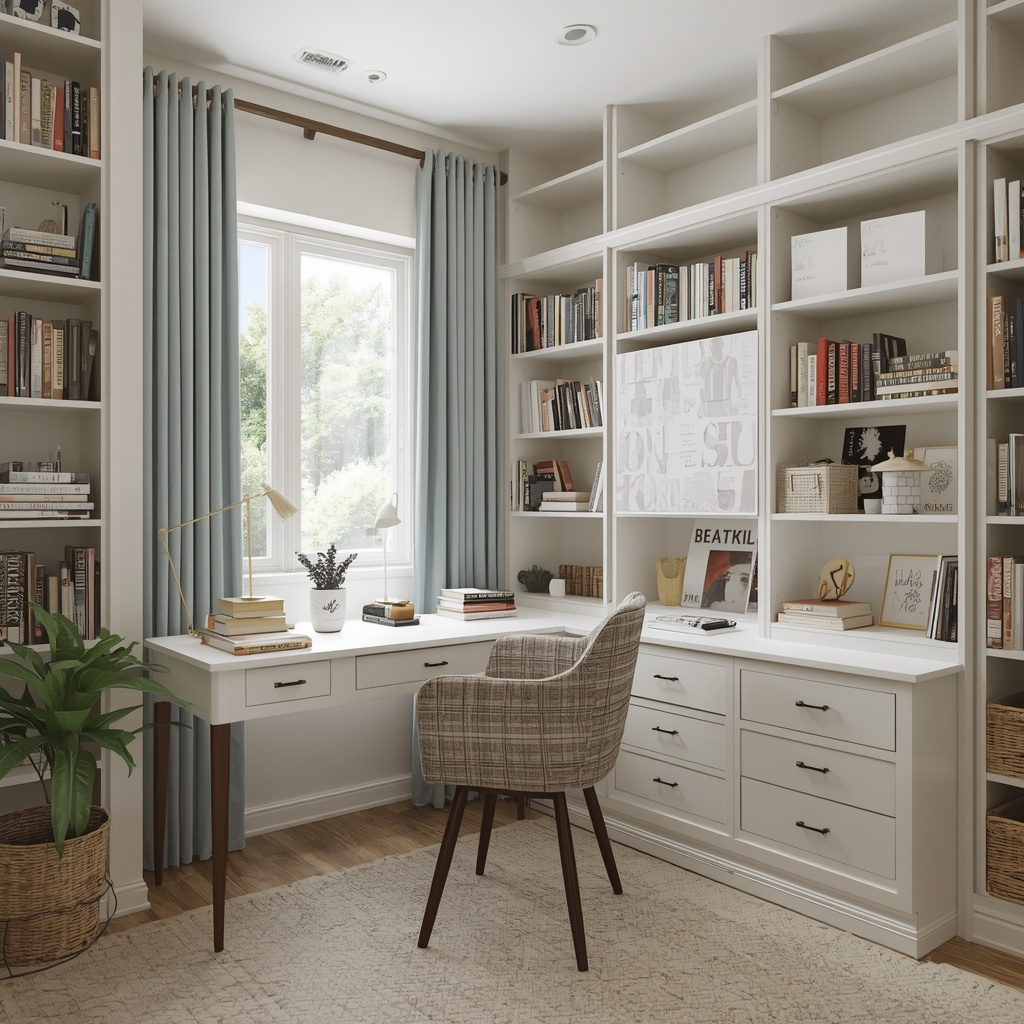
Designating a specific corner of your room as a study area helps separate work from relaxation. Use bookshelves, curtains, or decorative screens to define the space without making major renovations. Keeping this area organized and free from distractions encourages better focus whenever you sit down to study. A dedicated study nook also helps establish a consistent routine, making it easier to stay productive every day.