
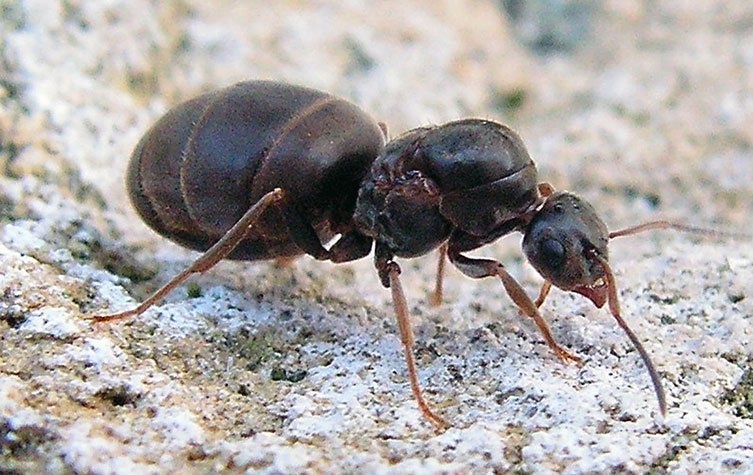
Ants can show up suddenly in kitchens, gardens, and even bathrooms, turning a clean space into a constant annoyance. While they are tiny, they often travel in large numbers, making them difficult to ignore once they’ve settled in. The good news is that getting rid of ants doesn’t always require harsh chemicals or complicated methods.
With the right mix of prevention, natural remedies, and simple home fixes, you can stop them at the source and keep them from coming back. In this guide, we’ll explore easy and practical ways to get rid of ants and keep your home comfortable and pest-free.
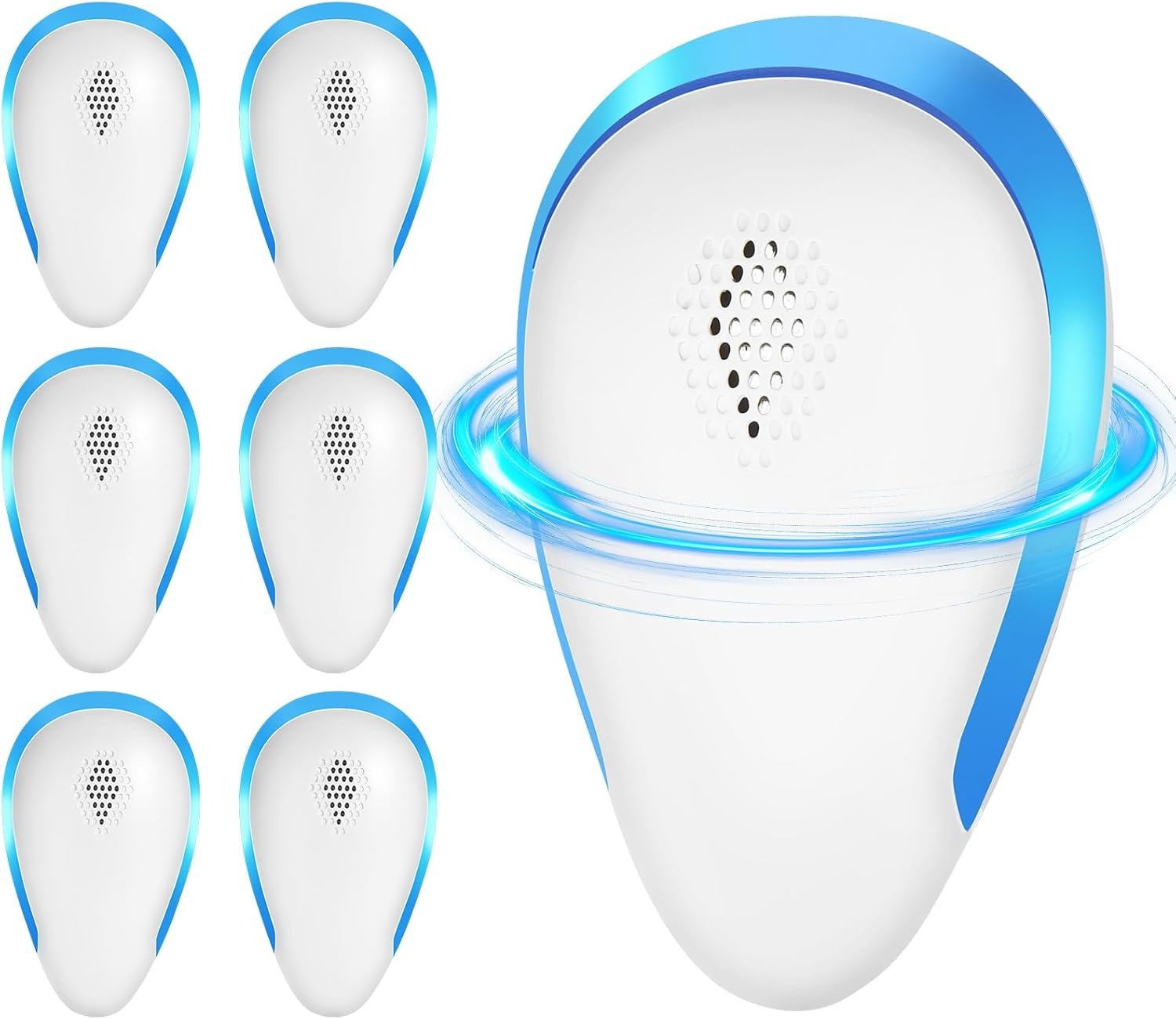
Ultrasonic Pest Repeller Indoor
Ultrasonic pest repeller using 25–65kHz wide-spectrum sound waves to drive away rodents and insects without chemicals. Plug-and-play, low power (4–6W), energy-efficient 24/7 operation. Safe for children and pets, silent and radiation-free. Covers up to 1,200 sq ft, ideal for bedrooms, kitchens, offices, and other indoor spaces.
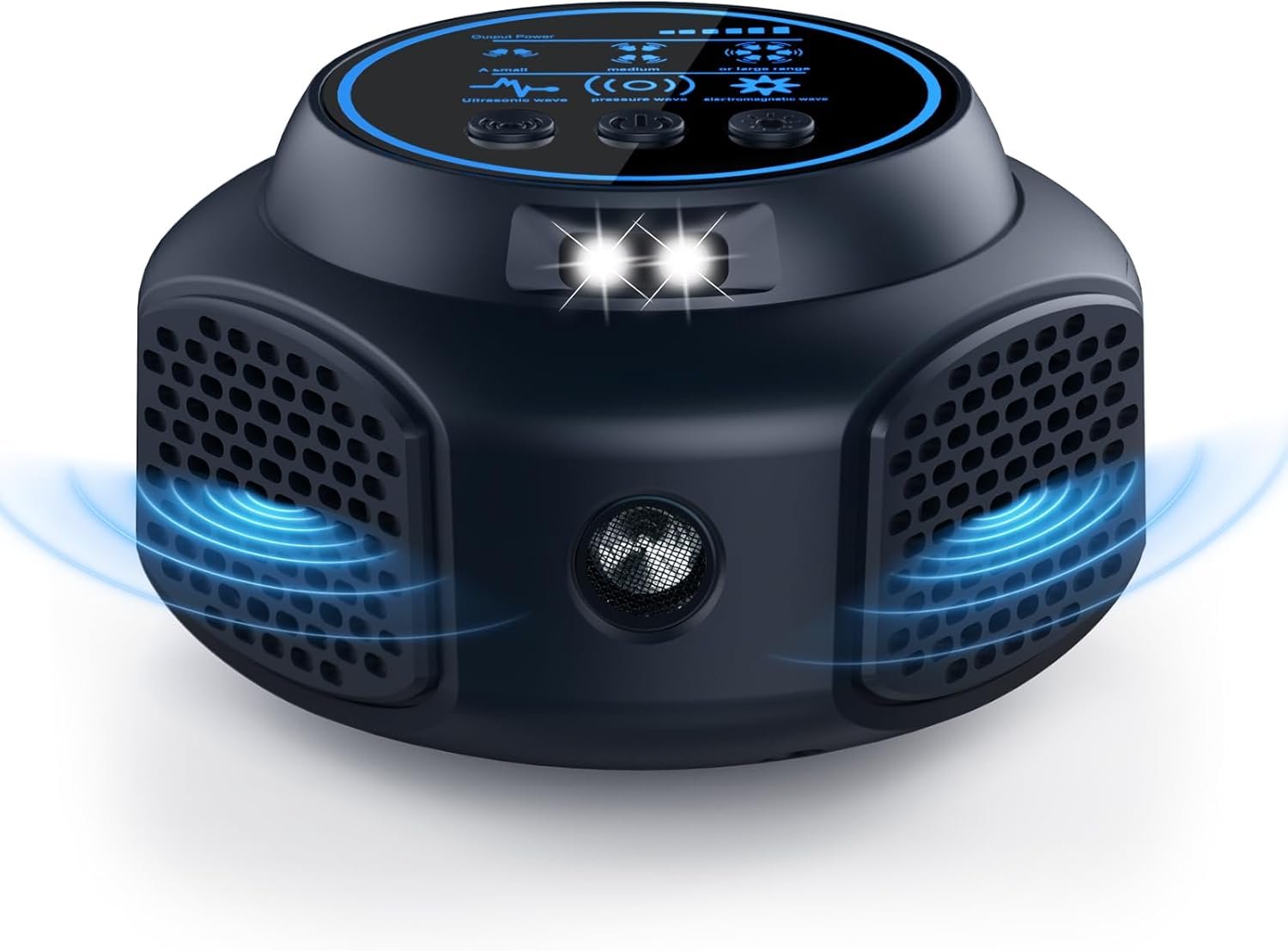
Ultrasonic Pest Repellent Plug-in
Advanced ultrasonic pest repeller emitting 25–65kHz variable sound waves to deter mice, rats, insects, and other pests humanely without chemicals. Features 3 smart modes, plug-and-play operation, and low energy use (3–5W) with LCD status display. Safe for kids and pets, covers multiple indoor spaces, and works best over 3–4 weeks.
Garlic-Based Ant Removal for Natural Control
Garlic is one of the most commonly used natural methods for dealing with ants at home because it disrupts their scent trails and discourages them from returning. When ants find a food source, they rely heavily on smell-based pathways to guide the rest of the colony. The strong odor of minced garlic interferes with this system, making the area less attractive and confusing their navigation. To use this method, place a small amount of freshly minced garlic near entry points or areas where ants are active.
While effective, garlic does come with a strong smell that may linger indoors, especially in warm weather or enclosed spaces. Because of this, it is often best used in less-trafficked areas or where odor is not a concern. After a couple of days, you can remove and replace the garlic if needed. Many people find that ant activity decreases significantly within a short time, making this a simple and affordable solution using a common kitchen ingredient.
Cornmeal Method for Natural Ant Control
Cornmeal is a widely suggested natural option for managing ants, especially for households that prefer non-toxic approaches. The idea behind this method is that ants will carry cornmeal back to their colony, but they are unable to properly digest it. Over time, this can help reduce the population when used consistently. To apply it, simply place small piles of cornmeal in areas where ants are commonly seen traveling.
This method is often favored by families with pets or young children because it avoids the use of strong-smelling ingredients or chemical-based treatments. However, results may take longer compared to other methods, as it relies on the ants interacting with and transporting the material. It is important to keep the cornmeal dry for it to remain effective. While it may not offer immediate results, it can be part of a broader natural pest control approach when combined with cleaning and other deterrents.
Vinegar Spray as a Natural Ant Cleaning Solution
Vinegar is a practical and fast-acting option for removing ants and preventing them from returning. It works by erasing the scent trails ants leave behind, which are essential for guiding other members of the colony. A simple mixture of equal parts white vinegar and water in a spray bottle can be applied directly to ants or sprayed on surfaces where they travel. After spraying, wipe the area clean to remove residue.
This method is especially useful in kitchens and entry points like windowsills, door frames, and countertops. Vinegar not only helps deter ants but also acts as a natural cleaner, leaving surfaces sanitized and free of food traces that might attract pests. The smell of vinegar fades fairly quickly, making it a convenient option for indoor use. Regular application in problem areas can help maintain an ant-free environment without relying on harsh chemicals or commercial sprays.
Peppermint Oil as a Natural Ant Repellent
Peppermint oil is a popular natural solution for keeping ants away due to its strong scent, which disrupts their ability to communicate and navigate. Ants rely on pheromone trails to move in groups, and peppermint oil interferes with these signals effectively. To use it, place a few drops of peppermint oil on cotton balls and position them near known entry points or areas of activity.
This method is particularly appealing because it leaves a fresh, pleasant aroma in the home while discouraging pests. Unlike stronger-smelling remedies, peppermint oil is often welcomed indoors for its clean scent. It can also be diluted with water and sprayed lightly around baseboards or windows. While it does not kill ants directly, it works well as a preventive measure to keep them from returning once they have been removed.
Cinnamon as a Natural Ant Deterrent
Cinnamon is another simple and pleasantly scented way to discourage ants from entering your home. Its strong aroma disrupts their scent trails and makes treated areas less appealing for travel or nesting. Ground cinnamon can be sprinkled in areas where ants are commonly seen, such as along windowsills, doorways, or kitchen counters.
One of the biggest advantages of using cinnamon is that it is safe for most households and easy to apply without preparation. It also leaves a warm, spicy fragrance rather than a harsh chemical smell. While cinnamon does not eliminate ants already deep within a colony, it is effective at creating barriers that prevent them from entering specific spaces. Reapplication may be needed over time, especially if the powder is disturbed or cleaned away during regular household maintenance.
Keeping Kitchen Surfaces Clean to Prevent Ant Activity
Maintaining a clean kitchen is one of the most important steps in preventing ants from appearing in the first place. Ants are attracted to food particles, sugary spills, and even small crumbs that are left behind after meals. Regular cleaning of countertops, floors, and dining areas helps remove these attractants and reduces the likelihood of infestation. Wiping surfaces immediately after cooking or eating can make a significant difference.
It is also helpful to manage dishwashing routines and avoid leaving dirty plates in the sink for long periods. Trash bins should be emptied frequently and sealed properly to avoid attracting pests. Even small habits, like storing food in airtight containers, can reduce ant activity over time. While natural remedies can help address an existing problem, cleanliness is the foundation of long-term prevention and plays a key role in keeping ants away consistently.
Safe Use Tips for Natural Ant Control Methods
When using natural remedies to manage ants, safety and proper placement are important considerations. Even though ingredients like garlic, vinegar, and essential oils are generally safe, they should still be used thoughtfully, especially in homes with pets or small children. Some substances may cause irritation or be accidentally ingested if not placed carefully. It is best to position treatments in areas that are out of reach but still accessible to ants.
Another important tip is to avoid mixing multiple strong-smelling remedies in the same space, as this can make the environment unpleasant for people while not necessarily improving effectiveness. It is also helpful to test small areas first before widespread use, especially on delicate surfaces. Natural methods often require patience and repetition, so consistent application is key. By using these remedies responsibly, you can maintain a safe household while effectively managing unwanted ant activity.
Long-Term Prevention Strategies for Ant Infestations
Preventing ants from returning is just as important as removing them in the first place. Long-term control involves combining natural deterrents with consistent home maintenance habits. Sealing cracks and gaps around doors, windows, and walls can reduce entry points significantly. Regularly inspecting the home for potential access routes helps catch issues early before they become larger infestations.
Outdoor maintenance also plays a role in prevention. Keeping areas around the home free of standing water, food waste, or overgrown vegetation reduces attractants that may draw ants closer. Rotating natural repellents like peppermint oil or cinnamon in high-risk areas can also help maintain a barrier effect. By combining cleanliness, sealing techniques, and natural deterrents, you can create an environment that is far less attractive to ants. Over time, this reduces the likelihood of recurring problems and helps maintain a pest-free living space naturally.