
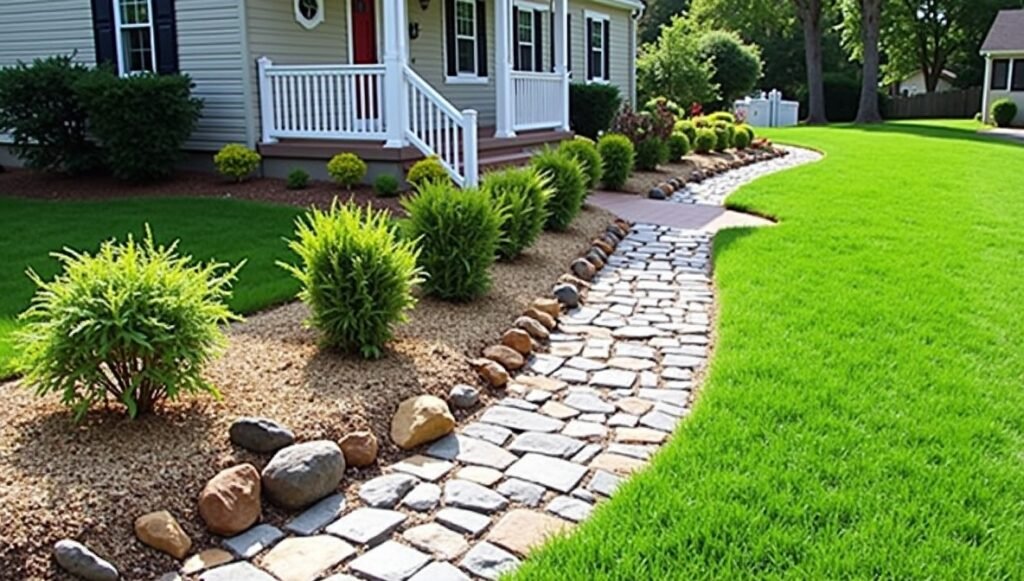
A front yard drainage ditch doesn’t have to be an eyesore—it can actually become a beautiful and functional part of your landscape. With the right design, what once looked like a problem area can turn into a charming garden feature that manages water while boosting curb appeal.
From natural stone borders to lush plantings and decorative grasses, there are plenty of creative ways to disguise and enhance it. In this guide, you’ll discover practical and attractive front yard drainage ditch landscaping ideas that help control water flow while making your outdoor space look more polished, inviting, and well-designed.
Make a Statement with an Artistic Drainage Snail Planter
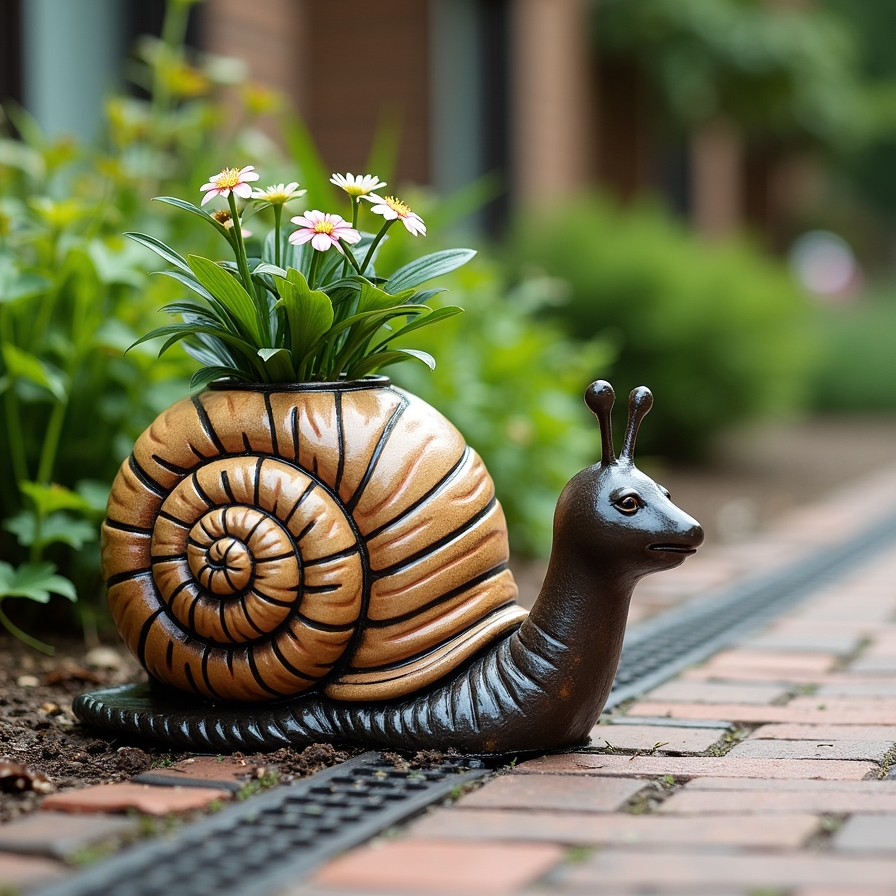
Turning a drainage area into a decorative feature is an easy way to elevate your outdoor space. Instead of hiding functional zones, you can enhance them with creative planters that bring personality and charm. Using ceramic pots is often recommended because they hold up better in wet environments compared to terracotta, which can degrade over time. By placing plants strategically, you can build a whimsical garden scene that transforms a simple drainage channel into a visually engaging focal point. This approach allows flexibility since planters can be rearranged or replaced seasonally.
Improve Your Drainage with Stepping Stones
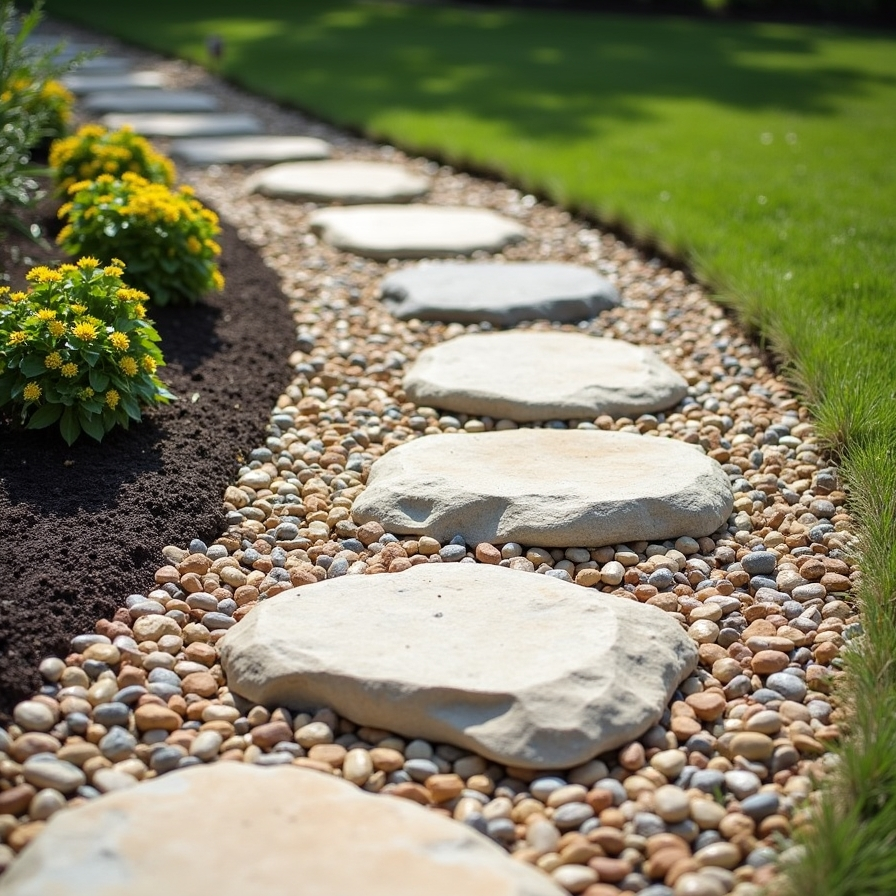
Stepping stones can instantly upgrade a drainage path by making it both functional and visually appealing. They help guide foot traffic while allowing water to flow naturally underneath or around them. Choosing stones with a natural finish and non-slip surface improves safety and durability, especially during wet weather. When paired with gravel or river rock, stepping stones blend practicality with design, turning an ordinary ditch or channel into a structured landscape feature that enhances the overall outdoor environment.
Create a Zen-Inspired Garden with Your Drainage System
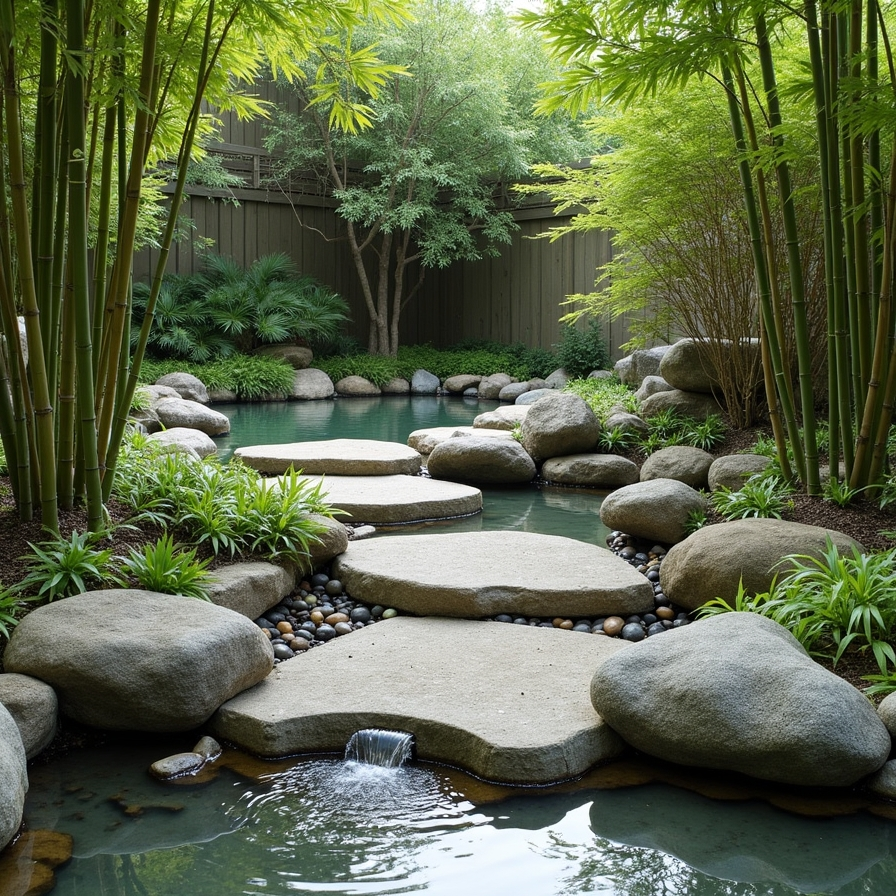
A drainage system can be seamlessly integrated into a peaceful, Zen-inspired garden design. This style focuses on balance, simplicity, and natural materials. Elements like bamboo, smooth stones, and water features can be used to create a calming outdoor space. Adding features such as small bridges, stone arrangements, or subtle sculptures enhances the atmosphere. The goal is to make the drainage system feel like part of a carefully designed landscape rather than a purely functional feature, blending utility with tranquility.
Add Beauty and Utility to Your Property with Swales
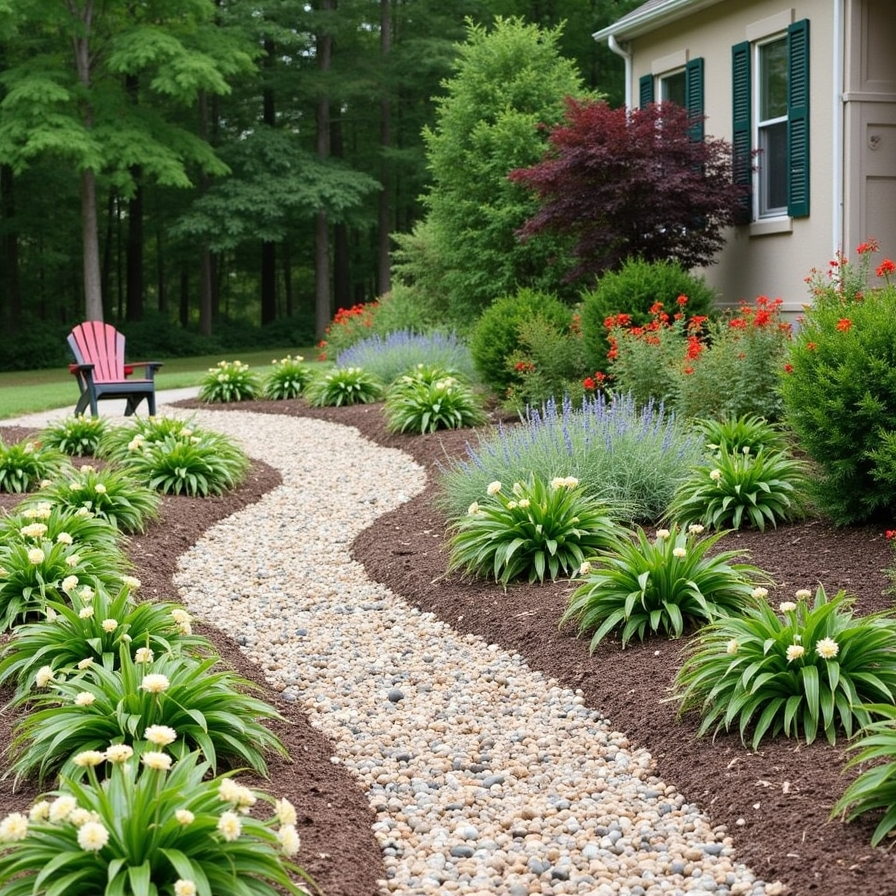
Swales are an effective landscaping solution that directs water while also nourishing surrounding plants. Unlike traditional trenches, swales are designed to slow and absorb runoff, helping reduce erosion and improve soil health. They can be decorated with stones, native plants, and natural textures to blend into the environment. This approach is especially useful in areas where redirecting water off-site is not practical. With thoughtful design, a swale becomes both a functional drainage system and a beautiful garden feature.
Transform Your Drainage Ditch with a Stone Wall
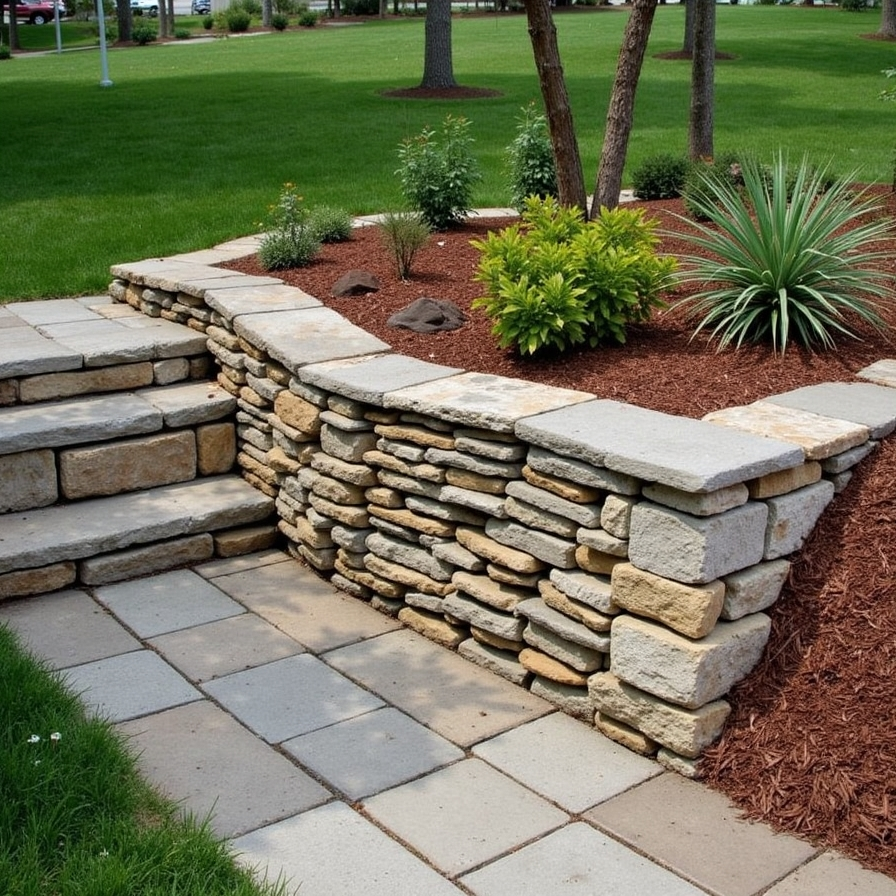
A stone or retaining wall can significantly improve the stability and appearance of a drainage ditch. By reinforcing the structure, it helps prevent soil erosion and protects surrounding areas from water damage. Adding vegetation such as mulch beds and hardy plants enhances both function and aesthetics. This combination strengthens the landscape while giving it a more finished and intentional look. A well-built stone wall turns a basic drainage problem into a long-lasting and attractive garden element.
Solve Your Drainage Problems with Rustic Stone Stairs
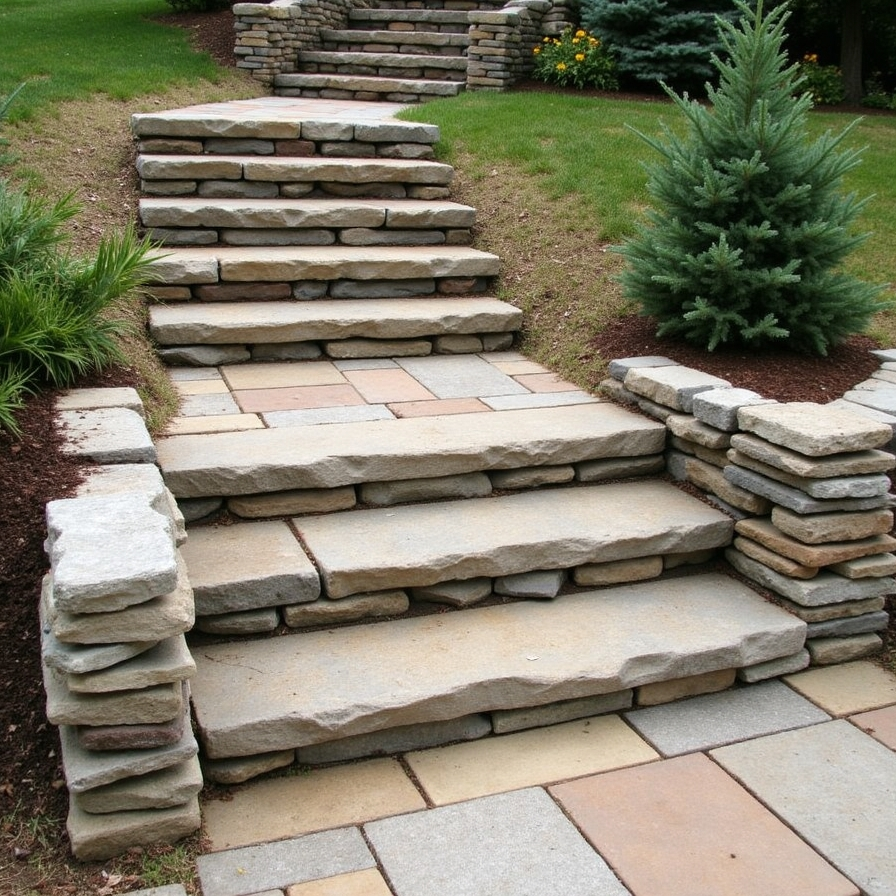
Stone steps are a practical solution for managing water flow on sloped terrain. Instead of allowing water to rush uncontrollably downhill, natural pavers and flagstones can slow and guide it safely. These steps can be integrated into retaining structures and paired with gravel or water-tolerant plants for added stability. A dry well may also be included at the base to collect excess water and allow gradual absorption into the soil. This method improves both drainage control and landscape usability.
Protect Your Landscape with a Rock Drainage Channel
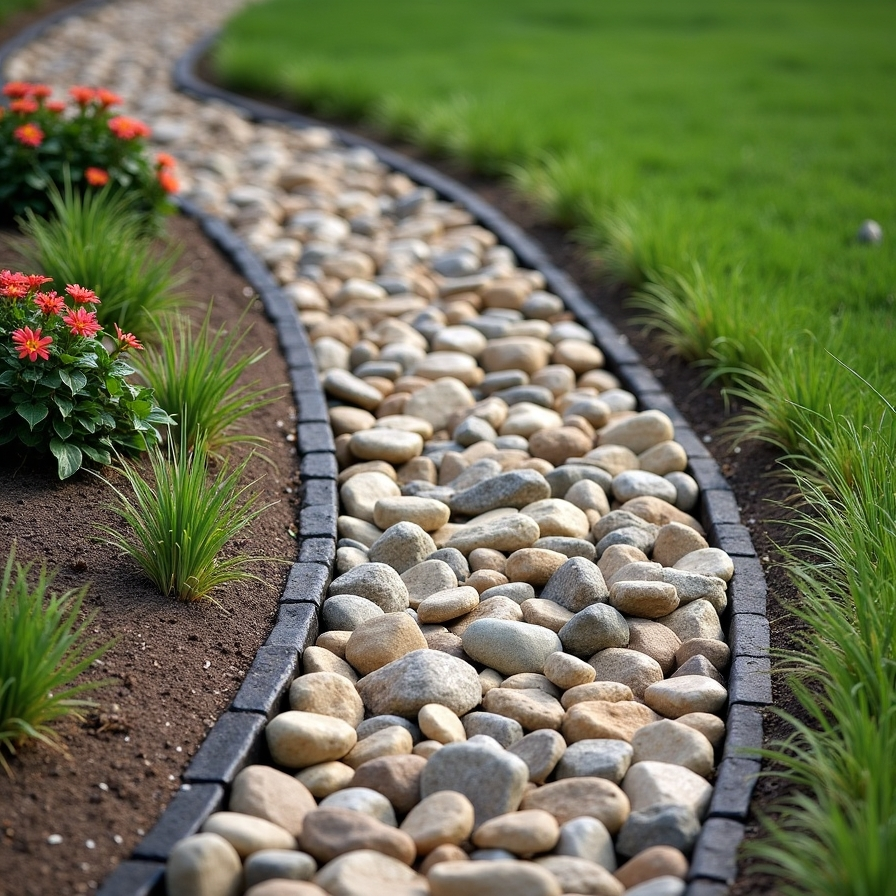
A rock drainage channel is an efficient way to manage runoff while enhancing your yard’s appearance. By shaping a shallow, rock-lined path, water can be directed safely away from vulnerable areas. This technique also reduces erosion and helps maintain lawn quality during heavy rainfall. When designed thoughtfully, the channel can resemble a natural creek bed, blending into the landscape while serving an important functional role. Adding plants along the edges further softens the look.
Redirect Your Drainage Pipe Water with Elegant White Rocks
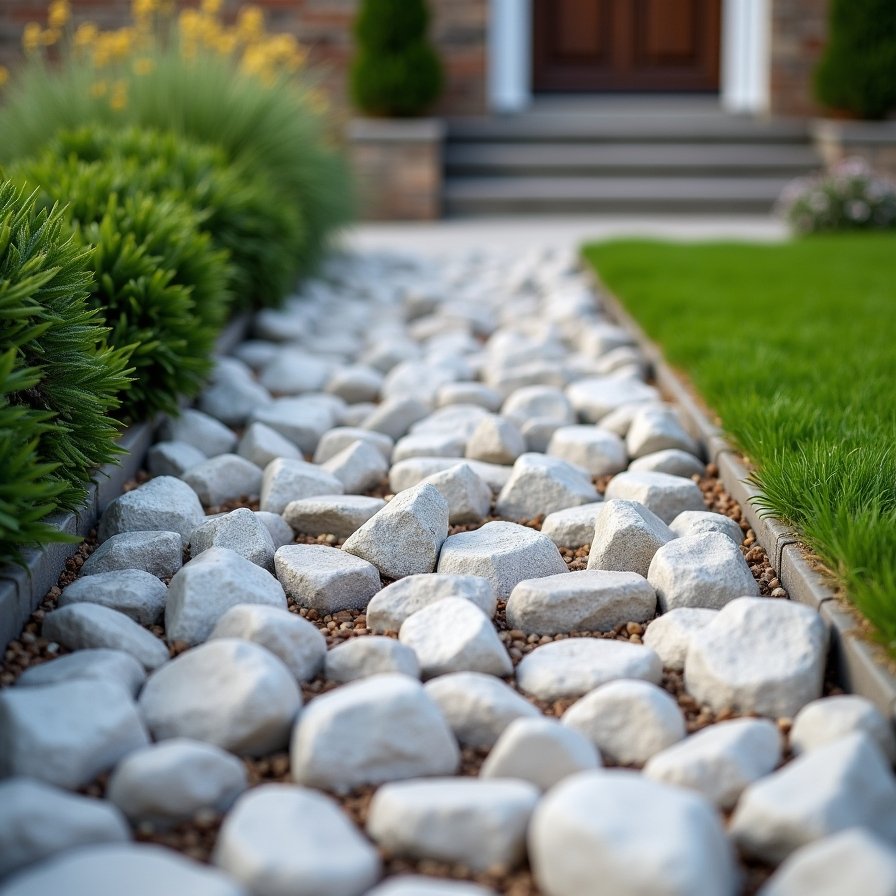
Downspouts and drainage pipes can be integrated into your landscape instead of being hidden. By creating a rock-filled channel, water is directed away from structures while improving drainage efficiency. Medium-sized stones allow water to flow freely and reduce pooling. Using edging materials helps define the space and keeps everything in place. This simple upgrade transforms a utilitarian water outlet into a clean and structured garden feature that supports both function and design.
Create a Rustic Garden Edge with Dry Creek Bed
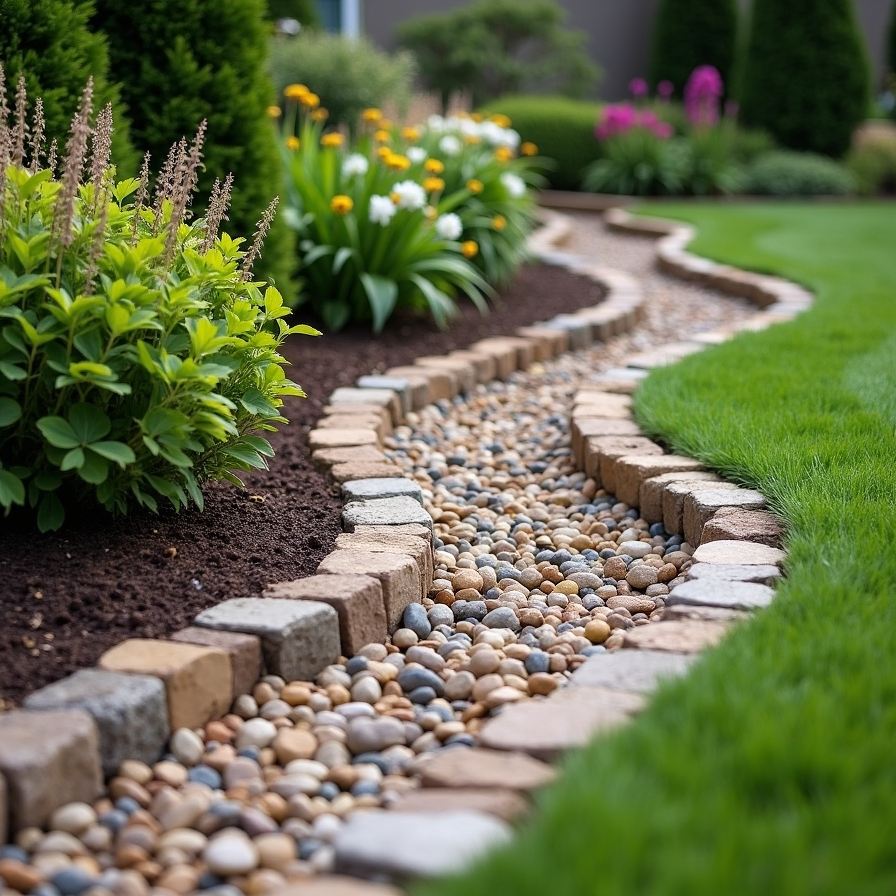
A dry creek bed is an excellent way to manage excess runoff while improving landscape structure. By positioning it below ground level, water naturally flows into the channel instead of pooling on the lawn. River rocks of different sizes help slow water movement and prevent erosion. This approach not only solves drainage issues but also creates a visually appealing border that enhances the overall garden layout. It is both practical and decorative for sloped or uneven yards.
Design a Beautiful Garden Feature with a Drainage Ditch
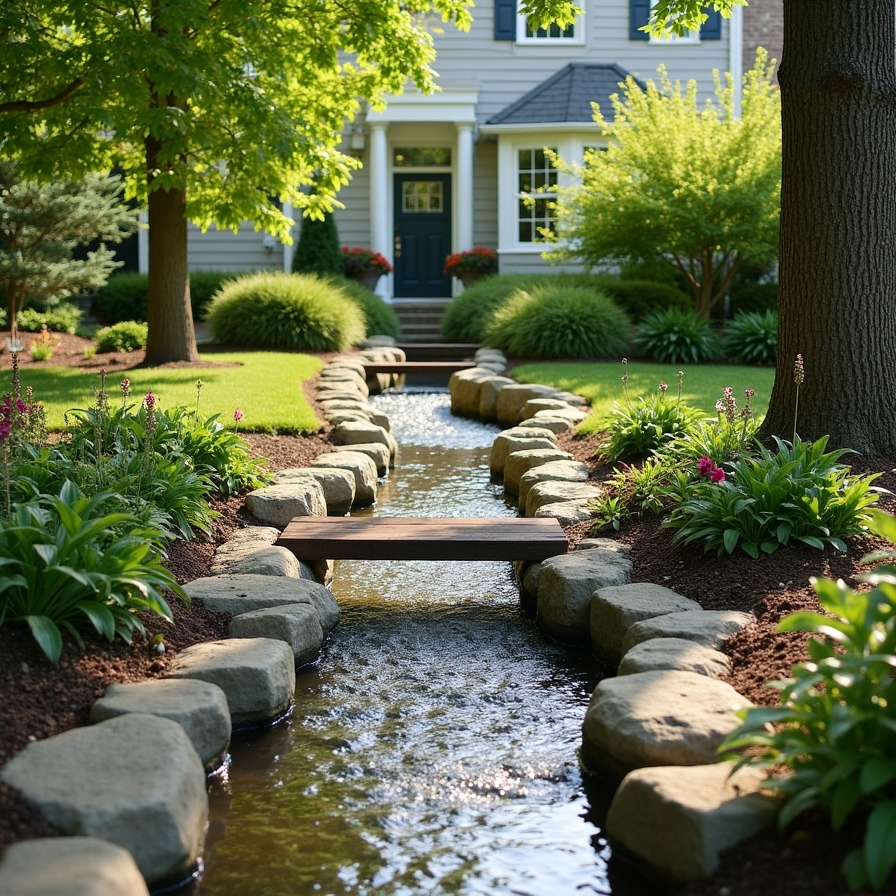
A drainage ditch does not have to be hidden—it can become a centerpiece in your garden design. By lining it with stones and gravel, you can create a structured water pathway that blends into surrounding plant beds. Incorporating moisture-loving plants and trees helps absorb excess water naturally. Additional features like small bridges or decorative lighting can enhance the visual appeal. This approach turns drainage management into a landscape feature that improves both function and curb appeal.
Enhance Your Curb Appeal with a River Rocks Ditch
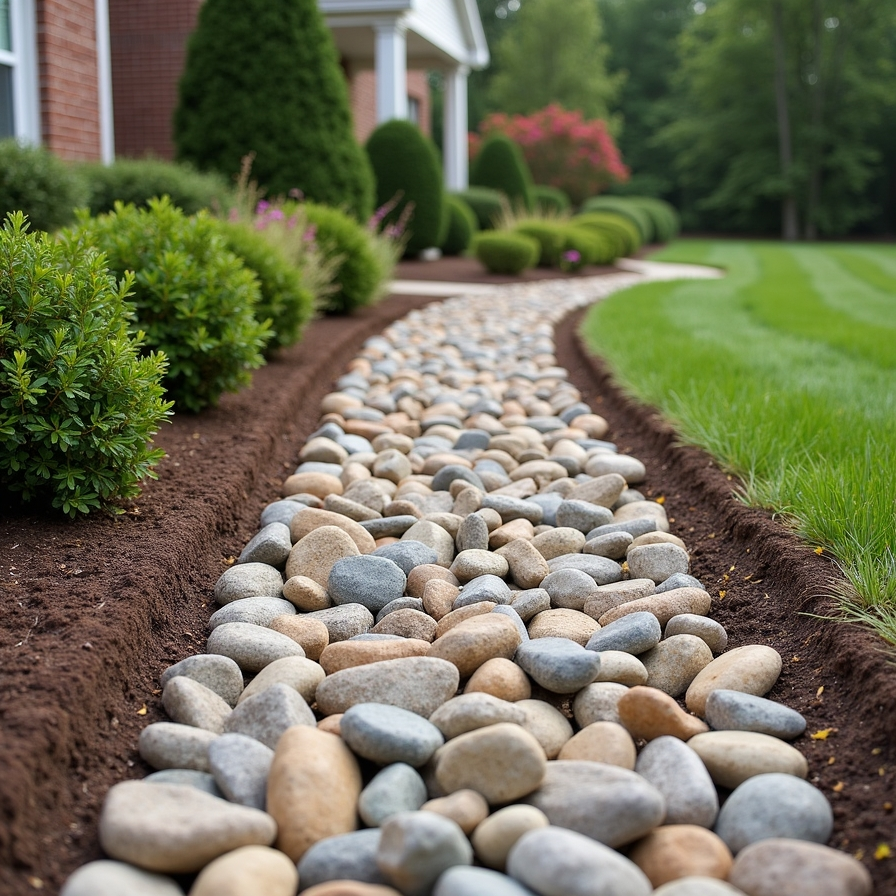
Using river rocks in a drainage ditch is an affordable and effective landscaping solution. It creates a clean, natural look while improving water flow and reducing erosion. Adding native plants along the edges softens the design and brings color and texture to the space. With a wide variety of stone types available, you can customize the appearance to match your home’s style. This simple upgrade significantly improves curb appeal while maintaining practical drainage performance.
Get Smart About Stormwater with Rocks and Mulch
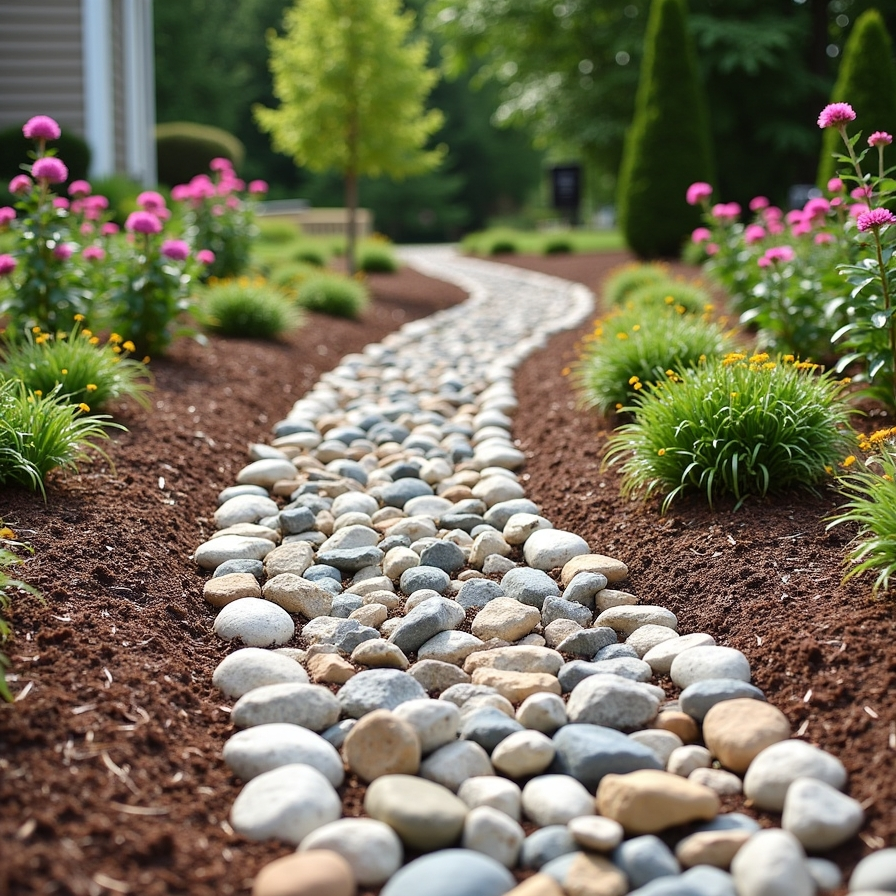
Combining rocks and mulch is a balanced way to manage stormwater while maintaining a natural appearance. Rocks help define drainage paths, while mulch supports plant health and soil moisture retention. Together, they create a layered system that guides water efficiently without sacrificing aesthetics. This approach is especially useful in areas where drainage features need to blend seamlessly into garden beds. The result is a functional yet visually cohesive outdoor space.
Add Splendour to Your Home with a French Drain
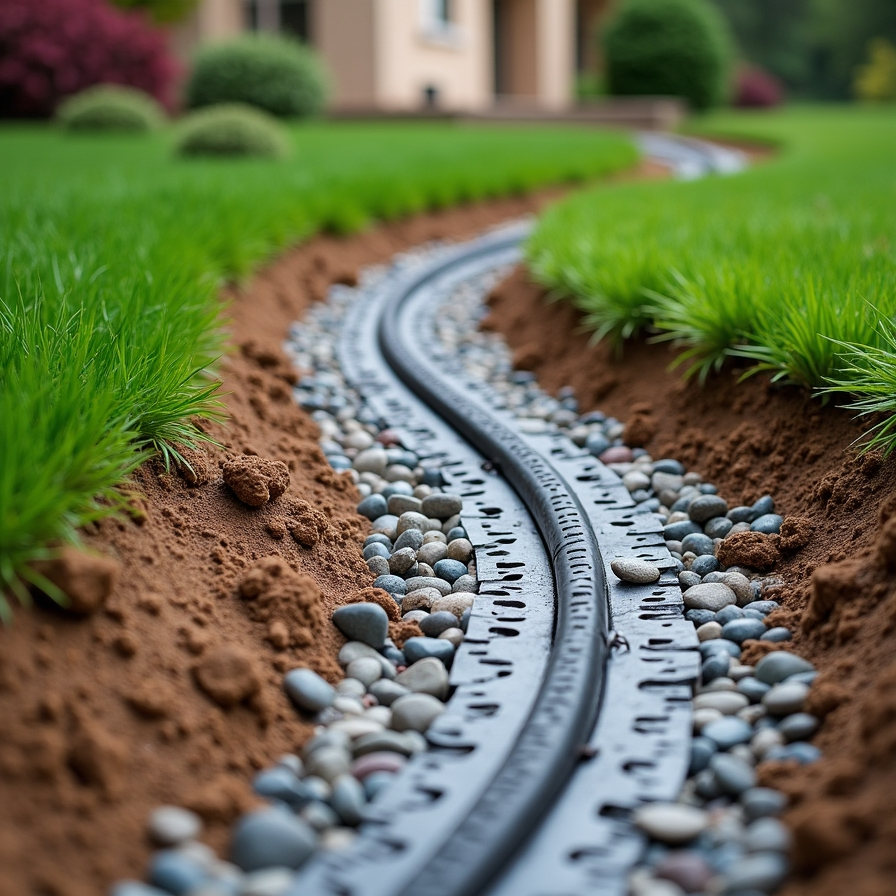
A French drain is a highly effective solution for managing excess water and preventing flooding. It works by redirecting water through a gravel-filled trench that contains a perforated pipe. Filter fabric is used to prevent soil from clogging the system, ensuring long-term efficiency. This setup helps eliminate standing water and protects your landscape from damage. When properly installed, a French drain offers reliable drainage while remaining mostly hidden beneath the surface.
End Your Soggy Landscaping Problems with Pea Gravel
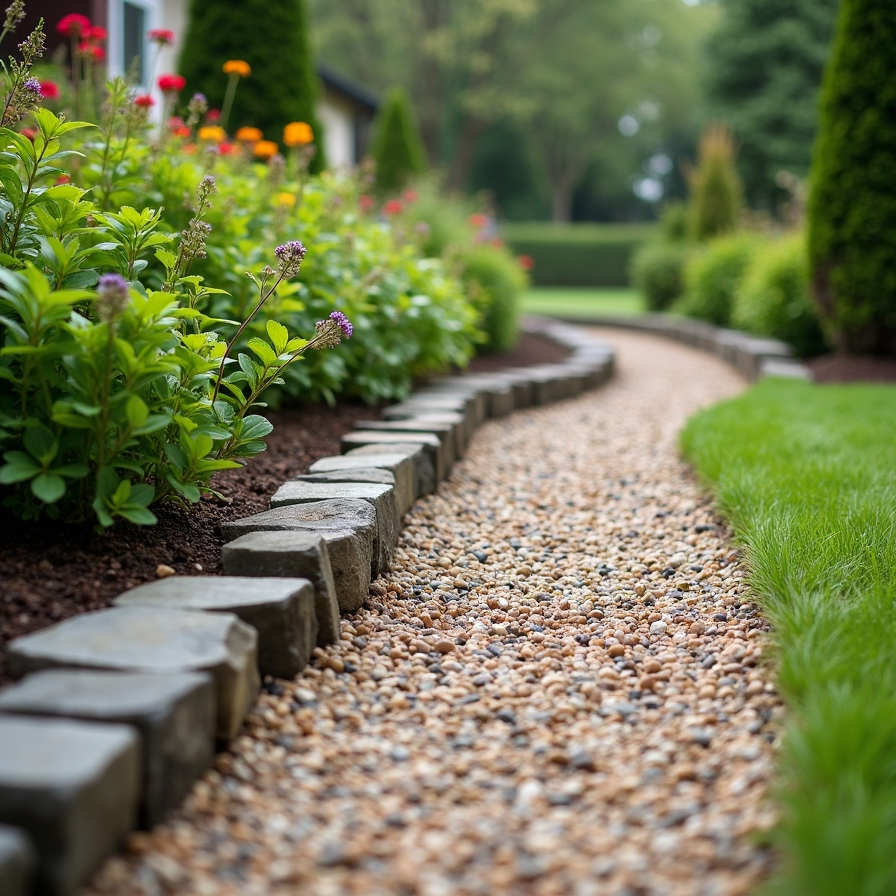
Pea gravel is a practical material for improving drainage in areas prone to heavy rainfall. It allows water to flow freely while preventing soil erosion and pooling. When used alongside a French drain, it helps direct runoff away from the home more effectively. This combination creates a stable and low-maintenance landscape solution. Surrounding the area with moisture-friendly plants further enhances both function and visual appeal, making it ideal for problematic garden zones.
Build a Modern Landscape with Stepping Stones and Pebbles
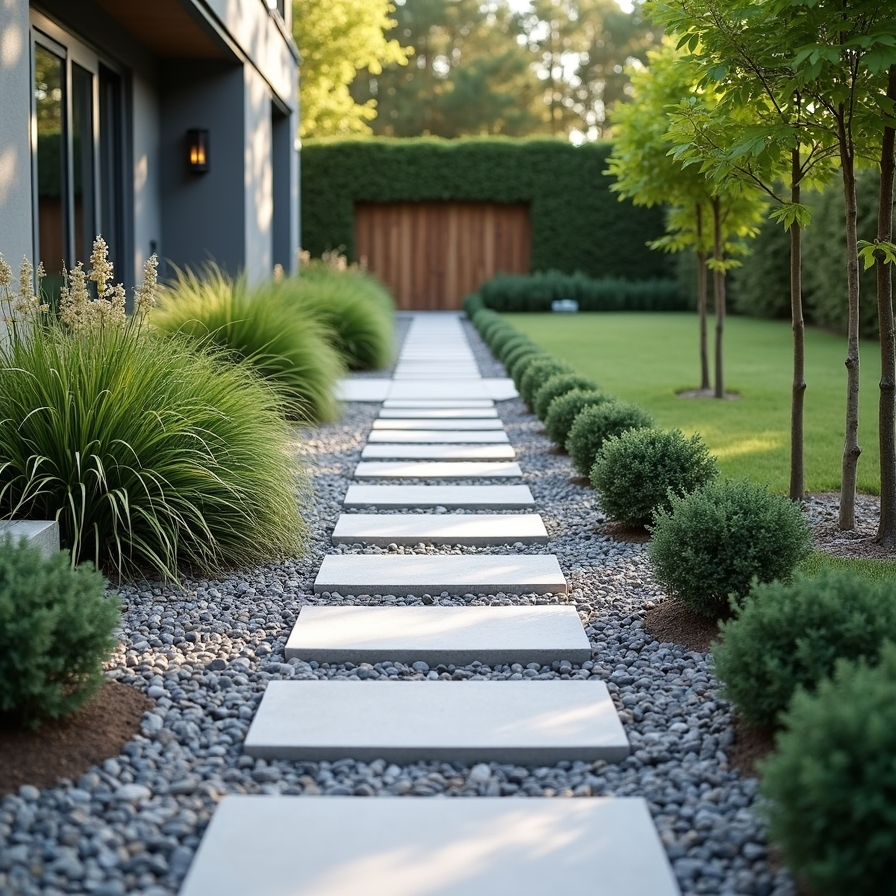
Stepping stones combined with pebbles create a modern and functional walkway that handles water efficiently. The gravel base allows quick drainage, reducing the risk of puddles forming on the surface. This makes it ideal for areas that frequently experience rain or runoff. Installing a proper base layer and weed barrier ensures long-term durability and cleanliness. The result is a sleek, practical path that improves both movement and drainage across the landscape.
Keep Your Home Dry and Beautiful
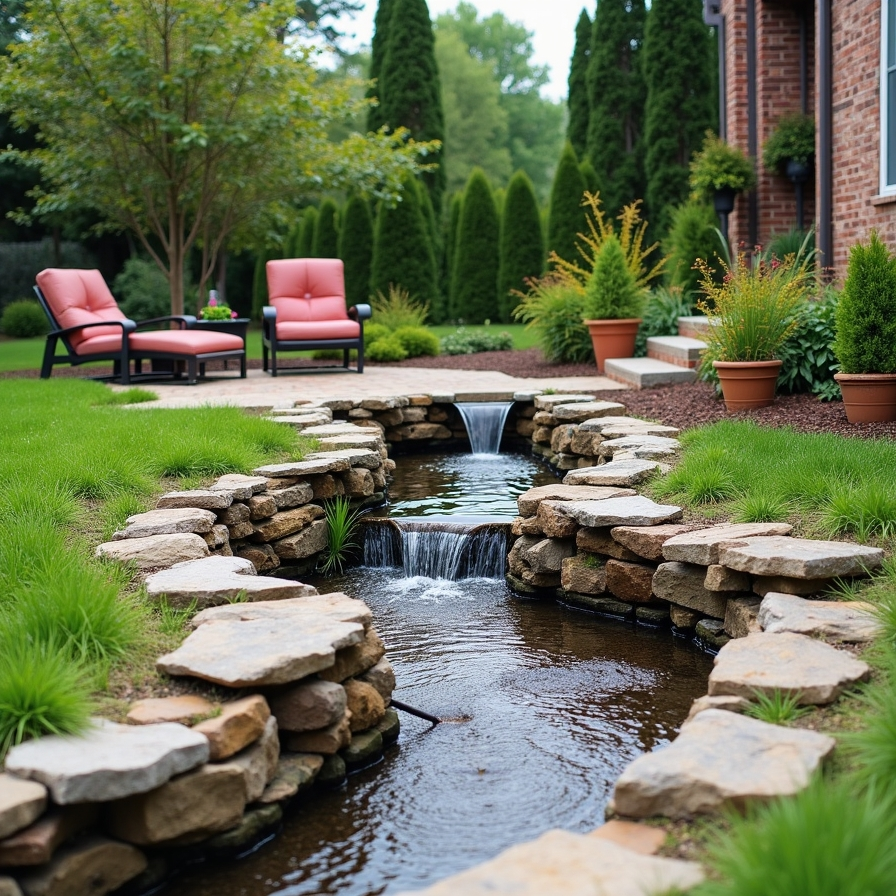
Water features can transform drainage challenges into attractive landscape elements. Instead of treating runoff as a problem, it can be directed into decorative channels or fountains. Using materials like stone and brick helps structure the flow while maintaining a natural appearance. Adding a small pump allows you to incorporate moving water for a calming effect. This approach blends functionality with aesthetics, creating a garden feature that enhances both drainage performance and outdoor beauty.
Reduce Flood Risk with Permeable Pavers
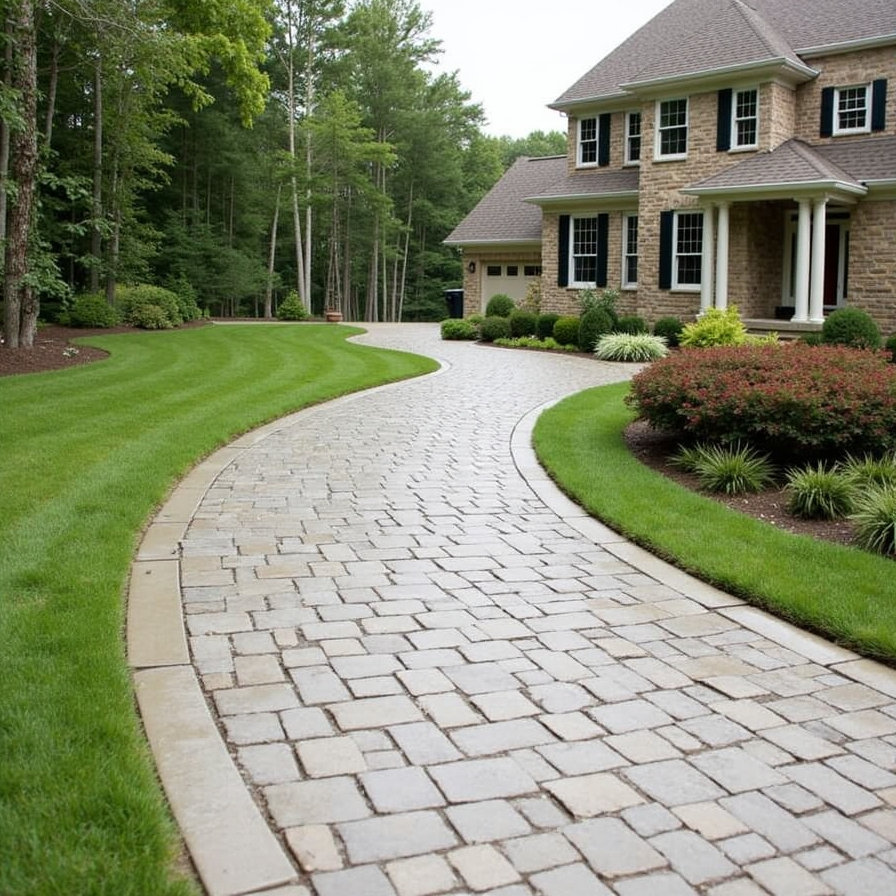
Permeable pavers are designed to allow water to pass through the surface and into the ground below. This helps reduce surface runoff and minimizes flooding in driveways or walkways. They are especially useful in areas prone to heavy rain, where traditional concrete or asphalt may cause pooling. By improving water absorption, permeable pavers support better drainage while maintaining a clean and durable surface. This makes them a smart choice for modern, eco-friendly landscaping.
Bring an Industrial Vibe with Commercial Drainage Grates
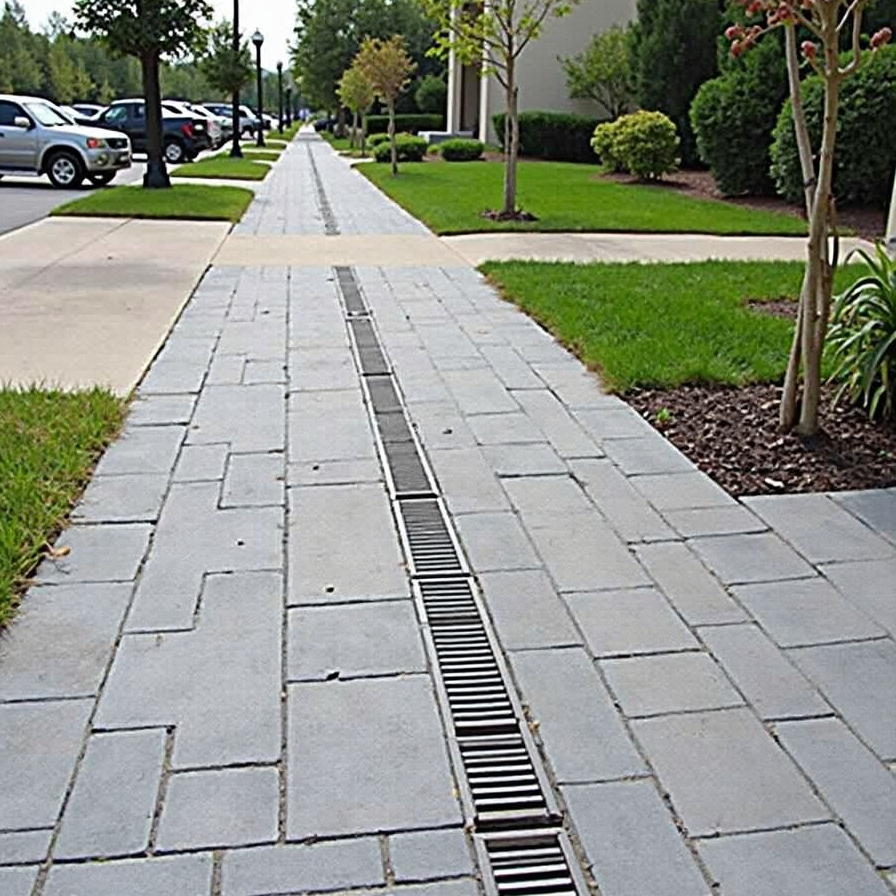
Commercial drainage grates offer a strong and practical solution for managing surface water in high-traffic areas. They are commonly used in driveways, pathways, and flat landscapes where water tends to accumulate. These systems efficiently channel runoff away from surfaces, reducing flooding and maintaining usability during rain. While highly functional, they can also be integrated into modern landscape designs for a clean, industrial aesthetic. This makes them both a practical and visually structured drainage solution.