
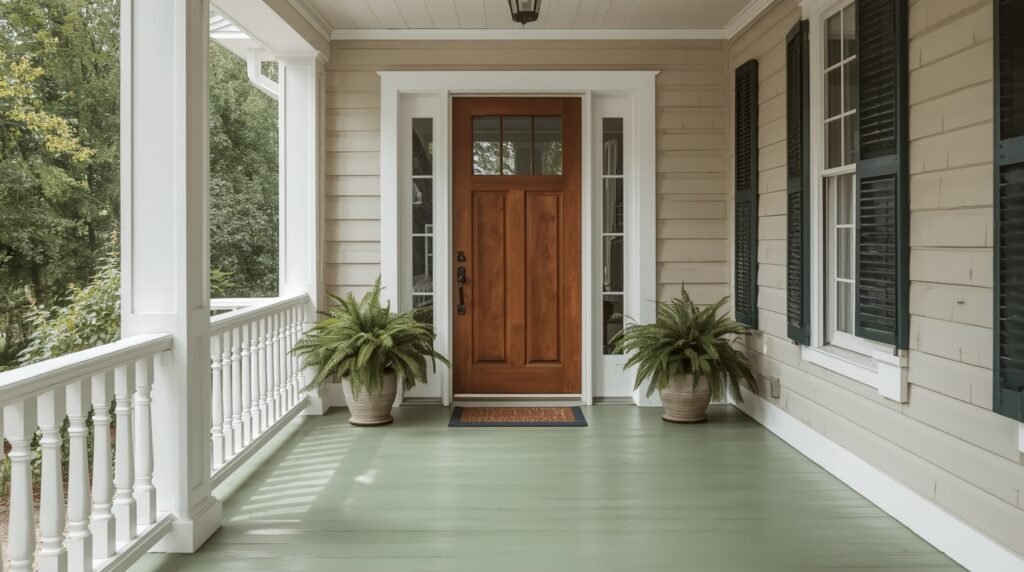
A painted porch floor is one of the easiest ways to refresh your home’s exterior without a full renovation, and the results can be surprisingly transformative. With the right colors and patterns, your porch can shift from plain and weathered to warm, welcoming, and full of personality. From classic whites and soft neutrals to bold stripes, checkerboard designs, or coastal-inspired blues, there are endless ways to express your style.
Beyond looks, a good porch paint also adds durability and protection against daily wear. Whether your vibe is rustic charm or modern simplicity, a painted porch floor can instantly elevate curb appeal.
1. Classic Black and White Checkered Porch Floor Design
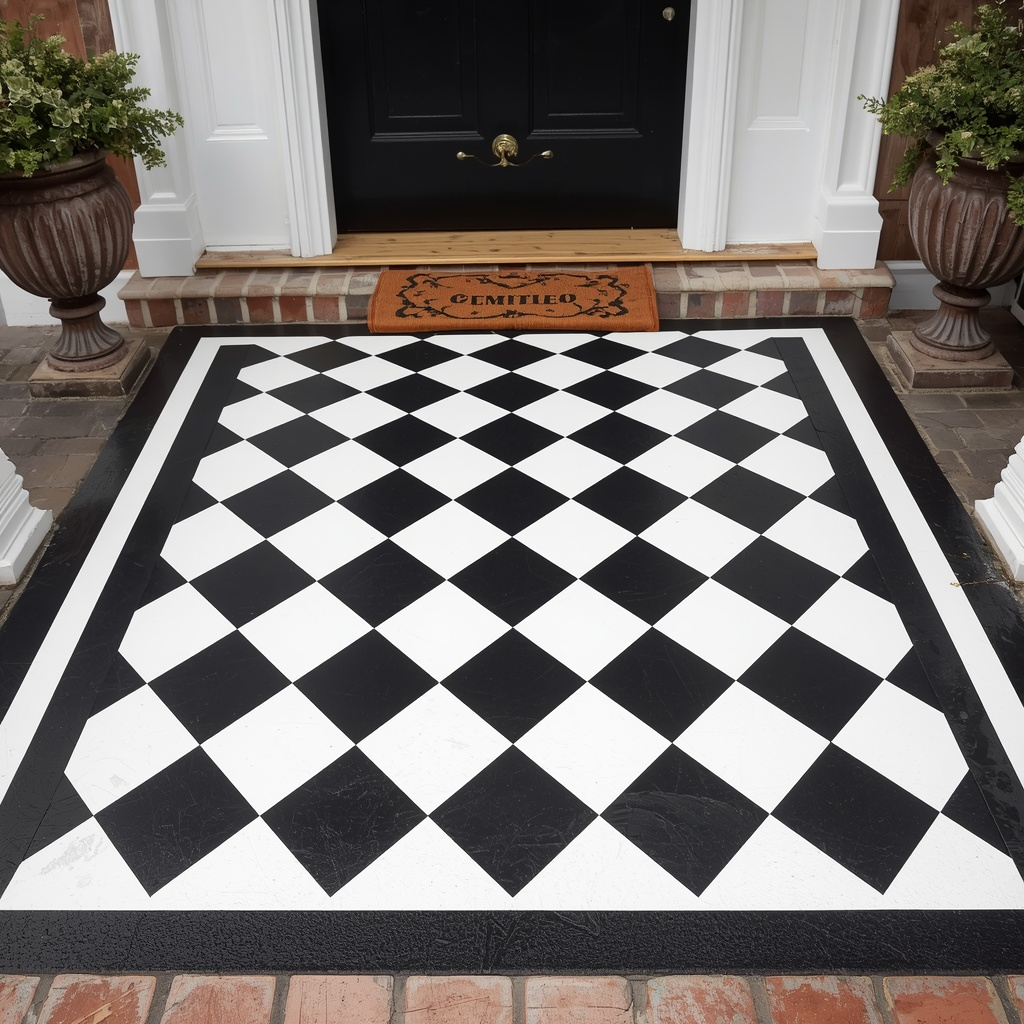
A black and white checkered porch floor is one of the most timeless and visually striking design choices for outdoor entryways. It draws inspiration from traditional European and Victorian-style tiled entrances, giving your home a sense of history and elegance. The strong contrast between the two colors creates a bold graphic effect that immediately enhances curb appeal.
To achieve a clean result, start by applying the lighter base color across the entire porch floor. Once fully dry, measure and tape a precise grid before painting the darker squares. Careful alignment is essential because even small inconsistencies can disrupt the pattern. This design works especially well for both modern and traditional homes due to its balanced visual impact.
2. Linear Stripe Pattern Using Contrasting Colors
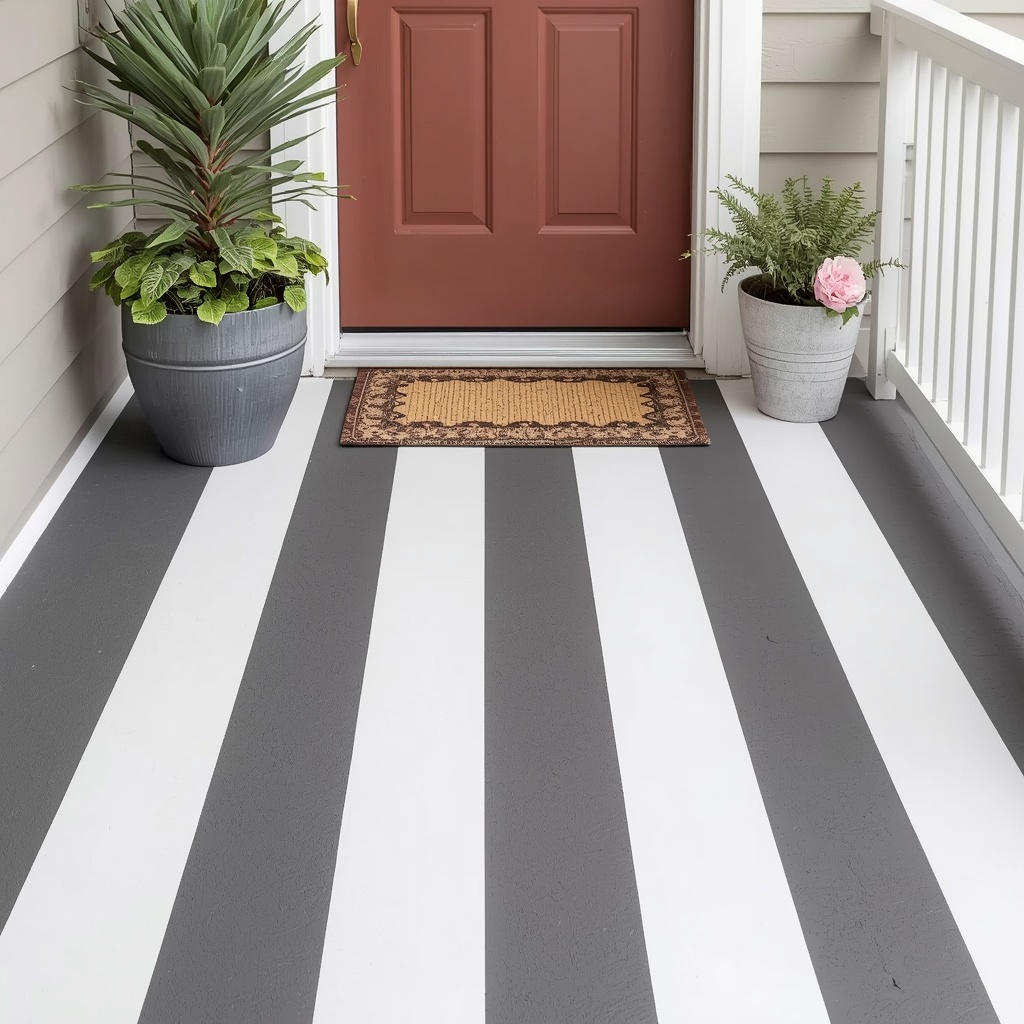
A striped porch floor design offers a simple yet dynamic way to enhance an outdoor entrance. Depending on the direction, stripes can visually expand or elongate the space, making small porches appear larger and more structured. This makes it a popular choice for homeowners who want an affordable yet impactful upgrade.
For best results, choose two colors that complement your home’s exterior. Neutral tones with a bold accent often work well. Horizontal stripes create a wider appearance, while vertical stripes emphasize depth. Precision is key, so measuring and taping before painting ensures clean, even lines. This design is modern, flexible, and easy to refresh when needed.
3. Diagonal Diamond Pattern Porch Painting
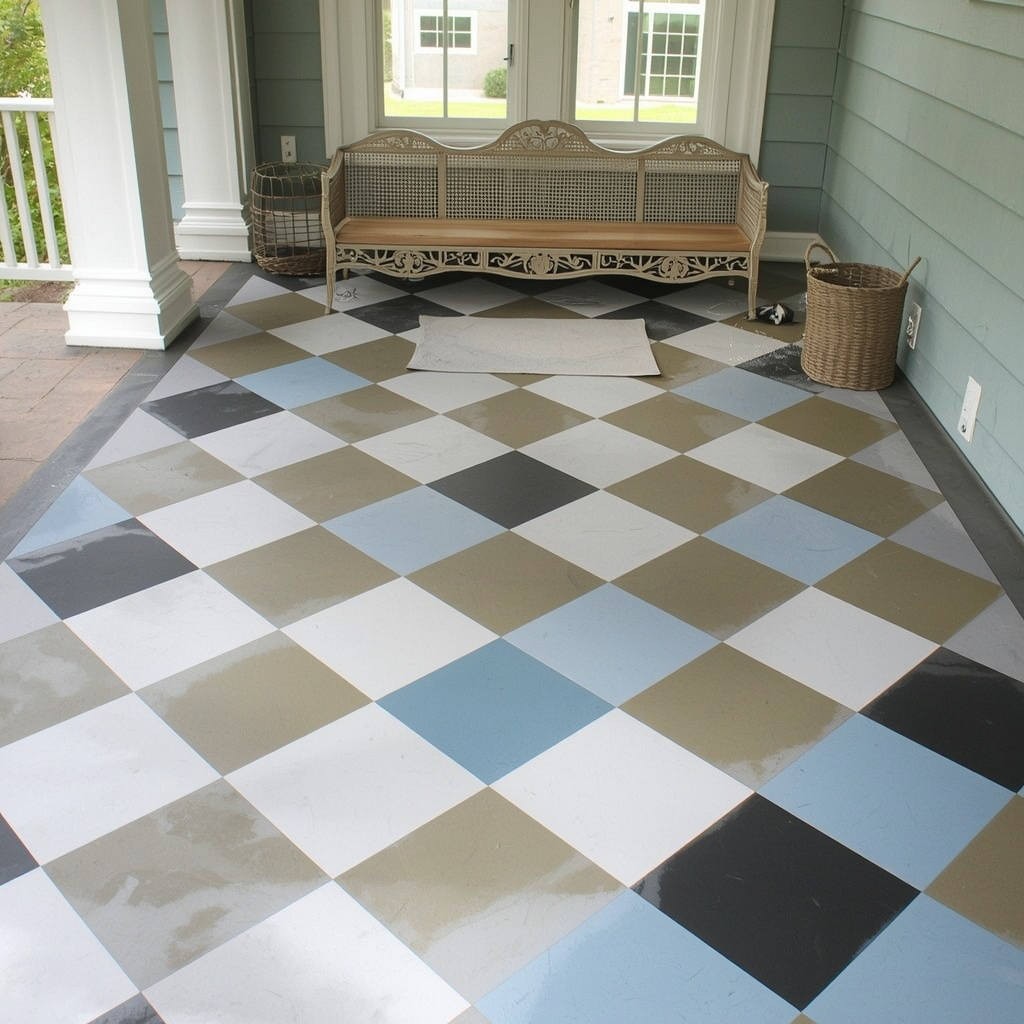
A diamond pattern adds a refined and elegant touch to a painted porch floor. By rotating a standard grid at a 45-degree angle, the design creates movement and visual interest that feels more sophisticated than simple squares or stripes. It works particularly well for homeowners looking to elevate their entryway without overly complex materials.
Execution begins with careful measurement of the floor’s center point. From there, a chalk guide is used to map out the diamond structure before painting. Using two contrasting colors enhances the geometric effect. This pattern adds energy to the space while maintaining a balanced and organized appearance suitable for many home styles.
4. Solid Base Color with Framed Border Detail
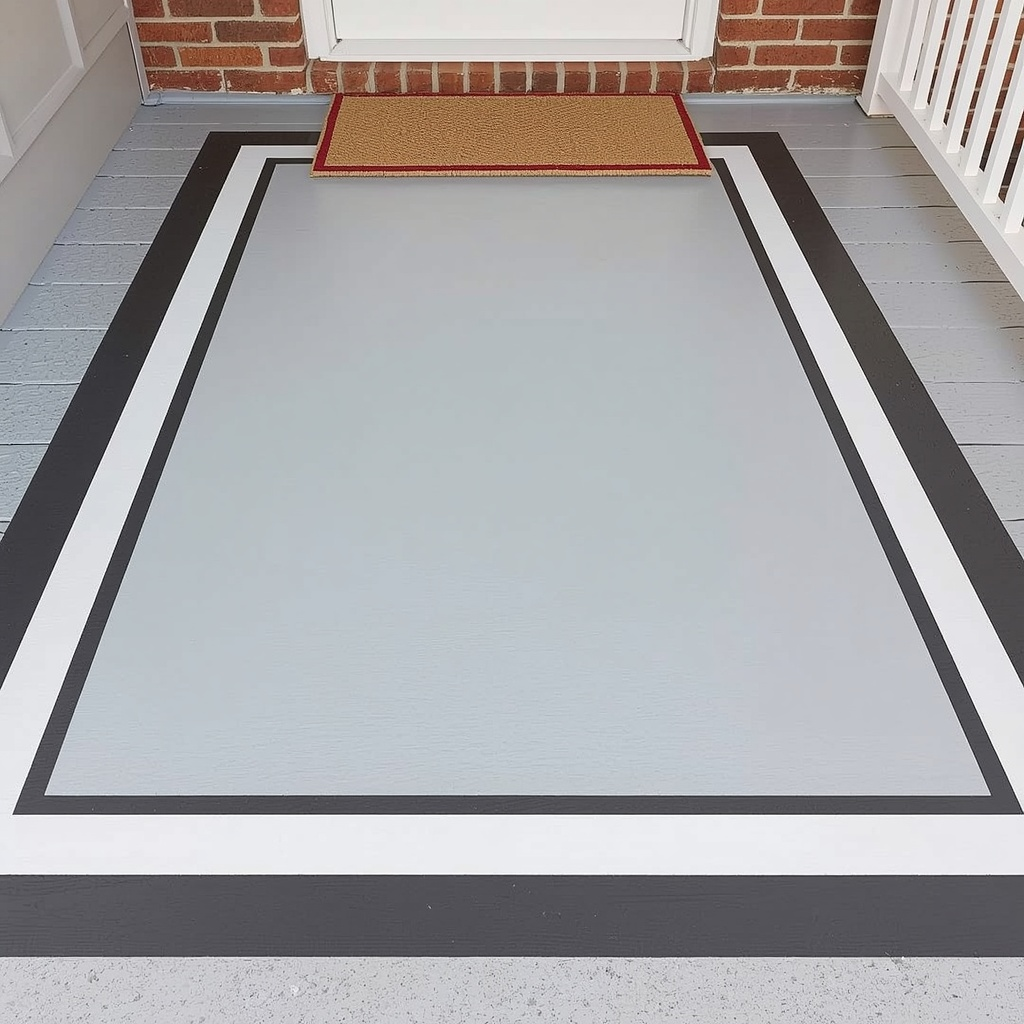
A single-color porch floor with a painted border offers a subtle yet highly elegant design approach. Instead of focusing on patterns, this style emphasizes structure and framing, similar to a decorative rug effect for outdoor spaces. It works well for homeowners who prefer a clean and sophisticated look.
Choose a durable exterior paint for the main surface, then add a contrasting border around the edges. The border width should be proportional to the porch size to maintain balance. This method enhances architectural definition and gives the entryway a polished, intentional finish without overwhelming visual detail.
5. Faux Wood Grain Painted Porch Finish
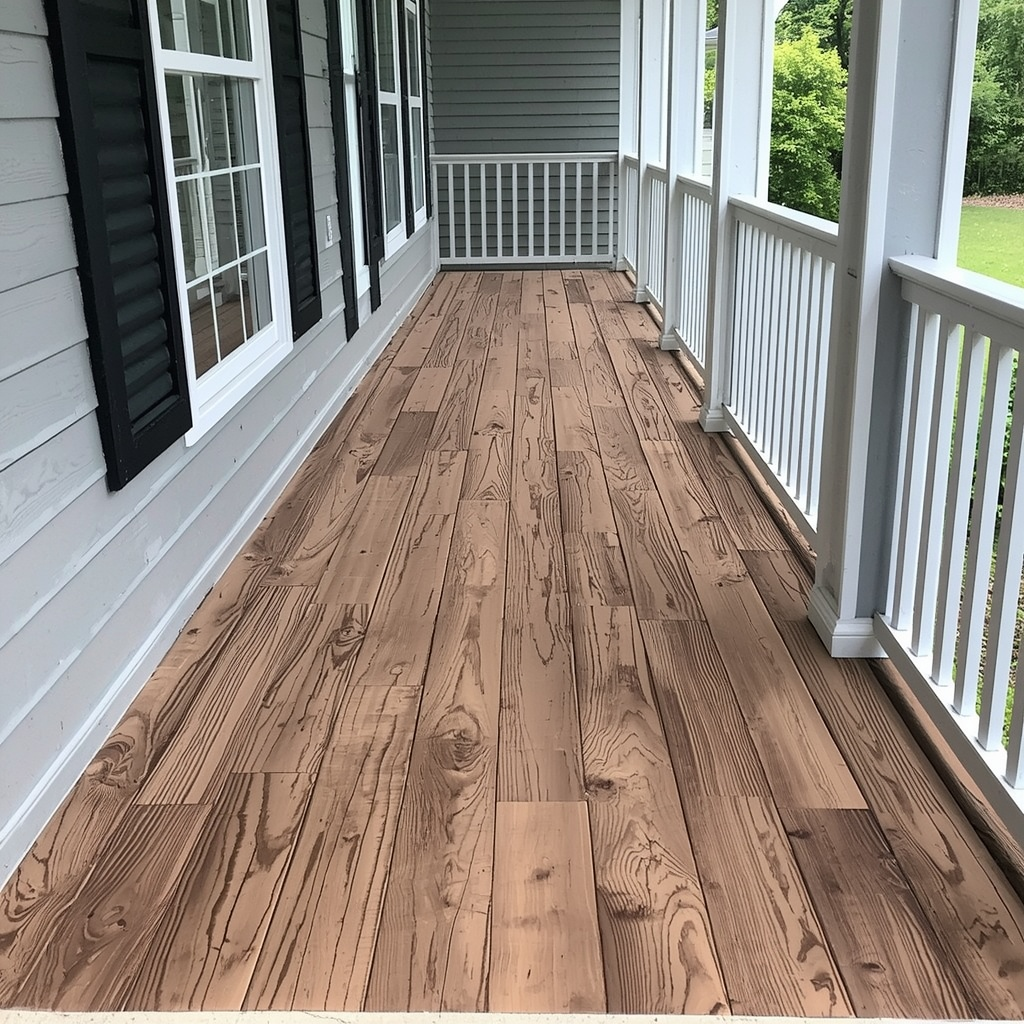
A faux wood grain effect is a creative way to bring the warmth of natural timber to a concrete porch surface. This technique is ideal for those who want the appearance of wood without the maintenance challenges associated with outdoor timber flooring. It also adds texture and depth to otherwise plain surfaces.
The process begins with a base coat in a wood-inspired tone. Once dry, a graining tool is used with a darker glaze to simulate natural wood patterns. Sealing the finished surface is essential for durability. The result is a realistic wood-like finish that blends natural charm with long-lasting practicality.
6. Decorative Stenciled Center Medallion Floor
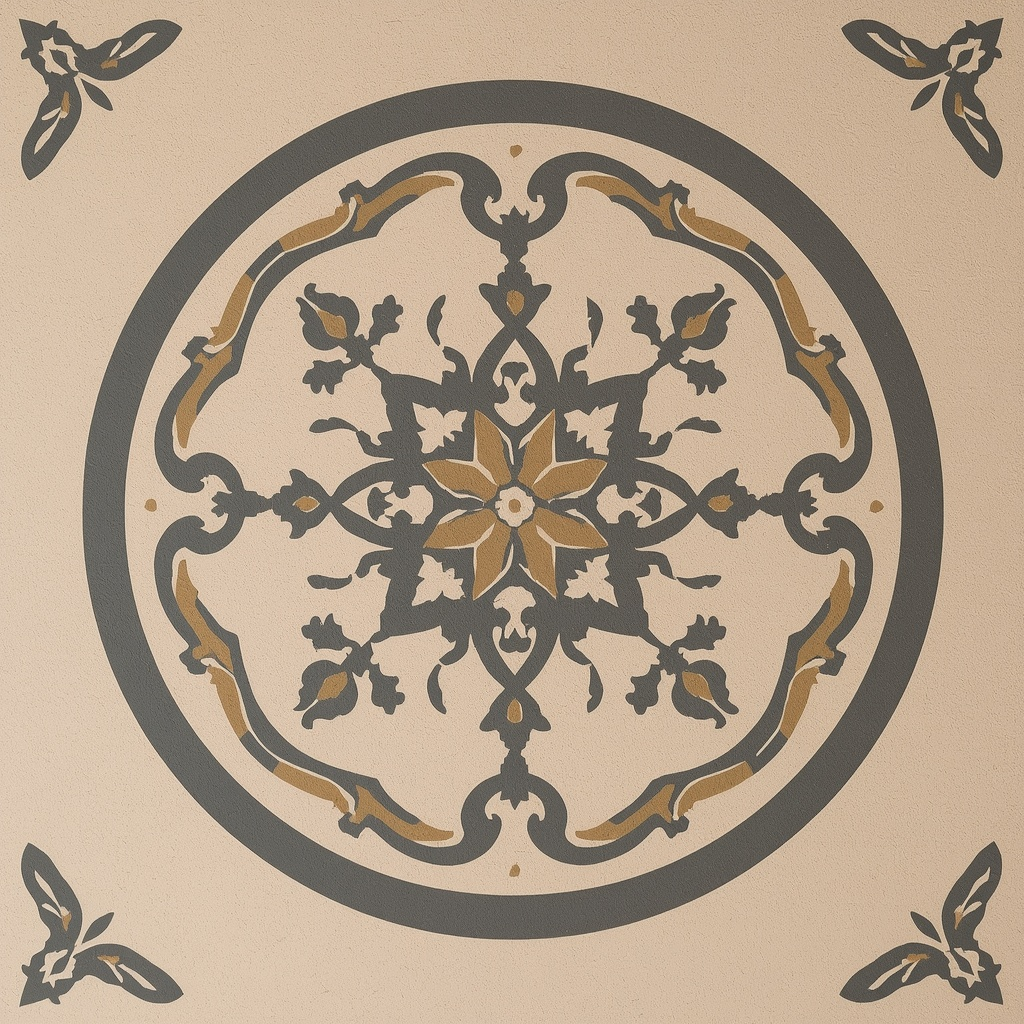
A stenciled medallion design creates a striking focal point in the center of a porch floor. This style draws attention immediately upon entry and works well for larger porch areas where a central visual anchor is needed. It is often used in traditional and decorative home styles.
The medallion is applied using stencils and layered paint to build depth and detail. Multiple colors can be used to enhance the design’s richness. Surrounding the medallion with a neutral base color helps it stand out. This approach transforms a simple porch into a decorative feature that feels thoughtfully designed.
7. Warm Terracotta Painted Porch Surface
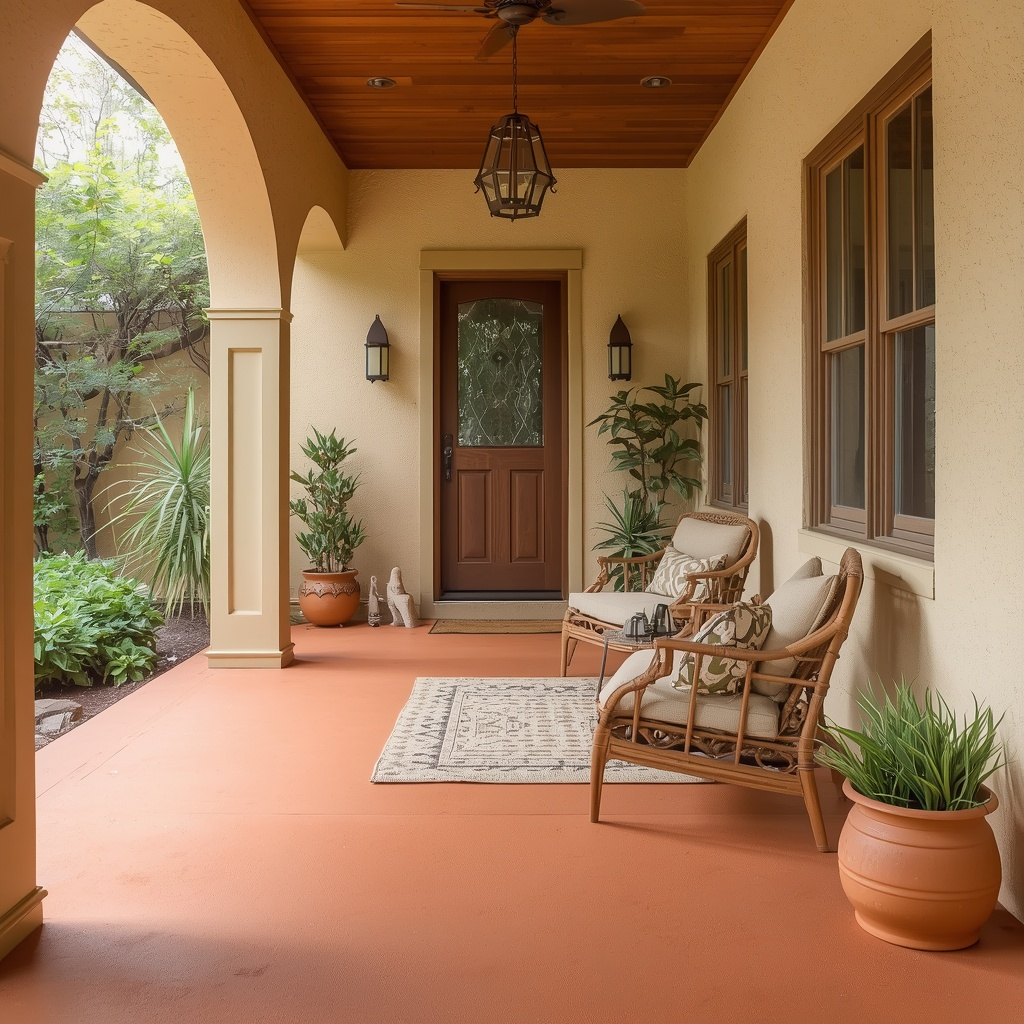
Terracotta-colored porch floors bring a warm, earthy feel inspired by Mediterranean design. This color choice creates a welcoming atmosphere and works particularly well in sunny climates or homes with rustic or natural architectural elements. It adds personality without relying on complex patterns.
Before painting, proper surface preparation ensures long-lasting adhesion. A primer designed for concrete or wood helps the terracotta finish stay durable over time. This style pairs well with neutral furniture and natural textures, making the porch feel cozy and inviting throughout the year.
8. Navy Floor with Nautical Rope Border
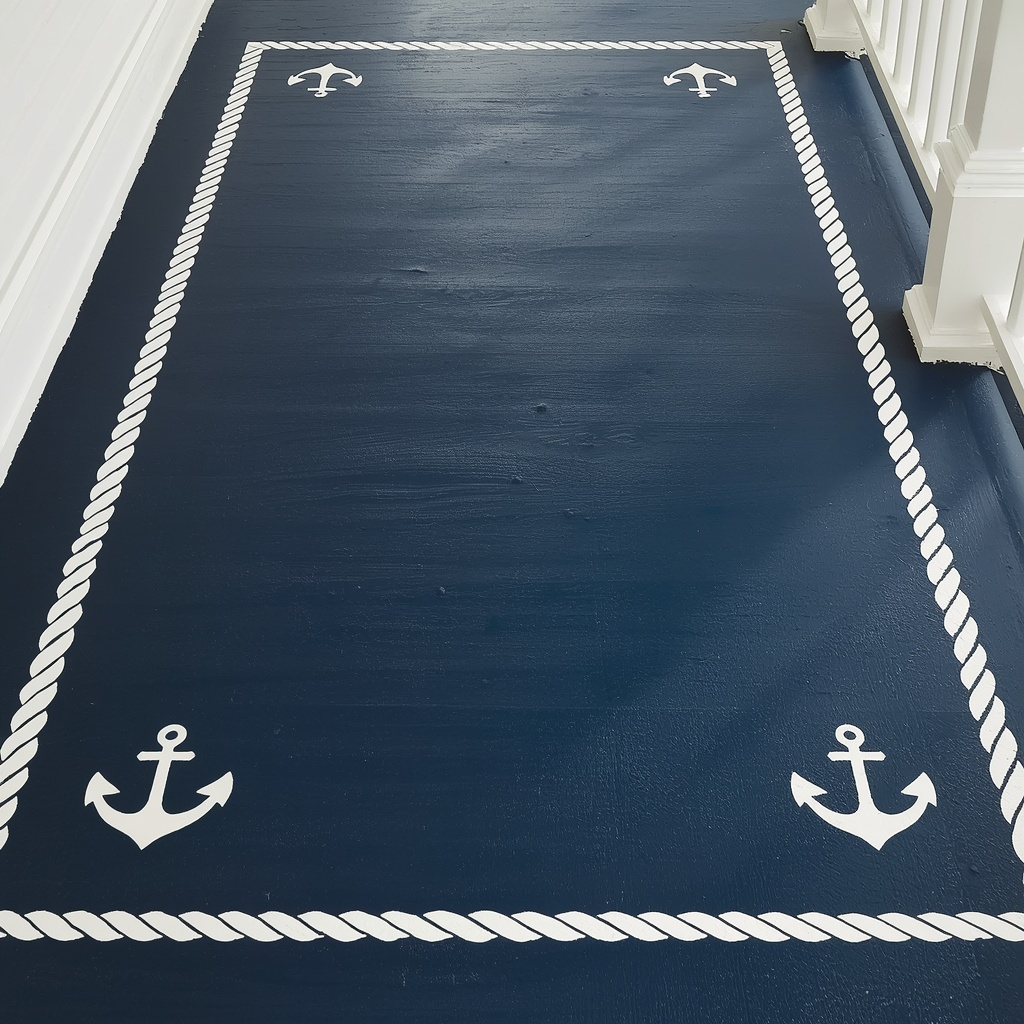
A navy-painted porch floor with a decorative rope-style border creates a strong coastal aesthetic. This design is especially popular for homes near water or those inspired by seaside themes. It introduces a sense of character while maintaining a clean and structured appearance.
The rope border can be hand-painted or applied using stencils for precision. White or cream accents contrast beautifully with the navy base, enhancing the nautical theme. Adding subtle decorative elements like anchors or compass motifs can further strengthen the coastal identity without overwhelming the design.
9. Painted Pebble Texture Illusion Floor
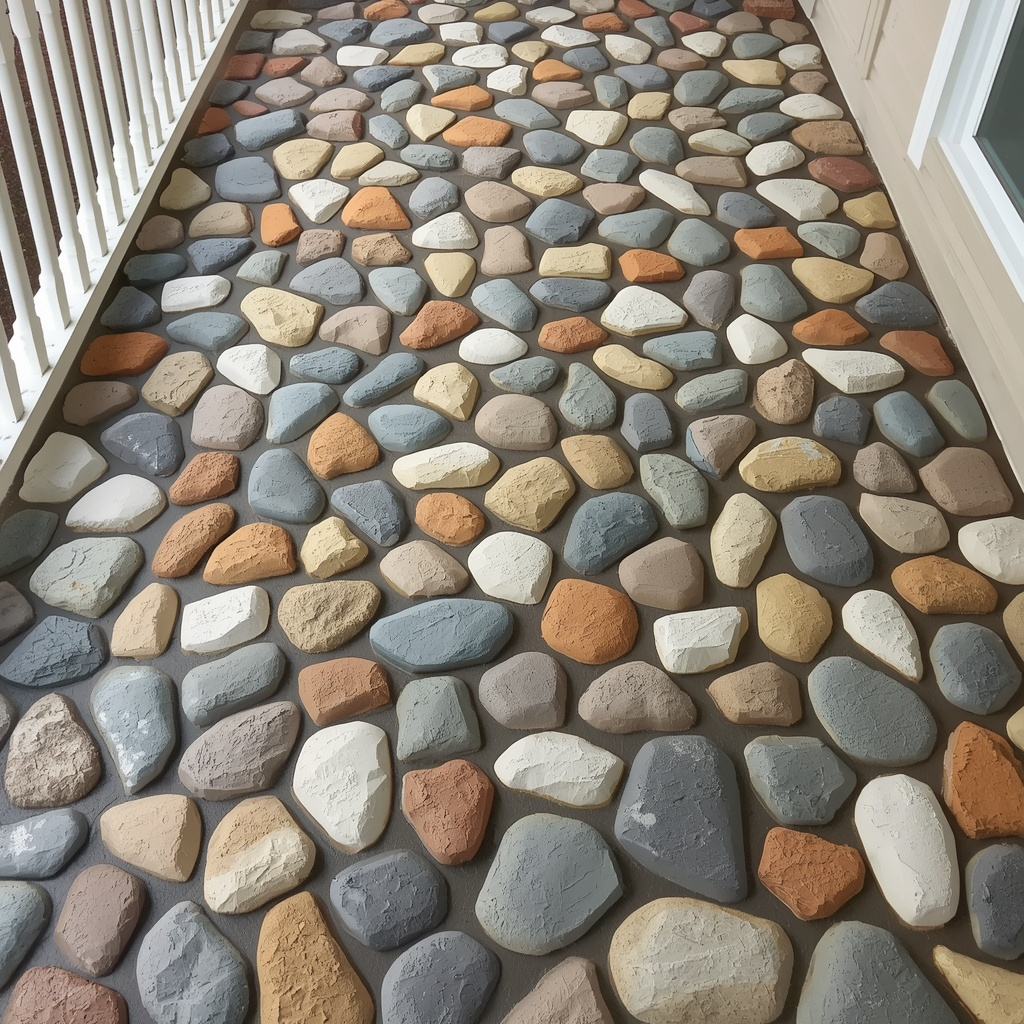
A painted pebble design creates the illusion of a natural stone surface using simple painting techniques. This approach is ideal for homeowners who want an organic, textured look without installing real stone materials. It adds visual softness and natural charm to outdoor spaces.
Each pebble shape is painted individually using varying tones to create realism. Highlights and shadows are added consistently to simulate depth and dimension. The randomness of the layout helps mimic natural stone arrangements, making the porch feel like a natural extension of the surrounding landscape.
10. Multi-Zone Color Block Porch Layout
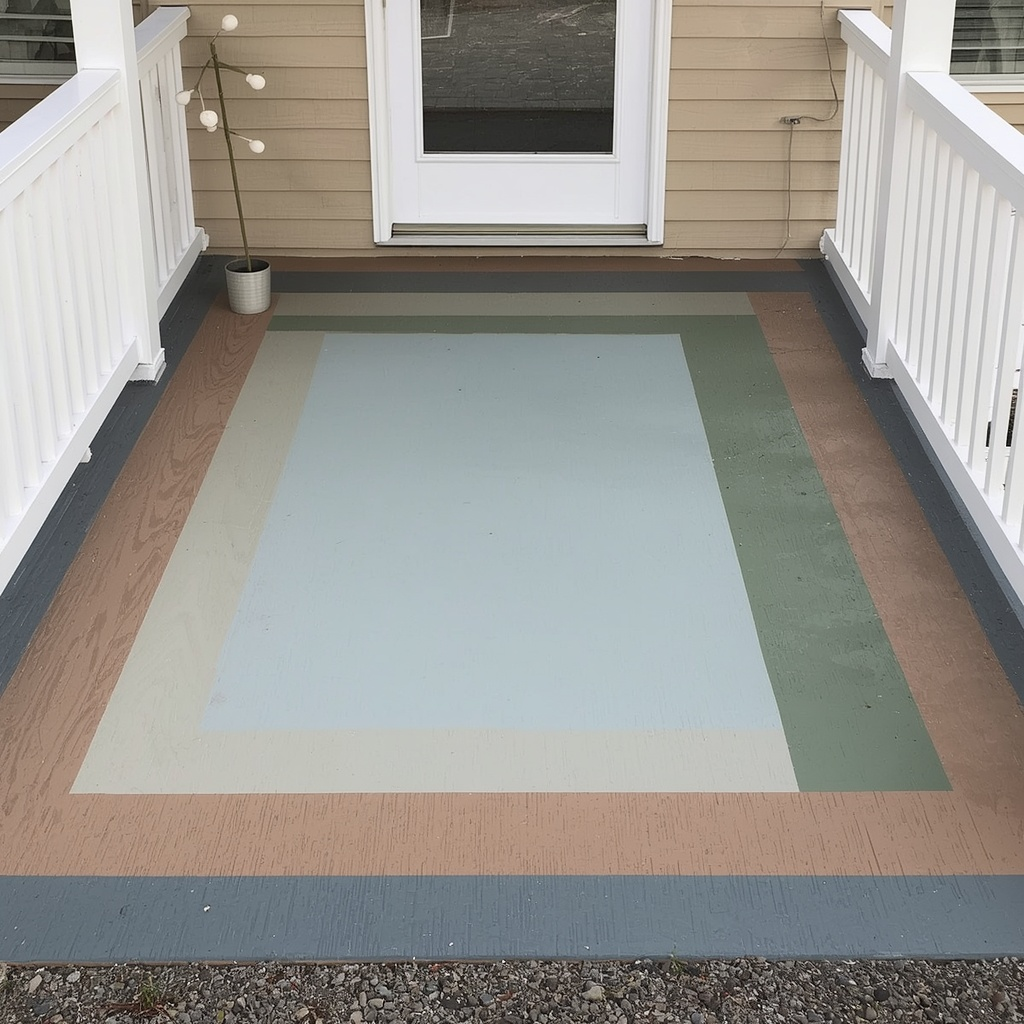
Color blocking divides a porch floor into distinct sections using different tones. This modern design technique helps define space while adding visual interest. It works especially well for larger porches where different functional areas, such as seating or entry zones, can be visually separated.
Selecting colors within the same family ensures harmony and prevents visual clutter. Earthy neutrals or soft gradients often produce the best results. Clean edges between color zones are essential, so careful taping and planning are required before painting begins. The result is structured yet contemporary.
11. Painted Herringbone Pattern Floor Design
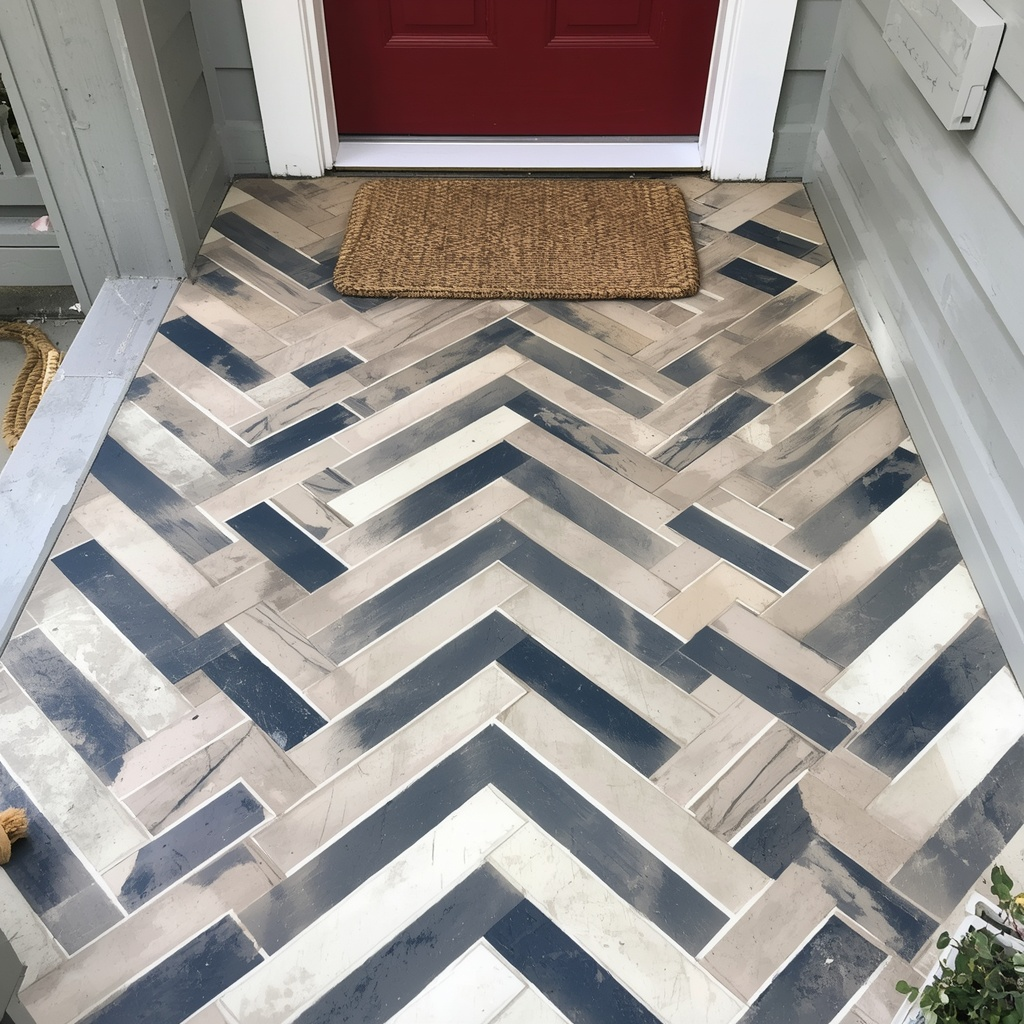
A herringbone pattern brings a classic architectural feel to a painted porch floor. Known for its timeless appeal, this design introduces movement and texture while maintaining elegance. It is suitable for both traditional and modern homes looking for a refined exterior upgrade.
The pattern is created by mapping diagonal rectangles in a repeating layout. Precision is essential to maintain alignment across the entire surface. Using contrasting colors helps define the pattern clearly. When completed, the herringbone effect adds depth and sophistication to the entryway.
12. Gradient Ombre Porch Floor Effect
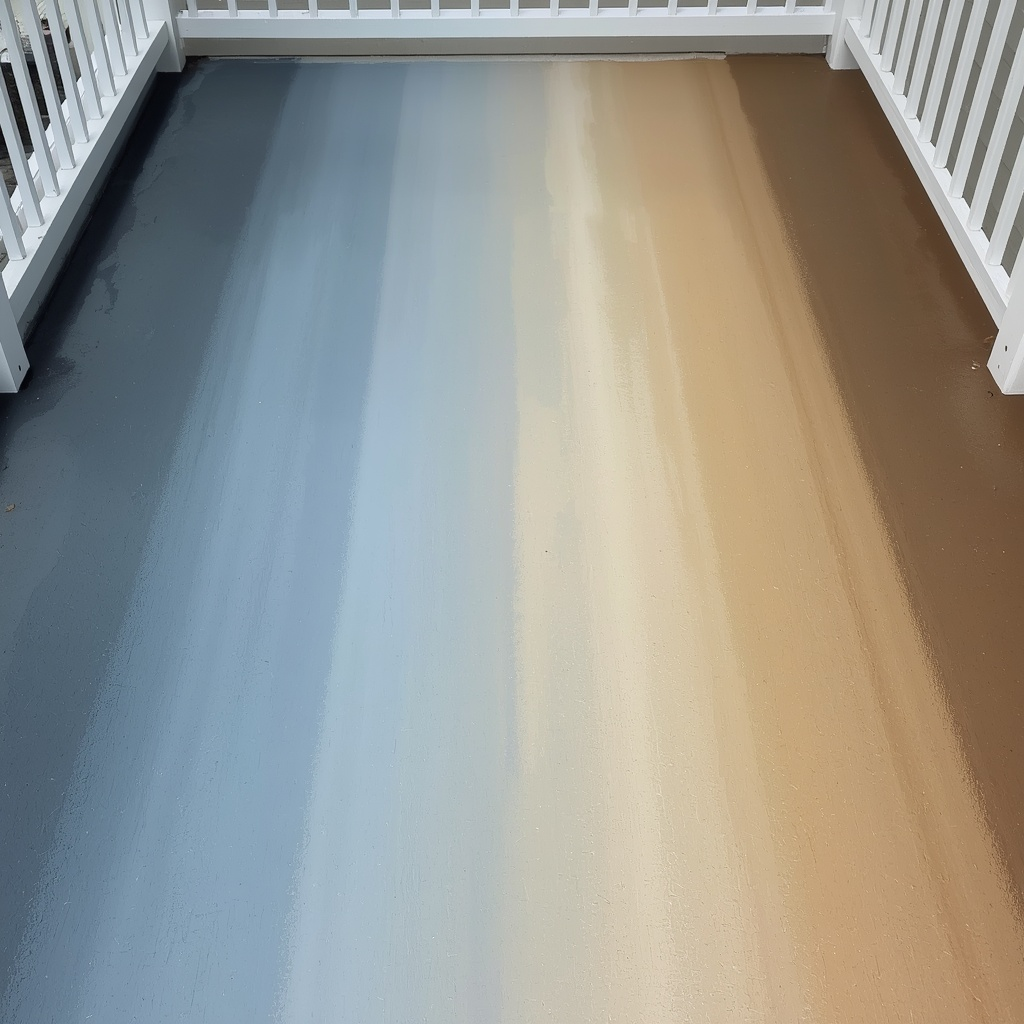
An ombre porch floor transitions smoothly from one shade to another, creating a soft and artistic visual effect. This style is ideal for homeowners seeking a more creative and expressive design approach. It gives the floor a sense of movement and depth.
The gradient is achieved by blending colors while the paint is still workable, gradually shifting from dark to light tones. Blending tools or soft brushes help smooth transitions. This technique requires patience but results in a unique and visually appealing porch surface.
13. Painted Tile Illusion Flooring Design
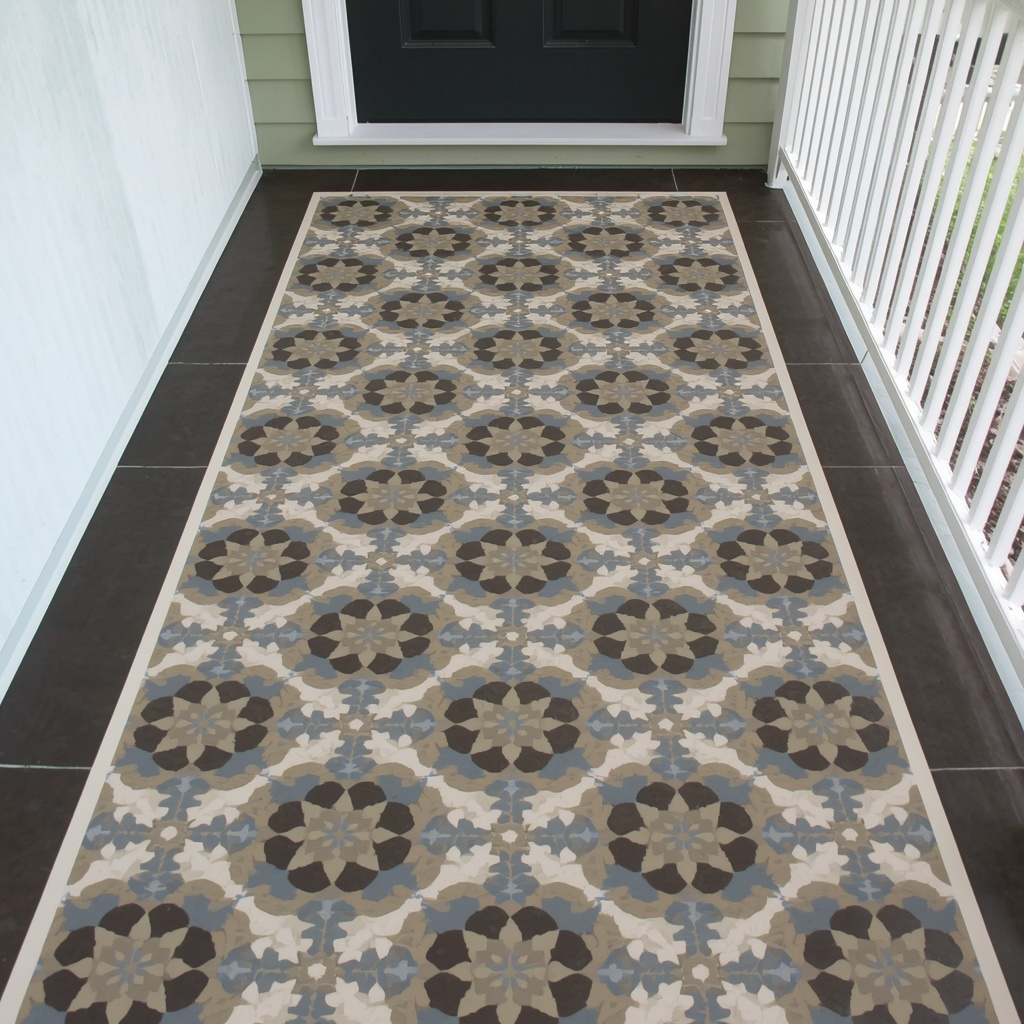
A painted tile illusion replicates the appearance of real decorative tiles without the cost or installation complexity. It allows for endless design variations, from geometric patterns to intricate traditional motifs. This makes it one of the most versatile porch painting options.
Stencils are commonly used to maintain consistency across repeated patterns. Multiple colors can be layered to enhance detail. The finished look resembles high-end tiled flooring, giving the porch a stylish and customized appearance while remaining budget-friendly and easy to maintain.
14. Whitewashed Rustic Timber Porch Finish
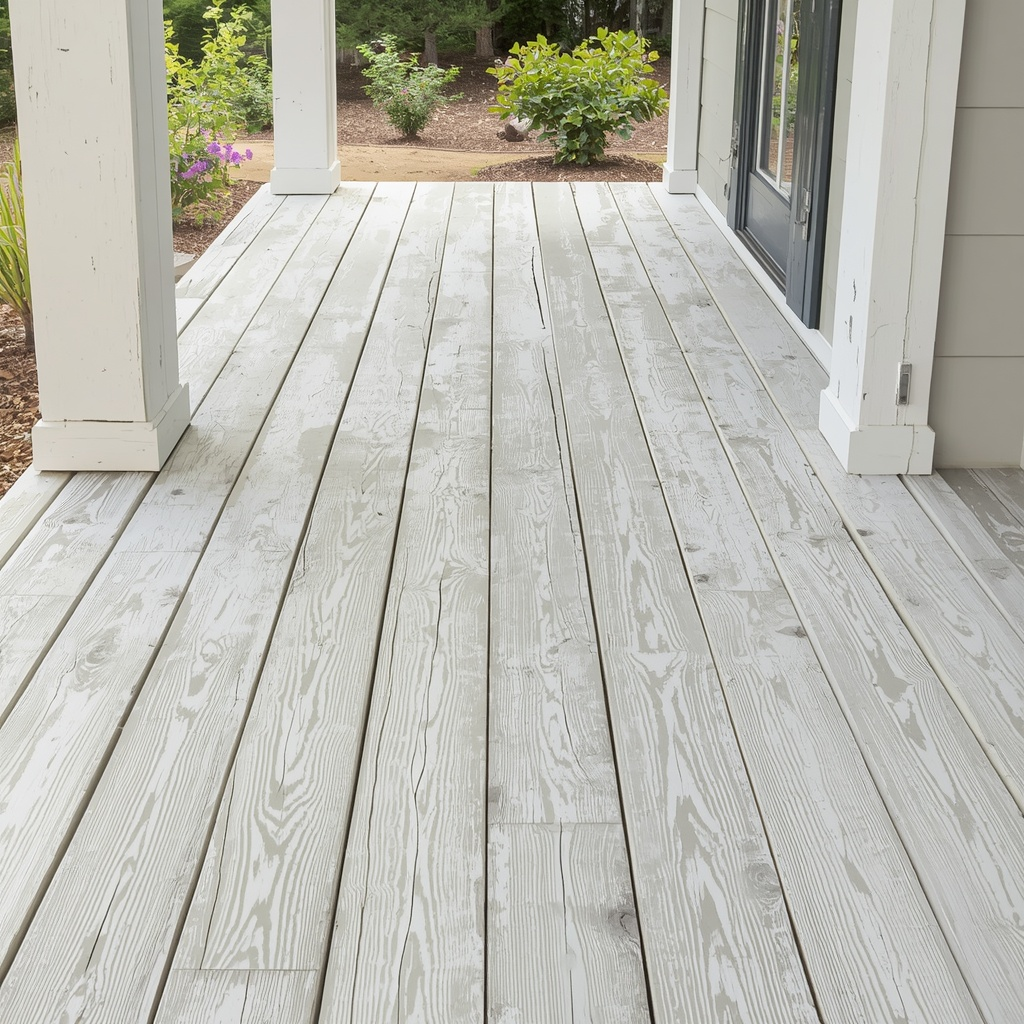
A whitewashed porch floor highlights the natural grain of wood while softening its appearance with a light, airy finish. This style is popular in coastal and farmhouse-inspired homes where a relaxed and natural aesthetic is desired. It brightens the space while preserving texture.
The paint is diluted before application to create a semi-transparent effect. Wiping excess paint ensures the wood grain remains visible. This finish gives the porch a weathered, organic look that feels warm, welcoming, and naturally aged over time.
15. Matching Porch Design to Home Architecture
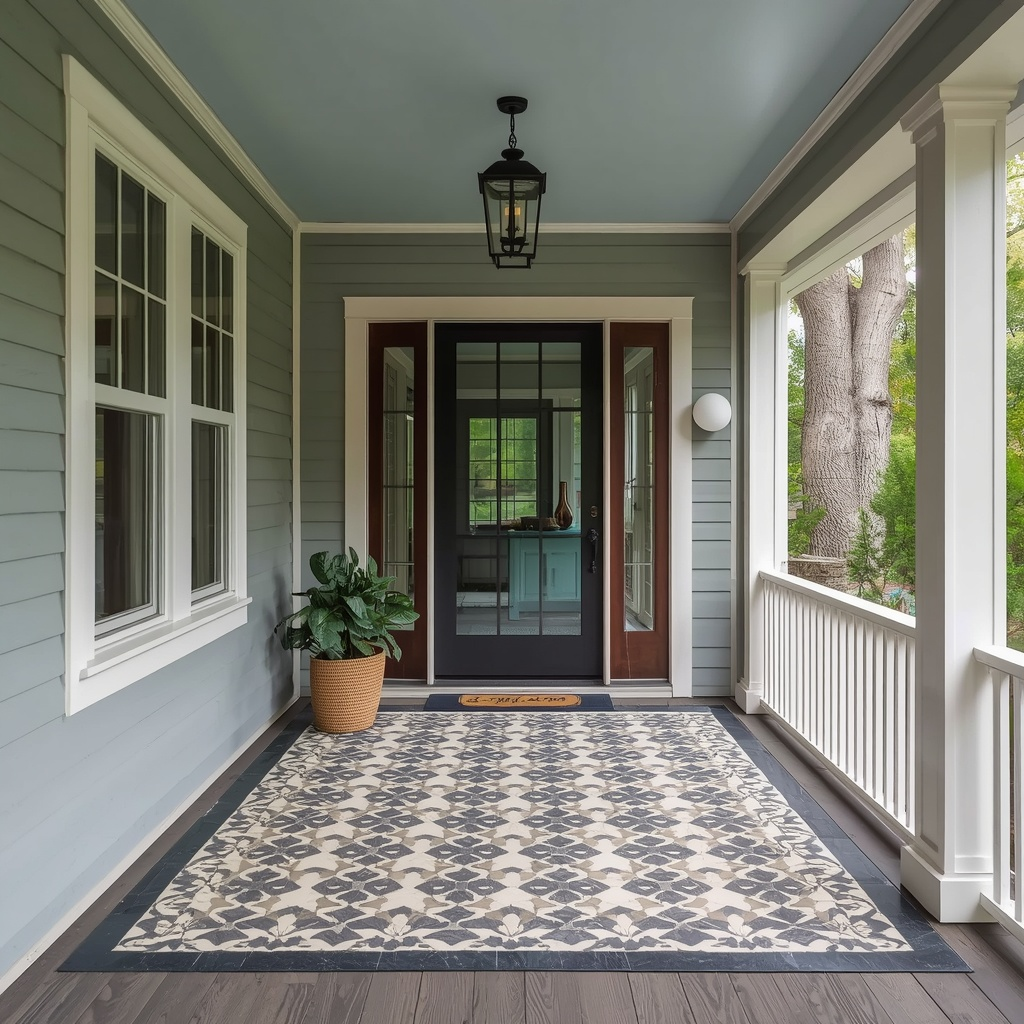
The most important principle in porch floor design is ensuring it complements the overall style of the home. A well-designed porch should feel like a natural extension of the house rather than a separate decorative element. Consistency in color, material, and tone creates visual harmony.
Whether choosing bold patterns or subtle finishes, the design should reflect the home’s architecture and surrounding environment. A thoughtful approach ensures long-term appeal and avoids trends that may quickly feel outdated. Ultimately, balance and coherence create the most successful porch designs.