
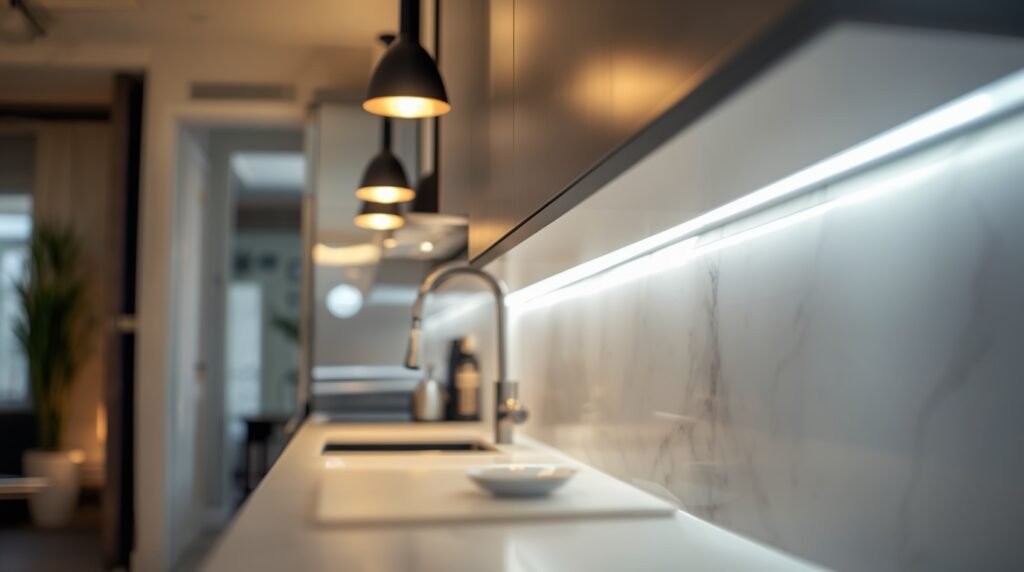
Lighting plays a major role in defining the look and feel of a kitchen, and the right fixtures can instantly elevate the space from ordinary to sophisticated. Classy kitchen lighting ideas combine beauty and functionality, creating a warm, inviting atmosphere while providing the illumination needed for cooking and gathering.
From elegant pendant lights above an island to statement chandeliers, under-cabinet lighting, and sleek sconces, every detail contributes to the overall design. Whether your style leans modern, traditional, or transitional, thoughtfully chosen lighting can highlight key features and add a polished finish. The result is a kitchen that feels brighter, more stylish, and effortlessly refined.
Create a Balanced Kitchen with Multiple Lighting Layers
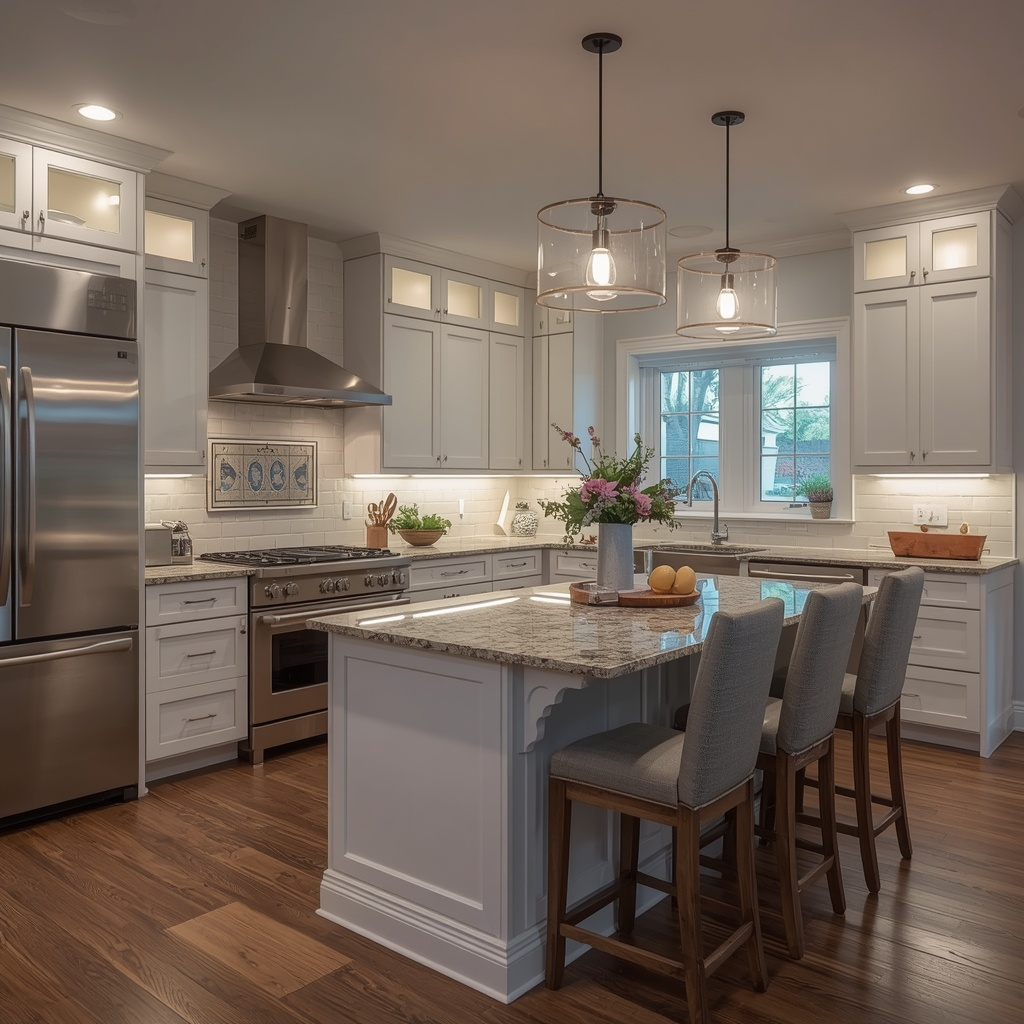
A well-designed kitchen relies on more than one source of light. Layered lighting combines different types of illumination to improve both functionality and atmosphere. Ambient lighting provides overall brightness, task lighting focuses on work areas, and accent lighting adds visual interest. Together, these layers help create a kitchen that feels comfortable throughout the day and evening. By carefully combining lighting sources, homeowners can eliminate dark spots, improve visibility, and create a space that supports cooking, dining, entertaining, and everyday family activities.
Use Recessed Lighting for Seamless Ceiling Illumination
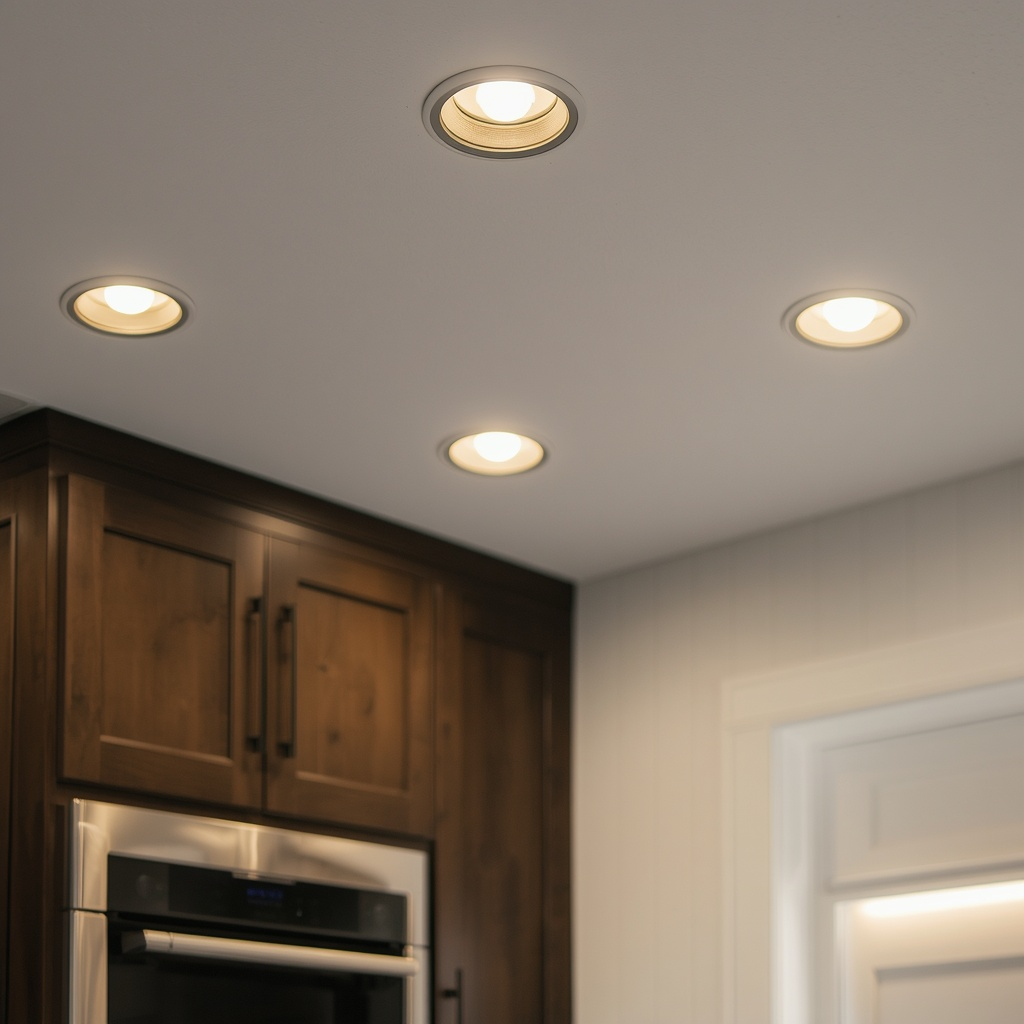
Recessed lights are a popular choice because they deliver consistent brightness without drawing attention to themselves. Installed flush with the ceiling, these fixtures create a clean and uncluttered appearance that works well in both modern and traditional kitchens. Strategic placement helps distribute light evenly across the room, reducing shadows and improving visibility. Warm white bulbs are often preferred because they provide a welcoming glow while maintaining excellent brightness. Recessed lighting serves as a dependable foundation that can be complemented by additional decorative and task lighting elements.
Enhance Kitchen Islands with Stylish Pendant Fixtures
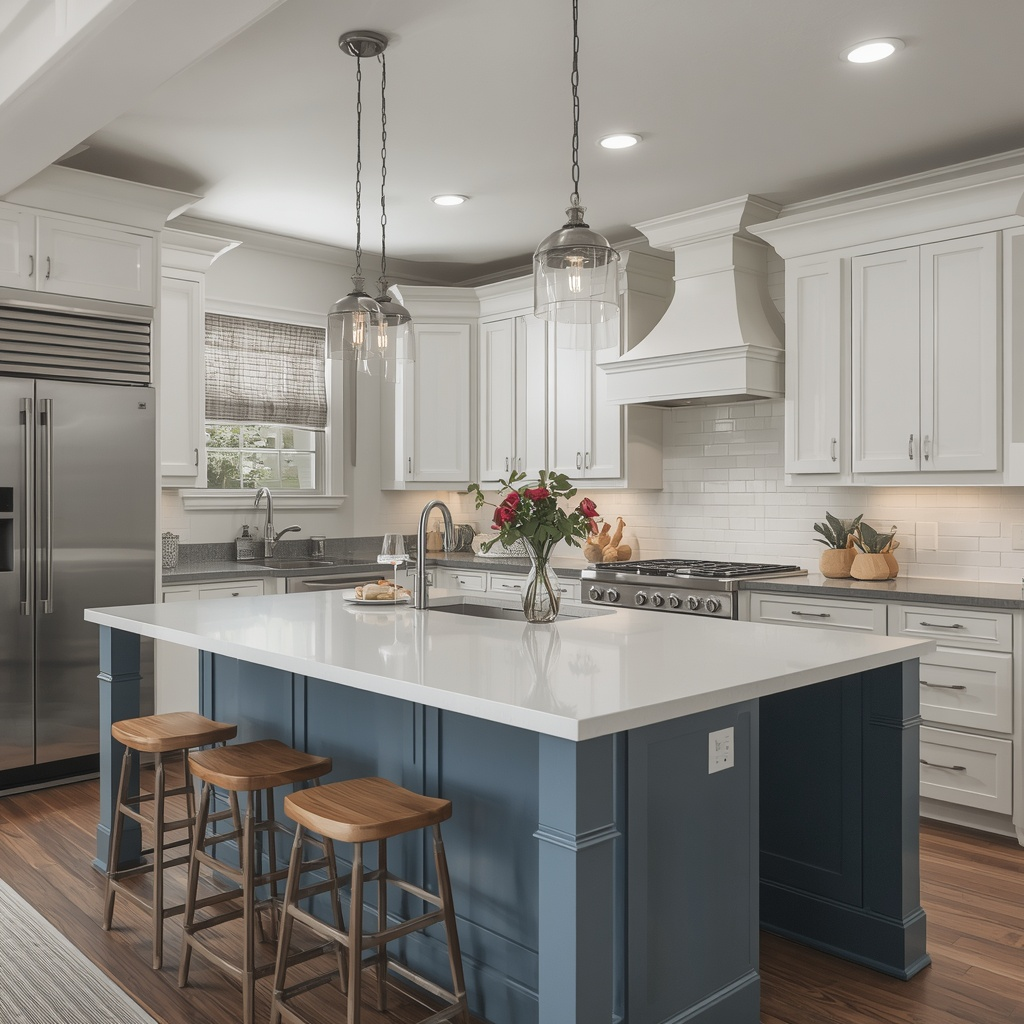
Pendant lighting serves both practical and decorative purposes in the kitchen. Positioned above islands or peninsulas, pendants provide focused illumination for food preparation, dining, and social gatherings. Their design can also contribute significantly to the room’s overall style. Whether featuring glass, metal, or natural materials, pendants introduce personality while improving functionality. Choosing the correct size and spacing ensures a balanced appearance that complements the island without overwhelming it. Well-selected pendant lights can become one of the most attractive focal points within the entire kitchen.
Brighten Countertops with Under-Cabinet Lighting
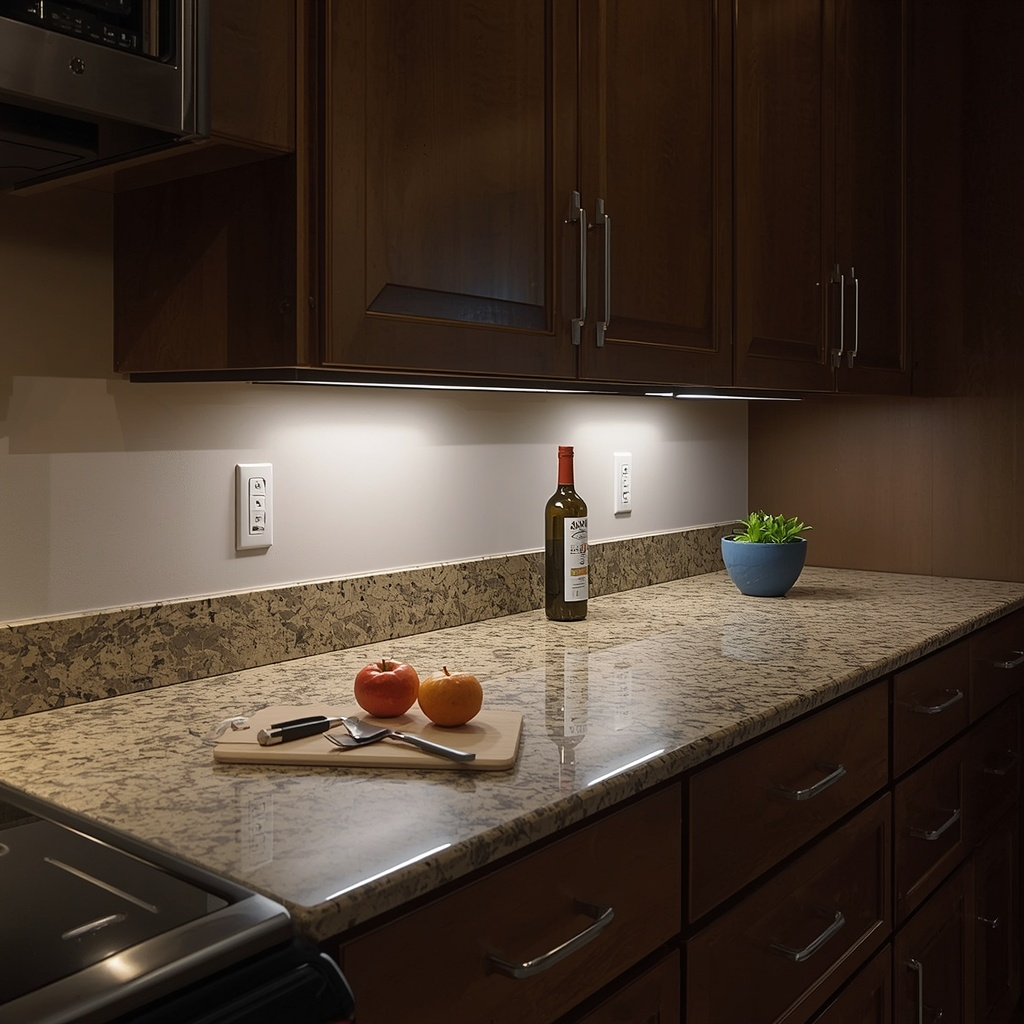
Countertops are among the most frequently used surfaces in any kitchen, making proper lighting essential. Under-cabinet lighting directs illumination exactly where it is needed, helping reduce shadows caused by upper cabinets. LED strips and puck lights are popular options because they are energy-efficient, discreet, and easy to install. In addition to improving visibility during meal preparation, these lights contribute a gentle glow that enhances the kitchen’s atmosphere. This combination of beauty and practicality makes under-cabinet lighting a valuable addition to nearly any kitchen design.
Make a Statement with Eye-Catching Ceiling Fixtures
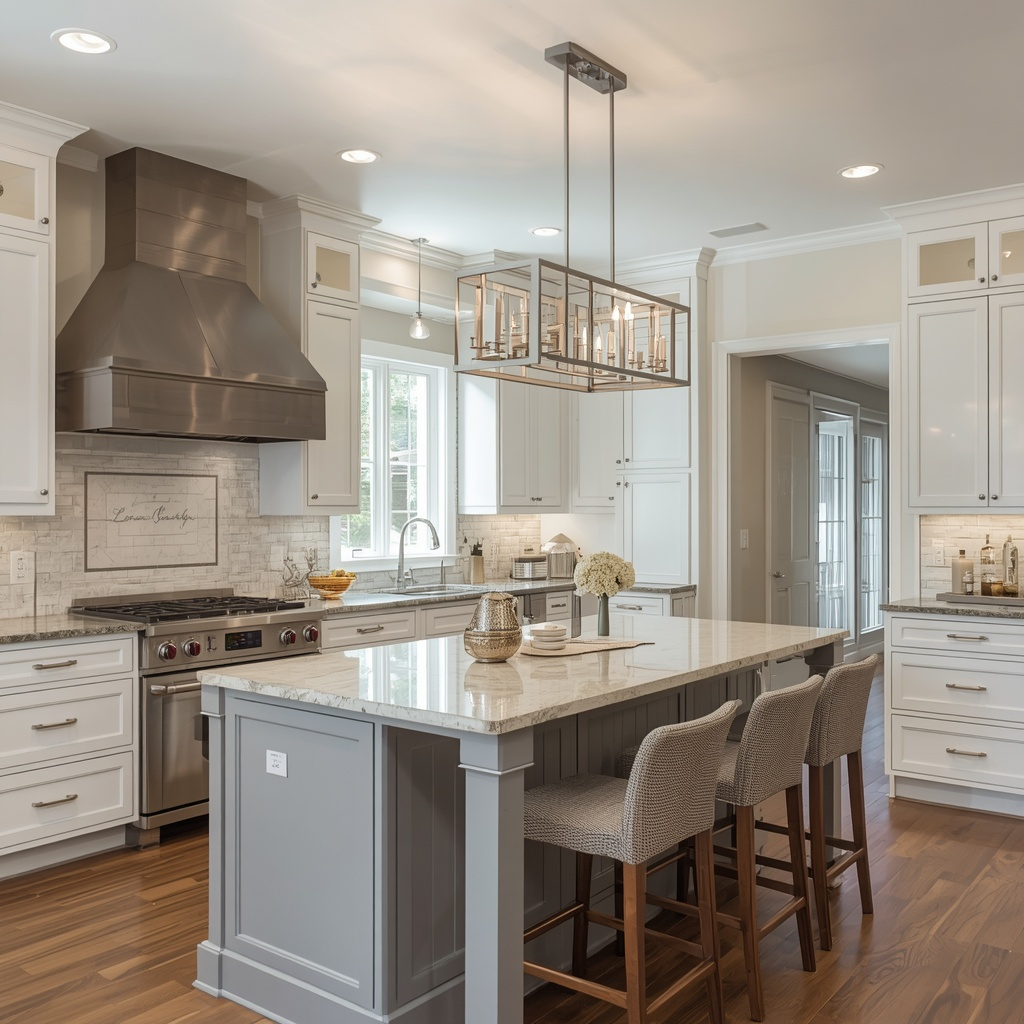
Decorative overhead lighting can dramatically transform the appearance of a kitchen. A carefully selected chandelier, oversized pendant, or sculptural fixture adds visual interest while helping define the room’s character. Statement lighting works particularly well in kitchens with high ceilings, open floor plans, or large dining areas. When balanced with functional task lighting, these fixtures provide both style and practicality. Choosing a design that complements the kitchen’s overall aesthetic helps create a polished look while ensuring the fixture remains a focal point rather than a distraction.
Maximize Daylight for a Brighter Kitchen Environment
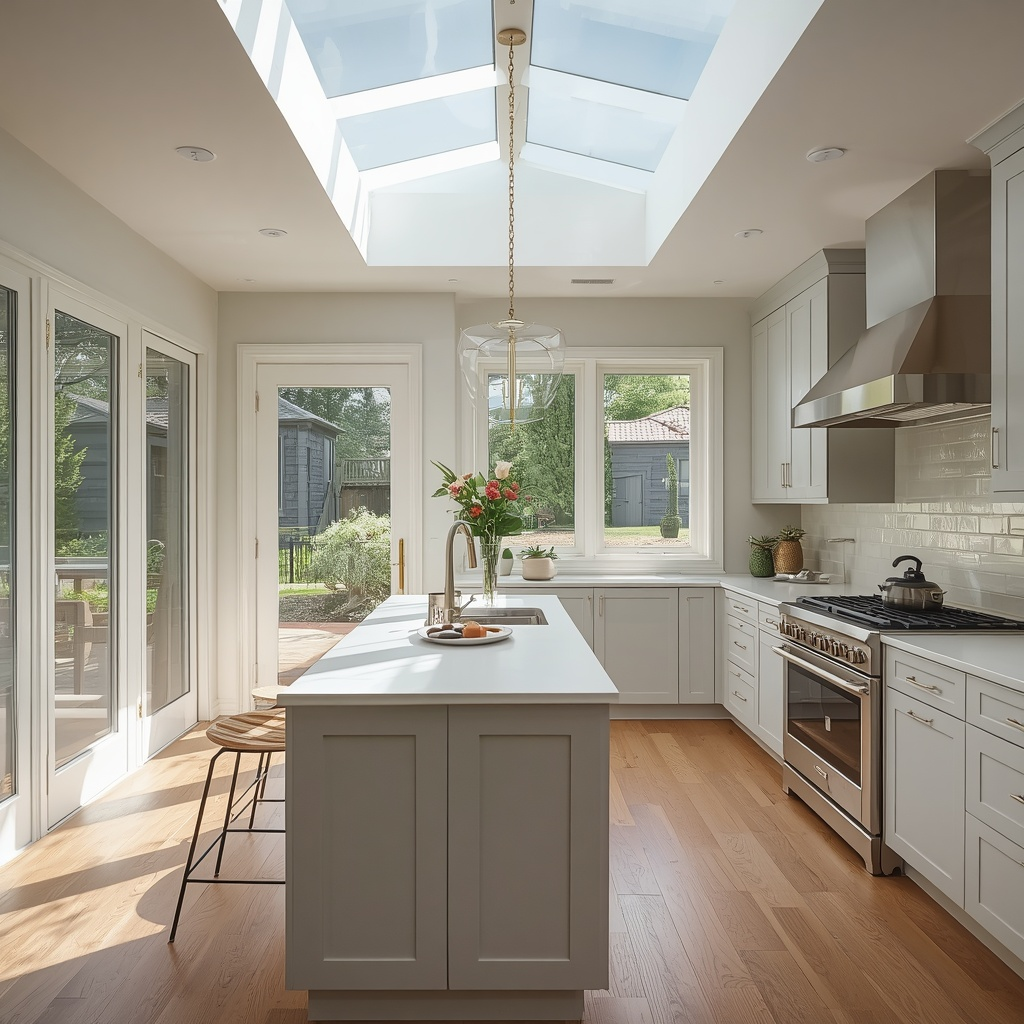
Natural light is one of the most valuable design elements in any kitchen. Large windows, skylights, and glass doors allow sunlight to enter the room, creating an open and refreshing atmosphere. Natural daylight not only improves visibility but also enhances the appearance of colors, textures, and materials throughout the space. Light-colored walls, reflective surfaces, and strategically placed mirrors can help distribute sunlight more effectively. By maximizing available daylight, homeowners can reduce reliance on artificial lighting while creating a more pleasant and inviting environment.
Add Subtle Elegance with Toe-Kick Lighting
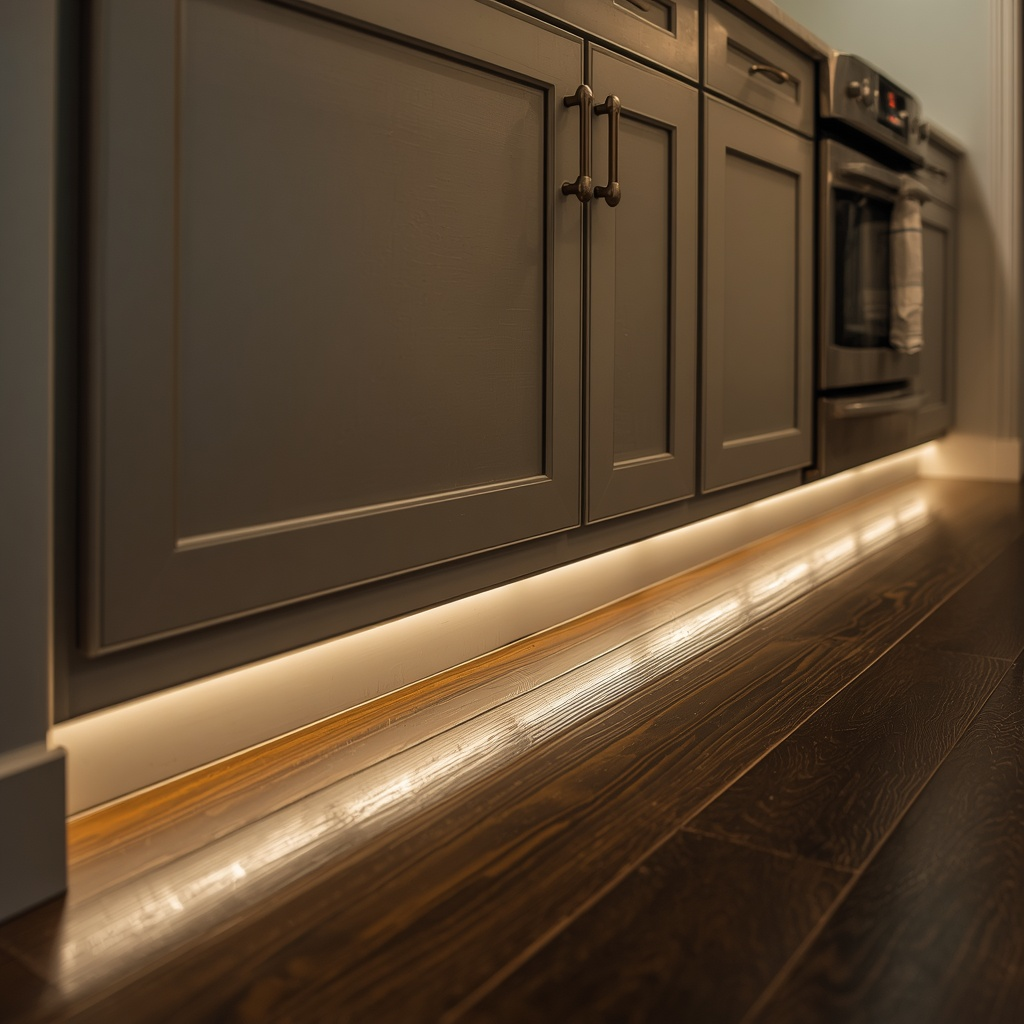
Toe-kick lighting is installed beneath lower cabinets, creating a soft glow near floor level. Although it is not typically used as a primary light source, it contributes depth, atmosphere, and improved nighttime visibility. This type of lighting can help illuminate pathways and reduce the need for bright overhead lights during evening hours. Modern kitchens often use toe-kick lighting to create a sophisticated appearance while enhancing safety. The result is a subtle yet effective design feature that adds visual dimension without overwhelming the space.
Illuminate Cabinet Interiors for Convenience and Display
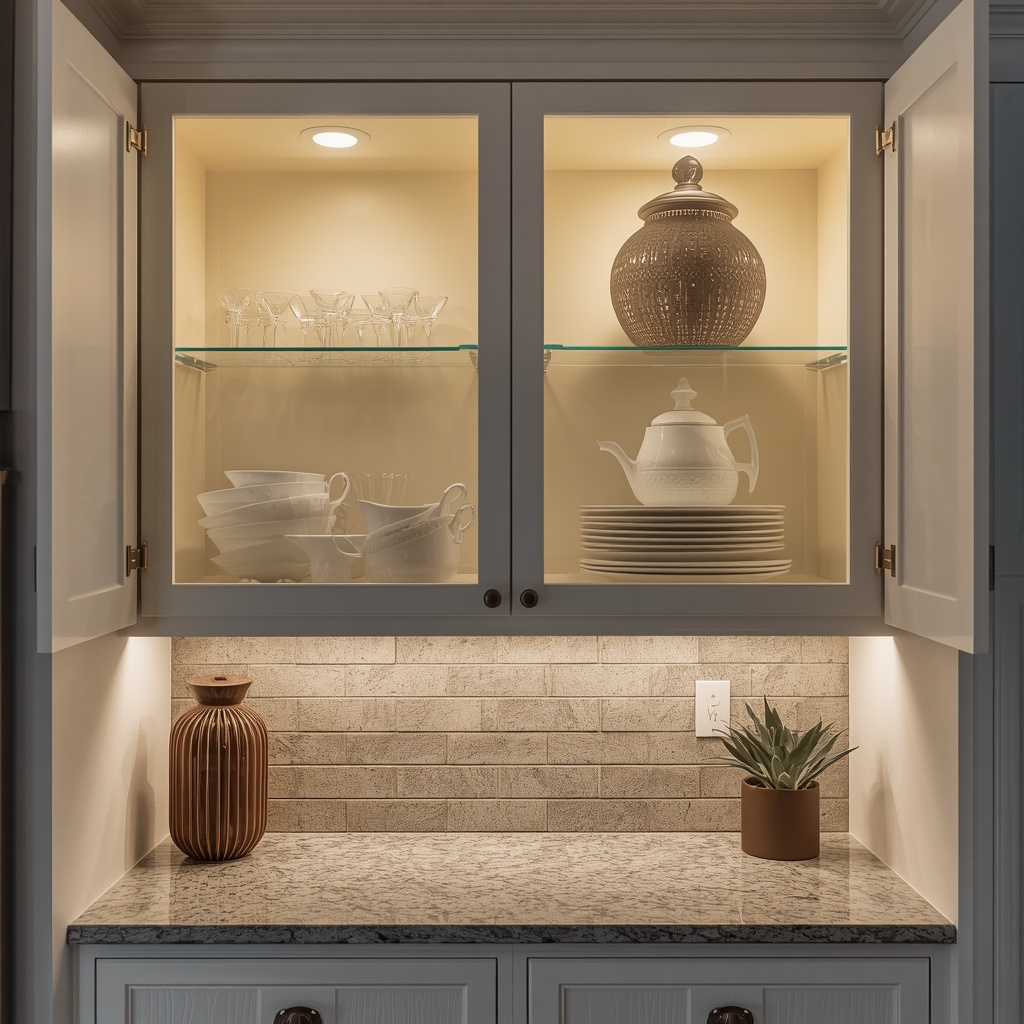
Interior cabinet lighting combines practicality with decorative appeal. By installing lights inside cabinets, it becomes easier to locate dishes, cookware, and pantry items, especially in deep storage spaces. Glass-front cabinets benefit particularly from this feature, as illuminated shelves can showcase decorative pieces, glassware, or fine china. Interior lighting transforms ordinary storage into a design element while contributing to the kitchen’s overall brightness. This small upgrade can make cabinets feel more luxurious and improve the functionality of everyday storage solutions.
Enjoy Flexible Lighting with Adjustable Track Systems
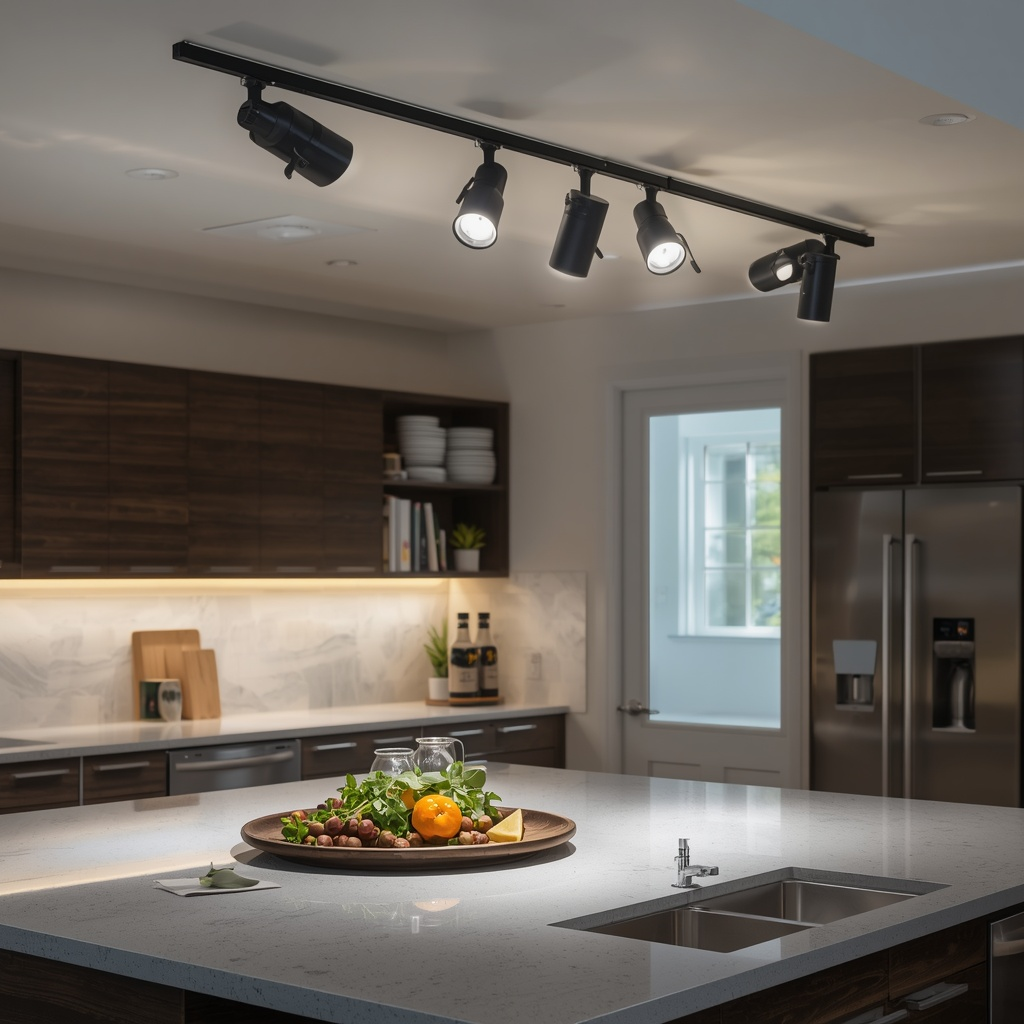
Track lighting offers versatility that few other lighting systems can match. Adjustable fixtures mounted on a track allow homeowners to direct light exactly where it is needed. This flexibility is particularly useful in kitchens with unique layouts, multiple work zones, or specific design features worth highlighting. Modern track systems are available in sleek designs that complement a variety of decorating styles. Whether illuminating countertops, artwork, or architectural details, track lighting provides targeted brightness while maintaining a clean and organized appearance.
Create a Comfortable Atmosphere with Warm-Toned Light
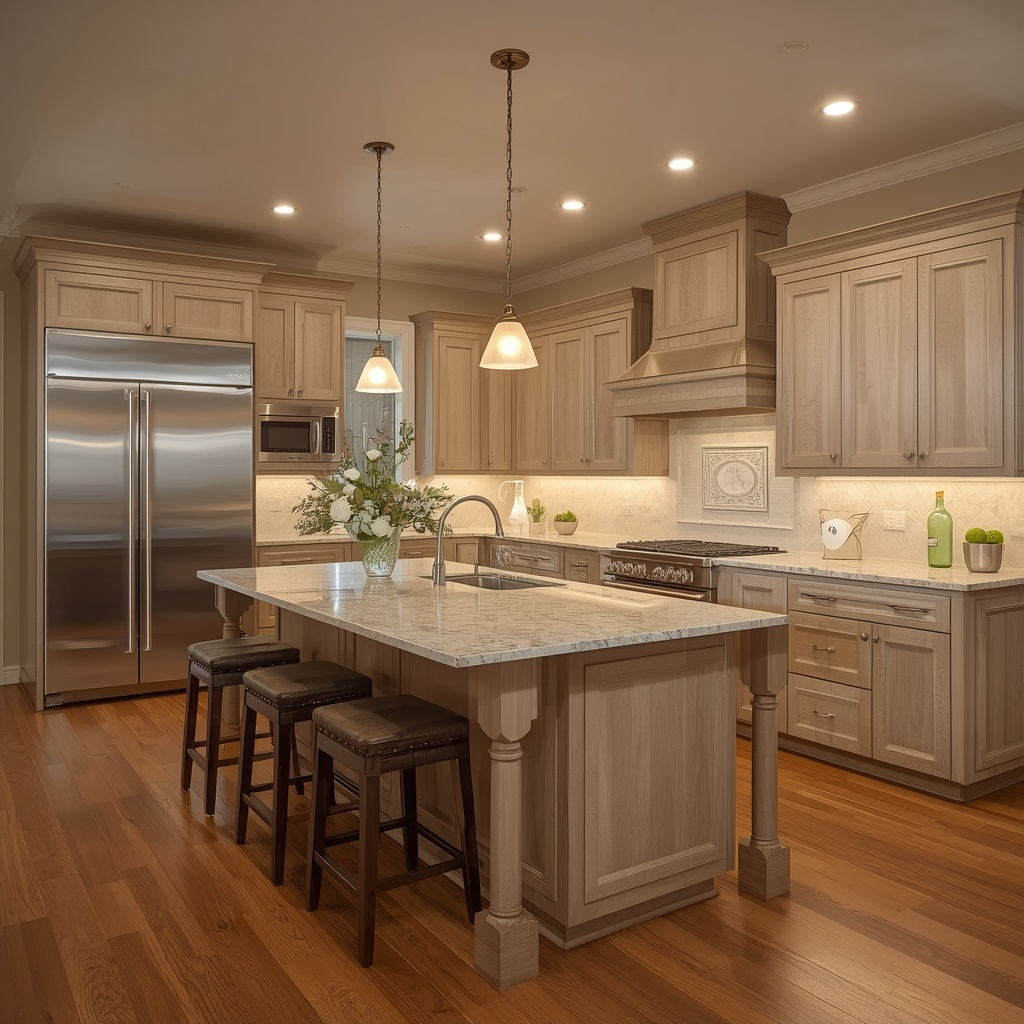
Brightness alone does not guarantee a welcoming kitchen. The color temperature of lighting plays a major role in shaping the room’s atmosphere. Warm-toned bulbs create a softer and more inviting environment that encourages relaxation and conversation. This type of lighting works especially well in kitchens that serve as gathering spaces for family and friends. Warm illumination also complements natural materials such as wood, stone, and textured finishes. Striking the right balance between brightness and warmth helps create a kitchen that feels both practical and comfortable.
Install Dimmers for Greater Lighting Control
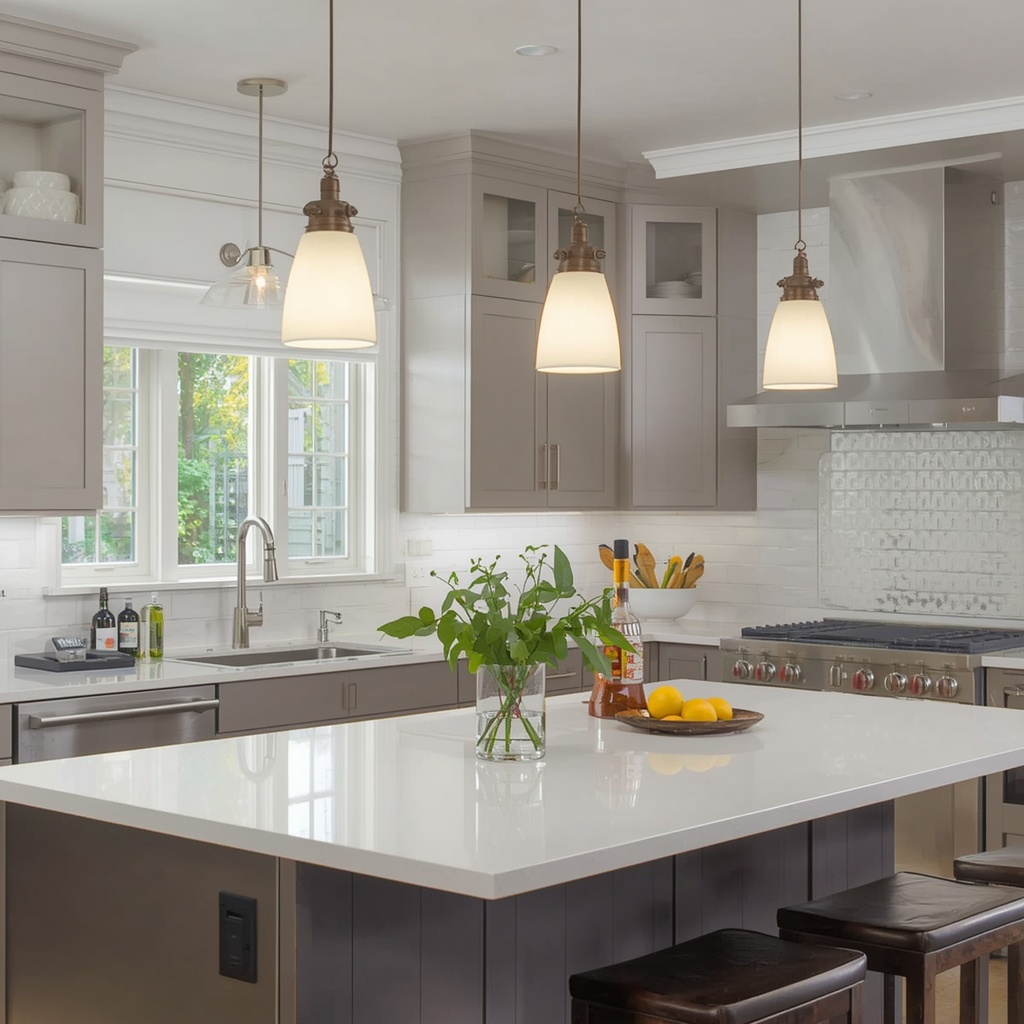
Dimmable lighting systems allow homeowners to customize brightness levels according to different activities and times of day. Bright settings are ideal for cooking, cleaning, and food preparation, while lower levels help create a relaxed mood for dining and entertaining. Dimmers offer flexibility without requiring additional fixtures, making them a practical and cost-effective upgrade. They also contribute to energy efficiency by reducing electricity usage when full brightness is unnecessary. This simple feature enhances the kitchen’s versatility and supports a variety of daily routines.
Highlight Key Features with Accent Lighting
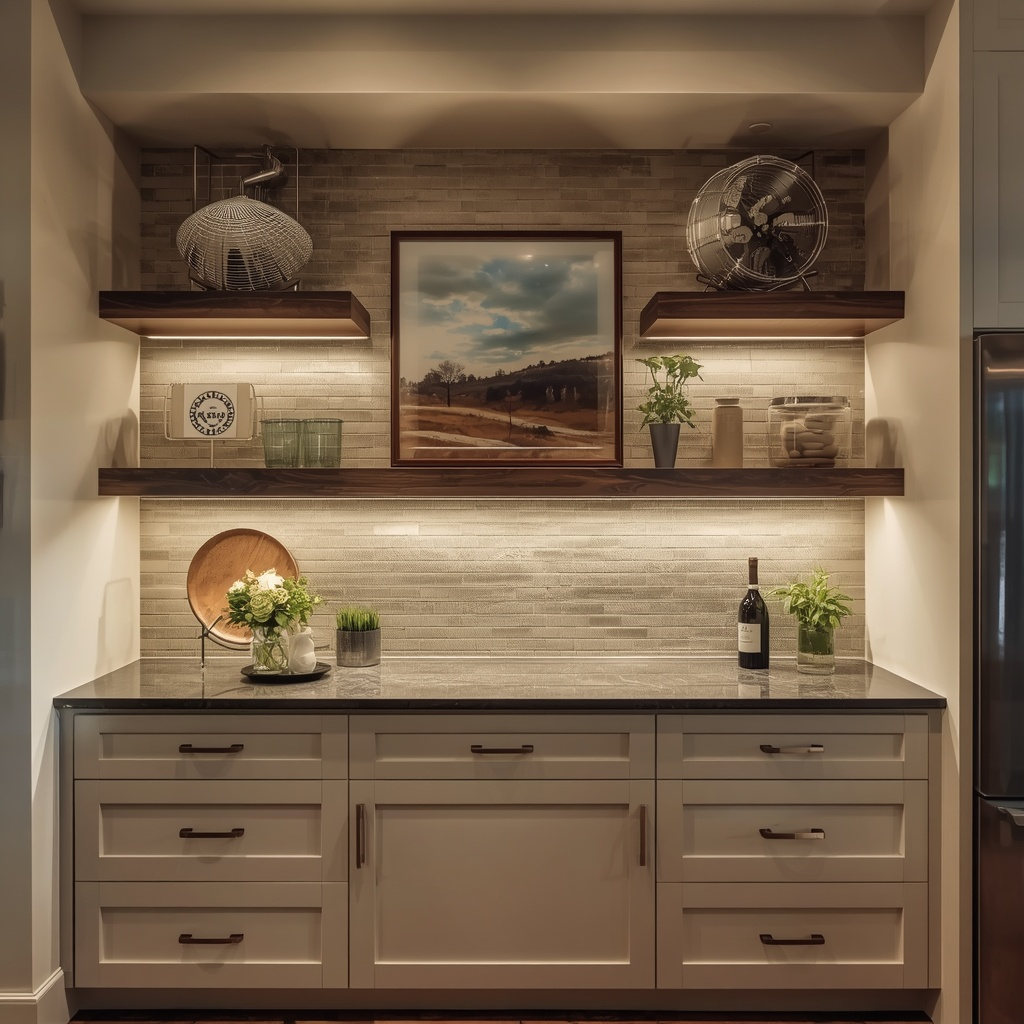
Accent lighting adds depth and visual interest by drawing attention to specific elements within the kitchen. Open shelving, decorative backsplashes, artwork, and architectural details can all benefit from targeted illumination. LED strips, small spotlights, and directional fixtures help showcase textures and materials that might otherwise go unnoticed. Accent lighting complements general illumination by creating layers that enhance the overall design. When used thoughtfully, it helps transform the kitchen into a more visually engaging and carefully curated space.
Prioritize Task Lighting in Essential Work Zones
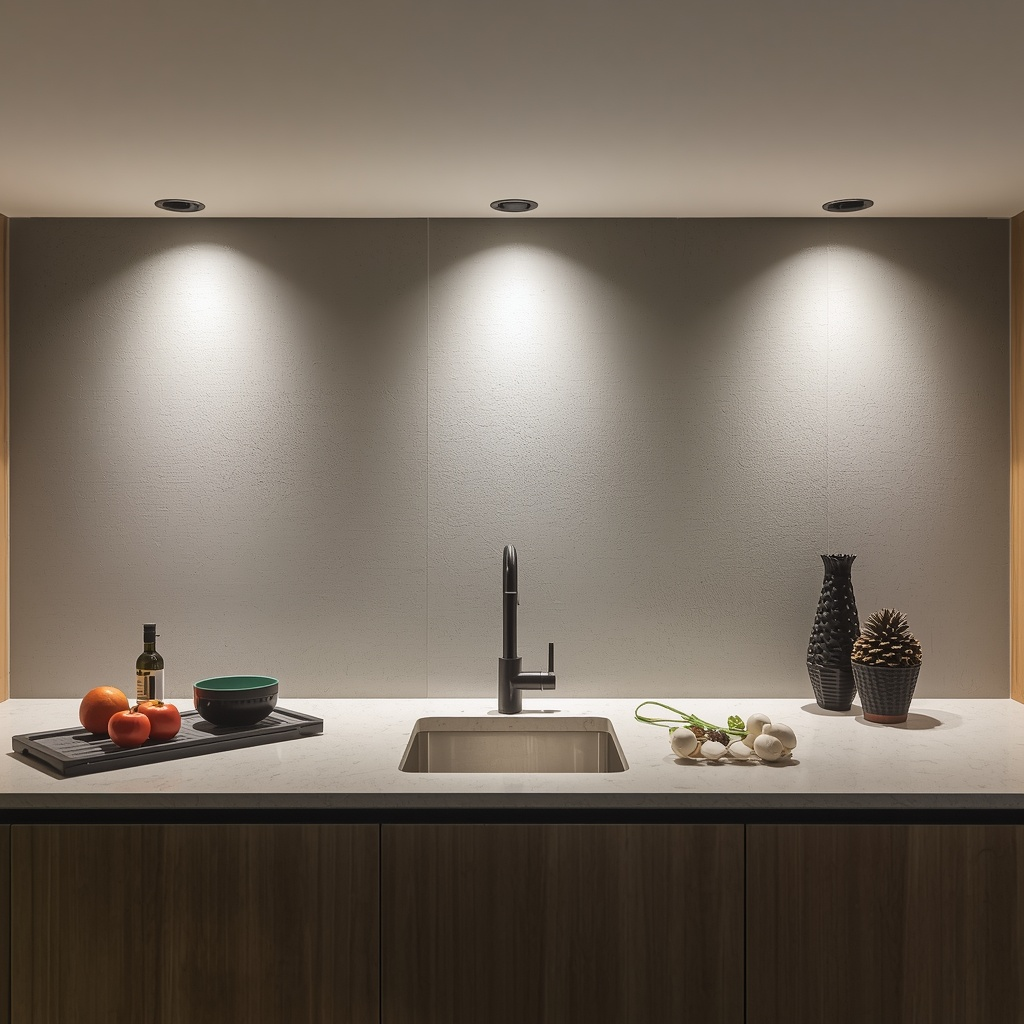
Effective task lighting is crucial for areas where detailed work takes place. Sinks, food preparation stations, and cooking surfaces require adequate illumination to improve visibility and support everyday kitchen activities. Fixtures positioned directly above these zones help reduce shadows and minimize eye strain. Recessed lights, pendants, or focused LED fixtures are all suitable options depending on the layout. Proper placement is key to ensuring light falls where it is needed most. Well-lit workspaces contribute significantly to both comfort and efficiency.
Choose LED Technology for Long-Term Efficiency
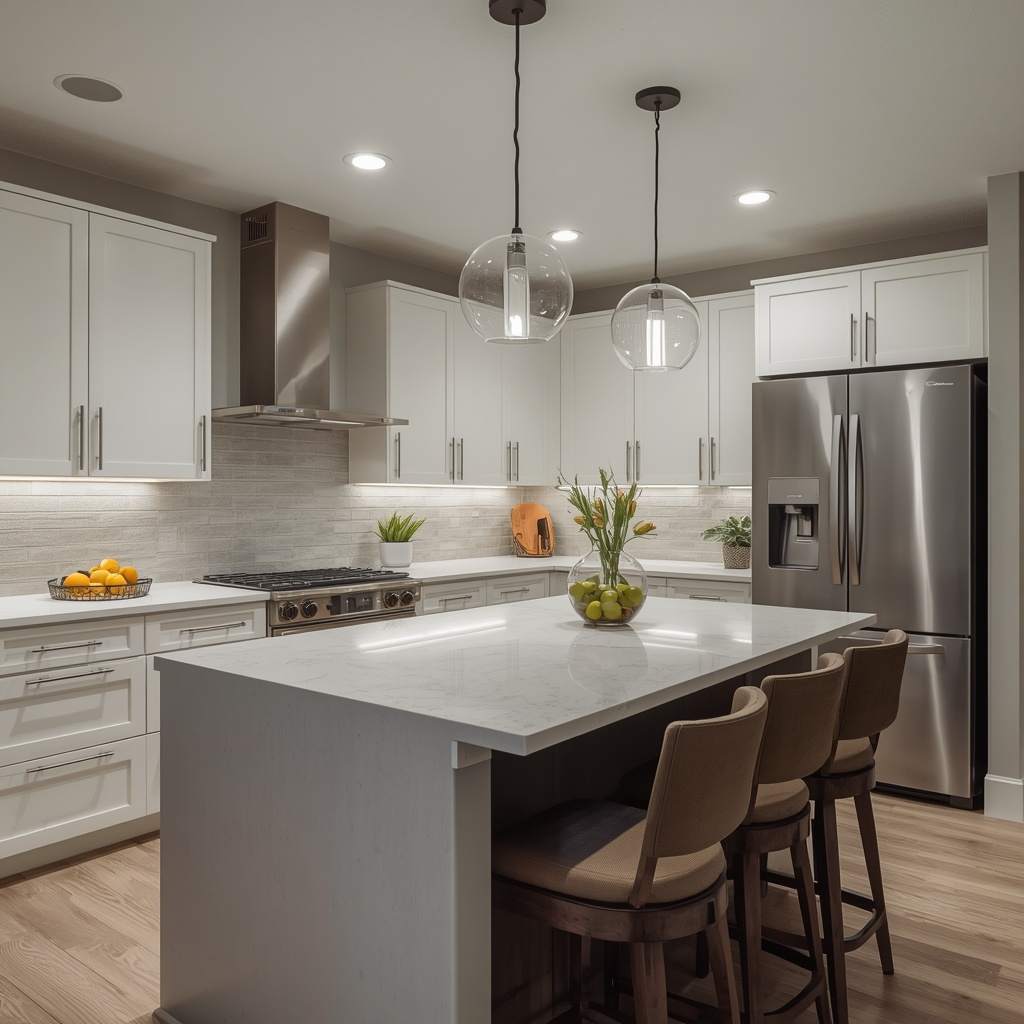
LED lighting has become the preferred choice for modern kitchens due to its combination of efficiency, durability, and performance. Compared to traditional bulbs, LEDs consume less energy while providing consistent and reliable brightness. They are available in various color temperatures, allowing homeowners to create the desired atmosphere without sacrificing functionality. Their long lifespan also reduces maintenance and replacement costs over time. Whether used in ceiling fixtures, under cabinets, or accent lighting systems, LEDs offer a practical solution that supports both sustainability and design goals.
Coordinate Fixtures for a Unified Kitchen Design
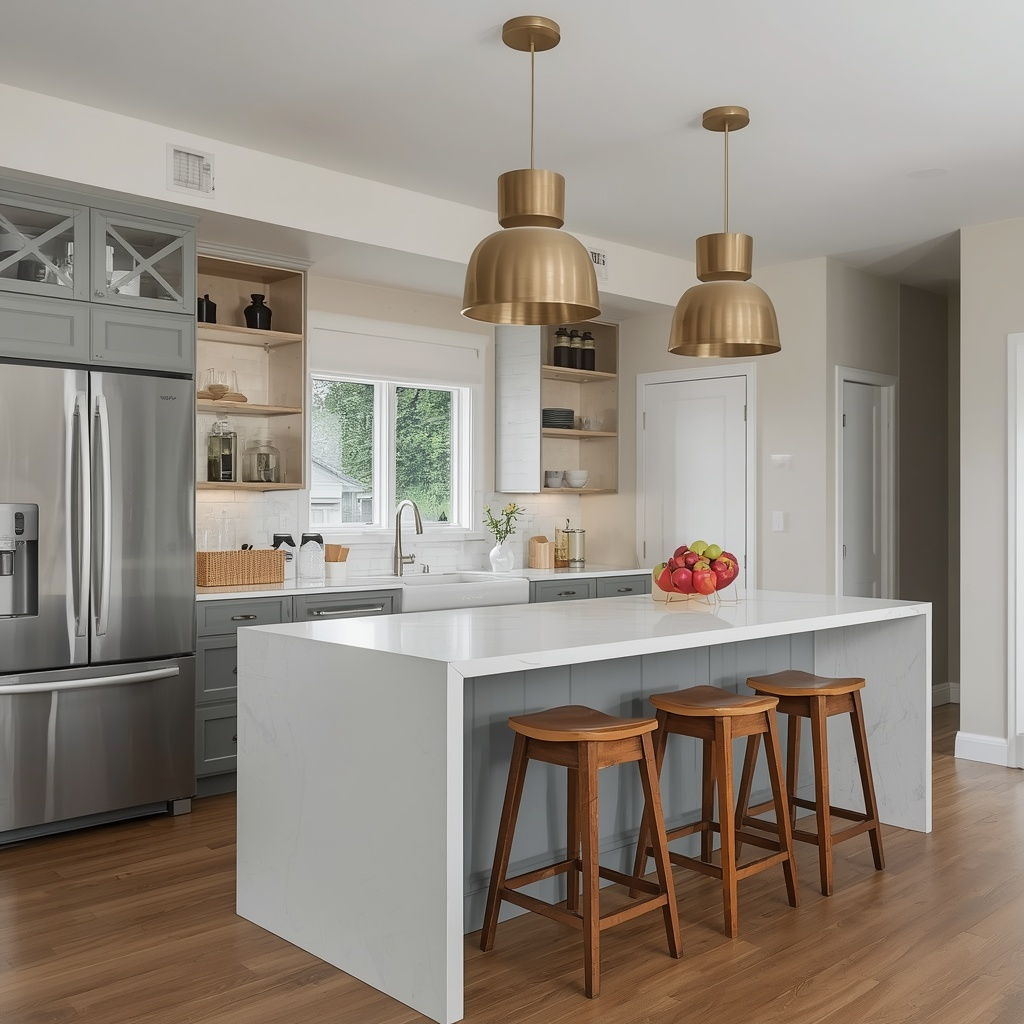
The final step in creating an effective lighting plan is ensuring that all fixtures work together visually. Consistency in style, finish, and color temperature helps create a harmonious appearance throughout the kitchen. While mixing different lighting types is important for functionality, their overall design should feel connected. Coordinated fixtures contribute to a polished and intentional look that enhances the room’s overall aesthetic. When every lighting element complements the others, the kitchen feels balanced, cohesive, and thoughtfully designed from top to bottom.