
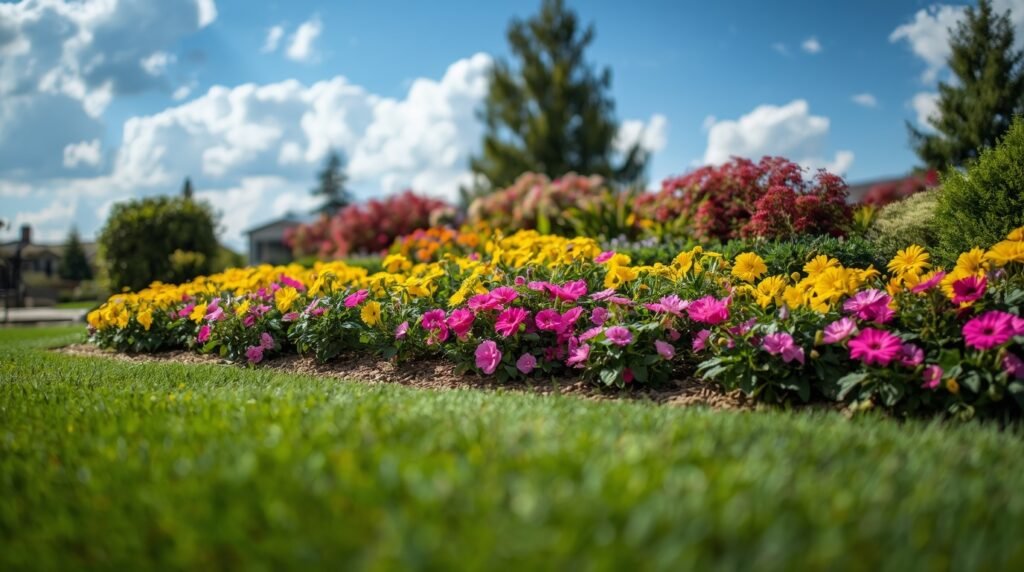
A well-planned garden can feel like a living painting, and color-matched flower bed ideas are one of the easiest ways to achieve that harmony. By grouping flowers in coordinated shades, you can create a soothing flow or a bold visual statement that instantly elevates your outdoor space.
Whether you prefer soft pastels for a calming effect, vibrant warm tones for energy, or a monochrome palette for a modern look, color coordination brings structure and intention to your garden design. It also helps highlight focal points and makes even small spaces feel thoughtfully styled. In this guide, you’ll explore inspiring ways to design flower beds that feel balanced, beautiful, and visually connected.
1. Pink and White Peony Border for Soft Romantic Elegance
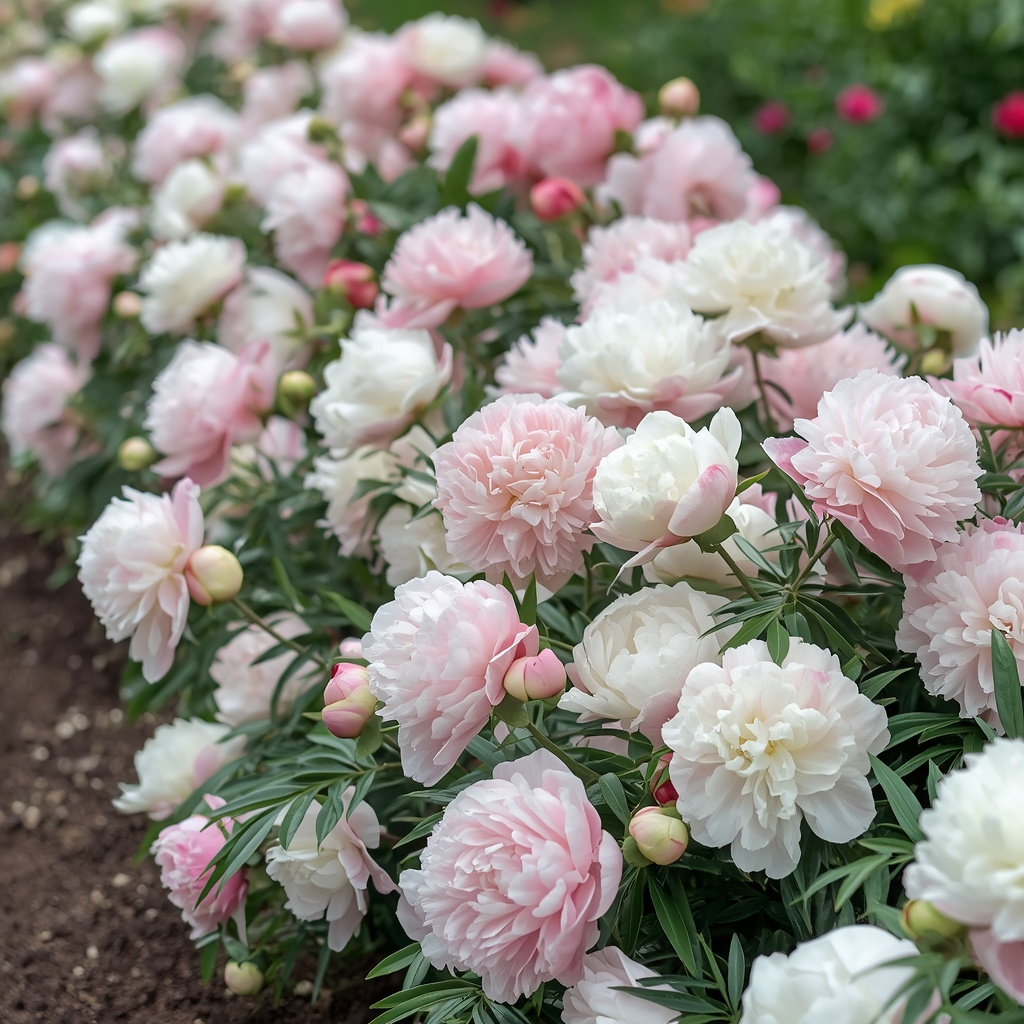
A border filled with pink and white peonies creates a gentle, romantic atmosphere that feels timeless and graceful. The soft blush tones of pink varieties blend beautifully with the crisp brightness of white blooms, producing a calm and balanced visual effect. This combination works especially well in cottage-style gardens where a natural, unforced look is preferred. Peonies have large, heavy flowers that naturally lean as they bloom, adding a relaxed charm to the display. When grouped together, they form a lush, full border that feels welcoming and classic without appearing overly designed or artificial.
2. Lavender and Silver Herb Garden for a Cool Aromatic Landscape
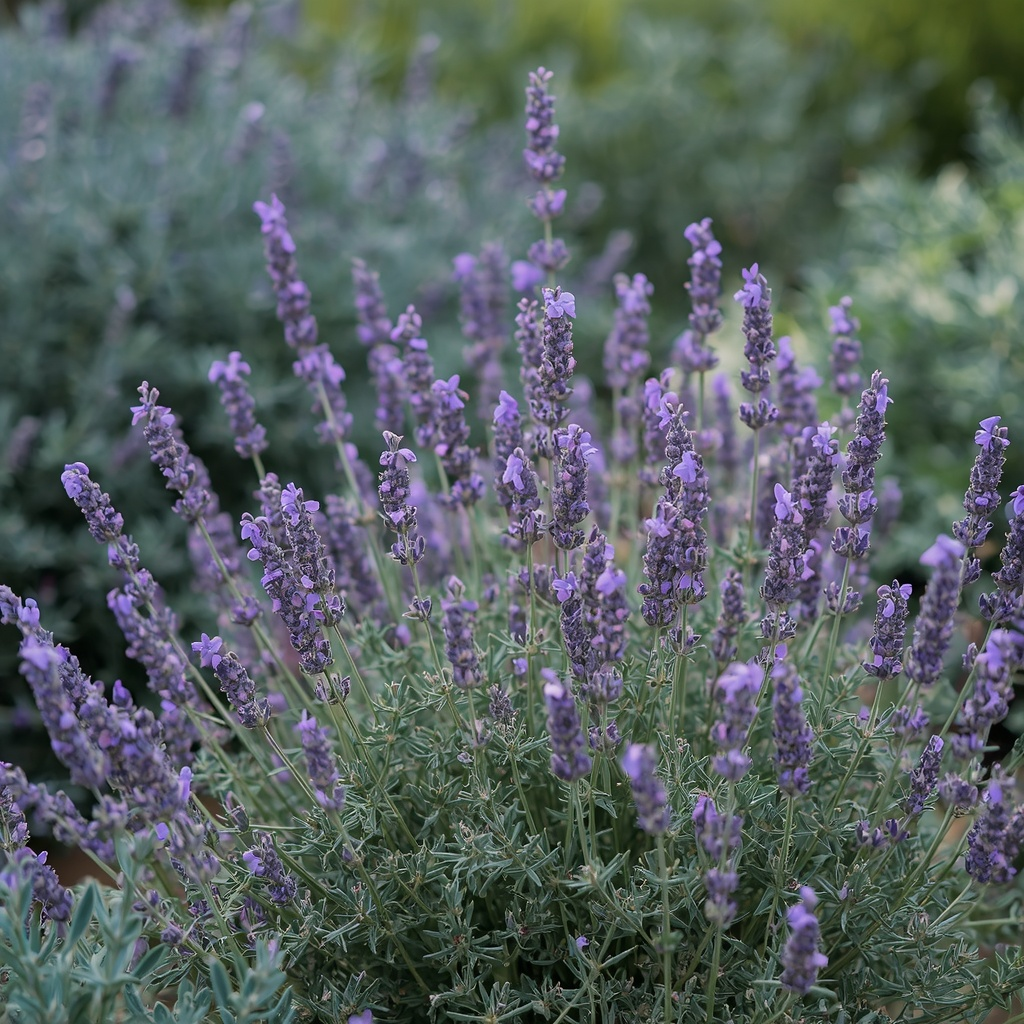
A lavender and silver herb garden brings a soothing Mediterranean feel to any outdoor space. The soft purple tones of lavender pair naturally with silvery foliage plants such as Sage and Artemisia, creating a visually calming contrast. These plants not only look beautiful together but also share similar growing needs, making them easy to maintain. The silver leaves reflect sunlight, enhancing the richness of the purple blooms and adding brightness even in dry conditions. This combination is also highly aromatic, offering a relaxing fragrance that enhances outdoor seating areas or pathways.
3. Yellow and Orange Marigold Patch for Bright Seasonal Energy
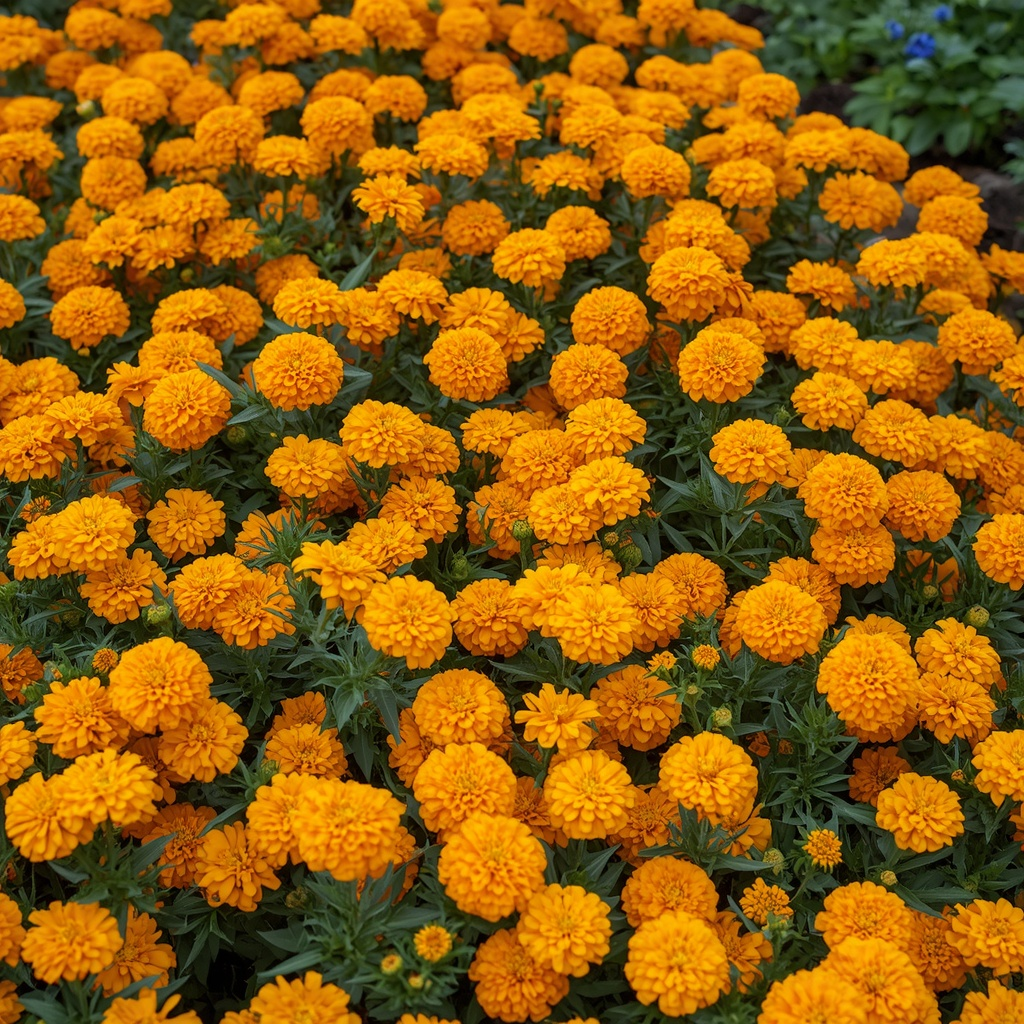
A marigold patch in shades of yellow and orange creates an uplifting and energetic garden feature. These warm-toned flowers naturally draw attention and can brighten even the simplest outdoor spaces. Their strong color palette makes them ideal for borders, walkways, or vegetable garden edges where visual impact is desired. Marigolds are also known for their resilience and long blooming period, making them practical as well as decorative. The combination of golden yellows and deep oranges creates a glowing effect that remains vibrant throughout the growing season, especially in sunny conditions.
4. Blue and White Hydrangea Corner for Cool Shade Elegance
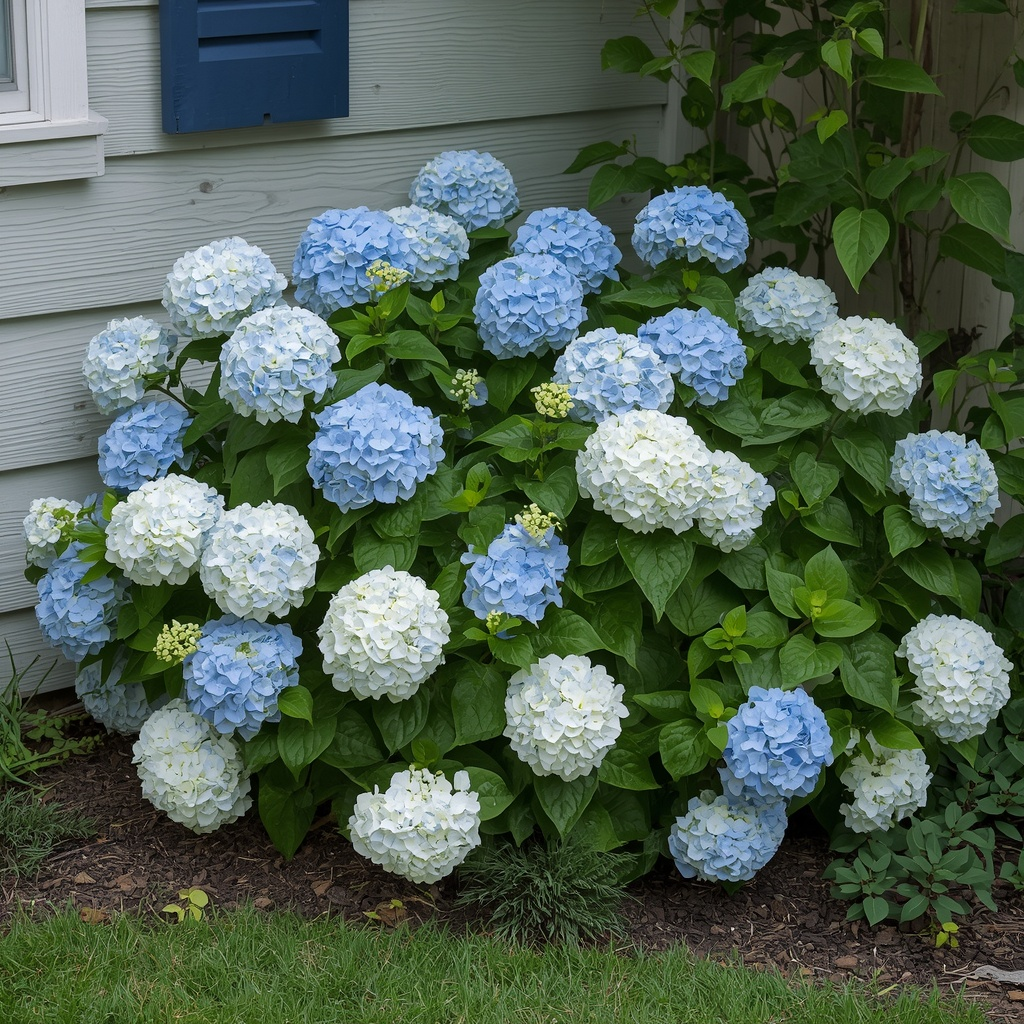
A corner planted with blue and white hydrangeas introduces a peaceful and refreshing atmosphere to shaded garden areas. The soft contrast between cool blue blooms and crisp white flowers creates a clean, elegant appearance. Hydrangeas thrive in partially shaded environments, making them ideal for spaces beneath trees or along north-facing walls. Soil conditions can influence bloom color, with more acidic soil encouraging deeper blue tones. This combination not only adds beauty but also helps transform dull corners into visually appealing focal points that feel calm and balanced during warm weather.
5. Red and Pink Rose Harmony Bed for Classic Romantic Appeal
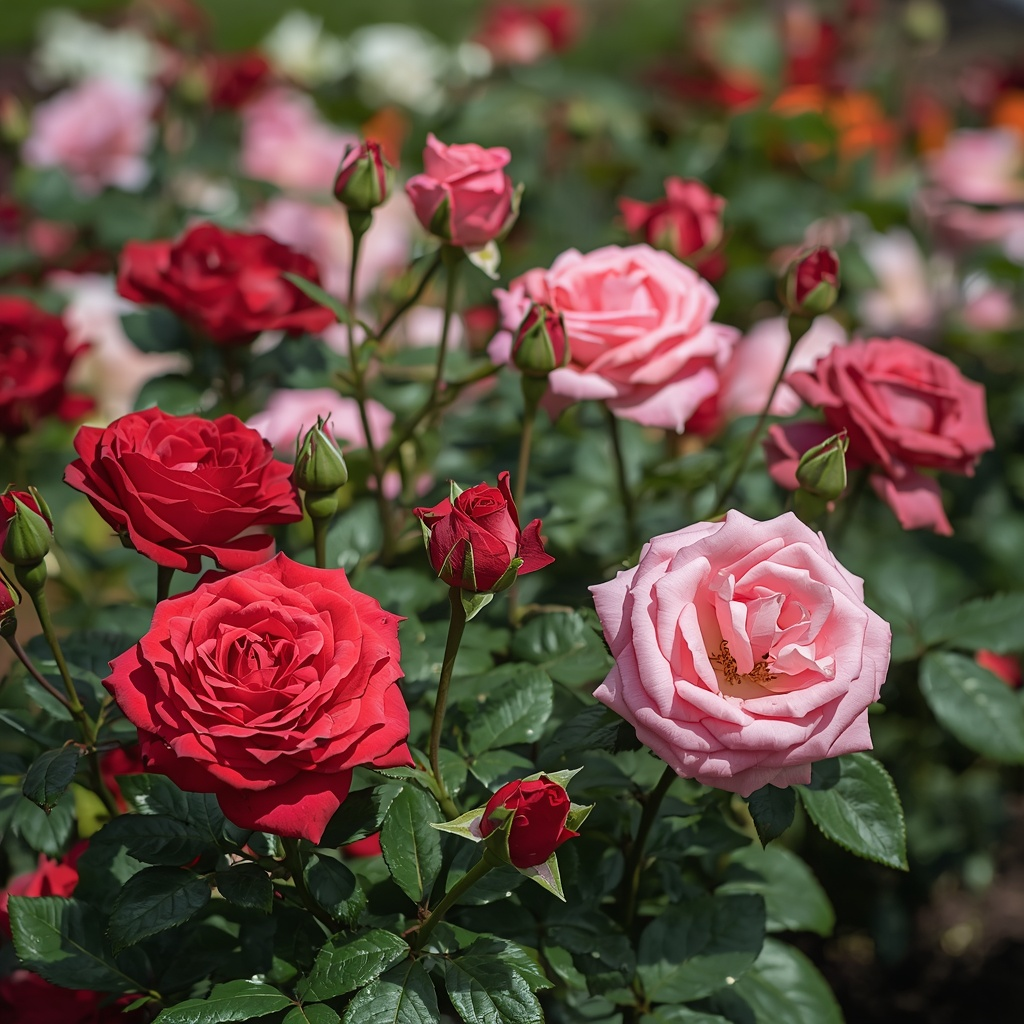
A rose bed combining red and pink varieties delivers a timeless and romantic garden display. Deep red roses bring richness and intensity, while softer pink tones introduce balance and gentleness. Together, they create a layered visual effect that feels both luxurious and natural. Roses thrive in sunny locations and benefit from regular care, making them a rewarding choice for dedicated gardeners. This combination works especially well in formal garden designs or decorative borders, where structured planting enhances the overall elegance of the landscape.
6. Purple and Gold Perennial Mix for Bold Garden Contrast
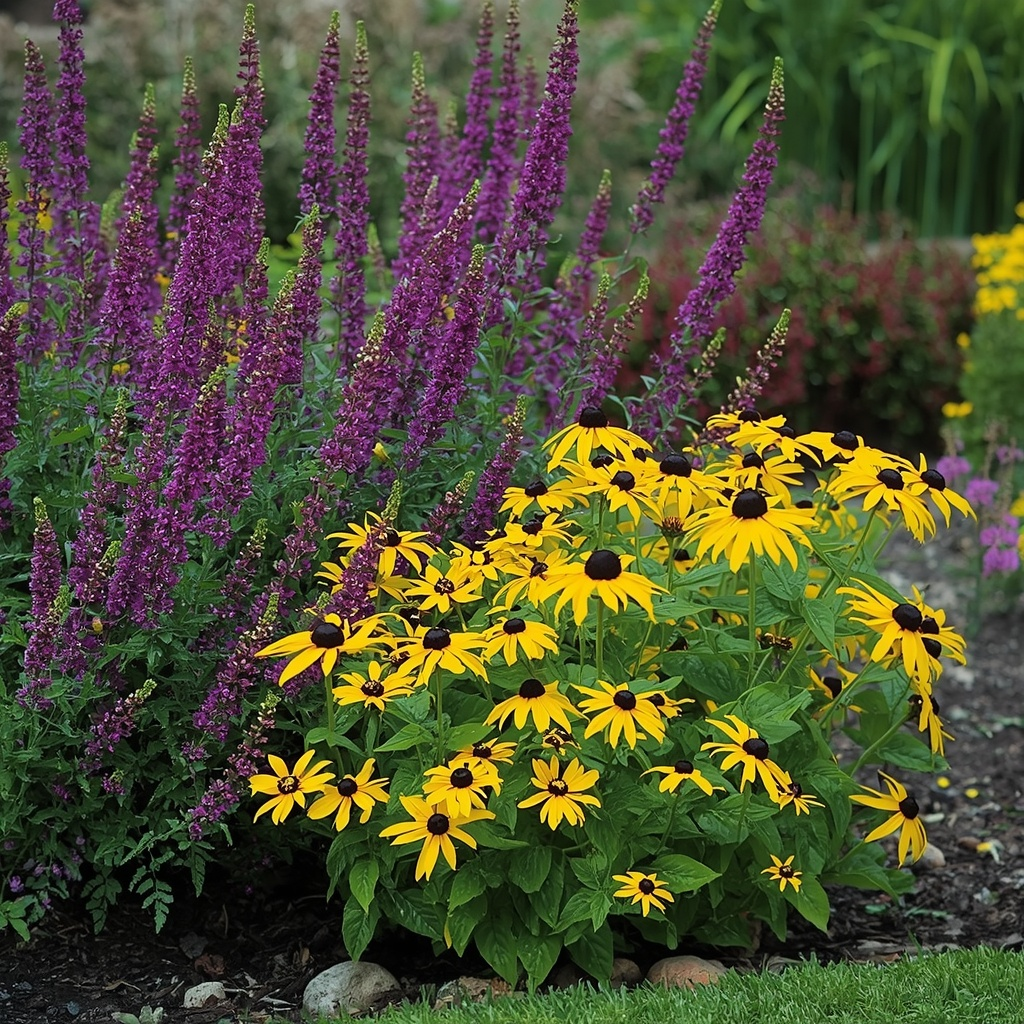
Purple and gold perennials create a striking and visually dynamic garden arrangement. The contrast between rich purple flowers and bright golden blooms produces a vibrant, energetic display that naturally draws the eye. This pairing works well in mixed borders where variety and movement are desired. Plants such as Salvia and Black-eyed Susans often perform well together, offering long-lasting seasonal color. The combination also supports pollinators while maintaining strong visual appeal, making it both functional and decorative in garden design.
7. Soft Pastel Cottage-Style Bed for Gentle Dreamlike Beauty
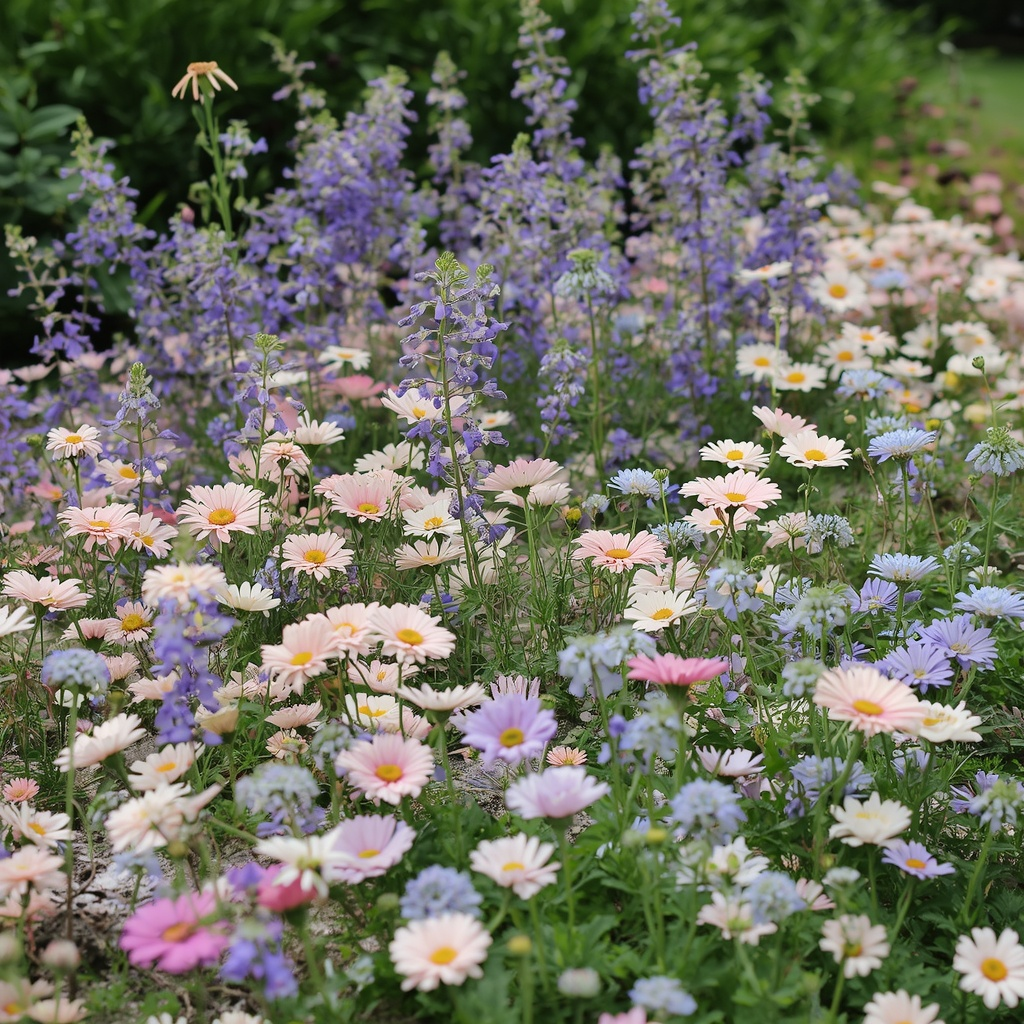
A pastel-themed flower bed creates a soft and calming garden atmosphere. Light shades of pink, lavender, pale yellow, and baby blue blend together seamlessly, producing a dreamy and romantic effect. This style is commonly used in cottage gardens where a natural and relaxed aesthetic is preferred. Instead of sharp contrasts, the focus is on smooth transitions between colors, allowing the garden to feel cohesive and soothing. Pastel planting is especially effective in smaller spaces, where gentle tones help create a sense of openness and tranquility.
8. White and Green Minimalist Garden for Clean Modern Simplicity
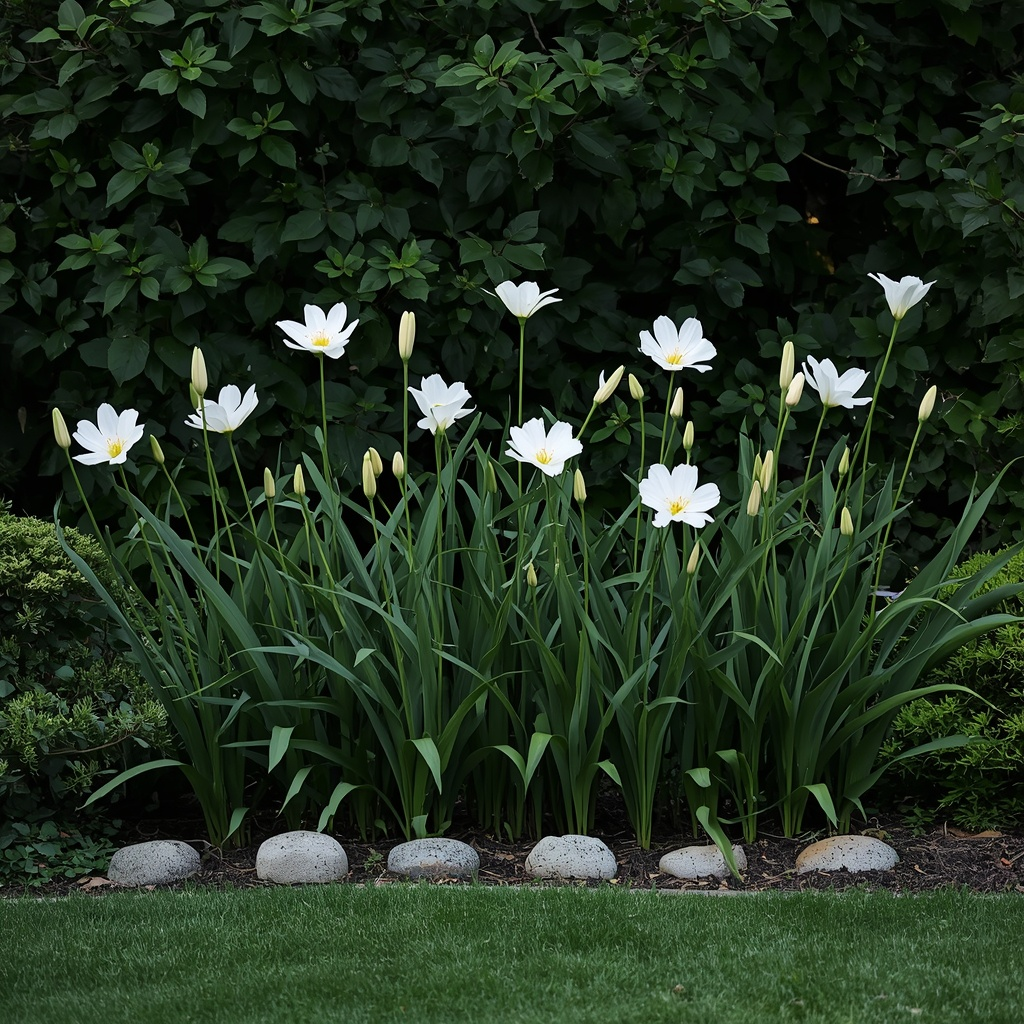
A white and green garden design focuses on simplicity, structure, and calm visual balance. White flowers such as lilies or cosmos stand out beautifully against deep green foliage like ferns or hostas. This combination removes visual clutter and highlights natural shapes and textures instead of bold color contrasts. The result is a clean and modern garden style that feels refreshing and organized. It is especially effective in contemporary landscapes where minimal design is preferred. This approach also enhances evening visibility, as white flowers reflect soft light naturally.
9. Hot Pink and Purple Tropical Bed for Bold Exotic Impact

A tropical-inspired flower bed using hot pink and deep purple tones creates a dramatic and energetic garden display. Flowers such as Hibiscus and Petunias bring strong color intensity that feels lively and expressive. This combination is ideal for gardeners who prefer bold visual statements rather than subtle arrangements. The vibrant colors evoke a warm, holiday-like atmosphere, especially in sunny outdoor spaces. When planted densely, these flowers create a lush, tropical effect that transforms ordinary garden areas into eye-catching focal points.
10. Coral and Peach Summer Bloom Bed for Warm Soft Radiance
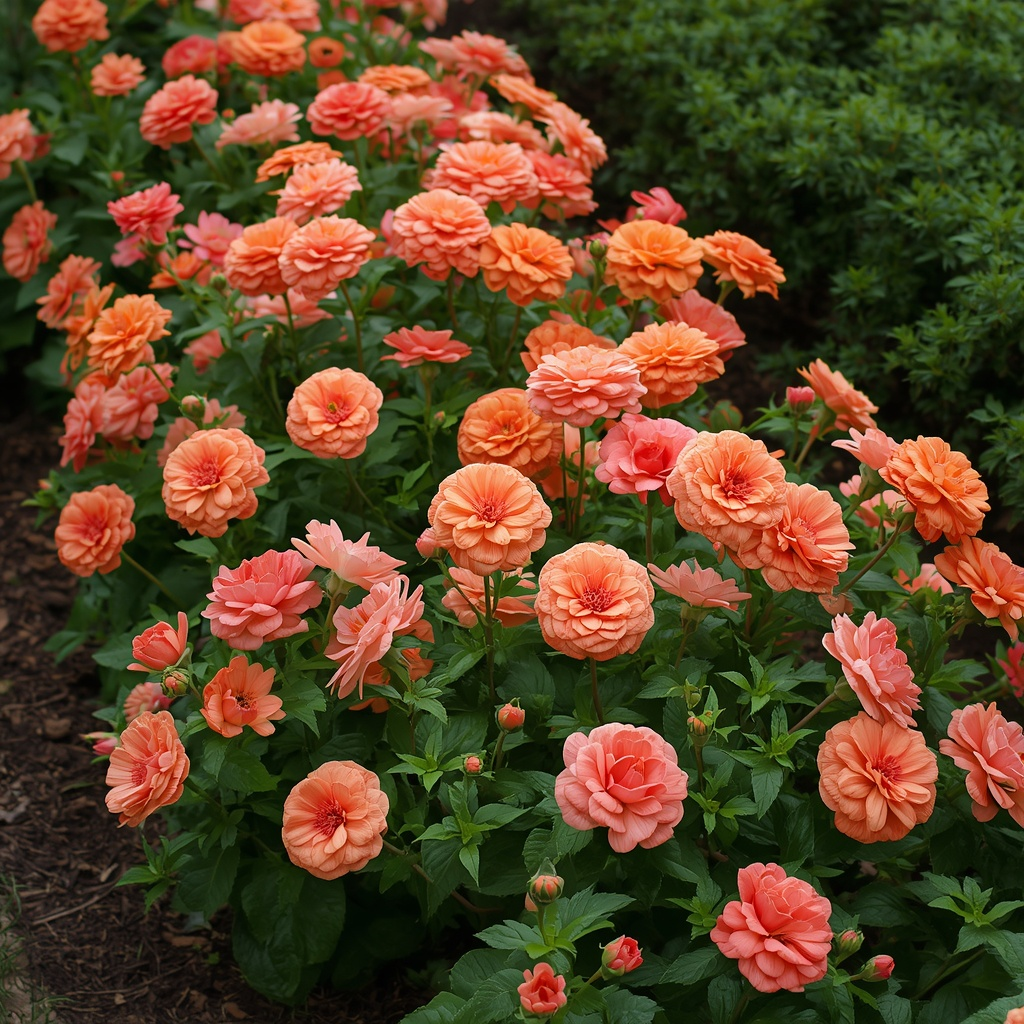
A coral and peach flower bed brings a warm, sunlit glow to garden spaces. These soft tones sit between pink and orange, creating a gentle yet uplifting color palette. They work especially well in summer gardens where natural light enhances their warm hues. When paired with green foliage, coral and peach flowers appear even more vibrant and fresh. This combination is often used in modern garden designs to create a welcoming and elegant atmosphere that feels both bright and soothing without being overwhelming.
11. Monochromatic White Flower Bed for Timeless Evening Elegance
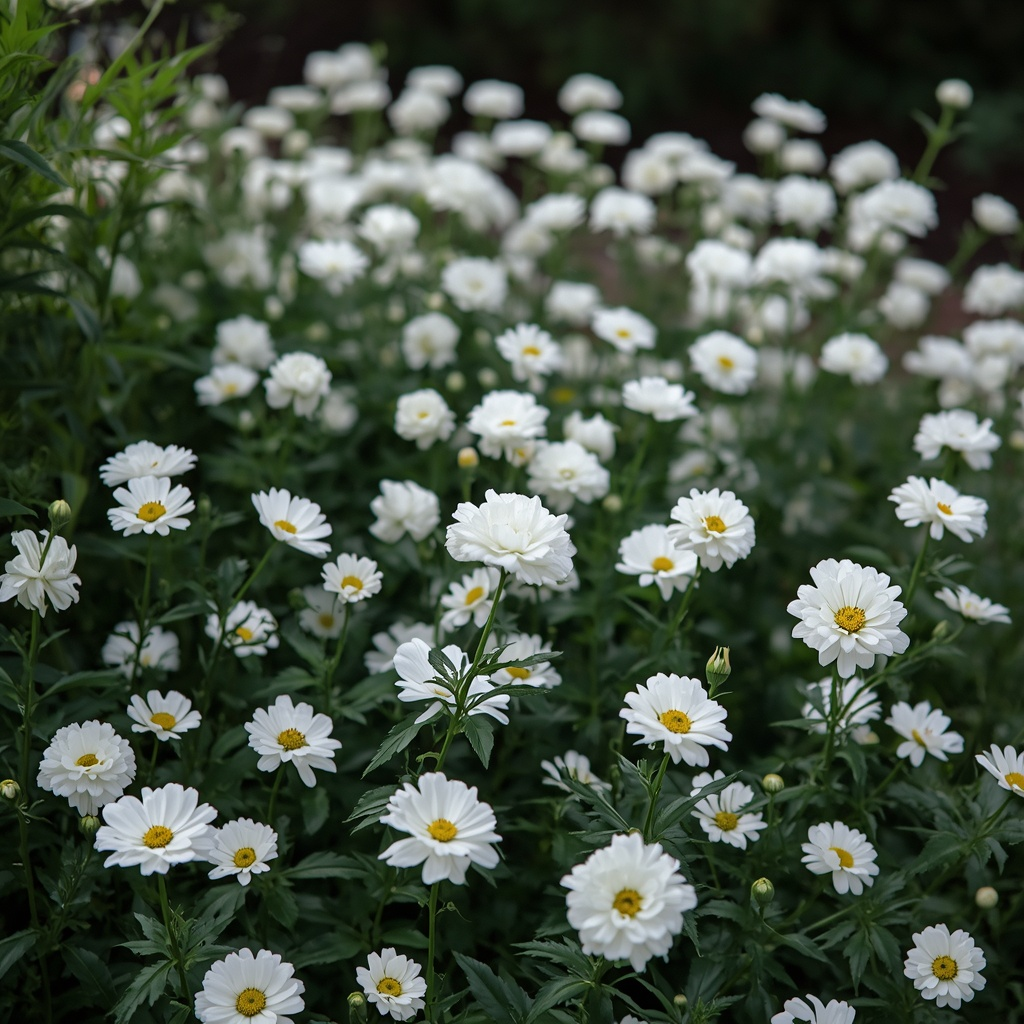
A monochromatic white flower bed offers a refined and peaceful garden experience. With only white blooms such as roses, lilies, or cosmos, attention naturally shifts to texture, shape, and light rather than color contrast. This type of garden is often referred to as a “moon garden” because of its soft glow in evening light. The simplicity of the design creates a calm and elegant space that feels timeless. It also pairs well with reflective surfaces and subtle lighting, enhancing its beauty after sunset.
12. Burgundy and Cream Autumn Border for Seasonal Warmth
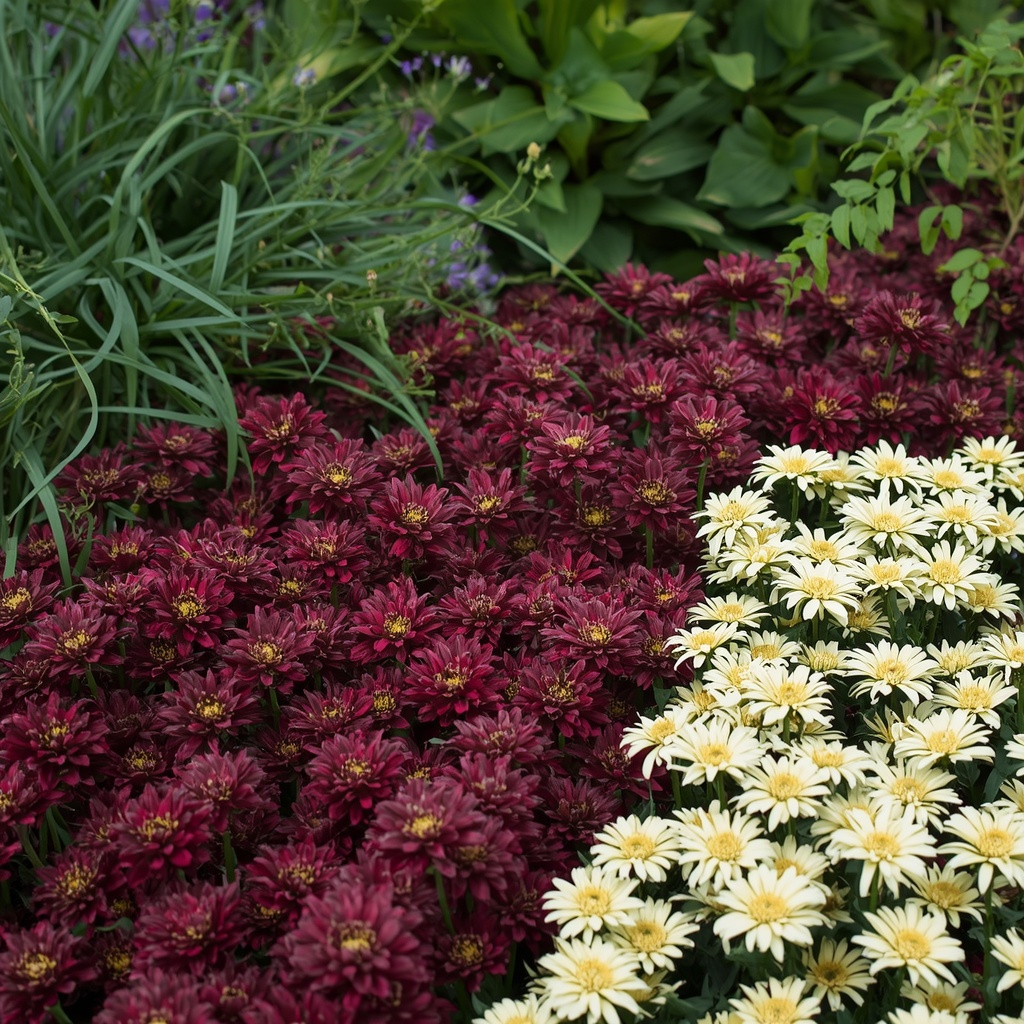
A burgundy and cream flower border brings rich seasonal character to the garden during cooler months. Deep burgundy blooms, such as mums or dahlias, contrast beautifully with soft cream-colored flowers like asters. This combination reflects the warm, earthy tones of autumn while maintaining a refined appearance. It is especially effective in transitional gardens that change with the seasons. The deeper colors add depth and warmth, while lighter tones prevent the design from feeling too heavy, creating a balanced and inviting outdoor space.
13. Blue and Yellow Pollinator Garden for Vibrant Wildlife Support
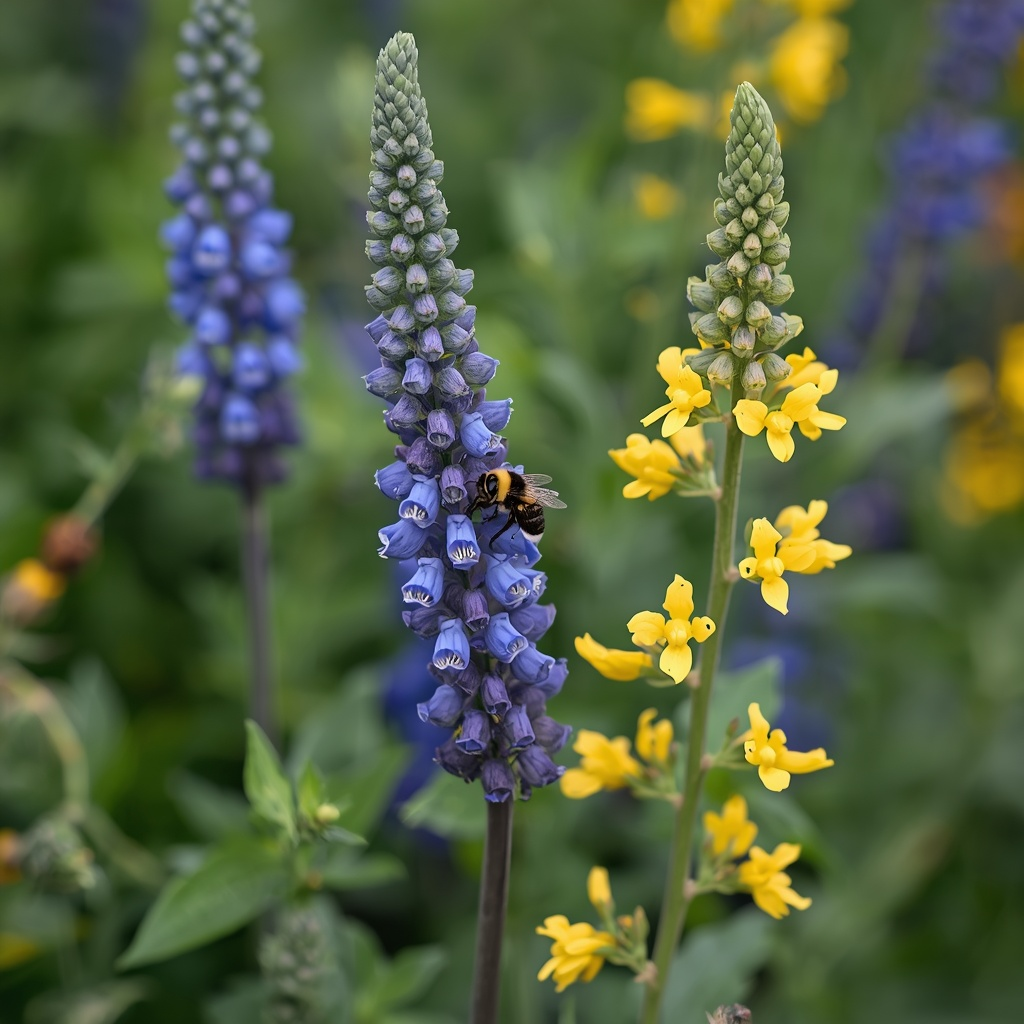
A blue and yellow pollinator garden is both visually striking and ecologically beneficial. Bees and other pollinators are naturally attracted to these colors, making the garden more active and biodiverse. Plants with blue and yellow blooms create a cheerful and energetic display while supporting essential ecosystems. This combination is ideal for gardeners who want to encourage wildlife while maintaining strong visual appeal. The contrast between cool blue and bright yellow also ensures the garden remains lively and engaging throughout the growing season.
14. Red, White, and Blue Patriotic Bed for Festive Garden Design
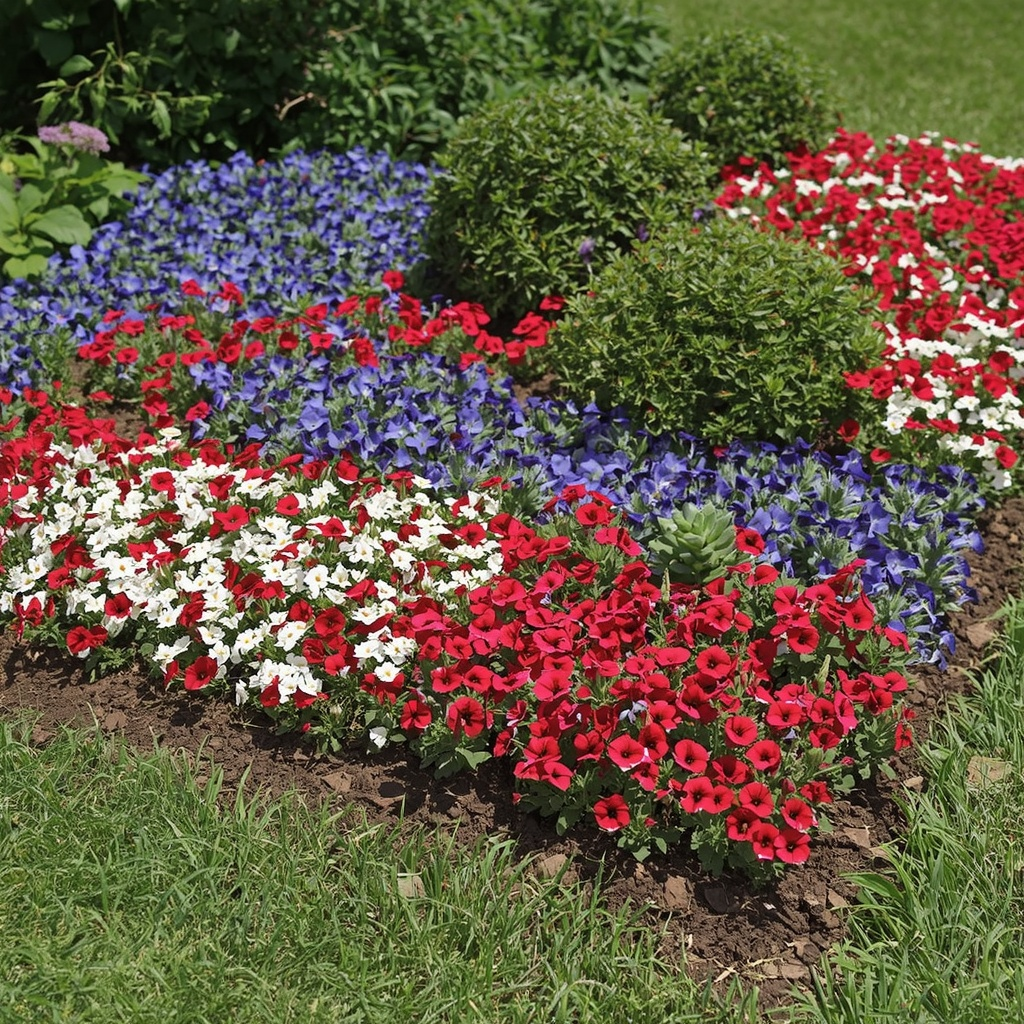
A red, white, and blue flower bed creates a bold and festive outdoor display. Red geraniums, white alyssum, and blue lobelia are commonly used to achieve this structured color theme. The combination is often associated with celebration and national pride, making it popular for decorative seasonal gardens. When arranged carefully, these colors form a balanced and visually strong composition. This design works well in front yards, entryways, or focal garden spaces where a clear and impactful visual statement is desired.
15. Sunset-Themed Orange and Red Mix for Warm Evening Glow

A sunset-inspired flower bed using shades of orange and red creates a warm and dramatic garden effect. These fiery tones mimic the natural colors of a setting sun, bringing energy and depth to outdoor spaces. Flowers in this palette stand out strongly against green backgrounds, making them highly visible even from a distance. This combination is especially effective in evening gardens, where fading light enhances their warmth. The result is a vibrant, expressive display that adds passion and intensity to the landscape.