
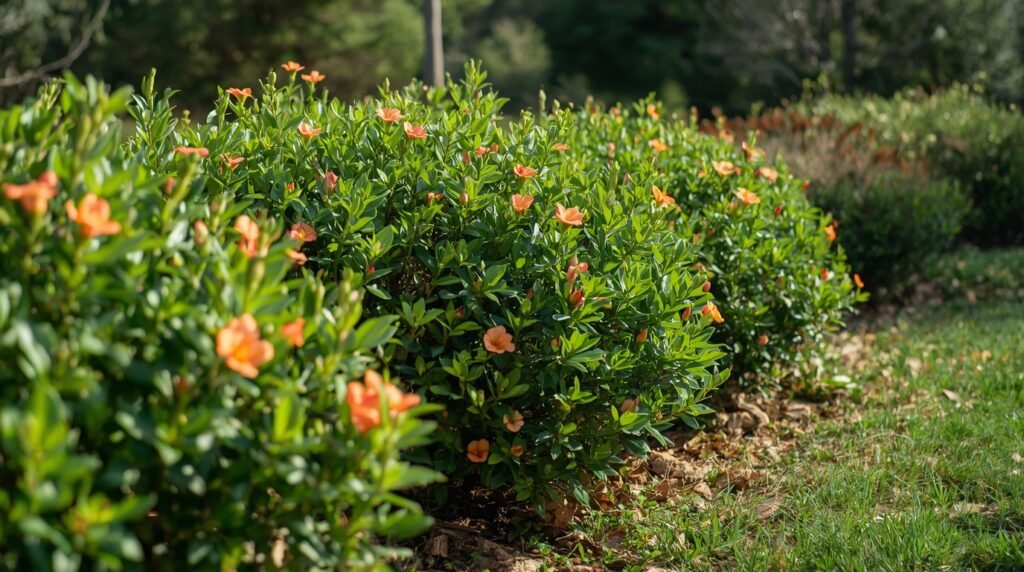
Landscaping in windy areas can be tricky, but the right plant choices can turn a challenging space into a beautiful, resilient garden. Wind-tolerant shrub borders are a smart solution for creating structure, privacy, and year-round greenery without constant damage from strong gusts. These hardy shrubs are designed to bend rather than break, helping to shield your garden while maintaining their shape and beauty.
From dense evergreen varieties to flowering shrubs that add seasonal color, there are plenty of options that thrive in exposed conditions. In this guide, you’ll discover practical wind-tolerant shrub border ideas that bring stability, texture, and lasting charm to even the most breezy outdoor spaces.
1. Coastal Evergreen Shrub Border for Year-Round Wind Protection
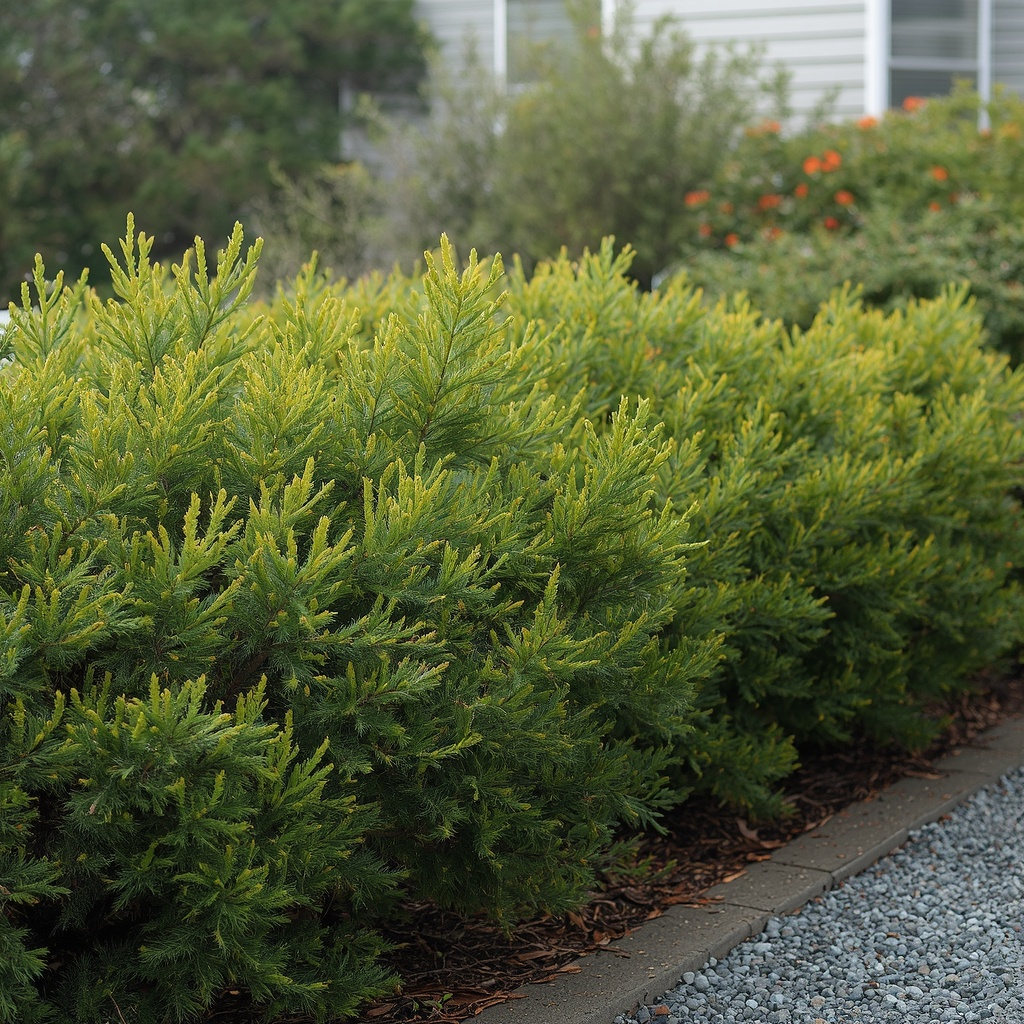
Along exposed coastal areas, evergreen shrubs act as dependable natural armor against strong winds and salty air. Plants such as Griselinia and Olearia are especially well-suited for these conditions because they retain their foliage throughout the year. Their thick, waxy leaves help reduce moisture loss while also deflecting harsh gusts, creating a more stable environment for other plants behind them. Over time, they form a dense living barrier that strengthens your garden’s structure. A helpful planting technique is to slightly angle young shrubs toward the prevailing wind so they gradually grow upright and develop stronger, more balanced trunks as they mature.
2. Mixed Salt-Tolerant Shrub Hedge for Natural Texture and Strength
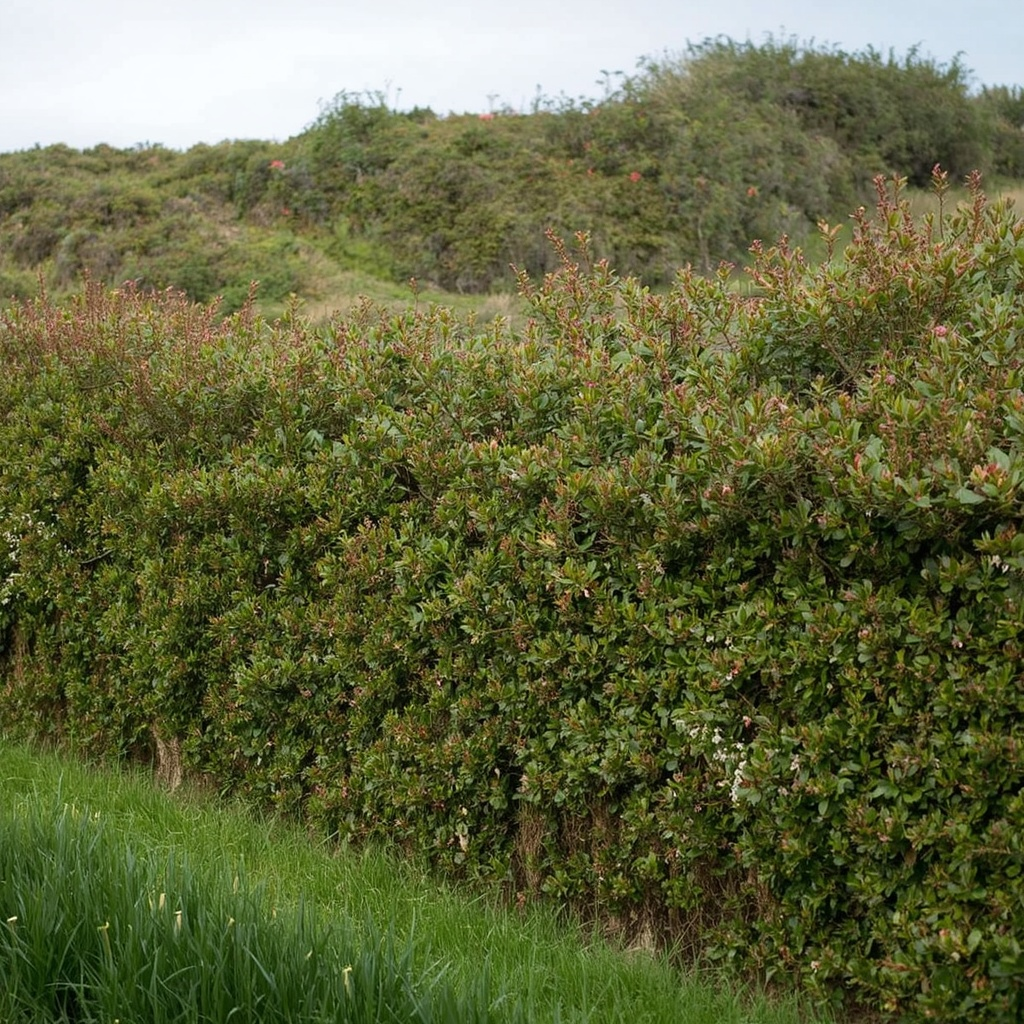
A mixed shrub hedge offers both resilience and visual interest, especially in windy coastal gardens. Instead of relying on a single plant type, combining salt-tolerant species like Sea Buckthorn and Escallonia creates a layered, textured barrier that performs well in harsh conditions. Each plant contributes unique strengths—some provide dense foliage, while others add seasonal color or berries for wildlife. This diversity also improves the hedge’s overall resistance to disease and weather stress. The result is a living boundary that feels natural, dynamic, and far more interesting than a uniform hedge while still standing strong against coastal winds.
3. Dense Windbreak Shrub Row That Softens Strong Gusts
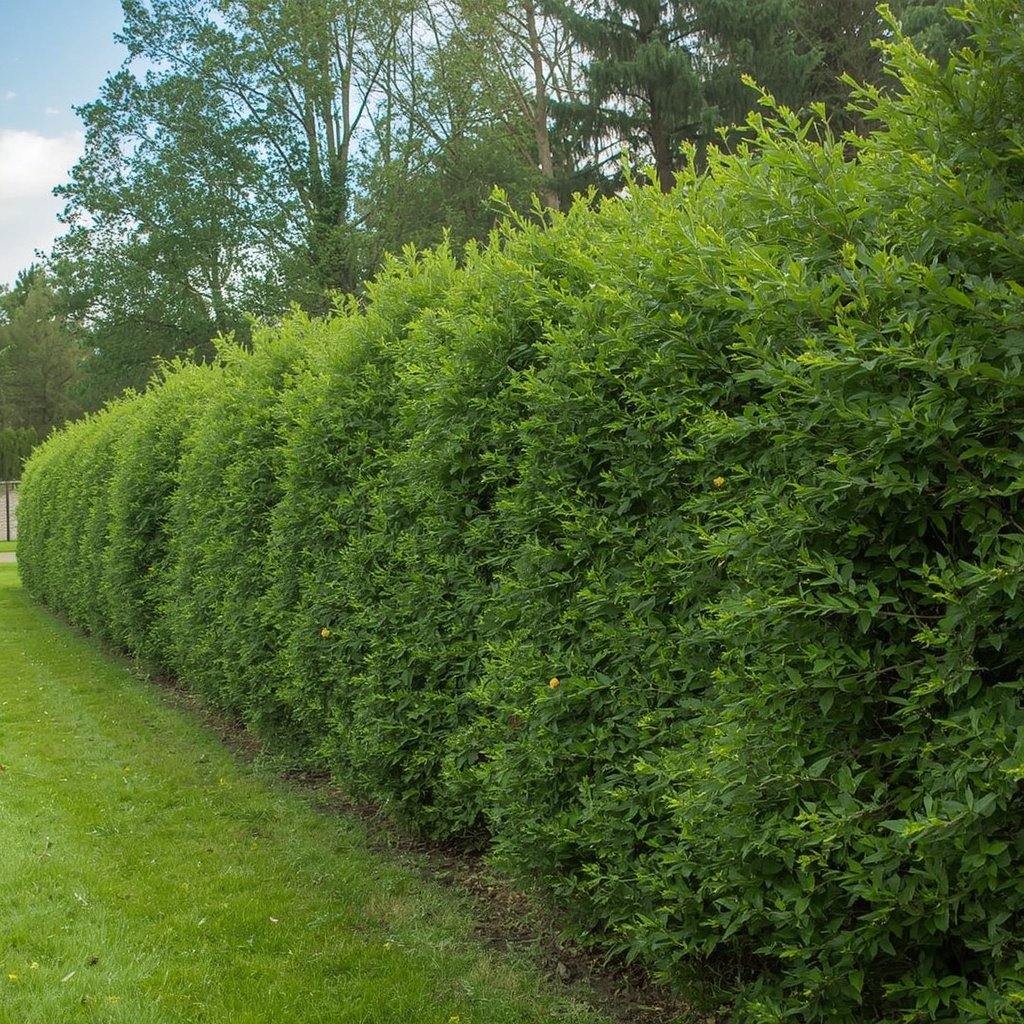
A dense shrub row can significantly reduce wind impact without completely blocking airflow. Plants such as Yew and Laurel are commonly used because they form thick, structured greenery that filters wind rather than stopping it abruptly. This is important because solid barriers can create turbulence, which may damage nearby plants. Instead, a living hedge allows air to pass through more gently, reducing pressure and protecting delicate flowers or vegetables behind it. When planned properly, this type of windbreak also adds privacy and year-round structure, making it both functional and visually appealing in garden design.
4. Layered Hardy Shrub Border for Natural Wind Flow Control
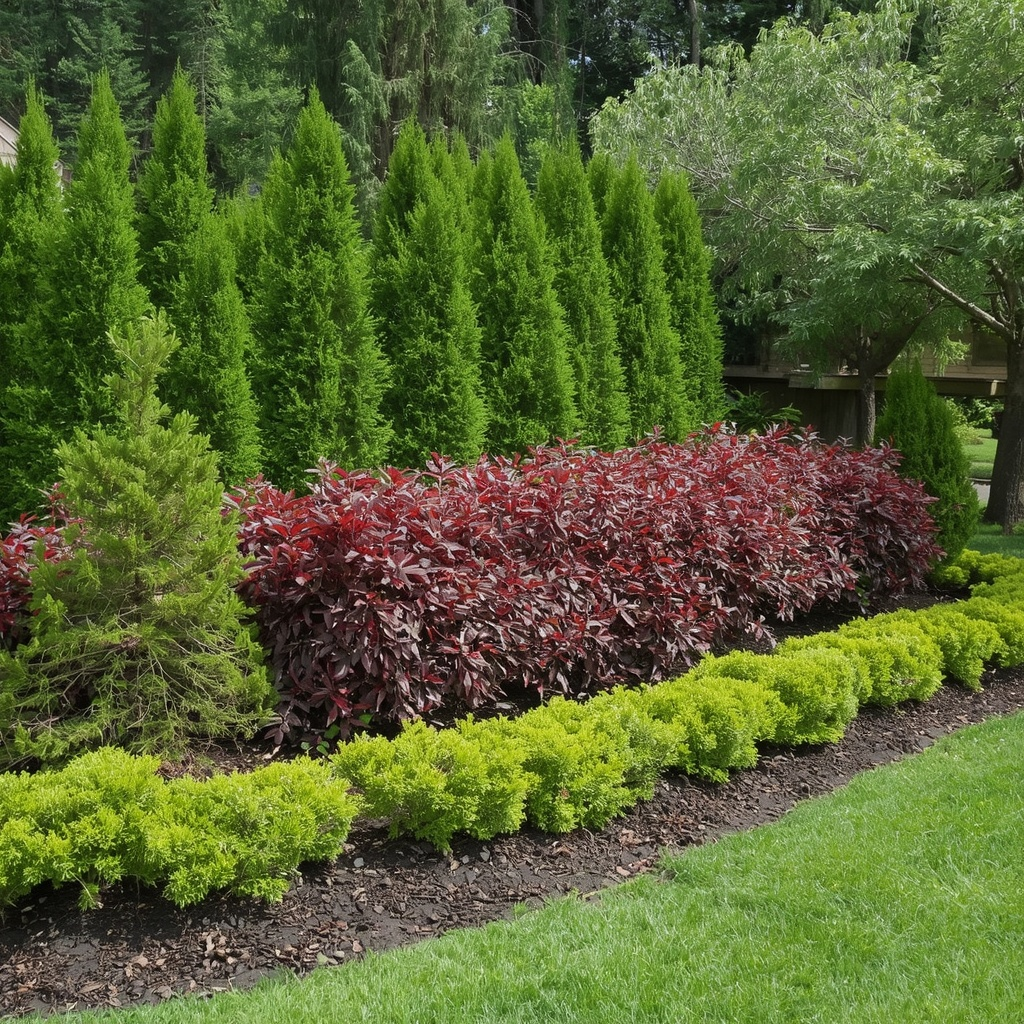
Layering shrubs by height creates a smooth, natural transition that helps guide wind upward and over the garden. Taller shrubs are placed at the back, medium varieties in the middle, and shorter plants at the front. This arrangement not only improves wind resistance but also enhances visual depth and biodiversity. Birds and pollinators often use these layered spaces for shelter. A useful planting method is staggering the shrubs in a zigzag formation instead of straight rows. This reduces gaps where wind could pass through, making the entire border more effective and stable during strong weather conditions.
5. Low-Growing Wind-Deflecting Shrubs for Ground-Level Protection
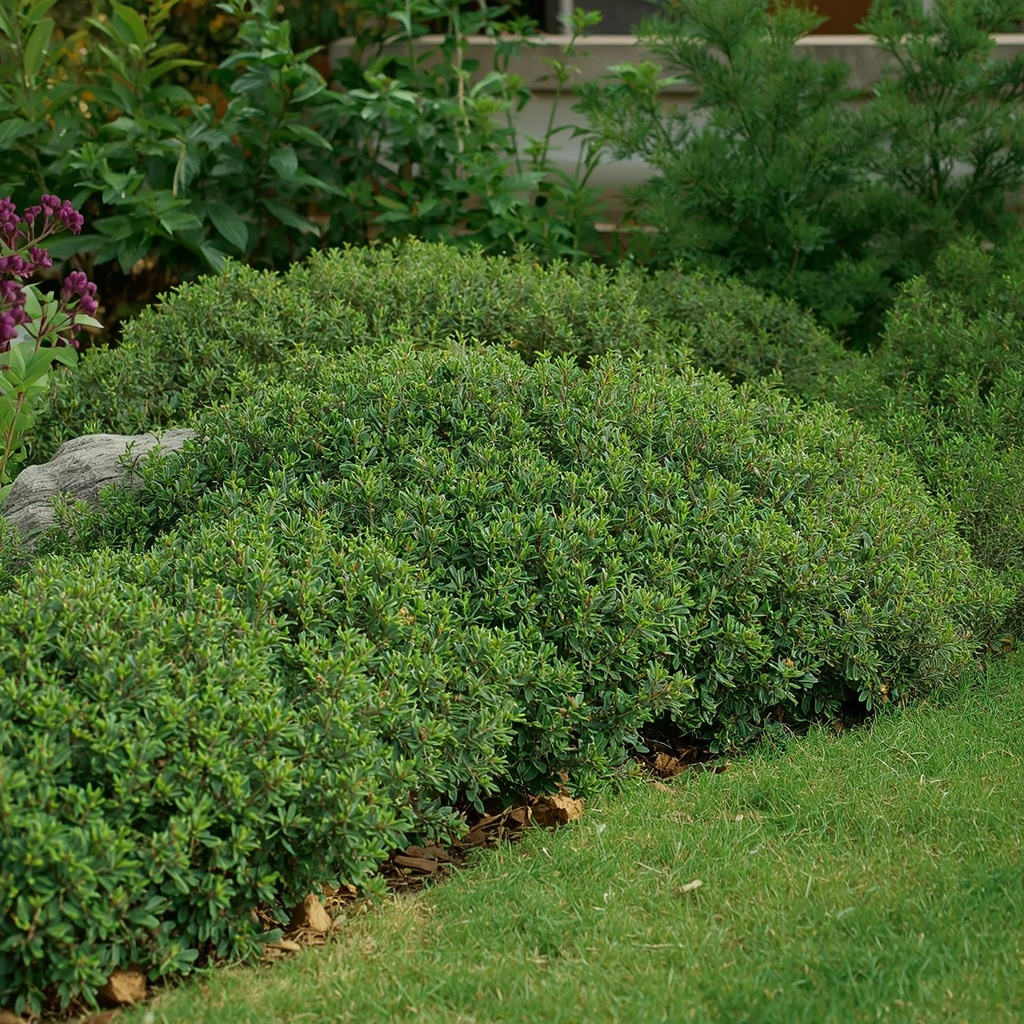
Low-growing shrubs are excellent for controlling wind close to the soil surface. Plants like Creeping Juniper and certain Cotoneaster varieties spread outward rather than upward, making it difficult for wind to disturb them. These ground-hugging plants act like a protective carpet, reducing soil erosion and moisture loss. They also help stabilize garden edges and prevent dry patches caused by constant airflow. In addition to their practical benefits, they provide year-round greenery that enhances the overall appearance of the landscape. Their low profile makes them especially useful in open or exposed gardens where taller barriers are not suitable.
6. Native Wind-Resistant Shrub Strip for Sustainable Landscaping
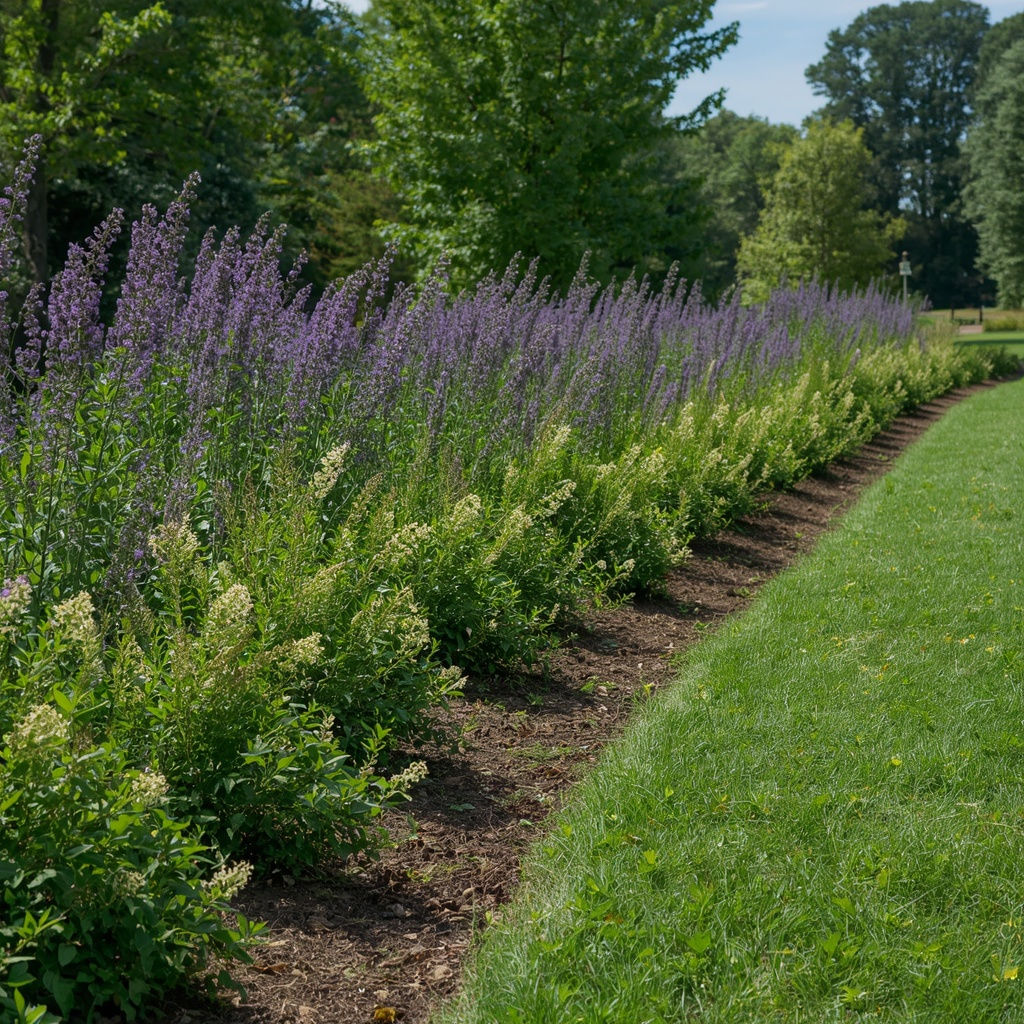
Using native shrubs is one of the most reliable ways to build a wind-resistant garden border. These plants have naturally adapted to local climate conditions over many years, making them highly resilient and low maintenance. Species such as Hawthorn and Elderberry are strong examples, as they can handle wind exposure while supporting local wildlife. Native shrub strips also help maintain ecological balance by providing food and shelter for birds and insects. Because they are already suited to the environment, they require less watering and care, making them a practical and environmentally responsible choice for long-term garden stability.
7. Drought-Tough Wind-Hardy Shrub Border for Dry, Exposed Areas
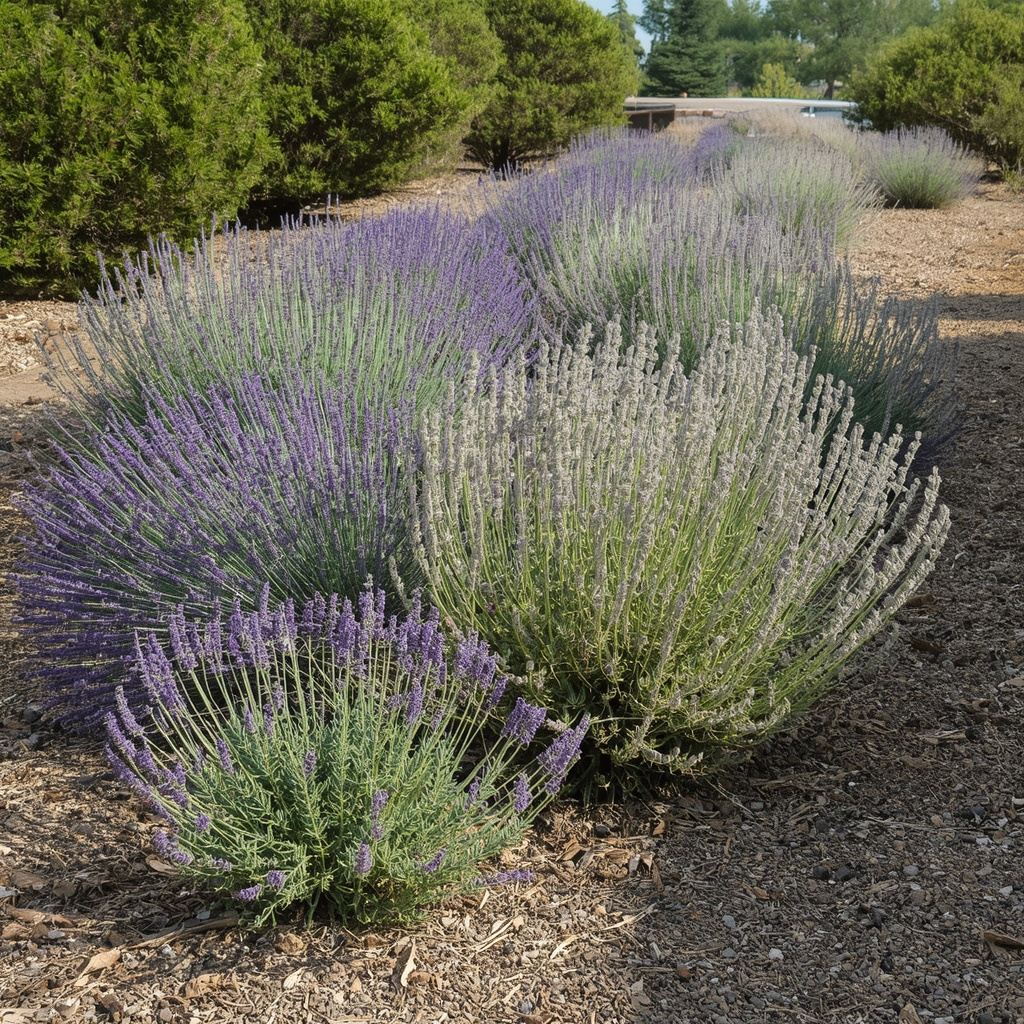
In windy locations, moisture evaporates quickly, making drought-tolerant shrubs an excellent solution. Plants like Lavender, Rosemary, and Rockrose are well adapted to these conditions due to their ability to retain water efficiently. Their small, aromatic, or waxy leaves reduce water loss while still allowing them to thrive in full sun and wind exposure. These shrubs not only survive but also add fragrance and color to the garden. They are particularly useful in dry or rocky soil areas where other plants may struggle. Once established, they require minimal care, making them ideal for low-maintenance landscaping.
8. Pollinator-Friendly Wind-Tolerant Hedge for a Living Ecosystem
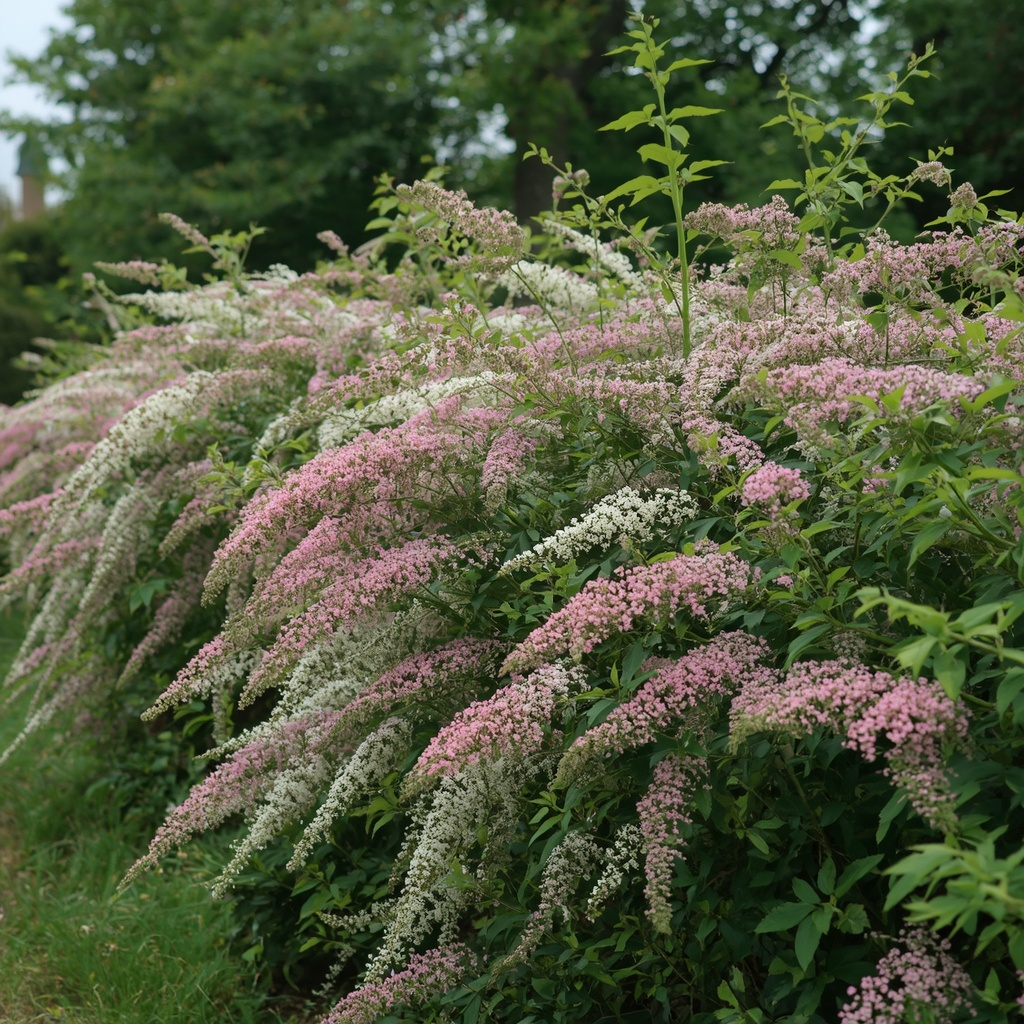
A wind-tolerant hedge can also support pollinators by including flowering shrubs such as Buddleia and Hebe. These plants provide nectar-rich blooms that attract bees, butterflies, and other beneficial insects even in breezy conditions. By forming a protective hedge, they create a calmer microclimate where pollinators can feed more easily. This combination of shelter and food supply helps maintain biodiversity in the garden. Over time, such hedges become active ecosystems, supporting both plant health and wildlife activity. They are especially valuable in areas where wind exposure might otherwise discourage insect visitation.
9. Privacy Screen With Hardy Shrubs That Withstand Wind Pressure
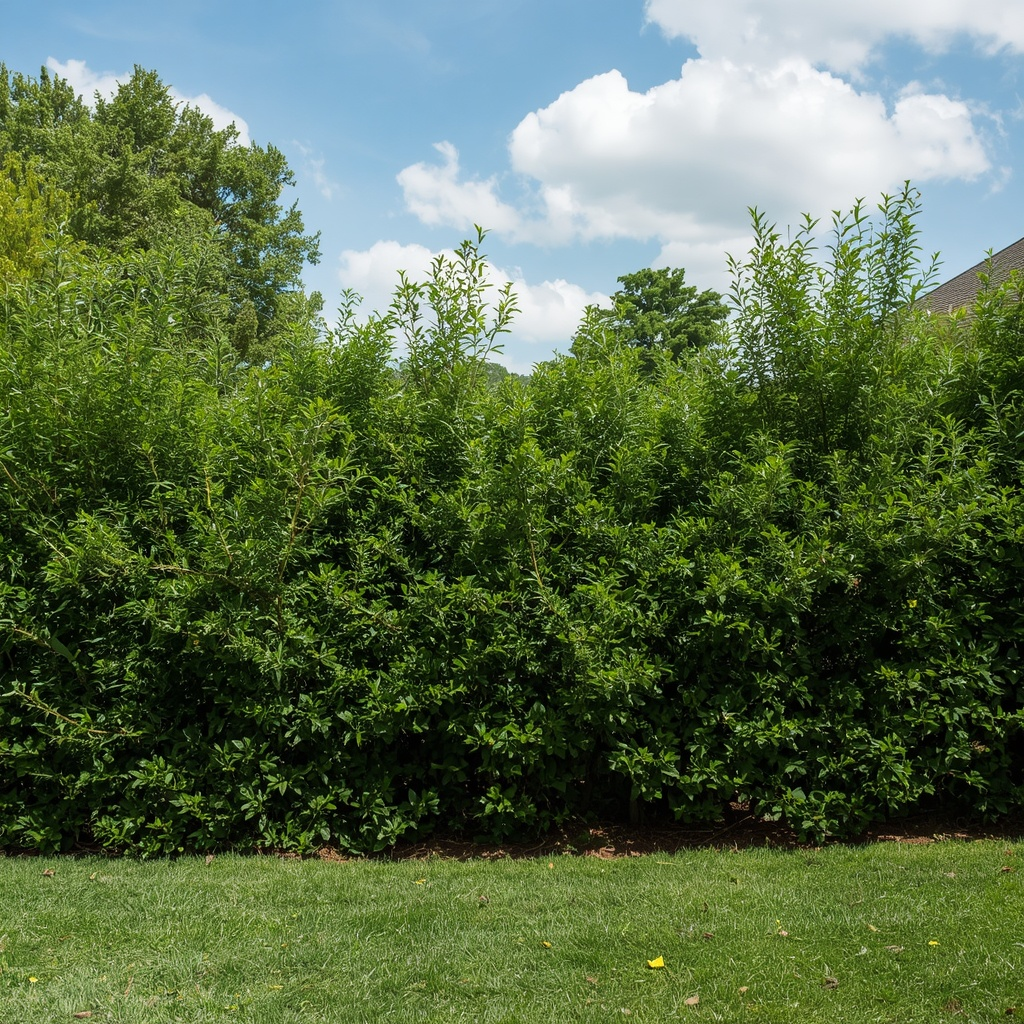
Creating privacy in a windy garden requires strong, flexible shrubs that can handle constant movement. Clumping Bamboo and Privet are commonly used because they grow densely while remaining resilient in exposed conditions. Unlike rigid fencing, these living screens move with the wind, reducing stress on branches and roots. They also provide a natural barrier that blocks visibility without feeling harsh or artificial. When properly maintained, they form an attractive green wall that defines outdoor spaces and enhances comfort. This makes them ideal for patios, seating areas, or garden boundaries where privacy and durability are both important.
10. Flowering Wind-Resistant Shrub Border for Lasting Garden Color
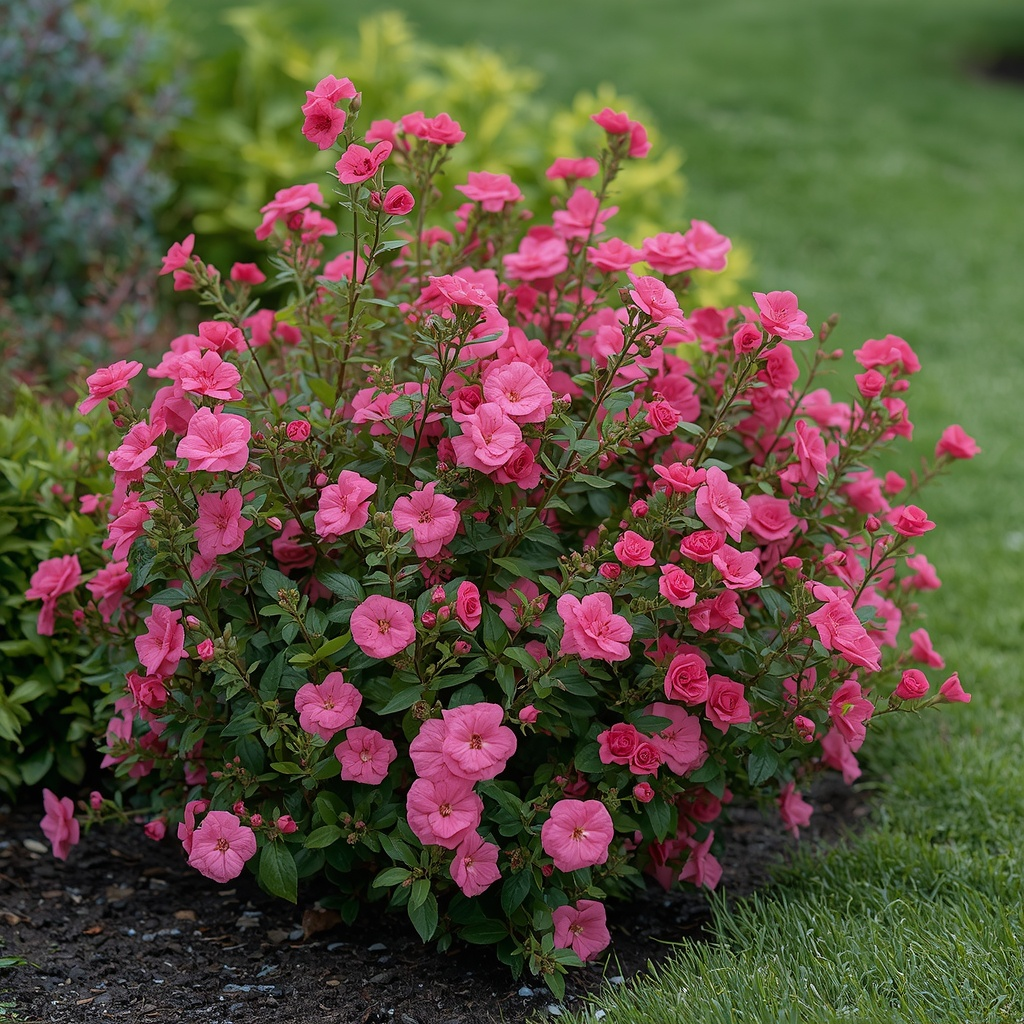
Windy conditions do not have to limit flowering plants. Certain shrubs, such as Potentilla and Rugosa Roses, are strong enough to handle exposure while still producing vibrant blooms. These plants are naturally tough, with flexible stems and durable petals that resist damage from gusts. They bring seasonal color and visual interest to garden edges without requiring excessive care or support structures. Their ability to flower reliably in challenging environments makes them a practical choice for gardeners who want beauty and resilience together. Over time, they create a lively and colorful border that remains attractive even in difficult weather.
11. Flexible-Stem Shrub Borders That Move Gracefully With the Wind
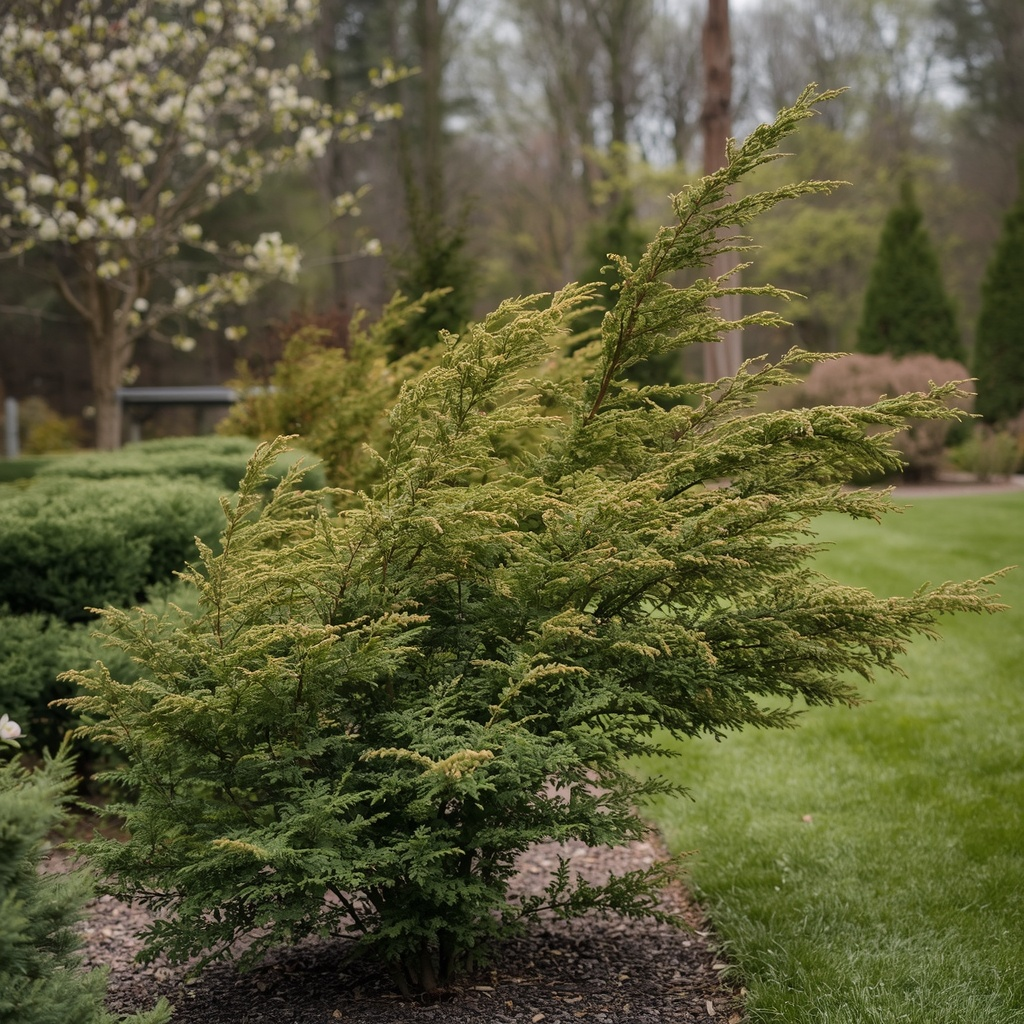
Some shrubs are naturally designed to bend rather than break, making them ideal for windy landscapes. Species such as Cornus (Dogwood) and Salix (Willow) have flexible stems that sway with gusts instead of resisting them. This movement reduces physical stress and allows the plants to remain healthy even during strong weather. Their flowing motion also adds a dynamic visual effect to the garden, creating a sense of movement and life. Proper pruning encourages fresh, flexible growth, especially in Dogwood, where cutting back older stems promotes stronger, more colorful new shoots that respond well to wind exposure.
12. Year-Round Evergreen Wind Shield for Constant Garden Protection
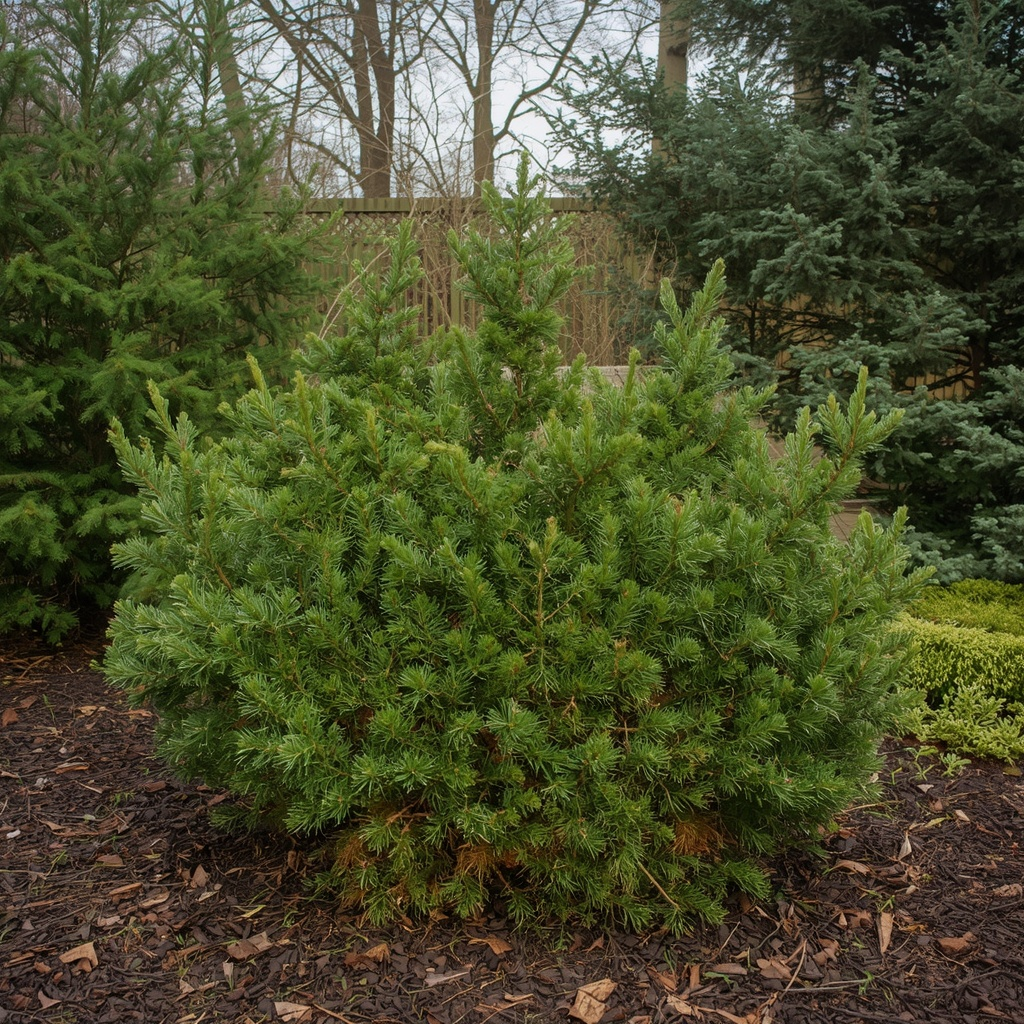
Evergreen shrubs provide essential protection throughout all seasons, especially during winter when other plants lose their leaves. Varieties like Boxwood and Holly maintain dense foliage year-round, forming a consistent barrier against wind and cold air. This stability helps protect more delicate plants within the garden and maintains structure when everything else appears bare. Evergreens also offer visual continuity, ensuring the garden does not feel empty during colder months. Their reliable presence makes them a core element in wind-resistant landscaping, acting as a permanent framework that supports both function and design throughout the year.
13. Thorny Wind-Barrier Shrub Edge for Security and Protection
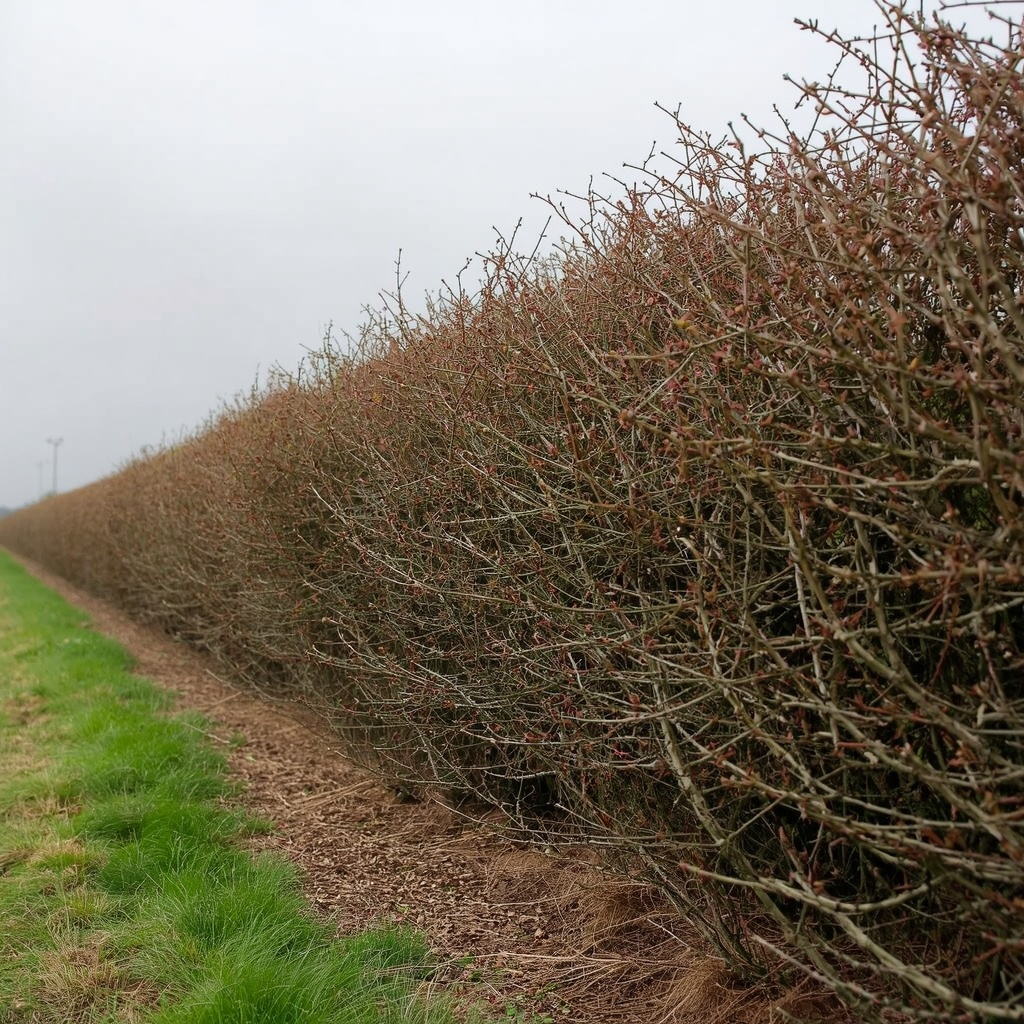
Thorny shrubs such as Berberis and Blackthorn are highly effective for creating natural wind barriers. Their dense, interwoven branches form a tough structure that slows wind while also providing additional security. These plants discourage unwanted access and offer safe nesting areas for small birds. Their physical toughness makes them ideal for exposed boundary lines where both protection and resilience are needed. While they may appear rugged, they play an important ecological role by supporting wildlife and stabilizing soil. In windy environments, they serve as a strong, low-maintenance barrier that performs multiple functions at once.
14. Fast-Growing Windbreak Shrub Wall for Quick Garden Shelter
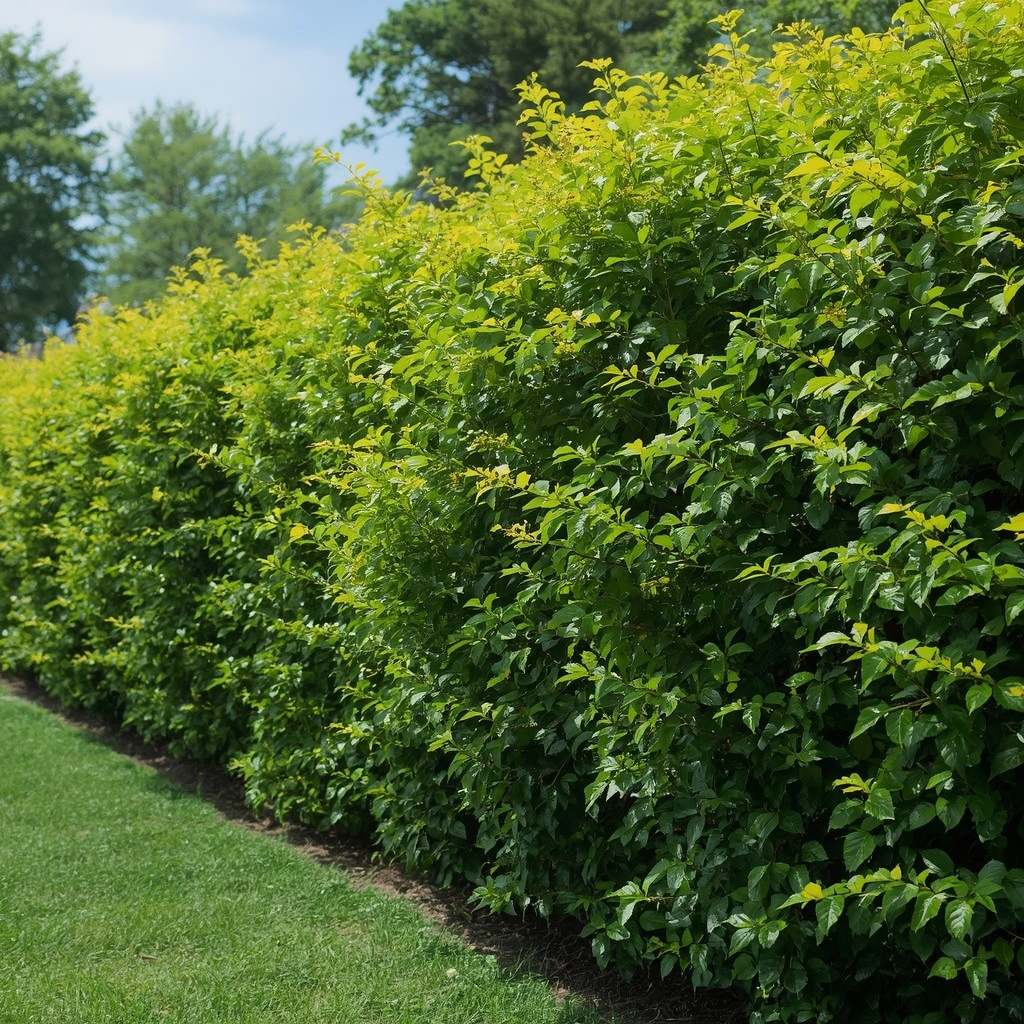
When immediate wind protection is needed, fast-growing shrubs are a practical solution. Species like Forsythia and certain types of Privet establish quickly and can form effective barriers within a single growing season. This rapid growth allows gardeners to create sheltered microclimates in a short time, enabling more sensitive plants to be introduced sooner. These shrubs are especially useful in newly developed gardens or open landscapes with little natural protection. While they may require regular trimming to maintain shape, their speed and reliability make them a valuable choice for establishing early-stage wind control.
15. Colorful Foliage Wind-Tolerant Border for Year-Round Visual Interest
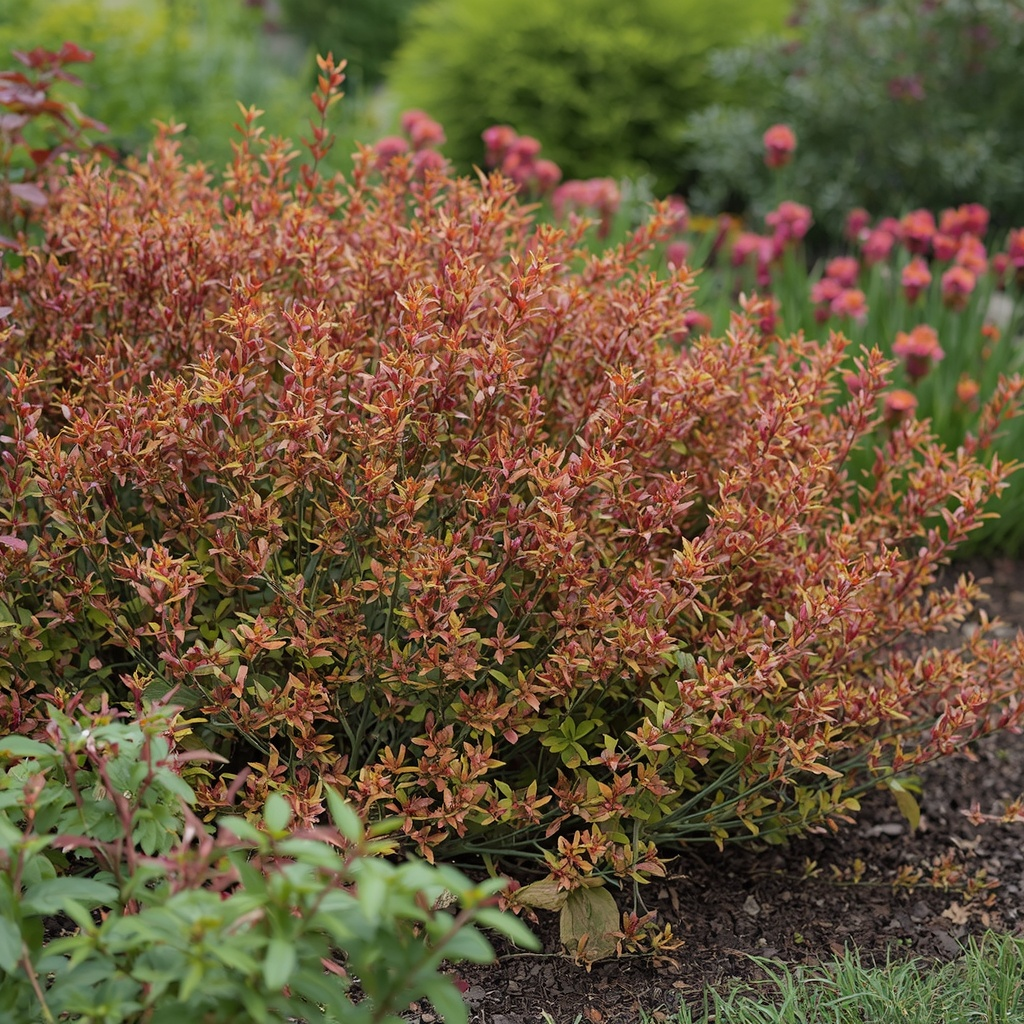
Wind-resistant shrubs with colorful foliage add vibrancy to the garden even when flowers are not in bloom. Plants such as Ninebark and certain Spirea varieties offer leaves in shades of gold, copper, and deep purple, creating visual contrast throughout the seasons. These shrubs are strong enough to withstand wind exposure while maintaining their decorative appeal. Their foliage ensures that garden borders remain attractive year-round, not just during flowering periods. This combination of durability and color makes them a popular choice for gardeners who want both resilience and aesthetic value in exposed outdoor spaces.