
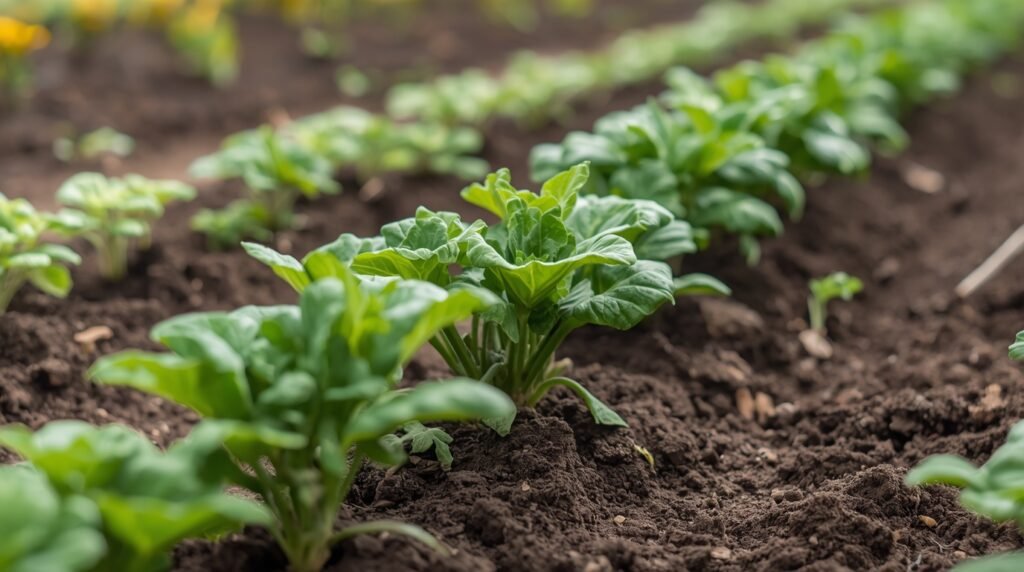
Growing your own food doesn’t require a huge backyard—just smart planning and a little creativity. Compact vegetable row planting garden ideas are perfect for making the most of small spaces while still enjoying fresh, homegrown harvests. By organizing crops into neat, efficient rows, you can improve sunlight exposure, simplify watering, and make harvesting much easier.
This approach works well for beginners and seasoned gardeners alike, especially if you’re aiming for a tidy and productive setup. From leafy greens and herbs to root vegetables, a well-planned compact garden can thrive even in limited areas. In this guide, you’ll discover practical and inspiring ideas to help you grow more in less space with ease.
Vertical Trellis Growing for Space-Saving Gardens
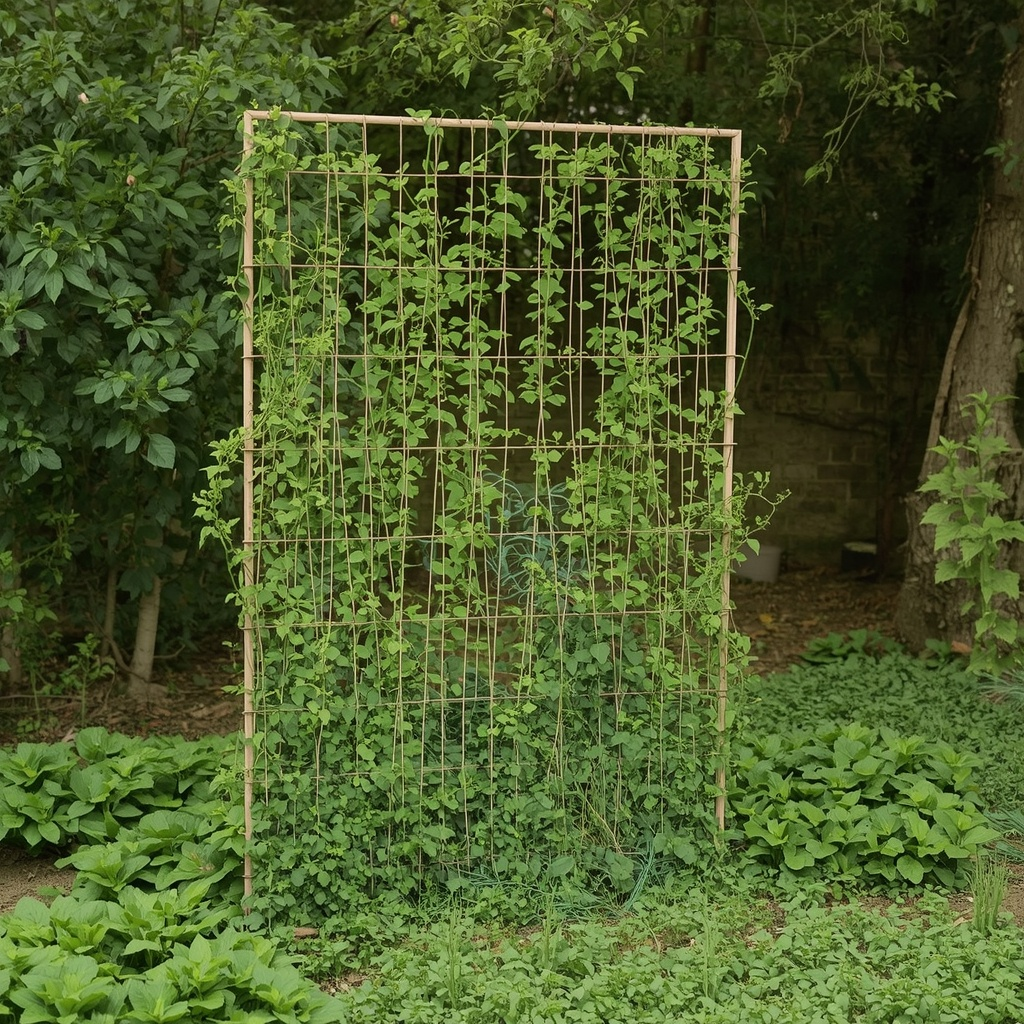
When ground space becomes limited, vertical growing offers a smart solution. Vertical trellis systems allow climbing vegetables like peas, beans, and cucumbers to grow upward instead of spreading across valuable soil. This method improves air circulation around plants, which helps reduce moisture-related diseases and keeps crops healthier throughout the season. It also increases overall yield in a small area.
For best results, place tall trellises on the northern side of your garden so they do not shade shorter crops that need full sun exposure.
Narrow Raised Bed Gardening for Better Control
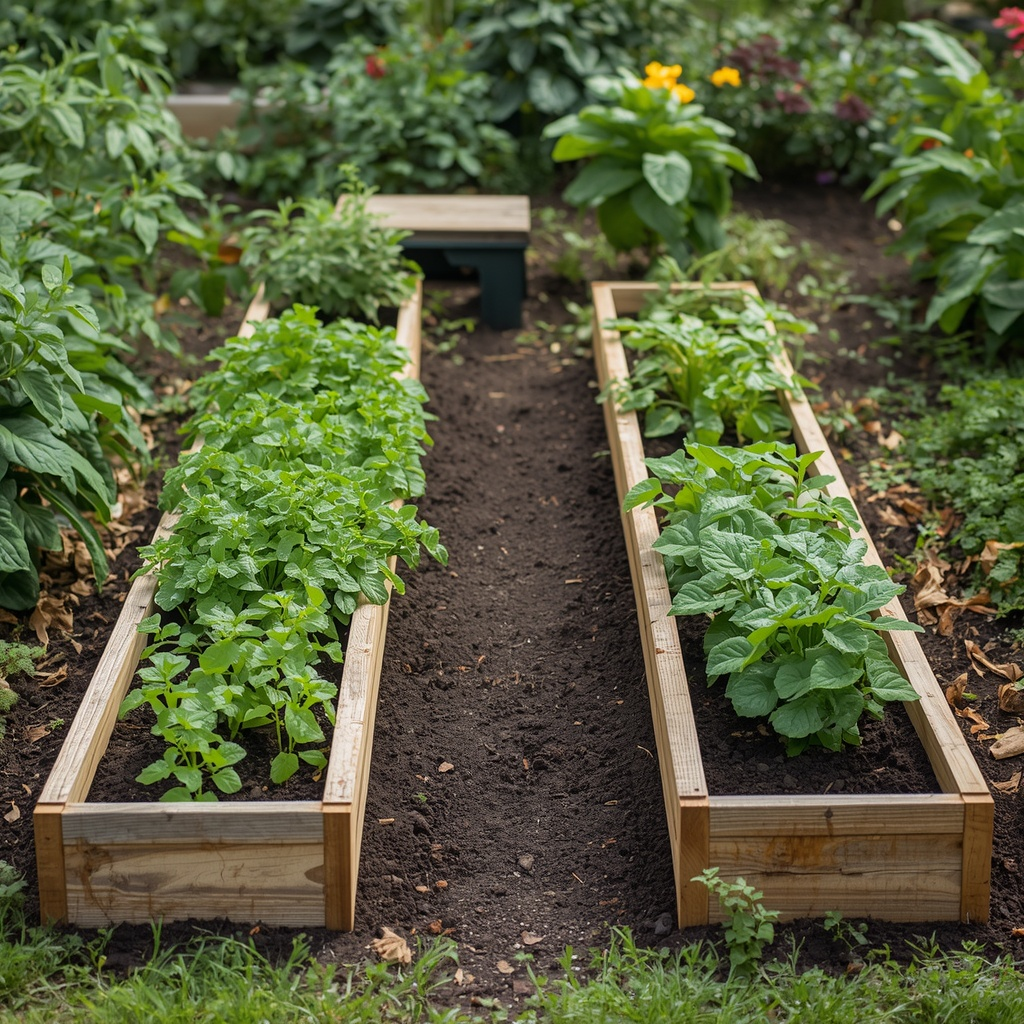
Narrow raised beds are ideal for gardeners who want structure and efficiency in small spaces. They keep soil contained and easy to manage while preventing foot traffic from compacting the growing area. Because everything is within arm’s reach, planting, weeding, and harvesting become much more convenient.
This setup also allows for better soil quality control since compost and nutrients can be carefully maintained. The result is healthier plants and more consistent yields without wasting space or effort.
Intercropping Techniques for Maximizing Plant Space
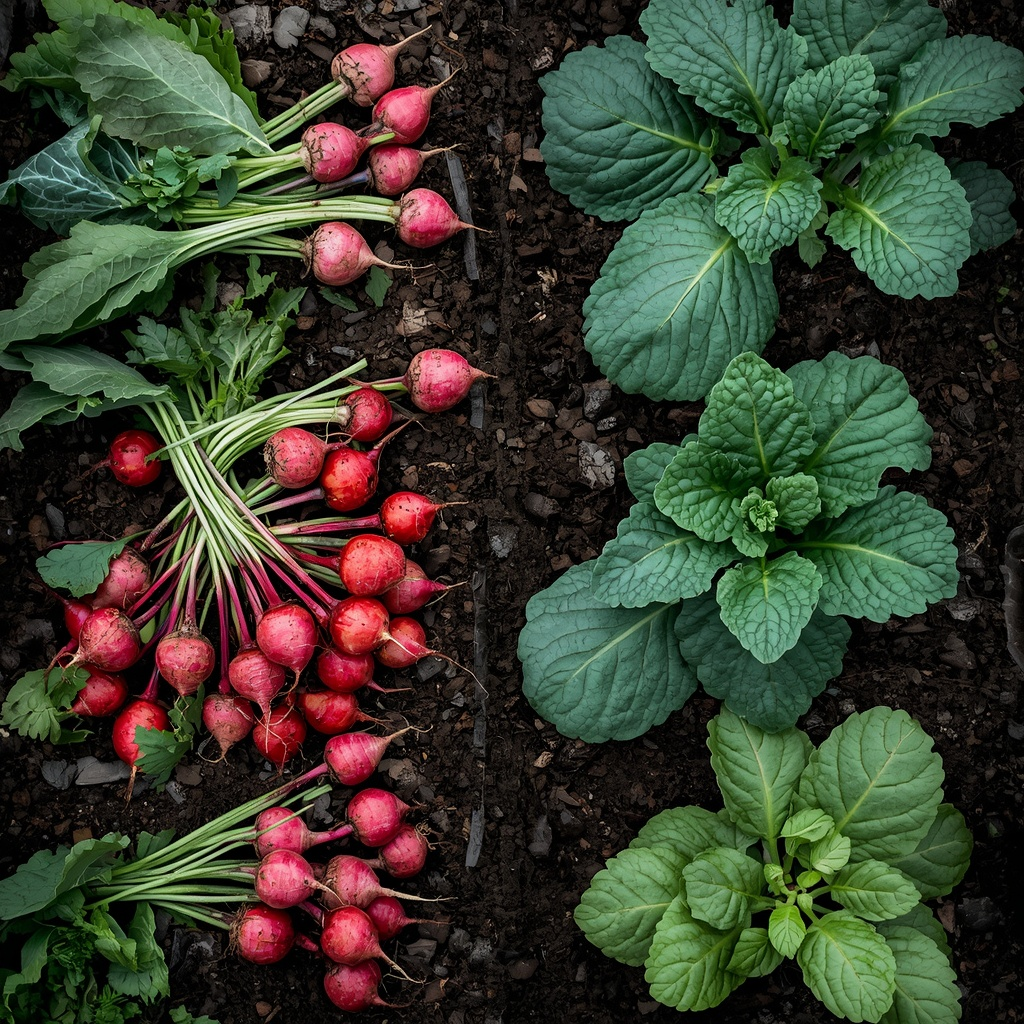
Intercropping is a planting method where different crops are grown together in the same row or bed. This strategy helps maximize limited space by pairing fast-growing vegetables with slower-maturing ones. For example, radishes can be harvested early while cabbage continues developing.
This layered approach keeps the garden productive at all times and reduces unused soil space. It also supports biodiversity, which can help naturally reduce pests and improve overall plant resilience.
Succession Planting for Continuous Harvests
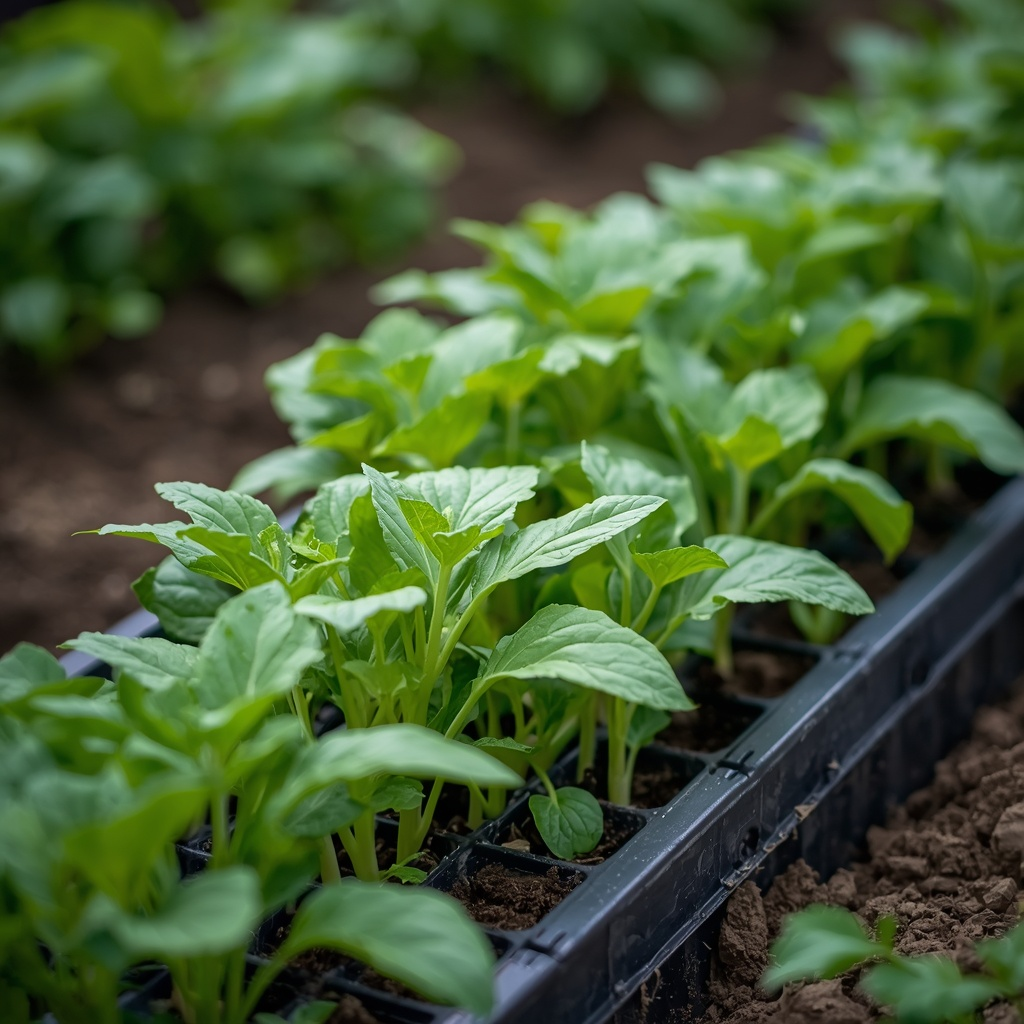
Succession planting ensures your garden never sits idle. As soon as one crop finishes, another is planted in its place, maintaining constant productivity throughout the growing season. This approach works especially well in small gardens where every square foot matters.
Starting seedlings ahead of time in trays allows for quicker transitions between crops. This method provides a steady supply of fresh vegetables from early spring until late autumn without long gaps in production.
Square-Foot Gardening for Organized Planting
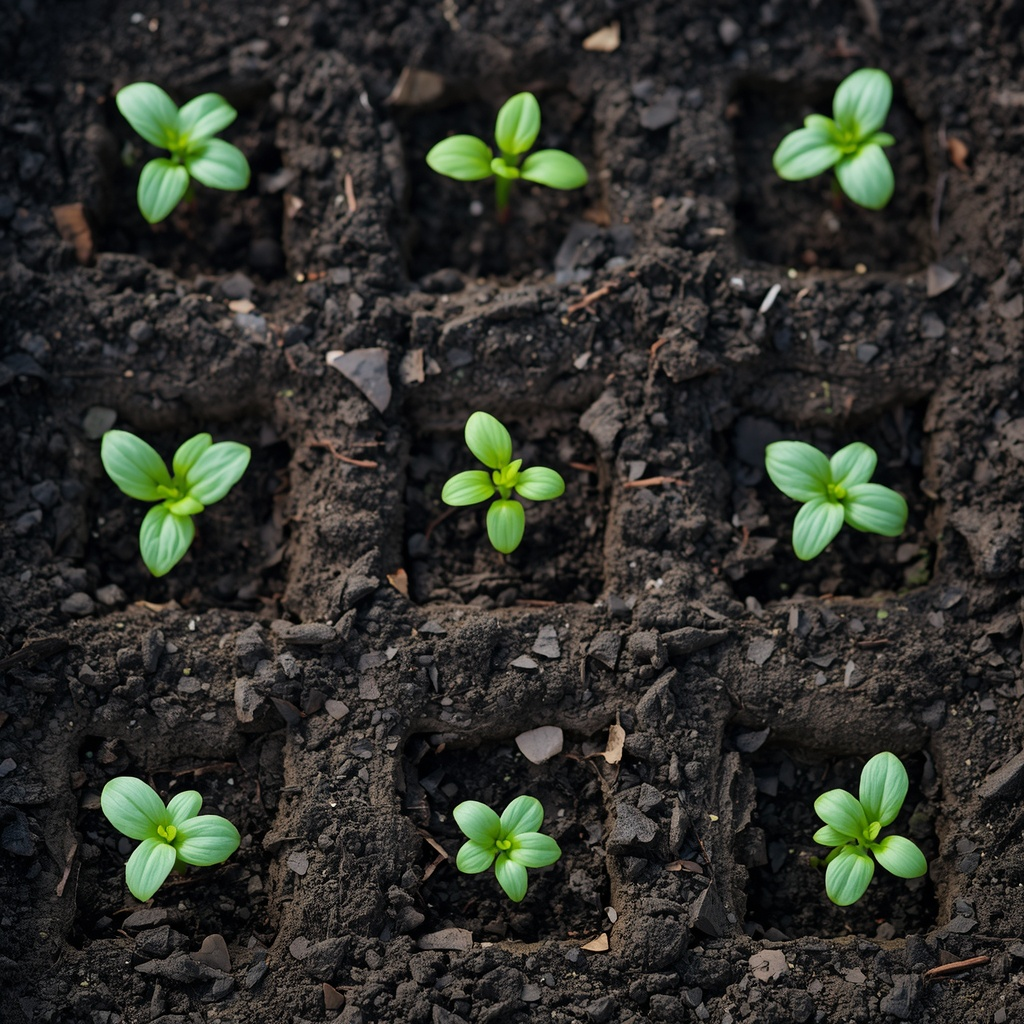
Square-foot gardening divides growing space into equal sections, making it easier to plan and manage crops. Each square is assigned a specific number of plants based on their size and spacing needs. This prevents overcrowding while ensuring efficient use of space.
The system is especially useful for beginners because it simplifies planting decisions. It also reduces the need for thinning seedlings later, saving time and minimizing plant waste while maintaining healthy growth conditions.
Companion Planting for Natural Garden Harmony
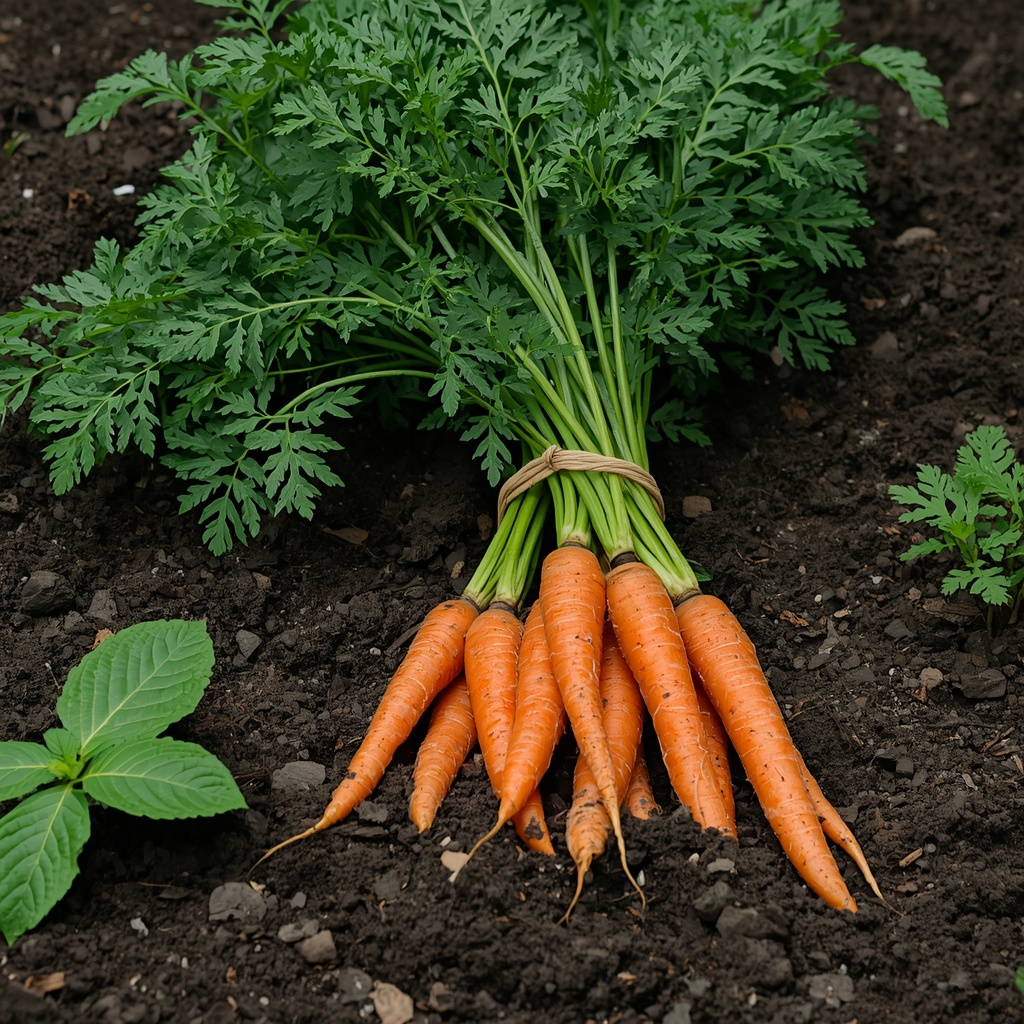
Companion planting involves growing crops that benefit each other when placed together. Some plants naturally repel pests, while others improve soil conditions or enhance growth. A common example is planting onions near carrots to help deter carrot flies.
This method reduces the need for chemical pest control and encourages a balanced garden ecosystem. By choosing plant combinations carefully, gardeners can improve yields, reduce problems, and create a more naturally resilient growing environment.
Zig-Zag Row Planting for Higher Yield Efficiency
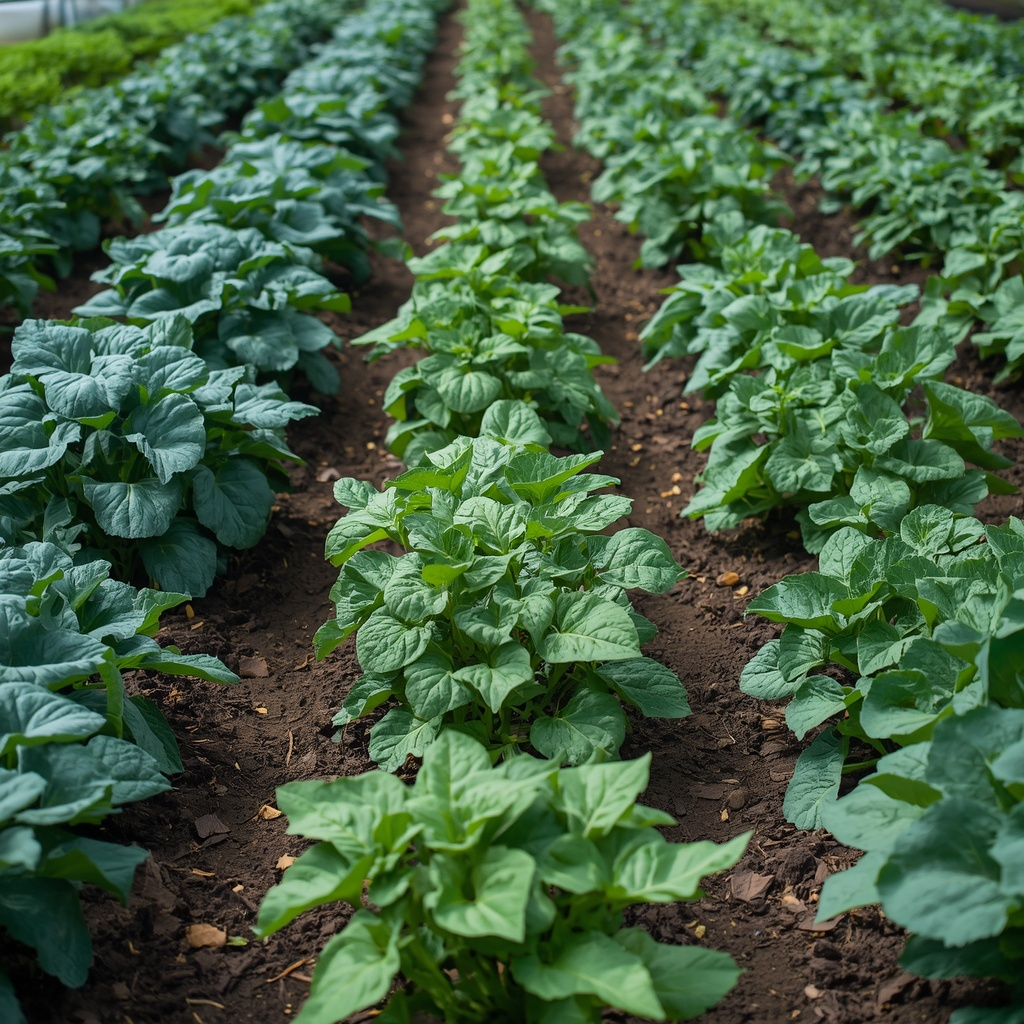
Instead of planting in straight lines, zig-zag or offset patterns allow more plants to fit into the same space. This arrangement improves sunlight exposure for each plant and enhances air circulation, which supports healthier growth.
It also makes harvesting easier since plants are spaced more evenly and are easier to access. This method gives a fuller, more productive appearance to the garden while maximizing every available inch of soil.
Deep Soil Double-Digging for Strong Root Growth
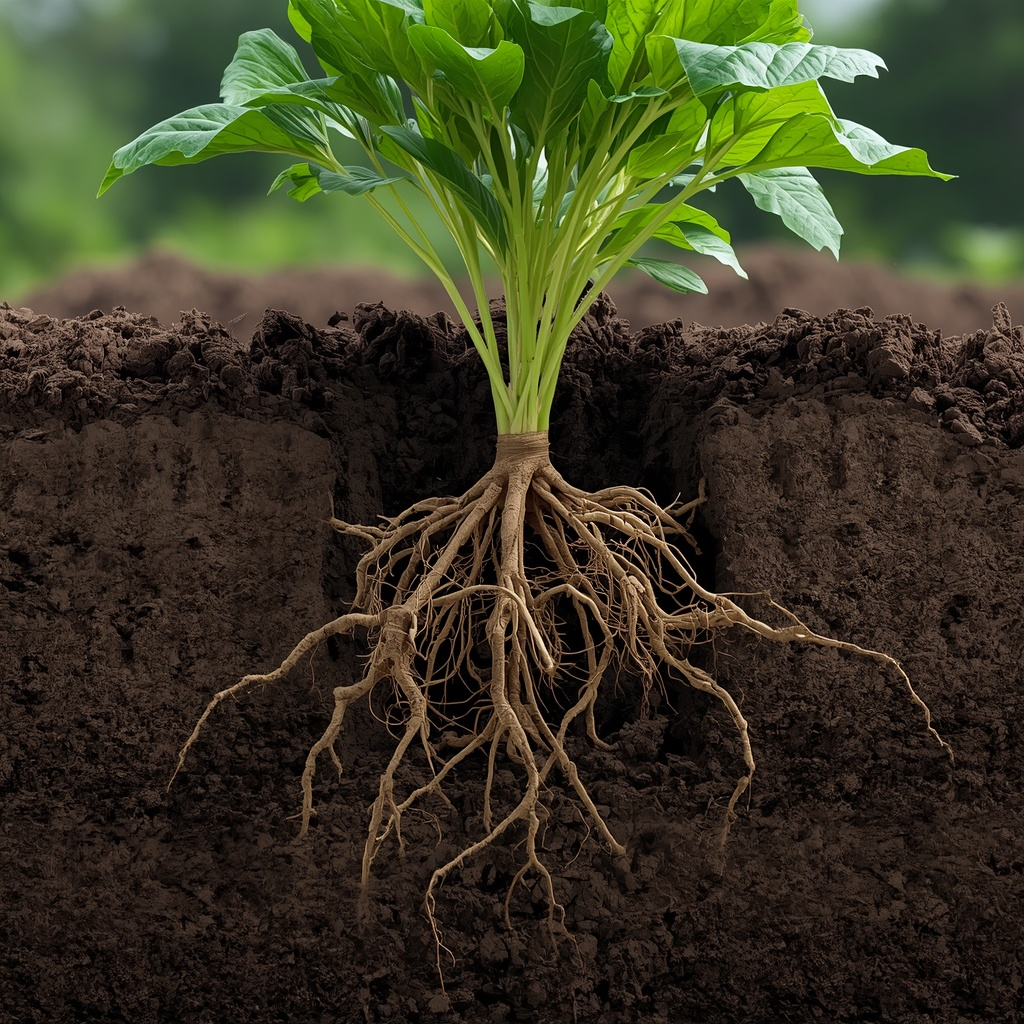
Double-digging is a soil preparation technique that loosens the ground deeper than standard digging methods. This creates better drainage and allows roots to grow downward more easily instead of spreading sideways.
With improved soil depth, plants can be spaced closer together without competing for nutrients. Although this method requires effort initially, it results in stronger plants, improved yields, and long-term soil health benefits that support future growing seasons.
Container-Based Row Gardening for Small Spaces
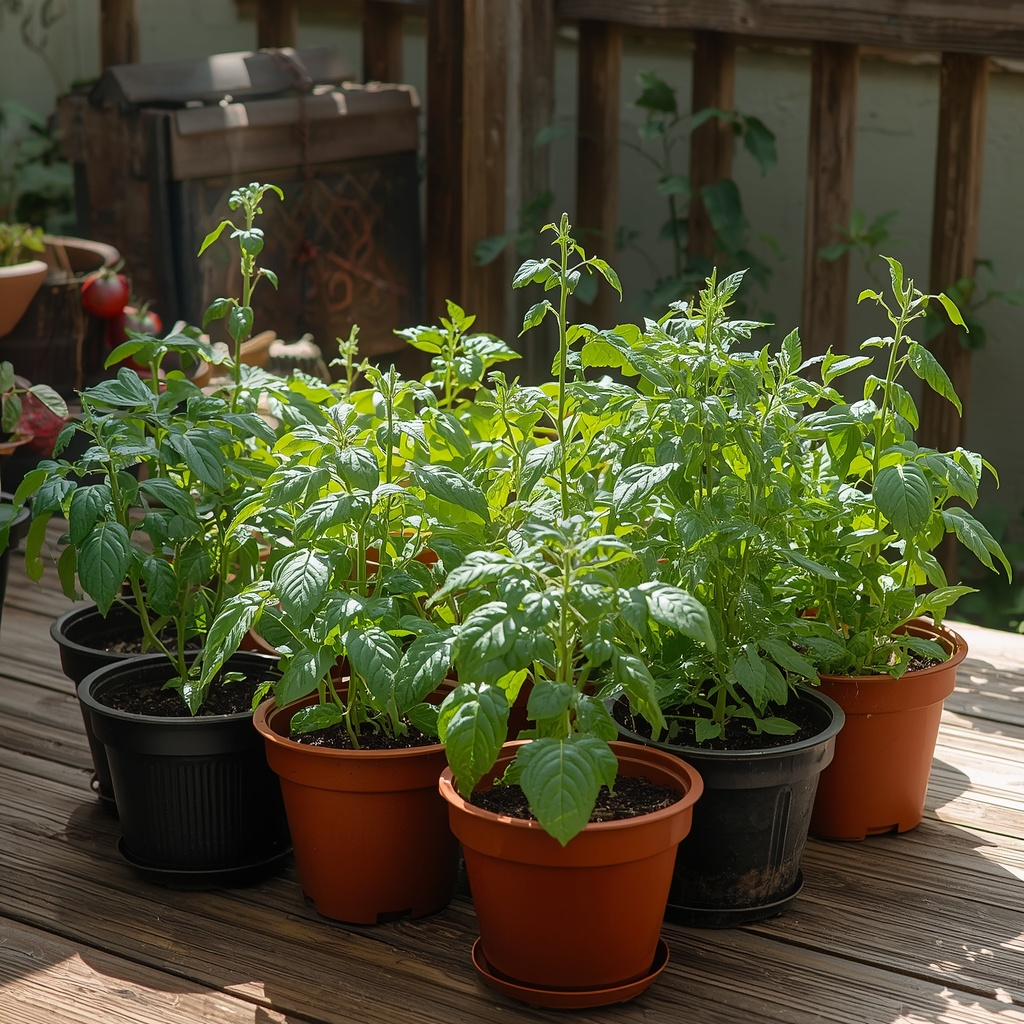
Container gardening offers flexibility for those with limited outdoor space such as balconies or patios. Arranging pots in rows or curved patterns creates a structured garden layout without needing soil beds.
Containers can be moved throughout the day to follow sunlight, ensuring plants receive optimal growing conditions. This method is especially useful for tomatoes, herbs, and peppers, allowing gardeners to grow food efficiently even in urban environments.
Tiered Shelf Gardening for Vertical Productivity
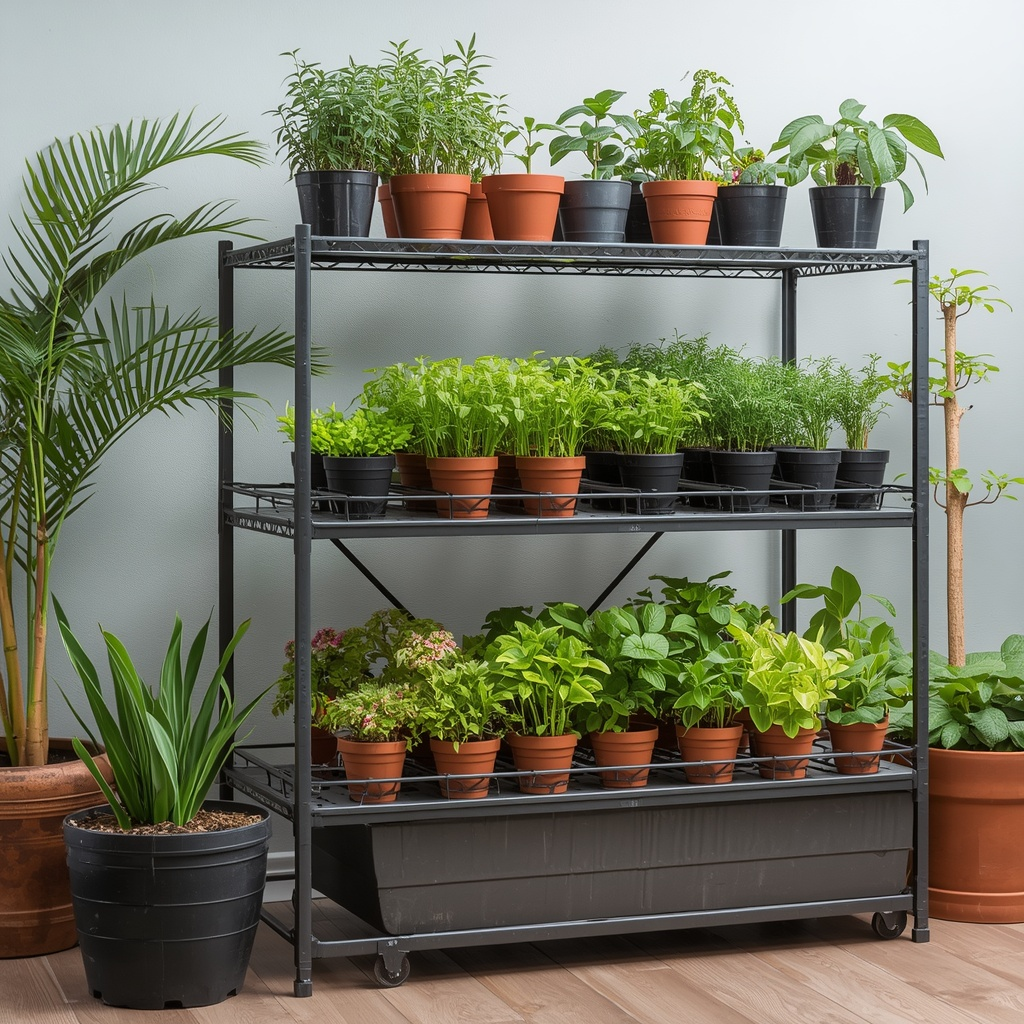
Tiered shelving transforms vertical space into productive growing areas. Multiple levels allow different plants to grow in stacked layers, making it ideal for small gardens or balconies.
Sun-loving plants can be placed on top shelves while shade-tolerant varieties grow underneath. Proper weight distribution is important, with heavier pots placed at the bottom for stability. This setup creates a compact yet highly productive growing system.
Hanging Pocket Systems for Vertical Herb Growth
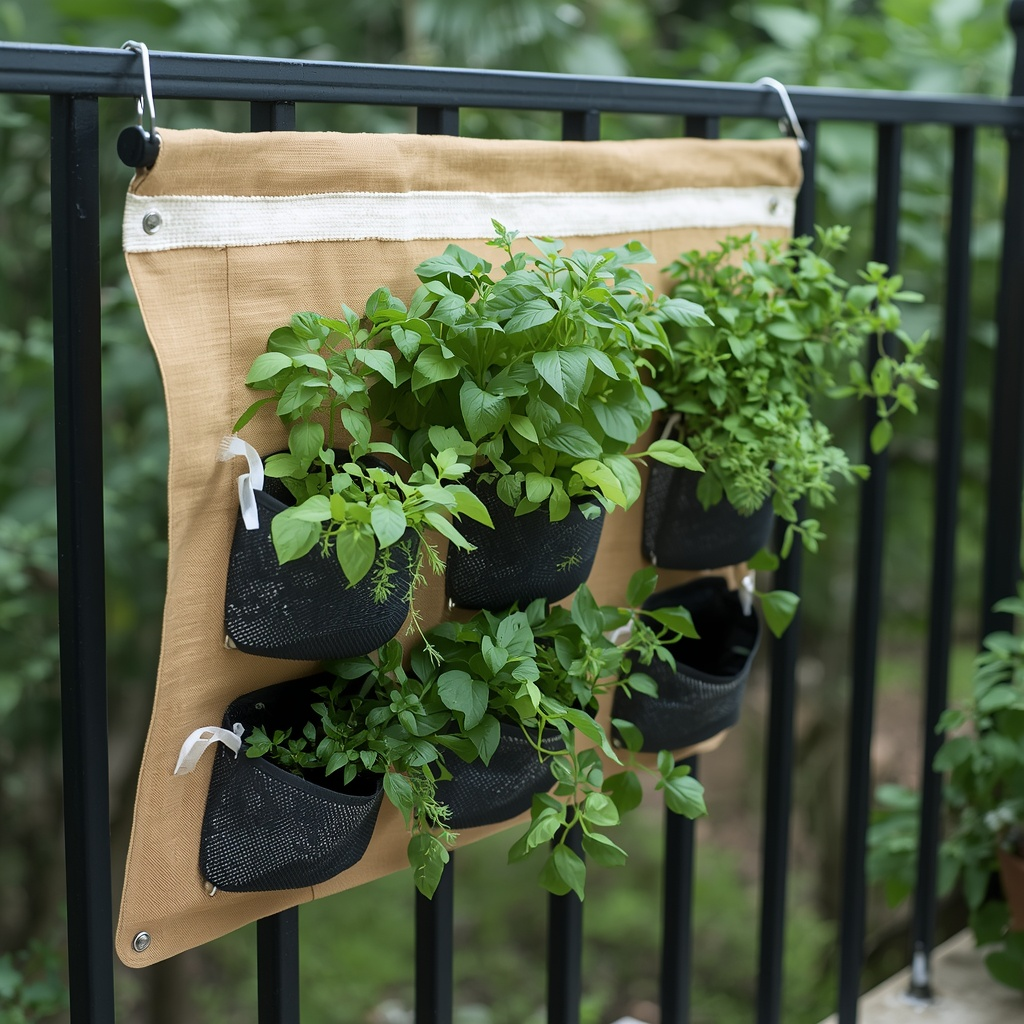
Hanging pocket gardens are a creative way to use walls, fences, or balcony railings. Fabric or modular pockets allow herbs and small vegetables to grow vertically, saving ground space.
This system is especially convenient for kitchen gardening since fresh herbs can be accessed easily. It also helps protect delicate plants from ground pests while keeping them within easy reach for daily cooking use.
Edge Planting Rows for Extra Growing Space
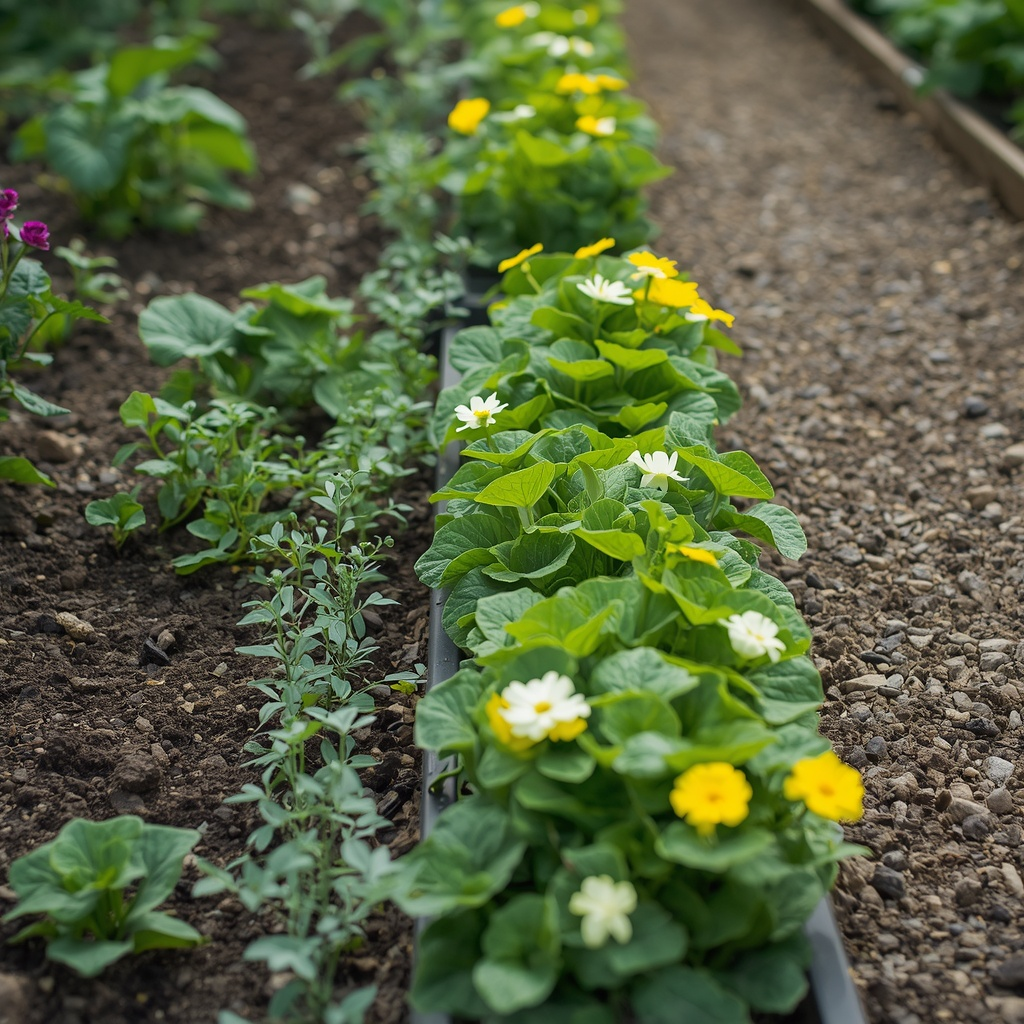
Edge planting uses the borders of garden beds and pathways for additional crops. Instead of leaving edges unused, gardeners can grow leafy vegetables or decorative edible plants along the perimeter.
This technique increases productivity without reducing central growing space. It also adds visual appeal by blending ornamental and edible plants, making the garden both functional and attractive.
Spiral Garden Layout for Efficient Plant Grouping
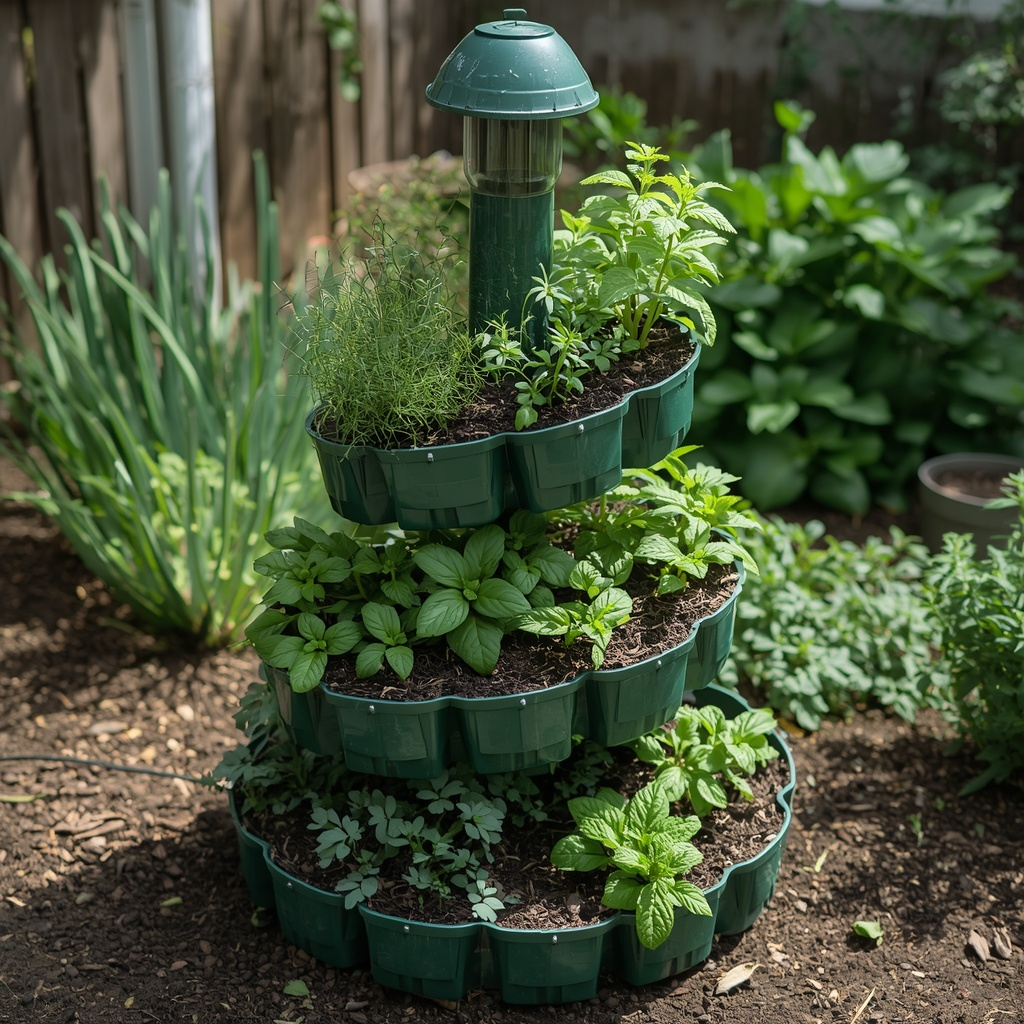
Spiral garden designs allow multiple plants to grow in a compact circular structure. This layout creates different microclimates within a single space, with varying levels of sunlight and moisture.
For example, herbs that prefer dry conditions can be placed at the top, while moisture-loving plants grow closer to the base. This method is both practical and visually appealing, making it ideal for herbs and small vegetables.
Protective Mini Greenhouse Row Covers
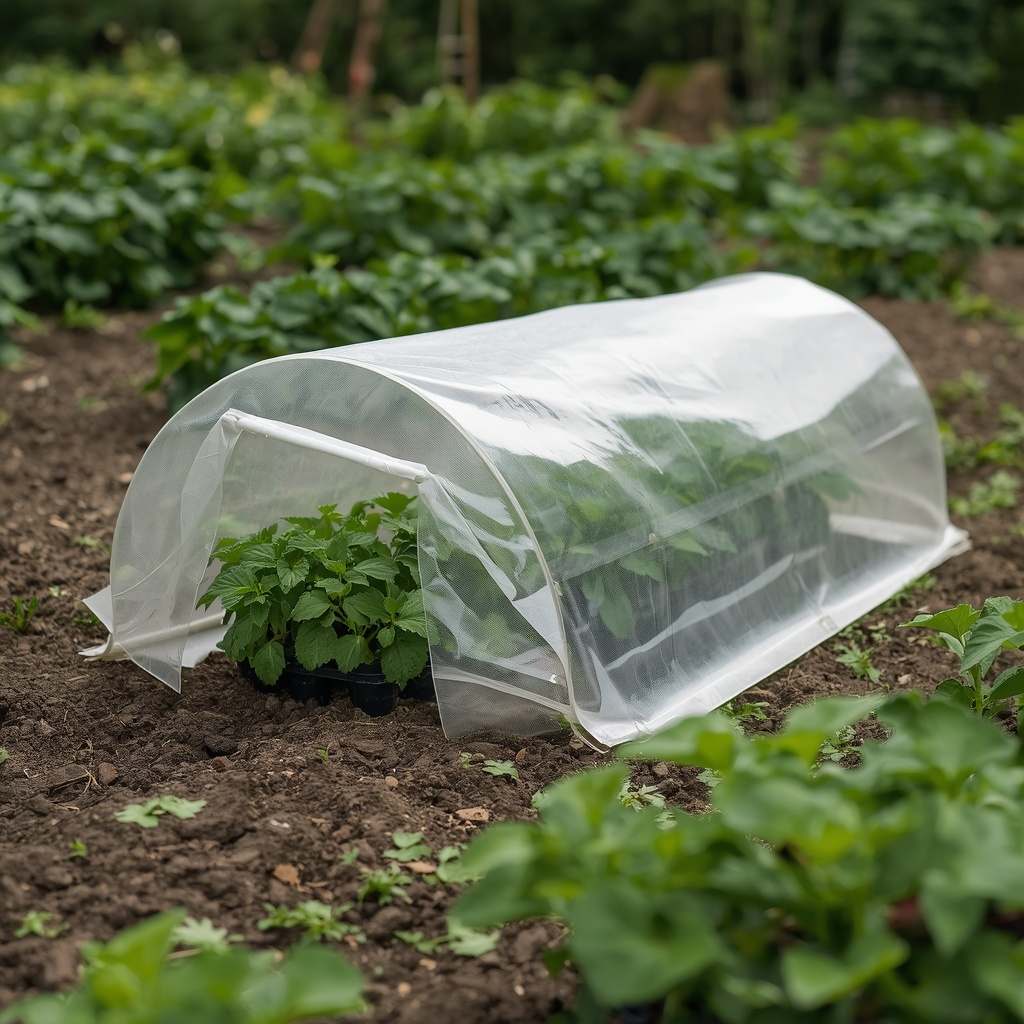
Mini greenhouse tunnels help protect crops from unpredictable weather while extending the growing season. These coverings trap warmth and maintain consistent humidity levels, encouraging steady plant growth.
They are especially useful for young seedlings and sensitive crops. By creating a controlled micro-environment, gardeners can grow healthier plants even during cooler or unstable weather conditions, improving overall harvest reliability.
Drip Irrigation Systems for Efficient Watering
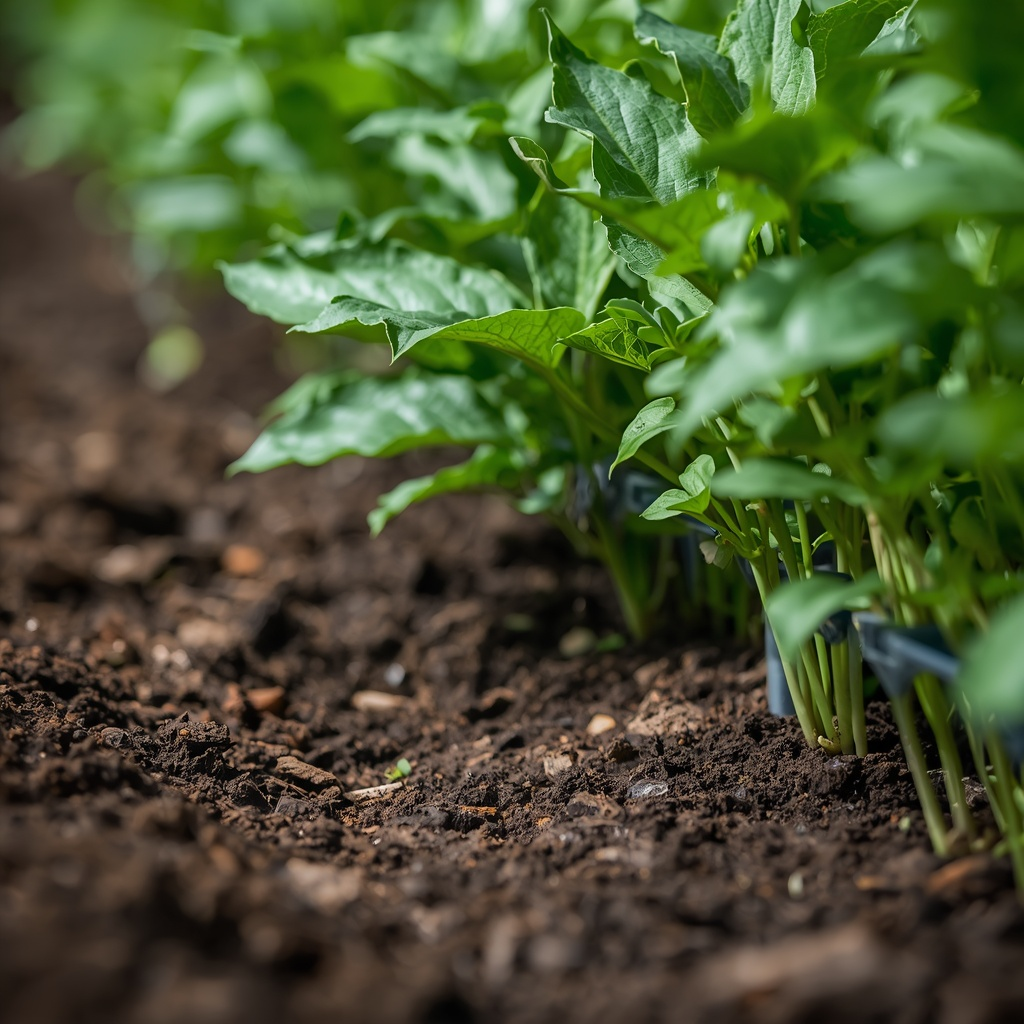
Drip irrigation delivers water directly to plant roots, reducing waste and improving efficiency. This system is especially helpful in tightly spaced garden rows where consistent moisture is essential.
It also keeps plant leaves dry, which helps prevent fungal diseases. By automating watering, gardeners save time while ensuring plants receive steady hydration, resulting in healthier growth and more reliable harvests.
Mulching Techniques for Low-Maintenance Gardening
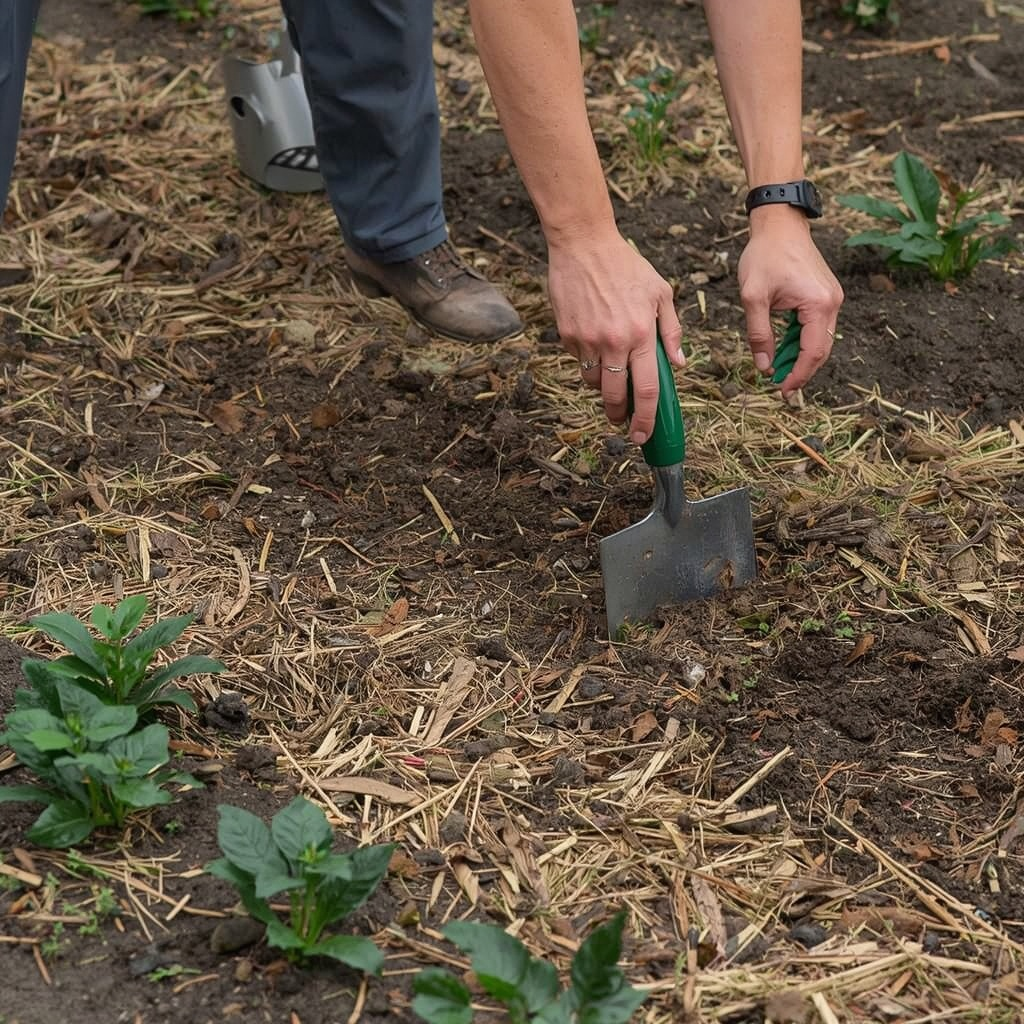
Mulching involves covering soil with organic materials like straw, leaves, or compost. This protective layer helps retain moisture, suppress weeds, and regulate soil temperature.
In compact garden rows, mulch reduces maintenance while improving soil health over time. It also allows plants to be spaced more closely since competition from weeds is minimized, creating a more productive and stable growing environment.
Mixed Fast and Slow Growth Planting Strategy
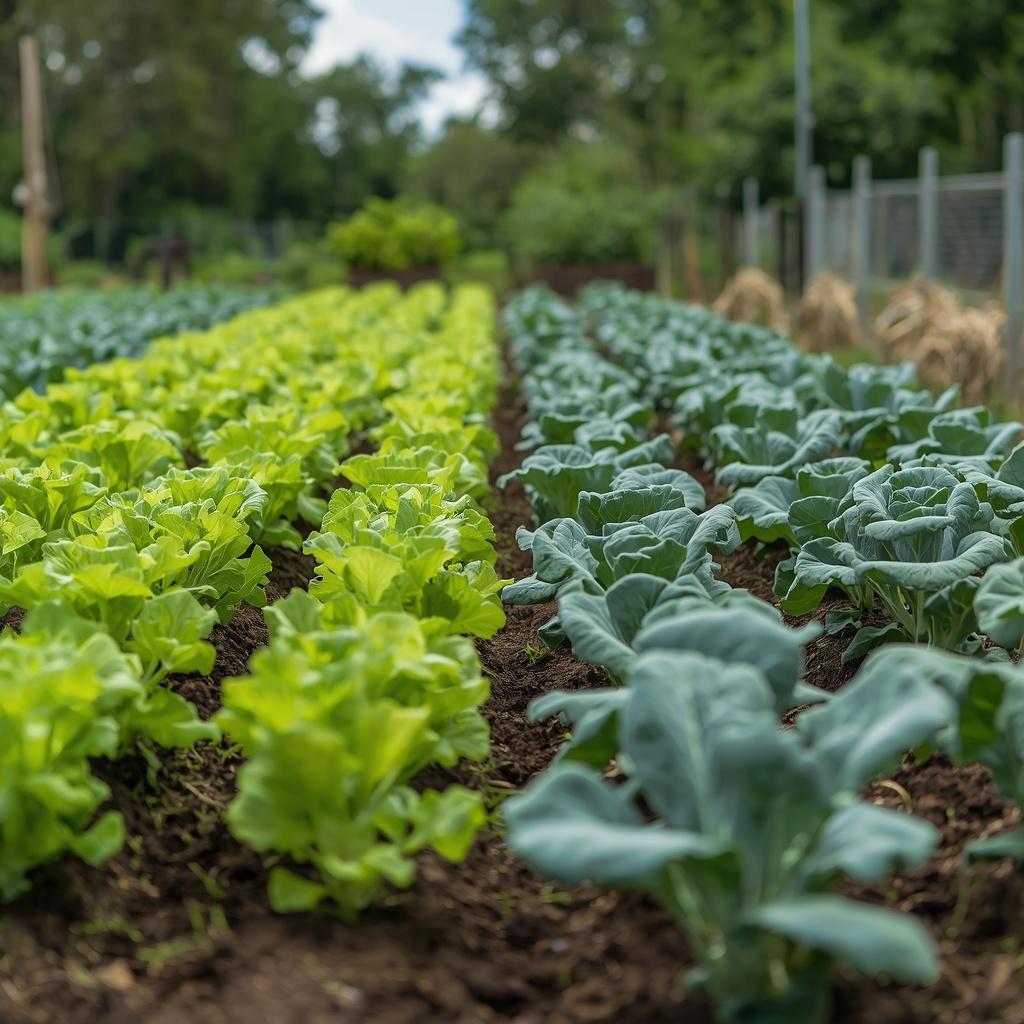
Combining fast-growing and slow-growing crops in the same row ensures continuous productivity. Quick crops like lettuce can be harvested early, leaving space for slower vegetables like broccoli to mature.
This method prevents empty soil periods and maximizes yield from every planting area. It also creates a balanced harvest schedule, providing both short-term and long-term food production from the same space.
Quick Harvest Leafy Green Gardening Rows
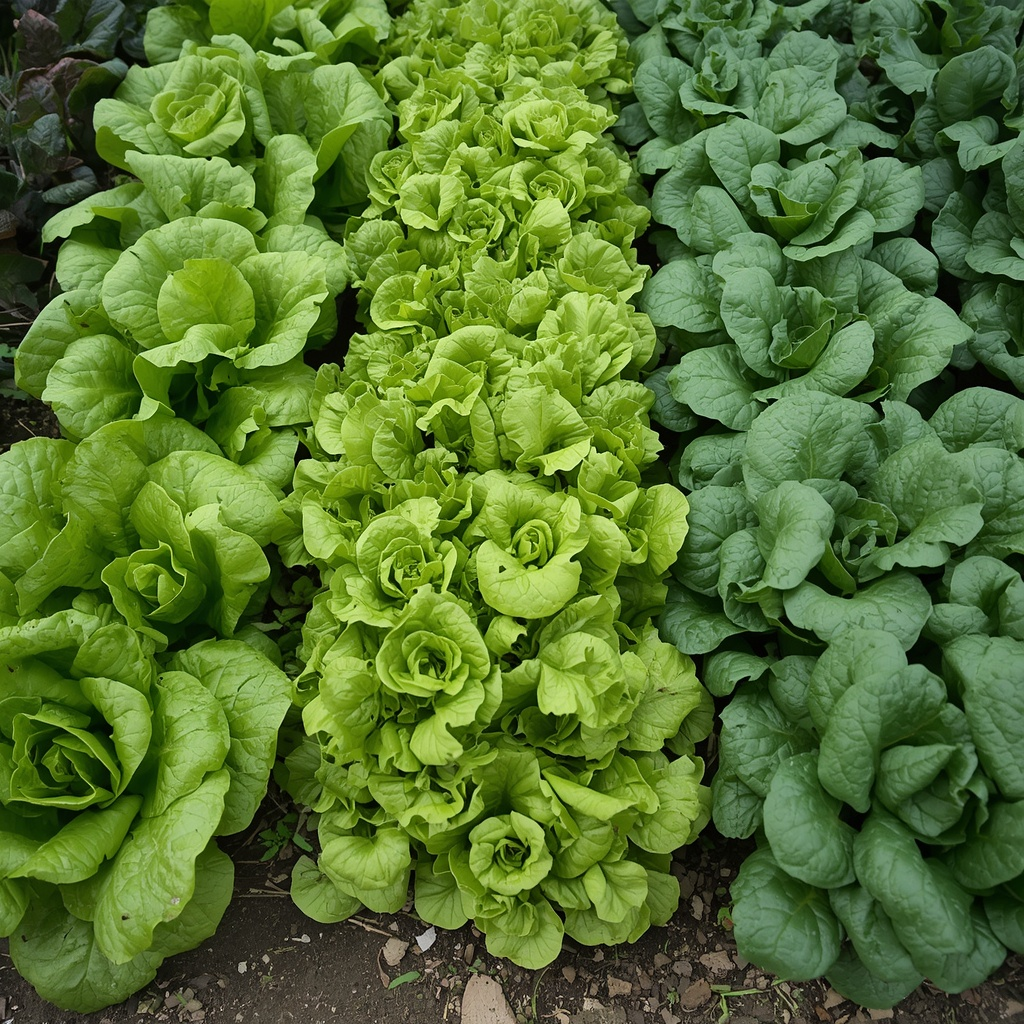
Leafy greens such as lettuce and spinach are ideal for quick-harvest gardening systems. These plants grow rapidly and can be harvested multiple times using a “cut and come again” method.
This approach is perfect for small gardens because it provides continuous fresh produce without needing large planting areas. Frequent harvesting also encourages regrowth, making these crops highly efficient and beginner-friendly.
Compact Root Vegetable Planting for Deep Growth
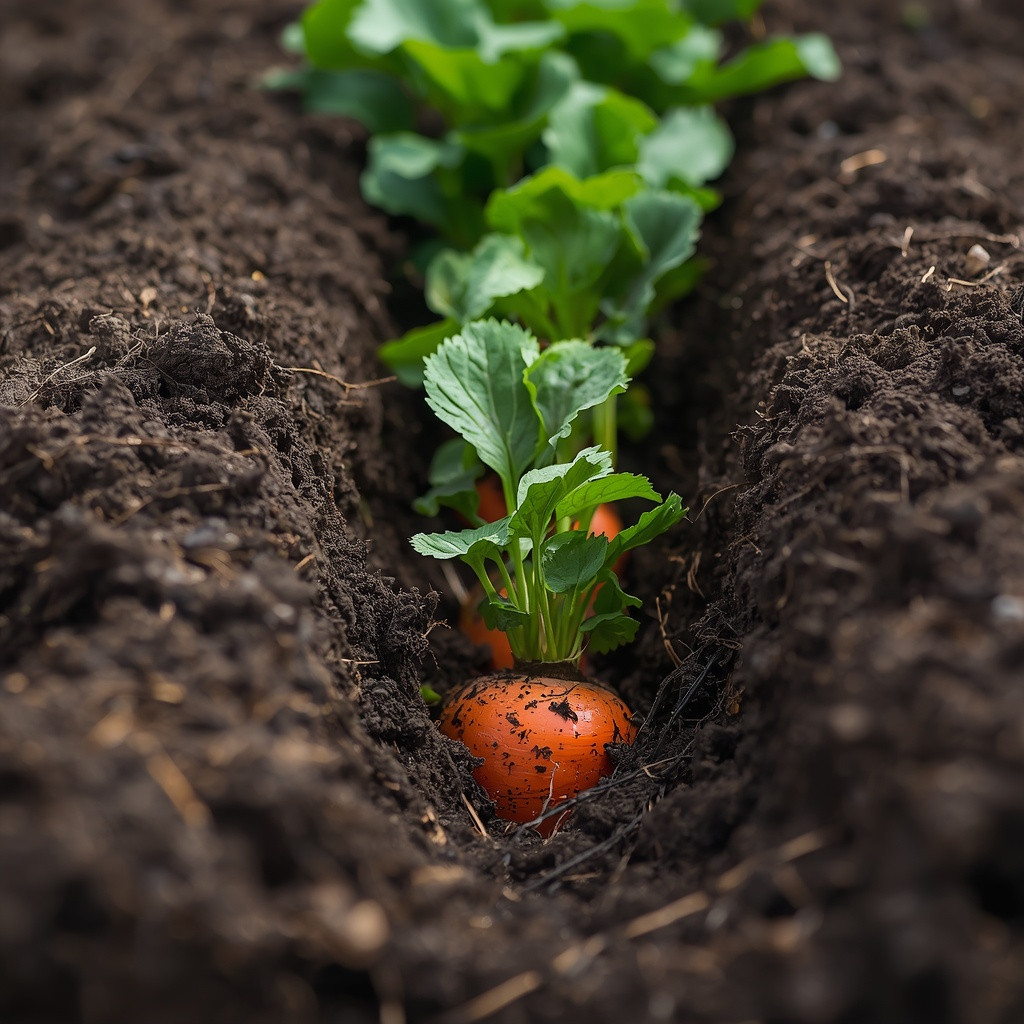
Root vegetables like carrots and beets thrive in narrow, deep rows where soil quality is well managed. These crops use vertical soil space rather than spreading outward, making them ideal for compact gardens.
Proper soil preparation ensures straight, healthy root development. Once harvested, these vegetables store well and provide long-term food value, making them a practical choice for small-scale but productive gardening.