
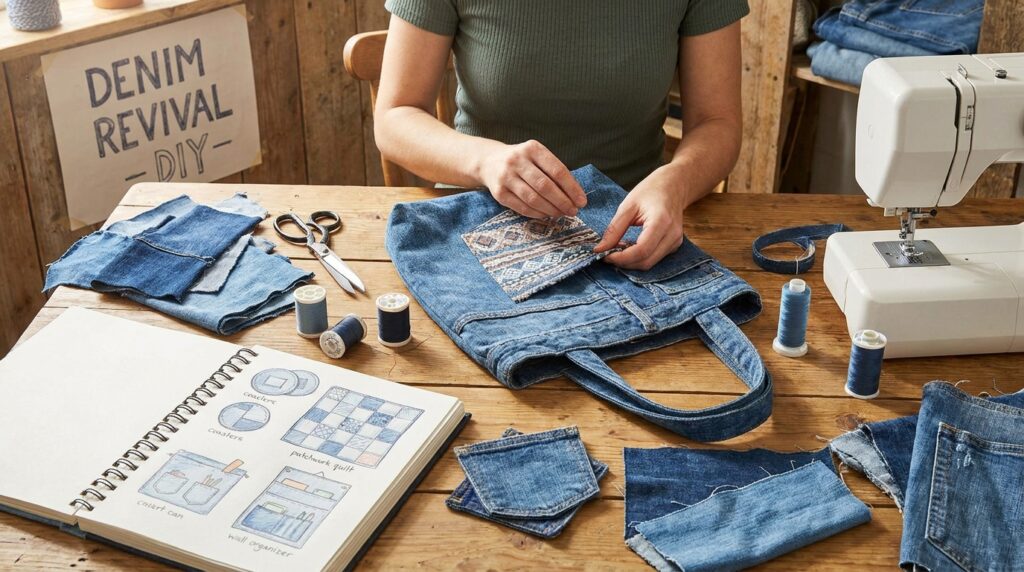
Old jeans don’t have to end up in the trash when they can be transformed into something useful and creative. Denim is a durable material with a familiar texture that works well for many DIY projects, from home decorations and organizers to accessories and thoughtful handmade gifts. Using worn jeans or leftover denim pieces can also be a simple way to give unused fabric a new purpose.
You can keep your project beginner-friendly or experiment with more detailed designs as your skills grow. If you have an old pair of jeans waiting in your closet, these denim craft DIY project ideas can inspire you to turn them into something practical and unique.
1. Turn Old Jeans Into a Distressed Denim Tote Bag
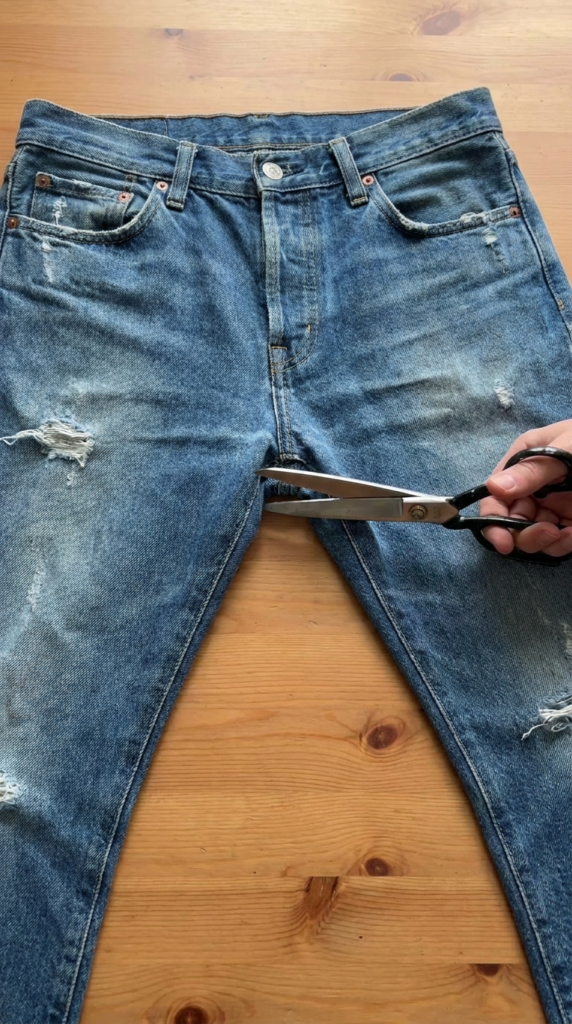
A worn pair of jeans can become a sturdy reusable tote with surprisingly little fabric preparation. Start by cutting across the jeans just below the crotch area, leaving the waistband and existing pockets intact. Turn the remaining section inside out and sew the bottom opening closed using a strong stitch suitable for heavy fabric.
For the handles, cut long strips from the unused denim legs or use sturdy fabric from the original seams. Reinforce the points where the straps attach to the bag because these areas will carry most of the weight.
One of the biggest advantages of this project is the pockets already built into the jeans. The original pockets can hold smaller belongings such as keys, a phone, sunglasses, or reusable shopping bags.
You can leave the denim in its original condition for a casual look or add patches, embroidery, fabric paint, or decorative stitching to personalize the tote. Before carrying heavy items, test the seams and handles to make sure they are securely attached.
2. Sew a Patchwork Denim Throw Pillow
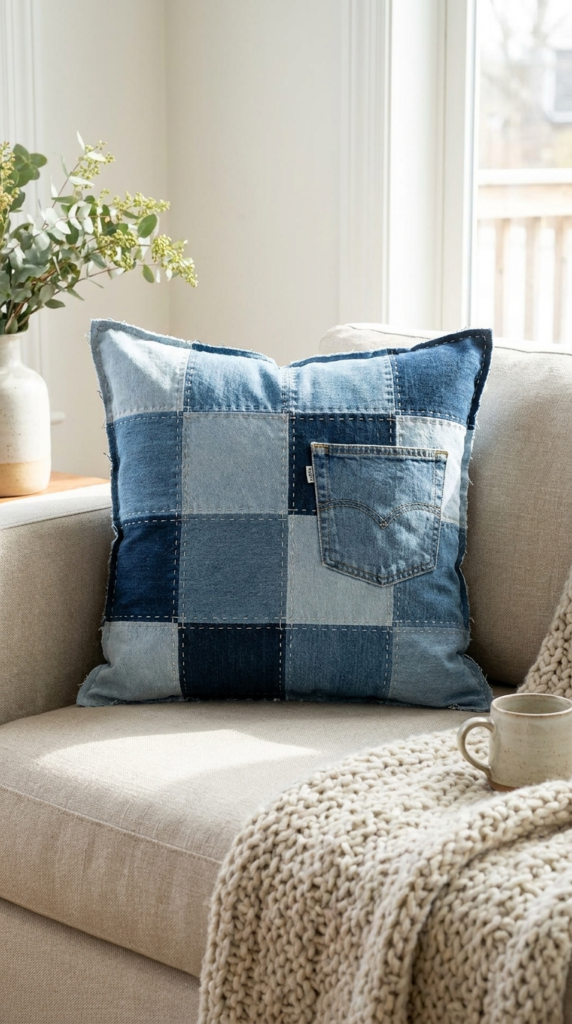
Save denim pieces from several pairs of jeans and combine their different shades into a patchwork pillow cover. Light blue, medium blue, and dark indigo denim can create an attractive pattern without requiring additional decorative fabric.
Begin by cutting the denim into similarly sized squares. Arrange the pieces on a flat surface before sewing so you can experiment with the placement of different washes.
Join the squares row by row and then sew the completed rows together. Add a simple envelope-style backing or install a zipper if you want a removable cover.
Denim is relatively sturdy, making it suitable for decorative pillows that receive regular use. However, older denim can vary considerably in thickness, so use a strong needle designed for heavier fabrics.
For an even more personalized result, add embroidered initials, simple geometric stitching, or a small patch to the finished pillow.
3. Weave Denim Coasters From Jean Scraps
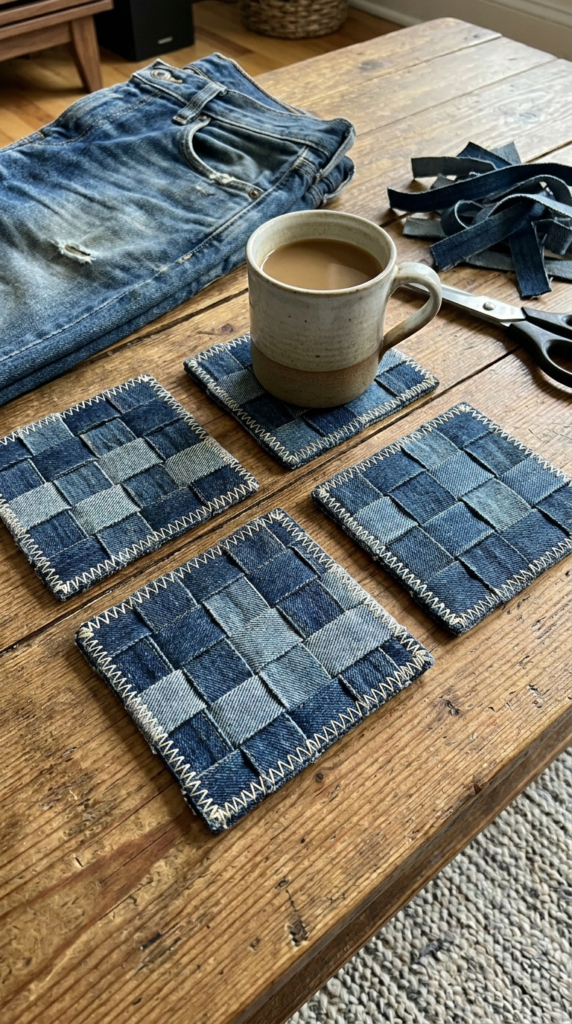
Small denim scraps can become useful coasters instead of ending up in the trash. Cut strips of denim into approximately equal widths, keeping the fabric pieces long enough to weave comfortably.
Arrange some strips vertically and weave additional strips horizontally through them to create a basic over-under pattern. Once the woven square or rectangle reaches the desired size, secure the edges with stitching or suitable fabric adhesive.
Trim any uneven threads and reinforce the corners so the coaster maintains its shape.
The multiple layers of denim provide a substantial surface for placing mugs and glasses. Since denim absorbs moisture, these coasters can be useful for catching condensation from cold beverages, although they should be allowed to dry fully between uses.
You can make a matching set from different shades of jeans for a casual table setting.
4. Make a Wall Organizer From Denim Pockets
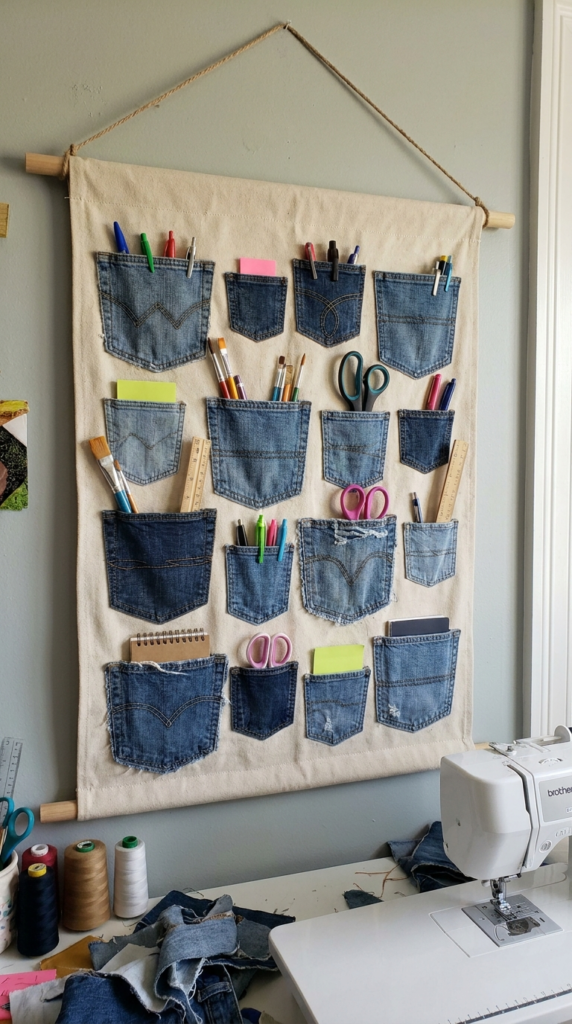
The pockets from old jeans are especially useful for organization because they are already shaped into convenient storage compartments. Carefully cut around the pockets while preserving enough surrounding fabric to attach them to a backing.
Use a sturdy piece of denim, canvas, or another strong textile as the organizer base. Arrange pockets in rows or staggered positions depending on the objects you plan to store.
Sew the pockets securely to the backing. Fabric adhesive can be useful for lightweight items, but stitching is preferable when the pockets will hold heavier supplies.
Attach the finished organizer to a wooden dowel or suitable wall-mounted support. It can be placed near a craft table, desk, sewing station, or entryway.
Use the compartments for pens, scissors, paintbrushes, measuring tools, notebooks, chargers, or other small household supplies. Combining pockets from different washes can also create an intentionally patchwork appearance.
5. Transform Jeans Into Lace-Trimmed Cutoff Shorts
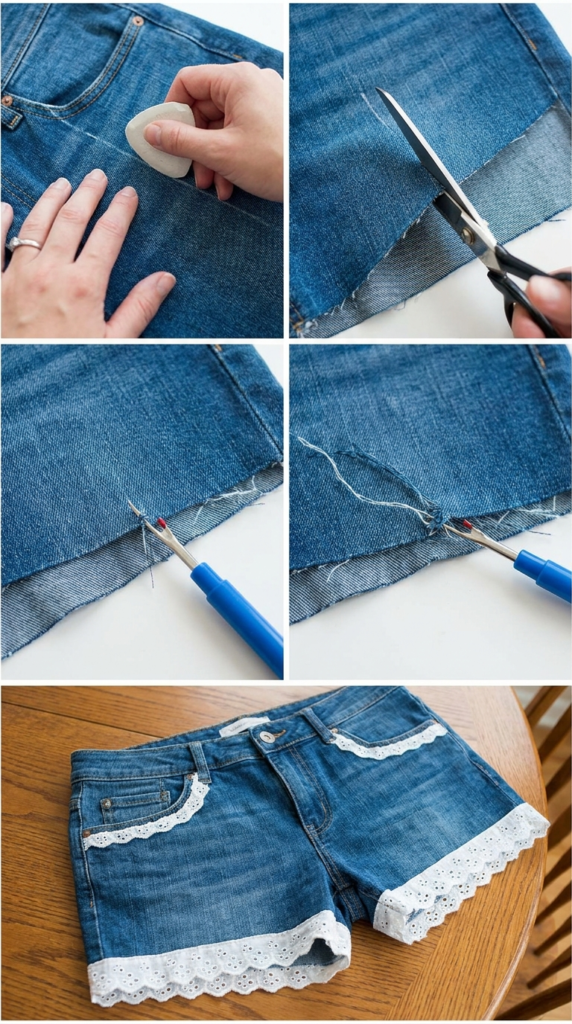
A pair of full-length jeans can be shortened into casual cutoff shorts. Before cutting, try the jeans on and mark the approximate finished length with tailor’s chalk or fabric-safe marking material.
Remove the jeans and place them on a flat surface. Cut each leg carefully, checking both sides to keep the lengths reasonably even. If you prefer a frayed appearance, gently loosen a few horizontal threads along the cut edge.
For a decorative finish, sew lace or another fabric trim along the bottom edge. You can also add trim around the pocket openings or use small embroidered details for additional decoration.
Always account for the amount of fraying or seam allowance you want before making the final cut. It is easier to shorten the shorts further than to restore fabric after it has been removed.
6. Create a Denim Journal or Notebook Cover
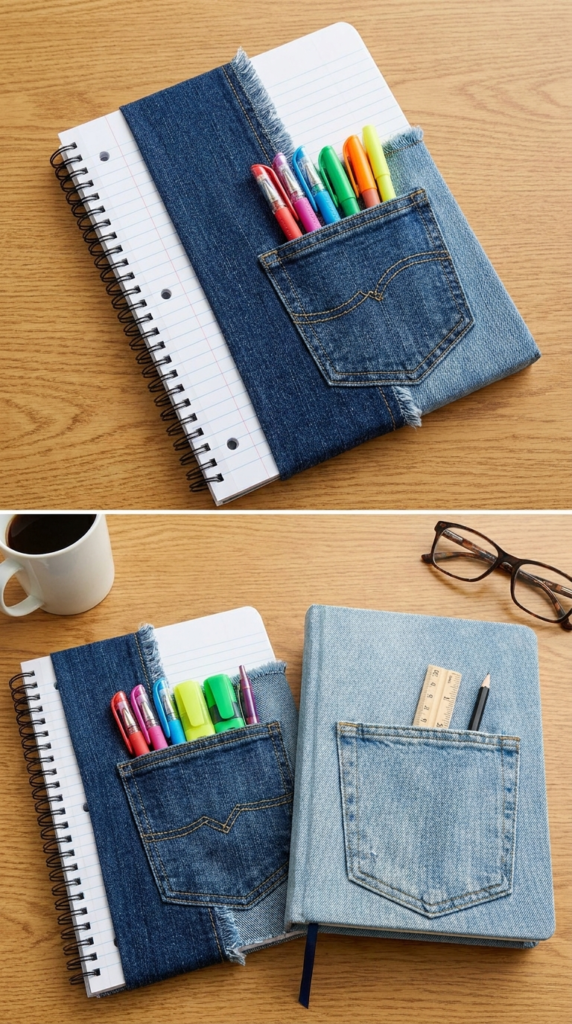
Turn an old pair of jeans into a soft fabric cover for a notebook, journal, planner, or sketchbook. Measure the closed book and cut a denim panel large enough to wrap around the front, spine, and back with extra fabric for the inside folds.
Fold the excess material inward and secure it with appropriate fabric adhesive or stitching. Make sure the cover remains flexible enough for the notebook to open comfortably.
A denim pocket can be attached to the front to create storage for pens, pencils, sticky notes, or other small stationery items. The original pocket can be especially useful because it already has reinforced stitching.
For a decorative finish, add embroidery, fabric patches, contrasting thread, or a simple denim label. A ribbon or piece of sturdy cord can also serve as a bookmark.
This project works particularly well for students, journal users, artists, and anyone who enjoys personalized stationery.
7. Make a Braided Denim Tug Toy for Dogs
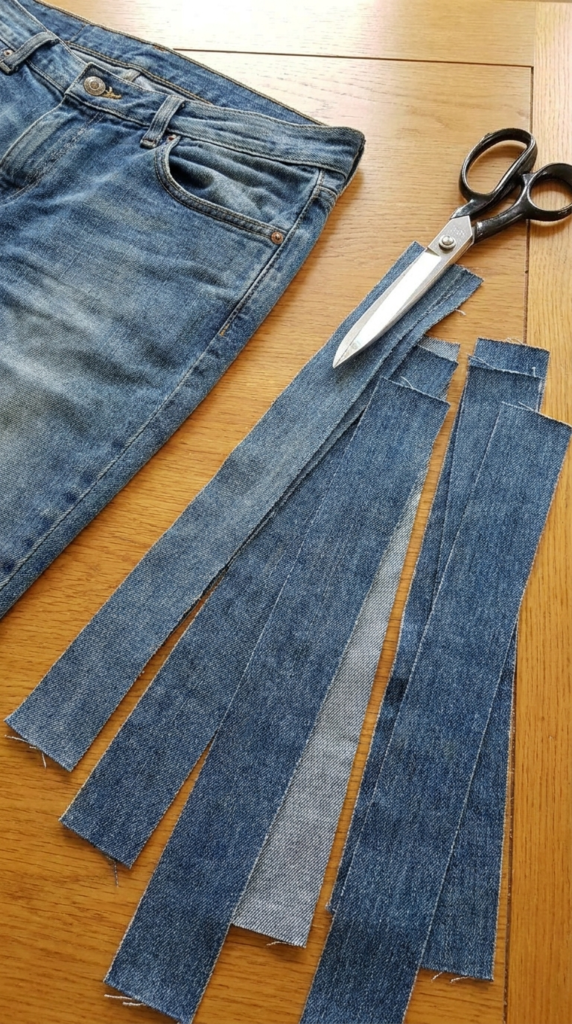
Long strips of old denim can be braided into a simple tug toy, but this project requires careful attention to your pet’s safety. Cut several long strips from sturdy sections of clean denim and inspect them for weak areas before beginning.
Group three strips together and tie a secure knot at one end. Braid the strips tightly and finish with another substantial knot.
Keep the braid compact so there are fewer loose edges for a dog to pull apart. Before giving the toy to a pet, inspect every section for fraying, loose threads, or areas where the fabric is beginning to separate.
Dogs vary considerably in chewing strength, so no homemade fabric toy should be considered indestructible. Supervise play and remove the toy immediately if pieces begin coming loose or if your dog starts swallowing fabric or threads.
Making several smaller braids can also give you a way to use up denim scraps that are too small for other projects.
8. Make a Denim Plant Pot Cover
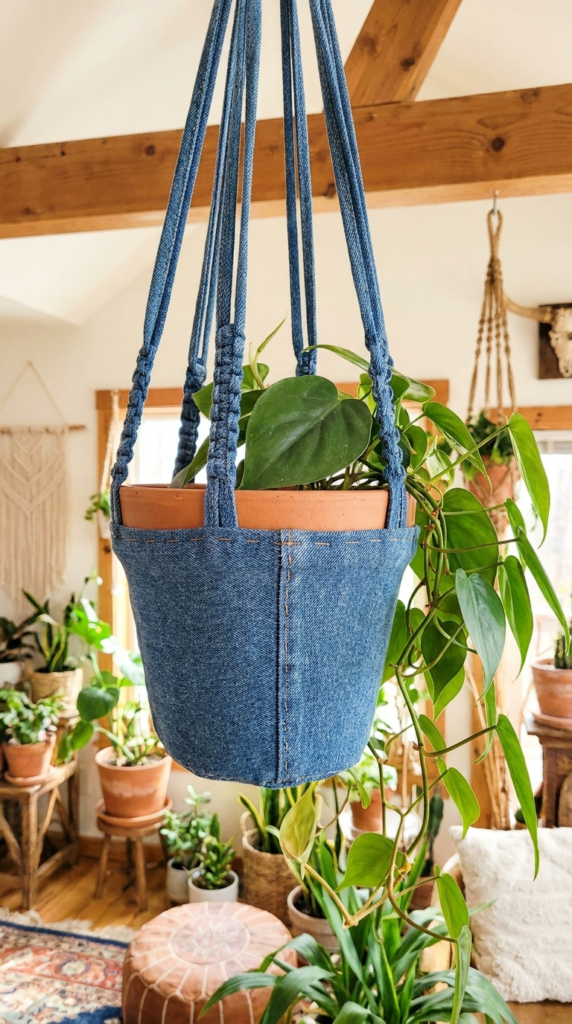
Give a plain planter a casual makeover with a sleeve made from an old pair of jeans. A section of the jean leg can often provide enough fabric to cover the outside of a small or medium planter.
Measure the circumference and height of the pot before cutting. Leave enough material for an overlapping seam or folded edge.
Secure the denim sleeve with stitching or a suitable adhesive. For a decorative hanging version, add strong fabric straps or a separate plant hanger designed to support the combined weight of the pot, soil, and plant.
Keep denim away from areas where water regularly accumulates. A waterproof inner pot or saucer can help prevent the fabric from remaining damp.
The deep blue color of denim pairs particularly well with green foliage and neutral-colored furniture.
9. Sew a Repurposed Denim Apron
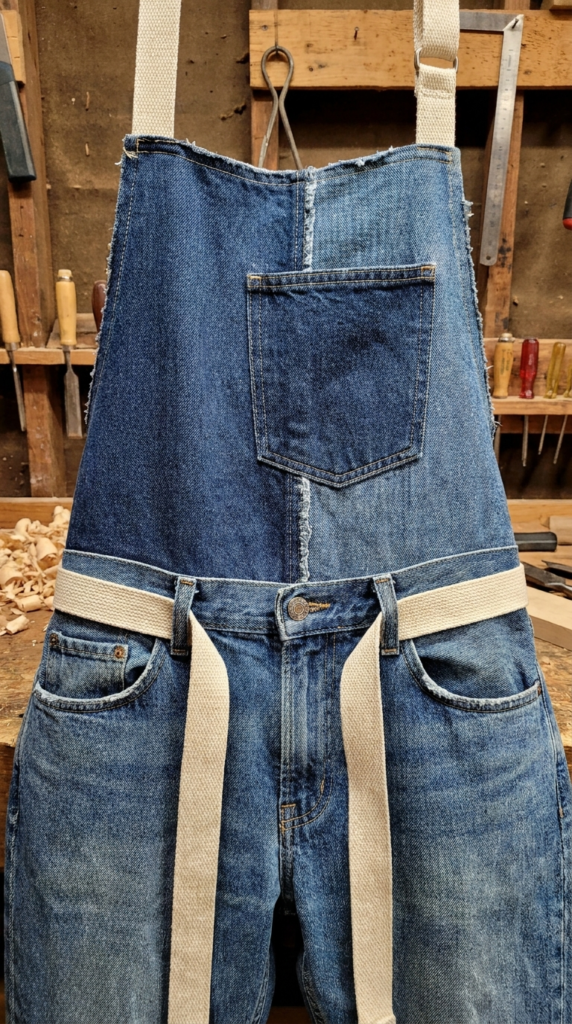
A sturdy pair of jeans can provide much of the material needed for a practical apron. The waistband and existing pockets can become useful features, while additional denim pieces can be added to provide more coverage.
For a simple waist apron, preserve the original waistband and front pockets while removing unnecessary sections of the legs. If you want a bib-style apron, attach a separate denim panel above the waist area and reinforce the seams.
The existing jean pockets are particularly convenient for holding small tools, cloths, measuring spoons, paintbrushes, or gardening supplies.
Denim is durable, but it should not be treated as protective equipment against serious hazards. For cooking, use appropriate heat-resistant protection when handling hot cookware, and for workshops, wear equipment specifically designed for the task.
A finished denim apron works well for gardening, crafting, light household projects, or casual kitchen activities.
10. Create Textured Denim Wall Art
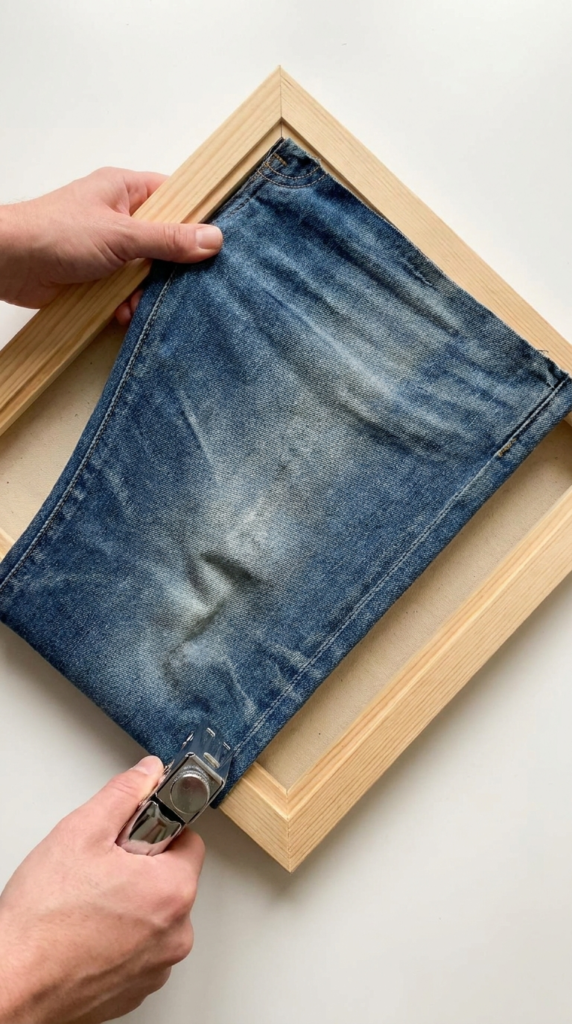
Denim can serve as an alternative to traditional canvas for a simple wall-art project. Select a clean piece of denim and stretch it over a wooden art frame.
Pull the fabric evenly and secure it along the back using suitable staples. Avoid leaving large wrinkles across the front because they can make painting more difficult.
Once the fabric is secured, create a design using fabric paint or another medium specifically suitable for denim. Simple leaves, geometric shapes, abstract patterns, initials, or botanical silhouettes can all work well.
You can combine several denim shades to create a layered textile collage. Pockets, belt loops, seams, and contrasting stitching can also become intentional parts of the composition.
Display the finished piece on its own or arrange several smaller denim panels together to create a coordinated gallery wall.
11. Make Denim Scrunchies and Headbands
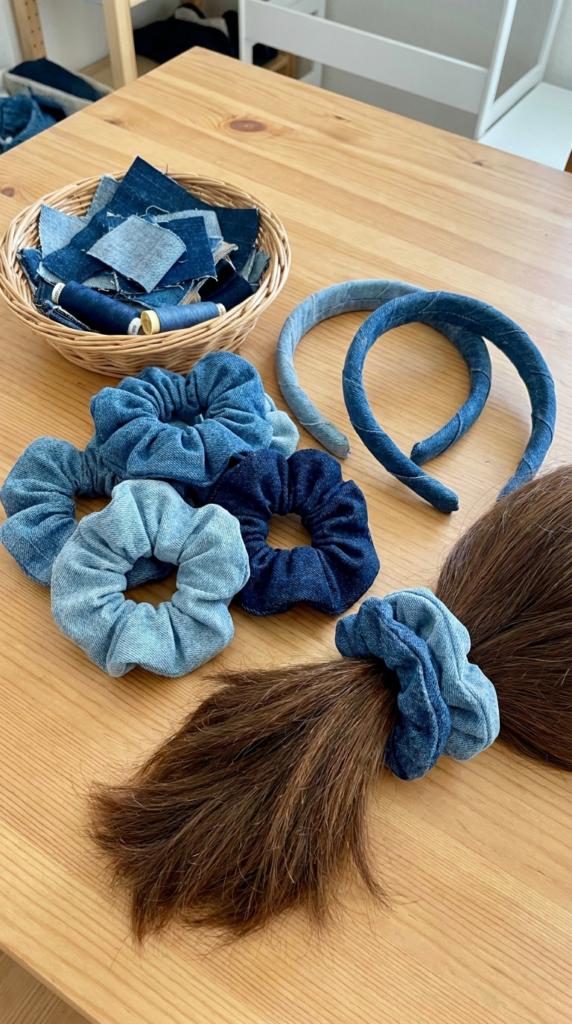
Small pieces of lightweight denim can be turned into reusable hair accessories. For a basic scrunchie, cut a long rectangular strip and fold it lengthwise with the right sides facing inward.
Sew along the long edge to create a fabric tube. Turn the tube right-side out, thread elastic through it, secure the elastic ends, and close the remaining opening.
Because denim is thicker than many fabrics commonly used for scrunchies, lightweight or softer denim is generally easier to work with.
For a headband, wrap or sew denim around a suitable headband base. Add stitching, patches, small bows, or contrasting fabric for decoration.
Different denim washes can create a coordinated collection. Scraps from the same jeans can also be matched with the original pockets or seams for a consistent upcycled look.
12. Build a Rustic Denim Wreath
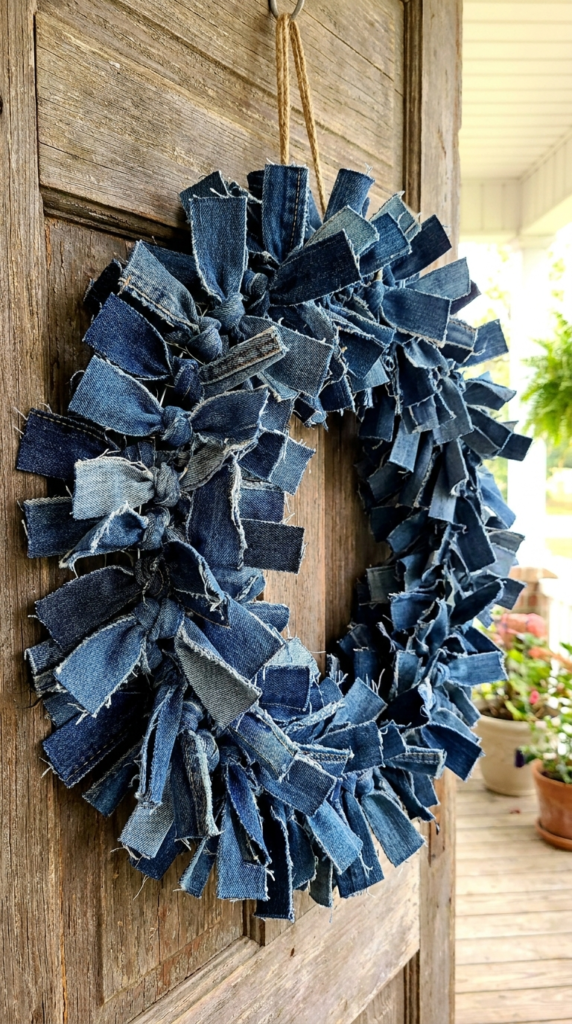
A denim wreath is an easy way to use numerous small scraps from old jeans. Start with a wire wreath frame or another suitable circular base.
Cut denim into similarly sized strips or rectangles. Tie the pieces around the frame one at a time, positioning them closely together until the base is covered.
Mix several shades of denim to create a layered effect. You can leave the edges raw for a relaxed appearance or trim loose threads for a cleaner finish.
Add seasonal decorations such as artificial leaves, dried-looking florals, ribbons, wooden ornaments, or small fabric bows. For a year-round wreath, keep the decoration simple and let the denim remain the main feature.
Before hanging it outdoors, consider how the denim will respond to moisture and direct sunlight. An indoor entryway or covered porch can help preserve the fabric.
13. Sew a Denim Bottle Gift Bag
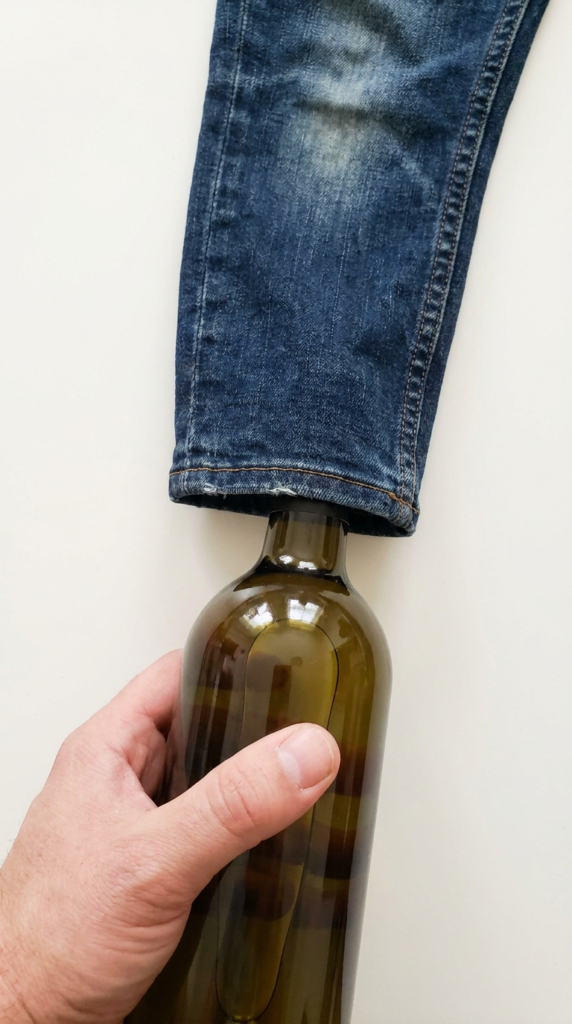
A narrow section of a jean leg can be transformed into a reusable bottle bag. Measure the bottle first and select a piece of denim that is wide enough to fit around it comfortably.
Cut the fabric to the desired length, leaving additional material for the bottom seam. Sew across the lower edge and reinforce the seam so the bottle has a secure base.
If the original jean hem is used at the top, the bag can have a naturally finished opening. Add a denim handle, cotton cord, or ribbon around the top if you want the bag to be easier to carry.
Decorate it with a fabric bow, patch, embroidery, or contrasting stitching.
The bag can be reused for appropriate bottle-shaped gifts and helps replace disposable wrapping for future occasions. Always check that the finished bottom seam is strong enough before placing a heavy glass bottle inside.
14. Make Placemats From Denim Jean Seams
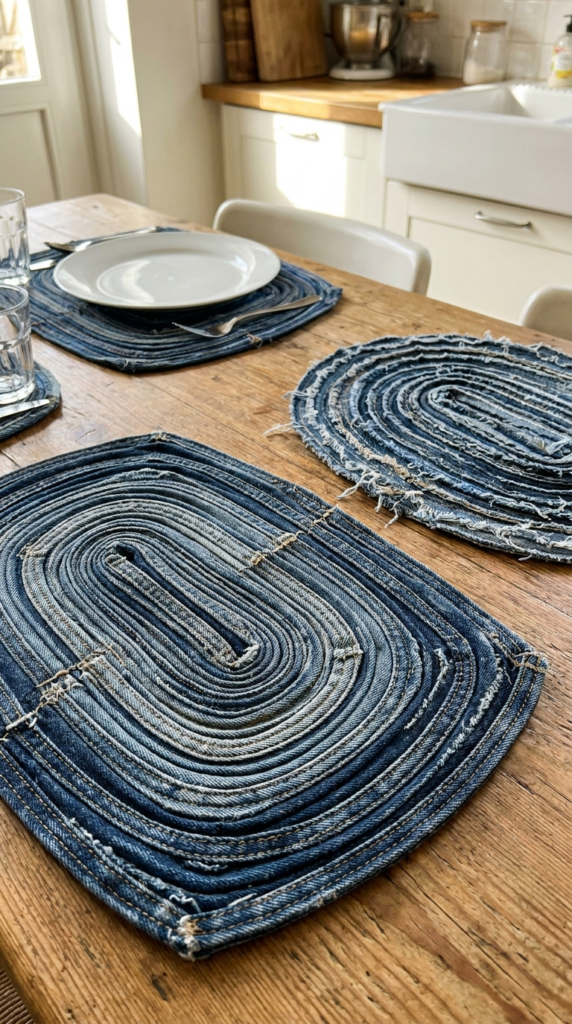
The thick seams removed from old jeans can become an interesting material for textile placemats. Collect several long seam sections and arrange them into a rectangular, oval, or circular shape.
Coil the seams closely together and secure adjacent sections with strong stitching. Depending on the thickness of the material, a sewing machine with an appropriate needle may make the process easier.
The visible stitching and layered denim create a distinctive industrial texture. You can use contrasting thread to emphasize the individual seams or matching thread for a more understated appearance.
For dining use, remember that denim and thread are fabric materials rather than heatproof kitchen equipment. Use them beneath dishes only when the materials and construction are appropriate for the temperature involved.
Washable denim also makes these mats convenient for casual everyday use, provided the finished construction can withstand laundering.
15. Create a Chunky Denim Area Rug
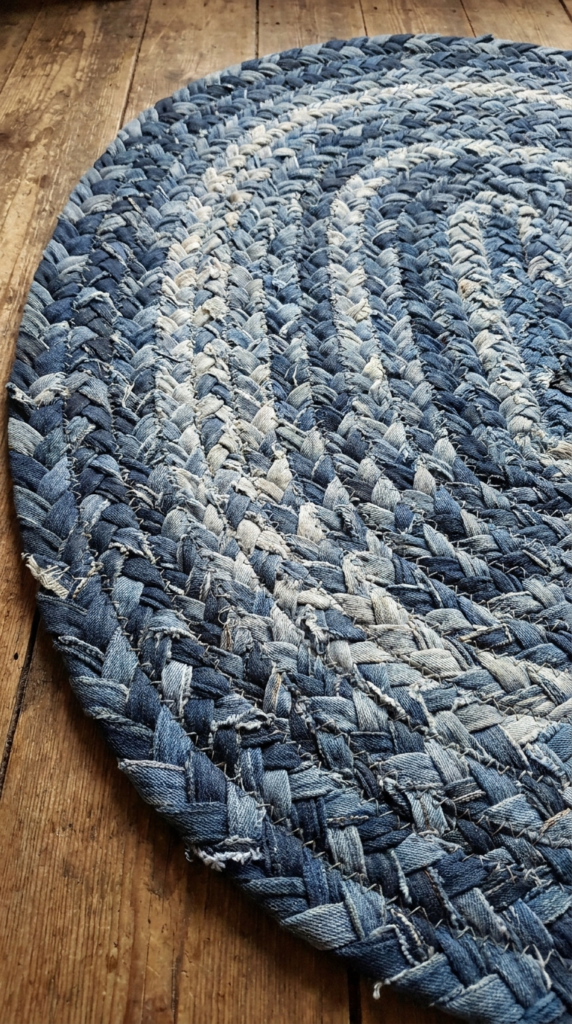
A large collection of worn-out jeans can be transformed into a substantial braided rug. This project requires more fabric and time than most of the smaller denim crafts, but it can make use of a significant amount of clothing that might otherwise be discarded.
Begin by cutting the jeans into long strips of relatively consistent width. Sew or knot the strips together end to end to create longer continuous strands.
Take three strands and braid them together, maintaining consistent tension as you work. Once the braid is long enough, begin coiling it into an oval, circle, or another shape.
Secure neighboring rows with strong stitching as you continue building the rug. Keep the stitching frequent enough that the rug remains flat rather than separating between the coils.
For additional safety, place a nonslip rug pad underneath the finished piece, particularly on smooth flooring. This can help keep the rug from sliding during everyday use.
A denim rug can bring together different shades of blue, visible seams, and varying textures, giving the finished piece a distinctly upcycled appearance while making practical use of old jeans.