
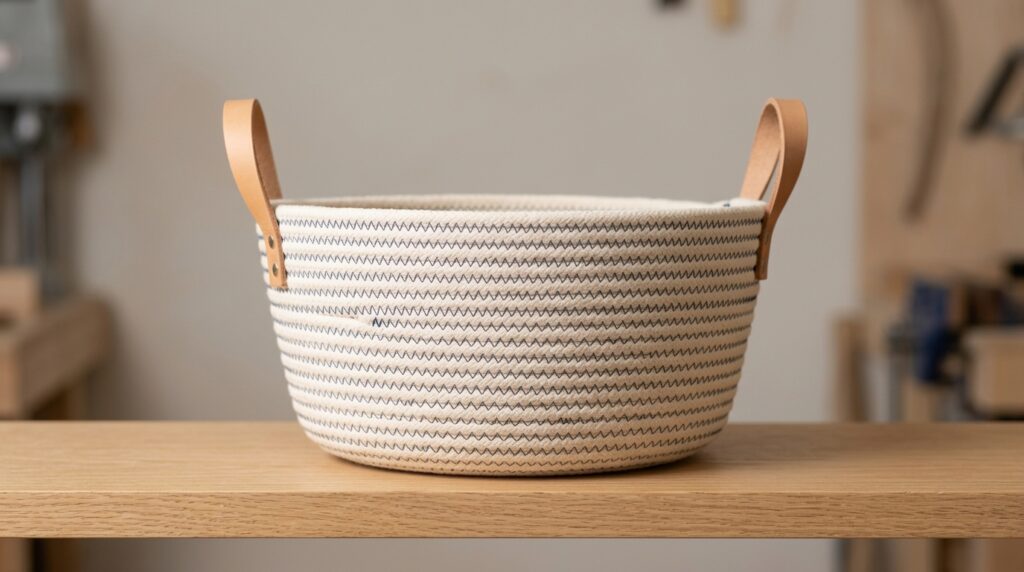
Rope can be a surprisingly versatile material for creative projects, especially when you want to add texture and a natural, handmade feel to your crafts. From simple decorative pieces to useful organizers and playful creations, there are many ways to transform rope with a little imagination.
Different colors, thicknesses, and materials can also create completely different looks, making it easy to adapt each project to your personal style. Whether you’re crafting with kids, refreshing your home decor, or looking for an enjoyable weekend project, these smart rope craft ideas offer plenty of inspiration. Gather some rope and basic supplies, and get ready to create something unique.
1. Make Rustic Nautical Rope Coasters
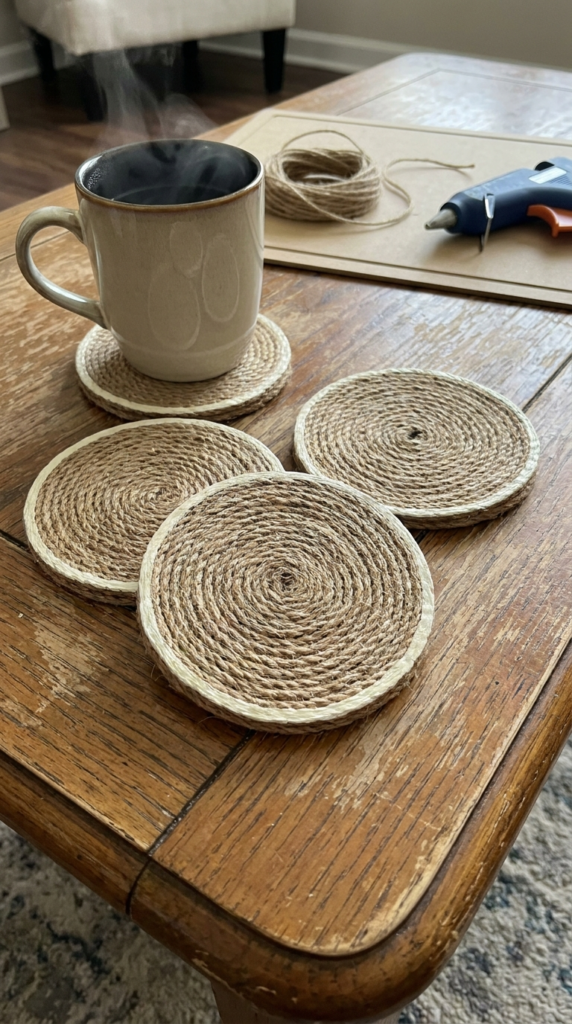
Jute or cotton rope can be transformed into simple circular coasters with a warm, natural appearance. Start by choosing a rope that is thick enough to hold its shape but still flexible enough to coil easily.
Begin at one end and slowly wind the rope into a tight spiral. Add small amounts of craft adhesive between the layers as you work, making sure each section sits firmly against the previous one. Continue until the coaster reaches your preferred size.
For additional decoration, paint the outer edge after the adhesive has fully dried. You can also leave the natural rope color untouched for a neutral coastal look.
These handmade coasters are useful for placing beneath mugs, glasses, or small plant containers. If you plan to use them around drinks, allow all adhesive and paint to cure completely first.
2. Turn a Plain Wastebasket Into a Woven Rope Basket
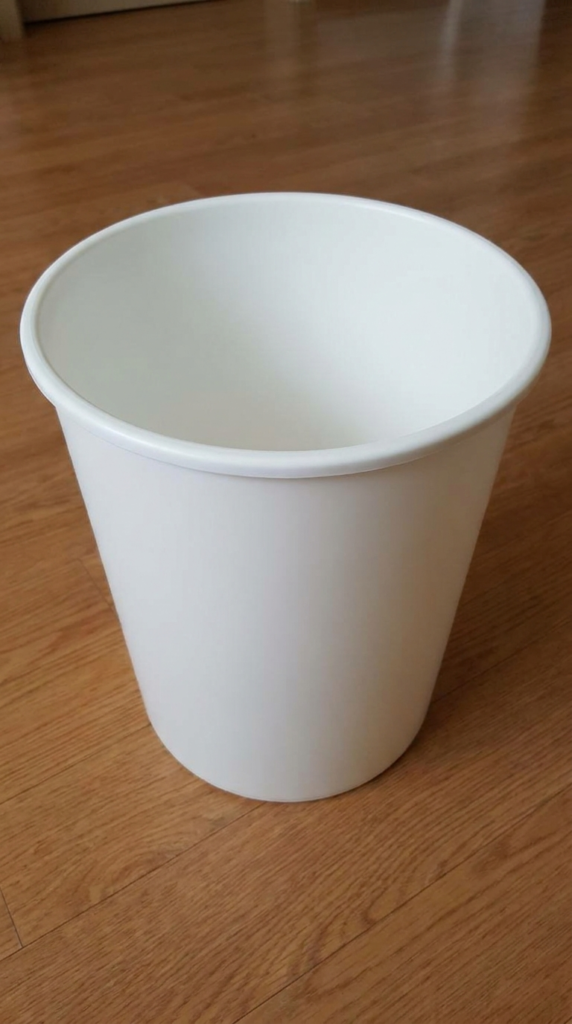
A basic plastic wastebasket can become a more decorative storage container with the addition of thick cotton rope. This project is especially useful when you want to coordinate inexpensive household items with the rest of your room.
Start with a clean, dry container and decide where the rope should begin. Apply adhesive in small sections rather than covering the entire surface at once. Wrap the rope around the container, keeping each row close to the previous one.
Continue working upward until the plastic is covered or until you reach the height you want. You can leave the inside of the basket uncovered so the original liner remains easy to clean.
Natural-colored rope works well in bathrooms, bedrooms, offices, and entryways. For a more customized appearance, use colored rope or alternate two complementary shades.
3. Give Plant Pots a Natural Rope Makeover
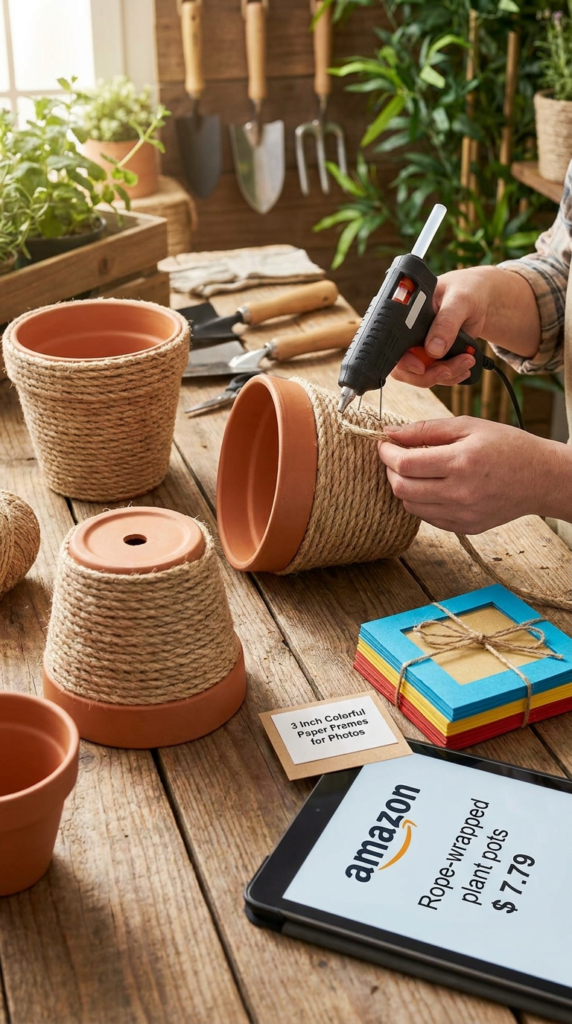
Plain terracotta planters have a classic appearance, but wrapping the outside with sisal or jute rope can give them a more textured finish. This is an easy way to change the appearance of containers without replacing them.
Clean the outside of the pot and let it dry completely before starting. Apply adhesive in small areas and wrap the rope around the pot in even rows.
You can cover the entire exterior or stop halfway to create a combination of exposed terracotta and natural rope. Another option is to wrap only the upper rim for a subtle accent.
Keep the rope away from drainage openings and avoid covering areas where excess water regularly collects. For indoor plants, a separate saucer can help prevent moisture from reaching the rope-covered surface.
4. Build a Hanging Rope Shelf
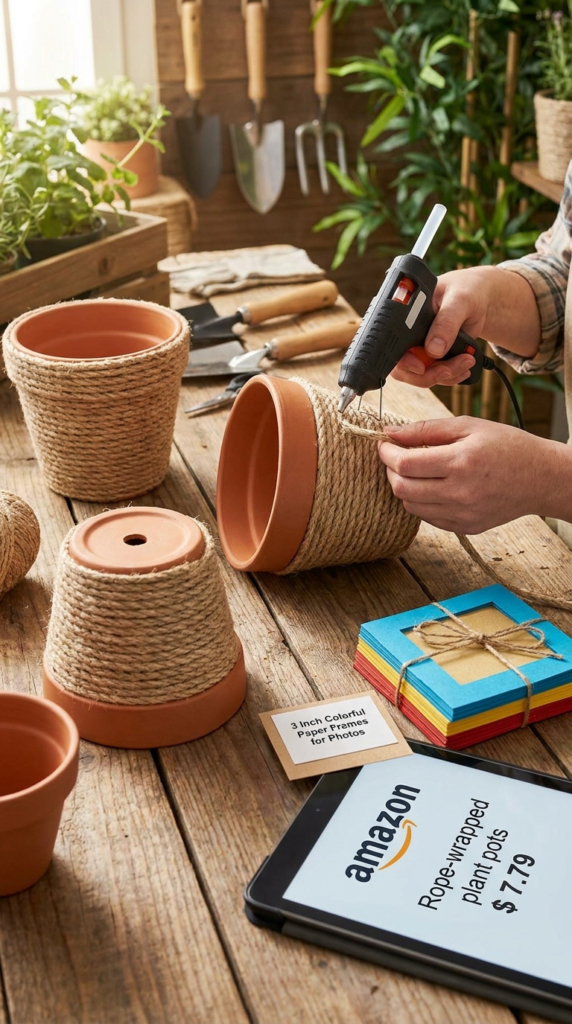
A few wooden boards and sturdy rope can be combined to make a suspended display shelf. This project works particularly well when you want to use vertical wall space for lightweight decorative objects.
Choose boards that are appropriate for the items you intend to display. Mark matching holes near the corners of each board and drill them carefully.
Thread strong rope through the openings and secure the boards with substantial knots beneath each level. Multiple boards can be arranged at equal intervals to create a tiered shelf.
Before placing anything on the finished shelf, make sure the mounting hardware and rope are properly secured. Use an appropriate wall or ceiling anchor for the surface and avoid exceeding the capacity of the materials.
Lightweight plants, small books, framed photographs, and decorative objects can work well on this type of shelf.
5. Create a Textured Jute Rope Mirror Frame
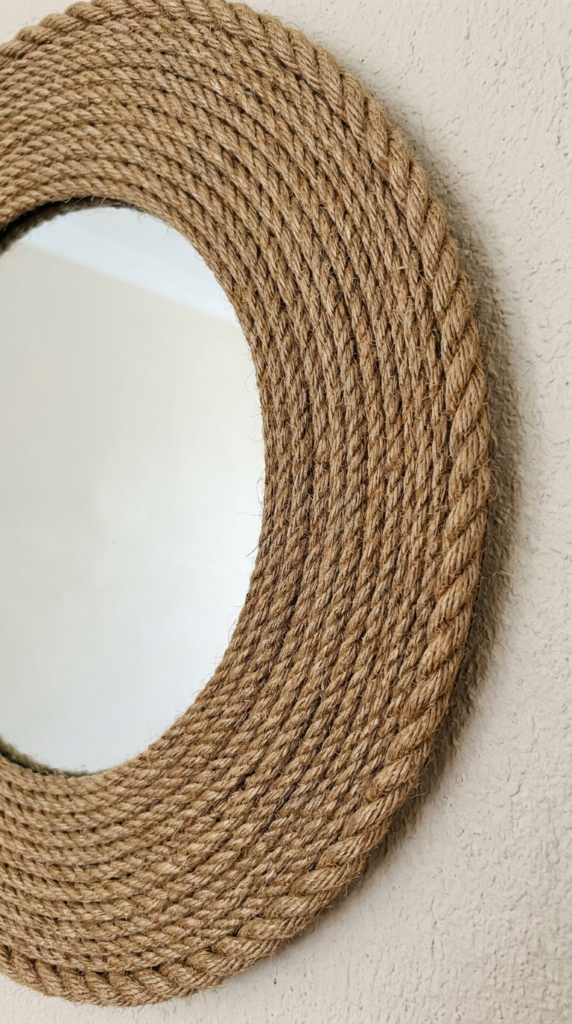
A frameless round mirror can become a decorative focal point with a rope border. Jute provides a natural texture that works particularly well with coastal, rustic, farmhouse, and bohemian-inspired interiors.
Start by measuring the outer edge of the mirror so you know how much rope is needed. Cut the rope only after allowing a little extra length for adjustments.
Create one or several concentric rows around the mirror’s perimeter. Apply adhesive carefully to the backing or outer frame area rather than placing glue directly on the reflective surface.
For a more elaborate design, braid several strands together before attaching them. You can also combine different rope thicknesses to create layers of texture.
Allow the adhesive to cure completely before moving or hanging the mirror. Use appropriate mounting hardware based on the mirror’s weight.
6. Make Thick Rope Curtain Tiebacks
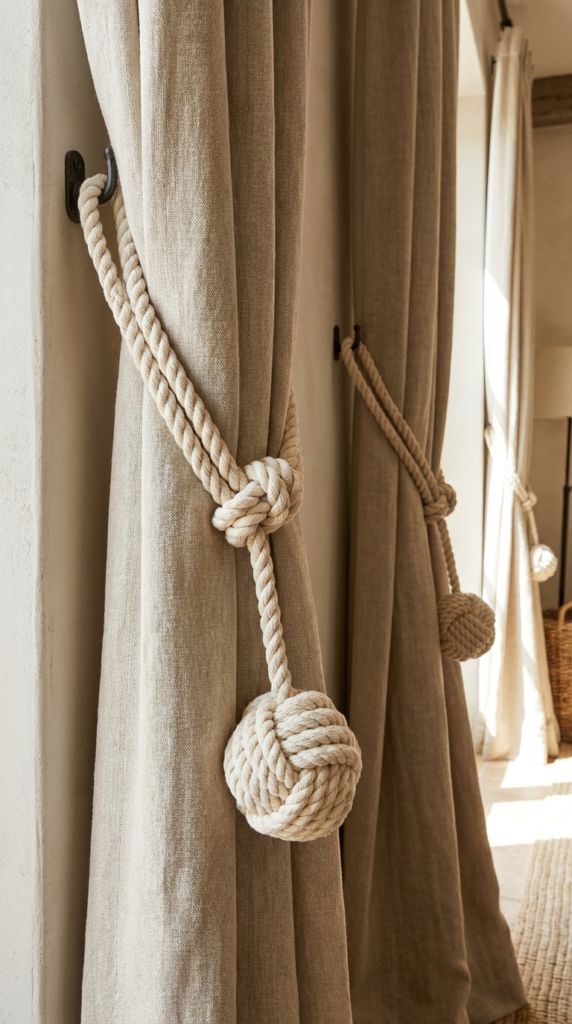
Replace ordinary curtain holdbacks with decorative rope loops for an easy window treatment update. Thick cotton or nautical rope can add visual weight without requiring a complete change to the curtains.
Measure enough rope to form a comfortable loop around the curtain panel. Secure the ends with strong knots or decorative finishing techniques.
For an eye-catching detail, create a large decorative knot at the end of each tieback. A monkey-fist-style knot can provide a substantial appearance, although beginners may want to practice the technique with scrap rope first.
Install sturdy wall hooks at matching heights on both sides of the window. The finished tiebacks work especially well with linen, cotton, canvas, and other lightweight-to-medium-weight curtains.
Make sure the wall hardware is properly anchored before placing tension on the rope.
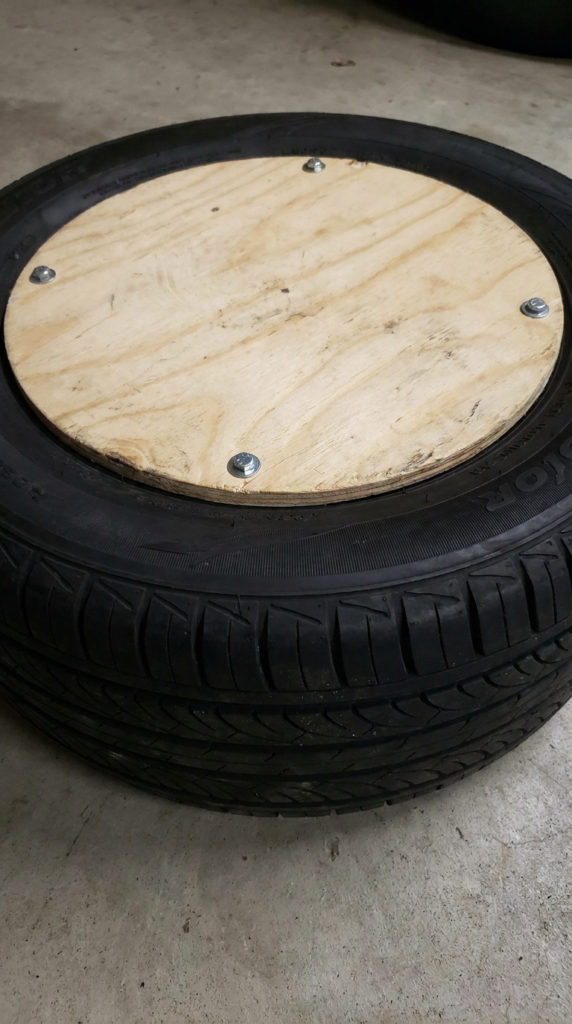
7. Turn an Old Tire Into a Rope-Wrapped Ottoman
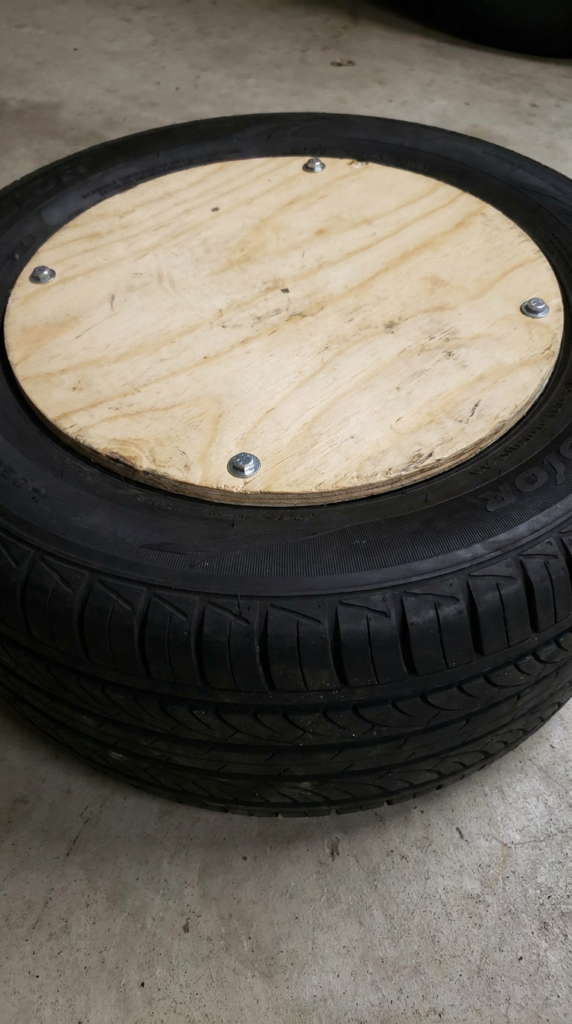
An old tire can serve as the structural base for a creative rope-covered ottoman. This project requires more tools and materials than smaller rope crafts, but it can create a substantial piece of furniture.
Thoroughly clean and dry the tire before beginning. Two circular pieces of plywood can be attached to the top and bottom openings to create a stable structure.
Once the base is secure, begin wrapping thick sisal or manila rope around the tire. Apply adhesive gradually and press each section firmly into place. Work in consistent rows so the rubber underneath becomes fully concealed.
After the outside is covered, allow the adhesive to cure according to the product instructions. Add a cushion or upholstered top if you want to use the piece as a footrest or occasional seat.
Because tires can be heavy, make sure the finished ottoman is stable before using it. A clean, well-prepared tire is also important when repurposing it for indoor furniture.
8. Replace Cabinet Knobs With Rustic Rope Handles
Rope can provide an inexpensive alternative to traditional drawer pulls. This project is especially suitable for wooden cabinets, dressers, storage boxes, and furniture with existing hardware holes.
Remove the original handles and measure the distance between the holes. Cut equal lengths of soft cotton rope for each new pull.
Thread the rope through the existing openings and secure the ends from the inside with sturdy knots. Leave enough rope between the holes to create a comfortable handle.
For a coordinated furniture makeover, use the same rope on several drawers or cabinets. You can also combine natural rope with painted wooden furniture for a casual coastal or rustic appearance.
Before using the drawers regularly, test each handle with gentle pressure to make sure the knots remain secure.
9. Weave a Durable Rope Doormat
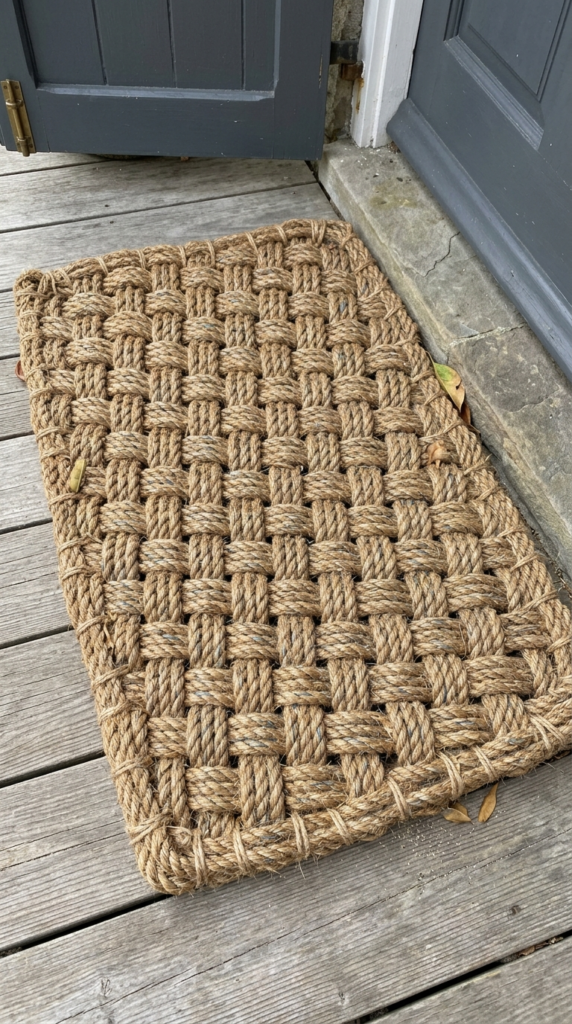
Thick rope can be arranged into a decorative entry mat that adds texture to an entrance. Synthetic marine-style rope can be useful for areas exposed to occasional moisture because it is generally more resistant to water than many natural fibers.
Choose a knot or weaving pattern and practice it with a short length of rope before starting the entire mat. Keeping the tension consistent will help the finished piece maintain an even shape.
Create the mat on a flat work surface and regularly check that the edges remain straight. Depending on the design, the ends can be tucked underneath or secured using suitable adhesive.
For an outdoor mat, choose rope specifically designed for outdoor conditions. Natural fibers may absorb moisture and weather differently from synthetic materials.
A handmade rope mat can be used near an entryway, covered porch, mudroom, or other area where a textured decorative surface is useful.
10. Create a Macrame-Inspired Rope Lampshade
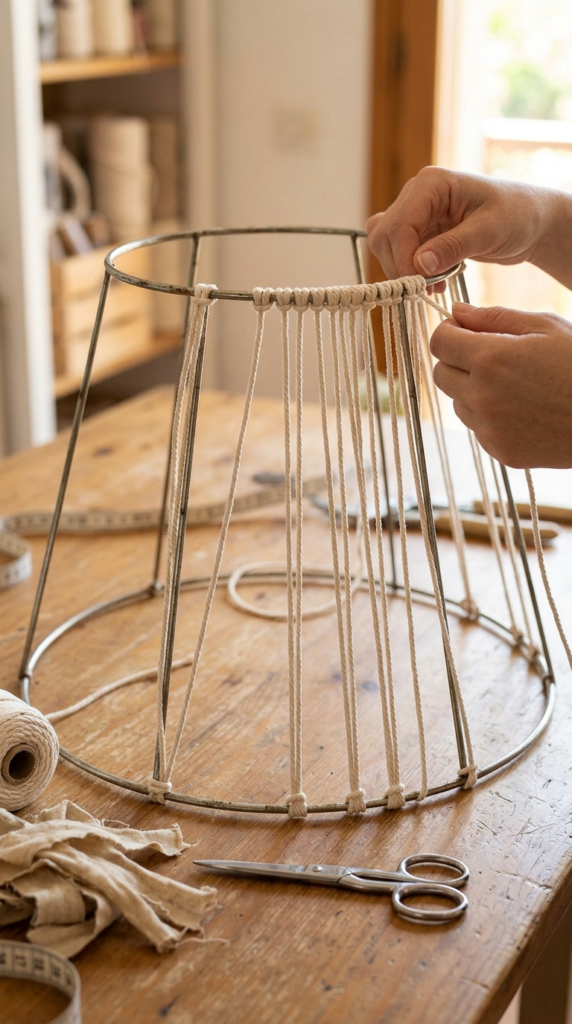
A simple lampshade frame can serve as the foundation for a decorative rope covering. Instead of completely enclosing the frame, use cotton cord to create an open pattern that allows light to pass through.
Wrap the upper and lower sections of the frame with rope and secure the cord at appropriate points. Then create vertical lines, knots, or repeating geometric patterns between the rings.
The open structure can cast interesting patterns when the lamp is switched on. However, heat and electrical safety should be the priority.
Use only materials that are appropriate for the temperature and type of light fixture, and keep rope, fabric, and other combustible materials away from hot bulbs. LED bulbs generally produce less heat than traditional incandescent bulbs, but the fixture manufacturer’s clearance requirements should still be followed.
If modifying an existing electrical fixture, have electrical work performed by someone qualified to do so.
11. Wrap Glass Candle Holders With Jute
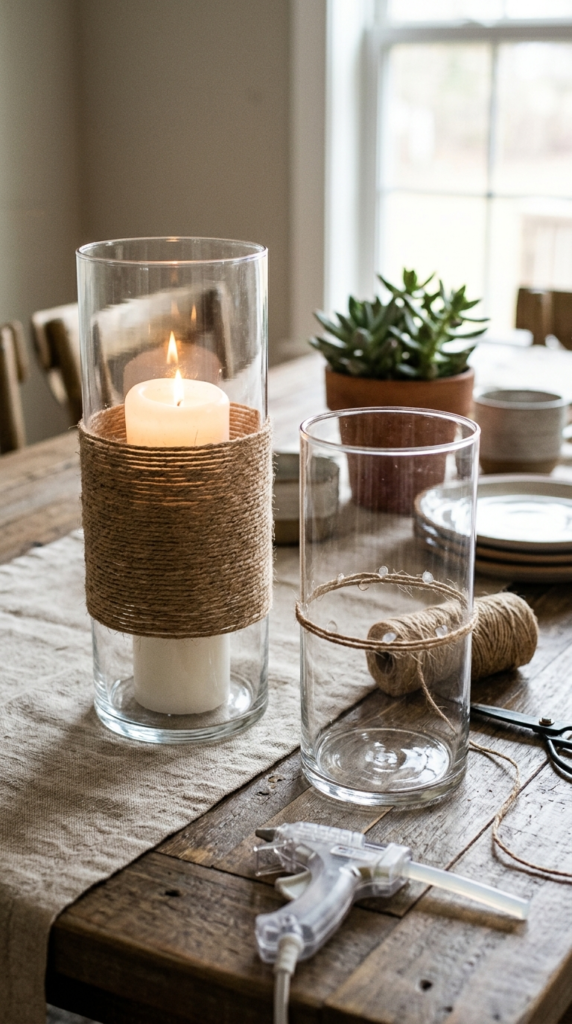
Plain glass hurricane holders can be decorated with thin jute twine for a softer, more rustic appearance. The rope can cover part of the glass while leaving enough transparent surface for the candlelight to remain visible.
Start at the bottom and wrap the twine upward, securing it in small sections with an appropriate adhesive. Keep the layers straight or experiment with diagonal patterns for a different look.
Because this project involves an open flame, leave plenty of glass exposed around the candle and keep every rope or adhesive component well away from the flame and heat source.
For a safer everyday option, consider using battery-operated LED candles inside the decorated holders. These can provide a similar warm glow without exposing the rope to an open flame.
12. Make a Coiled Rope Trivet
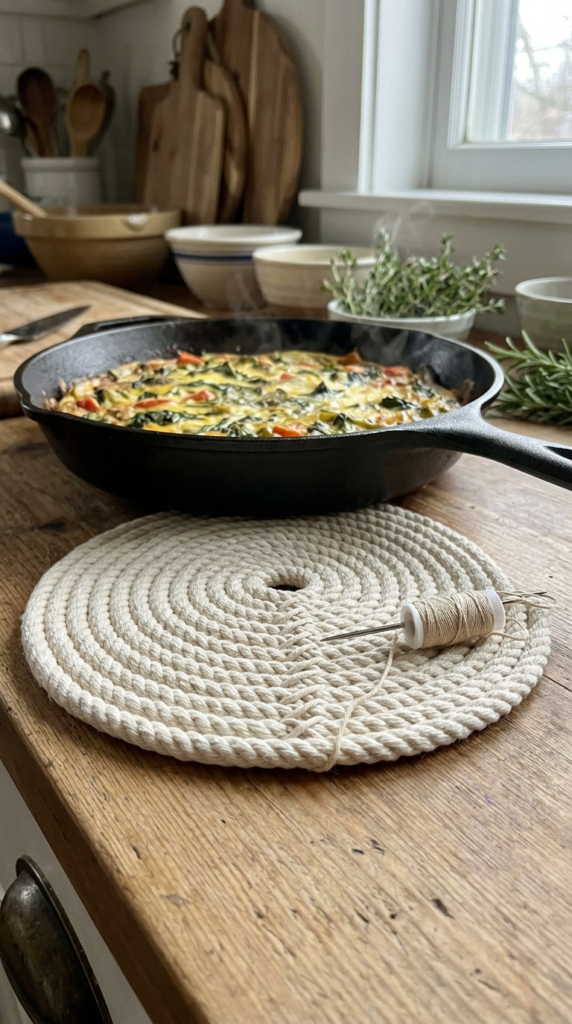
A thick cotton rope can be coiled into a flat trivet for use beneath warm cookware. Begin by forming a small spiral at one end of the rope.
Continue wrapping the rope around the center, keeping each coil pressed tightly against the previous one. Instead of relying only on adhesive, you can stitch through neighboring sections with strong thread to help reinforce the shape.
Keep building the spiral until the trivet reaches the desired diameter. Secure the final end carefully so the coil does not unravel.
For actual kitchen use, choose materials specifically suited to the temperatures involved. Cotton rope may behave differently from synthetic rope when exposed to heat, so avoid assuming that every rope type is heat-safe.
Never place a rope trivet directly against an exposed flame, heating element, or extremely hot surface unless the material has been specifically rated for that application.
13. Build a Raised Pet Bed Tray With Rope Handles
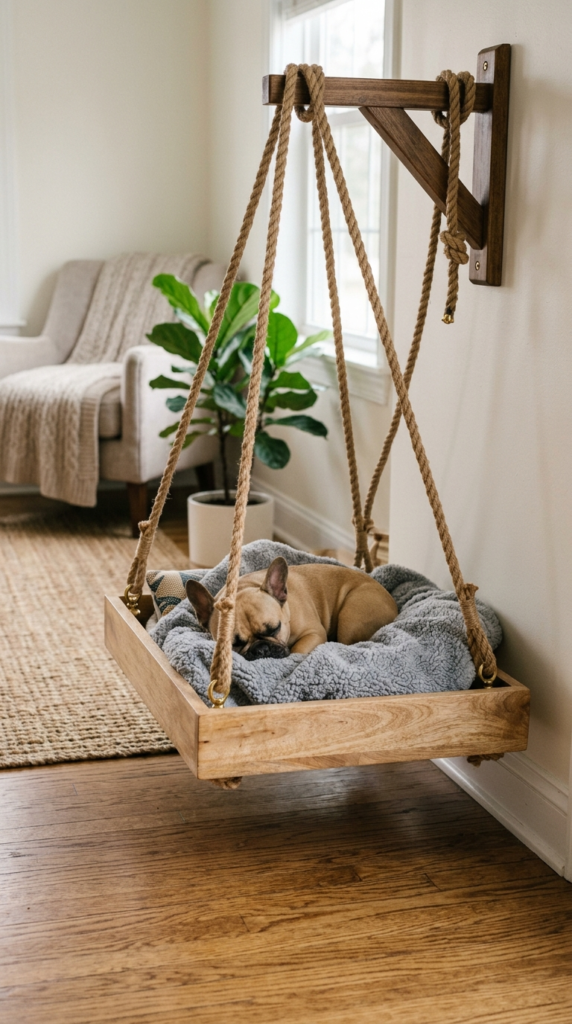
A shallow wooden tray can be adapted into a simple elevated resting platform for a small pet. Instead of placing the tray directly on the floor, sturdy rope handles can be attached to the sides to create a decorative lifting feature.
Choose a strong wooden tray with a construction appropriate for the animal’s size. Secure the rope handles firmly through suitable attachment points rather than relying on decorative knots alone.
Place a washable cushion or pet mattress inside the tray. Make sure there are no exposed sharp screws, splinters, loose rope ends, or hardware that an animal could chew.
The finished bed can be moved easily for cleaning or rearranging furniture. Before allowing a pet to use it, inspect every attachment point and periodically check the rope for fraying.
For pets that chew on rope, choose a different material or keep the project inaccessible when unsupervised.
14. Shape a Decorative Bowl From Coiled Rope
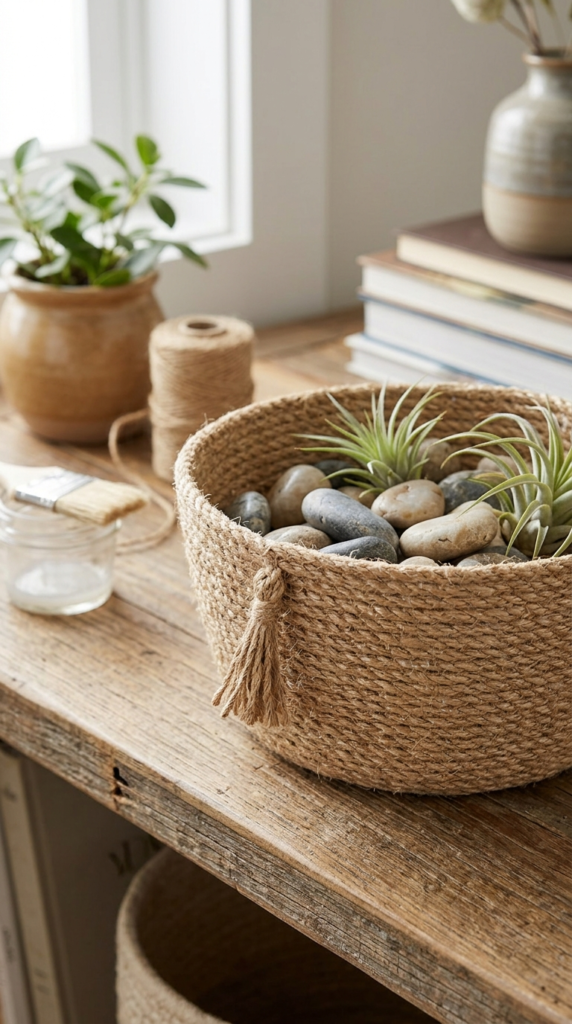
A bowl-shaped rope vessel can be made by wrapping cotton cord around a temporary mold. A sturdy plastic or glass bowl can provide the shape while the rope structure is assembled around the outside.
Cover the mold with plastic wrap so the finished piece can be removed more easily. Apply adhesive to the rope gradually as you coil it around the mold, pressing each section firmly against the previous one.
Continue upward until you reach the desired height. Allow the entire structure to dry thoroughly before carefully removing the mold.
The finished bowl can hold lightweight decorative objects such as wooden beads, artificial greenery, fabric accessories, or seasonal ornaments.
Avoid using a homemade rope bowl for food or liquids unless every material used has been specifically designed and approved for that purpose.
15. Create a Rustic Rope Pendant Light Accent
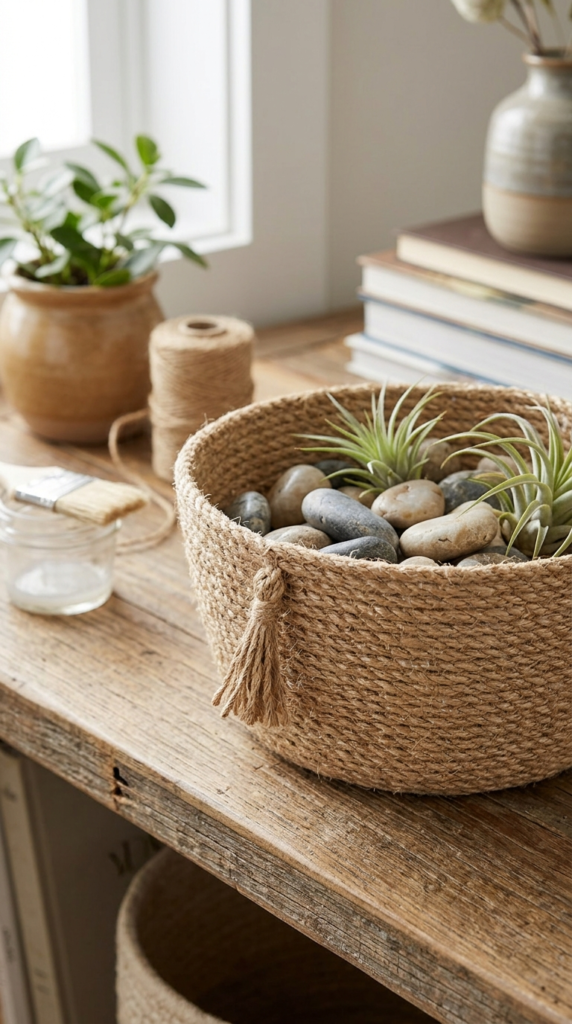
Natural rope can add texture to a pendant light, but electrical and fire safety should come before appearance. Rather than modifying electrical wiring yourself, use a fixture designed for the decorative treatment or have the installation handled by a qualified professional.
A rope sleeve or decorative covering can be used around suitable non-heating portions of a pendant fixture, provided the material does not interfere with the manufacturer’s required clearances.
For a rustic look, pair natural jute with wood, neutral walls, or other woven textures. A wooden ceiling canopy or decorative pulley-inspired hardware can complement the design while keeping the actual electrical components properly protected.
Before installing any rope around a light fixture, check the fixture’s instructions for heat clearance and material restrictions. Keeping natural fibers away from bulbs and electrical connections helps reduce unnecessary fire and electrical hazards.